MANOR
TYPE : COASTAL FORT
DISTRICT : PALGHAR
HEIGHT : 100 FEET
GRADE : EASY
Due to the development of Mumbai, the Konkan region has been divided into two parts—north Konkan and South Konkan. The stretch from Vasai to Daman is known as North Konkan, while the stretch from Alibaug to Karwar is recognized as South Konkan. Owing to prolonged Portuguese rule in North Konkan, many small and large fort-like structures built by the Portuguese are still visible between Vasai and Daman. Most of these forts are heavily ruined today, with only a few remains surviving.
One such fort is Manor Fort, located near Palghar and built by the Portuguese in the 16th century. Manor is an ancient village, and the fort here was originally constructed in the 15th century by the Bimb Raja of Mahim. It appears that the Portuguese later rebuilt the fort during their rule. Although many sources mention that this fort has been completely destroyed, it still stands today and clearly marks its location.
...
Manor is situated 18 km east of Palghar on the banks of the Vaitrana River, and the Mumbai–Ahmedabad National Highway passes nearby. One can reach Manor village by taking any bus heading toward this highway from the Palghar bus stand. A path near the Vitthal-Rukmini temple in Manor village leads to the fort, and it takes about five minutes on foot to reach it.
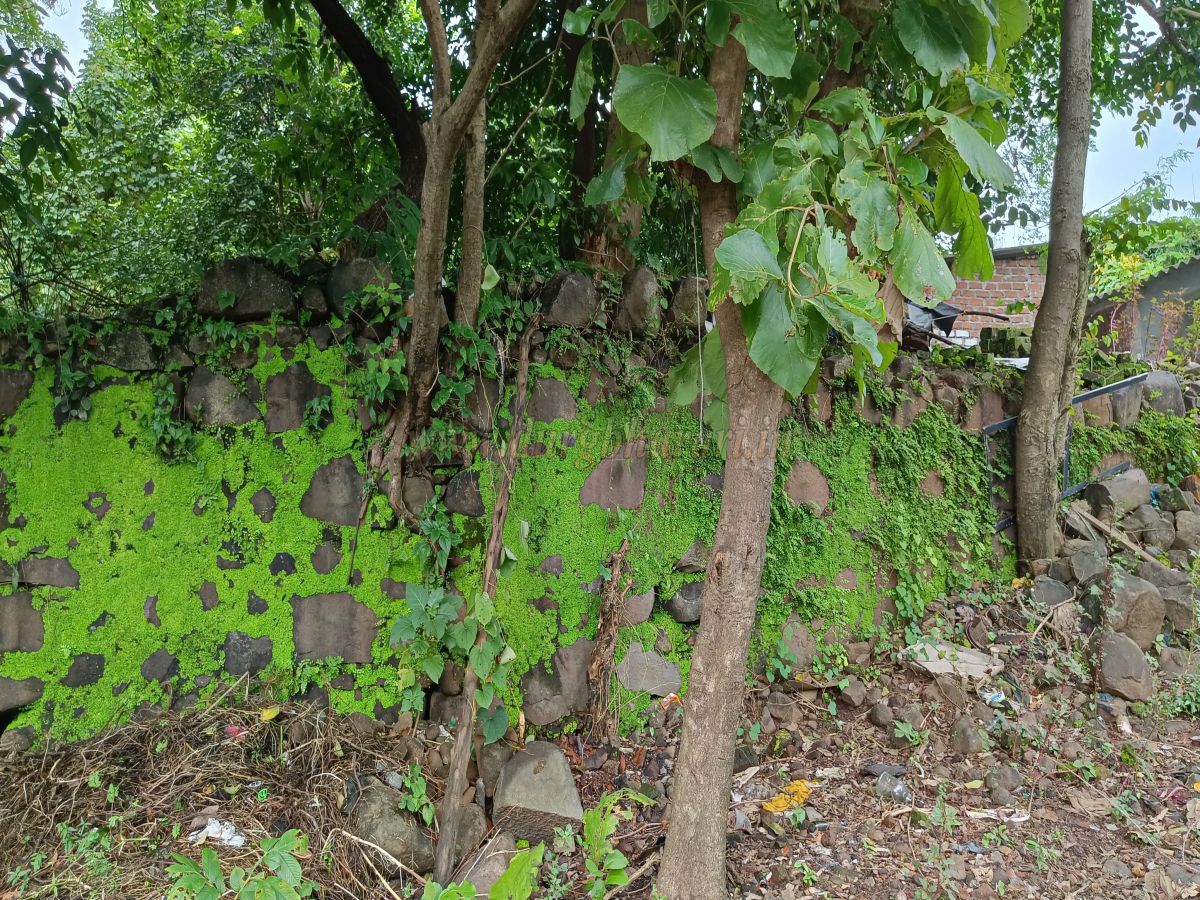
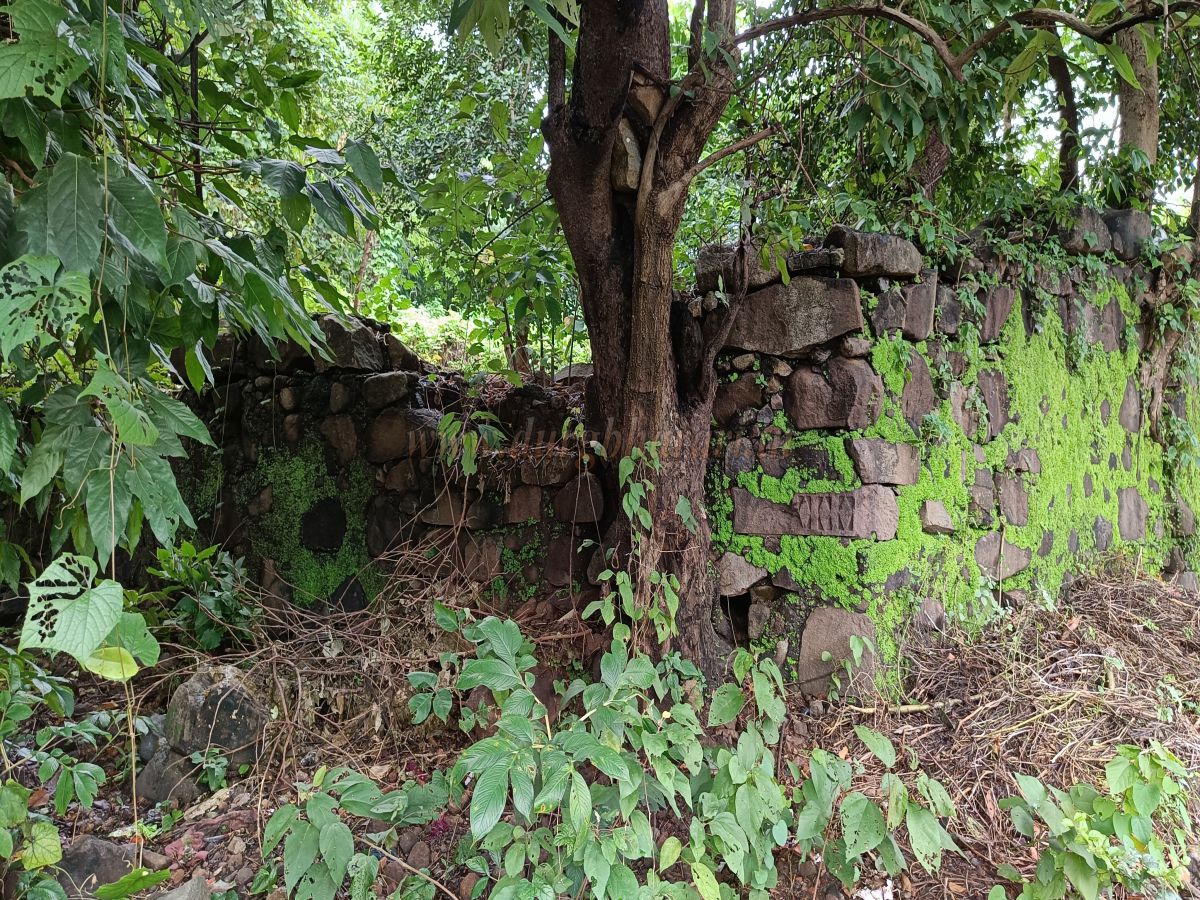
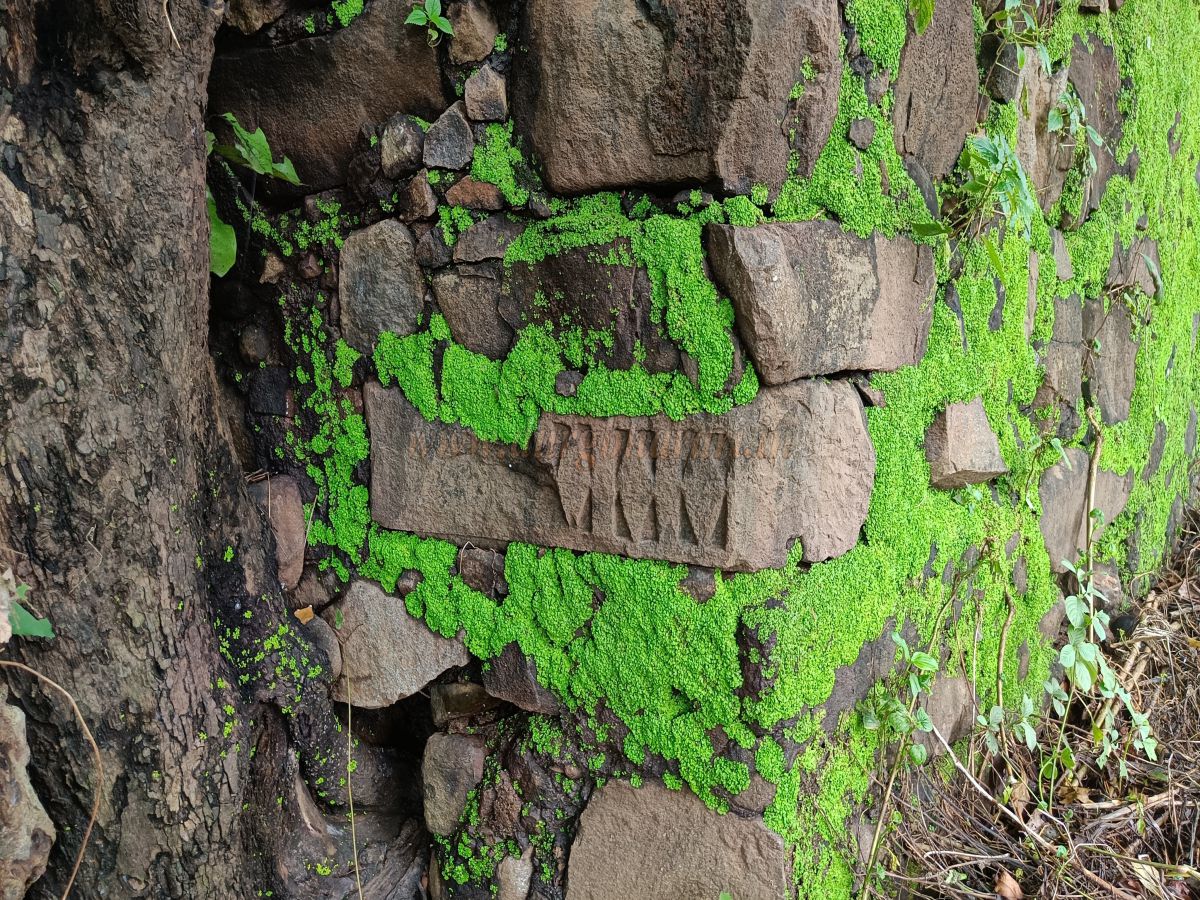
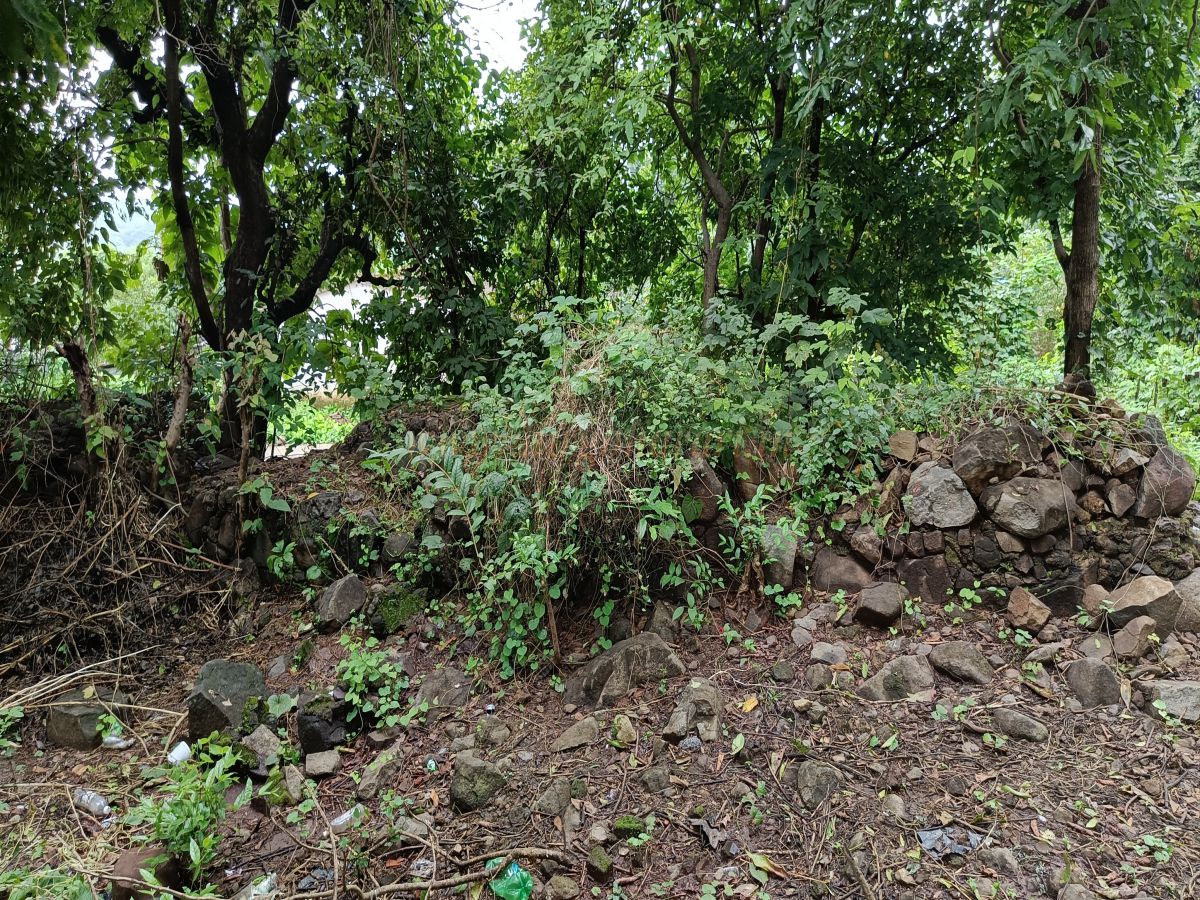
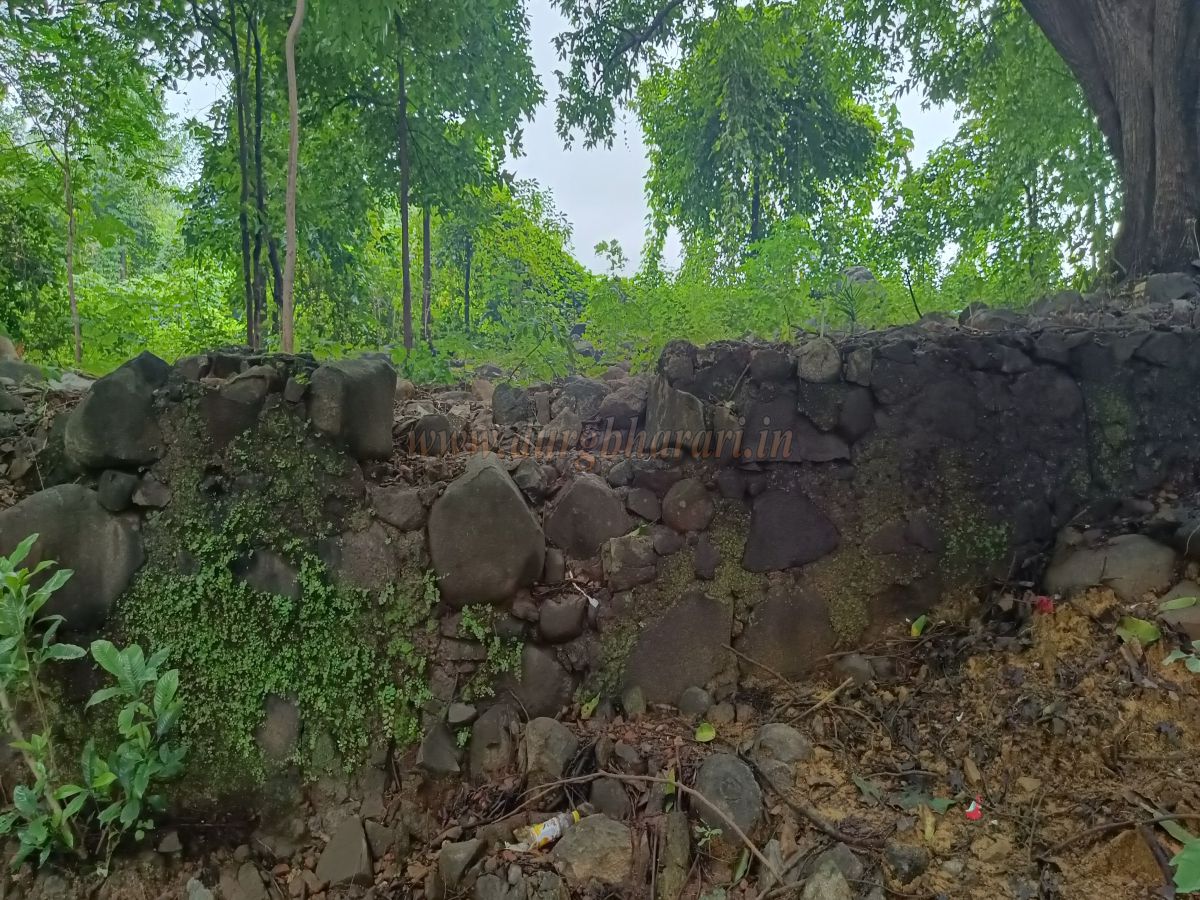
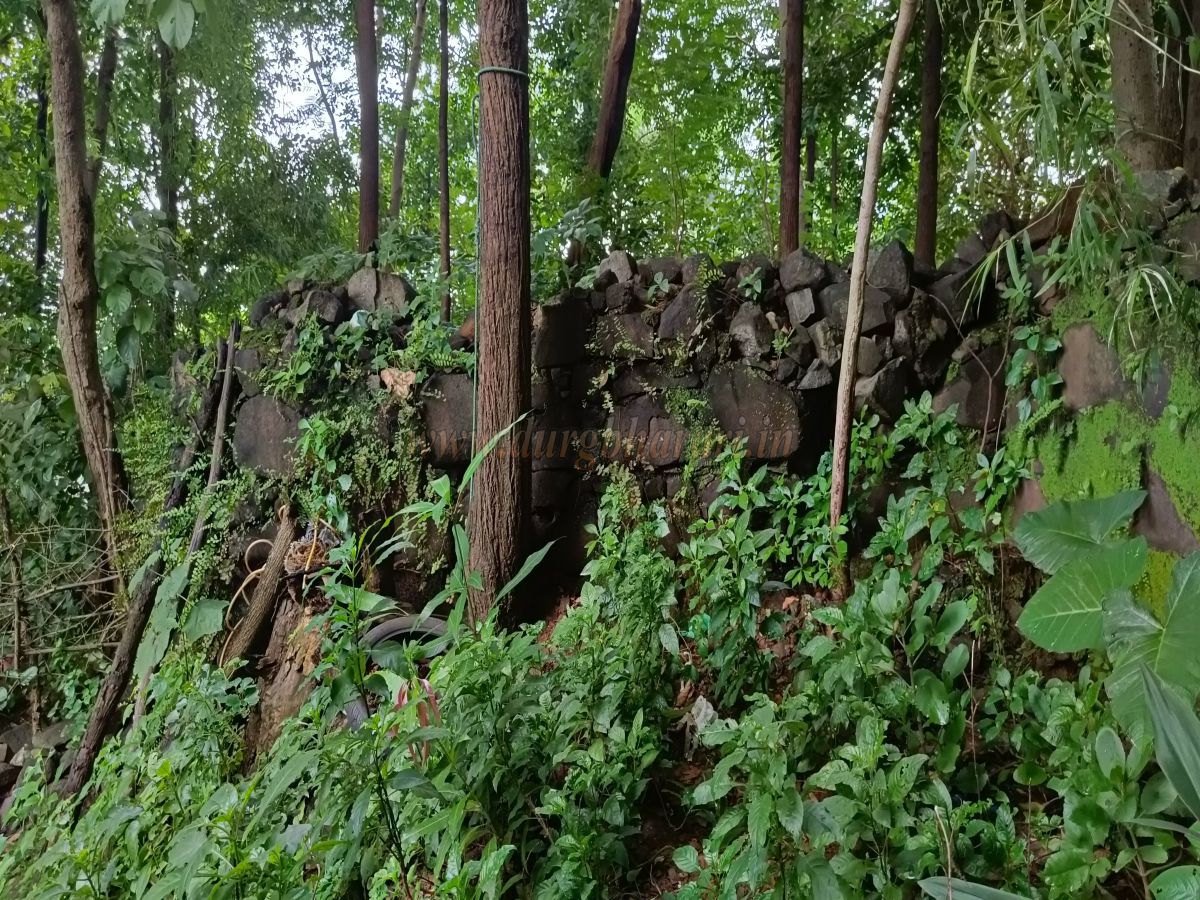
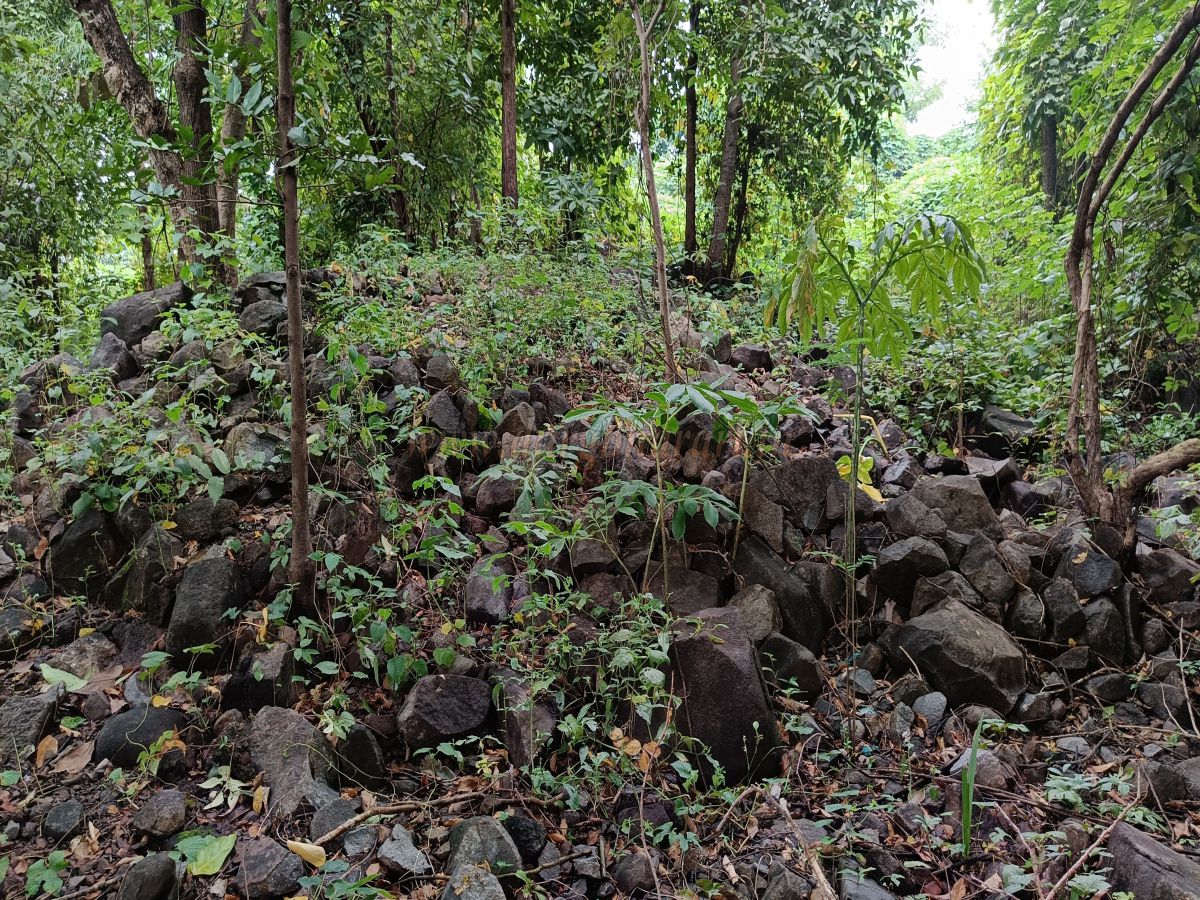
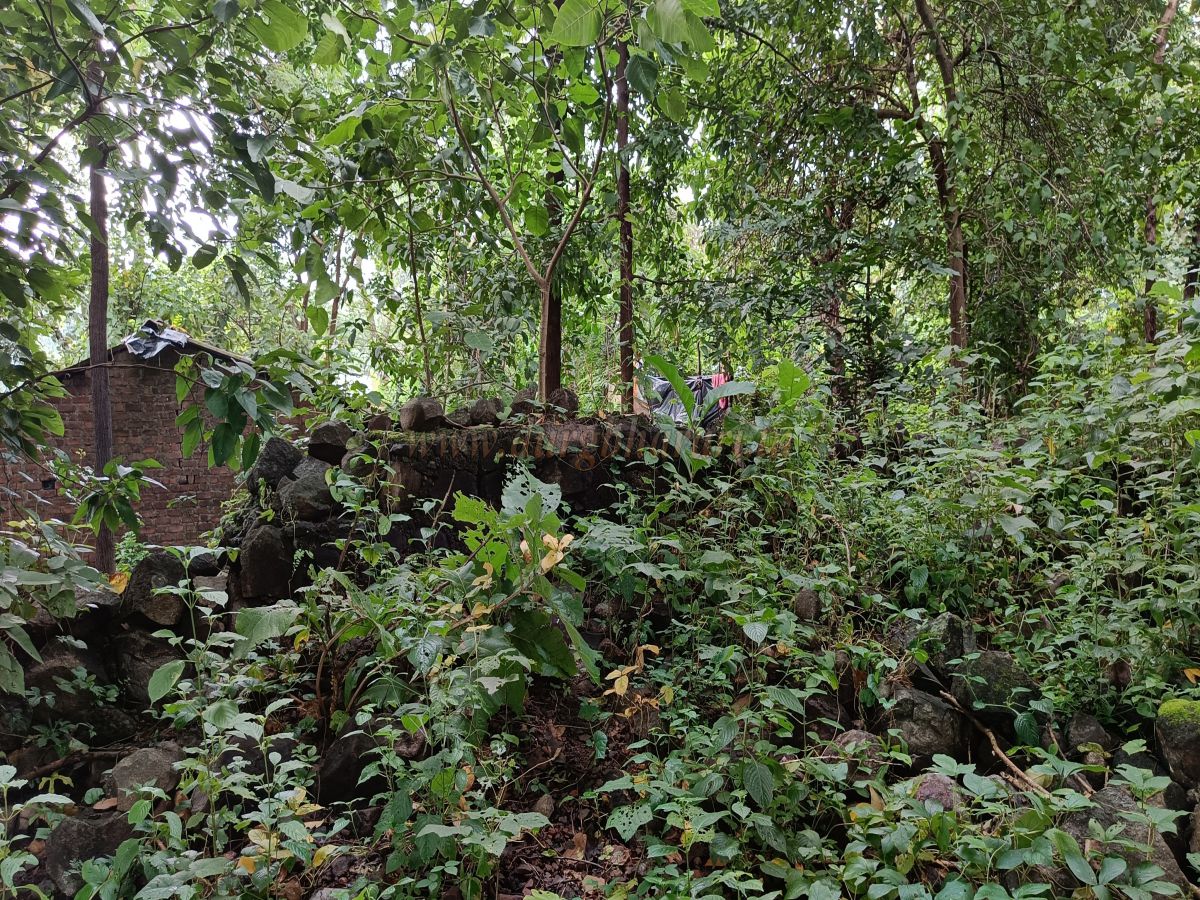
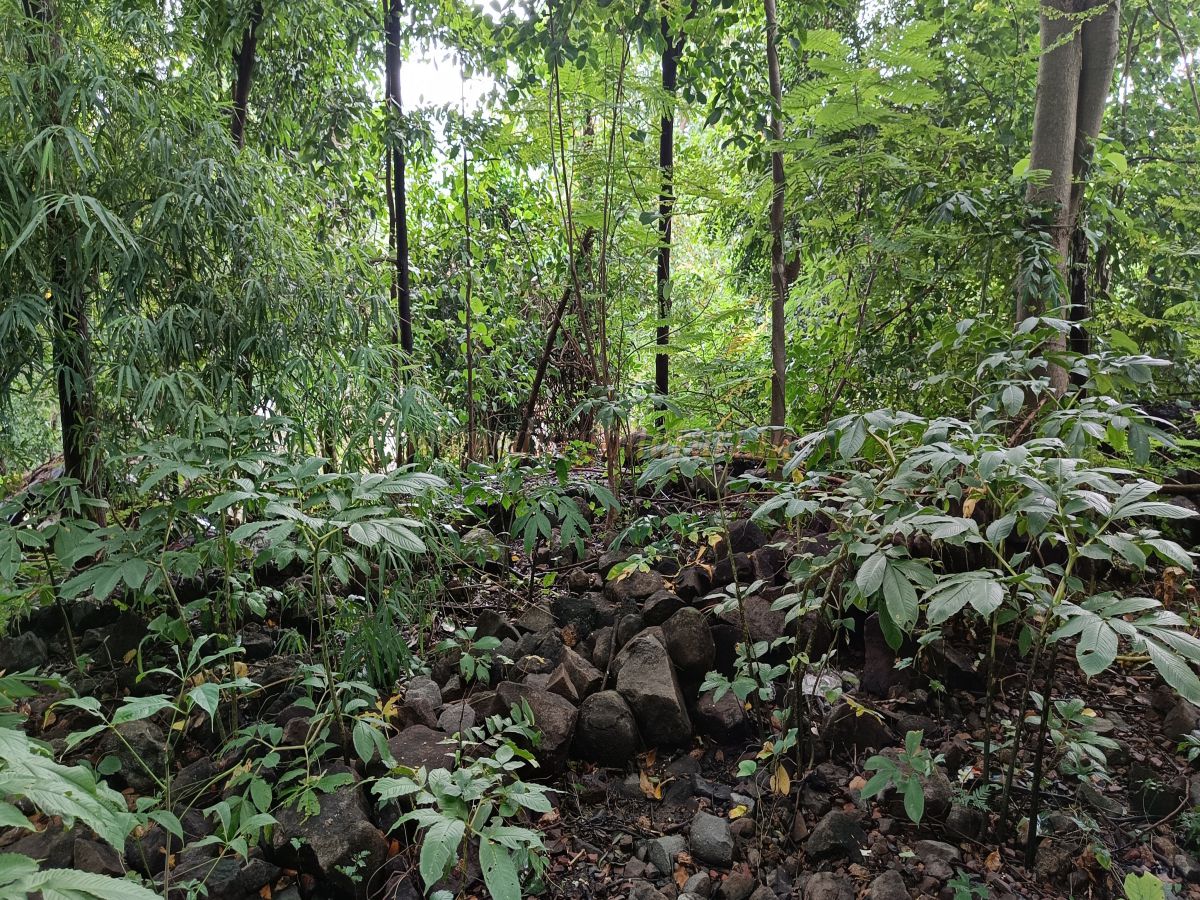
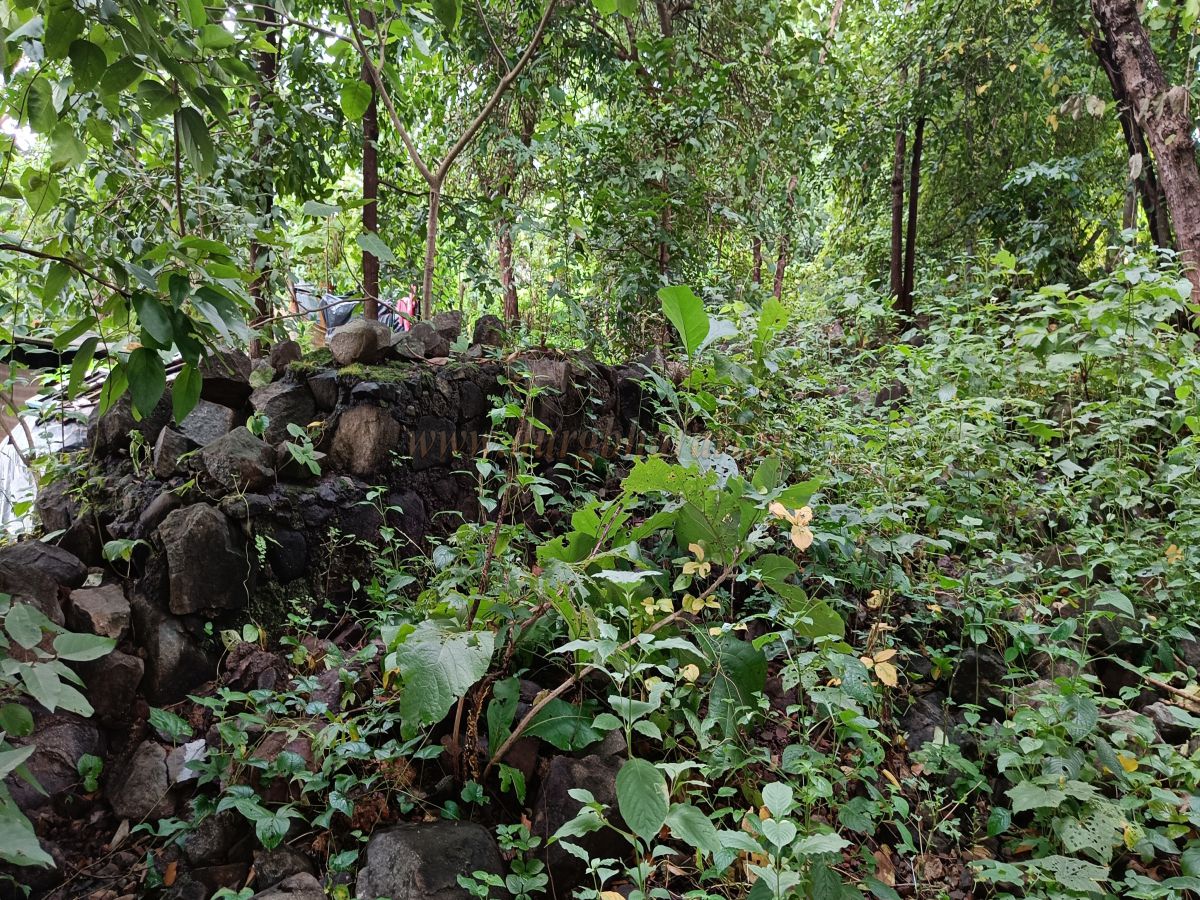
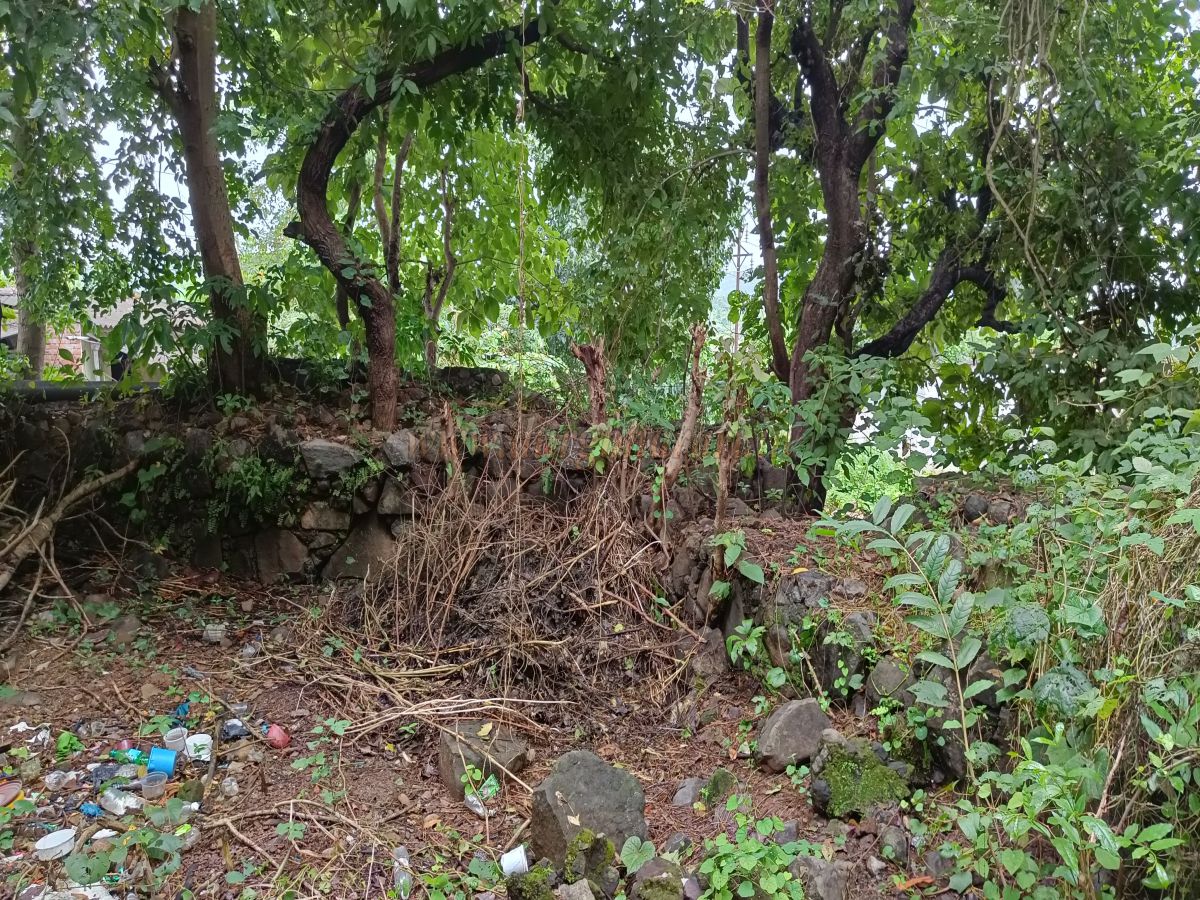
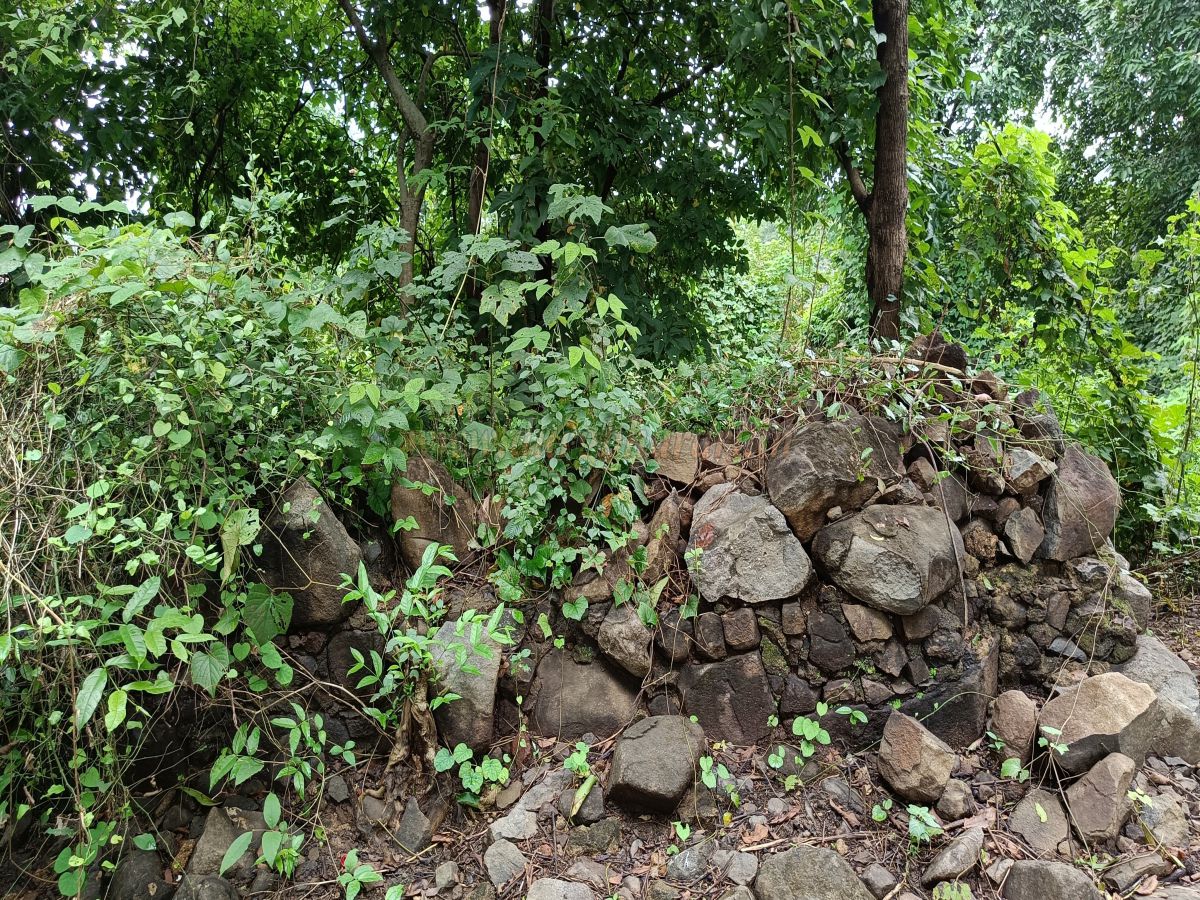
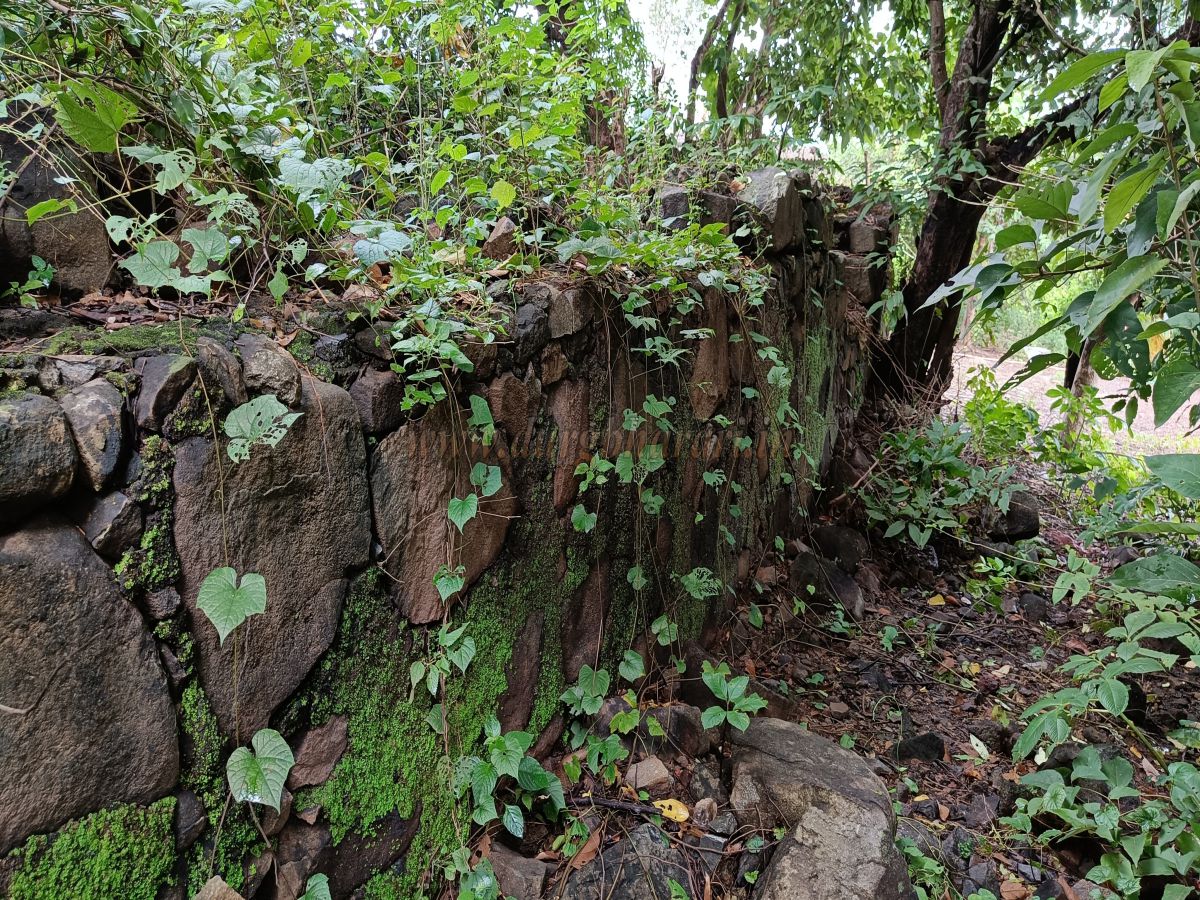
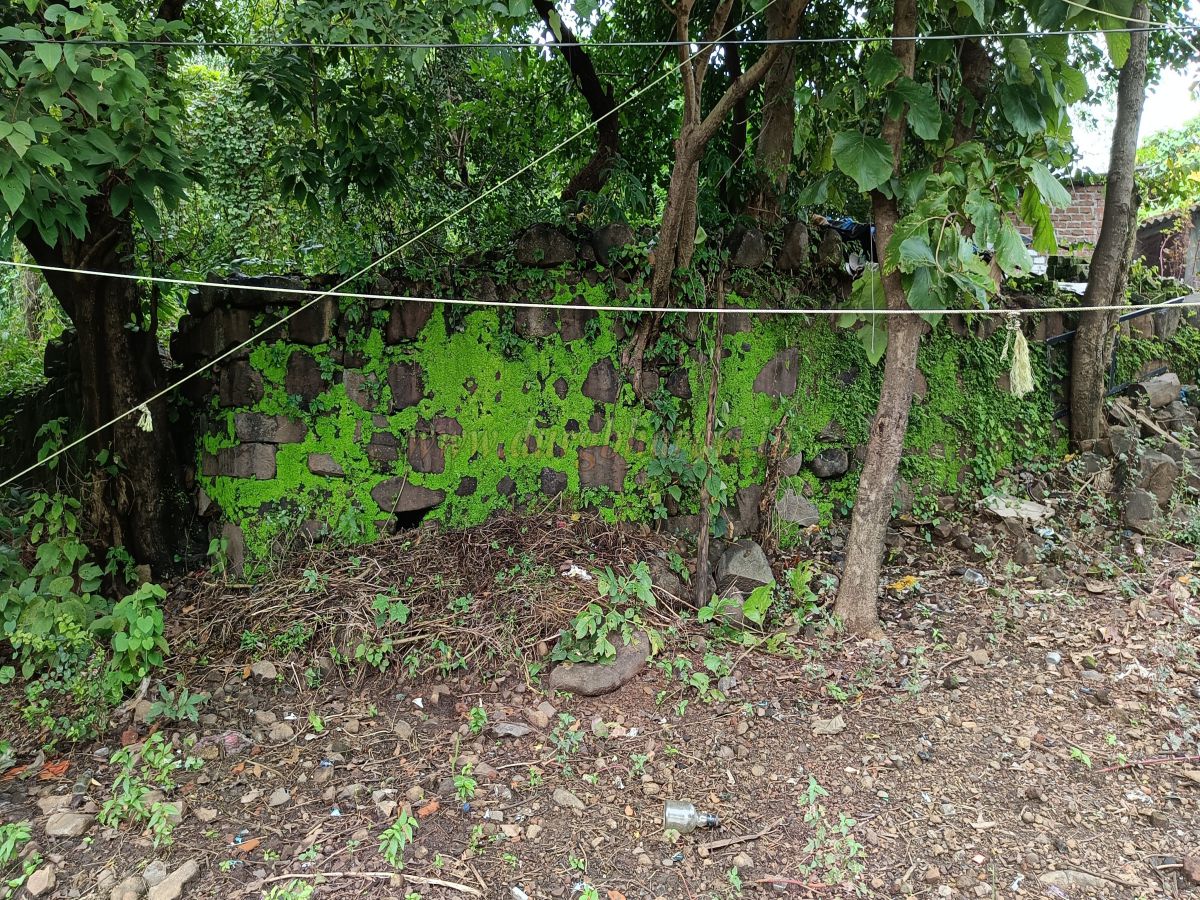
The fort is located on the highest point of the village and is square in shape, covering an area of about half an acre. The fort still retains its 4–5 feet high ramparts, and two bastions—one square and one round—are visible. In the rampart, a carved stone has been reused, likely from an older structure. The ramparts were built using roughly cut stones, clay, and lime mortar. Other than the scattered remains of the ramparts on all four sides, no other structural remnants are found, and the fort can be explored within fifteen minutes.
From the fort, one can see the vast stretch of the Vaitrana River and the nearby forts such as Kaldurg, Tandulwadi, Kohoj, Asheri, and Takmak. Before the 15th century, the Bimb Raja of Mahim built this fort, which came under the control of the Gujarat Sultanate in 1429. In 1556, Portuguese Governor Francisco Barito captured Manor Fort and made it a key post in North Konkan.
Manor was an ancient port, and even today, the tidal waters of the Vaitrana estuary reach the port area during high tide. The Portuguese established a Pargana (district) with Manor as its headquarters. Portuguese historian De Couto listed Manor and Asheri as two of the most important forts in North Konkan. A record from 1634 states that the Portuguese built the fort to defend against threats from the Nizamshahi of Ahmednagar, local Koli tribes, and sea pirates.
Inside the fort, there was a two-story bungalow. The lower floor had four verandas supported by columns for defence. The fort housed a stockpile of lead and gunpowder. It had six cannons, seventy muskets, thirty iron cannonballs, and thirty torches. A wooden palisade surrounded the bungalow. In the central part of the fort stood a watchtower, and the surrounding area housed twenty Portuguese families, twenty-three Christian families, and eighty Hindu-Muslim archers and soldiers.
Around 1634, the fort captain collected revenue amounting to ₹16,079 and 10 annas from the Manor Pargana. During a campaign led by Sambhaji Maharaj, Portuguese priest Antonio Vaz Reskado reported to the Viceroy in Goa in May 1684 that the enemy had lifted the siege of Chaul but had caused much damage in Vasai. He wrote that Kalyan, Saiwan, and Manor had been captured, and even Asheri Fort had been taken. Thus, Sambhaji Maharaj had captured Manor Fort in May 1684.
The same priest noted that many Portuguese, including women and children, were taken captive and brutally mutilated—hands, feet, ears, and noses were cut off, creating a climate of terror. Churches in the regions taken by the enemy were occupied, and the church and fort at Manor were completely razed.
According to the treaty made with the Portuguese in 1685, all captured territories and forts, including Manor, were returned by Sambhaji Maharaj. It appears that the Portuguese rebuilt the fort afterward.
The Peshwa records also mention Manor Fort. According to a 1728 description, the fort was built on a large rock, and its walls were no higher than those of an average house. Of the eight cannons in the fort, five were deemed unusable. The fort had a garrison of 105 soldiers and three officers.
On 27 February 1731, the Marathas launched an attack on Manor with 2,000 infantry and 500 cavalry. By 1 March, the surrounding region and water supply to the fort were captured. The Marathas set up siege lines beyond the range of cannon fire, cutting off reinforcements. On 5 March, a Portuguese officer named Antonio arrived from Vasai with 200 soldiers to aid the fort. Though the Marathas attempted to stop him, Antonio managed to enter the fort under cover of gunfire. In the skirmish, the Marathas lost 60 cavalrymen and 150 soldiers and had to lift the siege.
In April–May 1737, Chhatrapati Shahu’s general Chimaji Appa began the North Konkan campaign. After capturing Tandulwadi Fort, commanders Barwaji Tapkir, Awaji Kawade, and Vitthal Vishwanath proceeded toward Manor. On 15 May 1737, they laid siege to Manor Fort. Chimaji Appa sent Honaji Shinde to assist. At this point, five to seven siege lines were in place, closing in on the fort.
On 29 May 1737, the fort was about to surrender. That very day, a relief fleet of 29 ships and six supply boats carrying reinforcements and ammunition left Vasai under Portuguese commander Antonio Brito da Silva. As he approached the creek, the Marathas received word of it. Awaji Kawade, Barwaji Tapkir, and others moved with troops to intercept him. A fierce two-hour battle ensued.
Despite intense gunfire from ships, the Marathas held firm. The Portuguese landed their troops to engage in hand-to-hand combat, but many were wounded. Awaji Kawade two horses and a soldier were also injured. The Marathas eventually forced the Portuguese back onto their ships.
Yet, Antonio Brito da Silva persisted. Continuing gunfire, he reached the fort—but by then, the fort had already surrendered. On 31 May 1737, the fort was handed over to the Marathas, and Antonio returned to Vasai with his fleet. Thus, the fort came under Maratha control, and the Portuguese were permanently expelled from the region.
Afterward, no significant events occurred at the fort. Anyone interested in observing a Portuguese outpost along an ancient maritime trade route and understanding its geographic importance should certainly visit Manor Fort.
© Suresh Nimbalkar
GALLERY