MANDVI
TYPE : GROUND FORT
DISTRICT : PALGHAR
HEIGHT : 0
GRADE : EASY
To visit Mandvi Fort, one should alight at either Virar or Vasai station on the Western Railway local train route. Mandvi Fort is located about 20 km from Vasai and around 10 km from Virar, in Mandvi village along the Mumbai–Ahmedabad Highway. Since no information is readily available about this fort and the locals are also unaware of its significance, it is advisable to gather complete details before visiting. From the Vasai ST stand, buses to Vajreshwari leave every 45 minutes, and they pass through Mandvi. For those traveling by private vehicle, on the Mumbai–Ahmedabad highway, there is the Shirshad Naka. One side of the junction leads to Virar, while the other side leads to the Vajreshwari road. About one kilometre along this road lies Mandvi village, where, on the eastern side of a lake, stands the historically significant Mandvi Fort—silent witness to the valour of Chimaji Appa.
...
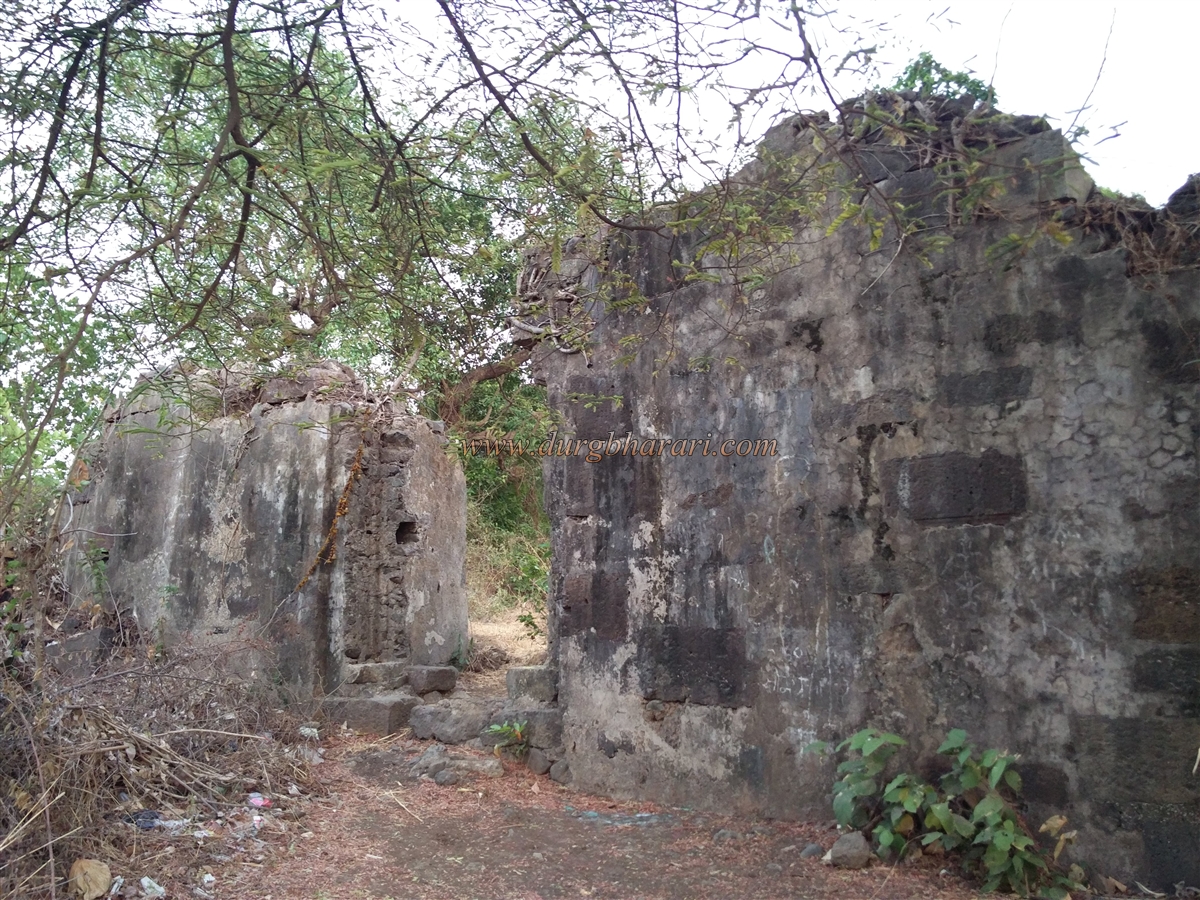
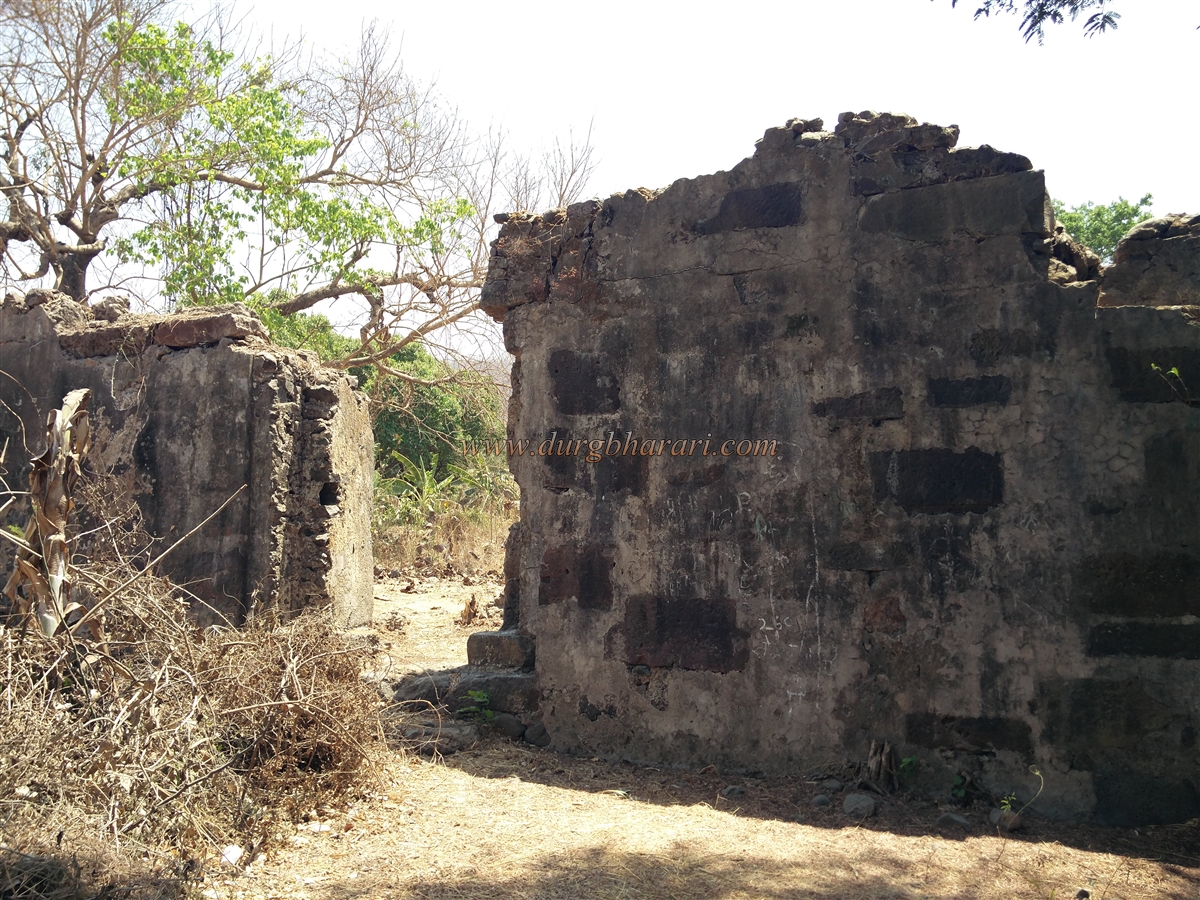
The name "Mandvi" means a toll station. This fort was built by the Portuguese, though the exact year of construction is unknown. However, it was likely built after they gained control of North Konkan and before the era of Shivaji Maharaj. Rectangular in shape and oriented north-south, the fort has four octagonal bastions at each corner, with one entrance on the south side and another on the north. The remains of guardrooms on either side of both entrances are still visible. Both entrances are built in typical Portuguese style, with the southern entrance being wider than the northern one. Square slots meant for securing barriers are still visible on the walls of the entrances.
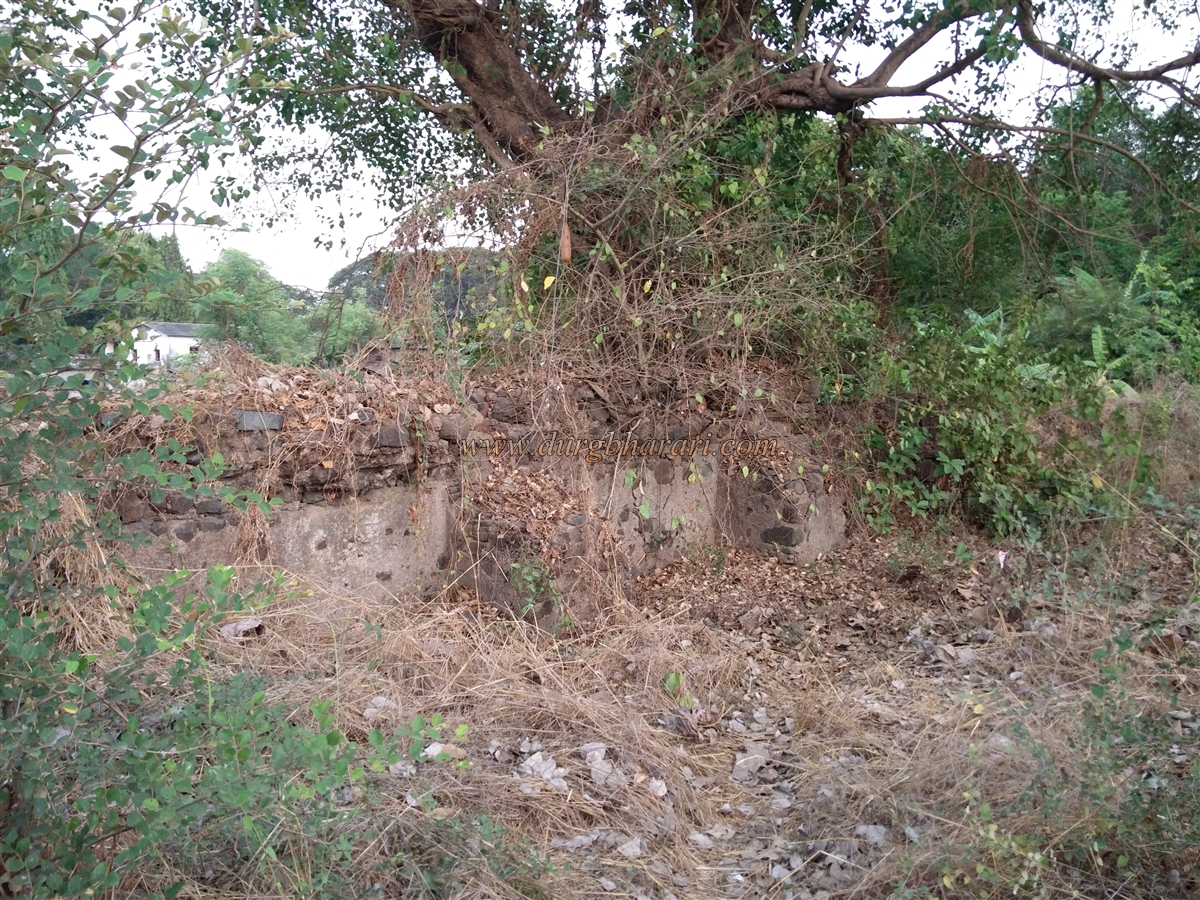
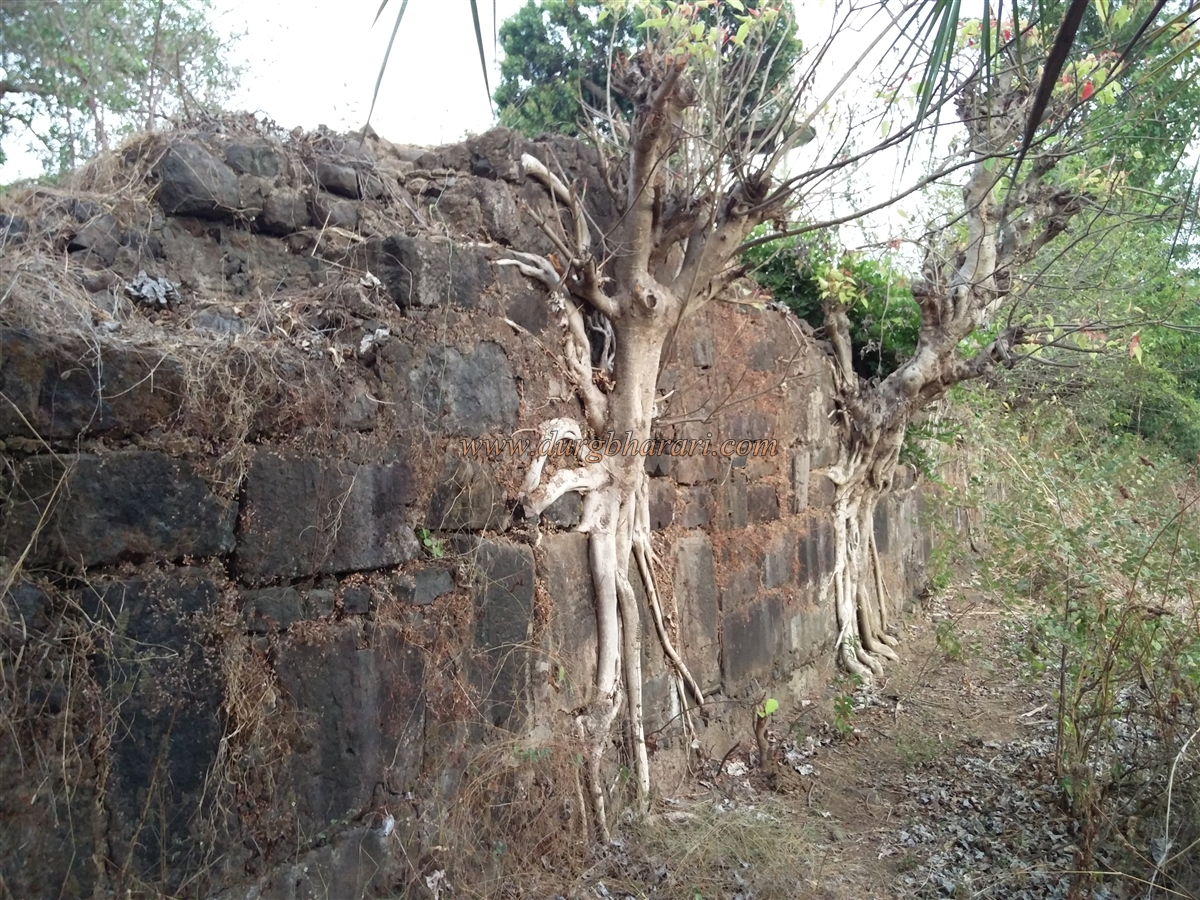
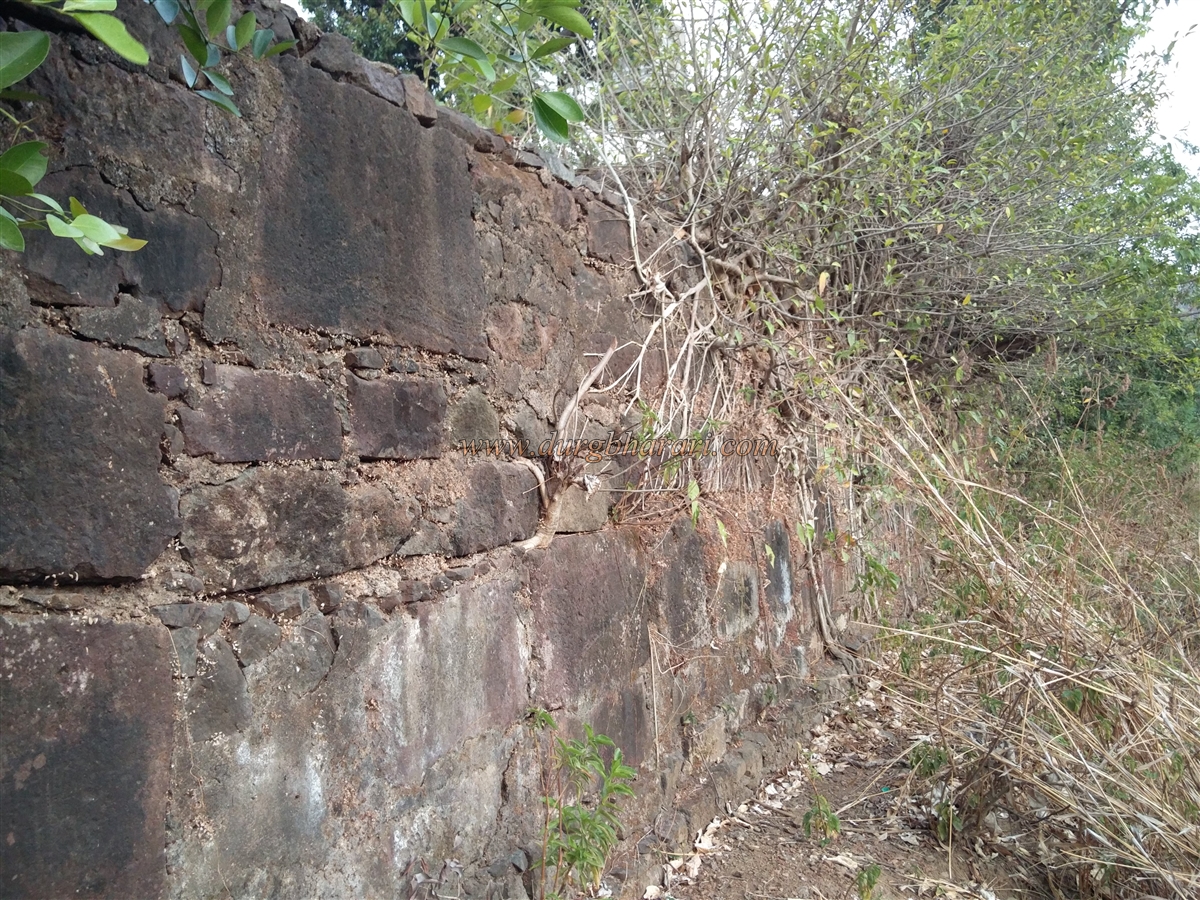
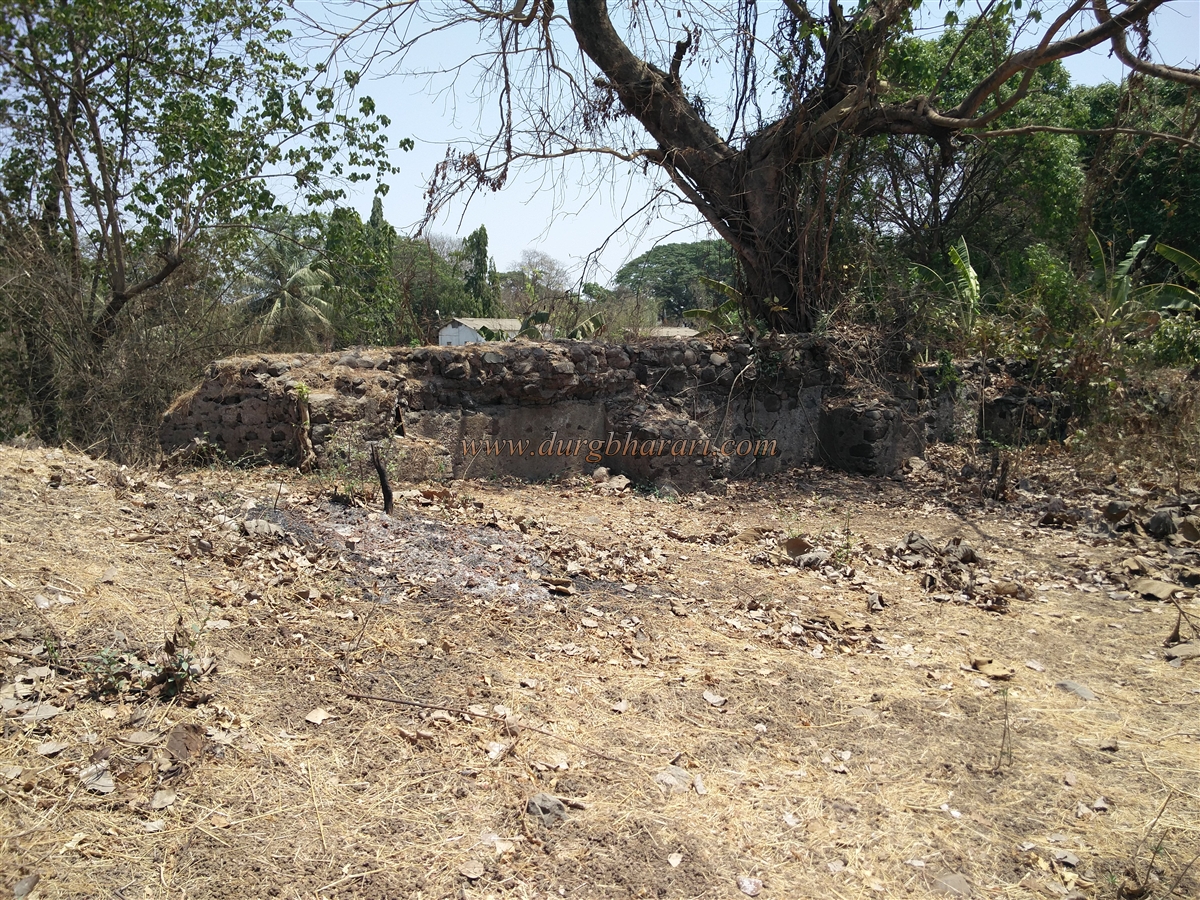
Although the bastions are now in ruins, the bases remain, allowing one to observe that they were octagonal in shape. The remnants of the south eastern, south-western, and north western bastions clearly show their octagonal bases. The north eastern bastion, however, has collapsed under a heap of earth, making it difficult to identify its shape, though it is logical to assume it too was octagonal. To strengthen the walls, buttresses were added at right angles to the eastern and western fortifications. The fort walls no longer stand at their original height, and any loopholes or gun ports that may have existed on the upper parts have since fallen.
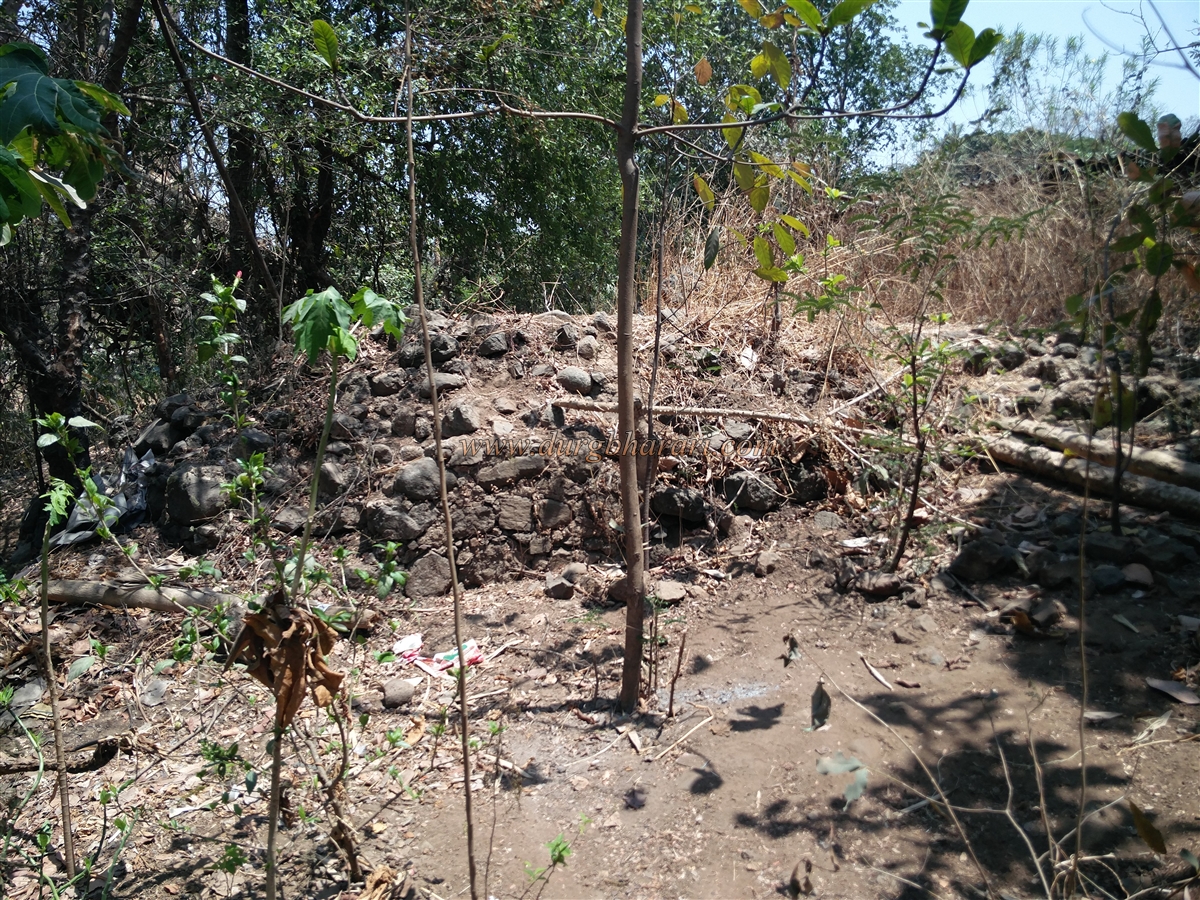
Inside the fort, thick layers of dried grass have accumulated, making it impossible to see any surviving foundation structures without cleaning. The upper parts of the walls and bastions have completely collapsed, and dense vegetation has grown in and around the ruins. Nevertheless, enough remains to understand the layout and scale of the fort. The structure of Mandvi Fort is consistent with Portuguese architecture and was likely constructed around the 16th century. From the base of the south western bastion, one can visualize how the bastions were constructed. The external part of the bastion was built with stone masonry. Although the outer base was octagonal, the inner chamber was circular and filled with soil and gravel to provide strength.
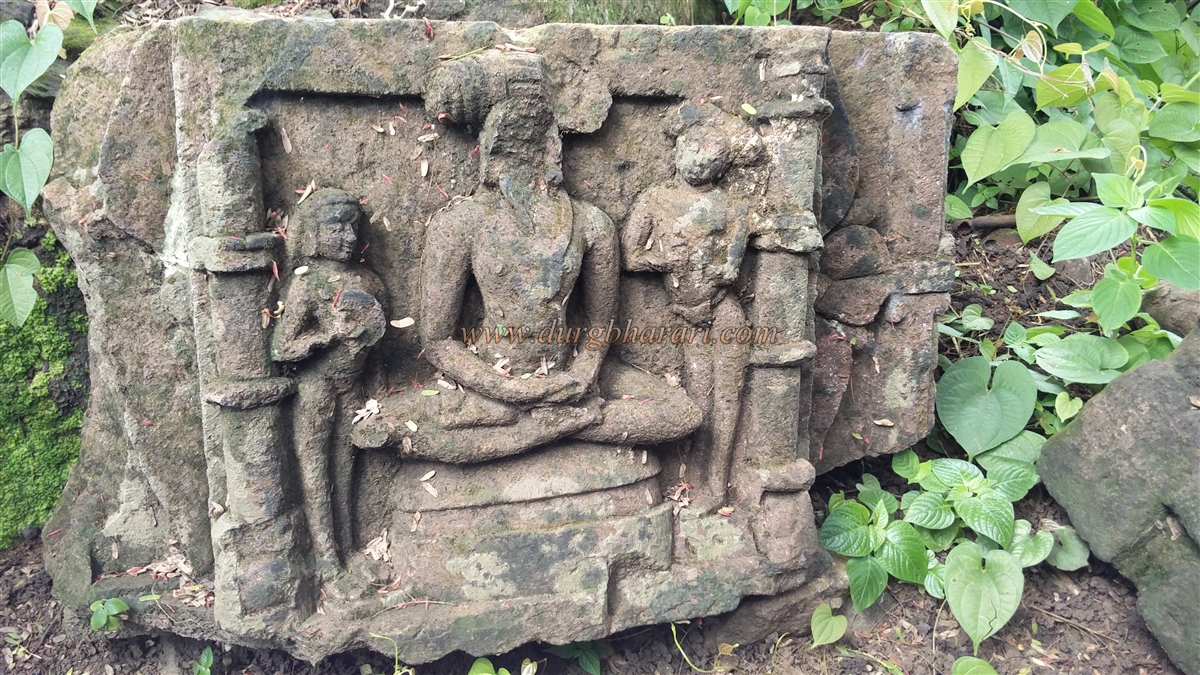
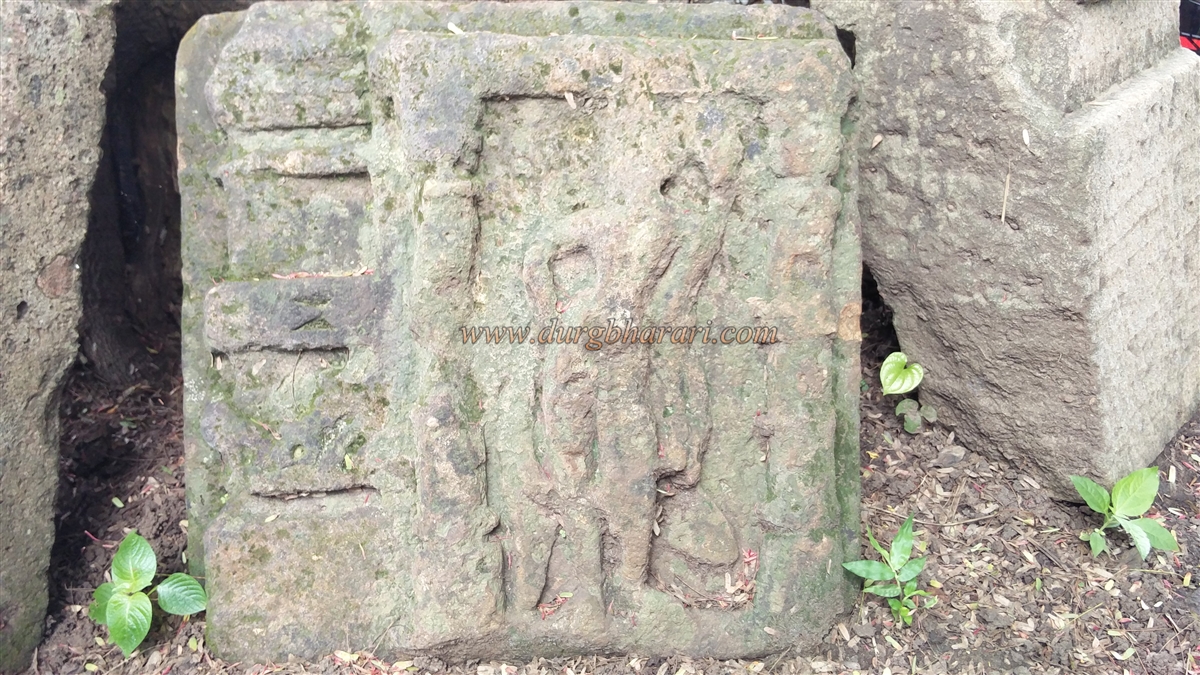
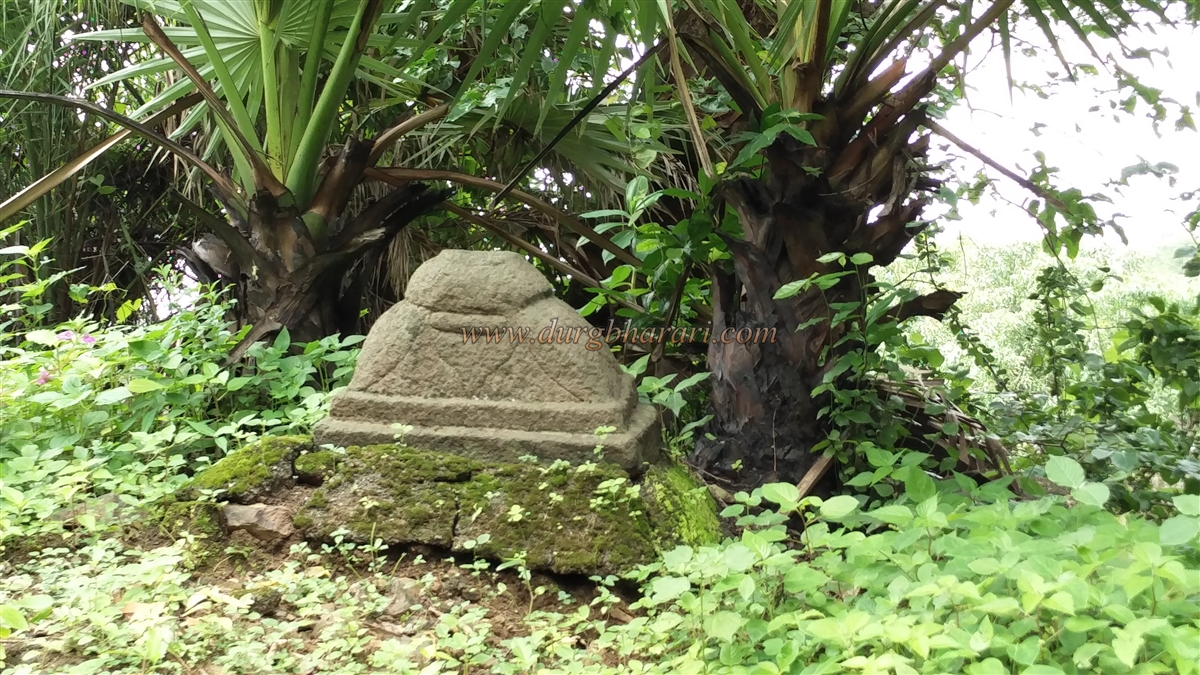
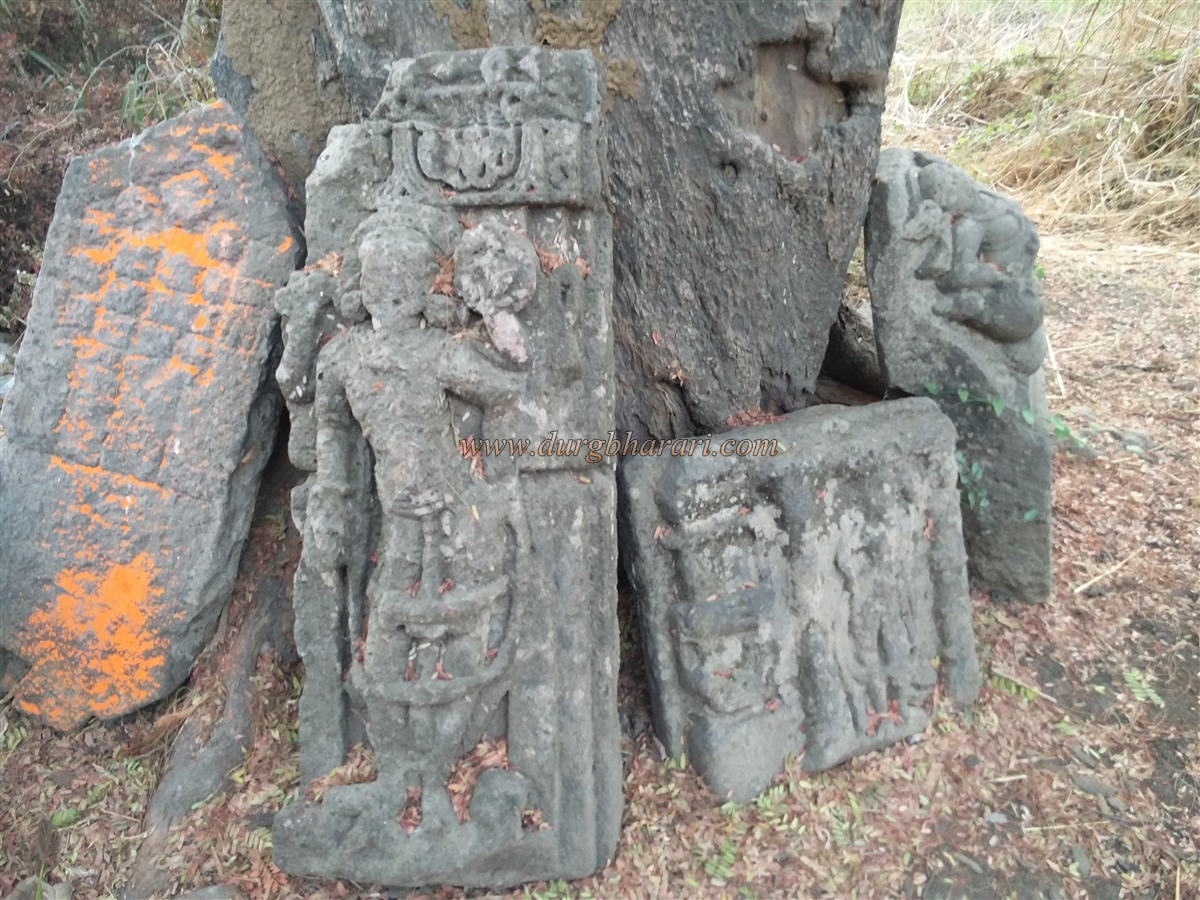
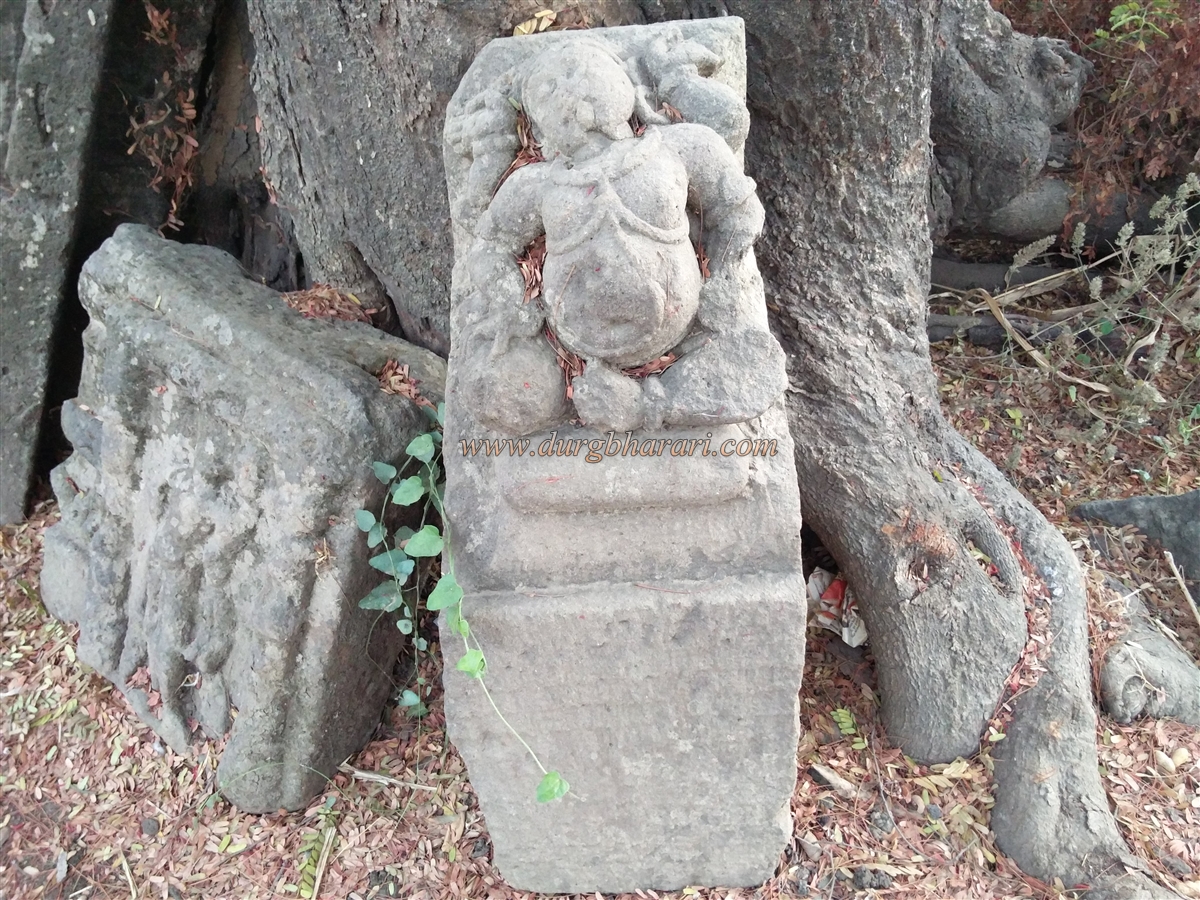
Historical remains at Mandvi Fort include four bastions, a sculpture of a dancing woman near one of the octagonal bastions, foundations of a Jain or Buddhist temple, hero stones (virgal), a sculpted stone resembling Keechak, an idol of Mahavir, ruins of a Shiva temple, and strong stone fortifications. In historical references, an inscription from the Shilahara period in the Thane Collector's office mentions Mandvi village. In the past, a major trade route from Sopara to Thal Ghat passed through this location, making this fort strategically important.
A letter dated 30 March 1731 from the Portuguese Viceroy to the king mentions Mandvi. During Chimaji Appa’s campaign against the Portuguese between 1737 and 1739, the task of capturing Mandvi Fort was assigned to his commander Barwaji Tapkir. On 3 April 1737, Barwaji laid siege to Mandvi and used cannon fire to break one of the gates. On 6 April, two additional cannons were brought from Gokhivare, intensifying the bombardment. On 11 April, Keshav Sajanaji, the police chief of Bhiwandi, sent a new artilleryman to support Barwaji. The Maratha assault continued until 15 April. Observing a lull in the enemy’s response, the Marathas cut down palm trees and used the wood to construct a damdama (a raised platform), mounted their cannons on it, and resumed firing into the fort. One division of the assault included soldiers from the Tuknak Mahar unit, whose tireless efforts played a key role. Their division, along with heavy cannon fire from the harbour, brought Mandvi Fort to the brink. Around 1 May 1737, the Portuguese commander of Mandvi surrendered the fort.
The main purpose of this fort was to provide supplies and protection to nearby smaller forts in the region. Using small forts, watchtowers, and long-range cannons, the Portuguese had established their dominance over maritime trade routes in North Konkan. After the victory at Vasai in 1739, this area came under Maratha control. Historical documents refer to this fort by various names—Mandvi Fort, Mandvi Kot, Mandivi, and Madavi.
A path through the dense vegetation near the lakeside reveals many ancient idols. The fort is small and can be explored in about half an hour. While those expecting an imposing fort may be disappointed, those interested in exploring the strategic and maritime surveillance role of Portuguese outposts should definitely visit this location. The Mandvi Fort, which tells the true history of Vasai region, is not extinct—it is simply forgotten. Fort enthusiasts should actively explore and work toward the conservation of this site, as appealed by Mr Shridatt Raut.
© Suresh Nimbalkar
GALLERY