MANDVA KOT
TYPE : COASTAL FORT
DISTRICT : RAIGAD
HEIGHT : 210 FEET
GRADE : EASY
When we hear the names Manranjan and Shrivardhan Forts, we usually think of the twin hill forts of Rajmachi. However, very few fort enthusiasts know that two forts bearing the same names once stood in the Alibaug region. These forts are not mentioned in records from Shivaji Maharaj’s time, but they appear frequently in the Peshwa-era documents, especially in the context of the Siddi. Eventually, these forts were demolished by the Marathas, specifically by Tulaji Angre. In our attempt to verify whether any remnants of these forts still exist, we visited the locations, and the findings are presented here.
Except for the book Vedh Jaladurgancha by Shri Bhagwan Chile, there is practically no mention or information about these forts, not even among fort enthusiasts. Alibaug can be conveniently reached by bus directly from Pune or Mumbai.
...
By road, it is just 110 km from Mumbai. Via sea, it takes about one and a half hours from the Gateway of India to reach Alibag. The road route via Panvel and Pen to Alibag takes around three hours. For those traveling by private vehicle, the Khopoli–Pen route on the Pune–Mumbai expressway leads to Alibag. The nearest railway station is Pen, from where private vehicles or buses can take you to Alibag.
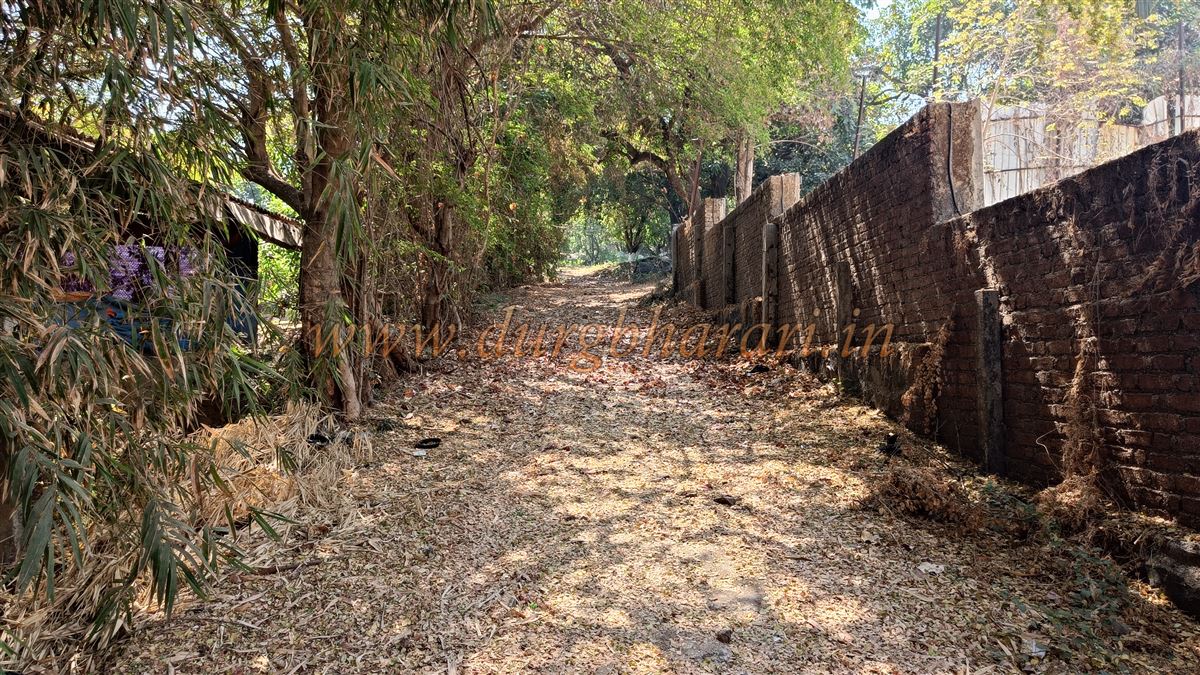
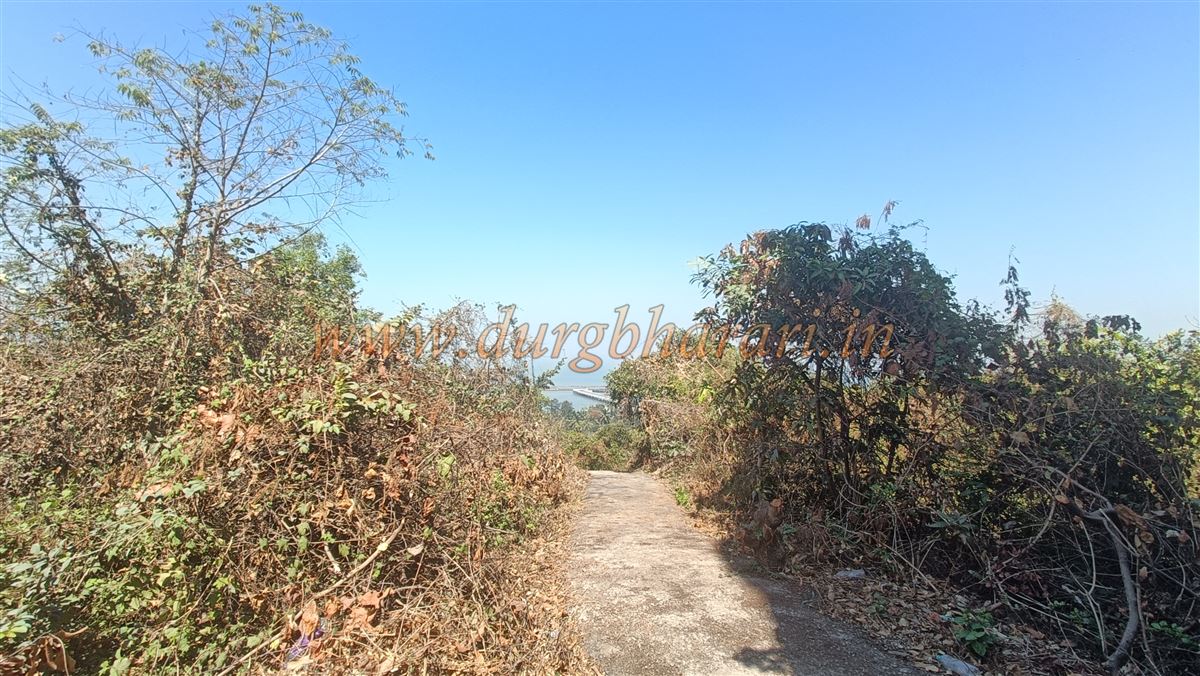
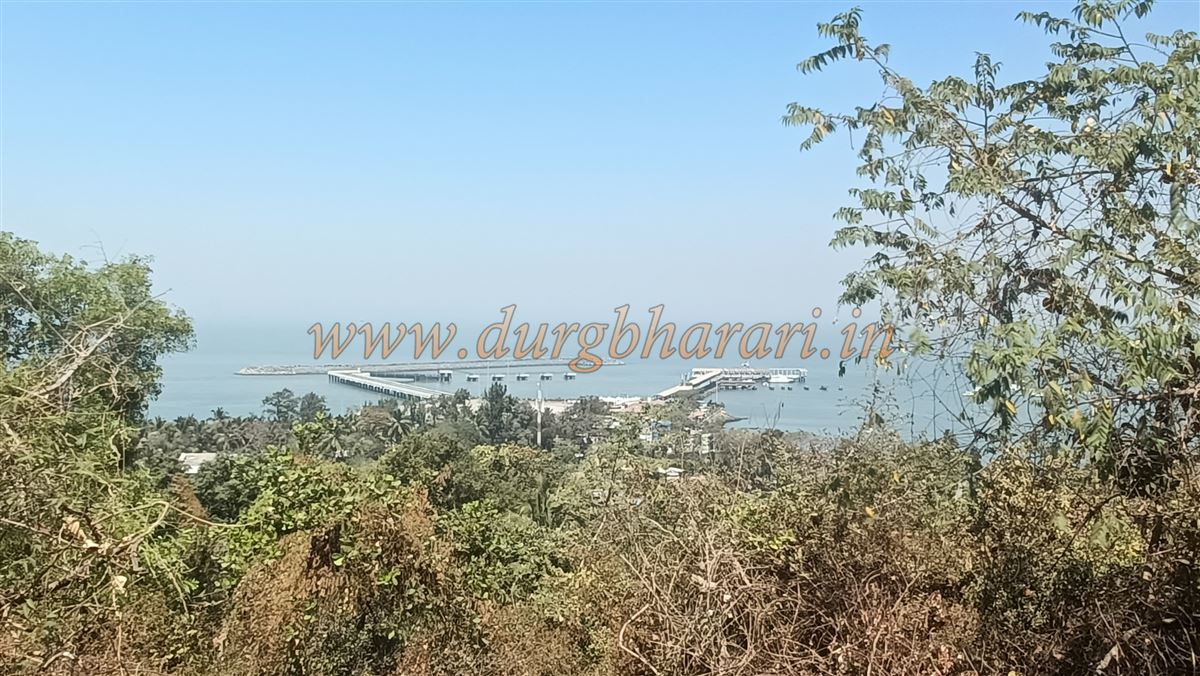
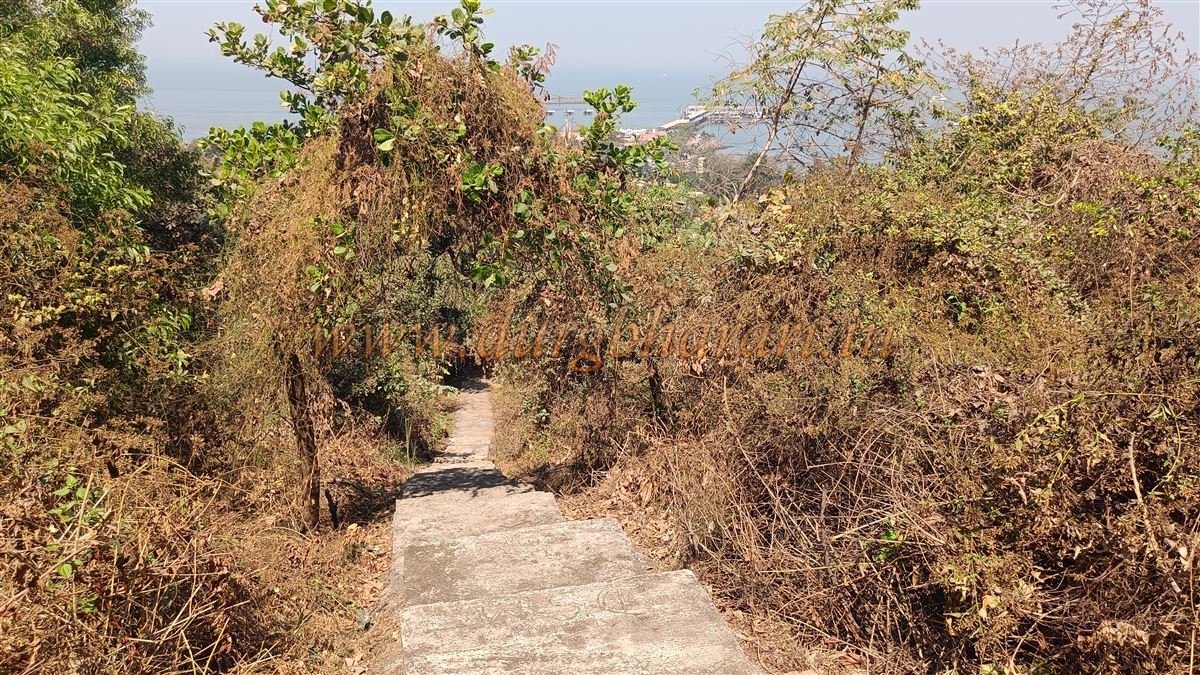
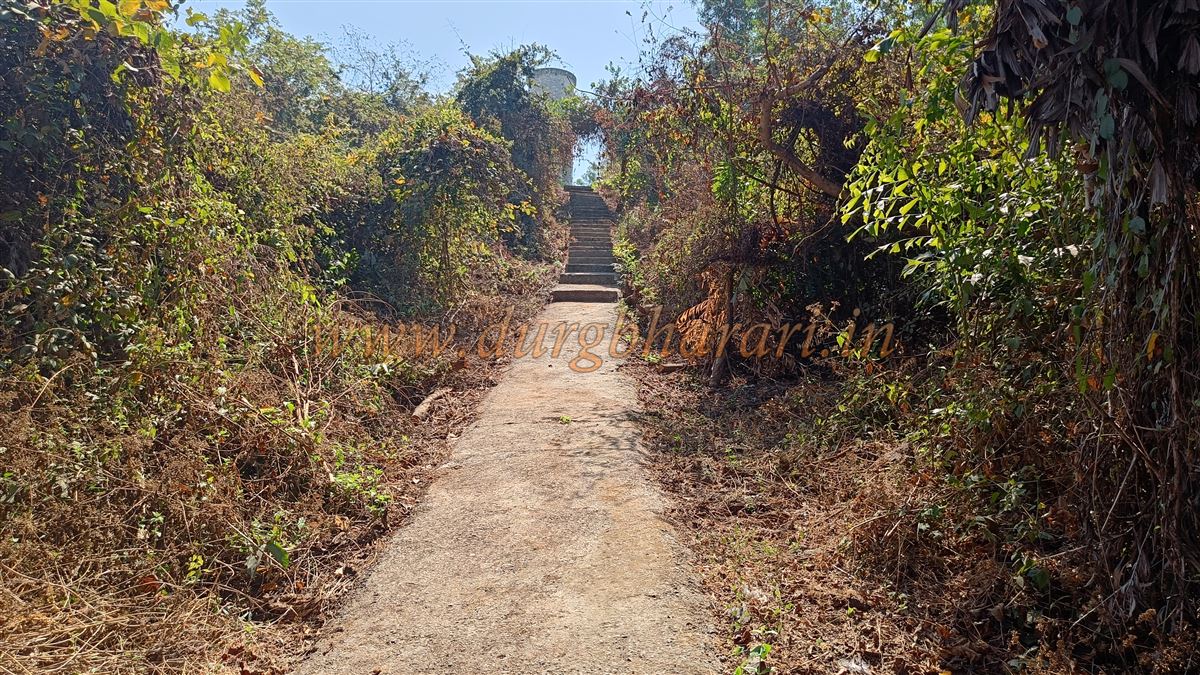
Mandwa jetty is 20 km from Alibag, and buses or rickshaws can take you there via Thal. From Bhaucha Dhakka in Mumbai, one can reach Revas Jetty by ferry, and the distance from Revas to Mandwa Jetty is about 11 km. Once at Mandwa Jetty, taking the main road out brings you to a small road running parallel to the coast. A short distance along this road, a narrow dirt path ascends toward a hill through a mango orchard. Since the hill is surrounded by private bungalows, this is the only access route.
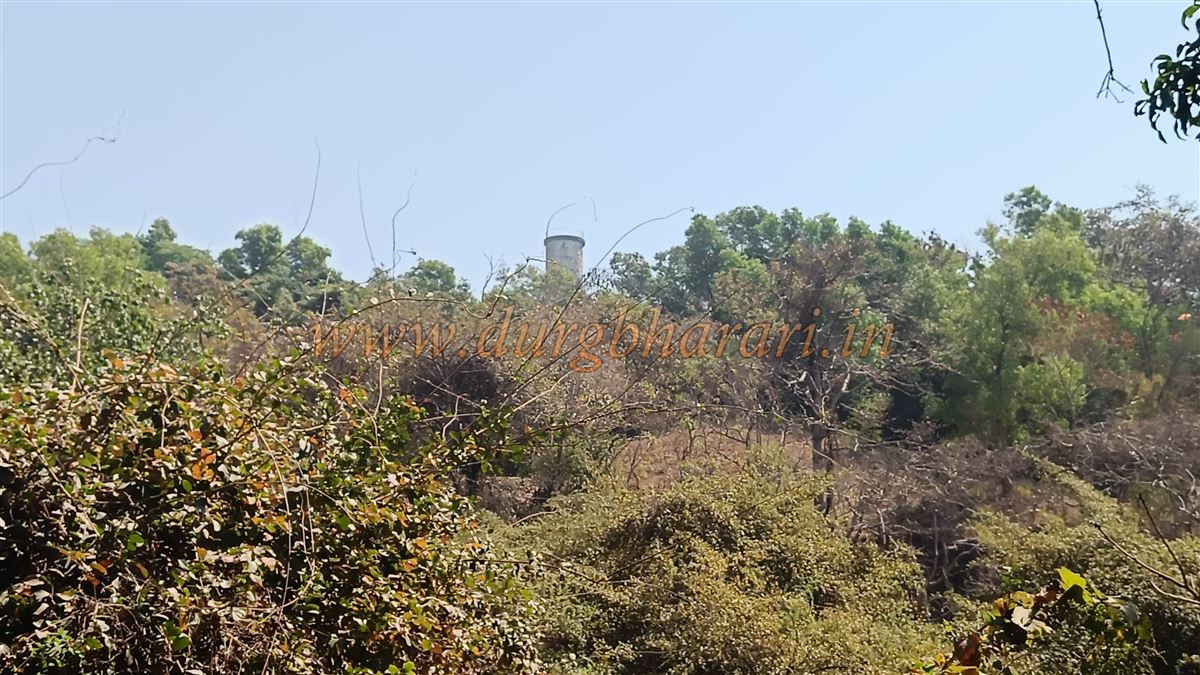
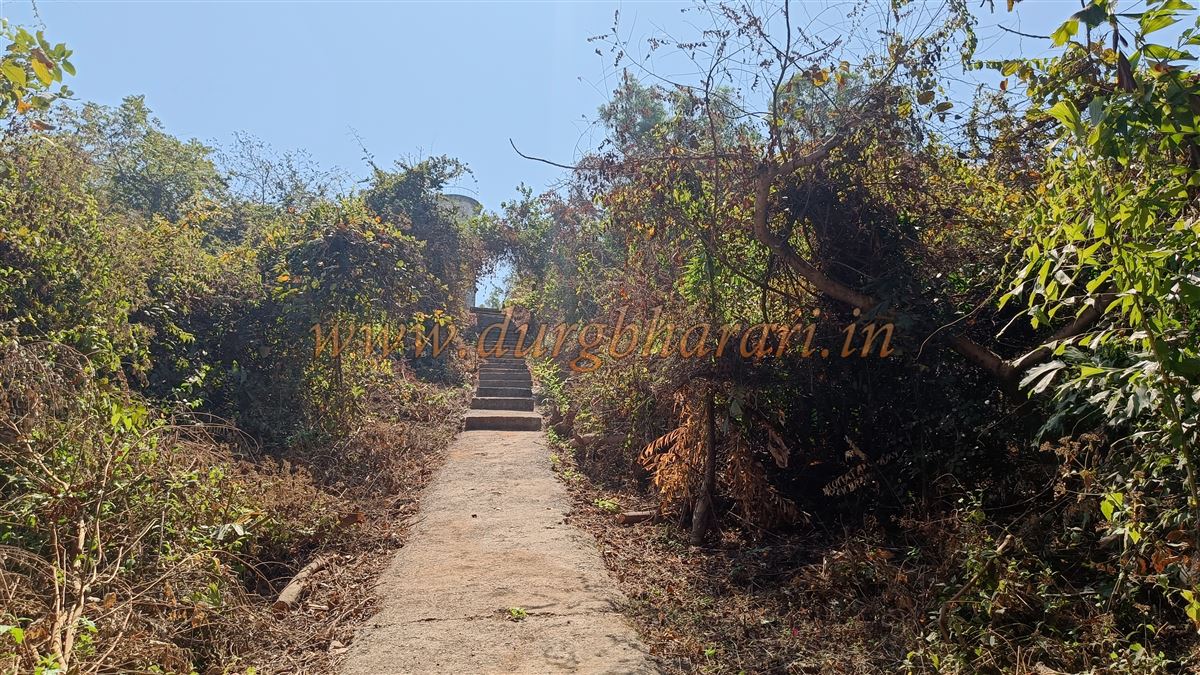
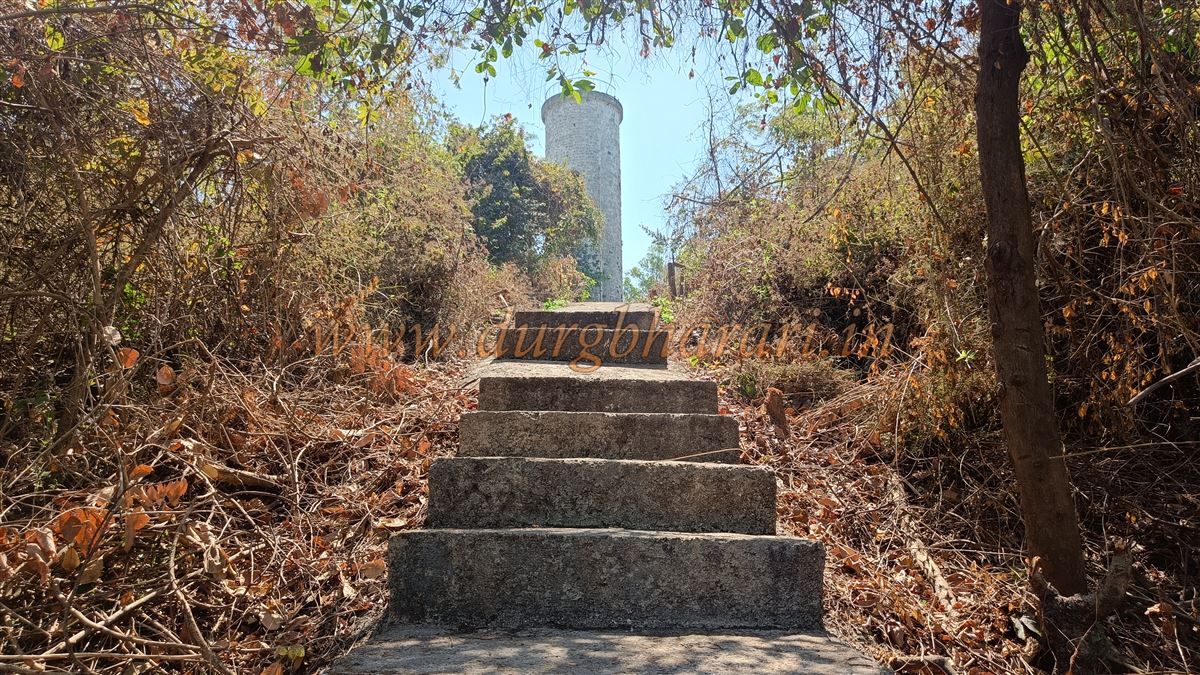
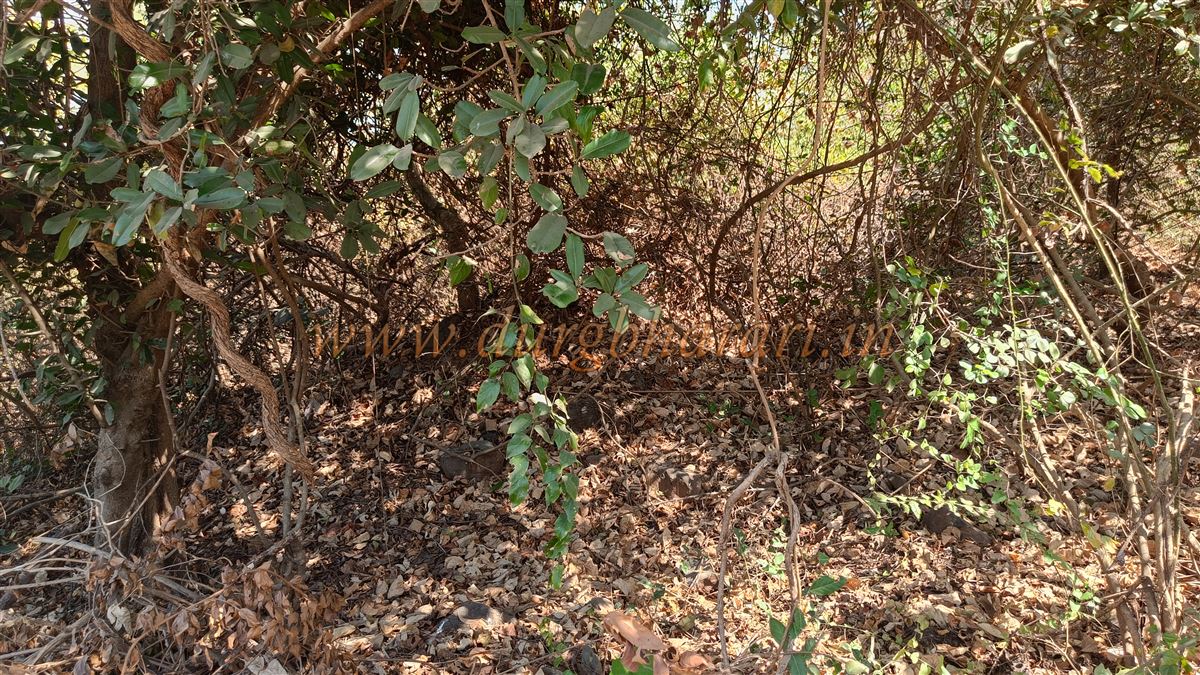
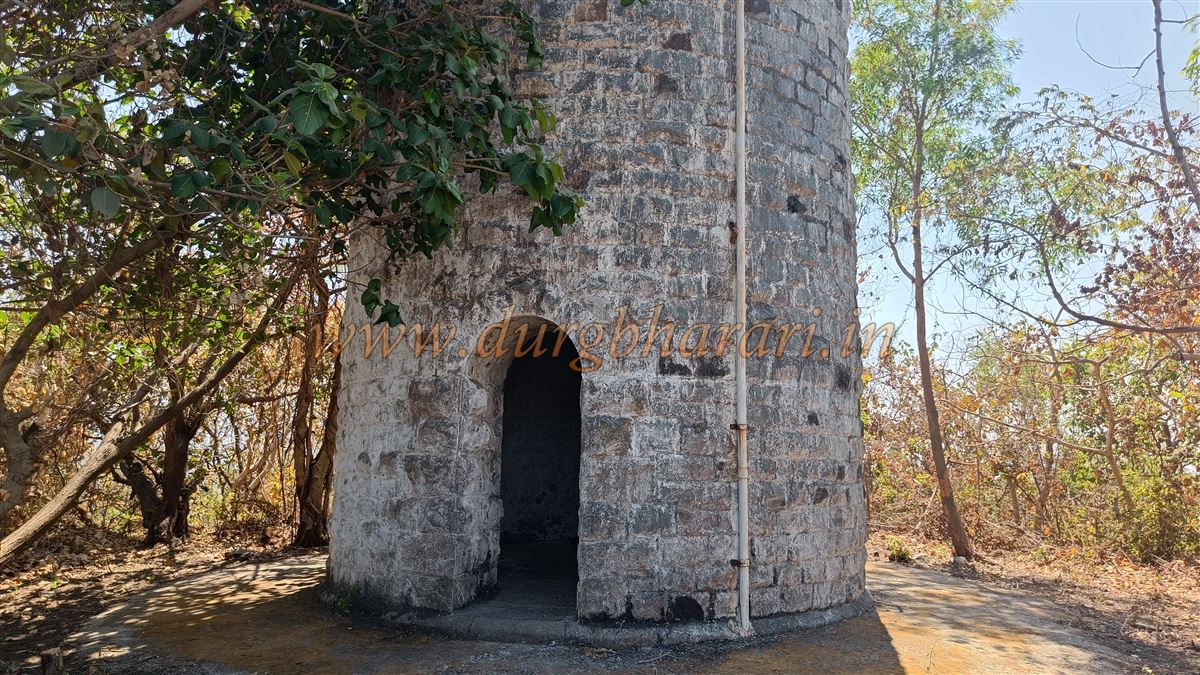
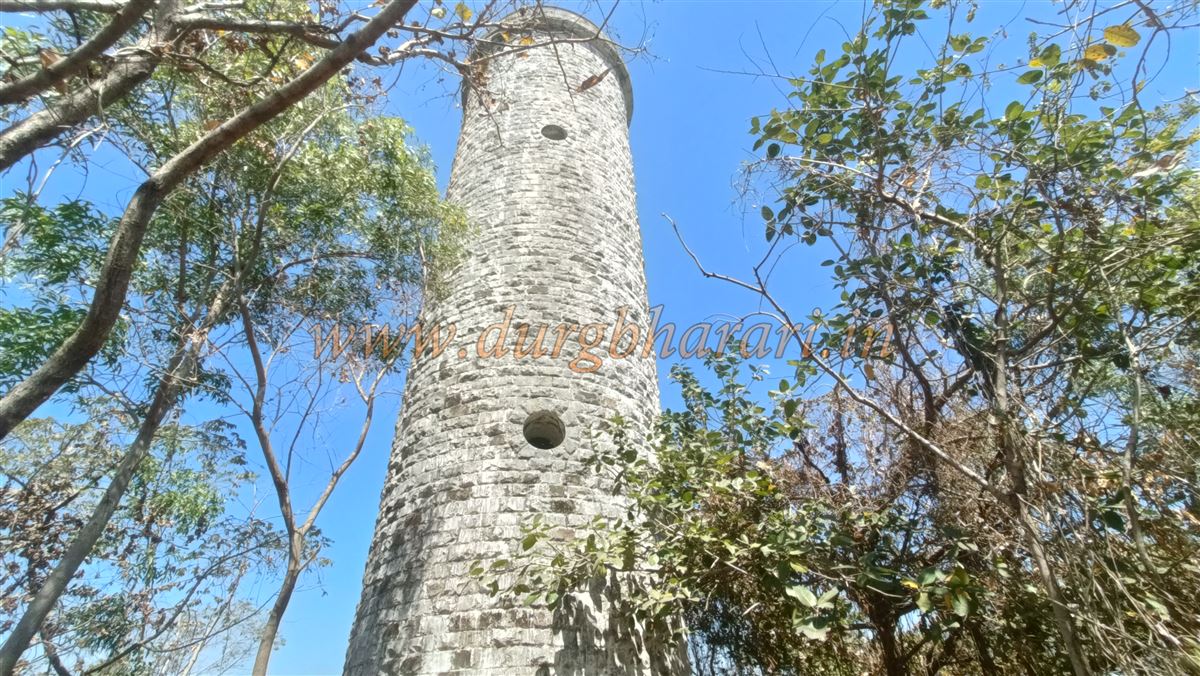
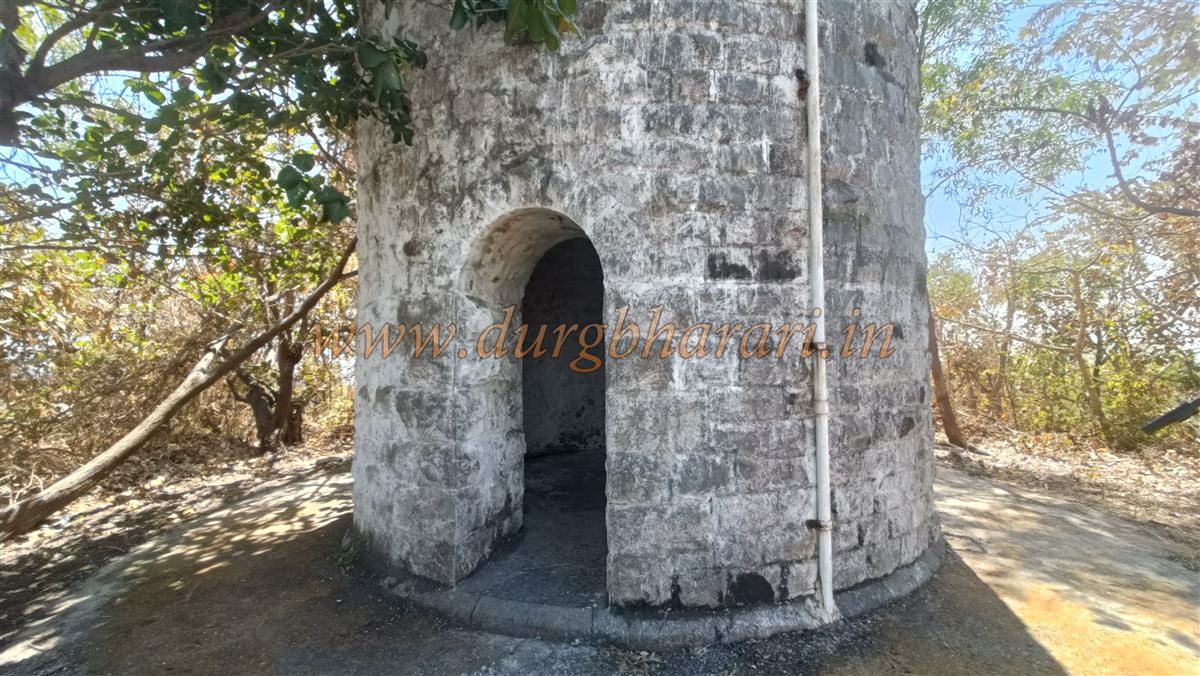
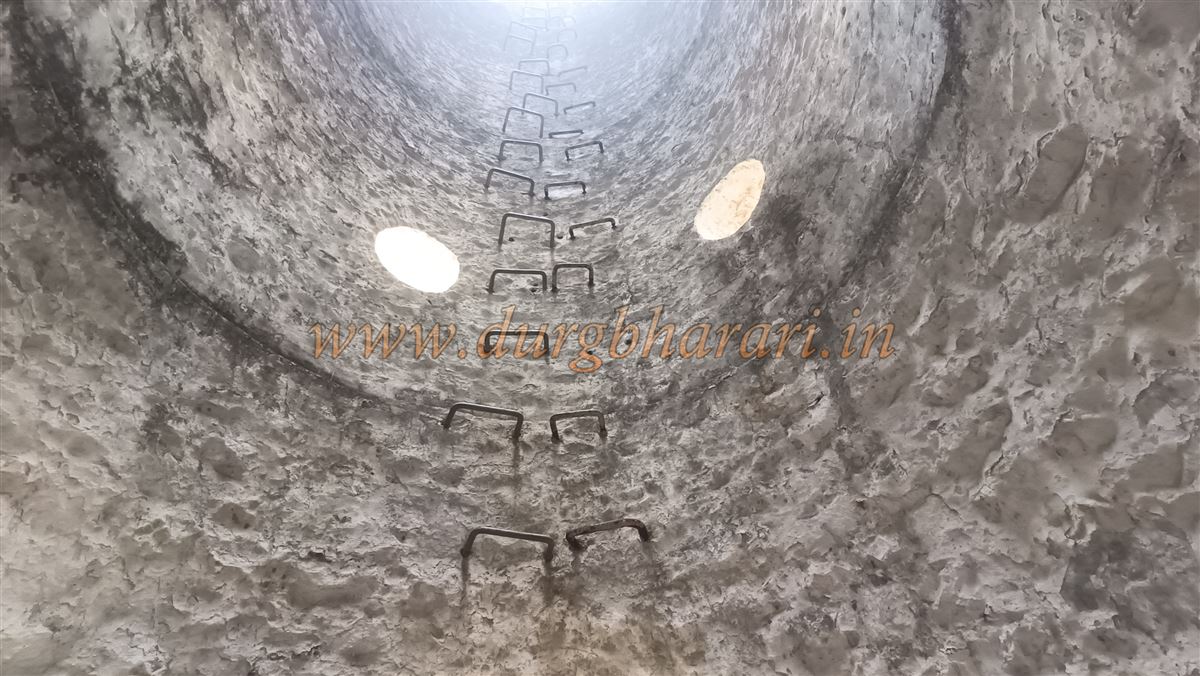
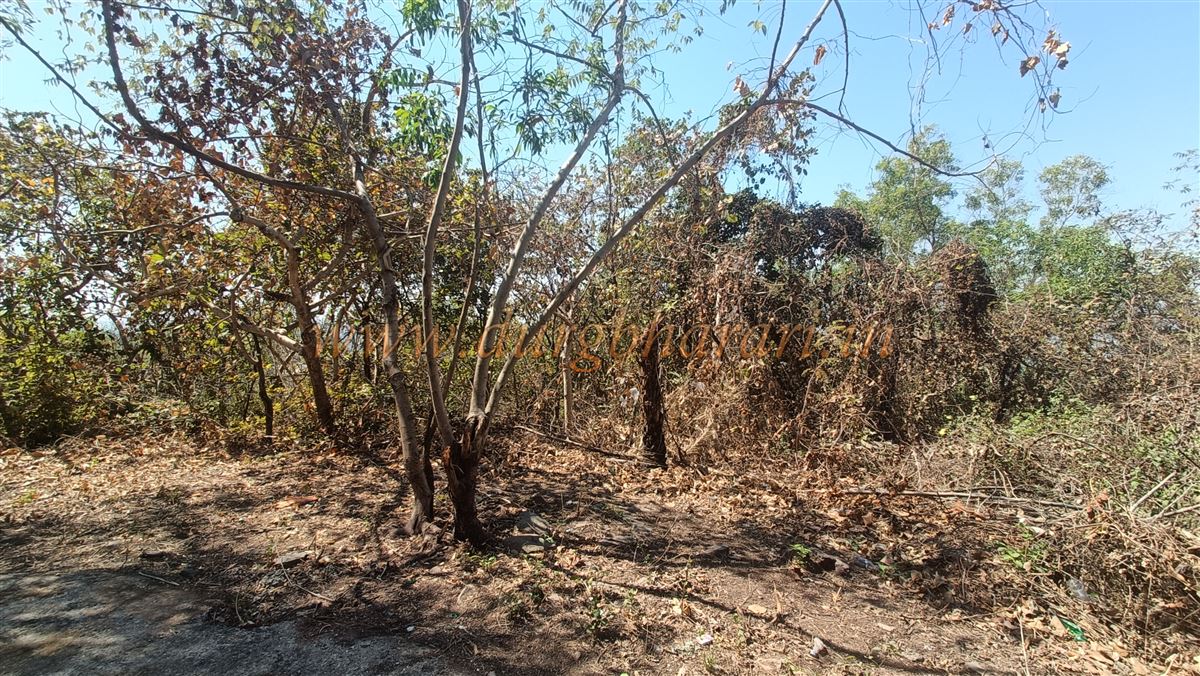
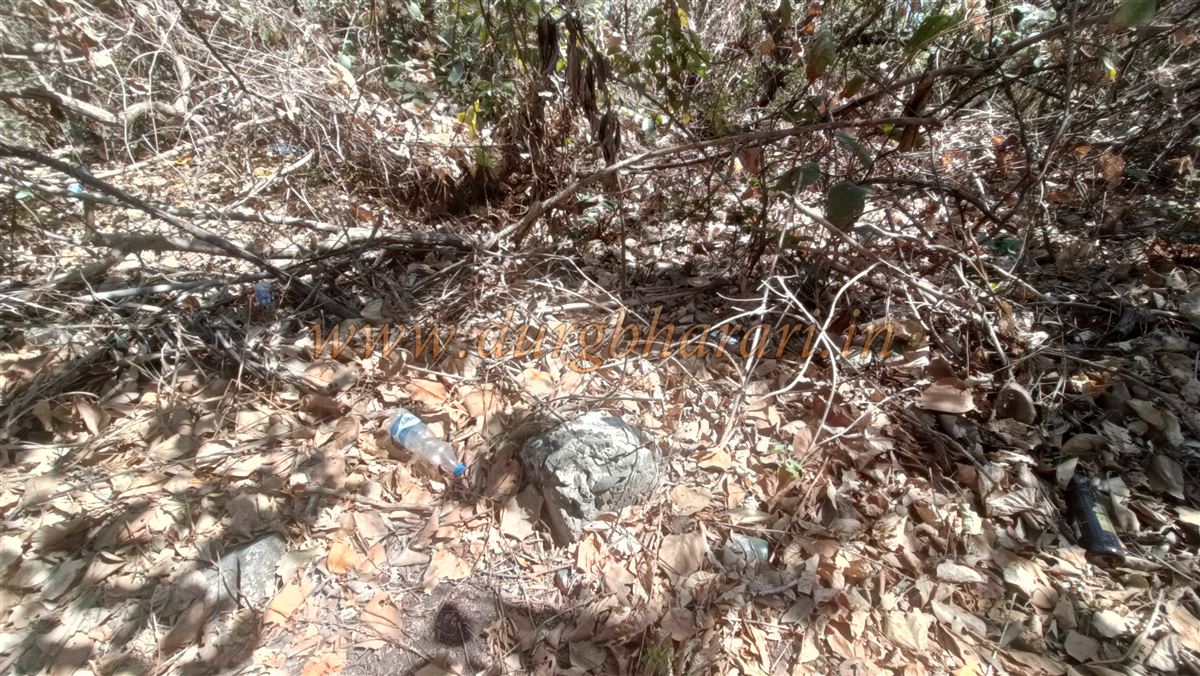
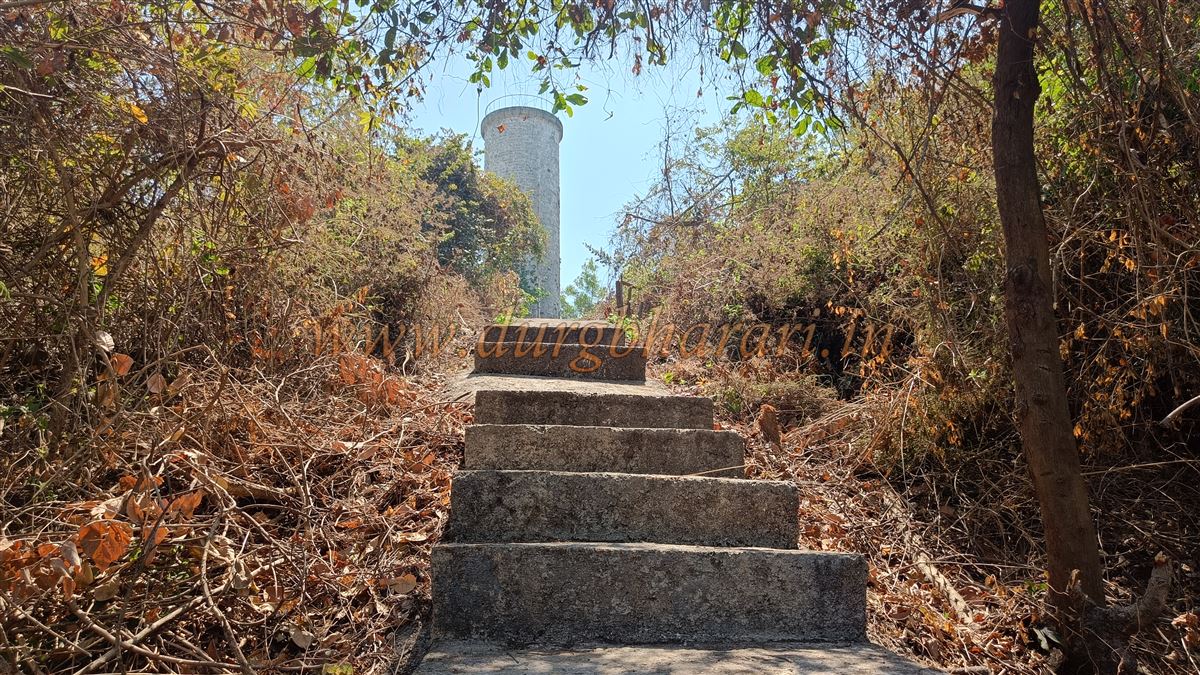
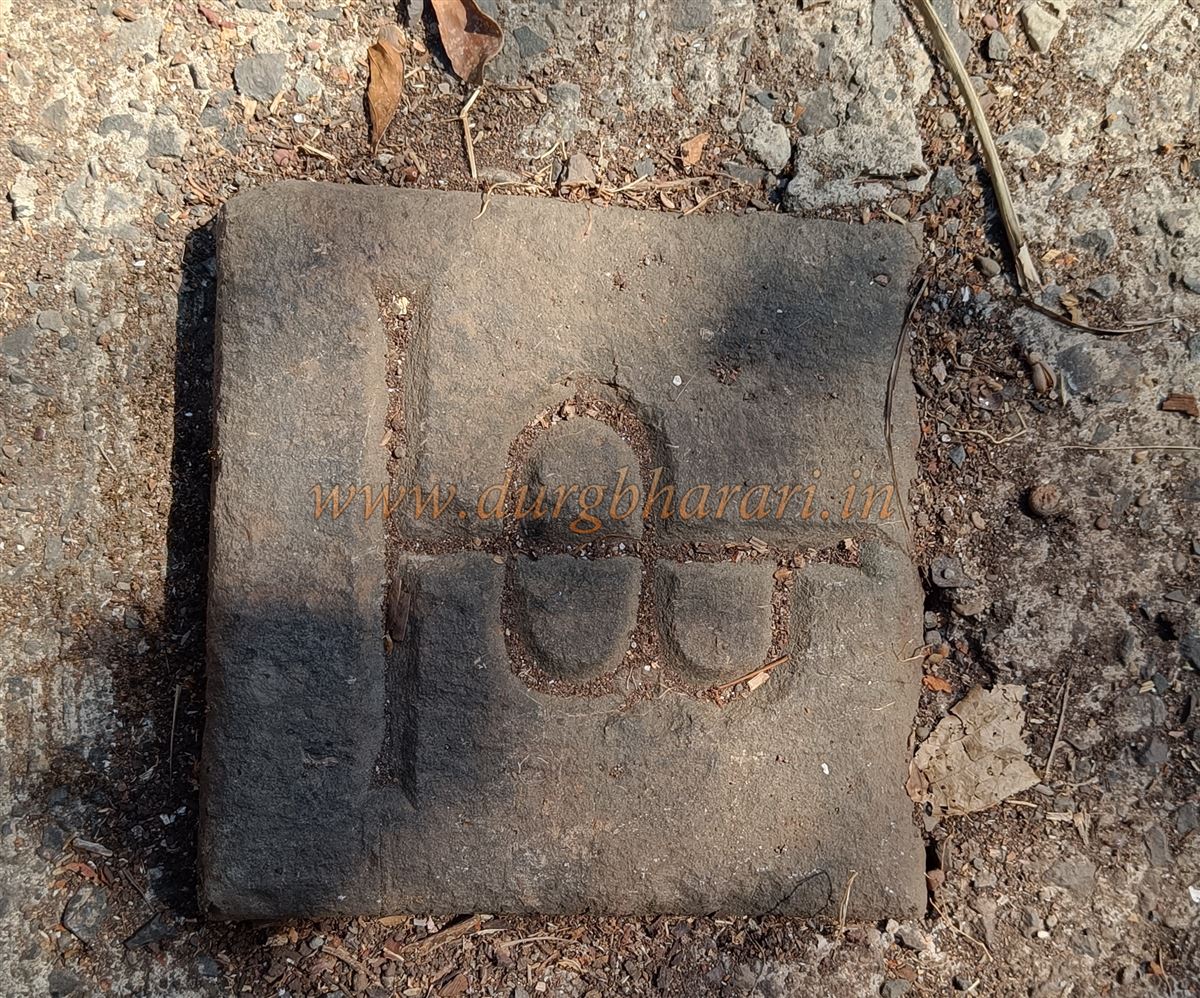
After a short climb, one reaches a small iron gate. Passing through this gate and climbing a few more steps brings you to a stone watchtower built by the British for surveillance. This tower is hollow inside, with a small door for entry. It is approximately 40 feet tall, with iron rods fixed inside for climbing to the top. A search of the surrounding vegetation reveals faint remnants of the old fort wall. The exploration ends almost as soon as it begins. Today, the fort exists only in name.
The coastal stretch of Alibag taluka in Raigad district, from Revas to the Kundalika creek, spans about 30 to 35 km. With eight prominent villages—Akshi, Nagaon, Kihim, Awas, Sasawane, Revas, Chaul, and Revdanda—this region is historically referred to as Ashtagar. Of these, Revas, located on the northwest side at the Dharamtar creek, is the first village, and Revdanda, situated on the southeast near the Kundalika creek, is the last. Since these creeks served as the maritime entry points to Ashtagar, the Portuguese built the Revdanda Fort at the mouth of the Kundalika creek and established their base there.
Recognizing the strategic importance of the Dharamtar creek as the entry point to Ashtagar, Chhatrapati Shivaji Maharaj had two forts built—Manranjan Fort at Revas on one side of the creek and Shrivardhan Fort at Mandwa on the opposite side. As there are no construction records of these forts during the Peshwa era, it is likely that they were built during Shivaji Maharaj’s reign.
The earliest known documentation of these forts appears during the Peshwa period. A letter dated April 7, 1737, mentions the Shrivardhan Fort (also referred to as Mandvi Fort), which was under the control of the Siddi. The task of capturing the fort was assigned to a Maratha officer named Barwaji Tapkir. On April 3, 1737, he laid siege to Mandvi and halted activity at the fort’s gate with cannon fire. Later, two more cannons were brought from Dakar, and heavy bombardment commenced. The fort soon fell to the Marathas.
However, as the fort provided little strategic advantage and the Siddi continued to harass it frequently, the Marathas decided to demolish it. In 1751 CE, along with the forts of Khubladha and Manranjan, the Mandvi alias Shrivardhan Fort was also demolished.
Since Manranjan Fort was demolished by the Marathas themselves in 1751, nothing remains today except the British-built watchtower and a few scattered remnants of the fort wall hidden in the vegetation. Still, the strategic location of this fort makes it worth visiting at least once.
© Suresh Nimbalkar
GALLERY