MANDAVGAN
TYPEर : FORTRESS / CITY FORT
DISTRICT : AHMEDNAGAR
HEIGHT : 0
The Mangrul-Mangalvedha taluka of Solapur district and Shrigonda taluka of Ahmednagar district are known as the land of saints and sages. Mandavgan village, sanctified by the presence of Sage Mandavya, is located in Shrigonda taluka. Nature has generously bestowed its beauty upon this village, and even more impressive are the ancient and medieval structures found here.
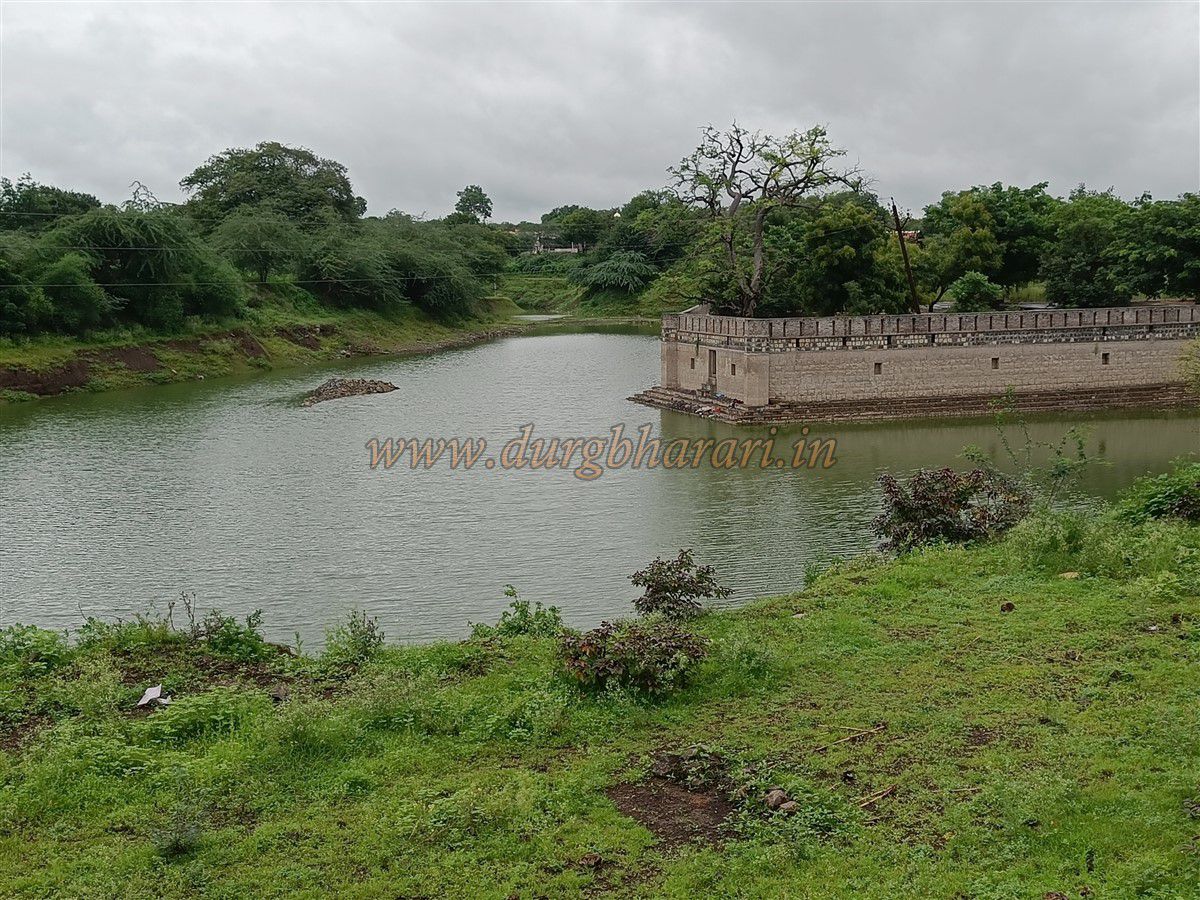
Mandavgan is situated about 35 km from Ahmednagar city and 30 km from Shrigonda. The village is surrounded by two rivers—Kataksha and Wataksha—which form a kind of moat around it, dividing the village into two parts. The original Mandavgan settlement lies in the inner floodplain formed by these rivers, while the habitation around the fortified mansion (gadhi) on the opposite bank seems to have been established during the Peshwa period by the Holkar.
...
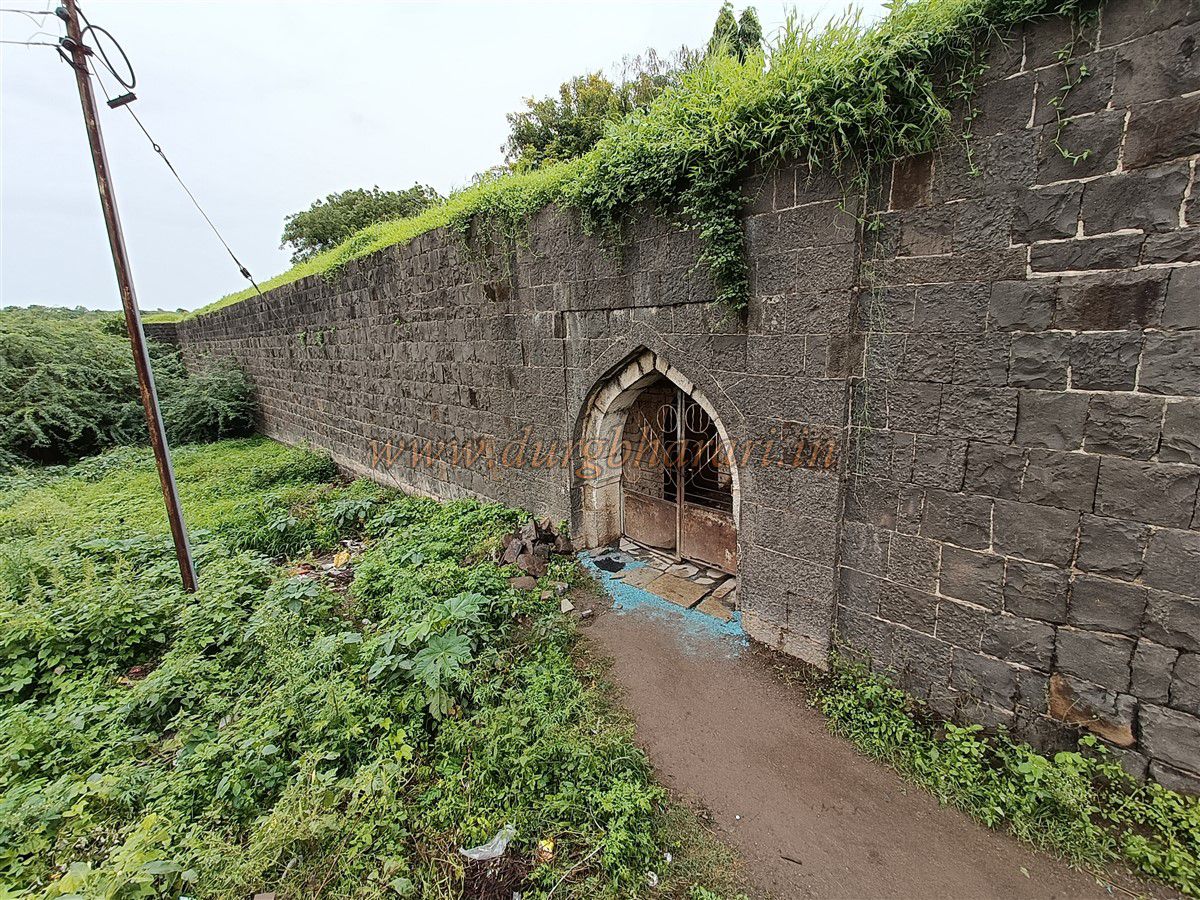
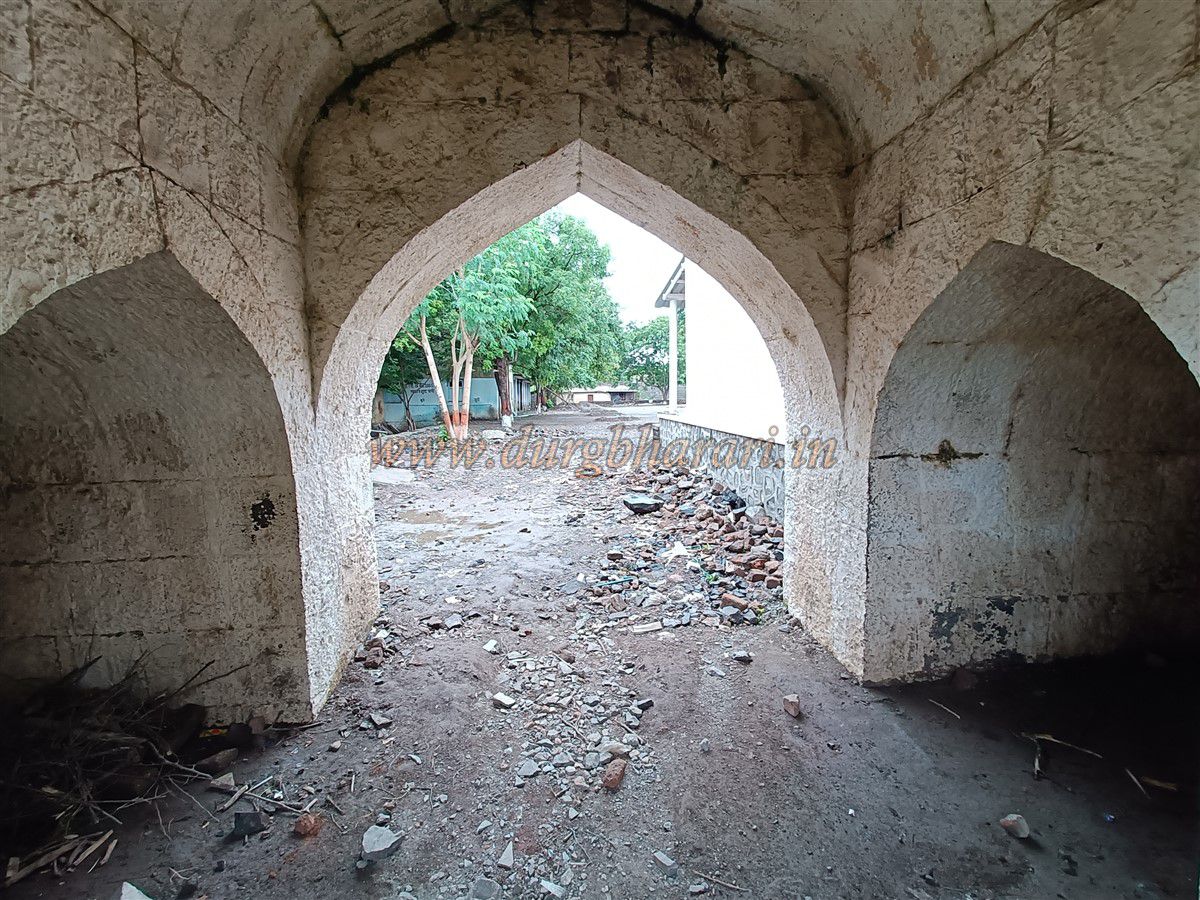
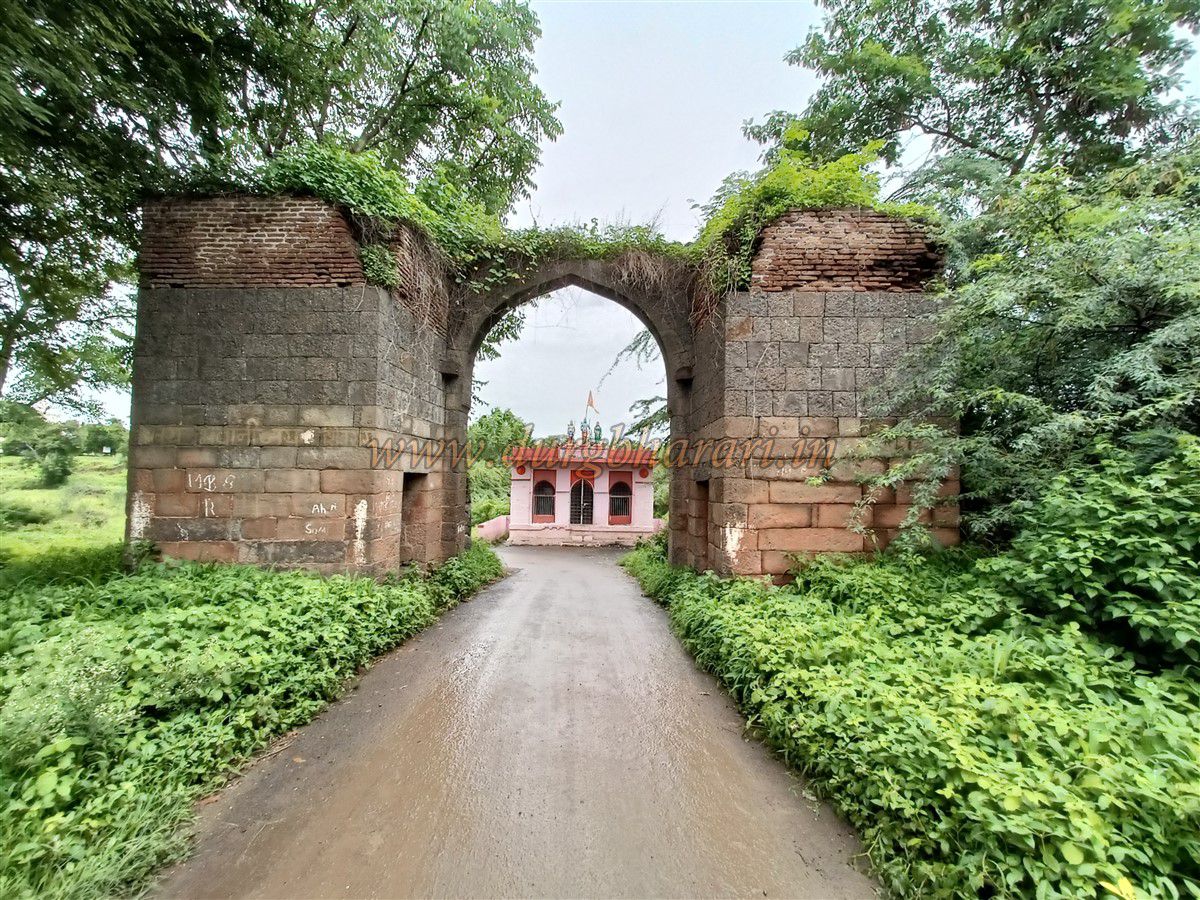
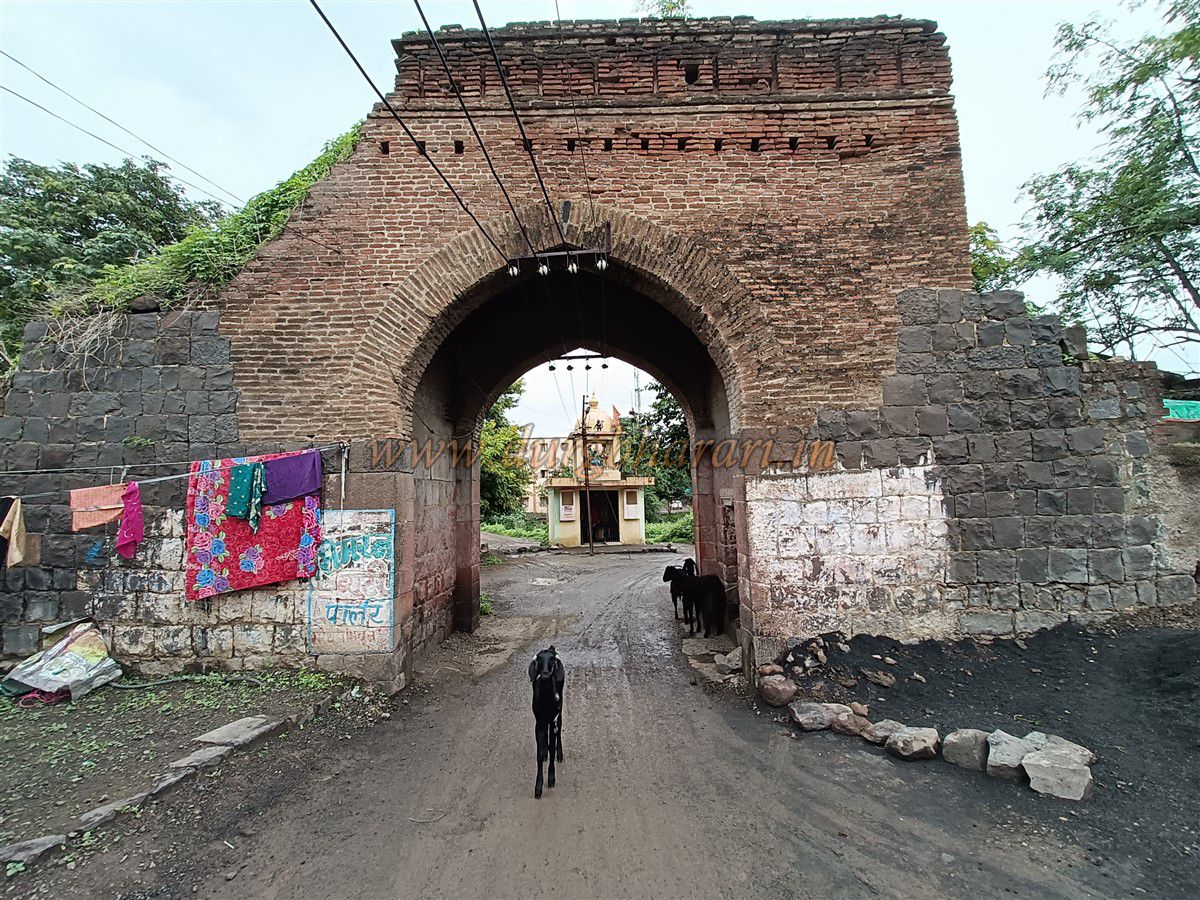
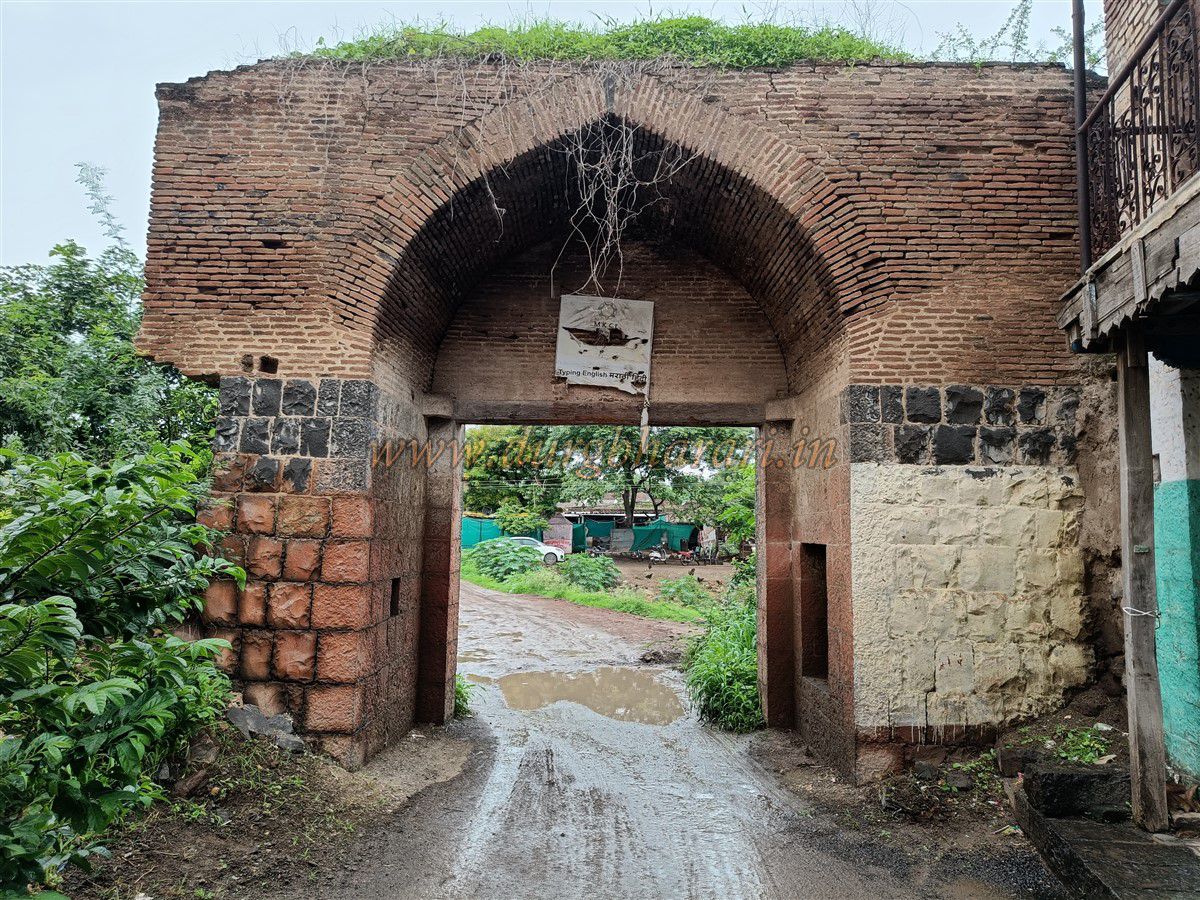
The older part of the village is almost entirely surrounded by the river, making the riverbed itself function like a natural moat. Only a small section of the village is directly connected to land, and this part was protected by building fortifications and a gateway. The lower half of the gateway is constructed with well-cut stone blocks, while the upper half is built with bricks. The top of the gateway has loopholes for gunfire, and inside is a guard chamber. On the inner side of the gate, there's access to the fort wall and steps leading up to the top. In front of the gate is a temple dedicated to Maruti (Hanuman).
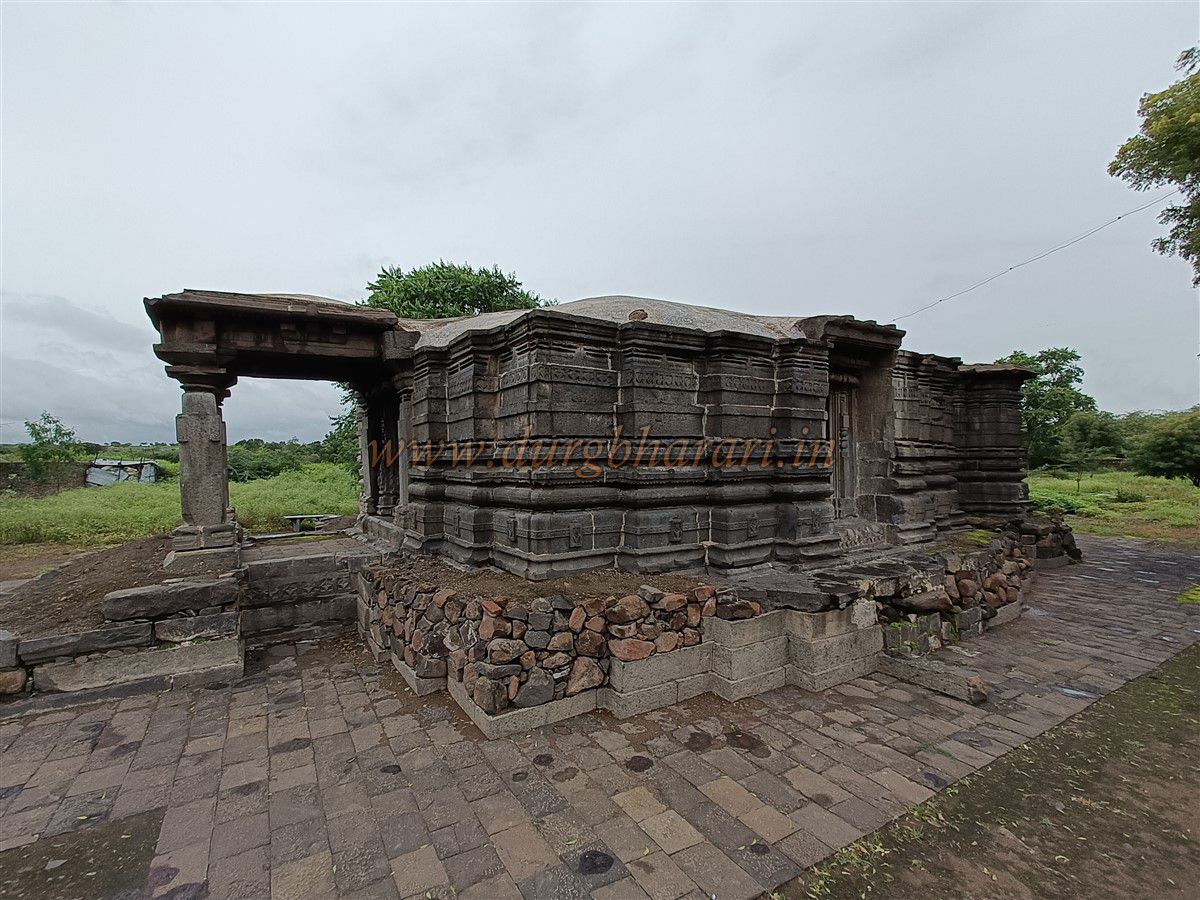
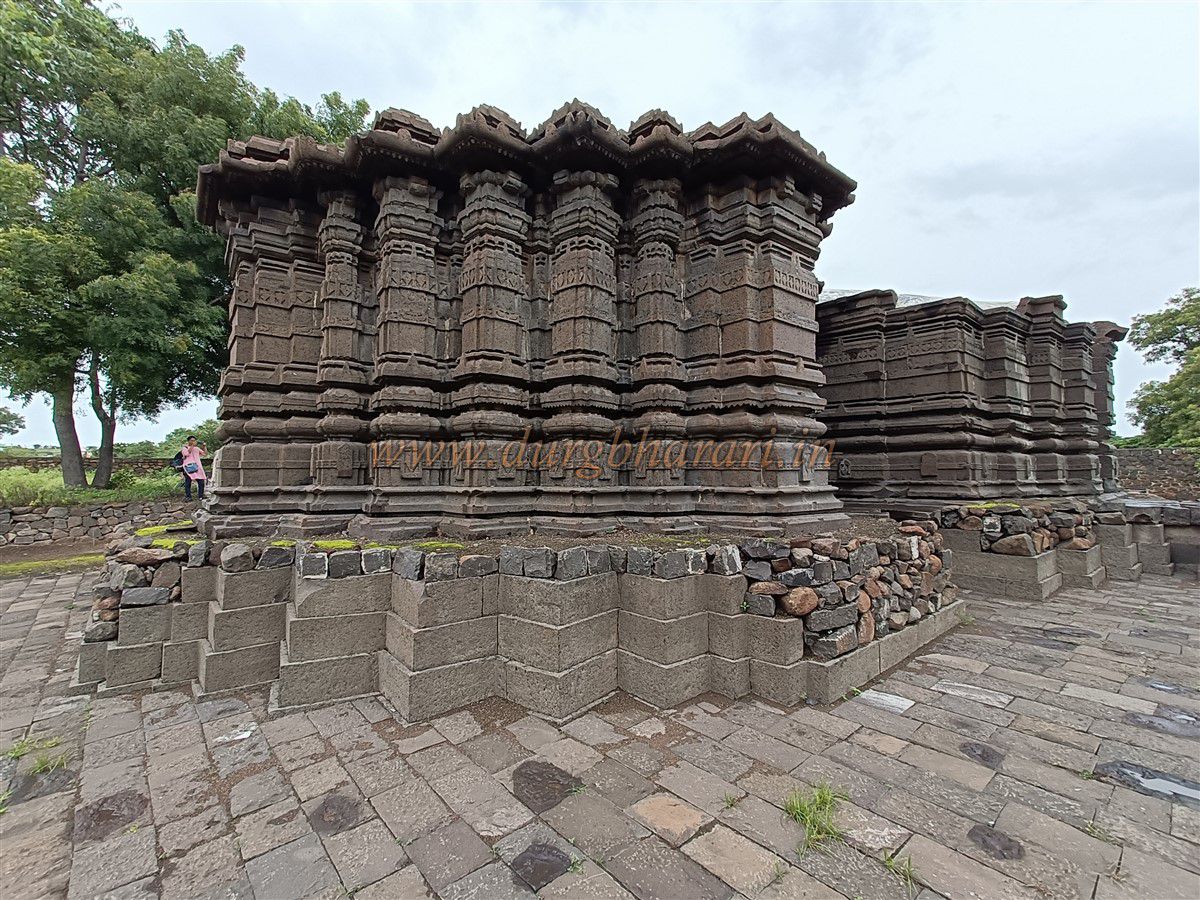
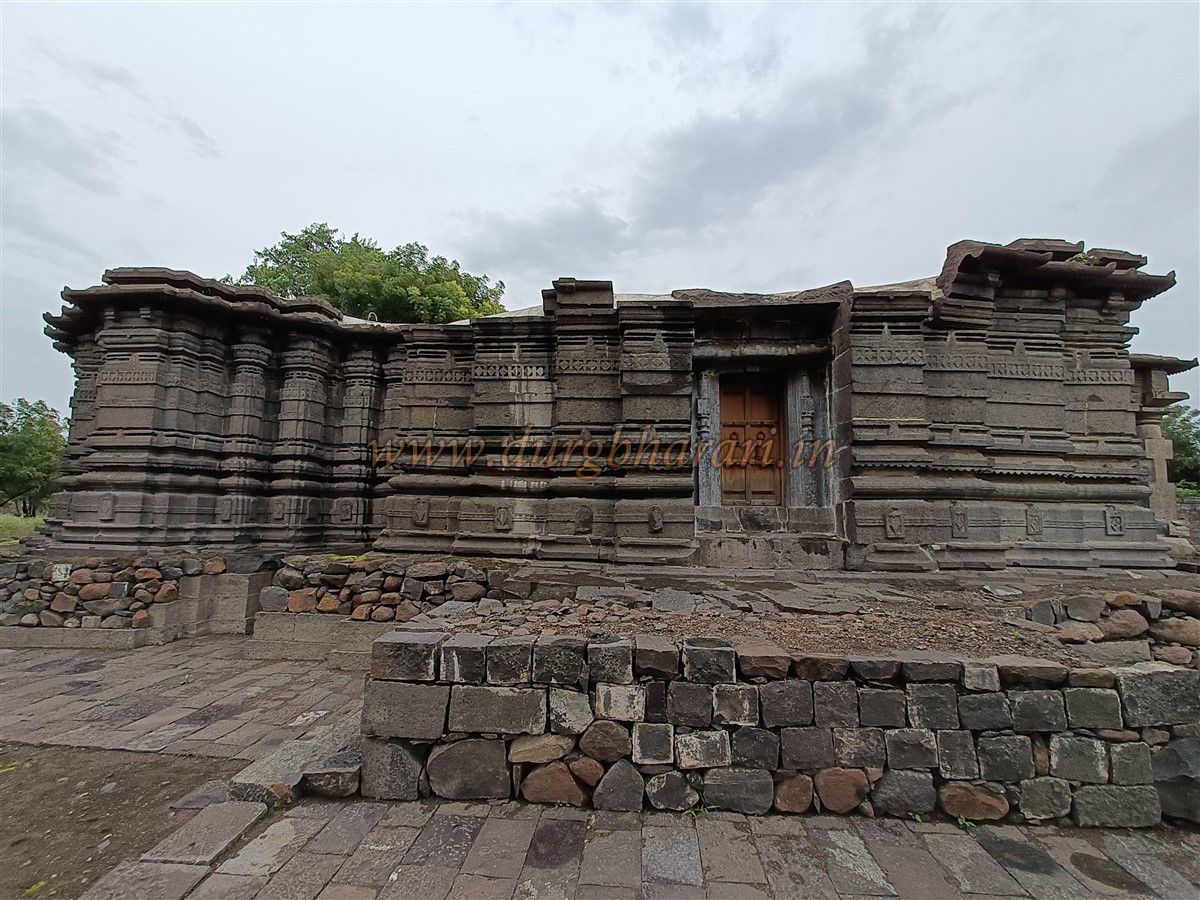
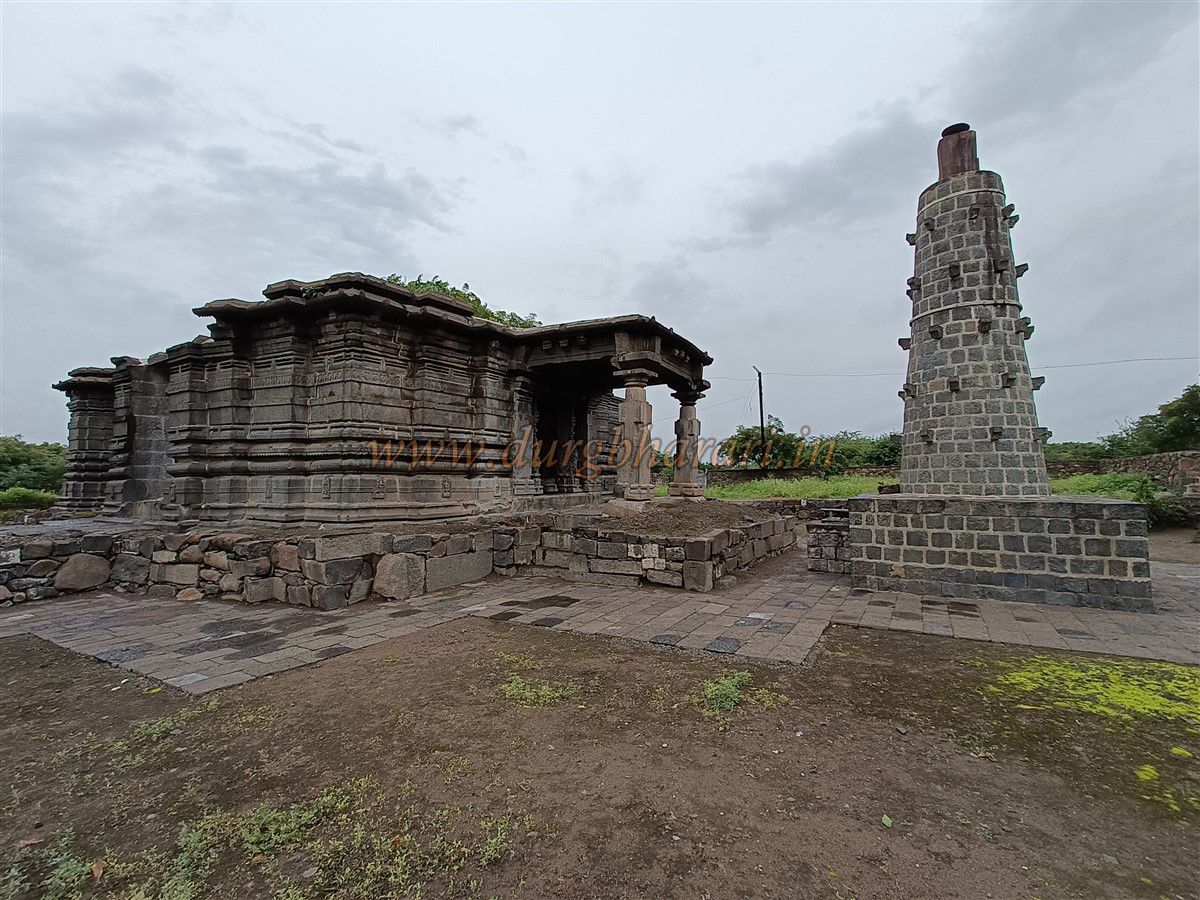
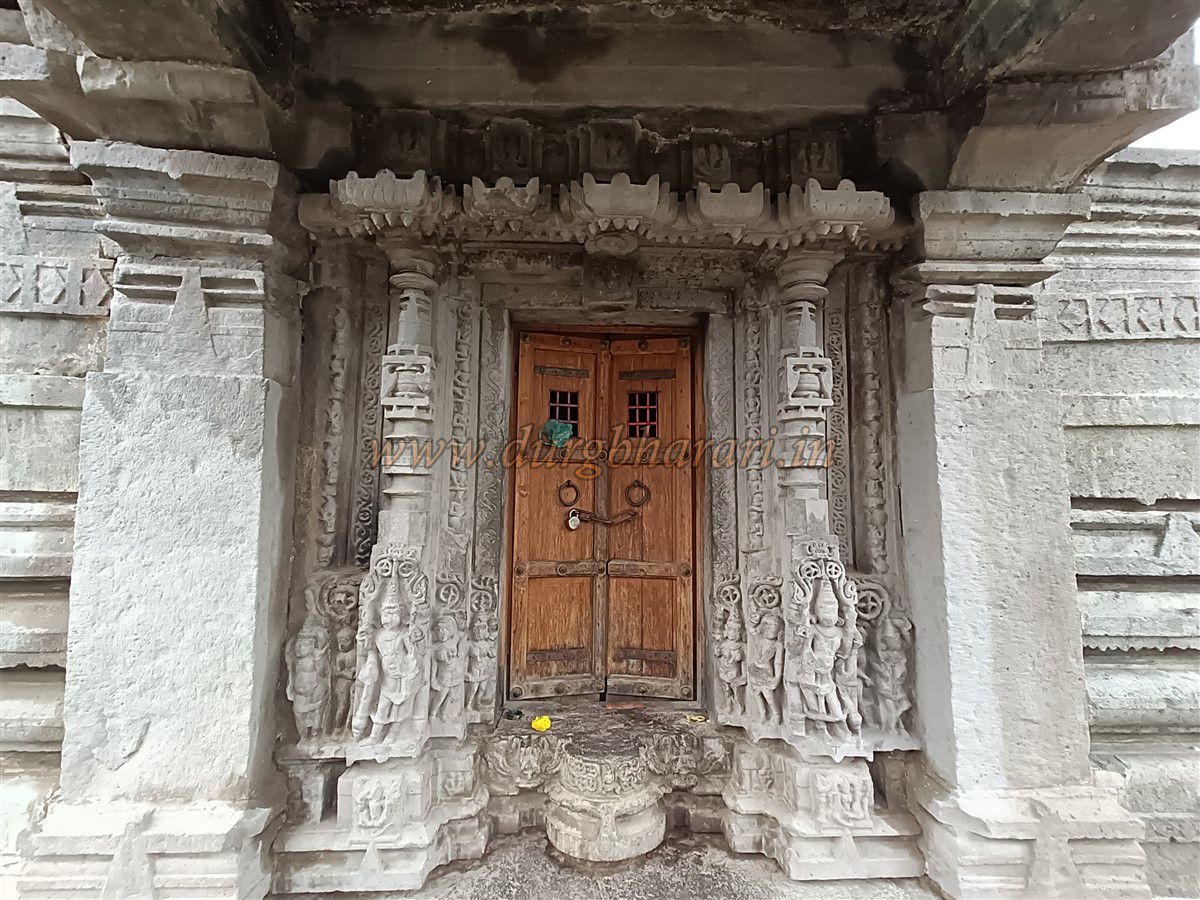
Within this part of the village is the ancient Lakshmi-Narayan temple, which confirms the antiquity of the village. Facing east, this temple stands on a high platform and consists of a front porch, assembly hall (Sabhamandap), antechamber (antaral), and sanctum (Garbhagriha). In front of the temple, locals have erected a new stone deepmala (lamp tower). The temple’s entrance arch features carvings of Jaya and Vijay, with a Ganapati carved in the lintel above. The pillars of the assembly hall and sanctum are intricately carved. The entire temple precinct covers around two acres and is enclosed by a stone wall, where two ruined bastions are visible. The fort-like layout of this precinct has led locals to refer to the temple as the Gadhi Aai Temple. The temple is now under the care of the Archaeological Department, which has carried out some restoration work.
After visiting the Lakshmi-Narayan temple, one should proceed toward the other part of the village—the Holkar Gadhi. A small bridge built over the moat-like river leads to this part. Upon entering, one encounters another fortified entrance of the Nagarkot type. This gateway is similar in construction to the earlier one. Before entering this gate, turning left from the riverbank brings you to a stone platform where a carved stone slab depicting an elephant can be seen. This is said to be the memorial of a Holkar elephant, and there is reportedly an inscription giving more details, though I did not find it. Locals refer to this memorial as Hattoba.
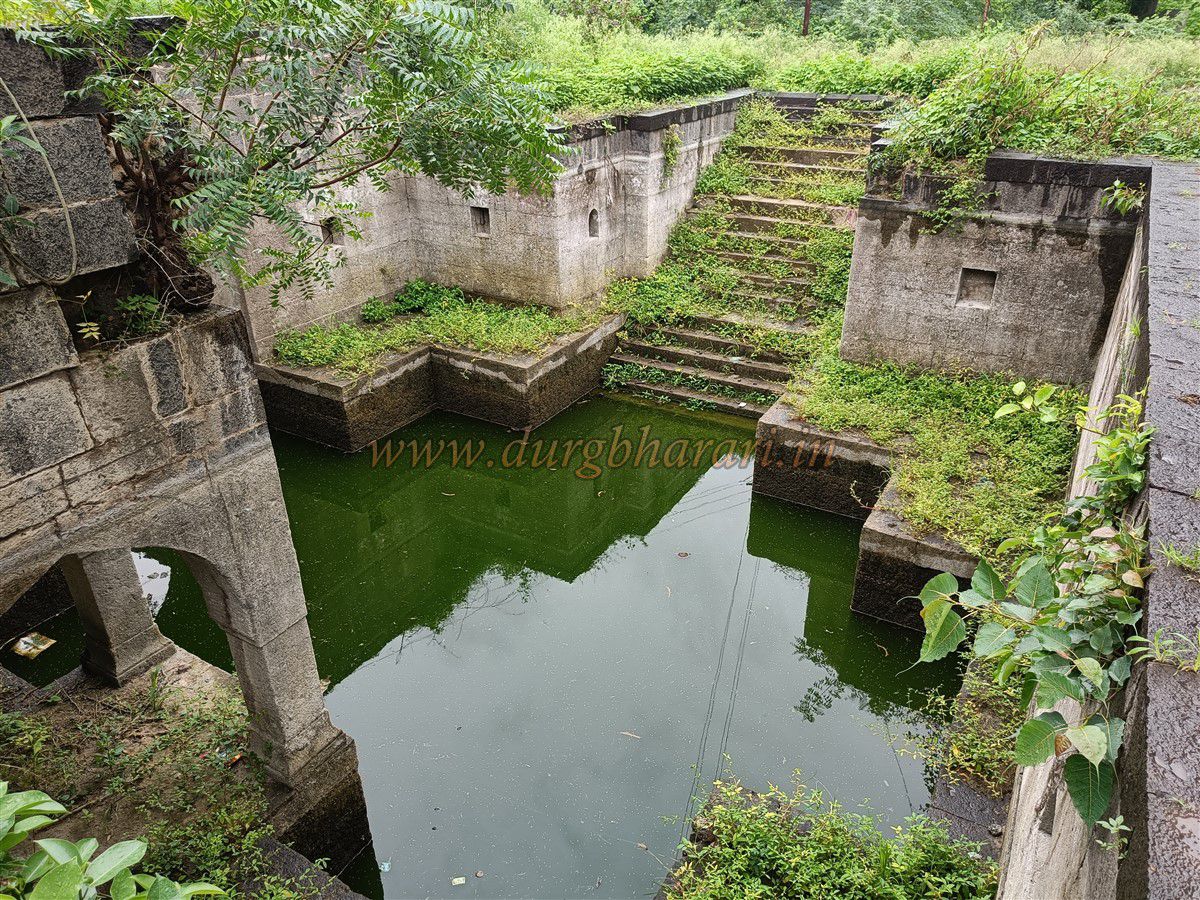
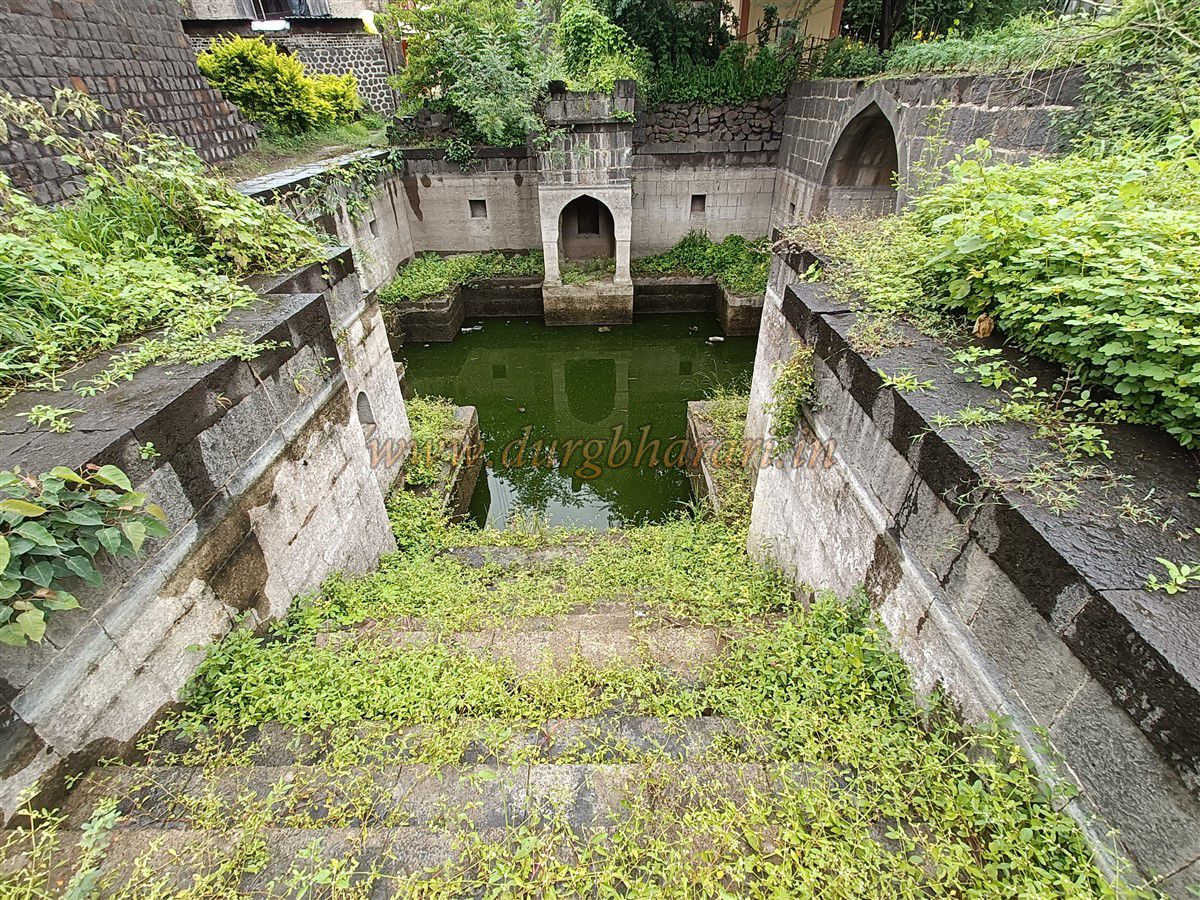
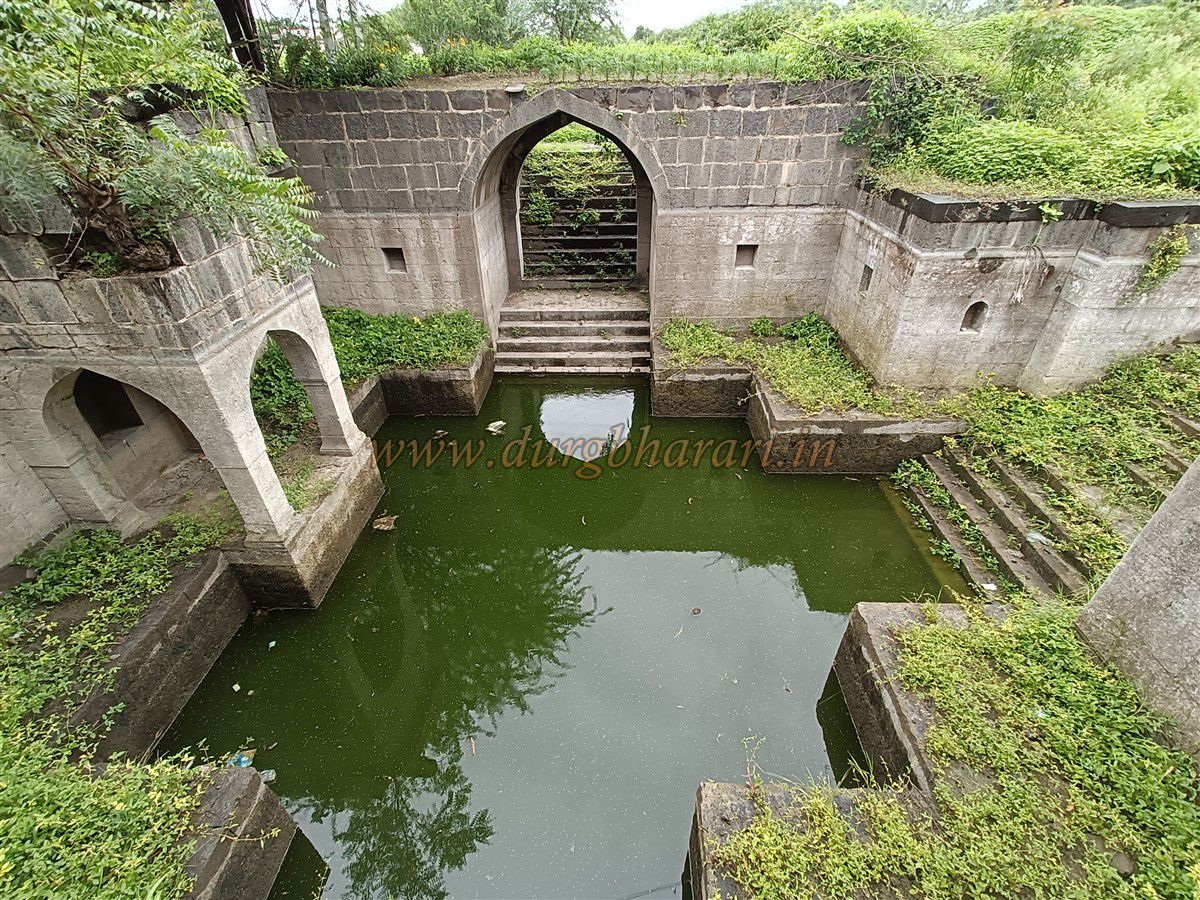
Re-entering through the gateway, one finds a mansion (wada) on the left, and entering through a nearby lane, one comes across a beautifully constructed stepwell (barav) made entirely of stone. The stepwell has staircases on both sides, and one of them is topped by an arched structure. A stone pavilion is built against one of its walls, and inside is a small room for guards or caretakers. From the pavilion, there is provision to draw water from the stepwell. The surrounding stone walls have built-in niches on all four sides.
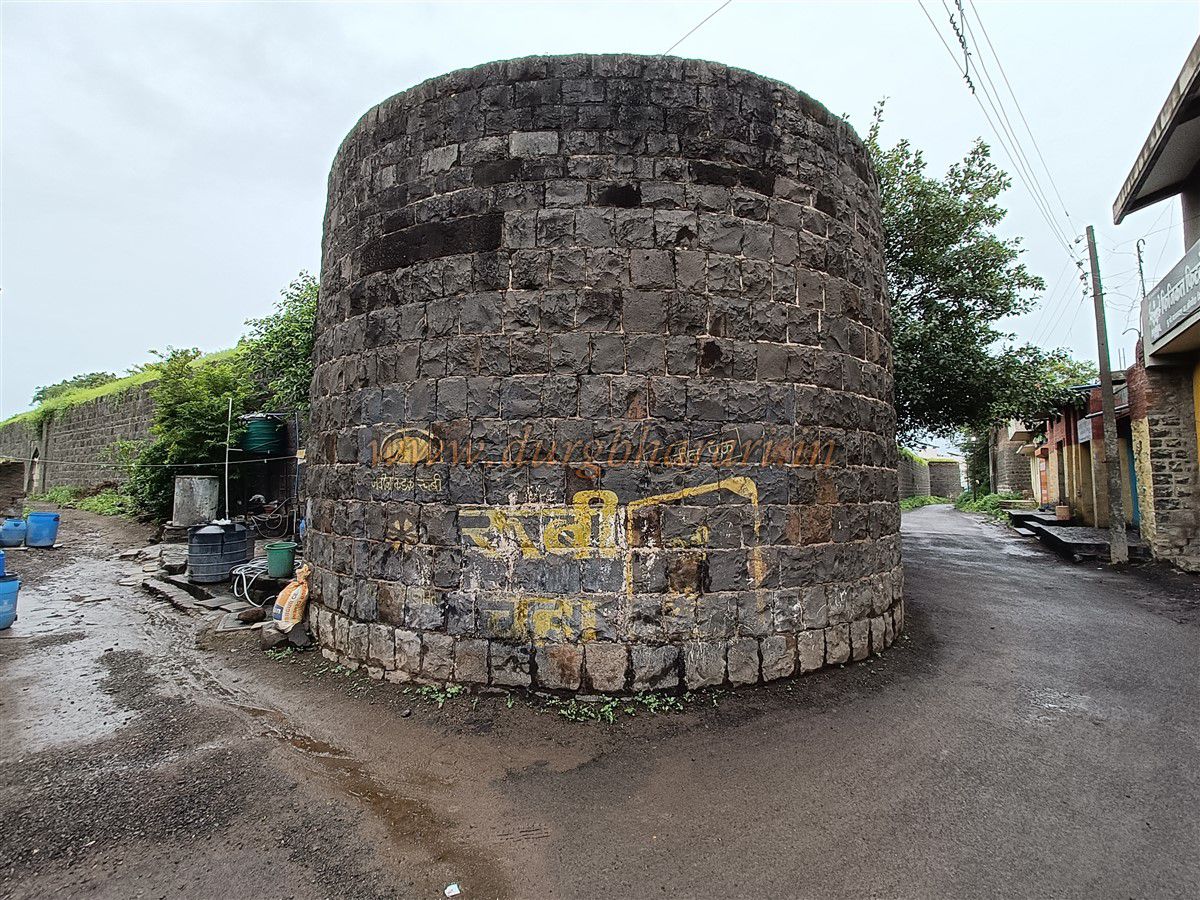
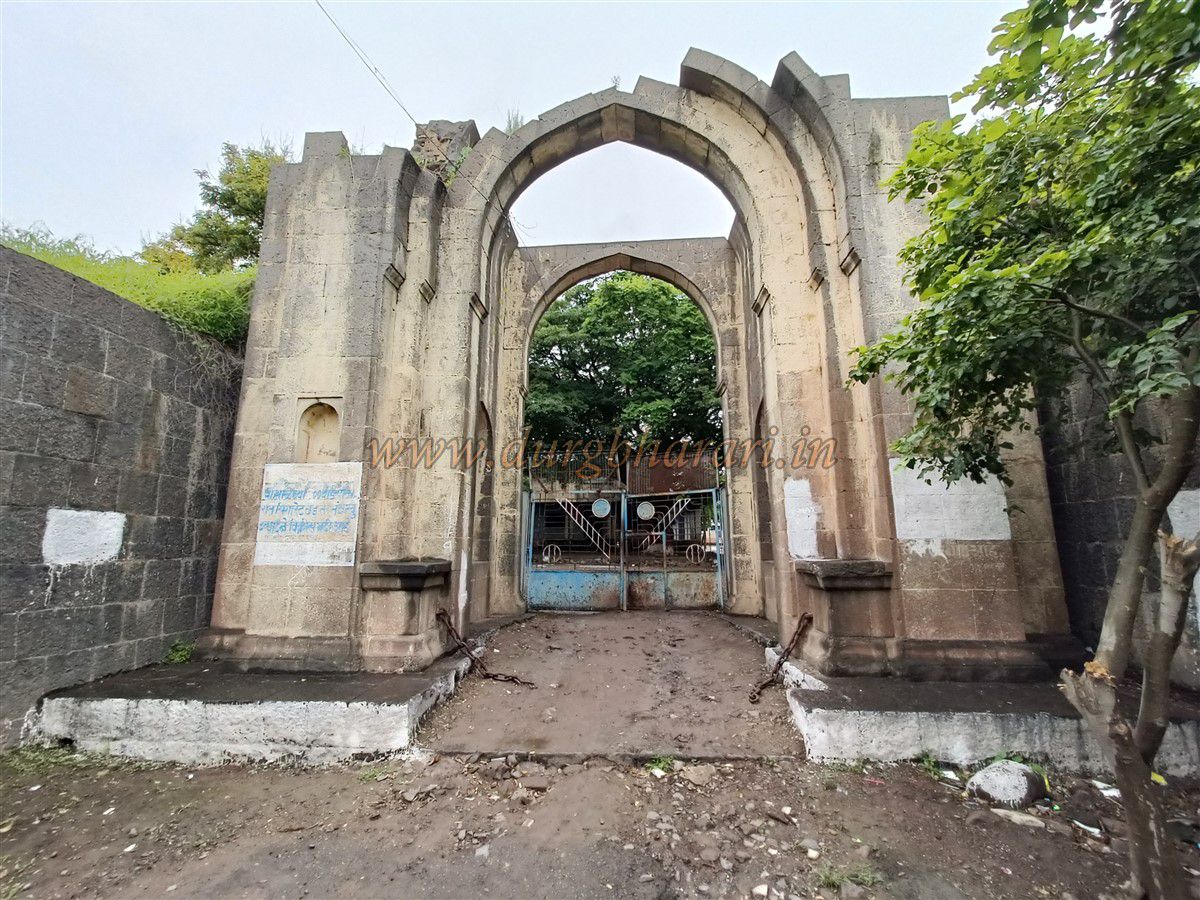
Proceeding straight on the unpaved road, and continuing past the gate, one arrives at the Holkar Gadhi. This quadrangular structure spreads over about two-and-a-half acres. There are four bastions at the corners and two more near the main entrance—making a total of six bastions. The main entrance of the gadhi faces north and is constructed between two bastions. It is wide enough to allow an elephant with a howdah to pass through. However, the arched section above has now collapsed. On either side of the entrance are guardrooms, each containing chambers meant for the guards to stay in. Outside the entrance, chains on both sides are said to have been used to tie elephants, though this may not be true, as such chains are commonly found outside many gadhis.
Once inside the main entrance, the building of a school, established in 1957, comes into view. When constructing this school, the original mansion and other historical buildings within the fort were completely demolished. Adjacent to the school is an old well that once supplied water to the mansion. It was filled up in 2021 due to disuse.
The fort walls of the gadhi are 10–12 feet thick and about 18 feet high. There are stairs at various points to reach the top, and loopholes are provided for firing guns. Classrooms of the school have been built on platforms that were once part of the fort. Apart from the main gate, there is a smaller southern gate built into the southern fort wall. Guard chambers flank this gate as well.
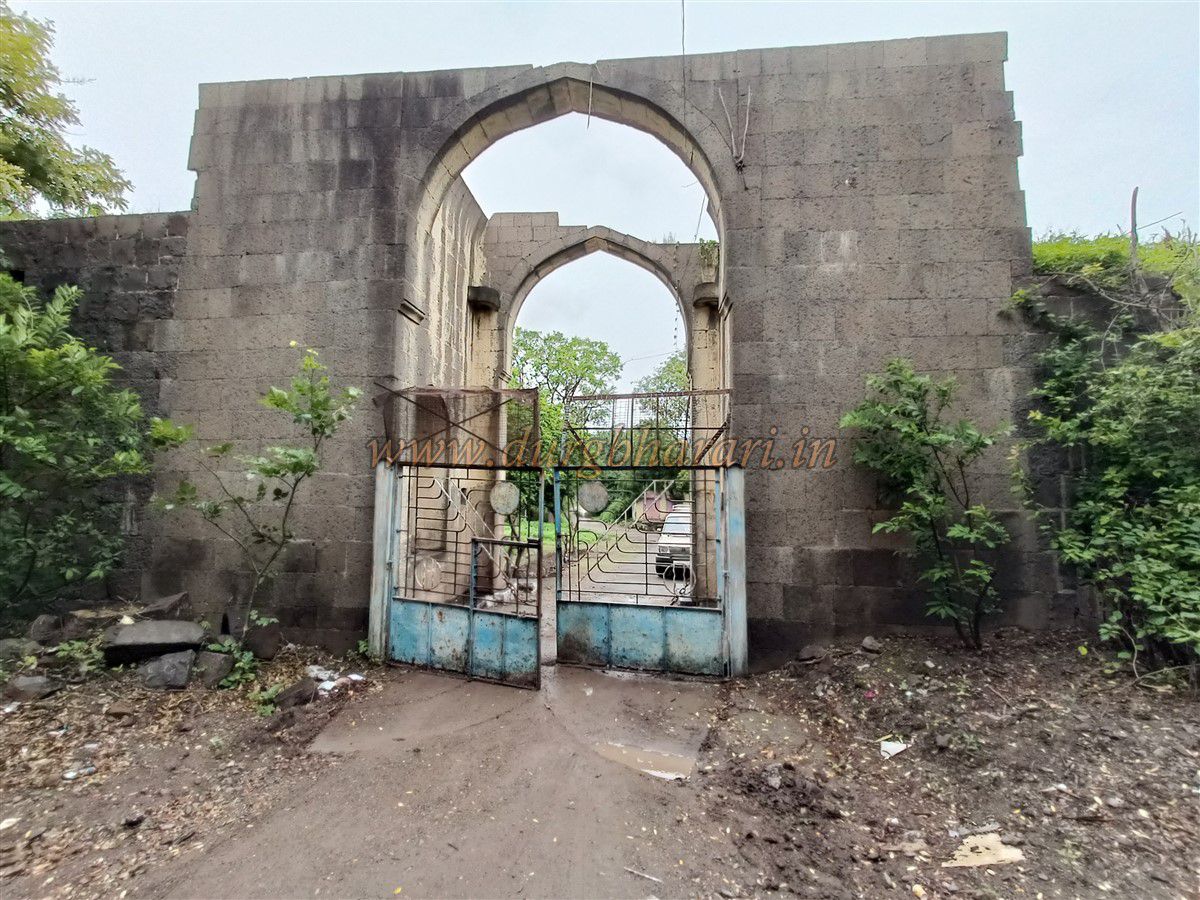
After viewing the gadhi, one should exit via the main gate and proceed towards the Siddheshwar temple. On the way, a third, north-facing Nagarkot-style gateway is encountered. This gate is notably tall and built entirely with well-cut stone. Guard chambers are located on both sides of the entrance, and a south-facing Hanuman temple is located just outside. One bastion and some section of the wall remain intact, while the other side has mostly collapsed.
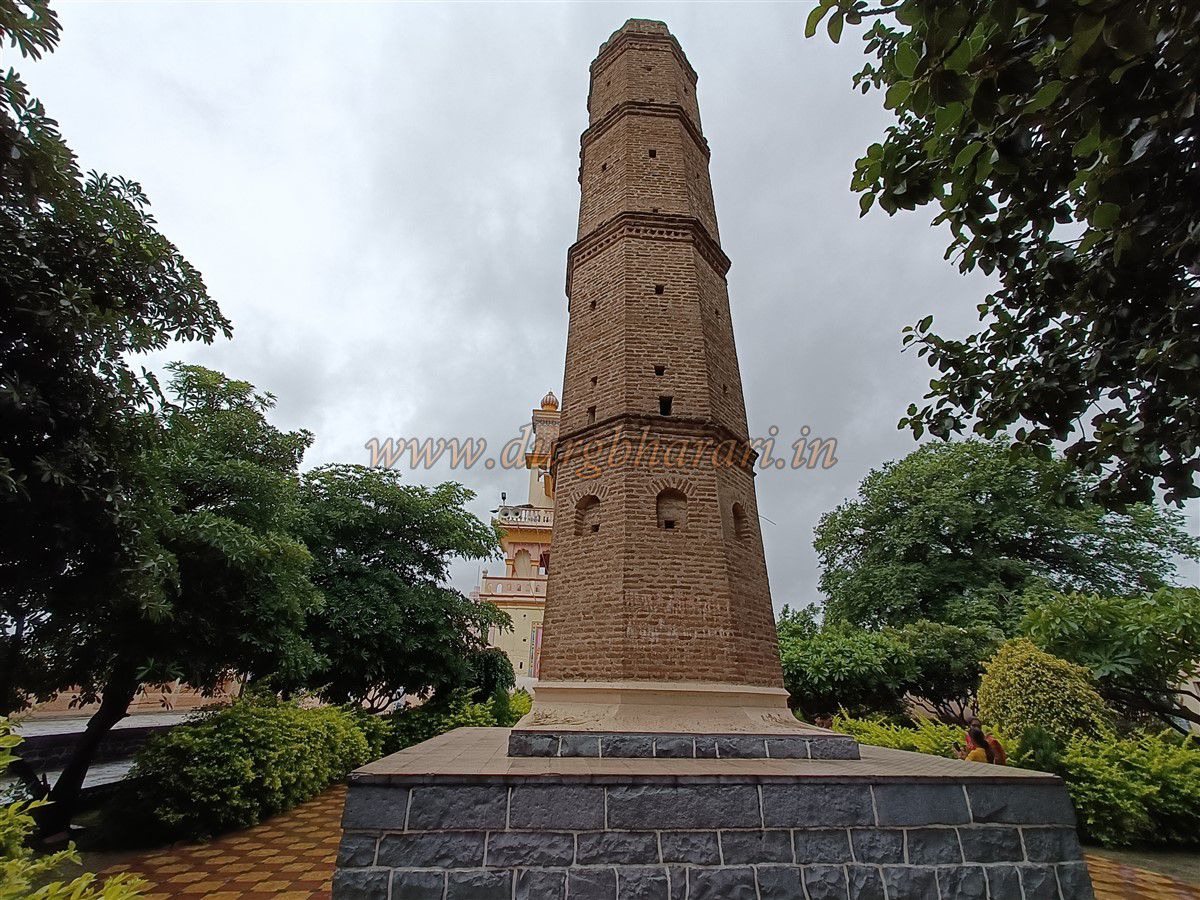
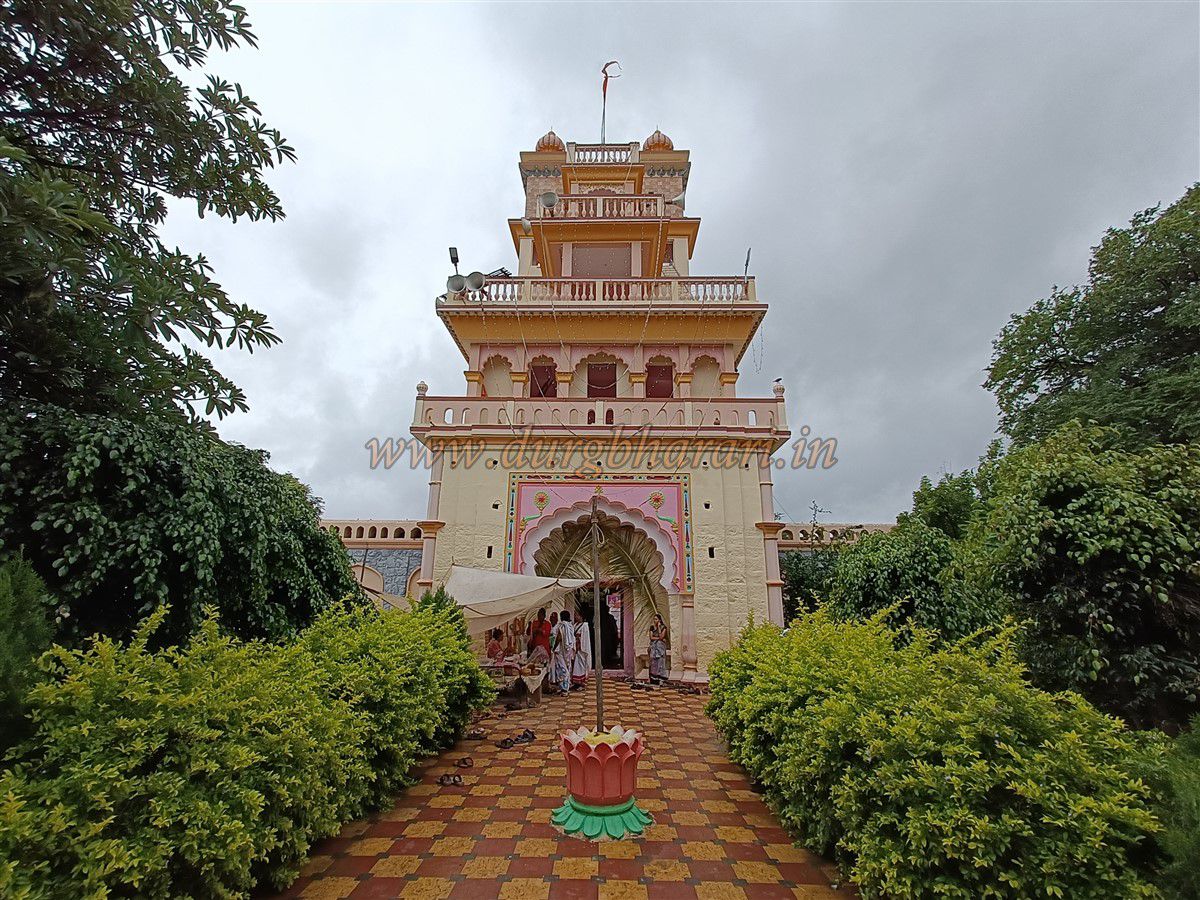
Proceeding towards the Siddheshwar temple, one notices the boundary wall built by Ahilyabai Holkar and the adjacent riverside Ghat. The temple is surrounded by a double enclosure. Before entering the first compound, on the left by the river, is a shrine associated with Chakradhar Swami. Inside the first enclosure is a 40-foot tall lamp tower, and along the wall are built-in rest houses for devotees. The main temple is enclosed within the second wall, whose gateway features a renovated three-story Nagarkhana (drum tower). Entering through this gate, one sees two more lamp towers and several small temples with rest houses on both sides. Another stepwell built by Ahilyabai Holkar is found in the temple premises.
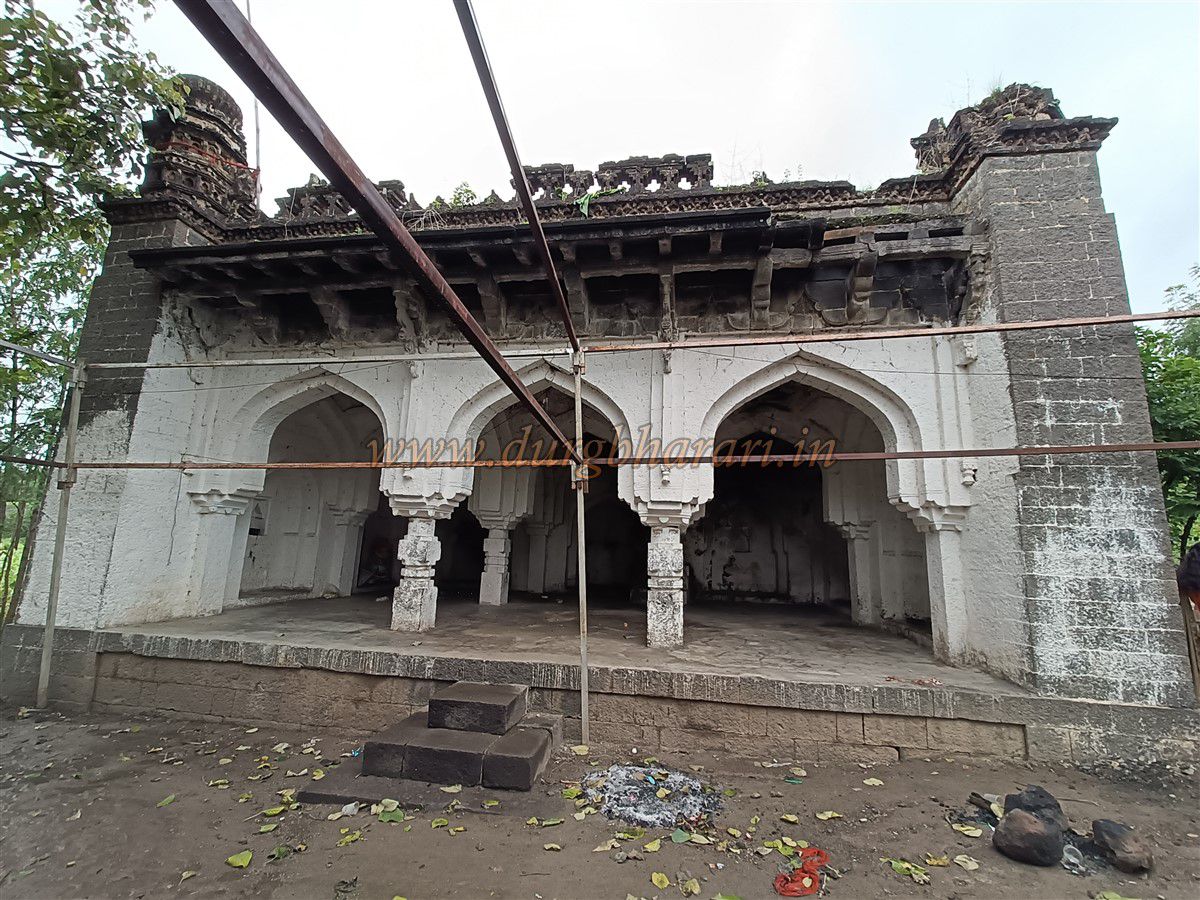
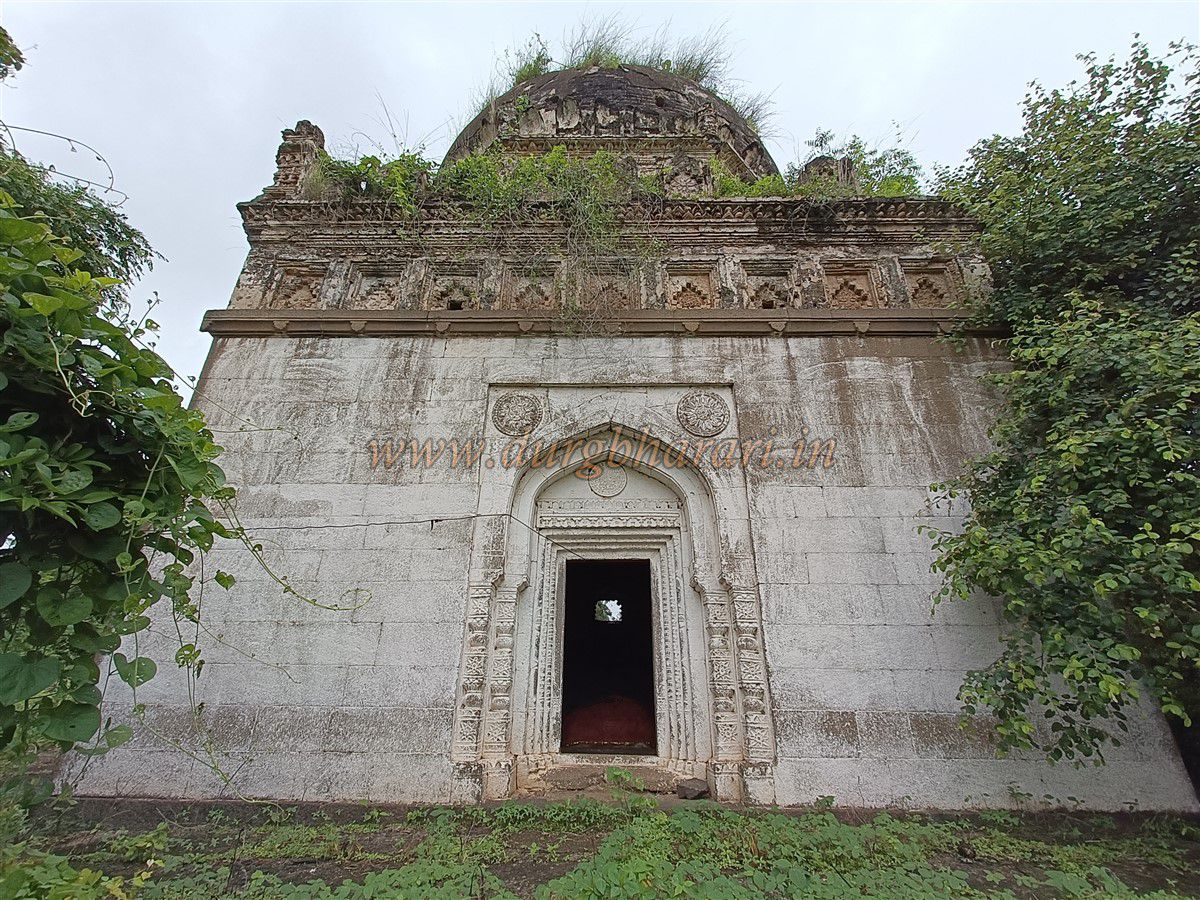
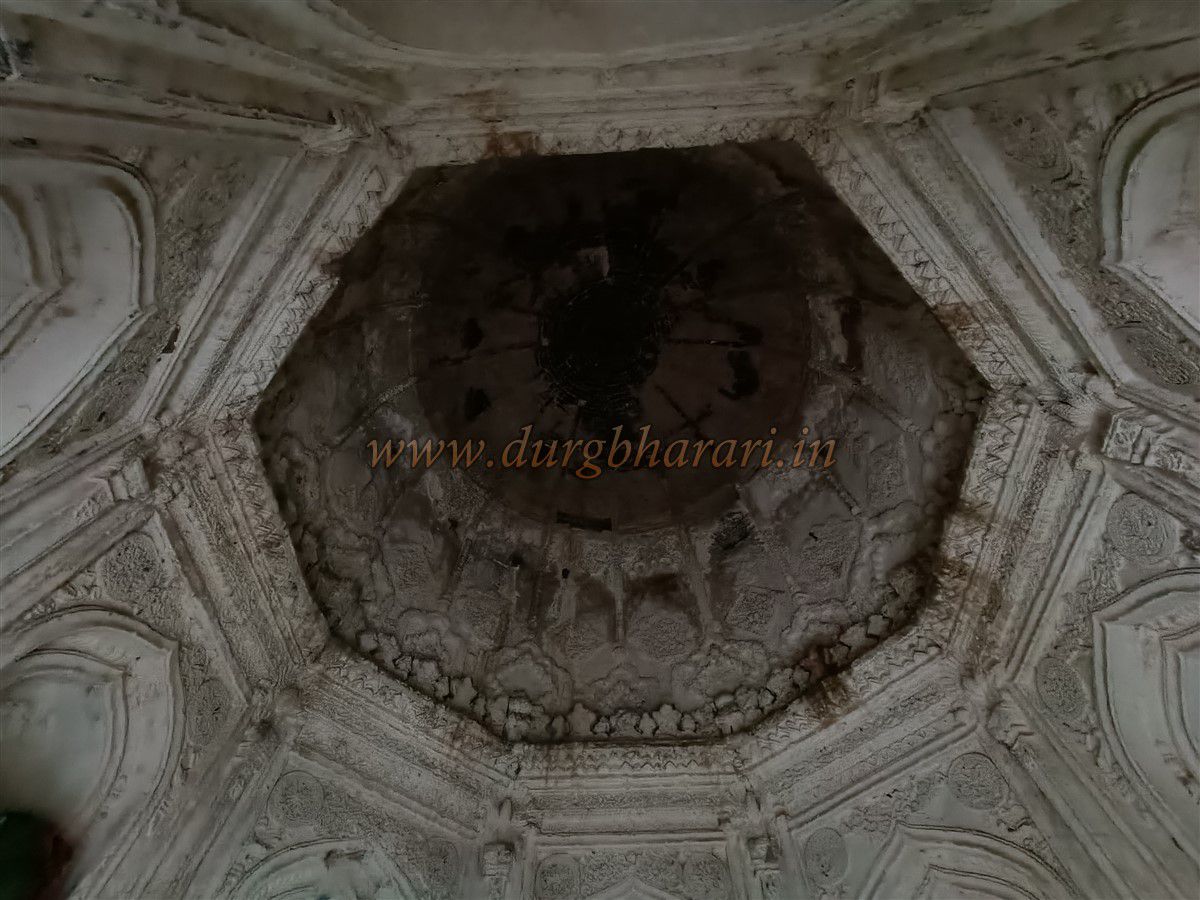
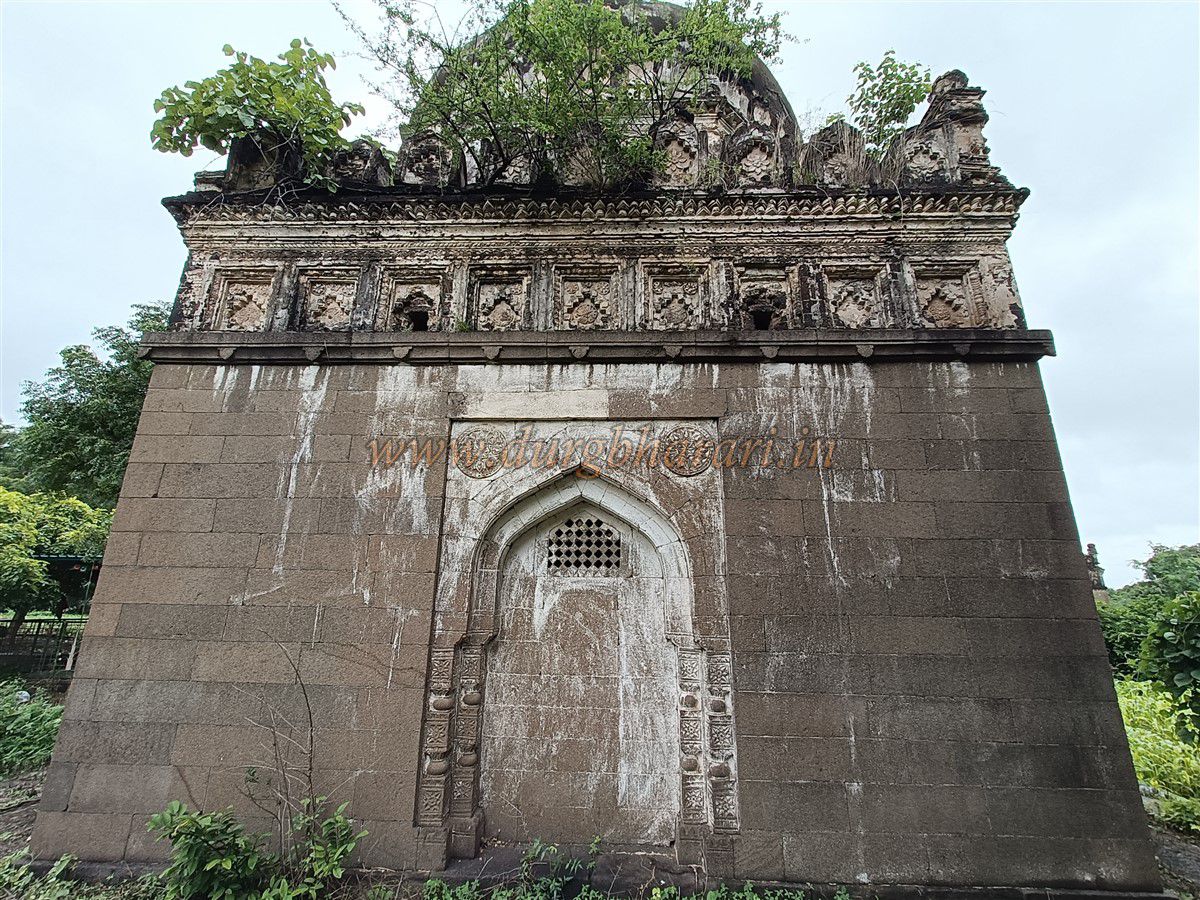
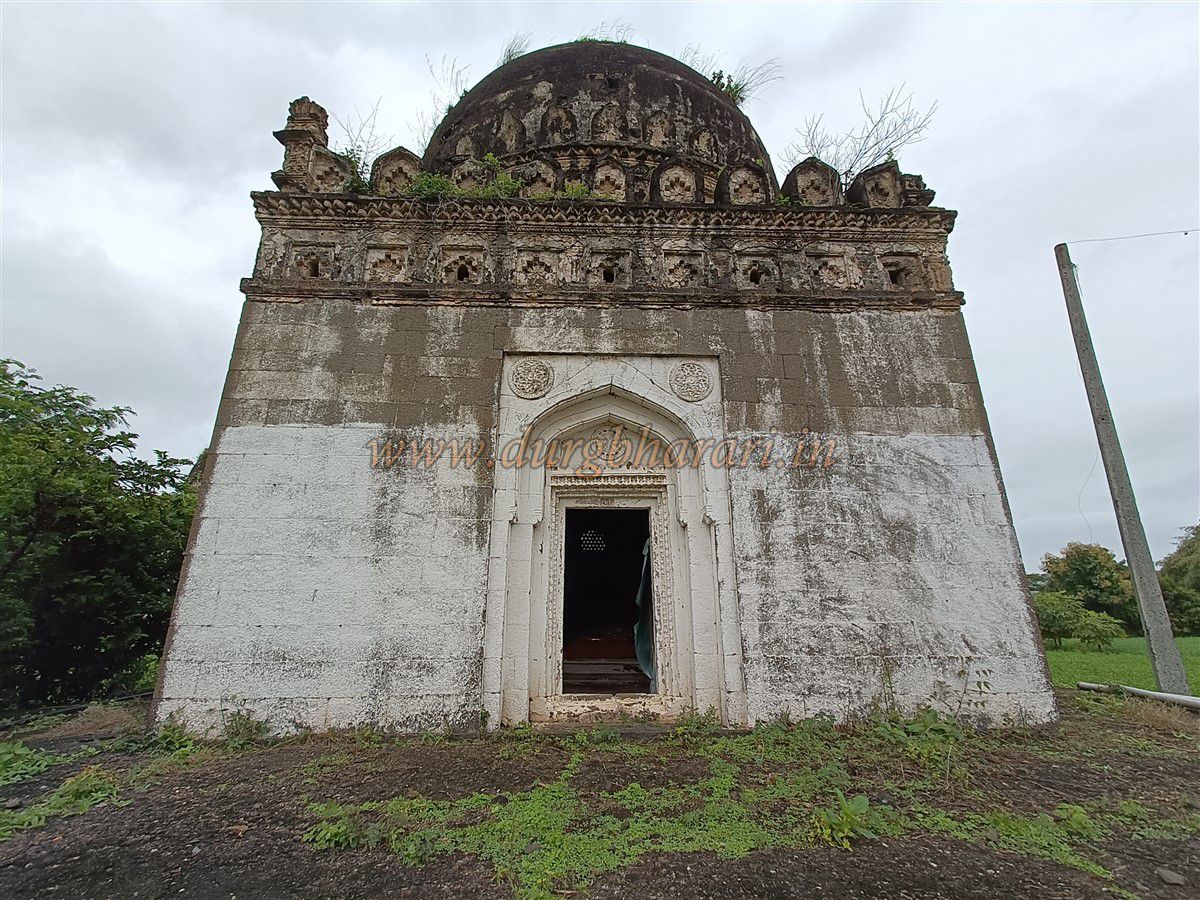
For performing Abhishek (ritual bathing) of the main Shiva Linga in the Siddheshwar temple, there is a covered underground cistern measuring 20 by 40 feet. A little away from the temple are two domed mausoleums reminiscent of the tombs in Ahmednagar, suggesting medieval origin, along with a nearby mosque.
The history of Mandavgan begins in mythological times. Nimbwadi, located about 2 km from Mandavgan, is believed to be the meditation ground of Sage Mandavya. After him, his disciples are said to have resided in the area. It is believed that the name “Mandavgan” originated from “Mandavyacha Gan” (the group or settlement of Mandavya), which eventually got corrupted into “Mandavgan.”
In 1760 CE, on the way to the Battle of Udgir against the Nizam, the army of Peshwa Sadashivrao Bhau camped at Mandavgan. It is said that the army stayed on Vetalmal, while the Peshwa himself stayed at the Siddheshwar temple. However, considering that the Holkar mansion was already present in the village and the village was fortified, it seems unlikely that the Peshwa would choose the temple for residence. Nevertheless, it is said that the Peshwa performed ritual Abhishek of the Shiva Linga in the temple before departing.
Later, in 1788 CE, during the tenure of Subhedar Tukoji Holkar, when the Nizam attacked this region, the local Deshmukhs successfully resisted the assault. Once Holkar's army arrived, the Nizam’s forces were forced to retreat. In the battle, a Holkar war elephant named Bhairav was fatally wounded and died. The memorial of this elephant can still be seen behind the gadhi.
A complete visit to the Mandavgan village, including its gateways, Holkar gadhi, and temples, takes approximately three hours.
© Suresh Nimbalkar
GALLERY