MANDAPESHWAR
TYPE : SHAIV LENI
DISTRICT : MUMBAI
There are about 1,200 rock-cut caves in India, out of which approximately 1,000 are found in Maharashtra alone. The stone of the Sahyadri range is ideal for carving caves. Even the city of Mumbai has an ancient history. In the northern part of Mumbai, caves like Kanheri, Mandapeshwar, Magathane, Mahakali, and Jogeshwari can be found. Among these, the smallest is the Mandapeshwar cave near Borivali-Dahisar. While Kanheri and Mahakali are known for their Buddhist origins, Mandapeshwar is famous for its Shaivites carvings.
These caves were excavated at the eastern base of a hill known as Mount Poysar in the 6th century. One can reach the site easily by taking an auto-rickshaw from Borivali or Dahisar railway stations. The rock of Mandapeshwar is of better quality than that of Kanheri.
...
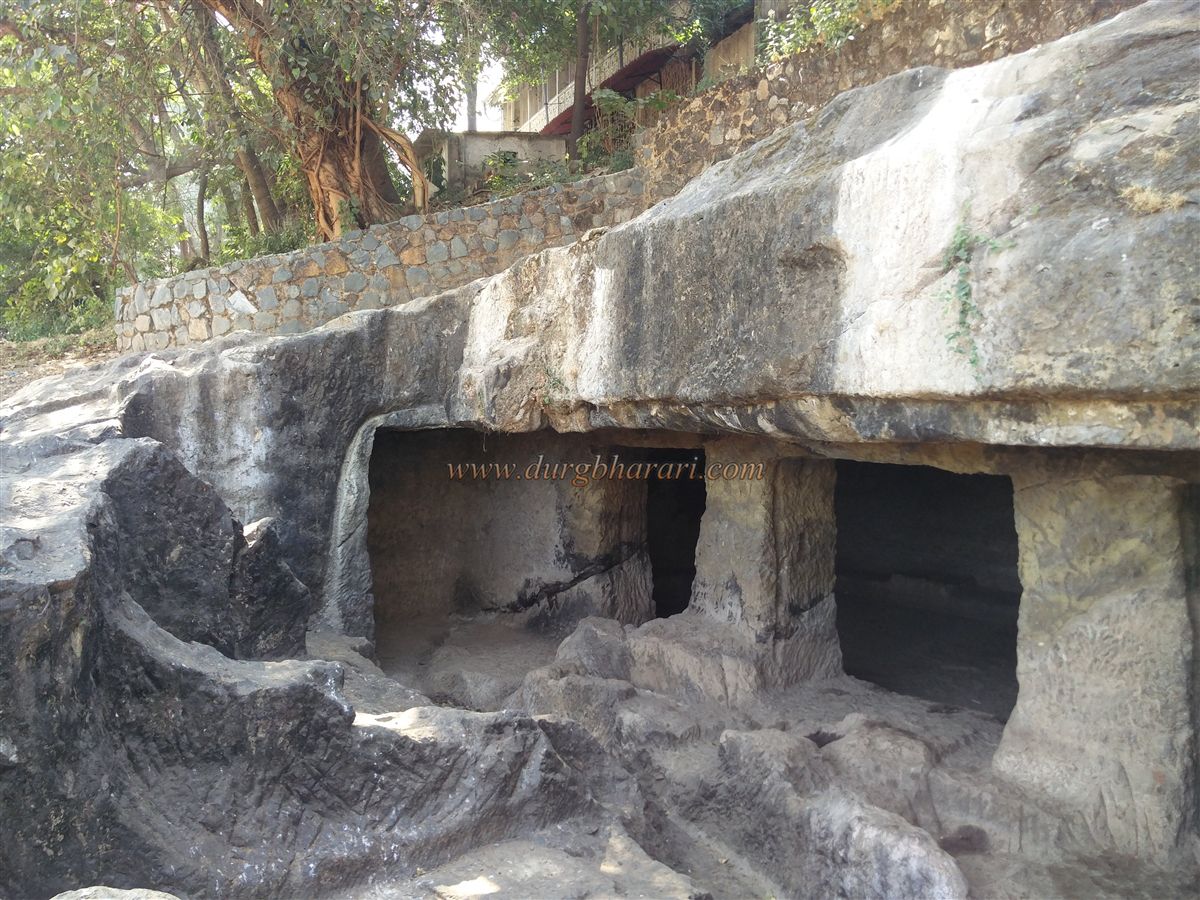
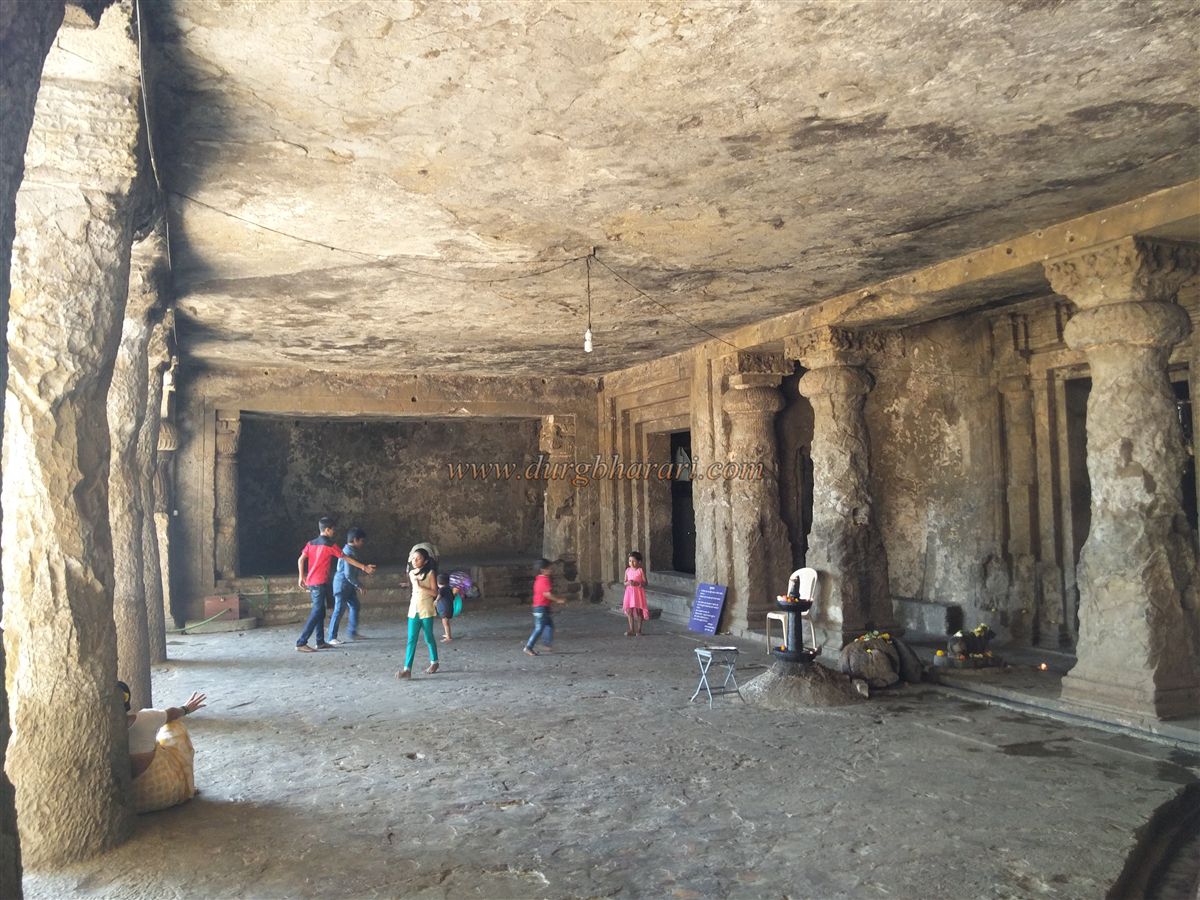
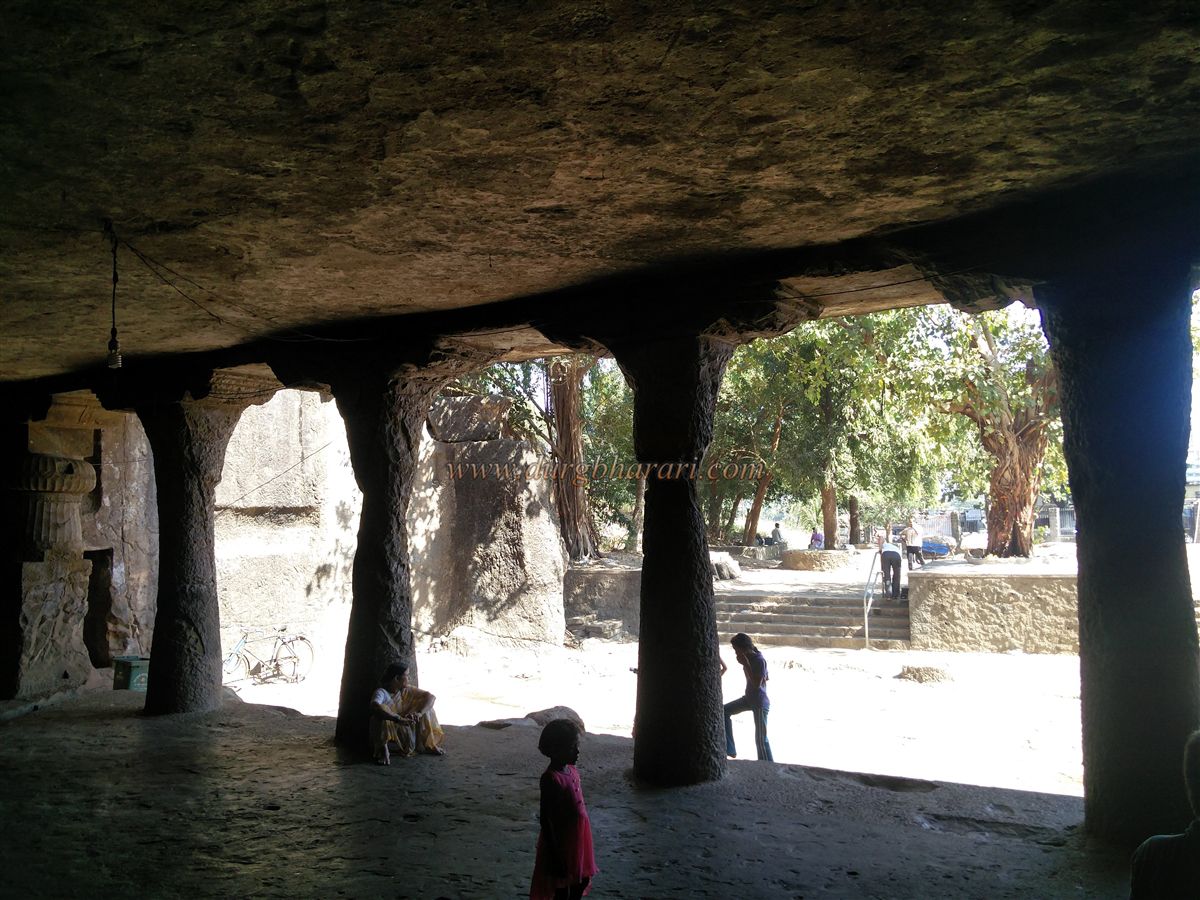
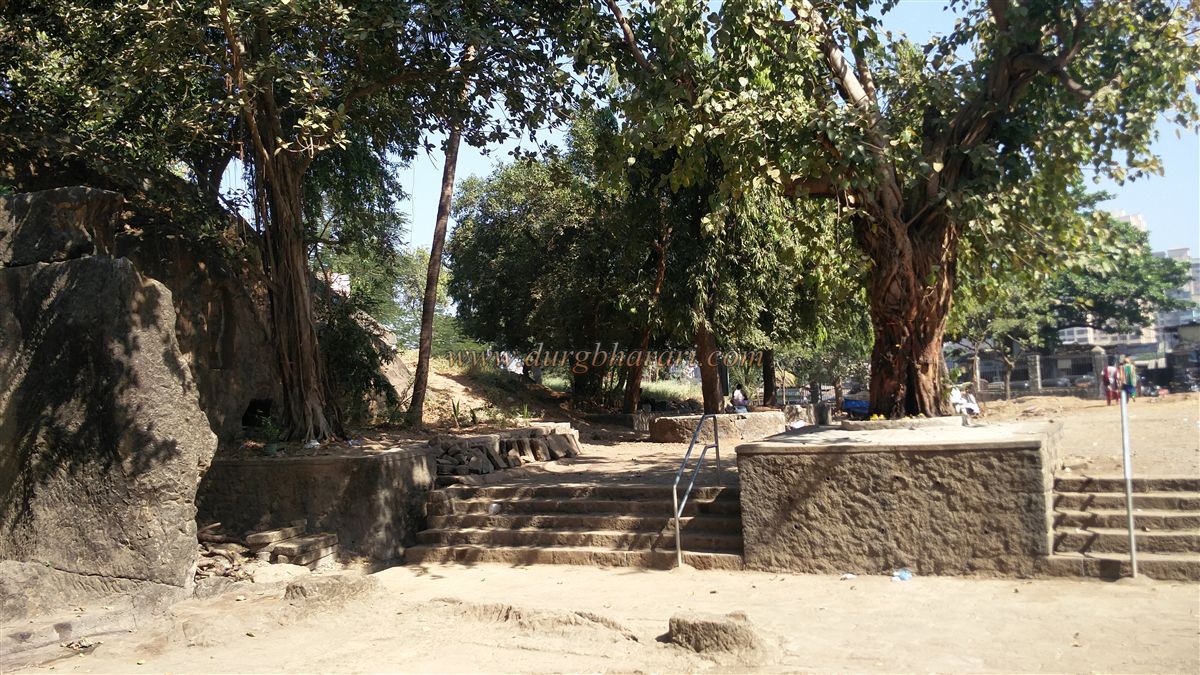
In front of the cave lies an open space like a ground, and in one corner of this space, the ruined Mandapeshwar cave catches the eye. Children are often seen playing in the area around the caves. Compared to Jogeshwari, these caves are quite small, though they have a large courtyard in front.
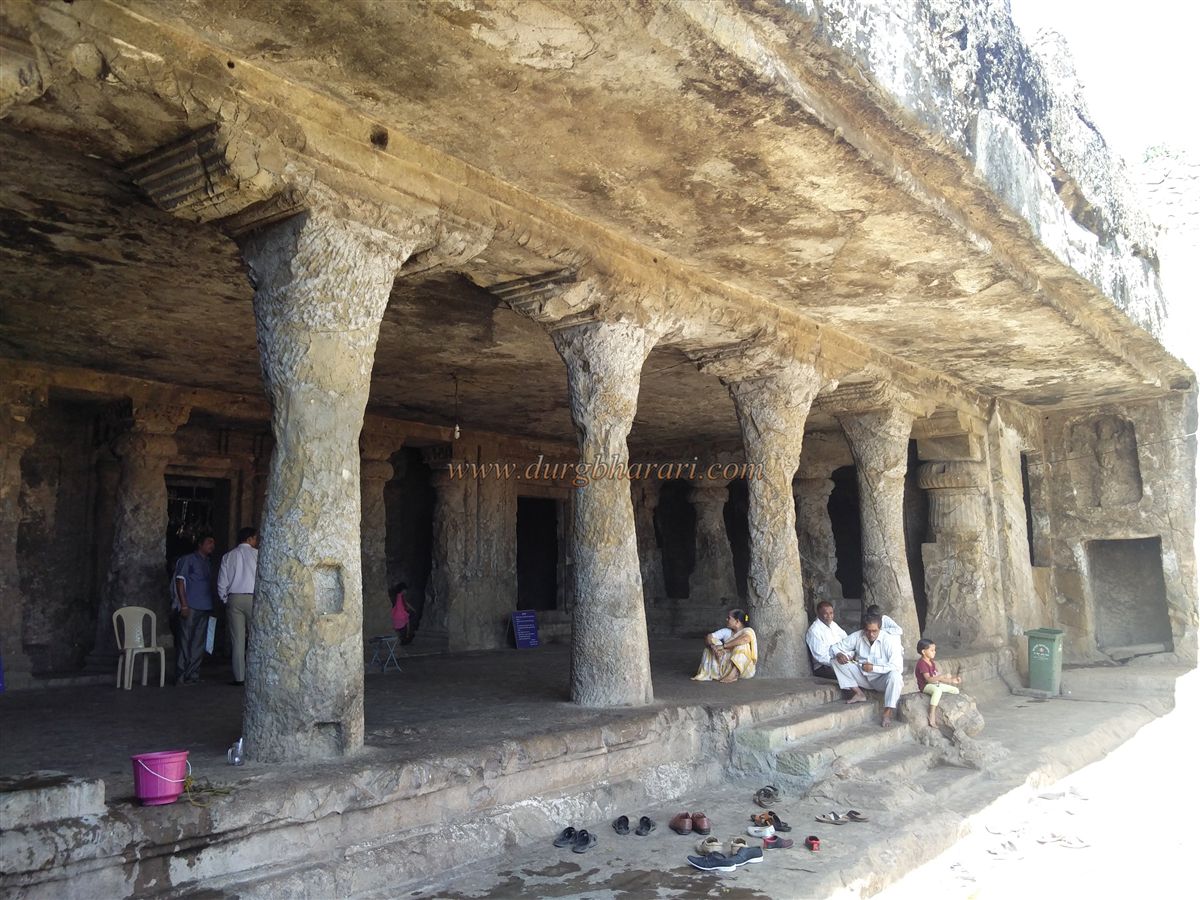
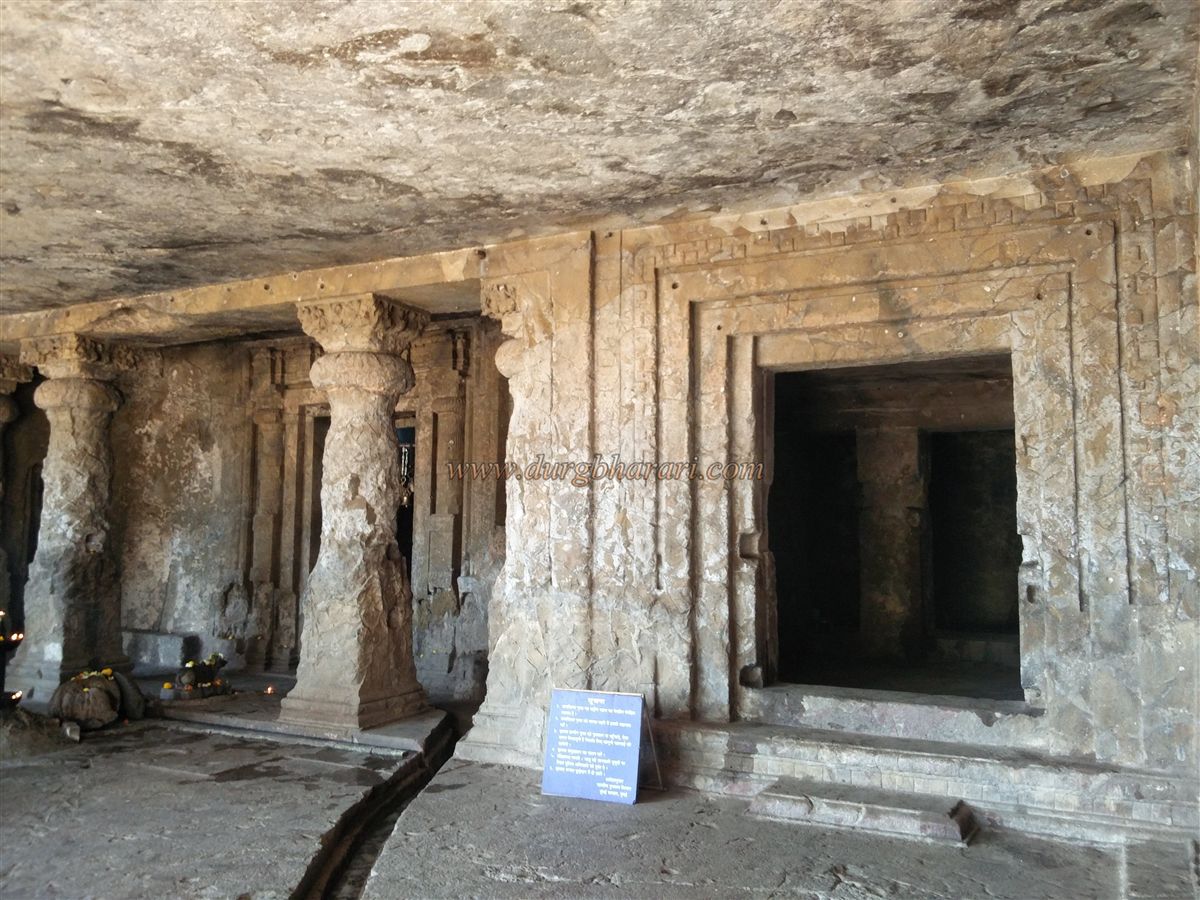
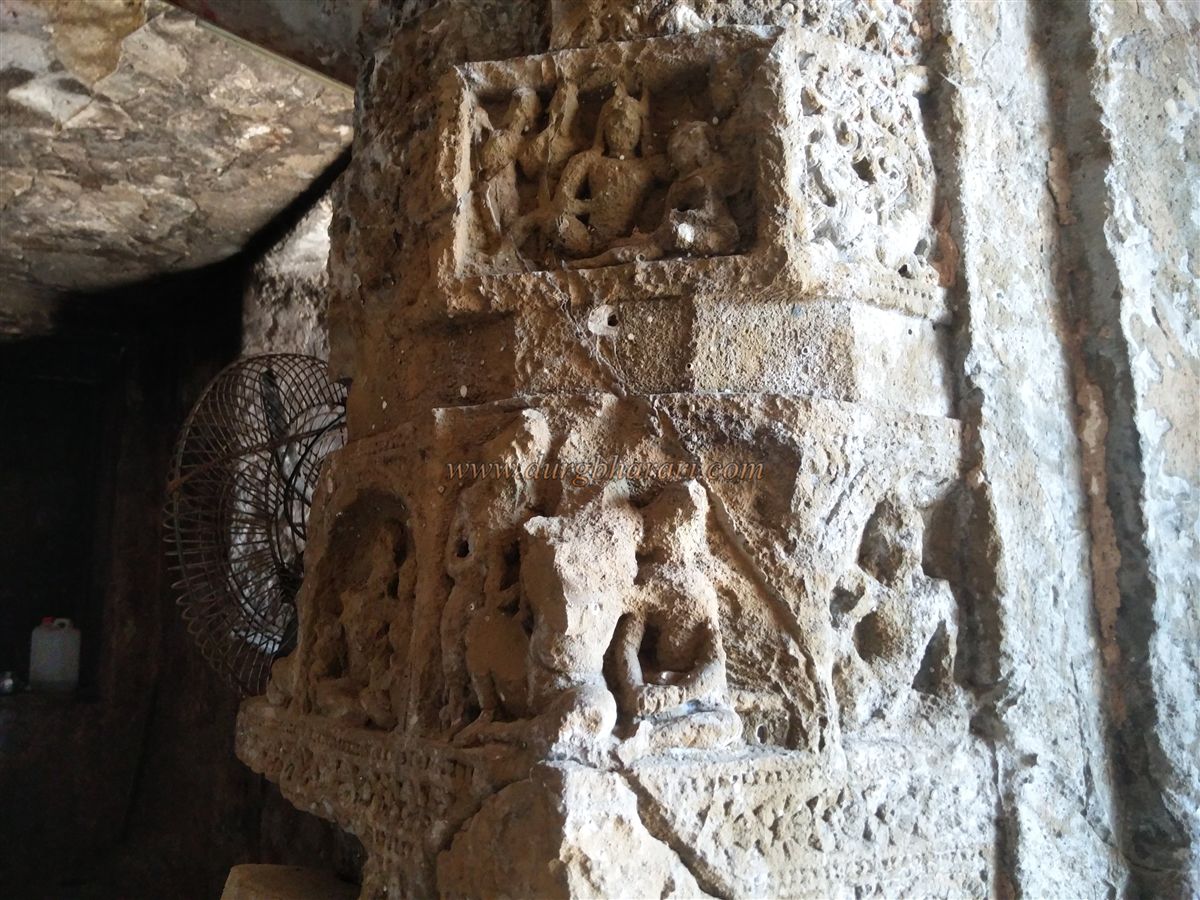
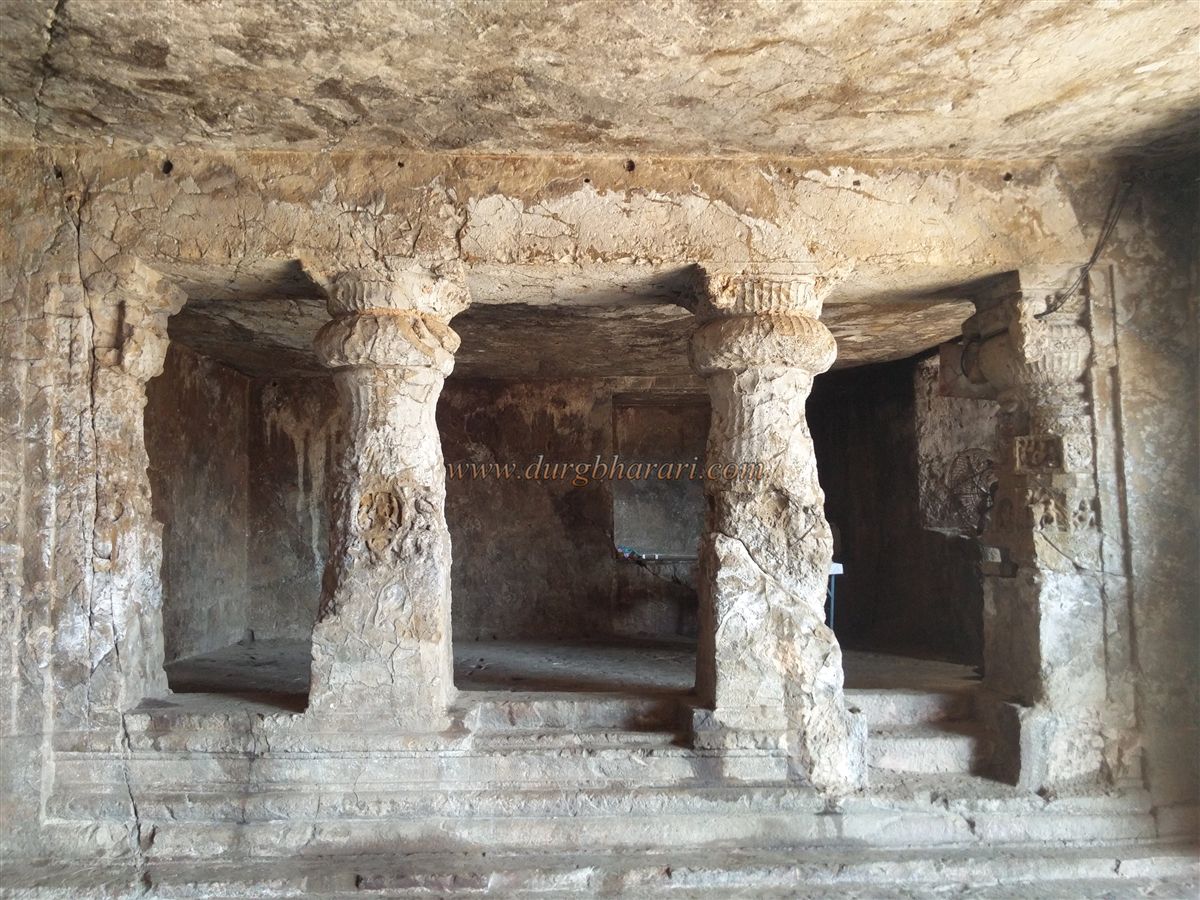
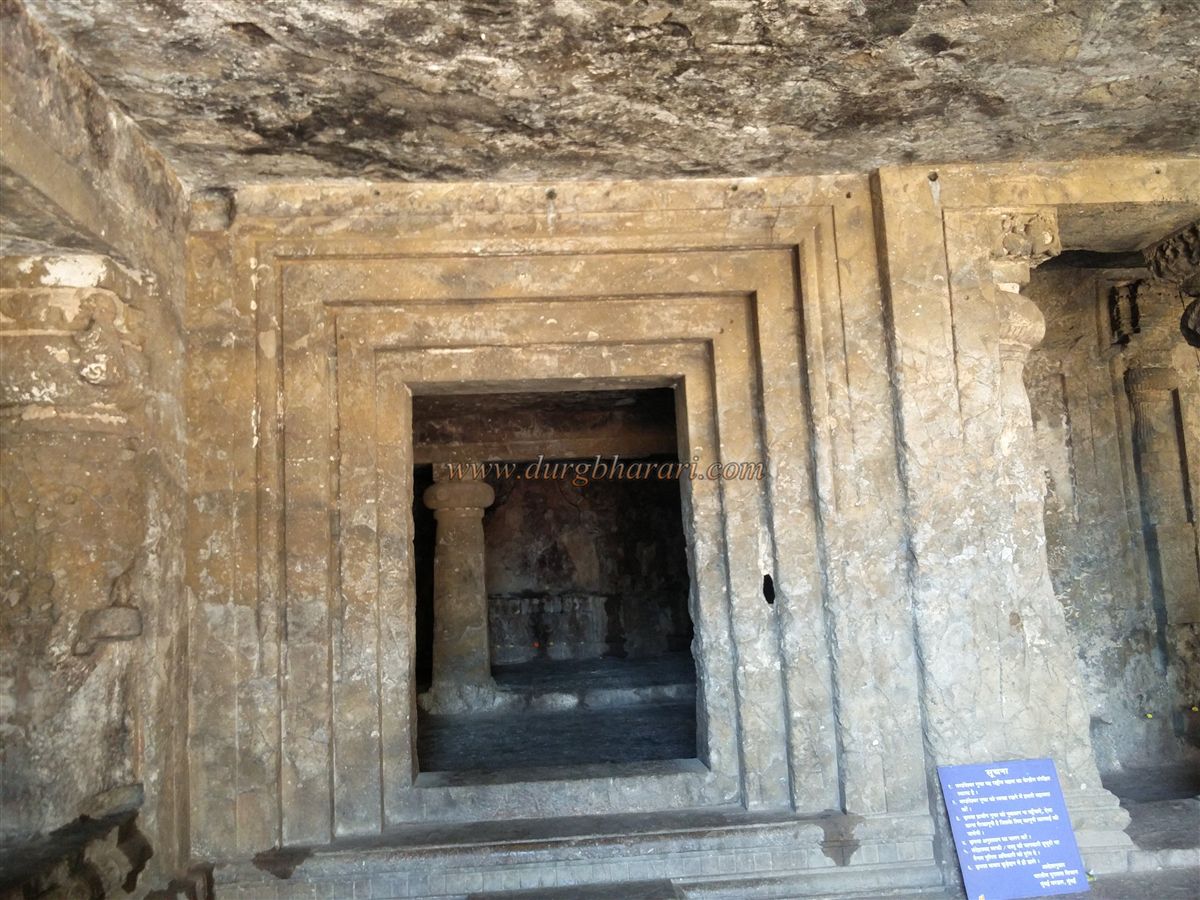
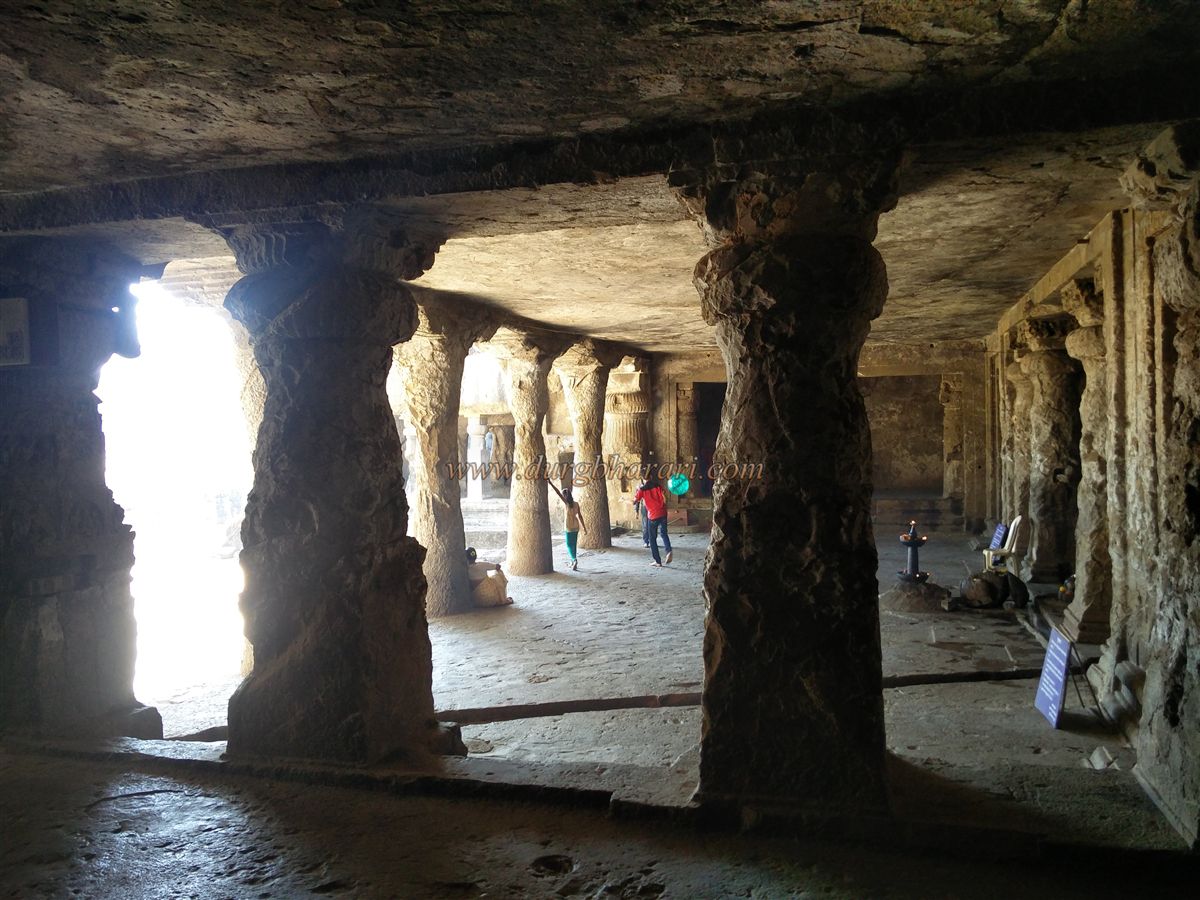
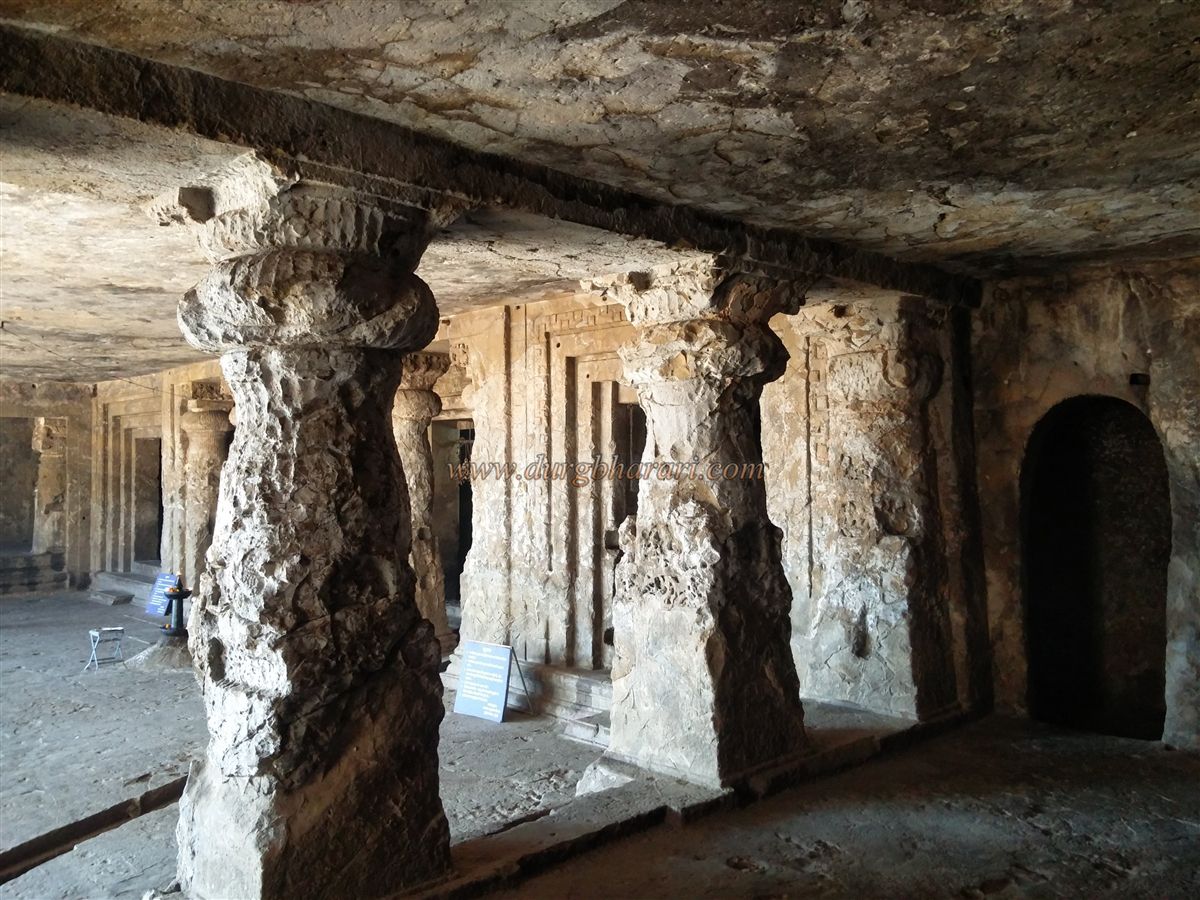
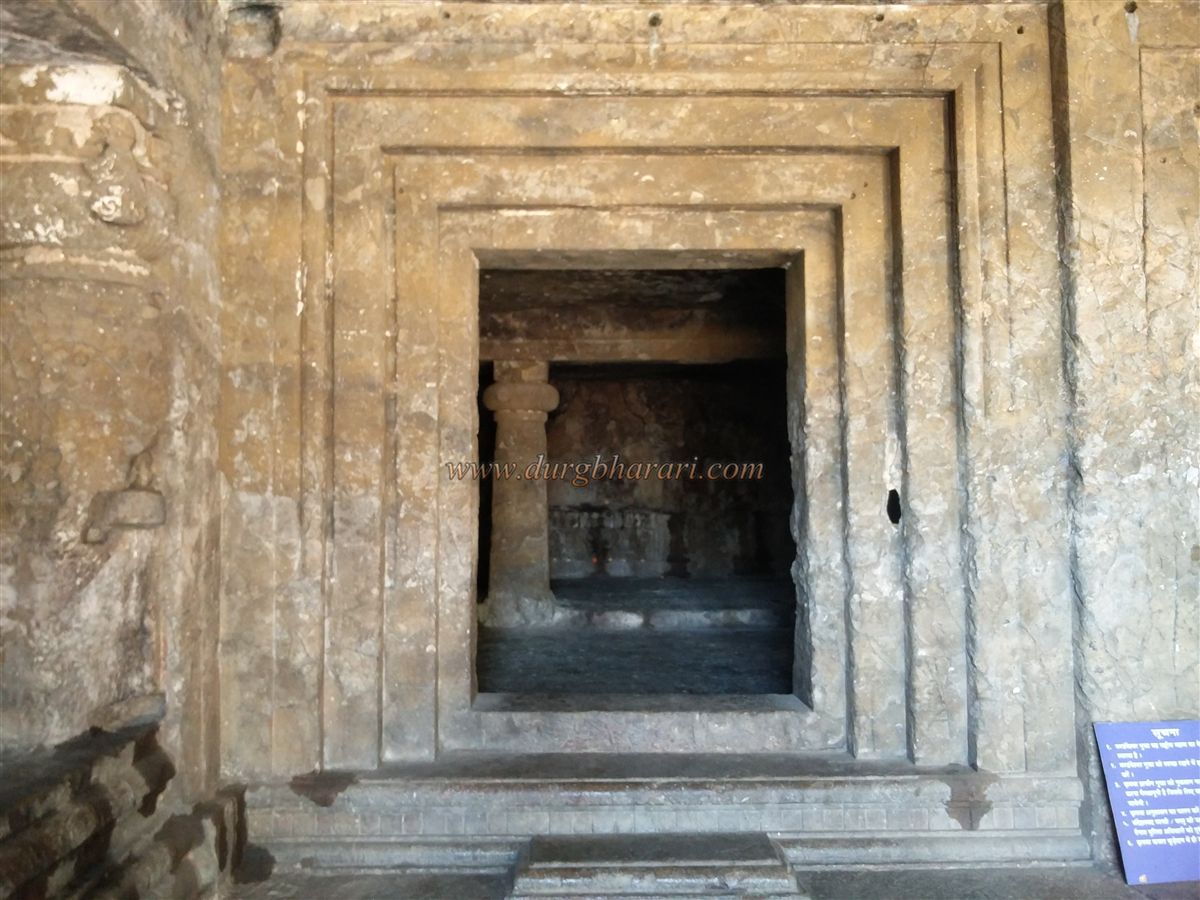
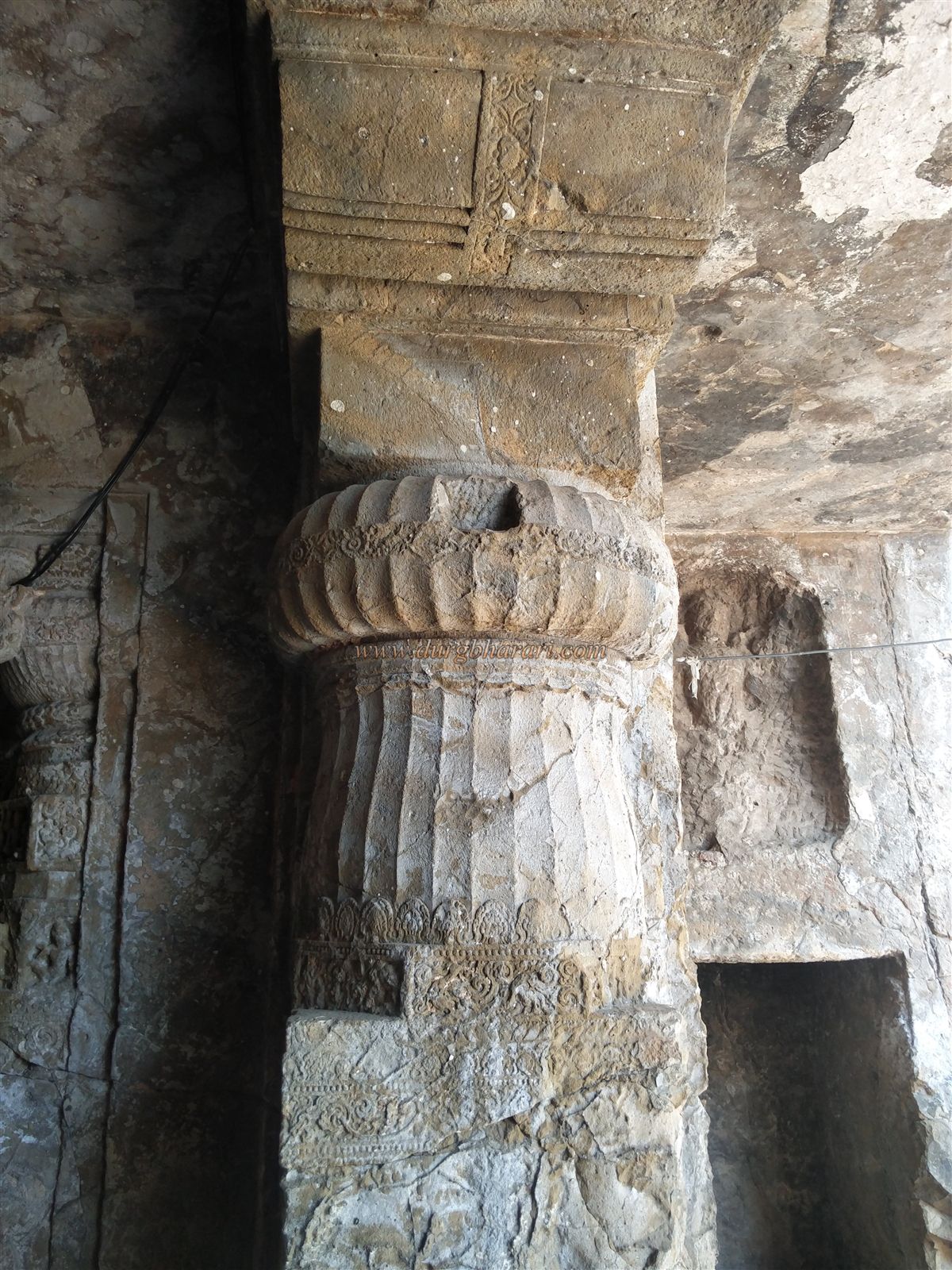
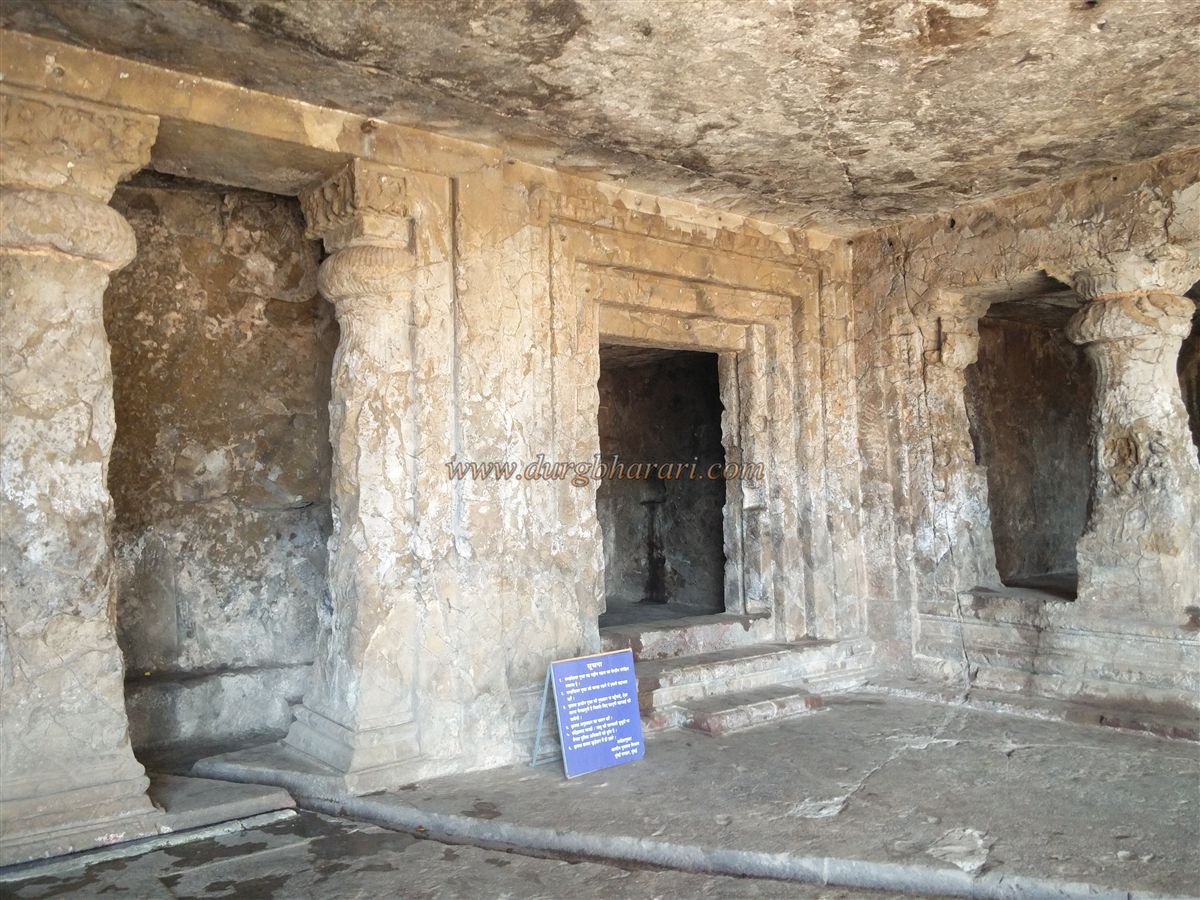
The hall (Sabhamandap) inside the cave is 51 feet long and 21 feet wide. The façade features four pillars. Though similar to those in Elephanta at first glance, these have far more intricate carvings, suggesting that the Mandapeshwar cave was excavated after the Elephanta caves. The structure progresses from the Sabhamandap to the antaral (inner hall) and then the Garbhagriha (sanctum). Inside the cave, at the centre, is a Shiva temple. On both sides are two smaller caves connected from the inside, with adjoining large rooms.
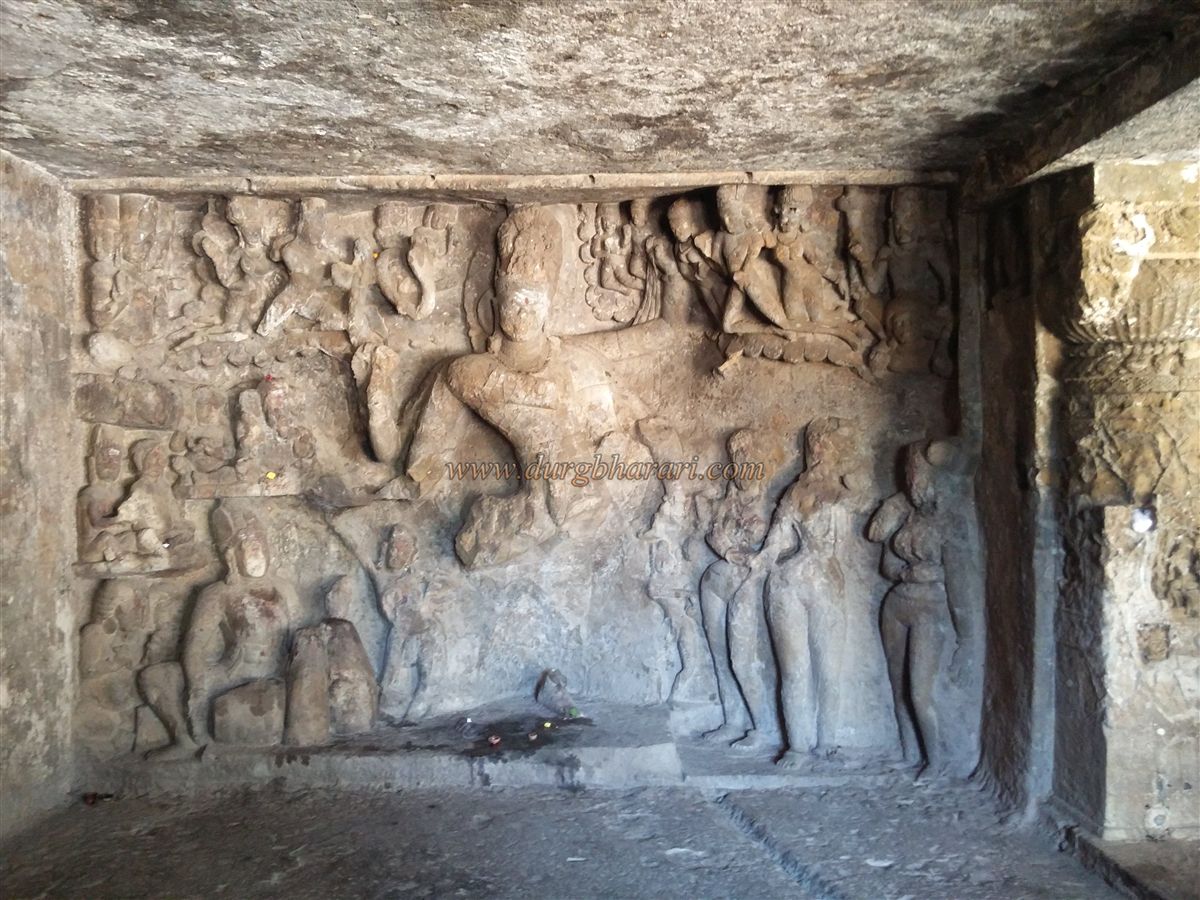
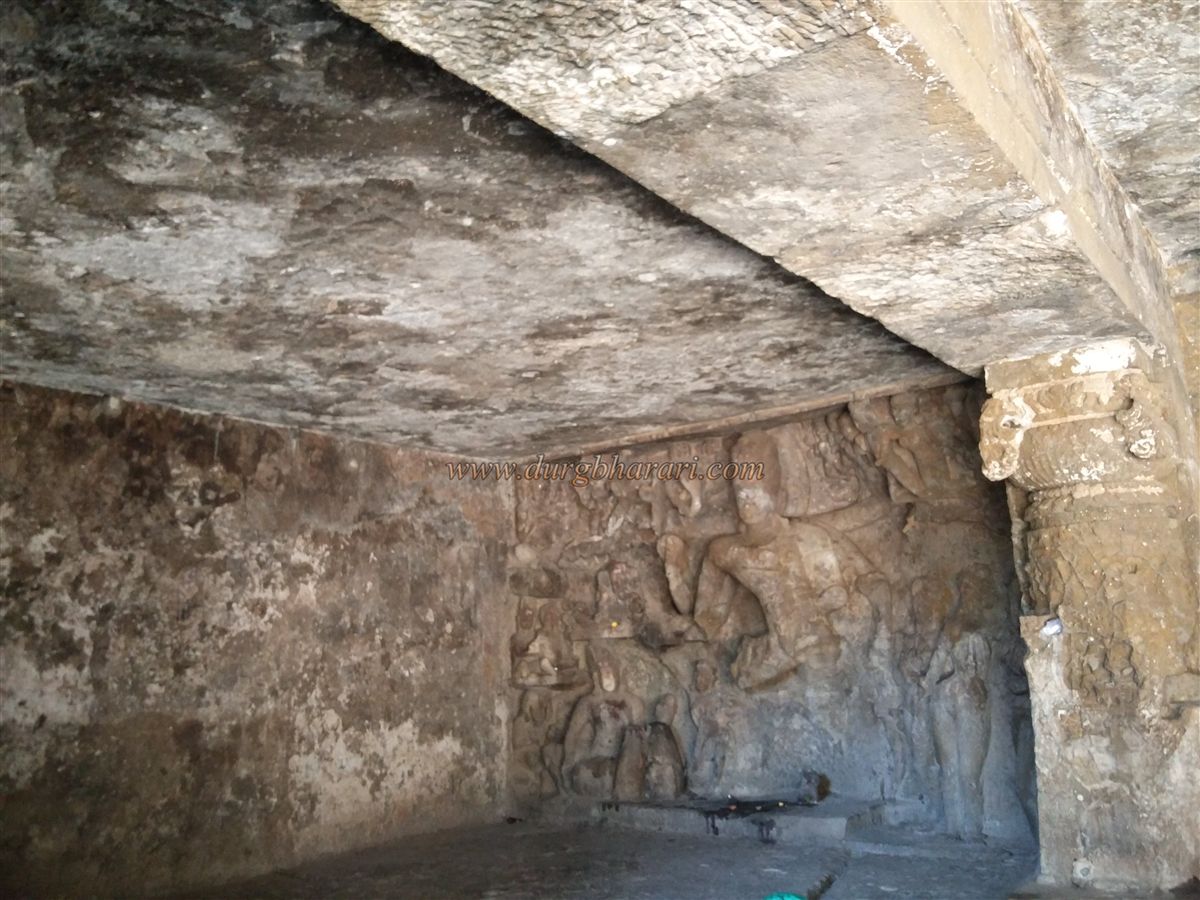
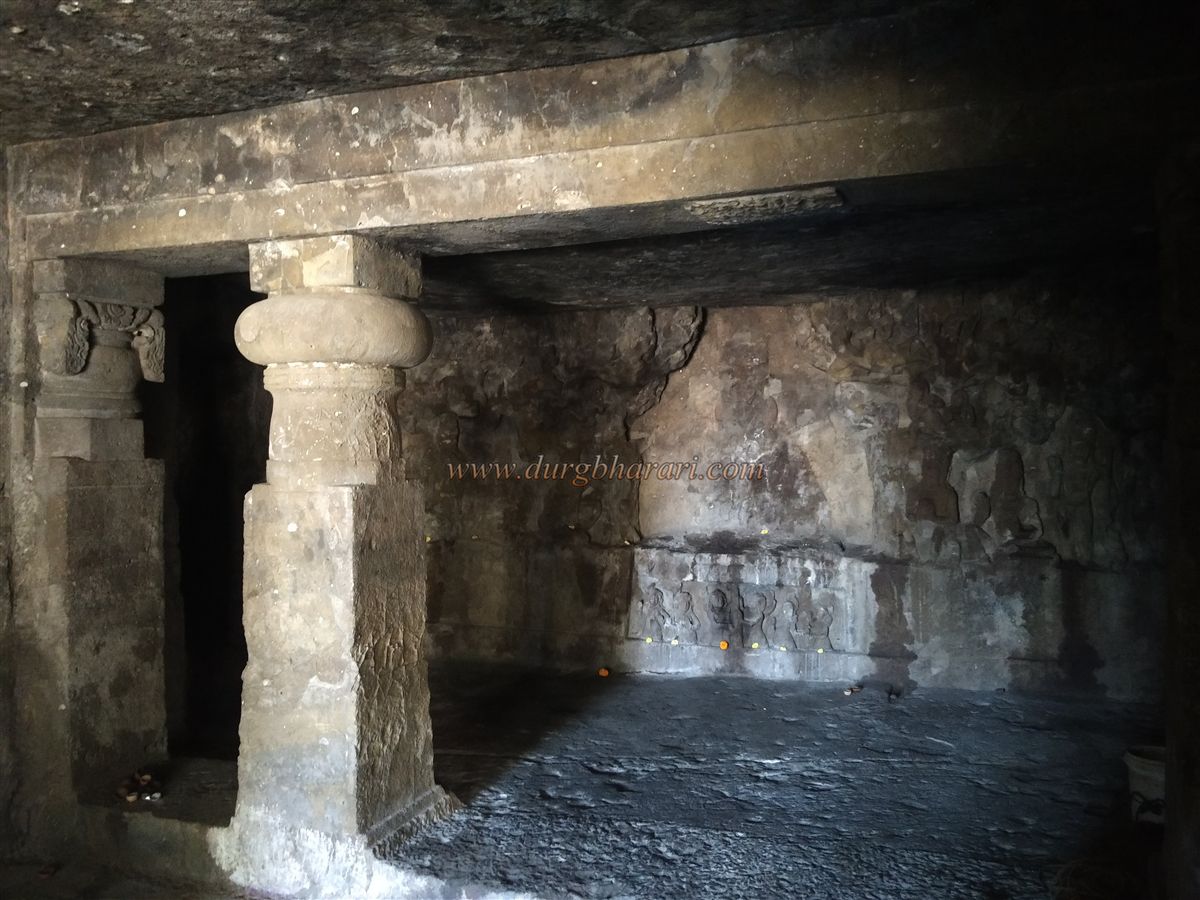
Inside the sanctum is a recently installed Shiva Linga. The cave also features two sculptures each of Shiva in his cosmic dance form and of Lakulish. A grand carving depicting Shiva dancing, accompanied by musicians playing various instruments, adorns the left wall of the Sabhamandap. Beside Natesha (Shiva in dance form) are depictions of Brahma, Ganesha, and Vishnu, enjoying the dance. Connected to this chamber are two additional rooms. The Portuguese later used this site for storing goods.
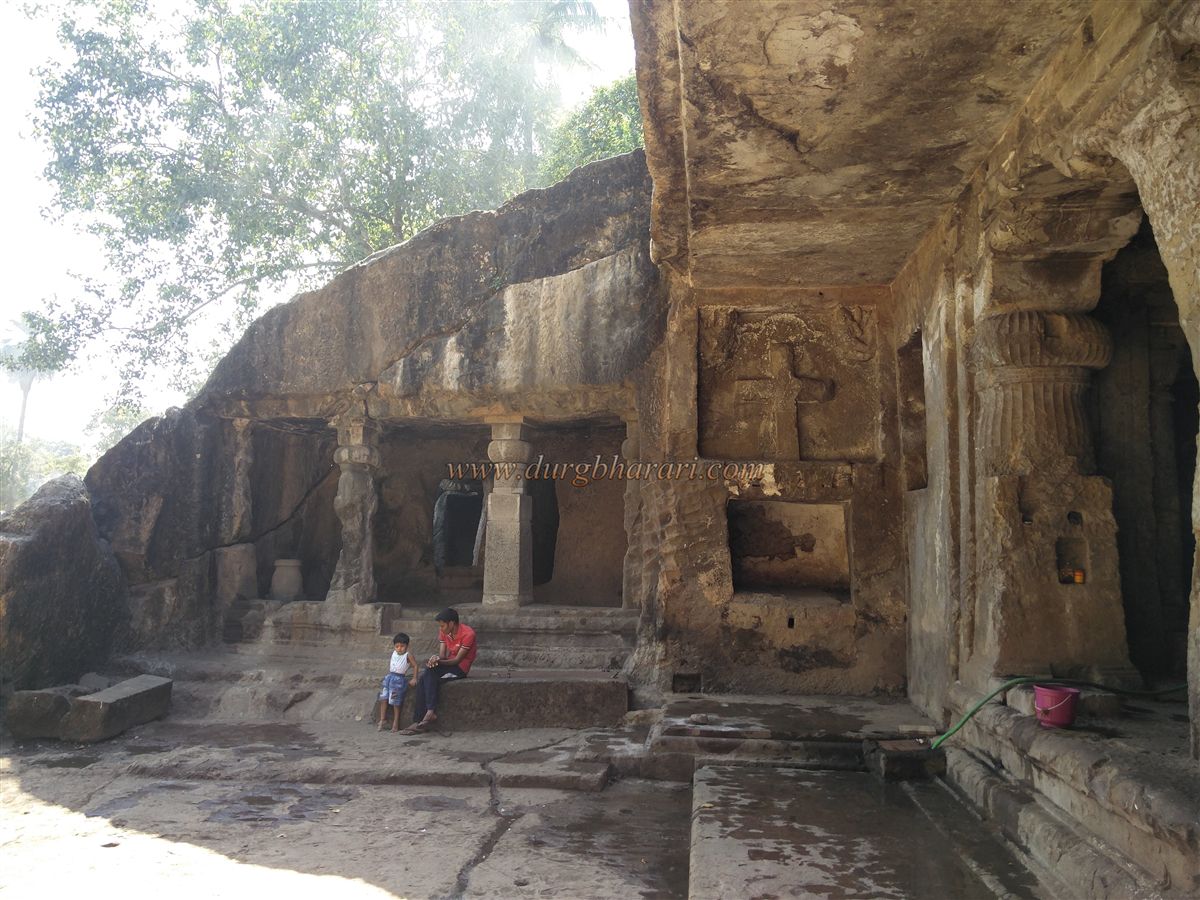
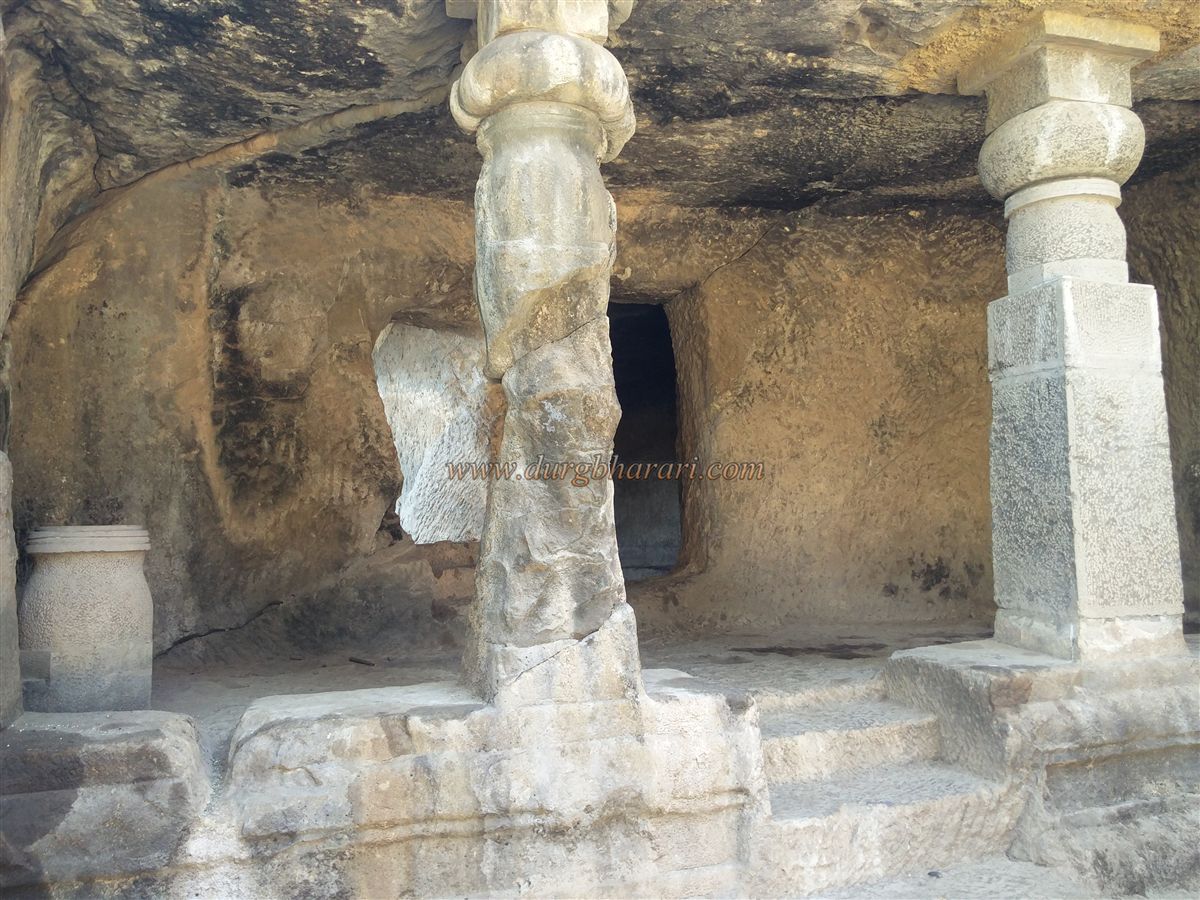
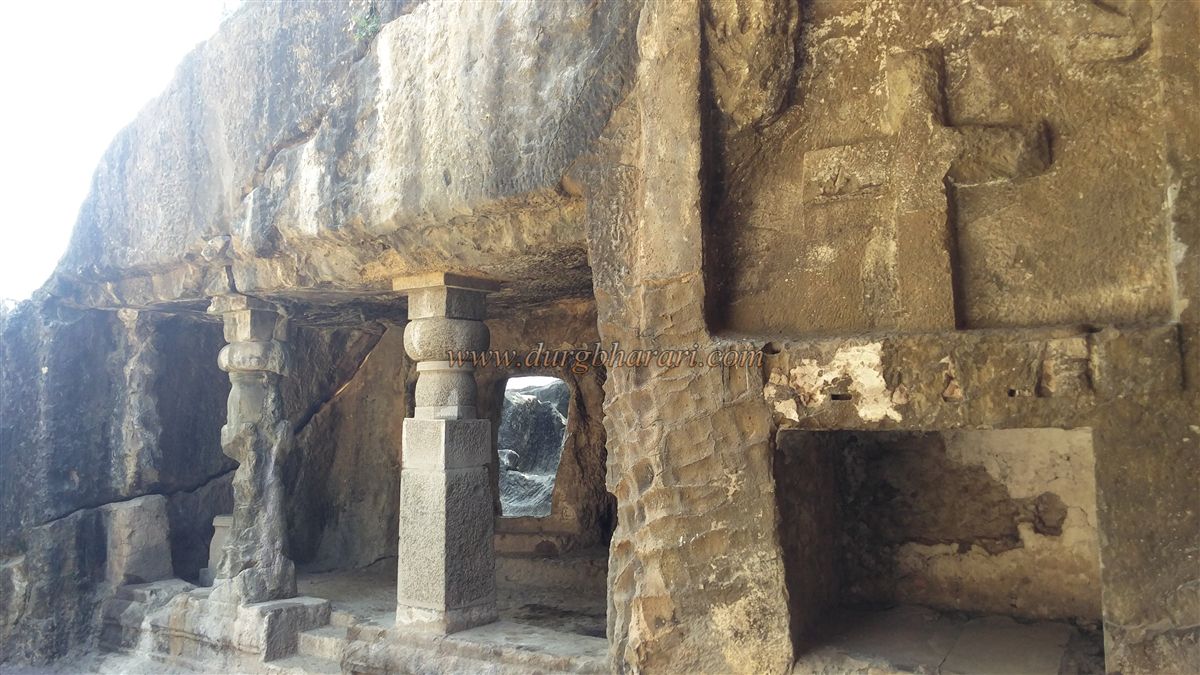
The Portuguese, who came for trade, also brought their religion. After establishing their church in the area in the 16th century, a Roman Catholic priest named P. Antonio de Porto converted the Shiva temple into a church. To do this, he dug a large wall in front of the caves. He removed the two pillars at the entrance to Natesha's chamber and turned it into an altar. Square sockets were carved to install wooden beams, remnants of which still survive in some places. A circular carving was made on the ceiling above the Nandi bull outside the sanctum. On a sculpture carved in the left stone outside the cave, a cross was engraved, while the one on the right was left untouched as it couldn't be altered.
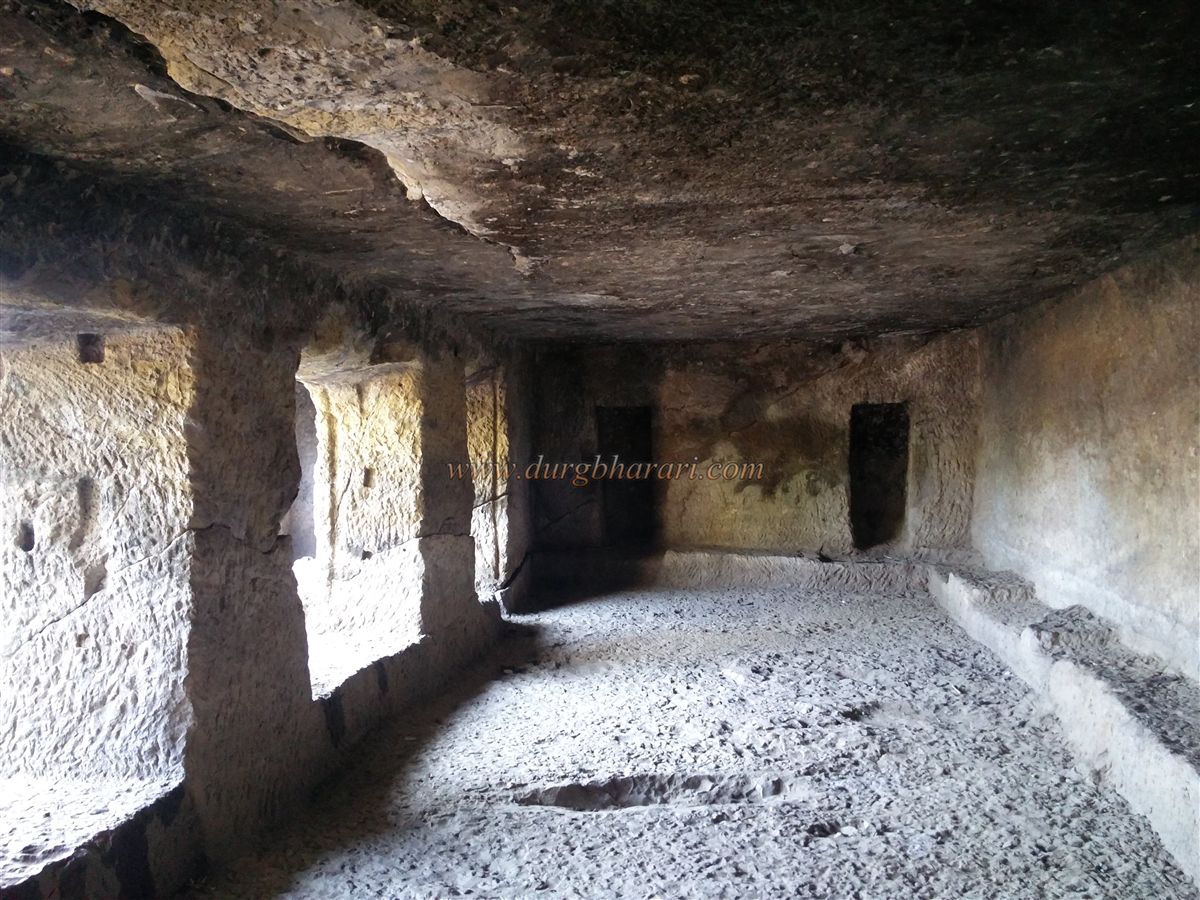
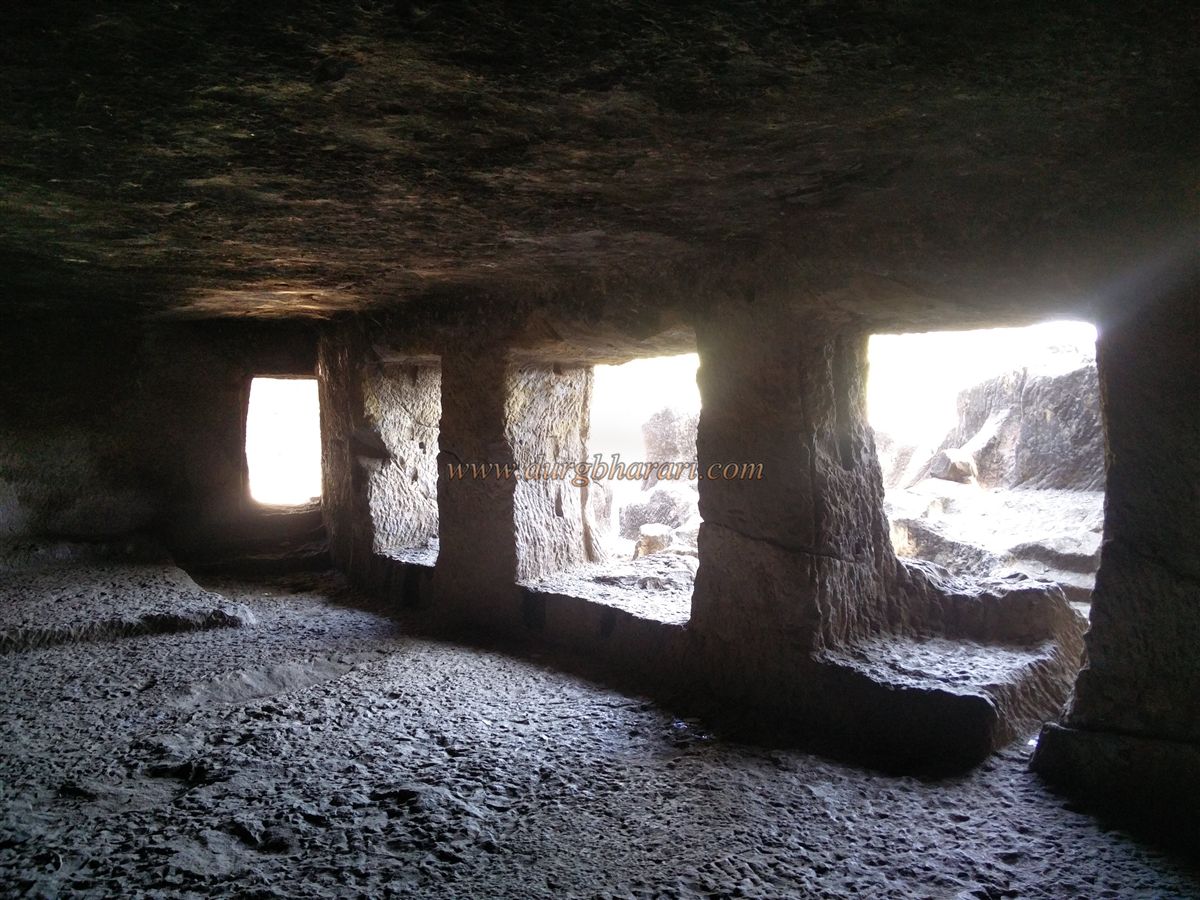
Next to the figure with the cross, there were two large chambers outside. Though the floor and walls were uneven, the chambers were spacious. Some sculptures inside were covered with walls and the floors plastered. This protected the sculptures. When the walls were removed and the plaster scraped off, the beautiful sculptures were revealed again.
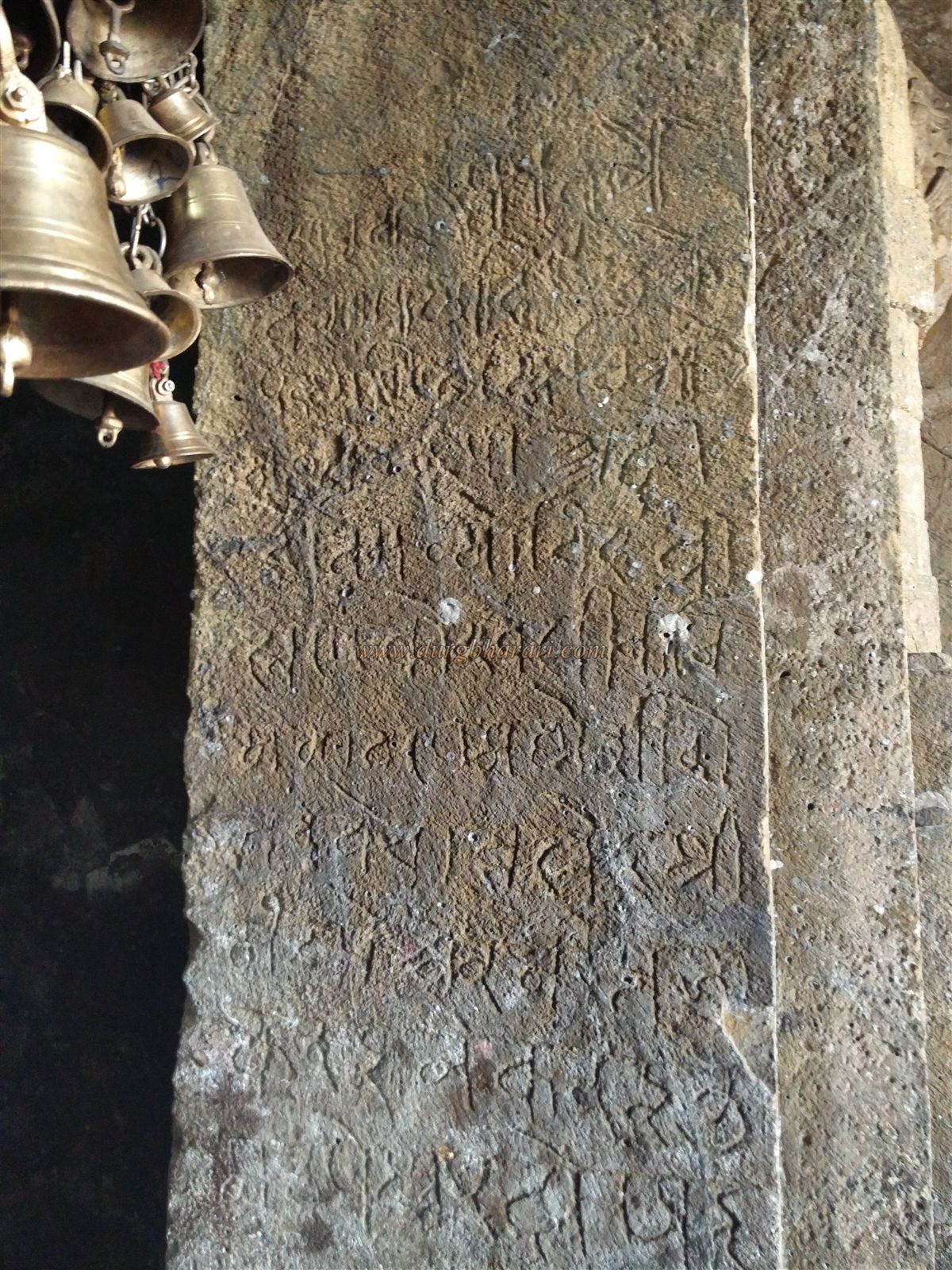
After the 15th century, public attention towards these caves declined. Later, when the Peshwa captured Vasai from the Portuguese, Mandapeshwar also came under their control. An inscription in the cave records the exact date on which it was taken. Like Kanheri, water systems in Mandapeshwar were also meticulously planned. At the base of the Portuguese-carved cross, there is a large cistern.
Originally a Hindu temple and later under Christian control, these Mandapeshwar caves are still poorly maintained today. On Tripuri Pournima, a lamp-lighting ceremony takes place here, but for the rest of the year, the cave remains in darkness. Due to the presence of a Shiva Linga, many devotees come here for worship. In accordance with the 24th Ancient Monuments and Archaeological Sites and Remains Act of 1958, this site has been declared a national monument.
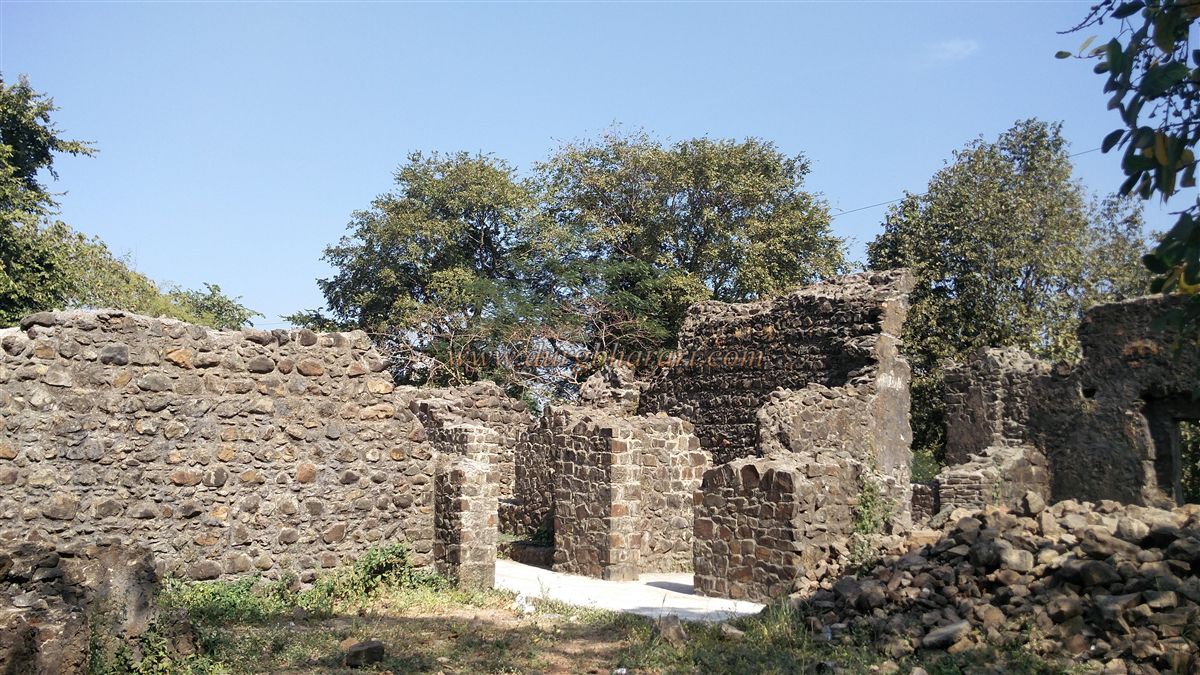
Even though the caves are located in the heart of the city, they remain largely unnoticed. On entering the caves, remnants of a Portuguese-era church built above the caves can be seen. These remains are accessible from the cave complex itself. Located in the middle of the city, these caves definitely deserve a visit at least once.
© Suresh Nimbalkar
GALLERY