MALTHAN-DADOJI KONDDEV
TYPE : CITY FORT
DISTRICT : PUNE
HEIGHT : 0
On the banks of the Bhima River in Daund Taluka of Pune district lies the historic village of Malthan. Locals say that the village was once known as the station of the wrestlers (mall), and hence it came to be known as Malthan. However, for history and fort enthusiasts, the village is familiar from the reference in the 91-clause Bakhar: “Dadoji Konddev Kulkarni, Mouje Malthan, and Taluka Patas Pargana.” Malthan was the jagir village of Dadoji Konddev, and his mansion still stands in the village, bearing witness to history.
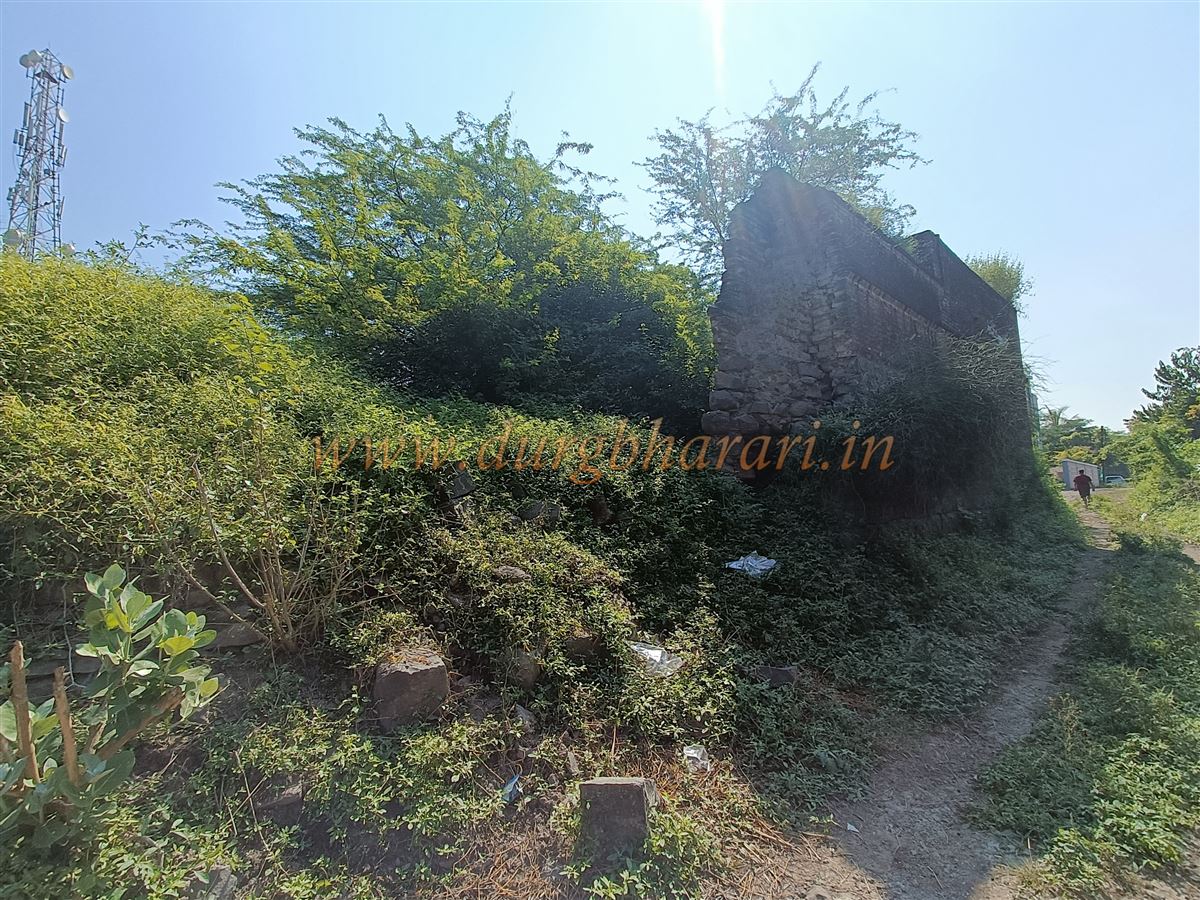
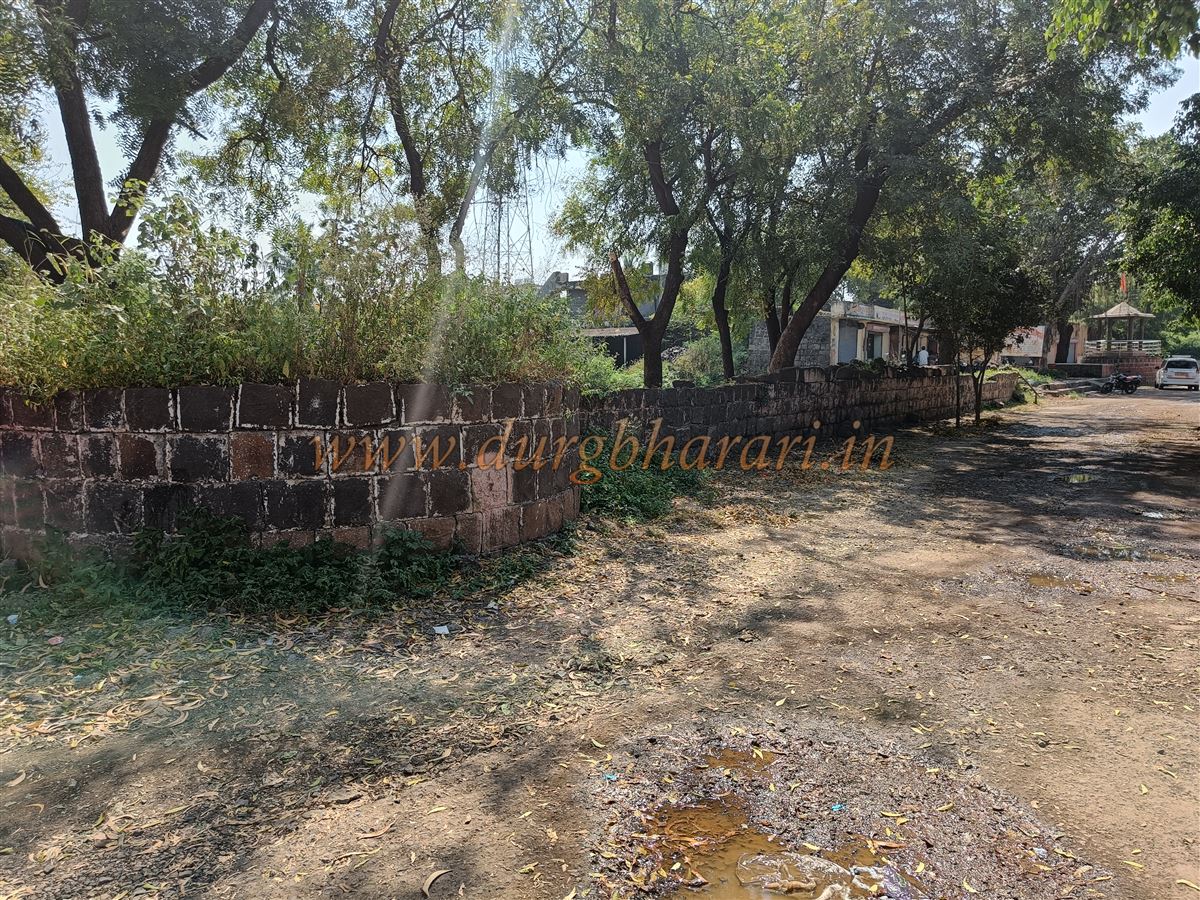
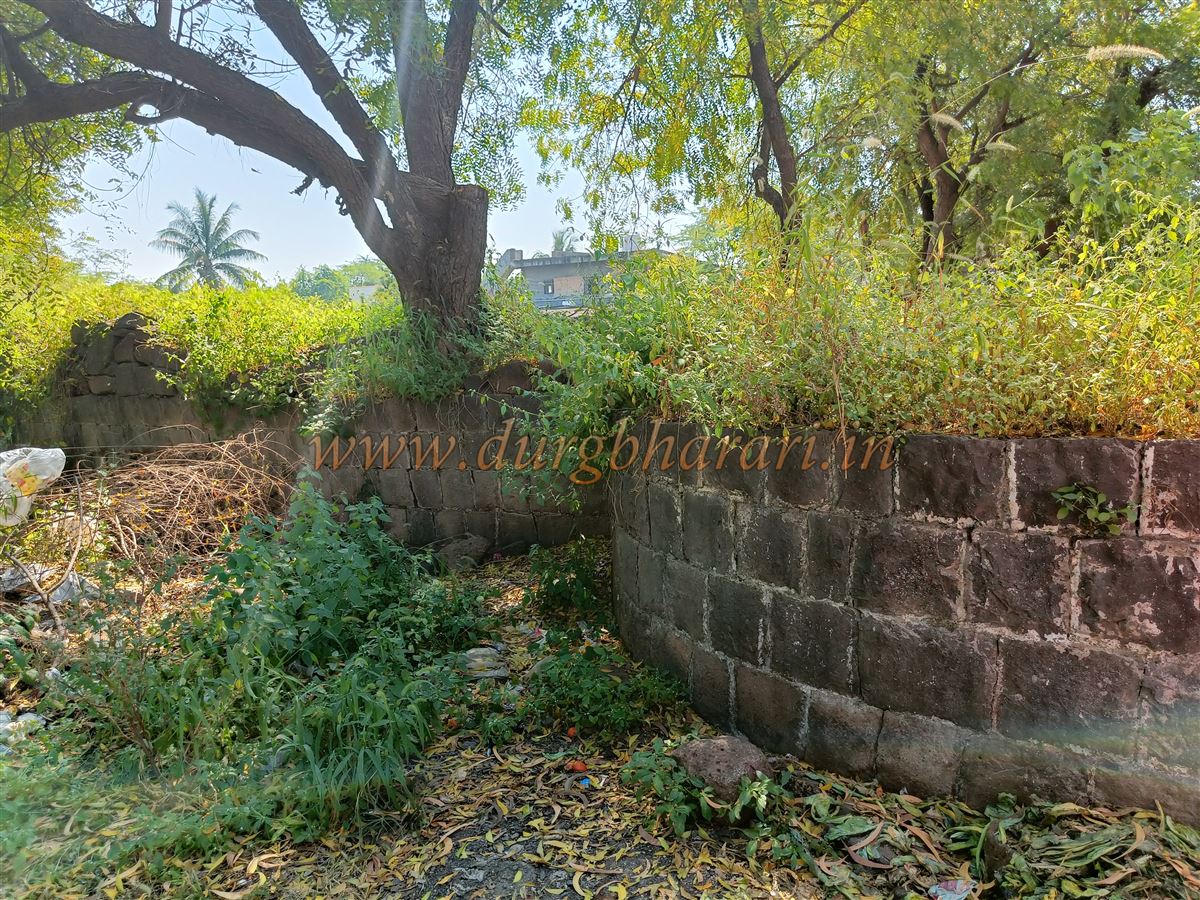
Located around 100 kilometres from Pune, Malthan lies 15 kilometres from Bhigwan on the Pune–Solapur highway. Upon entering the village, traces of the old fortified town are visible. Portions of the old walls remain at two or three places, while the rest has been engulfed by the growing settlement.
...
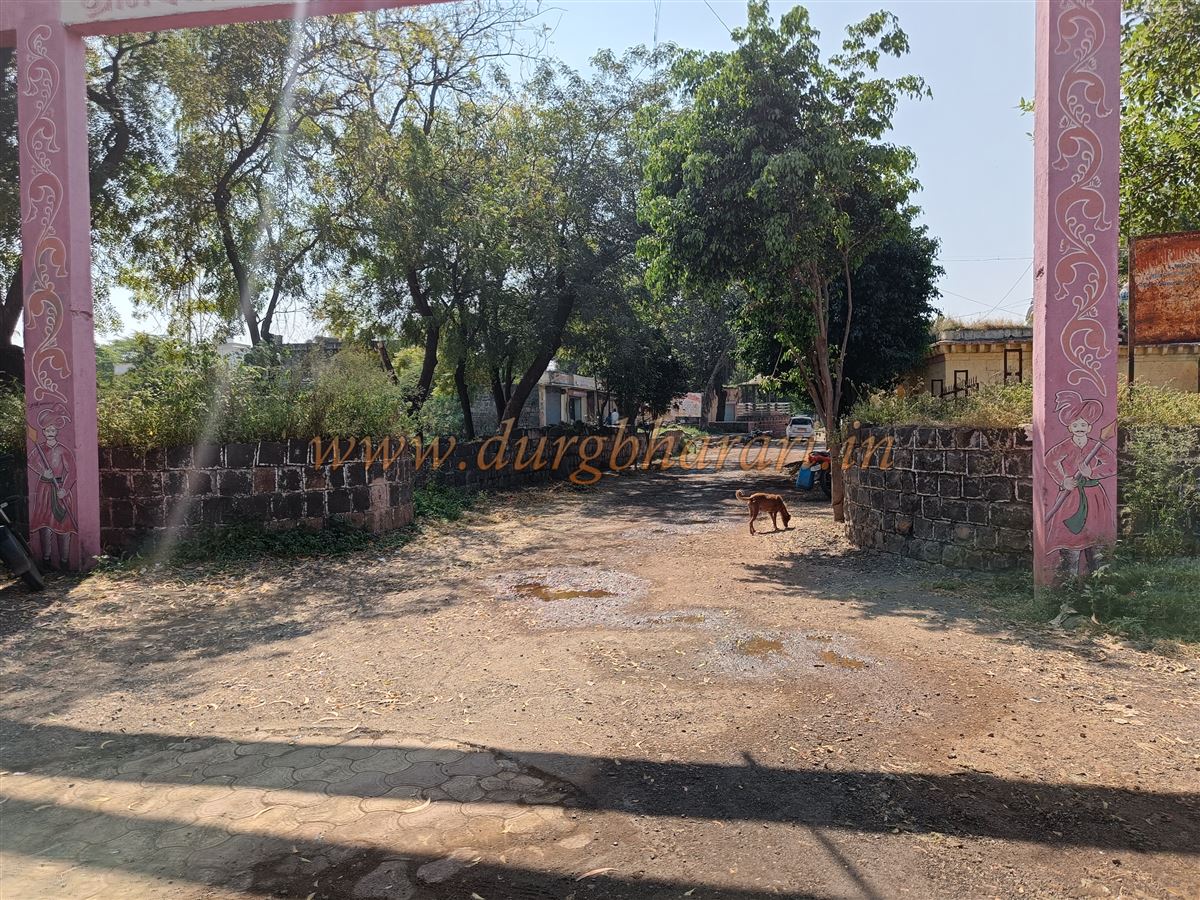
As one enters through the main gate of the village, two bastions and a connecting wall can be seen. The original gateway between the bastions has vanished over time, and a new arch has been constructed in its place. In front of this main gate stands an old south-facing Hanuman temple. To the left, upon entering, is an enclosed ground which the locals still refer to as the “paga,” believed to have been the horse stable of Dadoji Konddev.
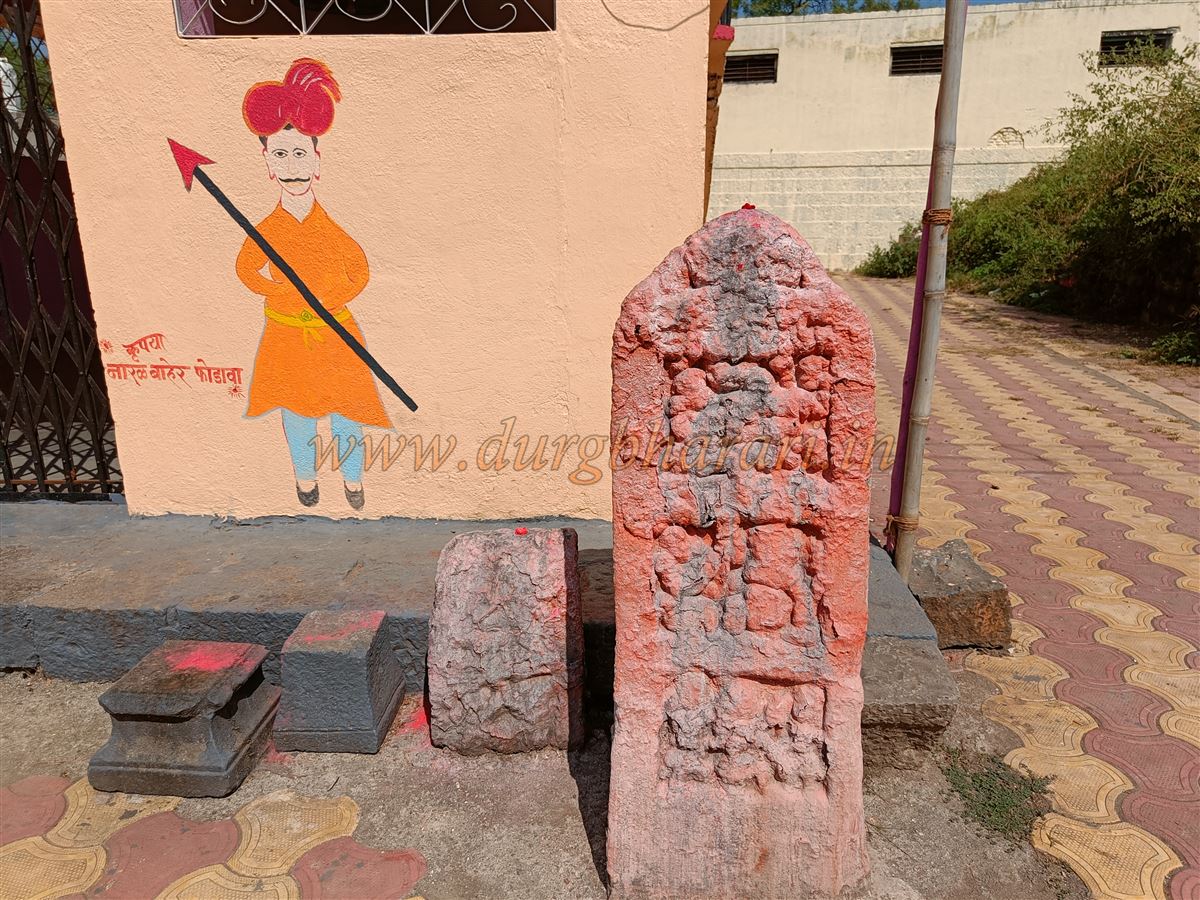
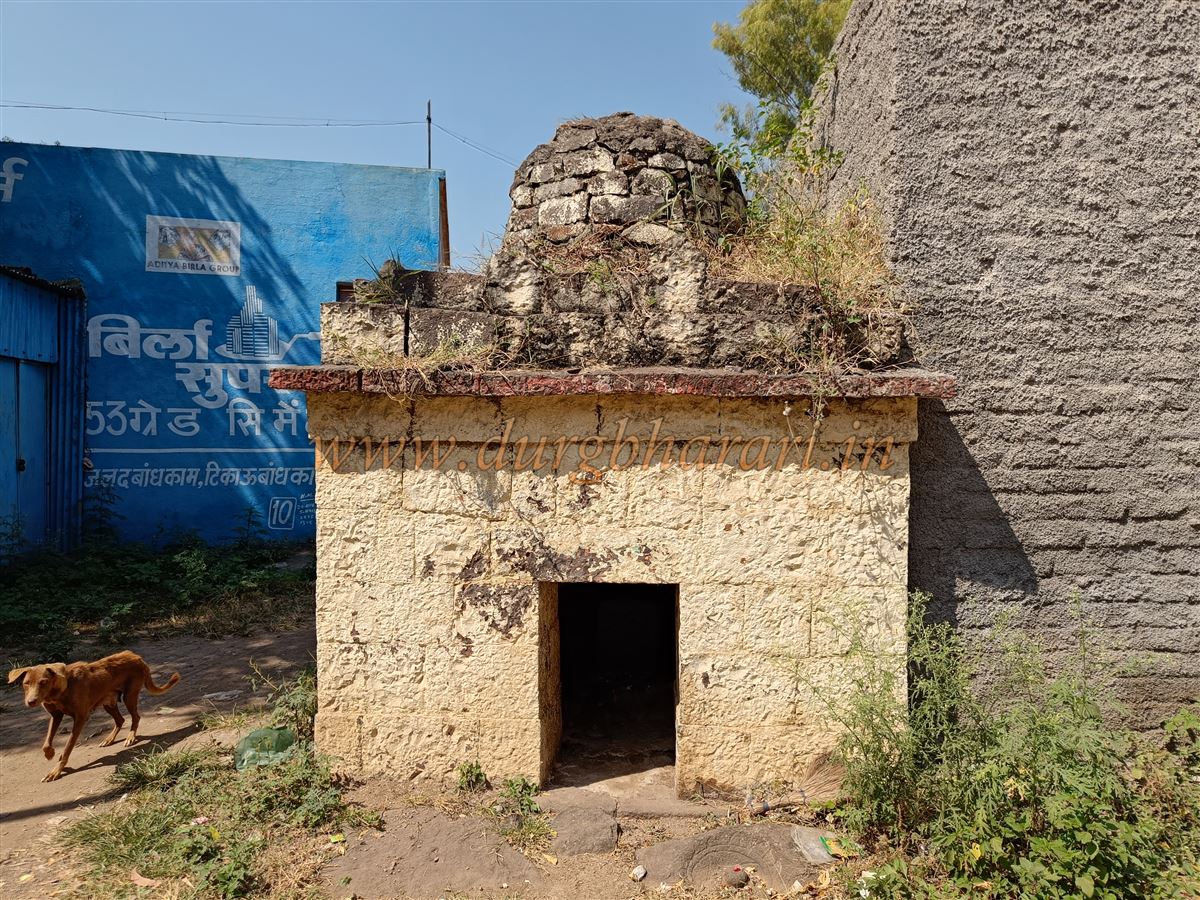
About 100 feet ahead lies a Shiva-era Ganesh temple. The temple is ancient, with an inscription of Shaka 1709 engraved in the construction, indicating that the temple was built in 1887 CE. The temple has a Sabhamandap with three arches and a sanctum within. The idol of Shri Ganesh, about 3.5 feet tall, is placed on a stone pedestal. The sanctum is topped with a dome-shaped Shikhar, featuring carvings of eight guardian deities (Ashtadevata) on the exterior. Behind this temple is another temple dedicated to Vitthal-Rakhumai. Judging by the architectural similarities, both temples seem to be from the same period. Within the temple premises is a Samadhi platform with a Tulsi Vrindavan, adjacent to which lies a hero stone (virgal).
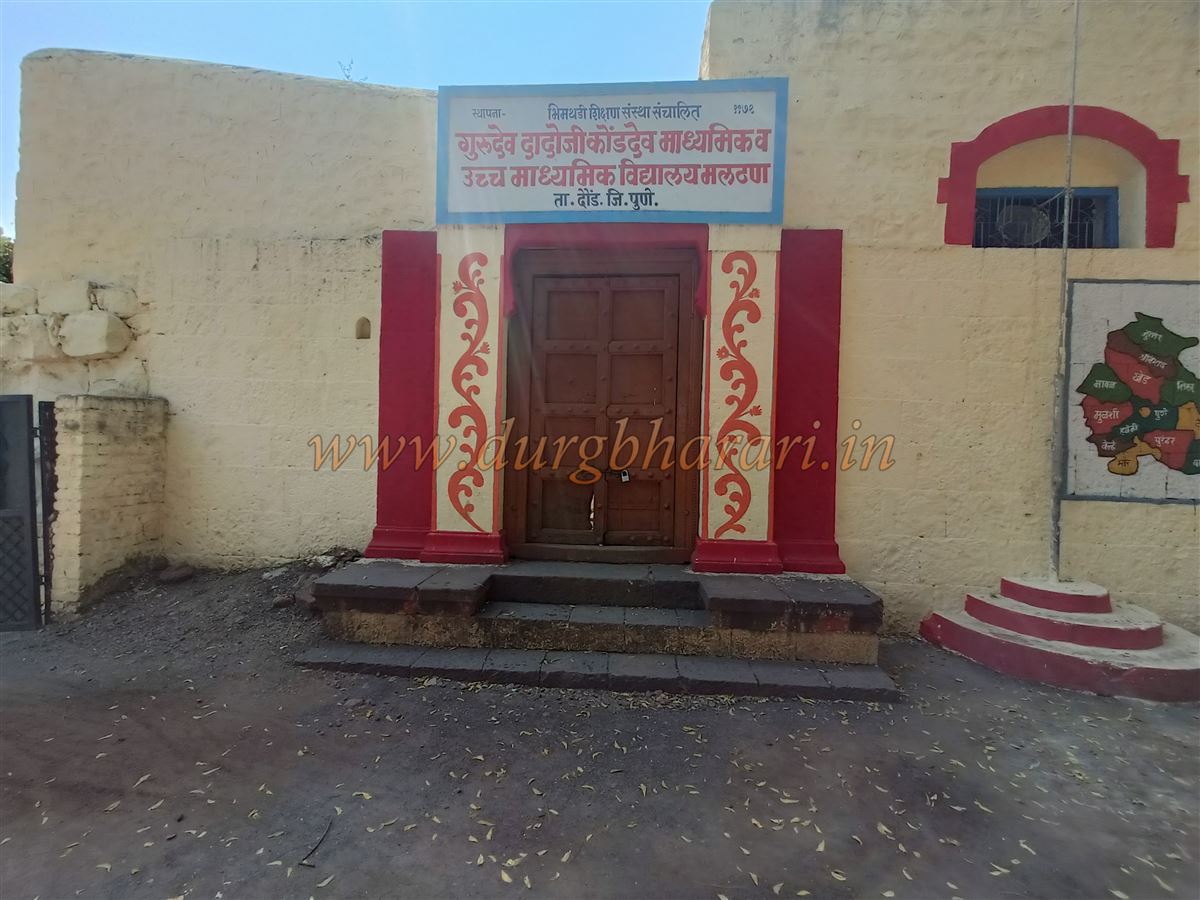
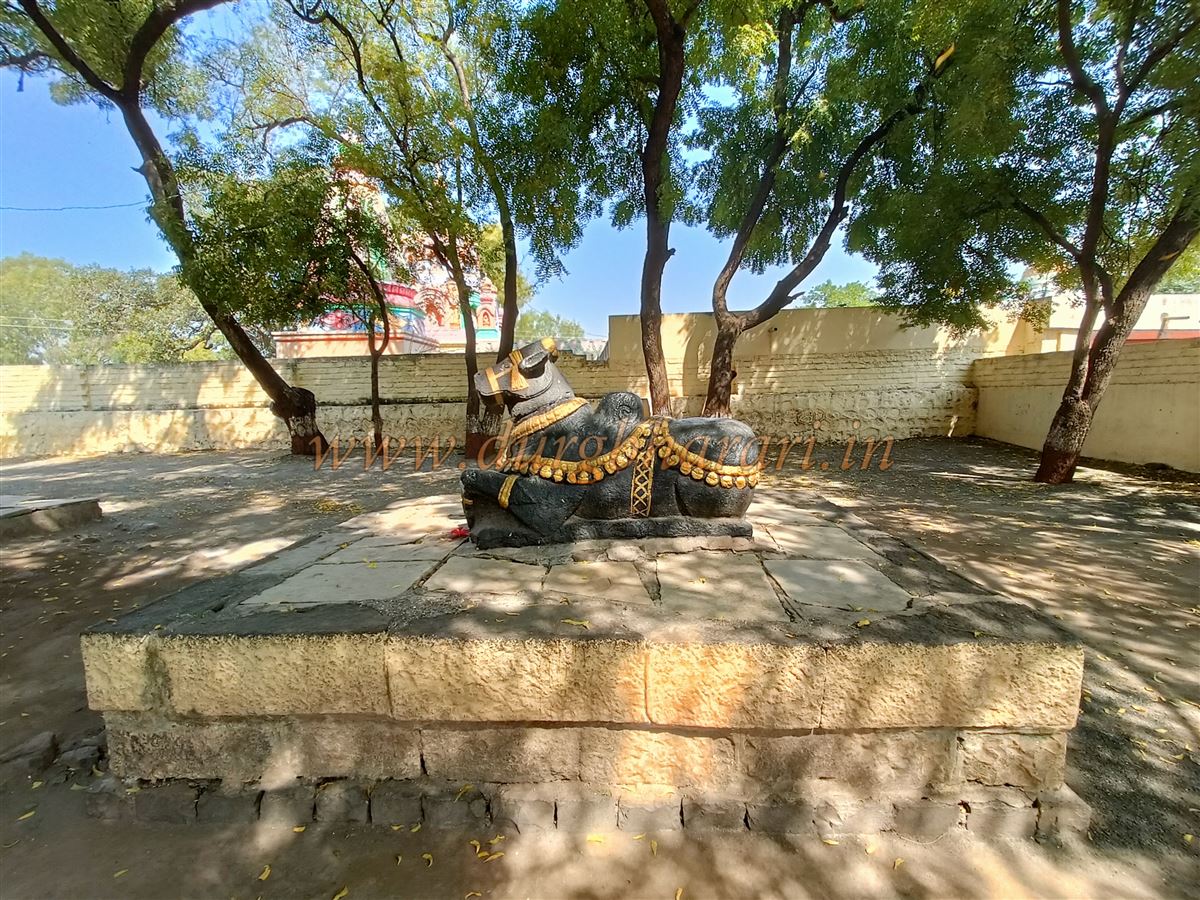
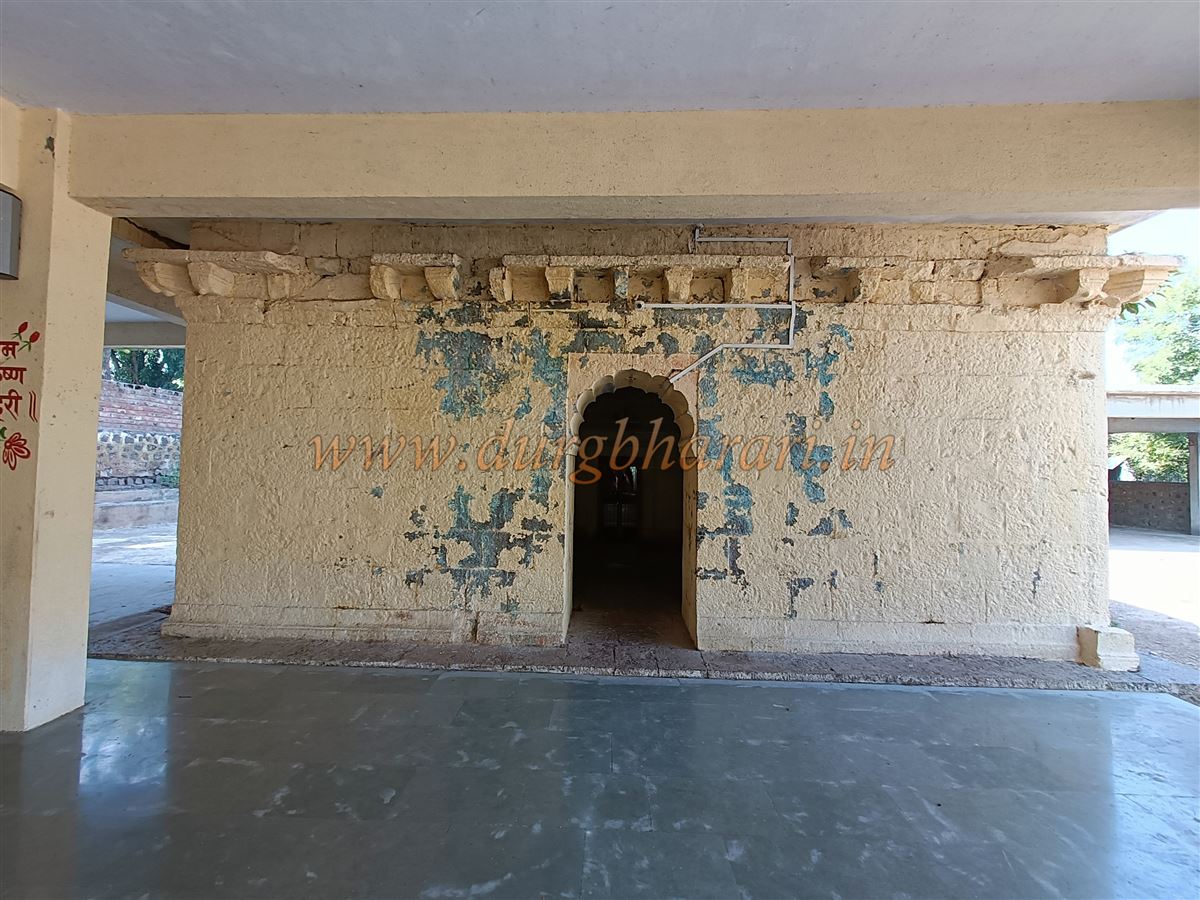
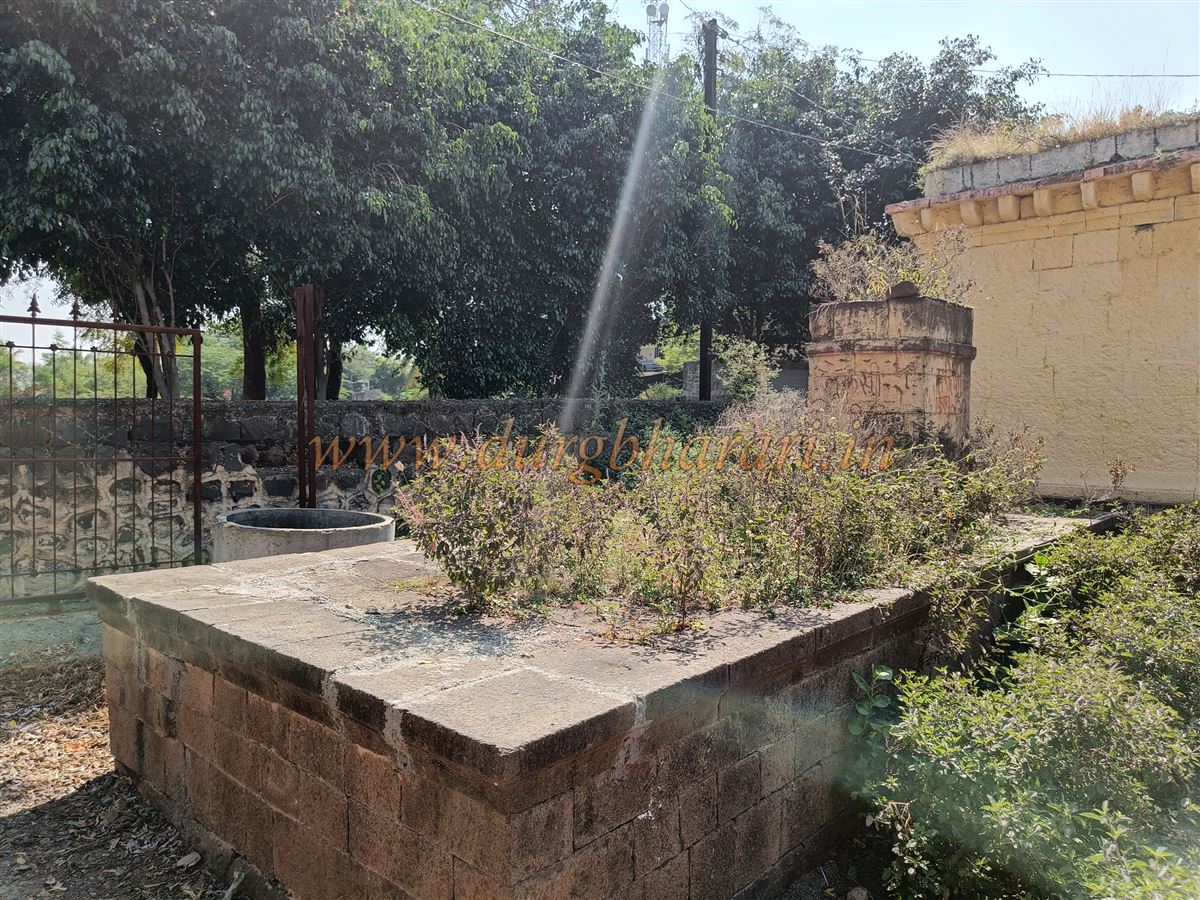
About 15–20 steps ahead, a board reads “Gurudev Dadoji Konddev Secondary and Higher Secondary School,” which is housed in the mansion of Dadoji Konddev. A foundation plaque within the school notes that the mansion was donated on Monday, 22 May 1972, to the Bheemthadi Shikshan Sanstha, Daund, by Rukminibai Govind Maharaj Upalekar (maiden name Durgabai Vishnu Laxman Rajhans alias Kulkarni), the 7th-generation descendant of Dadoji Konddev. The school operates from this mansion even today. Since the premises are in use, the fortified walls and main gate of the mansion are still in good condition. Judging by the structure and size of the mansion, it appears that it once had a second floor. Since the school was closed on Sunday, the gate was locked and the mansion could not be viewed from inside, but students mentioned that the entrance leads to a stone-built central courtyard. At the back of the mansion is a wall constructed from dressed stone, featuring a small postern gate. Either within or near the mansion complex is an old Shiva temple. In front of this temple is a platform with a unique Nandi sculpture. The Nandi is not carved from a single stone but constructed in two parts – the body and the head. A groove has been carved at the neck joint, allowing the head to be rotated in any direction.
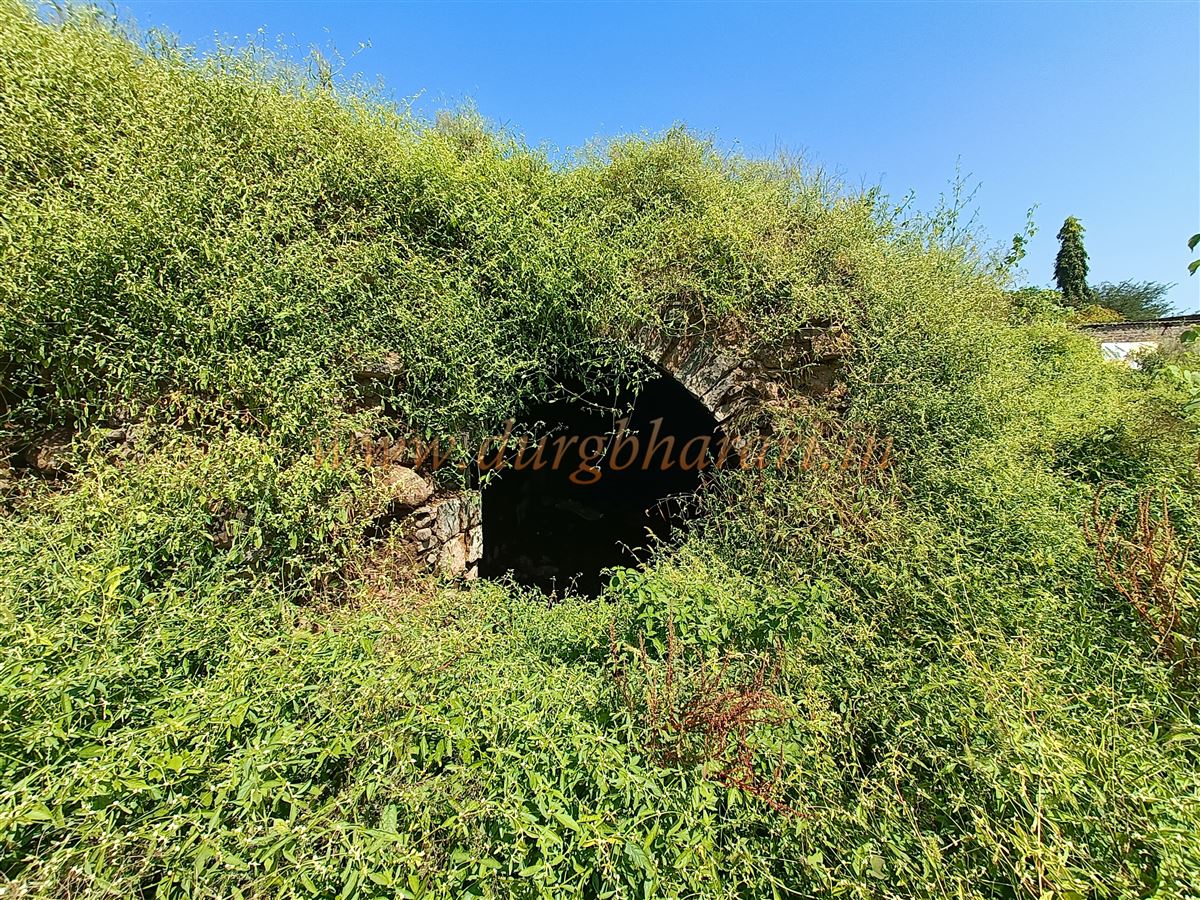
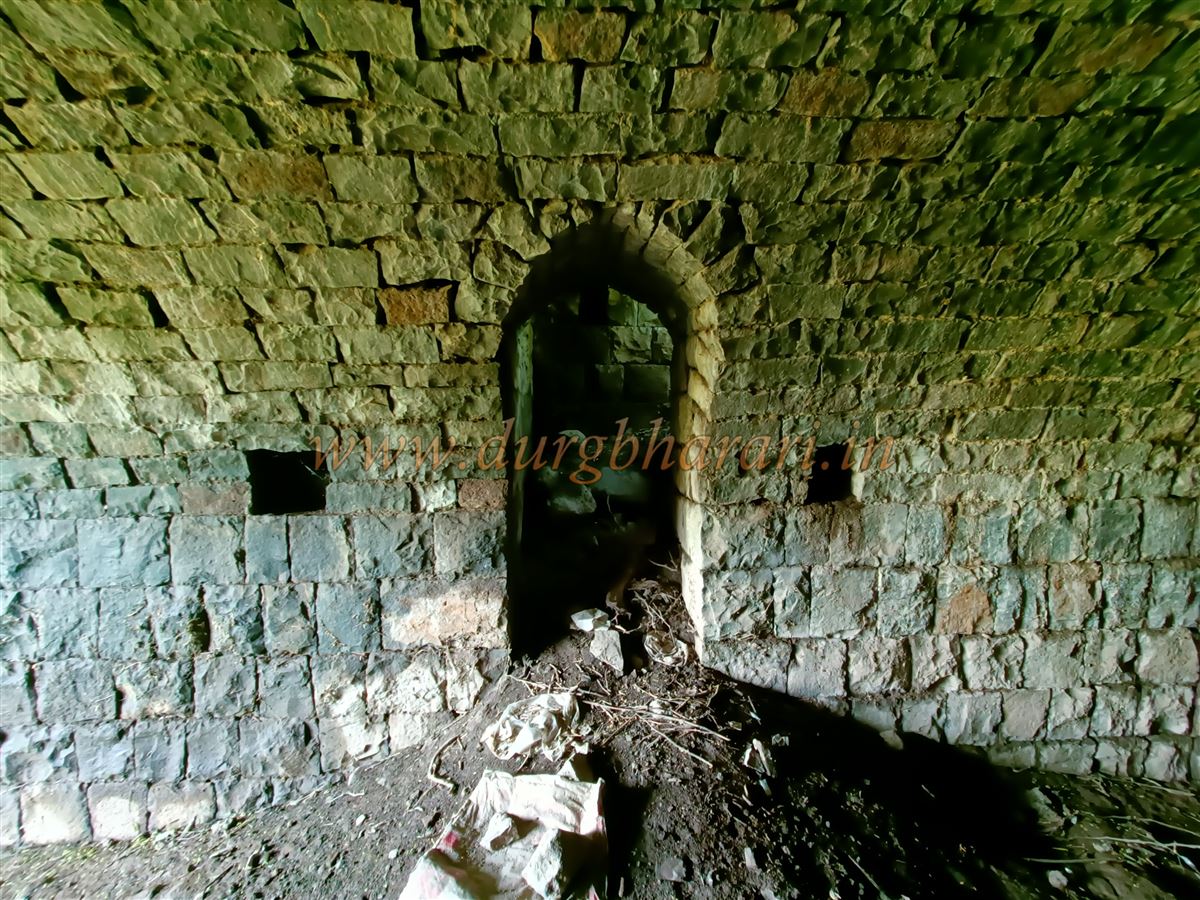
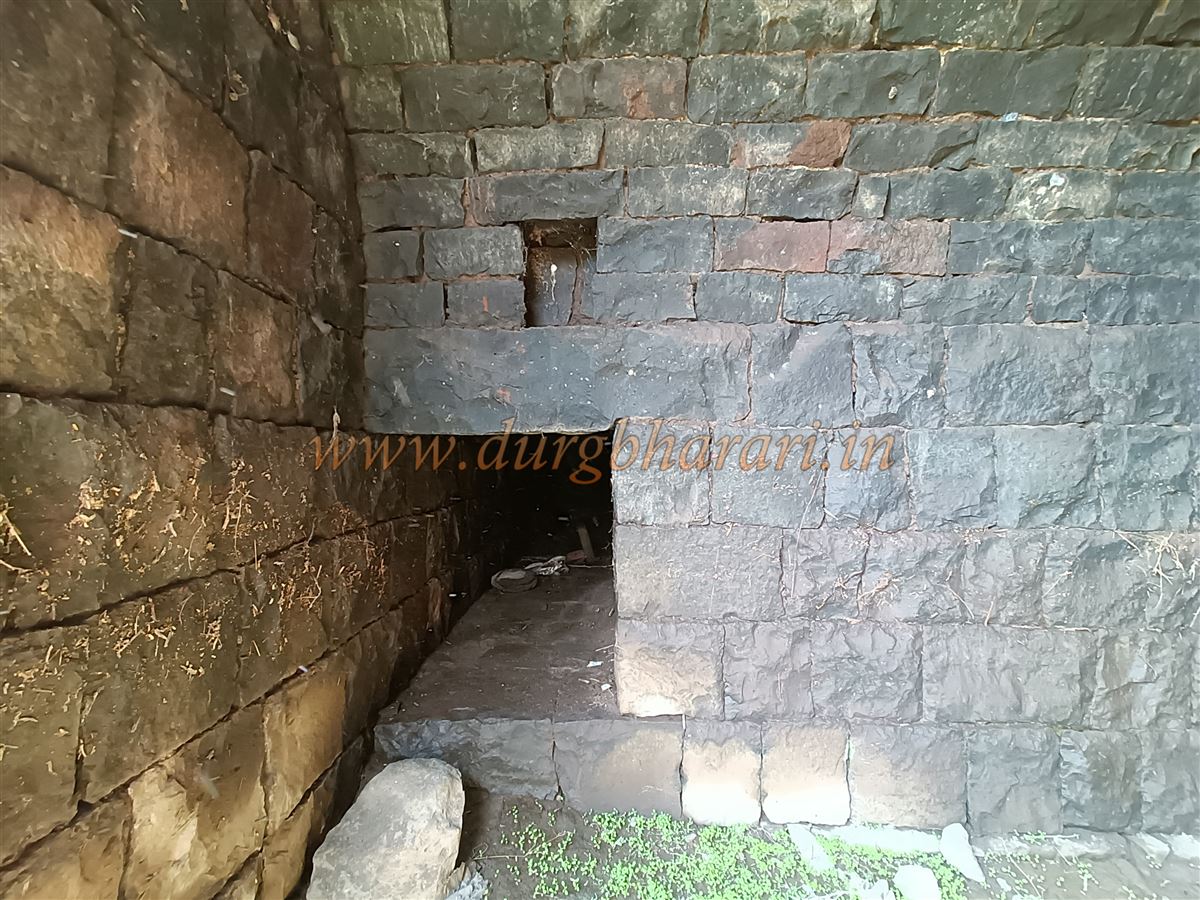
As one proceeds further, another old two-storied mansion can be seen, now deserted. The second floor is constructed from red bricks, so the mansion is locally referred to as “Lalwada.” Locals are unaware of its ownership. Due to dense thorny bushes inside, entry is difficult. In the alley facing this mansion stands a temple dedicated to Bhairavanath, in whose courtyard three hero stones (virgal) can be seen. Further ahead, at a square in the lane, is a platform with a sculpture of a horse. It is believed to be the memorial of a Rajput warrior's horse. Continuing from here leads toward the village’s edge. At this spot are the ruins of a collapsed mansion, where one can see a stone-built underground chamber or cellar. The narrow staircase is just wide enough for one person to descend. The underground chamber has an arched ceiling and is approximately 25 feet long and 10 feet wide. It is believed to be the older mansion of Dadoji Konddev.
Across the road from the village gate, in a nearby field, are four stone-built Samadhi. Based on the construction, these are likely of notable individuals from an influential family. Exploring the entire village of Malthan takes about an hour.
Turning to the history of Malthan, it is known that although Shahaji Raje left the Nizamshahi, he retained control over the Mokasa of Pune Pargana. He later joined the service of the Adilshahi of Bijapur as a commander. Adilshah granted him the jagir of Pune, but Shahaji was posted to Bangalore in Karnataka, leaving him unable to personally oversee the affairs of his jagir. Thus, he entrusted Dadoji Konddev with its administration.
Dadoji Konddev, like Shahaji Raje, served the Adilshahi and was the Subhedar of Kondhana fort. He hailed from Malthan in the Patas Pargana and belonged to the Deshastha Rigvedi Brahmin community, gotra Shandilya. The 91-clause Bakhar refers to him as “Dadoji Konddev Kulkarni, Mouje Malthan, and Taluka Patas Pargana.” The Jedhe chronology also mentions him as “Dadoji Konddev Malthankar.”
When Shivaji Raje was sent to Pune by Shahaji Raje, he was given a Mokasa in the Maval region, which included 36 villages. Around 1630 CE, Adilshahi commander Moropant attacked Pune, burning and devastating the area, even dragging a donkey-plow over the land to symbolically destroy it. As a result, Pune became desolate. Local chieftains and landlords began acting arbitrarily, leading to widespread lawlessness. To make matters worse, a severe famine struck the region in 1631 CE, rendering the Pune Pargana completely barren.
It was Dadoji Konddev who took on the task of rehabilitating this devastated region. As Subhedar, he meticulously organized administration and implemented comprehensive reforms. He ensured safety for the people, settled disputes, confirmed land ownership, classified lands, and adapted Malik Ambar’s revenue system with necessary modifications across the jagir. He assessed taxes based on crop yields, encouraged agriculture and horticulture, provided financial assistance to farmers, and waived taxes for several years to promote cultivation. He built a dam on the Ambil Odha in Pune and established strong security for the region.
Several historical records and Bakhar mention Dadoji presence during dispute resolutions and his efforts in cultivating deserted lands. In Purandare Dafter, Vol. 3, there is a mention of his administrative prowess: “Dadoji Konddev was Subhedar of Kasba (Pune). At that time, Rajshri (Shivaji) was very young. Rajshri Maharaj (Shahaji) sent him along with Aausaheb (Jijabai) to Dadoji at Khedebari. Initially, they stayed at Bapuji Mudgal's mansion, and Dadoji arranged for their own mansion. Land was acquired for this by relocating existing families and compensating them with space in Kasba fields. A settlement was established there and named Shivapur. The new settlers were given tax relief for twelve years.”
Dadoji also established a garden called “Shahabagh” at Khed and another at Shivapur named after Shahaji Raje. He named the villages “Sambhapur” and “Shivapur” in honour of Sambhaji Raje and Shivaji Raje respectively. He was impartial and just in delivering judgments. Records mention that he even sentenced a Kulkarni to death, highlighting his firmness. Chhatrapati Shivaji Maharaj later affirmed that Dadoji decisions were fair and just. Shahaji entrusted Shivaji to him, and upon his death, Shivaji Maharaj expressed grief in a letter to Mahadaji Nilkanthrao, Killeder of Purandar, stating: “Dado Konddev was left in our care by our father; now that he has passed away, we are left orphaned.”
First Chhatrapati Shahu also remarked that Dadoji Konddev, a mere Brahmin, gave judgments so fair that even Aurangzeb accepted them. Additionally, records from the time of Peshwa Savai Madhavrao show that Yesaji Devkate and Govindrao Devkate held hereditary rights in Malthan village, indicating that the Patilki of Malthan during the Peshwa period was with the Devkate family.
© Suresh Nimbalkar
GALLERY