MALTHAN
TYPE : FORTRESS
DISTRICT : PUNE
HEIGHT : 0
GRADE : EASY
Among the many dynasties known for their influence in both present-day and historical politics is the Parmar, also known as Pawar dynasty of Malwa. The Parmar or Pawar were a Rajput clan from the Malwa region in North India who arrived in the south before the era of Shivaji Maharaj. Many forts and mansions belonging to this dynasty can be found in and outside Maharashtra. One such Pawar mansion (Gadhi) is located in the village of Malthan in Shirur Taluka of Pune district. Malthan is situated 55 km from Pune city and 20 km from Shikrapur on the Pune–Ahmednagar highway. It is approximately 17 km from the taluka headquarters of Shirur.
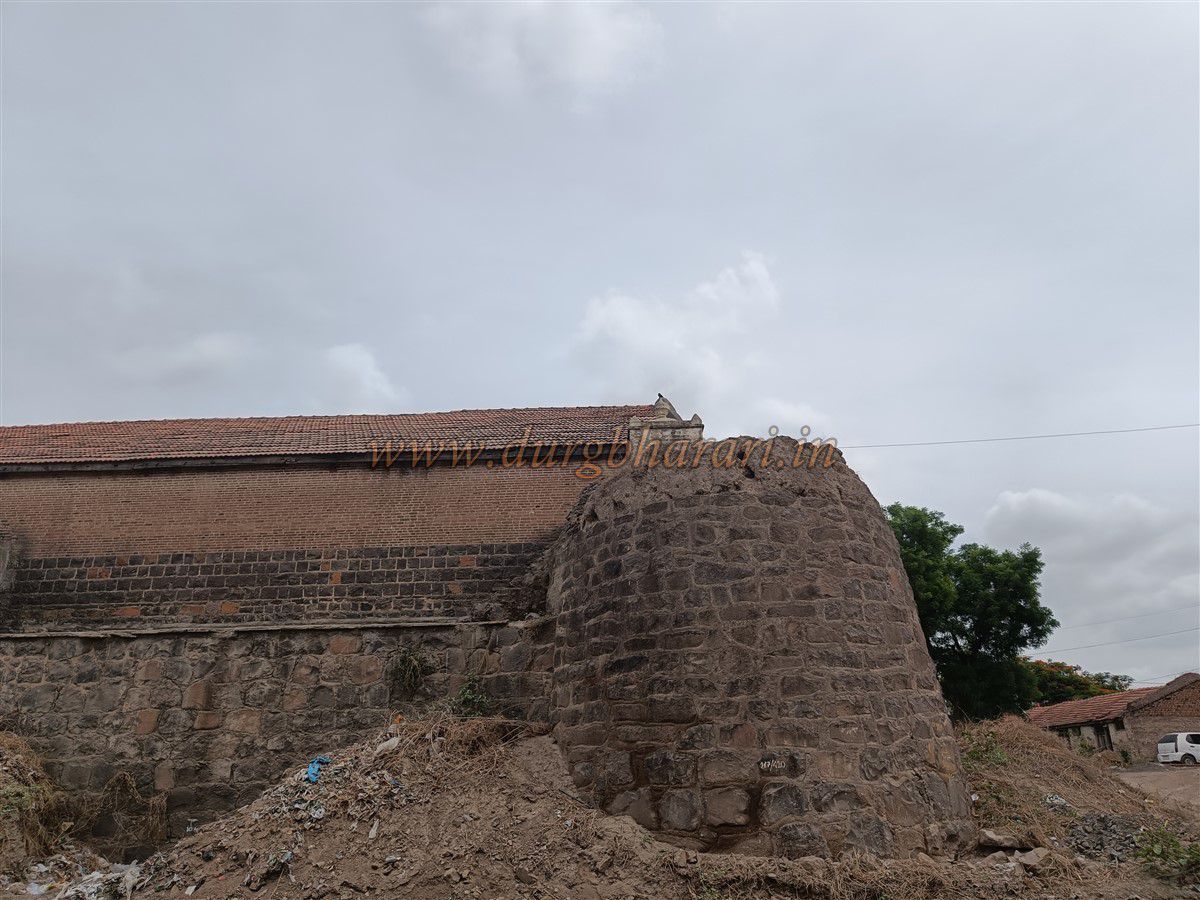
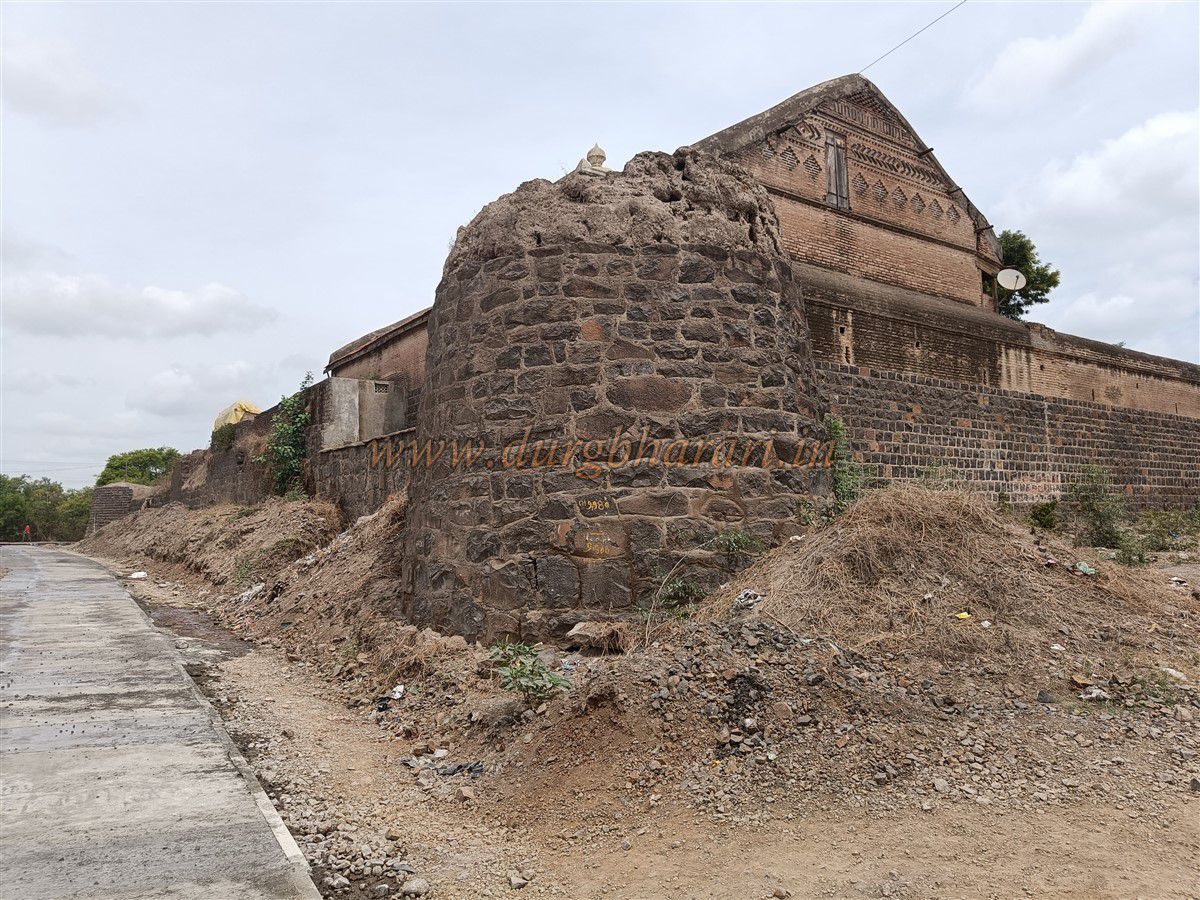
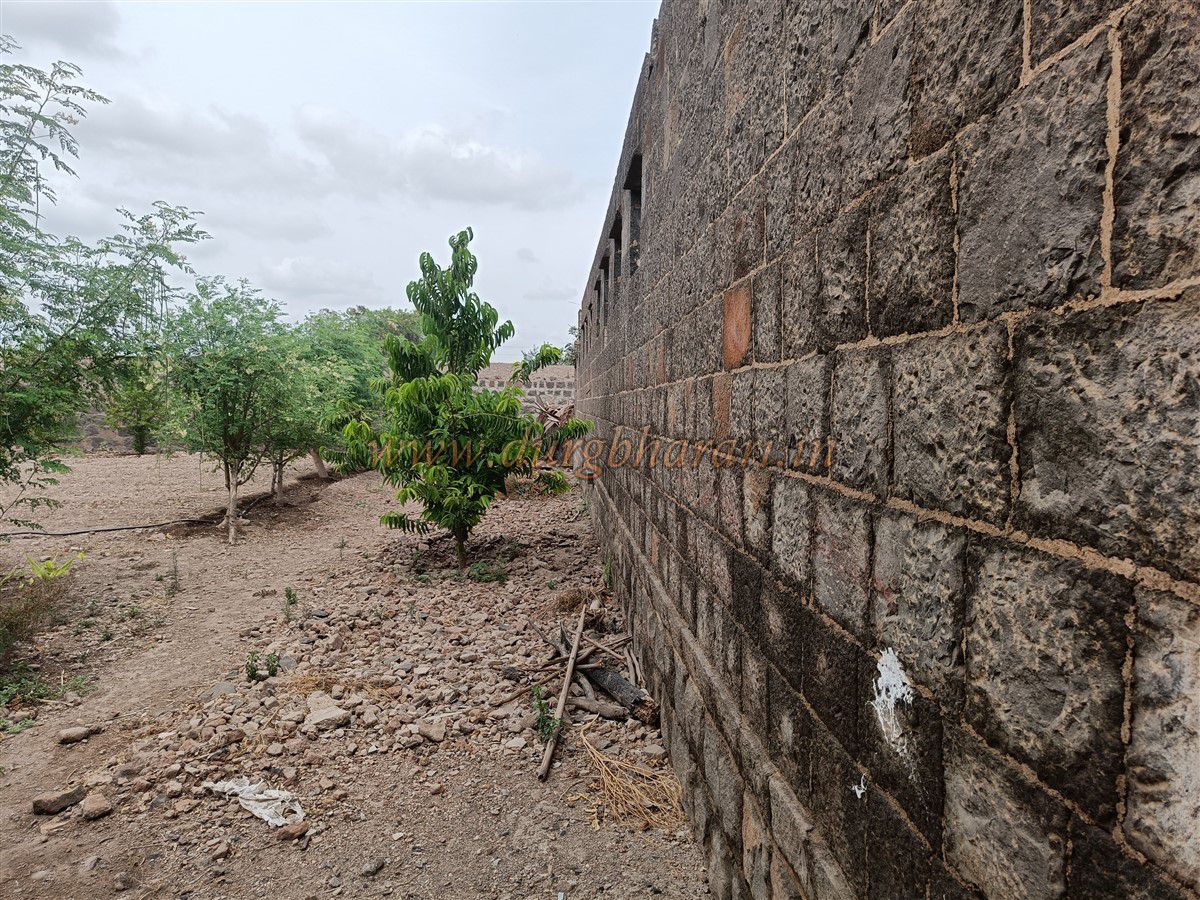
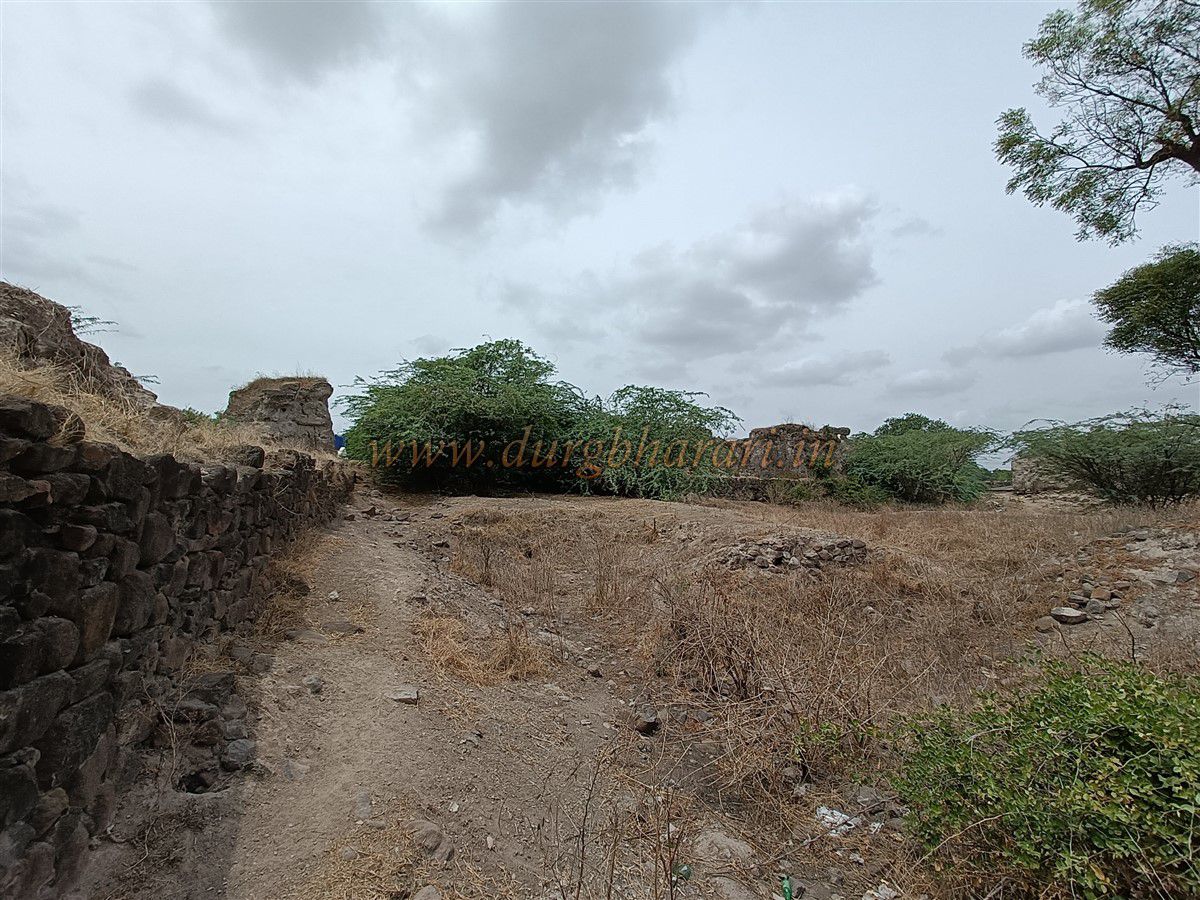
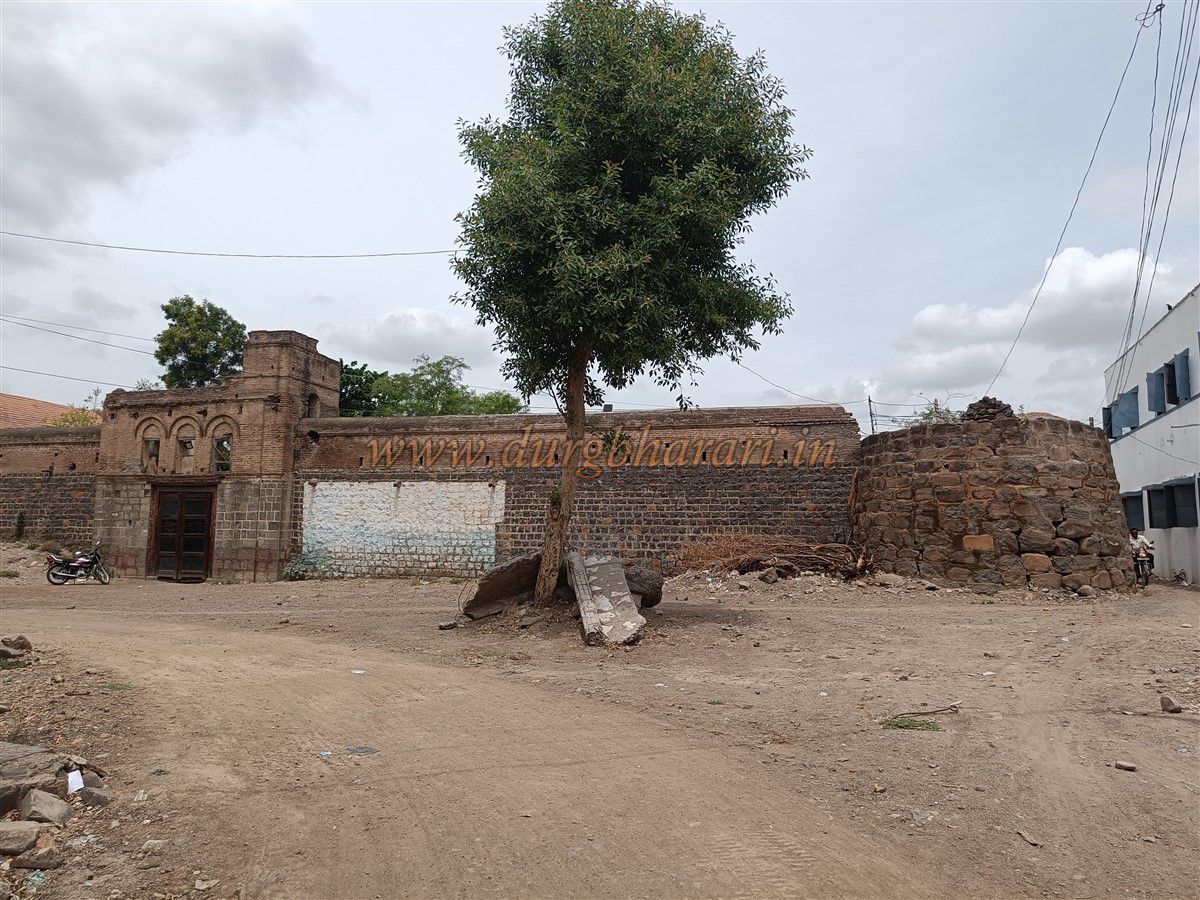
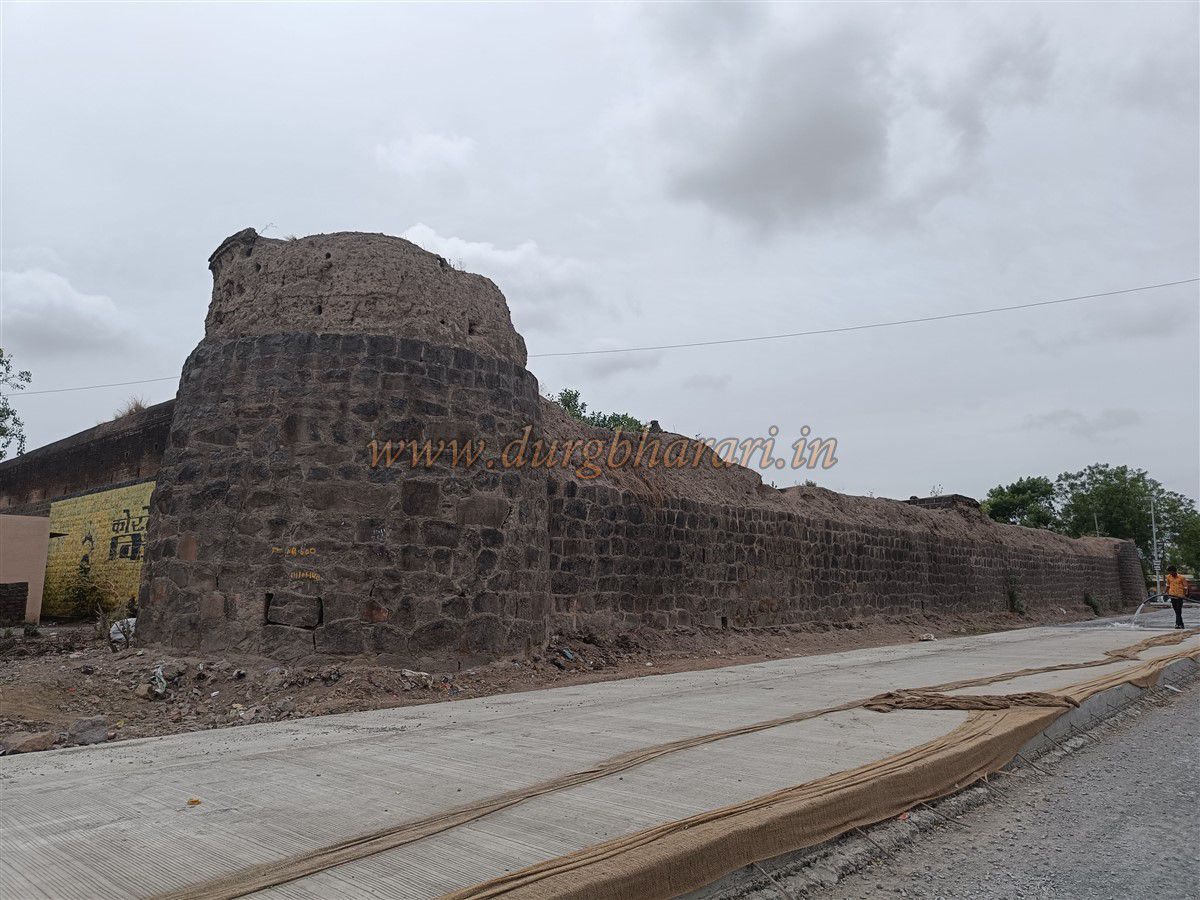
Upon entering the village of Malthan, the fortification wall and a bastion at its corner can be seen from the road itself. This rectangular gadhi, spread over about 1.5 acres, has four corner bastions in its fortification.
...
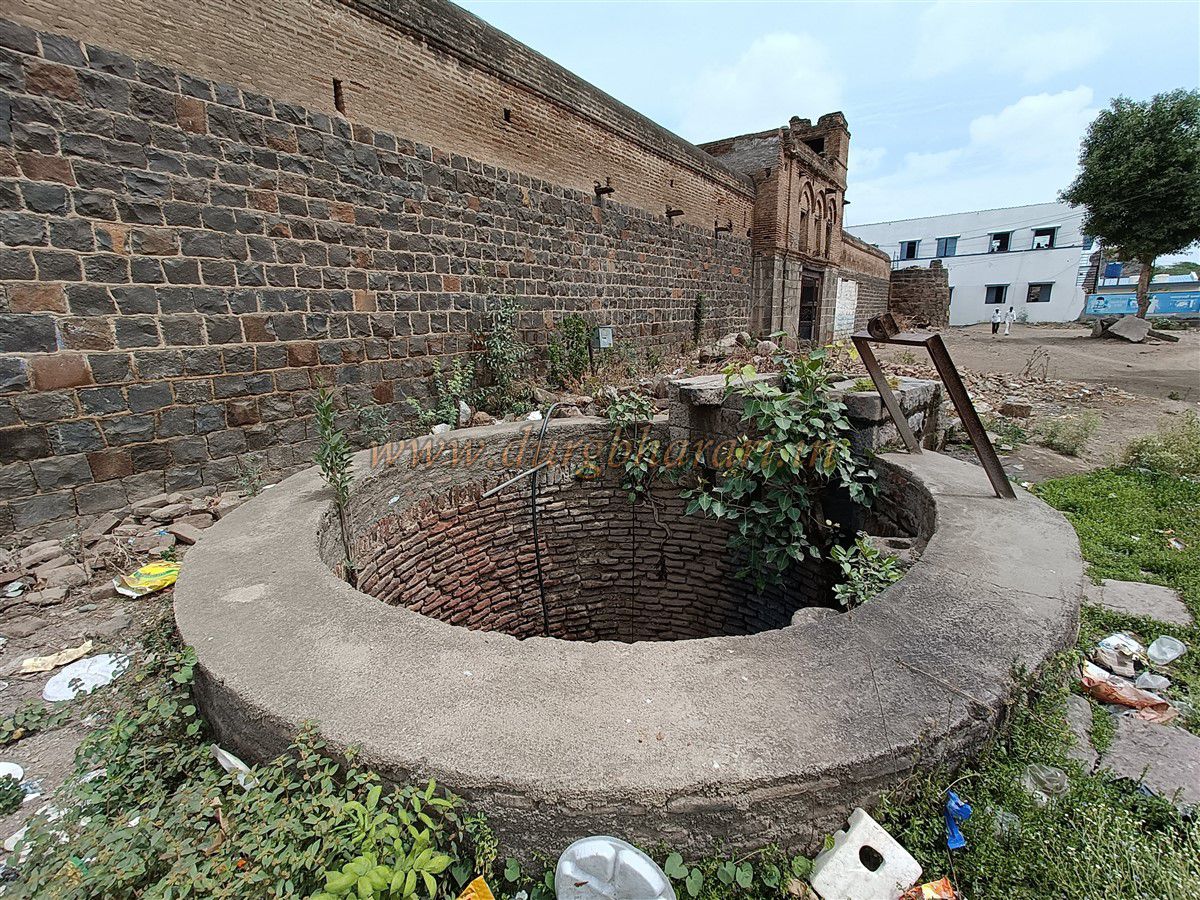
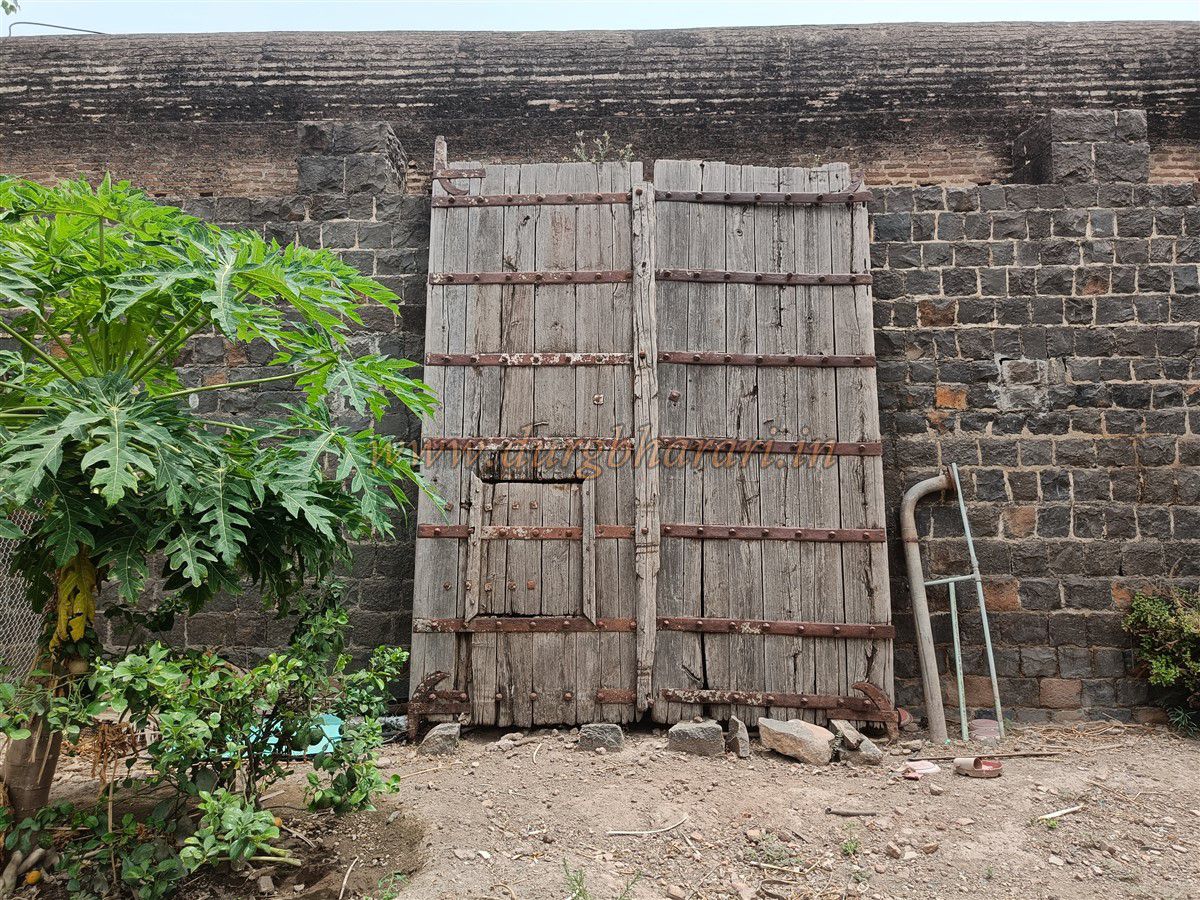
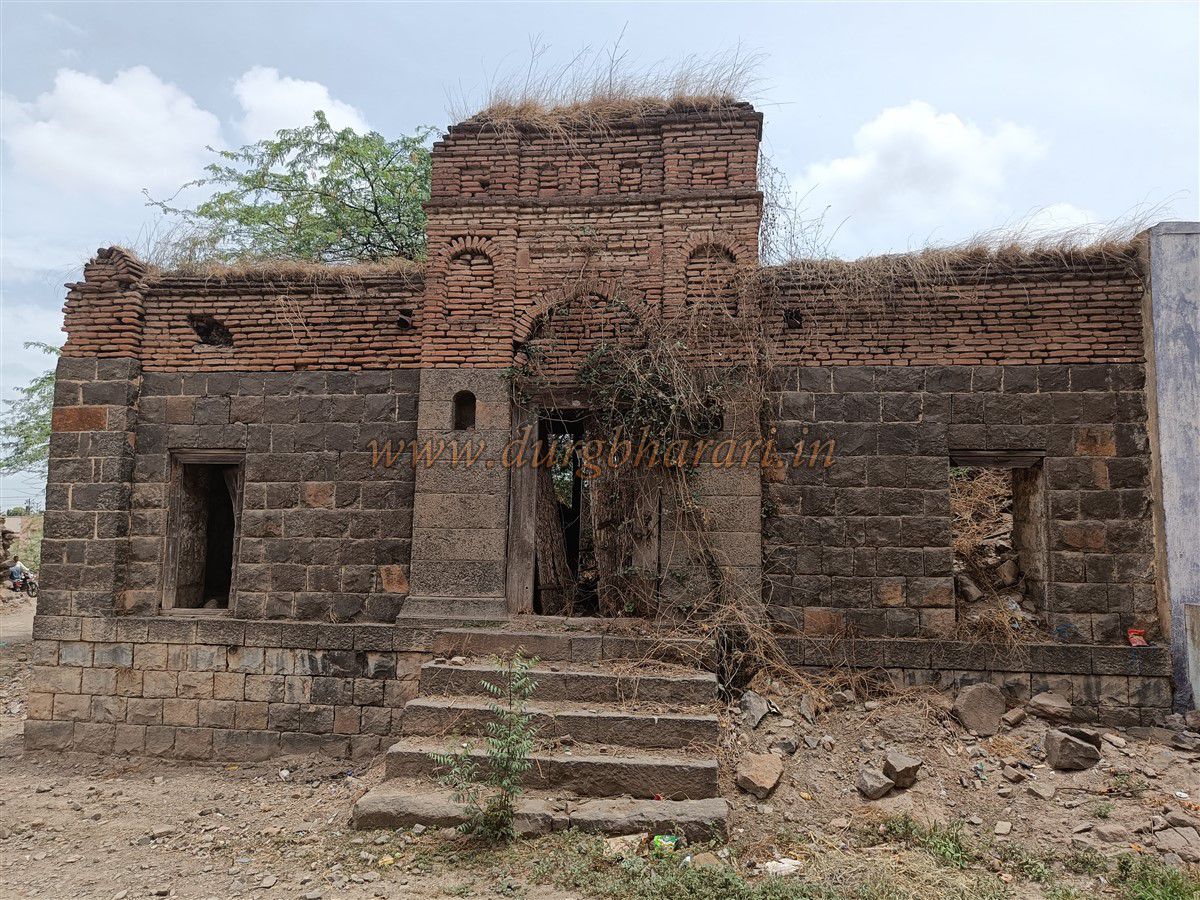
The main gate of the gadhi faces north and is situated in the middle of the wall. To the left outside the gate is a well with steps. A Nagarkhana (drum chamber) is constructed above the entrance. As the wooden gates of the entrance collapsed, an iron gate has been installed in its place, but the original wooden doors are still visible inside. The lower portion of the wall is built in stone up to the battlements, while the upper portion is constructed with bricks.
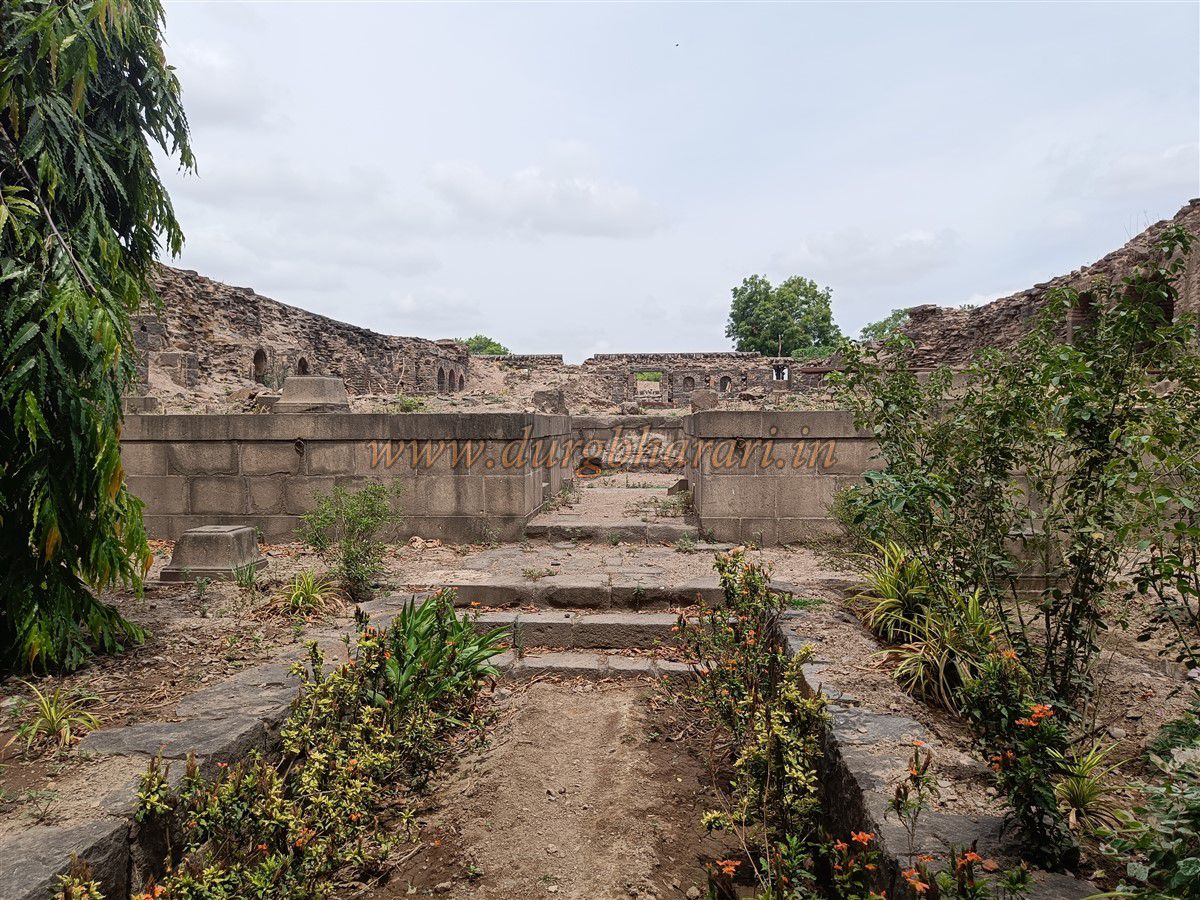
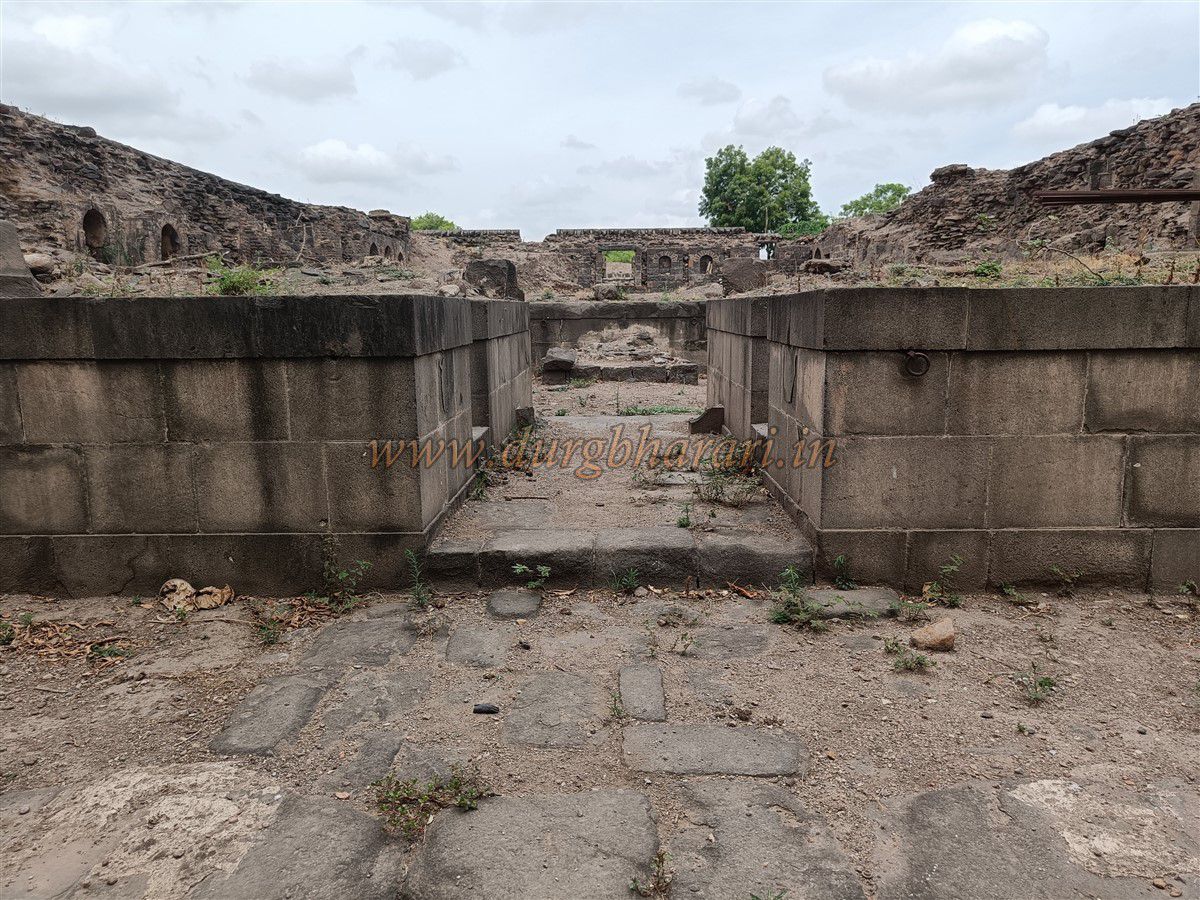
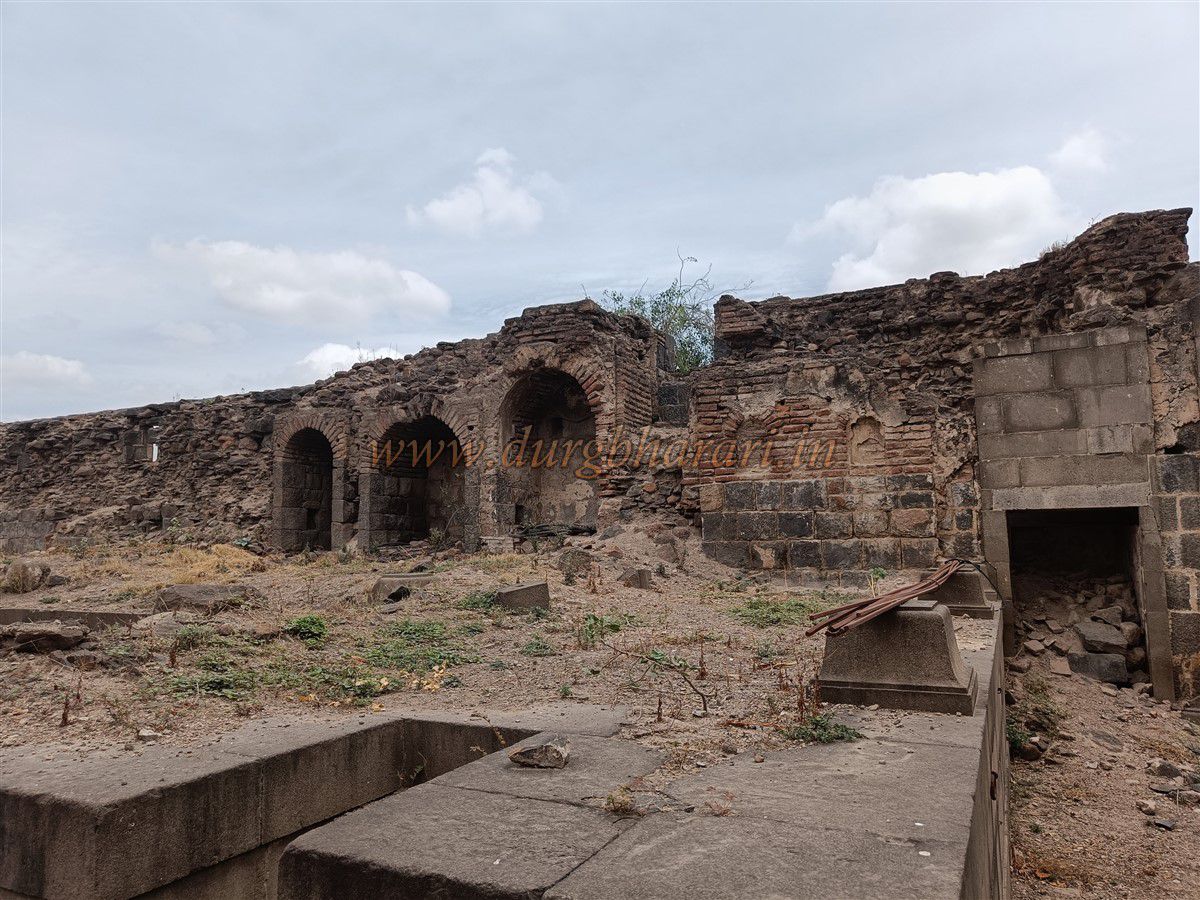
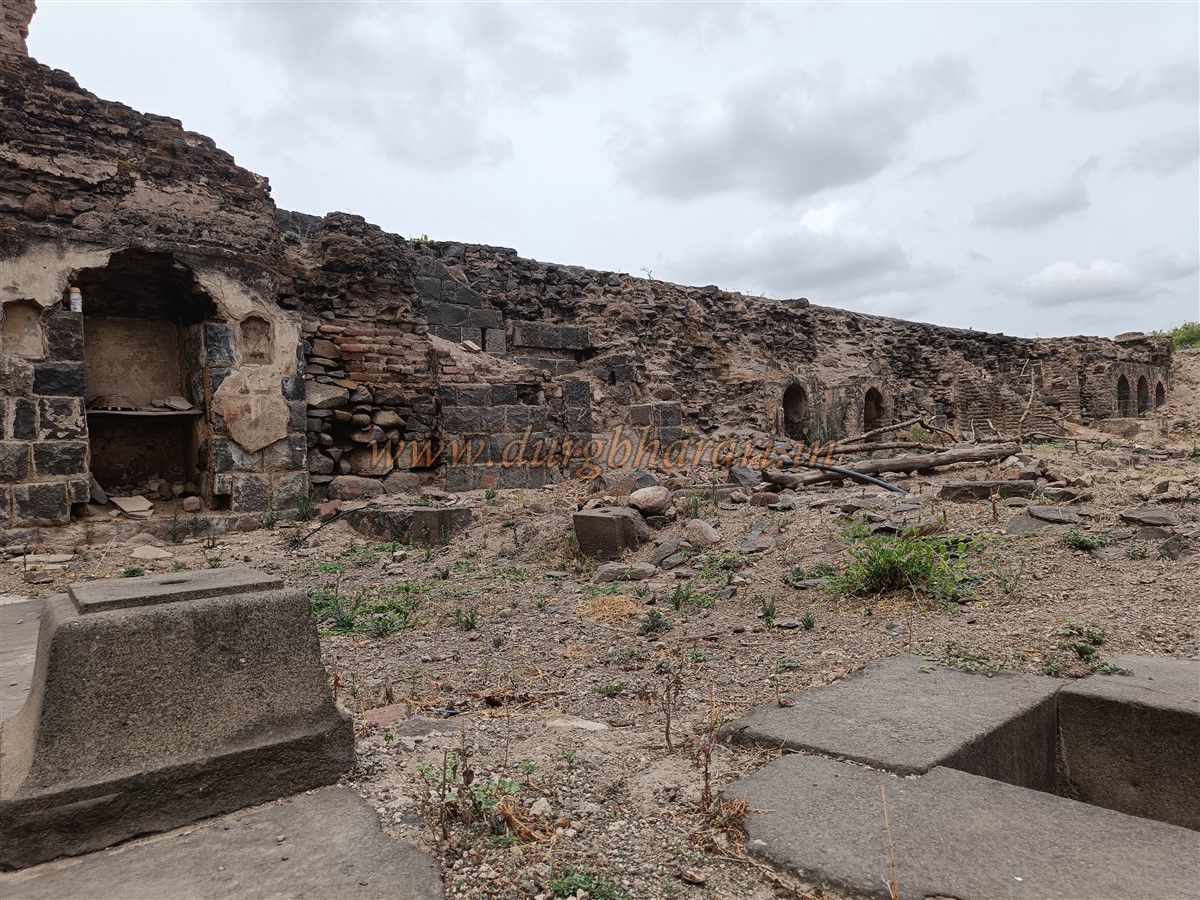
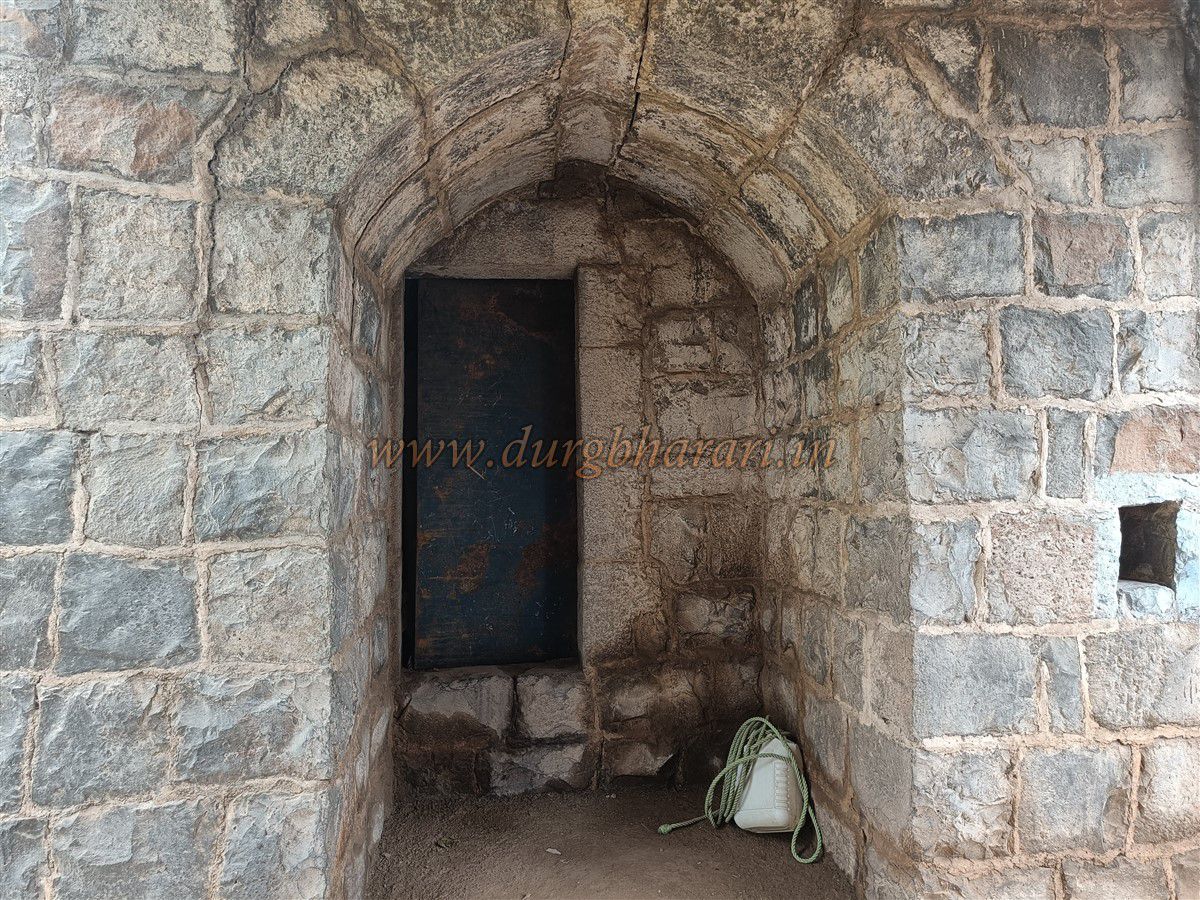
On both sides inside the entrance are guard chambers, one of which has a staircase leading to the top of the wall. Upon entering the gadhi, a large platform of a quadrangular mansion can be seen straight ahead. This is the main structure of the gadhi, now largely ruined over time, but the remaining remnants still reflect its former grandeur. Along the left fort wall stands another two-story mansion, currently inhabited by descendants of the Pawar family, making access restricted. This mansion is still in good condition and appears to have been built in a later period.
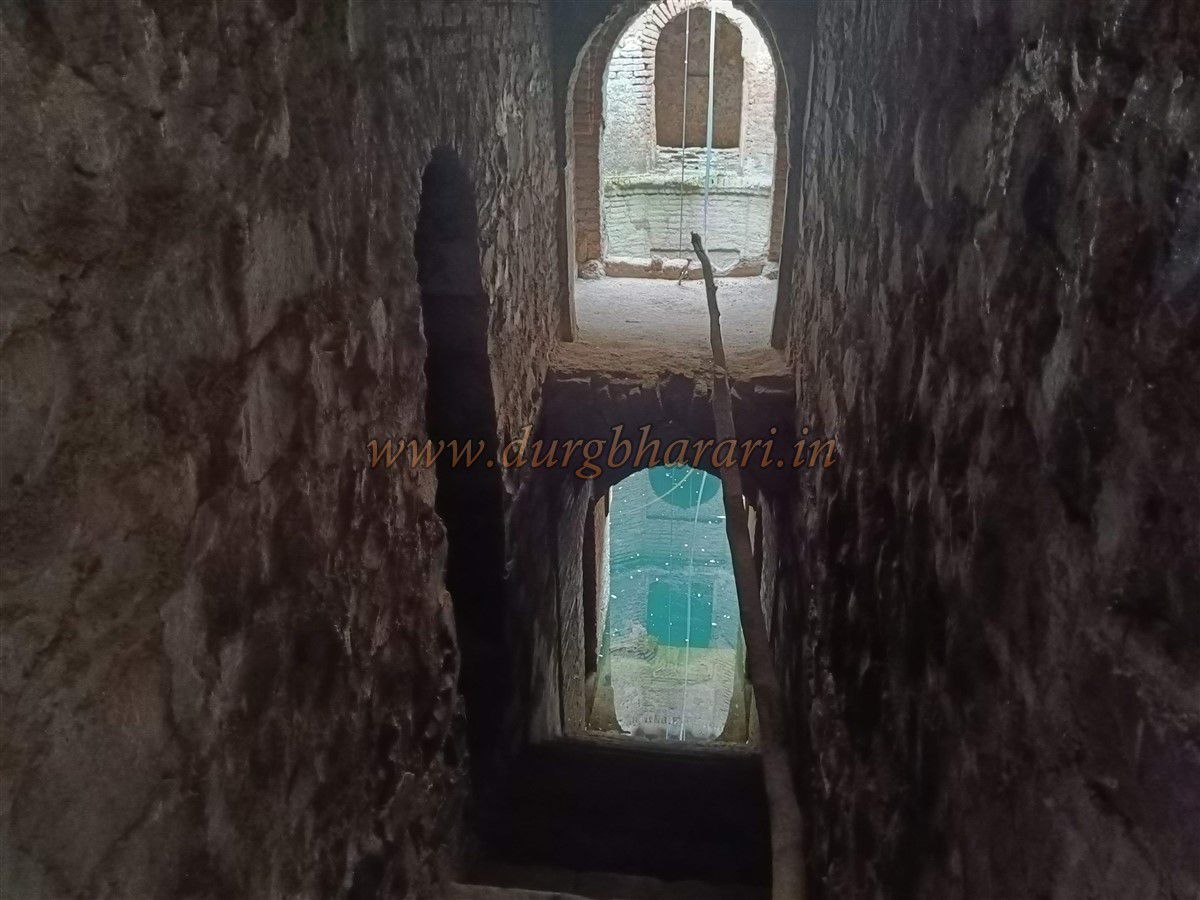
The most beautiful structure in the gadhi is the well. Built with bricks, the well has two levels. There is a covered passage to descend into the well. The upper level has six arches while the lower one has five. When the well is completely filled, both levels remain underwater, but during summer, when the water recedes, the chambers were used like air-cooled rooms. The well has two Persian wheels, one of which is directly connected to the mansion for drawing water. This is a structure definitely worth seeing while visiting the gadhi.
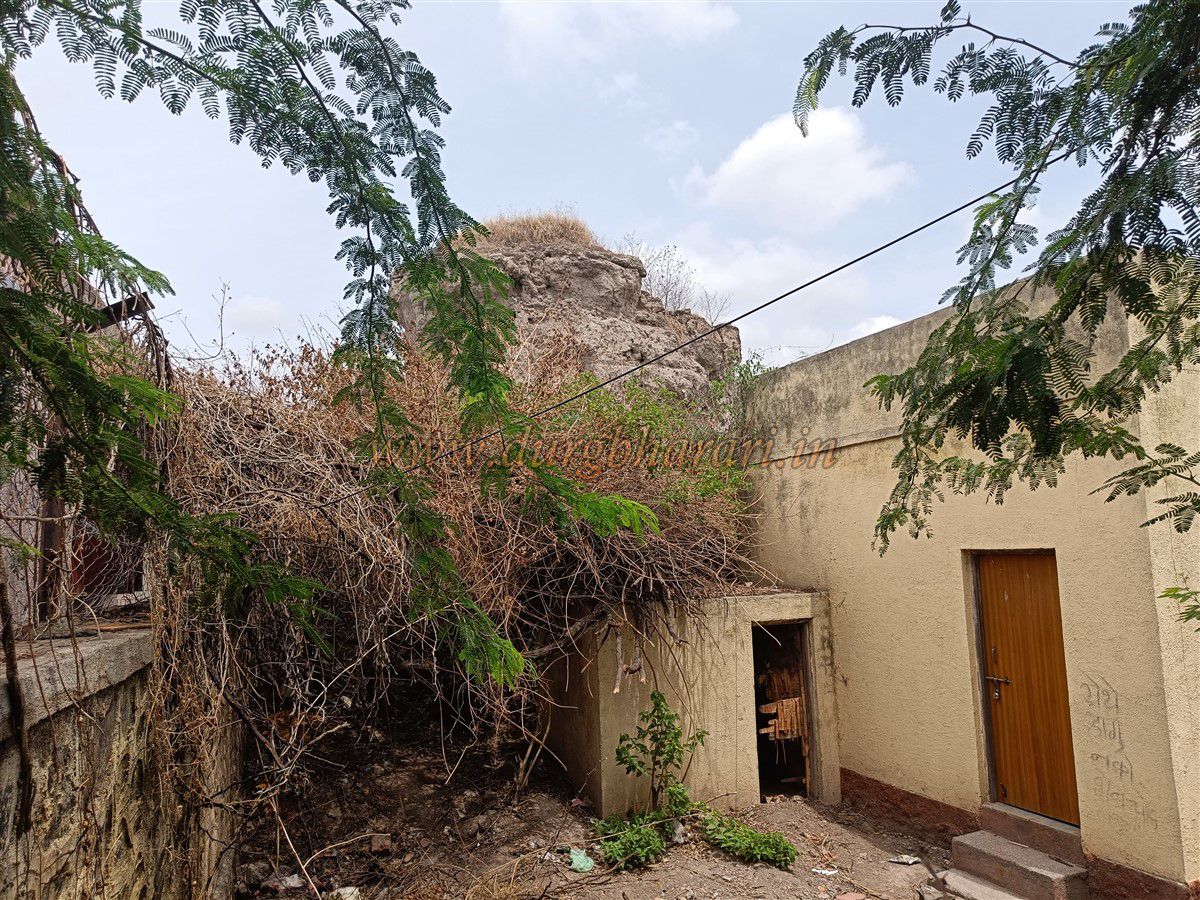
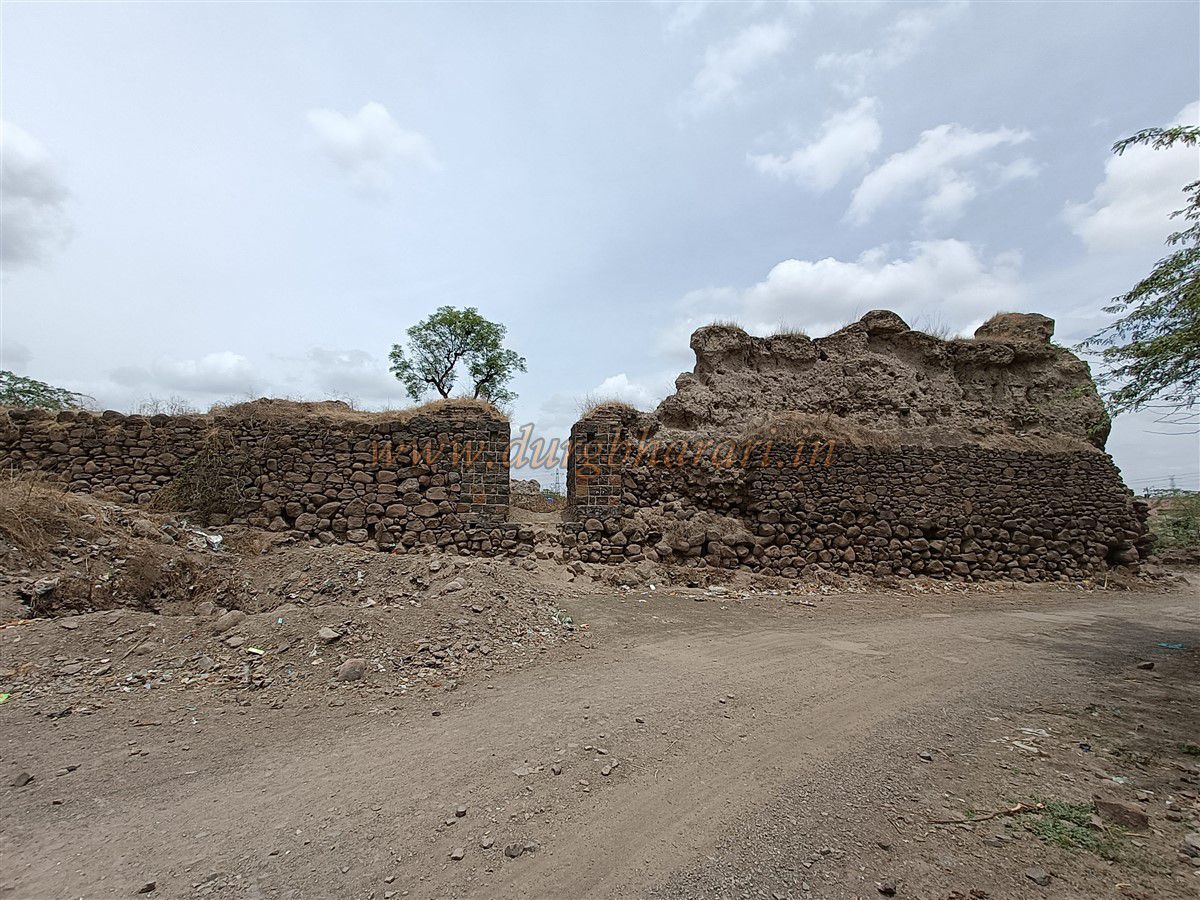
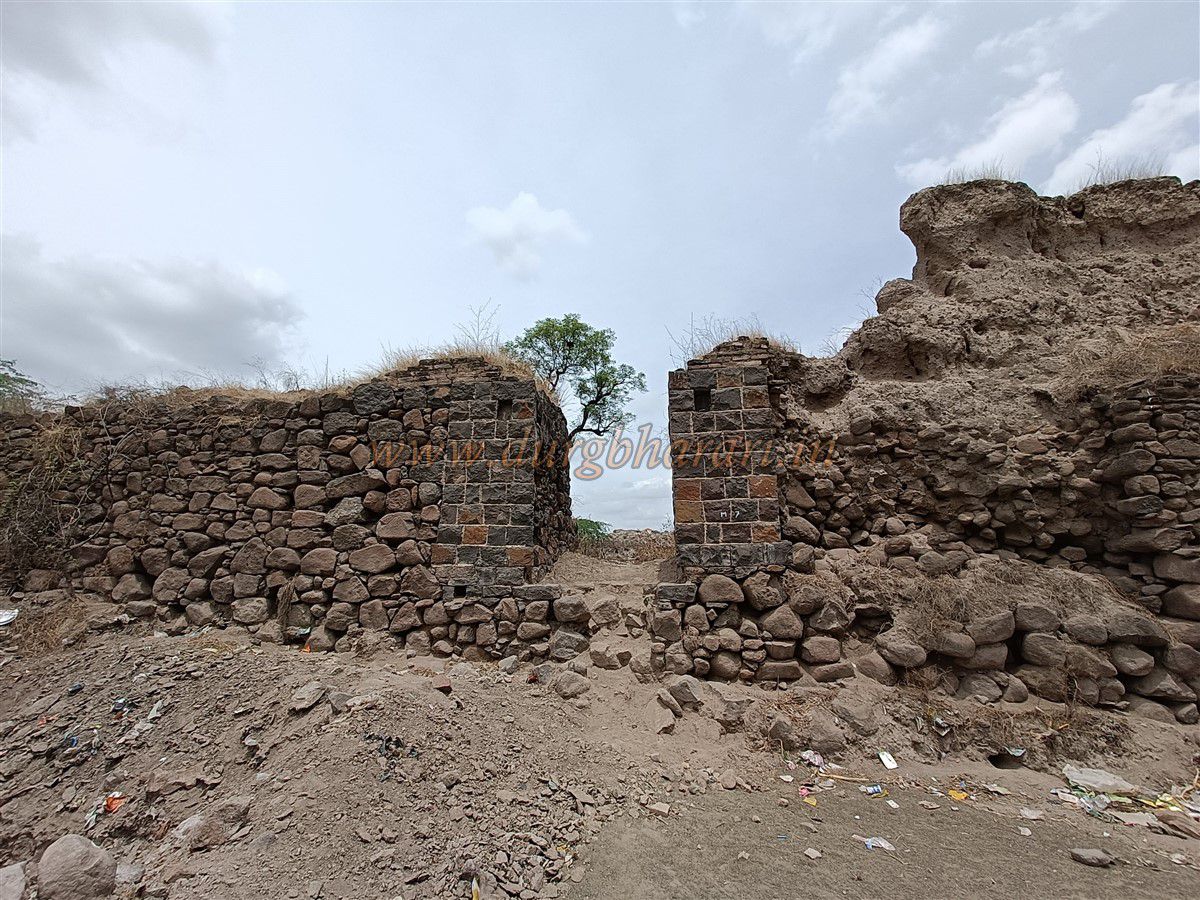
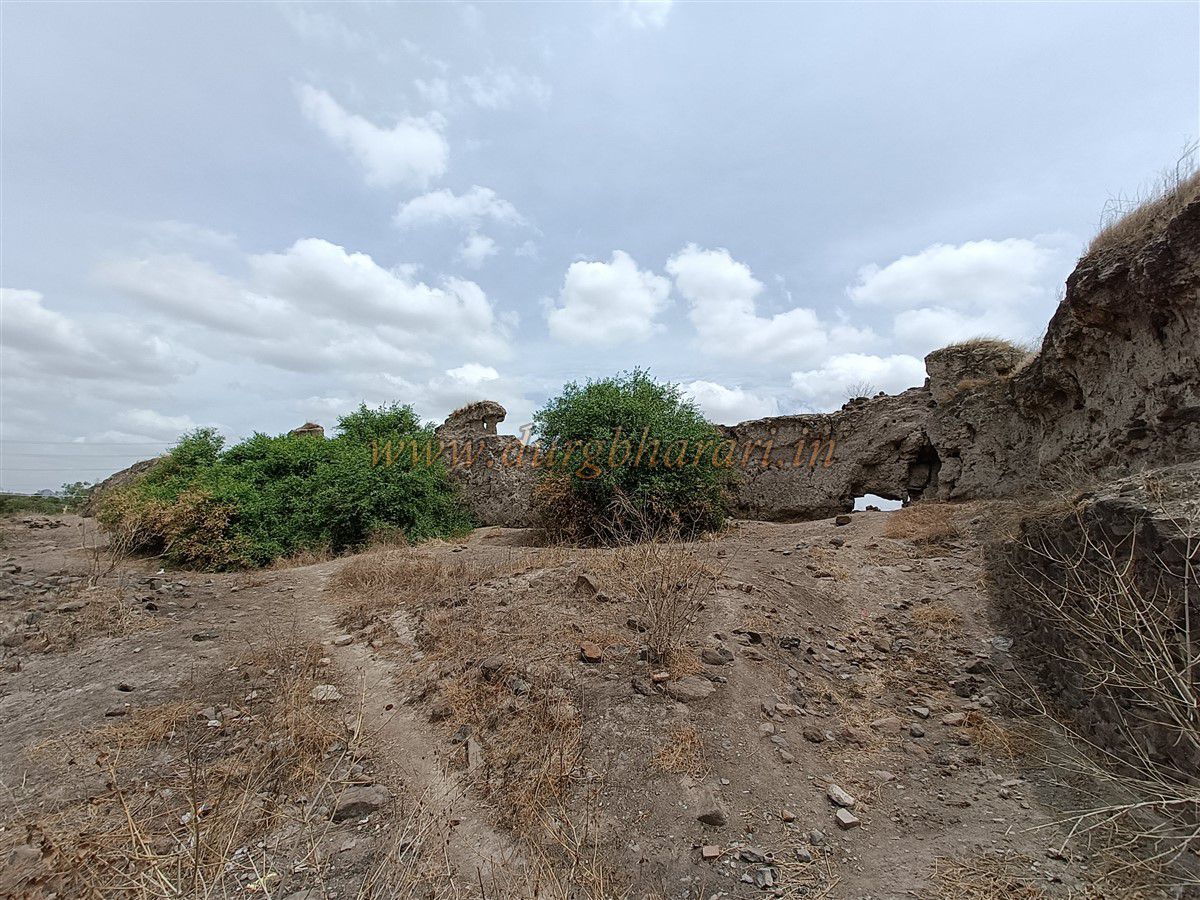
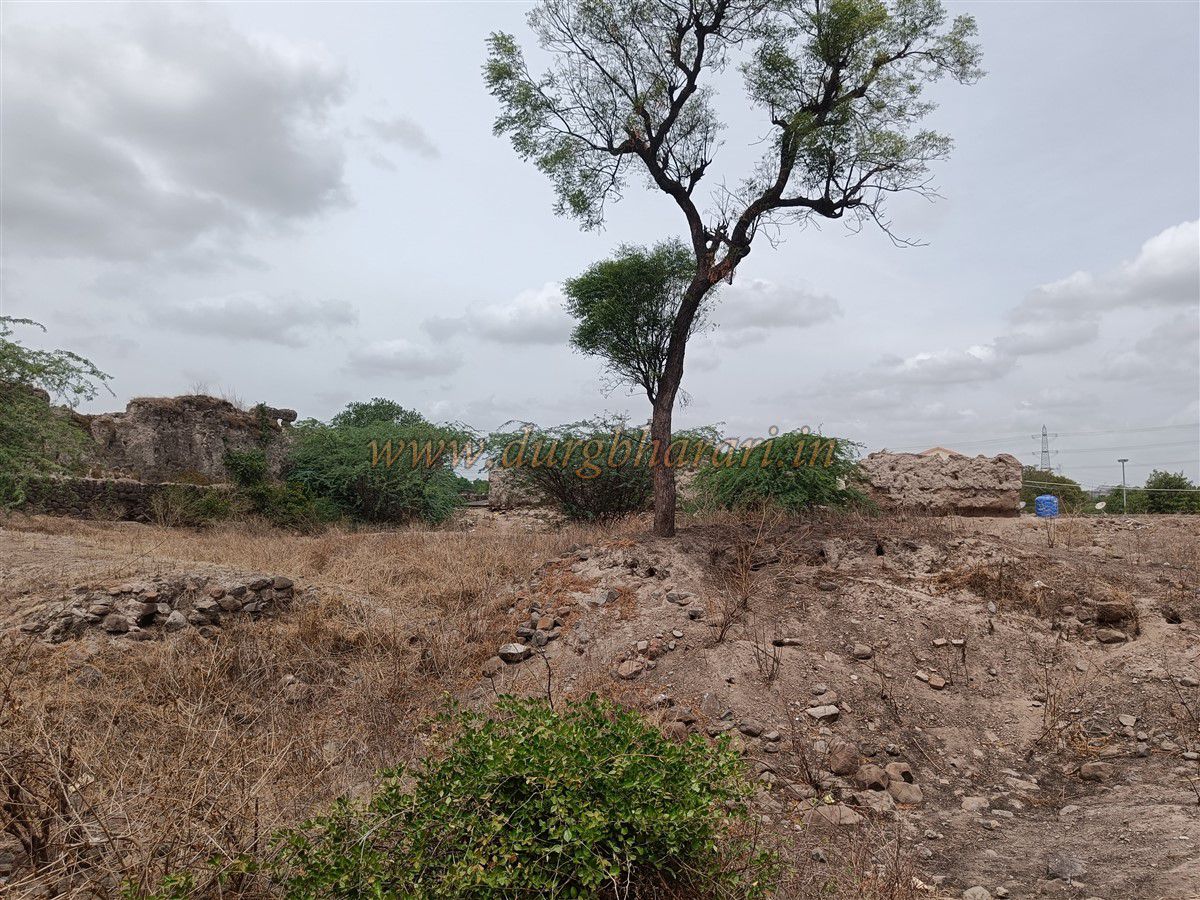
While walking around the gadhi, a small gate sealed with stones is visible in the eastern wall. Half an hour is sufficient to explore the entire gadhi. The owner and current descendant of the Malthan branch of the Pawar, Mr Udaysingh Pawar, resides in Pune, so the gadhi remains closed. However, with prior permission, the gadhi can be visited, especially when the owner is present. Apart from this, another fortified mansion with a boundary wall exists in the village but is largely dilapidated, with only remnants of the earthen bastion and entrance remaining.
The ancient city of Dhar in central India, today’s Dhar, was a prosperous capital during the Parmar dynasty. From this dynasty emerged the great ruler King Bhoj. After the Parmar kingdom of Malwa declined following Aladdin Khilji invasion in 1305 CE, descendants of the Parmar dispersed to various regions. One branch settled in Maharashtra and became known as the Pawar. Because they hailed from the ancient capital Dhar, they became historically known as the Dhar Pawar.
Shambhusingh Parmar, also known as Sabusingh Pawar, is considered the progenitor of this line. He established his camp with cavalry and infantry in the forests near Hanga village close to Ahmednagar. In 1658, when Shivaji Maharaj campaigned at Kalyan, Sabusingh accompanied him. Later, he founded the village of Supe in the Ahmednagar Subha and obtained its administrative rights. Sabusingh had a son named Krishnaji.
Krishnaji Pawar participated in the Maratha expeditions into Bijapur territory. His name is mentioned in clashes against Afzal Khan’s son, Fazal Khan, following Afzal’s death. In recognition of his service, Krishnaji received the administrative rights of Kanagi and Karangaon. After his death, his three sons—Buvaji, Rayaji, and Keroji—joined the army of Shivaji Maharaj. After the assassination of Sambhaji Maharaj, when the Maratha Empire faced grave threats, these Pawar brothers were among the commanders who resisted the Mughals.
Buvaji Pawar fought numerous battles during Chhatrapati Rajaram Maharaj’s reign, quelling many rebellions and maintaining order. Trusted by Rajaram Maharaj, Buvaji and Keroji led Maratha raids in the Berar and Gangathadi regions, collecting tribute and harassing Mughal forces, thus increasing the influence of the Marathas. Due to these efforts, after Rajaram’s return from Jinji to Maharashtra, Bubaji was bestowed the title of Vishwasrao and granted a fief, while Keroji was given the title of Senabarasahastri and ceremonial robes.
Their jagirs included villages like Malthan, Supe, Kavathe Yamai, Ahmadabad, Hingani, Ganegaon, Chitegaon, and Nagardevale. In the list of distributed fiefs granted under Vishwasrai by Rajaram Maharaj, Yashwantrao Pawar of Malthan is mentioned. Later, Yashwantrao grandson and Sambhaji’s son, Udaji Pawar (1708–1760), played a key role in strengthening Maratha control in the Malwa and Gujarat regions.
In the 1734 battle against Siddi Amber Afwani, Udaji Pawar beheaded the enemy commander. His valour was so renowned that people used to say, “Where he goes, God himself is present.” Shahumharaj and the Peshwa granted Udaji Pawar several estates in Gujarat, Malwa, Mewar, Marwar, Bundelkhand, and more, in addition to the Vishwasrai fief. Furthermore, he and Manaji Pawar were jointly granted the Dahaka jagir. During the time of Udaji, Anandrao, and Jagdevrao Pawar, the foundations of the Dhar principality were laid.
© Suresh Nimbalkar
GALLERY