MALPUR
TYPE : GADHI
DISTRICT : DHULE
HEIGHT : 0
GRADE : EASY
The Khandesh region is also known as the land of the "Sade Bara Raval" (twelve and a half Rawals). "Raval" was a hereditary title granted to certain clans in this region, which included lineages like Sisodia, Solanki, Parmar, and Pratihar. These twelve and a half hereditary holdings consisted of the following places: 1. Dondaicha, 2. Malpur, 3. Sindkheda, 4. Ashte, 5. Sarangkheda, 6. Ranjane, 7. Lambola, 8. Lamkani, 9. Chaugaon, 10. Hatmoida, 11. Ranale, 12. Manjare, and 13. Karvand. Since half of these territories were within Khandesh and the other half outside of it, they were referred to as "half holdings." Among these, the forts at Ashte, Lambola, Chaugaon, and Hatmoida are now completely destroyed, while five others are surviving in partial ruins, struggling against the wear of time. Four forts, however, remain intact in their original form.
...
After the princely states were merged into the Indian Union, the responsibility of maintaining these privately owned forts became difficult for the owners. As a result, most of them are now in ruins. An exception to this is the Darbargadh Fort at Malpur, which still stands in its original form and is well maintained. Presently under the ownership of Digpalsingh Rawal, the fort can be visited with prior permission. Malpur Darbargadh Fort is located in Sakri Taluka, 64 km from Dhule and 32 km from Nandurbar.
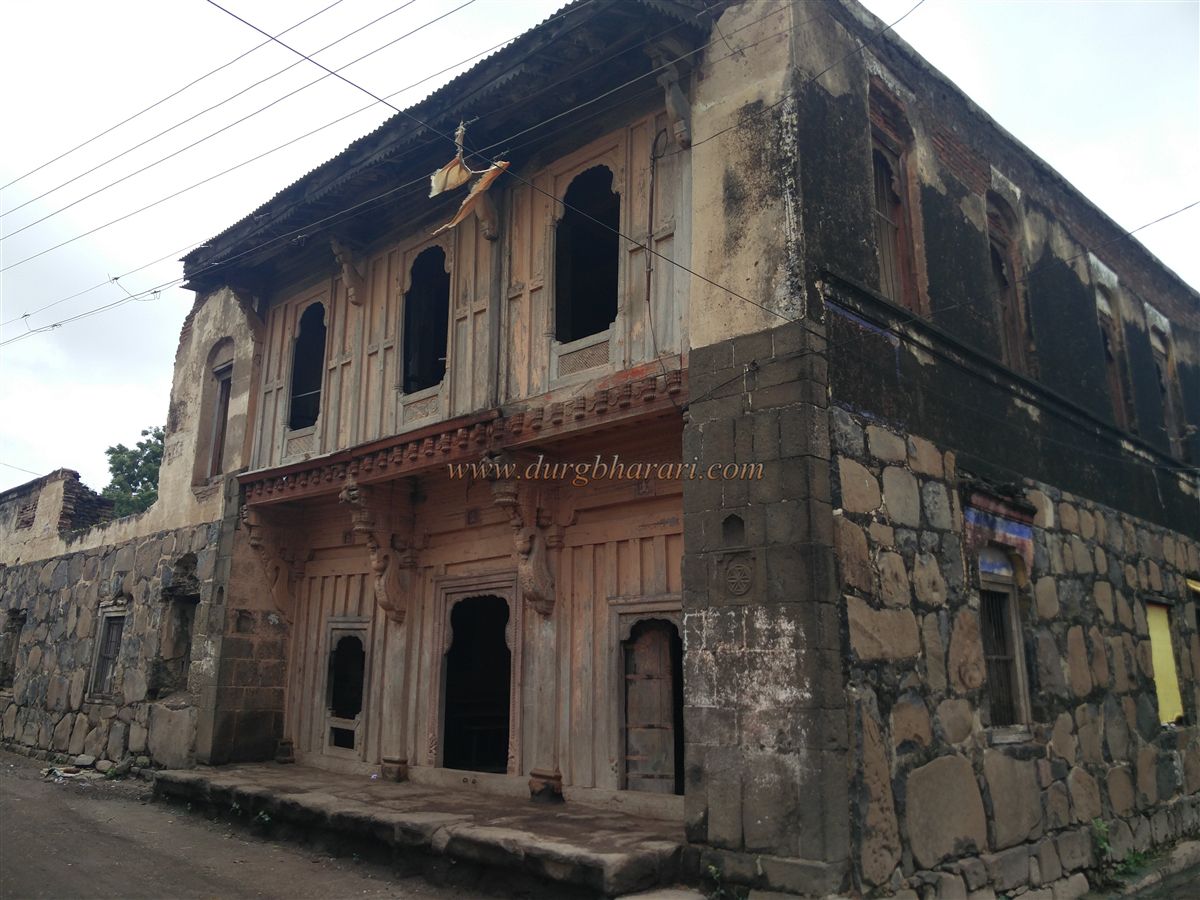
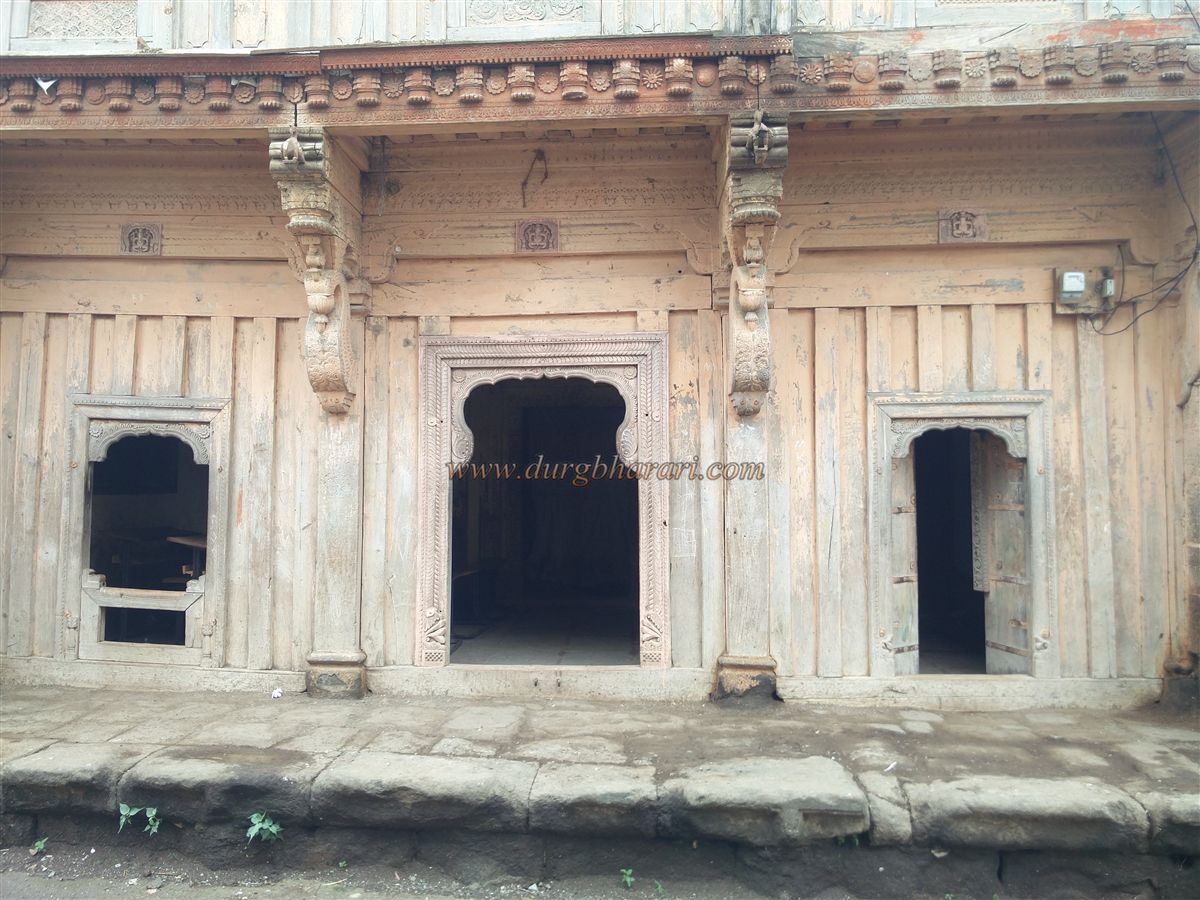
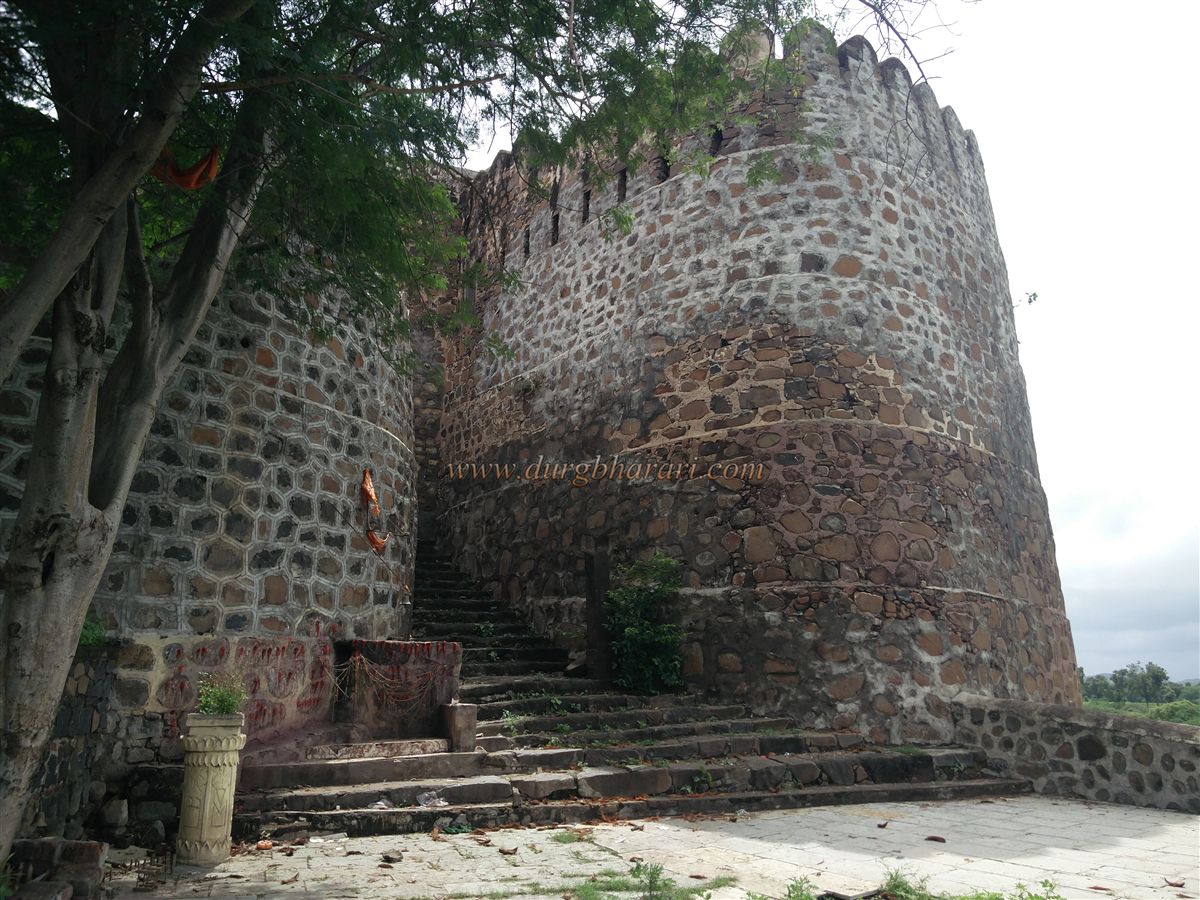
While traveling through Malpur village toward the fort, one comes across three or four old mansions with intricate stone and wooden carvings. The fort, located on the southern bank of the Amravati River and to the north of Malpur town, spreads across about three acres of land. The outer premises of the fort span two acres, while the inner section occupies one acre. The fortification includes eight bastions, with the main west-facing entrance built between two bastions. The main gate has a smaller doorway within it and still retains its wooden frame and arch in good condition. Above the gate, loopholes can be seen in the walls for musketry. Currently, this gate remains closed, and access is provided via a break in the fortification made to accommodate vehicles. To see the original gate, one must circle around the fort premises toward the river.
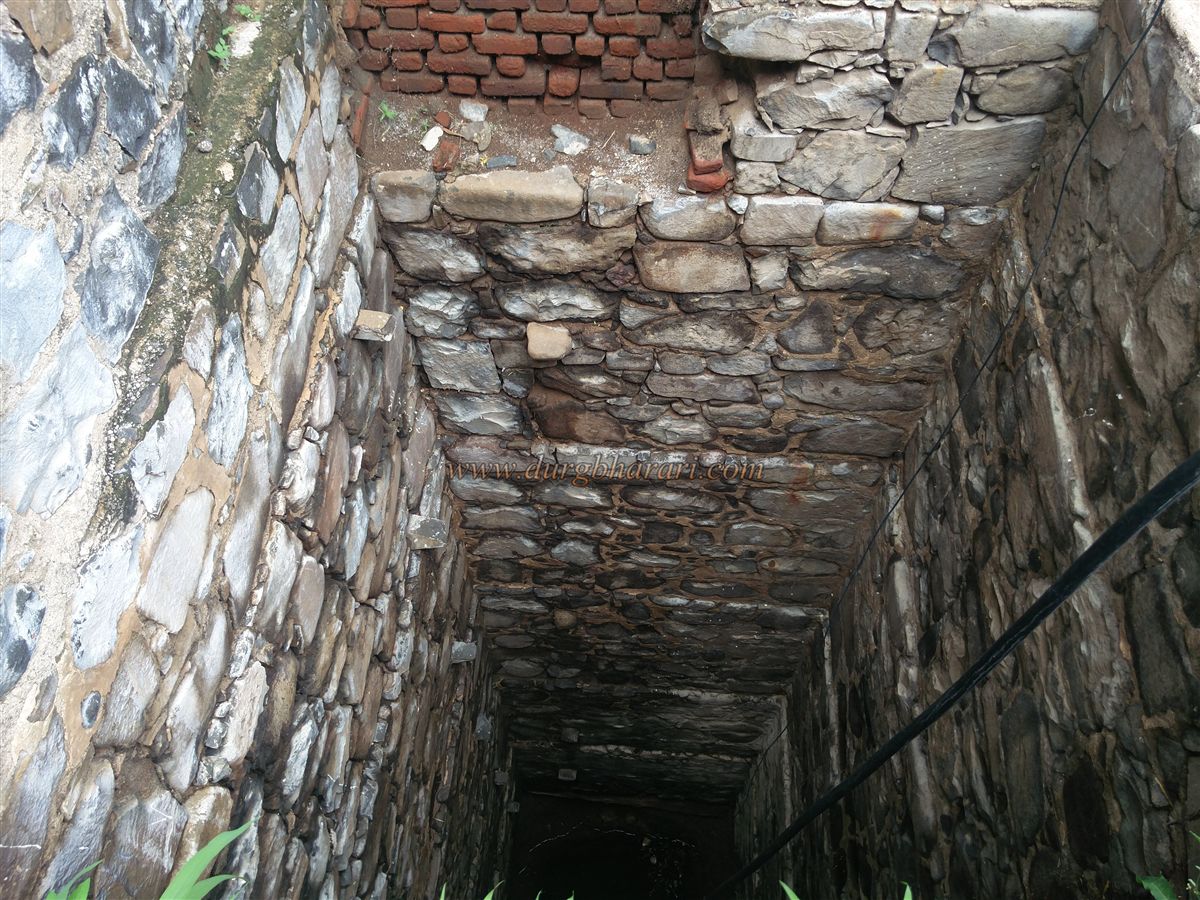
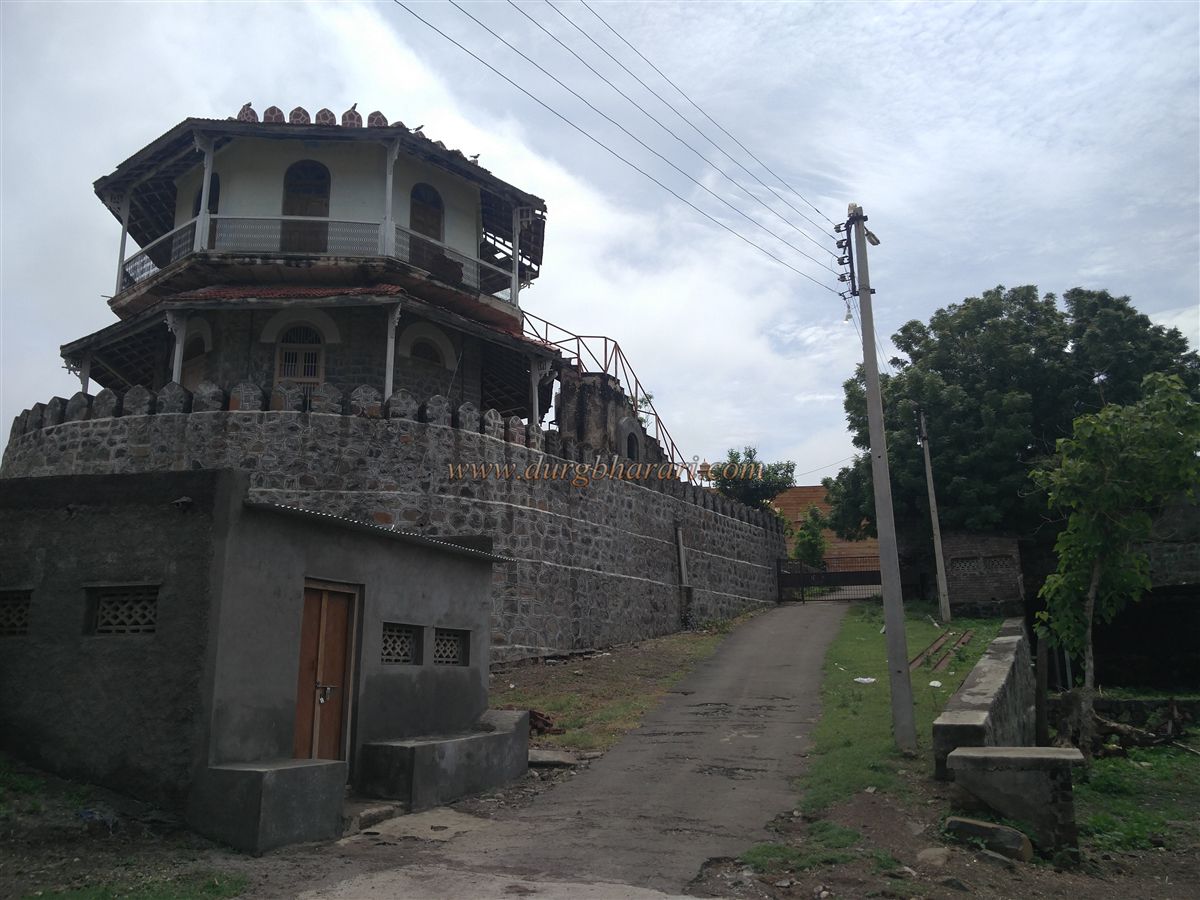
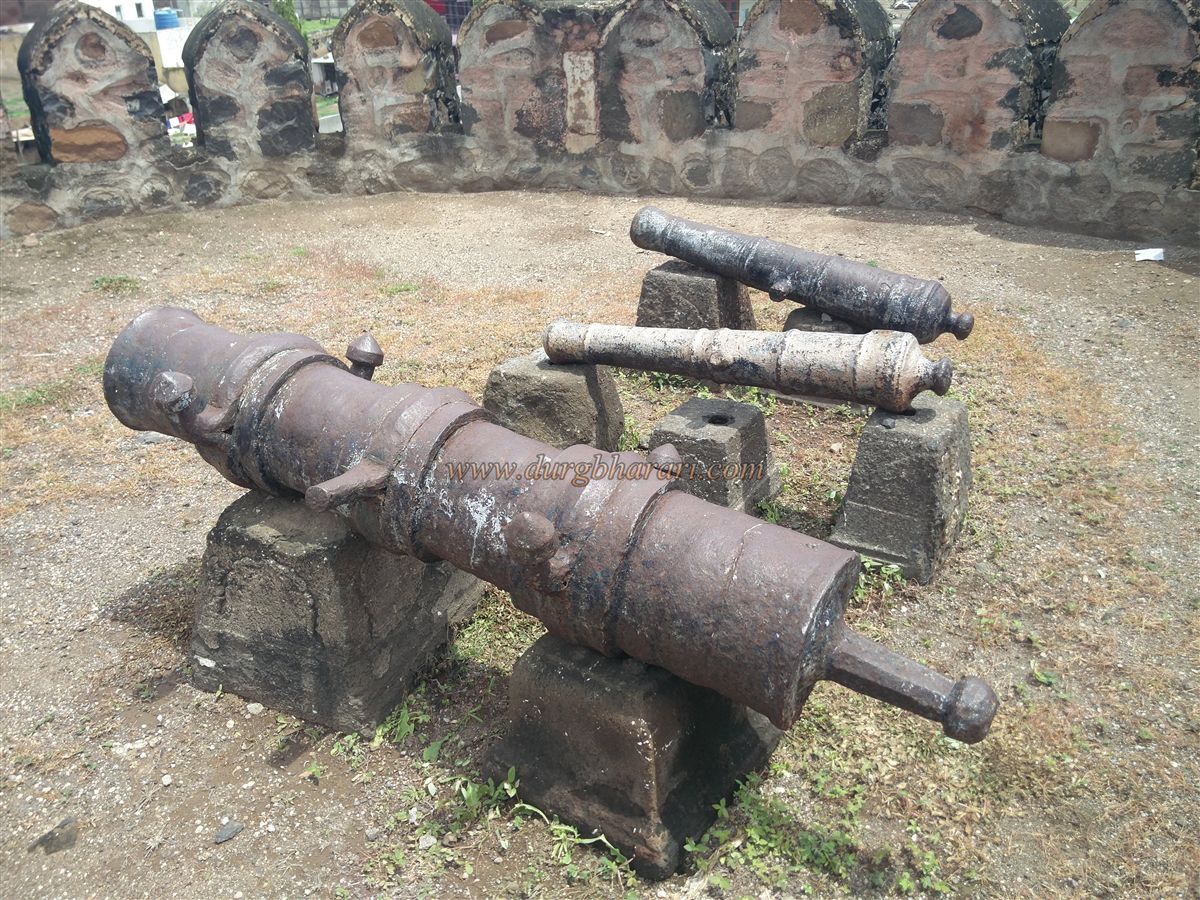
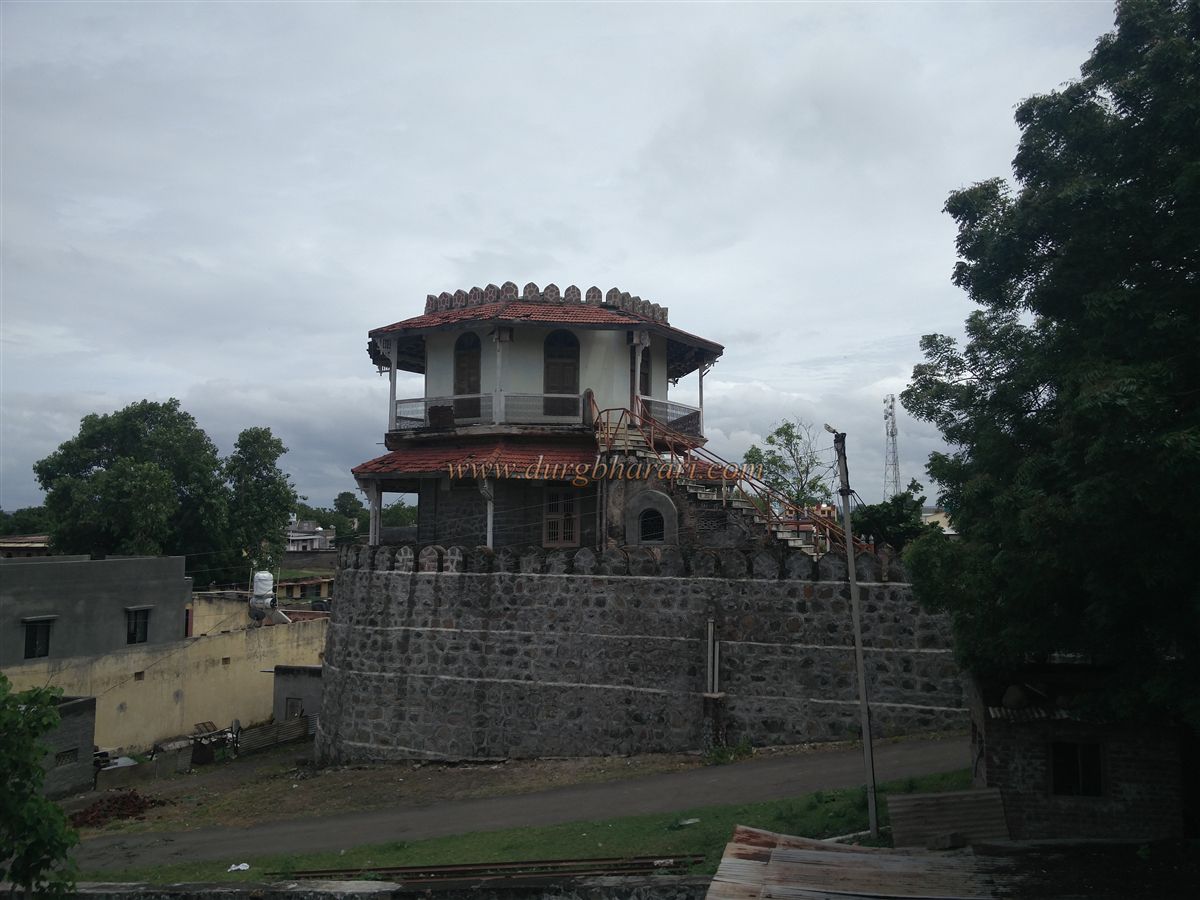
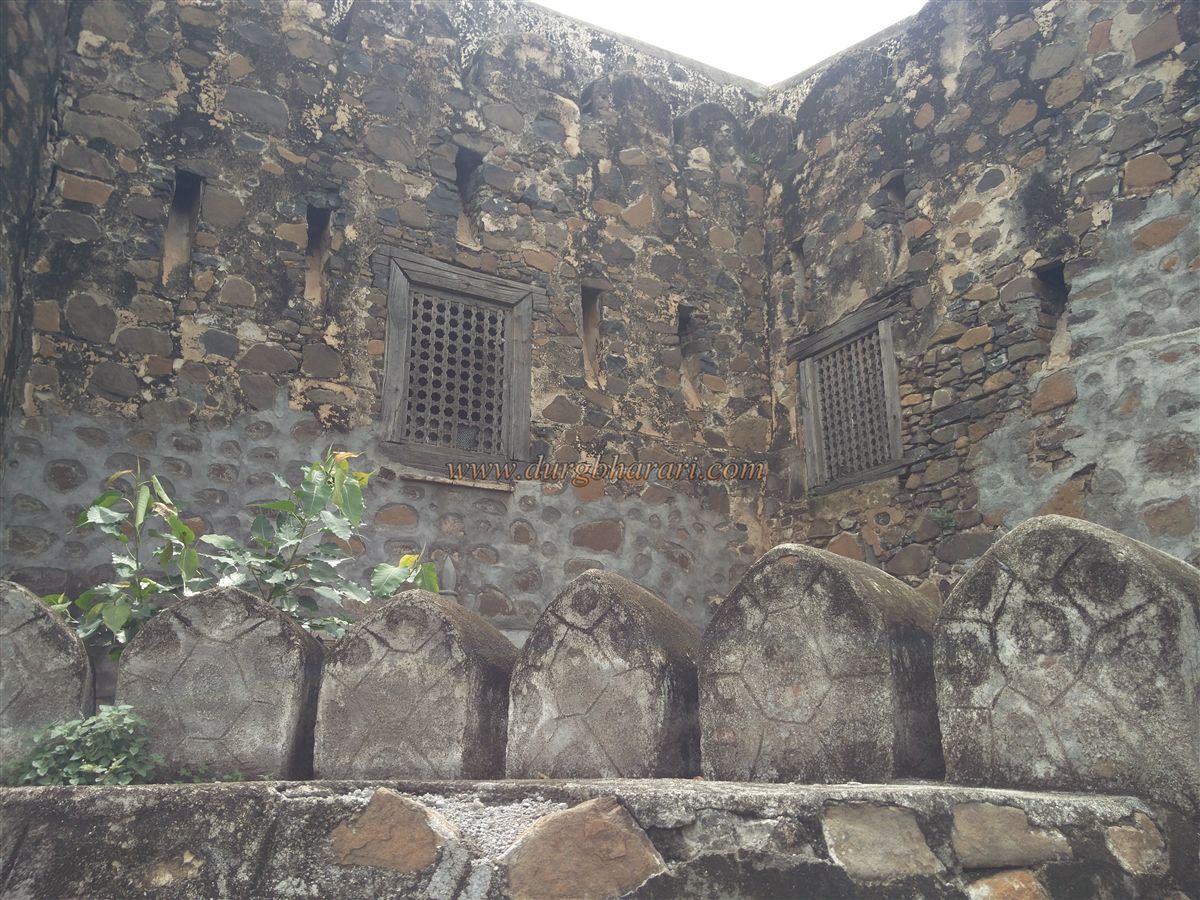
The walls of the fort are approximately 25–30 feet high from the ground side and rise up to 70 feet on the river-facing side. The bastions and walls contain slots and windows for cannons and muskets. The entire fortification remains intact, and the original features have been restored. Inside the fort, there is a deep well, which still serves as a water source. Upon entering the fort from the newly constructed route, one can see three cannons on the left bastion. On another bastion, a two-storey structure is visible. Within this section of the fort, there is a domed memorial-like structure, and opposite it is the entrance to the four-porches mansion within the fort.
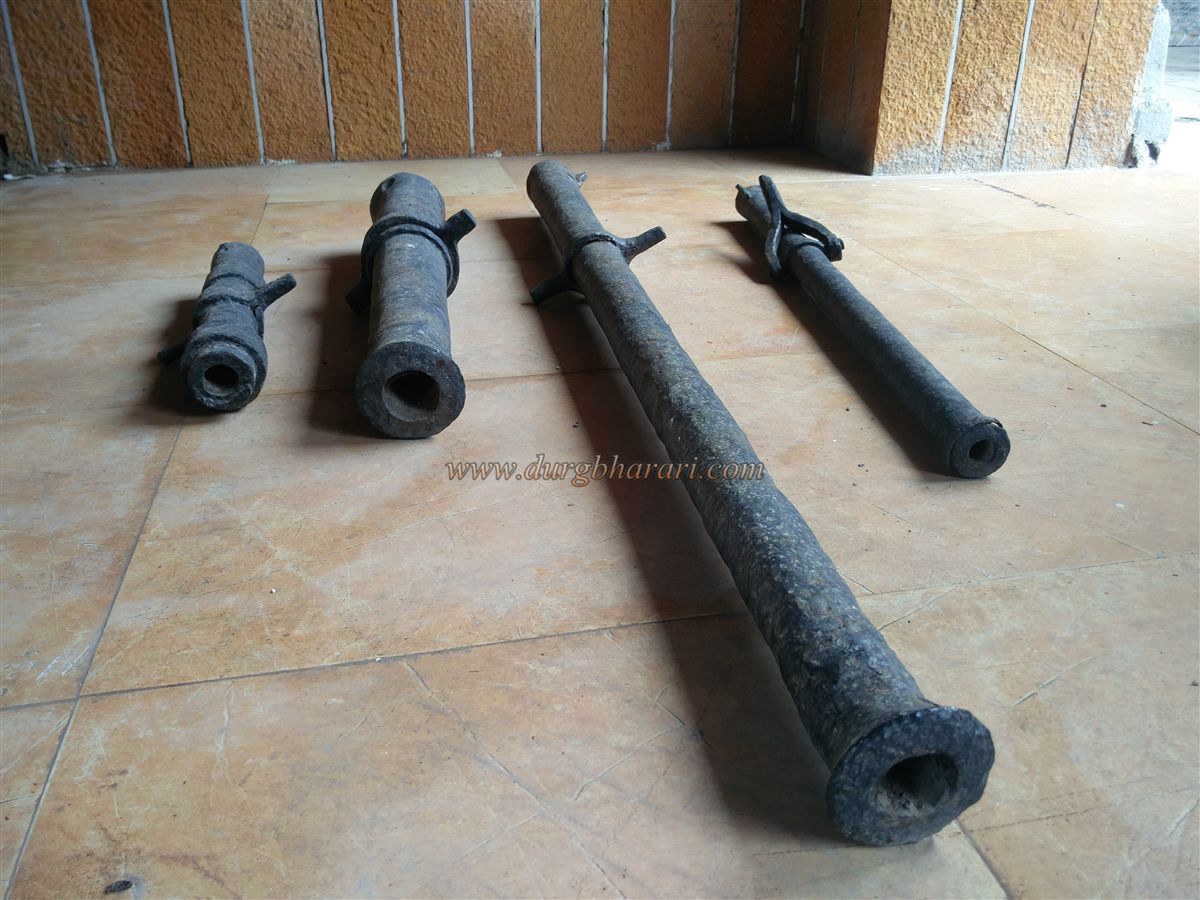
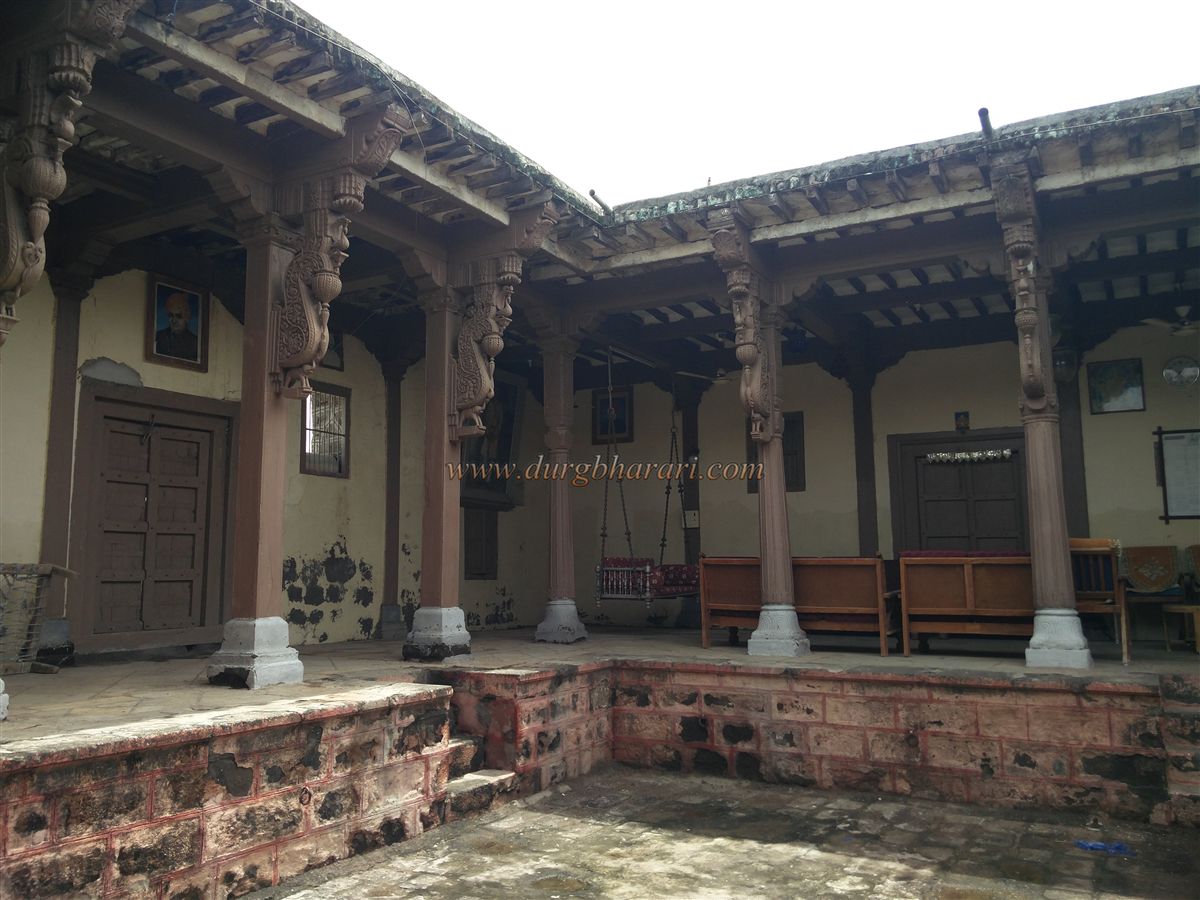
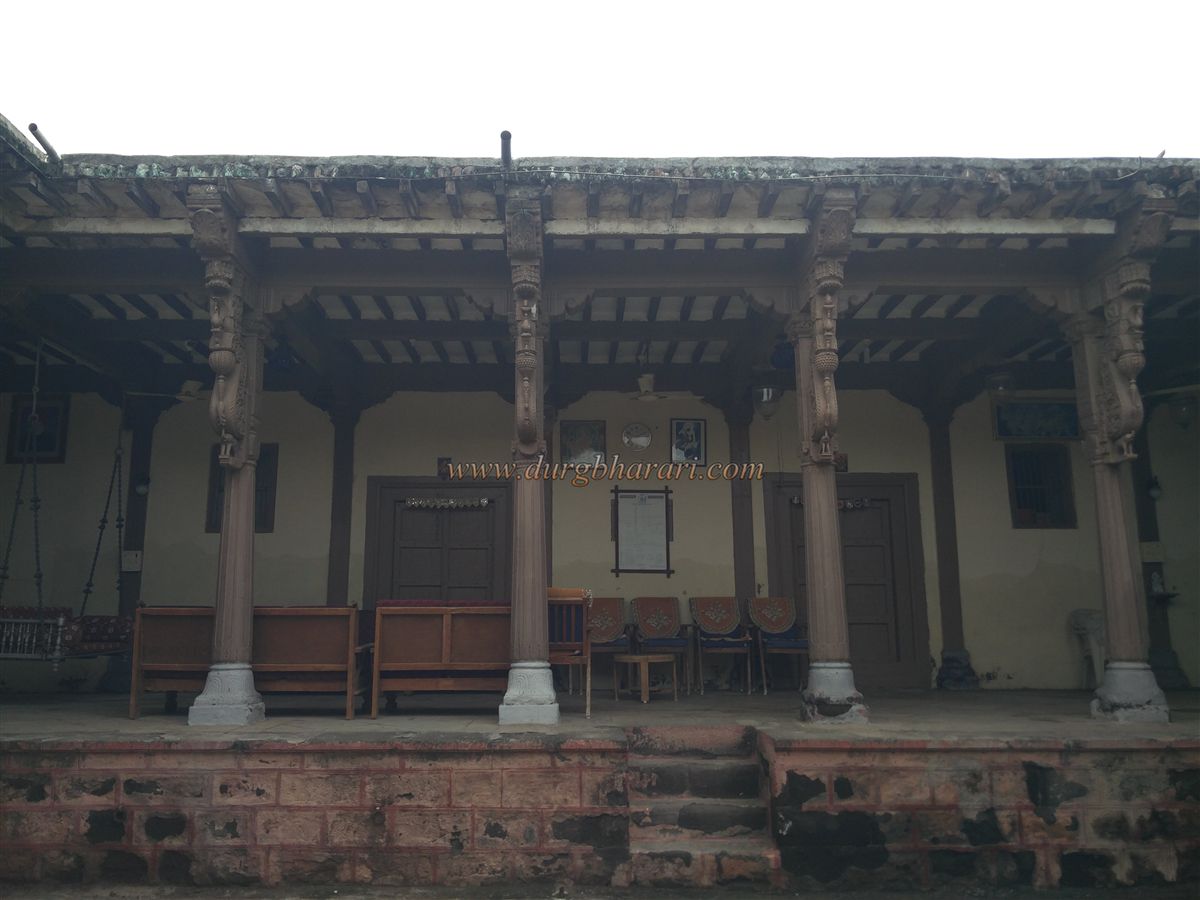
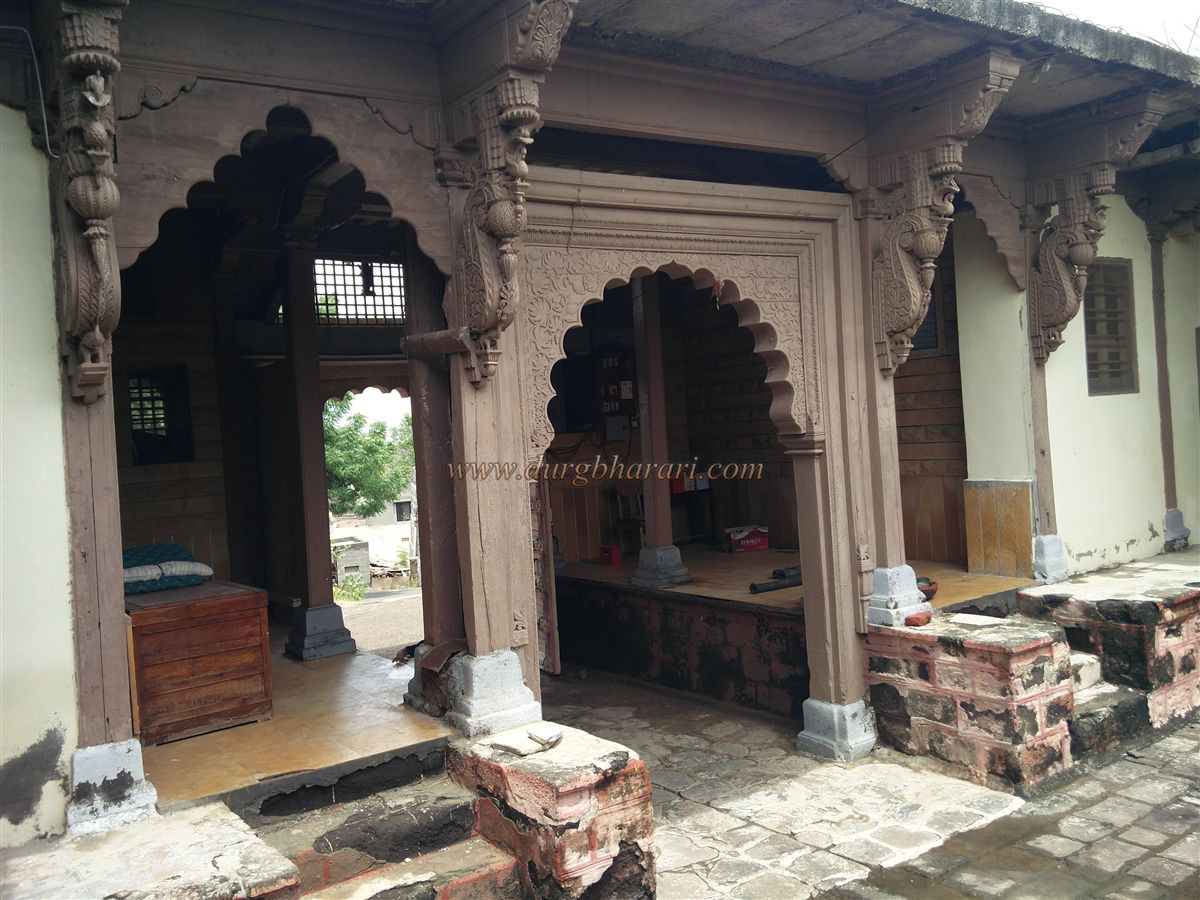
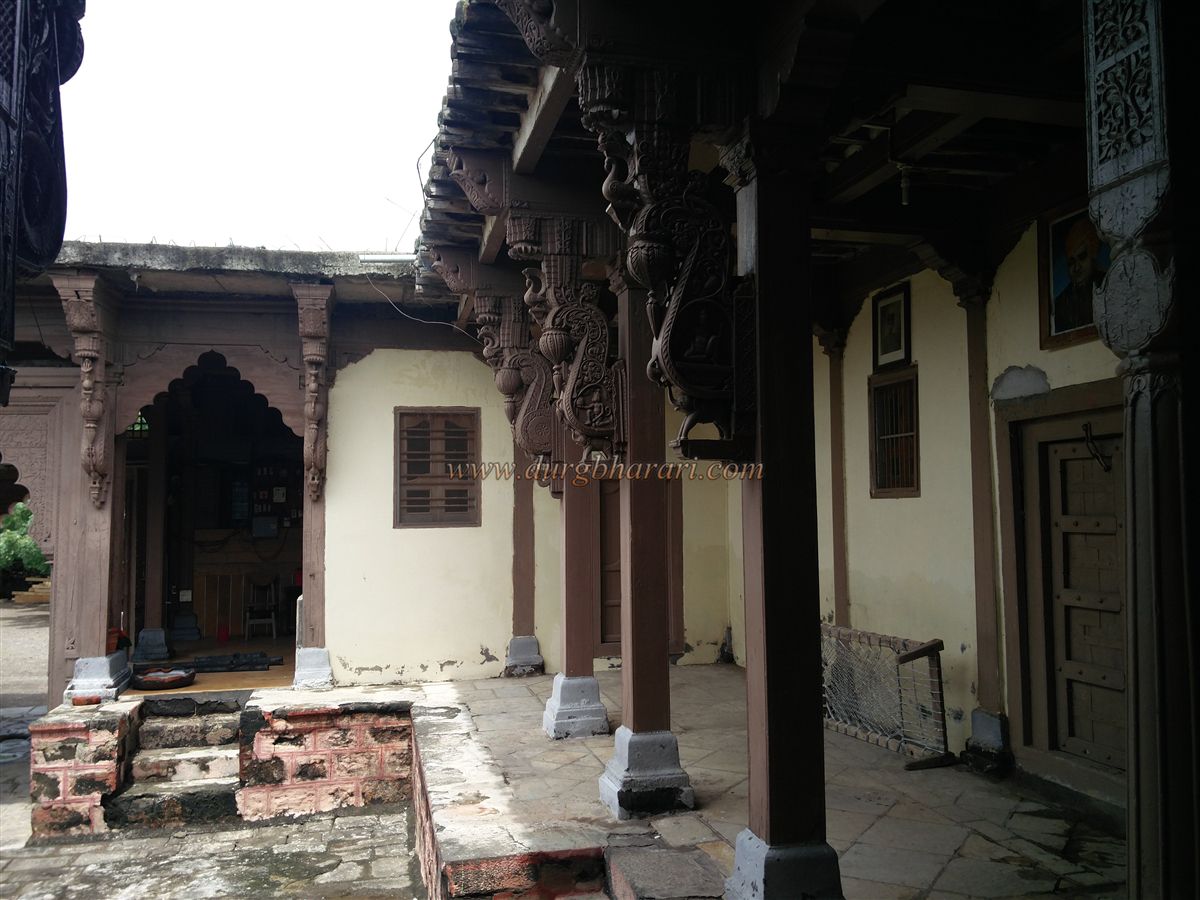
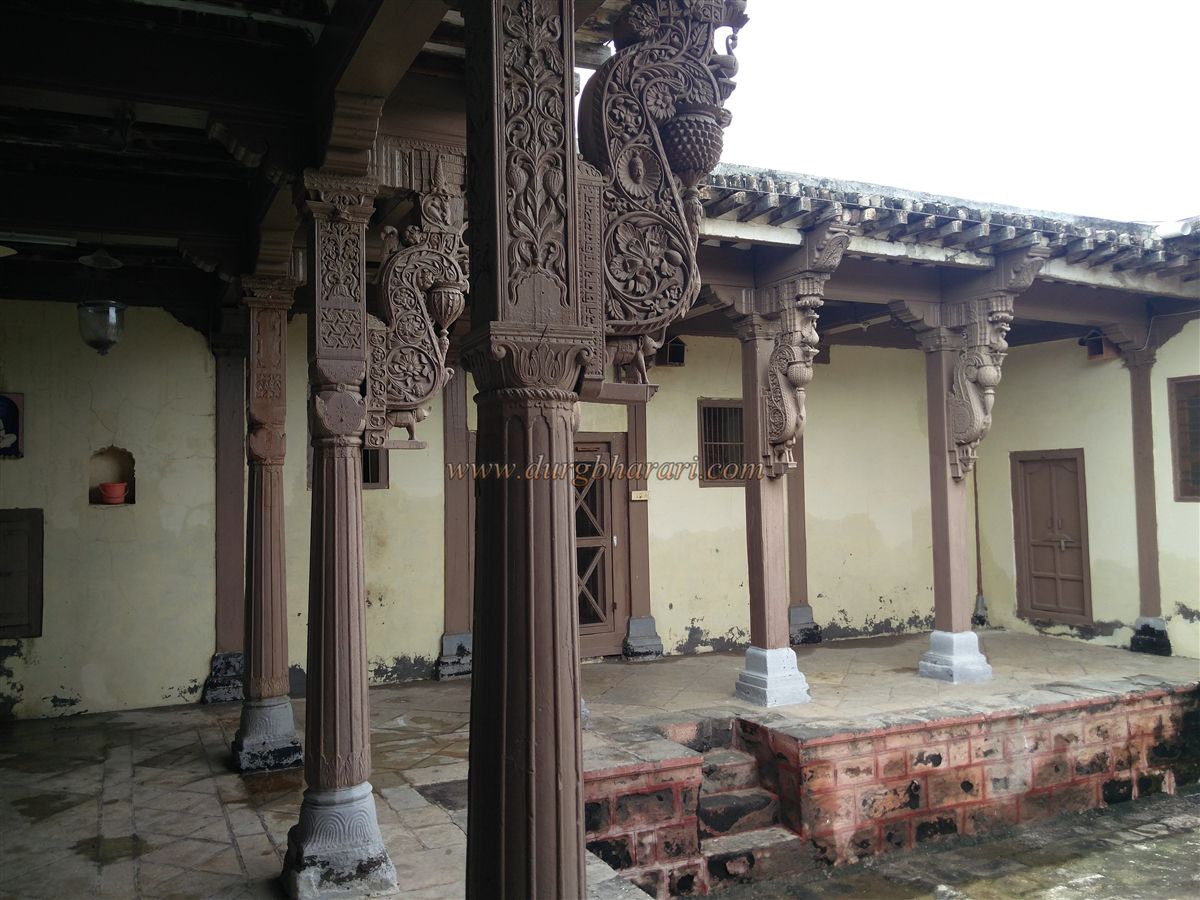
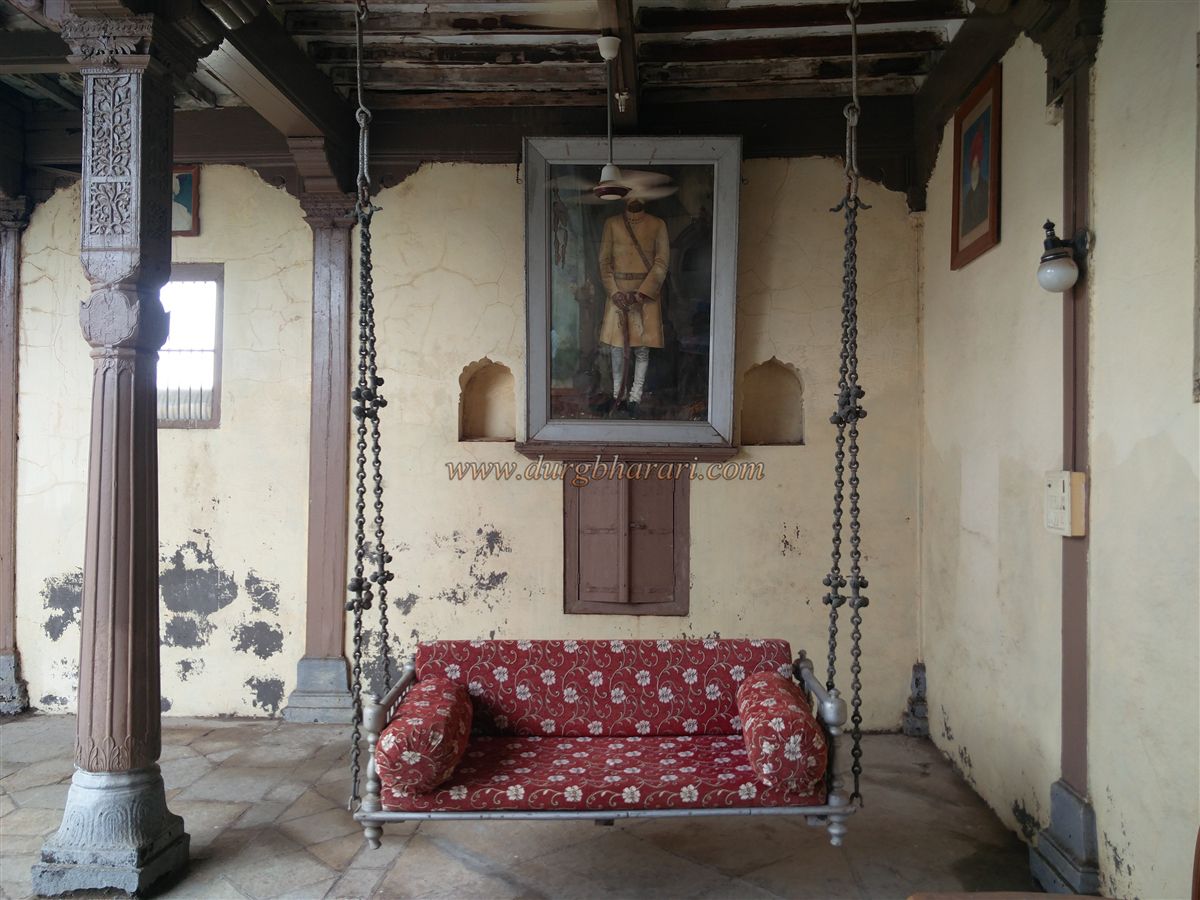
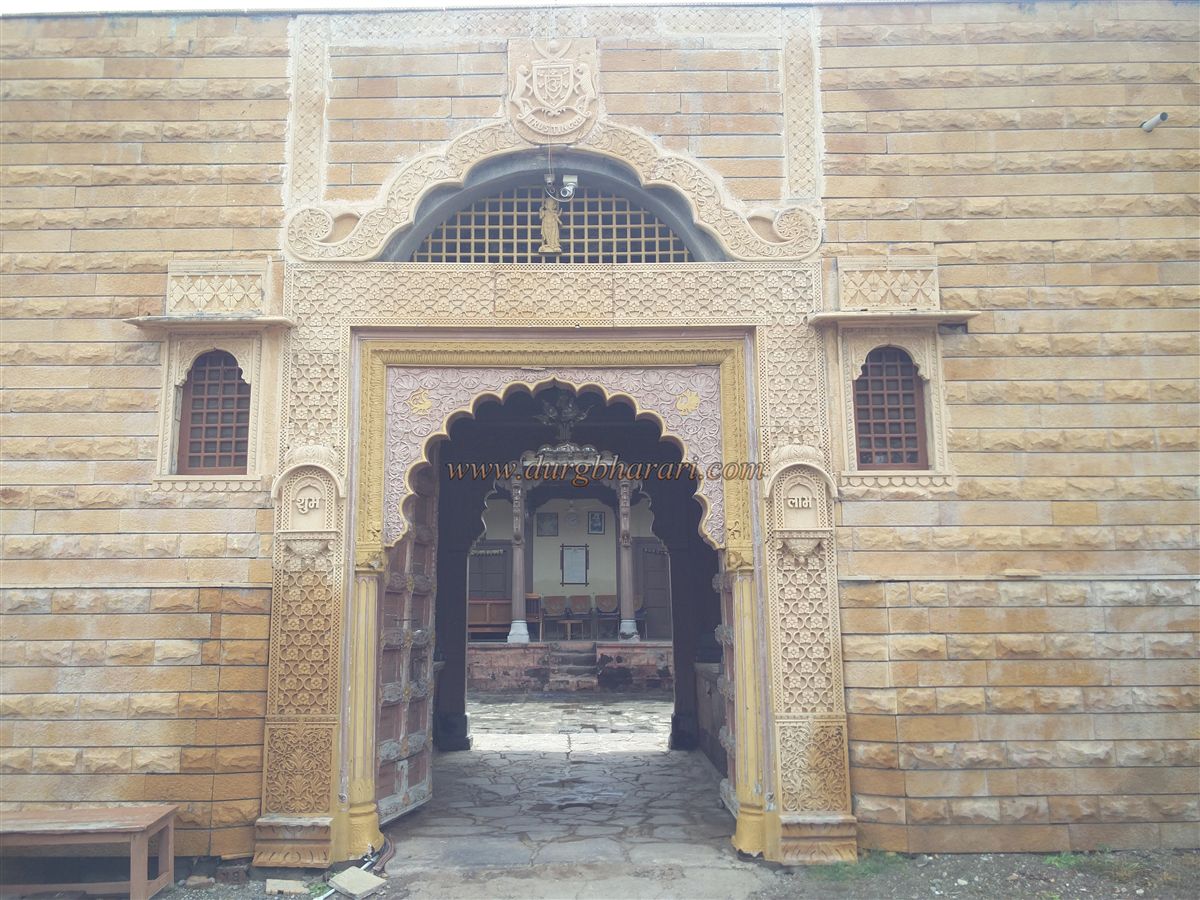
This doorway displays the royal insignia of the Malpur principality. The outer walls of the mansion have been newly refurbished, and the intricate old wooden carvings inside the mansion are exceptionally beautiful. Upon entering through the main door, four small cannons are placed in the veranda to the left. The central courtyard of the mansion features elaborate stonework with rooms built over high platforms. The ceiling of the mansion displays old hanging glass chandeliers and vessels. As some parts of the fort and mansion are still in private use, access to these areas is limited. A secret doorway built into the wall of the fort was intended for emergency escape during times of crisis. The mansion contains old photographs and other antique items on display. A complete tour of the fort and its premises takes about one hour.
Following the invasions of the Khilji dynasty, twenty-four Rajput clans led by Abhaysingh Rawal migrated toward Mandu. His son, Ajaysingh Rawal, established his fiefdom on the banks of the Amravati River in 1333 CE and built the Dondaicha Fort. Ajaysingh Rawal younger son, Balbahadursingh, constructed the Darbargadh Fort at Malpur in 1455 CE, establishing a separate estate. The Dondaicha state had jurisdiction over 52 villages, while the Malpur principality's domain extended up to Bhamer, according to local tradition.
After the death of Aurangzeb, when Chhatrapati Shahu Maharaj was returning from the south, the responsibility of ensuring his safe passage through this region was entrusted to the Rawal of Malpur. For this service, he was honoured and granted a "sanad" (official charter) in Satara. Although power changed hands over the years, the rights of the Rawals remained unaffected under every new regime.
© Suresh Nimbalkar
GALLERY