MALKAPUR
TYPE : NAGARKOT
DISTRICT : BULDHANA
HEIGHT : 0
GRADE : EASY
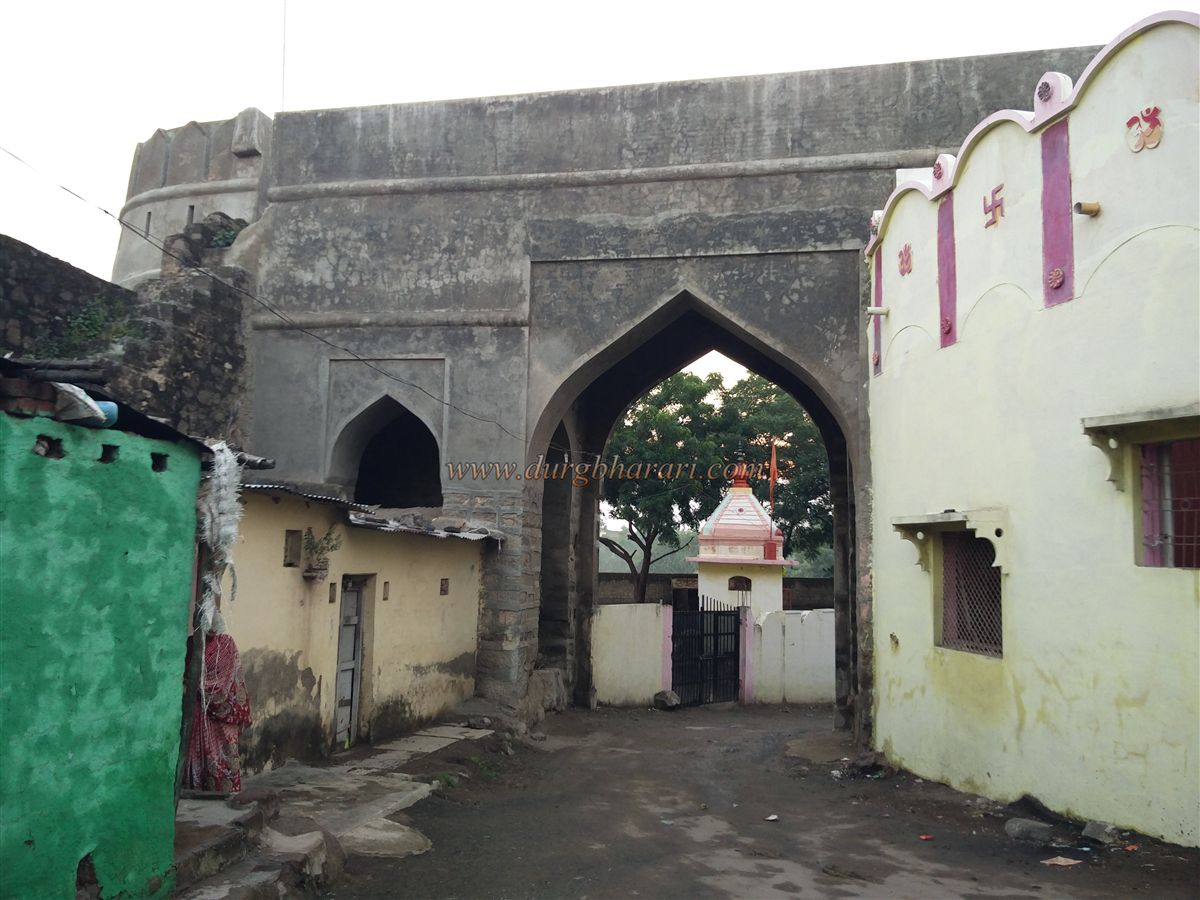
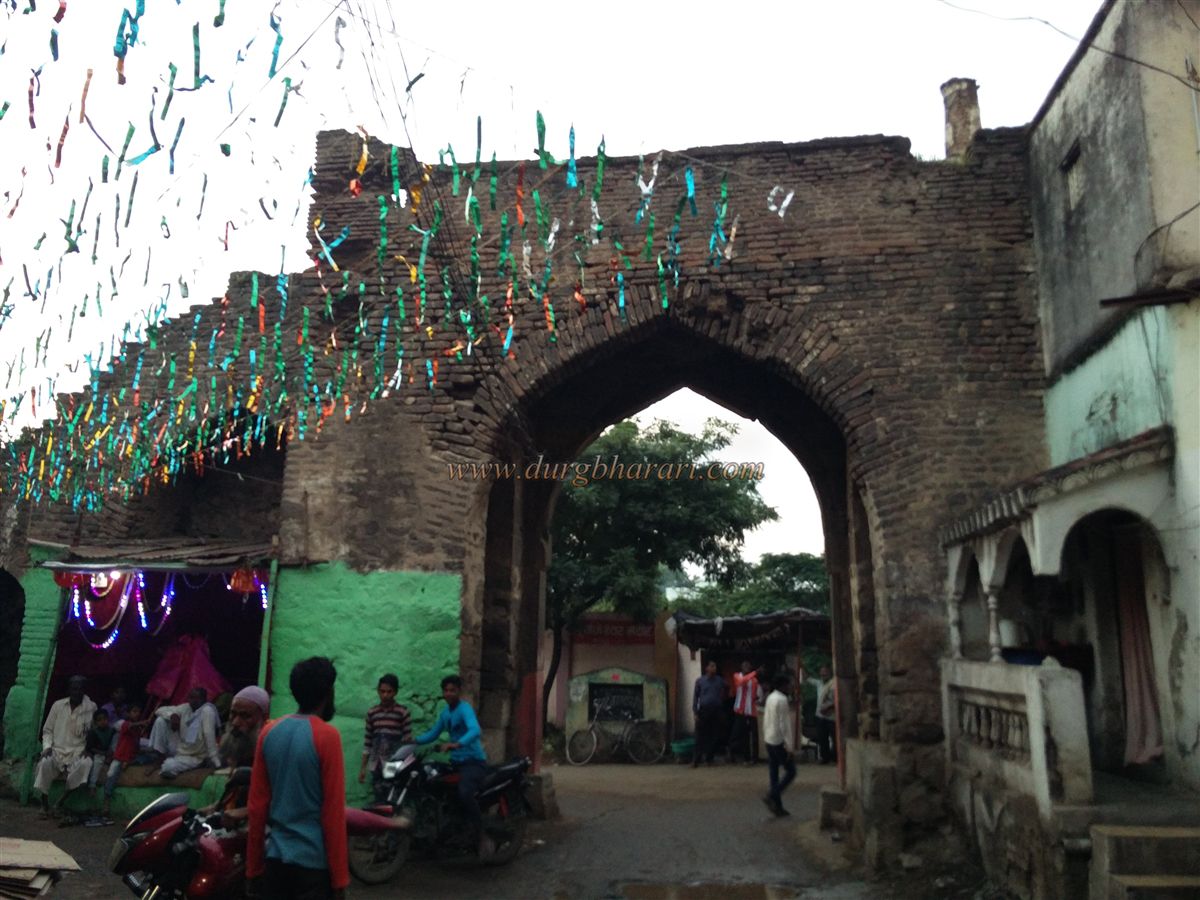
Malkapur, a taluka headquarters in Buldhana district, is an important station on the central railway line. This city, which has existed since the medieval period, has retained its importance even today. Situated on the banks of the Nalganga River since medieval times, the city was a significant point on the route leading southward via Burhanpur from the north. Known as the city of seven gateways, up until recent times, four gates still remained. One of these gates was recently demolished during road widening, while the remaining three gates and the adjoining fortification still survive. These gates are now known as Mughal Darwaja, Mohanpura Darwaja, and Gandhinagar Darwaja.
To visit the fort, one must get down at the Malkapur bus stand or railway station and travel around 2 km to reach the old Malkapur village.
...
This village was once the fortified town of Malkapur. Spread over approximately 50 acres, the city is surrounded on three sides by the Nalganga River. Light fortification was built on the riverside while a stronger wall was constructed on the land-facing side for protection. Due to expansion of the city on the land-facing side, the walls and gates there have been completely destroyed. However, the fortifications along the river and the three gates still survive. As locals have built houses adjoining these walls, the inner side of the wall cannot be viewed, but it is visible from the riverside.
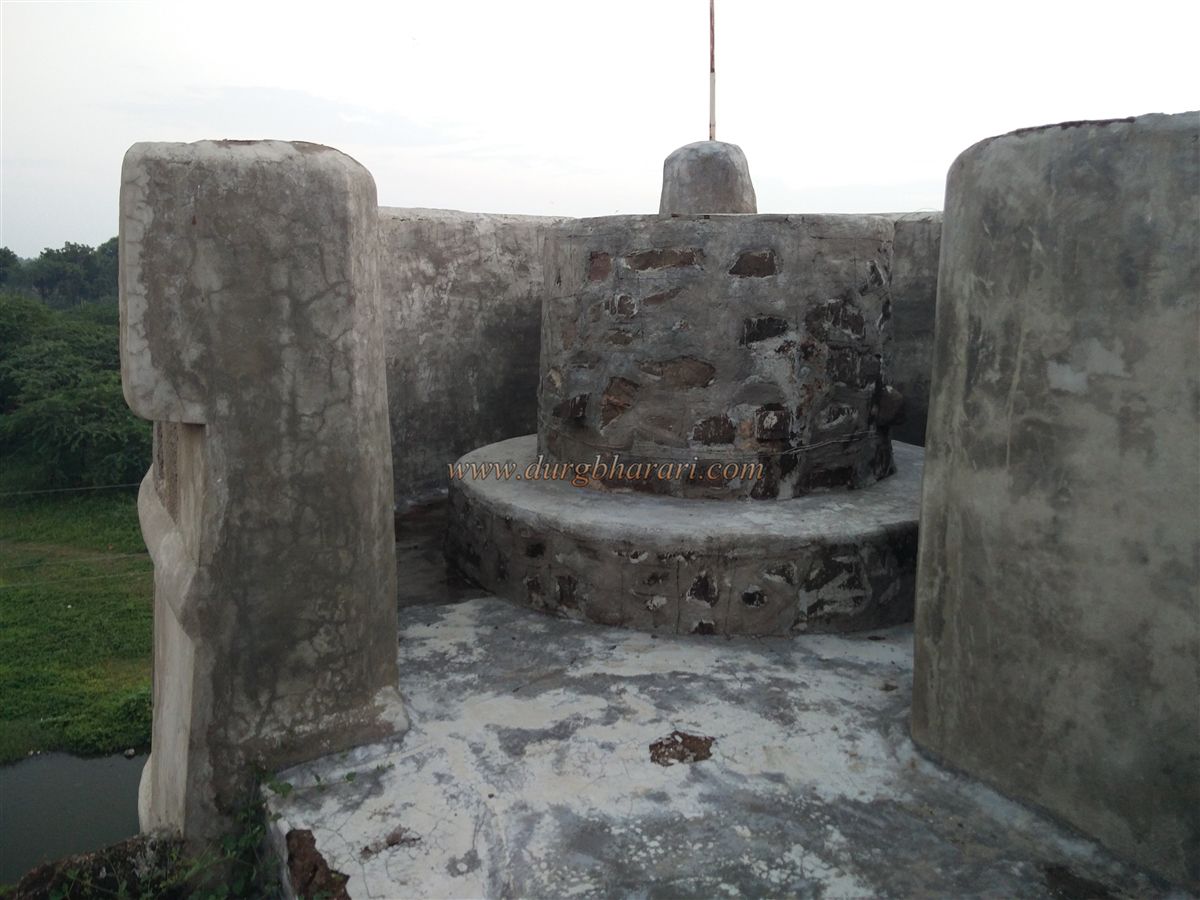
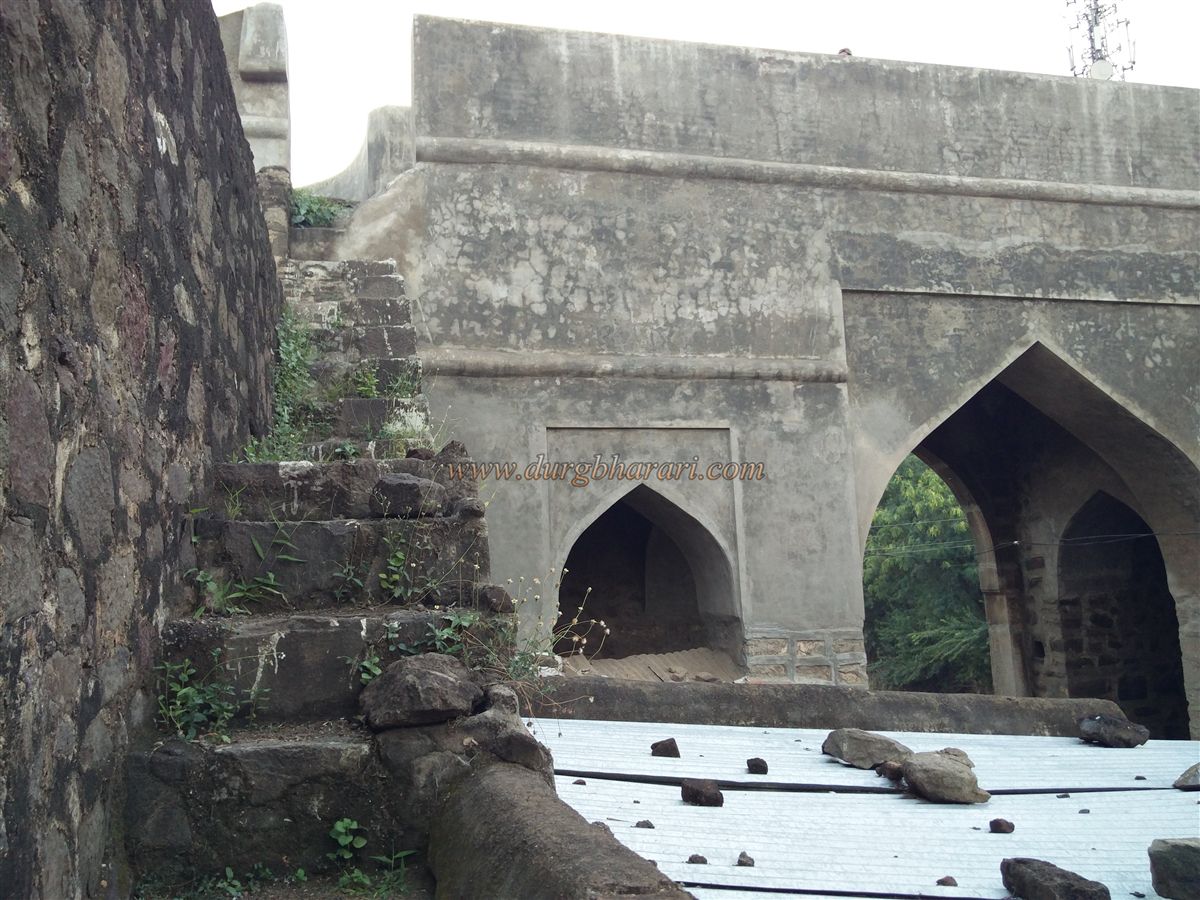
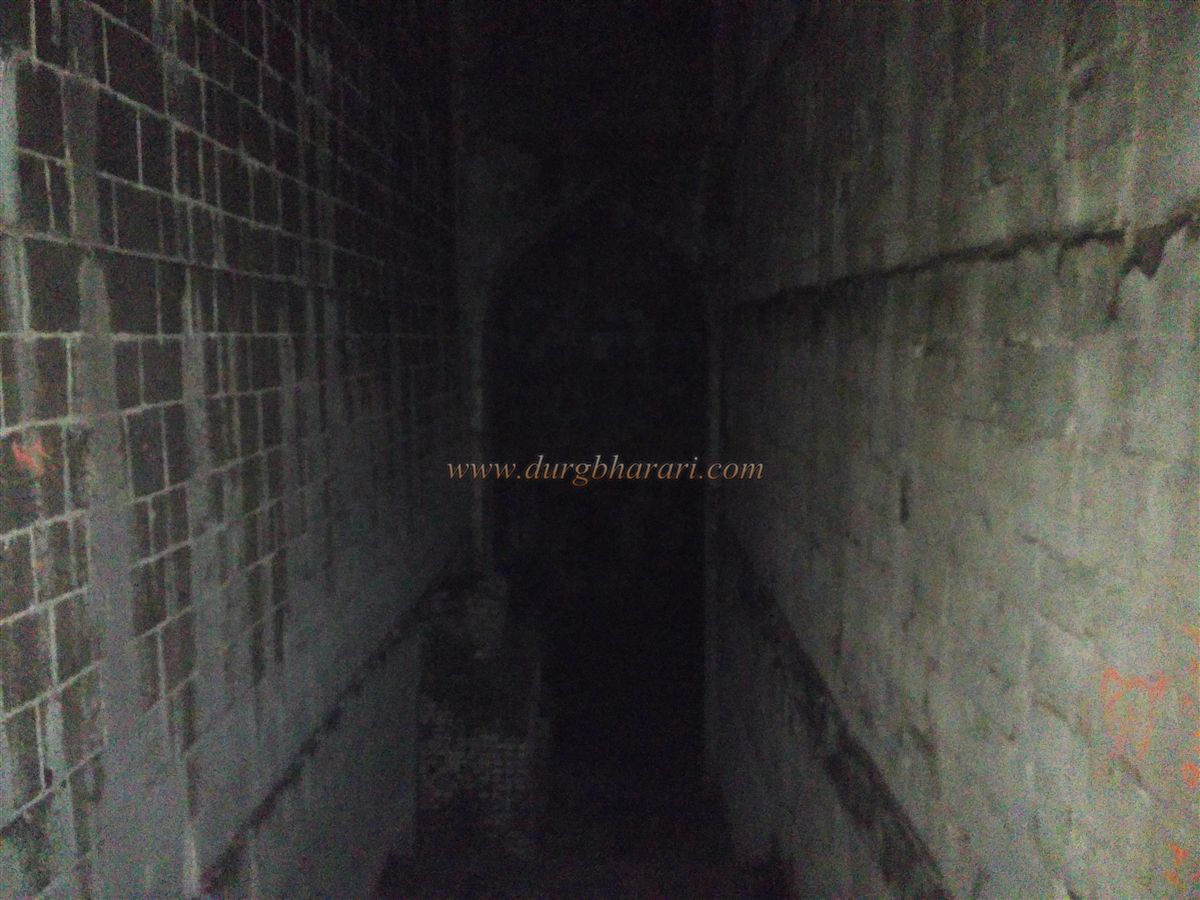
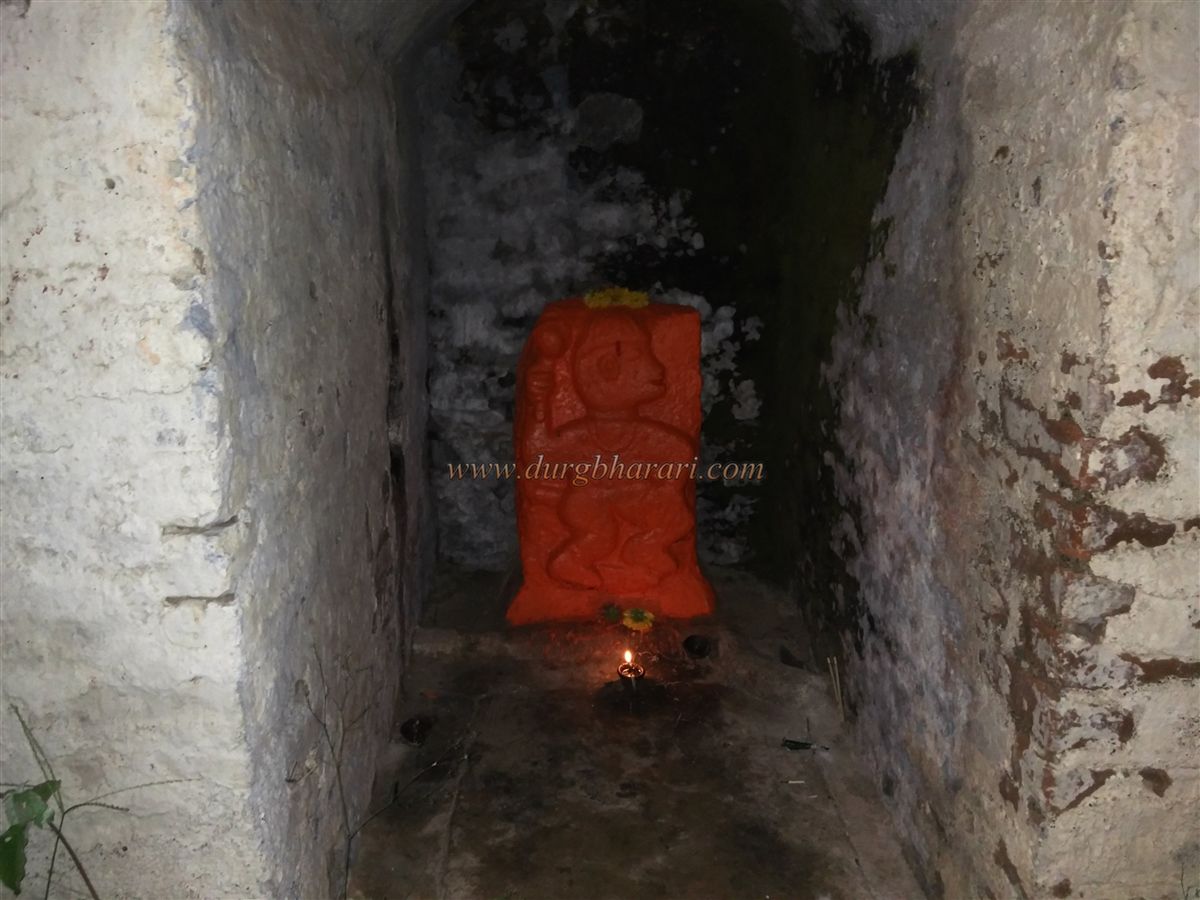
The river-facing fortification is merely a thick stone wall without battlements or loopholes. The gate situated to the south of the village near the river was probably the main entrance to the fort. This gate was recently restored, and gun loopholes can be seen in the bastion and gate construction. Facing east, this gate has a barbican wall in front, with two small bastions embedded in it. Between the main gate and the barbican is an old Hanuman temple. Beside the gate are two strong bastions, one of which has a designated spot for hoisting a flag. Inside the gate are guard chambers, and a flight of steps leads to the top of the gate from the inner wall.
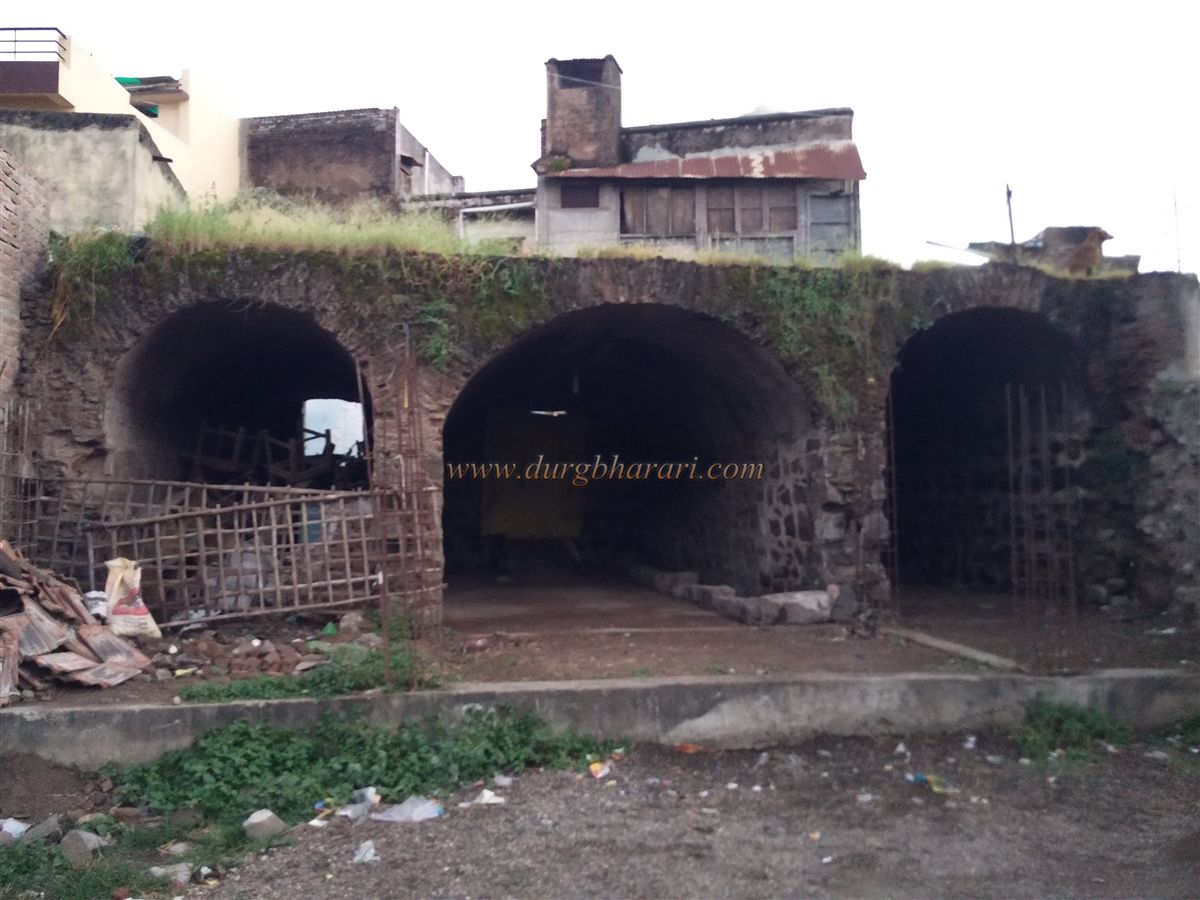
After viewing this gate and proceeding straight through the village, one exits through the Mughal Darwaja on the opposite (northern) side near the river. The Mughal Darwaja and adjacent fort walls are still largely intact, although the inner chambers have collapsed. Outside the gate are some sheds, likely used as horse stables or inns for travellers. Opposite the gate on the riverbank is a large, ruined bastion.
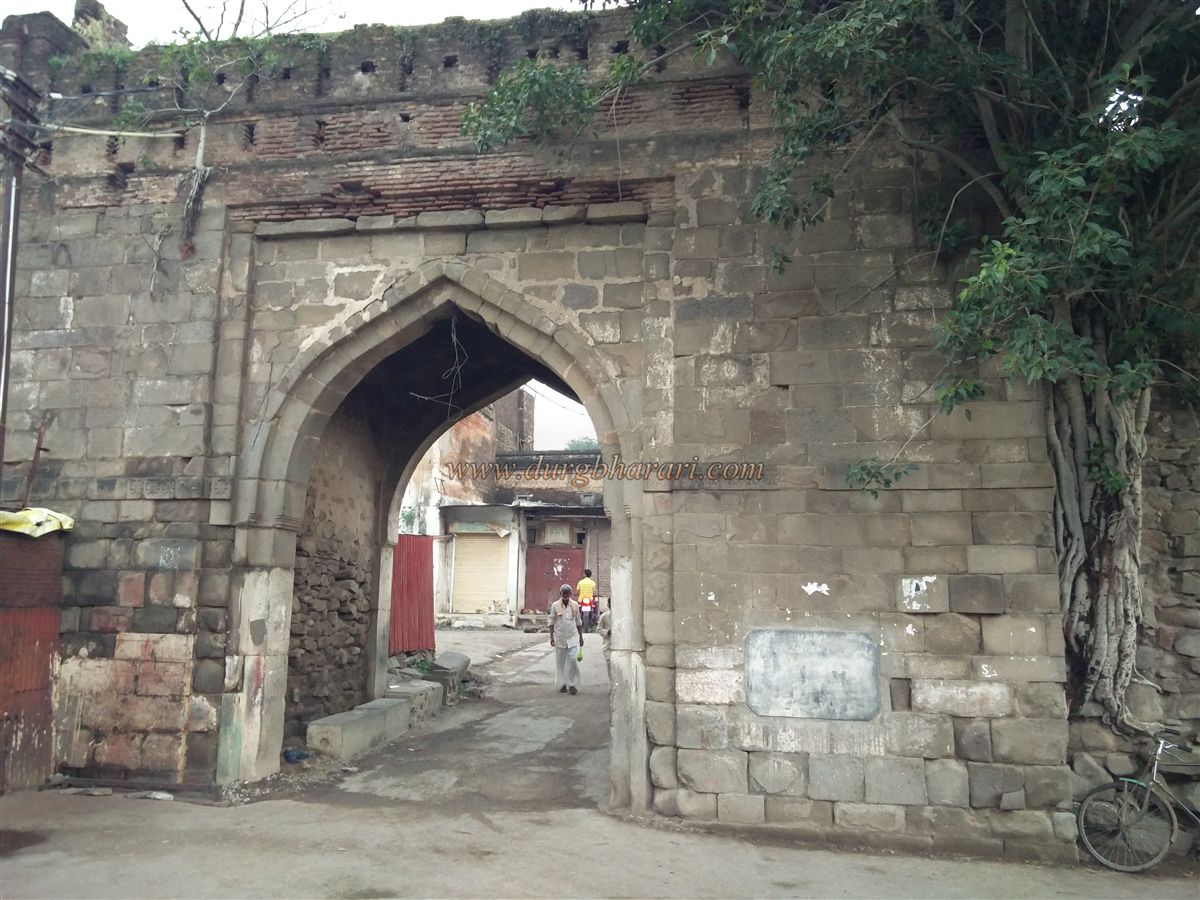
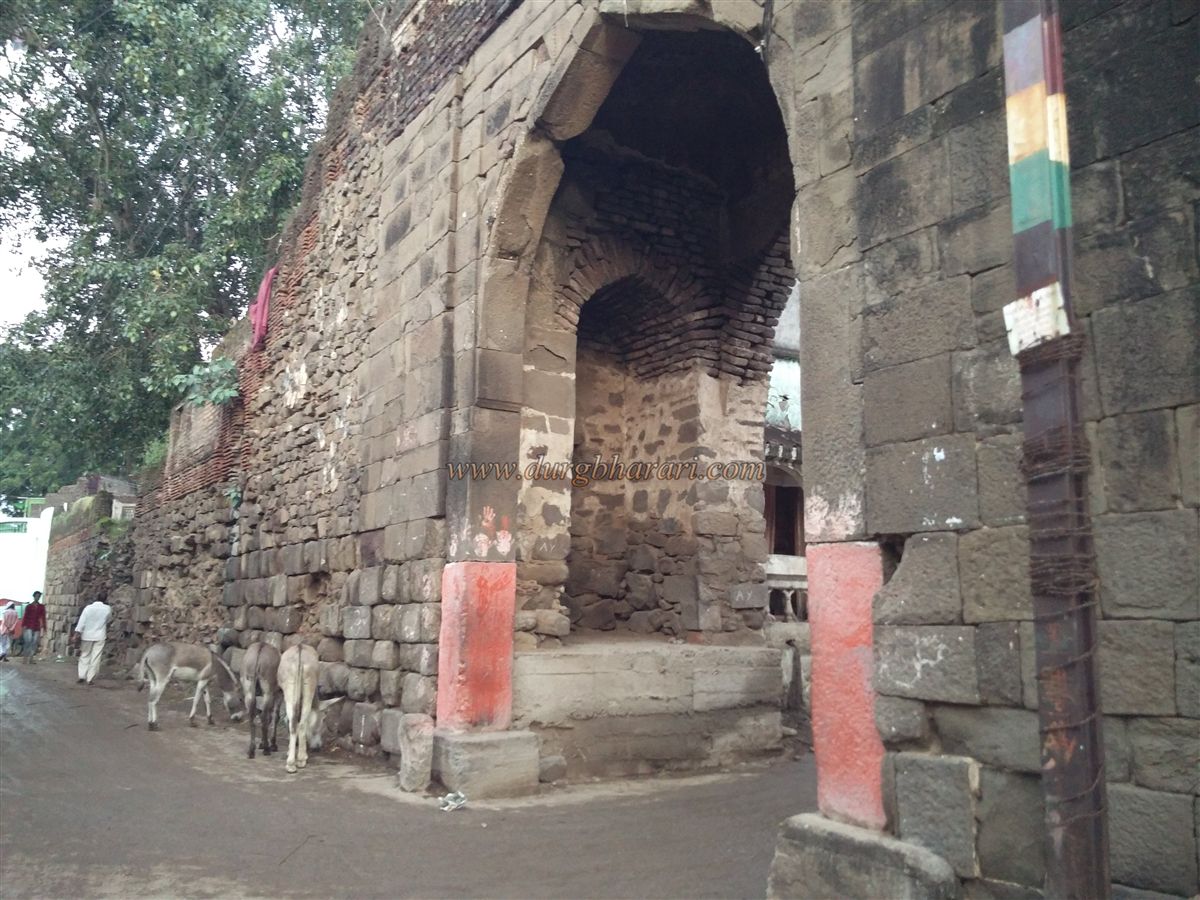
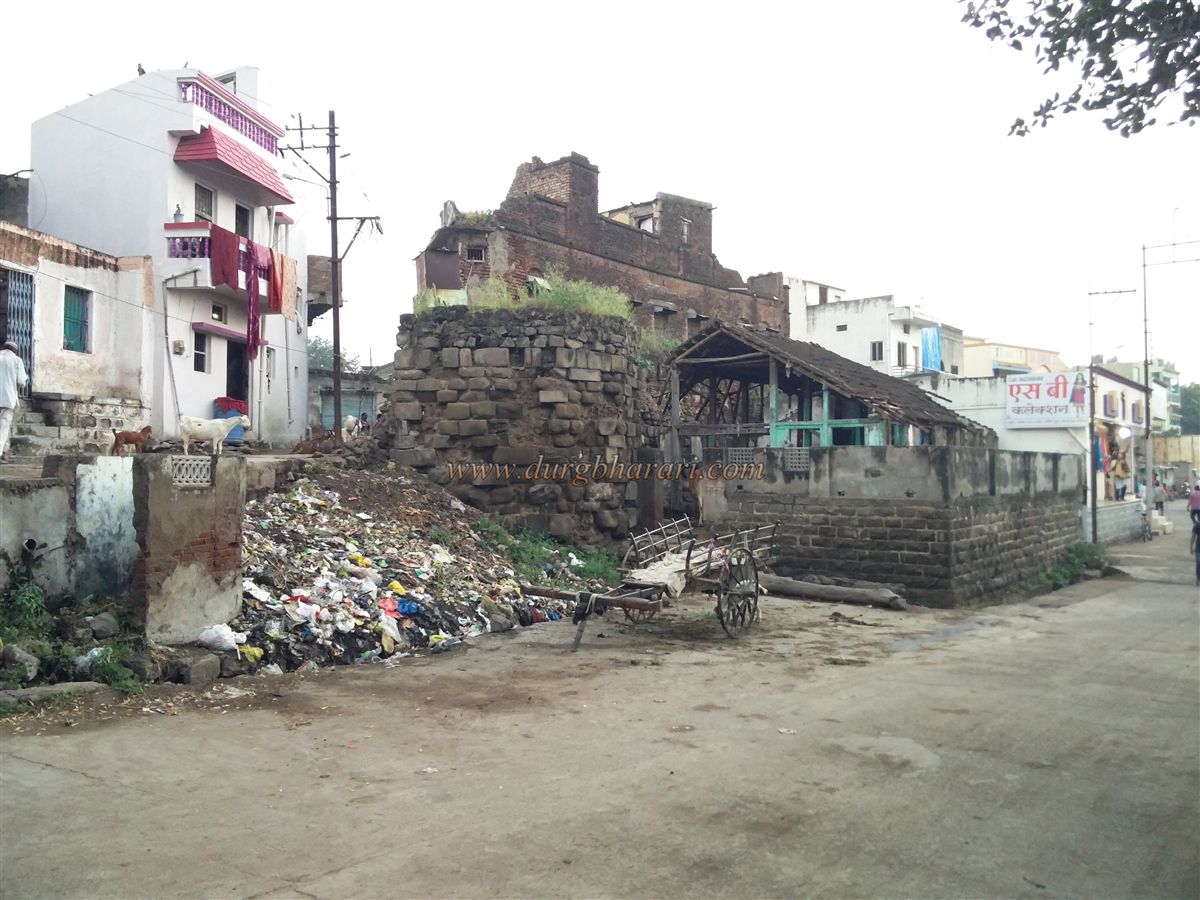
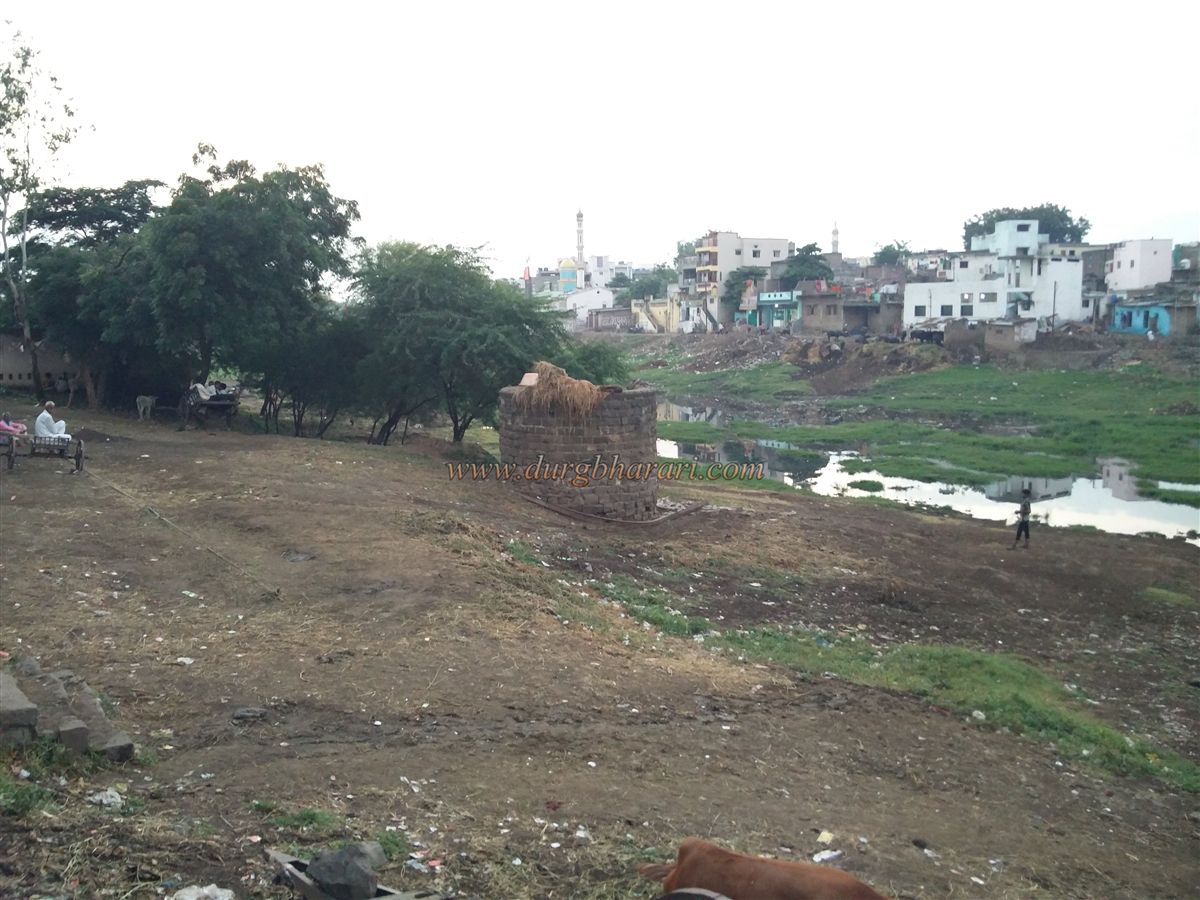
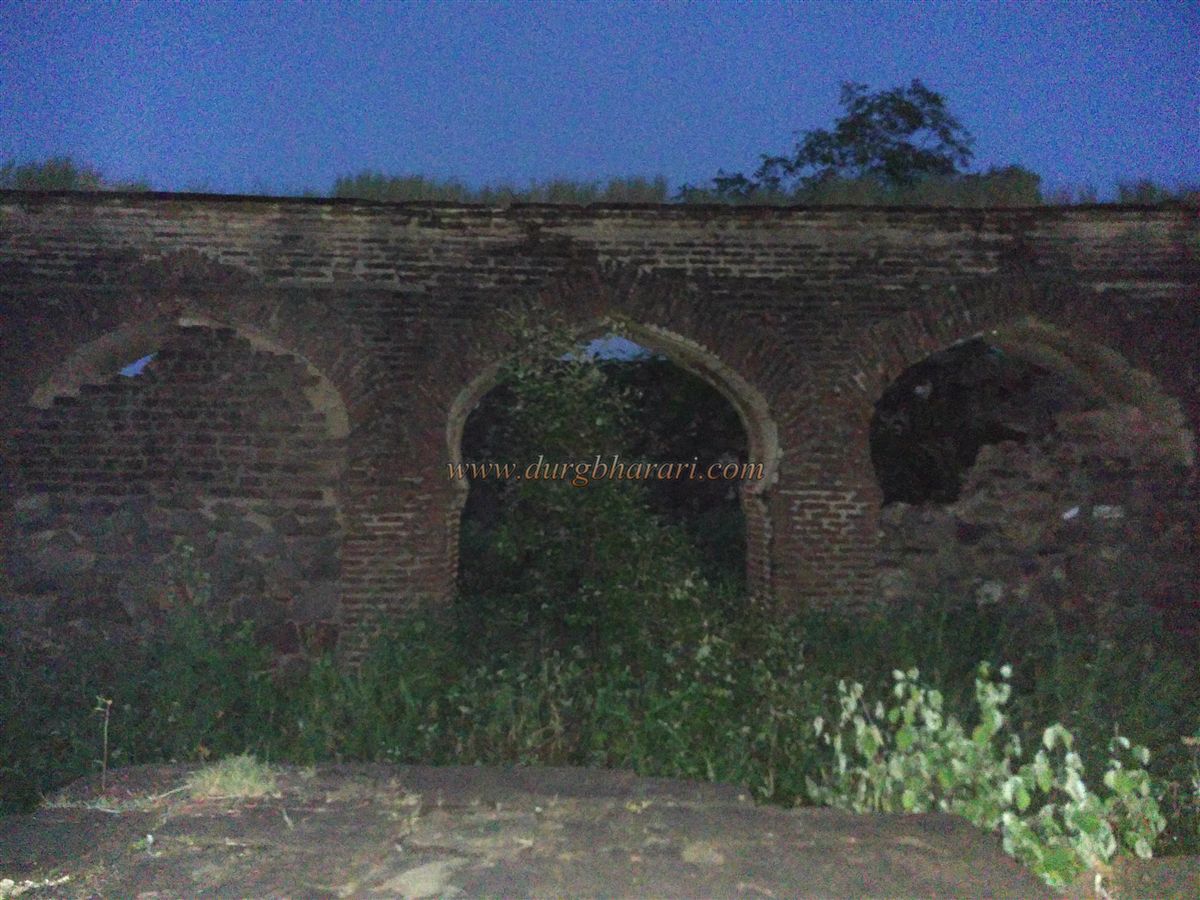
After seeing the Mughal Darwaja and following the road along the outer fortification, one reaches the third gate of the fort. This gate and its adjacent wall are well-preserved. The outer construction is of stone while the inner part is built with bricks. Inside the gate is a guard chamber, and loopholes for gunfire can be seen above. Steps next to the wall lead up to the gate, but due to houses in this area, access to the gate and wall is restricted. A short distance from the gate, a ruined bastion can be seen in the wall. Additionally, a small isolated bastion is visible in the riverbed, though its purpose is unclear.
As one explores the village, many old structures can be seen. Two hours are sufficient to explore the entire fort. Just outside the village is a well-known as Rani’s Bawdi (Queen’s Stepwell), which is worth visiting. This area still has some sections of fort wall and numerous ruined structures. The city was founded in the 13th century by Bahamani Sultan Malik Khan, and it was named Malkapur after Princess Malika. According to the Ain-i-Akbari, Malkapur was the headquarters of the Narnala Subha. During this period, references are also found to the Farooqui prince Miran Ghani Adil Khan.
In 1761, Raghunathrao Peshwa's army collected a ransom of ₹60,000 from Malkapur. The Nizam had stationed around 20,000 troops in this border region. In 1803, acting on the suggestion of General Lord Wellesley, Colonel Collins destroyed the encampment near Malkapur held by Daulatrao Shinde and Raghuji Bhosale.
© Suresh Nimbalkar
GALLERY