MADHESHWARI
TYPE : MEDIEVAL DEVIMANDIR
DISTRICT : SOLAPUR
Various manifestations of Maharashtra’s presiding goddess, Tulja Bhavani, are found across Solapur district. Among them, the three prominent ones are Rupabhavani of Solapur, Kamlabhavani of Karmala, and Madheshwari of Madha. Madha is a town in the Madha taluka of Solapur district. The name “Madha” is derived from the village deity Madheshwari Devi. It is believed that the town and the taluka are named after this deity.
After 1710, Rambhajirao Nimbalkar, son of the maidservant of Mahadaji Nimbalkar, was granted the Madha estate. He later constructed a temple for the goddess Madheshwari on the banks of the Mankarnika River. Owing to the influence of Muslim rule during that time, and the fact that craftsmen were brought from southern India, the architecture of the temple shows both South Indian and Islamic styles.
...
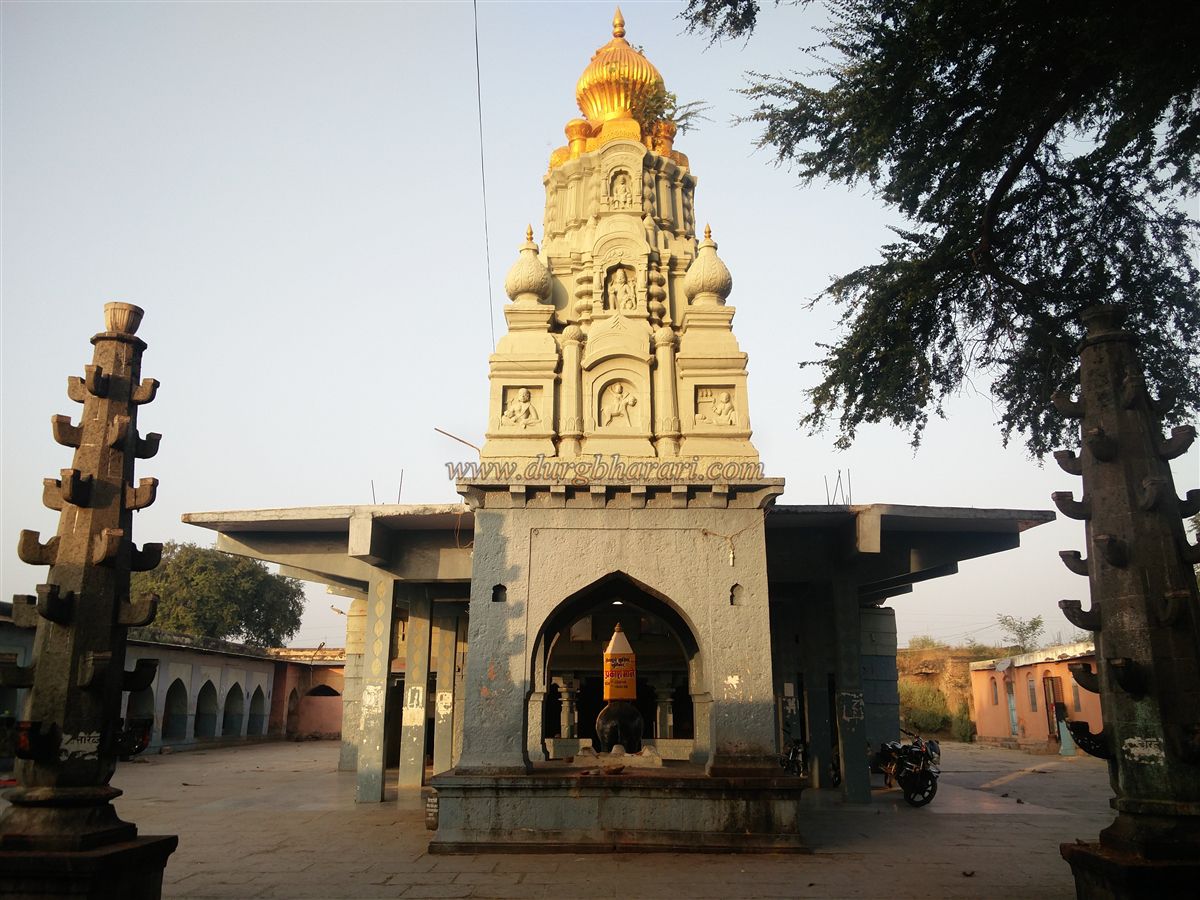
The entire temple premises spread over two acres, while the walled temple courtyard occupies about half an acre. The temple complex, which is oriented east-west, is enclosed by fortification walls on all four sides, and the main entrance faces east.
The fortified entrance is five storeys tall and includes a narrow spiral staircase that leads to the top, from where the entire temple premises and the Madha Fort can be viewed. On the western side of the temple is a second, smaller gate, and as the main road passes by this side, it is now the commonly used entrance and exit.
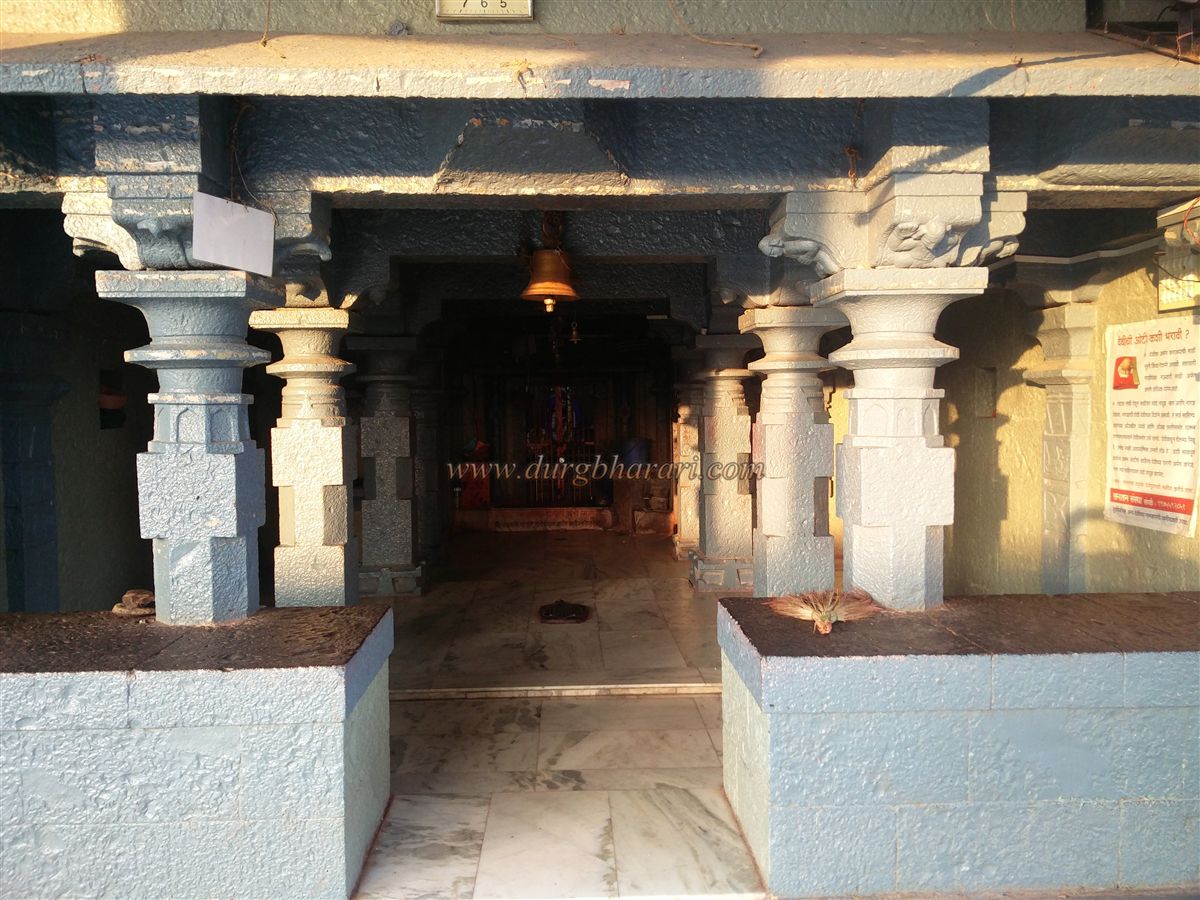
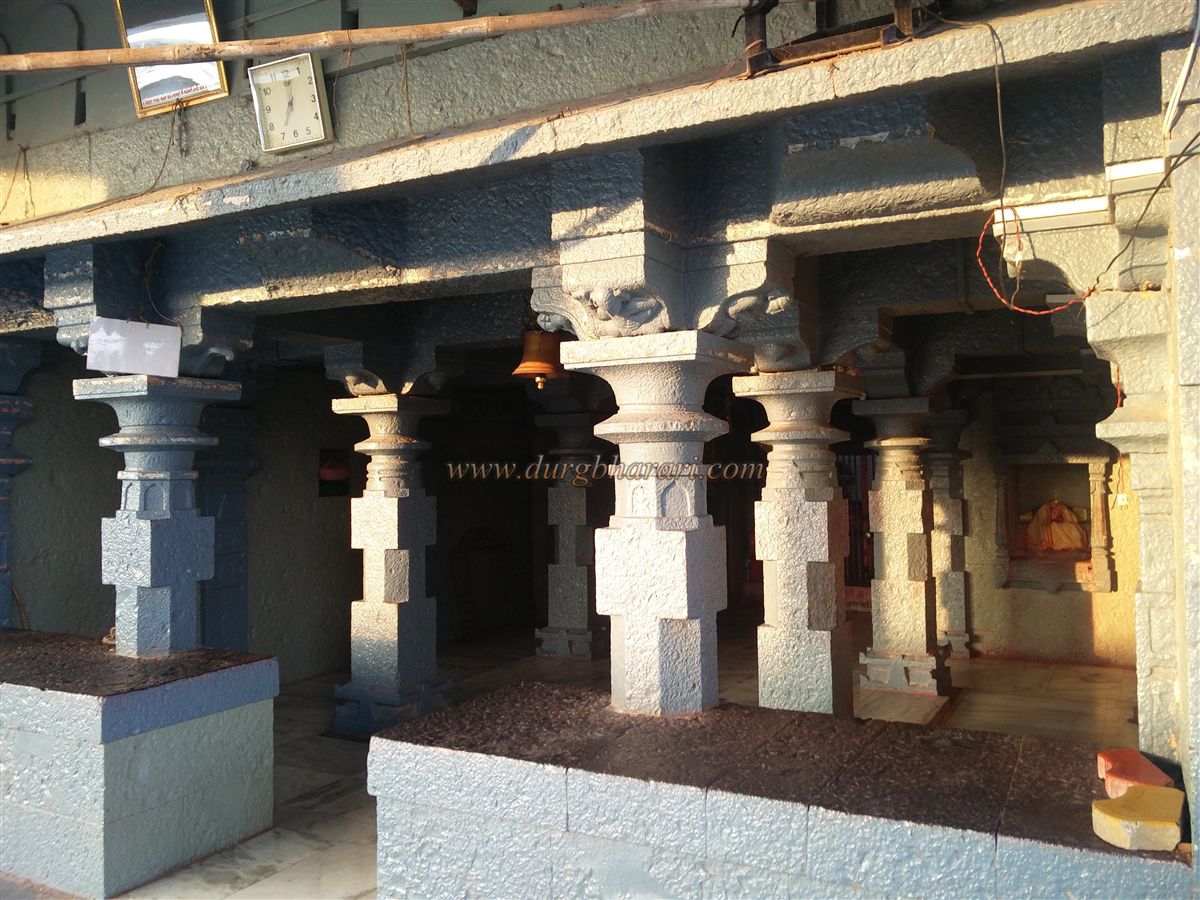
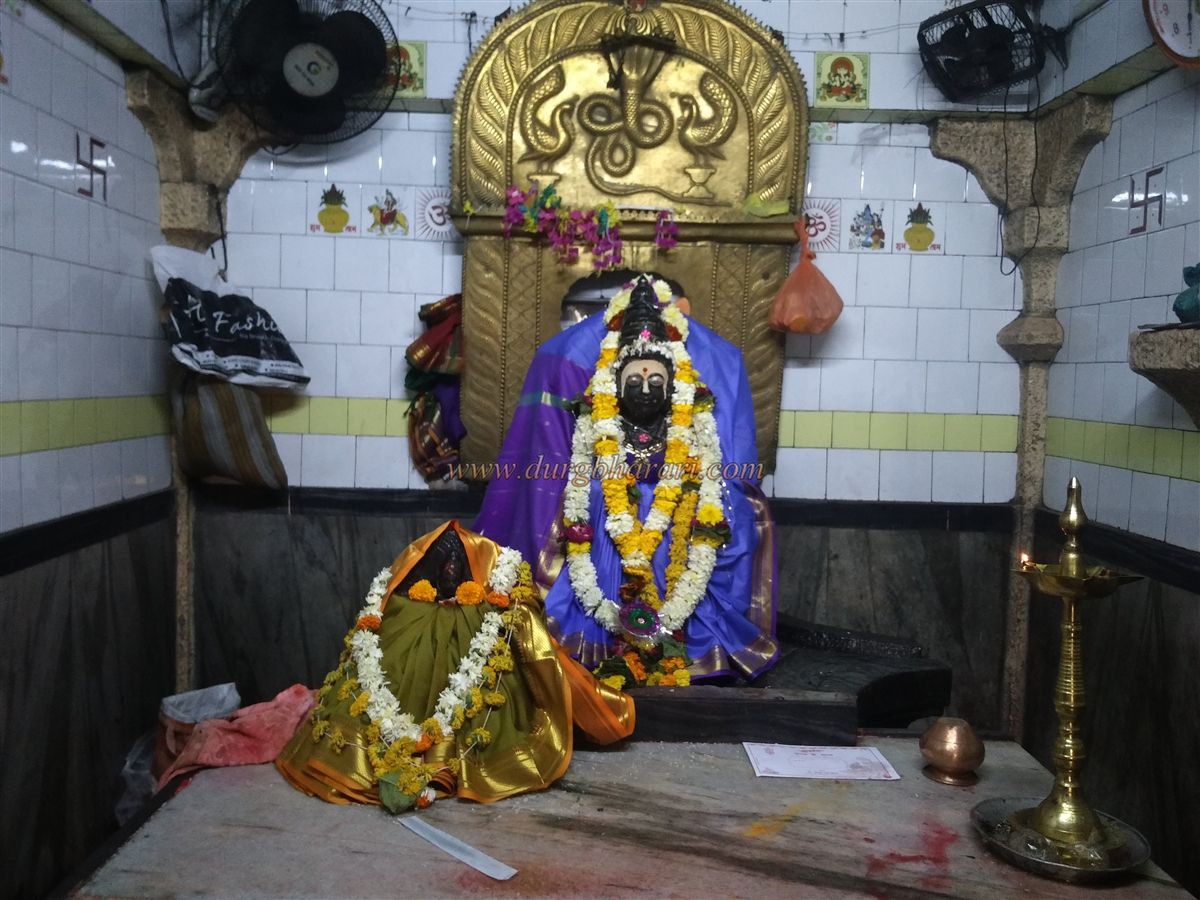
Upon entering through the main gate, one sees the main temple constructed of stone. The sanctum contains the idol of Goddess Jagadamba, known here as Madheshwari Devi. In front of the sanctum is a beautifully carved assembly hall supported by decorated pillars. To the right of this hall is a sanctum housing idols of Vitthal and Rukmini, and to the left is a sanctum with a Shivlinga. At the rear of the temple, on the left side, is a small room where an idol of Ganesha has been installed.
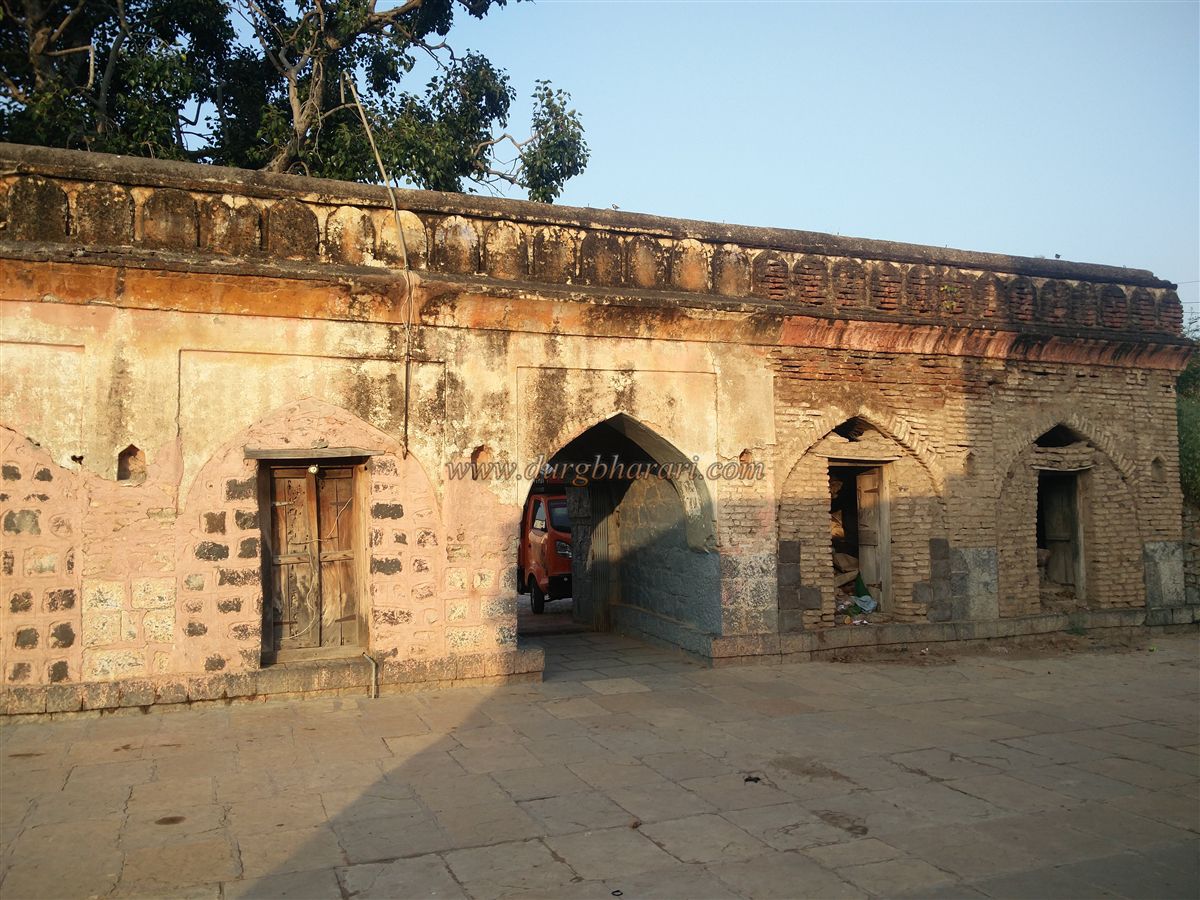
Three sides of the fort wall adjoining the temple are lined with arched verandas, while the fourth side contains the residences of the priests. On the northern side, within one of the verandas, there is a closed doorway. Locals say that there once existed an underground tunnel connecting Madha Fort to the Madheshwari temple, and that the tunnel exited at this very spot.
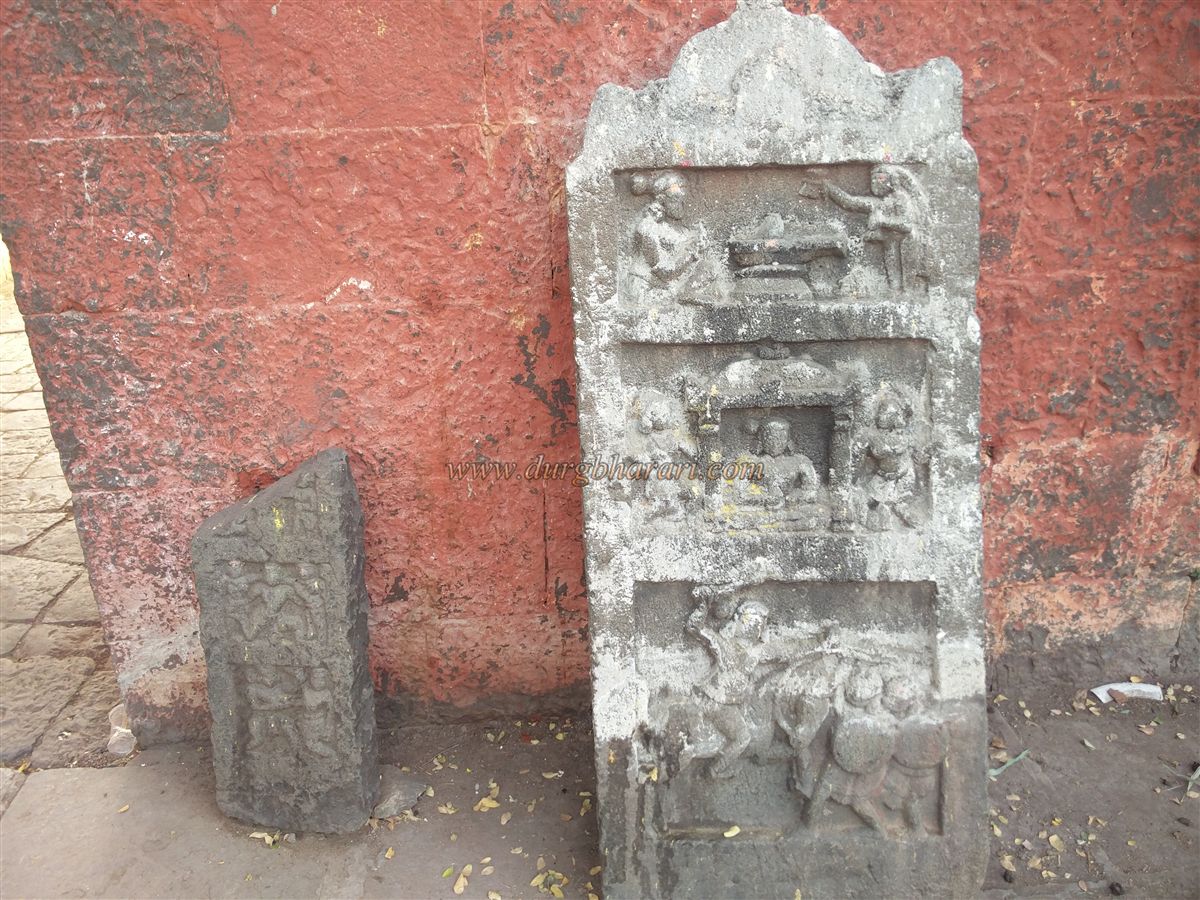
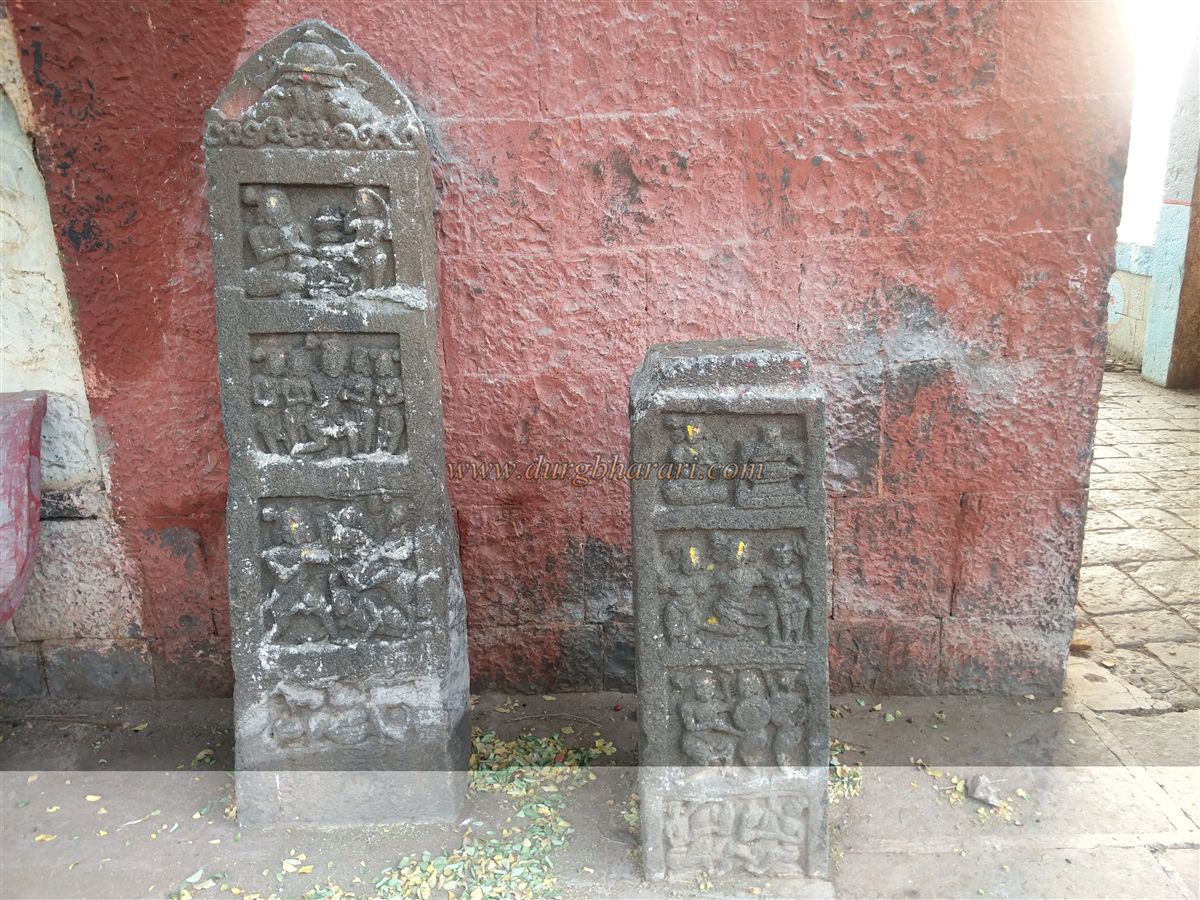
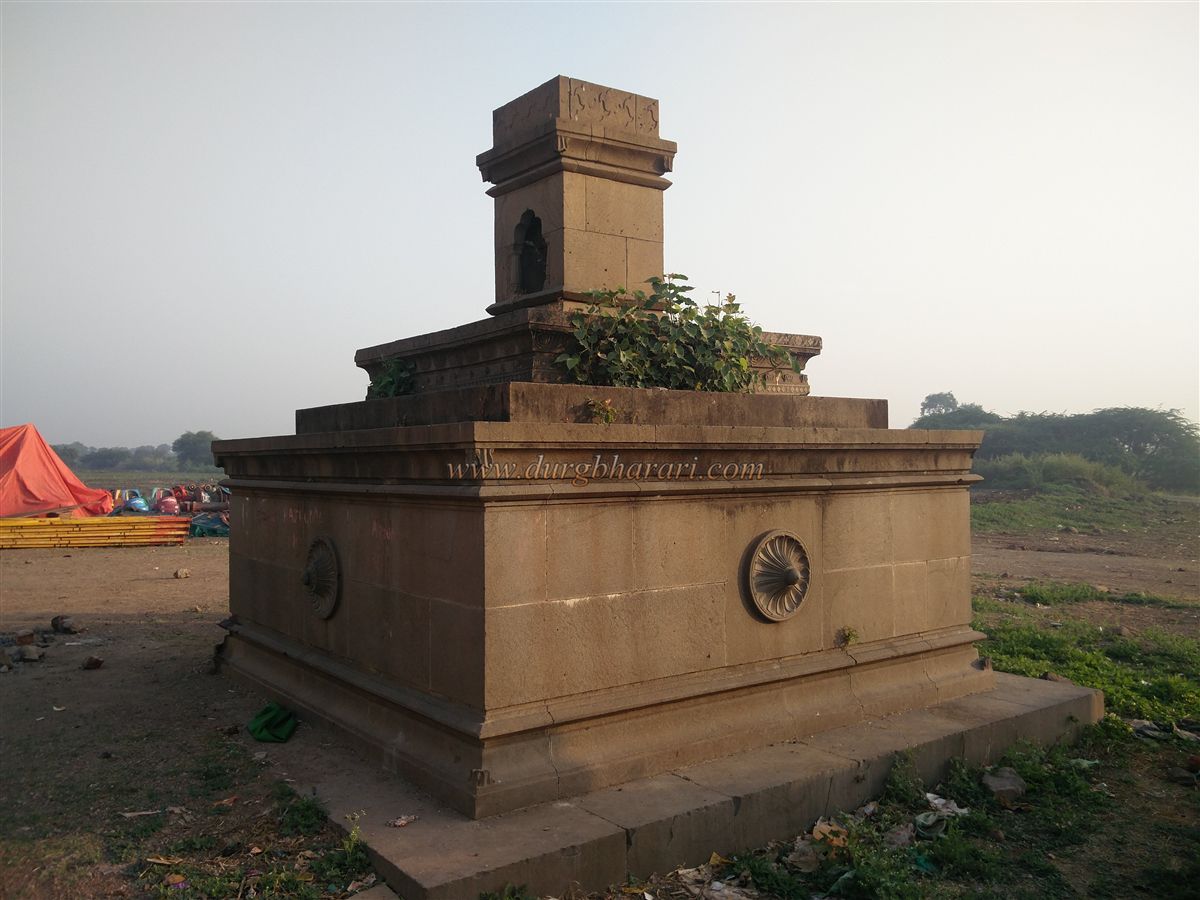
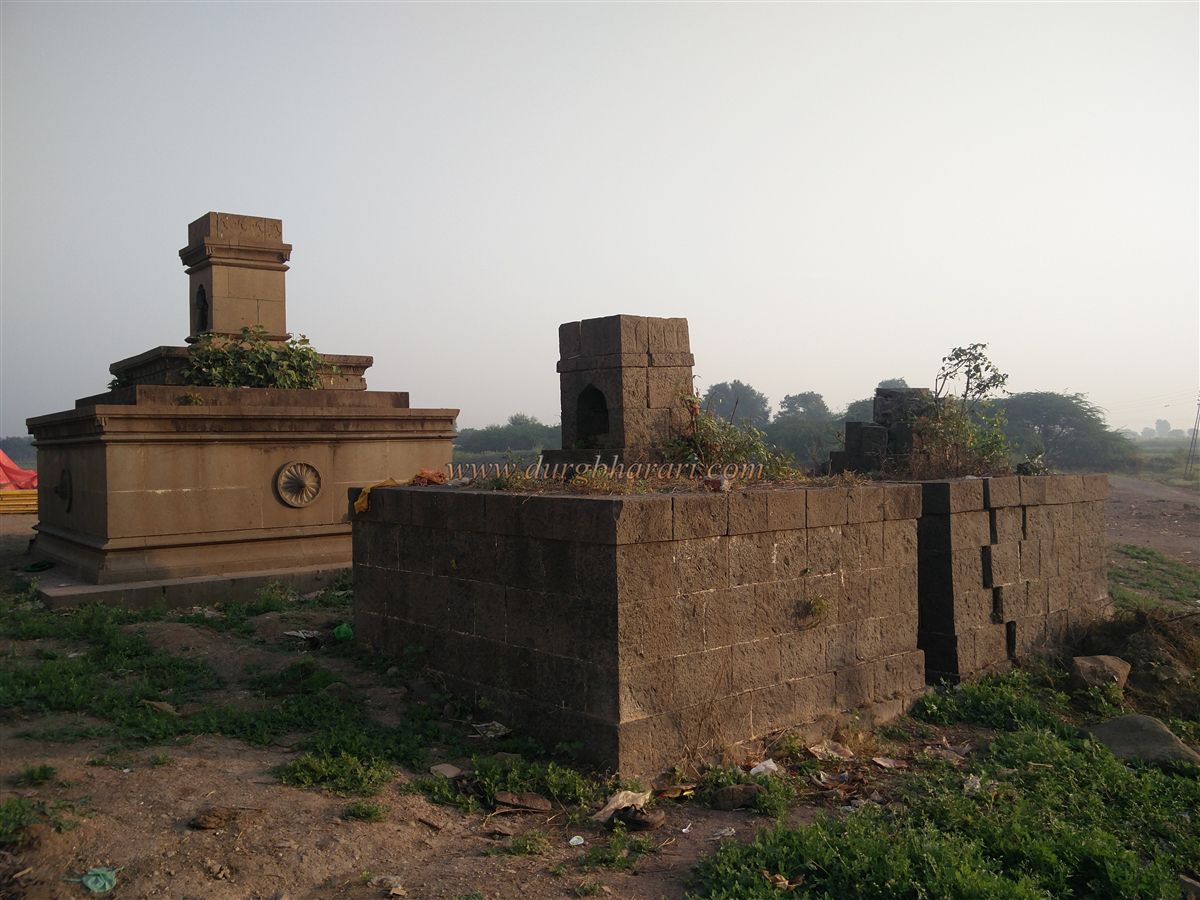
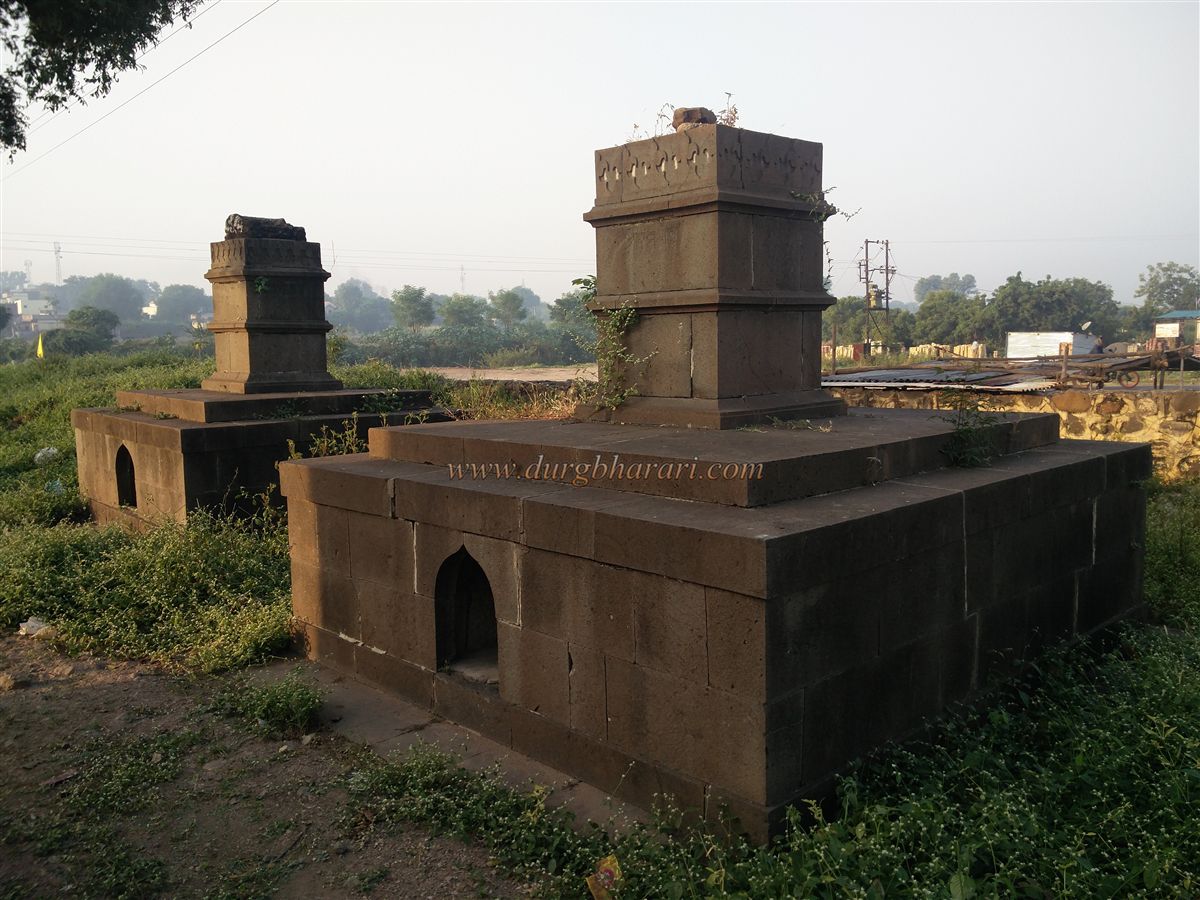
A short distance from the temple is the Madha Fort. The temple is surrounded by a large open area in which several large hero stones and five elegant Samadhi can be seen. Judging by their design and structure, they appear to belong to members of the royal family, but due to lack of information, they are not well maintained.
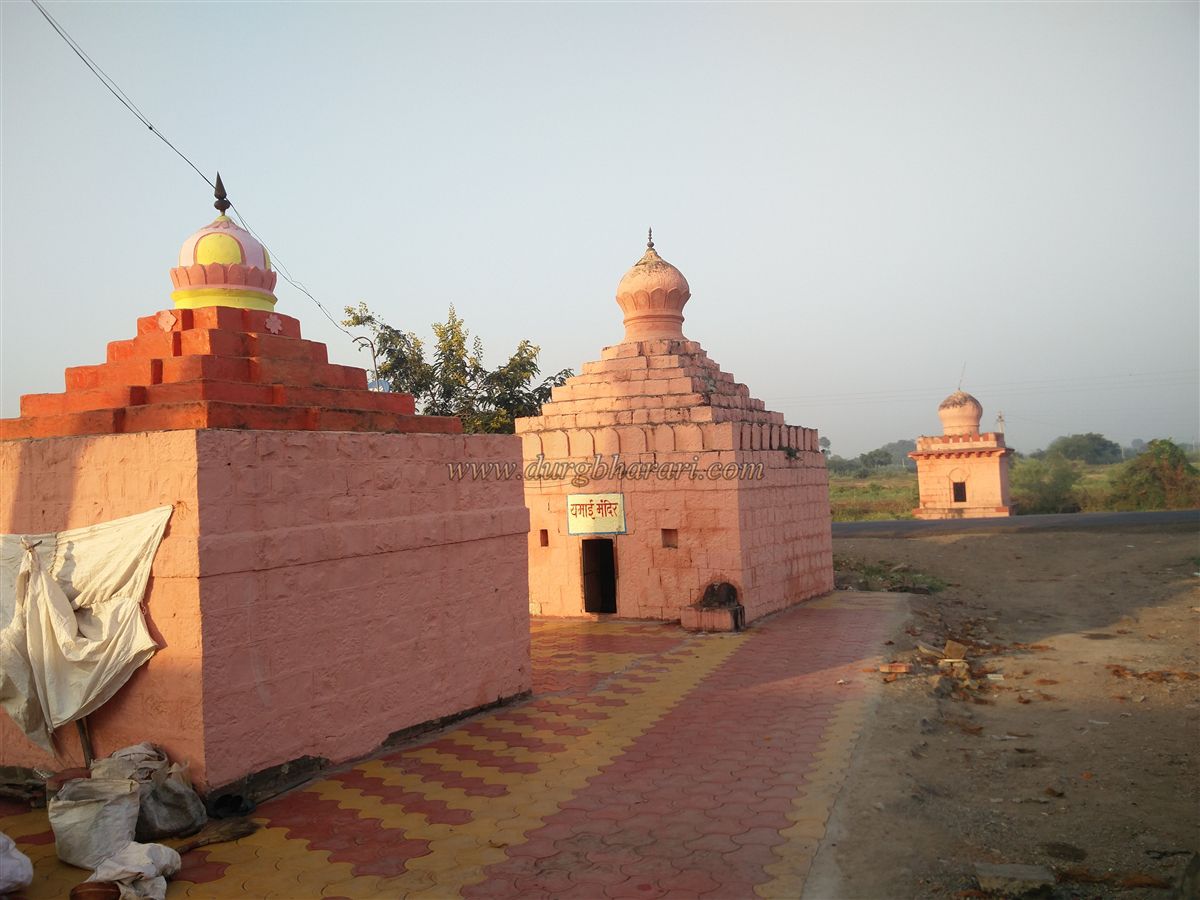
In addition, on the eastern side of the temple, outside the fort walls, there are three small domed shrines. During the Navaratri festival in the month of Ashwin, a nine-day fair and celebration are held in honour of the goddess. Within the temple premises are wooden chariots shaped like an elephant, horse, and Nandi, which are used for processions. At midnight, the goddess is taken out in a palanquin procession called “chabina.” This procession travels to the nearby temple of Matangi Devi and returns thereafter.
© Suresh Nimbalkar
GALLERY