MADHA
TYPE : GADHI
DISTRICT : SOLAPUR
HEIGHT : 0
GRADE : EASY
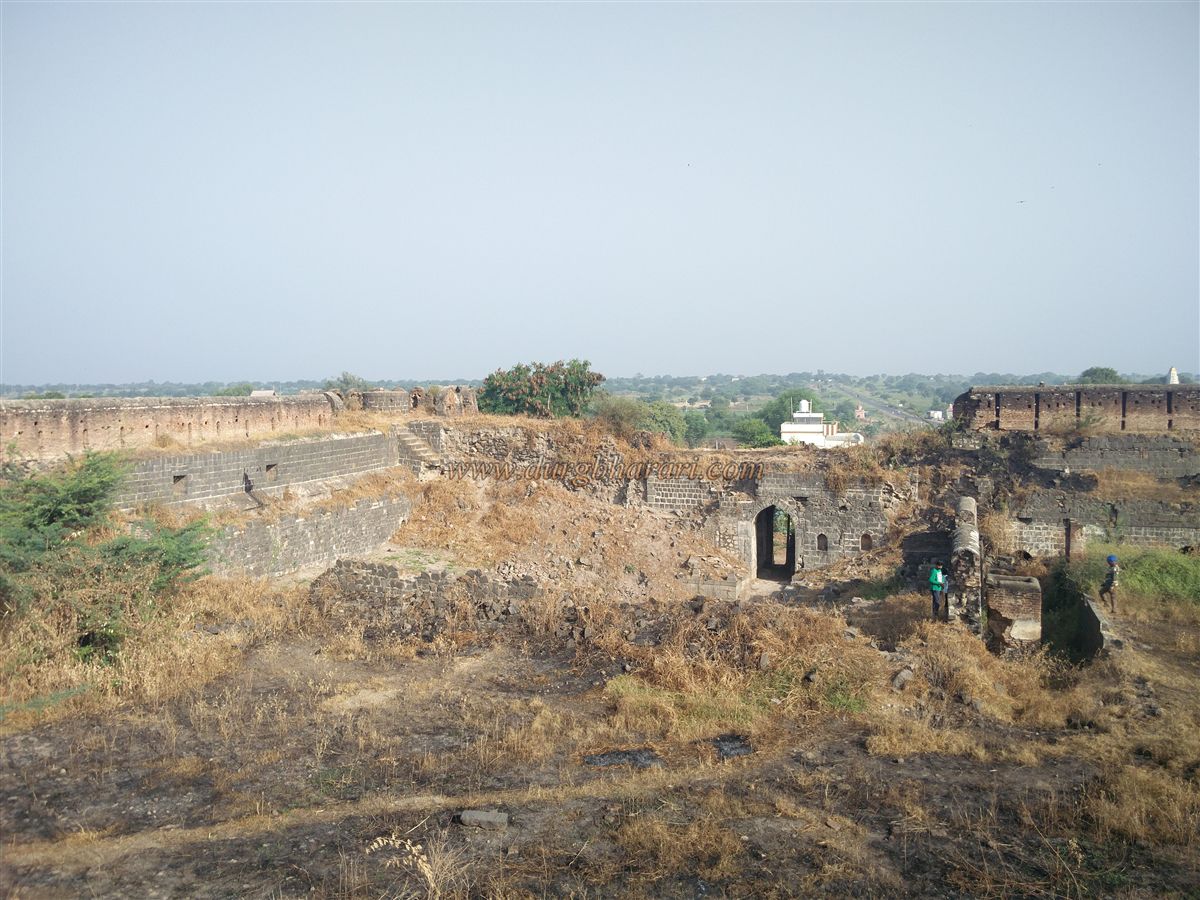
Located on the Pune–Solapur road, Madha is a village in the Madha taluka of Solapur district, situated about 35 km from Tembhurni and 12 km from Kurduwadi. The name "Madha" is derived from the village deity, the goddess Madheshwari. The village of Madha still houses a well-preserved, small yet attractive ground fort. The entrance of Madha Fort faces north and its area is less than one acre. The fort was constructed in 1710 by Rao Rambhajirao Nimbalkar. It remains under the ownership of his ninth-generation descendant, Yashwant Anandrao Nimbalkar, although the inner structures of the fort have largely collapsed.
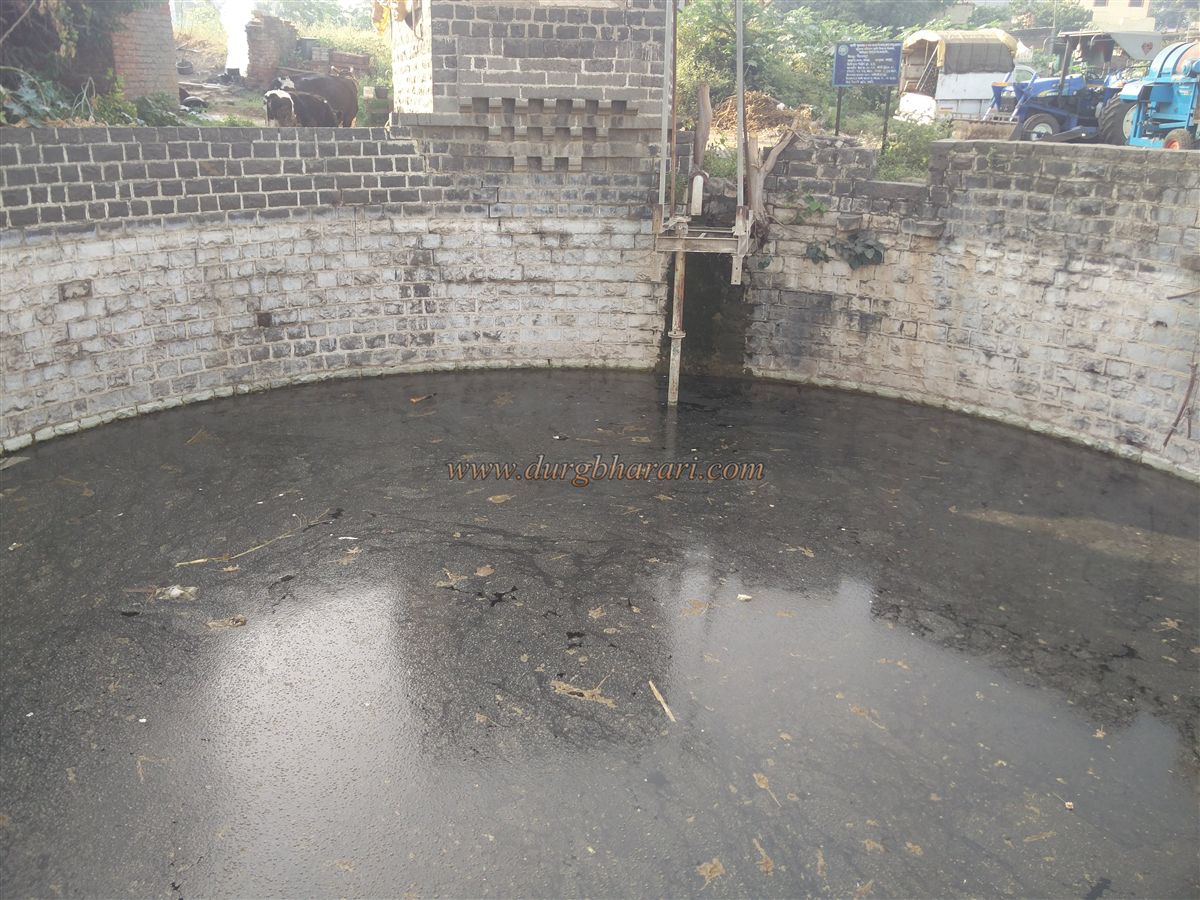
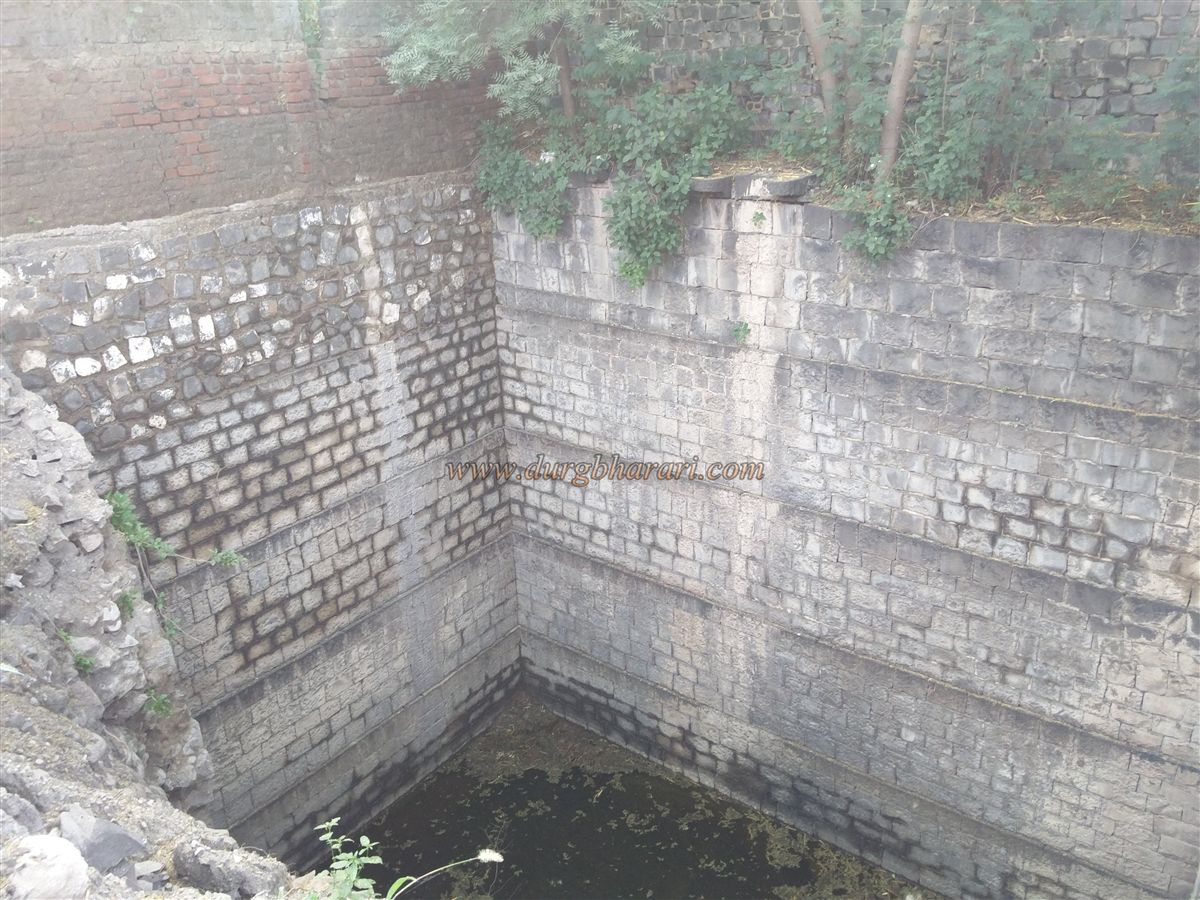
From the Madheshwari temple, one reaches the fort by first passing a temple dedicated to Lord Maruti at the gate. In front of this temple is a large, stone-built stepwell used for drawing water using bullocks.
...
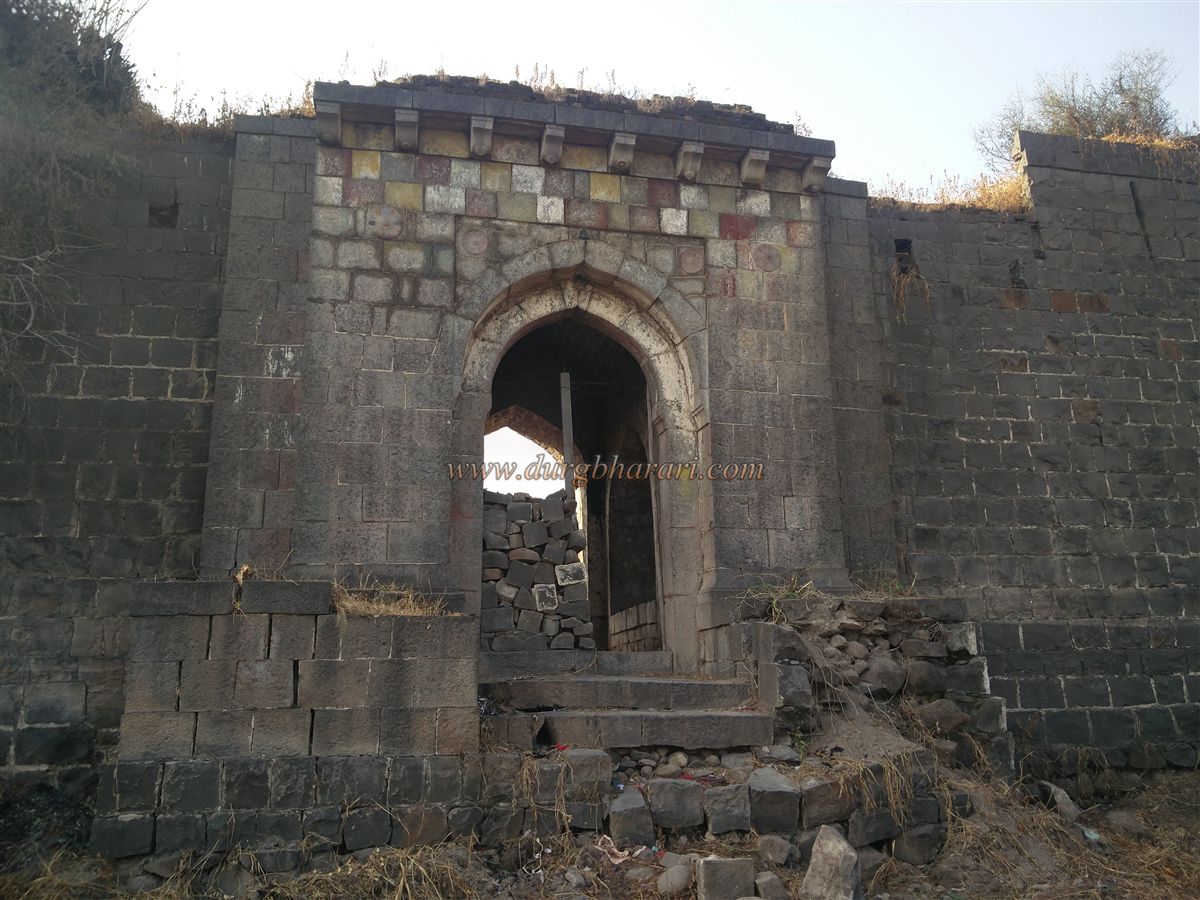
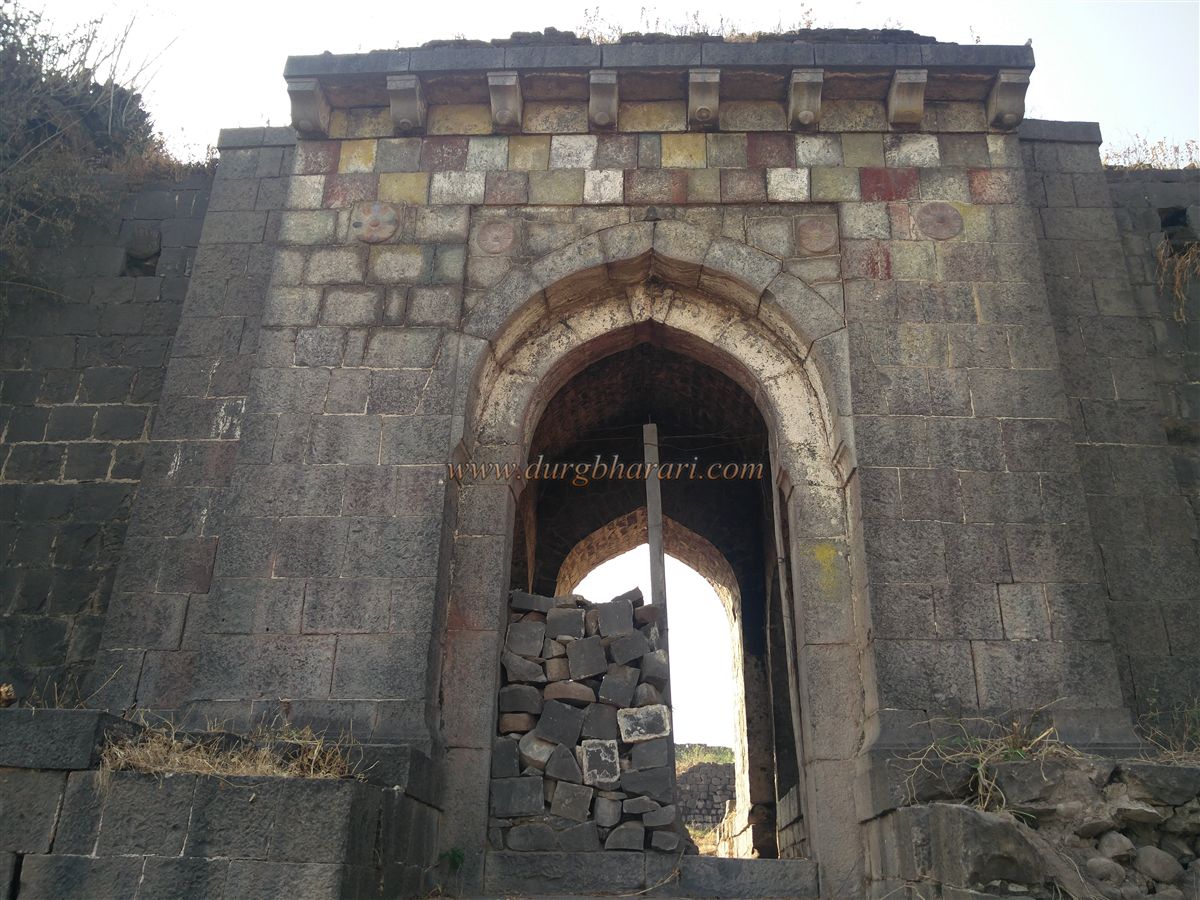
A path running beside this stepwell leads to the main entrance of the fort. Due to poor sanitation under the Swatch Bharat Abhiyan, one must cover the nose and walk carefully through the open space before the entrance. Fortunately, villagers do not use the interior of the fort for such purposes.
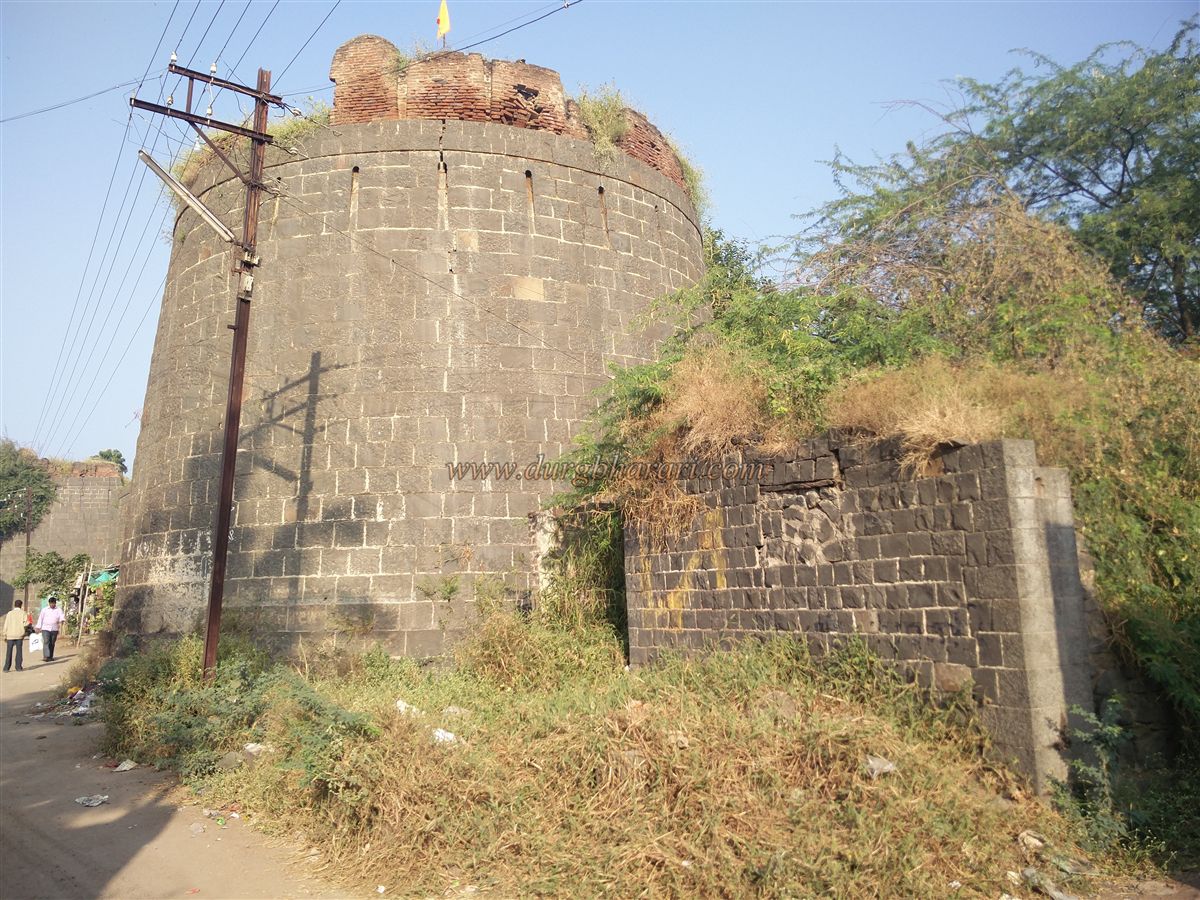
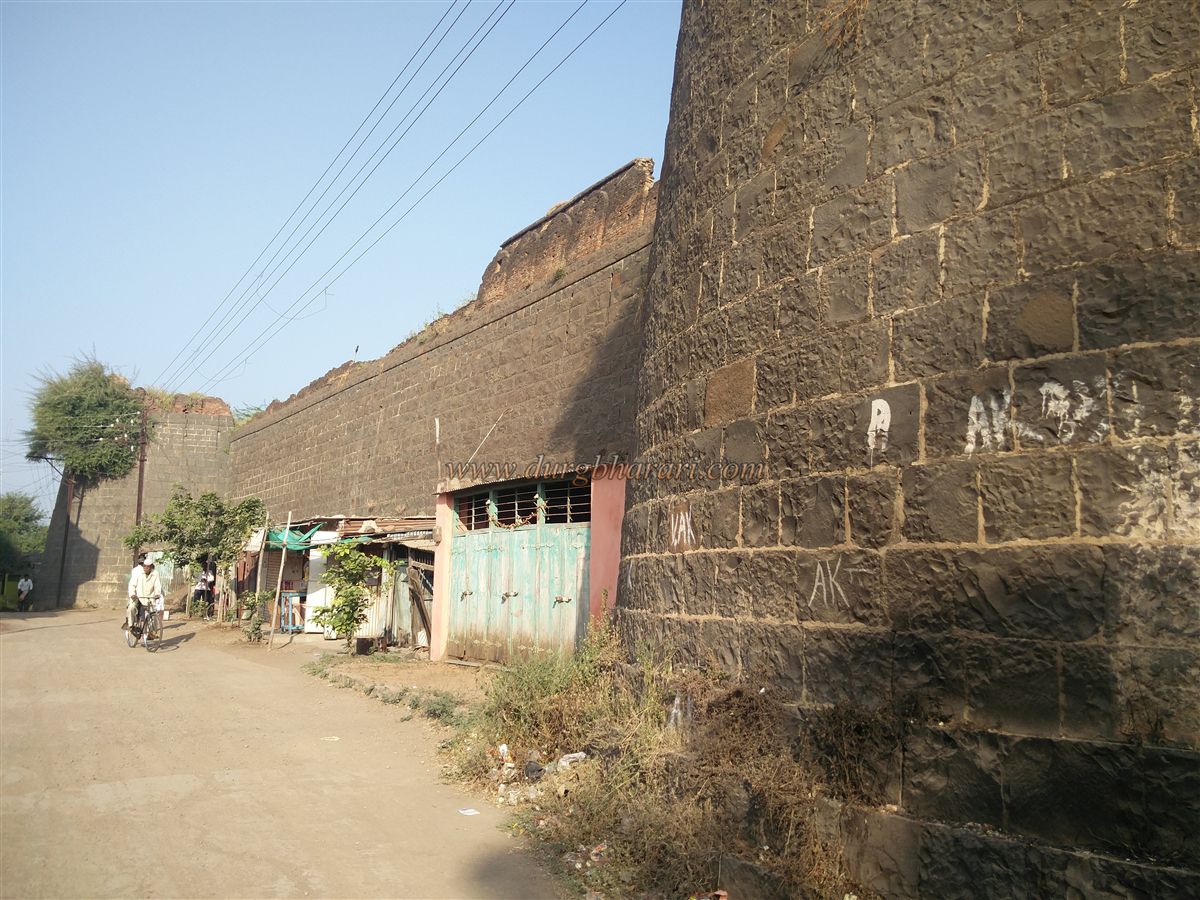
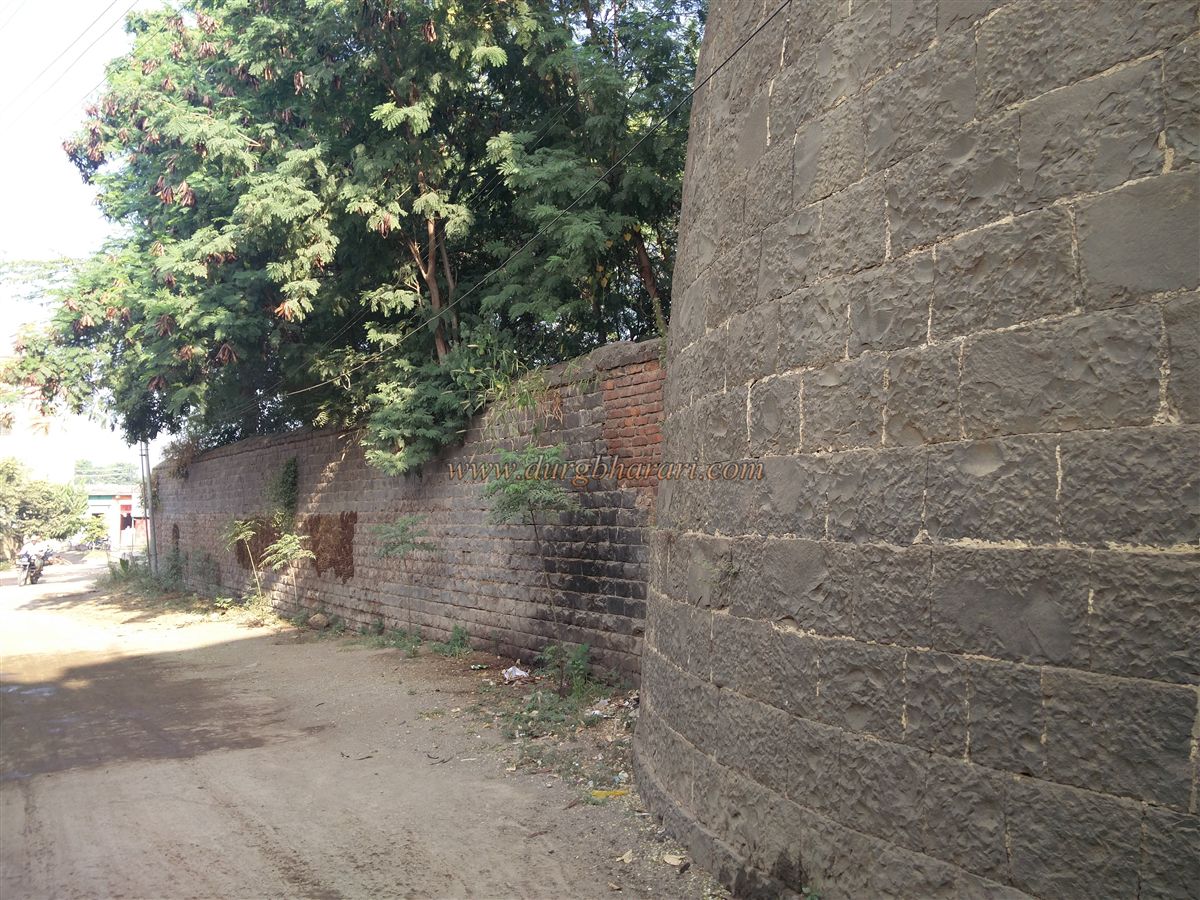
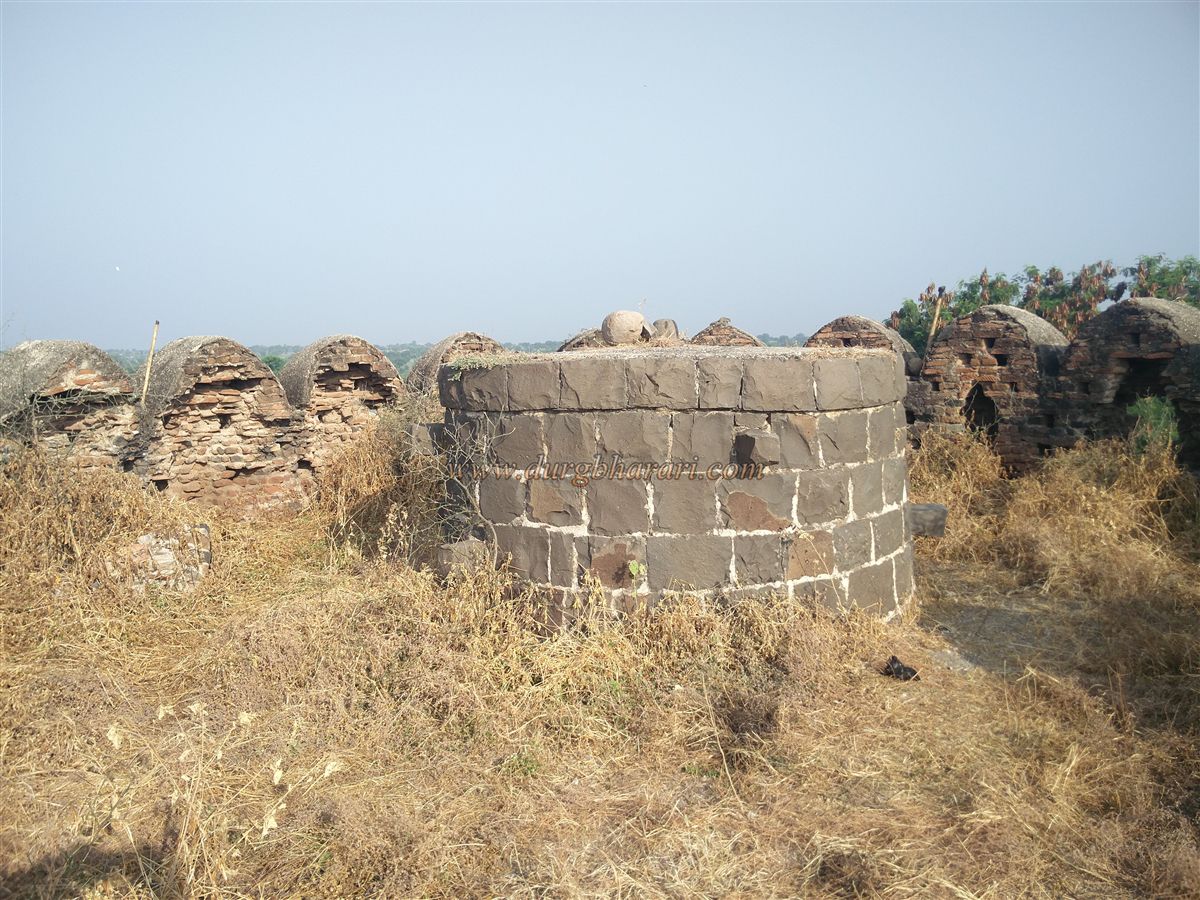
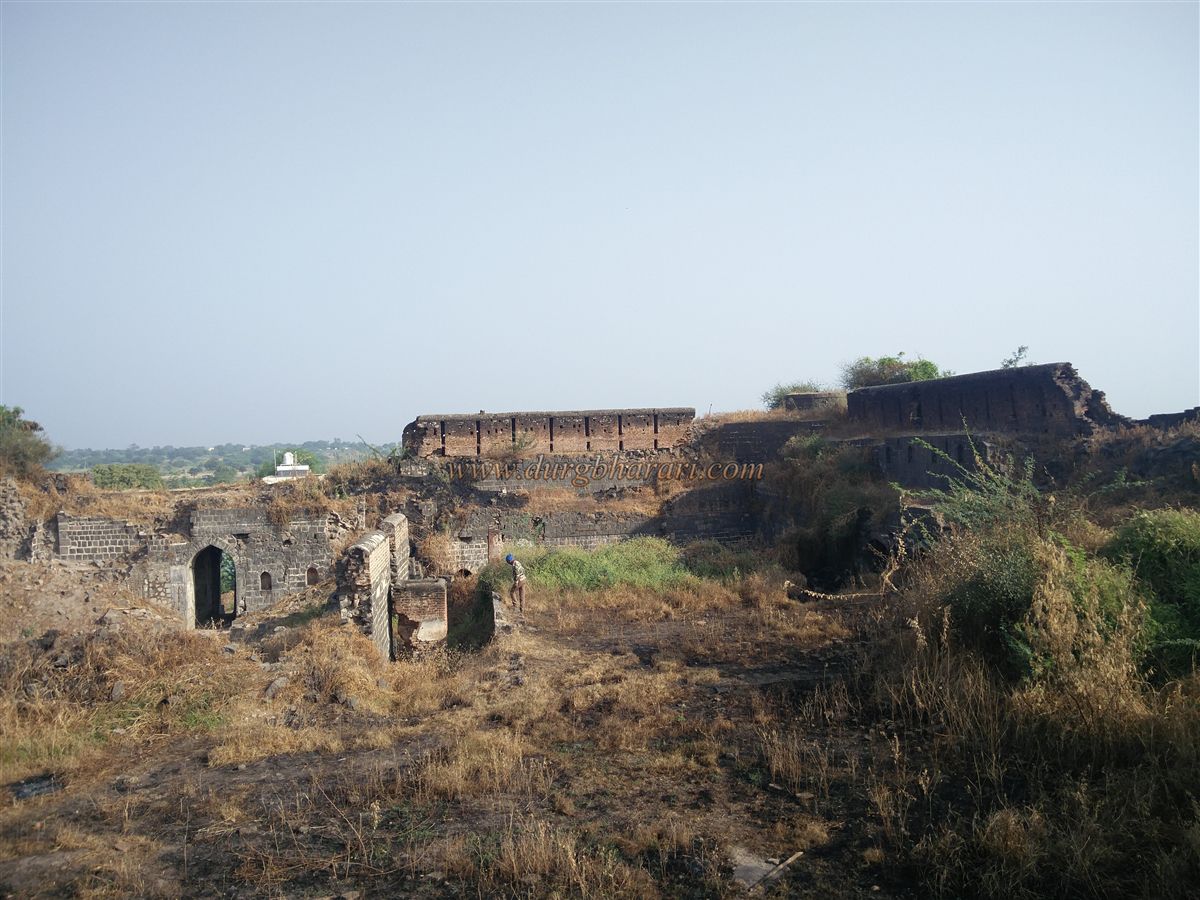
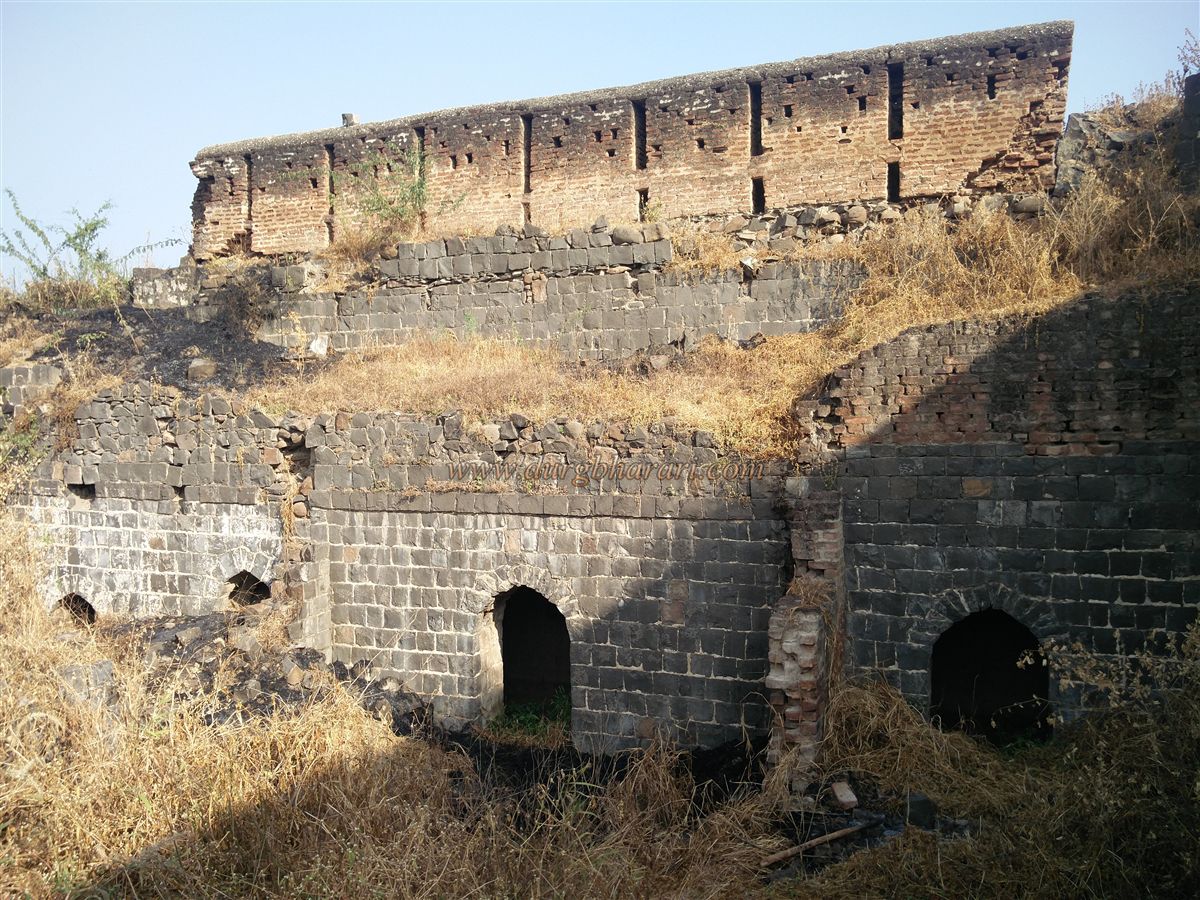
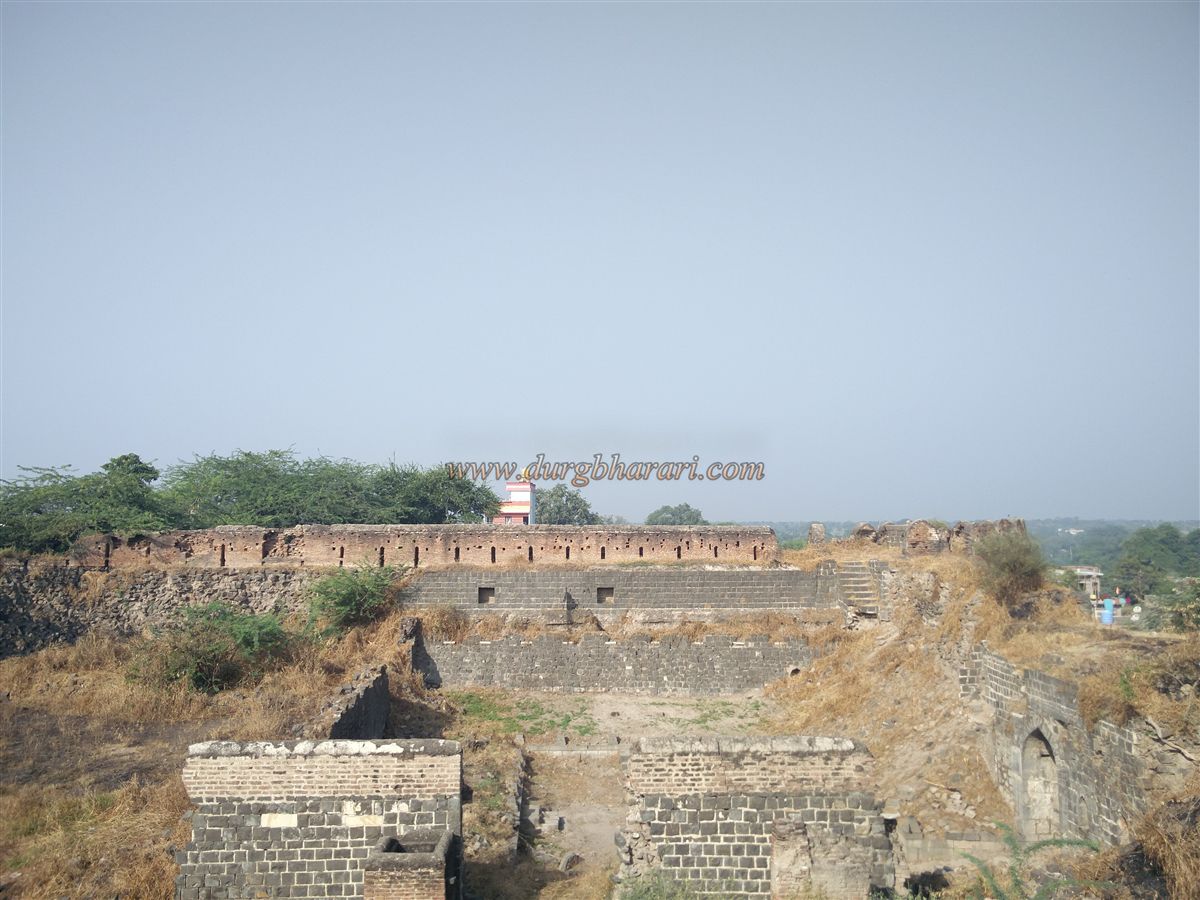
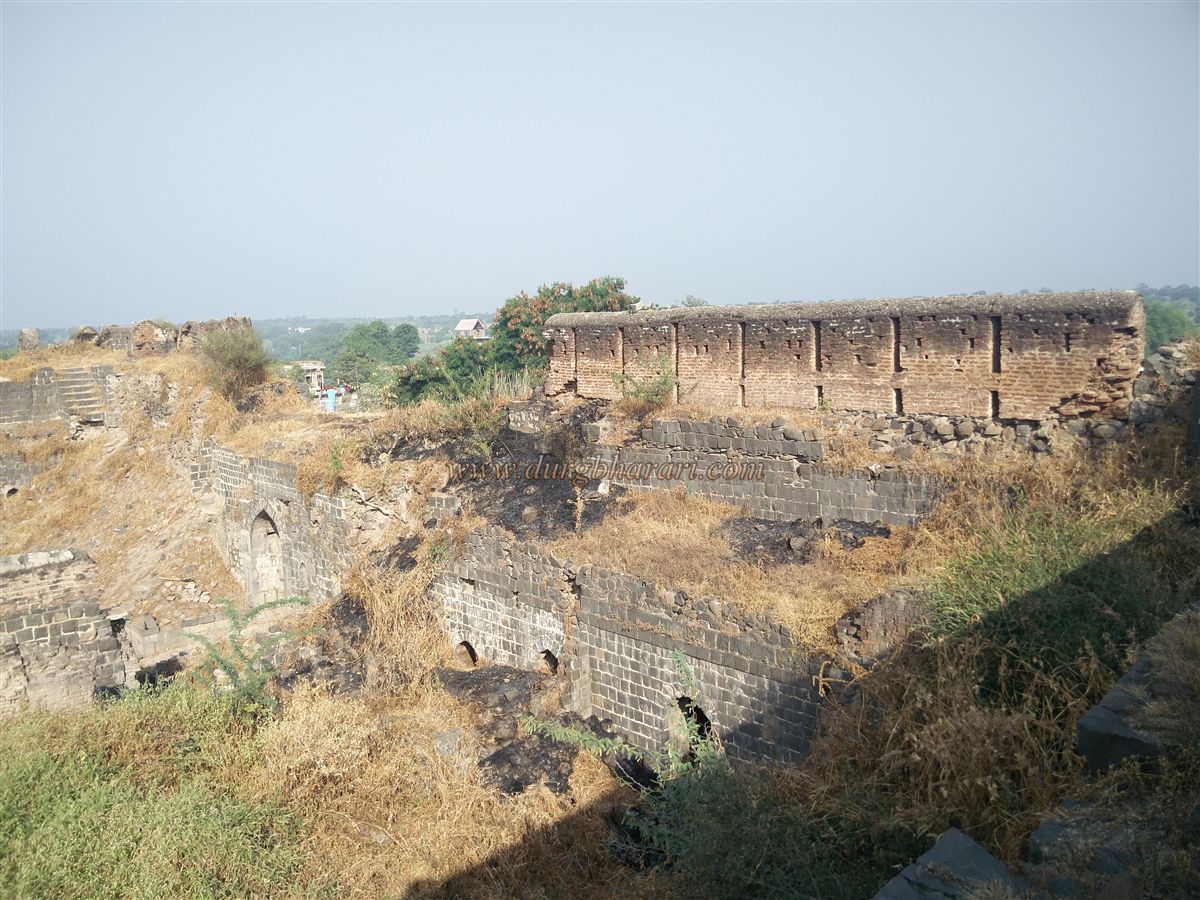
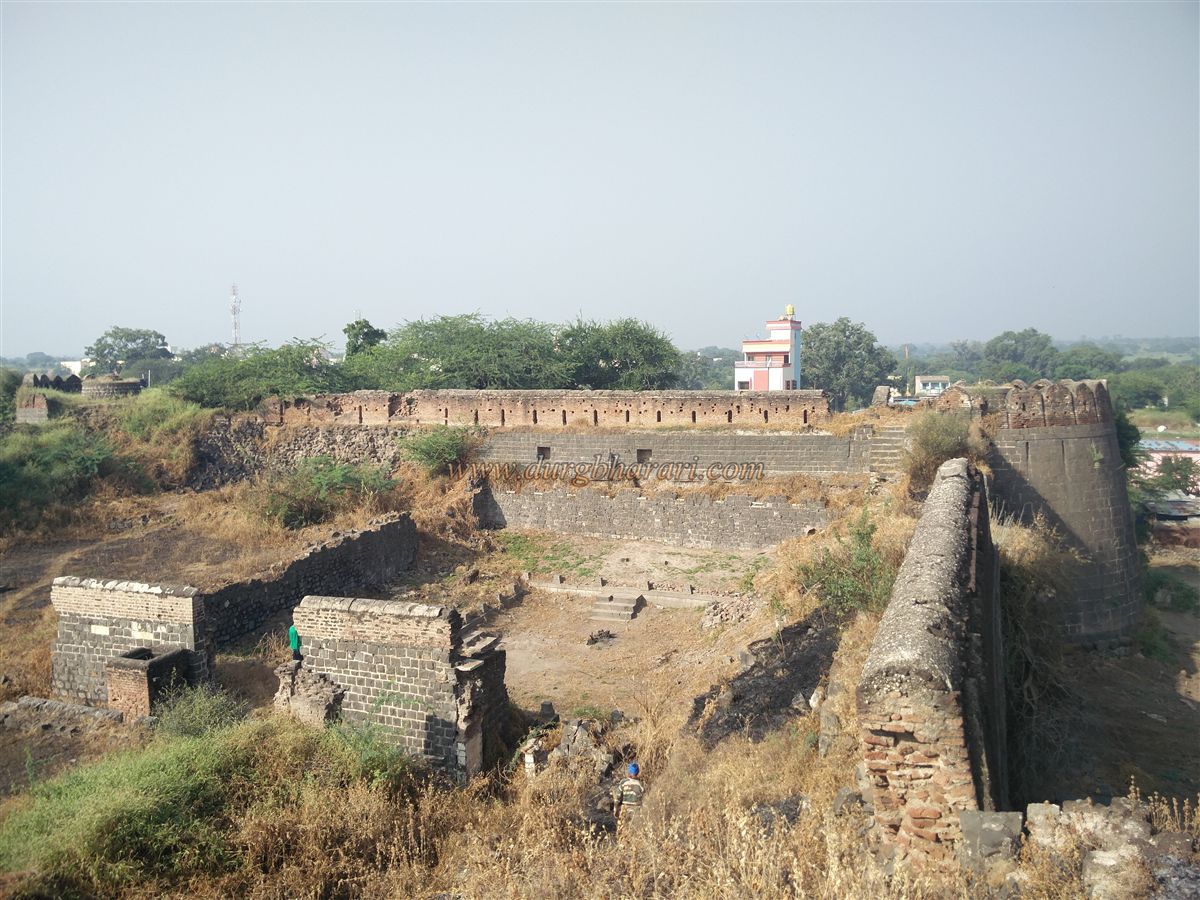
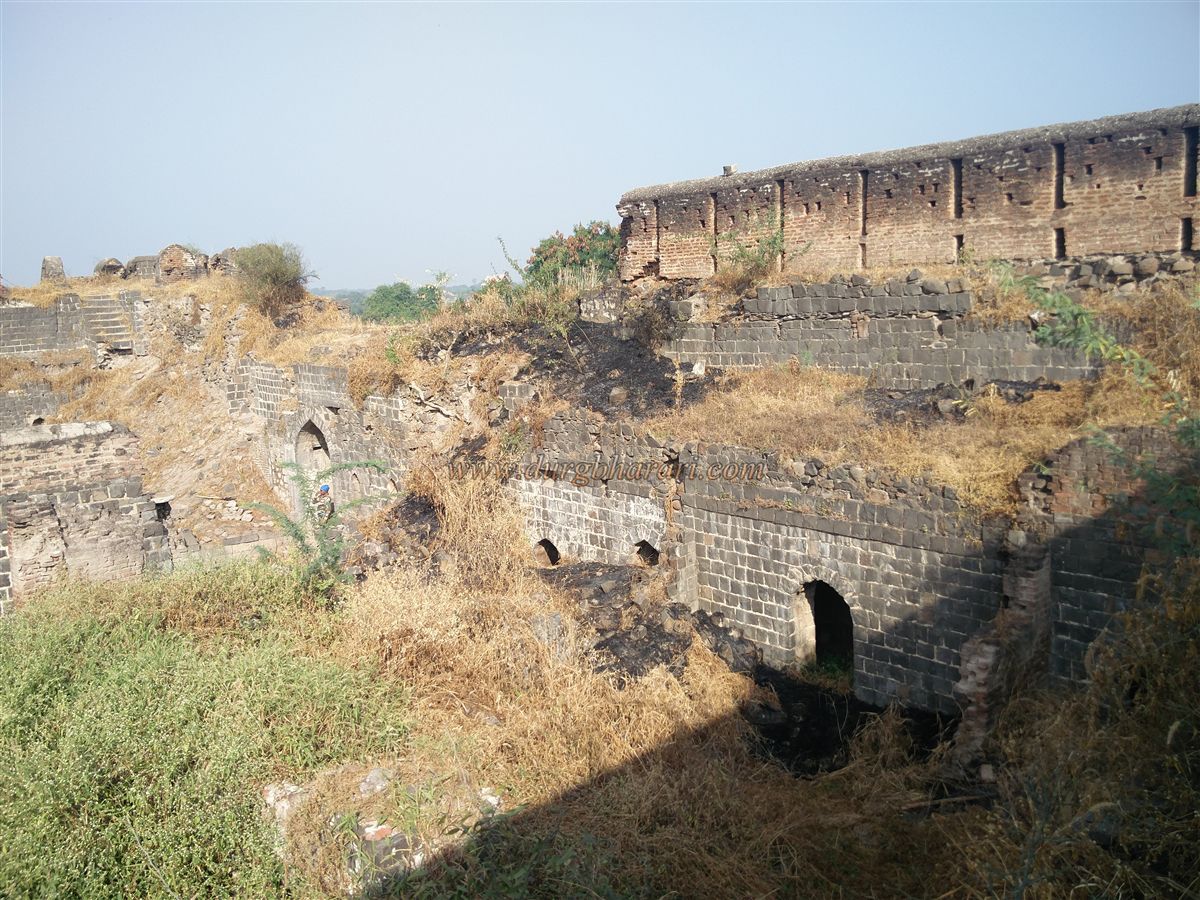
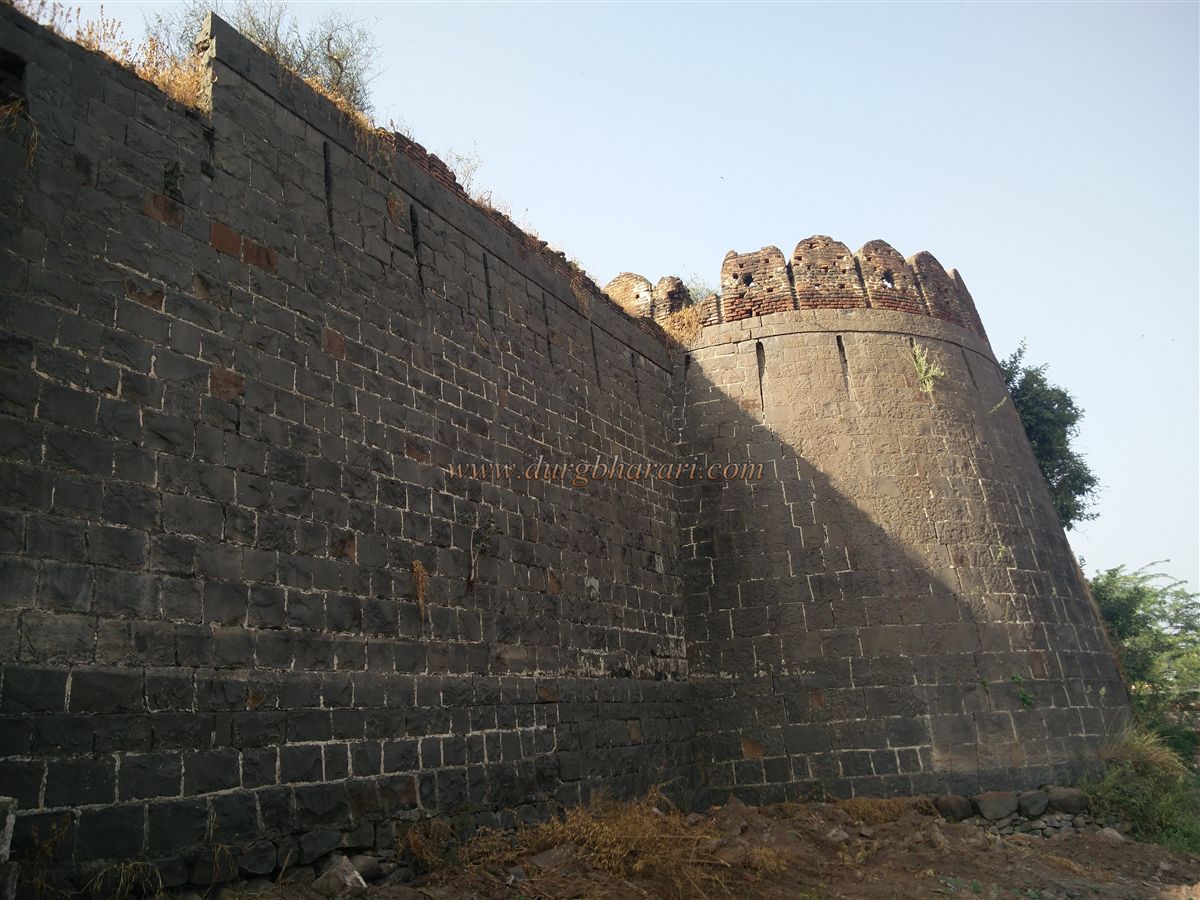
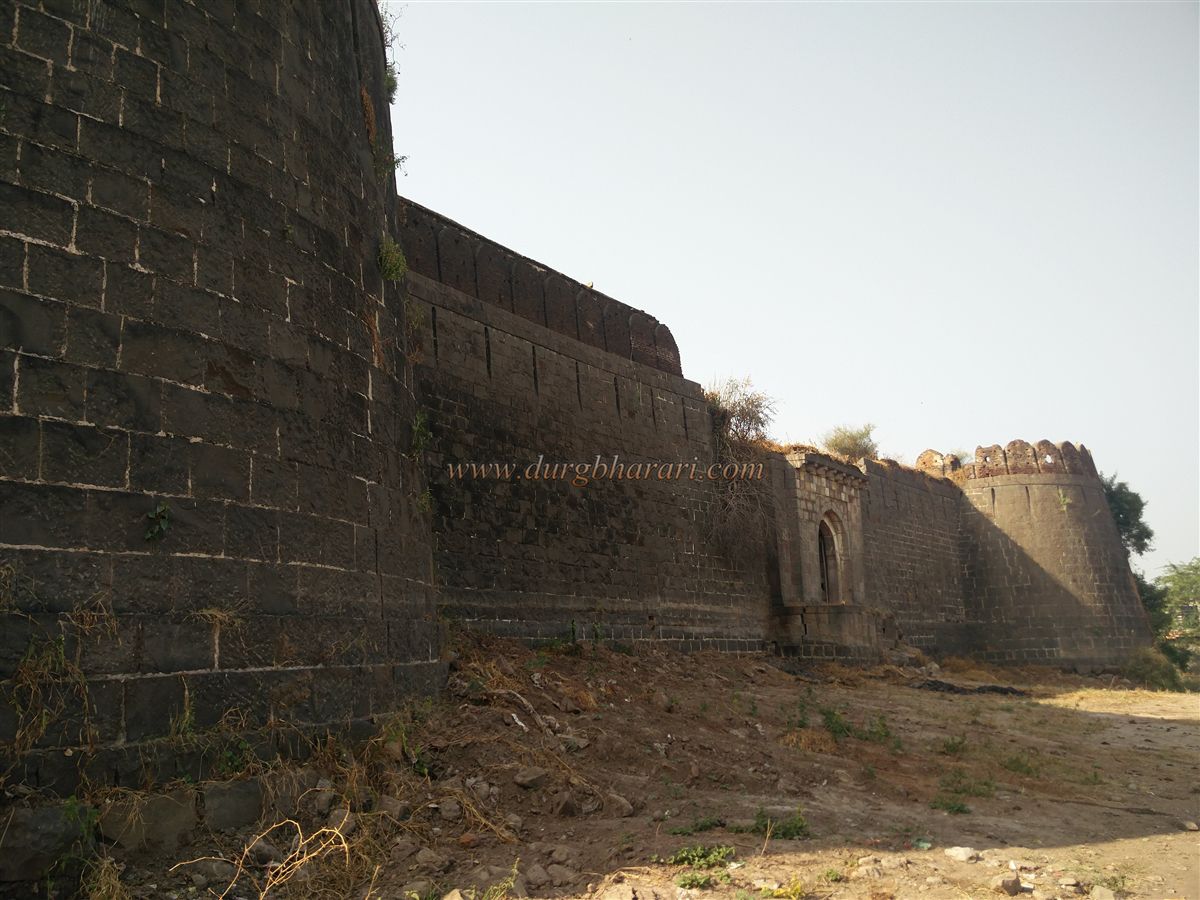
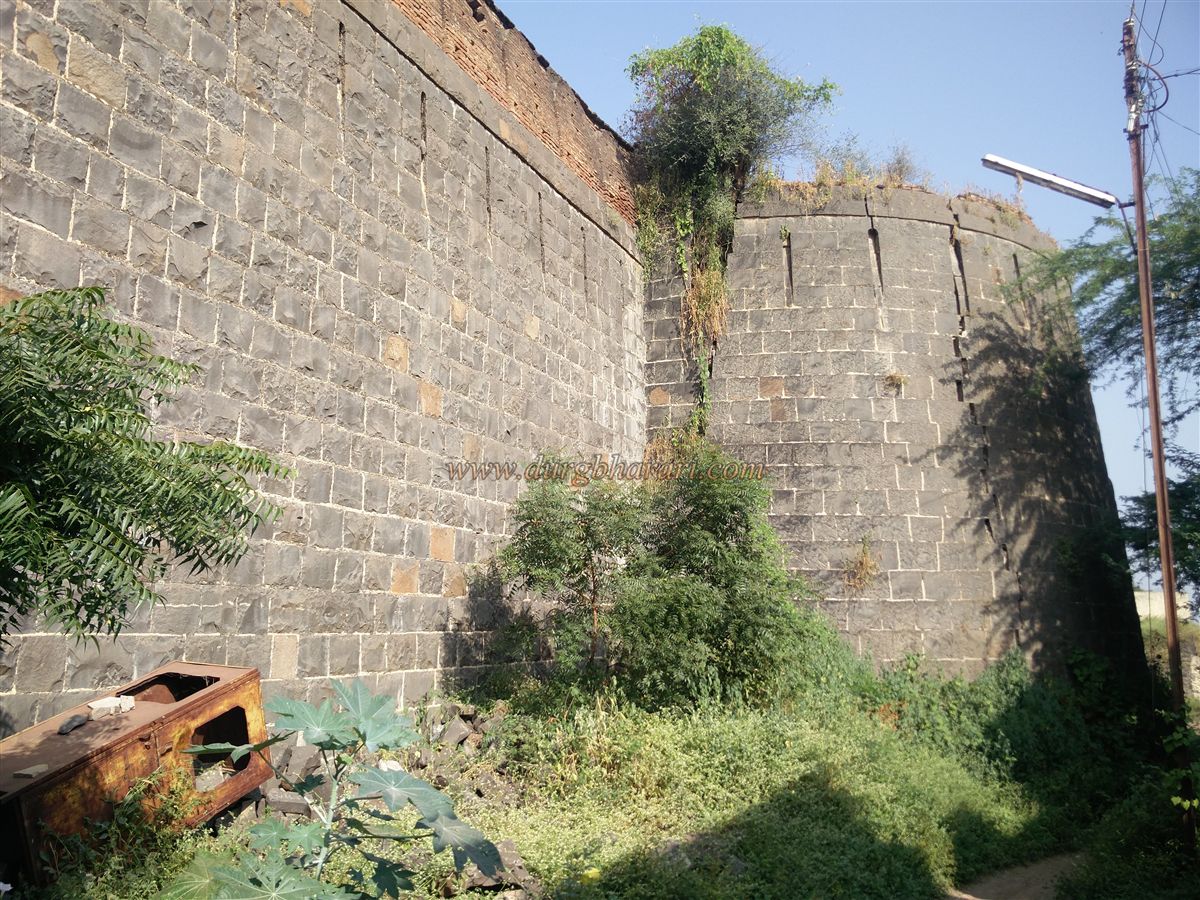
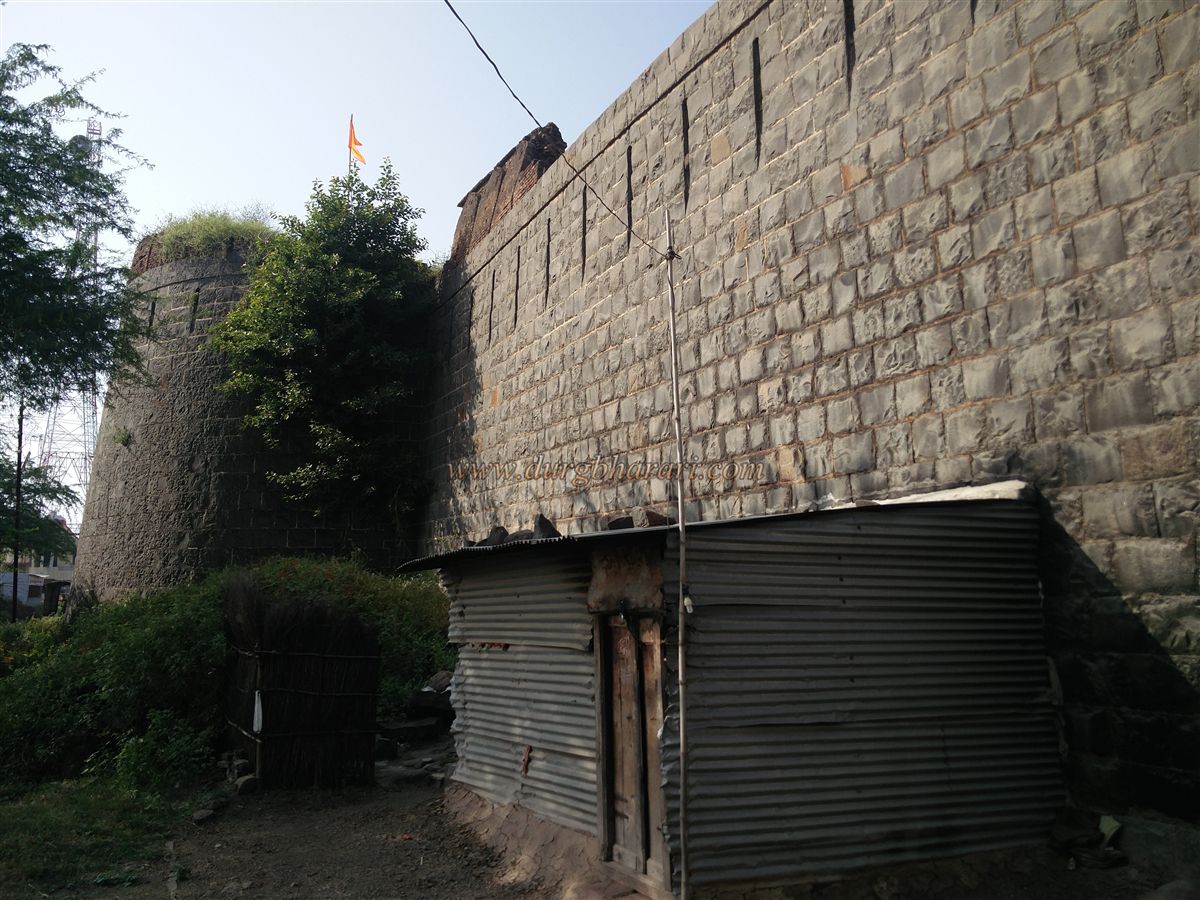
Upon entering through the gate, on both side are guard posts, and directly ahead are the remains of a quadrangular mansion. In the courtyard of this mansion, traces of a stone fountain are still visible. Above the entrance gate, remnants suggest that there may once have been a drum house or Mandap. Except for the portion near the entrance, the entire fortification is largely intact, and one can walk along the ramparts around the fort. There are four large bastions at the corners of the fort, with raised platforms for cannons and alcoves beneath them to store cannonballs. There are staircases on all four sides for ascending the ramparts.
Many of the internal structures have collapsed and are now buried under earth. The fort’s ramparts house a total of six chambers, with three granaries built into the western wall and an ammunition storehouse in the northern section. At the centre of the fort is a deep stone well, approximately 50–60 feet deep and 5–6 feet wide, which once distributed water throughout the fort using siphon pressure.
On the left rampart stands a recently installed Shiva lingam. Inside the entrance, to the right, is a subterranean passageway that has collapsed and is no longer accessible. It is said that this tunnel led to the Madheshwari temple. It was used in earlier times by women in the fort to reach the temple. The tunnel's exit near the temple has been sealed, and the remnants of a walled-up door are visible in a nearby alcove.
Outside the eastern rampart lies a large square stepped well with stone steps descending into it. Behind this well, a small doorway is found in the rampart wall, though it is now blocked with stones. This section has been enclosed with a short boundary wall. One hour is sufficient to explore the entire fort.
Rao Rambhajirao Nimbalkar, the son of a maidservant of Mahadaji Nimbalkar—who was the son-in-law of Chhatrapati Shivaji Maharaj—received the Madha estate in 1707. According to villagers, Rao Rambha held his royal court at this fort before moving it to Karmala. Rambhajirao Nimbalkar constructed the Madha fort in 1710.
After the death of Chhatrapati Sambhaji Maharaj, Rambhajirao Nimbalkar and Chandra Sen Jadhav accepted service under the Mughals. In the Battle of Purandar in 1707, Rambhajirao fought on behalf of the Mughals and defeated Balaji Vishwanath and Haibatrao Nimbalkar. For this, the Nizam-ul-Mulk conferred upon him the title of “Rao.” It is also said that during the 17th century, Rao Rambhajirao Nimbalkar briefly held the jagir of the Pune Subha. In the 1795 battle at Kharda between the Marathas and the Nizam, Rao Rambha displayed valour and helped save the Nizam.
© Suresh Nimbalkar
GALLERY