LONIMAVLA
TYPE : NAGARKOT
DISTRICT : AHMADNAGAR
HEIGHT : 0
GRADE : EASY
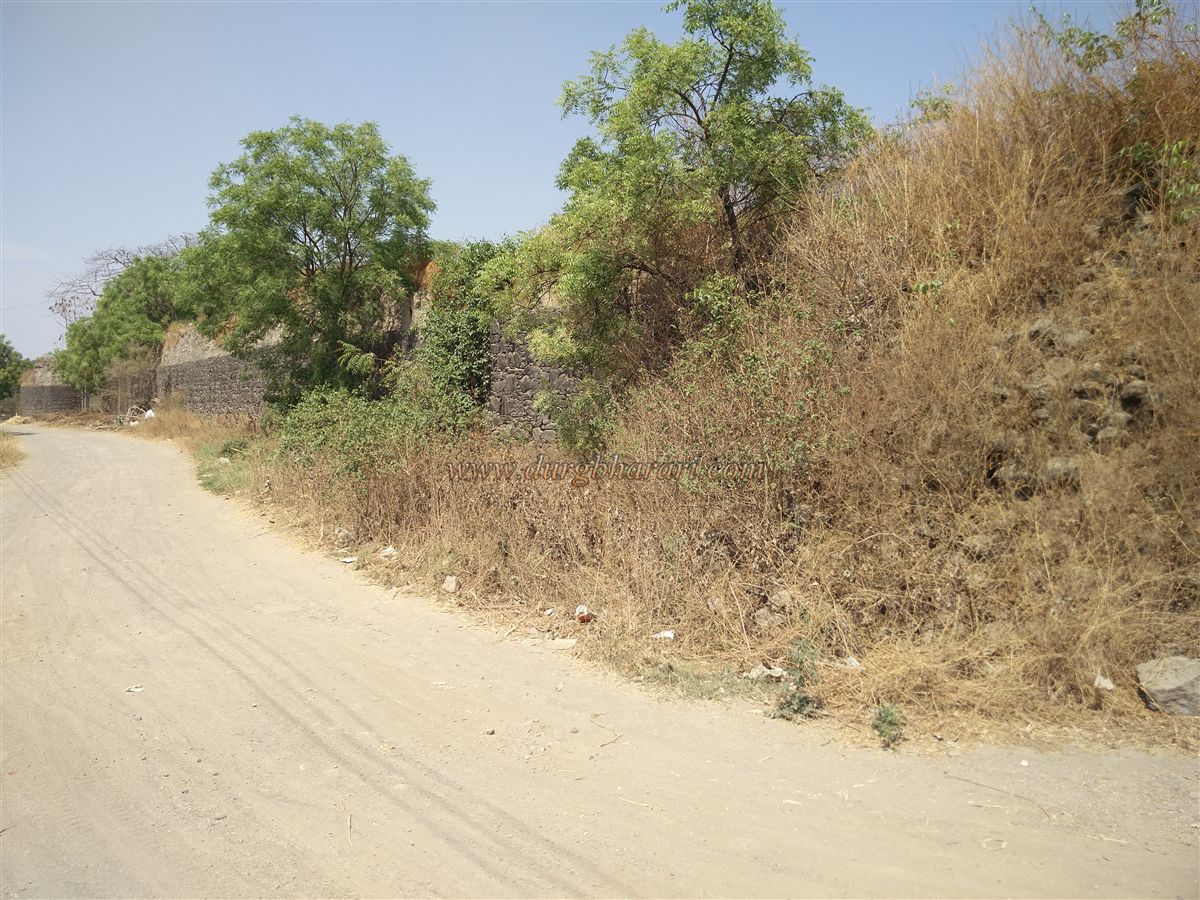
While exploring forts across Maharashtra, one comes across various types such as hill forts (Giridurg), water forts (Jaldurga), forest forts (Vandurg), and ground forts (Bhuikot), each showcasing its own unique characteristics. One such distinctive ground fort is the Nagardurg located at Lonimawala in Parner taluka of Ahmednagar district. This Nagardurg is essentially a fortified wall constructed around the village for protection.
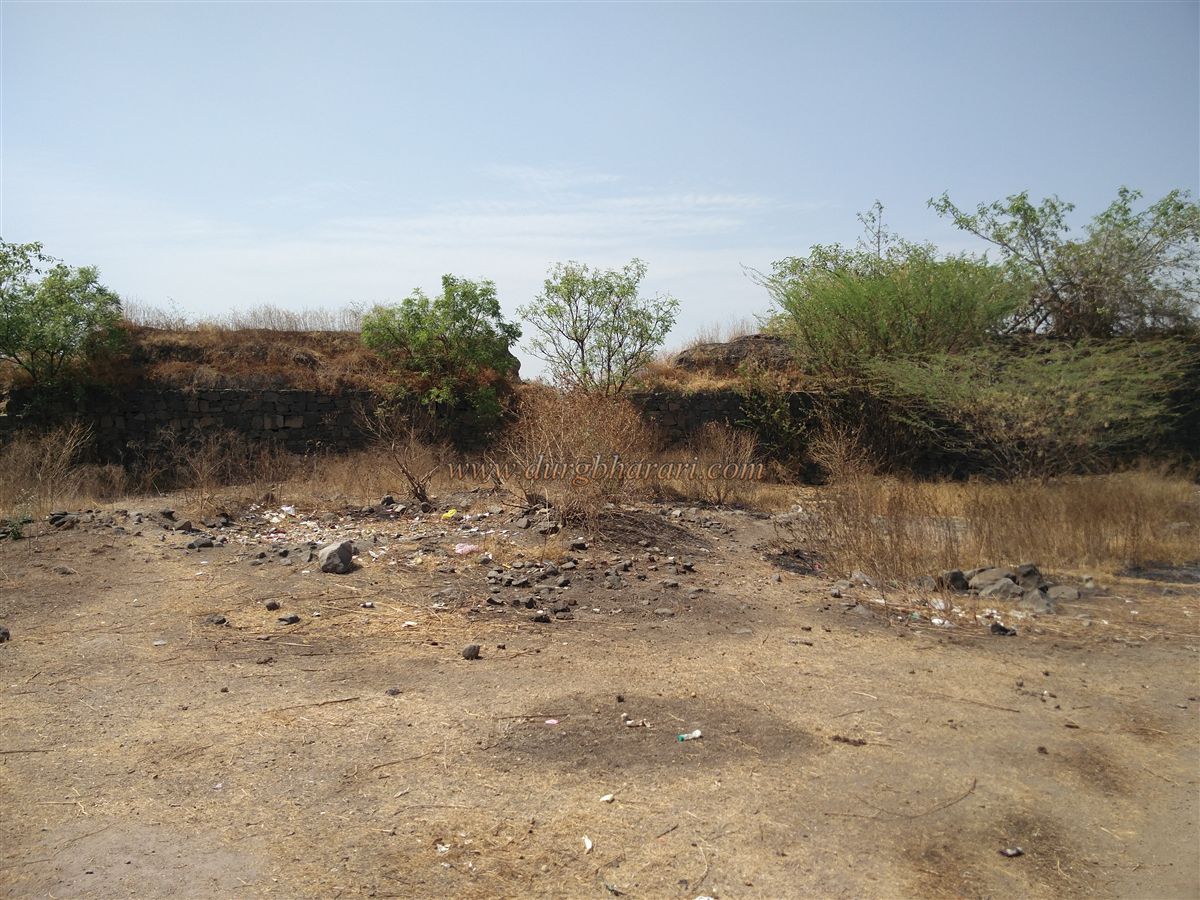
To reach Lonimawala, one must first arrive at either Shirur or Alephata. The distance from Shirur to Lonimawala is 35 km, and from Alephata, it is 28 km. The village of Lonimawala is spread across 14 acres, enclosed within a hexagonal fortified wall. This wall features nine round bastions — two near the main gate and one at each of the six corners. However, there appears to be no security infrastructure remaining on the bastions or the ramparts.
...
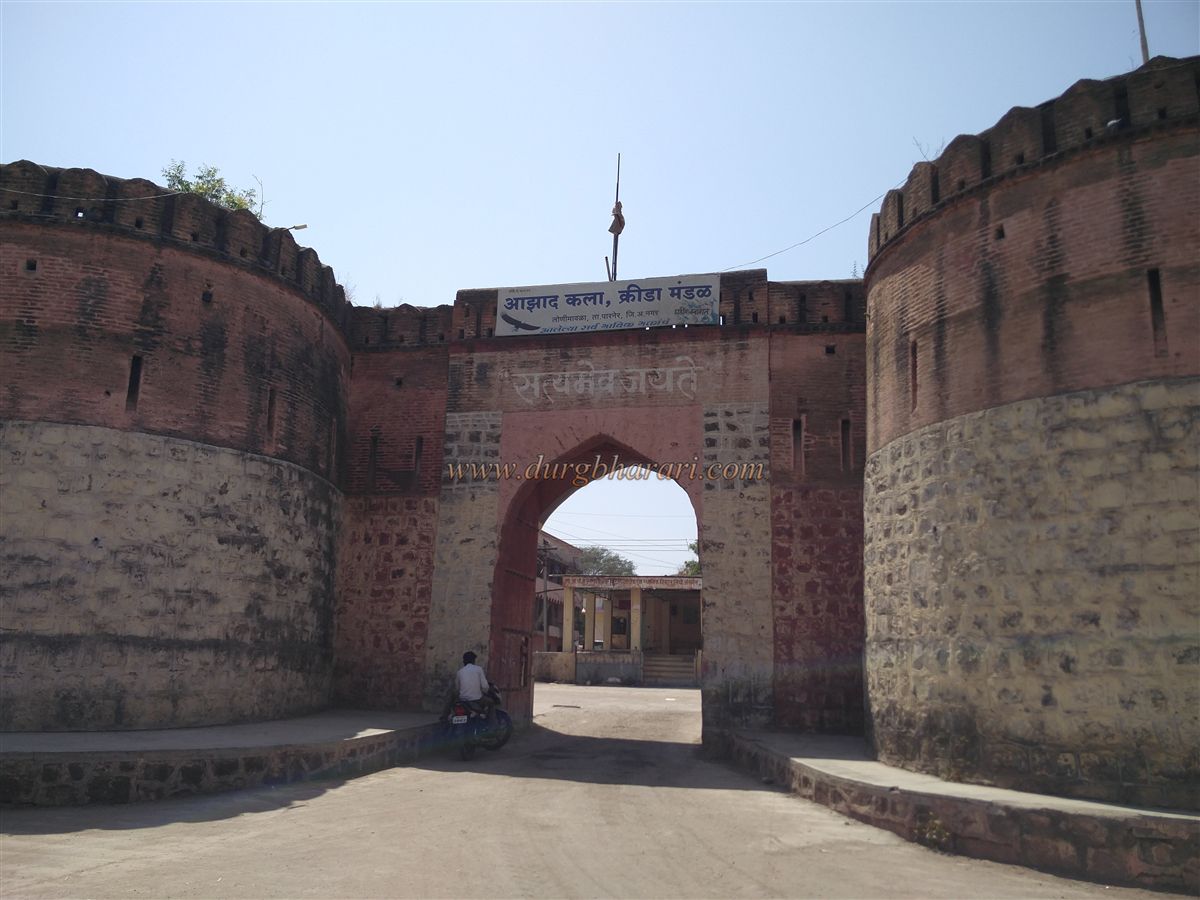
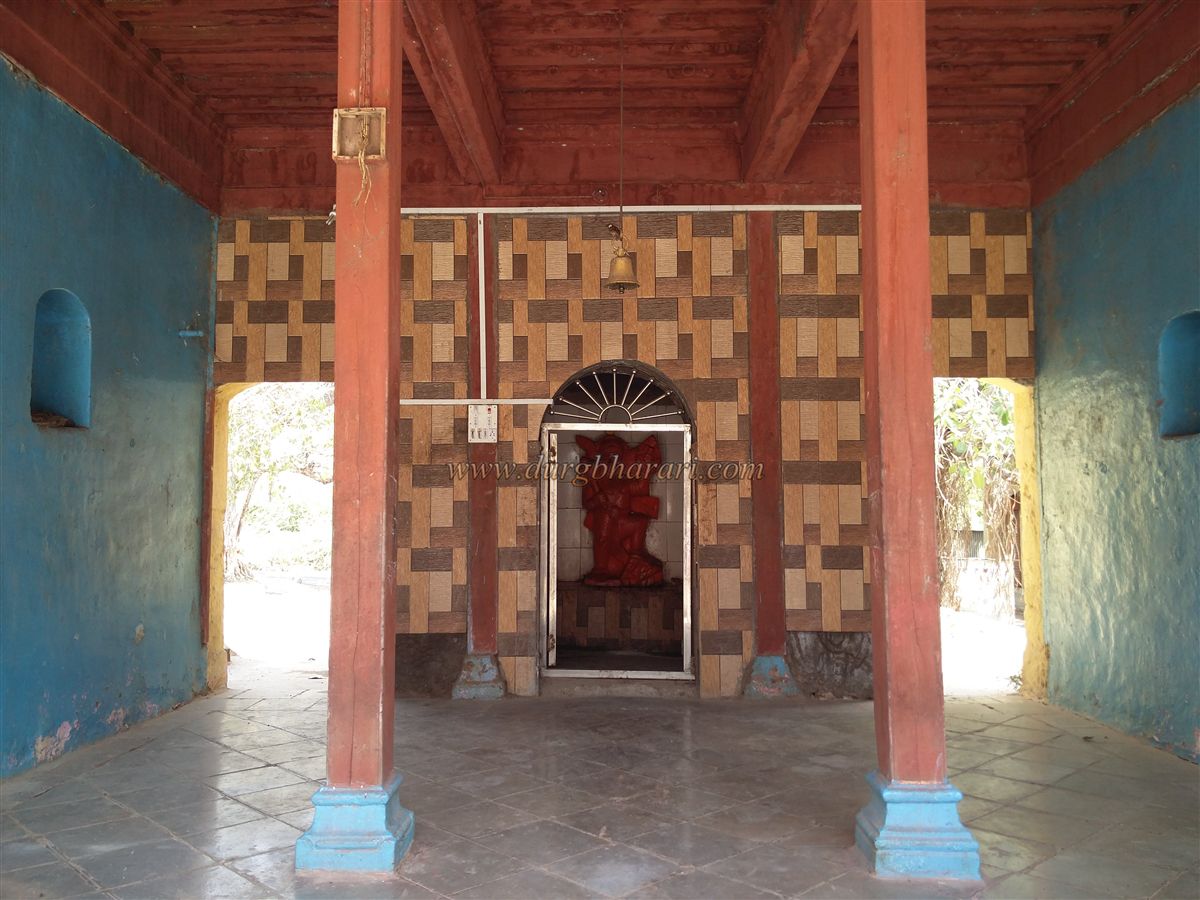
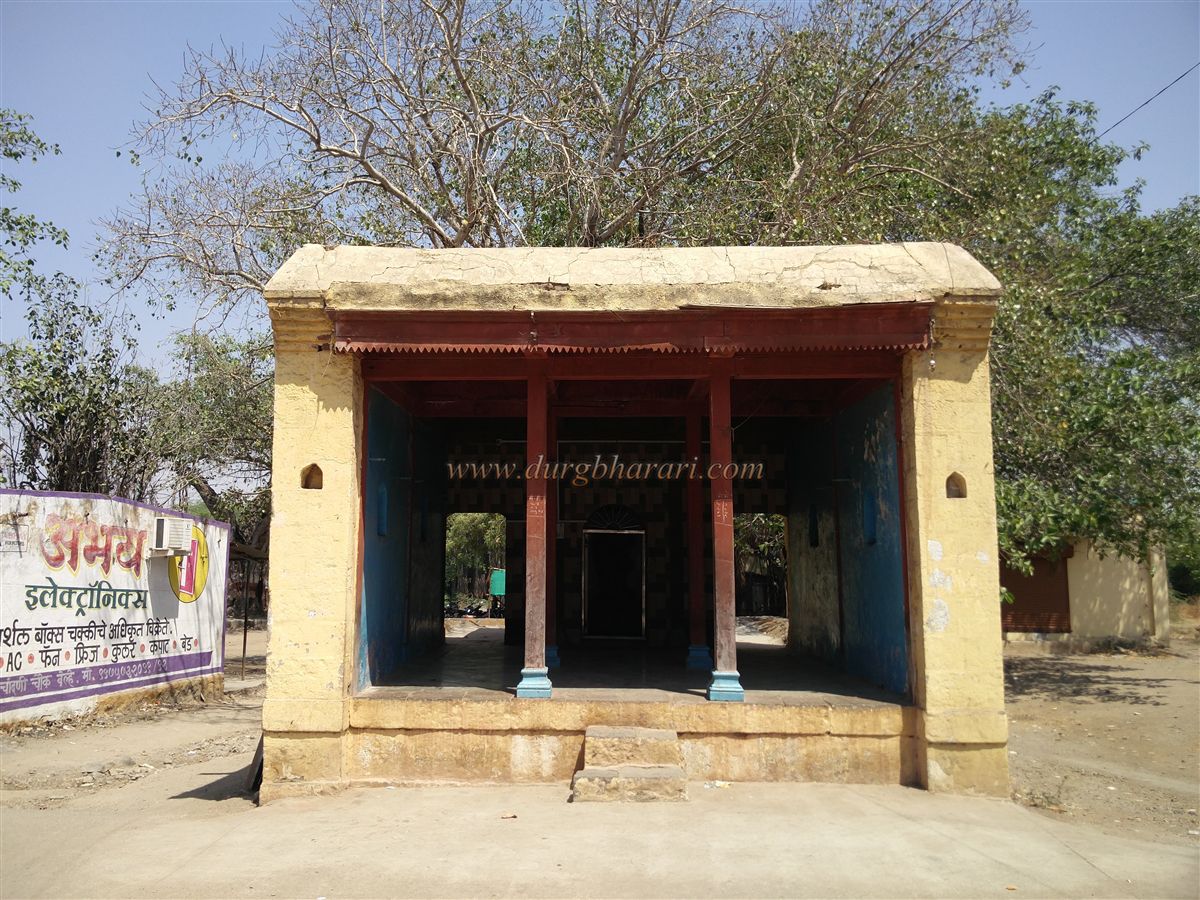
As one enters the village, the first thing that catches the eye is the grand entrance gate of the fort. The wooden doors of this gate still survive, and beneath one of the panels is a smaller wicket gate (dindi Darwaja). Outside the main gate is a temple of Maruti, and next to the bastion on the left lies a half-filled well, now littered with garbage. On either side of the entrance stand two bastions, each about thirty feet tall. The lower 15 feet of these bastions and the gateway are built in stone, while the upper 15 feet are constructed using bricks. Gun slots are visible in the bastions for firing.
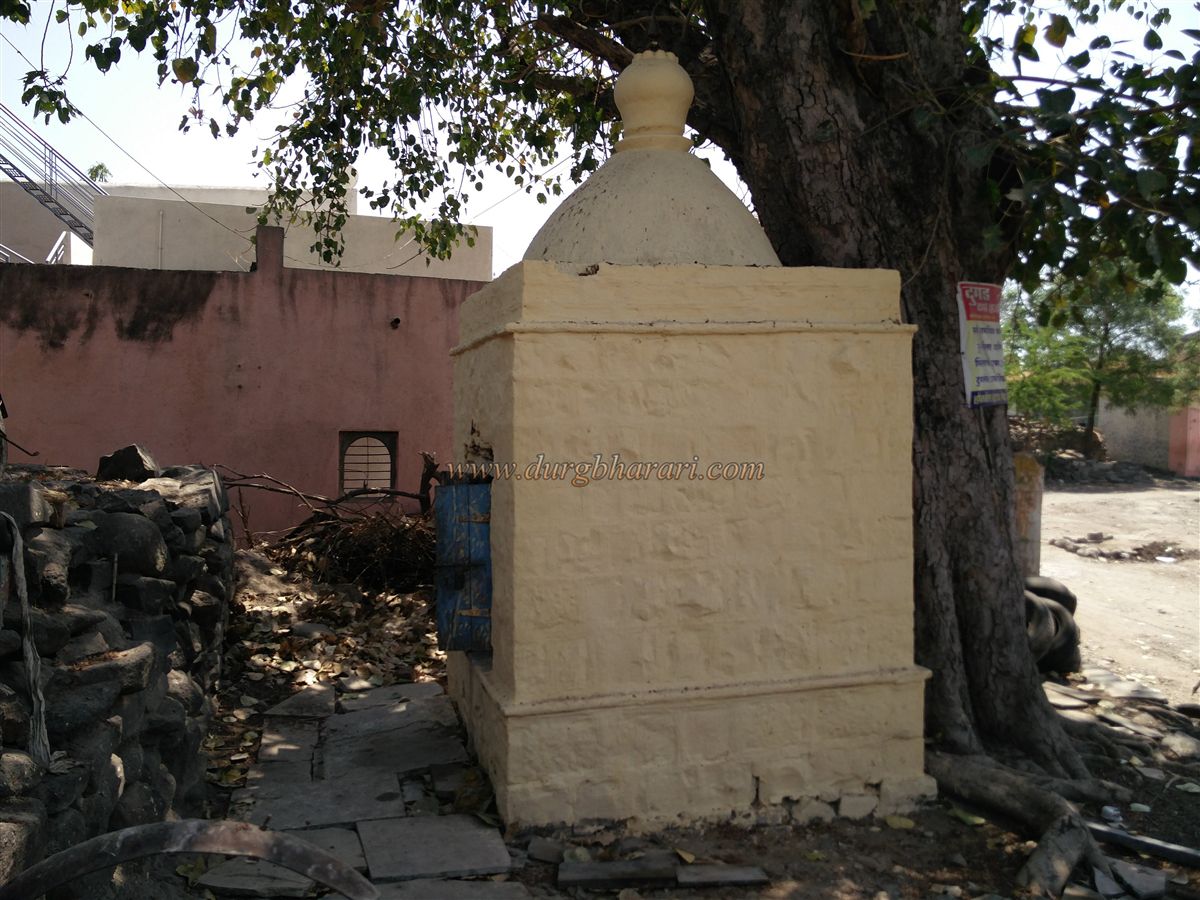
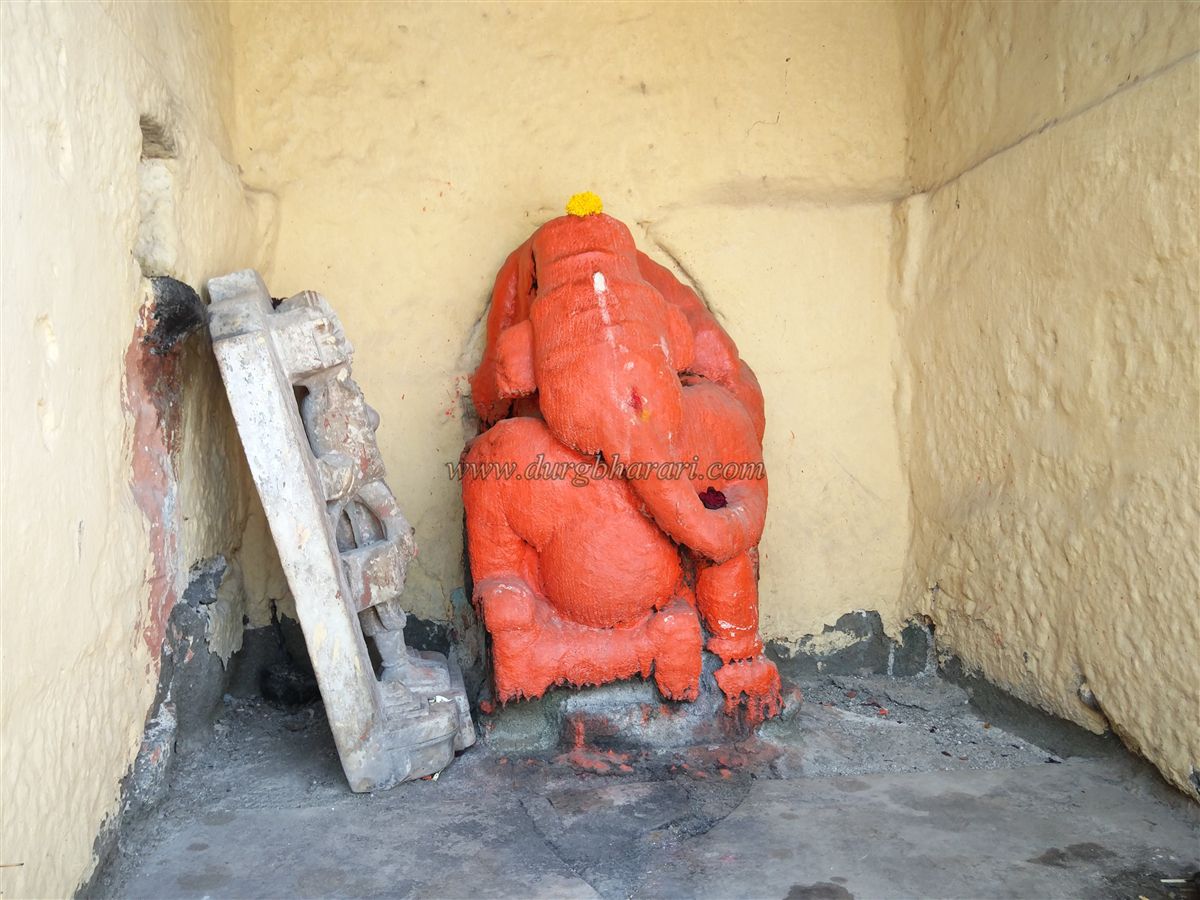
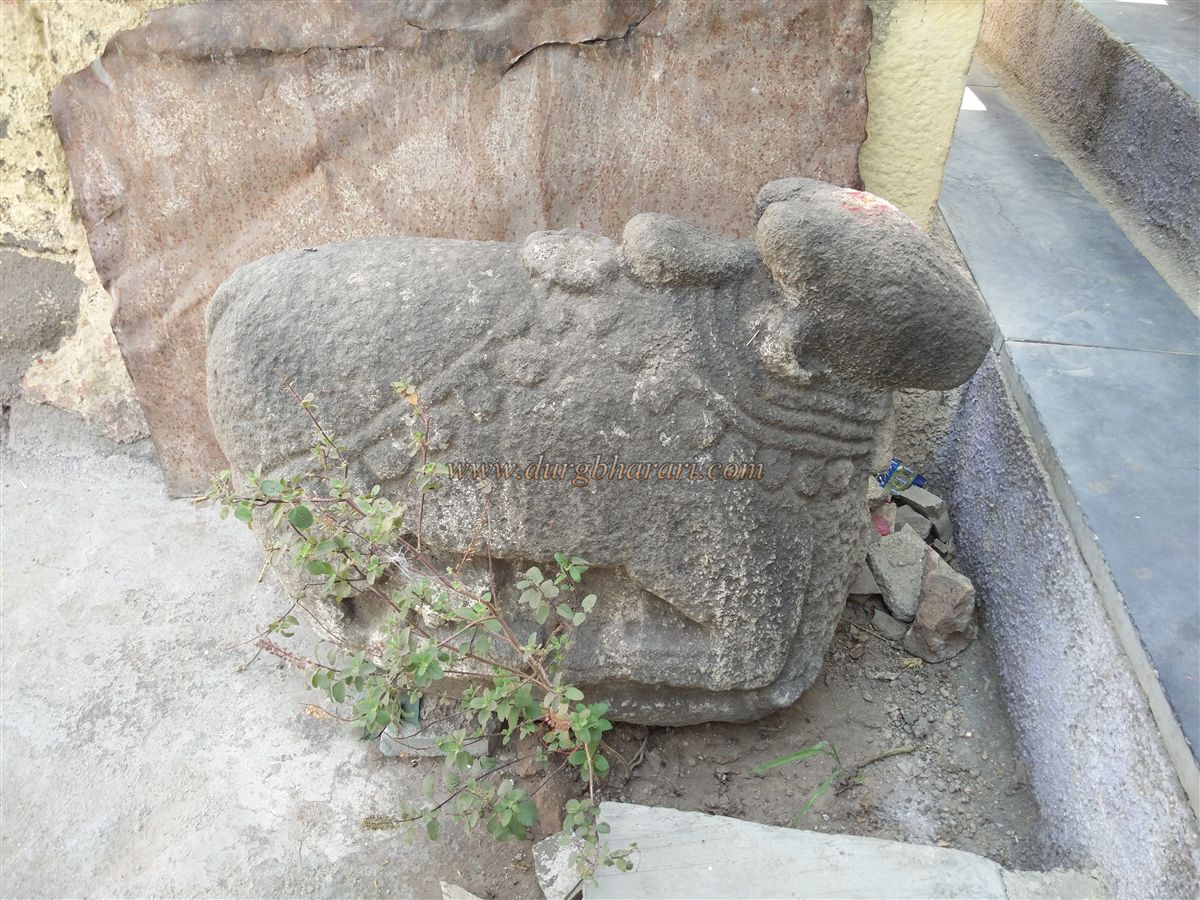
Inside the gate, there are small guard chambers on both sides. Stairs on either side lead up to the top of the gate. One of these staircases has collapsed, but the other is still usable, providing access to the top of the gate and the bastions. A short distance ahead from the gate is a small shrine housing an idol of Lord Ganesha. Outside this shrine lies a broken sculpture of Nandi (Shiva’s bull mount).
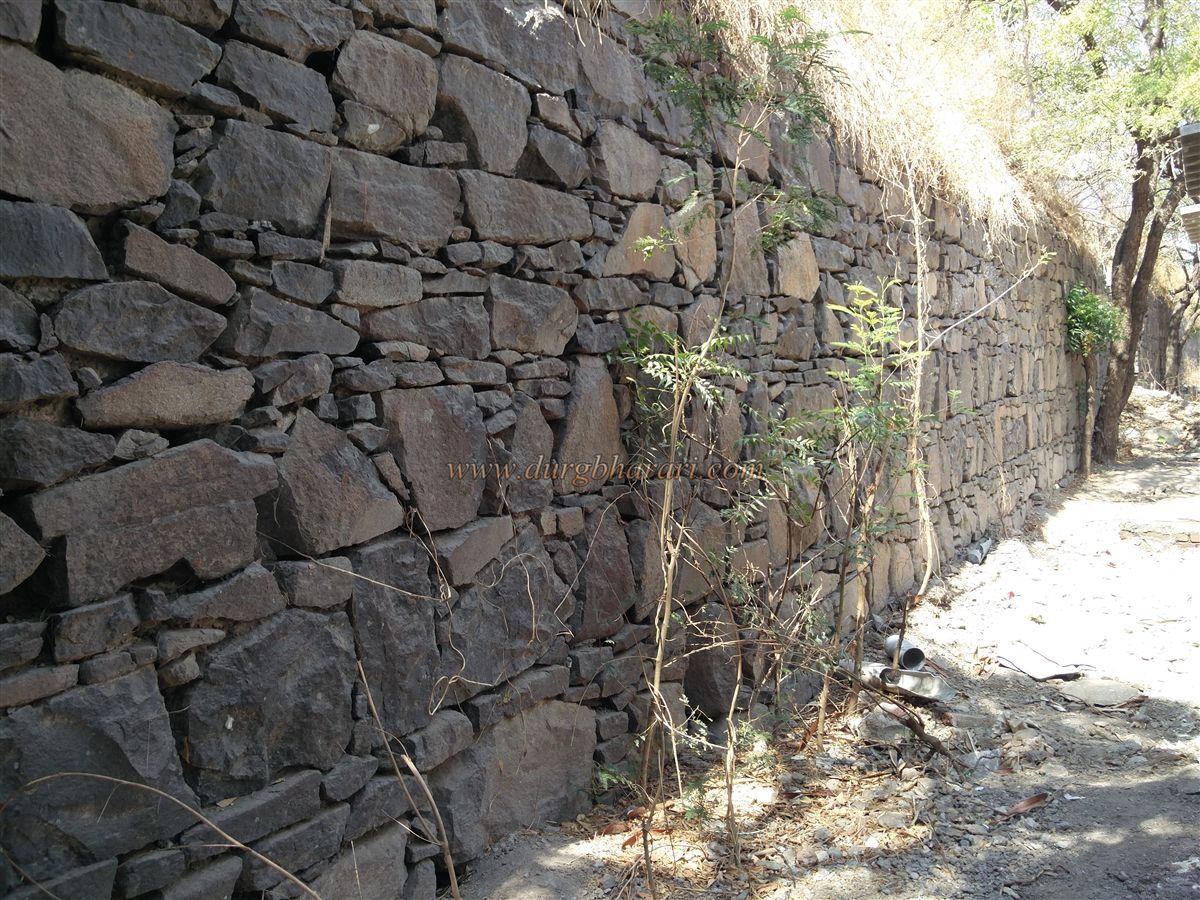
The fort wall stands 10 feet high and is approximately 4 to 5 feet wide. Nowhere along the ramparts or bastions are there stairs visible to climb up. The wall is built using the dry stone technique, with stones stacked one over another without the use of mortar or binding material.
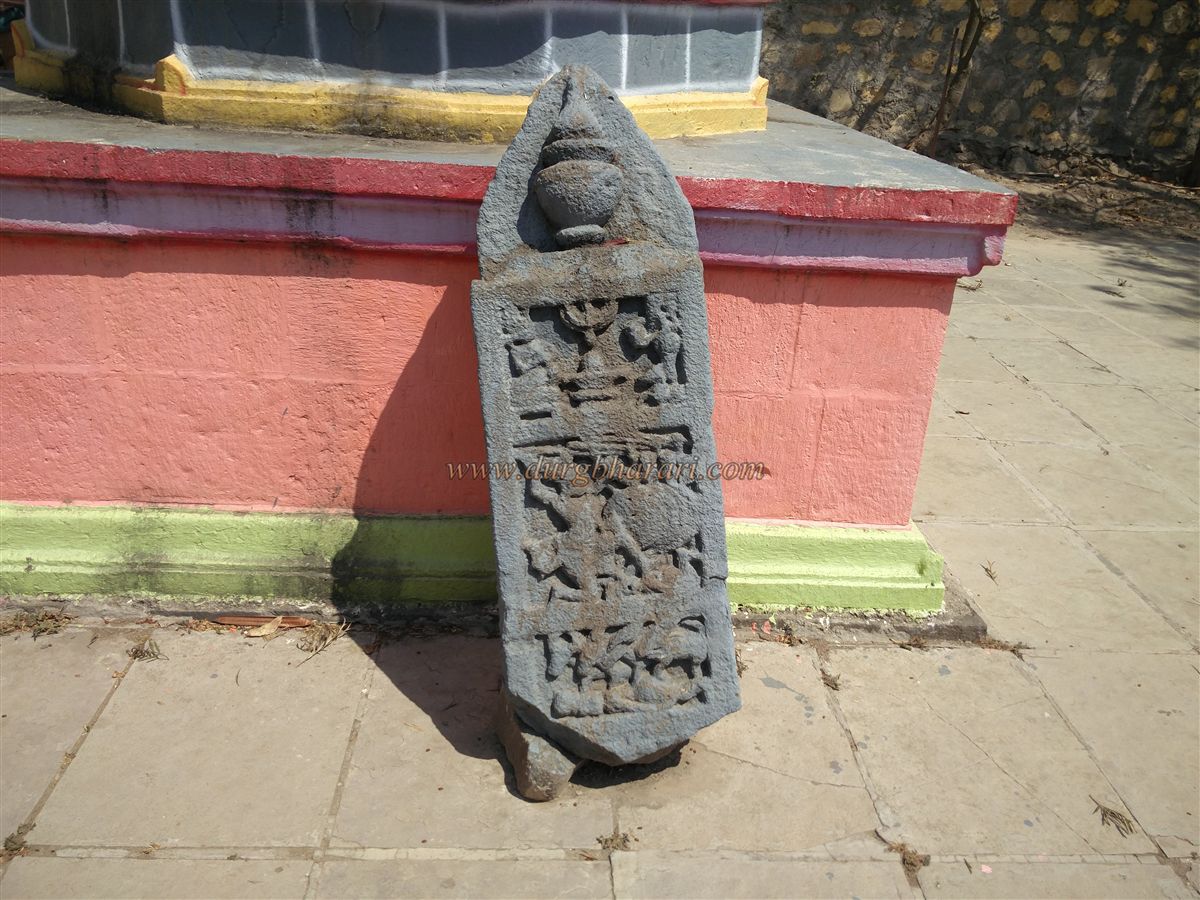
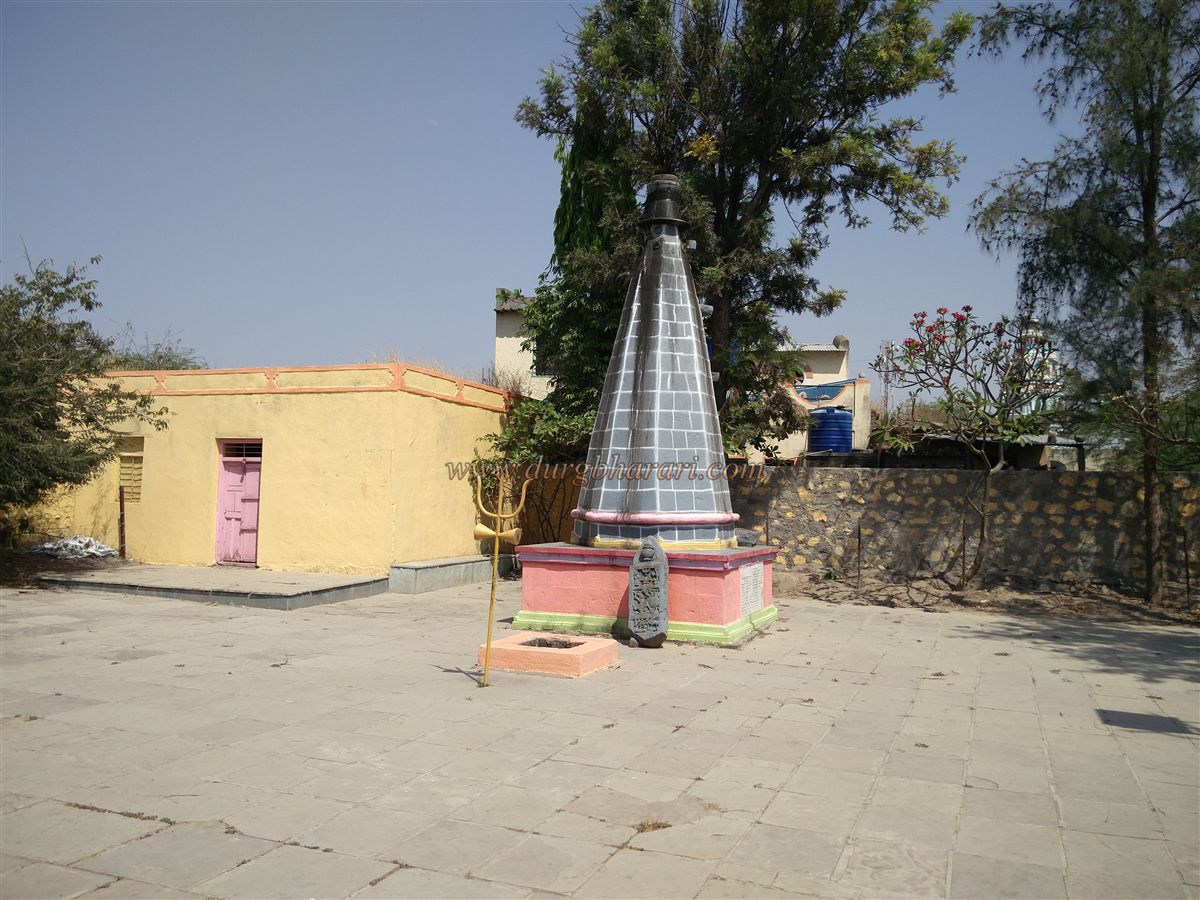
The internal road that originally passed through the main gate has now been diverted by breaching the wall on the opposite side. A walk along the edge of the fortification completes the circuit of the fort. During this walk, remnants of some mansions, a dargah, and a temple dedicated to a goddess can be seen. Outside the temple stands a newly constructed Deepmala (lamp tower), next to which lies a hero stone (Virgal).
An hour is sufficient to explore the entire fort. If you wish to witness a somewhat unusual type of fort, this one is certainly worth a visit.
© Suresh Nimbalkar
GALLERY