LONIKAND
TYPE : MANSION
DISTRICT : PUNE
HEIGHT : 0
The Shinde family holds a significant place in Maratha history, making it a renowned lineage in the historical narrative of Maharashtra. When one mentions the Shinde name, it typically brings to mind the Shinde of Gwalior. However, even before the rise of the Gwalior Shinde, some branches of the Shinde family had already gained prominence in the pre-Shivaji era. One such branch is the Ravirao Shinde family from the village of Loni Kand in Haveli taluka of Pune district. Some believe that Ravirao Shinde was the founder of this lineage, while others consider "Ravirao" to be a title used by the family.
Earlier, the Ravirao Shinde family owned three or four mansions in Loni Kand, but now only one remains, and it is in a dilapidated state. Loni Kand lies 22 km from Pune on the Pune–Ahmednagar highway.
...
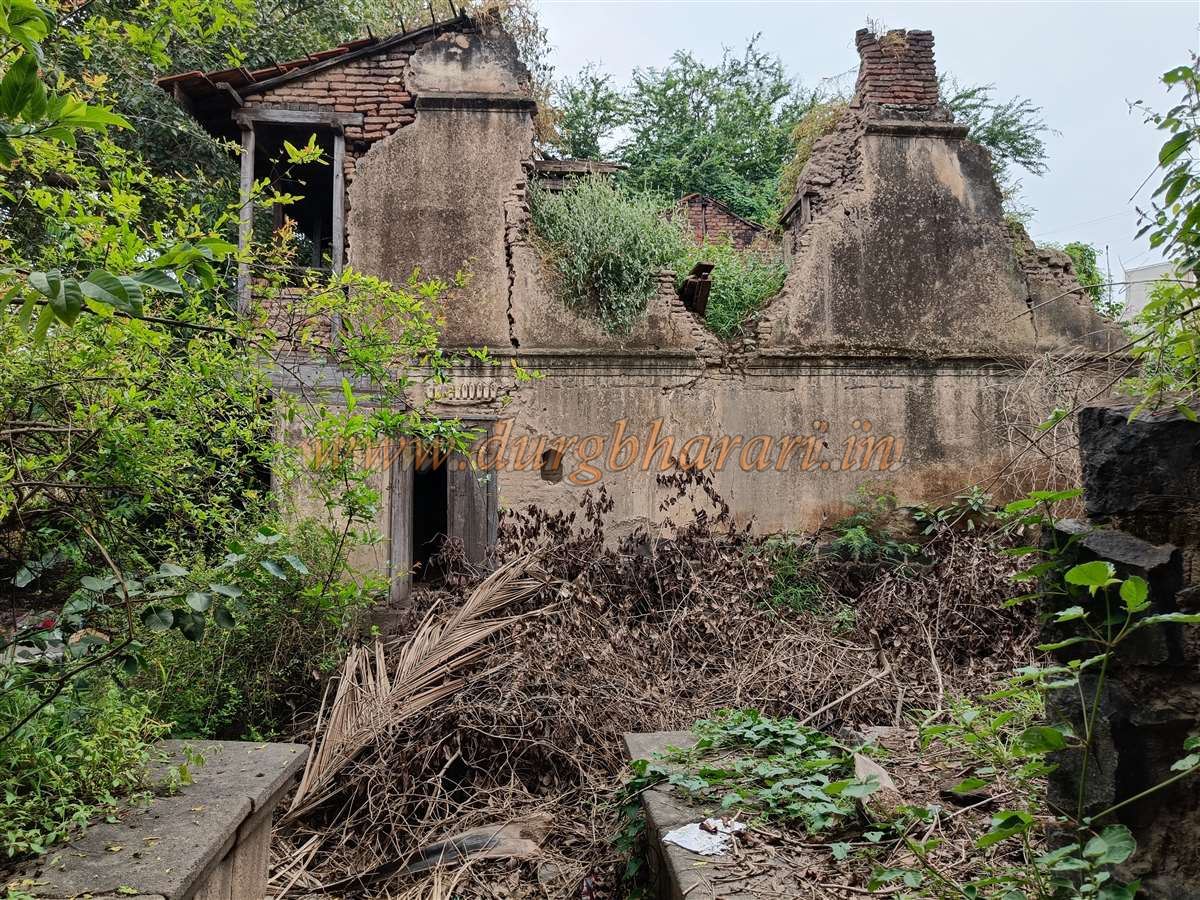
As one enters the village and walks into the second lane, the worn-out mansion can be seen. The surrounding stone fortification is mostly crumbled, and the arch above the entrance gate is missing. On either side of the gate are guard rooms. The two-story mansion lies within the central part of the fortification, but due to its fragile condition, it is dangerous to explore. The upper floor rests on wooden beams, which are now severely weakened. There is a well within the courtyard of the mansion.
Currently, the mansion is owned by the Jagtap family. A daughter from the Ravirao family had married into the Jagtap of Saswad, and the family later returned to this ancestral land. Outside the fortification stands a dome under which there is a carved footprint stone, believed to be a Sati stone. Additionally, Shri Hanumantrao Yashwantrao Ravirao Shinde, who resided in Gwalior, donated the second mansion of his family in Loni Kand to the Shirur Shikshan Prasarak Mandal for a high school. After the original structure collapsed, a new school building was constructed on the site.
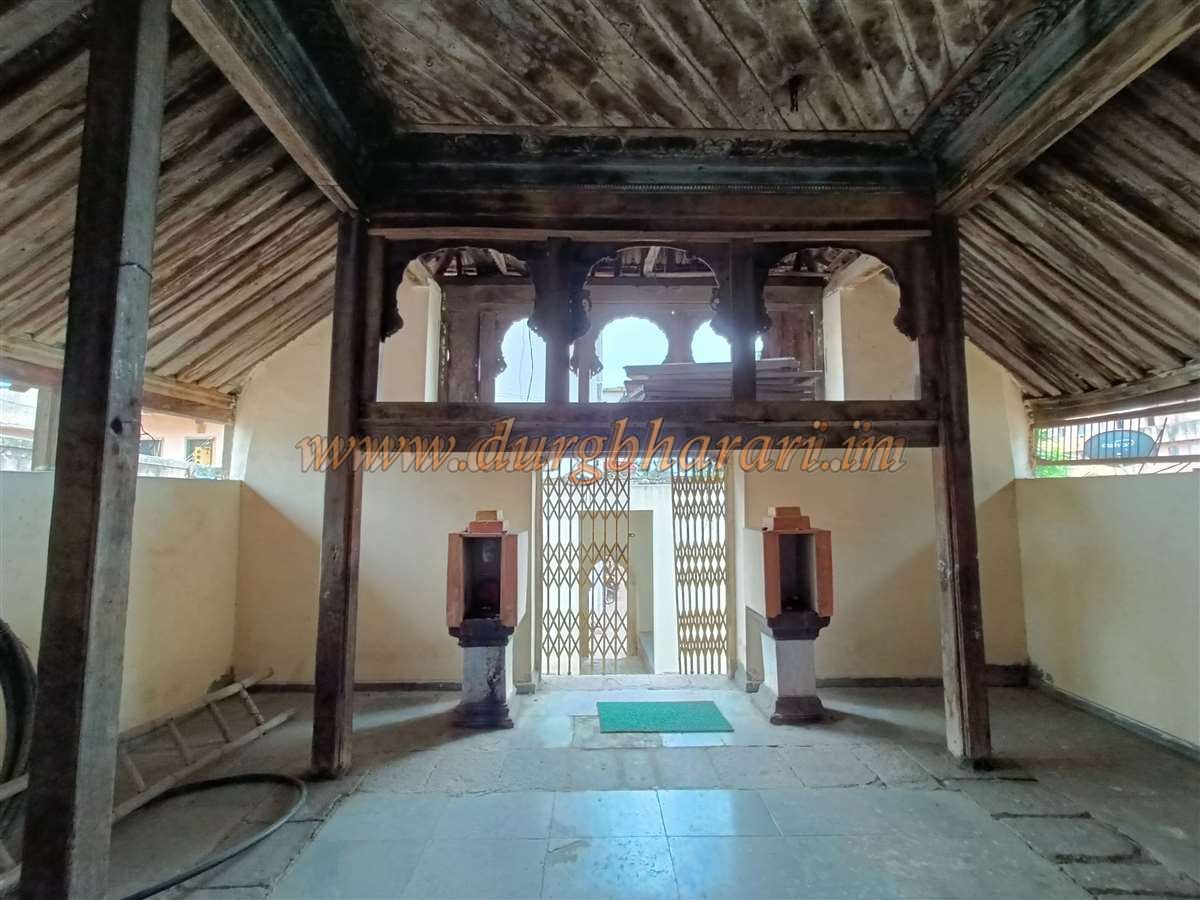
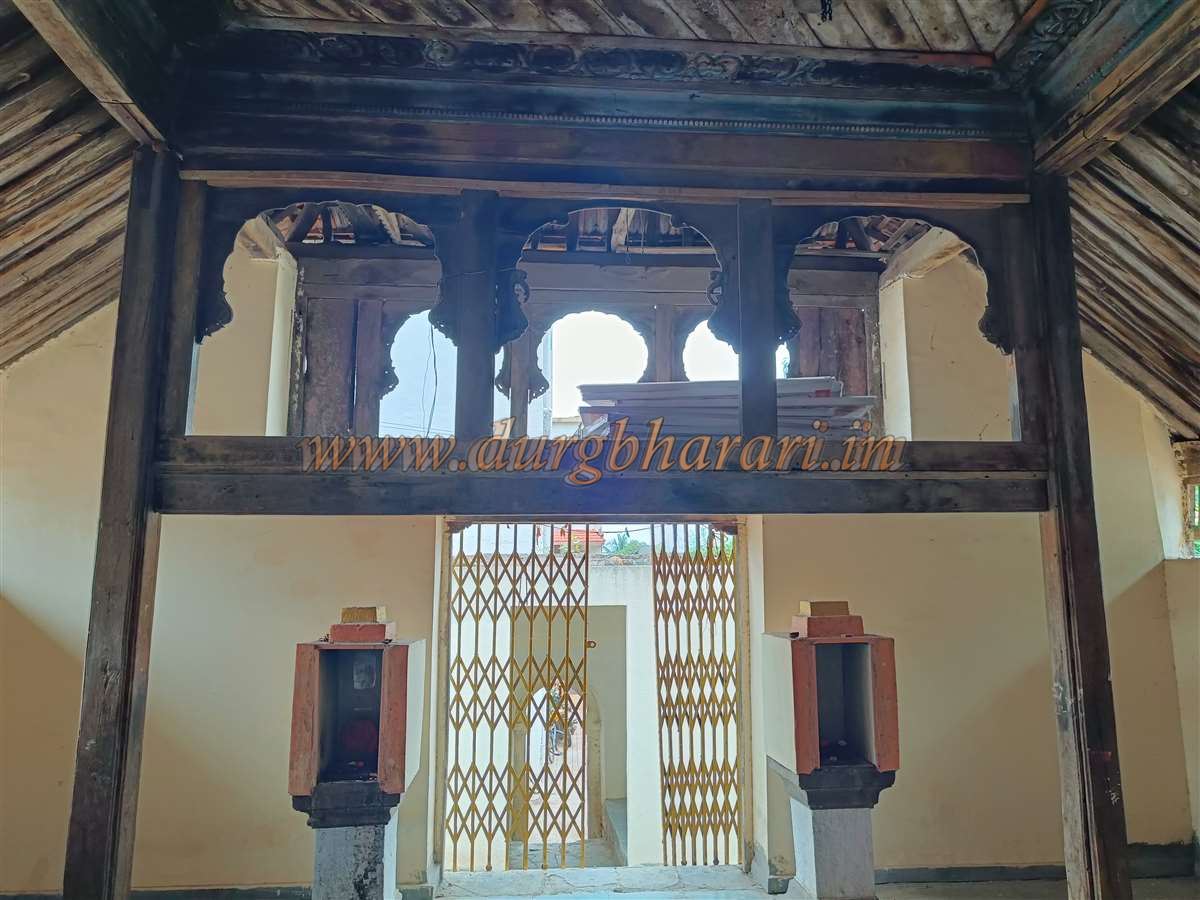
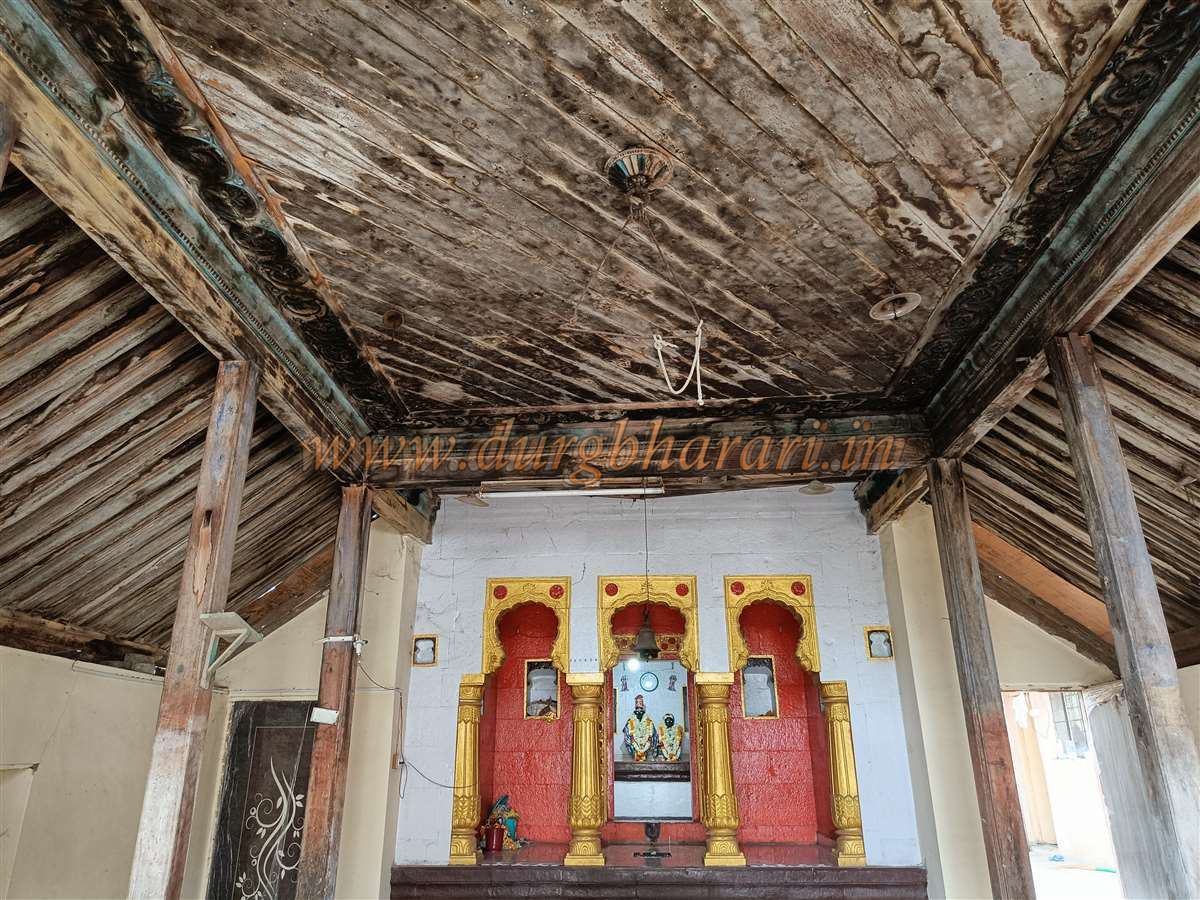
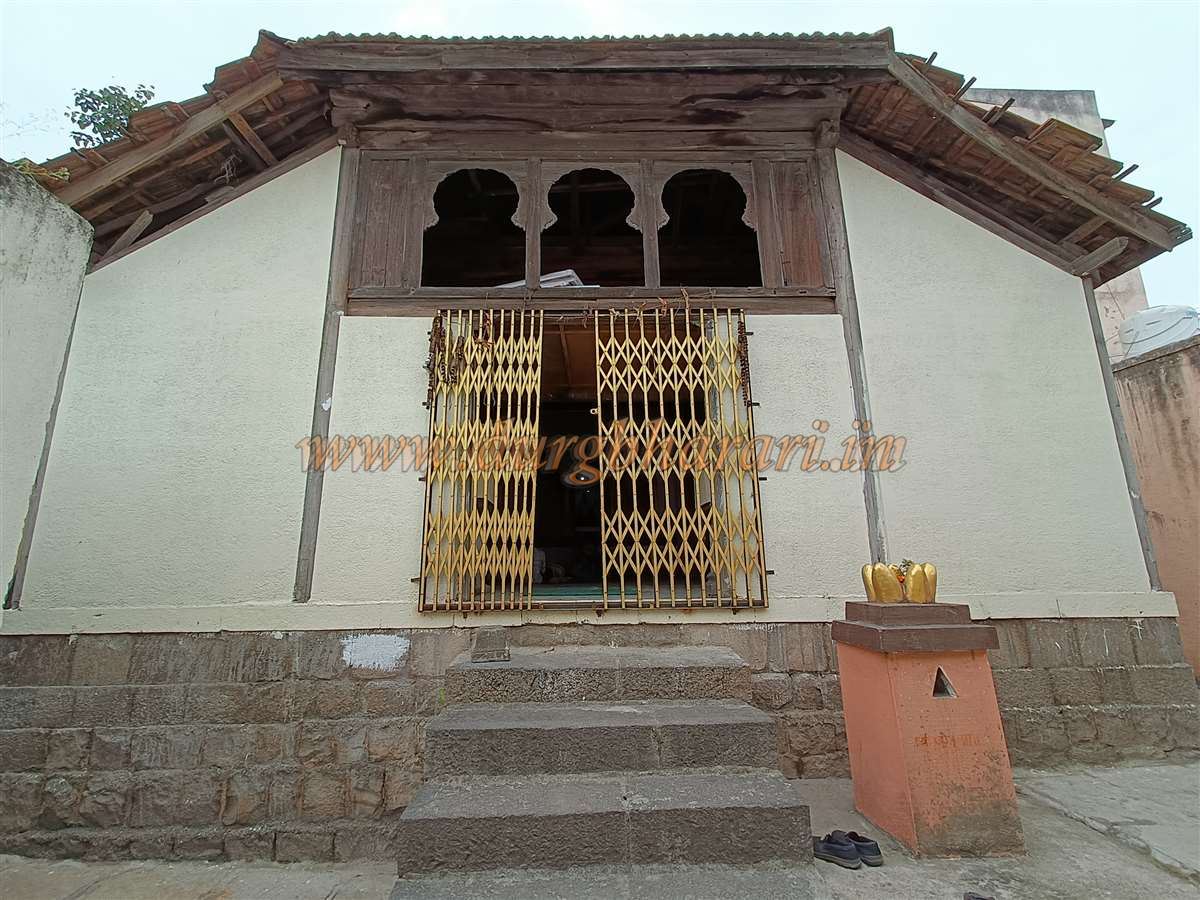
The village of Loni Kand also has a beautiful Vitthal-Rukmini temple built in the Peshwa era, made of teak wood and stone—well worth a visit. Exploring the village doesn't take more than half an hour. Considering the current condition of the mansion, it may not survive much longer and might not be around during the next visit.
In the family records of this house, details of the lineage are found. The family rose to prominence during the Muslim rule in the pre-Shivaji era. Titles like Ravirao, Rustamrao, and Zunjarrao were granted to this family. The word "Ravirao" traces back to the history of Barvai Fort in Konkan. During the Bahamani period, Madhavrao Ravirao Shinde descended into the Konkan region to subdue the Bararaos. A battle took place at Barvai Fort, and when Madhavrao captured the fort, the title “Ravirao” was bestowed upon his family, which later became "Ravirao" over time.
Among the members, Shinde Ravirao served in Aurangabad, and another, Raghulakshman, was in service under Malharrao Holkar. Tukojirao earned favour with the emperor, who increased his rank and awarded him a drum, standard, palanquin, and army provisions. Later, Tukojirao and Manajirao served under Chhatrapati Shahu Maharaj of Satara. Manaji Shinde Ravirao of this family was associated with Peshwa Balaji Vishwanath. Pleased with his service, the Peshwa granted him the mokasa (land grant) of Loni village. Thus, the tradition of landholding continued, and it indicates that the village was a jagir of the Shinde Ravirao family.
In one historic letter, the village is also referred to as "Sukloni." In 1763, the Marathas fought a battle with Nizam Ali at Rakshasbhuvan. In this battle, Santaji, son of Manaji Rao, and Subhanrao, another son of Manaji, displayed immense valour. When the Nizam’s forces surrounded Raghunathrao Peshwa’s elephant, Santaji and Subhanrao fought bravely and rescued Raghunathrao.
In 1816–17, after Trimbakji Dengle escaped from the Thane prison, he organized the Ramoshi and Mang communities against the British in regions like Phaltan, Barad, Natepute, and Shikhar Shingnapur, among the Shambhu Mahadev mountain ranges. His father-in-law, Ravirao Shinde, supported him in this effort. Later, when the British pressured the Peshwa to capture Trimbakji and his associates, the warrant issued listed Ravirao Shinde of Loni as one of Trimbakji twelve close companions.
Some pillars (owaris) in the Ganapati temple at Ranjangaon were constructed by this same Ravirao Shinde.
© Suresh Nimbalkar
GALLERY