MALLIKARJUN MANDIR
TYPE : ANCIENT SHIVMANDIR
DISTRICT : PUNE
Located in Baramati Taluka, the Mallikarjuna Temple stands along the Morgaon–Baramati Road, with the distance from Baramati to Loni Bhapkar being around 30 kilometres, and from Pune to Loni Bhapkar about 75 kilometres. Traveling from Baramati towards Pune, as one exits Loni Bhapkar village, the Mallikarjuna Temple appears in a neglected and dilapidated condition. This is an ancient temple in the region, and it is constructed in the Nagara architectural style, facing north. Its layout comprises a sanctum (Garbhagriha), an antechamber (antaral), a Sabhamandap (pillared hall), and a sacred tank (pushkarni) in front of the temple.
The temple and the pushkarni likely date back to the Yadav period. Originally a Vishnu temple, over time it was converted into a Shiva temple.
...
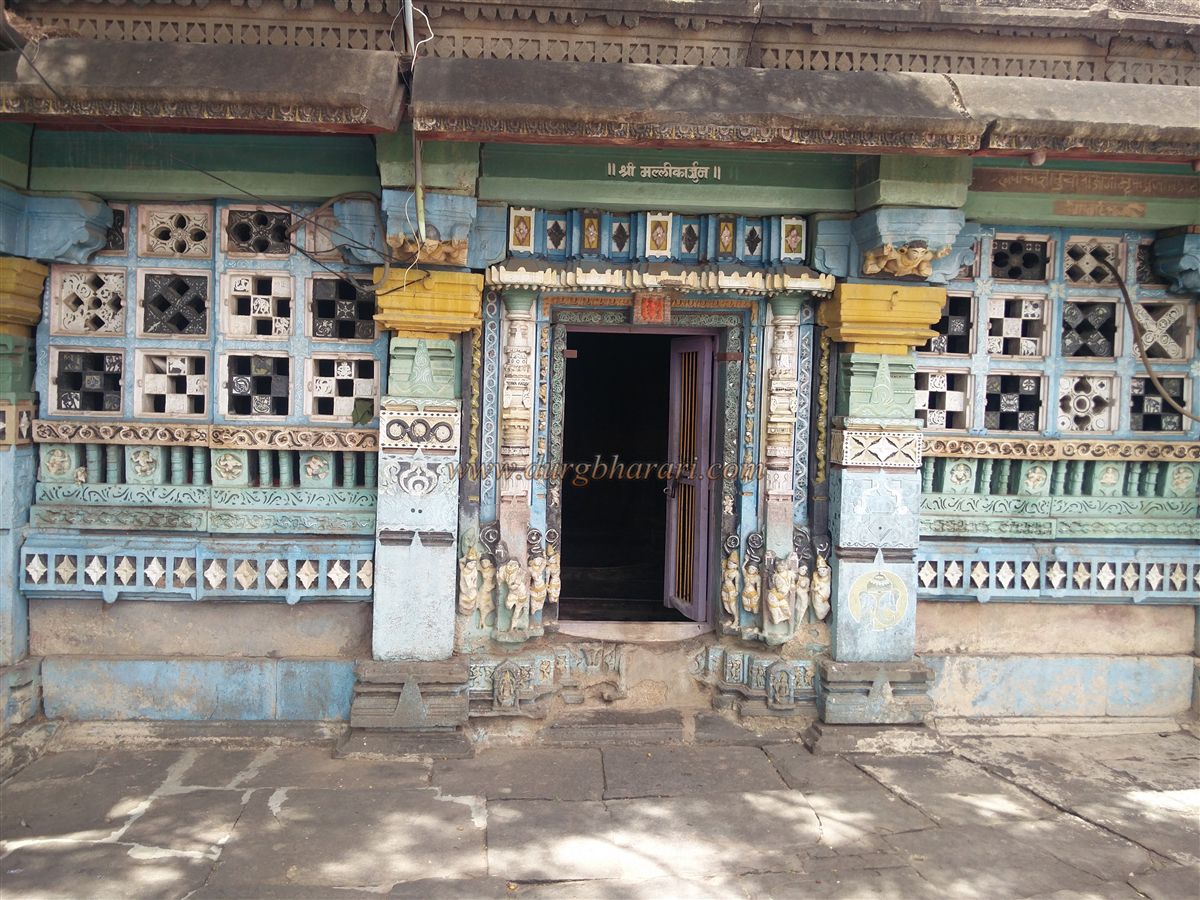
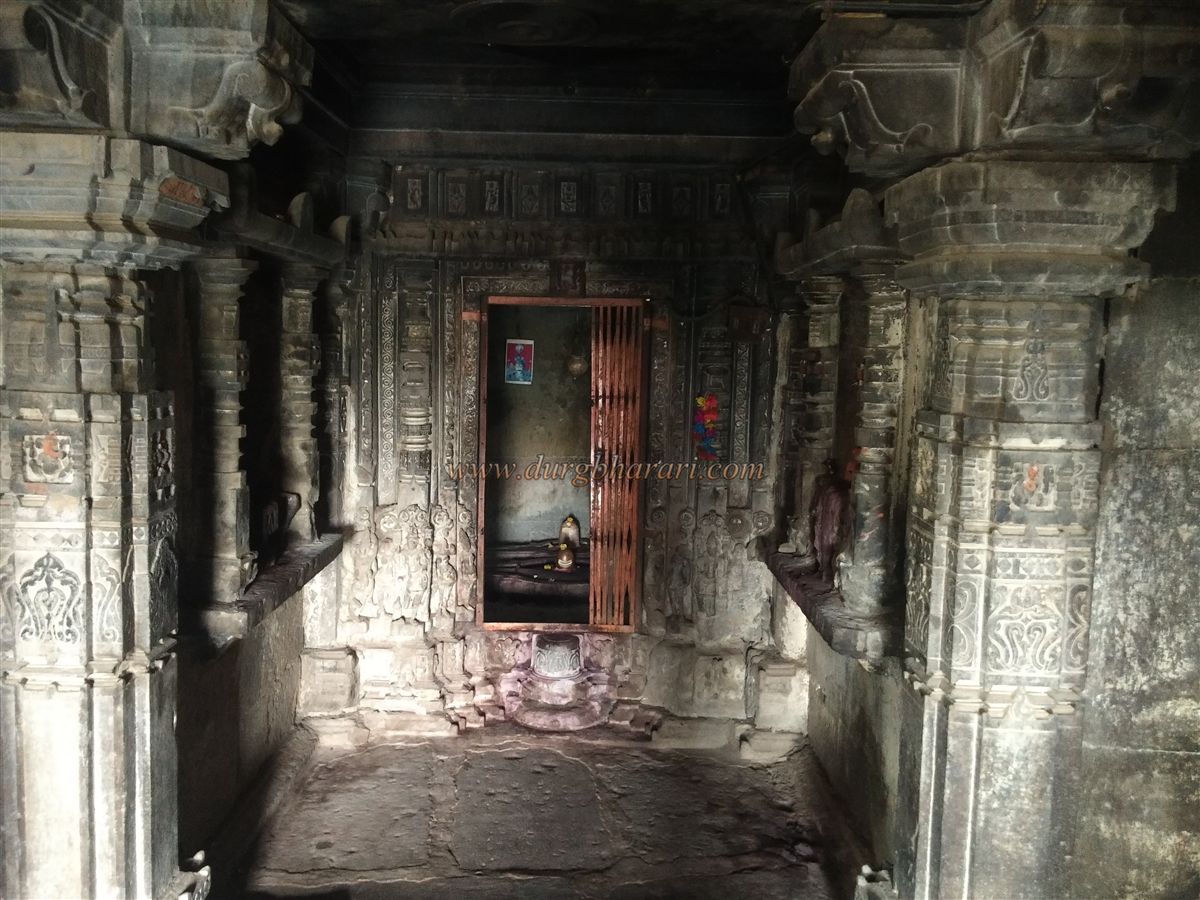
The original stone spire of the temple has collapsed, and in its place a brick-clad replacement has been built. Only the front portion of the temple has been painted, while the rest fortunately remains in black basalt stone. With the Sabhamandap having collapsed, one directly enters the antaral or vestibule before the sanctum.
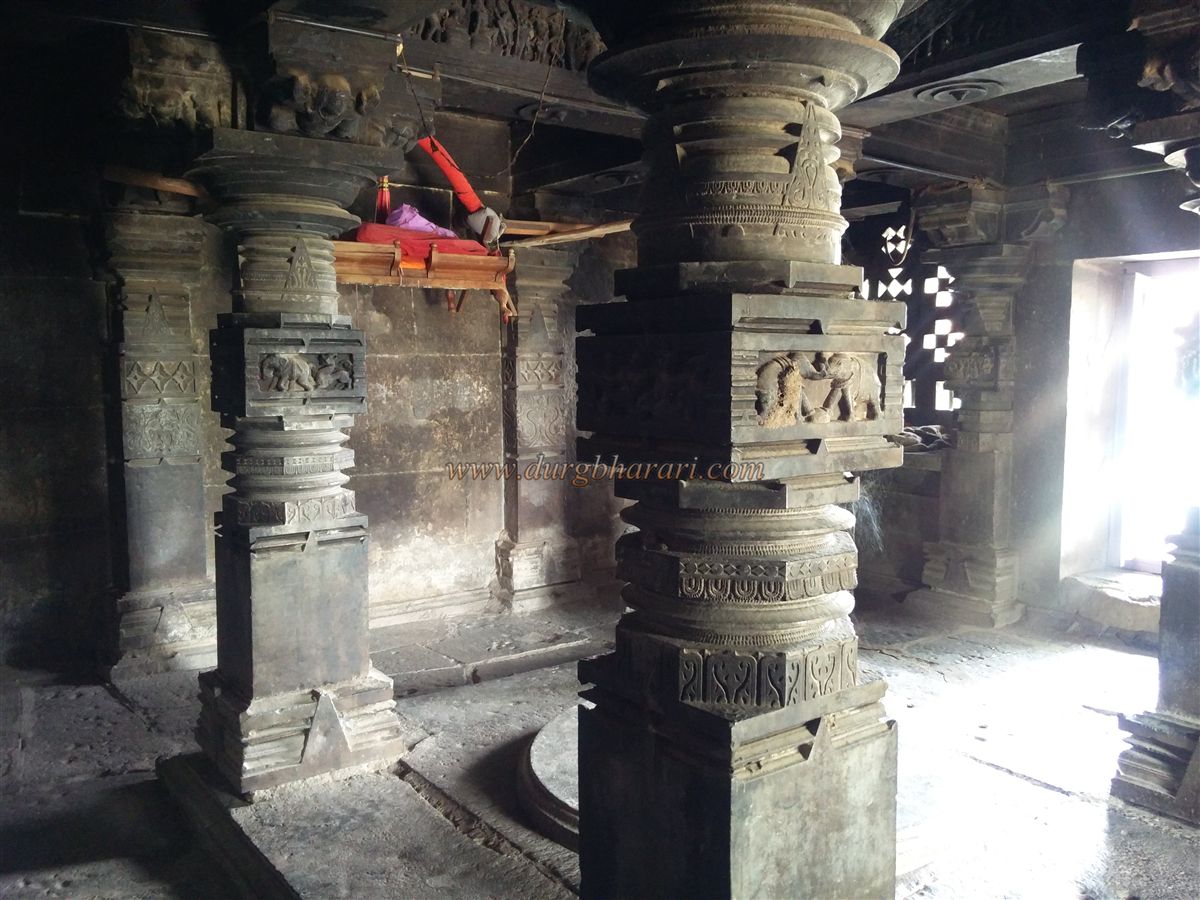
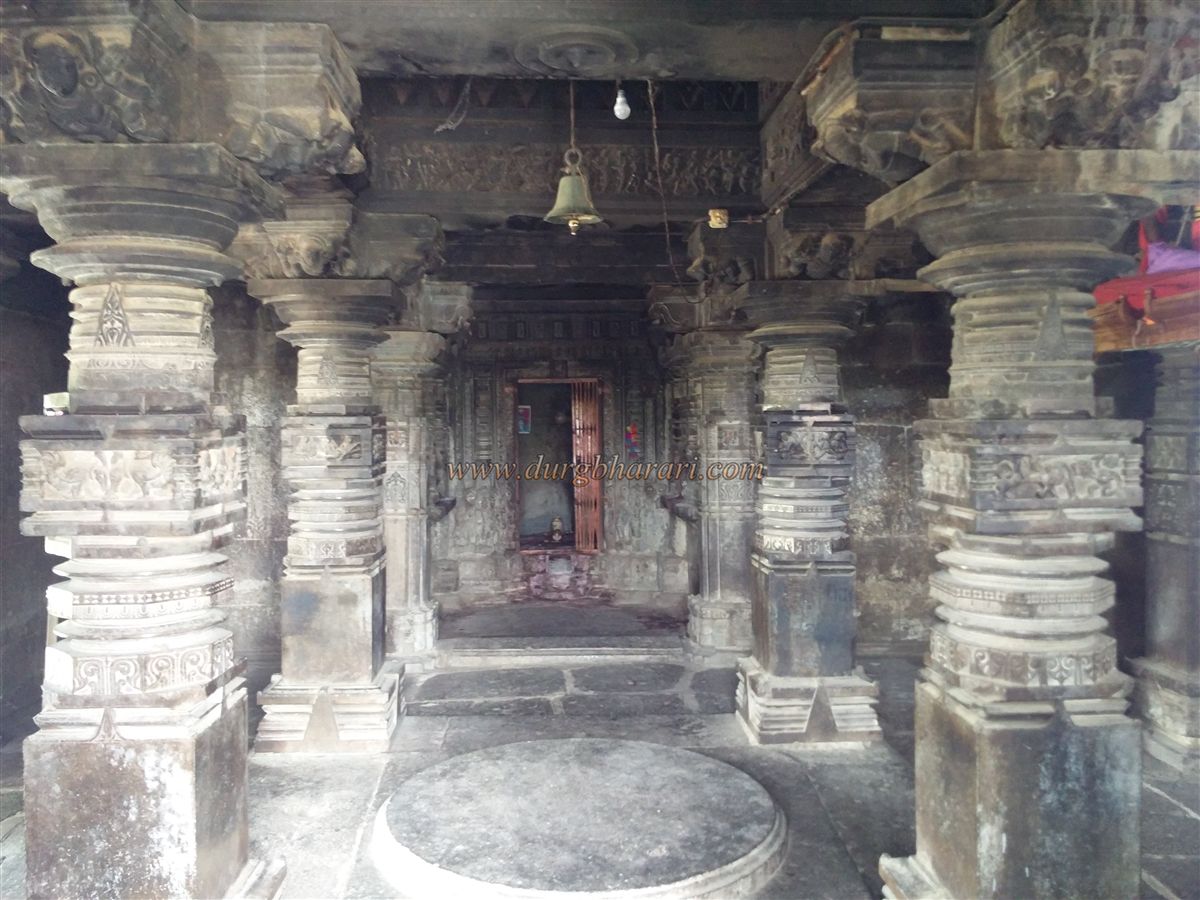
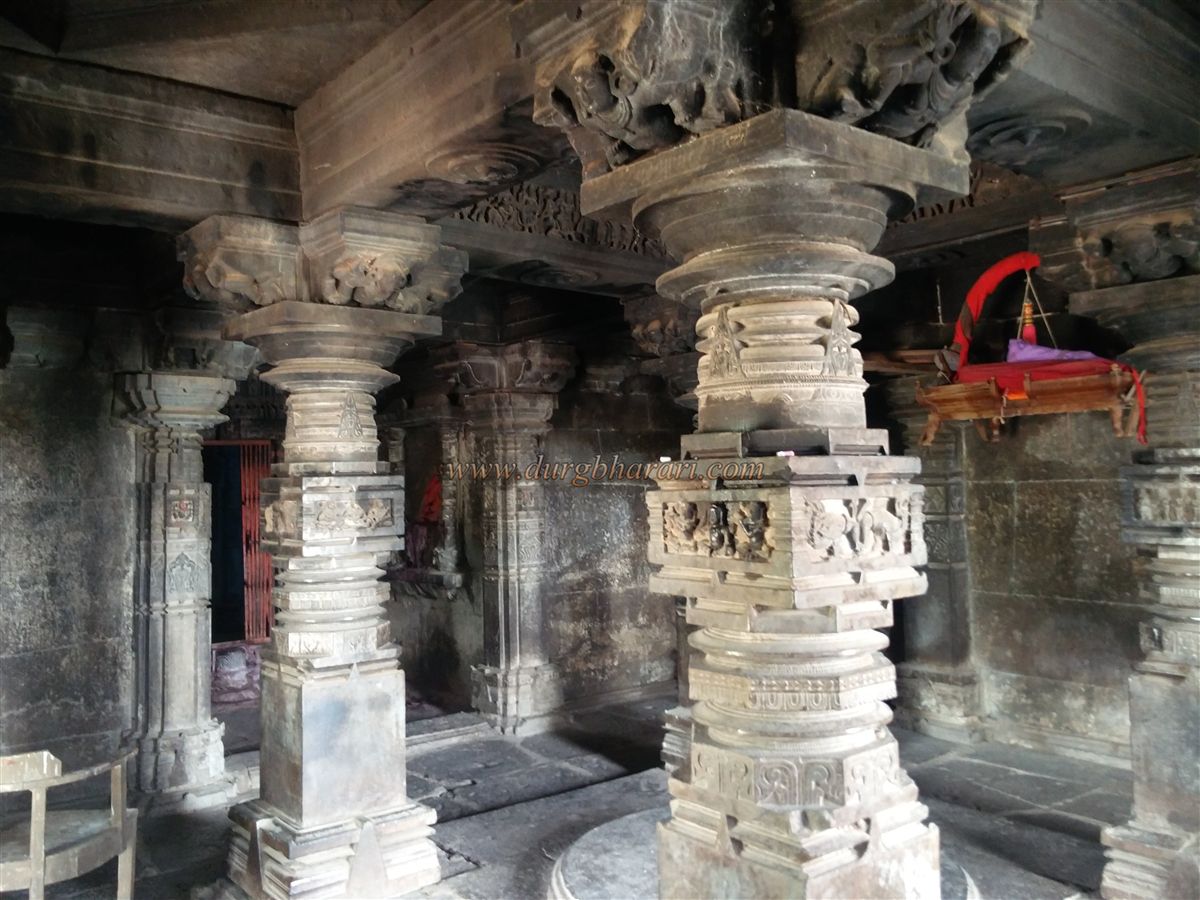
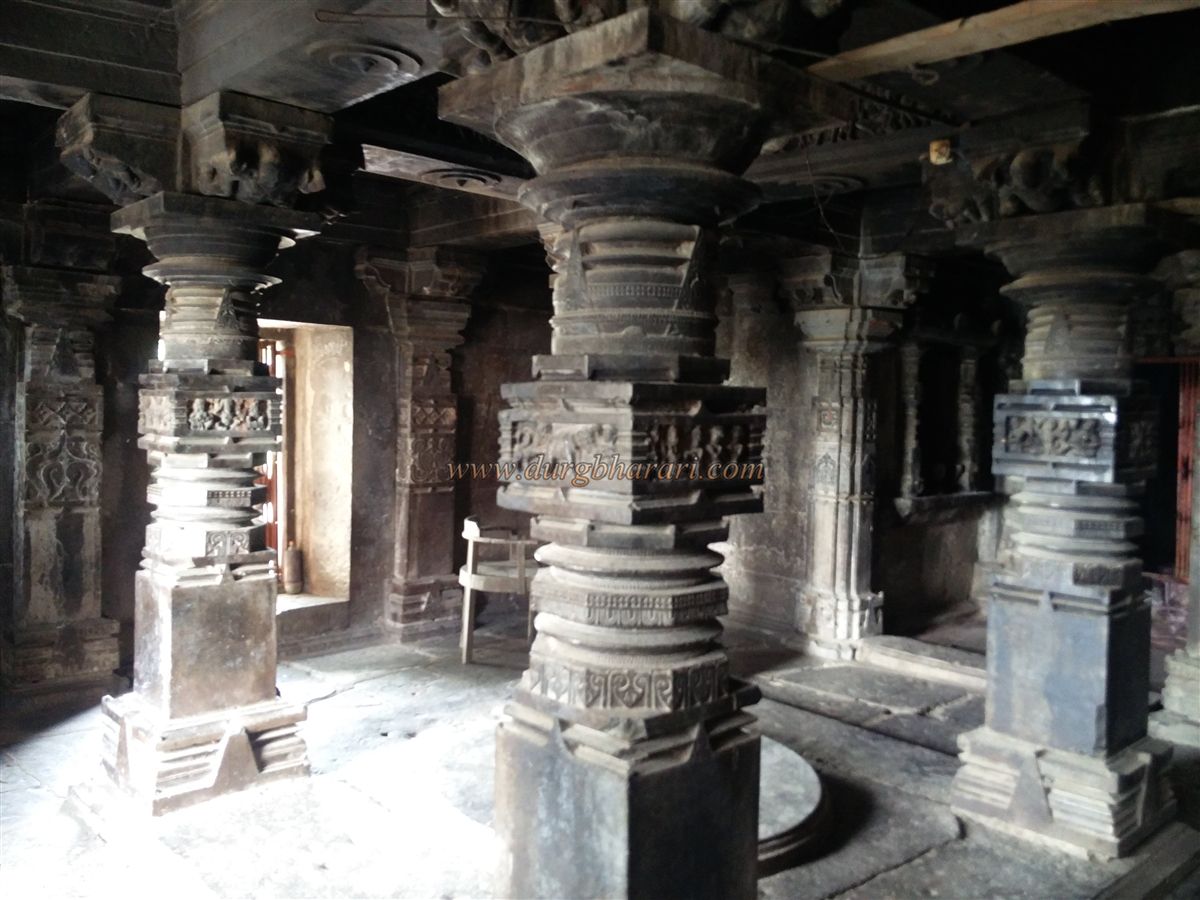
The doorway of the antaral features intricate carvings of jewels, figures, and branches, including vyalas (mythical beasts), floral motifs, and sculptures. At the base of the doorway are carved doorkeepers (dvarapala). The outer walls of the antaral feature ornamental and lattice windows. This vestibule is sculpted much like a rock-cut cave. The Mandap is supported on elaborately carved pillars, and atop each pillar is a Yakshini figure bearing the load. These Yakshini are depicted with four arms, holding the weight of the structure. Each Yakshini differs in posture and expression; one, for example, balances the column on three hands while placing the fourth hand to her ear, as though listening to the music and performance once held in the Sabhamandap.
The spaces between the pillars are filled with sculptural panels depicting various scenes. One pillar shows a musician playing an instrument and a dancer in a graceful pose; another depicts the abduction of Sita. One pillar has a wrestling scene, while another shows dancing with nāgakanya (serpent maidens). There is also a sculpture of Sharabh chasing an elephant, along with carvings of Hans (swans) and vyal faces. The ceiling of the temple is adorned with beautifully carved stone chandeliers. Additional panels depict various Krishna Leela and scenes of Shiva-Parvati worship.
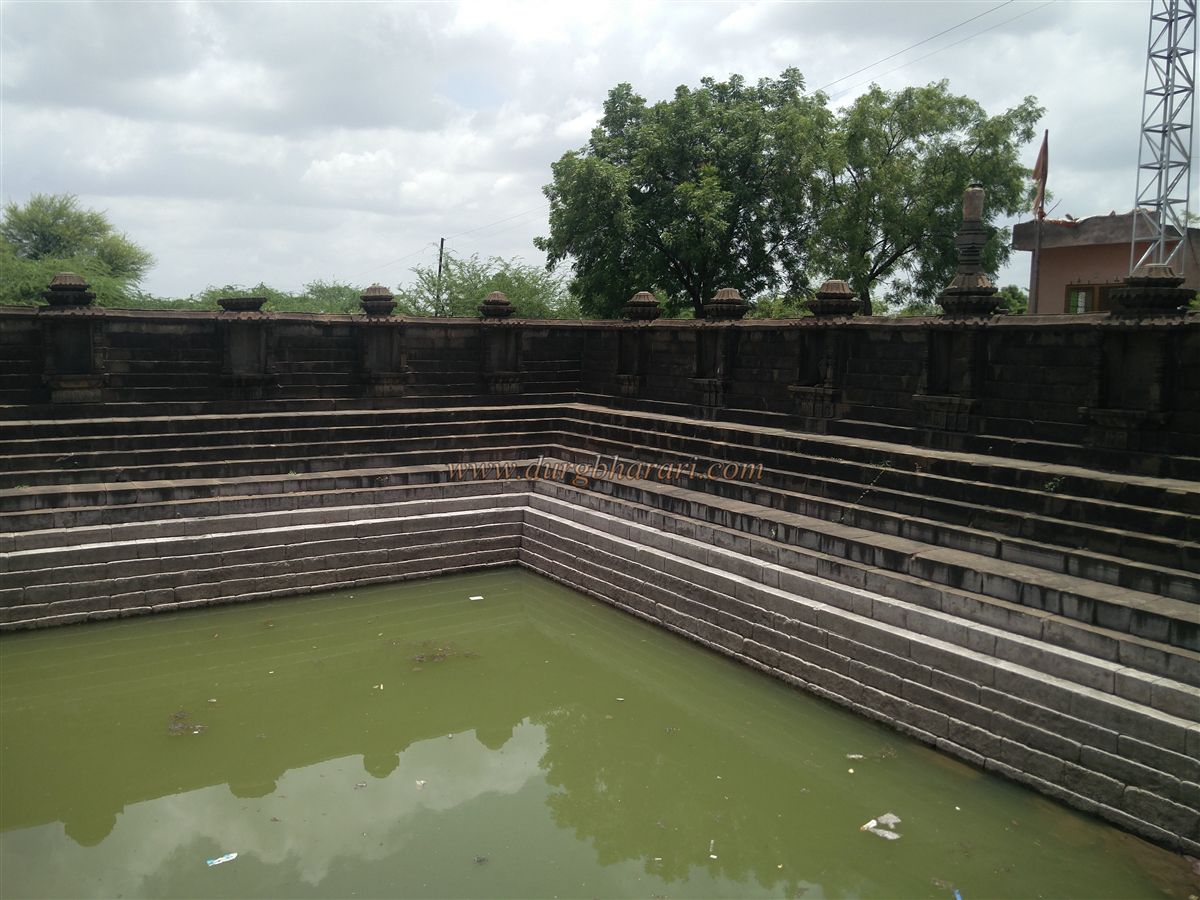
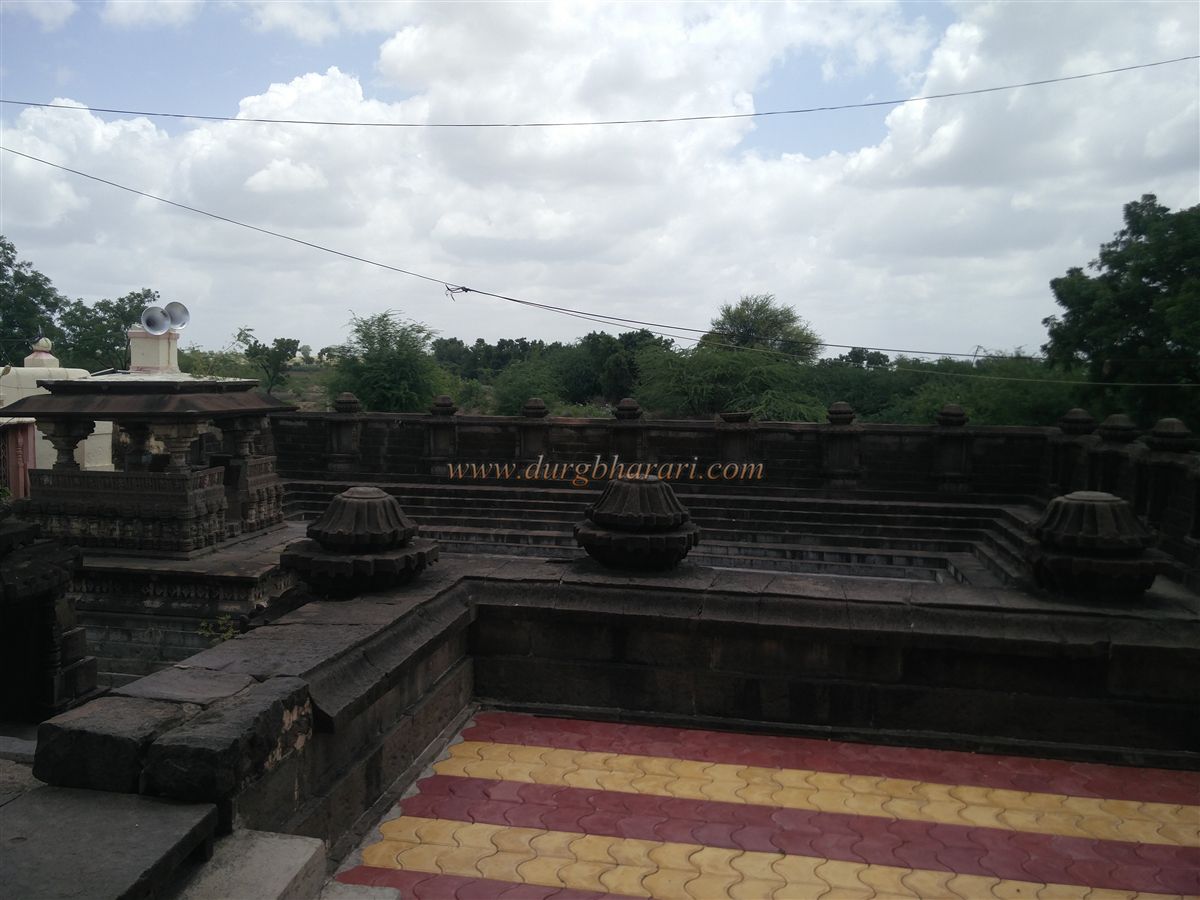
The temple's pushkarni is also fully ornamental. It is a large stepped tank enclosed on all four sides with well-constructed stonework. One side has steps leading down, a carved pavilion, and niches (Devakoshta) carved into the inner walls — 28 in total — intended for deities, with a central water reservoir. The tops of the Devakoshta have miniature temple spires sculpted into them. At present, no idols are visible in these niches.
The intricately carved pavilion on the western side of the pushkarni was likely dedicated to Vishnu’s Varaha incarnation. This Varaha Mandap stands on a raised platform, and at its base are carved elephant heads, as if these elephants are bearing the weight of the structure. The upper levels of the Mandap depict various episodes from the Ramayana and the ten incarnations (Dasavatara) of Vishnu. Some carvings also portray mythological narratives and erotic sculptures. This Mandap is currently empty, and the statue of Varaha now lies in an open space behind the pushkarni.
Varaha is the third avatar among Vishnu’s Dasavatara. The sculpture of Varaha is often depicted in two forms: Nrivaraha (human body with boar's head) and Yajnavaraha (entirely boar-shaped). The exquisite sculpture at Loni Bhapkar represents the Yajnavaraha form. It is three feet in length and two feet in height, intricately adorned. At Varaha feet lies Shesha, the serpent deity, and around its four legs are carved the symbolic attributes of Vishnu — the conch (shankha), discus (chakra), mace (Gada), and lotus (Padma). Anklets resembling serpents adorn the feet, and 142 small Vishnu figures are carved on its back.
It takes around one hour to explore the entire temple complex.
© Suresh Nimbalkar
GALLERY