LONIBHAPKAR
TYPE : GADHI
DISTRICT : PUNE
HEIGHT : 0
GRADE : EASY
In the later period of the Maratha rule, many sardars built ground forts (Bhuikot-style gadhis) in their territories. Most of these gadhis were private in nature, used mainly for revenue collection and self-defence. Since these forts were not extensively used and British rule soon spread across India, not much history unfolded around these structures. Many of these privately-owned ground forts and gadhis are now largely destroyed and are on the verge of being forgotten by history. One such ruined fort is the Loni Bhapkar fort of the Peshwa’s’ Sardar, Bhapkar.
Loni village was granted as an inam (land grant) to Peshwa’s Sardar Sonaji Rakhoji Bhapkar. Since there is hardly any information about this fort available online or elsewhere, this is a small attempt to introduce it. As this fort is nearing its final breath, it should be visited before it completely vanishes.
...
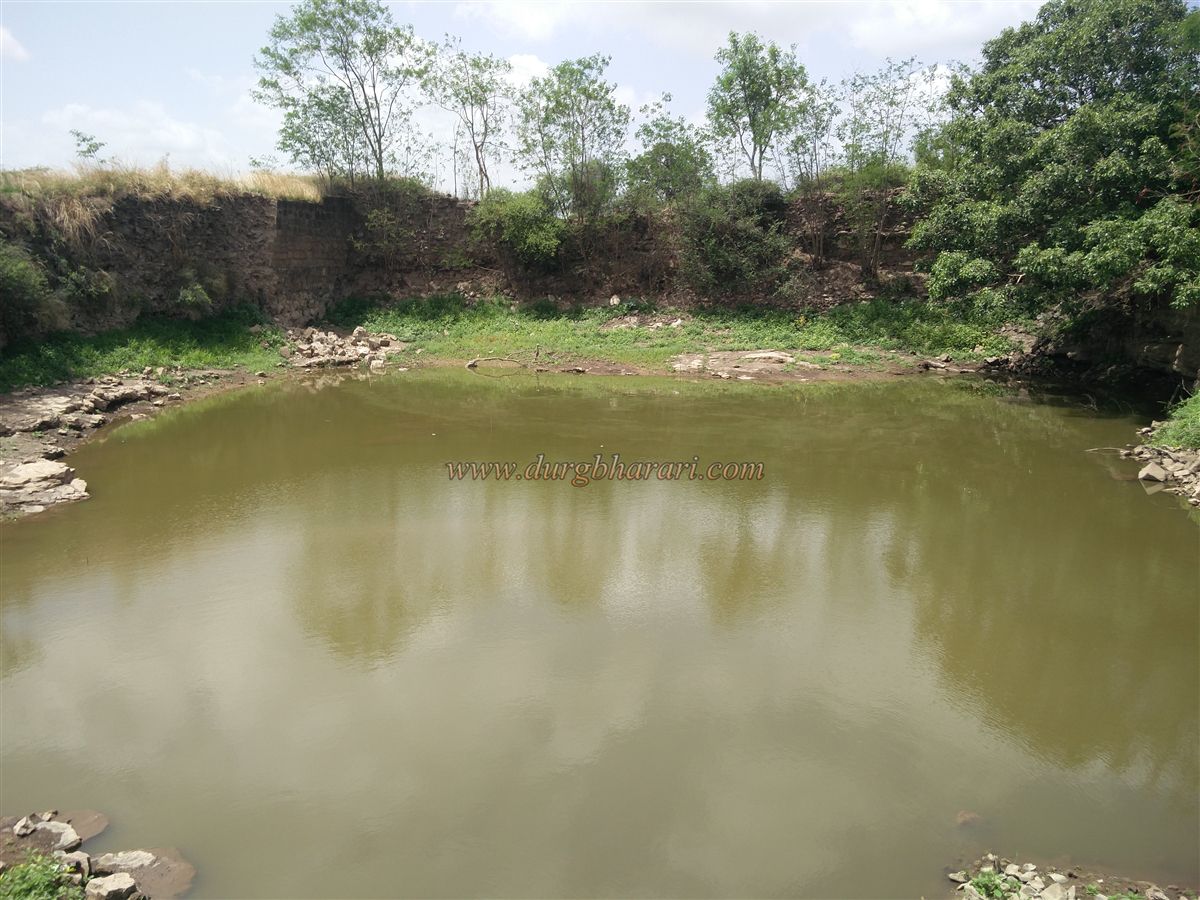
The Loni Bhapkar fort lies on the Morgaon–Baramati road in Baramati taluka. The distance from Baramati to Loni Bhapkar is 30 km, and from Pune, it is 75 km. As one travels from Baramati towards Pune and exits the Loni Bhapkar village, this ground fort can be seen in a very neglected state near a small stream. The remnants of the fortification and bastions are now overgrown with shrubs and trees. From the road itself, four ruined bastions and the fort walls can be seen. The water from the adjacent stream was once blocked using a wall and diverted into the fort through a small channel, where an artificial reservoir was created to ensure water supply. Due to this, the fort also had partial protection in the form of a moat.
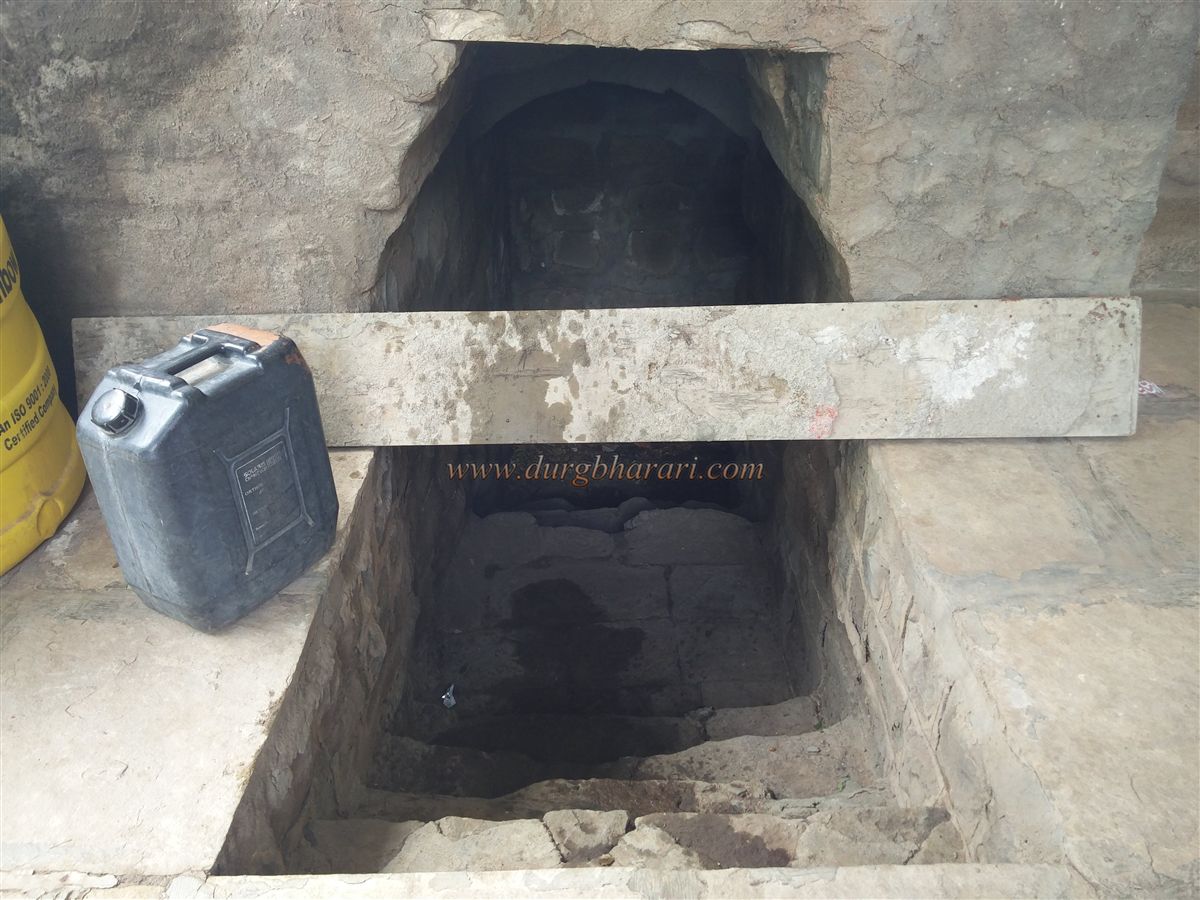
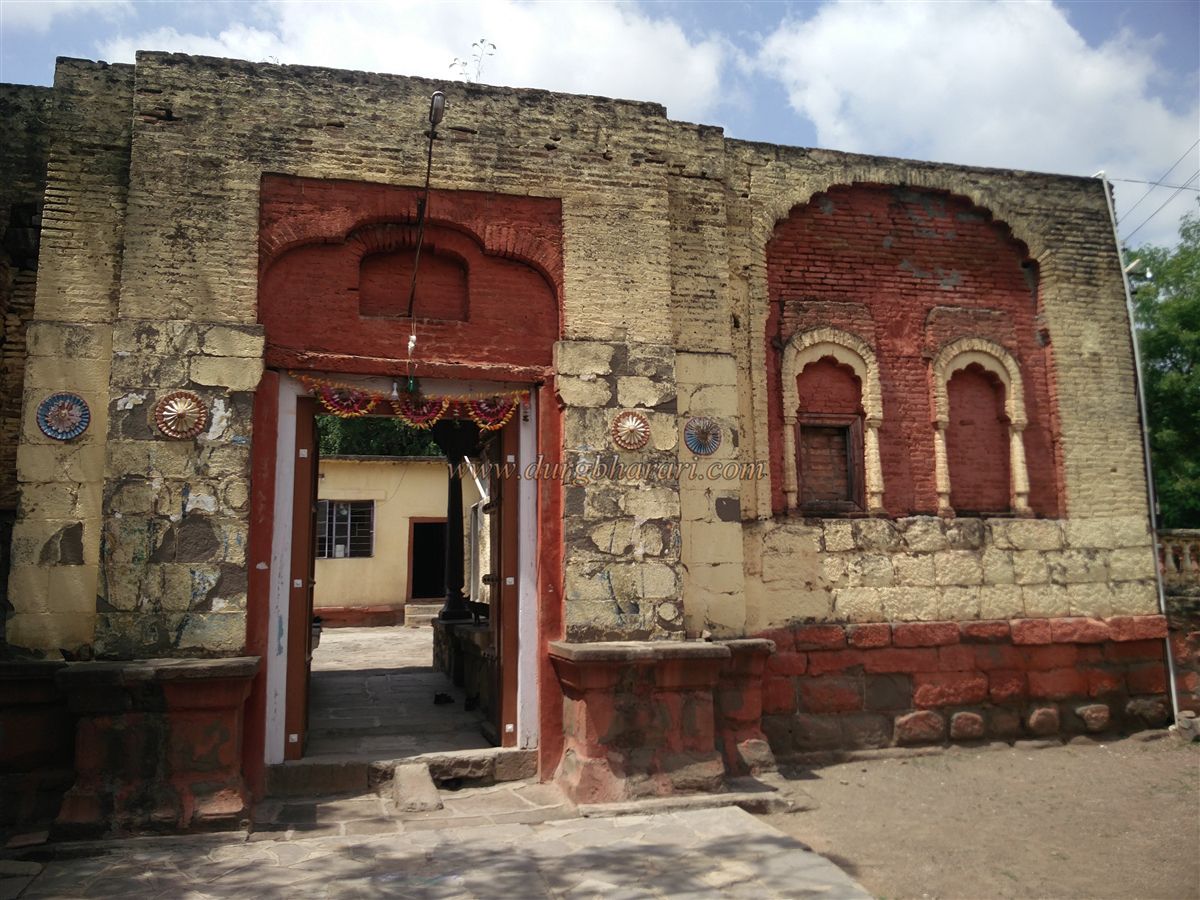
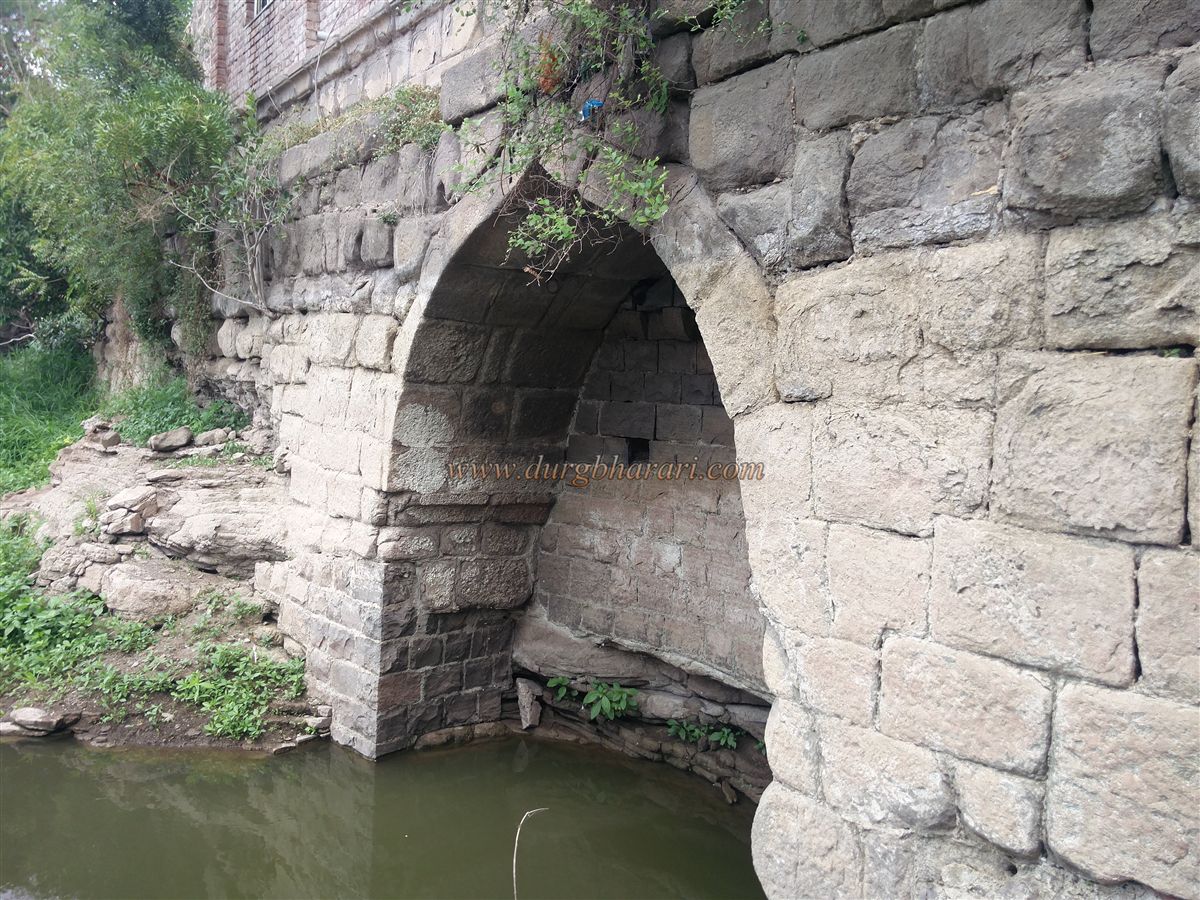
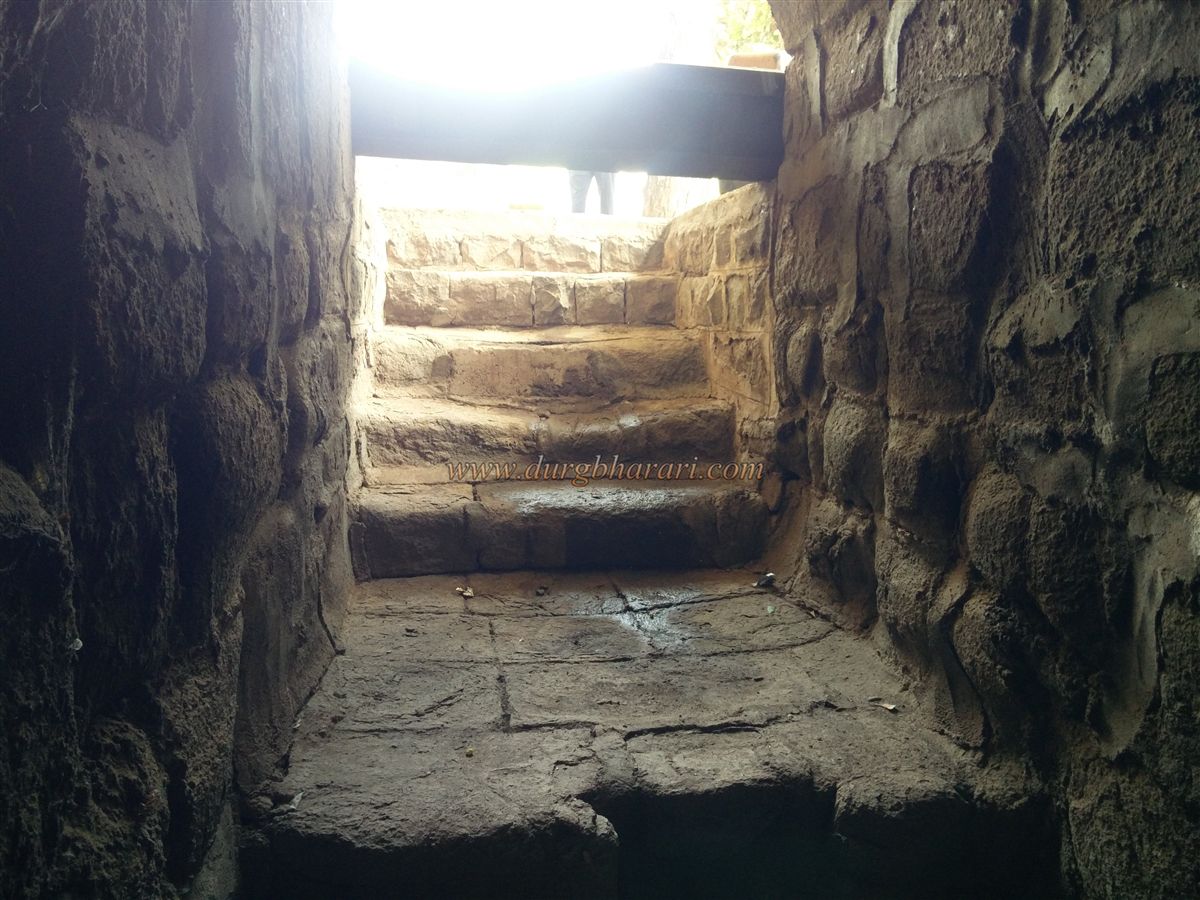
This rectangular fort stretches across an area of 3 acres from east to west. There are nine bastions in total — four at the corners, four at the midpoints of the walls, and one near the entrance gate. Upon entering through the north-facing gateway of the fort, the entrance to the inner mansion is visible directly ahead. On the left side, there is an arched structure leading to underground steps that descend into the reservoir. At the bottom of the steps, there is another arch, from where the entire reservoir and the adjacent fort wall can be seen. Water from this reservoir was once drawn directly into the mansion.
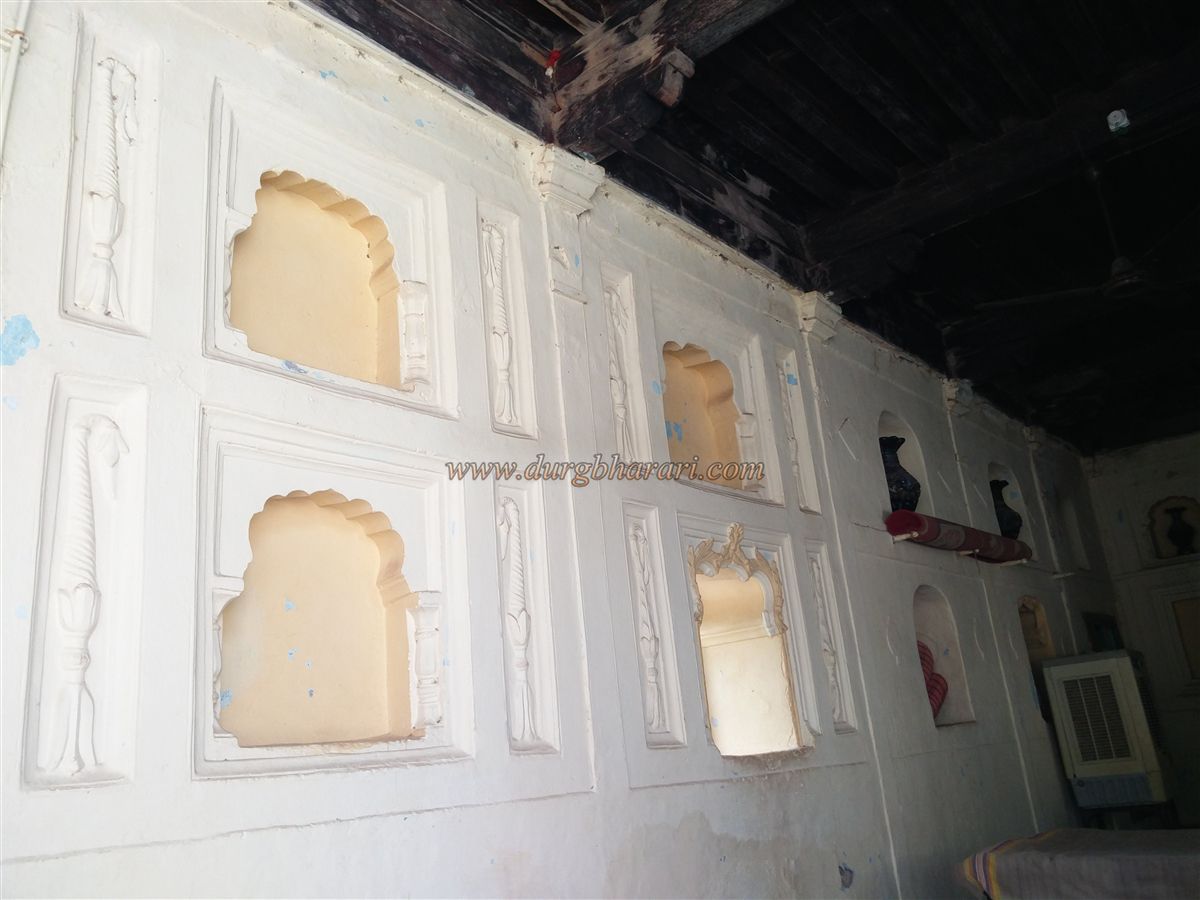
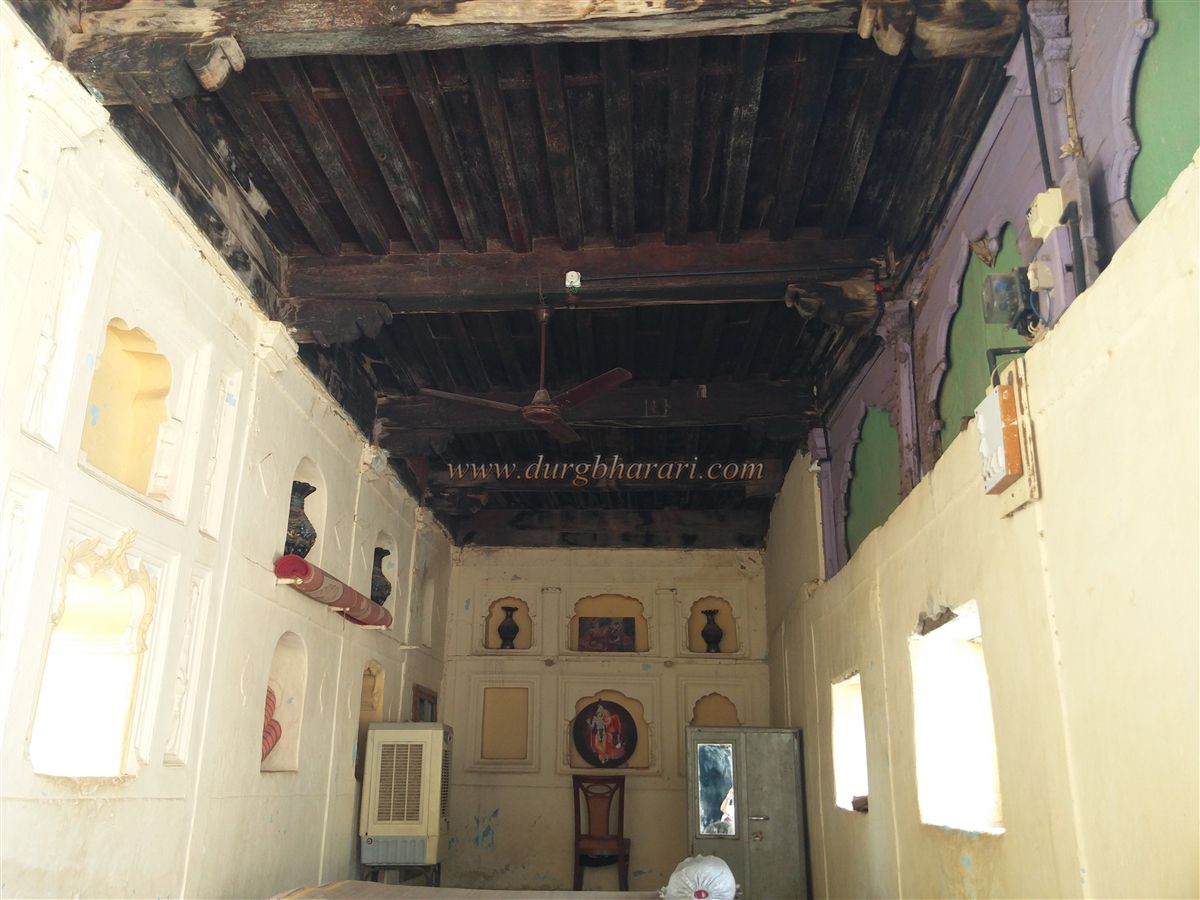
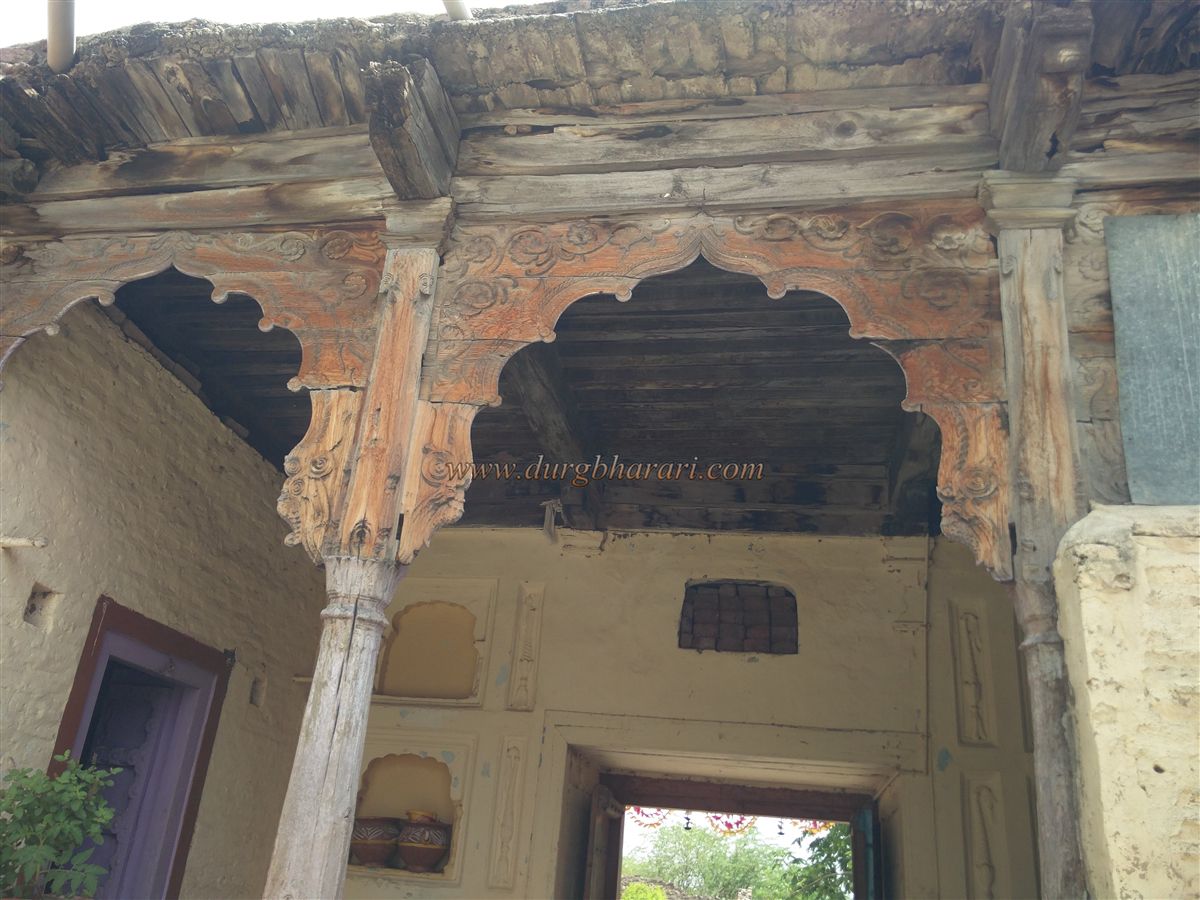
Even today, descendants of the Bhapkar family reside within the fort. Except for the inner mansion, all other structures have collapsed completely. Although the outer fort walls are still standing, they have weakened significantly, making it dangerous to walk along the parapets. Within the courtyard of the fort, two stone wheels of lime crushers and other stone objects can be seen. Many wall niches and intricate wooden carvings inside the mansion have also survived in good condition. On the southern wall of the fort, there is a small gate used for exit, which is currently sealed. Inside the fort, on the side opposite the reservoir, there is a cellar, but it is privately used and cannot be accessed. Apart from this, no other remains can be seen within the fort.
This compact Bhuikot fort can be explored in about 15 minutes.
© Suresh Nimbalkar
GALLERY