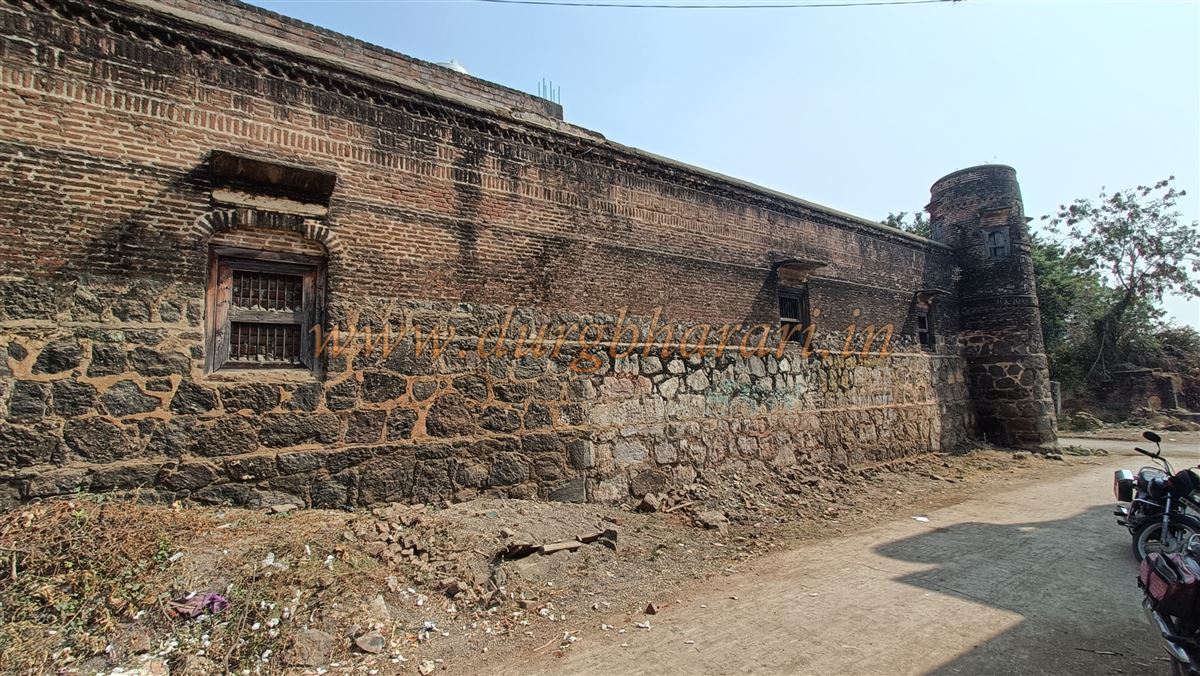
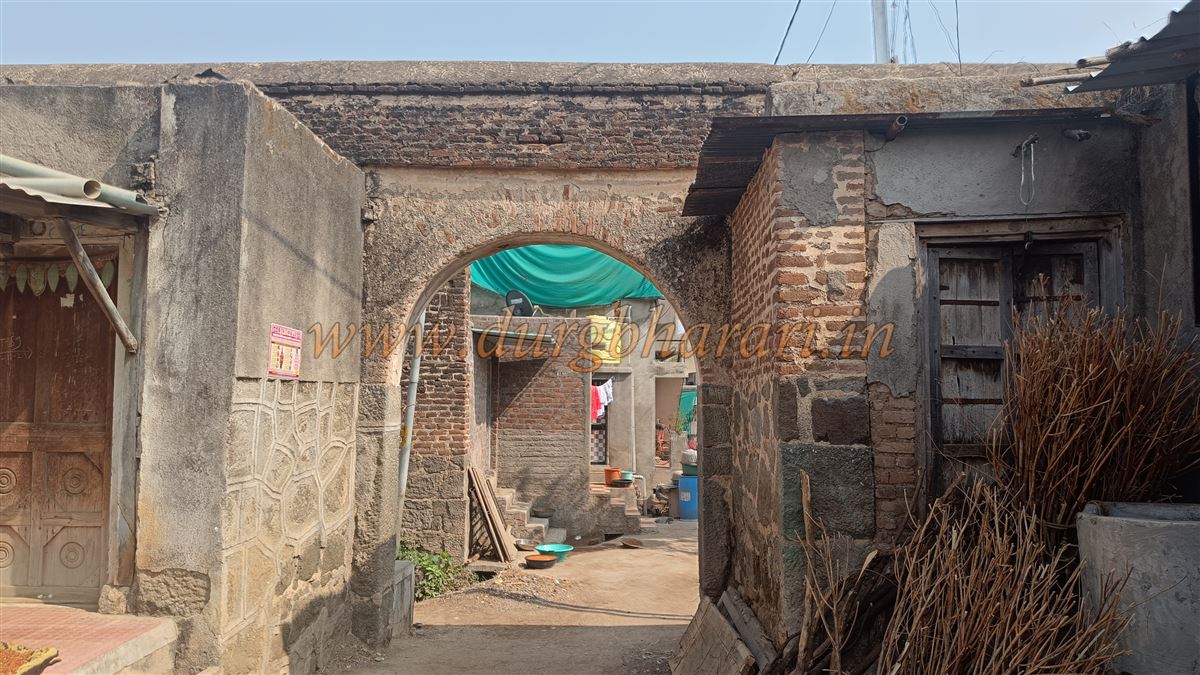
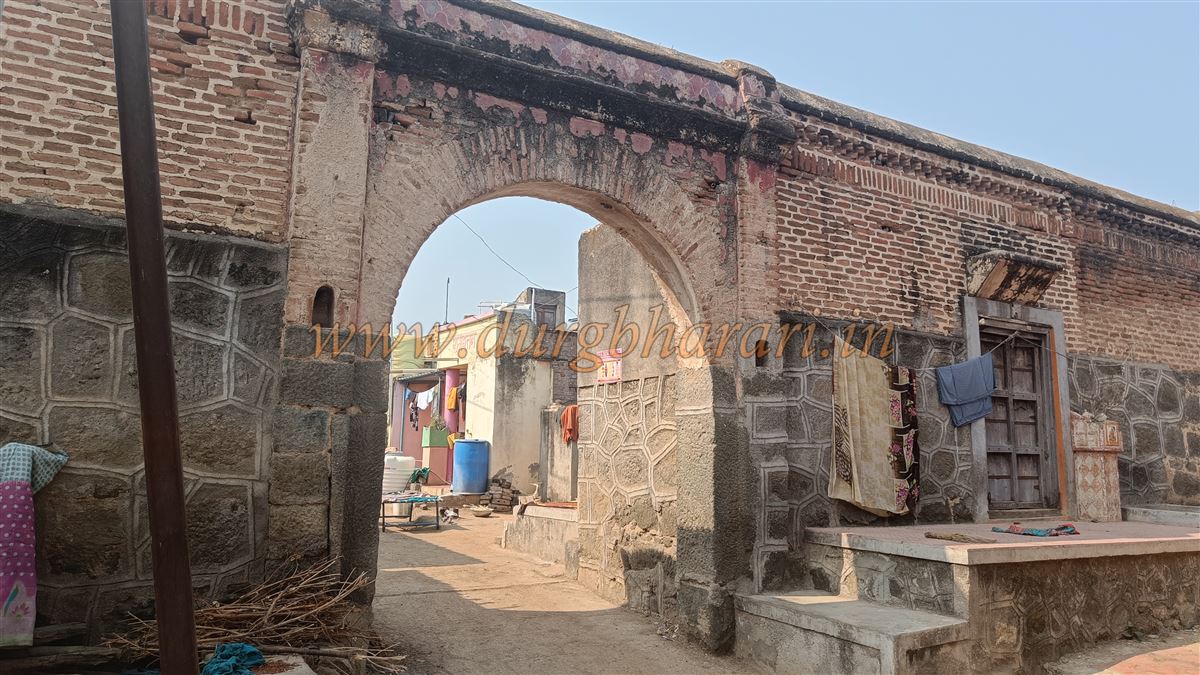
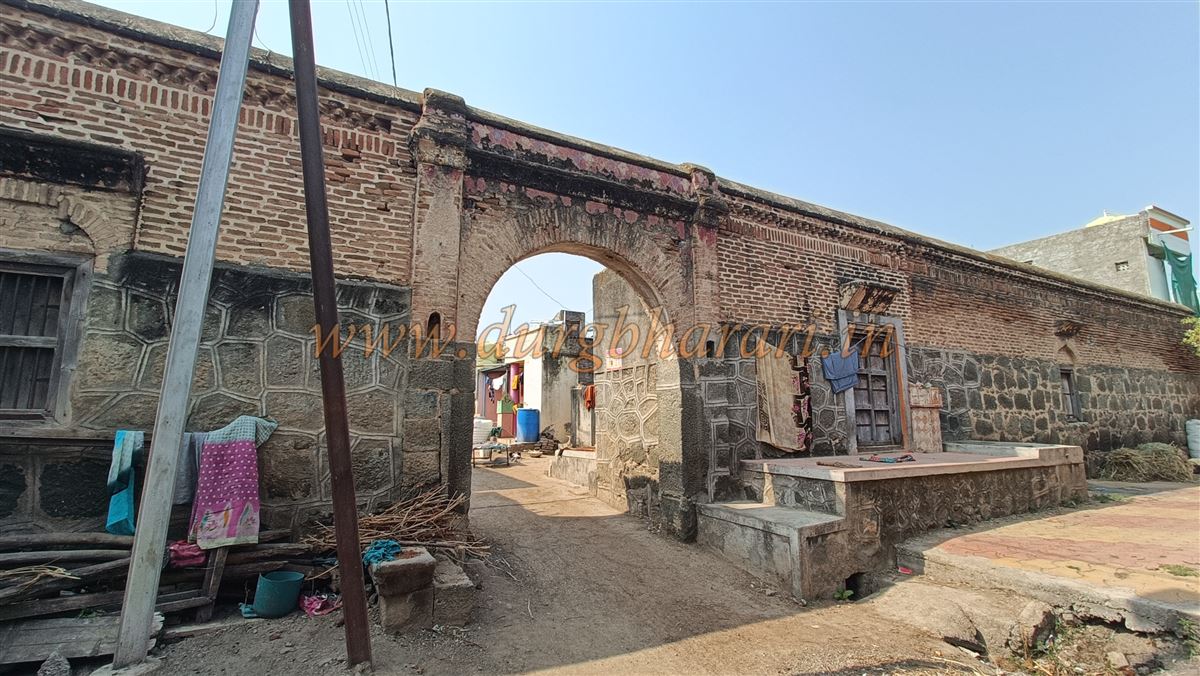
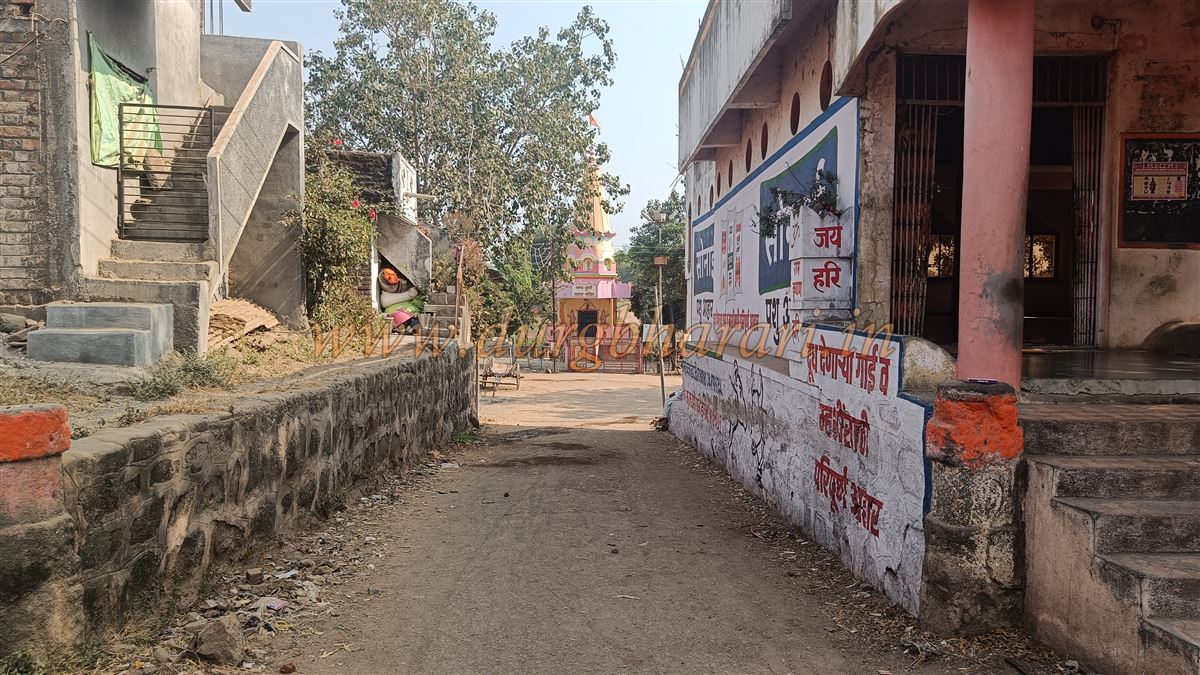
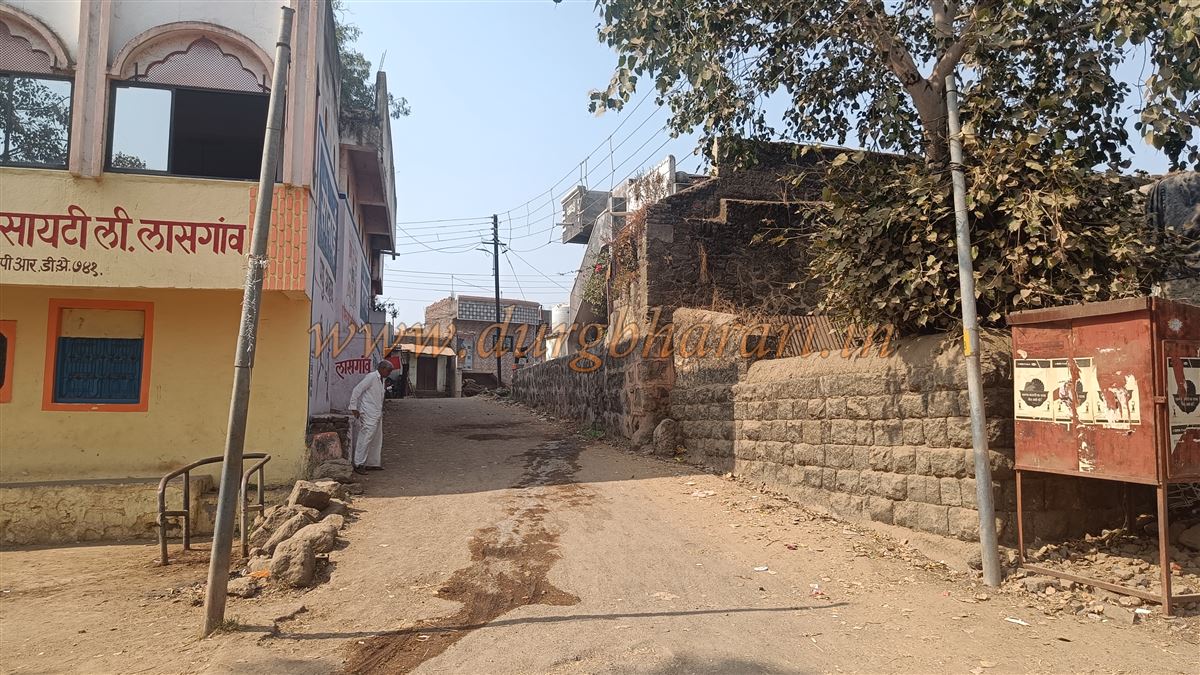
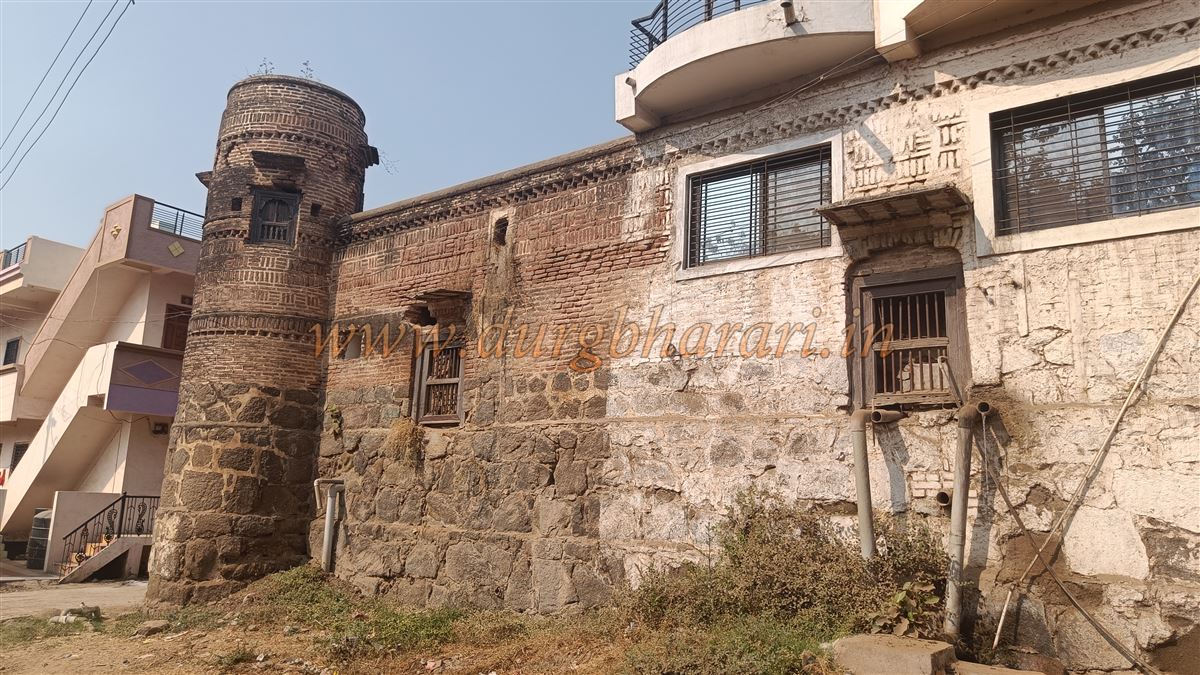
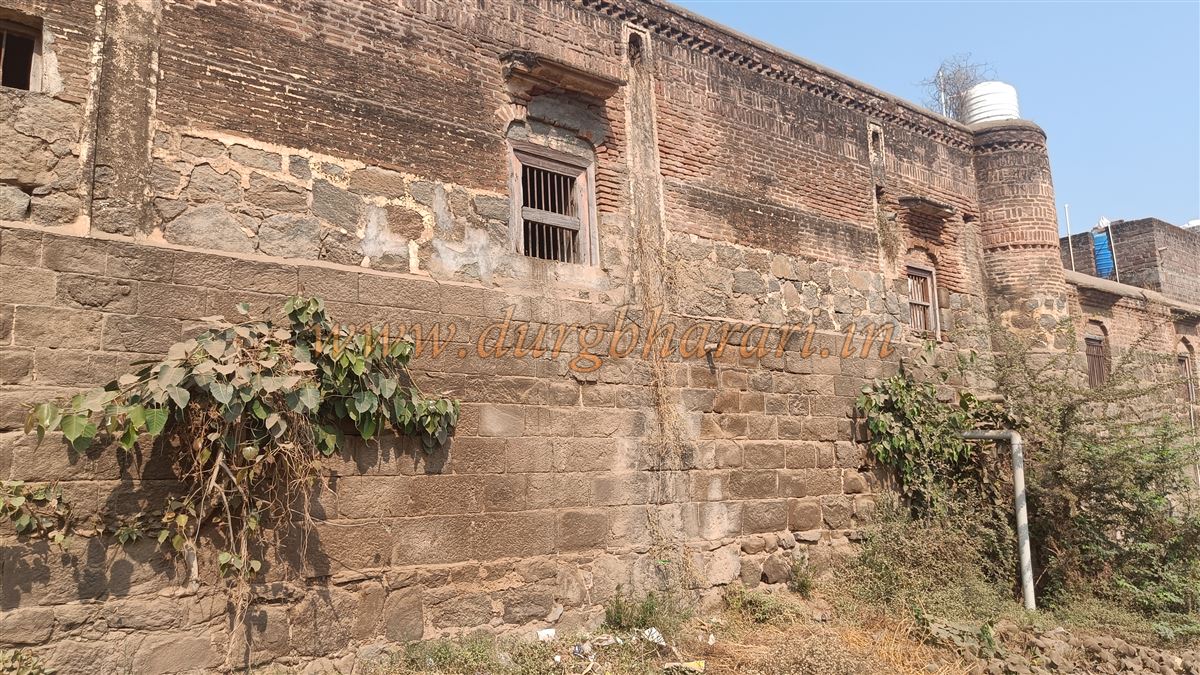
LASGAON TYPE : FORTRESS DISTRICT : JALGAON HEIGHT : 0 If one keeps Pachora town as the central point, it becomes possible to visit several forts and fortified settlements in Jalgaon district within a short span of time. Some of these forts are familiar to fort enthusiasts and locals, while others are entirely unknown and find no mention anywhere. During our exploration of the forts in Jalgaon district, we came across one such unknown fort — the fort at Lasgaon. An elderly man from the village of Bhambrud Rani provided us with information about this fort, following which we reached Lasgaon. This fort is located about 4 km from Bhambrud Rani Village and about 20 km from the taluka headquarters at Pachora. The structure of the fort resembles that of a small fortified town, with four small bastions, one at each corner. The fort has two gates — one to the north and one to the south — and these gates, their arches, and even a wooden door are still intact. ... The height of the fort wall is around 20 feet. The lower half of the wall is constructed using neatly cut stone, while the upper half is made of bricks. The inner area of the fort covers approximately one acre. However, all the original internal structures of the fort have been completely destroyed. New houses have been built right against the inner side of the wall, using it as a part of their construction. In fact, in one instance, even a bastion has been converted into a room. Because of this new construction, the fort now resembles a small fortified settlement or town. As there is nothing significant left to see inside the fort, a walk around the entire premises takes barely half an hour to complete the visit. The current residents of the fort are unable to provide any historical details or background information about it. During the medieval period, administrative control of this region was held by local estate-holders (watanadar), and the central authority had little interference in their affairs. Regardless of who ruled the kingdom, the local estate-holders adapted to the prevailing power. These watanadars resided in the fort, which ensured the security of the area — yet there is no visible evidence of any substantial defensive structure within the fort today. © Suresh Nimbalkar Read more... WATCH VIDEO GALLERY Post Views: 887