LASALGAON
TYPE : FORTRESS
DISTRICT : NASHIK
HEIGHT : 0
GRADE : EASY
Lasalgaon is not only famous for onions in Maharashtra or India, but across the entire Asian continent. Though this village is renowned for its onion trade, its historical significance remains hidden in obscurity. Even history enthusiasts are surprised to learn that there is a ground fort in this village—so neglected is this structure. Since the fort is not recorded anywhere, or if at all, is referred to only as a ‘Gadhi’ (fortified mansion), this is a humble attempt to introduce it.
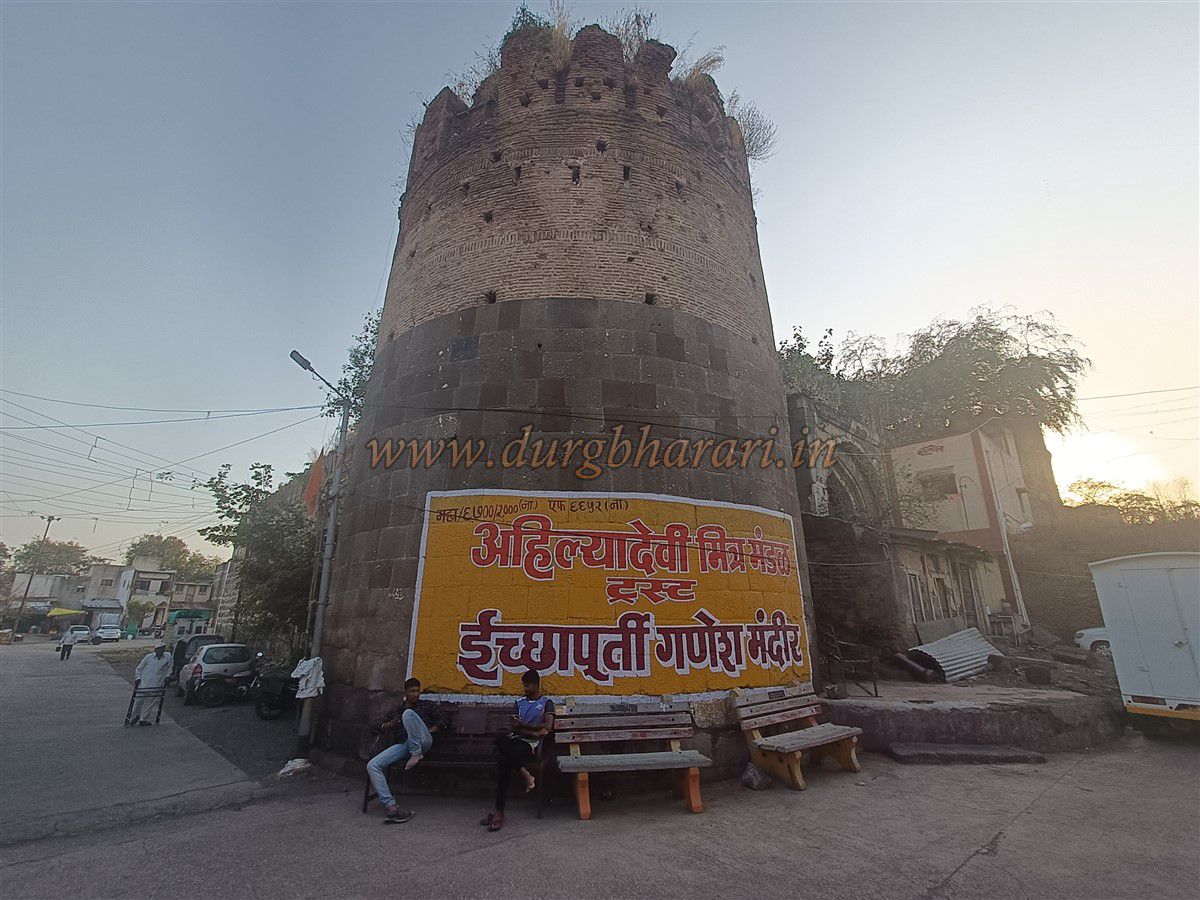
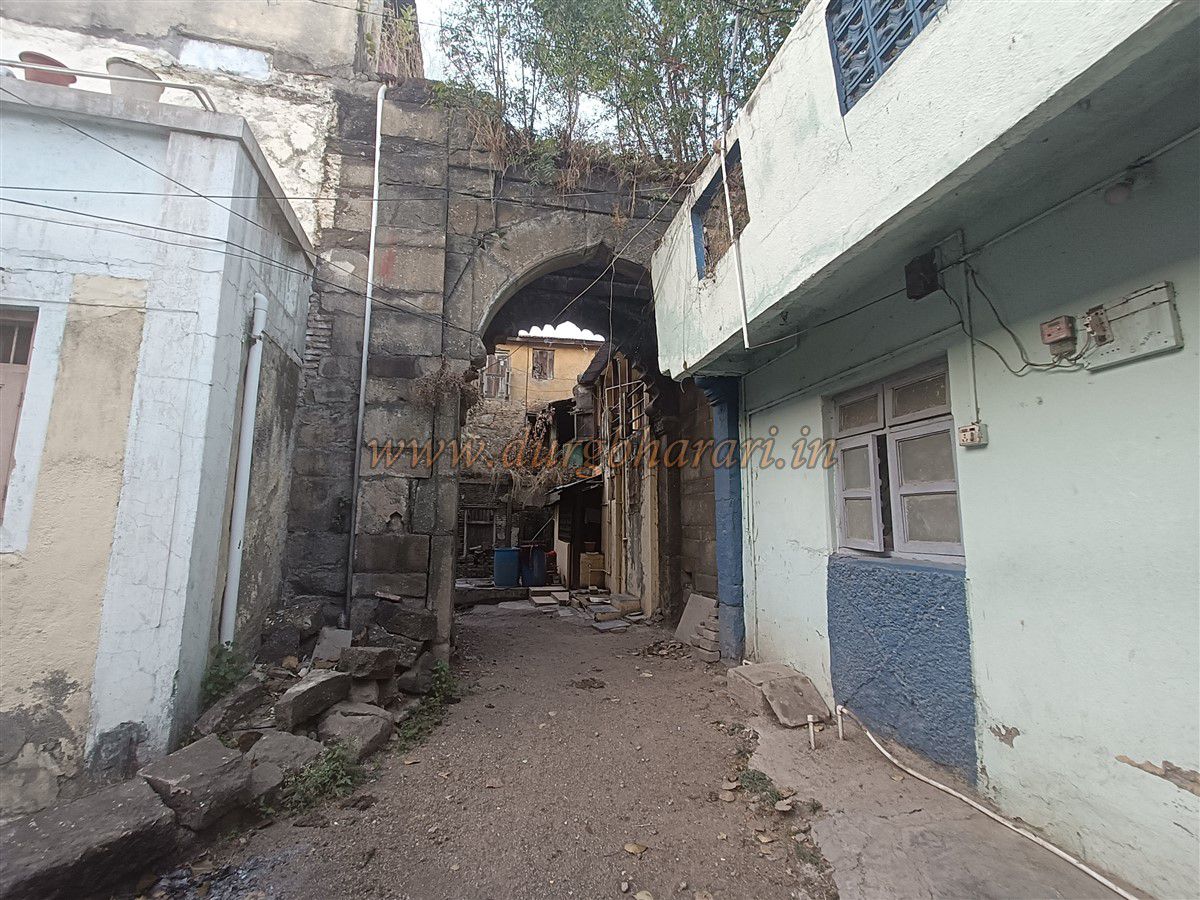
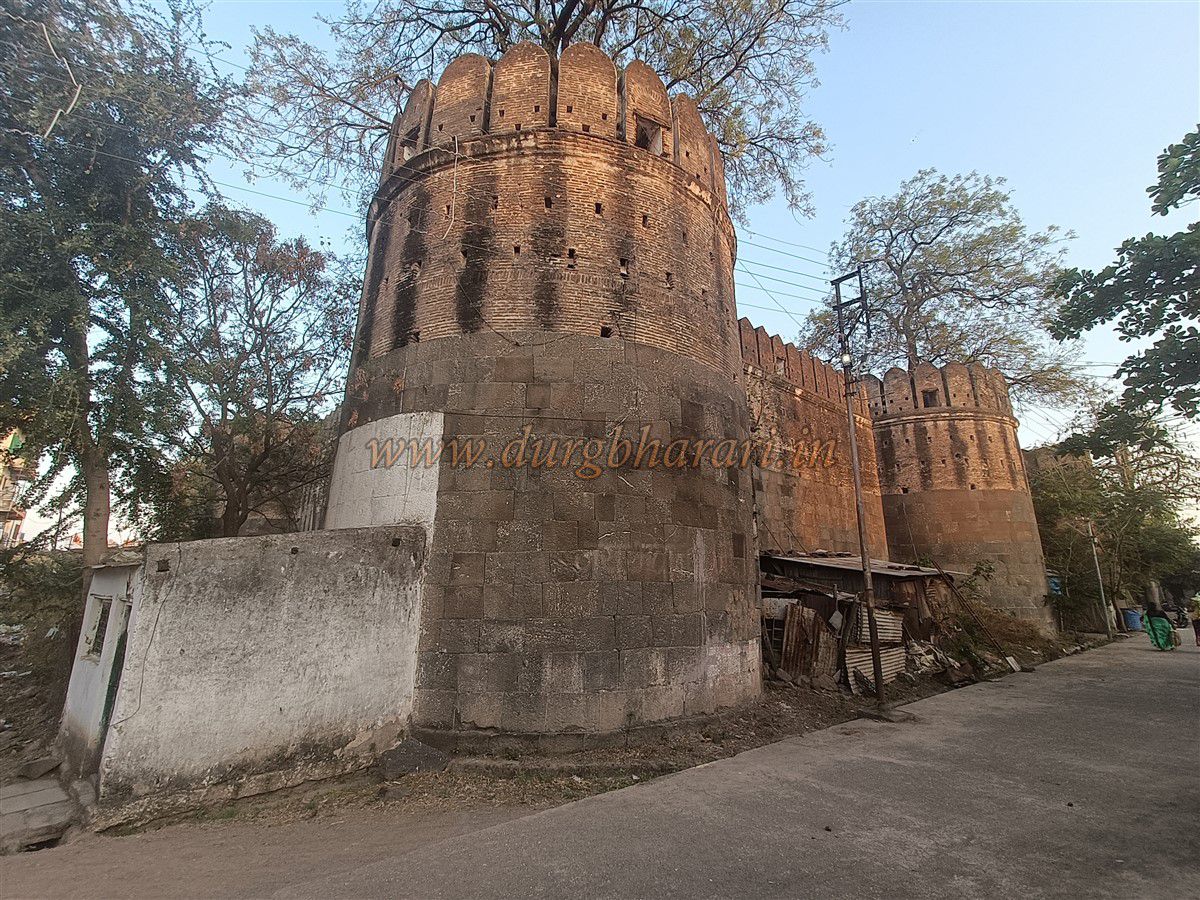
This ground fort, located in Niphad taluka of Nashik district, lies about 56 km from Nashik city and 20 km from the taluka headquarters at Niphad. The town of Lasalgaon is situated on the banks of the Shiv River. Once upon a time, the entire village was fortified. Today, this fortification has completely vanished except for two bastions and a west-facing entrance gate that still survive. This gate, located near the Ram temple, has guard chambers (Devdis) on both sides. About 250 feet from this entrance stands the Lasalgaon fort.
...
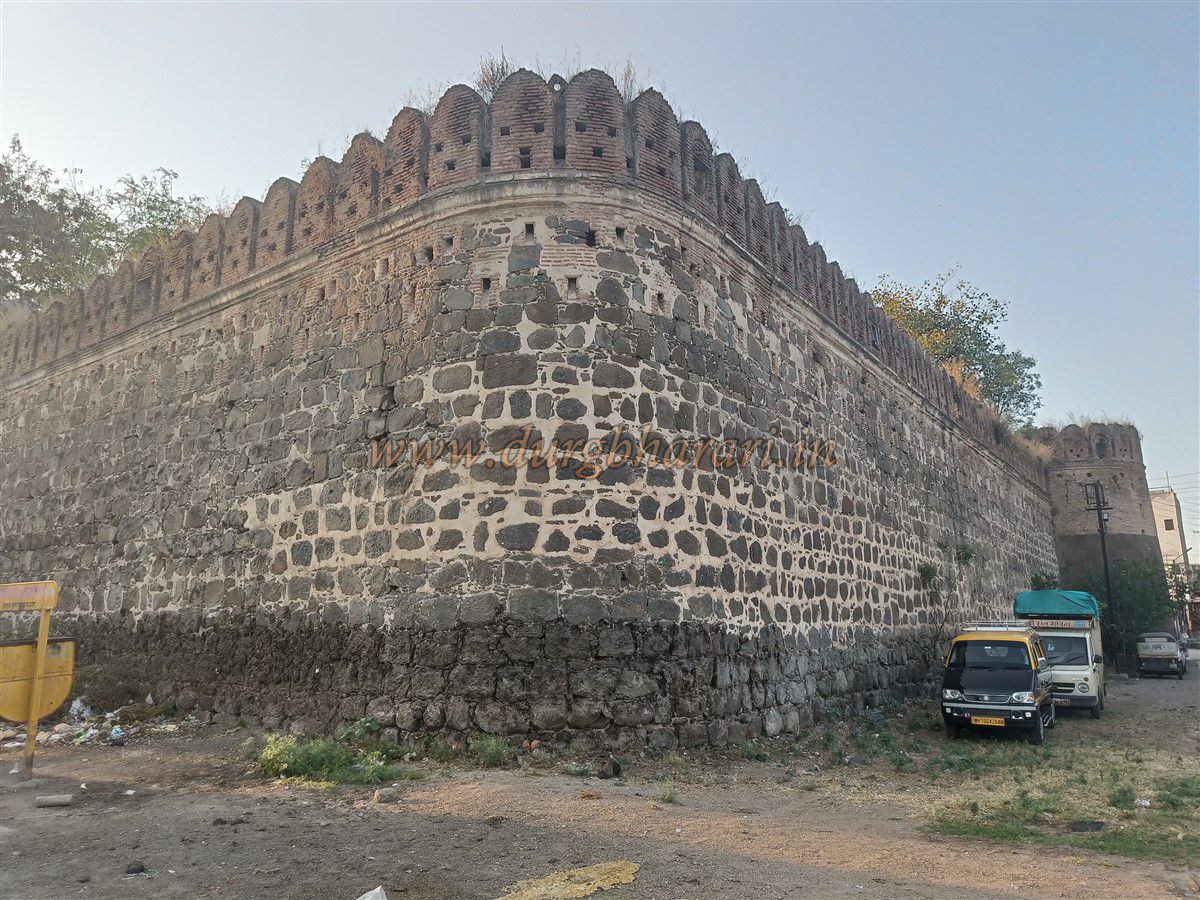
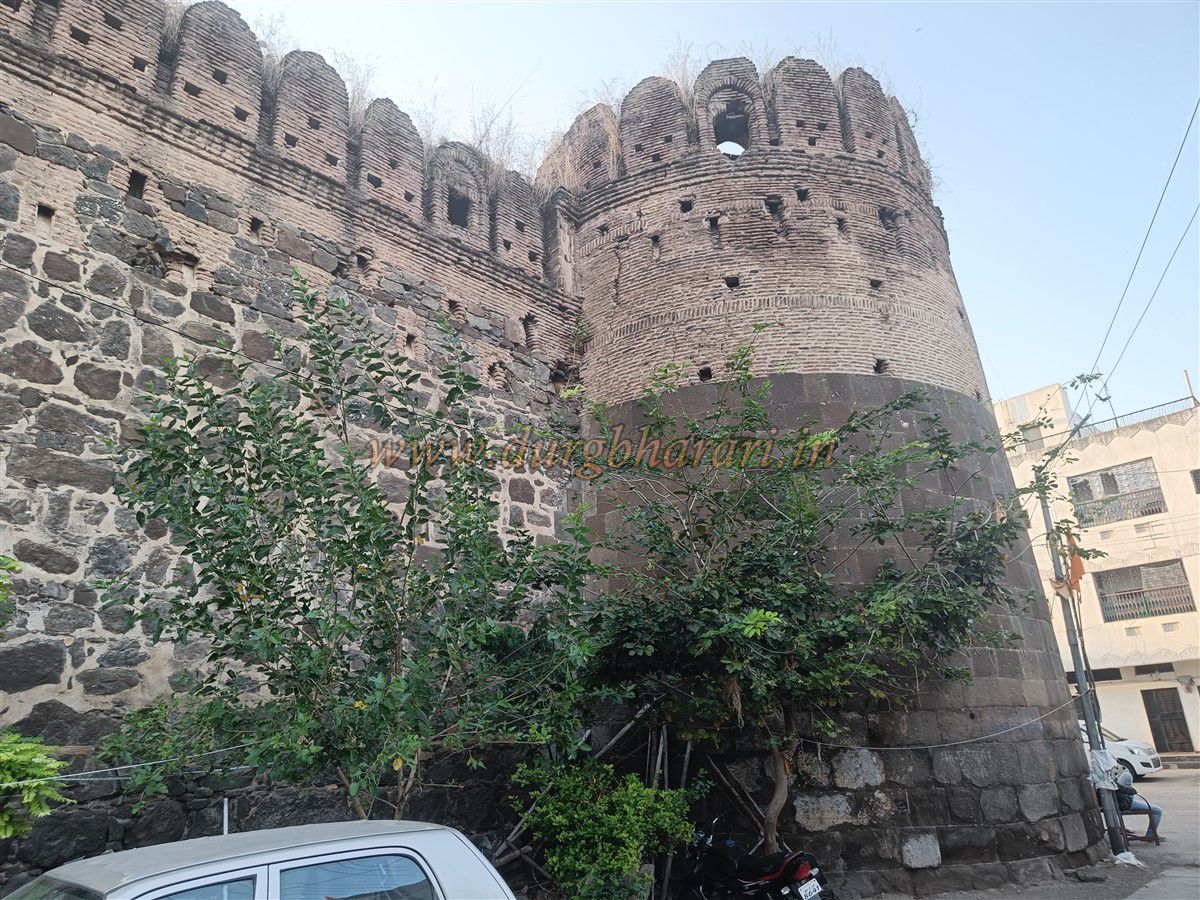
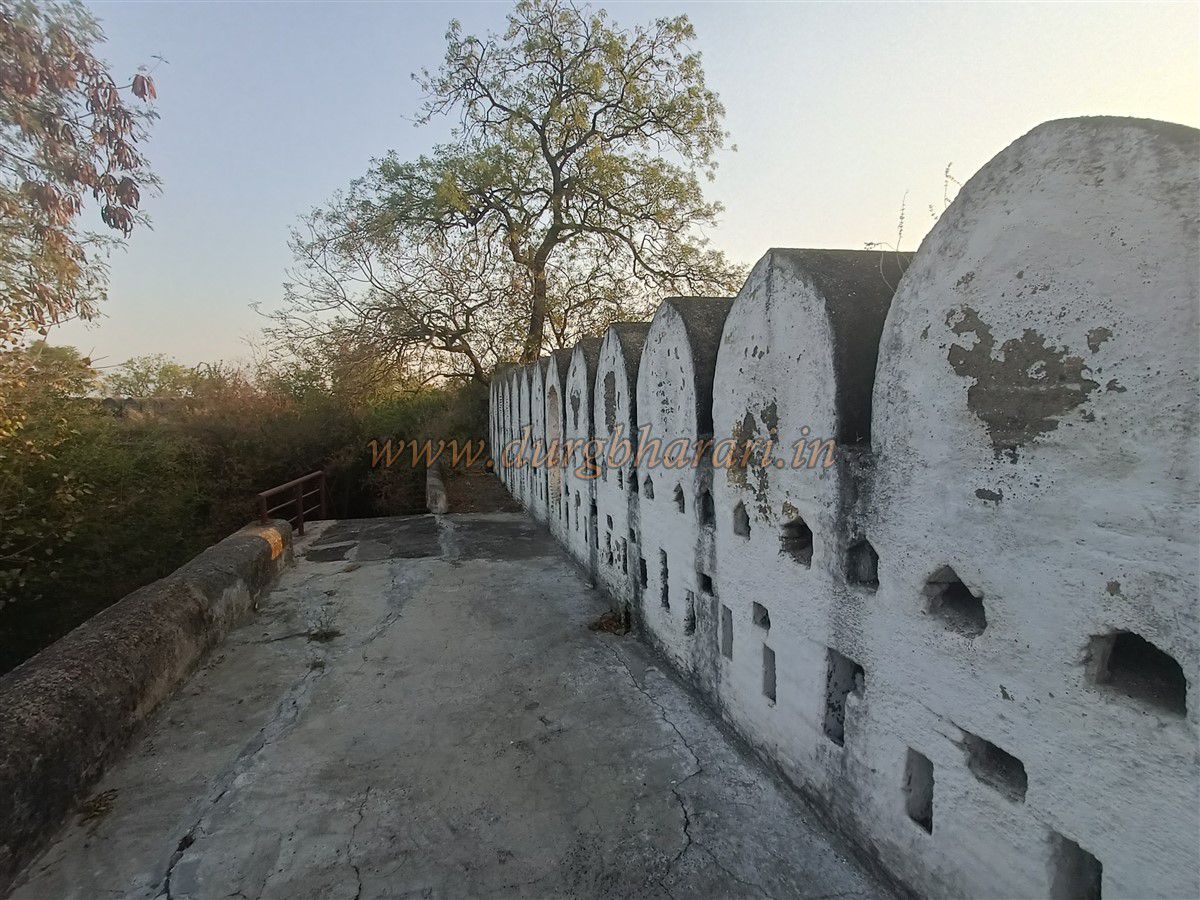
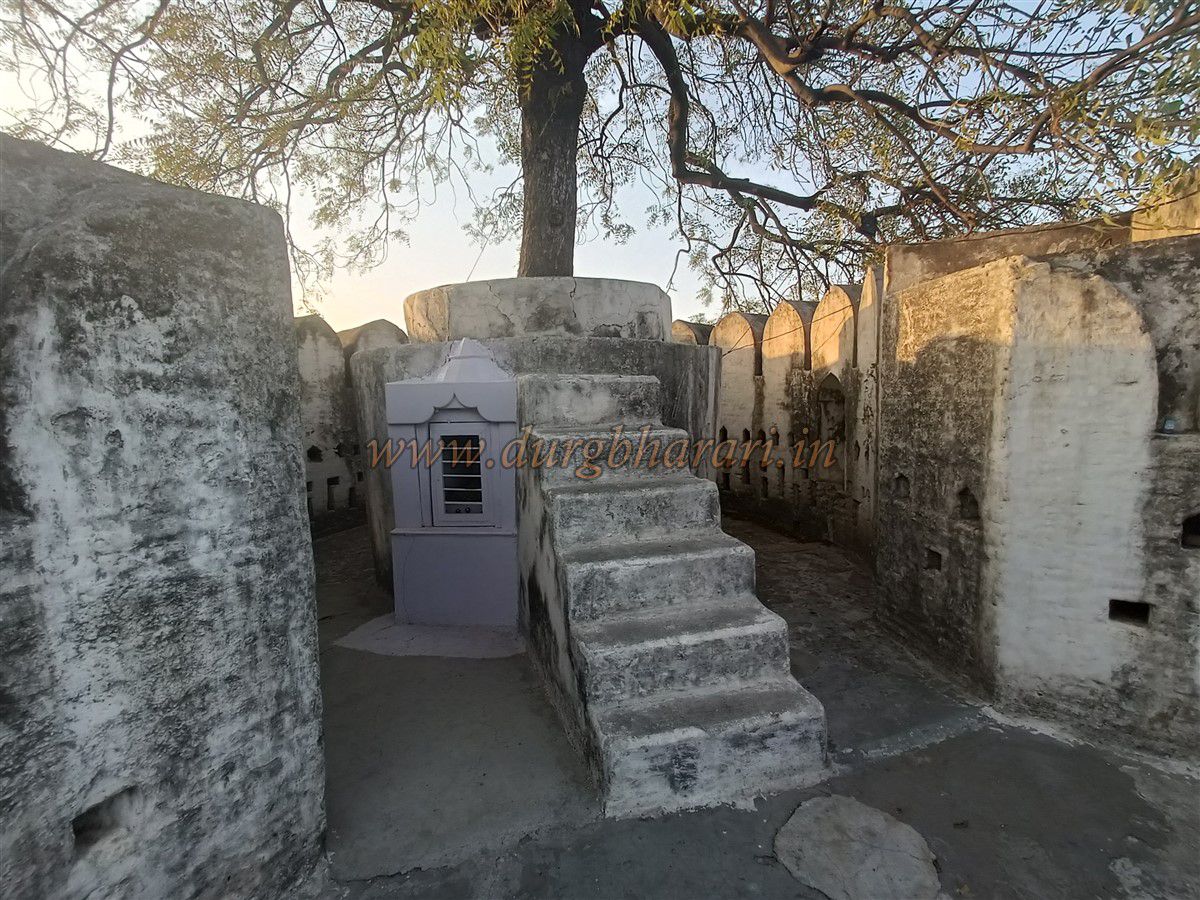
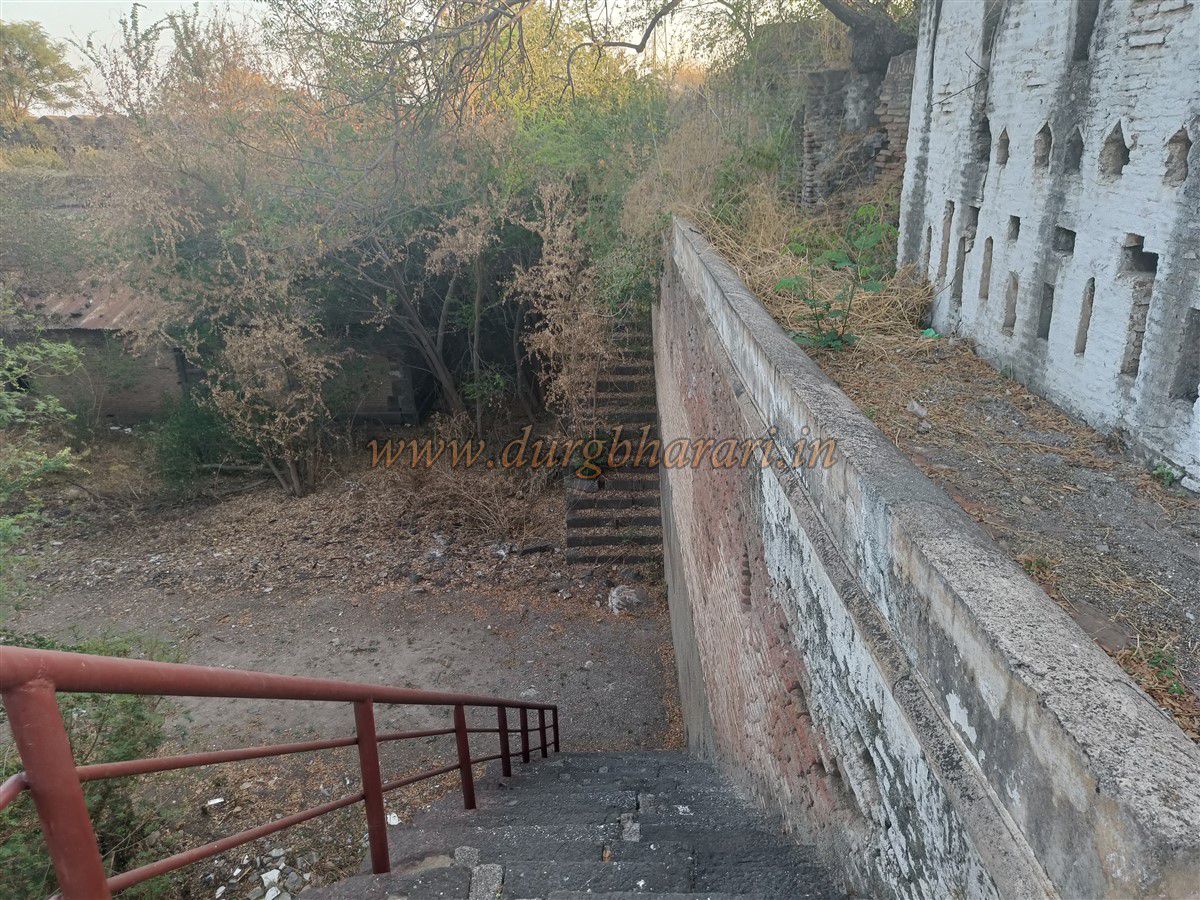
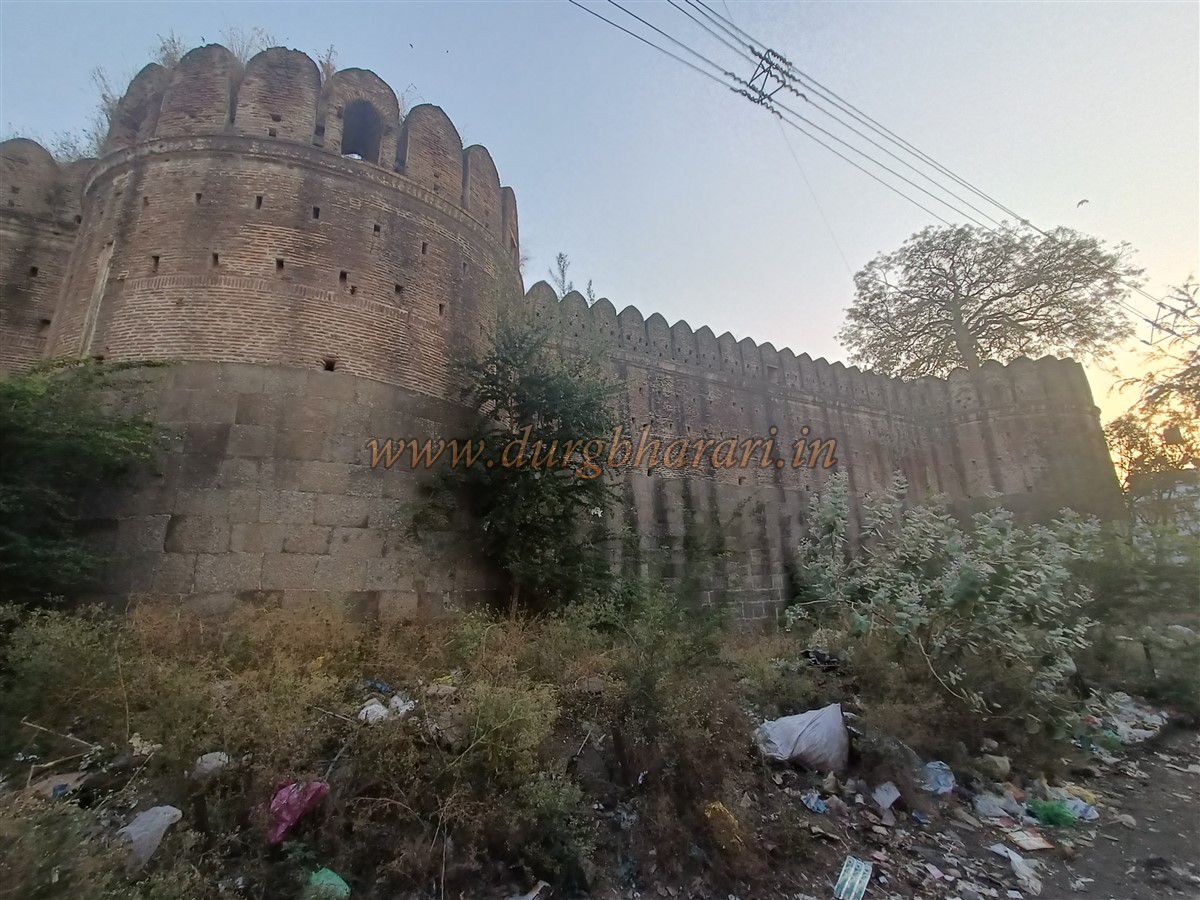
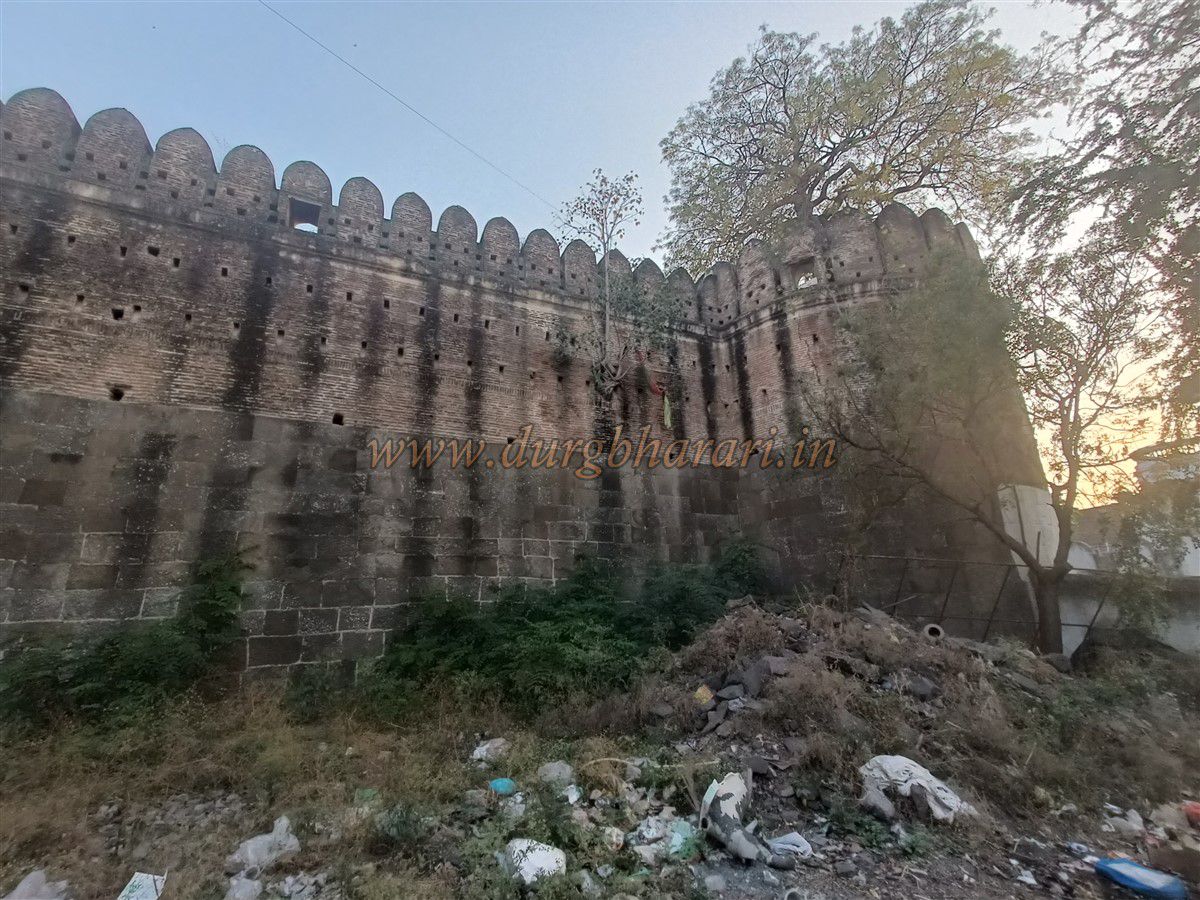
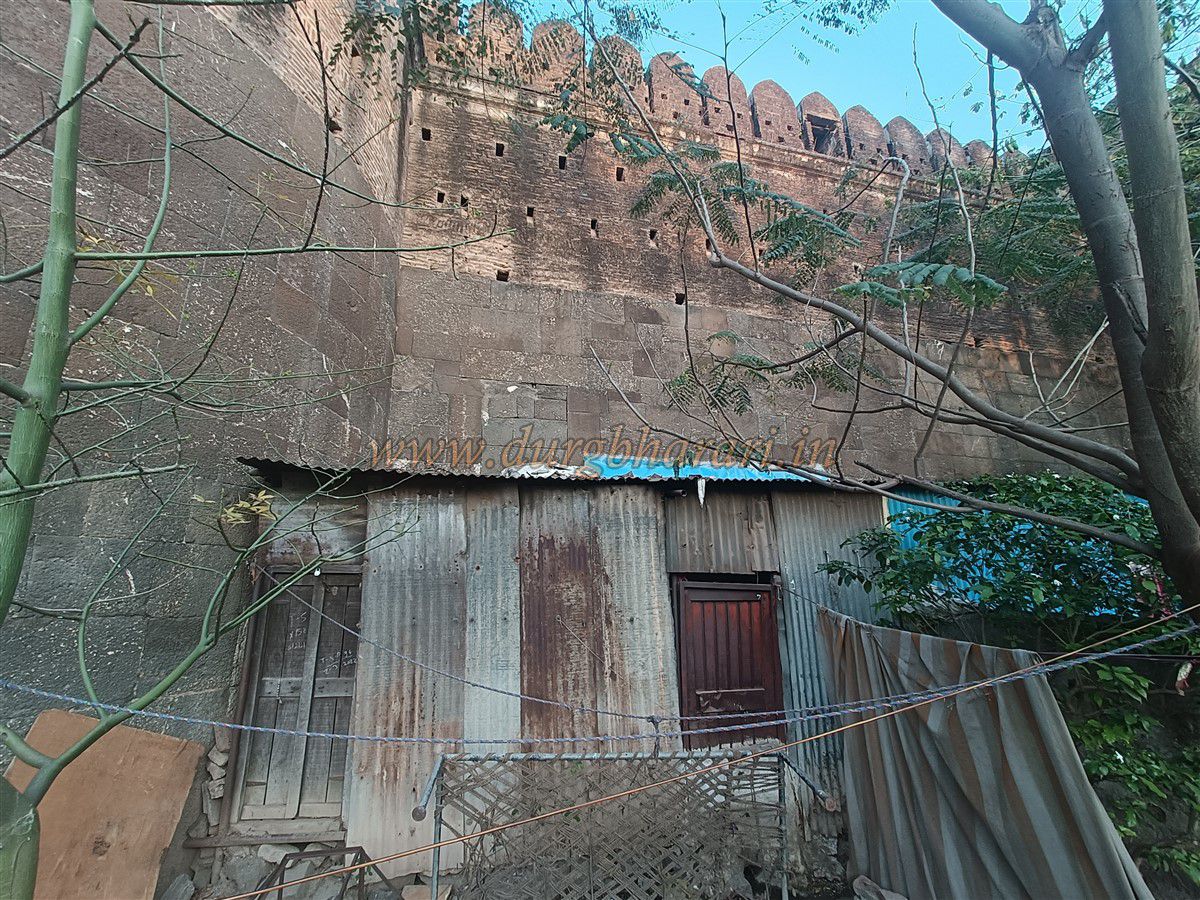
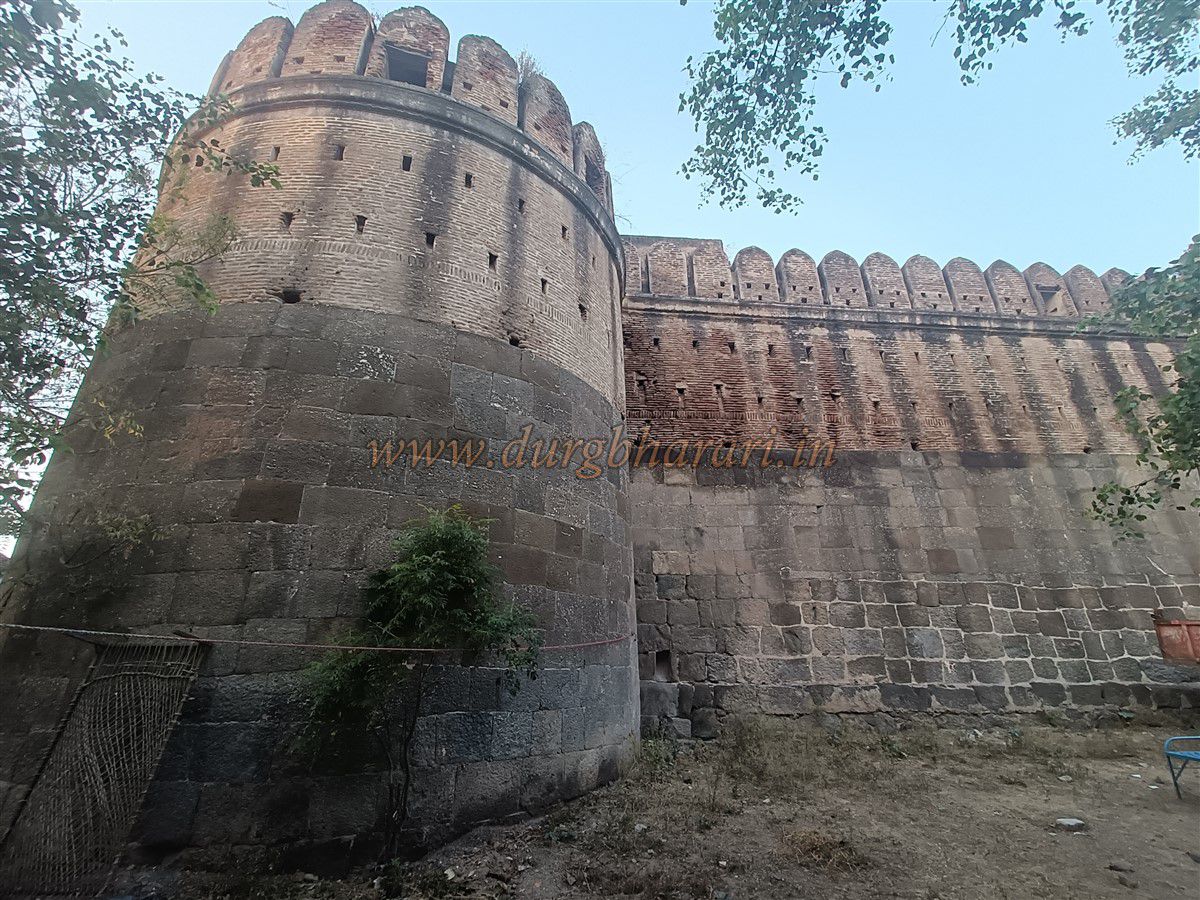
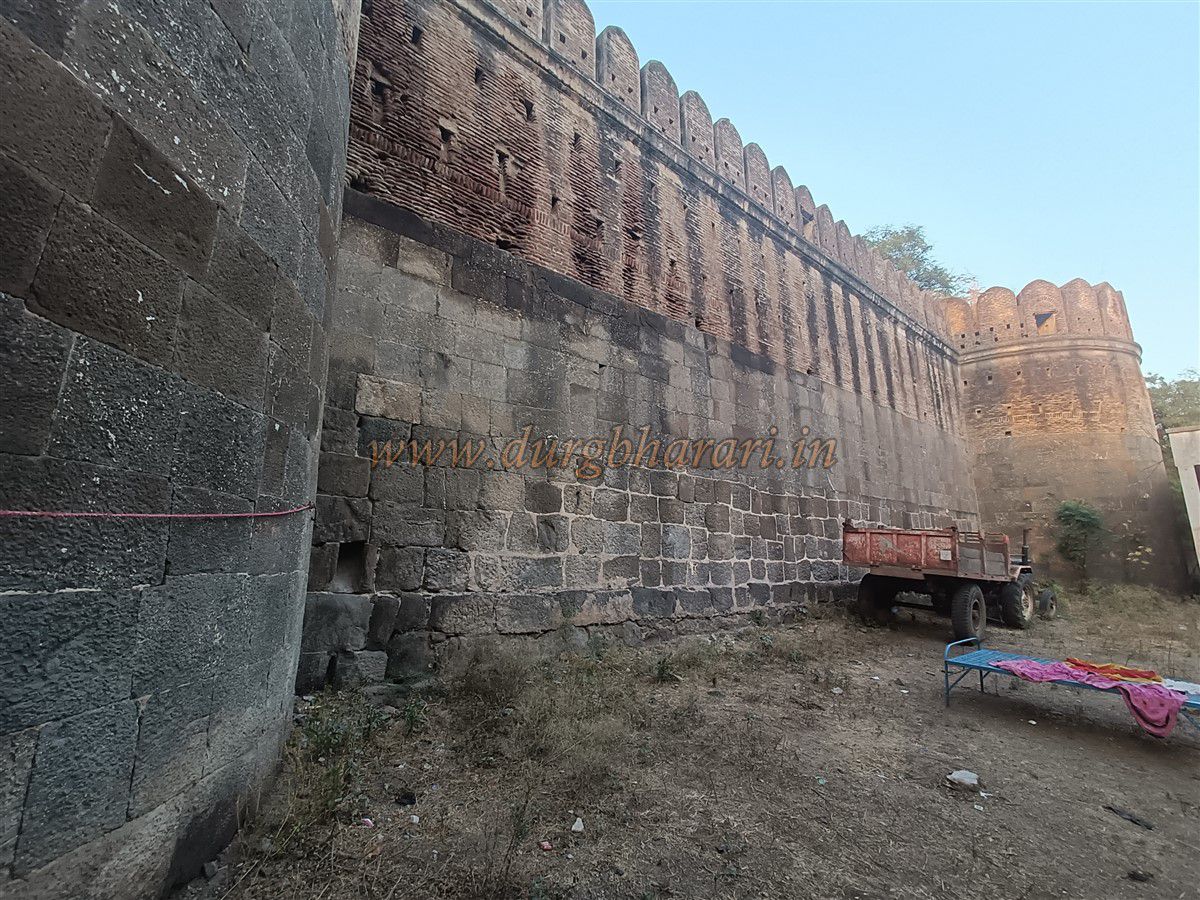
Sprawling over roughly one and a quarter acres, the fort remains in good condition. It has a total of eight bastions within its walls. The fortification walls are about 40 feet high, with the lower 20 feet built in finely cut stone and the upper 20 feet constructed with rough stone. Gun ports are built into the fortification walls, and embrasures on the bastions were designed to hold cannons.
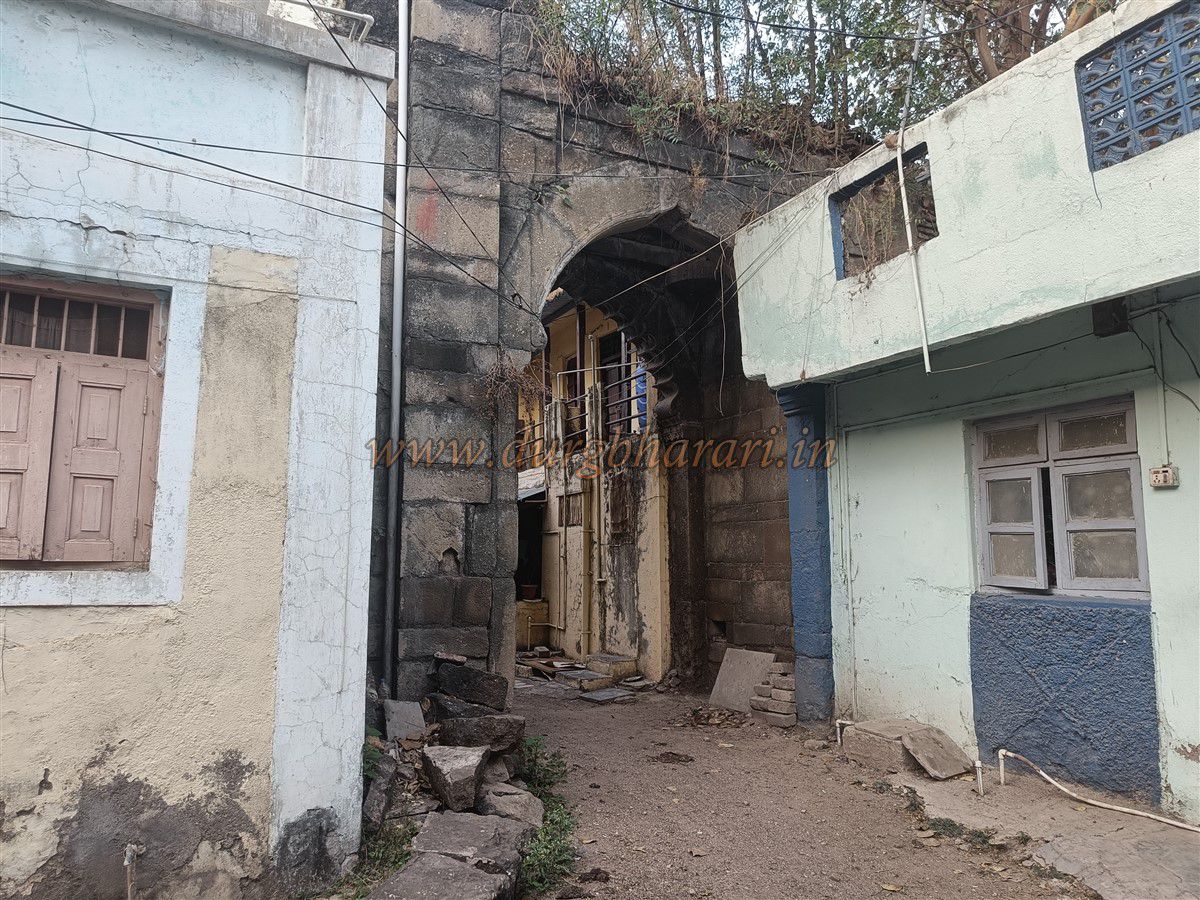
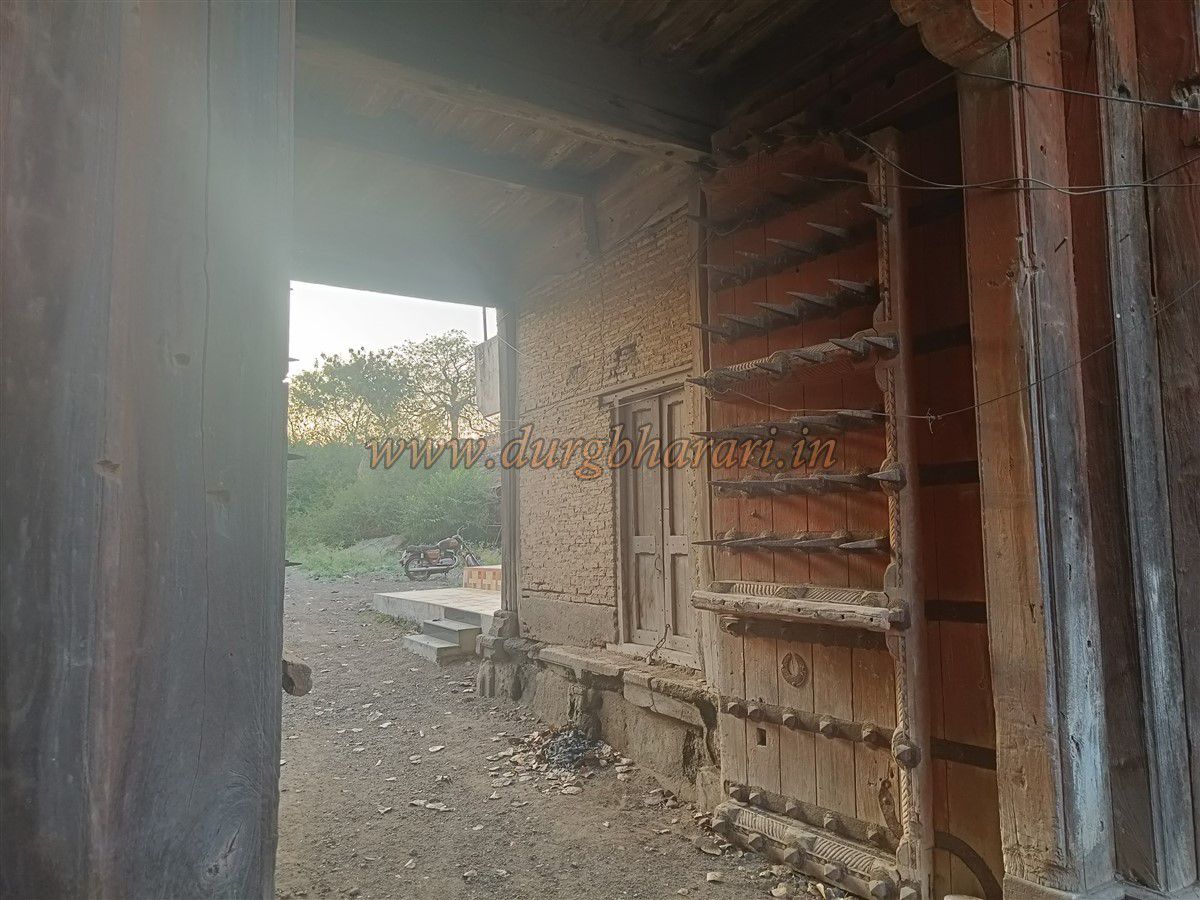
The main entrance is partially obscured due to newly built houses outside. The fort is now privately owned by the Abbad family, and although permission is granted to visit, photography is prohibited. The first gate is beautifully constructed, with its wooden doors still in use. The door is secured with chains and is locked at night. This arched entrance has a smaller wicket gate (Dindi Darwaja) and iron spikes embedded in the upper frame.
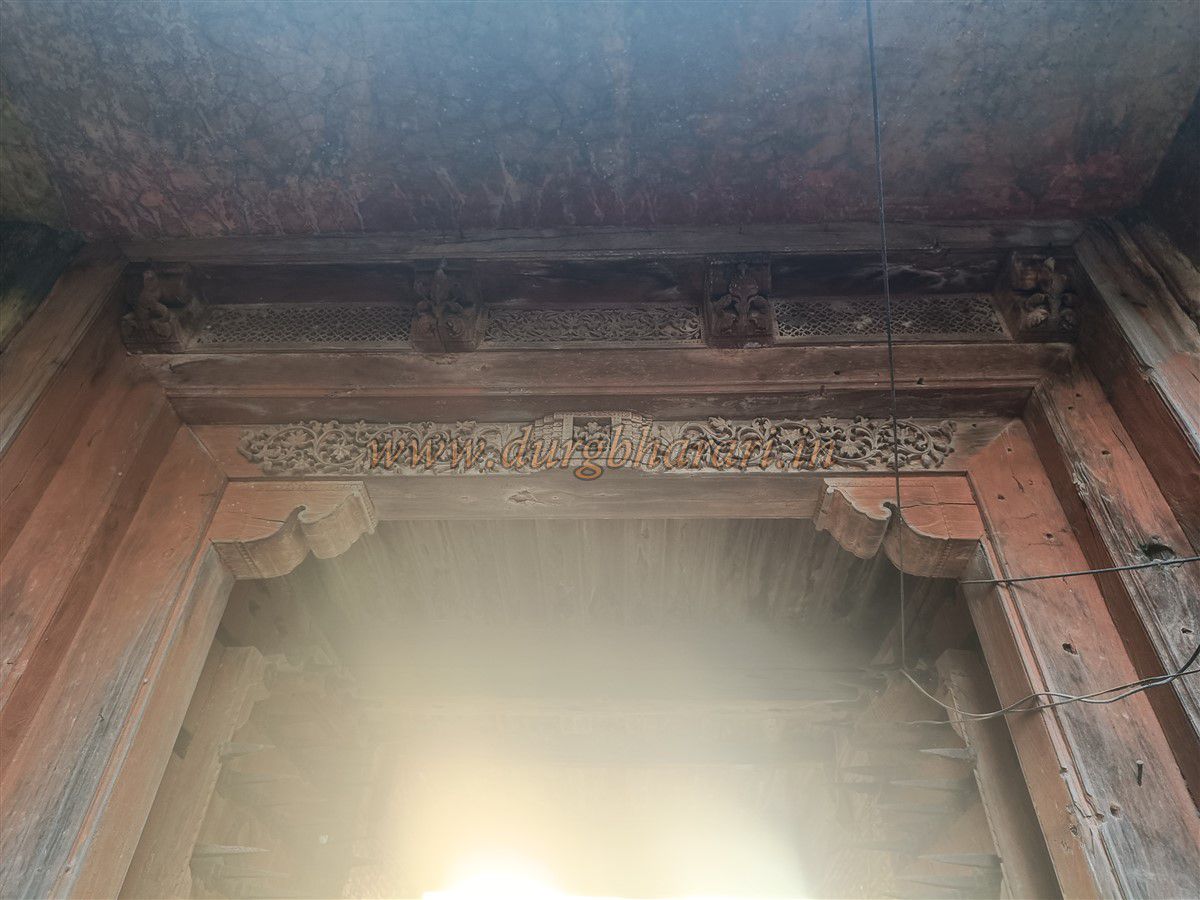
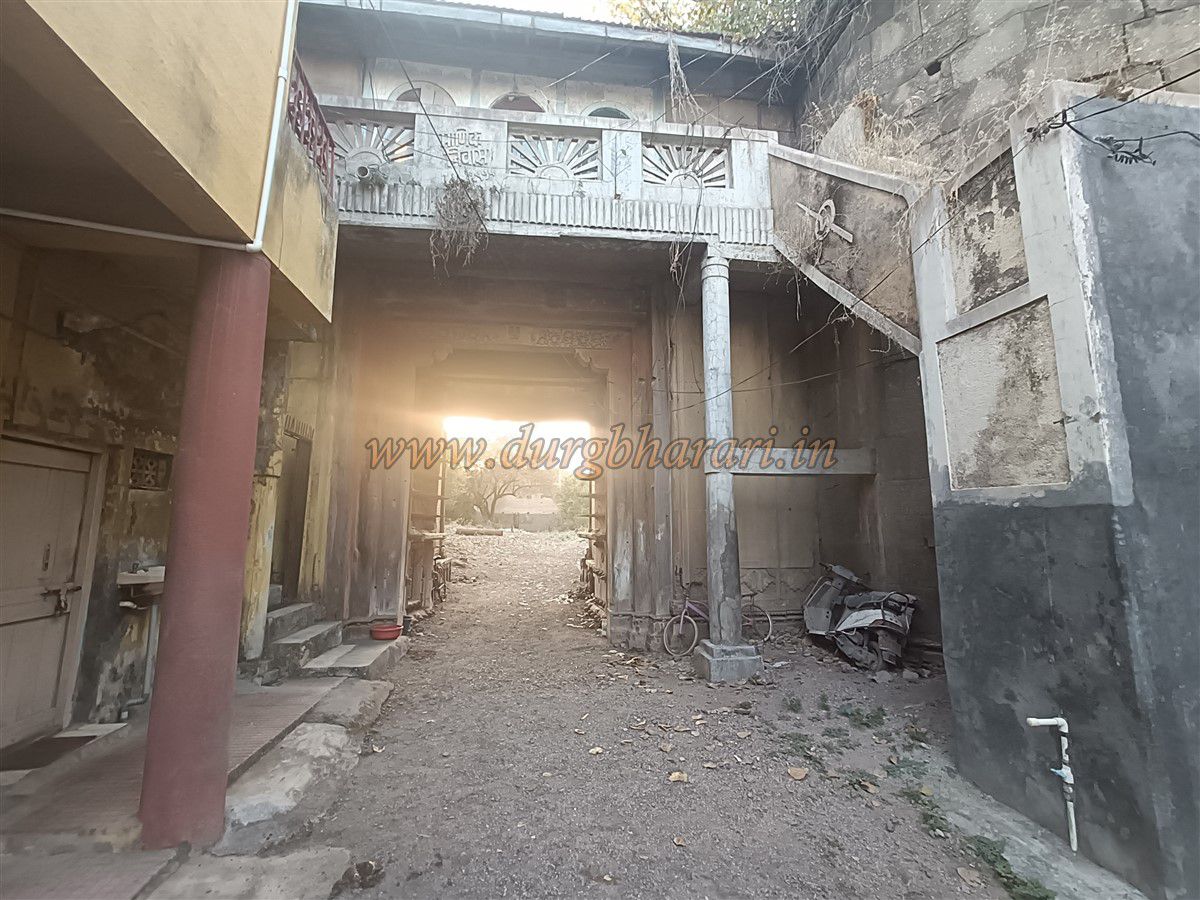
Entering through this gate, to the left lies the second arched gate leading further into the fort. The wooden doors of this gate are missing. Passing through it leads to an inner courtyard, where a third gate, built at a right angle, leads to the main area of the fort. This third gate is also exquisitely carved, with intricate work on its wooden frame. Like the first gate, it also features a Dindi Darwaja and iron spikes. On both sides of this gate are well-preserved guard chambers, and above it stands the original structure of the fort, still in good condition.
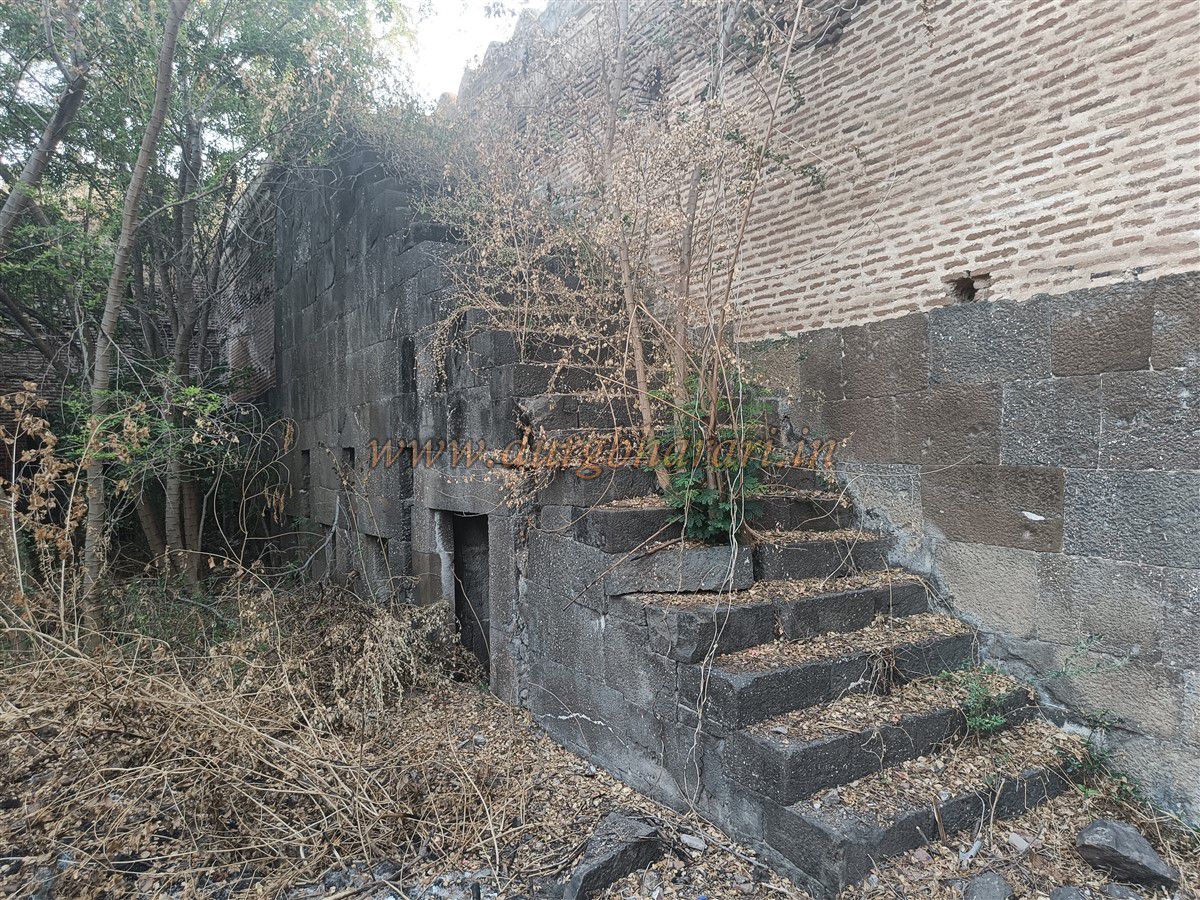
There are three gates in total providing access to the fort. The first and second gates face west, while the third faces north. Between these gates, especially the middle section, modern houses have been built, and the original structures have been completely destroyed. Beyond the third gate, the inner area of the fort lies open, overgrown with some vegetation. On the southern side, near the fort wall, there are two stairways leading up to the ramparts. Beneath these stairs are storage cellars.
From the parapets, one can walk around the interior of the fort's fortifications, although dense vegetation obstructs the path in places. The southern bastions have circular platforms built for mounting cannons. After inspecting the fort walls and returning to the main gate, the fort tour concludes.
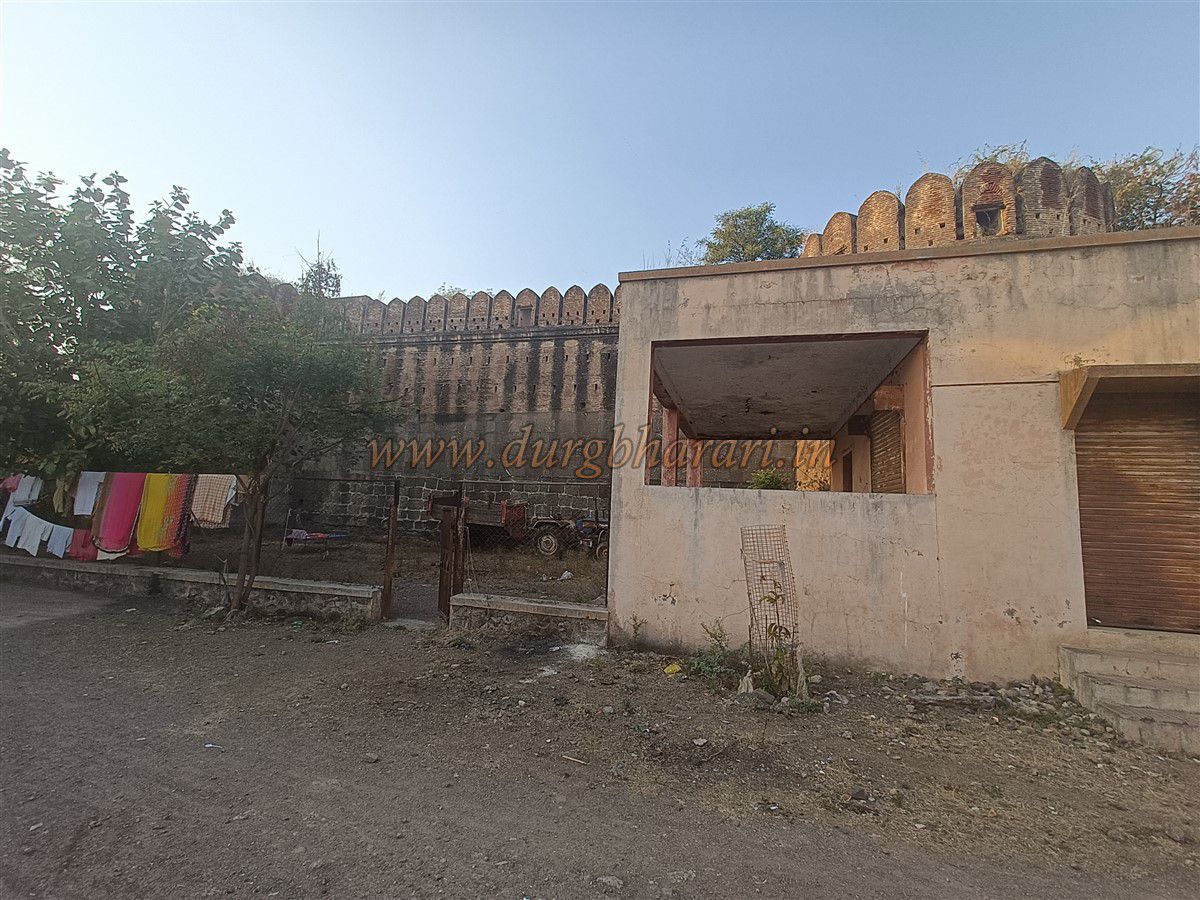
While walking around the fort, a small gate is seen on the southern side of the wall. This gate has now been sealed with stones. Encroachments using tin sheets have begun near the walls, and these need to be stopped immediately.
Lasalgaon has held significant importance not just today, but also during the Mughal, Maratha, and British periods. According to the Peshwa records, the name 'Lasalgaon' is derived from the garlic (lasun) trade that once flourished here. To the north of Lasalgaon was the sub-capital Chandwad of the Ahilyabai Holkar kingdom, while to the south was the Vinchur estate of Sardar Vinchurkar.
Due to his valour during the reign of Peshwa Bajirao I, Malharrao Holkar was granted territories like Indore, Chandwad, and others. Being a plateau region, Lasalgaon was chosen by Malharrao Holkar as a site to build a fort to protect the market and station military forces.
Yashwantrao Phanse, the founder of the Phanse family of Lasalgaon, was a humble but brave soldier. Ahilyabai wanted a brave son-in-law and was impressed by Yashwantrao exploits against bandits and robbers. She chose him as her son-in-law. As a dowry, Ahilyabai gave him the mansion at Niphad, the Lasalgaon fort, the estate of Junnar, and 1,400 acres of land. The Phanse family was also granted rights over Lasalgaon and Niphad, including tax collection, judicial powers, and honours during festivals.
After Yashwantrao untimely death, his wife Muktabai committed sati. In 1818, after the fall of the Maratha Empire, the British retained the hereditary rights of the Phanse family over the Patilki (chieftainship).
Ganpatrao Revaji Phanse, the fifth-generation descendant of Yashwantrao, was in charge of the fort during a critical episode. On 8 September 1835, a rebellion was staged by the commander appointed by the Phanse family against Harirao Maharaj, who was overseeing the Holkar throne at Indore. The Phanse forces stormed the Holkar palace, but the plot failed, and Harirao soldiers massacred the rebels. The rebellion's leader, Rajabhau Phanse, was killed by Harirao heir, Tukoji Rao.
Shaken by this event, Ganpatrao feared reprisals from the British government, who might use the incident to seize their assets. Out of fear, Ganpatrao sold the Lasalgaon fort to a Jain merchant for ₹5,000. As a result, the fort is now entirely privately owned.
In 1937, the collector of Nashik awarded the Patilki badge of Lasalgaon and Nashik to the Phanse family. After India gained independence and all princely states merged into the Union, the hereditary chieftainship was abolished in 1952, ending the Phanse family's official authority.
© Suresh Nimbalkar
GALLERY