LAMKANI
TYPE : GADHI
DISTRICT : DHULE
HEIGHT : 0
GRADE : EASY
The Khandesh region is also known as the territory of the twelve and a half Rawals. The title "Rawal" was used for noble chieftains, and among these Rawals, various clans such as Sisodia, Solanki, Parmar, and Pratihar were represented. These twelve and a half territories included:
1. Dondaicha
2. Malpur
3. Sindkheda
4. Ashte
5. Sarangkheda
6. Ranjane
7. Lambola
8. Lamkani
9. Chaugaon
10. Hatmoida
11. Ranale
12. Manjare
13. Karvand
Since half of these territories lay within Khandesh and the other half outside it, the group was referred to as "half territory."
Of these, the forts at Ashte, Lambola, Chaugaon, and Hatmoida have been completely destroyed. Four forts still remain in their original form, while the remaining five struggle to survive against the passage of time, retaining only partial ruins.
...
Most of these forts have villages established within them, and the expansion of settlements has gradually consumed the remnants of the forts. Additionally, the indifference of the local population has contributed to the decay of these heritage structures. After the abolition of the jagirs (hereditary estates), it became difficult for private owners to maintain these forts, leading to their progressive ruin—and in some cases, total destruction.
The fort at Lamkani is one such example. In today’s digital age, no information about this fort is found even on the internet. When our group “Durgbharari” toured these forts, I attempted to document the information we gathered and present it on this website.
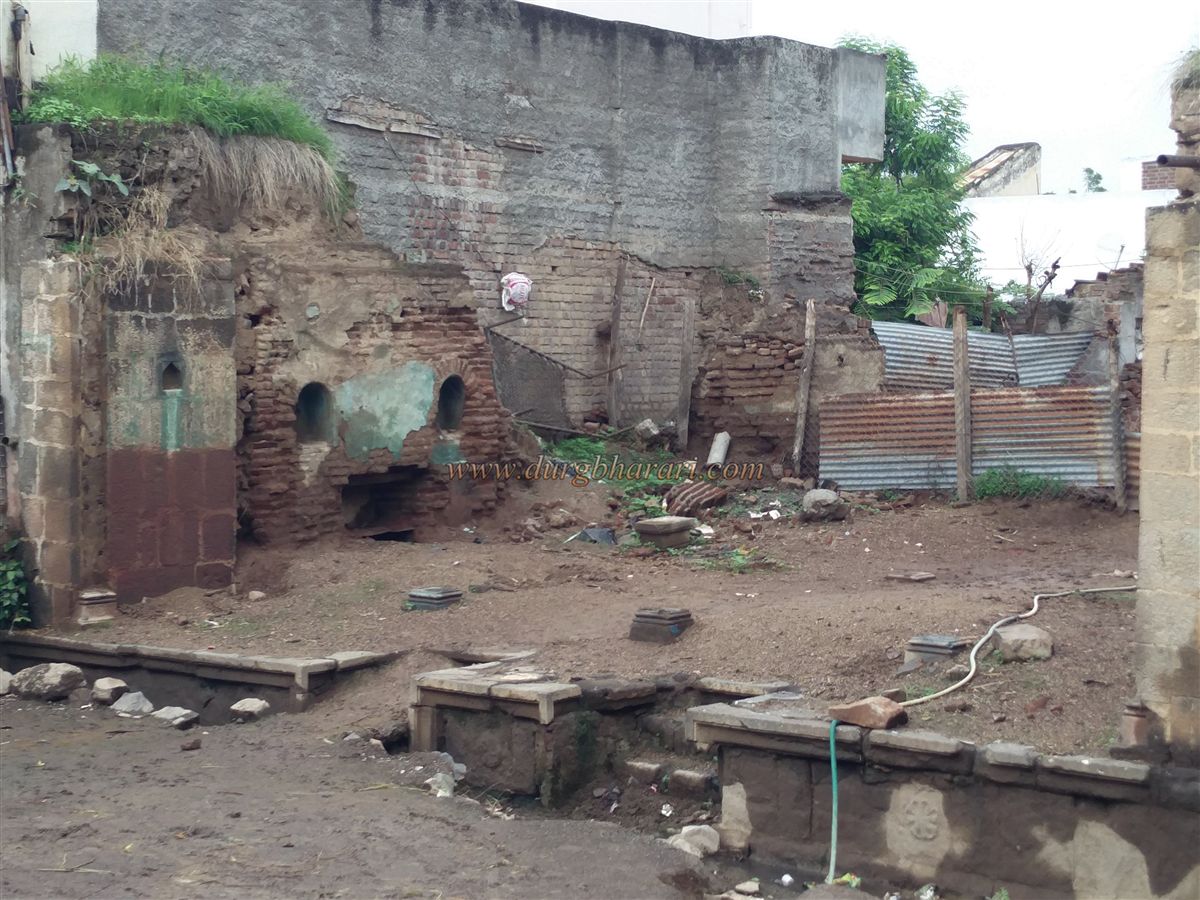
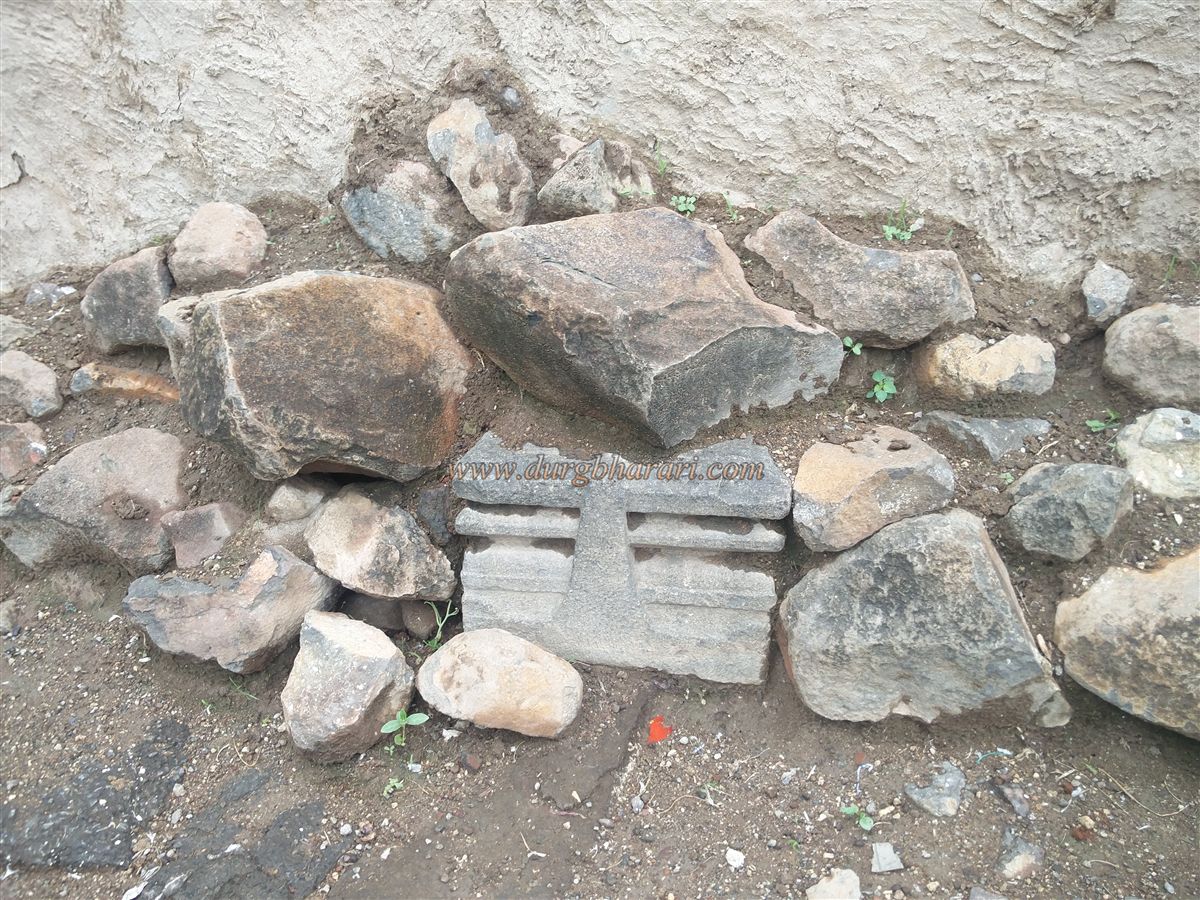
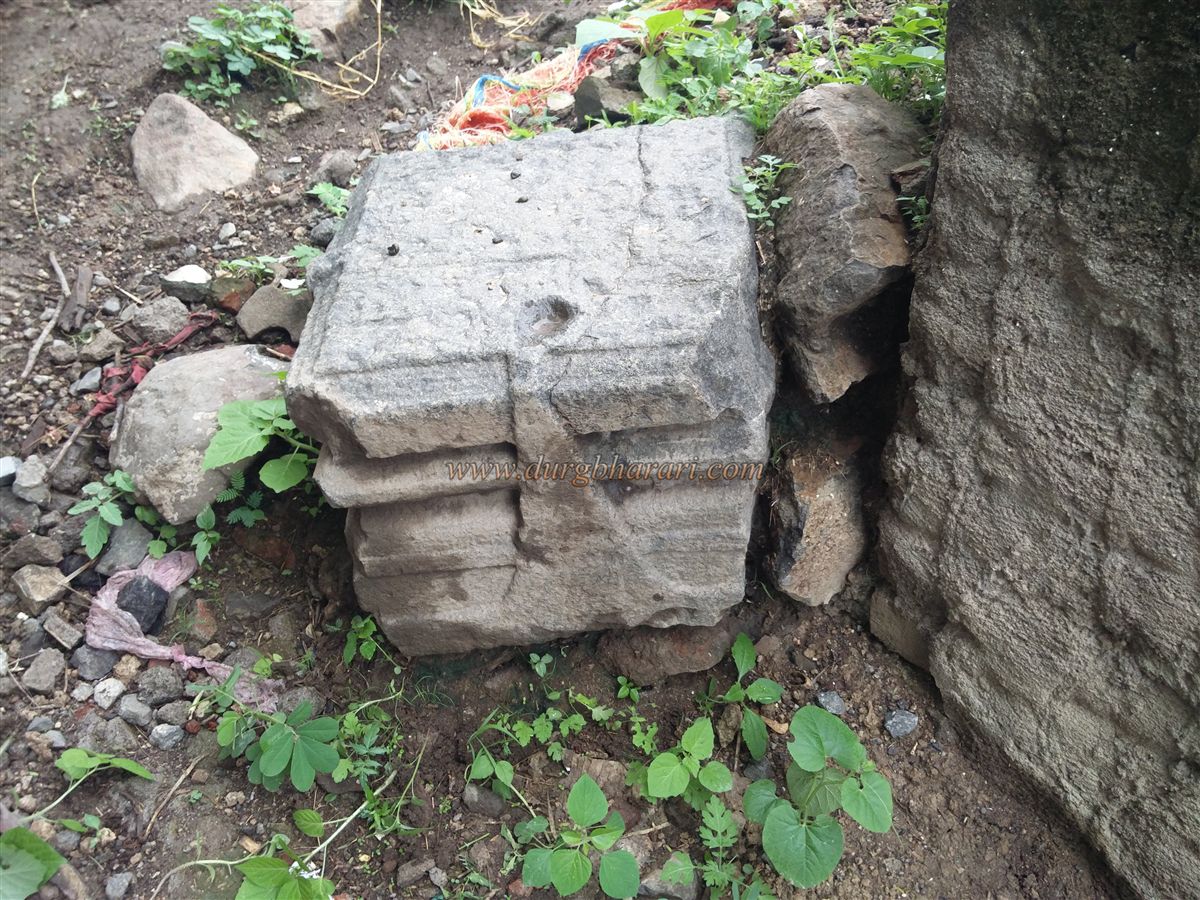
Lamkani Fort is located 40 km from Dhule city and can be reached via the Sarvand Phata on the Mumbai–Agra highway. The distance from Sarvand Phata to Lamkani is 24 km. In the village of Lamkani, only a few remnants of the fort still exist. Modern houses have been built on the original fort structure, and during this construction, the remaining parts of the fort were almost completely destroyed. Among the houses built on an elevated platform, only one ruined bastion and a well remain behind one of the houses. These two elements are the sole surviving remains of the fort today. Since all other parts of the fort have disappeared, it is not possible to determine the original structure, size, or layout of the fort. It takes just ten minutes to see the remaining ruins. While walking through the village, one can spot remnants of a few old wada (mansions).
Historically, there are not many specific references to Lamkani Fort. After the Khilji invasion, twenty-four Rajput clans under the leadership of Abhaysingh Rawal moved toward Mandu. During the reign of Shah Alam, son of Aurangzeb, Rawal Mohansingh of Lamkani had a conflict with the Mughals and defeated a Mughal contingent. After Aurangzeb’s death, when Chhatrapati Shahu Maharaj was returning to the south, he stayed in Lamkani for a month. It is recorded in Rajwade’s Volume 20, page 60, that Shahu Maharaj received assistance from the local landlord, Sujansinh Rawal.
During the succession conflict for the Maratha throne, several Maratha sardar’s joined Shahu Maharaj at Lamkani. From here, Shahu proceeded to Chorwad, then returned to Kusumbi, and from there to Ahmednagar. Later, Peshwa Bajirao I, during his northern campaign, seized the Lamkani fort from Sujansinh Rawal, imprisoned him, and confiscated his property. In response, Sujansinh Rawal appealed to Chhatrapati Shahu Maharaj. Based on his petition, Shahu Maharaj ordered Peshwa Bajirao to release Sujansinh and return his property. These events occurred around 1723–24 and are documented in the Shahu Roznishi (daily record of the court of Shahu).
Despite several changes in political power over time, the authority and rights of the Rawals were never altered by the ruling regimes.
© Suresh Nimbalkar
GALLERY