KUNKESHWAR
TYPE : MEDIEVAL SHIVMANDIR
DISTRICT : SINDHUDURG
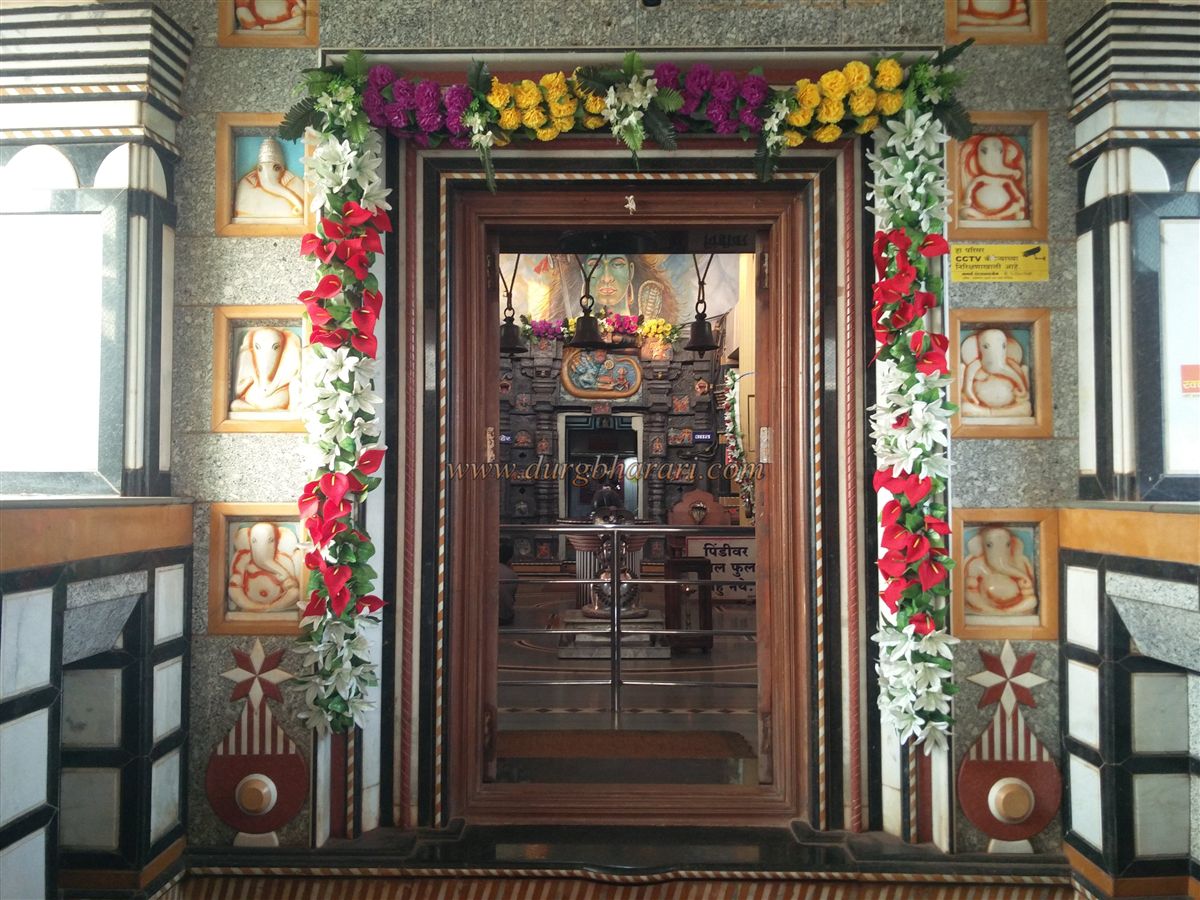
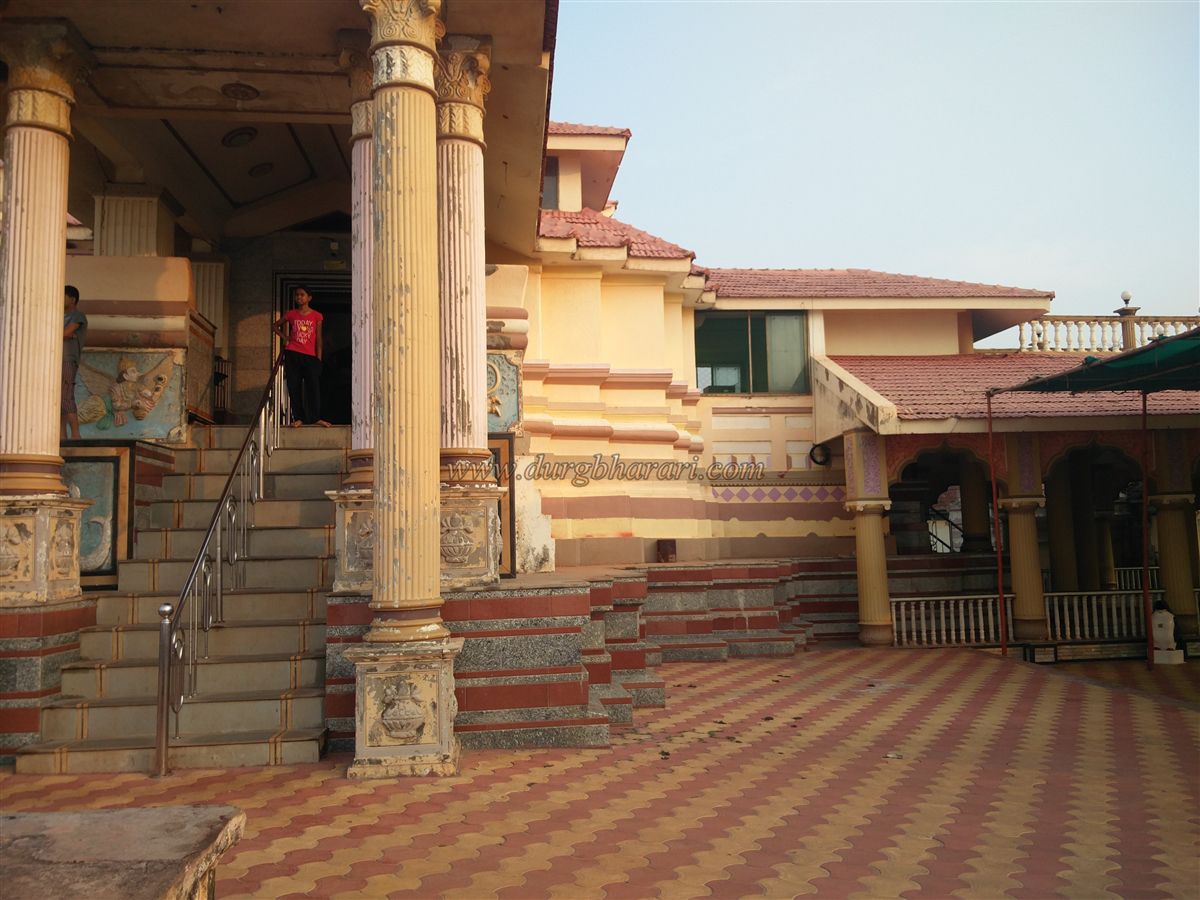
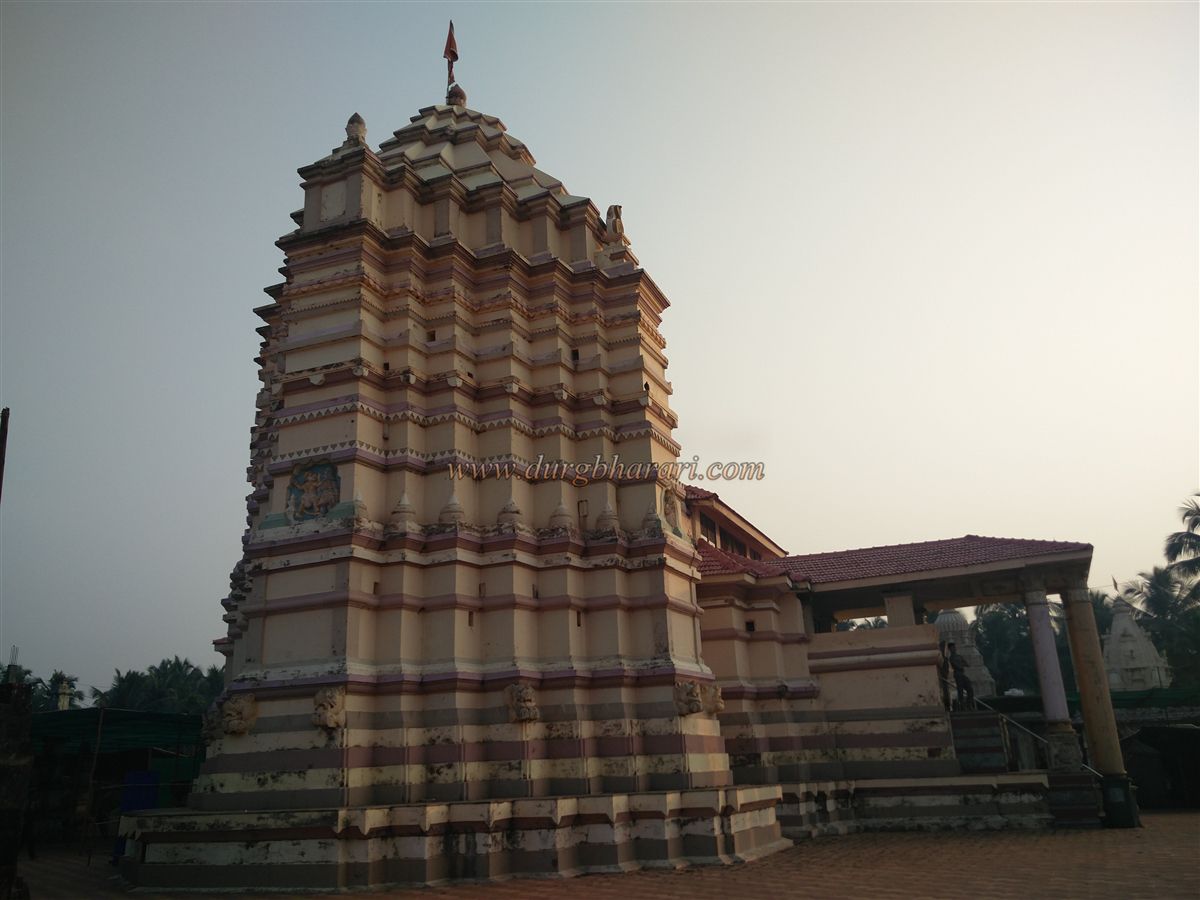
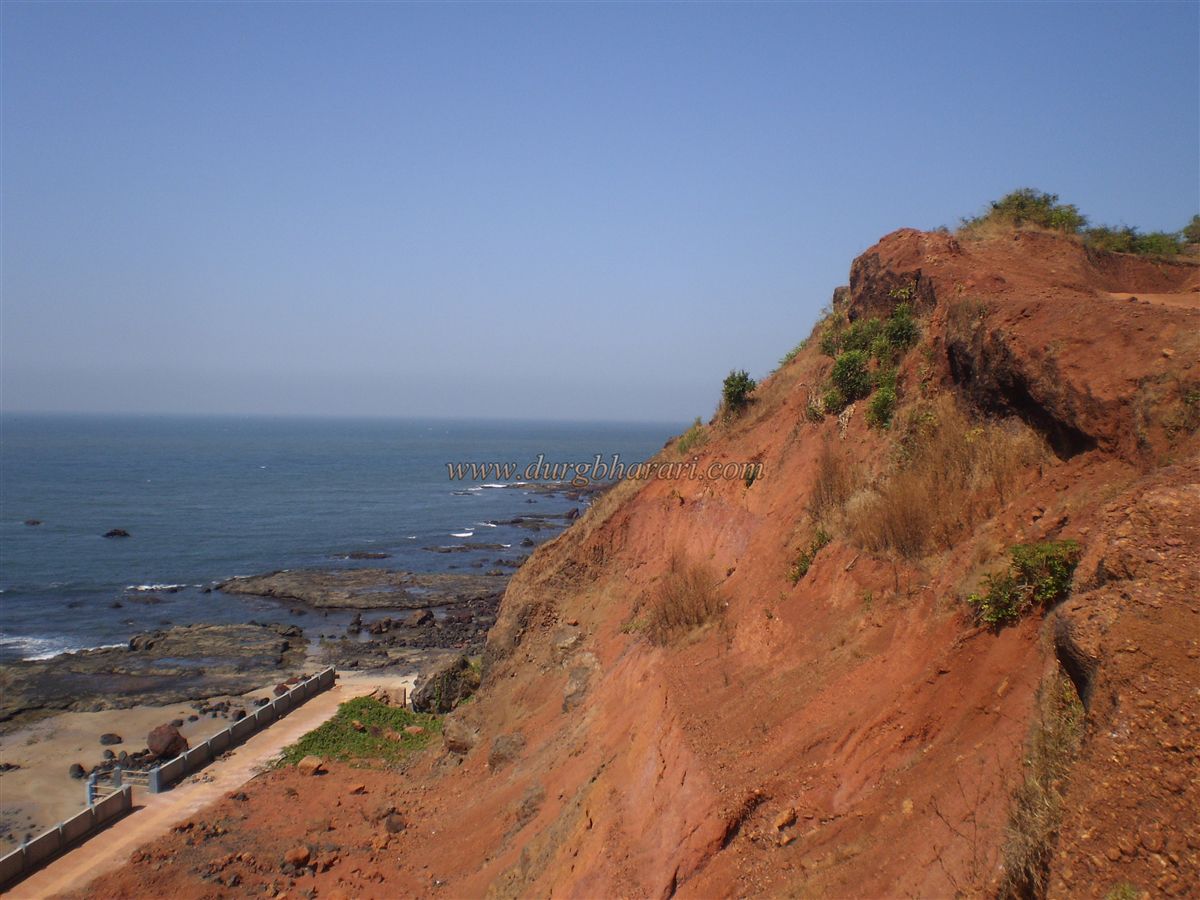
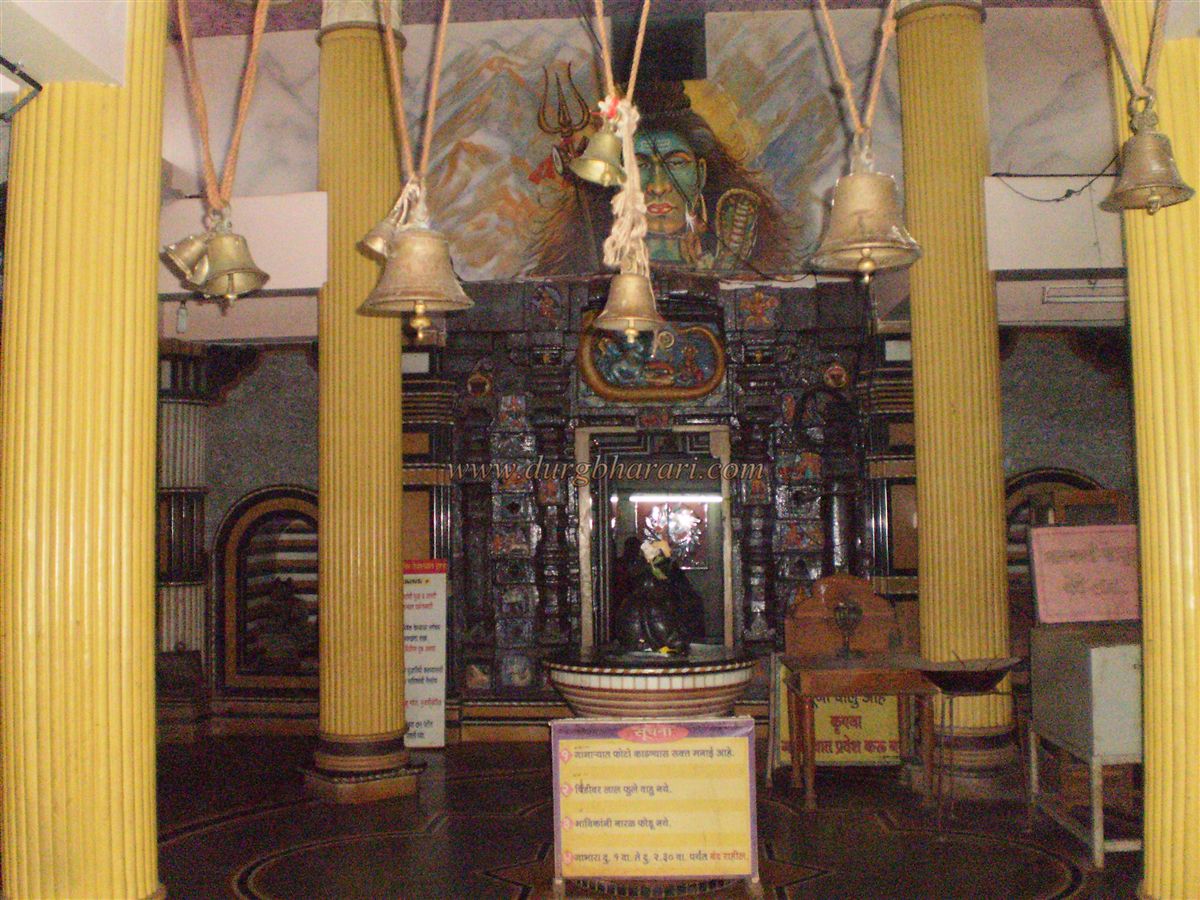
Kunkeshwar, located on the coast in Devgad Taluka of Sindhudurg district in Maharashtra’s Konkan region, lies about 20 km south of Devgad. It is both a pilgrimage site and a tourist destination. Shri Kshetra Kunkeshwar houses an ancient Shiva temple built in the Dravidian style during the Yadav period in the 12th century CE. Later, Chhatrapati Shivaji Maharaj, through Neelkanthpant Amatya Bawdekar, undertook its restoration. The temple enshrines a self-manifested (Swayambhu) Shiva Lingam made of laterite stone.
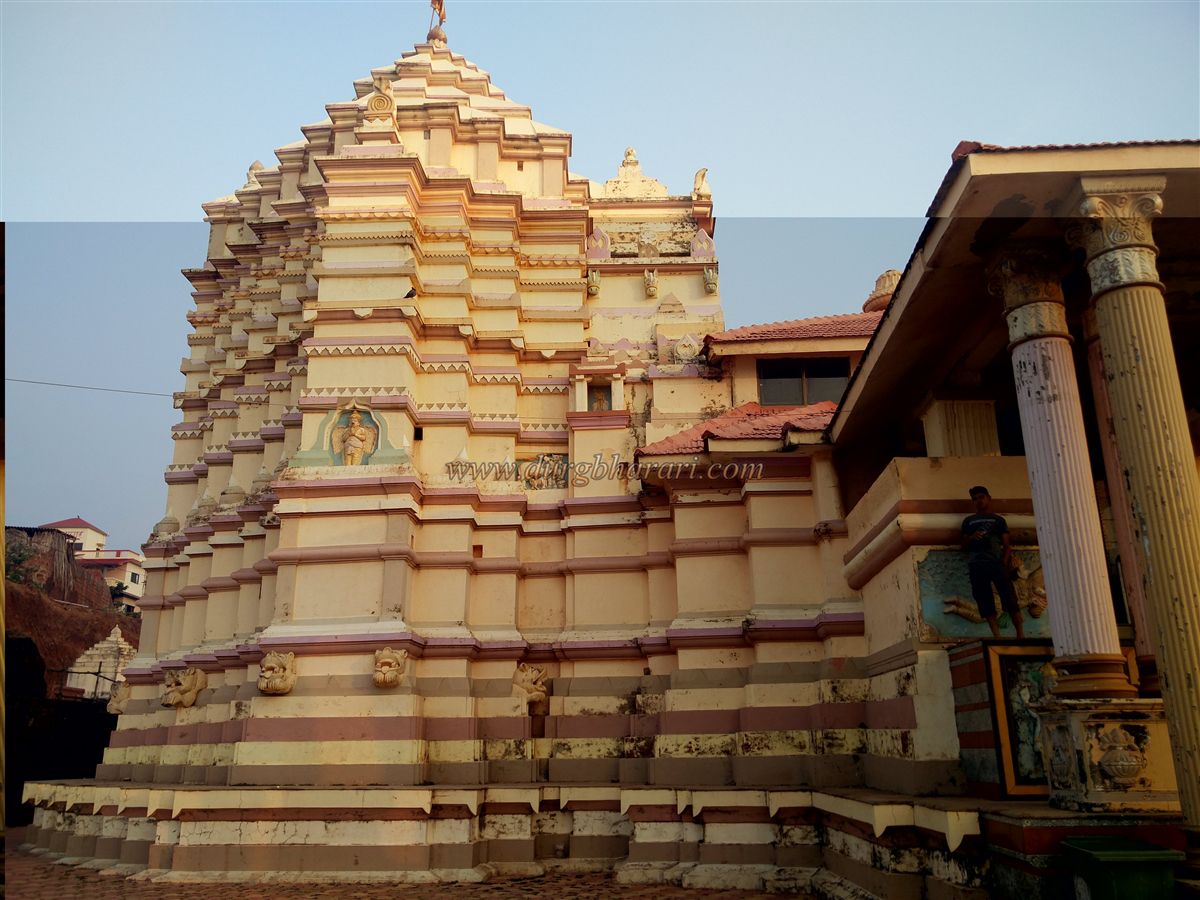
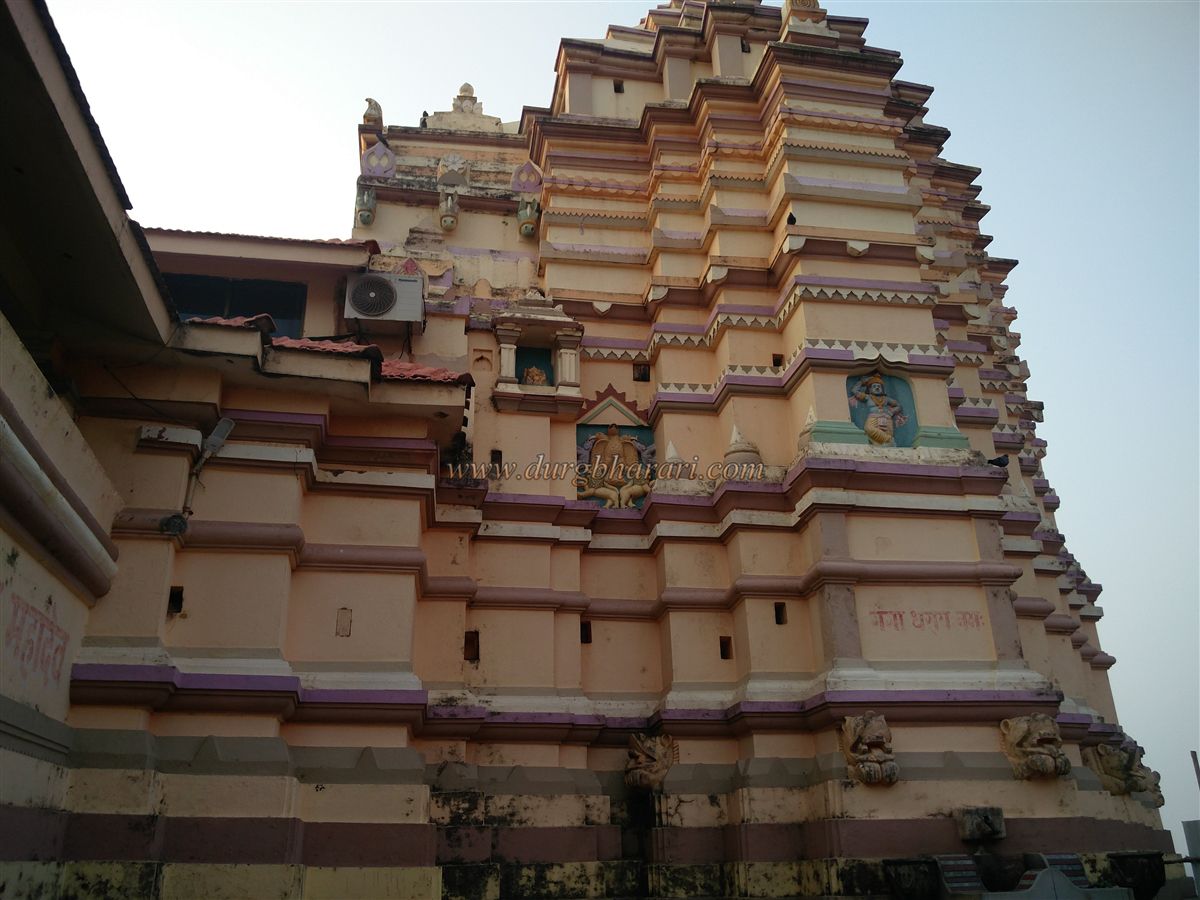
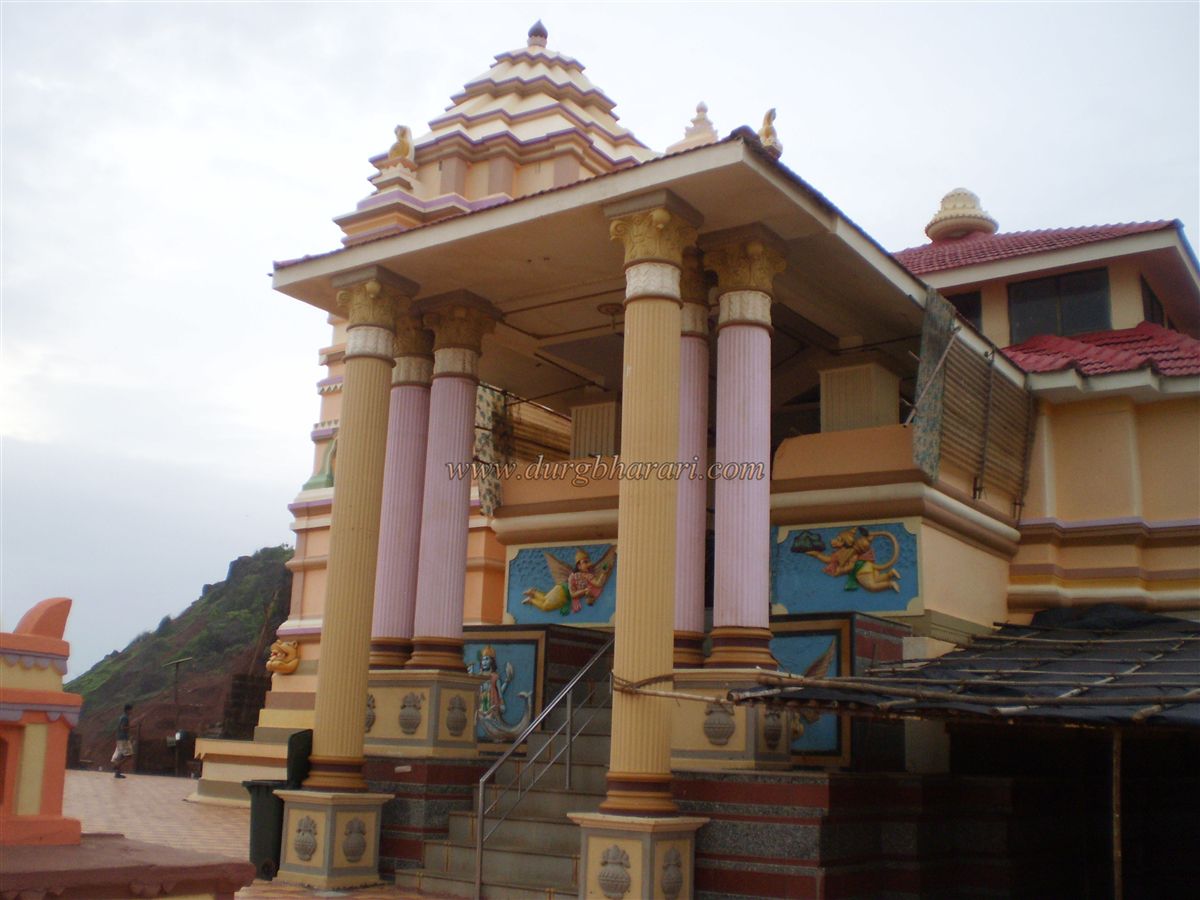
Since it stands right on the seashore, the sea-facing side has been fortified with a stone wall about 10 meters high to withstand waves. The grand temple, about 20 meters tall, is surrounded by fortifications, with a courtyard paved in laterite stone. Built on a 30-foot-high platform, the temple itself rises about 70 feet, constructed from stone slabs of various sizes.
...
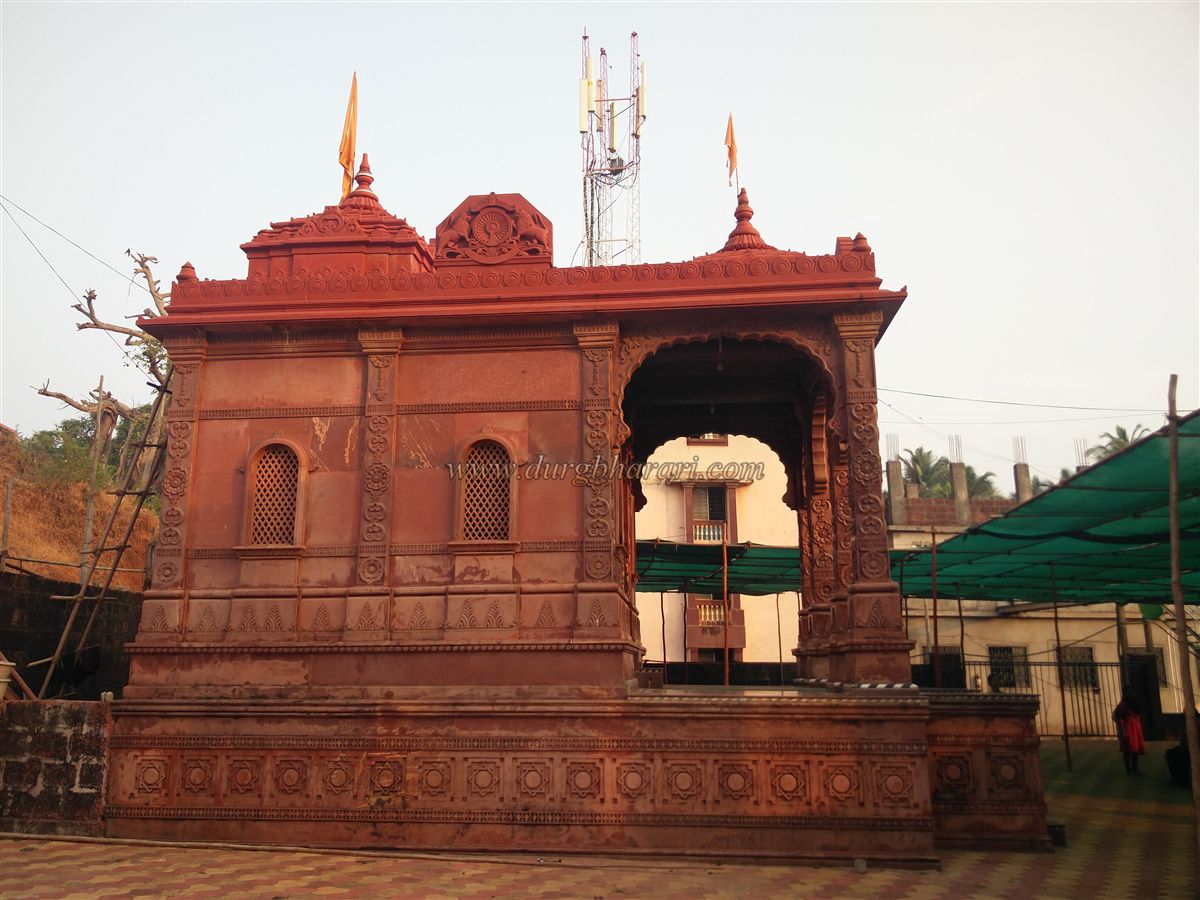
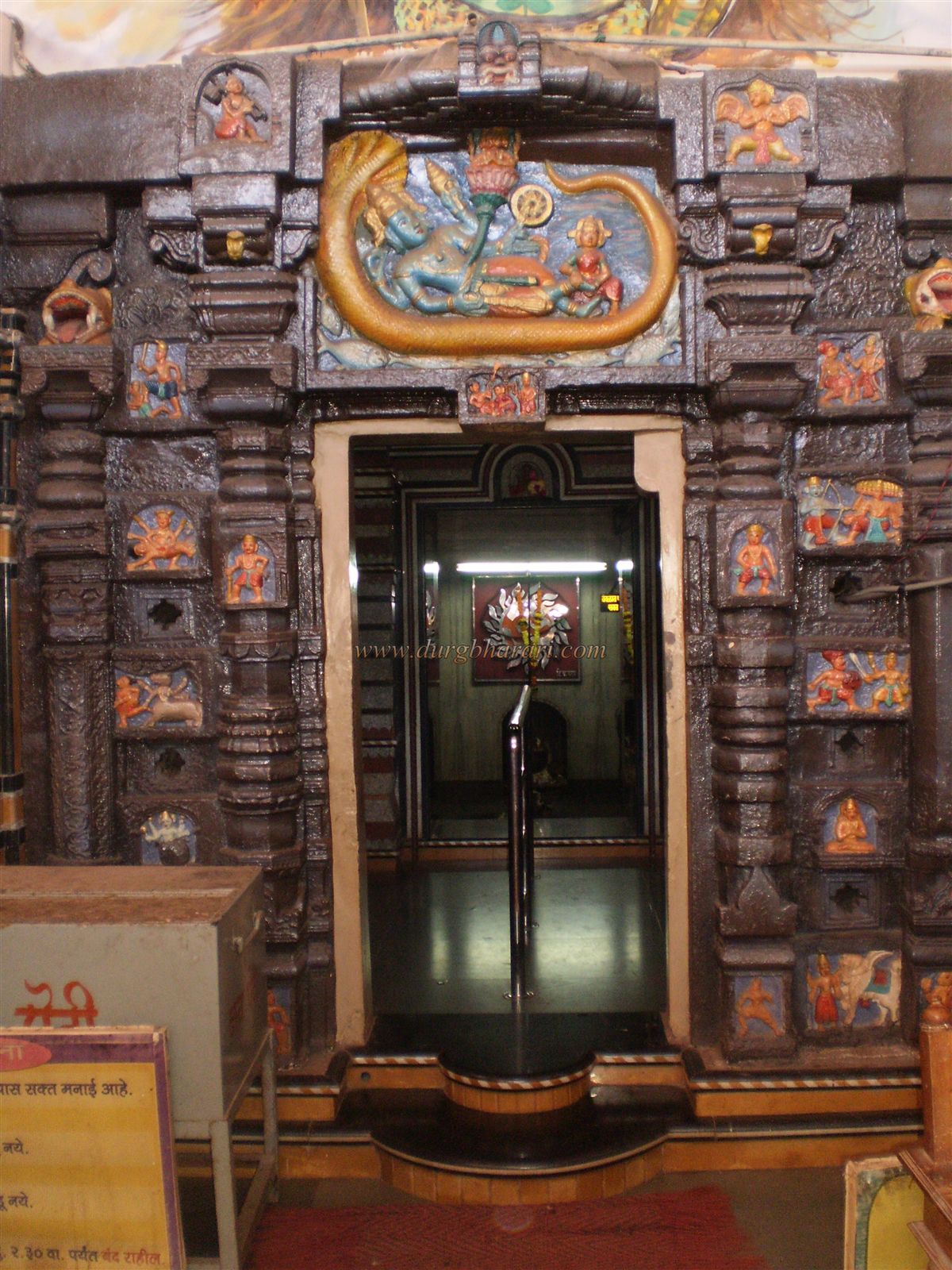
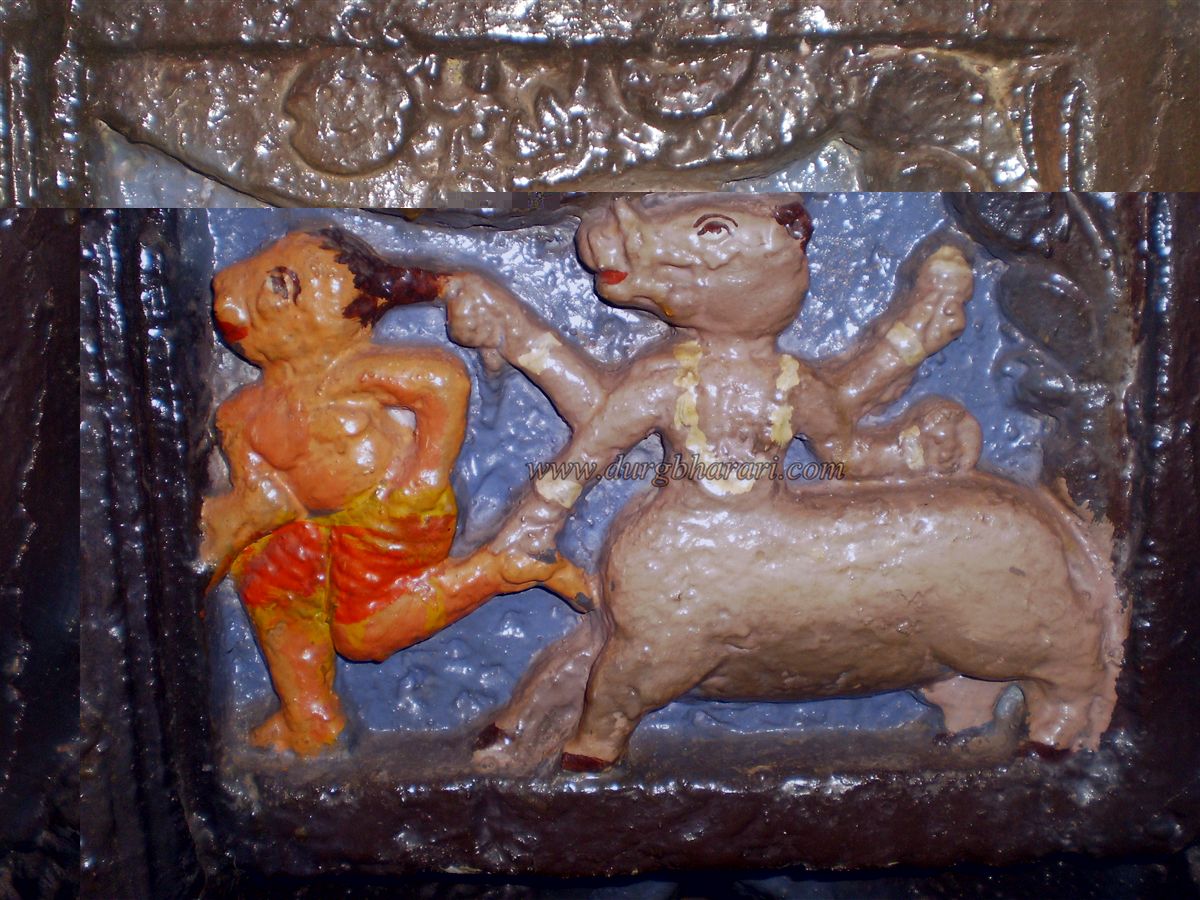
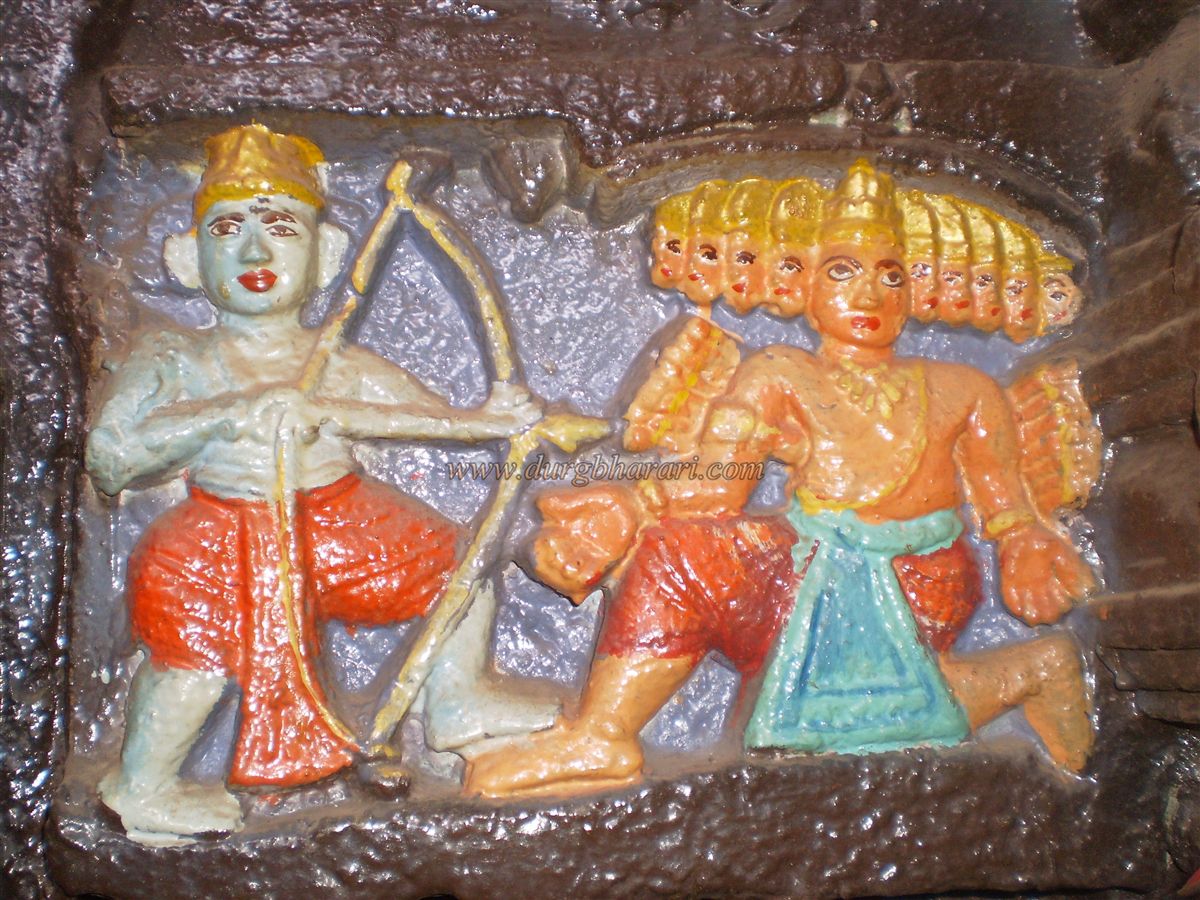
The structure is admired as a fine example of exquisite stone carving. On the northern side of the main temple, outside, stand four pillars with a turtle placed in the center. The large beams display intricate carvings, and the sanctum’s spire is tall and dome-shaped. The reddish laterite construction and the carved designs enhance the temple’s beauty.
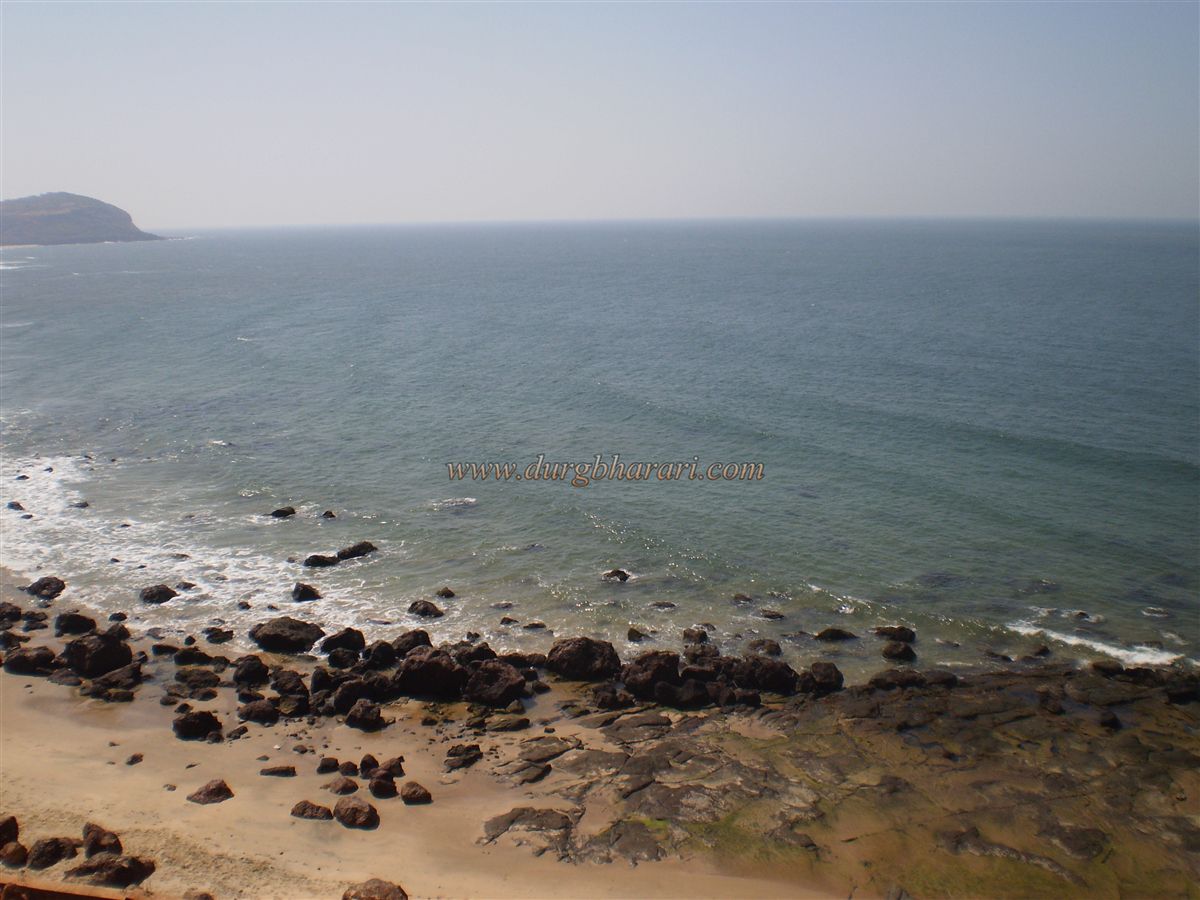
Kunkeshwar is known as the “Kashi of Konkan.” While Kashi has 108 Shiva Lingams, Kunkeshwar has 107. For years, these lingams have endured the constant pounding of waves yet remain unweather. Today, only 5–6 are visible during low tide. Similar rock-embedded Shiva Lingams are also found in Kashi. The temple stands at the foot of a hill, on a raised spot by the sea, and is counted among Kankan’s prominent shrines of Lord Shiva. The name “Kunkeshwar” is believed to derive from a grove of “Kank” trees that once grew here.
A local legend tells of a Brahmin whose cow grazed daily in what is now the temple precinct. The cow never gave milk at home. Curious, the Brahmin followed her and saw her letting down milk onto a self-manifested stone. When he struck the stone with his stick, a piece broke off and blood began to flow. Stunned, he surrendered to the stone and began worshiping it daily, lighting lamps. The site’s fame grew, and it became known as Shri Kshetra Kunkeshwar. The shrine is believed to have been famous even before the 11th century CE.
On July 11, 1850, Major Grant Jacob, the Political Superintendent of Mumbai, discovered a copperplate inscription here. It records that a Brahmin named Devasharma came to the prosperous village of Indul (now Hindale), was honoured by the local king, and later, by the grace of Lord Shiva of Kunkeshwar, the king was blessed with a son.
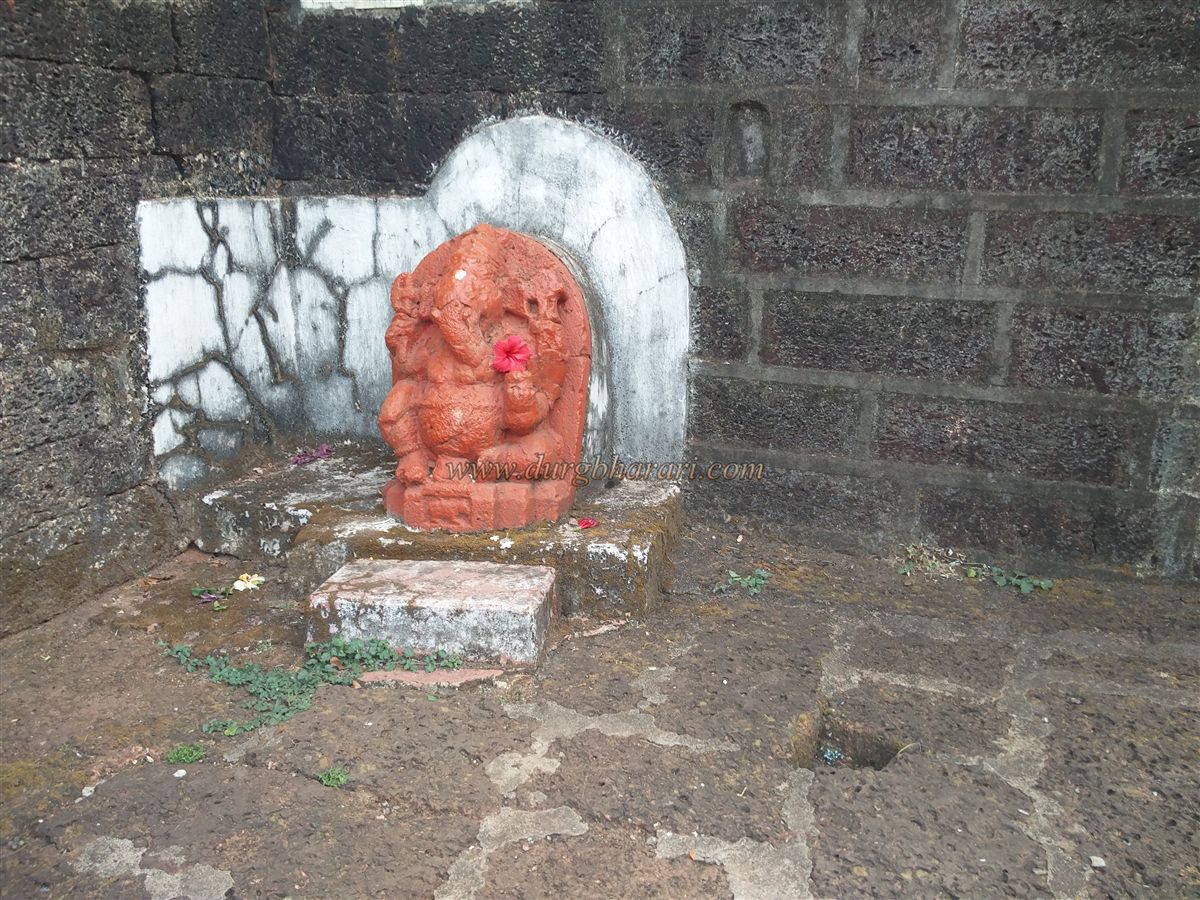
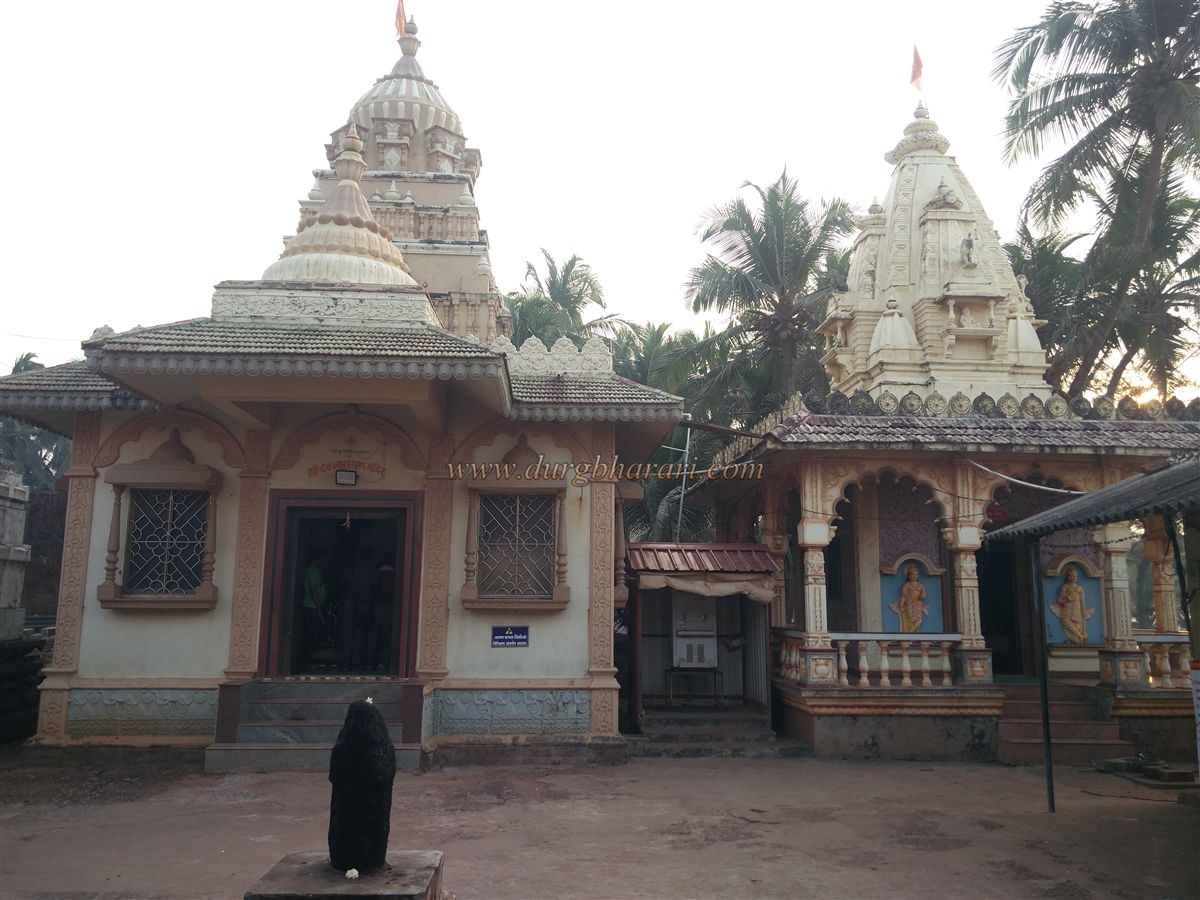
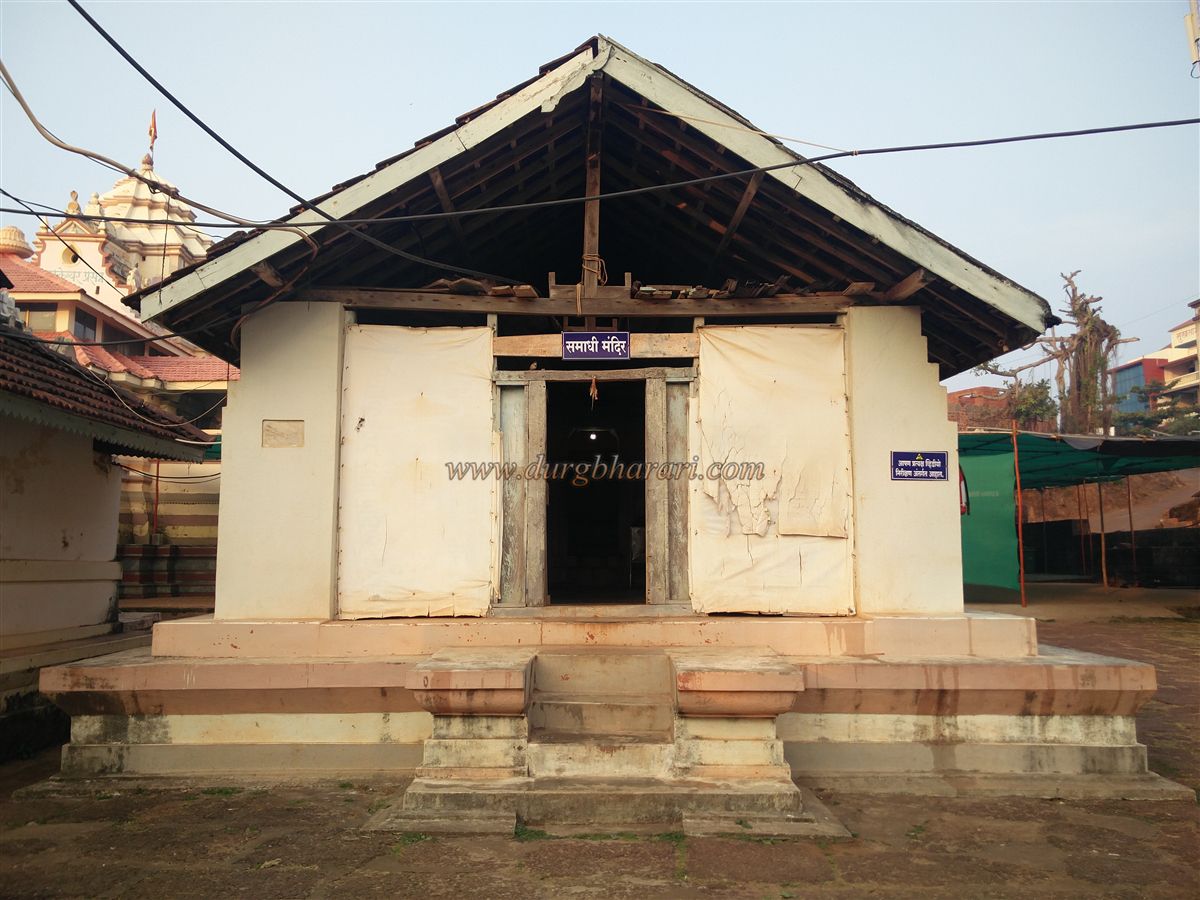
Within the temple complex are smaller shrines dedicated to Shri Jogeshwari, Shri Dev Mandalik (a Shiva shrine), Shri Narayan, Shri Ganesh, and Shri Bhairav, as well as the temple of Naro Nilkanth. South of the temple, near a pond, is a Maruti temple. Around 1920, during digging on the eastern slope of a nearby hill, an ancient buried cave entrance was uncovered, revealing separate carved stone idols. This cave, now called Pandav Leni, differs from other rock-cut caves in that its statues are free-standing rather than carved into the walls.
The cave chamber, cut from reddish laterite stone, measures about 10 feet long, 8 feet wide, and 6 feet high, with a doorway 5 feet high and 3 feet wide. The idols, carved from black basalt, include 18 masks and 2 figures of Shiva Lingam and Nandi. The masks are arranged in pairs — 8 male-female pairs — plus one single young male mask, and one damaged figure whose gender is unclear. These are not deities but portrayals of royal men and women, finely carved with regal attire, turbans, plumes, and pearl ornaments in a Maharashtra style. Such caves are rare in Konkan, and none are known with similar features.
Shri Dev Kunkeshwar is regarded as the presiding deity of 72 villages in the surrounding region. On Mahashivratri, the deities of these villages traditionally come here to enhance their spiritual power, staying until Amavasya. Devotees bathe in the sea and worship the deity, and the festival draws huge crowds. In earlier times, the village of Kunkeshwar was an “inam” (tax-free grant) for the temple, but during British rule, this was replaced with an annual cash payment from the government.
Kunkeshwar beach is very clean and safe. One can walk along the long stretch of the Mithbav–Kunkeshwar coast and watch local fishermen at work. With its religious significance and scenic beauty, Kunkeshwar has become well developed, offering good facilities for lodging and food.
© Suresh Nimbalkar
GALLERY