KOTHLIGAD / PETH KILLA
TYPE : HILL FORT
DISTRICT : RAIGAD
HEIGHT : 2125 FEET
GRADE : MEDIUM
About 19 kilometers east of Neral and 22 kilometers northeast of Karjat, on a pinnacle, lies the ancient fort of Kothaligad. It was likely used to monitor the Kolimba and Sawale passes on the Khopoli–Ked–Kadus route to the south of Karjat. From the plateau of Peth, there is a path eastward toward the Vandare pass. To its north lies Padar fort and the vast Bhimashankar hill. On the way from Karjat to Peth, one gets a spectacular view of the Sahyadri Mountains on the right, including Dhak and Bahiri pinnacles.
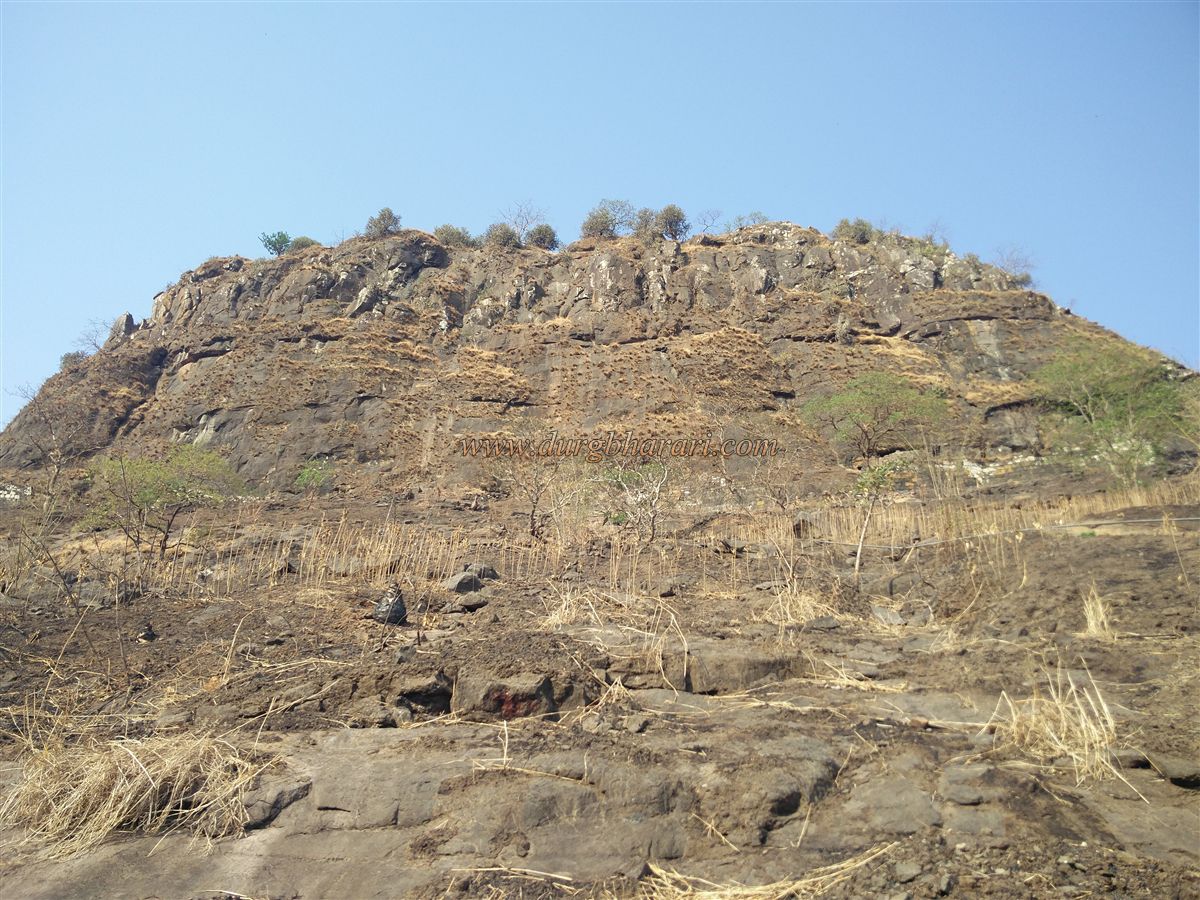
At just 472 meters above sea level, the fort is not very high and is quite small. It stands on a hill separated from the main Sahyadri range, appearing as a sharp pinnacle. A well-trodden path leads from Ambivali village to the fort. The fort’s marketplace once existed on the plateau, and hence both the village and the fort came to be called “Peth.”
...
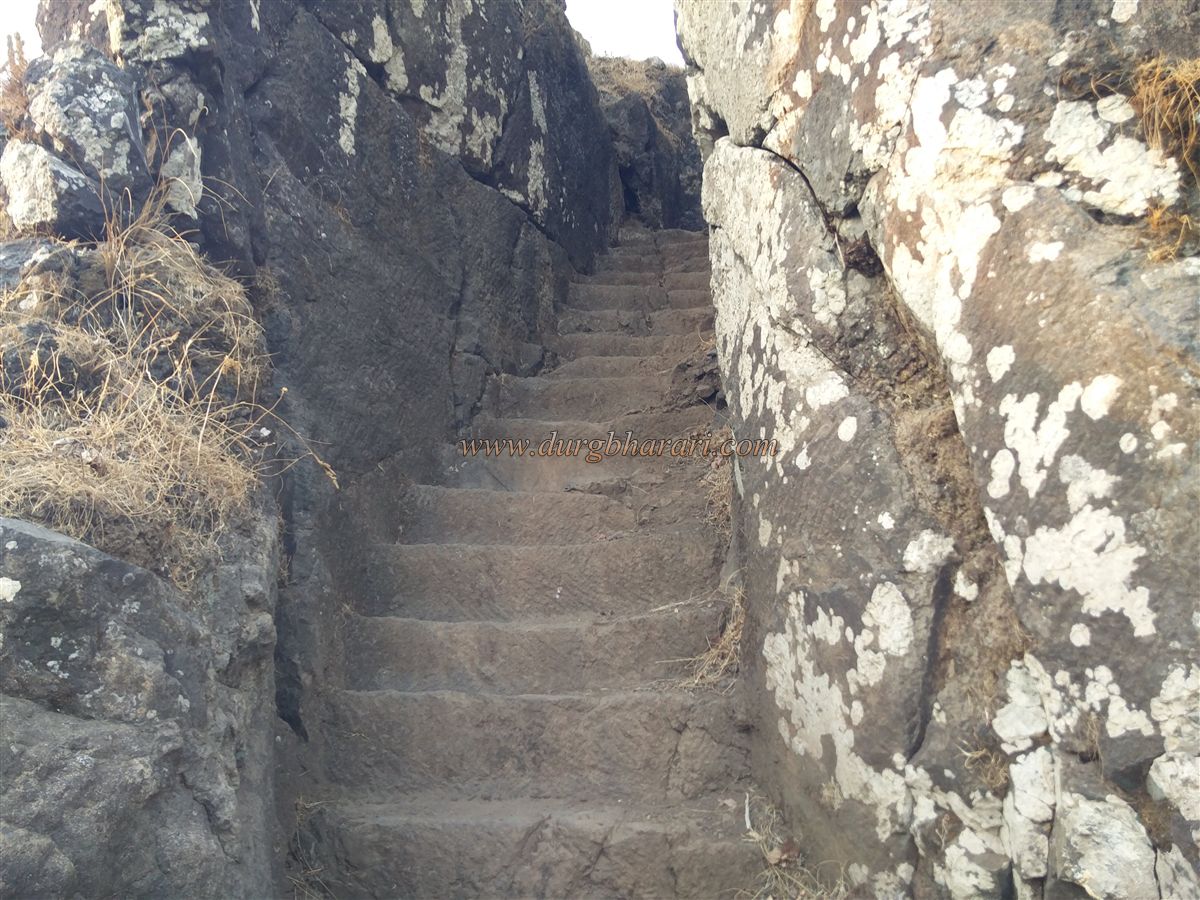
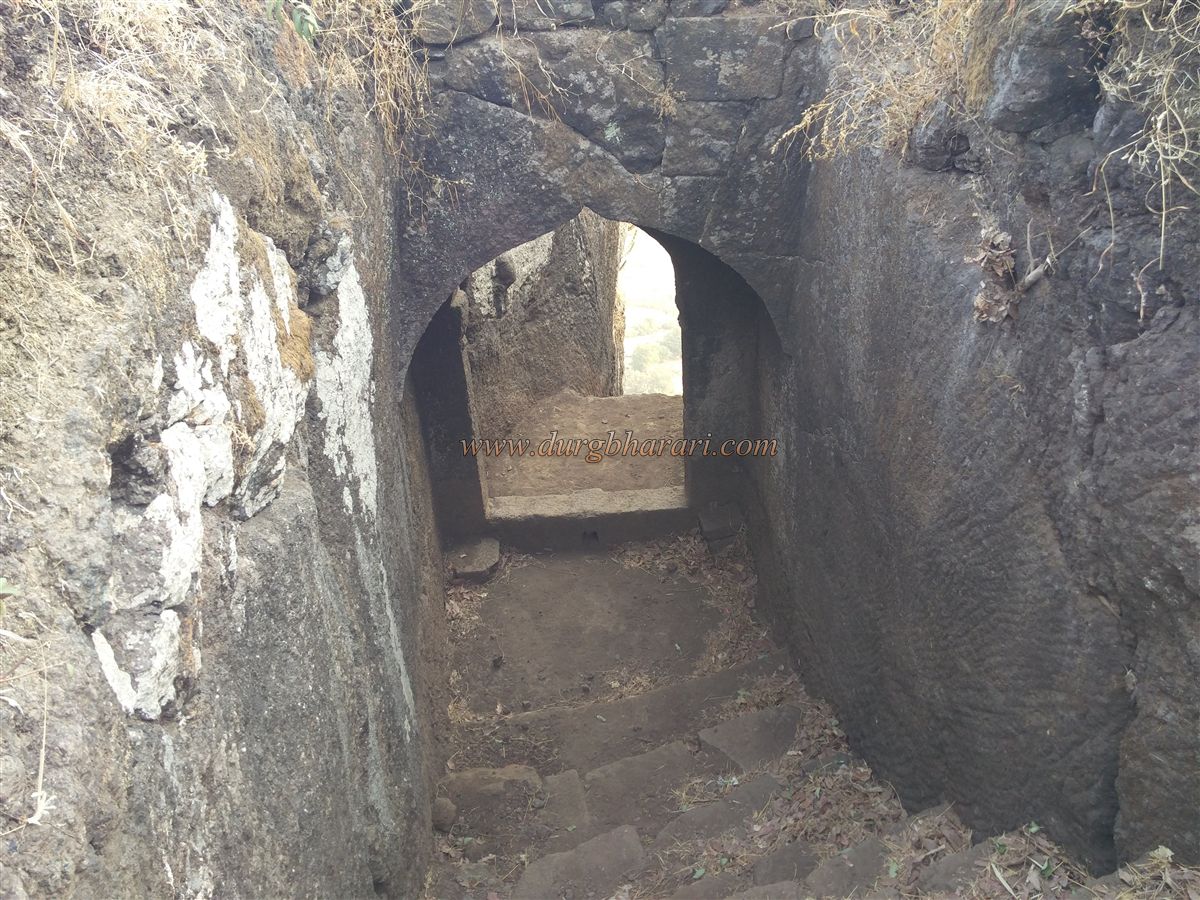
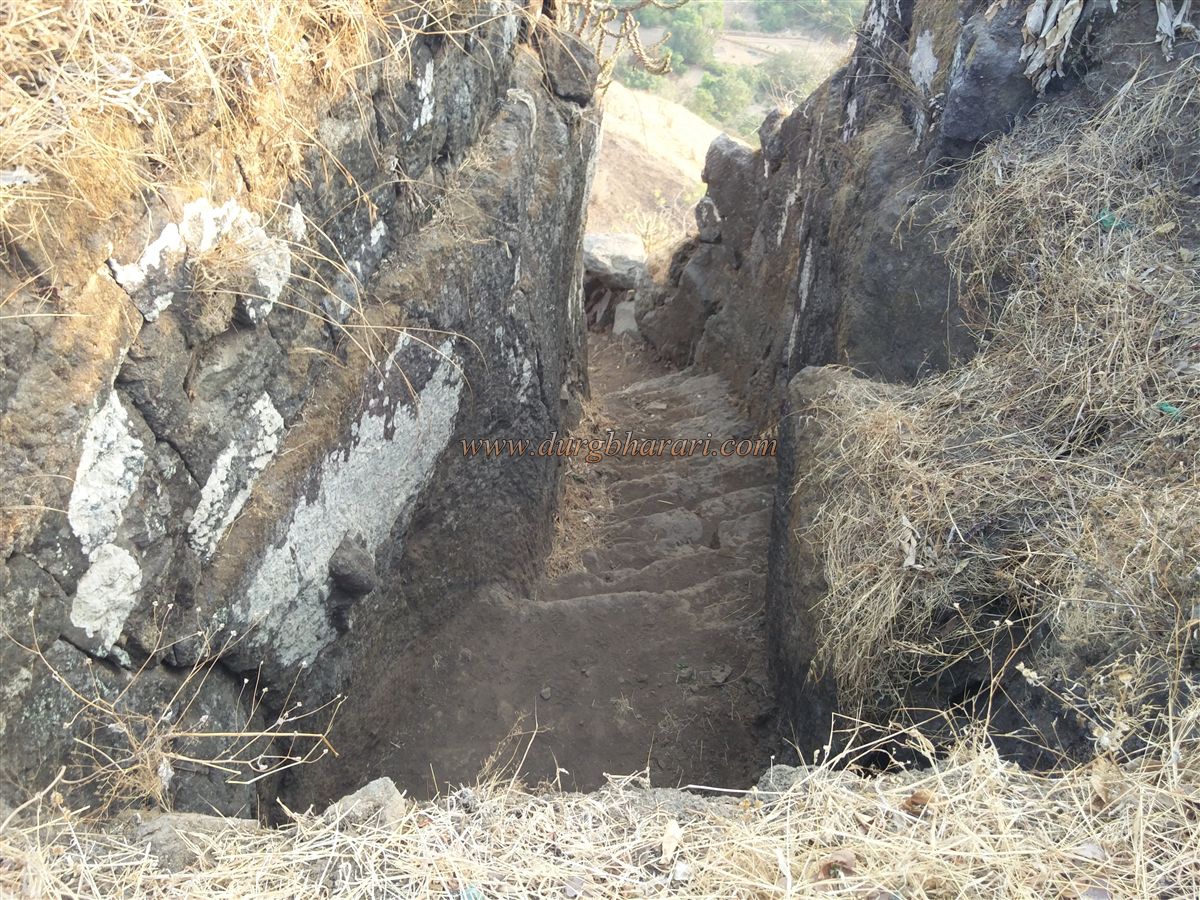
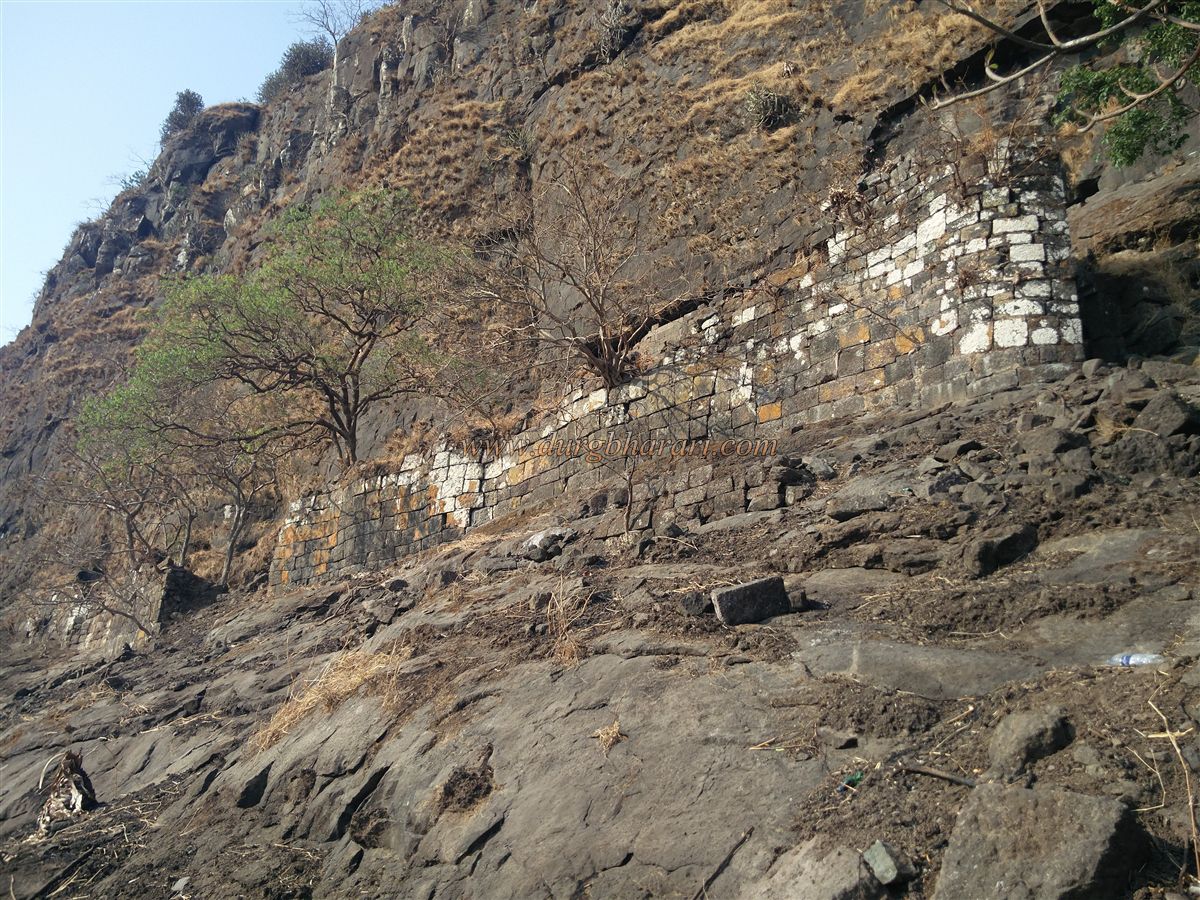
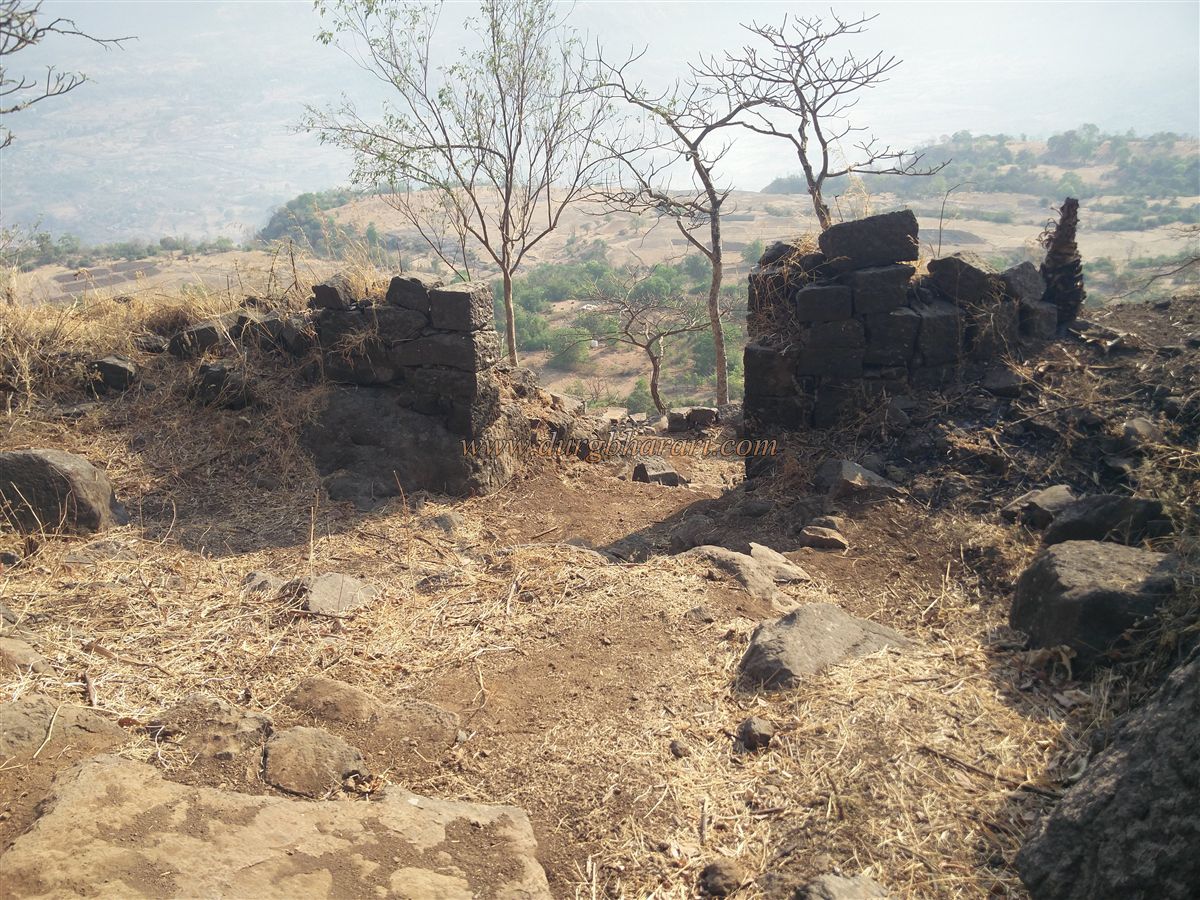
From Peth village at the base, the pinnacle of the fort appears as if chiselled from all sides. The climb from the village to the fort is steep and exhausting, but it leads directly to the main entrance. Along the path, one sees remains of steps and gateways. The final climb to the pinnacle is difficult, with steep drops on all sides.
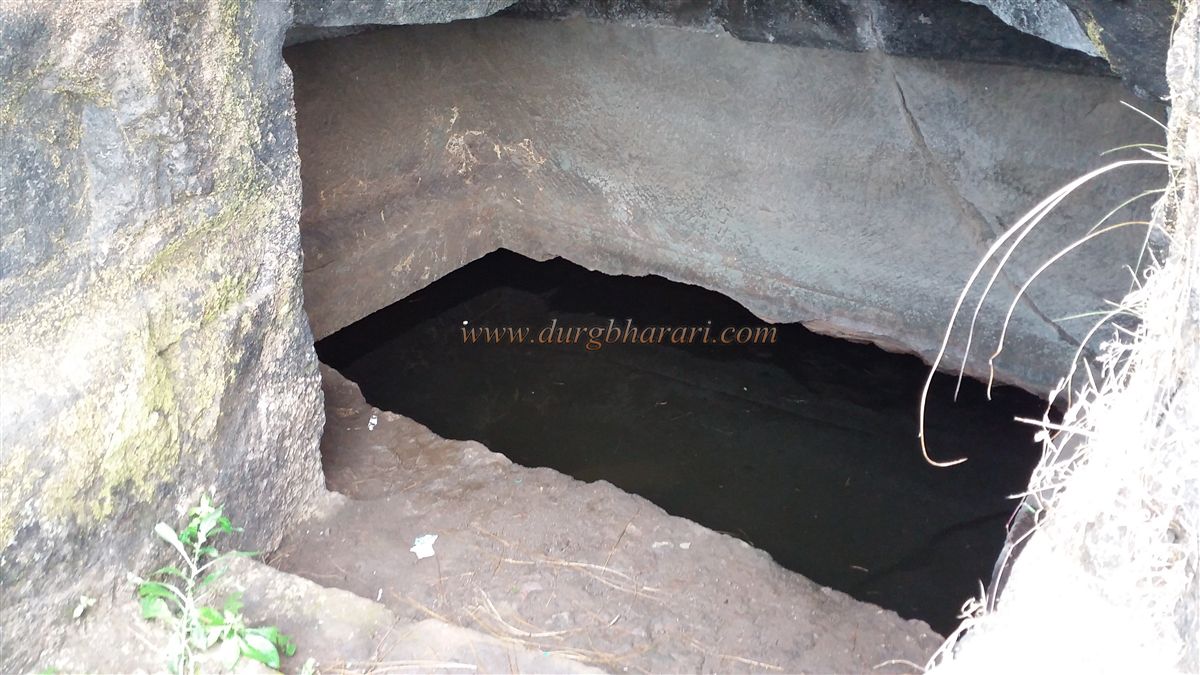
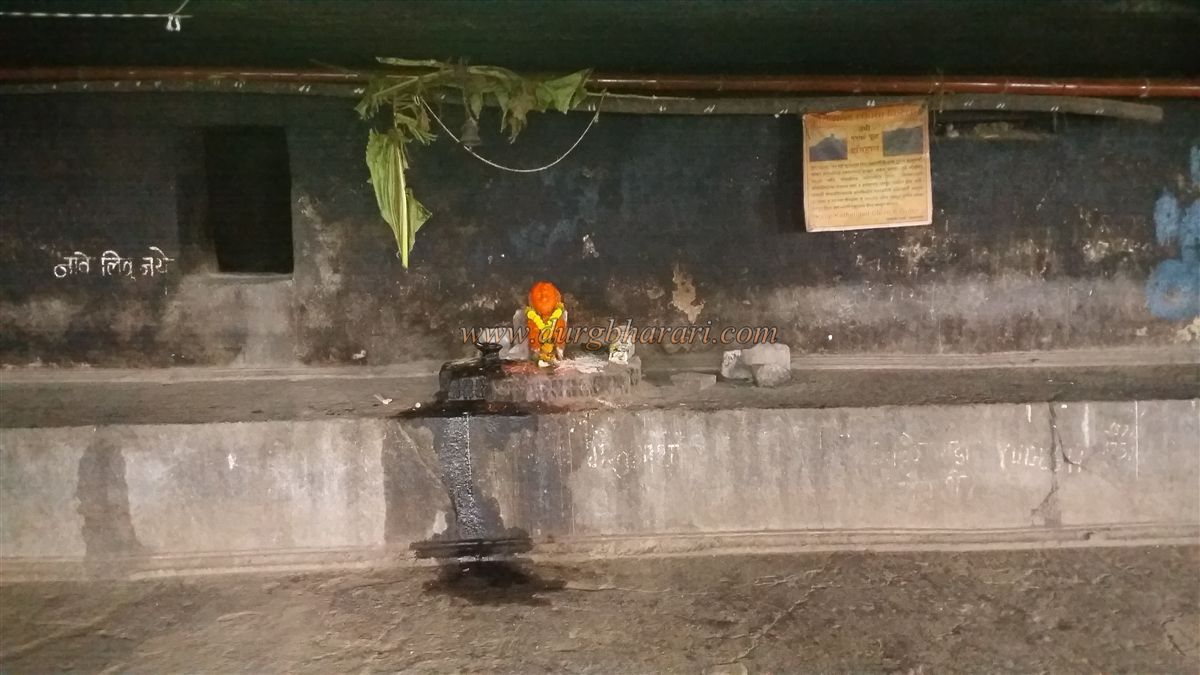
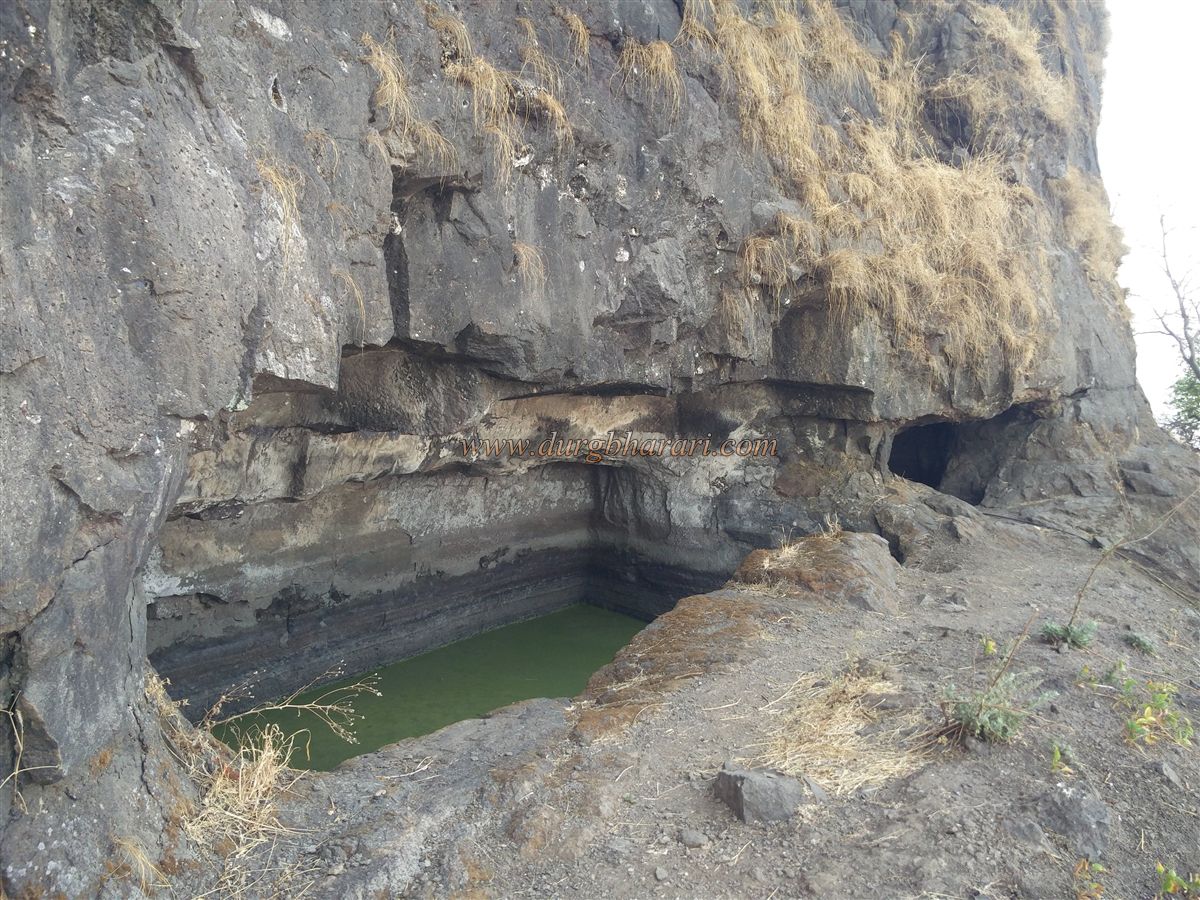
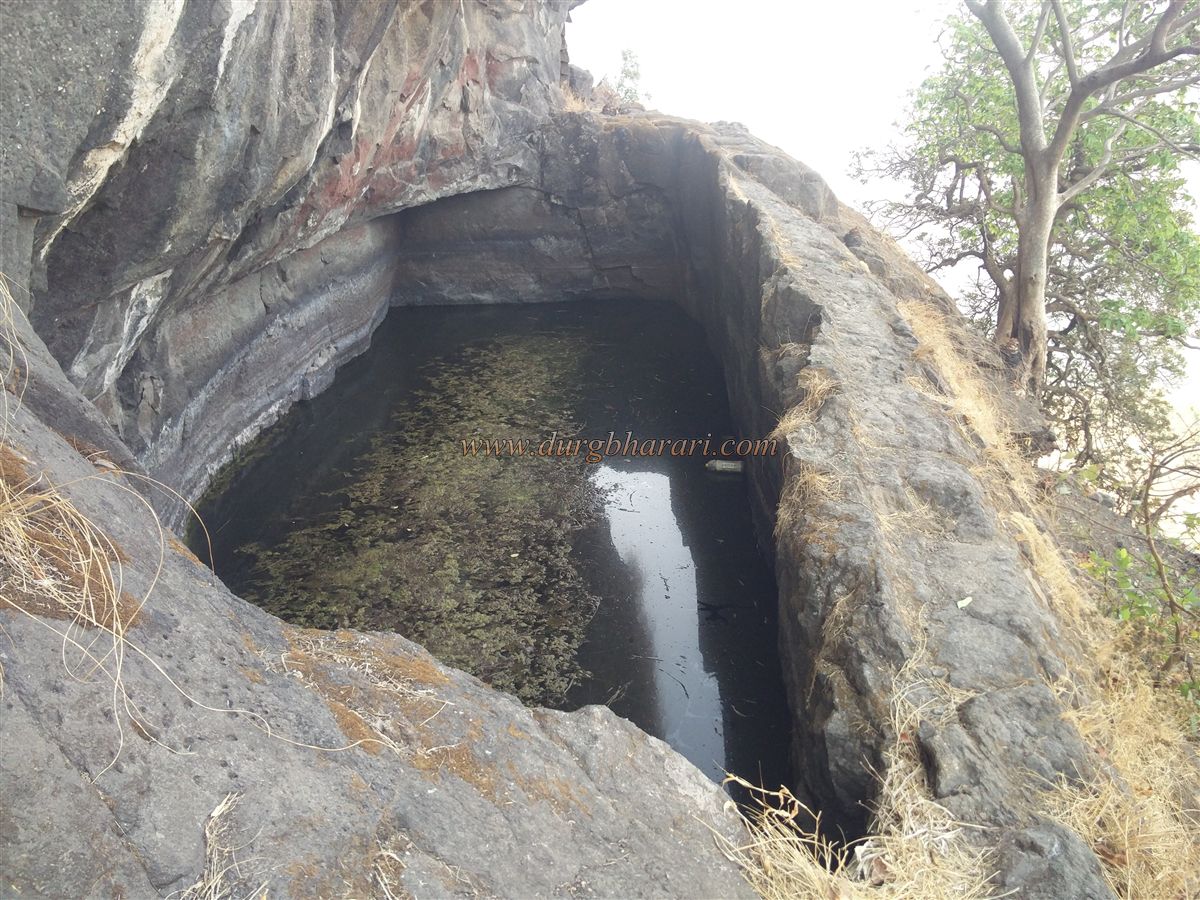
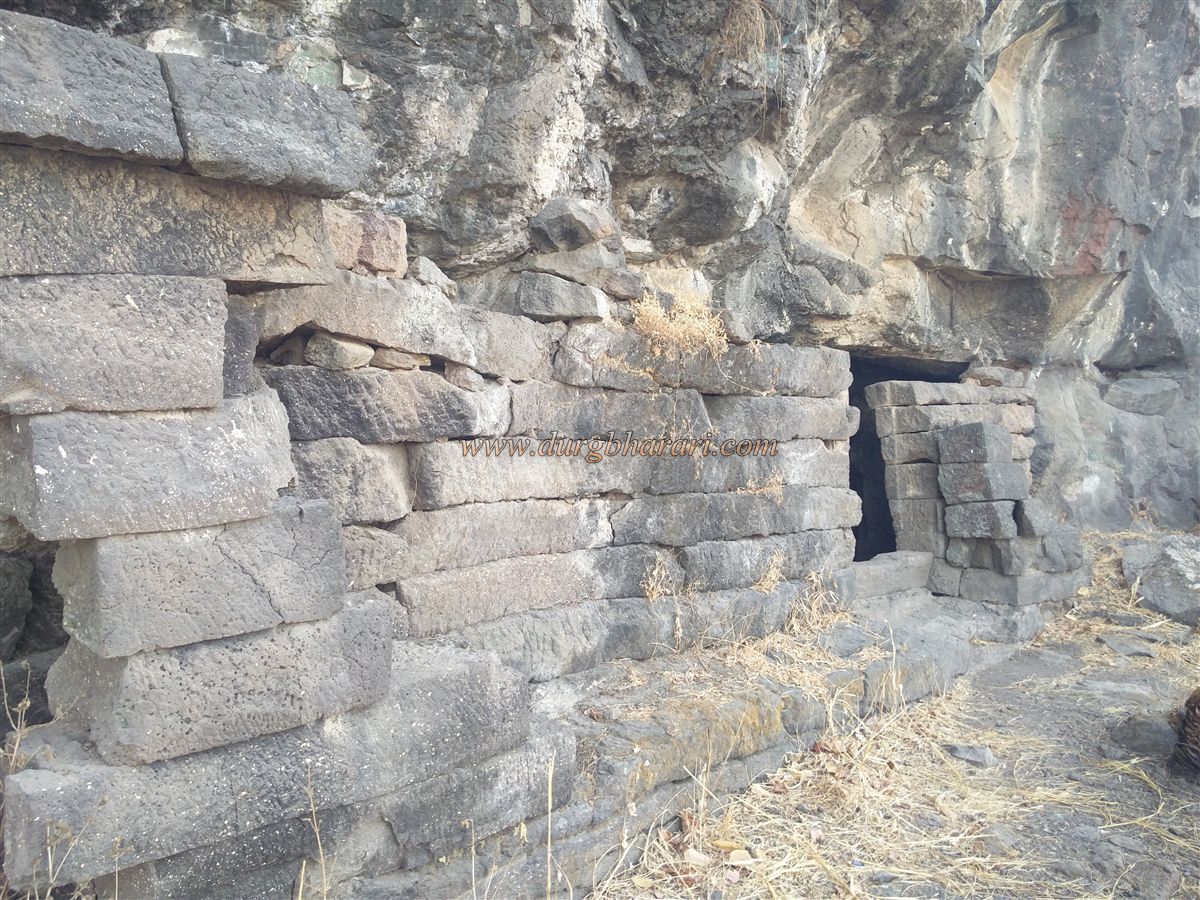
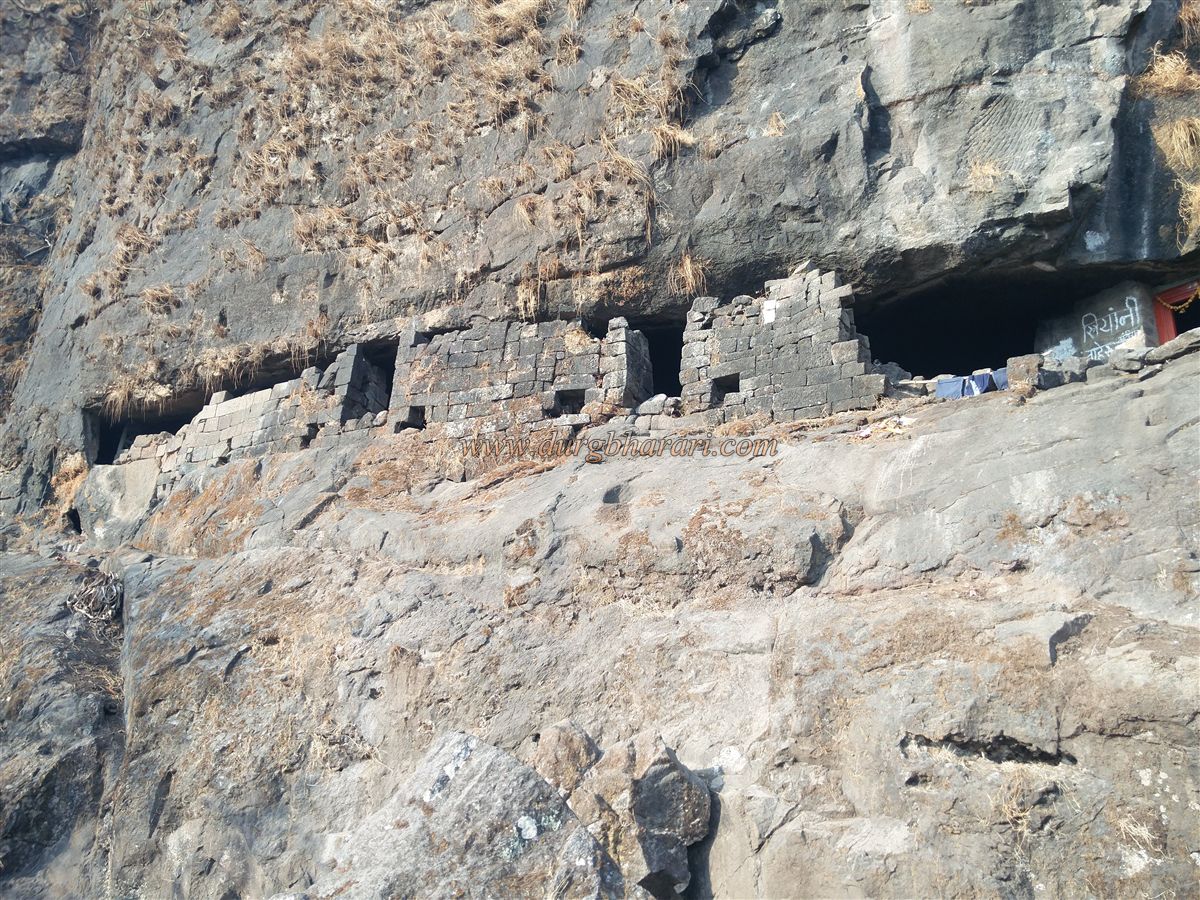
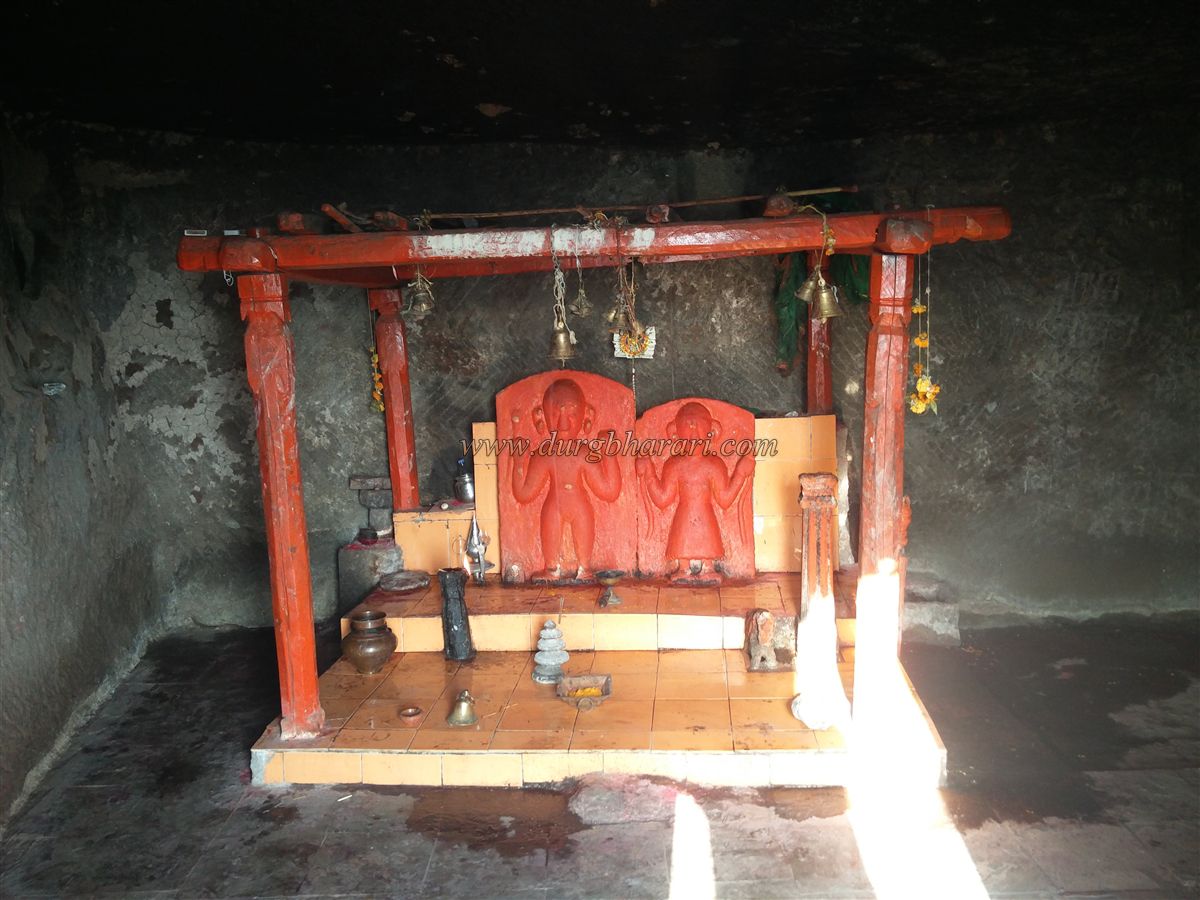
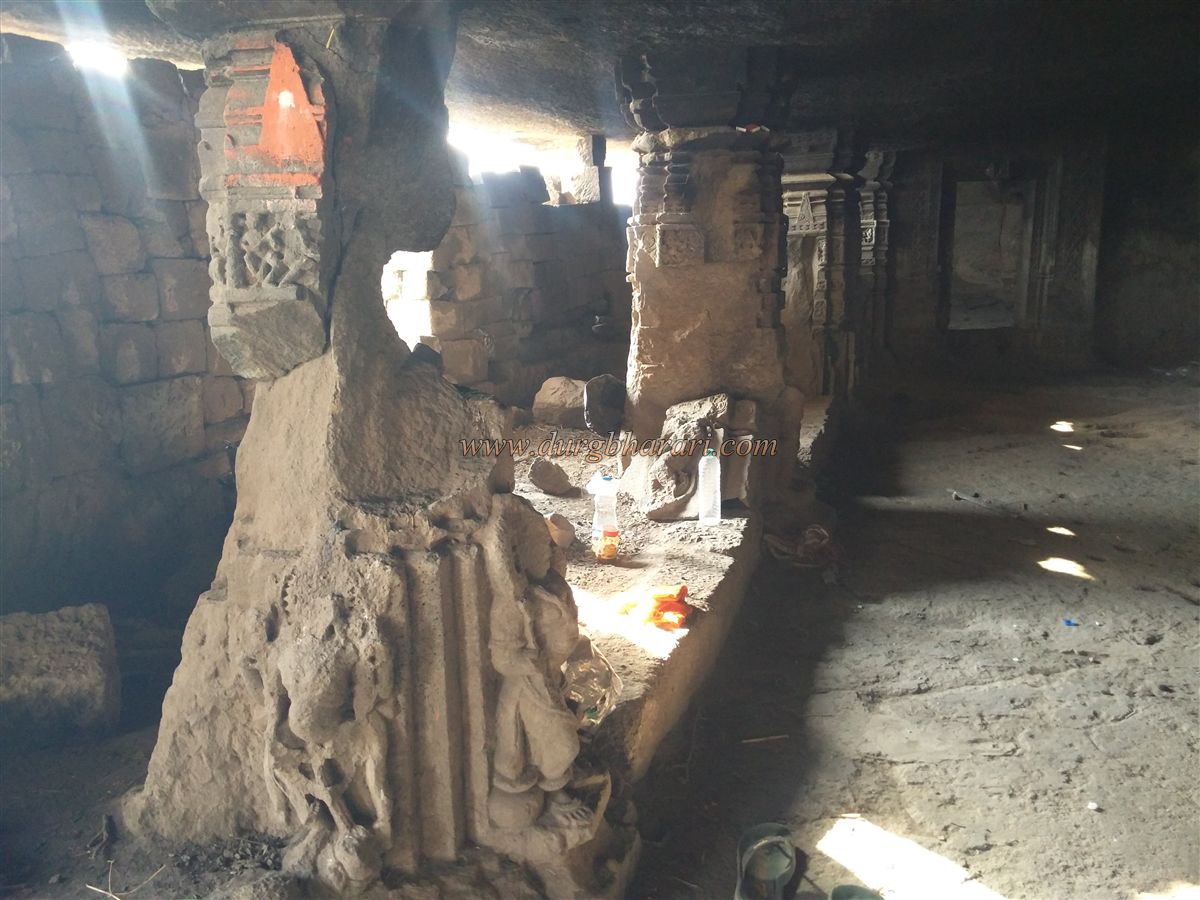
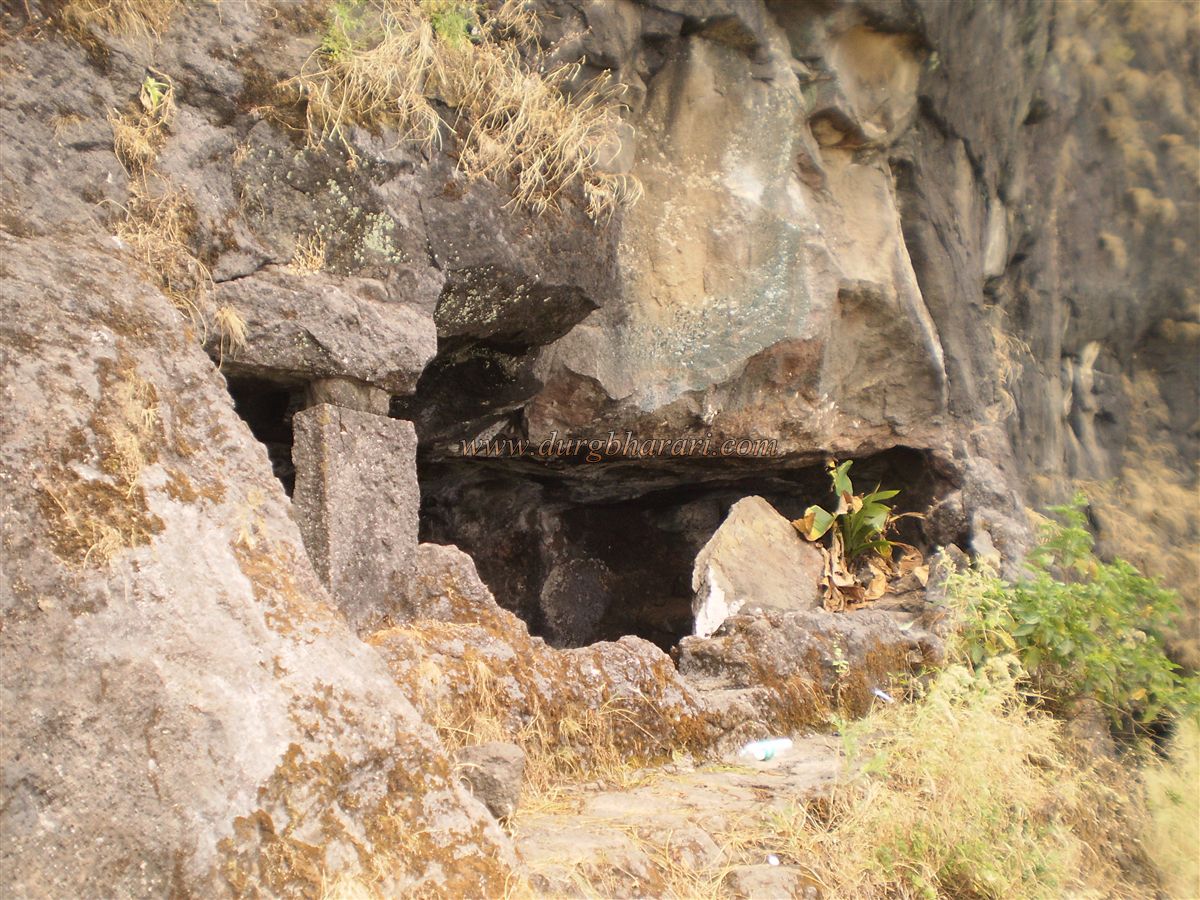
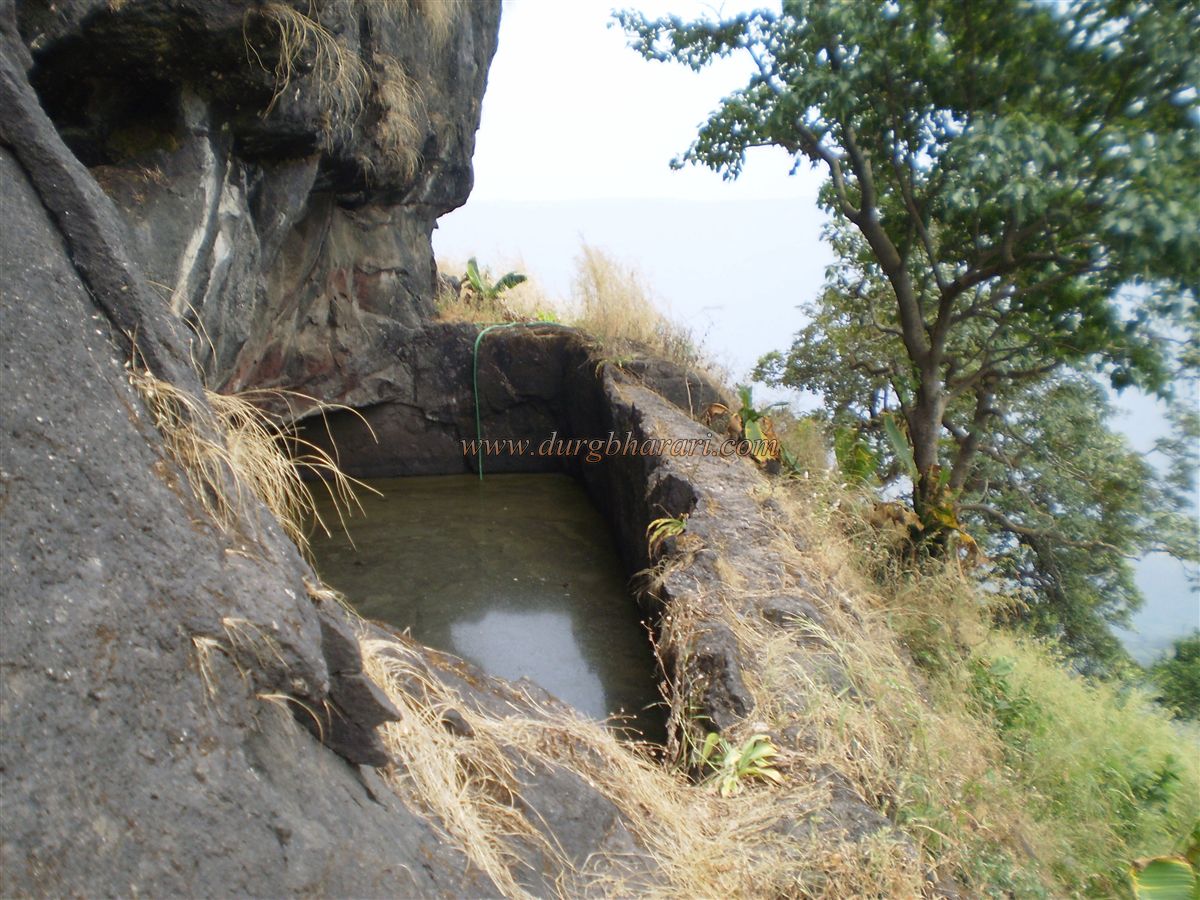
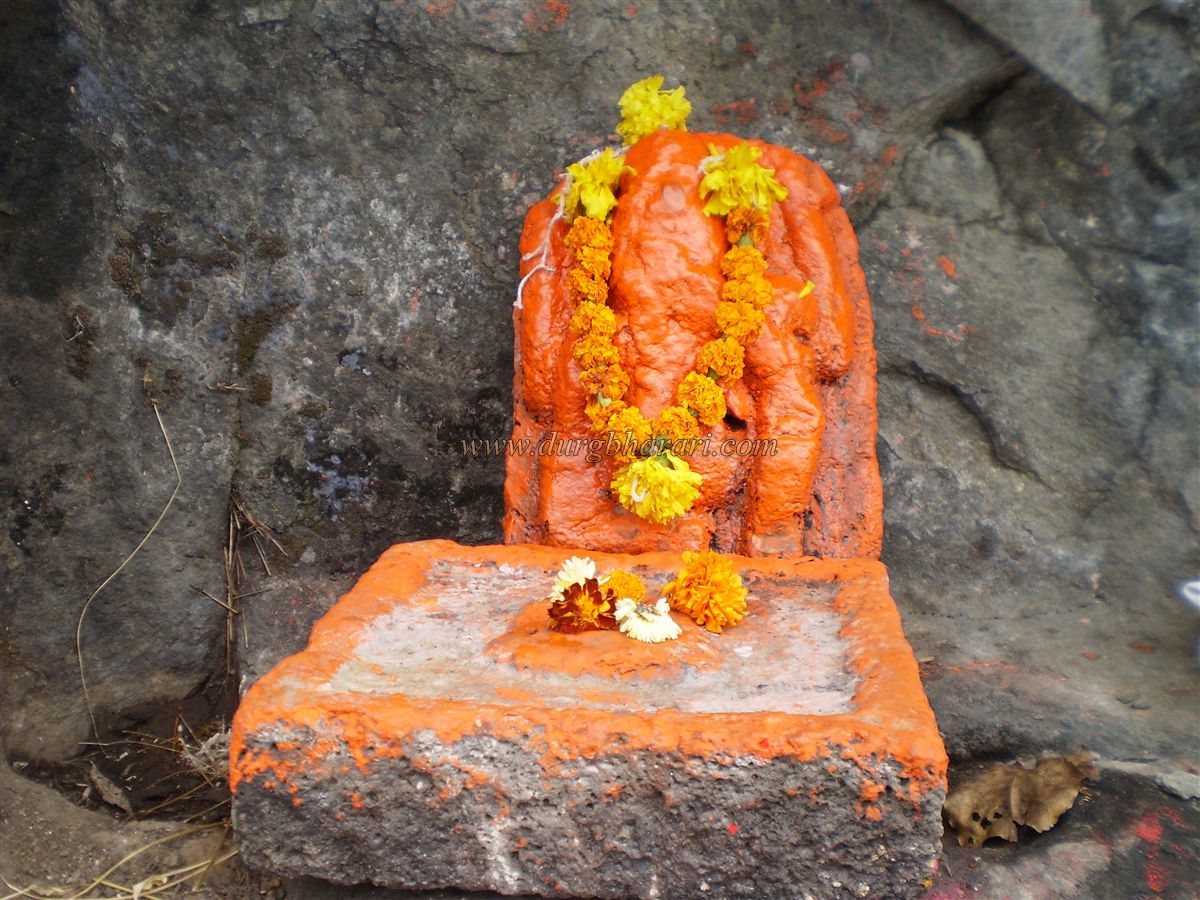
Kothaligad is a showcase of fort architecture. Carved caves appear in the rock face — first a goddess’ cave, then a water cistern, and to the left, a spacious cave dedicated to Bhairoba. The Bhairoba cave has a flat floor supported by carved, decorated pillars. There are round pits in some places and a few old cannonballs. Near the cave, a vertical tunnel leads inside the pinnacle.
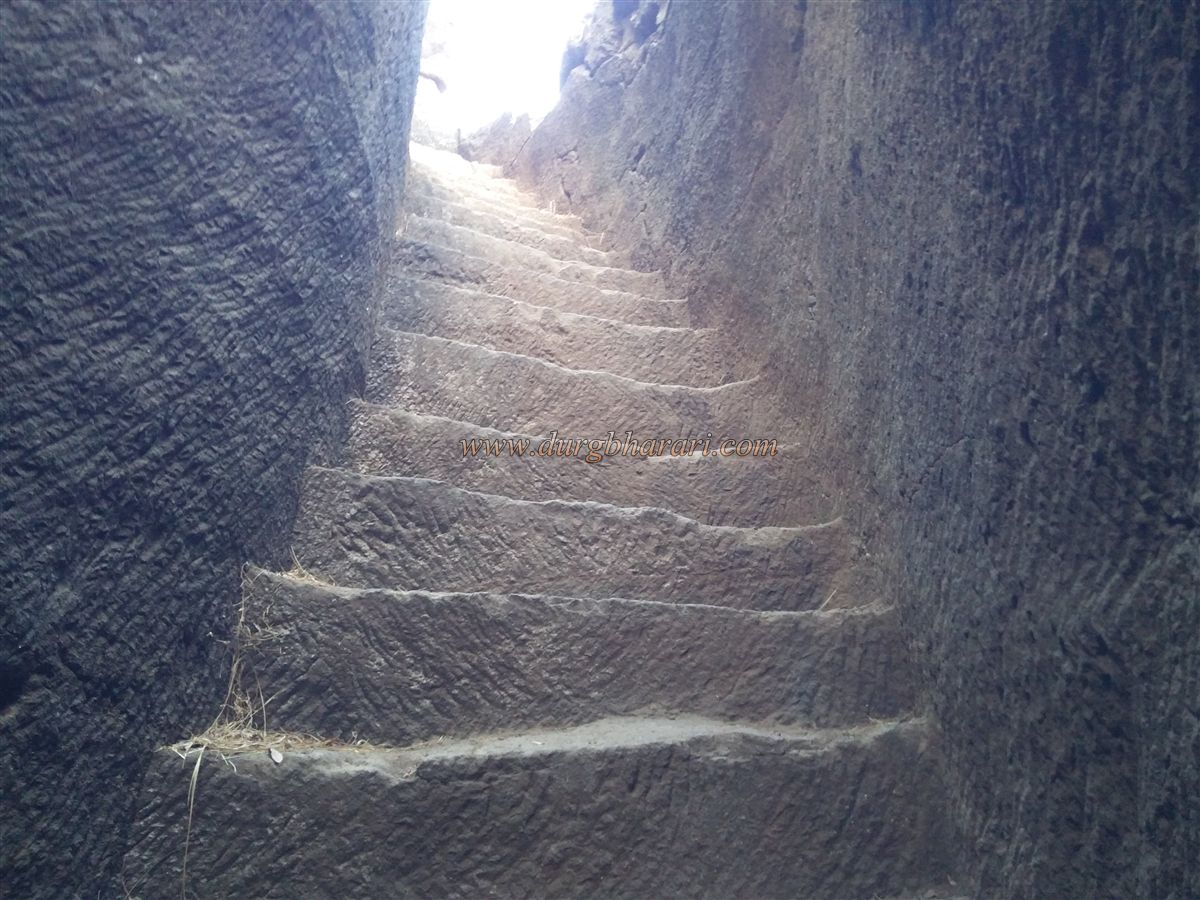
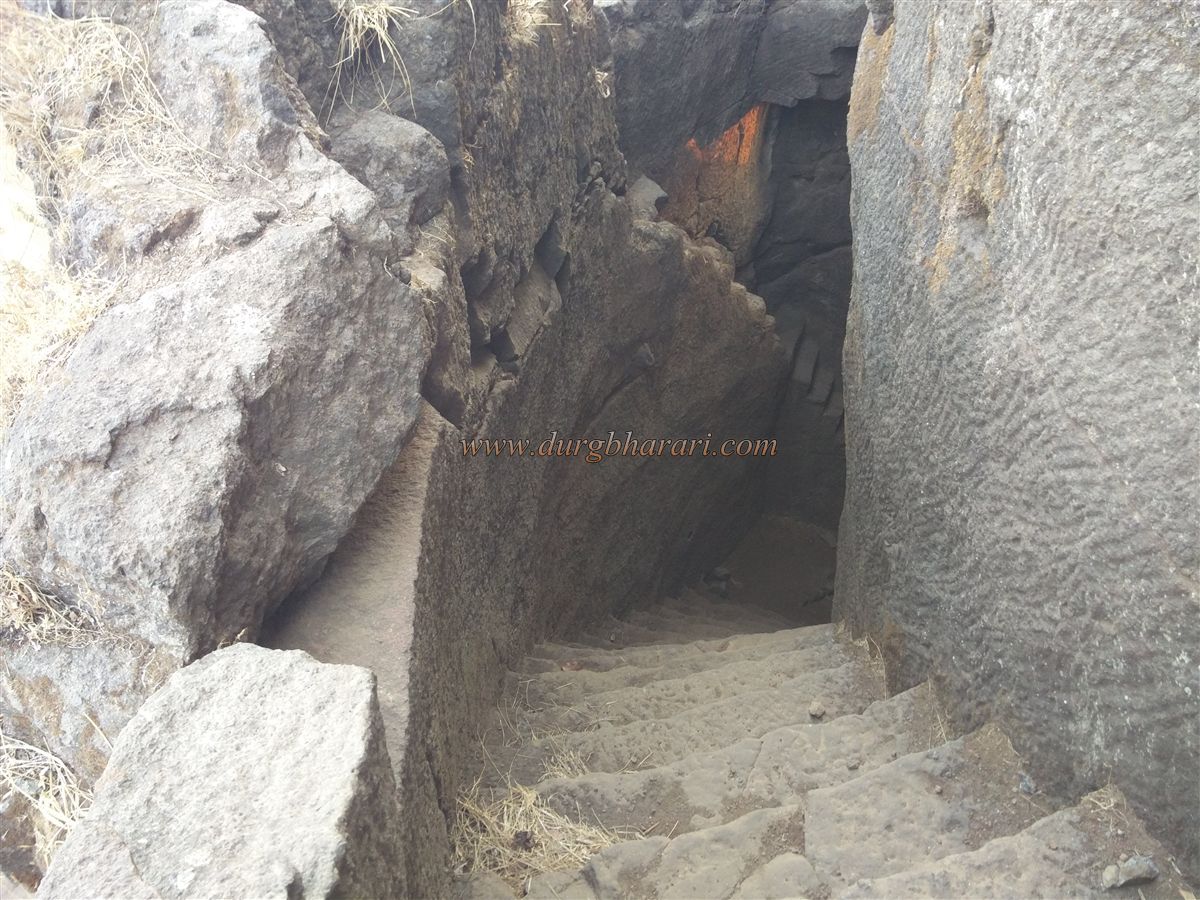
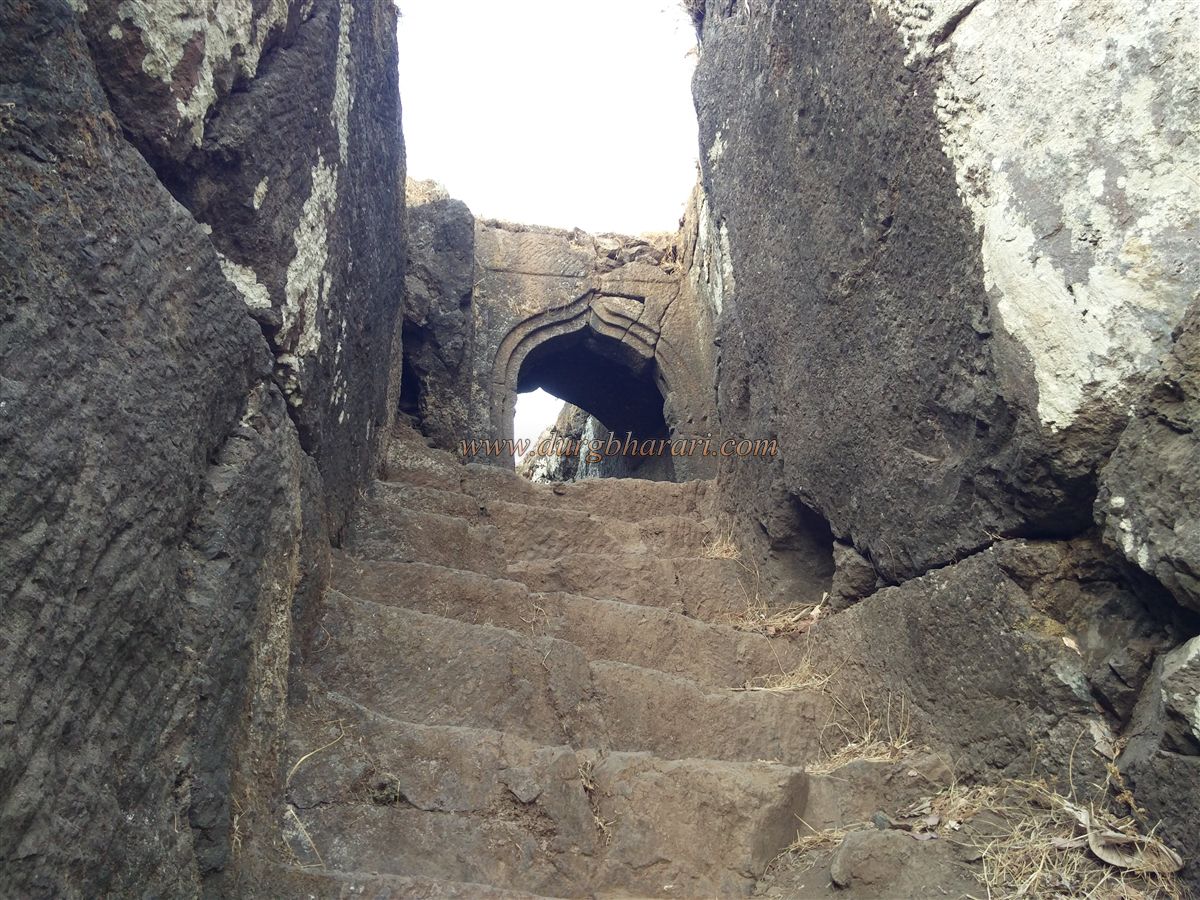
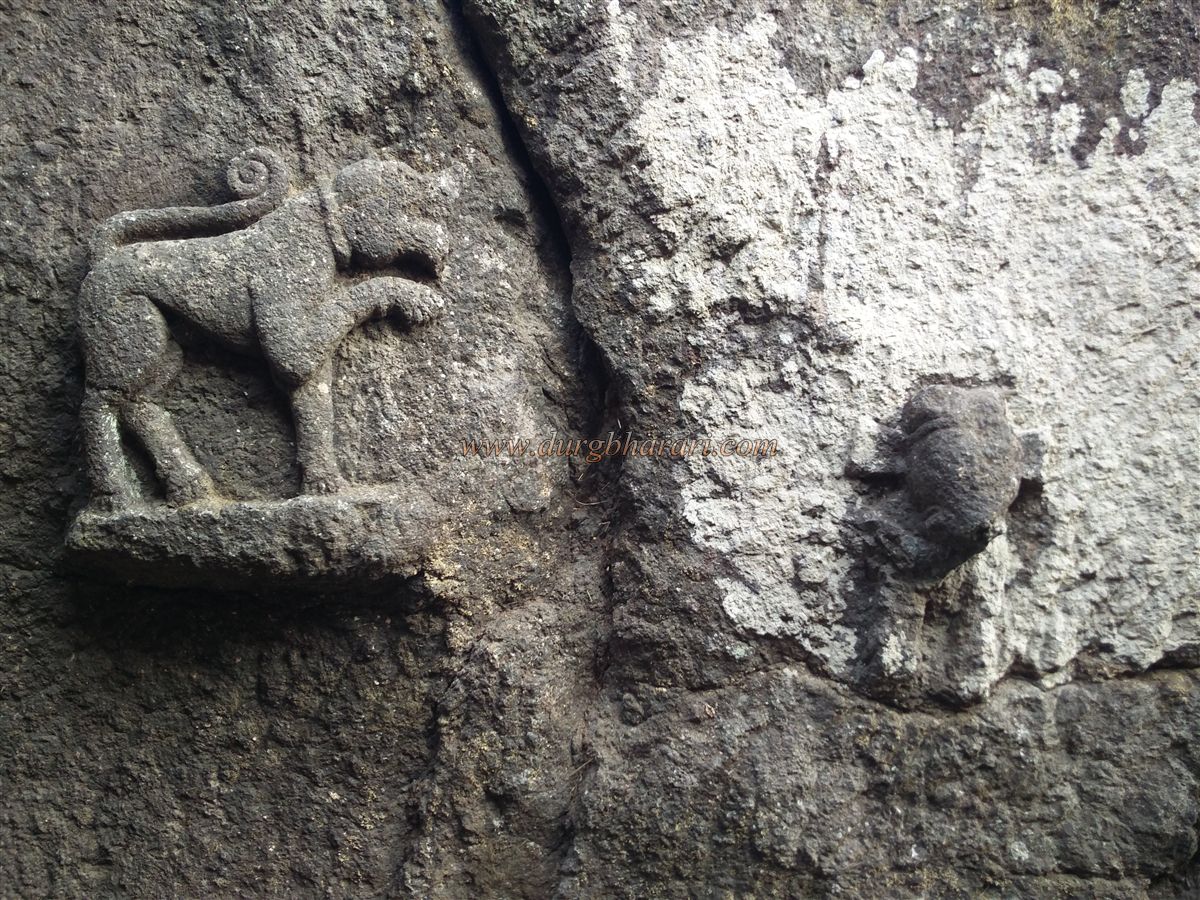
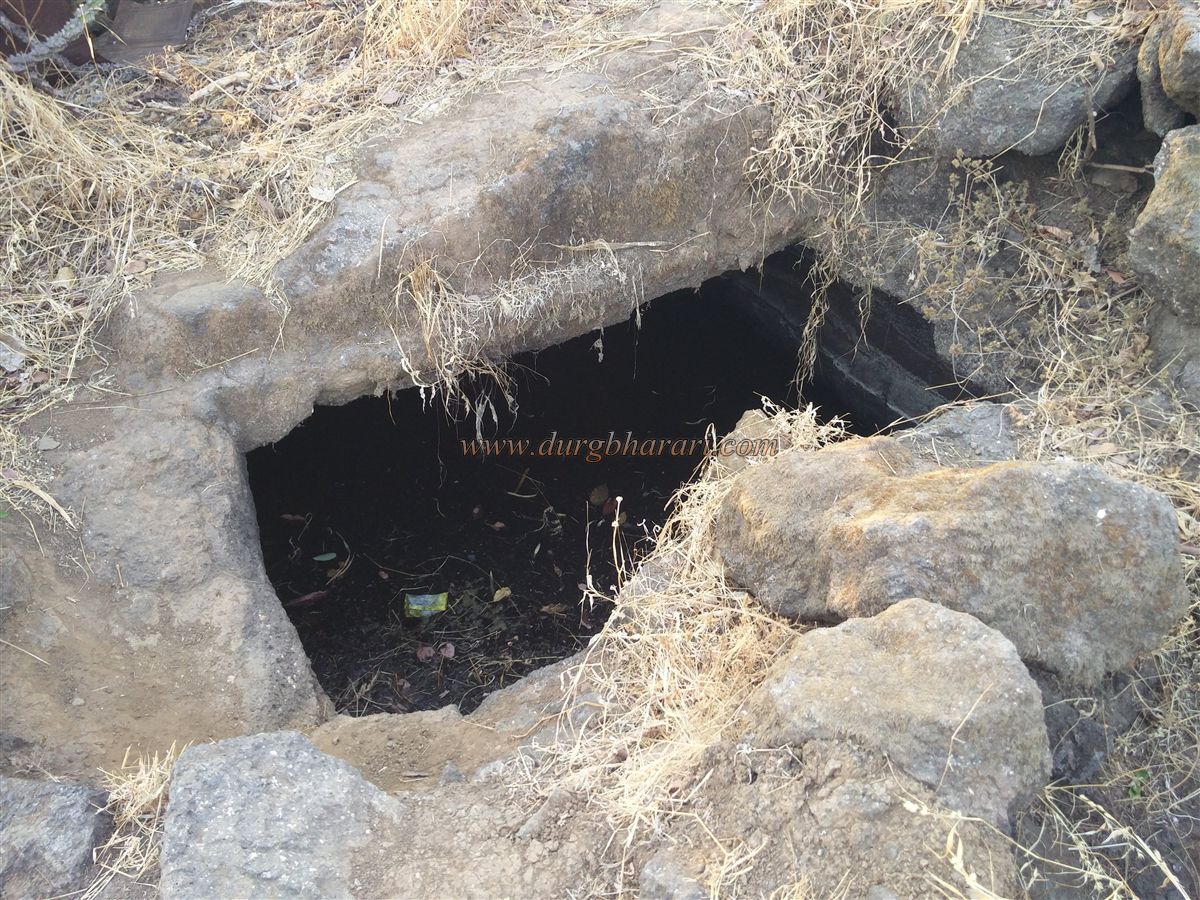
The name “Kothaligad” comes from the word “kothala” (hollow interior). Inside the pinnacle is a rare architectural feature in Maharashtra — it is hollowed out from within. A tunnel-like passage is carved into the rock, with strong stone steps winding upward inside the pinnacle to the top. This zigzag route emerges at the upper part of the fort. It was designed to block enemy entry to the main citadel. At the top of the steps, there is a stone doorway with a sculpture of Sharabh, and earlier on the right side of the path, a carving of an elephant. Two water tanks are on the summit, and the top has ramparts shaped like bastions for defense.
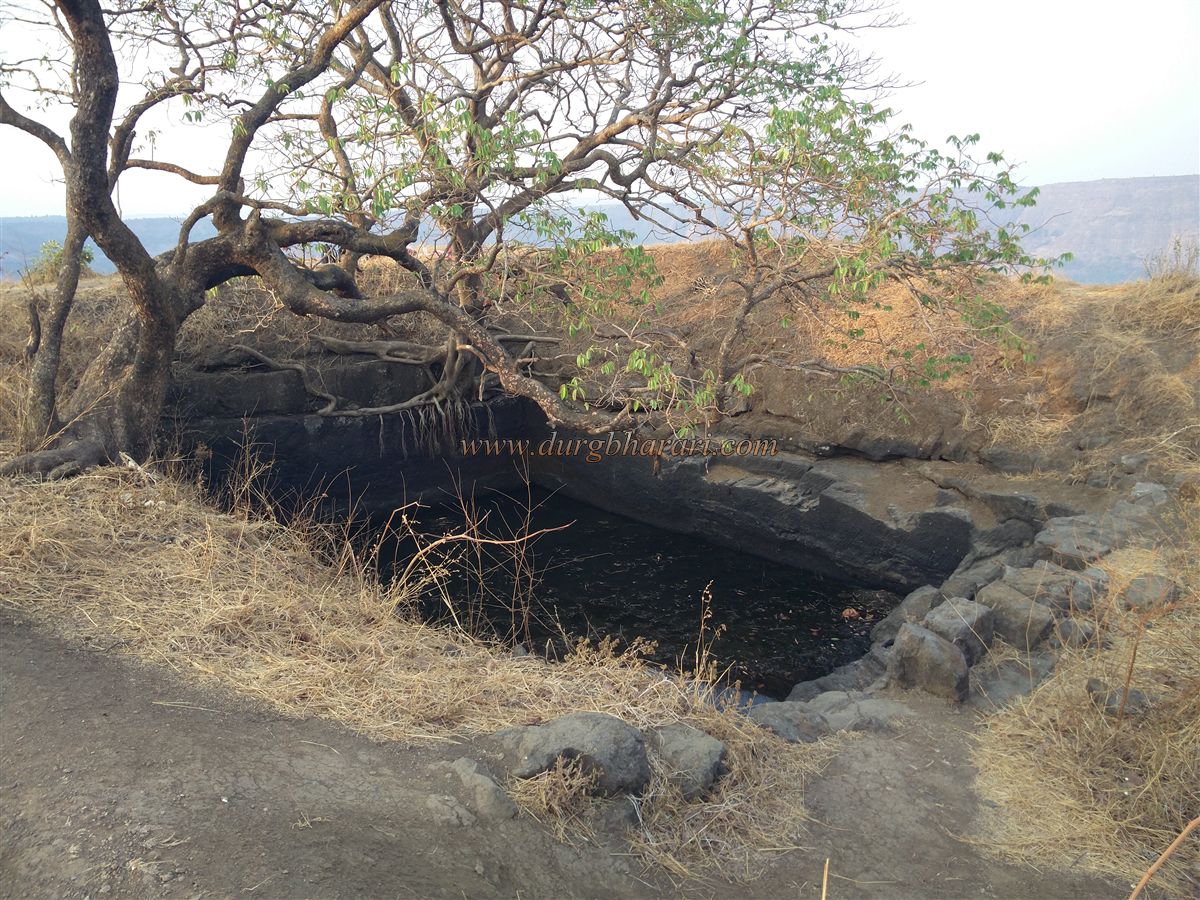
From the top, one can see Bhimashankar Kalawantin Mahal, Nagphani, Tiger’s Leap, Siddhagad, Haji Malang, Chanderi, Prabalgad, Irshalgad, Manikgad, and the Matheran plateau. Circumambulations the pinnacle from the cave, one finds two more groups of water tanks and a small cave. The water storage on this compact fort is neatly planned, with cisterns on the outer slope of the cave, at the summit, and inside the pinnacle itself.
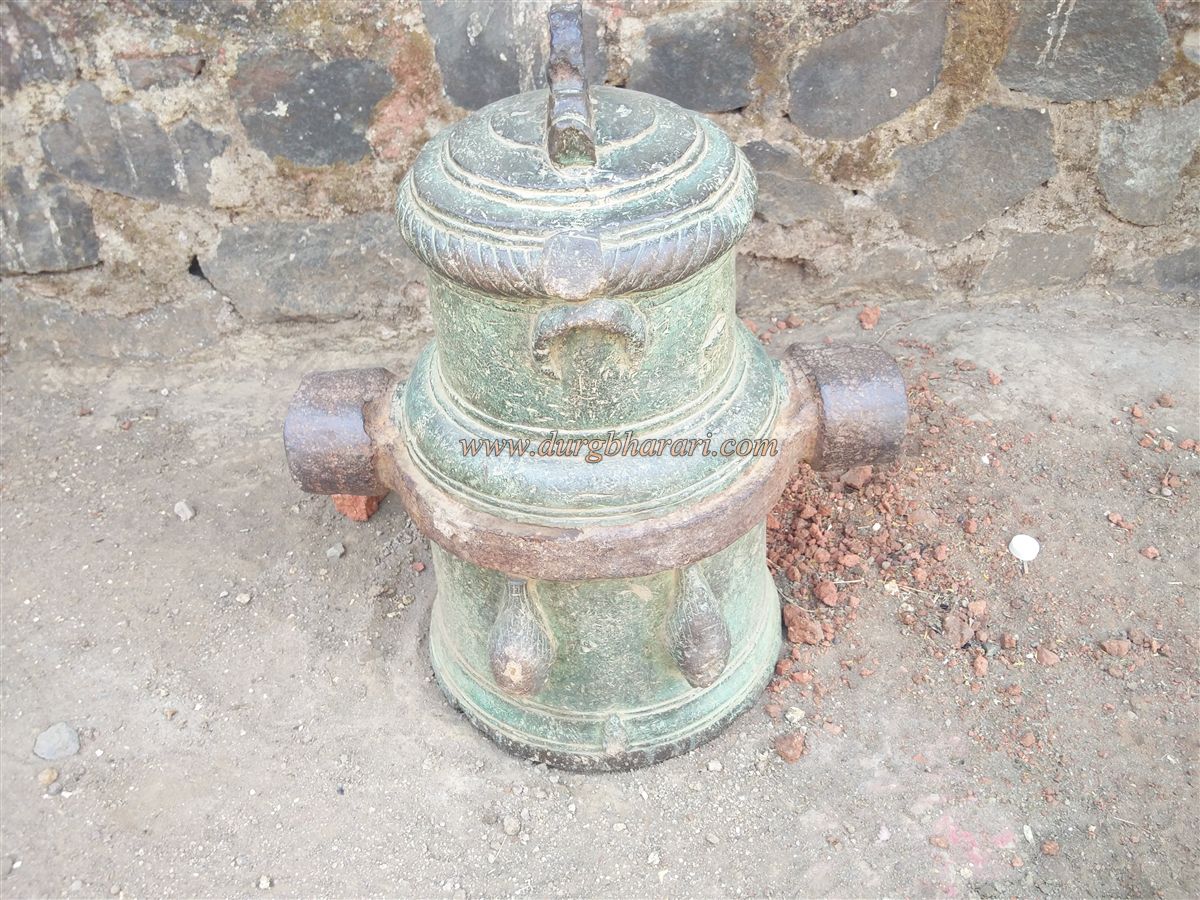
Near one bastion below the entrance is a cannon; another broken cannon base is near the Hanuman temple in the village.
Though small, the fort has a bloody history recorded not in Maratha or English sources but in Mughal documents. It was a Maratha arms depot during Shivaji Maharaj’s reign. In Sambhaji Maharaj’s time, Aurangzeb sent Abdul Kader in November 1684 to capture forts in this region, recognizing Kothaligad strategic importance. Abdul Kader infiltrated the area, winning over locals as his servants. Learning that weapons were being moved from the fort, he and 300 musketeers camped at its base. The fort’s commander, Naroji Trimbak, was away procuring supplies, leaving Mankoji Pandhare in charge.
Kazi Haider, once a royal scribe under Shivaji but now a traitor to Aurangzeb, persuaded Mankoji Pandhare to betray the fort. At night, Pandhare let Abdul Kader’s men in under the guise of bringing supplies, and they massacred the garrison. The next day, the Marathas laid siege. Fierce fighting with arrows and muskets ensued, but the gunpowder stock caught fire, crippling the defenders. With no reinforcements arriving, Abdul Kader’s position weakened.
After ten to twelve days, Abdul Aziz Khan, the commander of Junnar, sent his son Abdul Khan with reinforcements. Maratha commander Naroji Trimbak tried to block them, but he and his officers were killed. Mughal officer Iddatmam Khan mutilated Naroji body and displayed his head publicly. The fort was taken, and a golden key was sent to Aurangzeb. He confirmed its existence and rewarded Abdul Kader. Kazi Haider received ₹70,000 for his treachery. The Mughals named the fort Miftahul Fatah (“Key of Victory”).
The Marathas tried several times to retake it, including a daring rope-ladder assault in April 1685, but failed. The fort remained lost to them until November 1817, when Bapurao, a brave commander under Peshwa Bajirao II, captured it from the British. People continued living on the fort until around 1862.
© Suresh Nimbalkar
GALLERY