KOPARDE
TYPE : GADHI/NAGARKOT
DISTRICT : SATARA
HEIGHT : 0
GRADE : EASY
In Maharashtra, the number of wadas and forts runs into the thousands. During the later Maratha period, many hereditary landlords under the dominance of the Peshwas built ground forts and fortified wadas in their regions. Many of these ground forts and wadas were of a private nature, used for collecting revenue and for self-defence. After the abolition of hereditary rights, it became difficult for the owners to maintain these privately-owned forts, leading to the gradual ruin of most of them. The three wadas of the Panipatkar Shinde family in Koparde village are no exception. Apart from the book Maharashtratil Gadhi ani Wada by senior historian Sadashiv Shivde, there is no mention of these wadas anywhere else. Since information about this fort cannot be found on the internet or in other sources, this is a small attempt to introduce it.
...
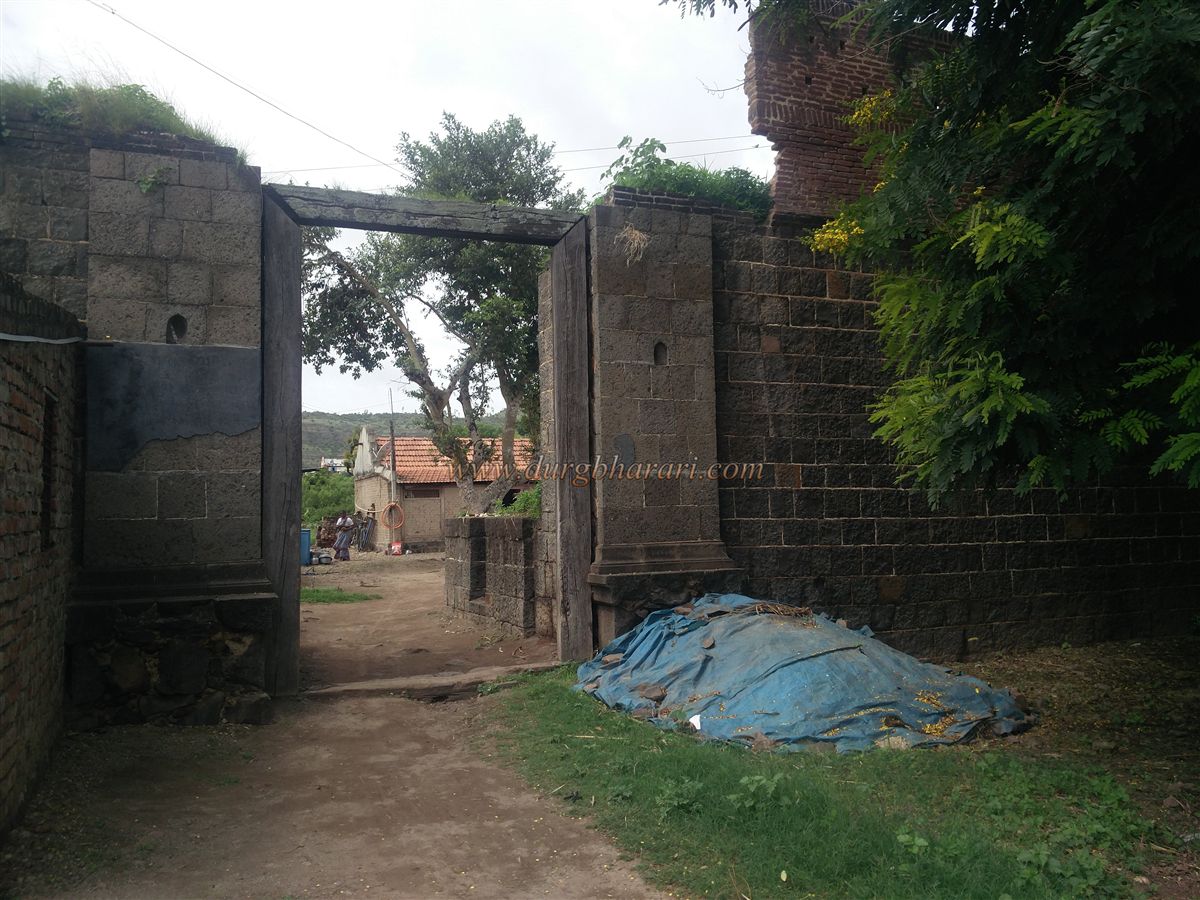
The Shinde fortified wada at Koparde in Khandala taluka is about 90 km from Pune via Saswad–Jejuri–Nira–Lonand and 40 km from Satara. From Lonand, after passing Tambave village, a turn to the left leads to Koparde. The Panipatkar Shinde family, who had the hereditary rights over thirteen nearby villages, still carry traces of the past in this village. Once, Koparde was a settlement within a fortification, and traces of walls and bastions can still be seen in places. The entrance to the village is through this gateway. Entirely built of stone, the gate is 18–20 feet high, with guardrooms (devdi) on both inner sides.
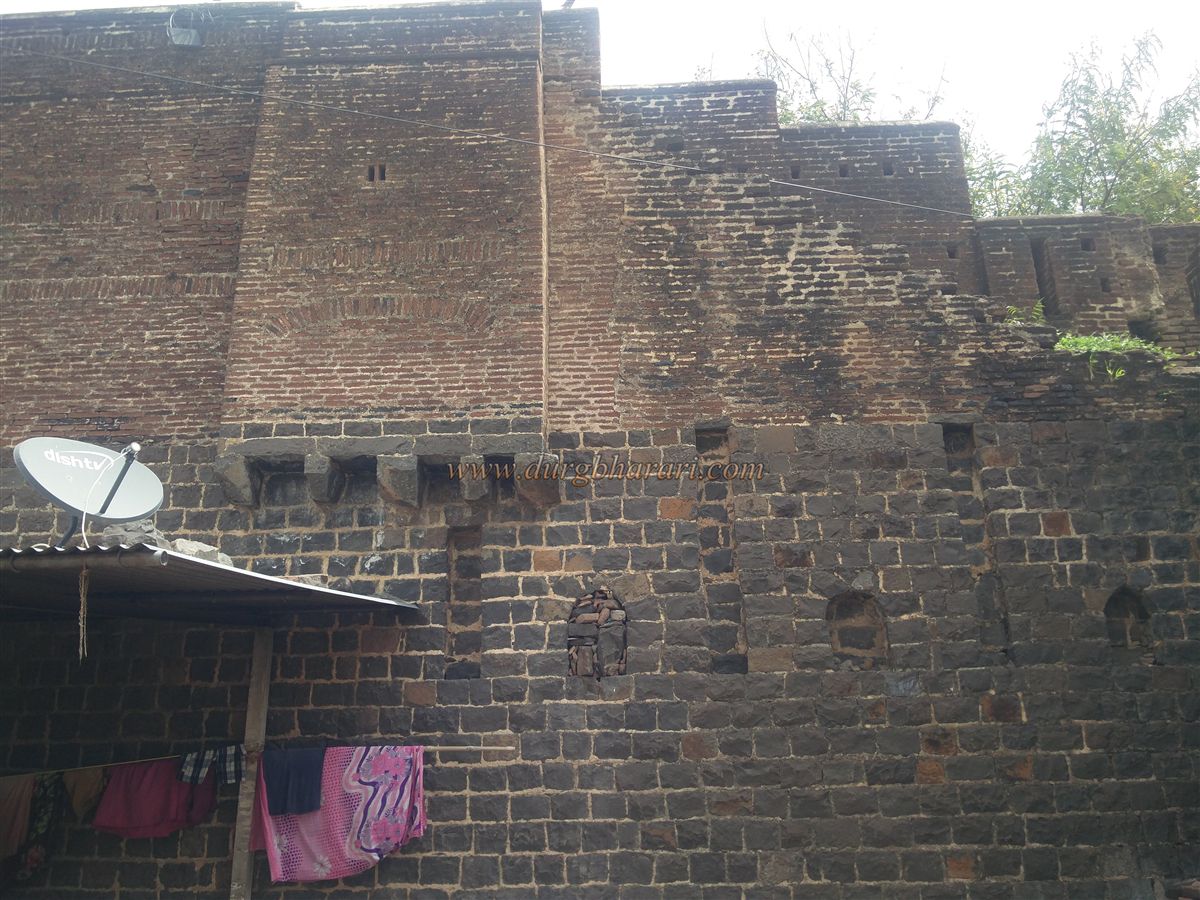
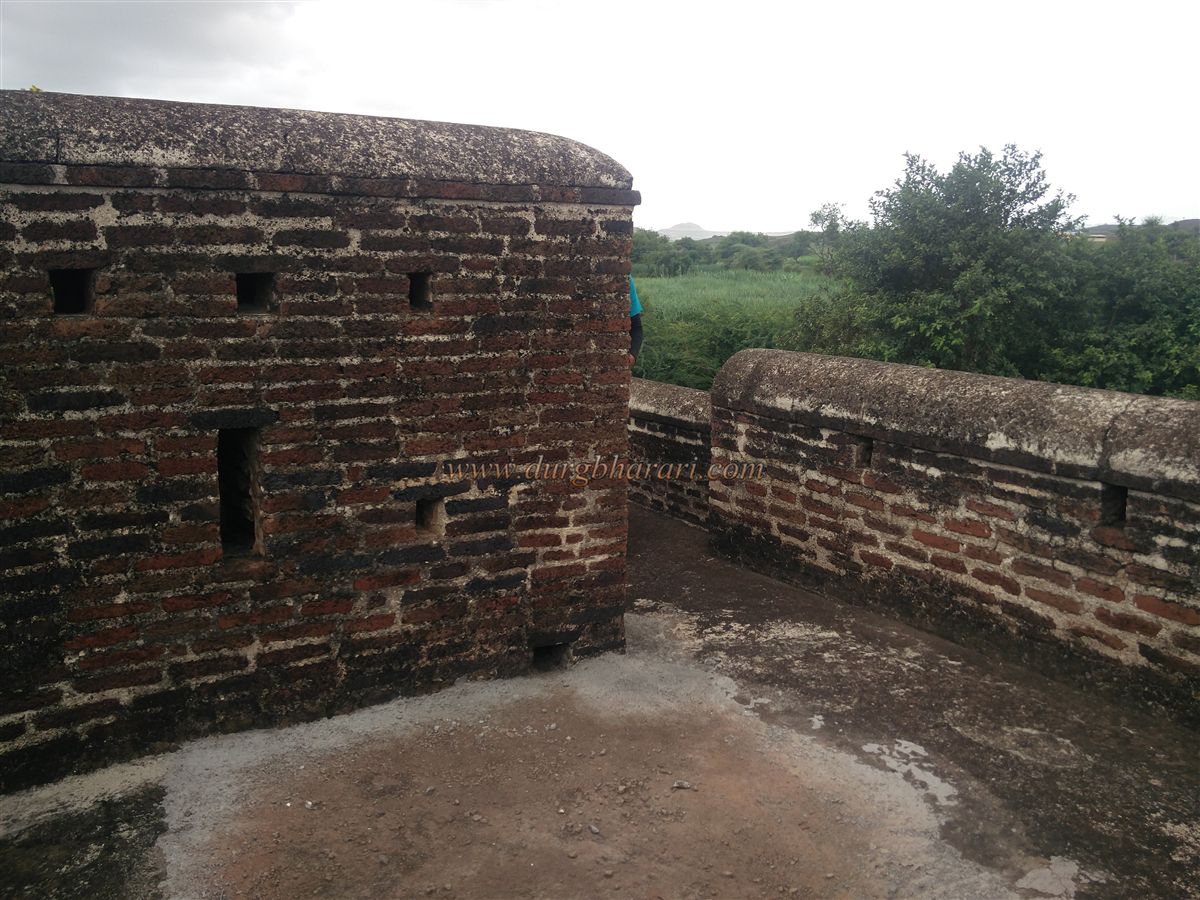
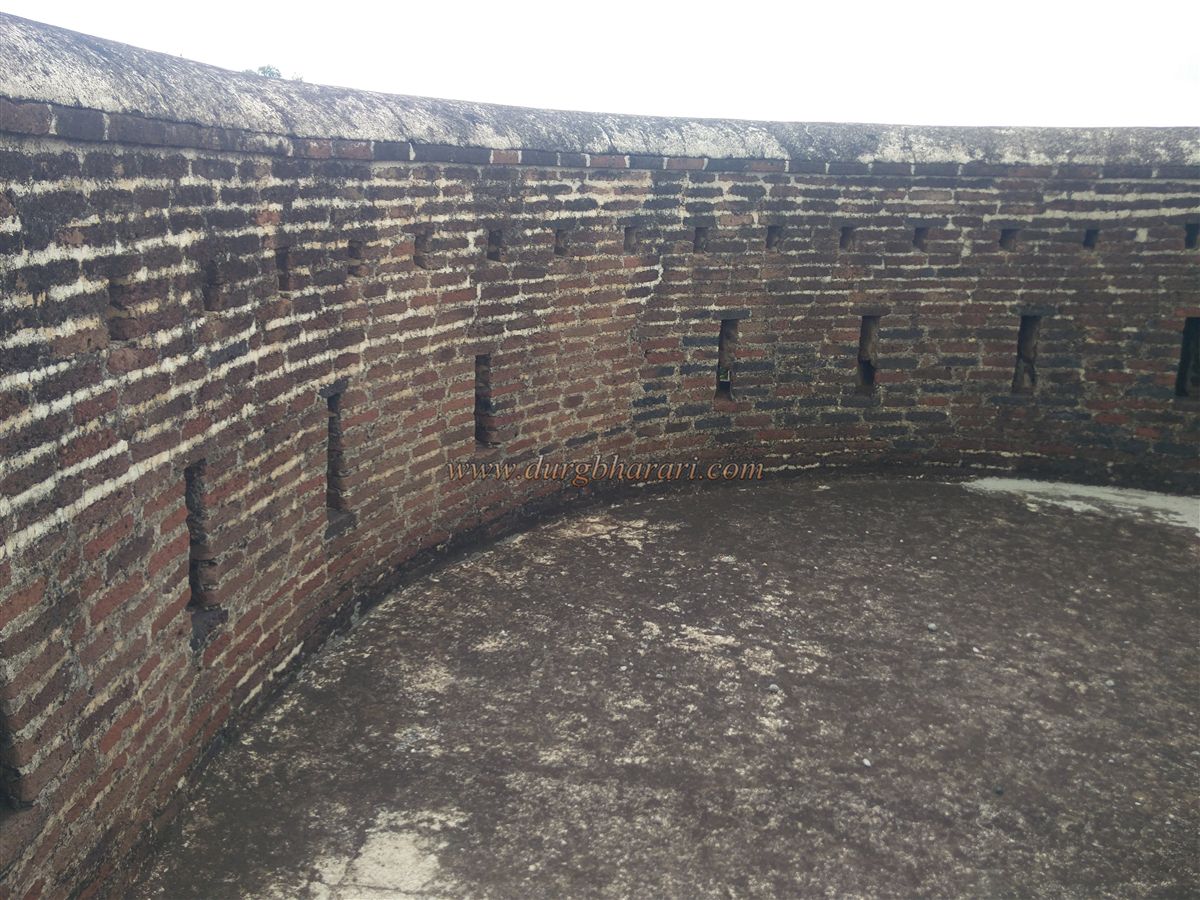
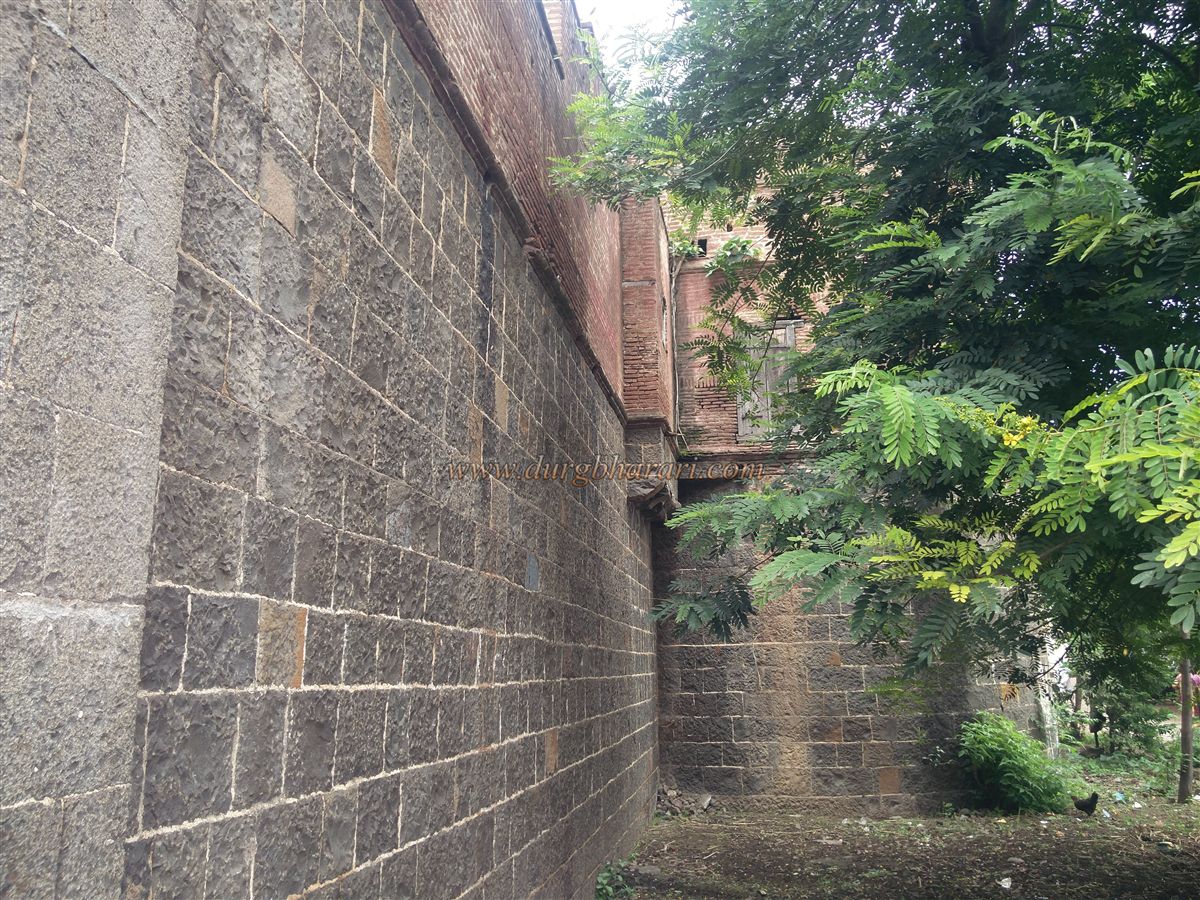
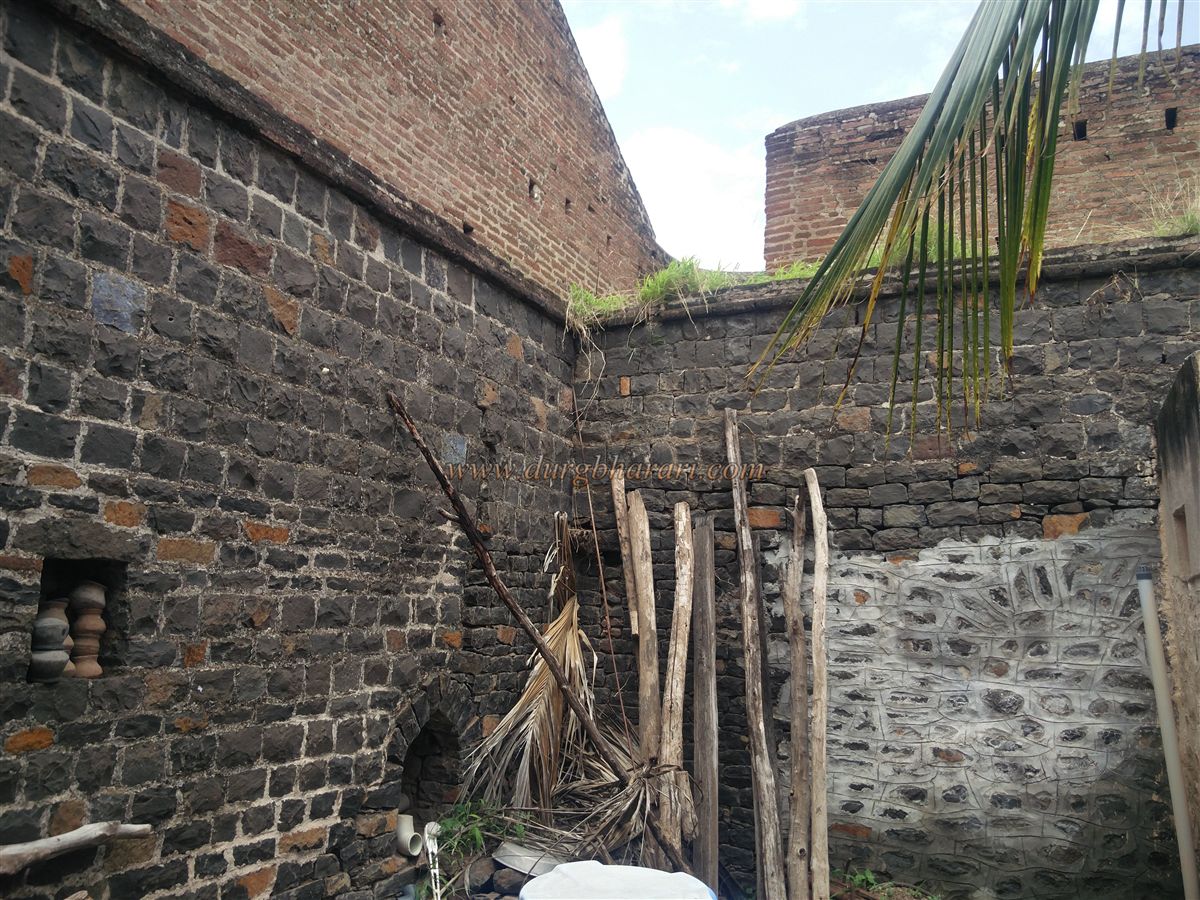
Immediately to the left after entering through the gate is the first wada, whose stone-built walls and bastions catch the eye. The upper portion of the wall is built with bricks, and above the gate are the remains of a structure resembling a Nagarkhana (drum house). The inner sides of the gate have guardrooms, with enclosed stone staircases besides each door leading up to the ramparts. From the ramparts, the entire interior of the wada can be seen. Judging from the surviving structure, the wada must have been two or three stories high. It had walls on all four sides with a bastion at each corner. Today, the walls and bastions are almost completely collapsed, with only the front wall section and one bastion remaining. Inside this bastion is an upper-floor room reached by a separate staircase. This is the only surviving part of the original wada, while newly built houses inside have levelled most of the remains.
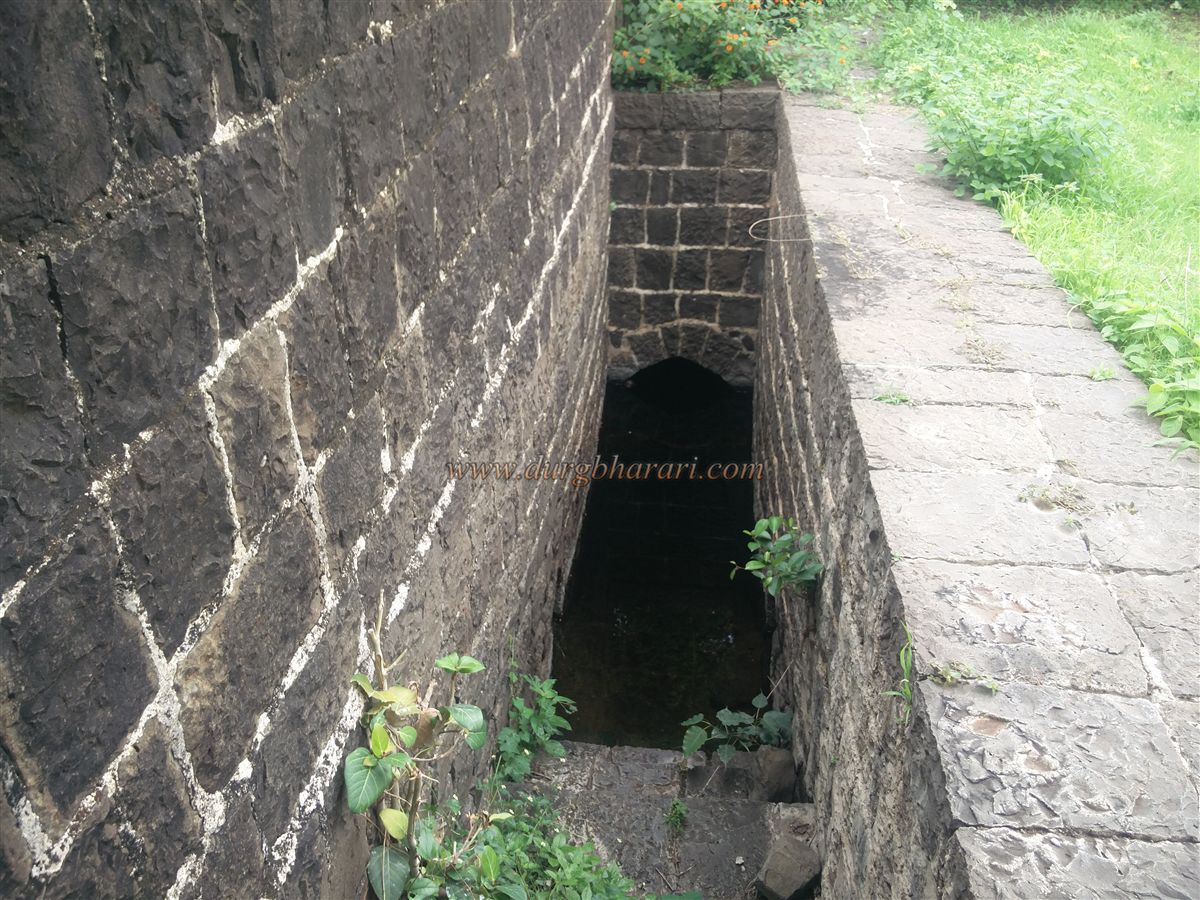
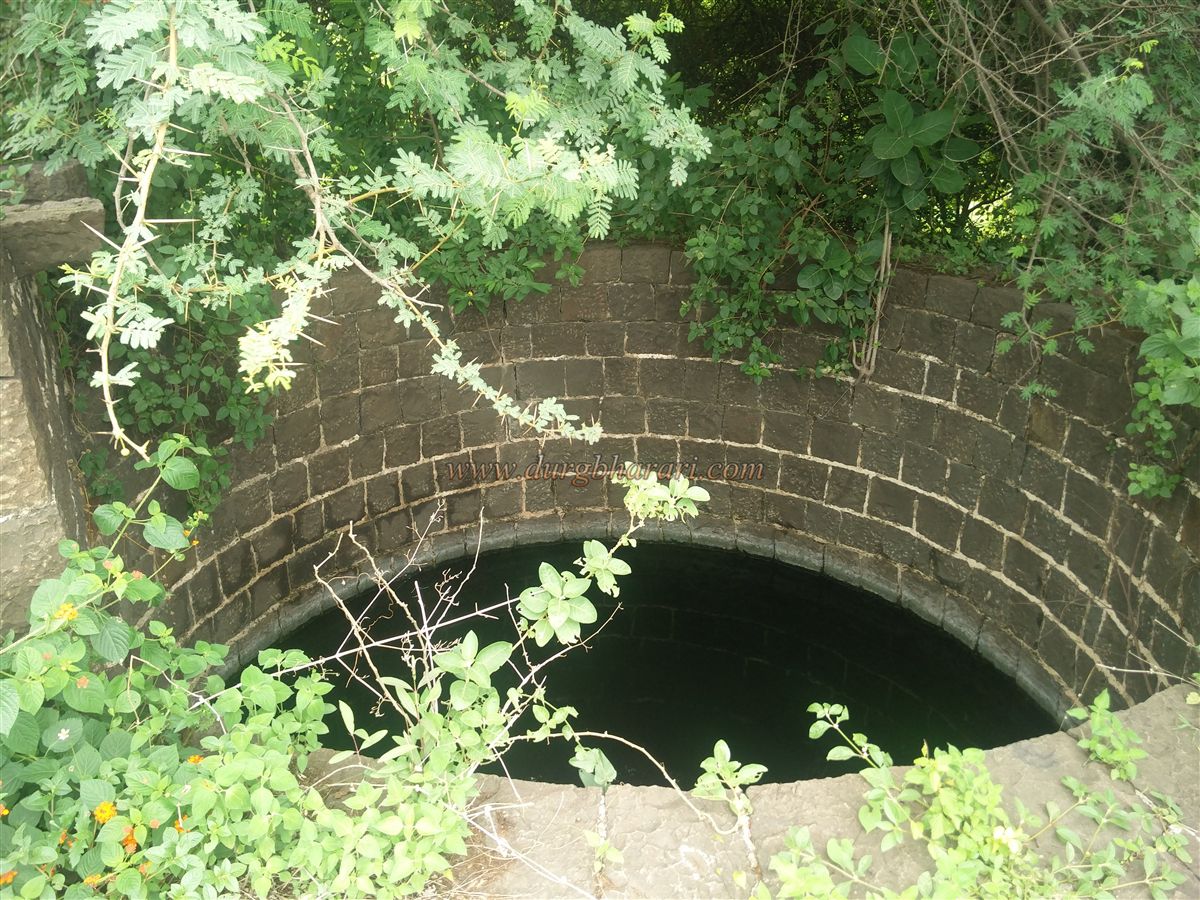
Of the three wadas in the village, this one is the largest, with an area of over half an acre. Inside its premises is a stone-built well with steps and an arch, from which water was channelled through a stone conduit into the wada. The other two wadas are located some distance away, built adjacent to each other. One of them is largely ruined, while the other still stands but has had its interior completely destroyed by new constructions. The walls and bastions of this wada are built of dressed stone, with the upper parts in brick. Rectangular in shape, it covers about a quarter of an acre, with its four walls and corner bastions still intact. However, the staircase leading to the ramparts has collapsed, making access impossible. The original gateway still survives, and above it is a structure resembling a Nagarkhana. There is no visible arrangement for water inside these two wadas.
A short distance in front of this wada, by the riverbank, stands a stone-built Shiva temple. Beside it are two platform tombs, one with a canopy. The inscribed stone slab from this platform has been removed and replaced with a new stone. Beneath a nearby pipal tree, there is a hero stone (virgal) and a memorial stone with a carved sati hand. In the riverbed, a stone structure is known locally as the Sati temple. The structure is surrounded by garbage and overgrown vegetation, making it difficult to approach. Exploring the fort and its surroundings takes about half an hour.
After the Battle of Panipat, returning members of the Shinde family settled in different places. Three members of the Shinde family came to Koparde under the patronage of Naik Nimbalkar of Phaltan. They were granted thirteen villages in and around Koparde as an inam (land grant). Building wadas here, they established their presence. These returning Shinde members became known as the Panipatkar Shinde. The Shinde family of the Panipatkar clan in Gwalior are their descendants. The local Shinde family says their ancestors had an independent banner with two snakes and a sun in the middle. In their family shrine, a depiction of the snakes and sun is still worshipped today.
© Suresh Nimbalkar
GALLERY