KHAROSA
TYPE : GADHI
DISTRICT : LATUR
HEIGHT : 0
GRADE : EASY
While visiting forts, I often wondered how the cities we see today might have looked in historical times — their layout, the houses within them. I would think, If only I could travel back to the medieval era, how wonderful it would be! And one day, this wish of mine suddenly came true — not that I actually travelled back in time, but I did get to see a city with medieval-era architecture and structures.
On my way from visiting Udgir Fort to see Ausa Fort, I had the chance to visit the fort-like Chauburji Gadhi in Kharosa, which fulfilled my long-standing wish. On the route from Udgir to Ausa via Nilanga, about 10 km from Nilanga, lies Khrosa — an ancient town that existed even before the medieval period. The ancient Hindu caves on the hill behind the village testify to this. The village, in Ausa taluka of Latur district, is located 42 km from Latur and 22 km from Ausa.
...
Although the 6th-century rock-cut caves here have made the village famous, the fort-like structure in the village is so little known that even most locals are unaware of it. When you ask villagers about it, they direct you instead to the caves, but if you use their terms — “the old ruined mansion,” “the bastion” — they recognize it. They then advise you not to bother visiting, saying there’s nothing there. However, for fort enthusiasts, this is a site not to be missed.
Locals call it Bamanachi Gadhi or Kulkarnyanchi Gadhi, but it actually belongs to the Dasgaon Narasimha Patil family. After the devastating 1993 Killari earthquake, about 80% of Kharosa residents relocated outside the original fortified area, leaving behind the damaged structures inside. Until 1993, cement-concrete urbanization hadn’t touched the place, so the village retained its medieval layout. The new government houses built outside meant no one demolished the old structures for building materials, preserving the original appearance within the fortifications.
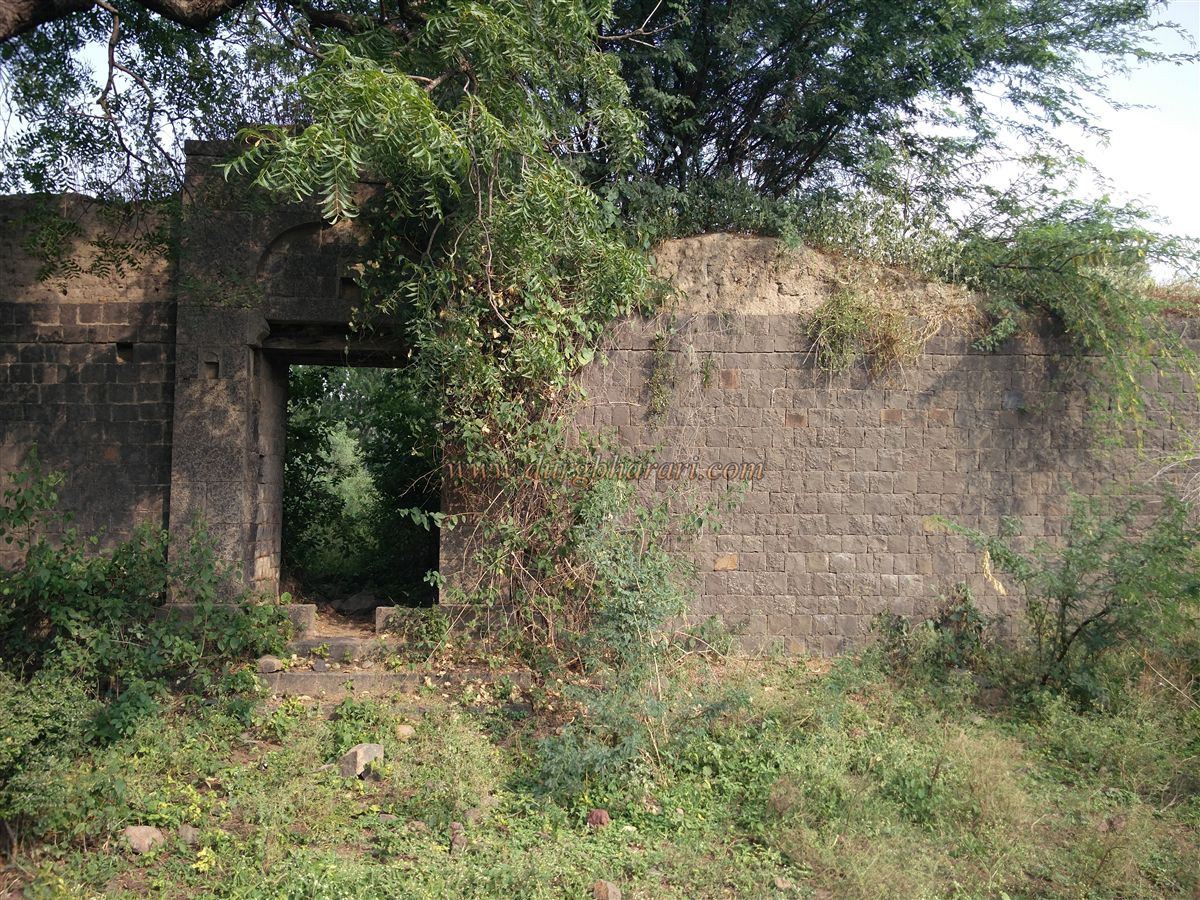
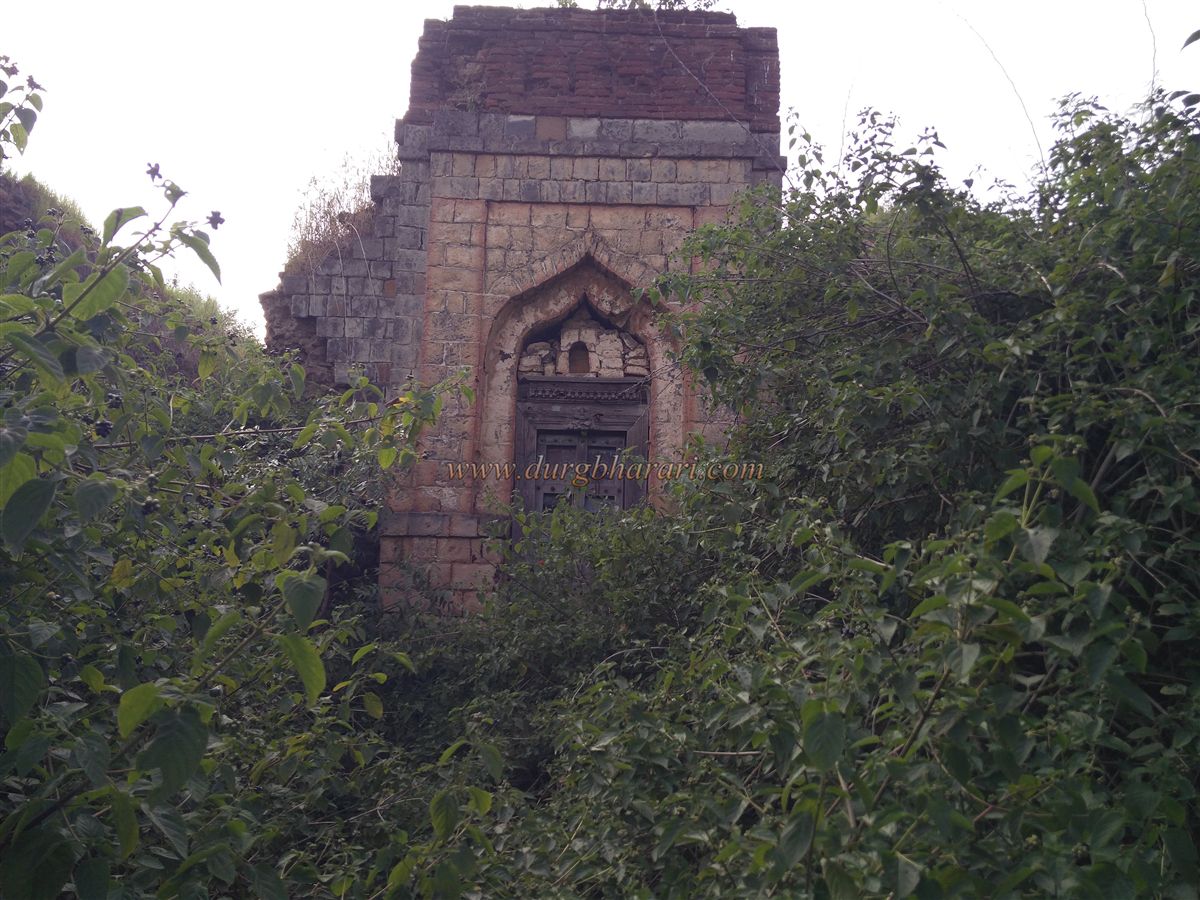
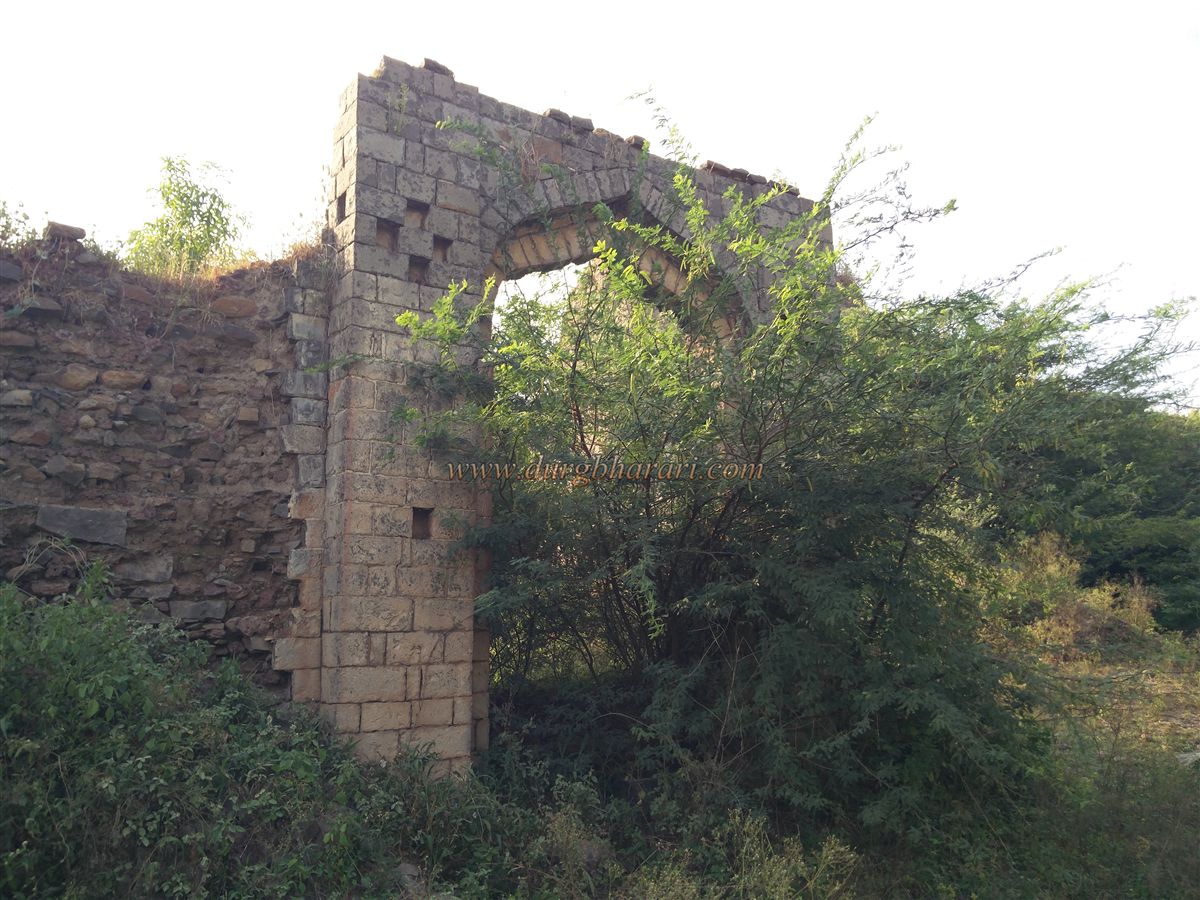
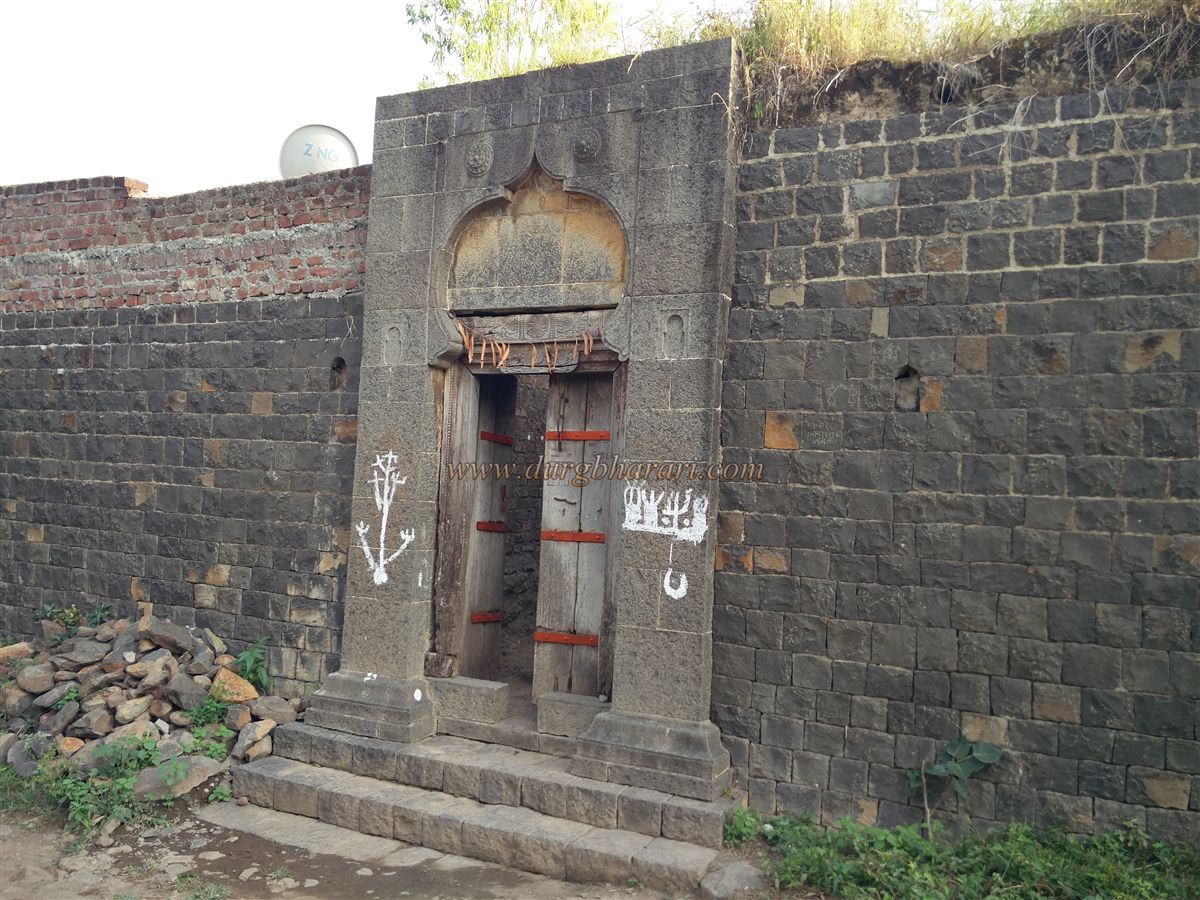
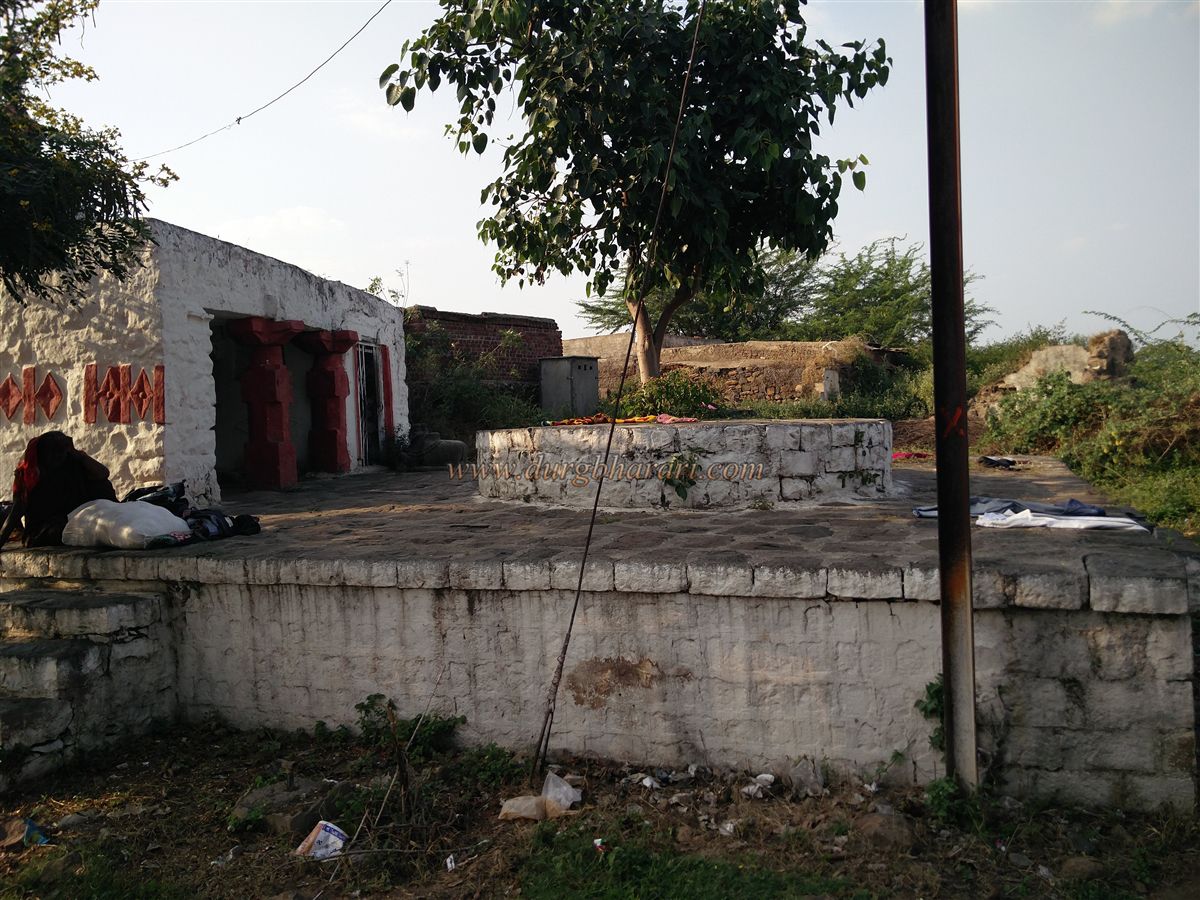
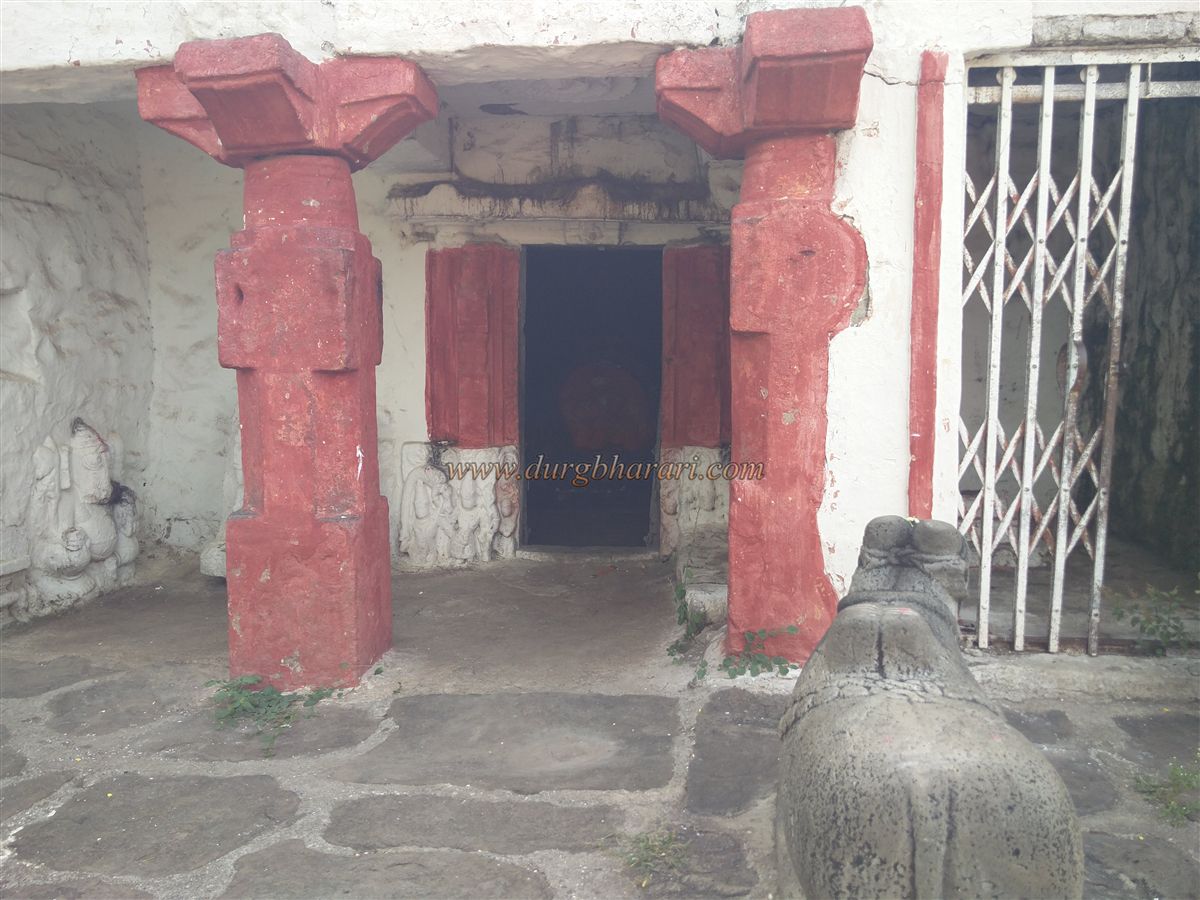
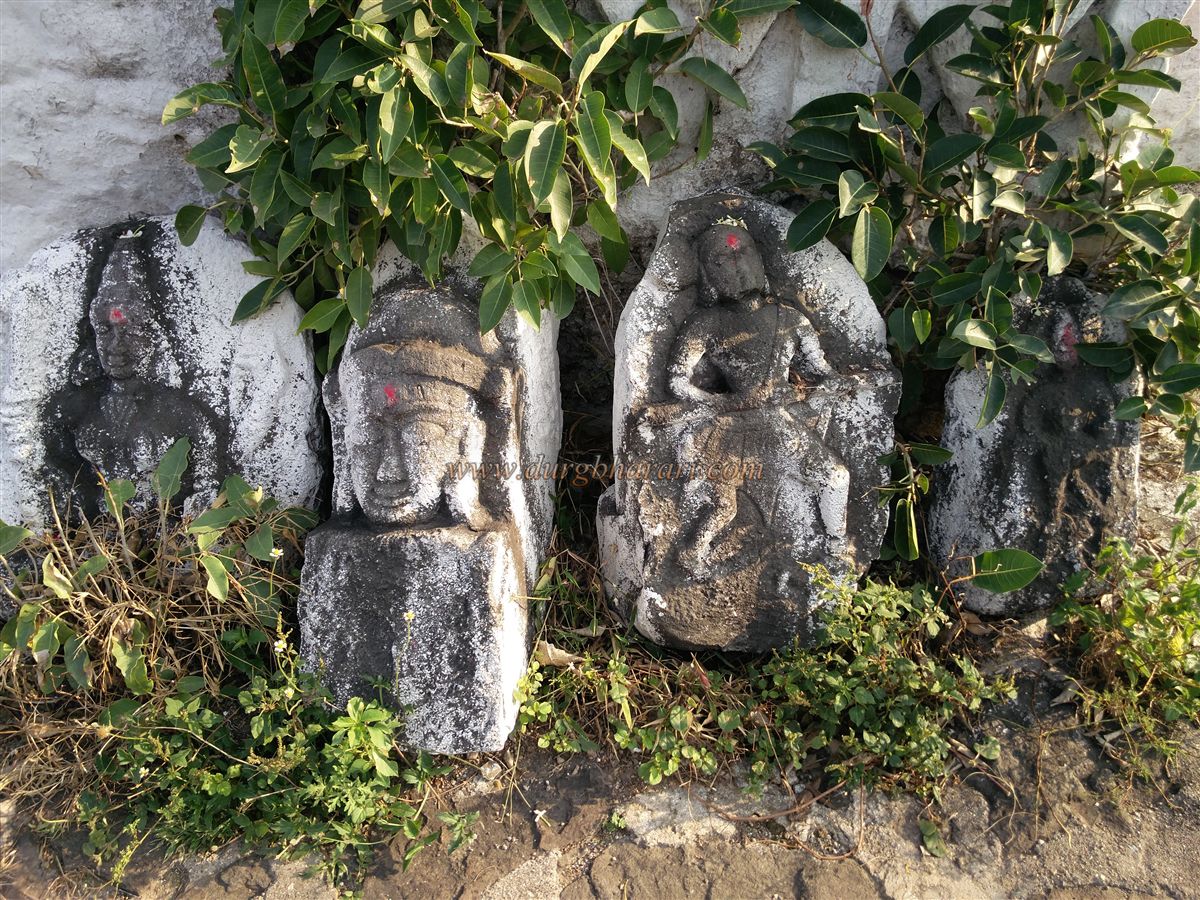
Once, the village was surrounded by 10–12-foot-high stone walls with four gates. Today, most of the fortifications are gone, but one gate, complete with its arch, still stands. Approaching the old village from new Khrosa, you pass through this Nagarkot Gate, and it feels as though you’ve stepped into the medieval era. Inside the gate is a guard chamber, and to the right, on a platform, is a Maruti (Hanuman) temple with some ancient sculptures in its courtyard. From here, a winding road wide enough for two bullock carts passes many courtyards, old houses, and a few mansions before reaching the fort. Along the way, beautiful homes, bastions made of white clay, magnificent stone architecture, and large teakwood doors intricately carved with decorative designs transport you to the past. Inside some houses and mansions, you can see underground storerooms, granaries, and subterranean passages linking different parts of the settlement.
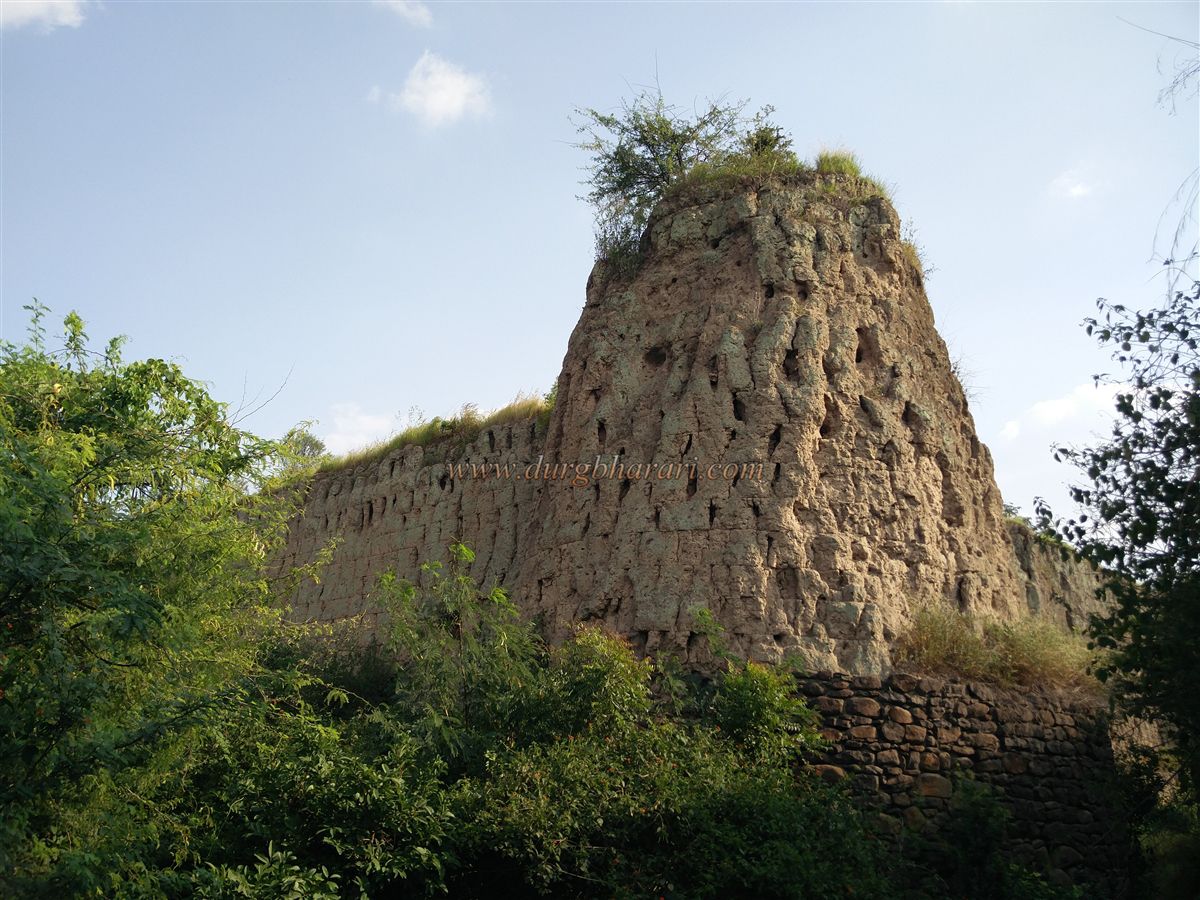
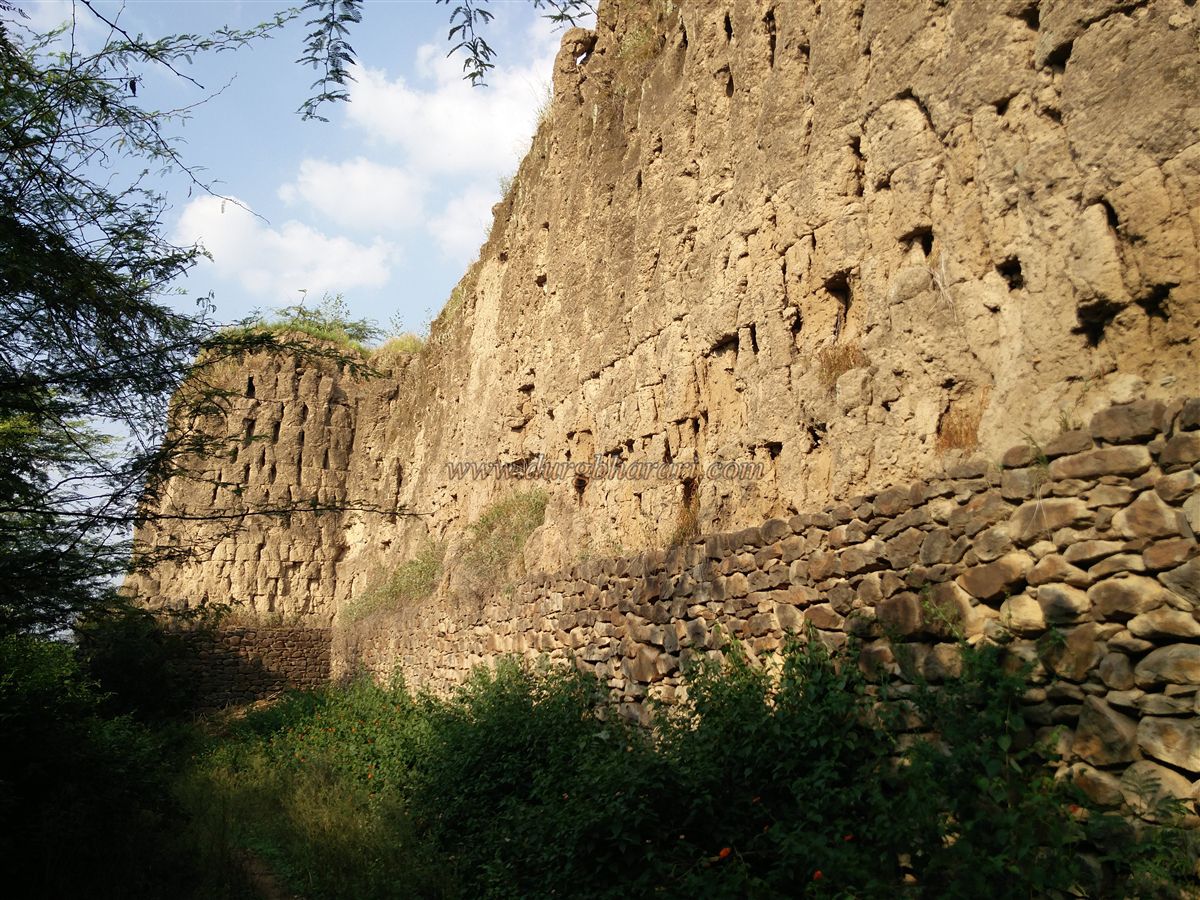
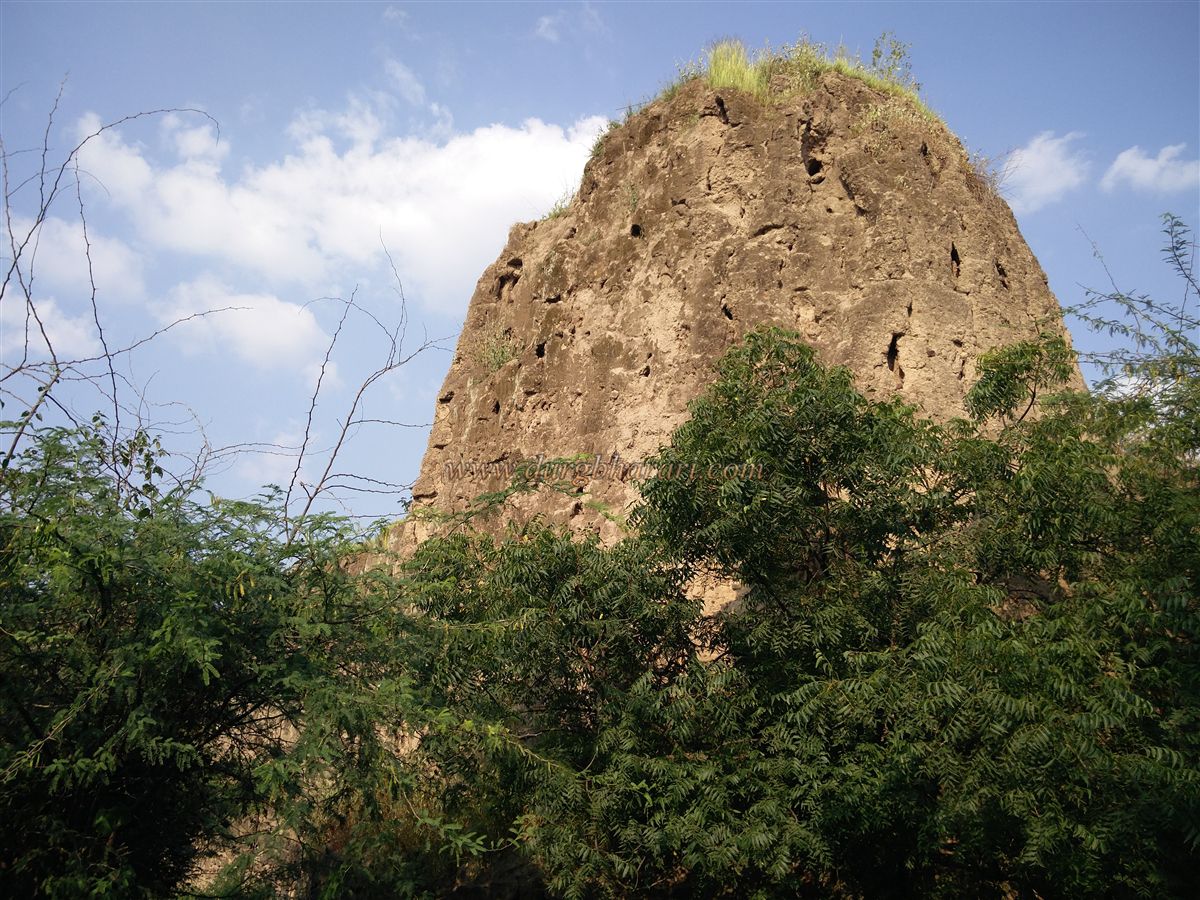
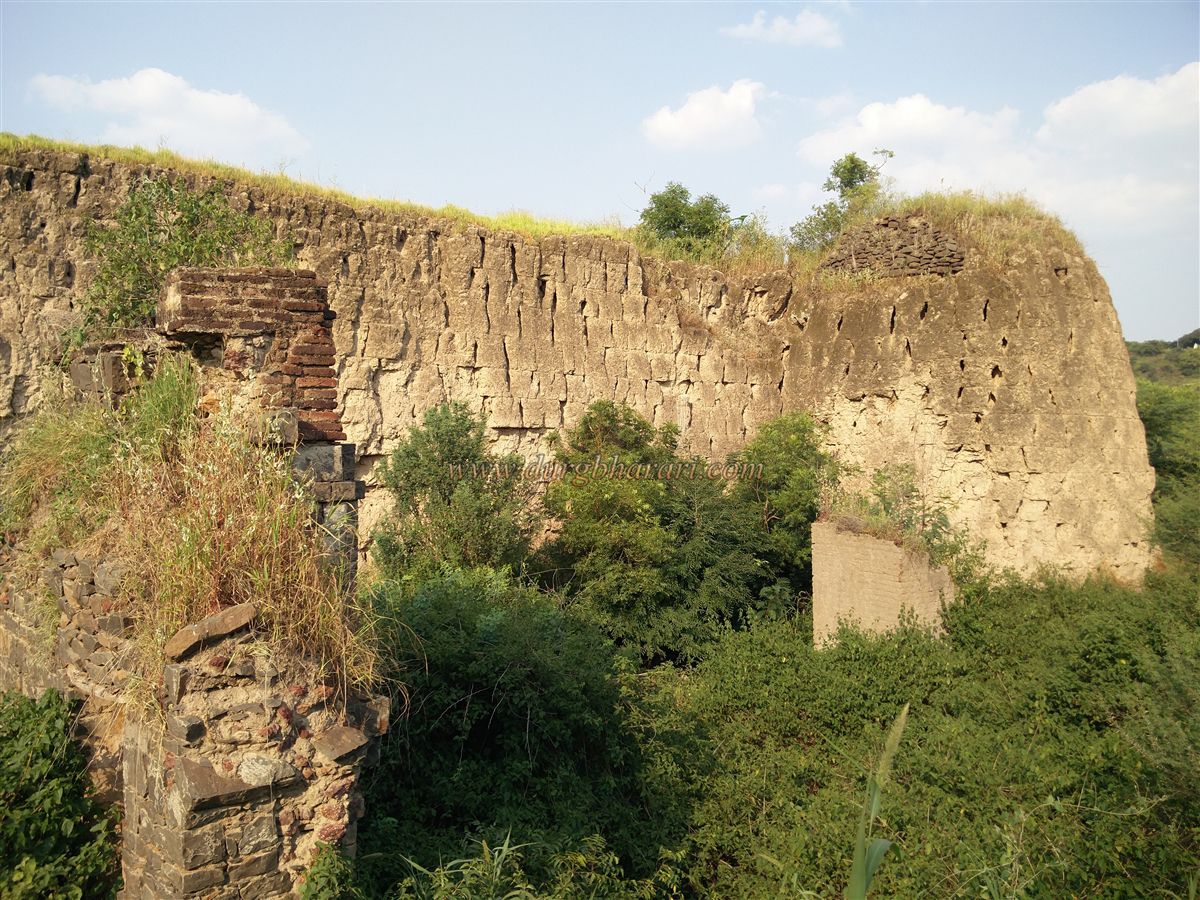
The fort stands in one corner of the village, surrounded by the ruins of splendid stone structures, their doors still visible. Dense vegetation has grown over them, blocking access — even the path and entrance to the fort are hidden. The fort’s walls are about 20 feet high, with a bastion at each corner. The lower seven-to-eight-foot section of the wall is made from rough stone, while the upper section is finished with white clay.
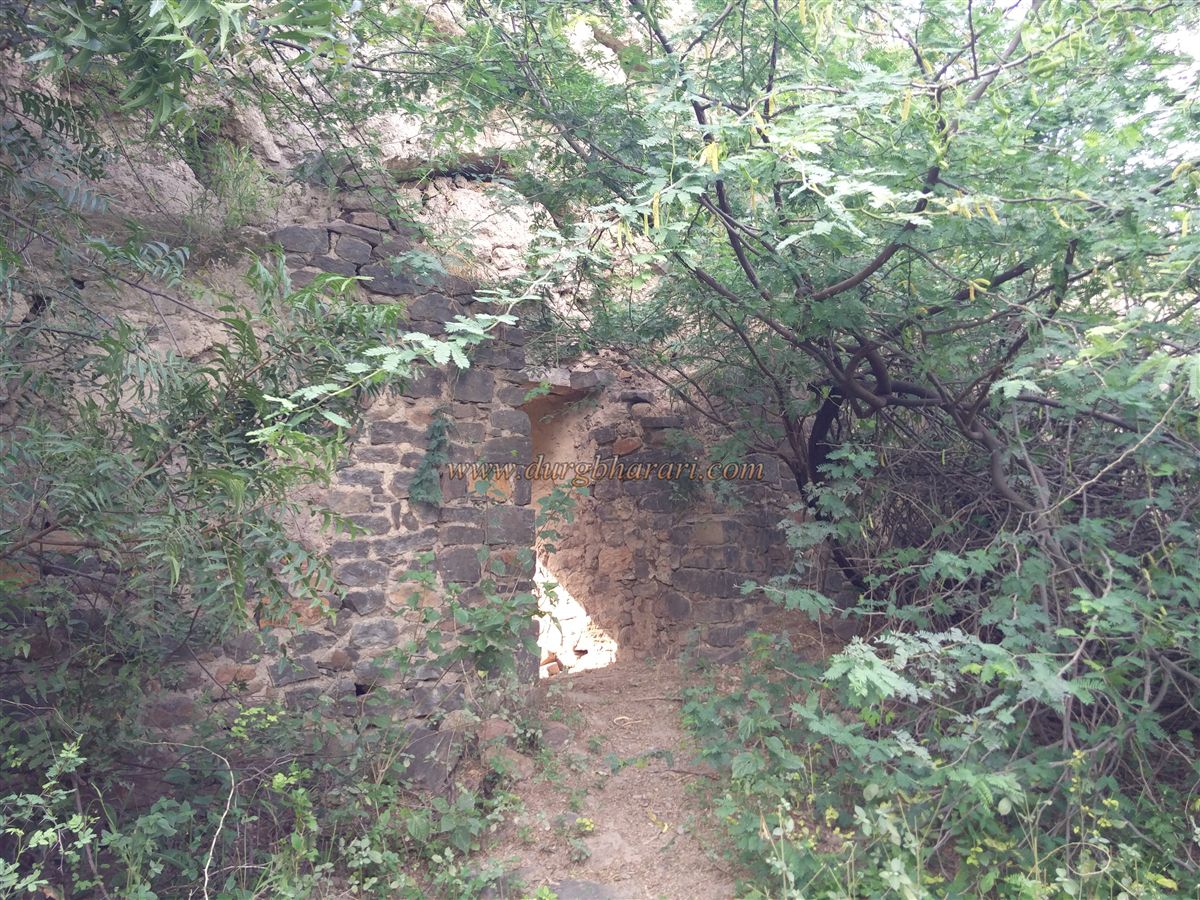
Cutting through the brush, you eventually spot the fort’s small east-facing entrance, slightly elevated above ground level. Inside, more vegetation has taken over. There are stairs to reach the ramparts, but they have partially collapsed, so a ladder has been placed near one bastion for access. On this bastion, a new shrine dedicated to a local saint has been built.
The fort’s interior covers about a quarter of an acre. All the old structures have collapsed, leaving only the walls. On the plinth of the old mansion inside stands a newer cement structure, but it too has been abandoned since the earthquake. Villagers mention that there is a well and a Tulsi Vrindavan (sacred basil shrine) within the fort, but due to overgrown weeds and thorny bushes, these can’t be reached, forcing you to end your exploration prematurely.
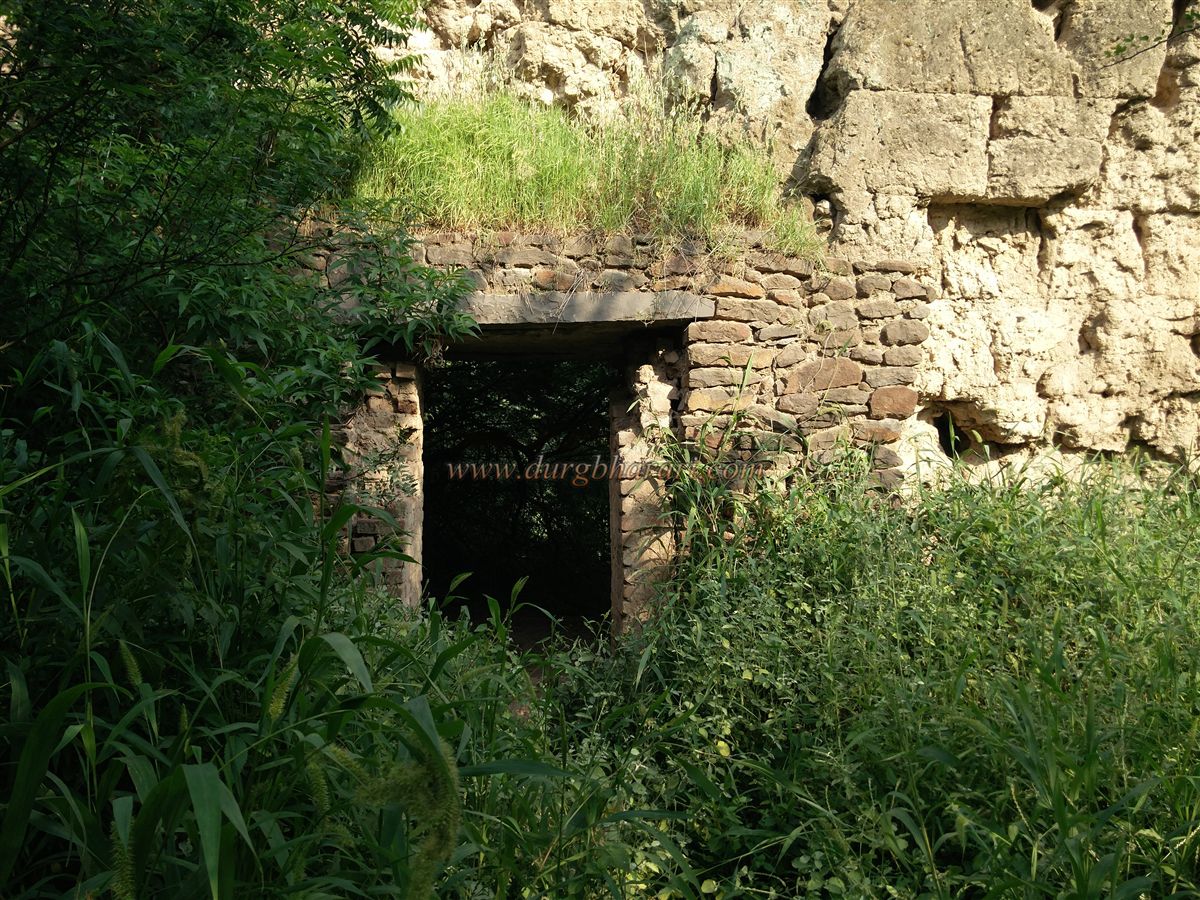
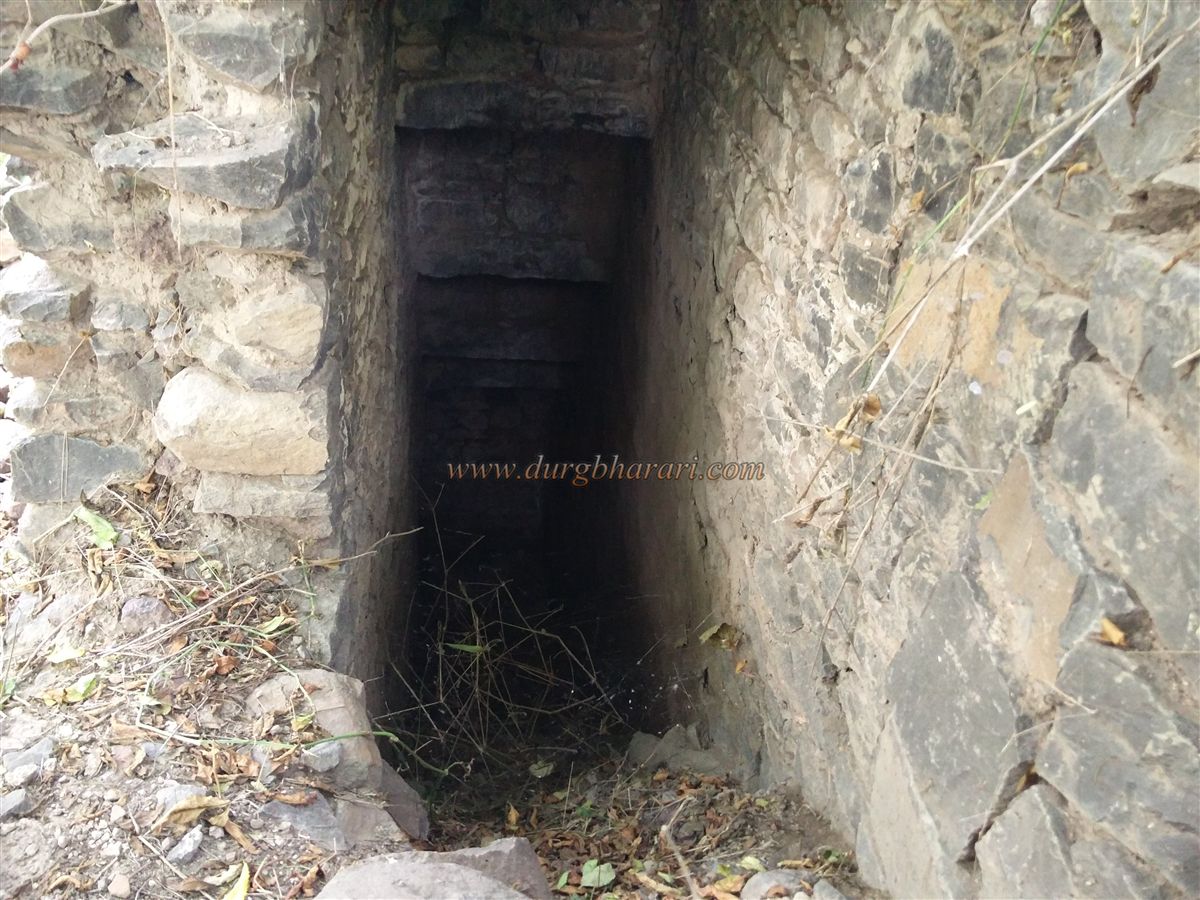
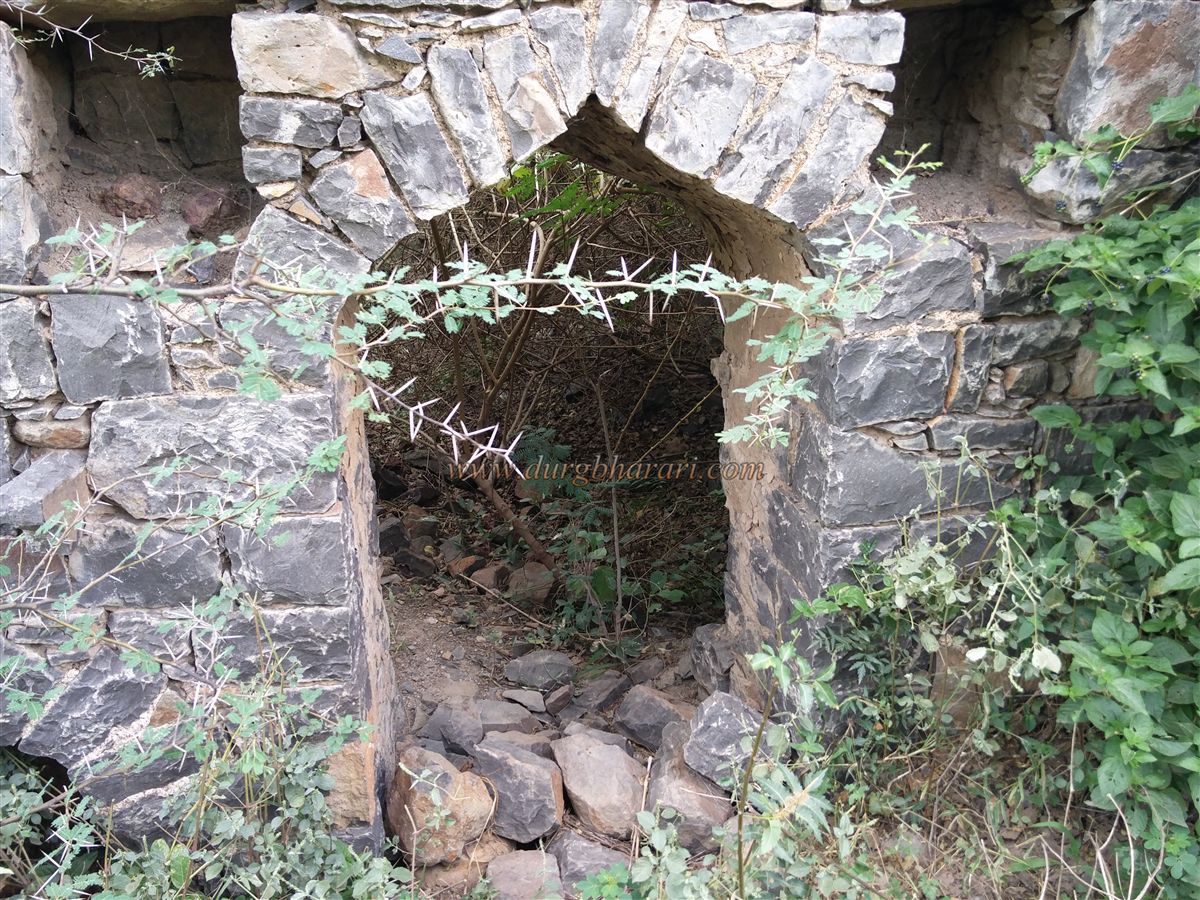
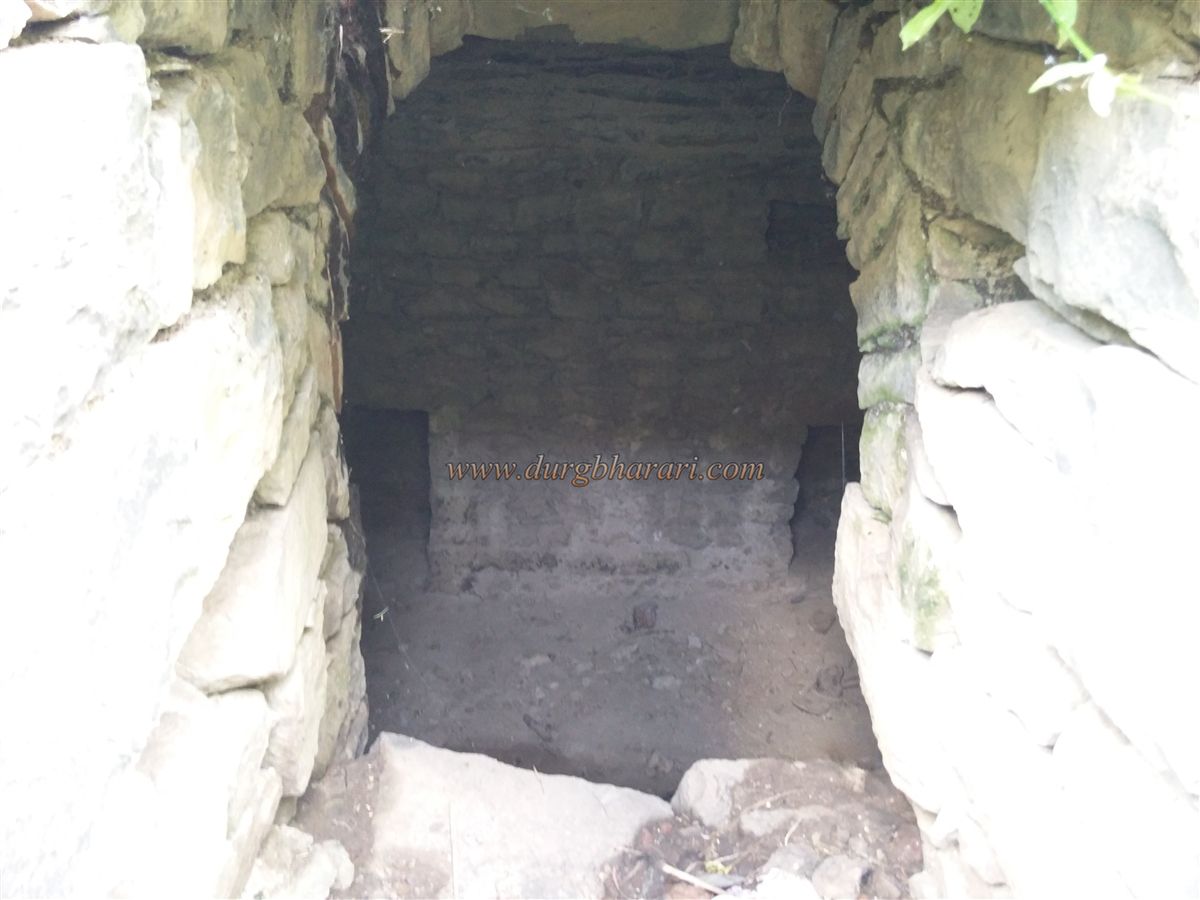
While walking around the fort’s exterior, you can spot underground passages in two adjoining mansions — reportedly leading under the wall into the fort. However, due to safety concerns, entering them is risky. Villagers say that in the past, Khrosa and nearby villages used to send their collected revenue here.
It takes about two hours to explore the entire fort and the old village.
© Suresh Nimbalkar
GALLERY