KHARDA
TYPE : GROUND FORT
DISTRICT : NAGAR
HEIGHT : 0
GRADE : EASY
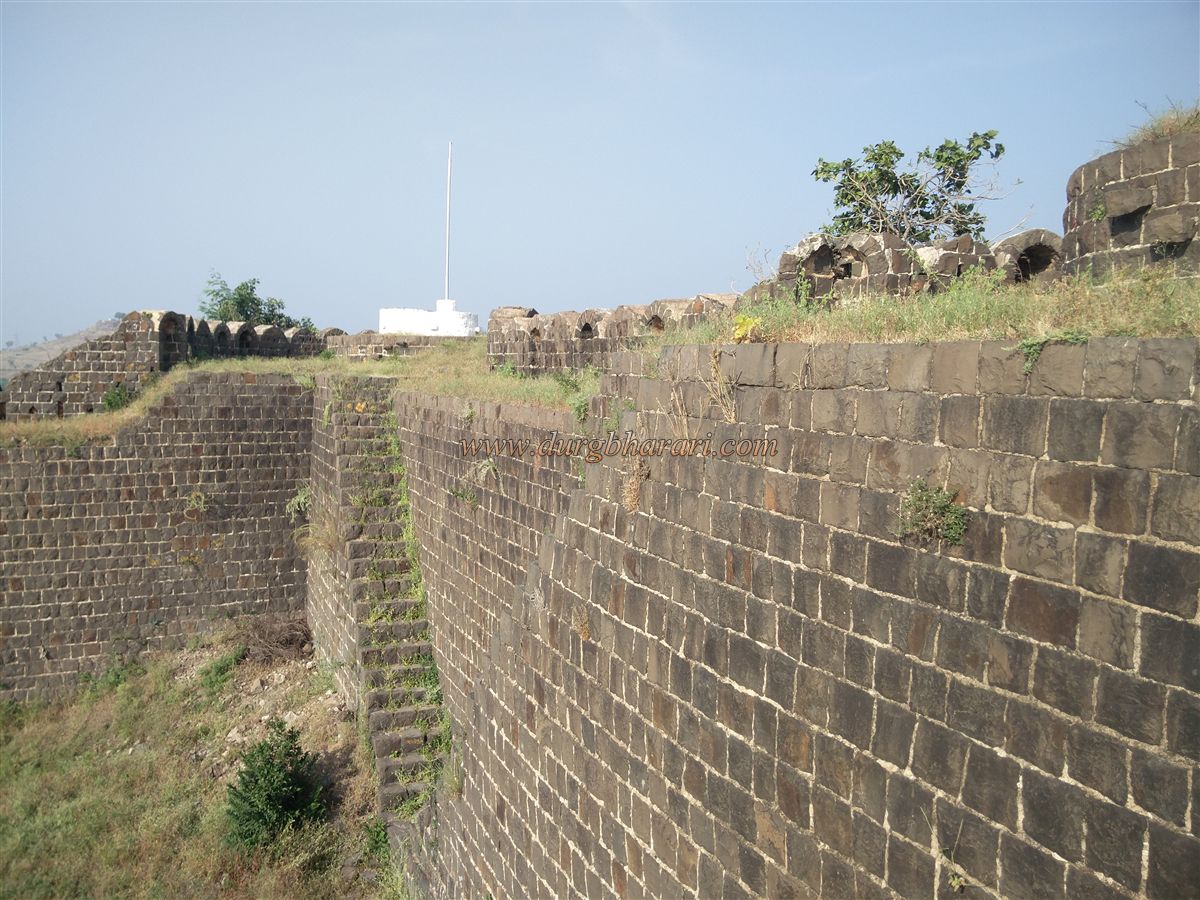
Khardah is a village in Jamkhed taluka of Ahmednagar district, famous for the historic battle fought here between the Marathas and the Nizam. The fort located in Khardah is a land fort (Bhuikot) and is still in good condition today. Situated next to Khardah village, this fort was built by the Nimbalkar, with Sultan Raje Nimbalkar being its last ruler. At present, the Archaeological Department has carried out restoration work on the fort and has installed an iron gate at its entrance. The guard here is a local resident, but since he locks the gate and roams around the village, visiting tourists and fort enthusiasts waste an hour or two searching for him in the village to gain entry.
While entering Ahmednagar district via the Shirdi–Hyderabad highway in Jamkhed taluka, the imposing fortifications of Khardah — also known as Shivpattan or Sultanagad — draw one’s attention.
...
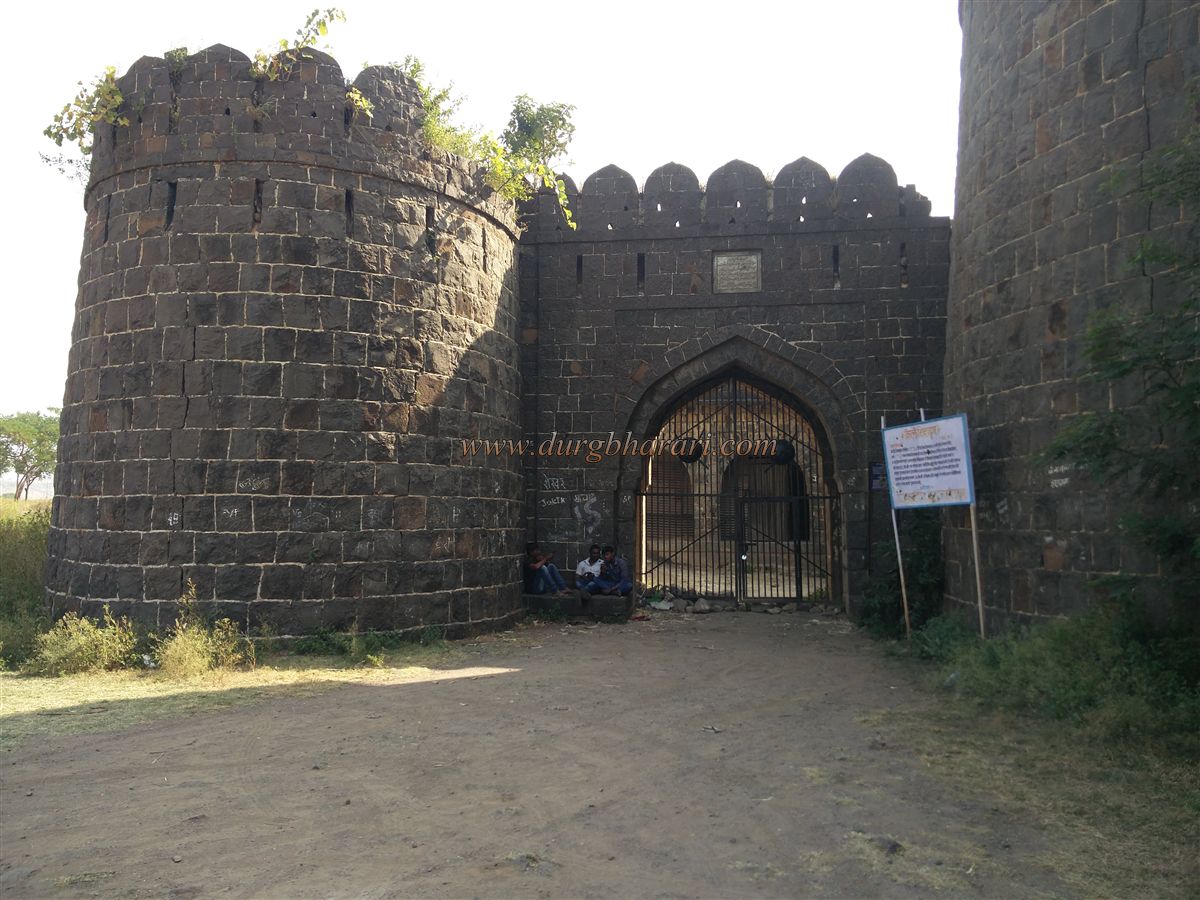
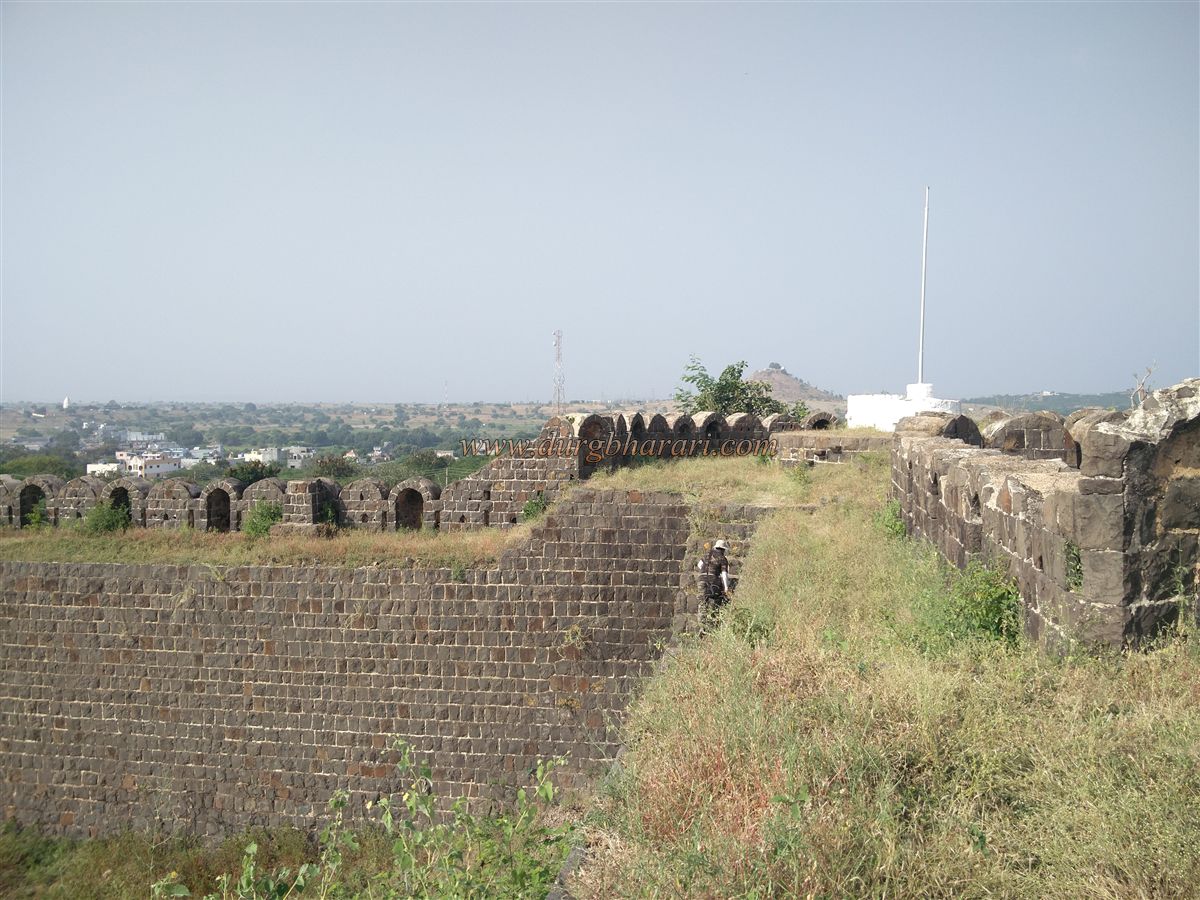
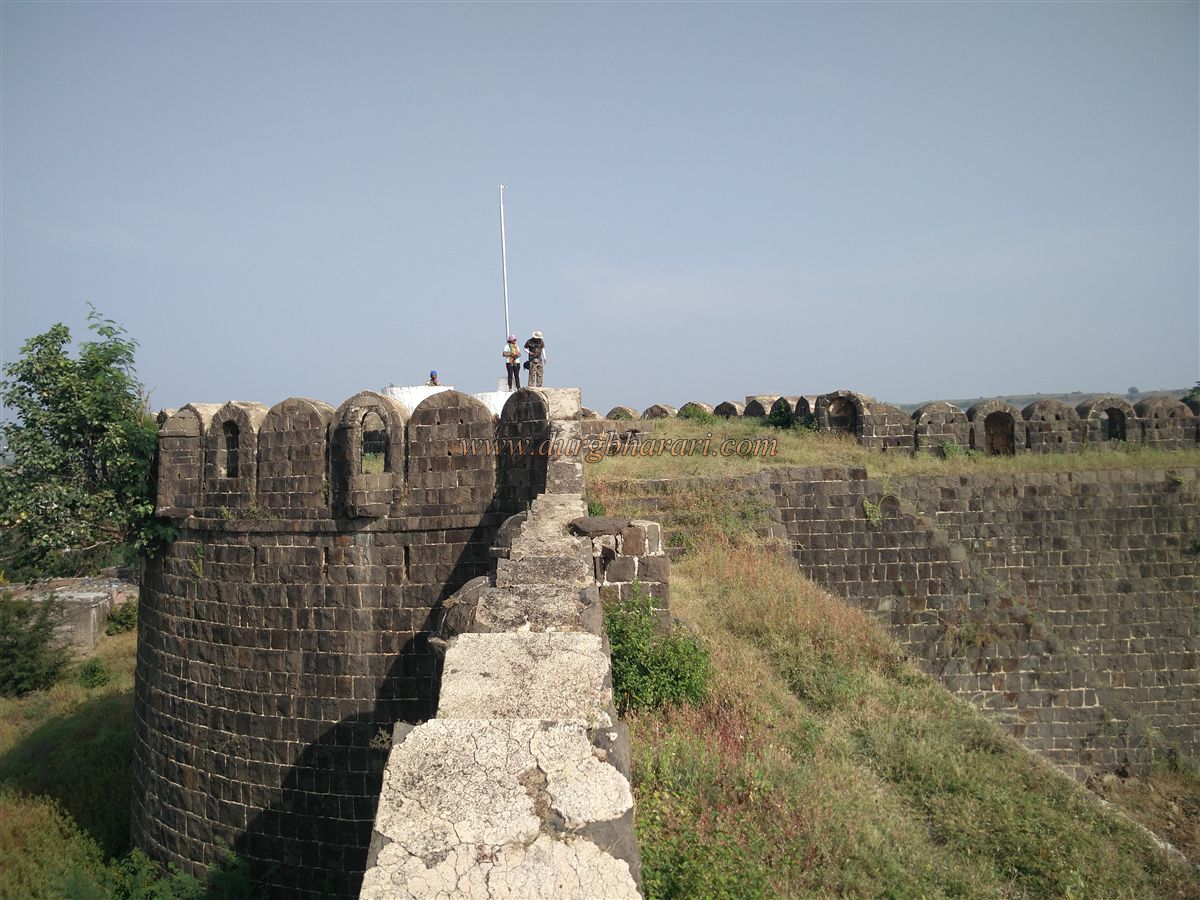
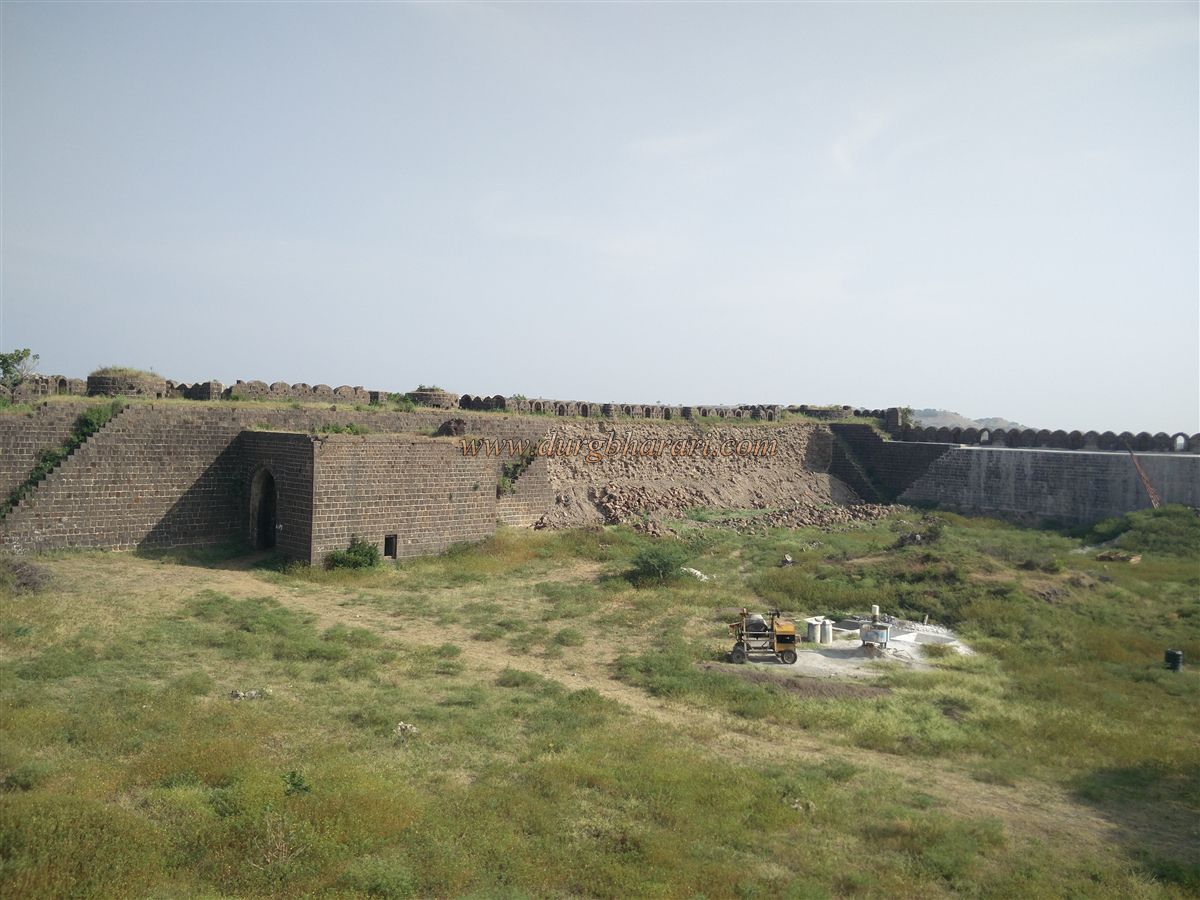
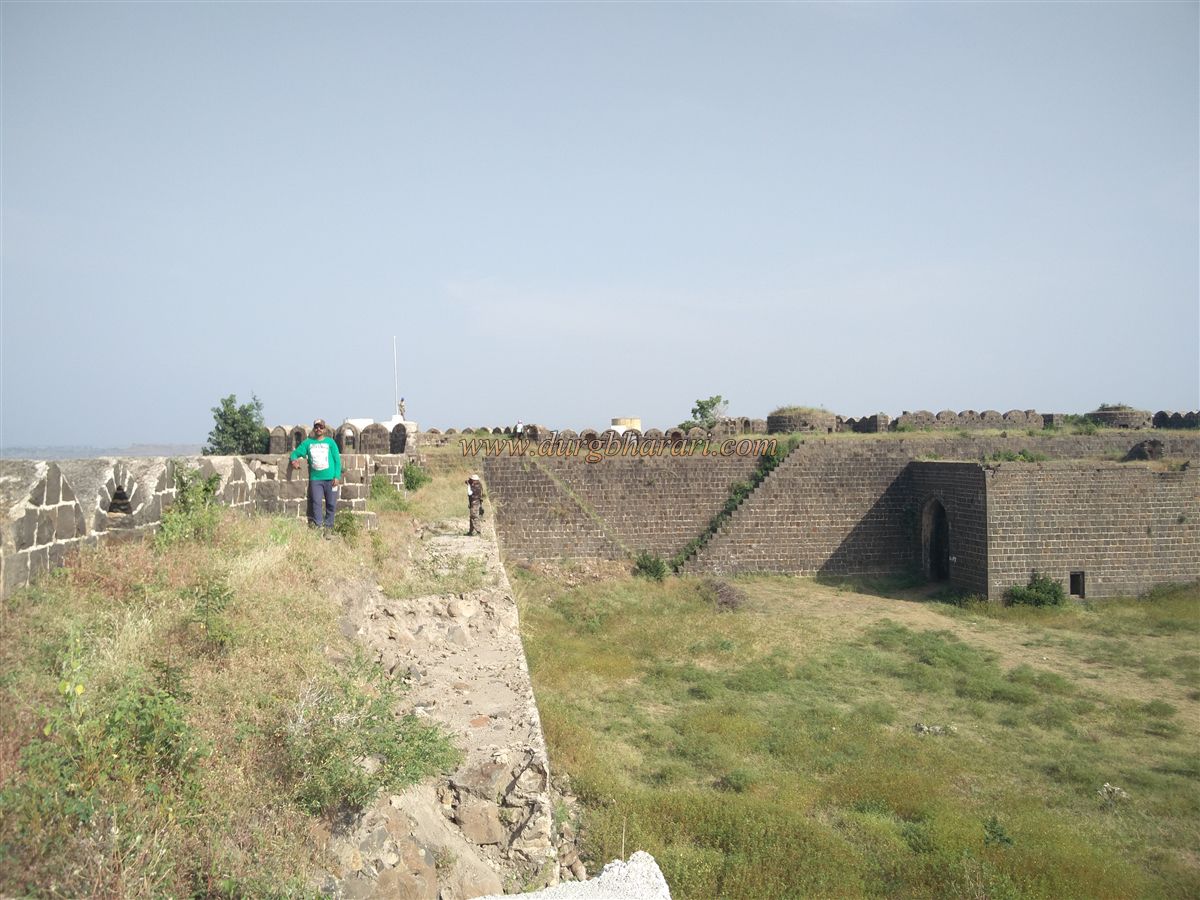
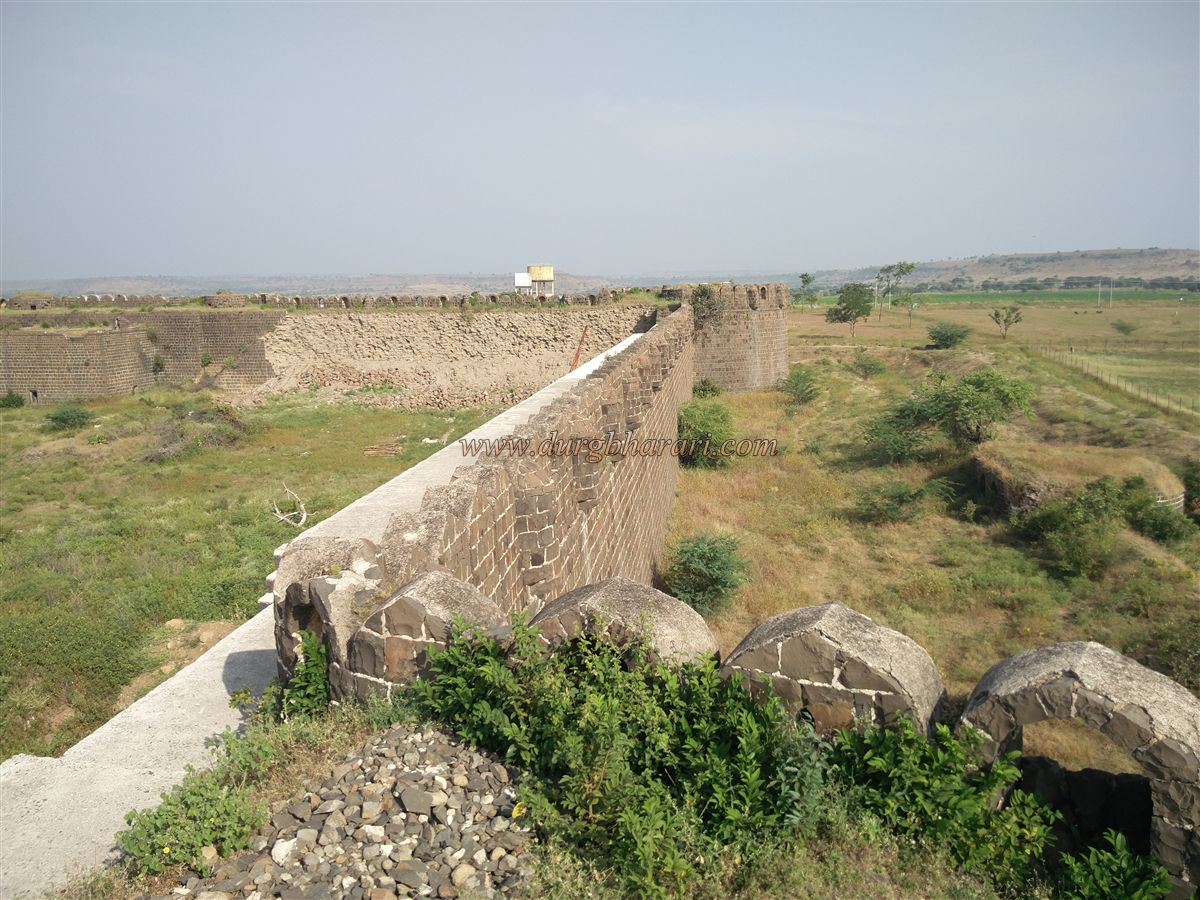
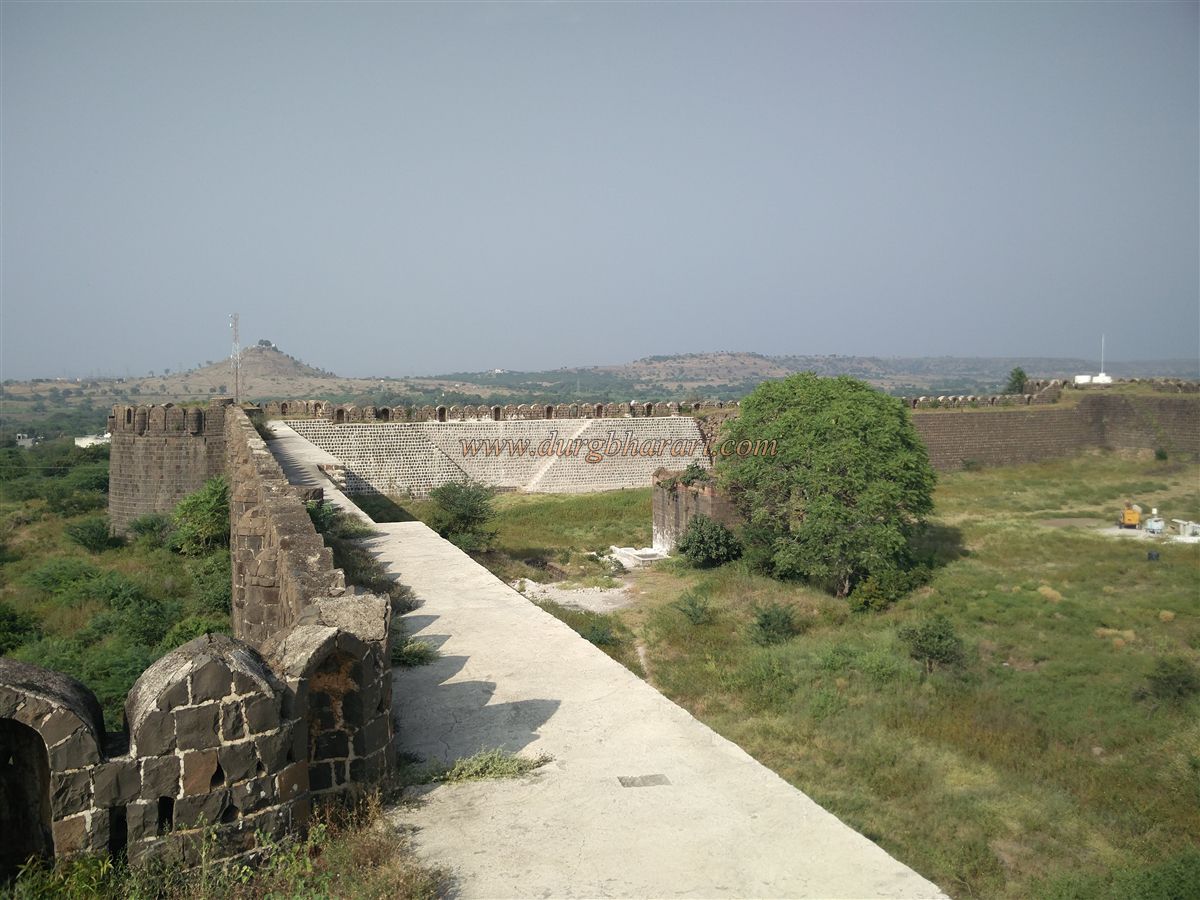
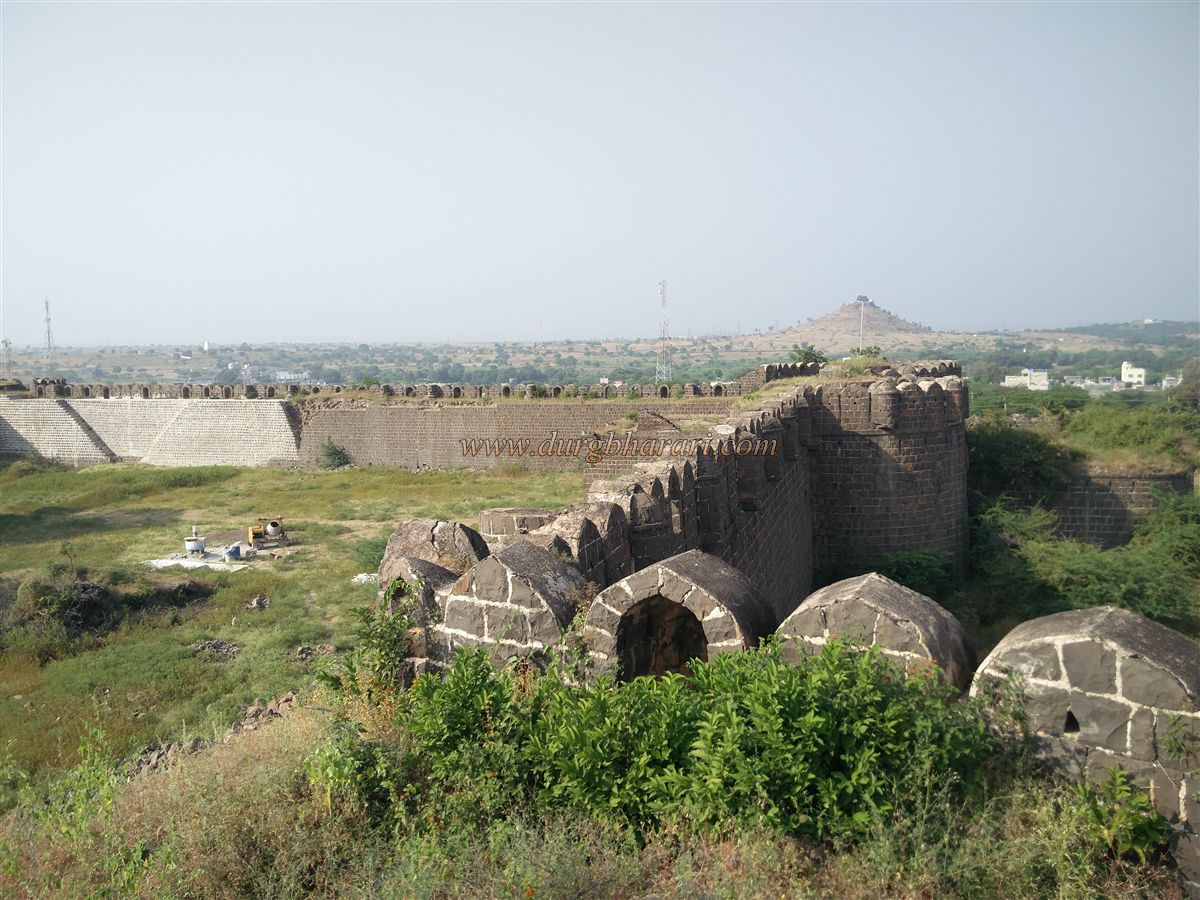
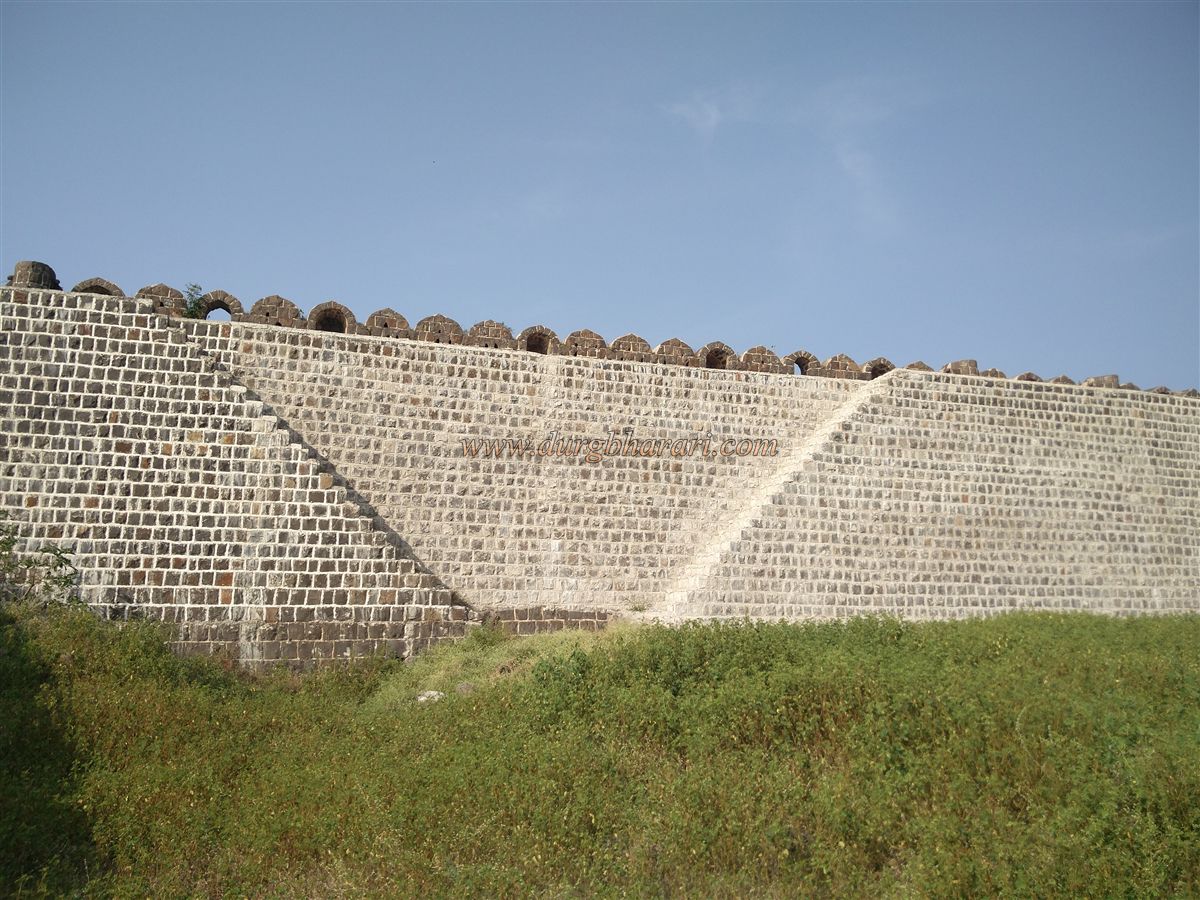
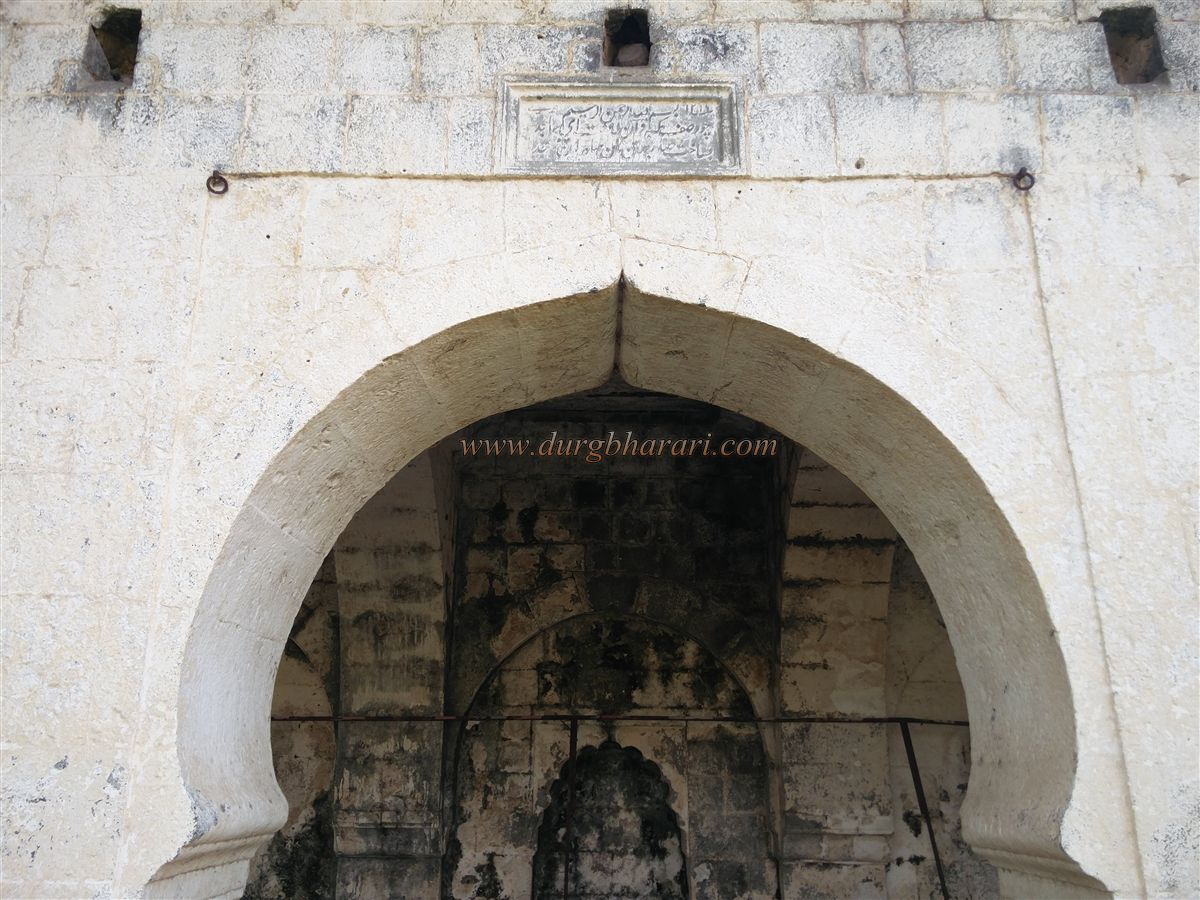
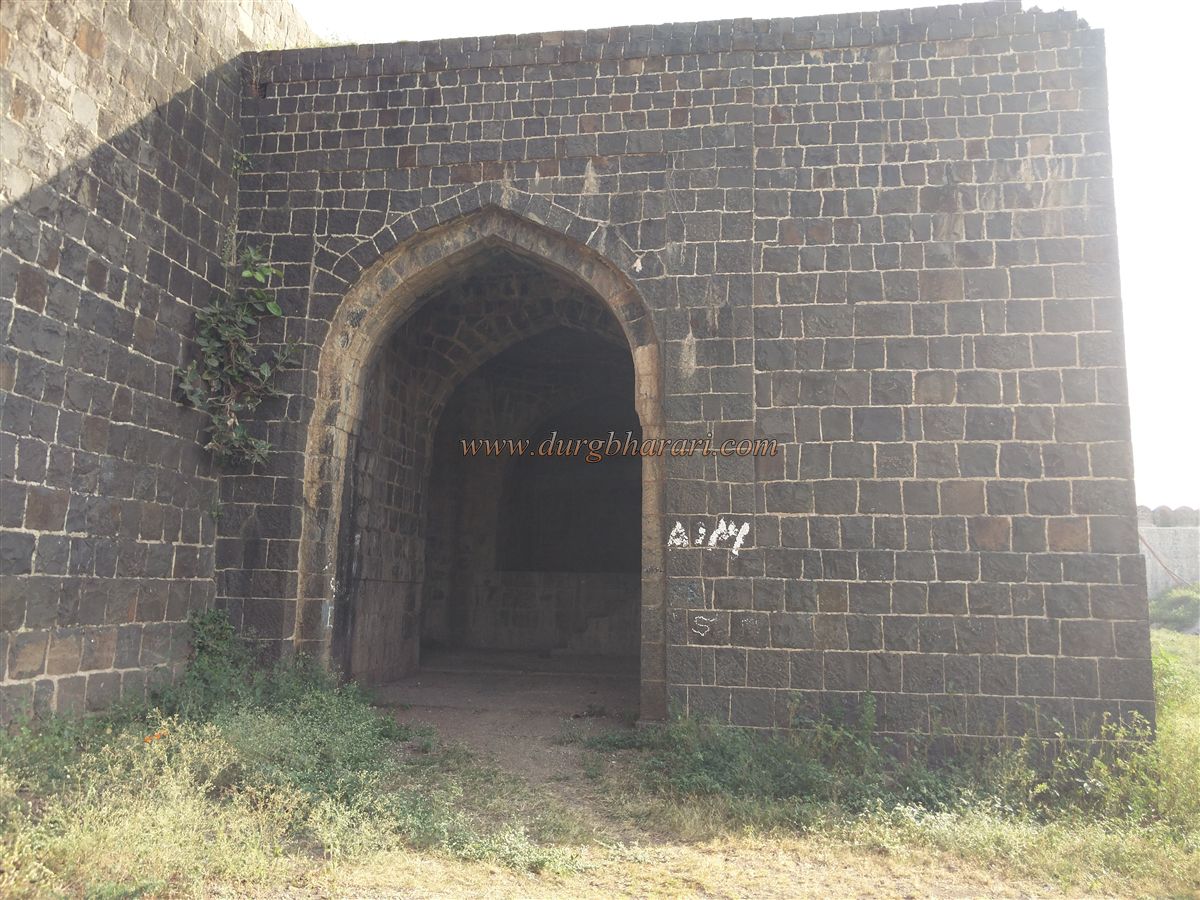
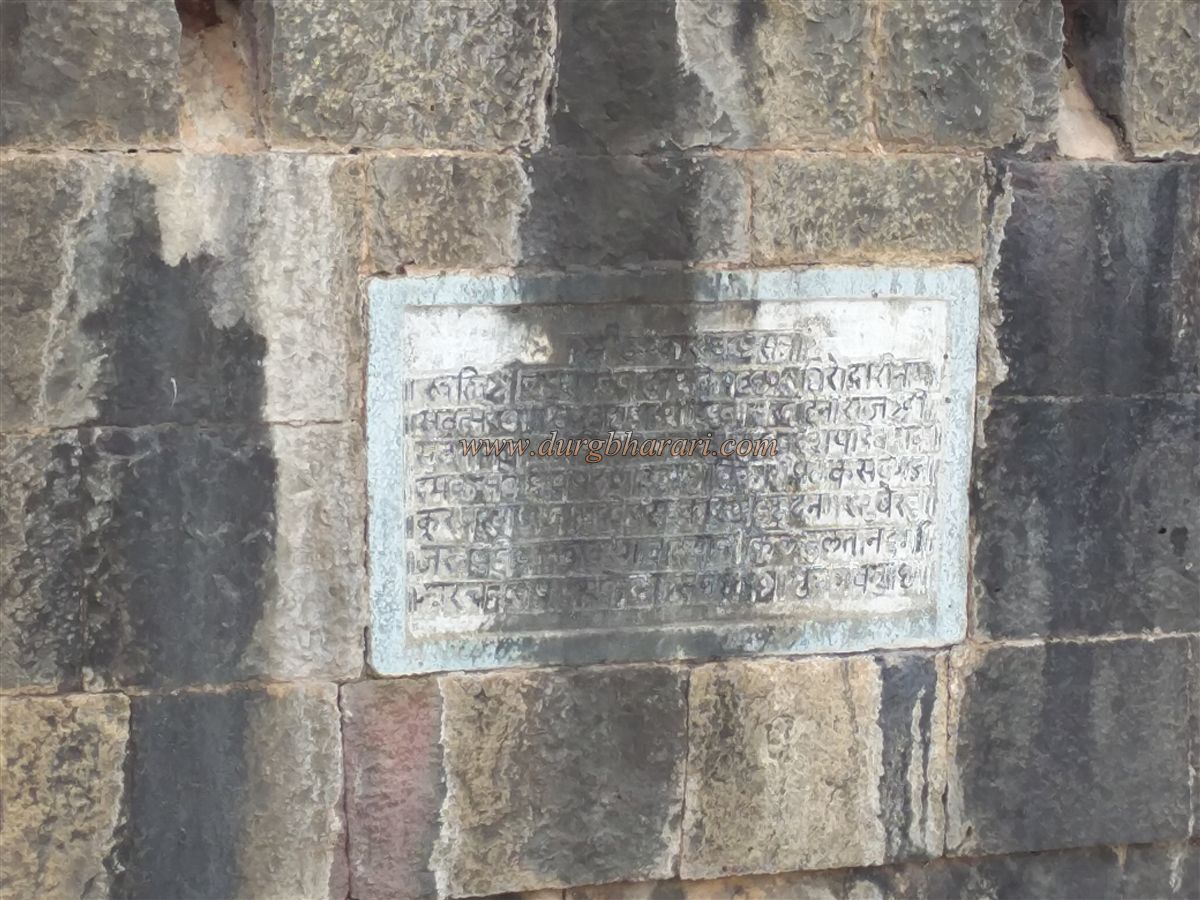
The fort, square in shape and spread over three acres, has its main north-facing entrance on the western side, which is not immediately visible from the road. The layout of this land fort consists of the ranmandal (outer defensive area), the main fort, the revani (outer wall), and the moat. The main fortification has four bastions at the corners, two beside the gate, and one in the ranmandal, making a total of seven bastions. A moat surrounds the entire fort; the part near the main gate has been filled in, allowing vehicles to reach the gate directly. To prevent the enemy from attacking the main gate directly, a transverse wall was built in front of it, with a bastion and a secondary gate, thus forming the ranmandal. This secondary gate is also protected by two bastions and appears to have been constructed after the main fort was built. A Persian inscription can be seen on this gate.
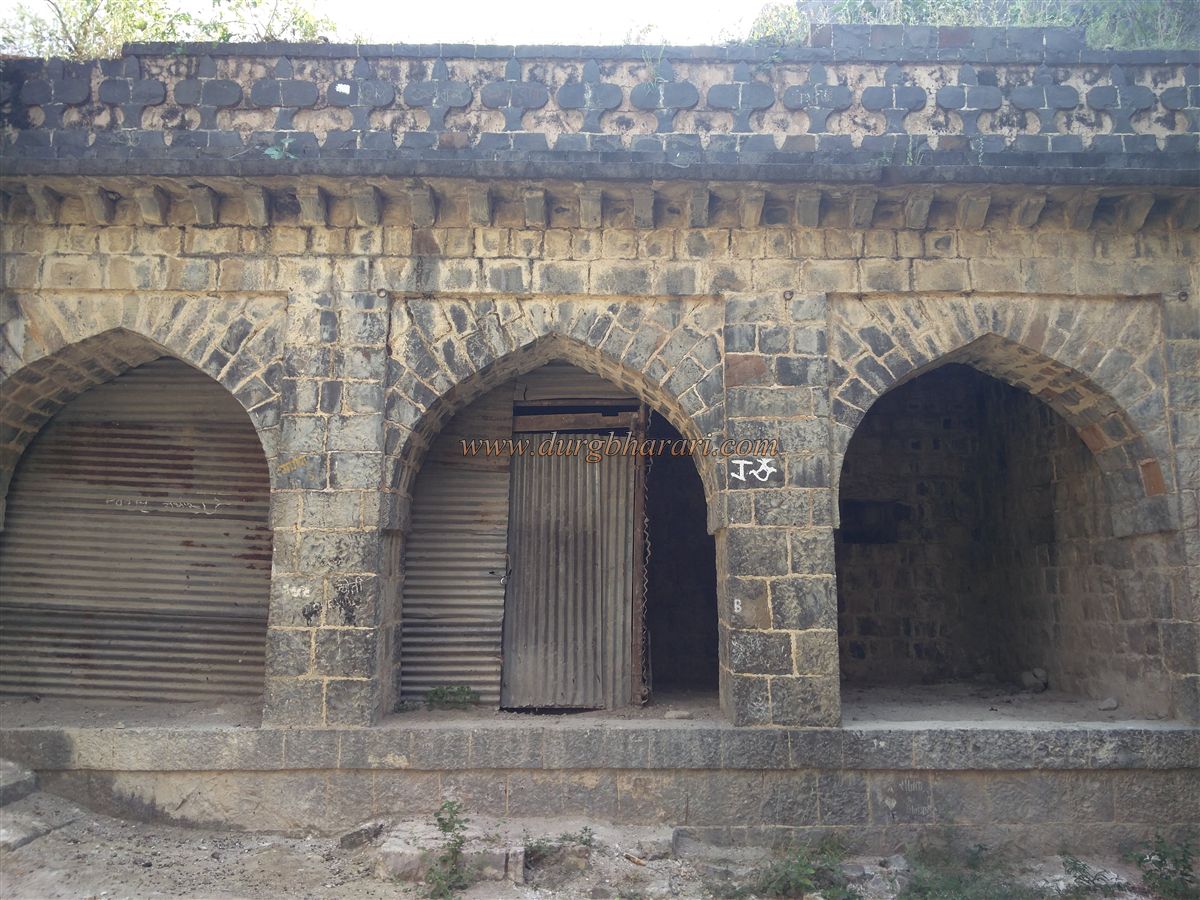
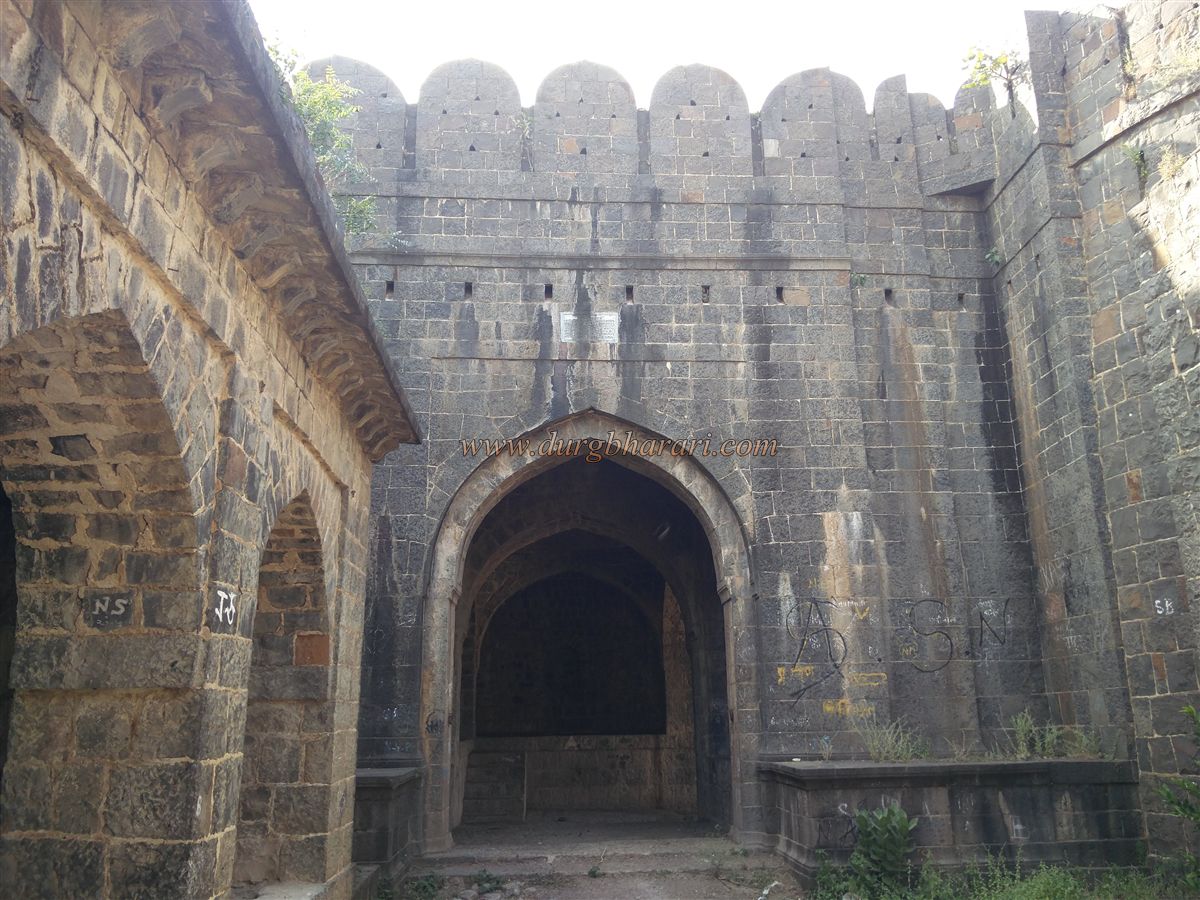
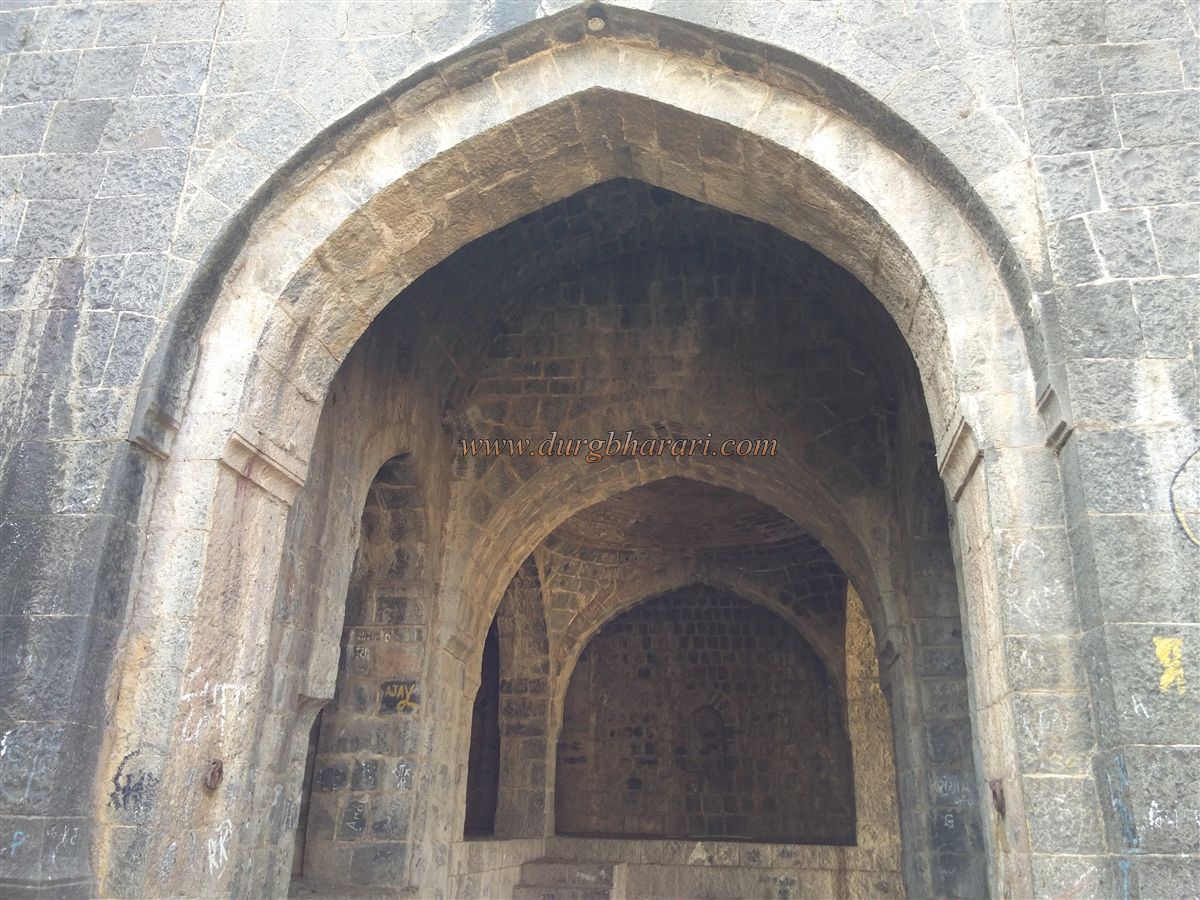
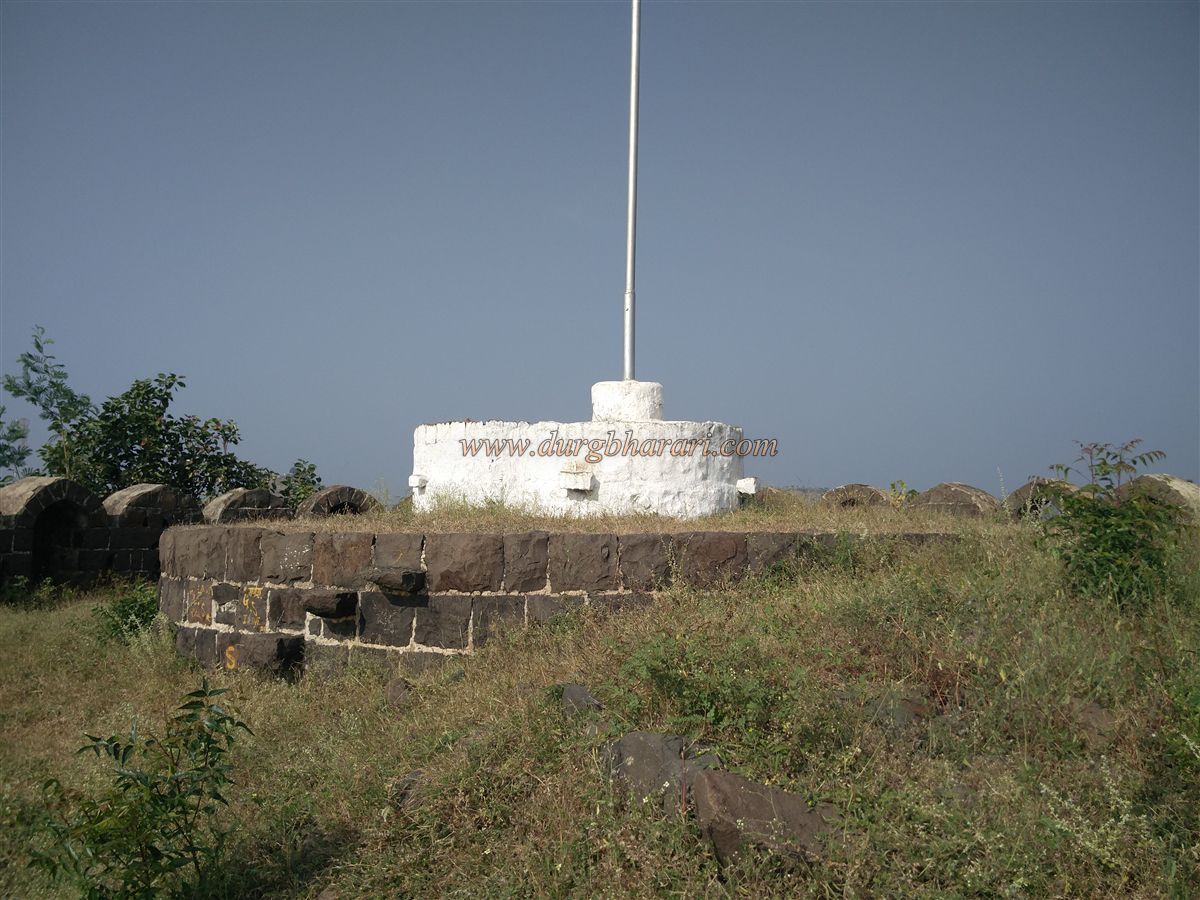
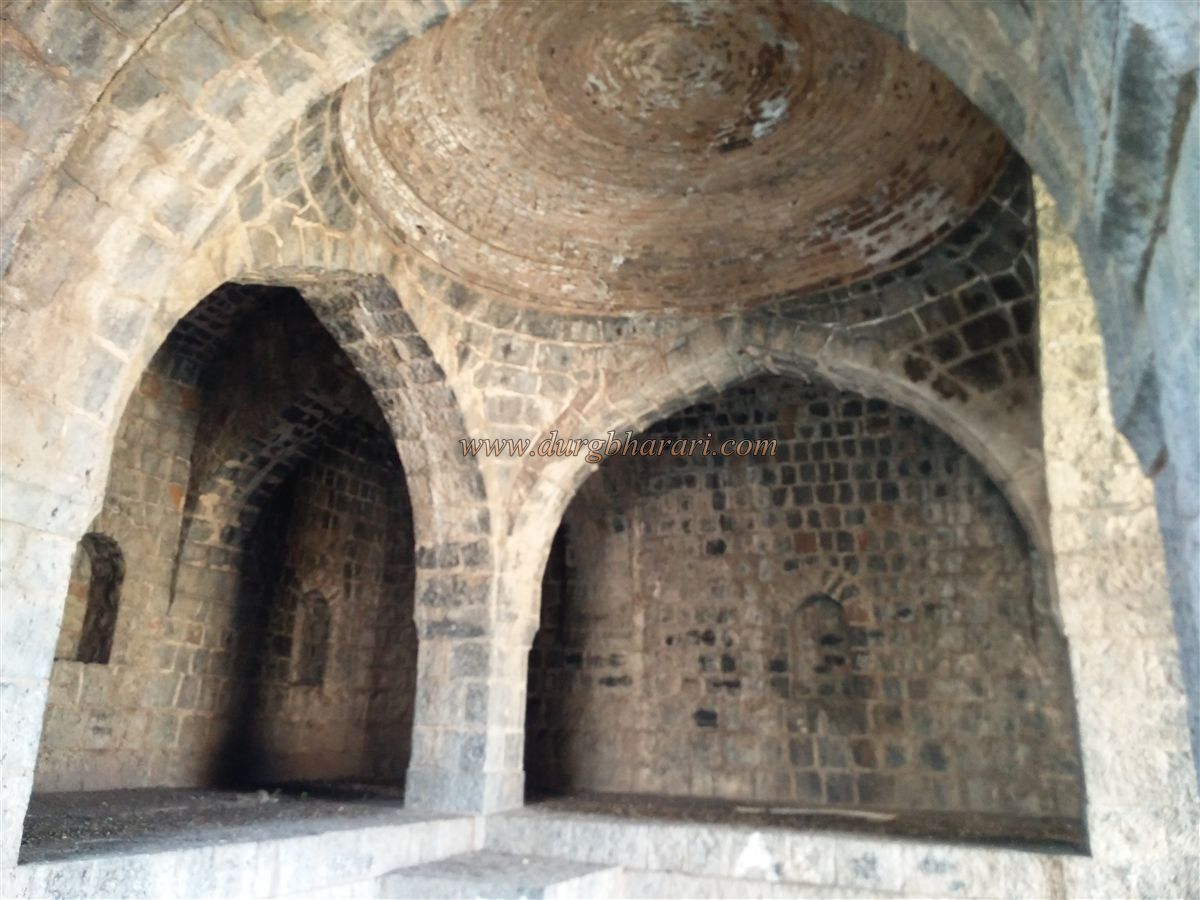
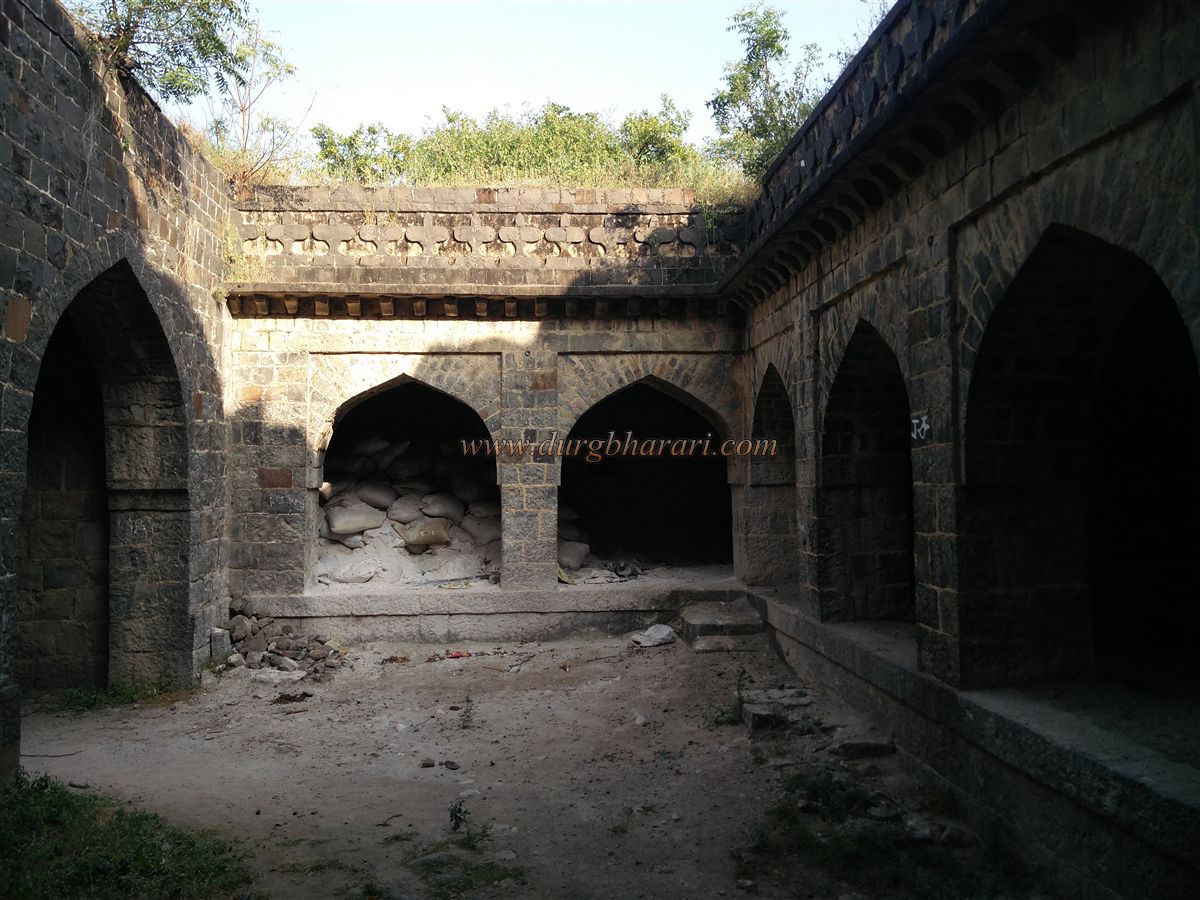
After entering through the first gate, on the right stands the main gate of the fort, about thirty to forty feet high, which bears a Marathi inscription stating that the fort was built in 1743 by Sardar Sultanrao Nimbalkar. None of the original wooden doors survive today. On both sides of the ranmandal in front of the gate are owaris (resting places), with stairs leading up to the outer walls. The fort’s second gate and the structures inside it are still in good condition; within this area is a domed structure and a third gate leading into the innermost part of the fort. Inside the gate are guard chambers, one of which has stairs leading up to the top of the gate. From here, the open grounds of the fort can be seen. Most of the fort’s buildings have collapsed, leaving no significant remains. Inside the gate, on the right, are stairs leading to the ramparts, from where one can walk around the entire fortification. Stairs are located at various points to access the ramparts. Between the moat and the revani, the remains of eight small bastions and sections of wall can still be seen, although the rest have been completely destroyed.
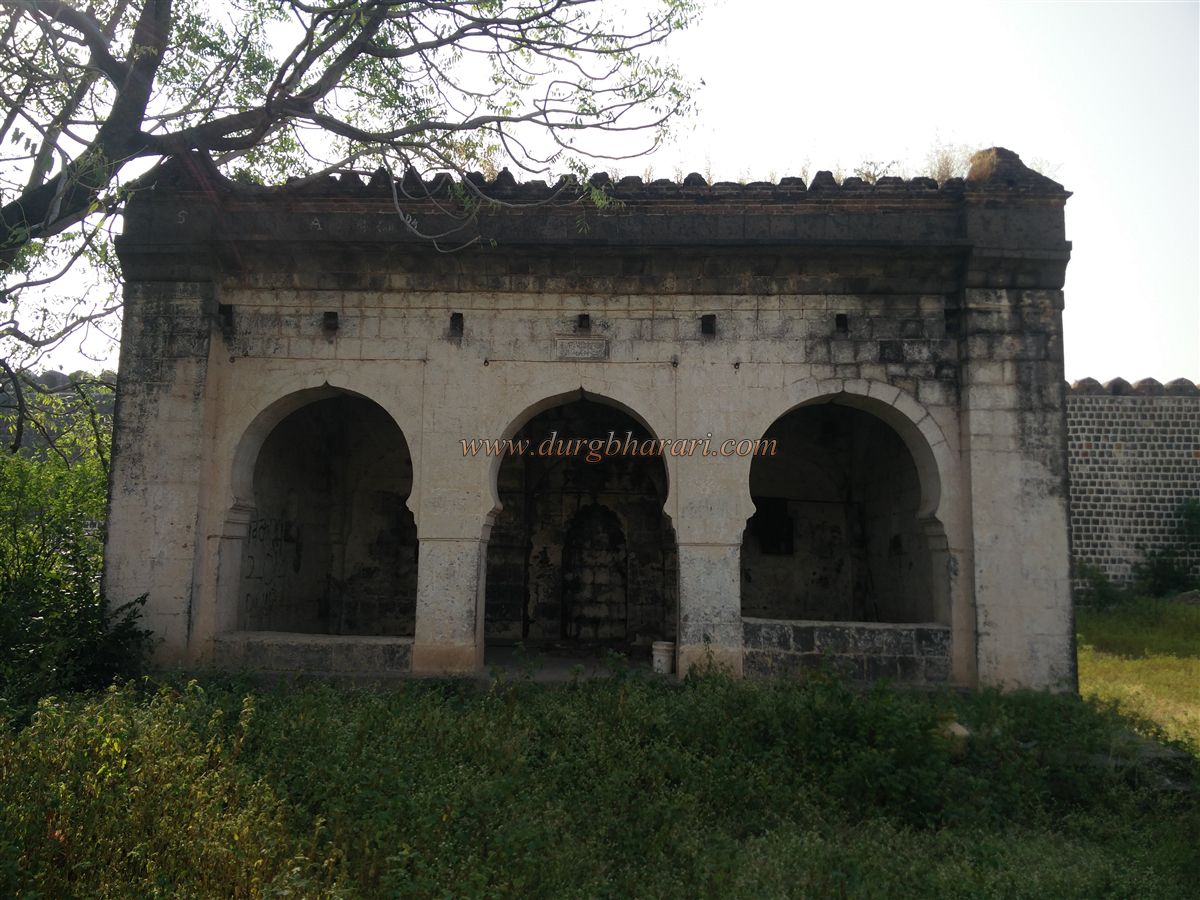
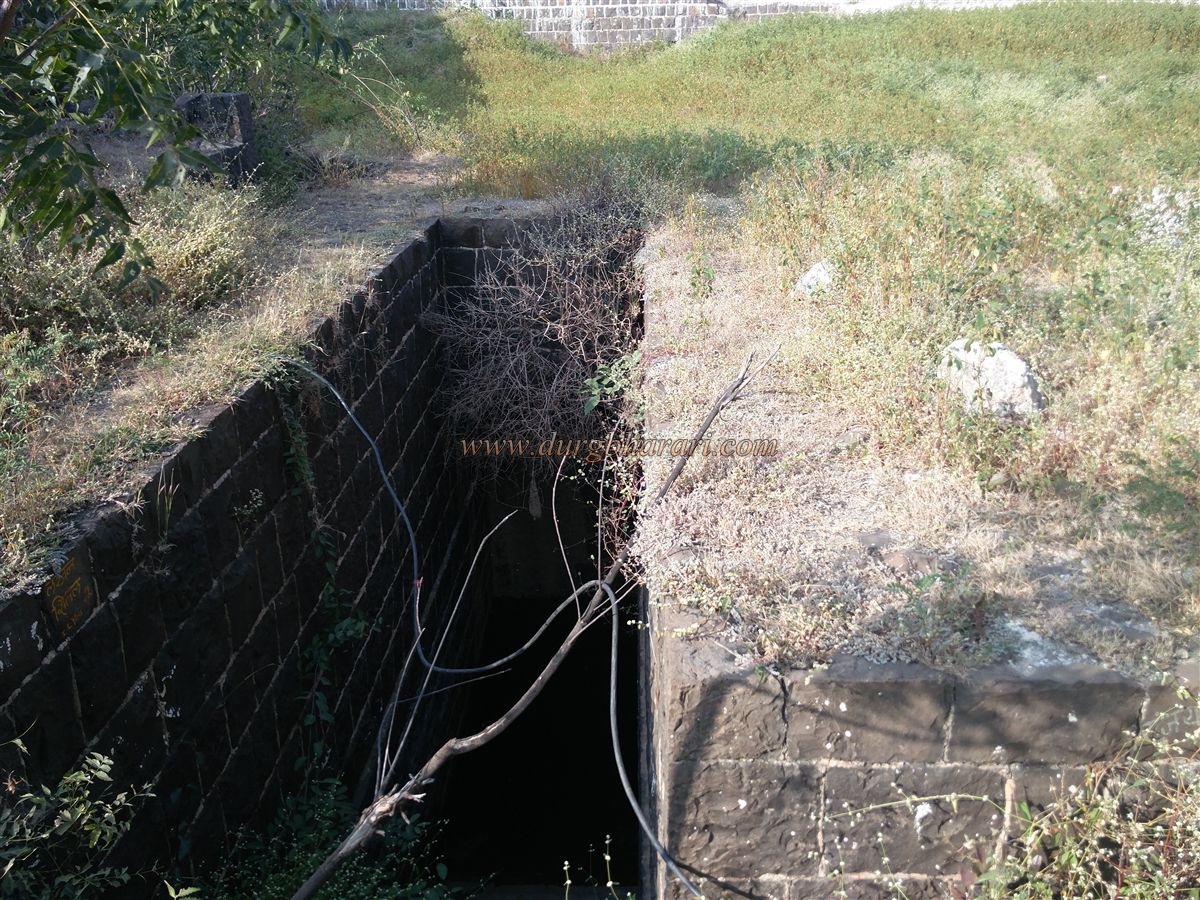
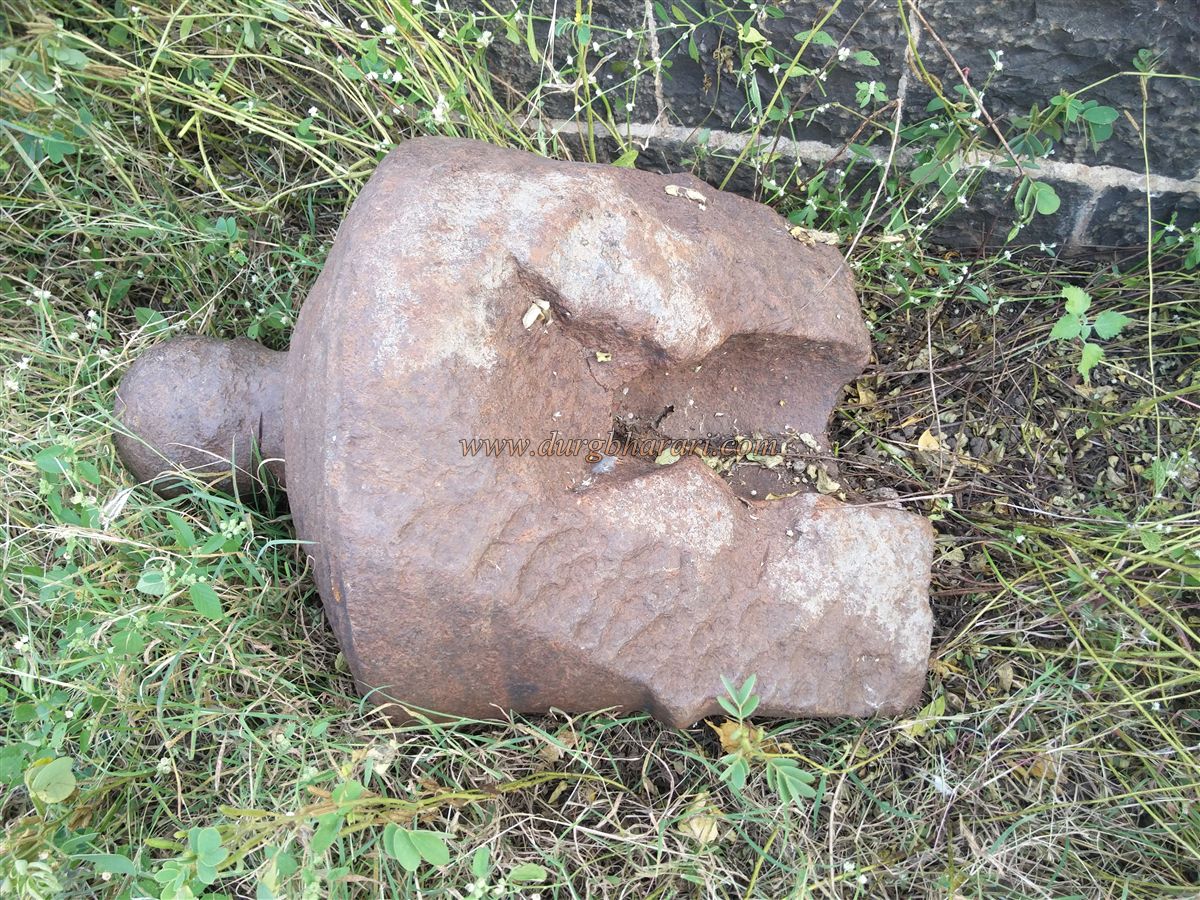
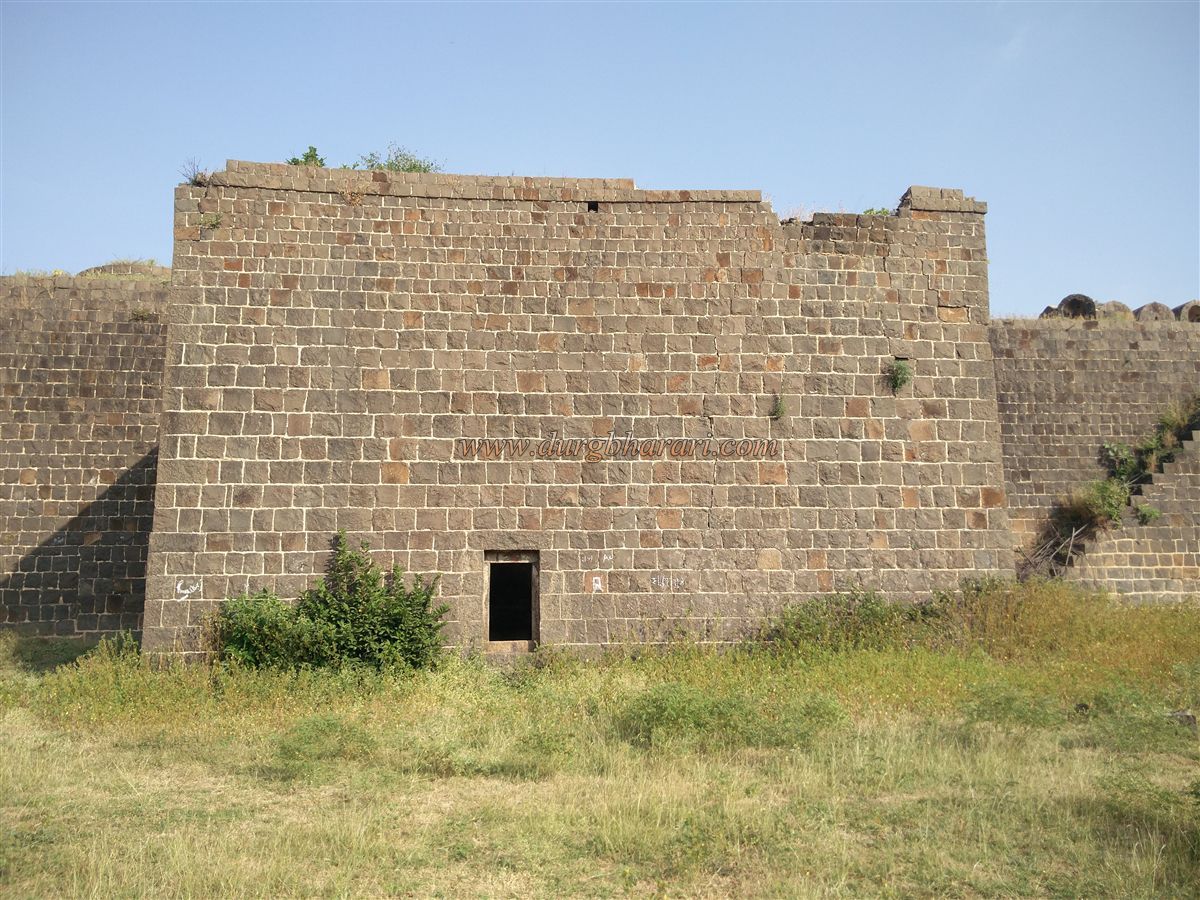
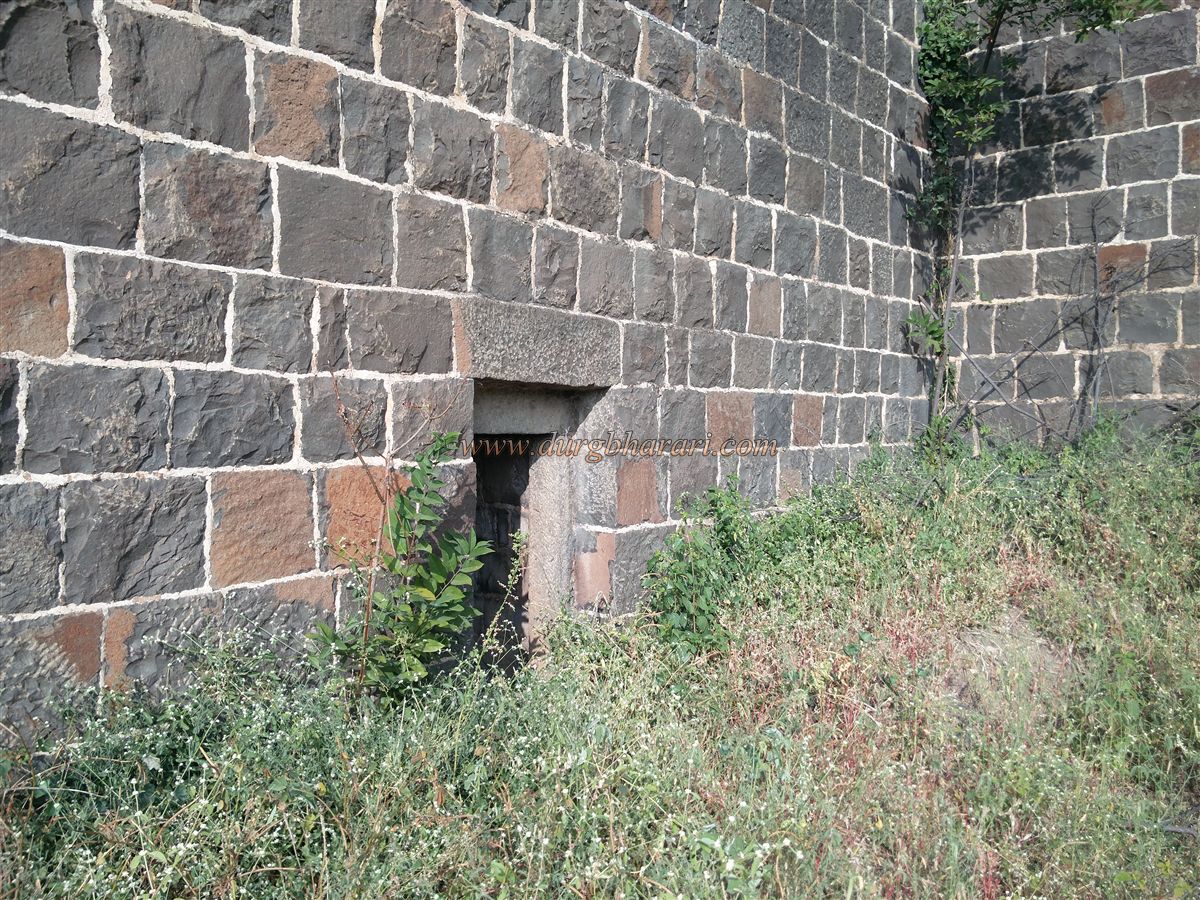
At the center of the fort are the remains of a collapsed mansion, with partially buried owaris visible. On the eastern side of the fort, near the walls, stands a well-preserved building with a Persian inscription identifying it as the Jama Masjid. Beside it lies the rear portion of a broken cannon. Between the mosque and the fort walls is a fine example of stone architecture — a well-built stone stepwell (barav), the only water source in the fort, which is currently used for restoration work. This circular well, over 100 feet deep, has a stone pulley system for drawing water, and a stone staircase on the other side leading halfway down the well. After descending about forty steps, there is a 5x5 ft room inside the well with an arched opening to the water. On the southern wall of the fort is a small escape gate for use in times of siege, now sealed with stones. Additionally, there are two storehouses within the inner gate structure, accessible from inside the fort.
It takes about an hour to explore the entire fort. In Khardah village itself, one can also see the Nimbalkar mansion, twelve Jyotirlinga temples, and the Nimbalkar family’s memorial in the Omkareshwar temple complex.
Khardah is famous for the historic Battle of Khardah. This battle between the Nizam of Hyderabad and the Marathas took place on 11 March 1795. In it, the Maratha forces decisively defeated the Nizam. At that time, Daulatrao Shinde’s army was stationed in Pune. To expand Maratha influence in the south, Nana Phadnavis targeted the Nizam of Hyderabad and demanded the arrears of chauthai (tribute). The Nizam’s minister, Mushir-ul-Mulk, rejected this demand and also refused to hand over the revenue from the Varhad region belonging to the Bhonsle. Consequently, in March 1795, the combined forces of the Peshwas, Daulatrao Shinde, Tukoji Holkar, and Raghuji Bhonsle II attacked the Nizam’s territories. The Nizam sought help from the British, but they refused, leading to the decisive battle at Khardah.
Avoiding open-field confrontation with the Marathas, the Nizam took refuge in Khardah fort. The Marathas laid siege to the fort, cutting off supplies and positioning cannons around the fortifications. Eventually, on 13 March 1795, the Nizam agreed to a treaty and withdrew from the war. Under the treaty, the Nizam agreed to pay the Marathas five crore rupees as arrears of chauthai and war indemnity, ceded one-third of his territory to the Marathas, transferred Daulatabad fort and its region to the Peshwas, and handed over the Varhad region with its revenues to the Nagpur Bhonsles. In this battle, Maloji Ghorpade, Daulatrao Shinde, Sawai Madhavrao Peshwa, Raghuji Bhonsle of Nagpur, and the local Jagirdar Sardar Sultan Raje Nimbalkar of Khardah distinguished themselves and humbled the Nizam. With the Nizam agreeing to pay heavy indemnity and share the revenues of the Bidar province, the treaty marked peace between the two powers. This battle is historically significant as it was the last major battle fought in the era of Hindavi Swarajya.
© Suresh Nimbalkar
GALLERY