KHAPA
TYPE : GROUND FORT
DISTRICT : NAGPUR
GRADE : EASY
In Maharashtra today, there are still some forts that have lost their identity. Khapa Fort in Kalmeshwar taluka of Nagpur district is one of them. With no official record anywhere, this fort has lost its identity as a fort and is known in the area only as a dargah. Through social media, the fort has recently become known to people, and this is how Khapa Fort’s current recognition can be described. I learned about this fort through my friend and Vidarbha history researcher, Mr. Ganesh Bansode, and when I visited Nagpur for some work, I had the opportunity to go to this fort.
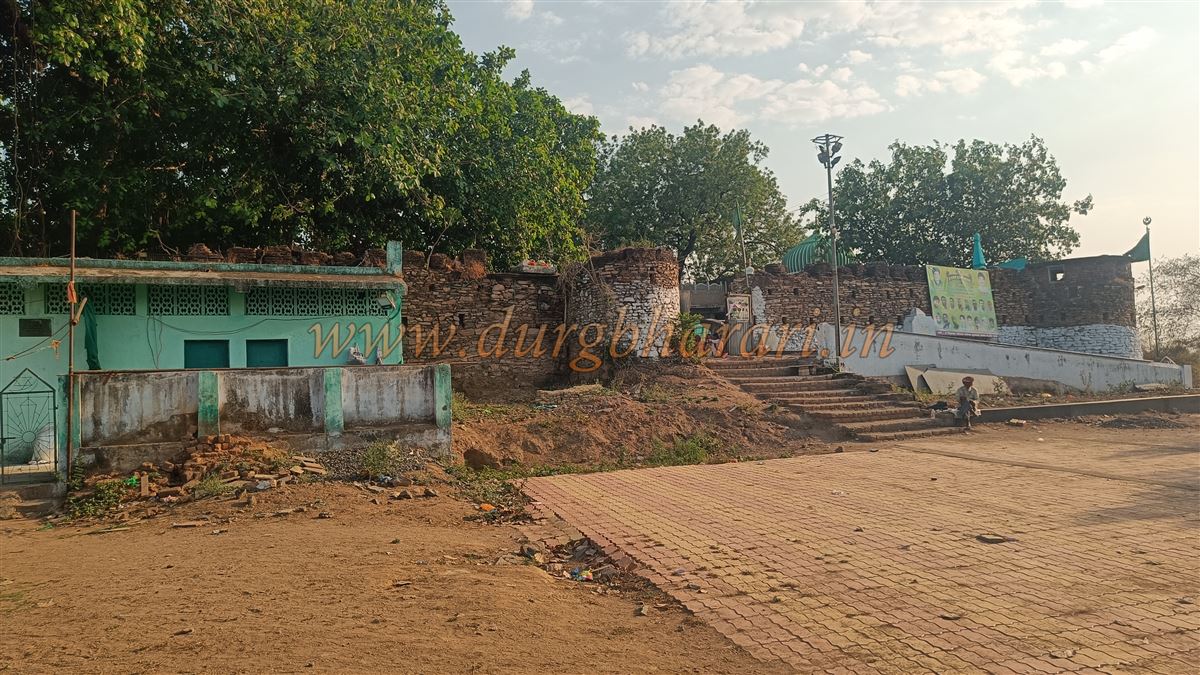
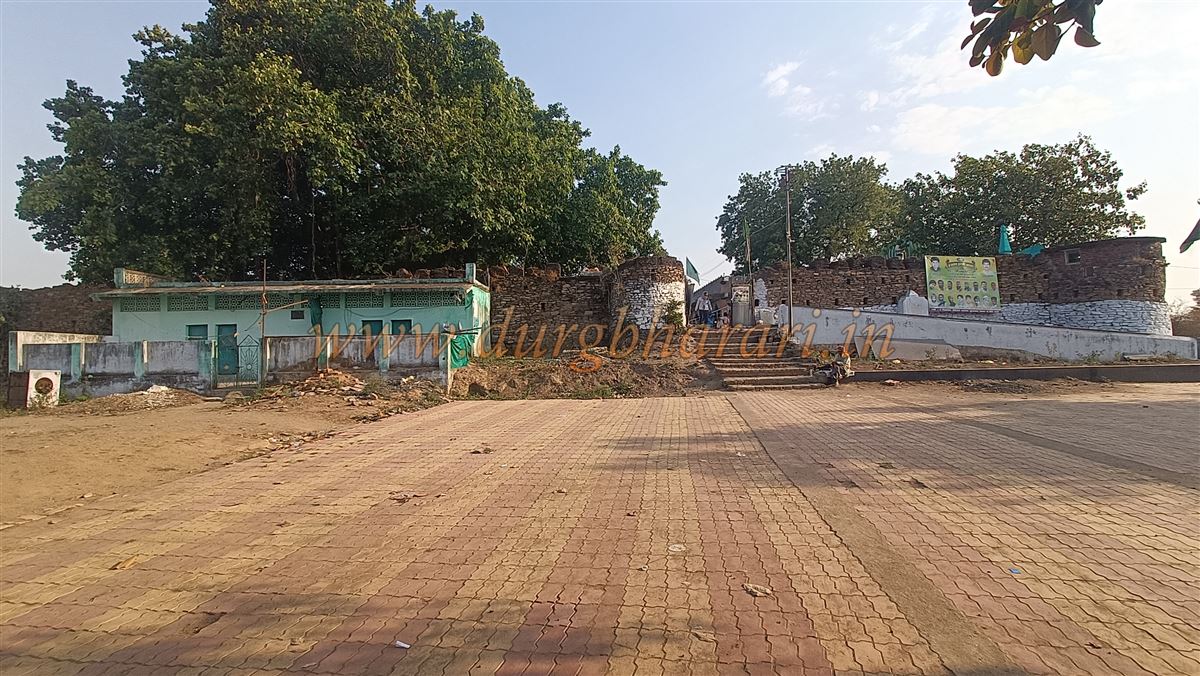
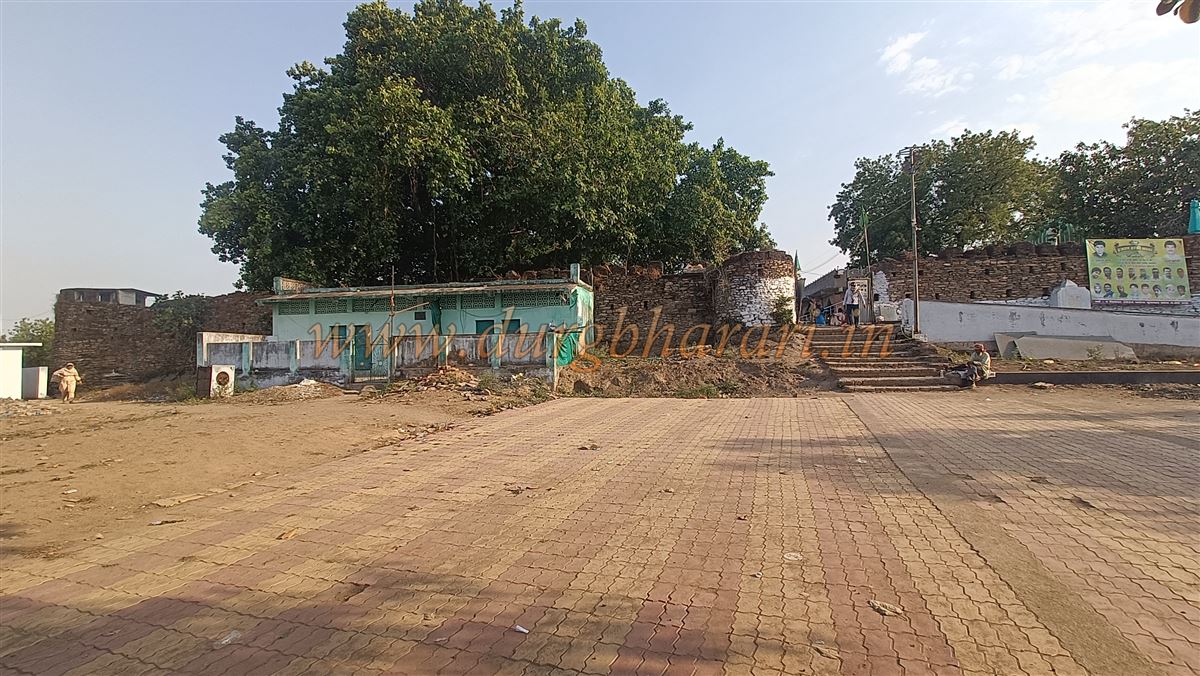
Located near Khapa town, the fort is 40 km from Nagpur city and only 8 km from Savner. It is built on a small hill outside Khapa town, with the Kanhan River flowing nearby. Khapa Fort is named after the dargah located on it—Hazrat Lashkar Shah Shaheed Rehmatullah. However, before reaching the fort, a signboard for Killa Vasti reminds one that this was once indeed a fort. A road from outside Khapa town leads directly to the fort.
...
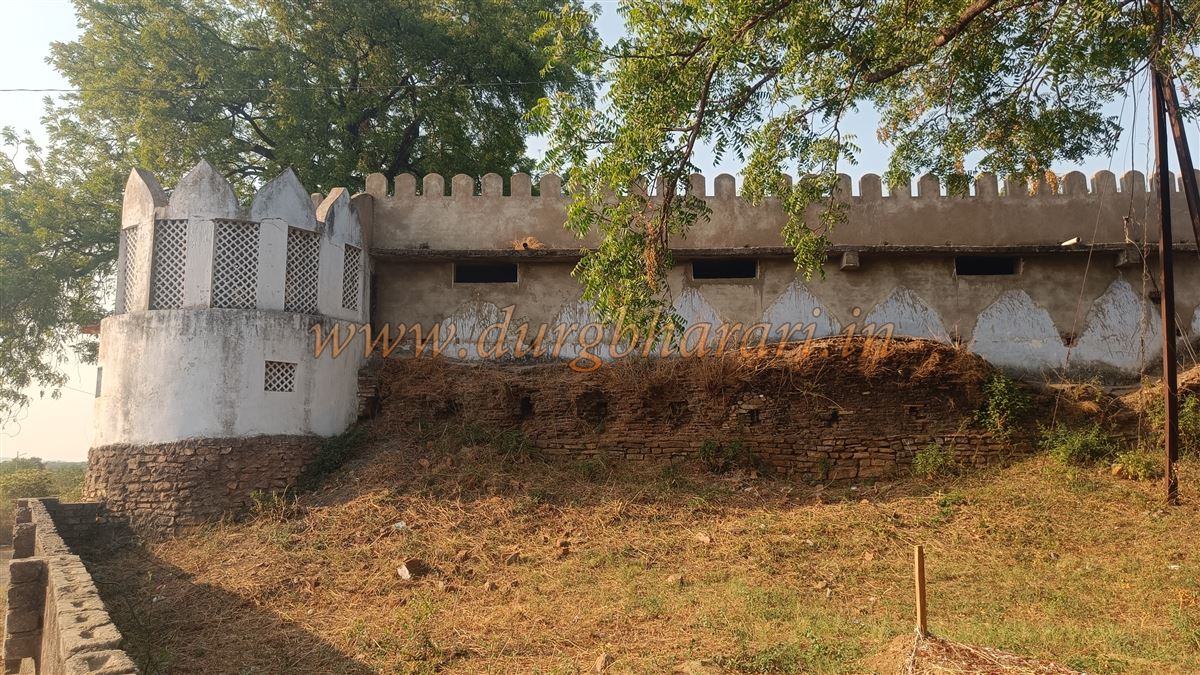
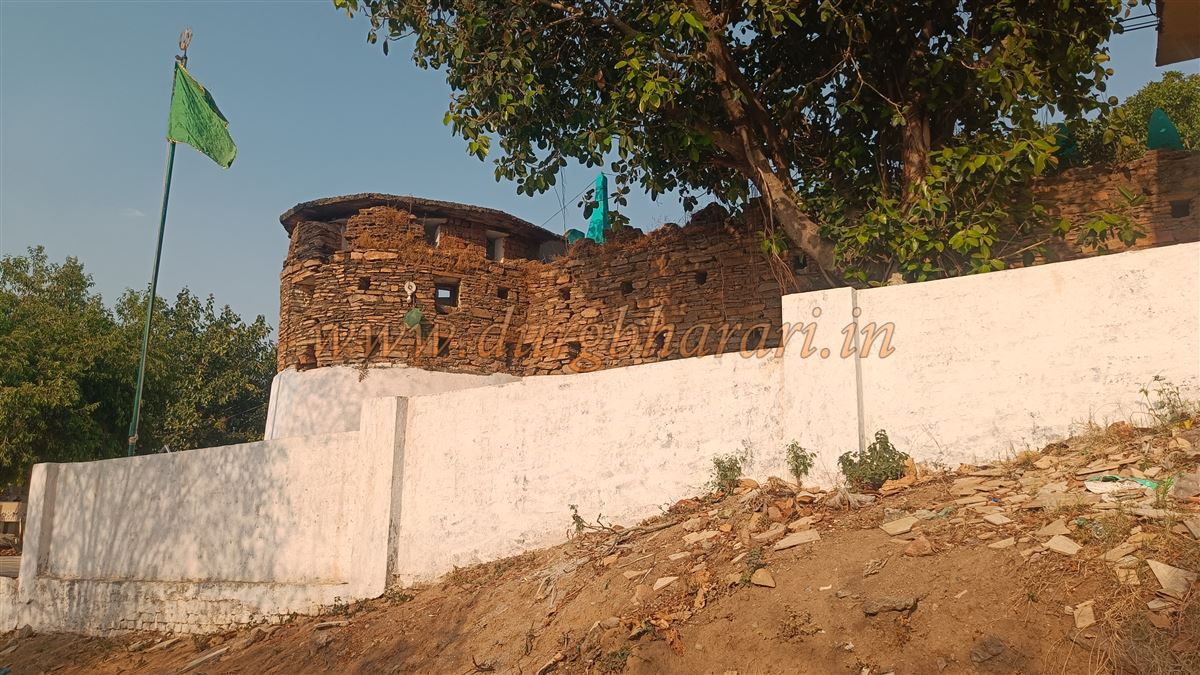
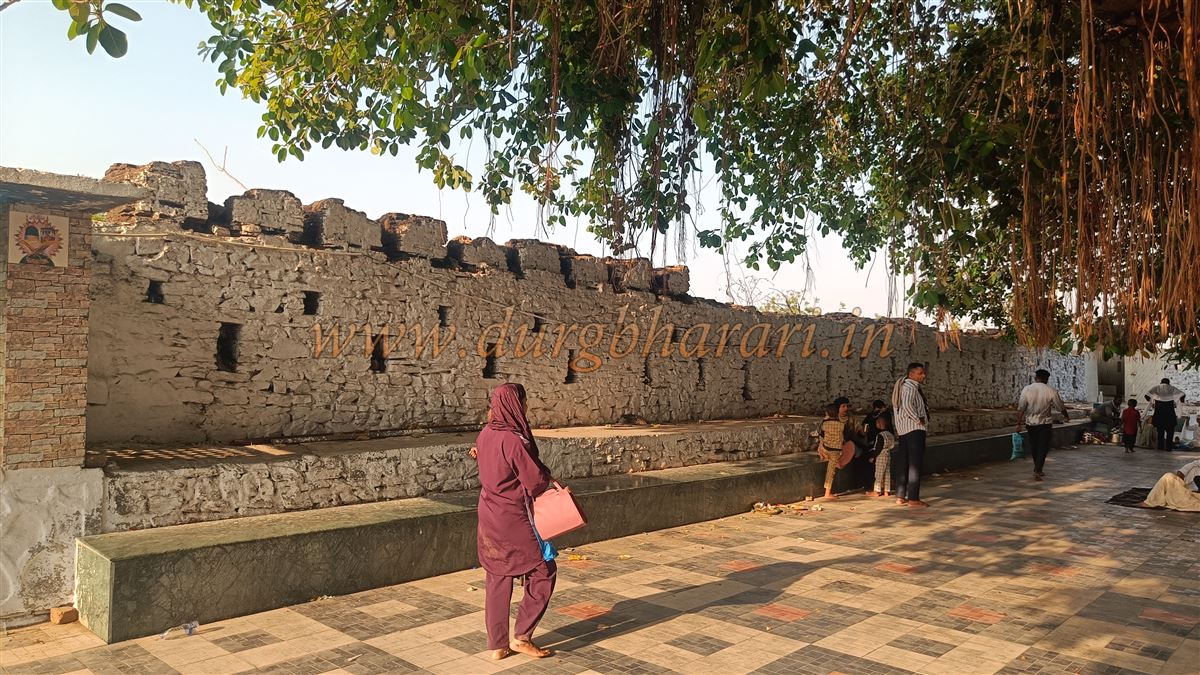
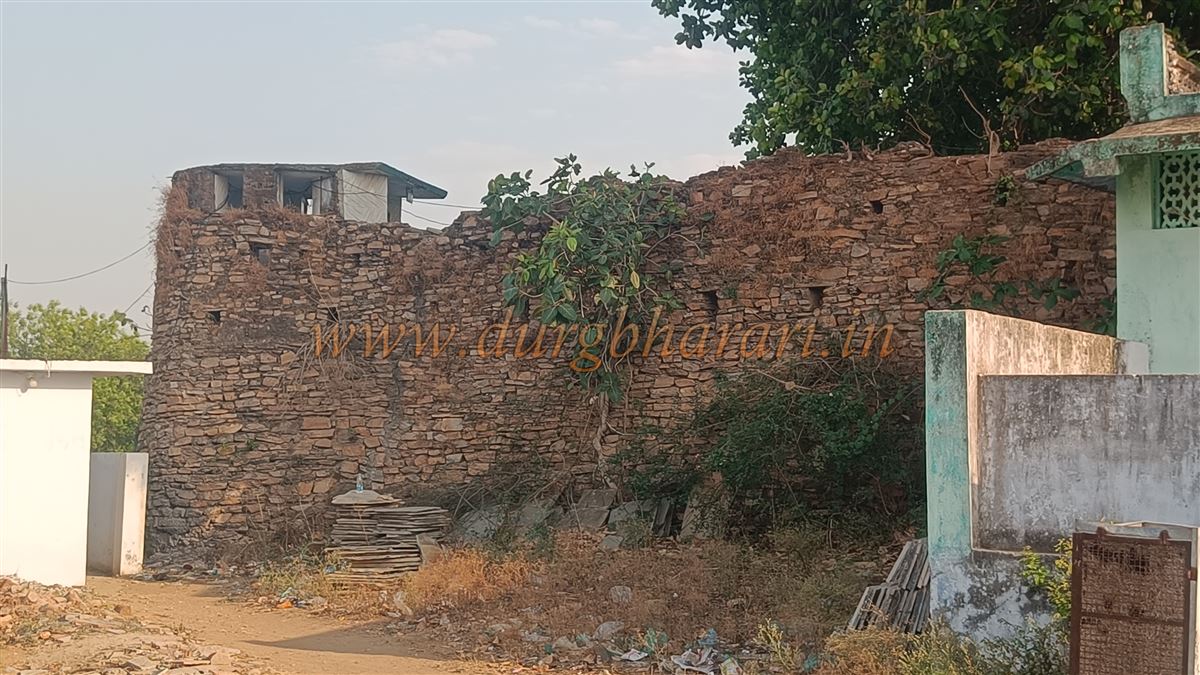
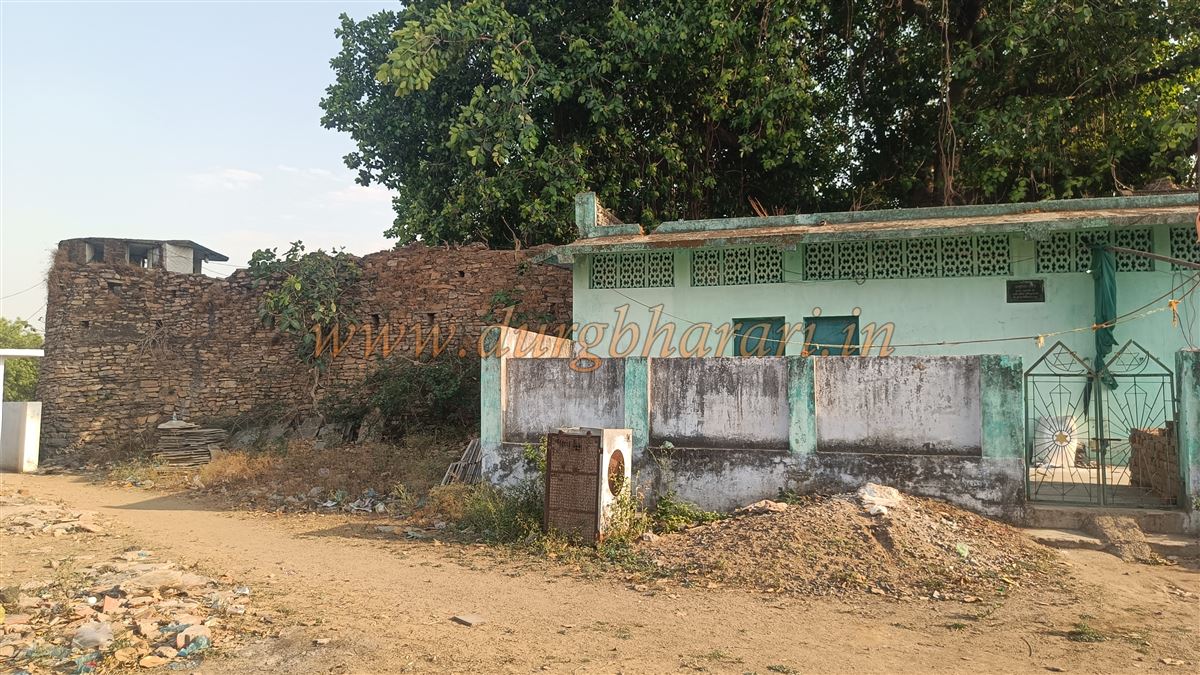
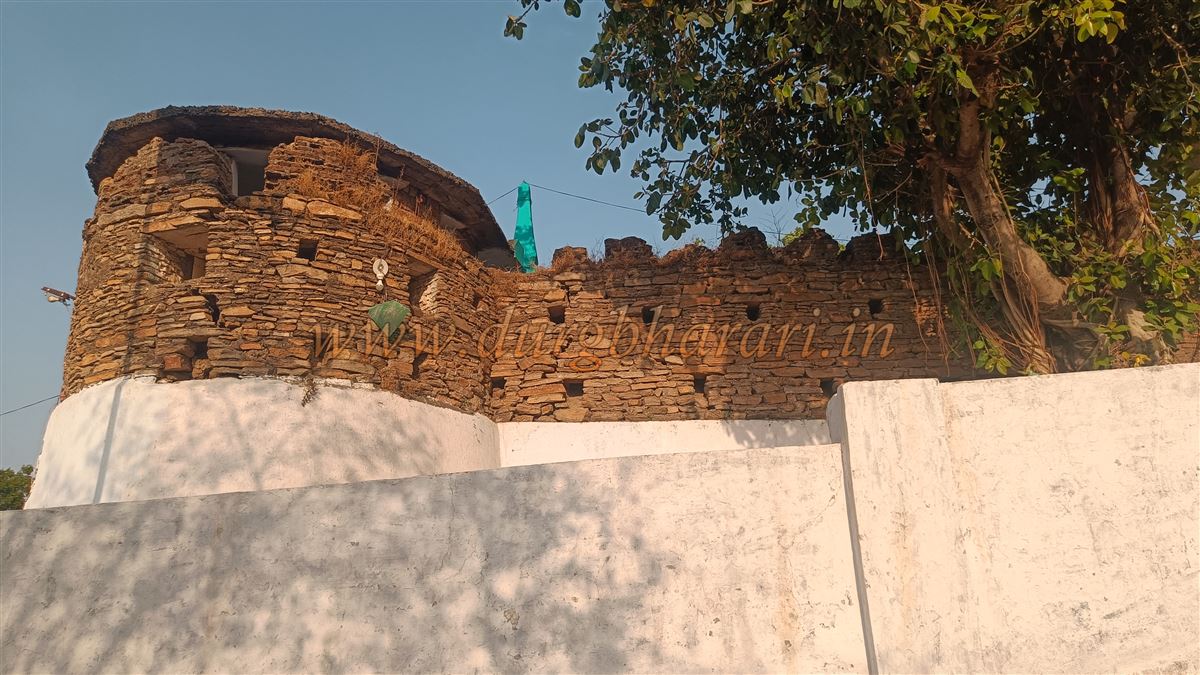
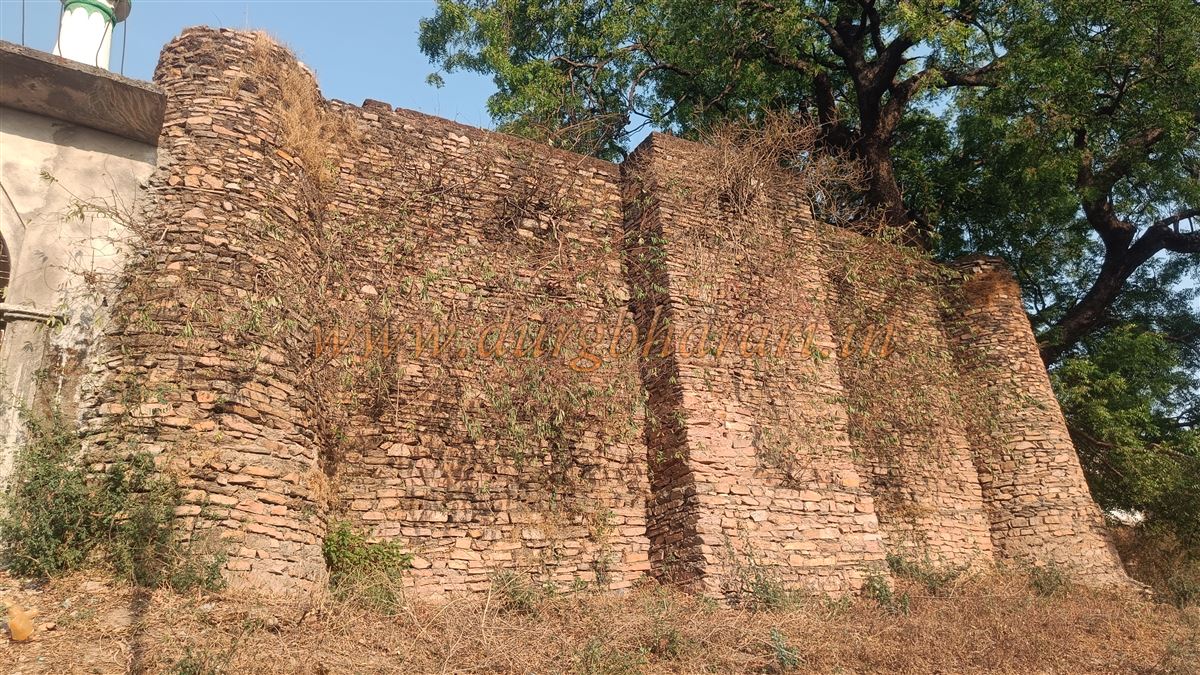
Some parts of the fort’s rampart have collapsed, and in their place, new cement walls have been built. Even so, much of the original fort wall and its bastions remain. The fort, roughly square in shape, covers about three-quarters of an acre. Its walls include six circular bastions and two square bastions. The ramparts are about 12 feet high with battlements. The main entrance gate still stands, though its arch is now destroyed.
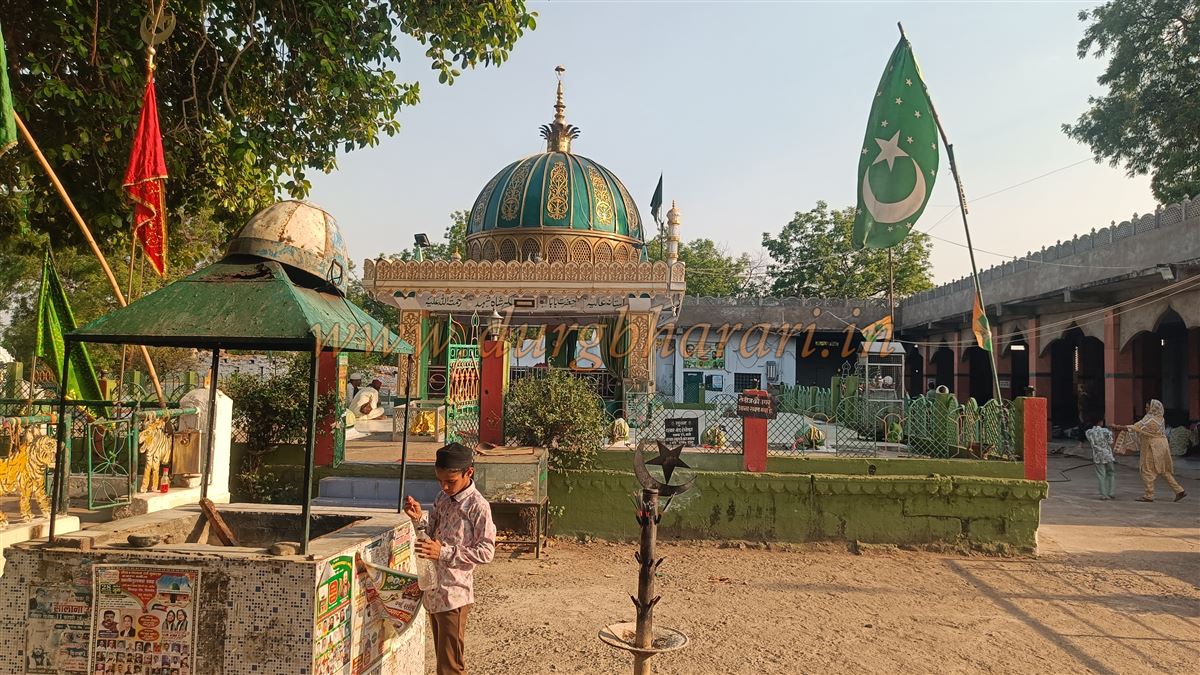
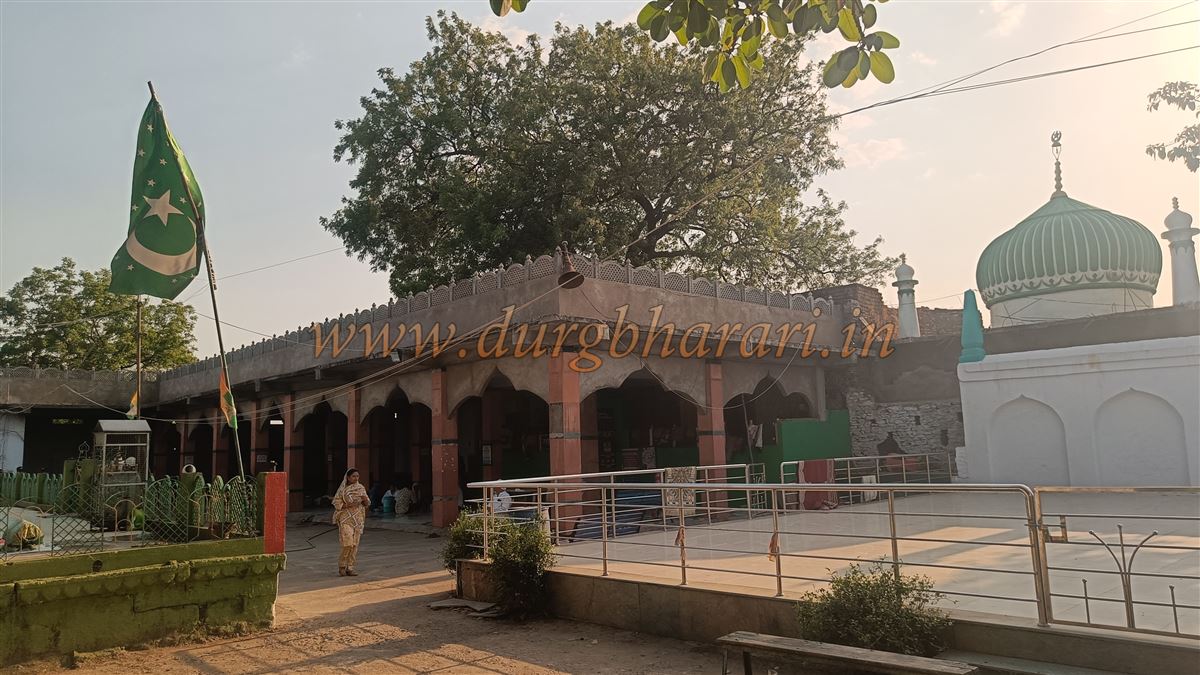
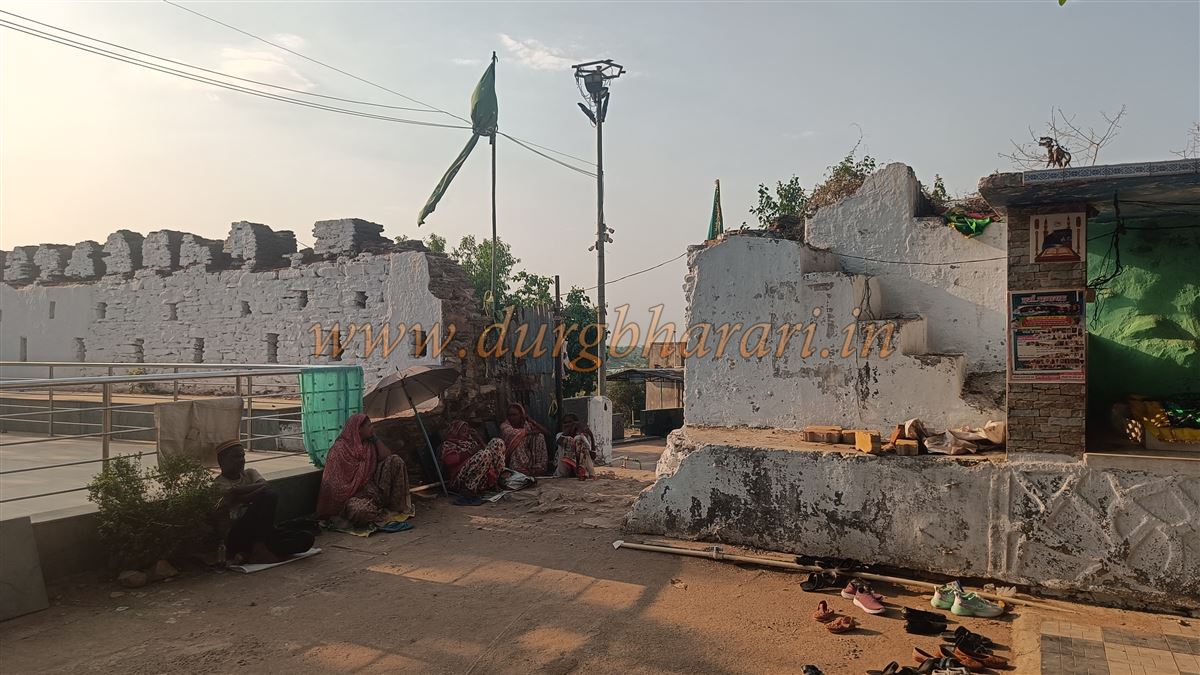
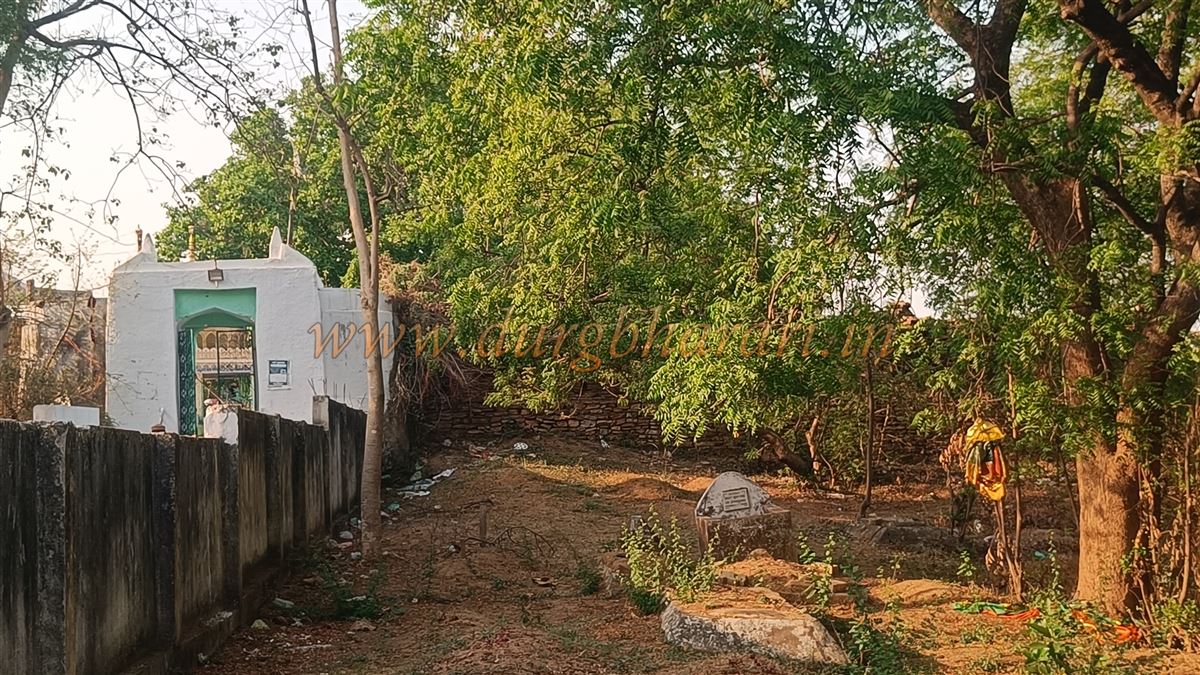
Upon entering, to the left there are steps from the platform leading to the adjacent bastion, but this bastion it has collapsed. Directly ahead is the tomb of Hazrat Lashkar Shah Shaheed Rehmatullah, surrounded by several smaller tombs. On the four corners of the fort, atop the circular bastions, newly built tombs are seen. Except for a small open space, the entire fort area has been converted into a graveyard.
Inside the fort is an old roofless structure, which locals say was once a mosque. On one side, a section of the rampart has been broken to create a new entrance with steps. There are also some newly constructed religious structures in the fort. The large embrasures in the bastions suggest that cannons were once mounted there. In addition, throughout the walls and bastions are loopholes for firing guns.
When speaking with locals, they acknowledge it as a fort but, when asked about its history, begin telling unverified stories about saints. As a result, the fort’s historical period and background are unclear. Judging by the construction style, it seems likely that the fort was built in the 18th century, during the reign of Raghuji Raje Bhosale. It may not even have been a full-fledged fort but rather a small fortified outpost. It takes about half an hour to explore the entire fort, after which one can head back.
© Suresh Nimbalkar
GALLERY