KHANDERI
TYPE : SEA FORT
DISTRICT : RAIGAD
HEIGHT : 90 FEET
GRADE : EASY
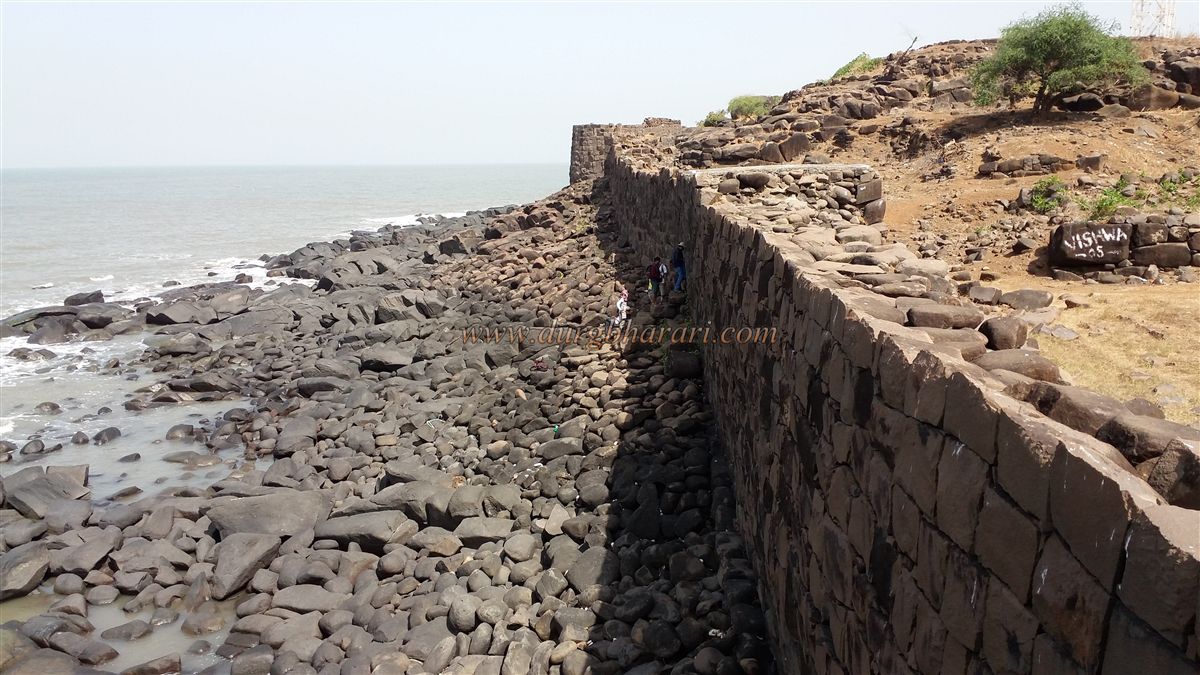
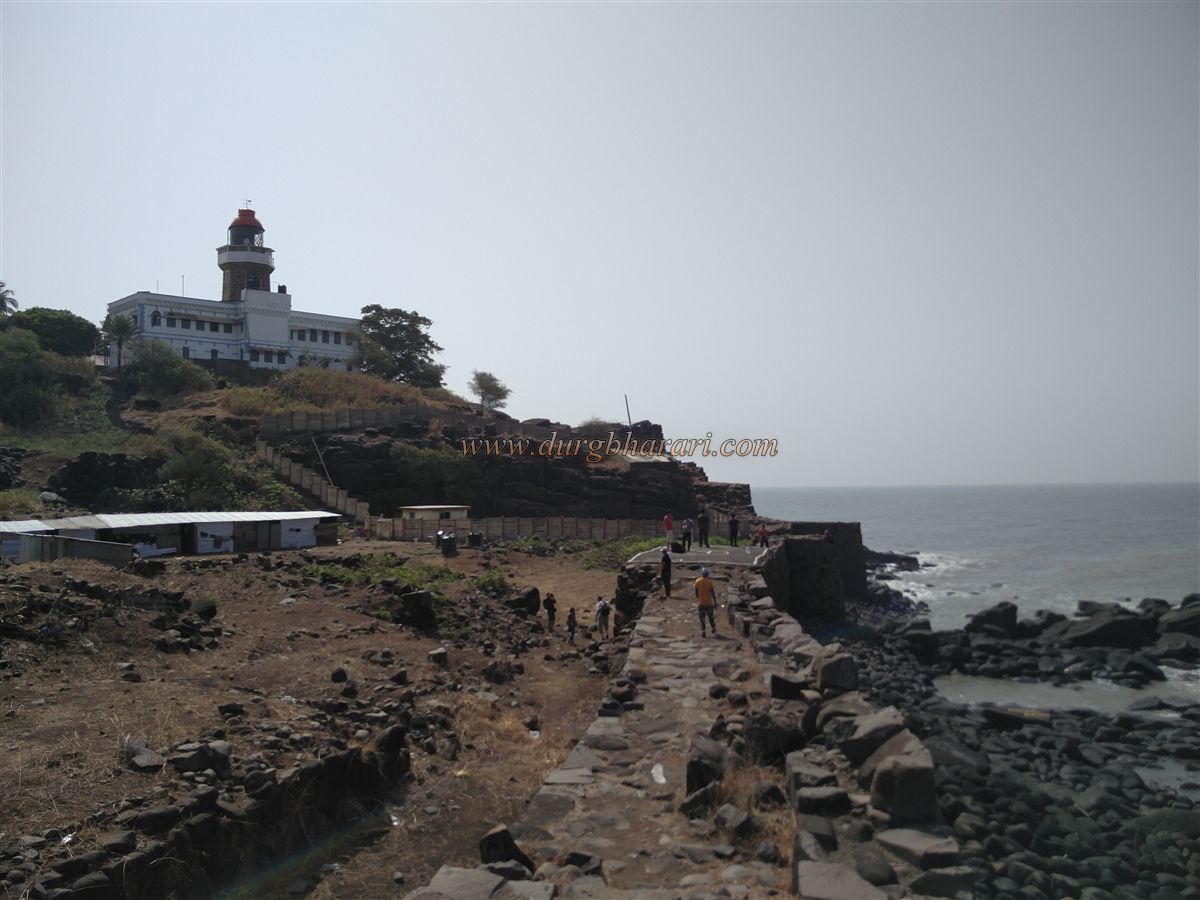
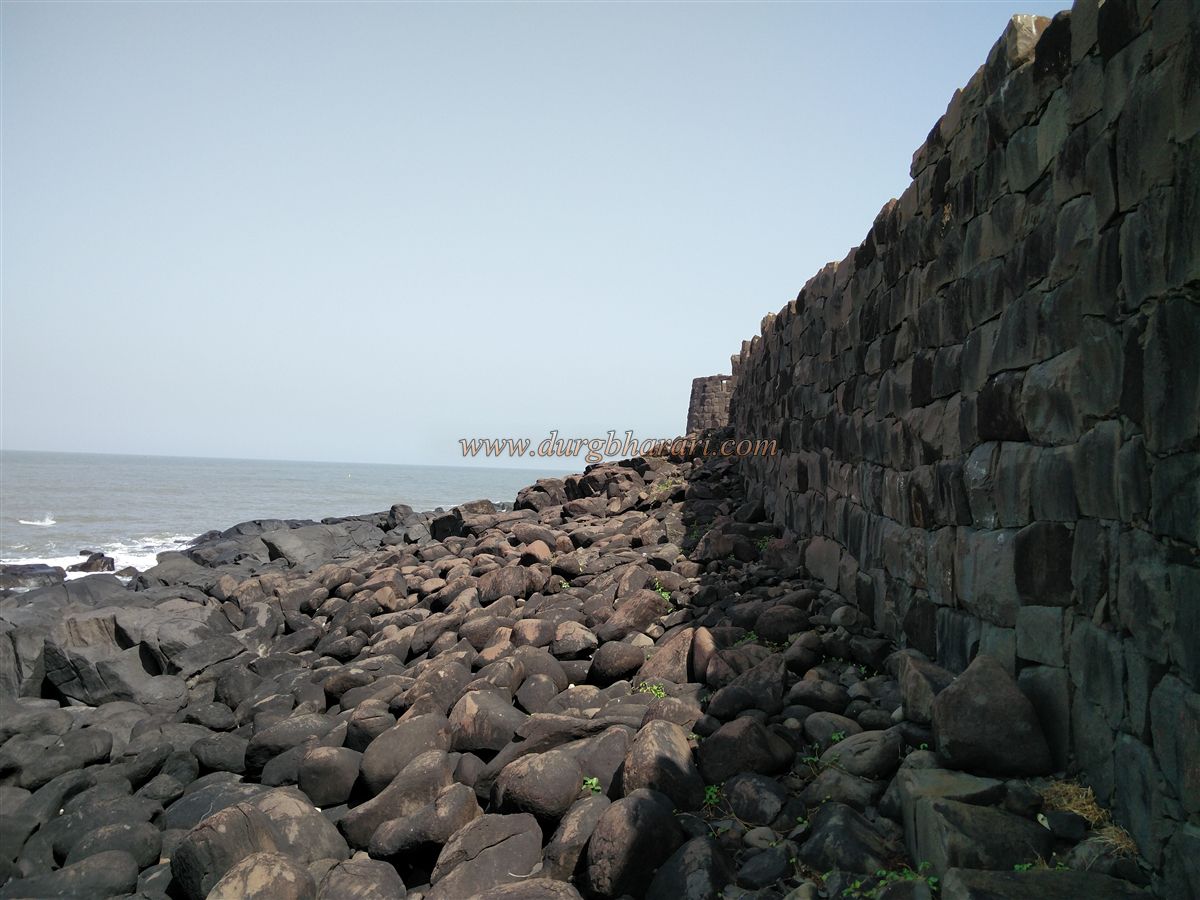
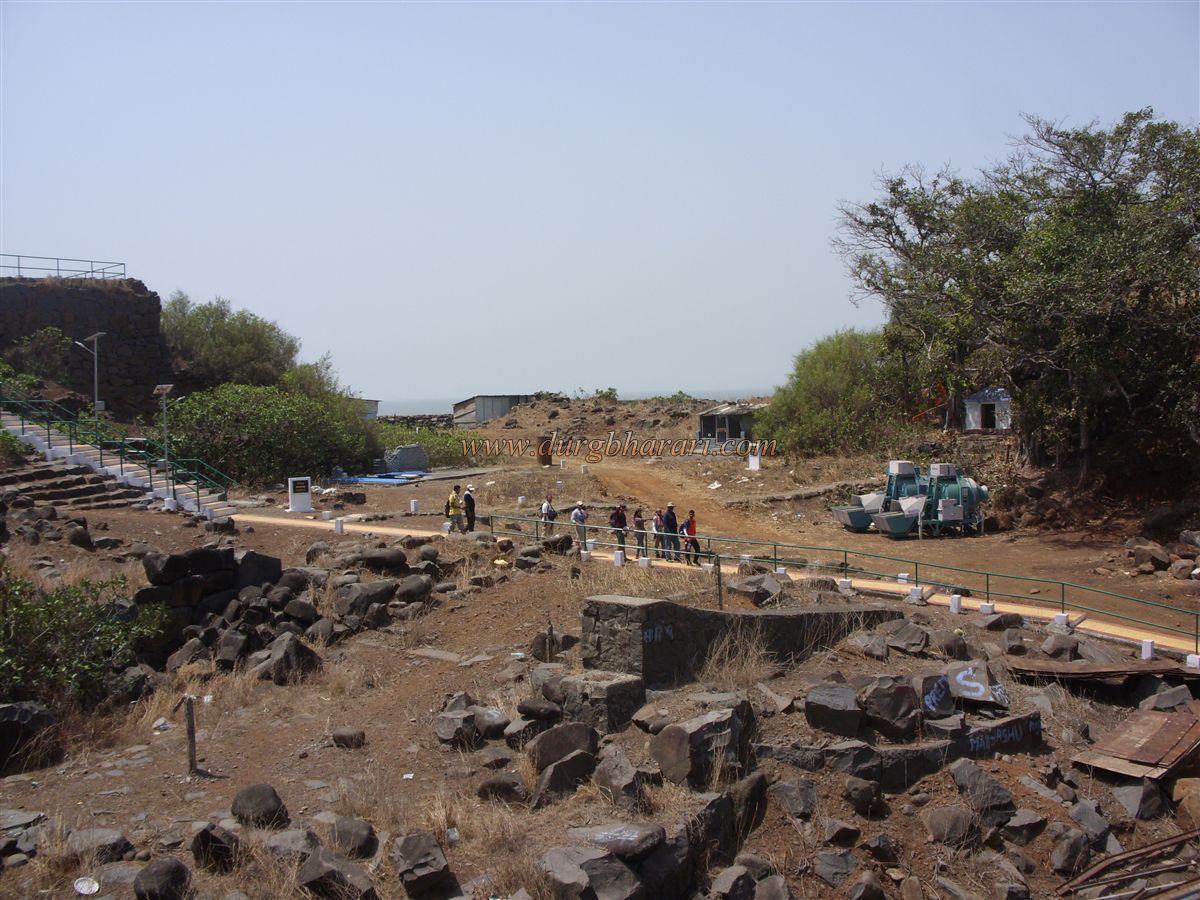
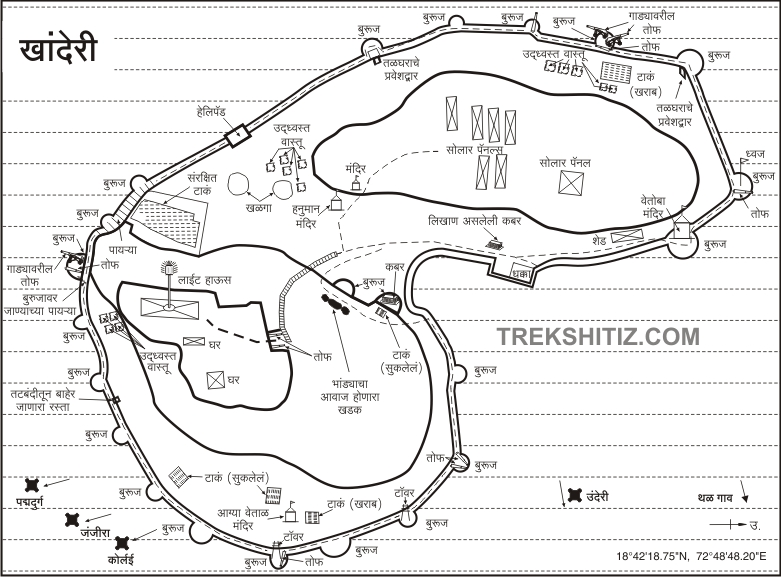
To reach Khandei Fort, one must go to Alibag. On the Alibag–Rewas road, about 4 km from Alibag, there is a turn for Thal village. From this junction, Thal is 3 km away. Boats to the fort are available from the shore near Thal market. From the Thal beach, the fort seen close by is Underi, while the one slightly farther to the left is Khandei. Khandei Fort is easily recognisable by the lighthouse standing on it. The fort is 3 km from Thal beach and 1 km west of Underi Fort. Of the two elevations on the island, the southern one is 30 metres high, and the northern one 20 metres high. Having withstood the pounding of the sea waves for centuries, Khandei Fort still stands proudly, narrating tales of Maratha valour. As one heads towards Khandei from Underi, the fort’s ramparts and bastions attract attention.
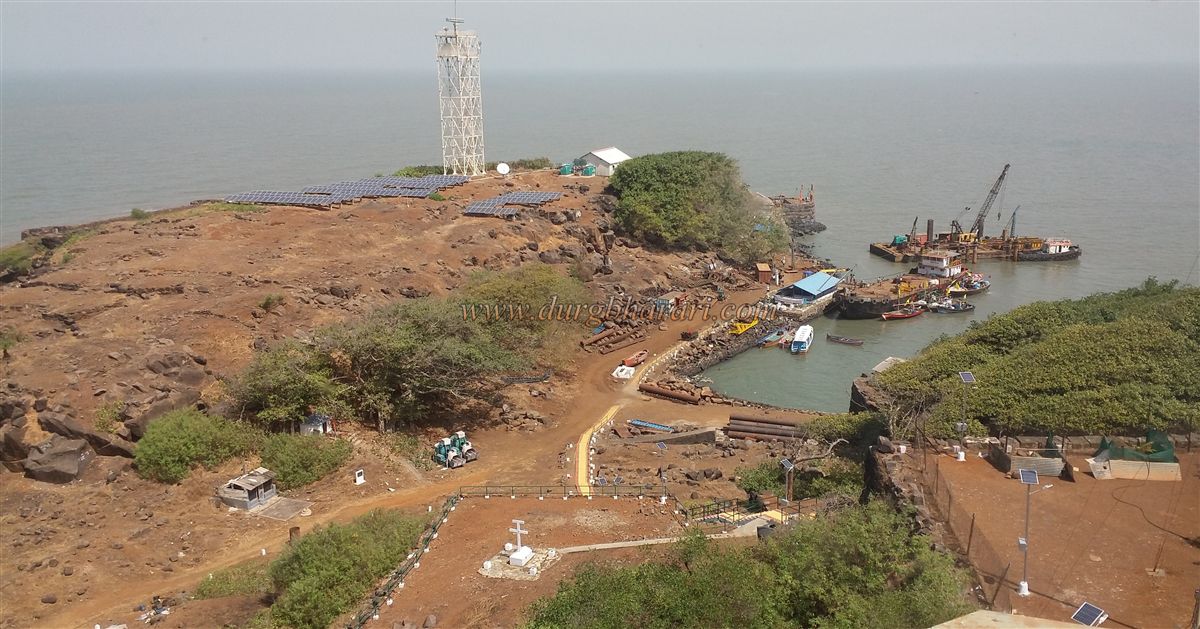
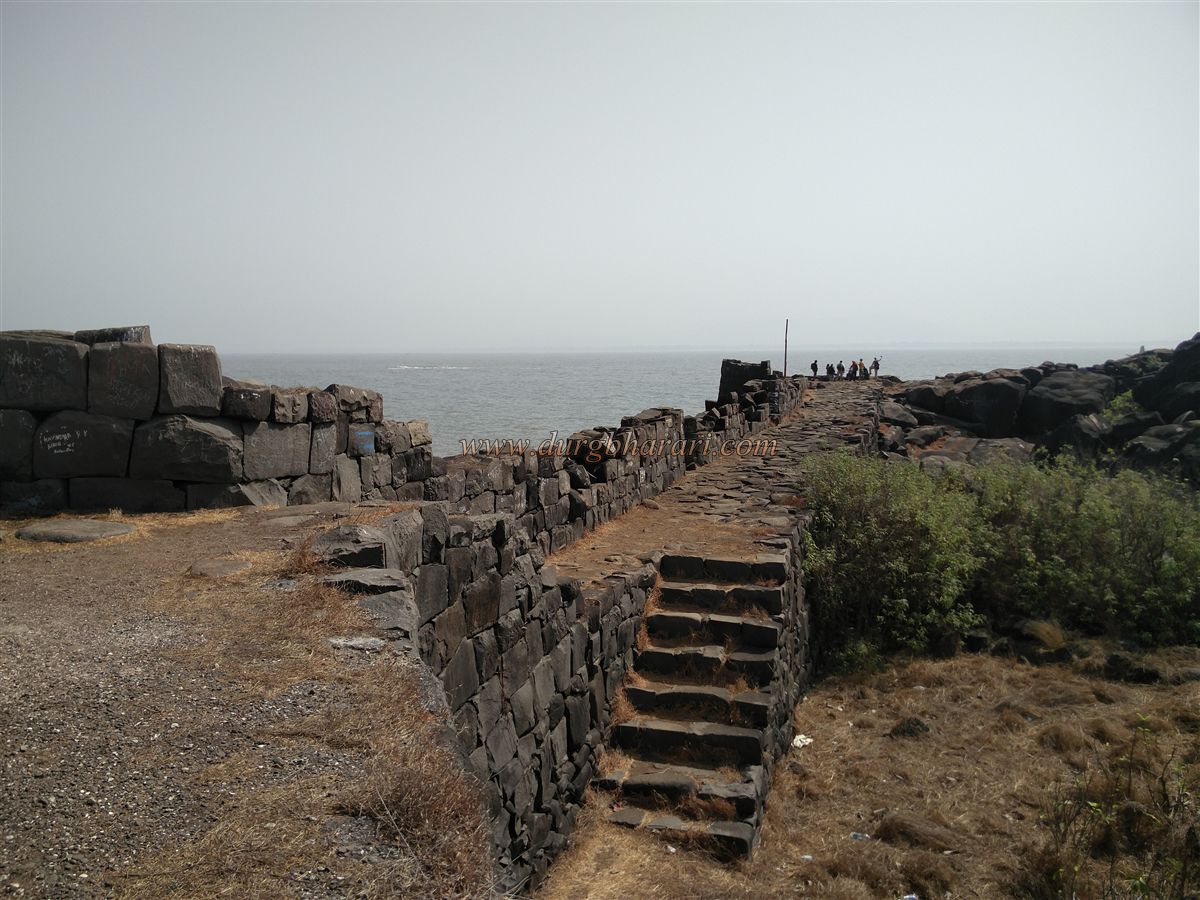
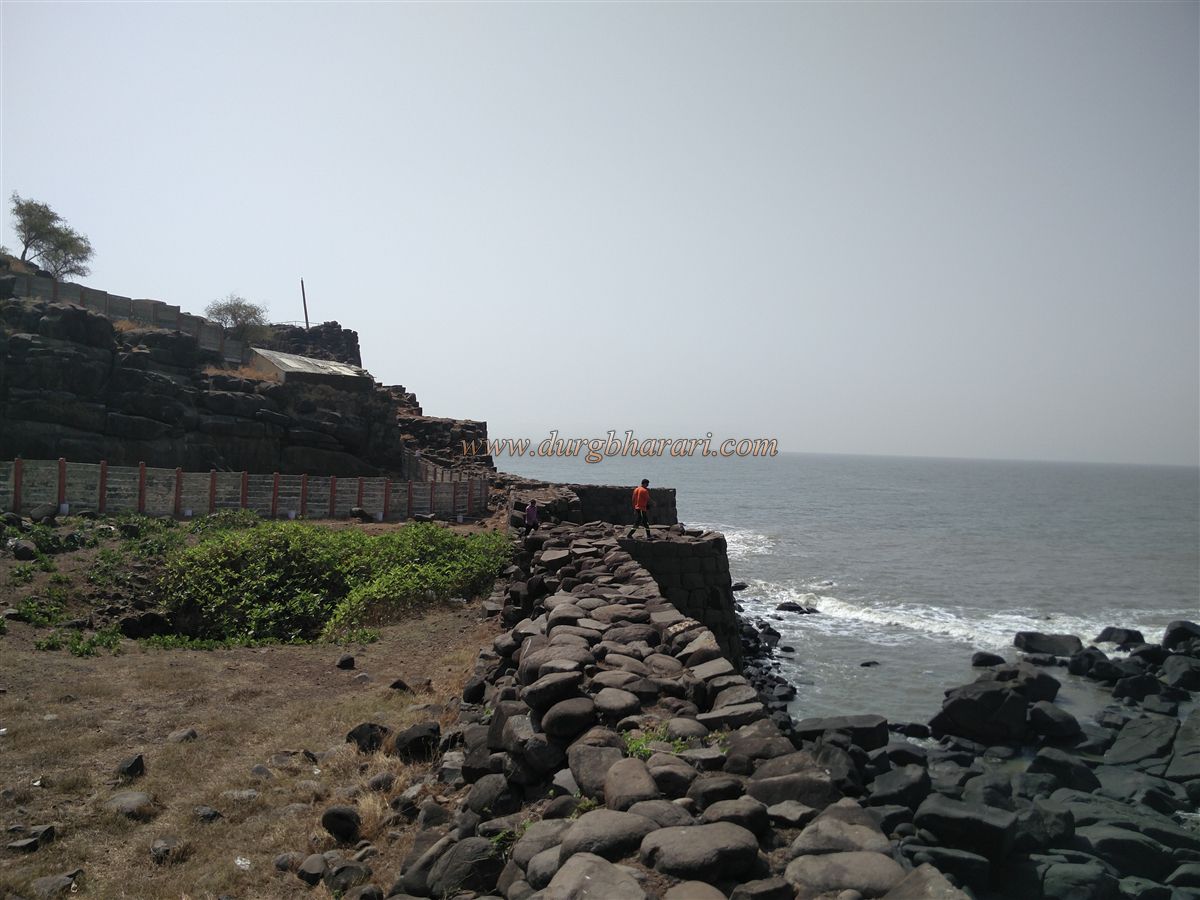
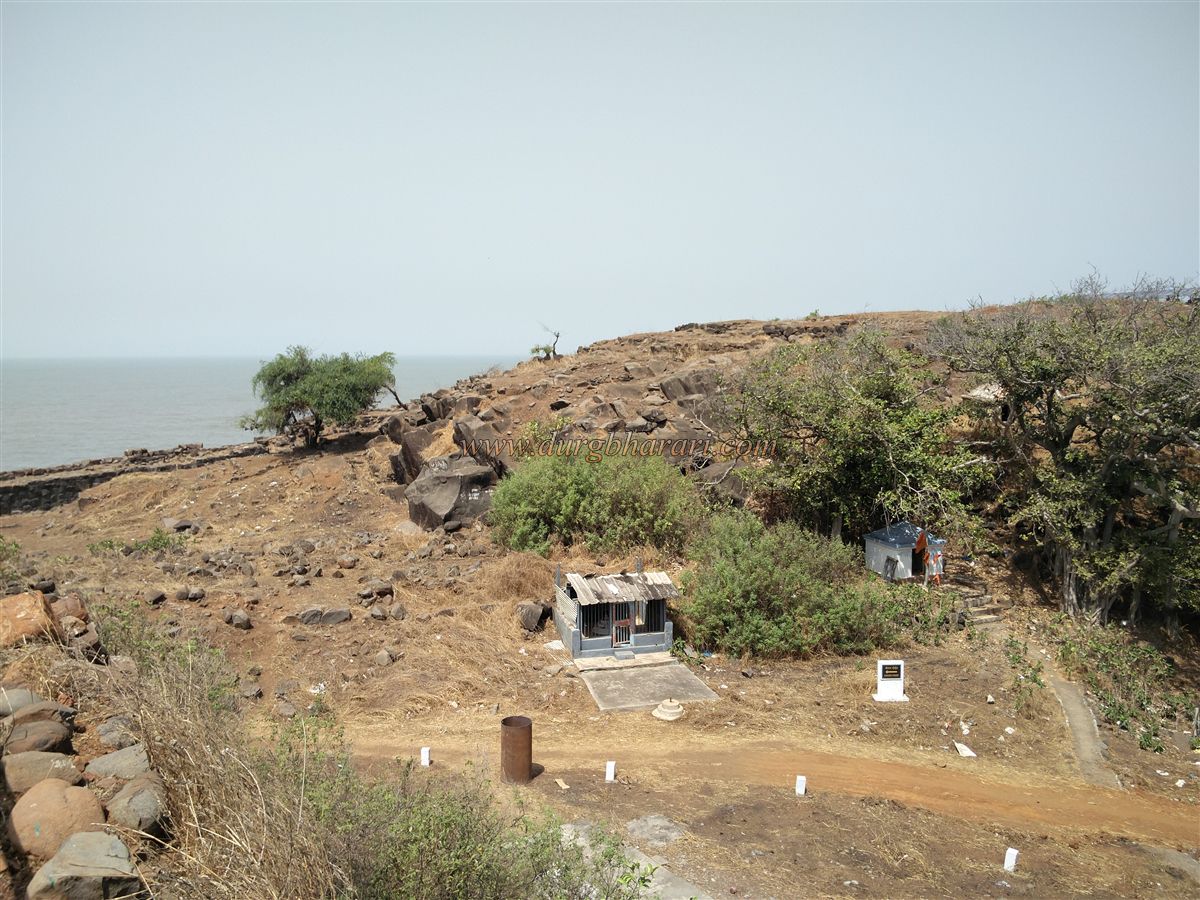
Khandei Fort is built on two rocky hills rising from the sea, and in the channel between them a jetty has been constructed for boats.
...
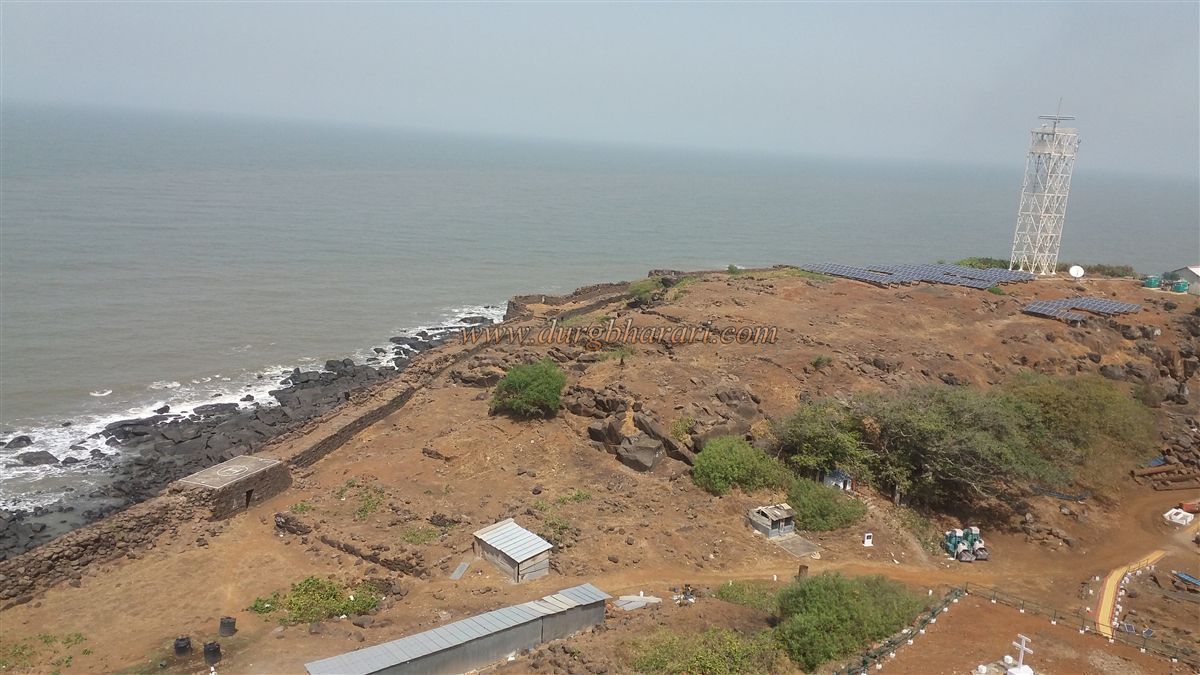
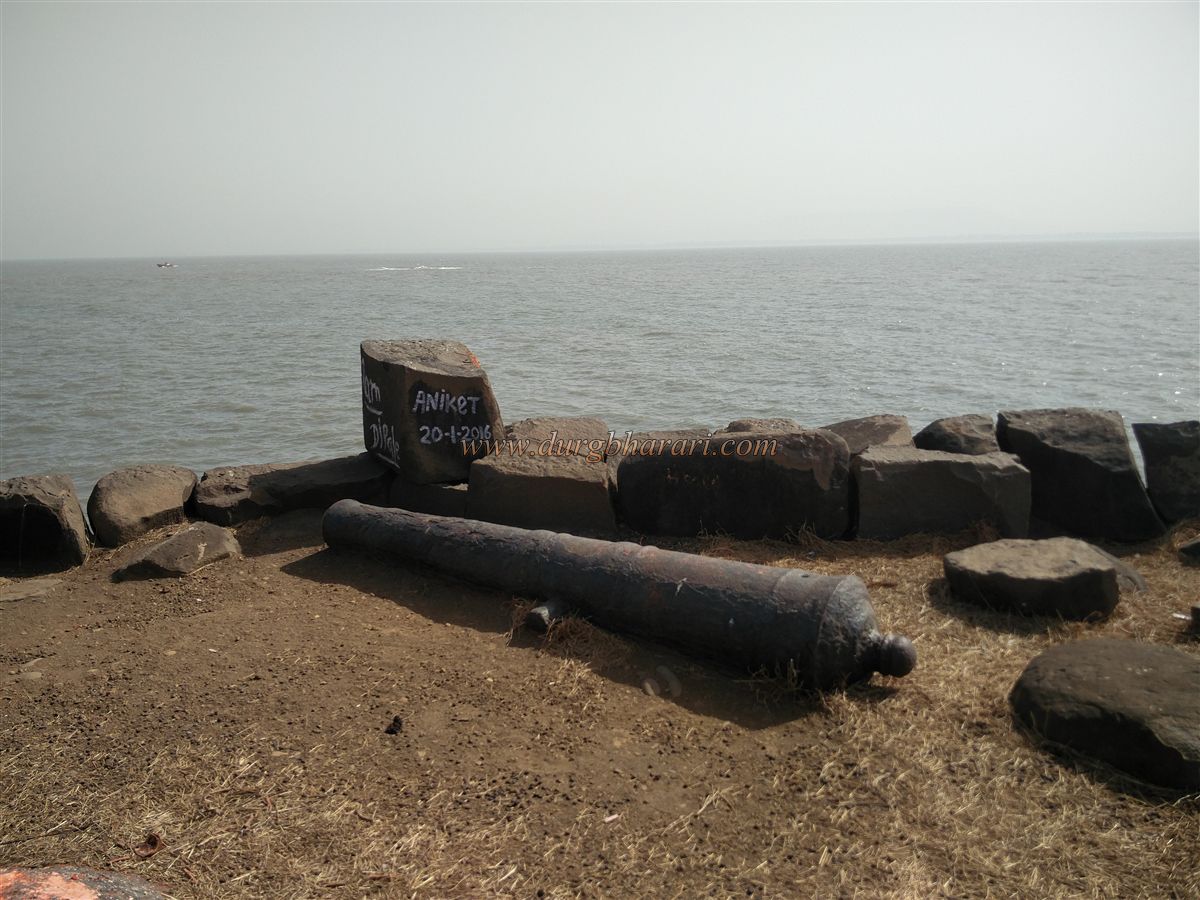
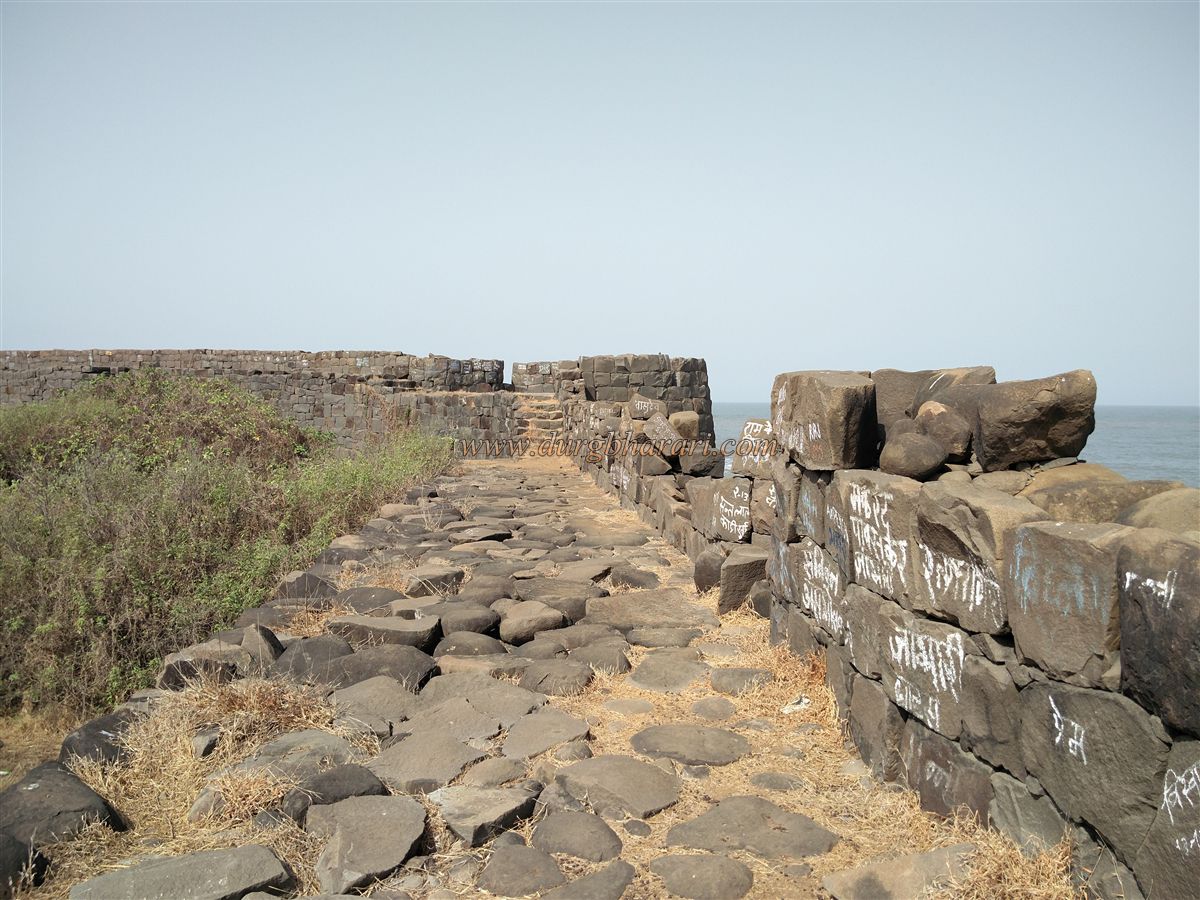
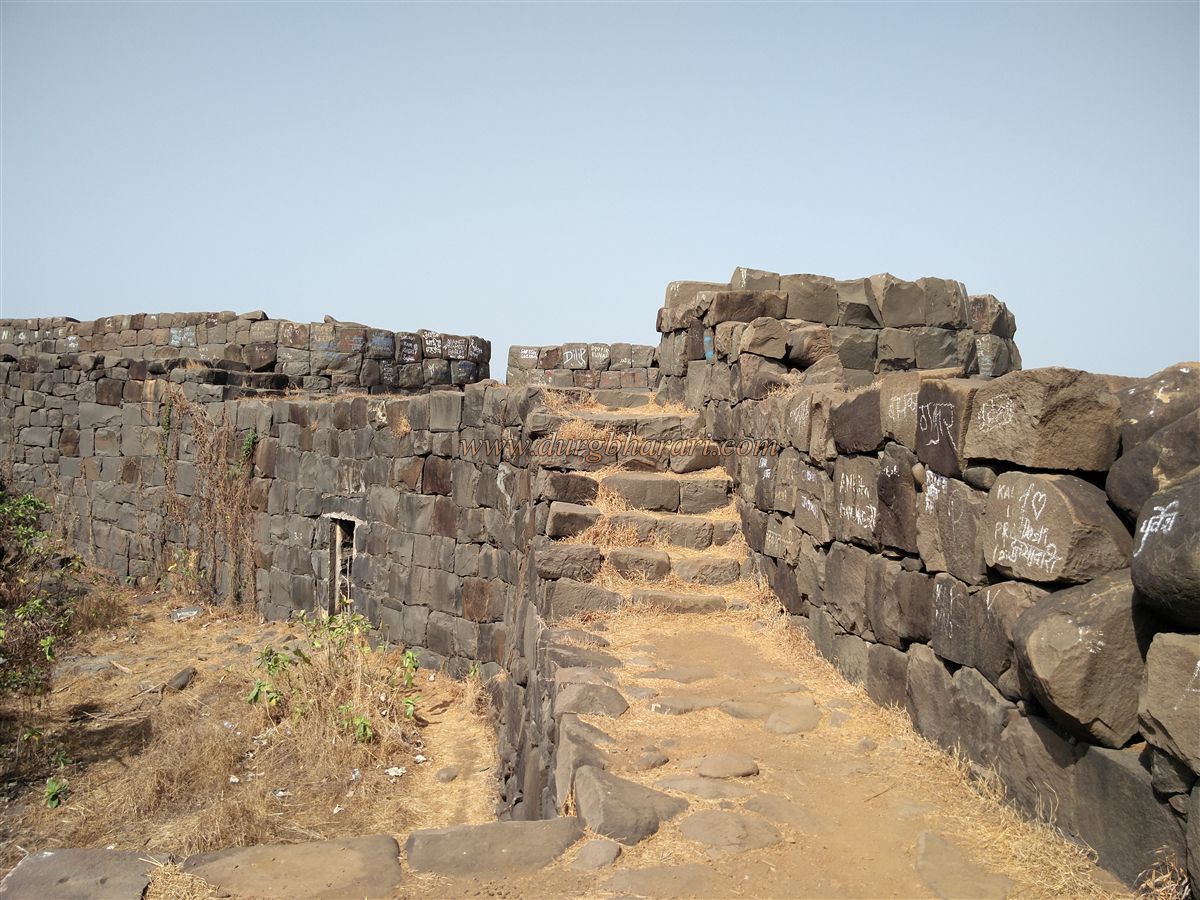
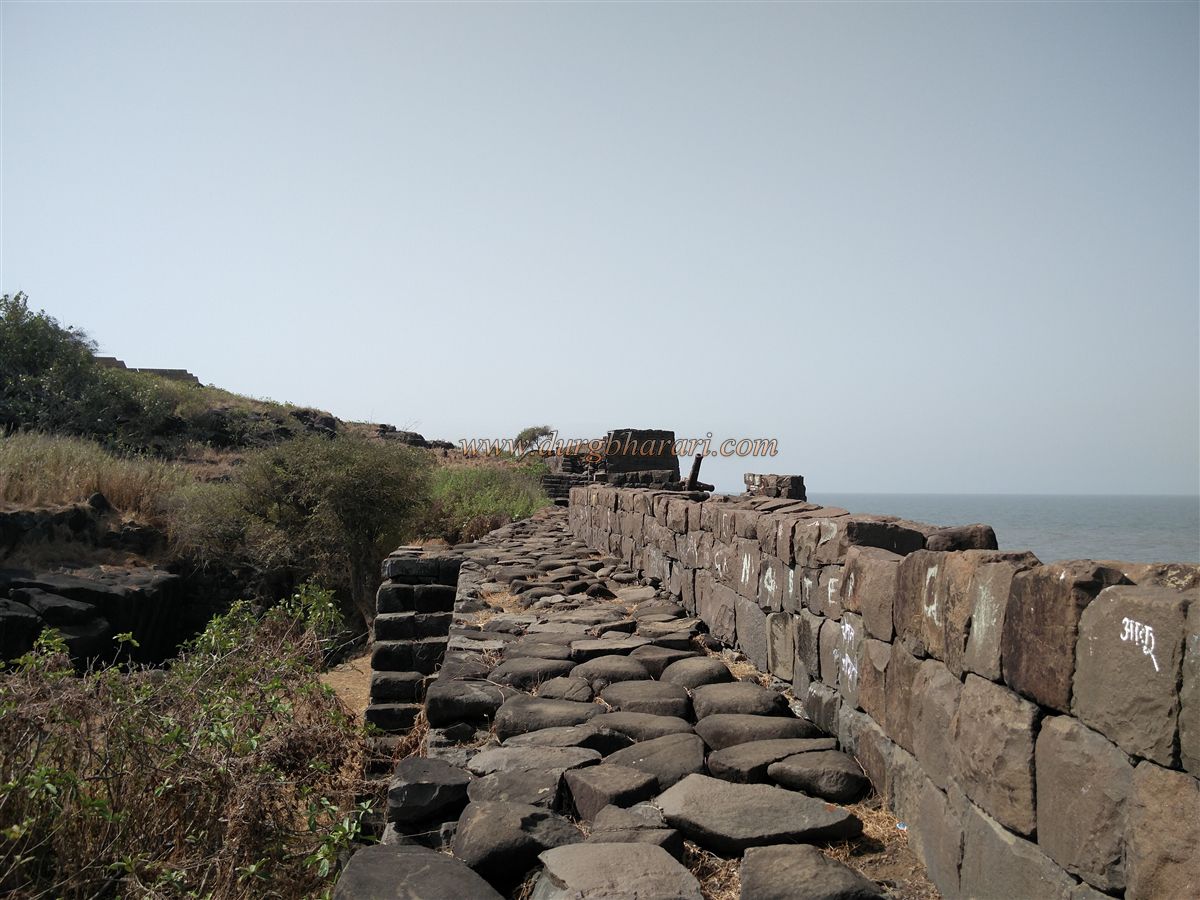
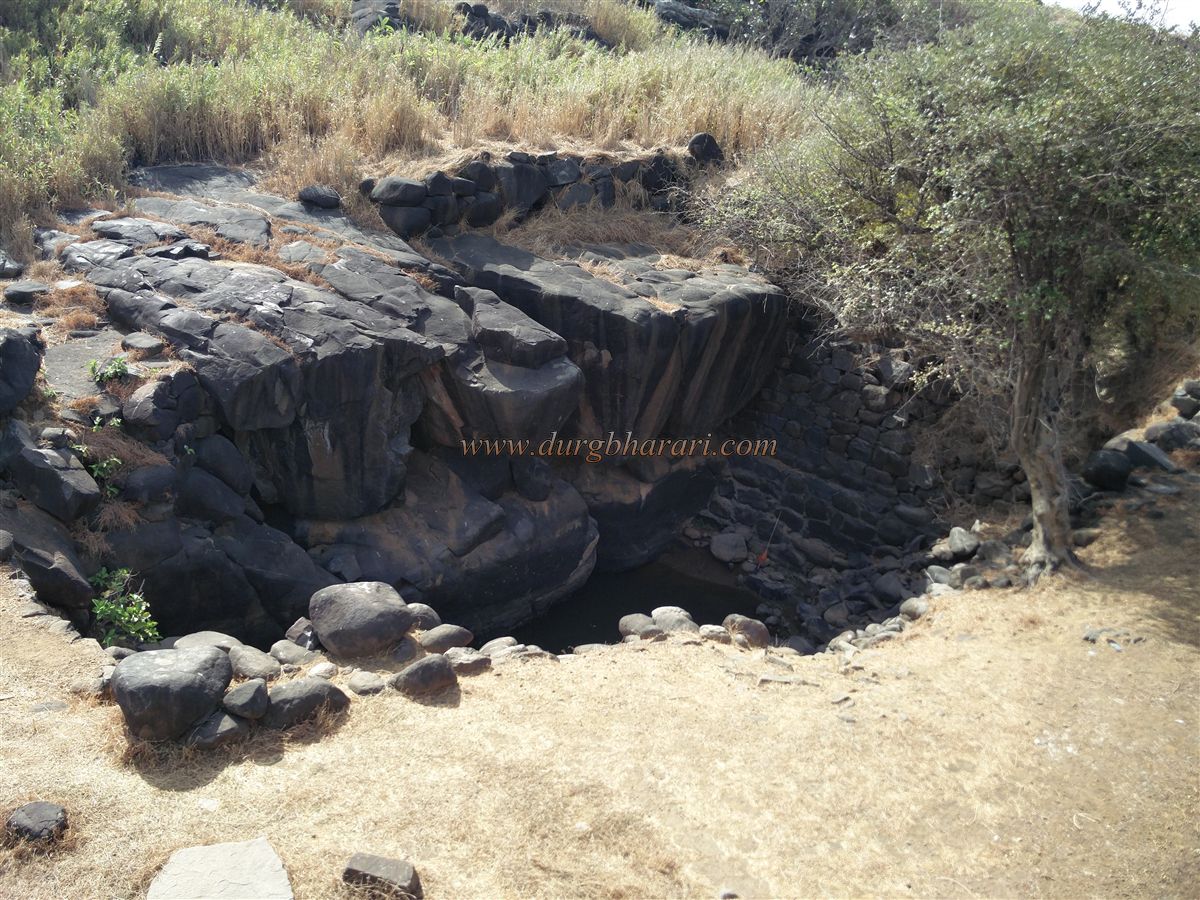
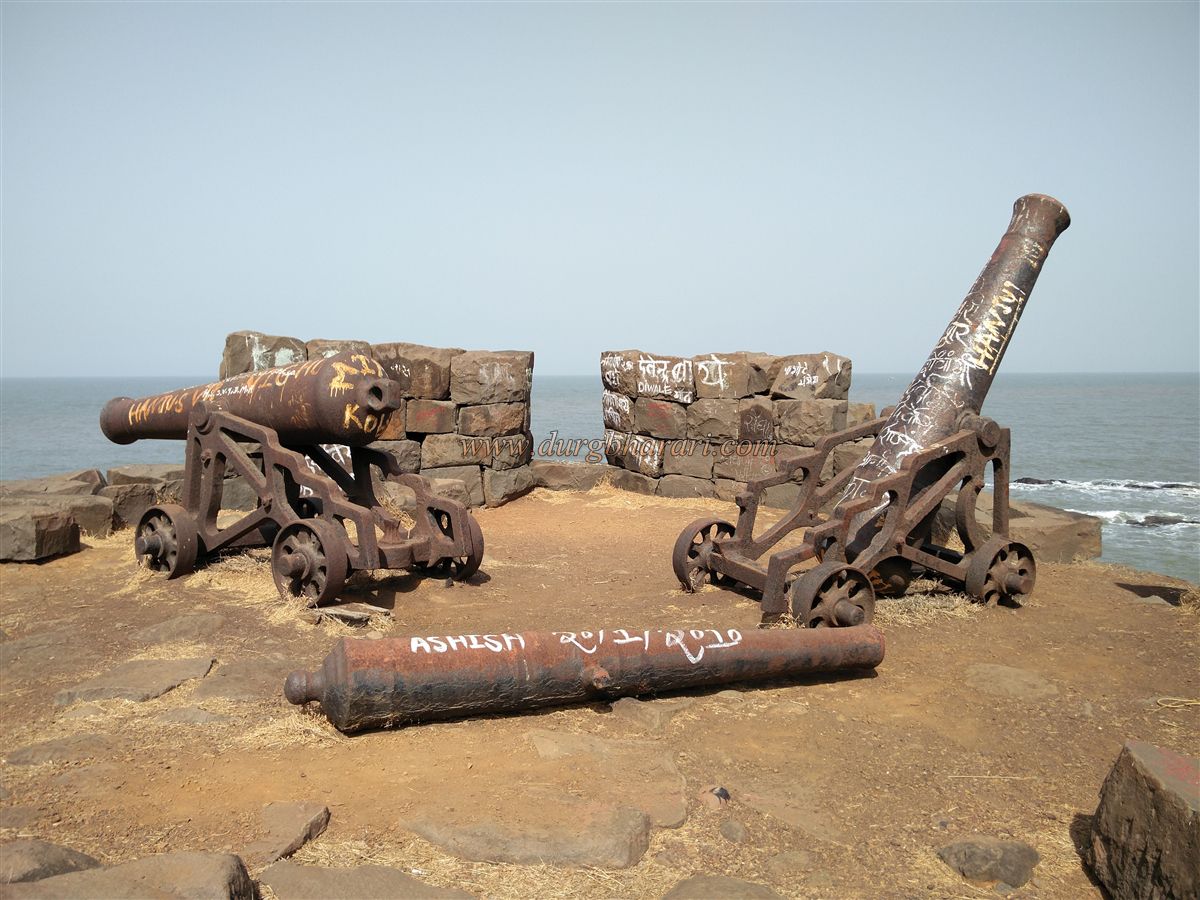
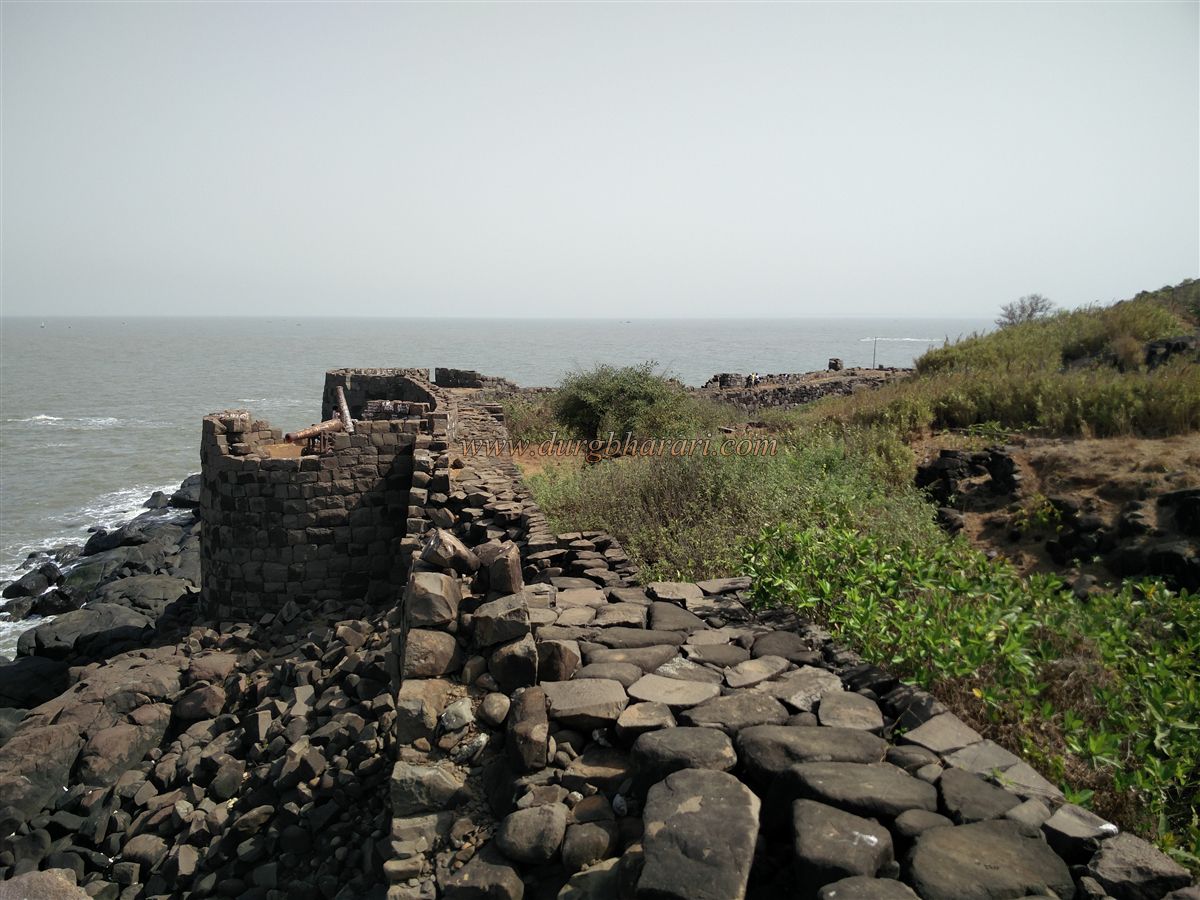
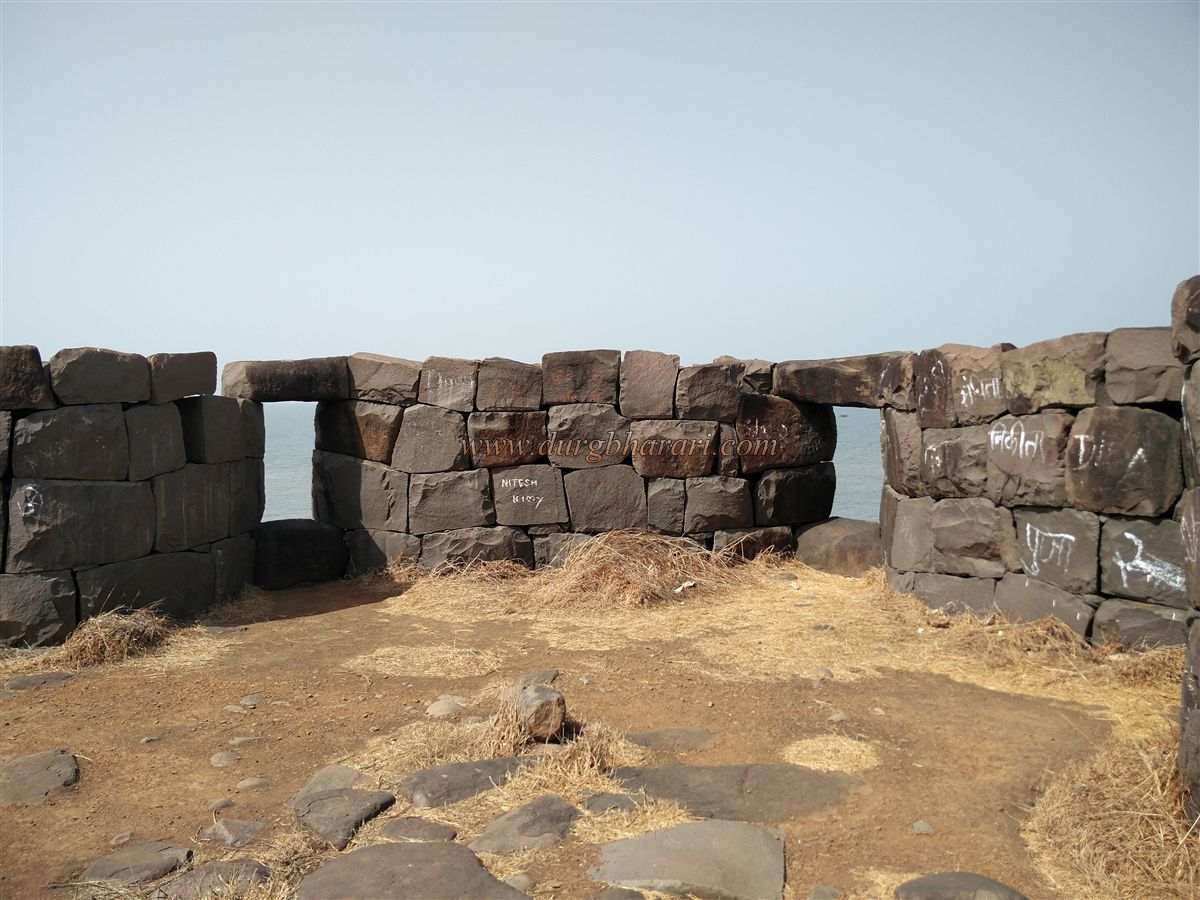
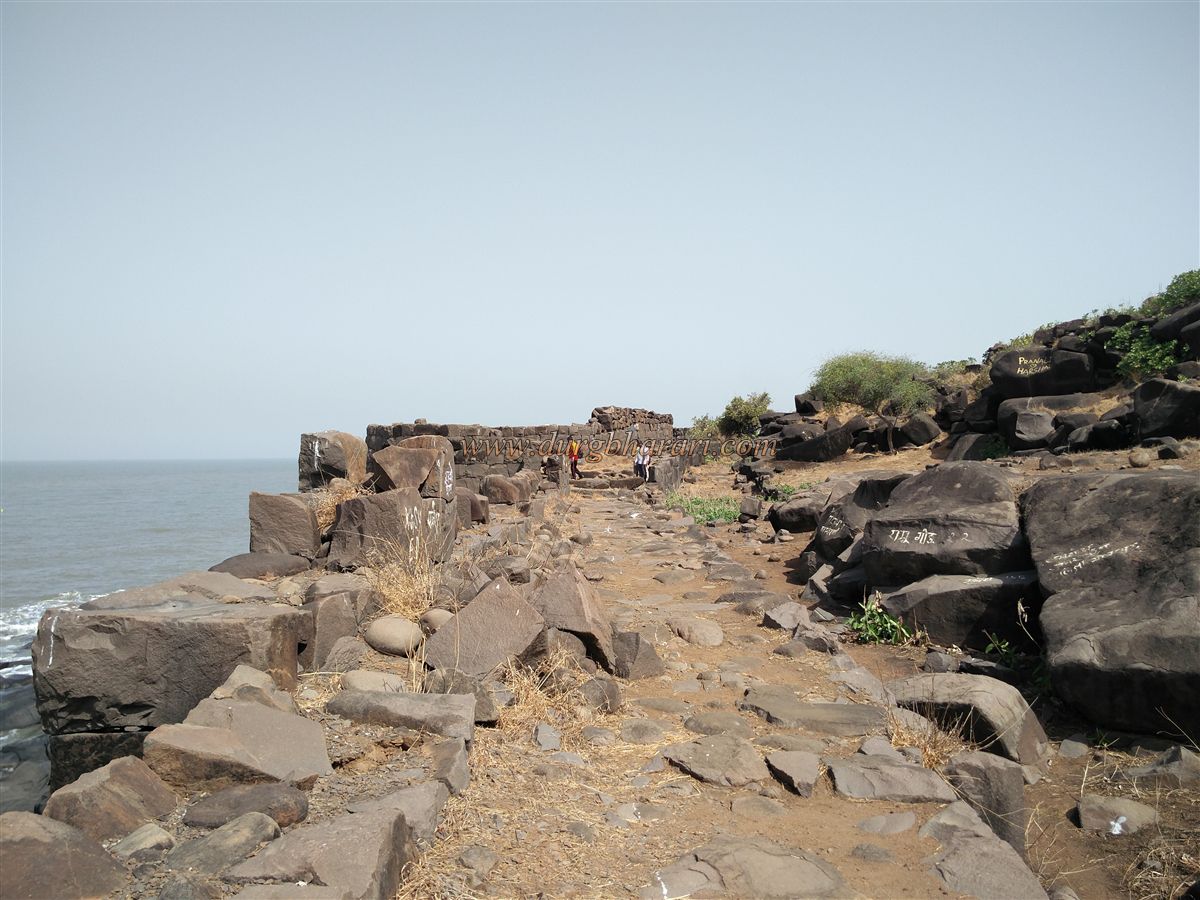
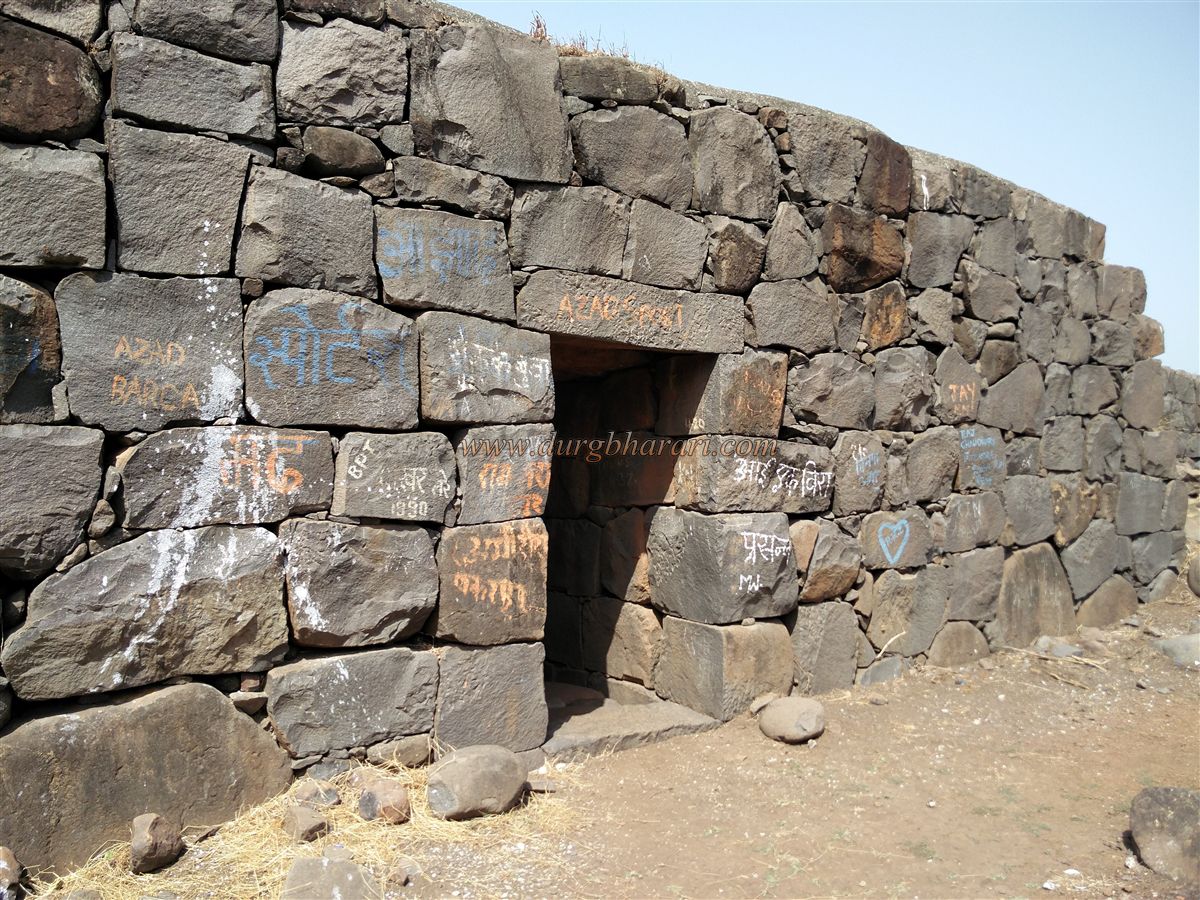
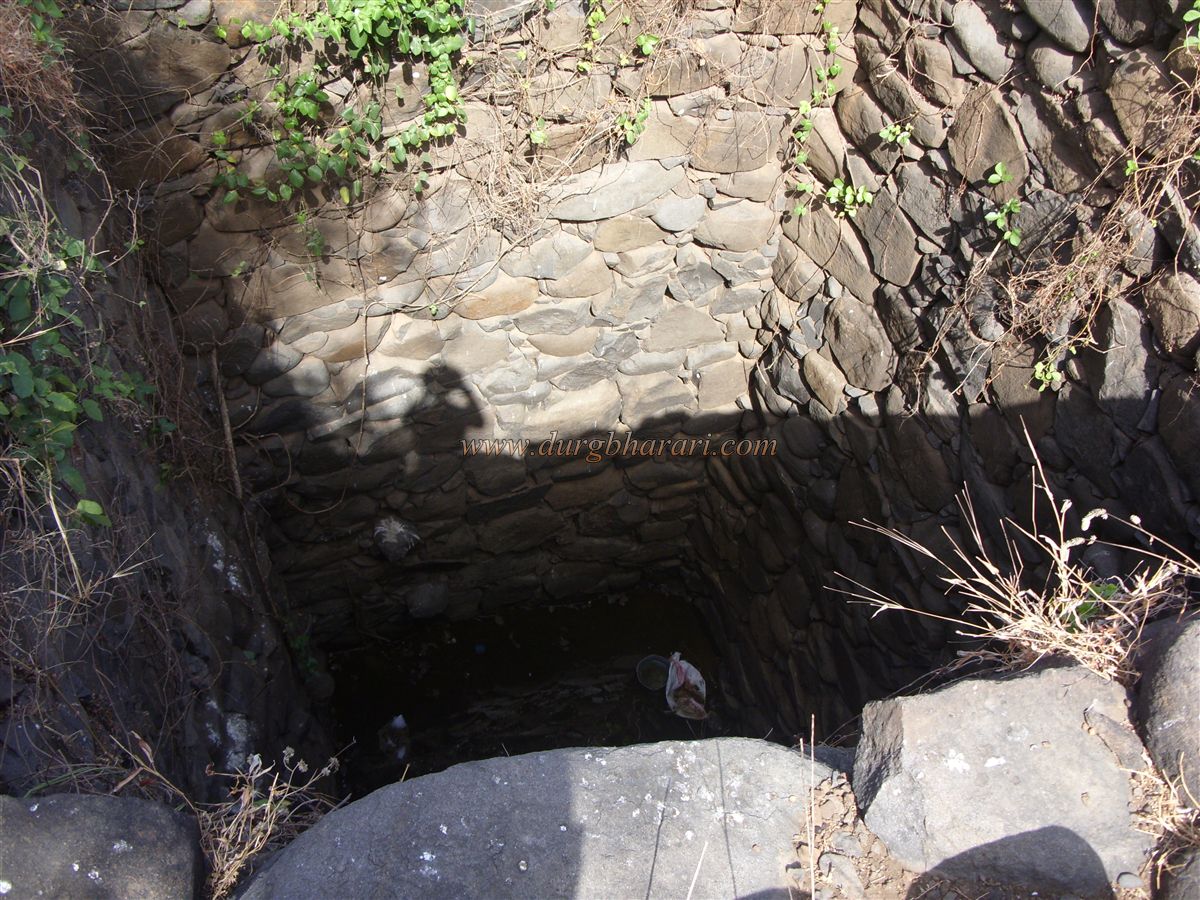
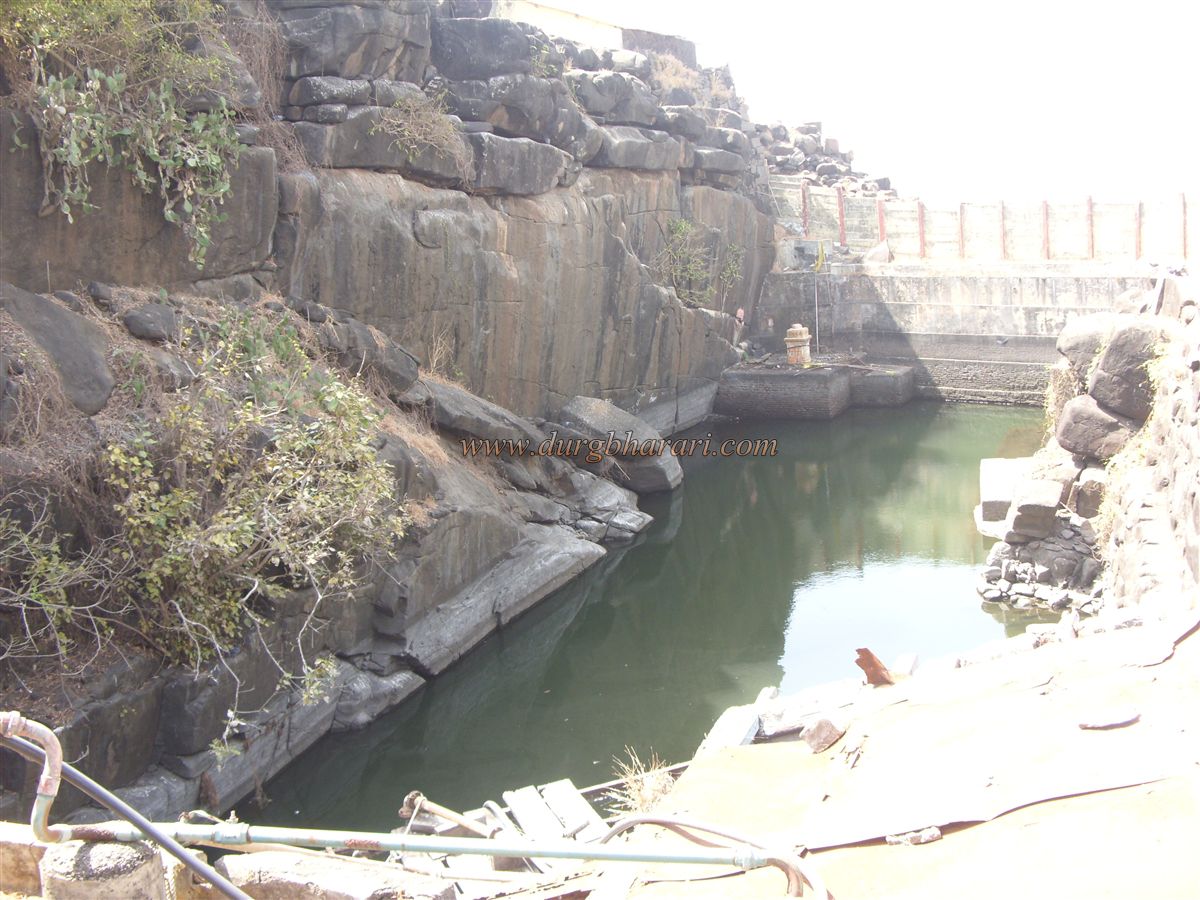
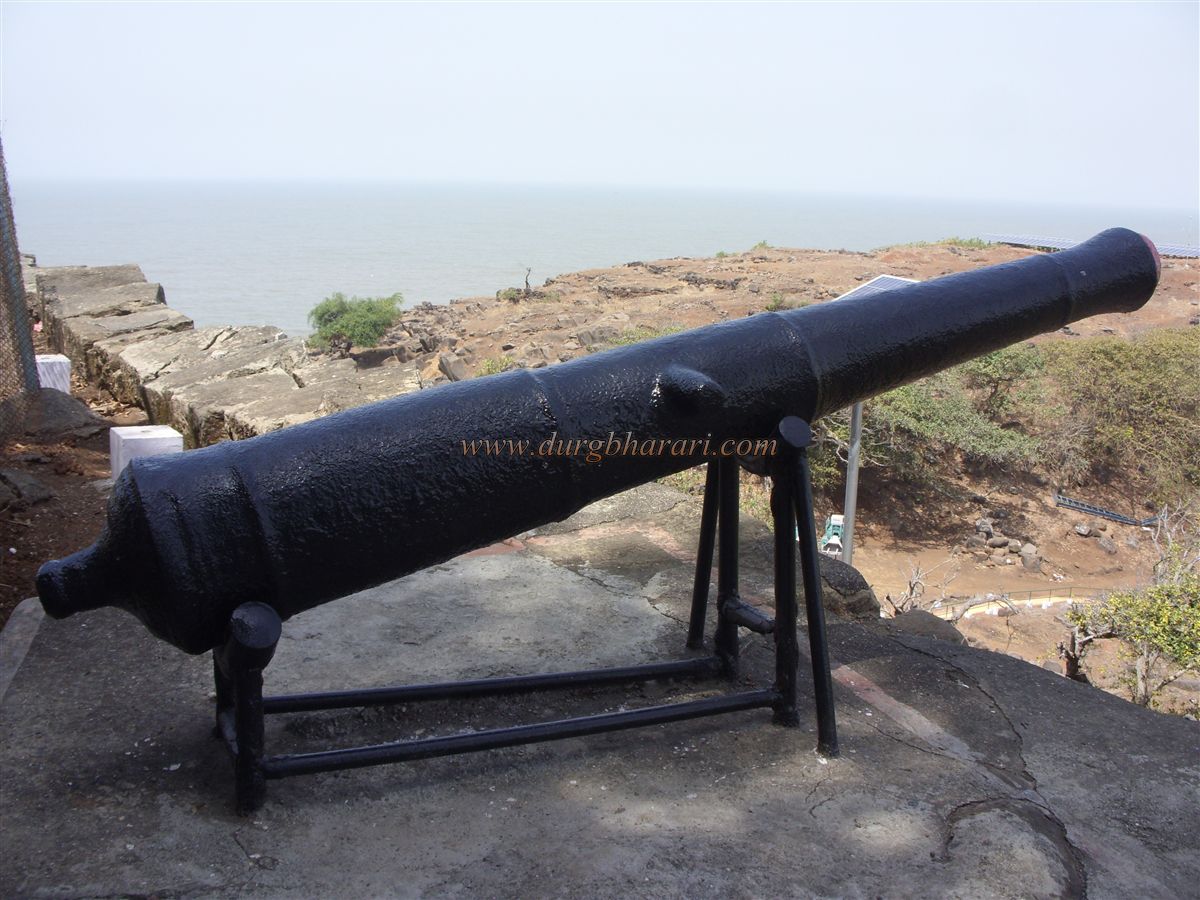
On this jetty, an inverted cannon is embedded, used for tying boats. To the right of the jetty is the restored temple of Vetal, with a large stone painted in red worshipped as Vetal. This deity is revered by the fishing community along the coast, and on the day of Holi, a fair-like celebration is held here. The fort also houses an old Shiva temple, along with newly built temples of Ganapati and Maruti. Starting from the Vetal temple along the ramparts, the first bastion has a cannon. Moving ahead, below the rampart, there is a small gate leading to a storage area built into the wall. Further along, on another bastion, two medium-sized English-made cannons are mounted on wheeled carriages, and another cannon lies horizontally nearby. Along the ramparts, one sees a square stone well and a medium-sized reservoir. On the western rampart, a large bastion has been converted into a helipad, and in this bastion there is a small sea-facing gate. With little human interference, most bastions are still in good condition, and on one of them a cannon still stands facing the sea.
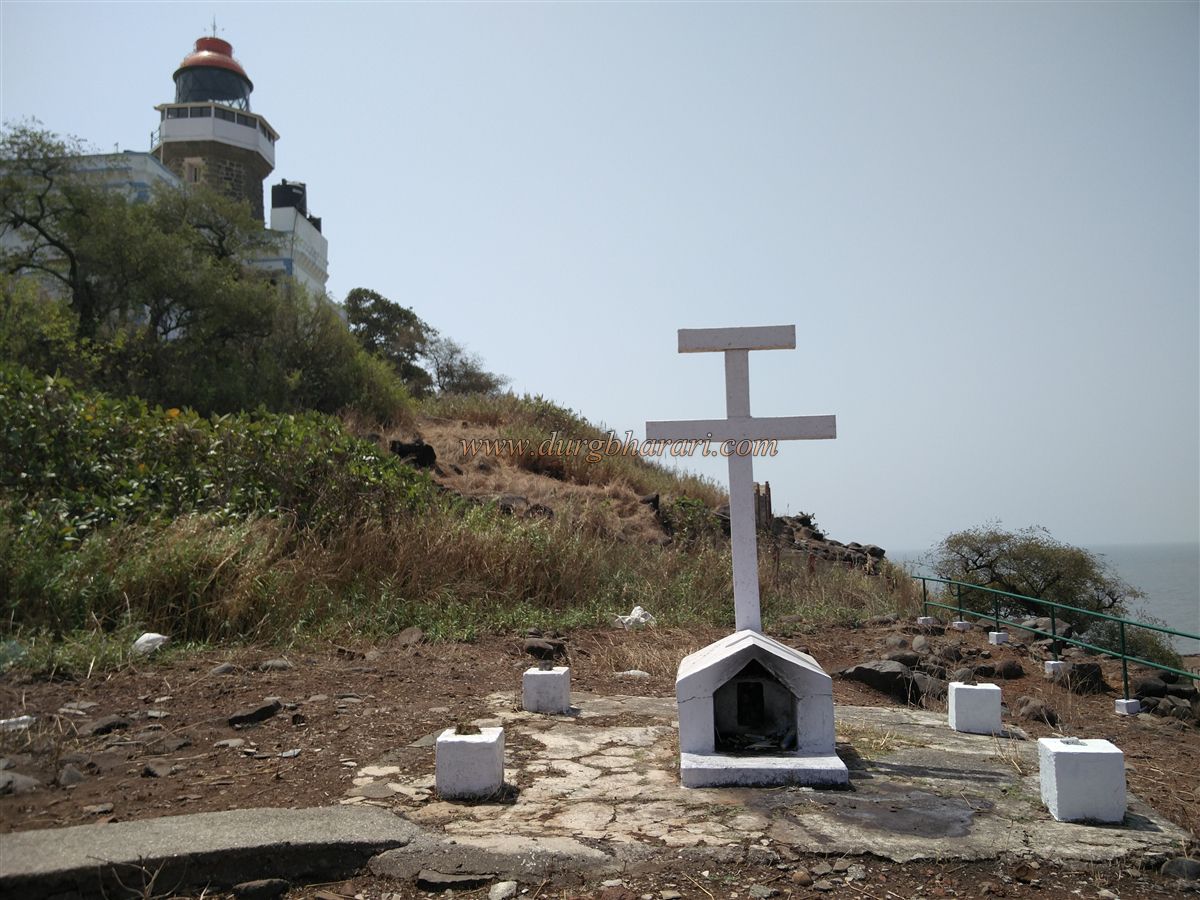
From the Vetal temple, a stepped path leads towards the lighthouse, and on the left among the trees is a medium-sized rock that produces a pot-like sound when struck with smaller stones. Close to the lighthouse, there is a pond. Steps from here lead to the bastion above, where a medium-sized, well-preserved cannon is mounted on a carriage. Built in 1867, the lighthouse is about 50 feet high, hexagonal in shape, with balconies on both sides at mid-height offering a view of the entire fort.
Situated opposite Mumbai, Khandei Fort was of great strategic importance, which made it a witness to a memorable conflict between the Marathas and the British. On 28 November 1670, Shivaji Maharaj surveyed the island with around three thousand men, spending three days inspecting the area and deciding to build a fort here. The anxiety and close watch of the British over Shivaji’s movements is evident from a letter dated 9 September 1671, stating that Shivaji intended to build a fort on Khandei. In a letter dated 22 April 1672, Khandei and Underi islands were referred to as “Henery Kenery.” Once the fortifications began, both the British and the Siddi grew uneasy and tried to lay siege to the fort. Shivaji then temporarily withdrew and halted construction.
On 14 August 1678, the foundation ceremony was performed. In August 1679, Shivaji sent Maynak Bhandari with arms, ammunition, 300 chosen soldiers, and an equal number of workers to resume construction in the middle of the monsoon. On 27 August 1679, a British reconnaissance vessel ordered Maynak to leave the island immediately, but he ignored the message. On 19 September 1679, the British launched an attack with forty armed men aboard a merchant ship. Lacking the shallow-water, fast-moving gallivats of the Maratha navy, the British had to use merchant ships, which could not reach the rocky shores of Khandei and were forced to retreat due to bad weather. As they returned, Maratha troops sank their merchant ship with its soldiers.
The British then sent naval officers Captain William Minchin, Richard Keigwin, John Brandberry, and Francis Thorpe in repeated attempts to capture the island. Warships “Revenge” and “Hunter” were deployed to block supplies from Thal, along with three smaller vessels. Some gurabs were hired from a man named Gepp, with cannons fitted to them. By 7 September 1679, the fort’s walls had risen to a metre in height. On 11 September 1679, Daulat Khan brought strong reinforcements for Maynak. Maratha boats transported supplies from Thal to Khandei, and the British attempted to block the narrow channel between shore and island, but their large ships could not remain there due to winds pushing them onto rocks, forcing them into deep waters.
On 15 September, “Hunter,” “Revenge,” and smaller vessels attacked under Keigwin, but the Marathas repelled them. Keigwin, with several boats, two merchant ships, and machwas, encountered a fleet of Maratha gallivats from Alibag. The British sank five gallivats and chased the rest to Nagothane Creek, forcing Daulat Khan back to Nagaon. Despite their efforts, the British could not stop the Marathas from fortifying Khandei.
In this period, the Marathas mounted many cannons on the fort. On 18 October 1679, 40–50 Maratha boats attacked British patrol vessels, and from “Revenge” near Thal, Keigwin attempted a counterattack, but the Marathas captured five to seven British boats. On 17 November 1679, they spotted that the British vessel “Dove” had no rear cannon, attacked in a circular formation from behind, captured the ship, and took 20 British and some local sailors’ prisoner, holding them at Sagargad. Seeing the Marathas defy orders, the British decided to ally with the Siddi of Janjira. Thus, the Marathas fought two strong enemies at once. Meanwhile, the Siddi began building a fort on Underi, aiming to block Khandei’s construction and claim it if captured. When Keigwin realised this plan, fearing the Siddi could become stronger than Shivaji, the British reduced pressure on Khandei. On 24 December 1679, a ceasefire led to negotiations, and on 16 January 1680, a treaty was signed by Annaji, the Maratha Subhedar of Chaul. This episode showed that the Marathas had better knowledge of tides, depths, and winds than the British. Special Maratha boats of the “Sangameshwari” type proved highly effective, evading the British fleet and delivering supplies to the fort overnight.
Although the British withdrew, the Siddi completed Underi’s fortifications and kept bombarding Khandei for four to five months. For many years thereafter, the Marathas and the Siddi fought over control of Khandei and Underi. On 8 March 1701, Siddi Yakut Khan attacked Khandei but was repelled. In 1713, Sarkhel Kanhoji Angre raised the Maratha flag over both forts. In 1718, the British again attempted to capture Khandei under Bombay’s Governor Charles Boone, but failed. With a large artillery force, they attacked, but Commander Mankoji Suryavanshi defended the fort with 500 men for a month, forcing the British to retreat. In 1740, a treaty between the British and the Siddi agreed that whichever side captured the fort would hand it over with all guns and garrison to the British, but Raghuji Angre thwarted the attempt and mounted more cannons.
In 1759, after Manaji Angre’s death, the Siddi captured Kulaba, prompting Raghuji Angre, under orders from Peshwa Madhavrao, to attack Underi. After fierce fighting, Underi fell. In 1799, British commander Hughes was ordered to take Khandei, learning it had about 300 mounted cannons. He attacked with heavy artillery and troops, raising the Union Jack over the fort. But Maratha warriors refused to yield—Sakwarbai, wife of the captive Jaisingh Angre, launched a counterattack and restored the saffron flag. The British lured her with the promise of Jaysingh’s release if she surrendered the fort. Out of love for her husband, she handed over Khandei, but the British killed Jaisingh and imprisoned Sakwarbai.
In 1814, Khandei came under Peshwa control; in 1817, it returned to the Angres; and in 1818, Khandei Fort finally passed into permanent British possession.
© Suresh Nimbalkar
GALLERY