KAVLE BAVLE KHIND
प्रकार : BATTLEGROUND /HEROSTONE
DISTRICT : RAIGAD
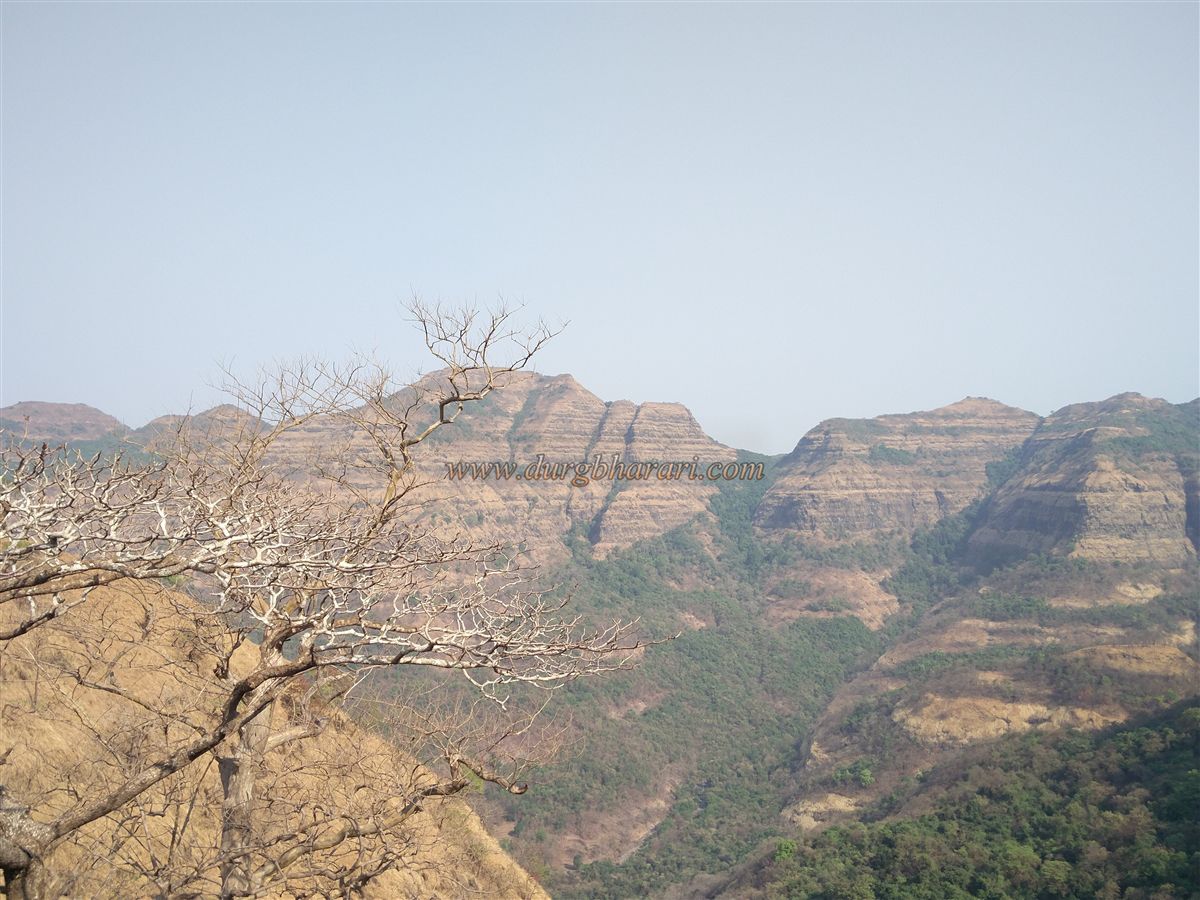
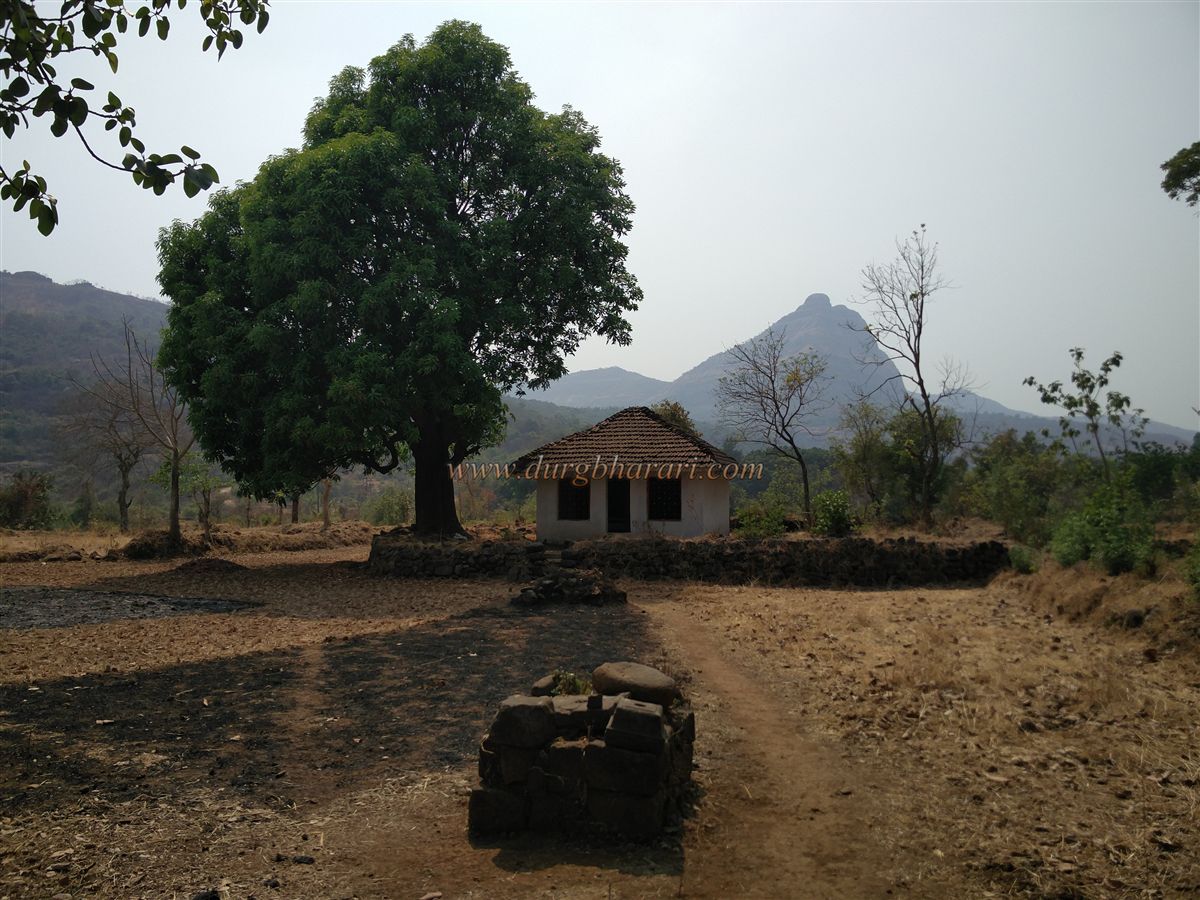
When you look around from Raigad, you can see the high mountain range of Sahyadri. There are several Ghats in the Raigad area that to be used for communication and trails leading down to the Konkan from the country. Kawle Ghat is the nearest way to descend from the range of Sahyadri to Raigad. The Kawla-Bawla Pass at the mouth of this Kawle Ghat is a testimony of a battle fought in the history of the Marathas. Just as Ghodkhind witnessed the feat of BajiPrabhu, the Kavalya-Bavlya pass saw the feat of Godaji Jagtap and Sarakle Naik. On March 25, 1689, Godaji Jagtap and Sarakle Naik cut off the three hundred army of Shahabuddin Khan in the same battlefield as a result of which Rajaram Maharaja was able to go safely from Raigad to Jinji. Standing on the hill top of Sandoshi village in Raigad district, this pass, sanctified by the valor of Godaji Jagtap and Sarakle Naik, is still neglected.
...
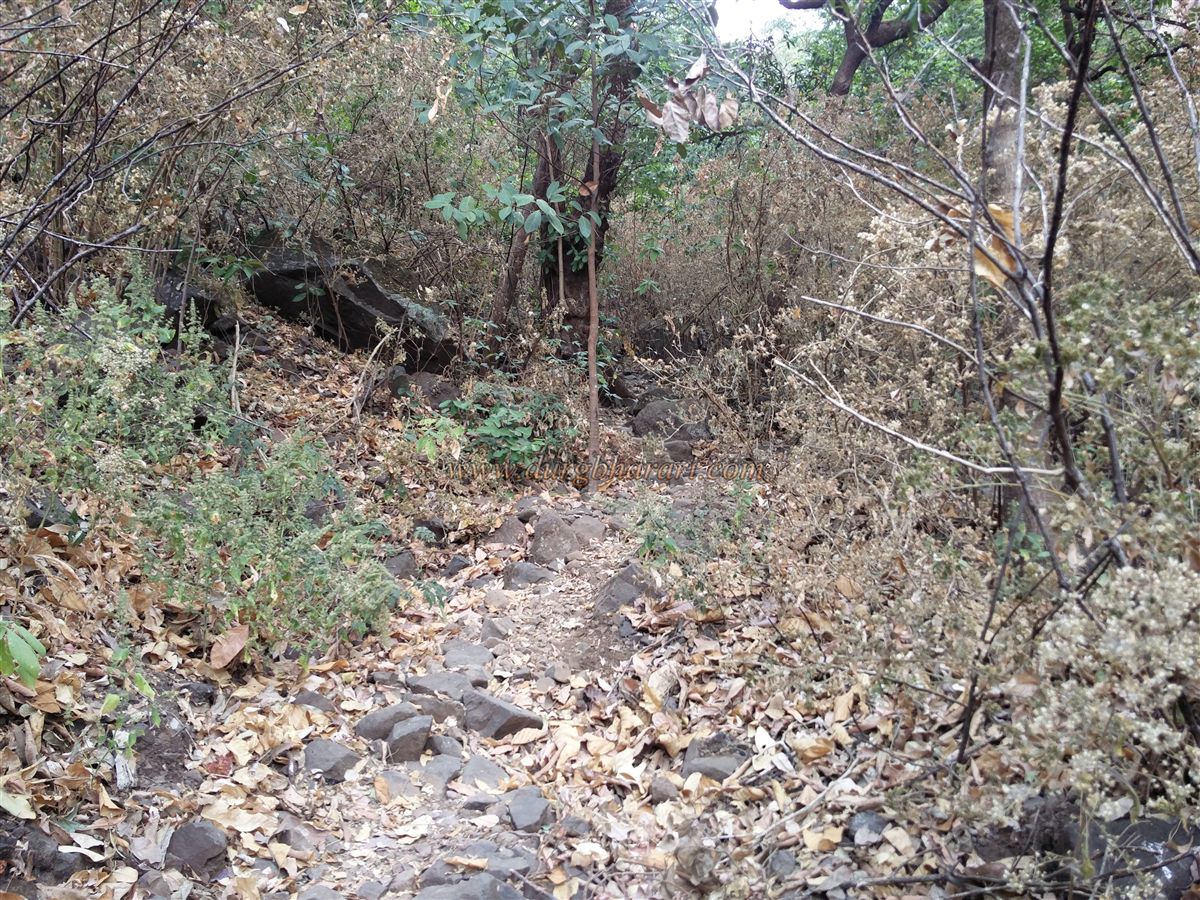
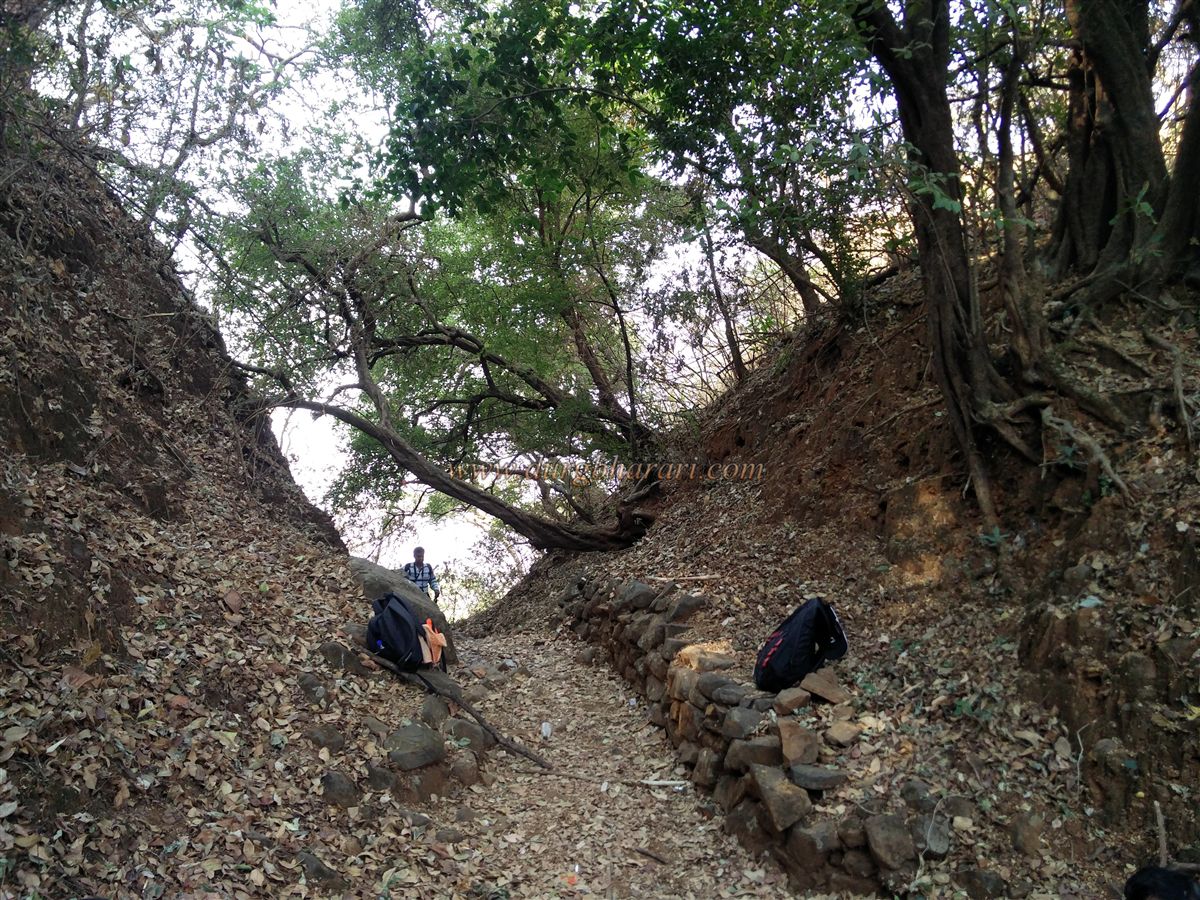
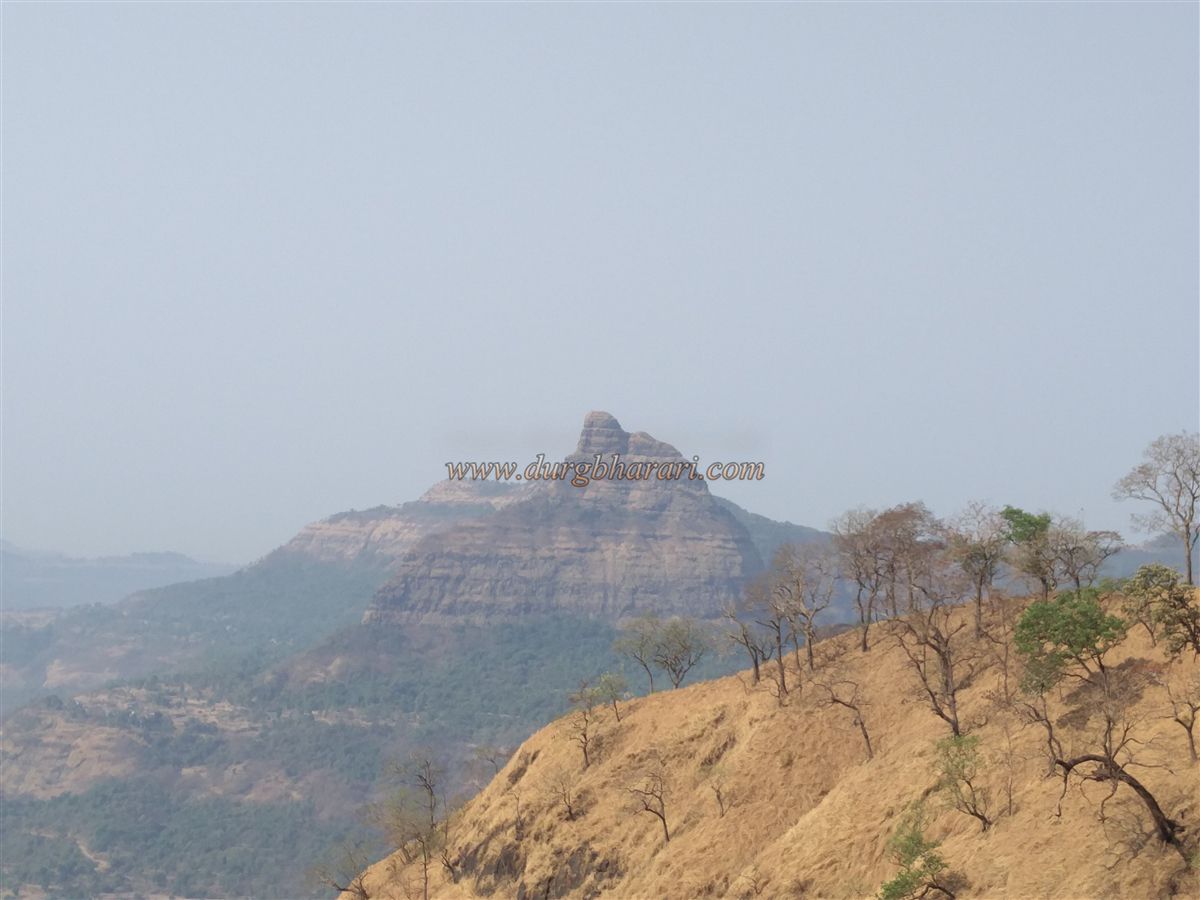
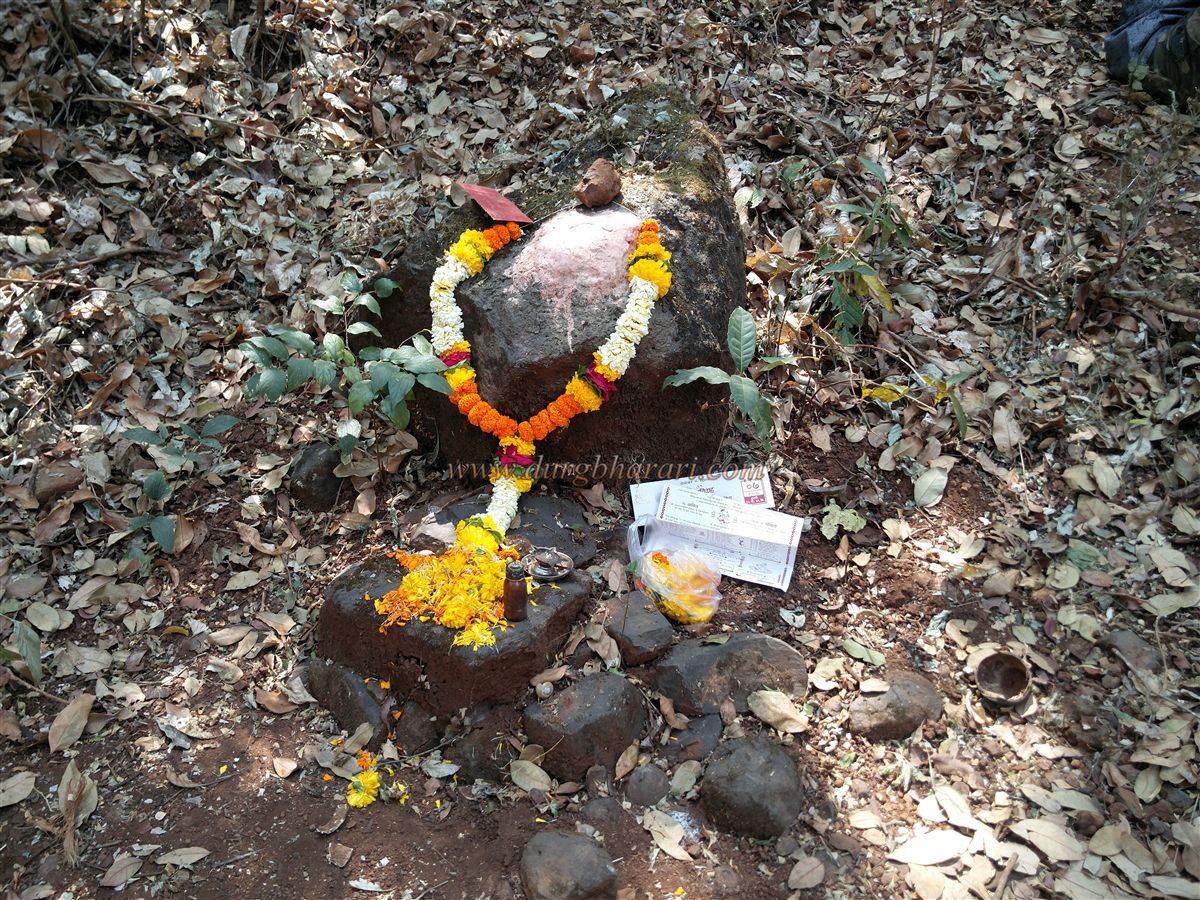
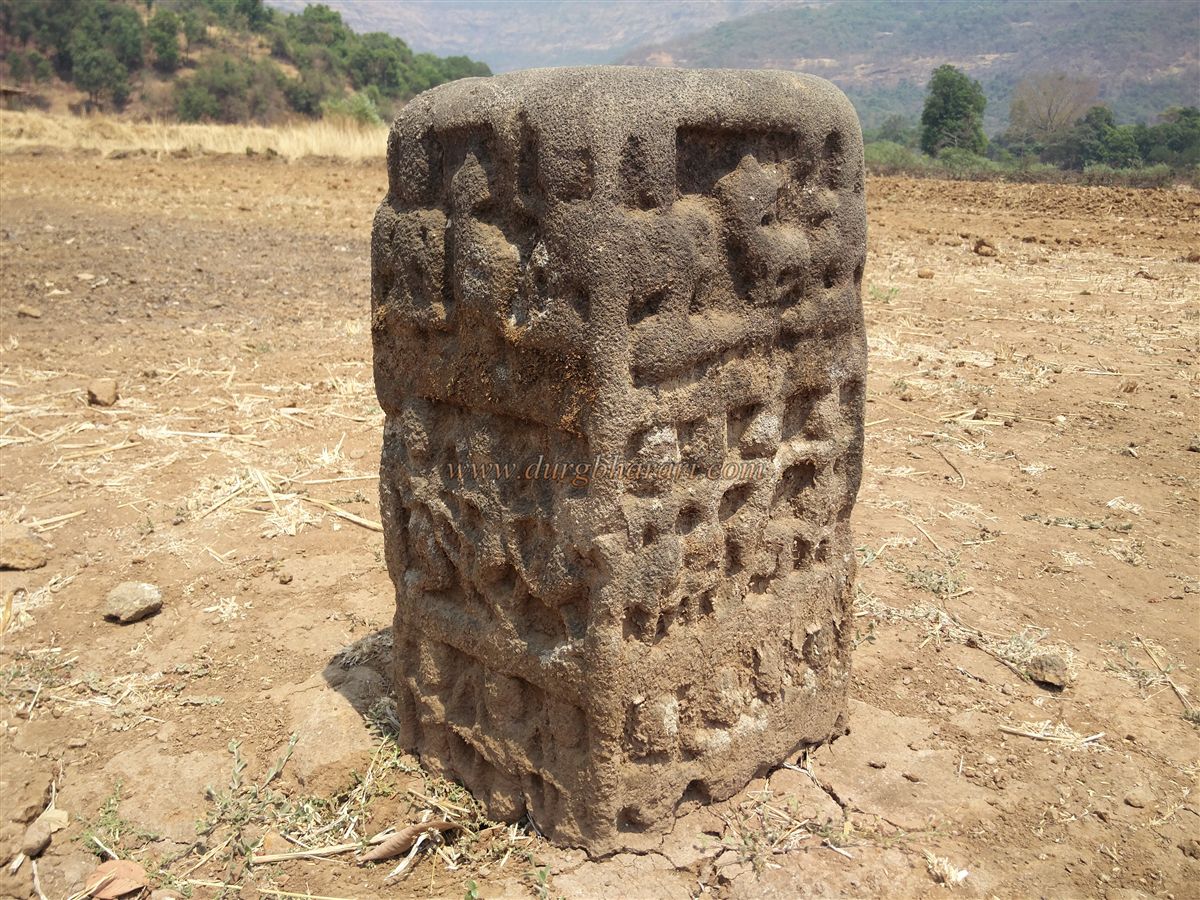
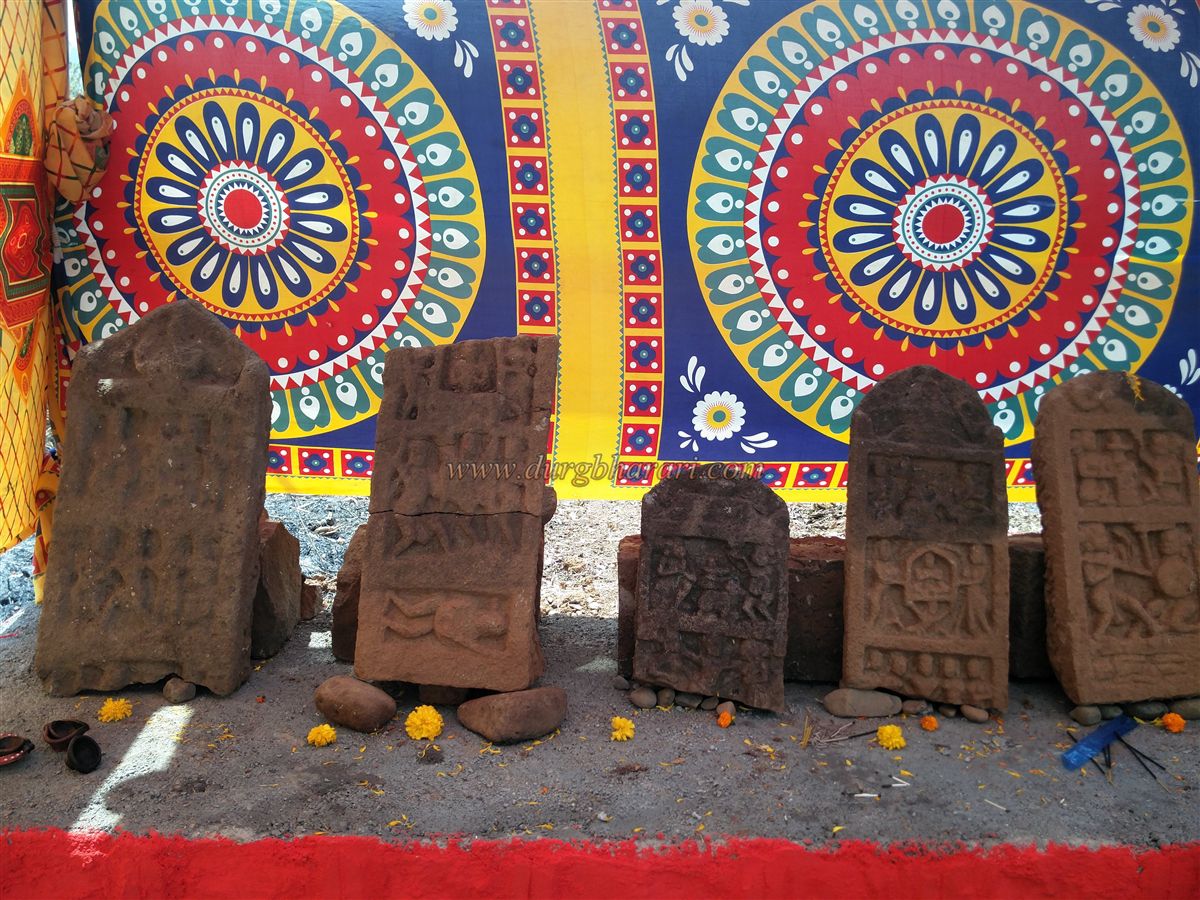
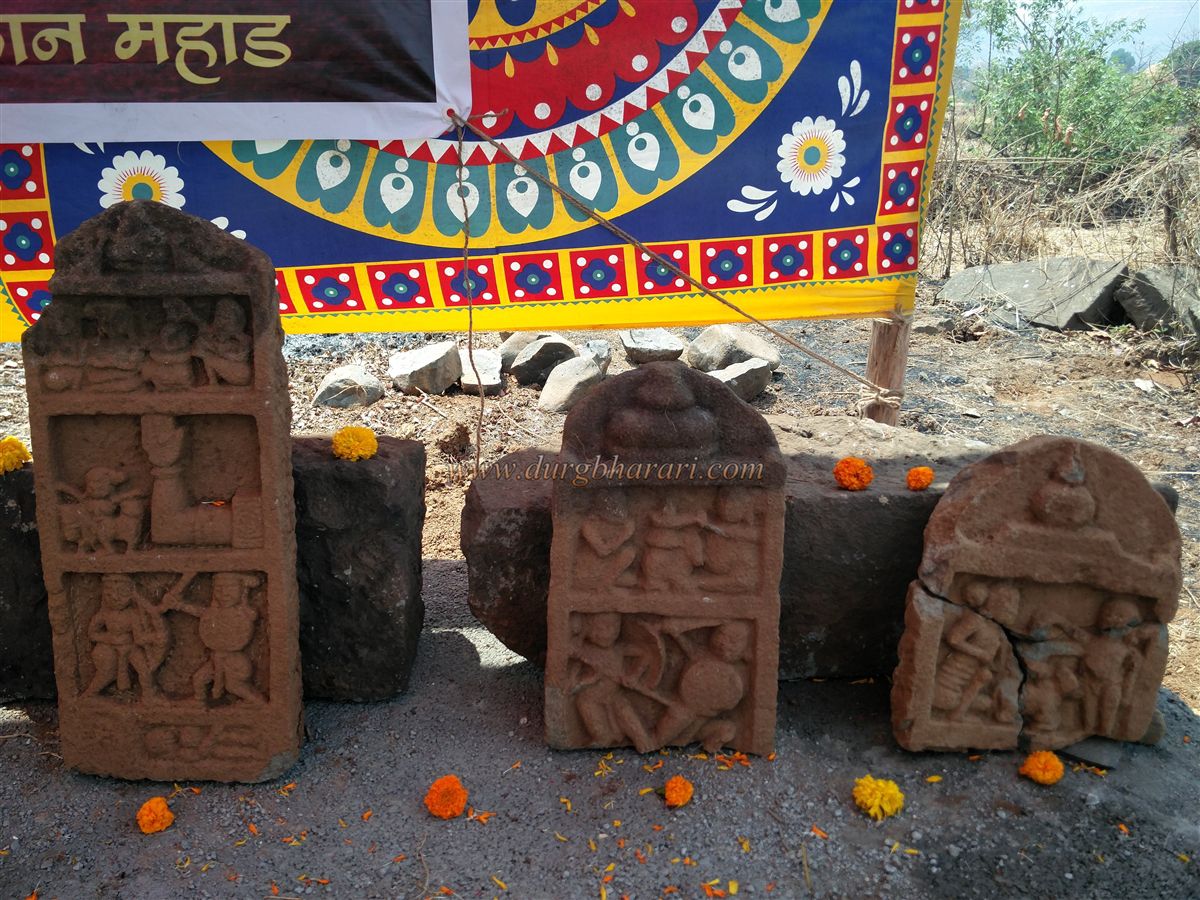
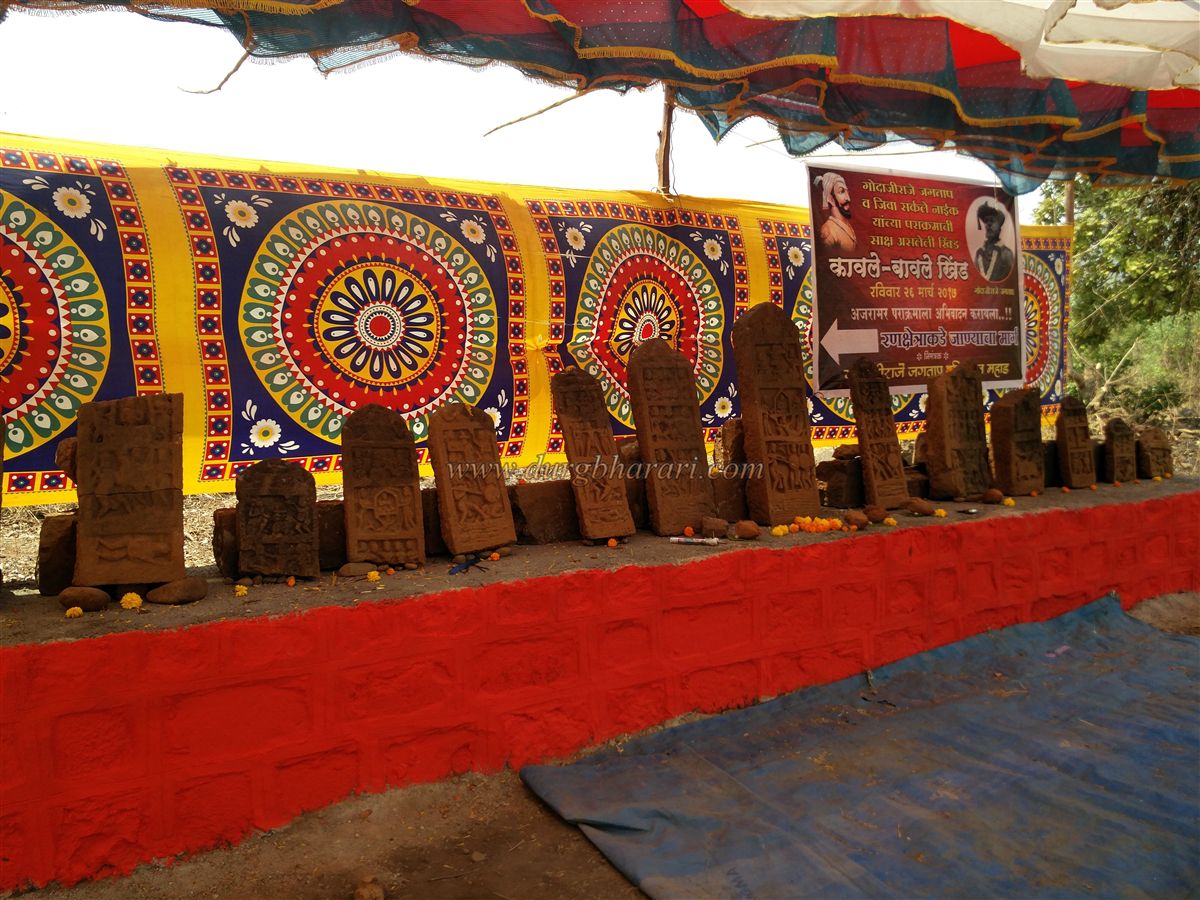
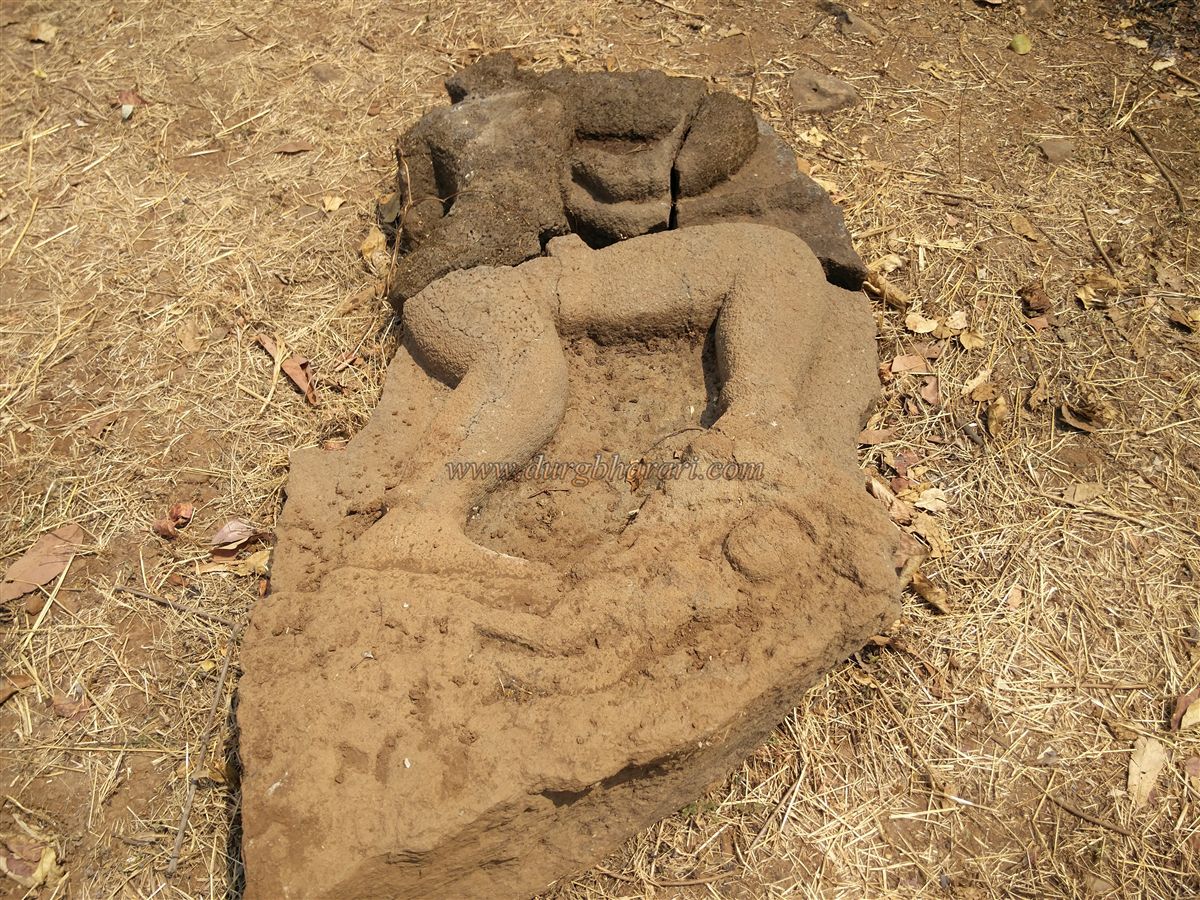
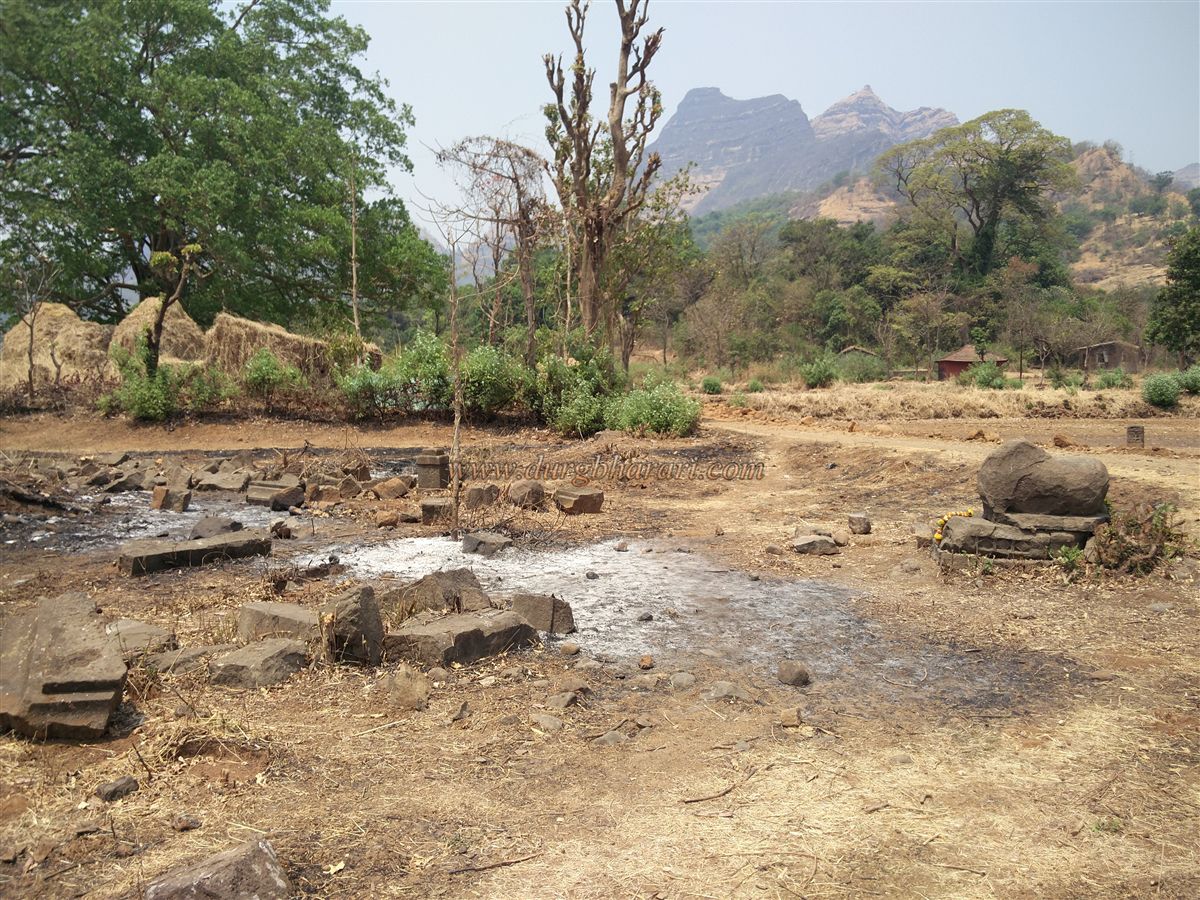
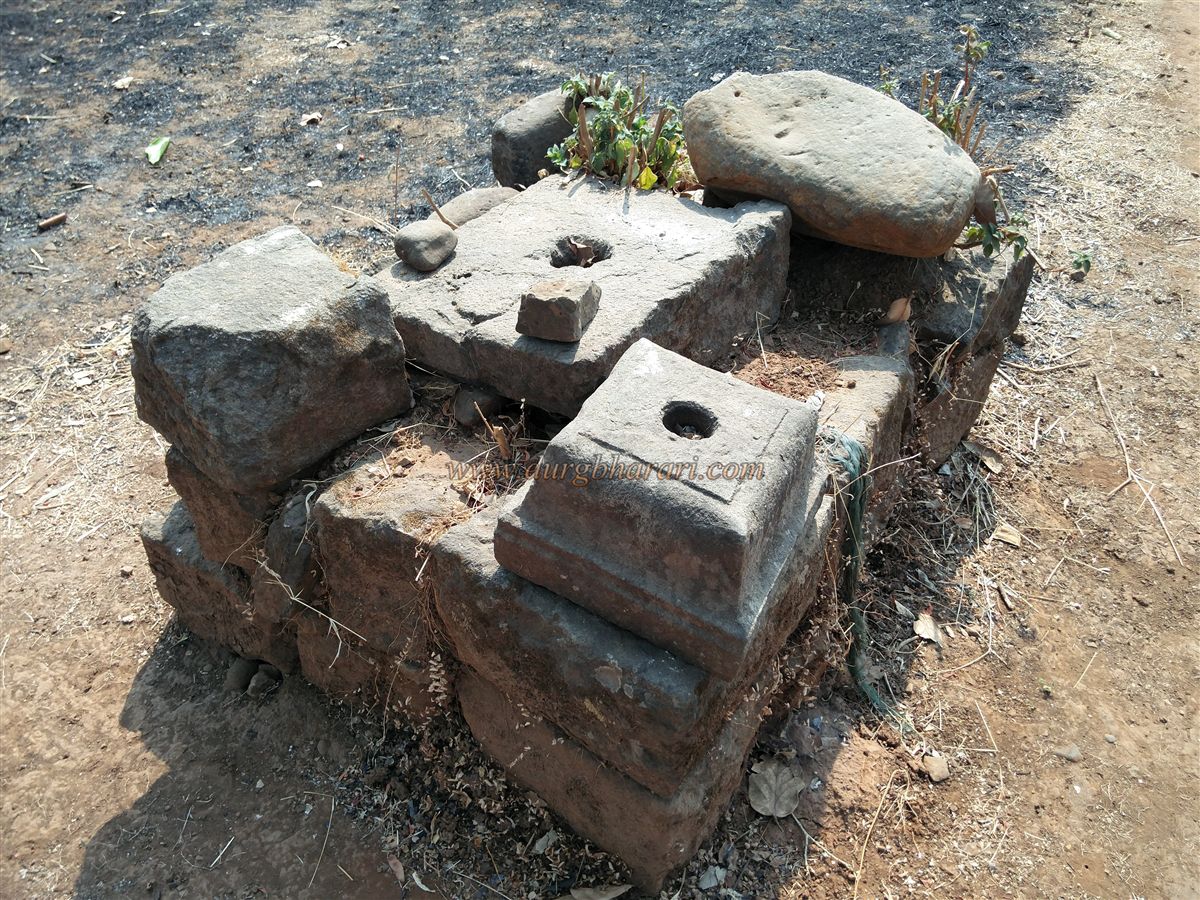
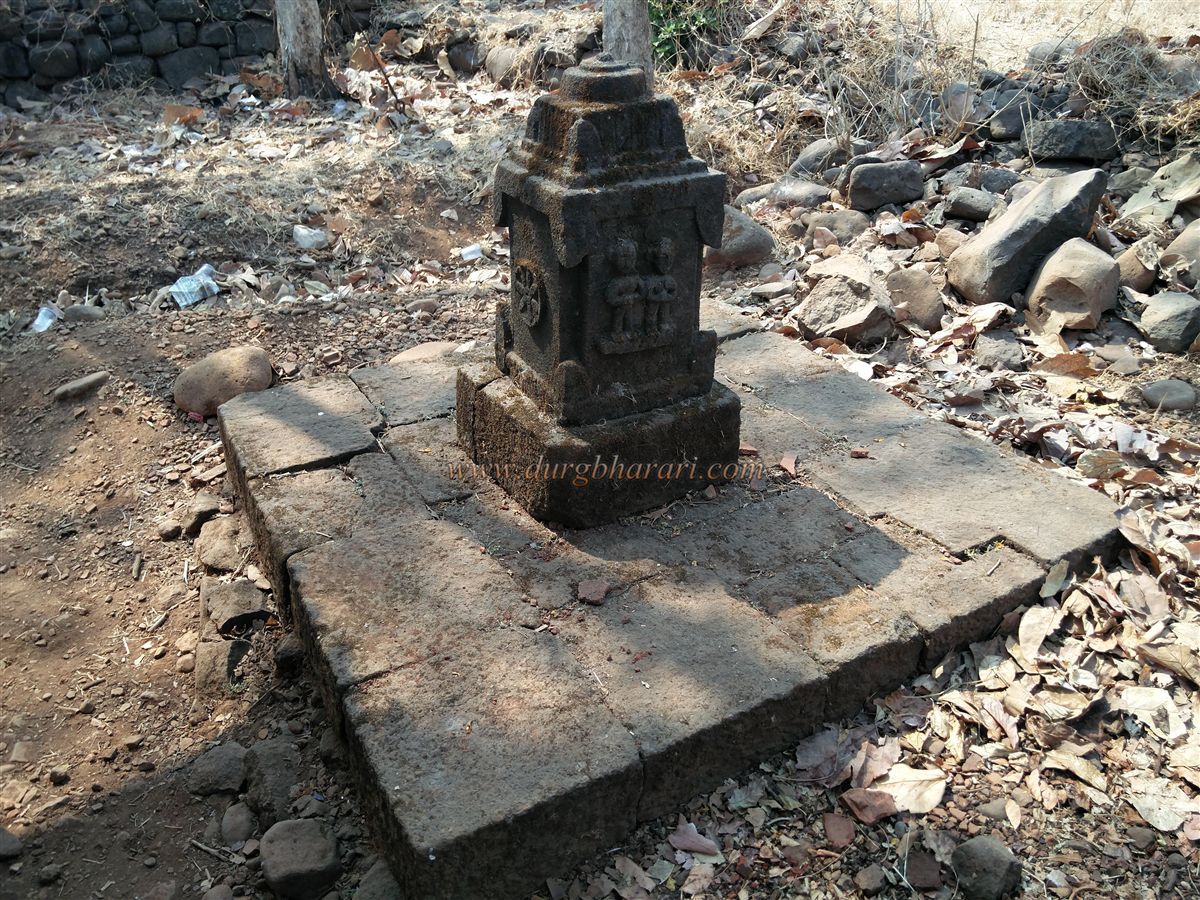
There are two ways to reach Kawle Bawle pass one used to reach Sandoshi village via Mahad in Konkan. After seeing the dilapidated and ruined Shiva temple there, one would climb the rocky hill of Kavalya Ghat and go up to the pass. On the other side, there is a village called Ghol about 30 km from Panshet near Pune. From this village they used to wander through Ghol-Garjaiwadi-Kawle pass. Traces of the existence of Kawle Ghat can still be found here. Here in the pass a stone has been installed as a god by hanging a shendur. Yen Pass has stone walls on both sides to prevent landslides from the upper side. On the top of the Kavalya Ghat stands Kokandiwa, the guardian fort of the Ghat. The path descending on the left side of Kokandiwa is called Kavalya Ghat and the pass from where this path starts is called Kavalya-Bavlya Pass. This area was very important during Shiva period. Raigad is not easily accessible due to the mountain range of Sahyadri and the valley of two rivers. During the Shiv period, goods coming from the Ghat came through the pass of two villages Kawle and Bawle. Jiva Sarkhel, a young man from the nearby village of Sandoshi, was made the captain of the post after setting up a post for the protection of Raigad. Naik and along with him there was a ten-man garrison consisting of nine pike. Sarakle Naik and his nine pike were guarding the Kawle Bawle pass leading down to Konkan from the Ghats. Bullocks were coming down to the plains of Sandoshi village through this pass. In the flat area of this plain, there was a pallet of goods and it was from this pallet that goods were supplied to Raigad. From here, all kinds of goods were sent to the fort by porter. During the Shiva period, this market flourished so much that merchants built temples here. Their remains can still be seen around Sandoshi village. Most of these temples are stone pagodas. After the death of Shivaji Maharaj, when Zulfikar Khan laid siege to Raigad, this market and temples were destroyed. After the death of the Maharaj, when Aurangzeb himself came down to the Deccan to conquer the Deccan, he was faced with the challenge of fighting the capital of the Marathas. In the month of January 1684, the Mughal Sardar Shahabuddin Khan and Mankoji Pandhre invaded the villages around Raigad. The Mughal newspaper reports that the Mughal army under the leadership of Shahabuddin left Pune and descended via Devghat and attacked Chatri Nizampur, a village north of Raigad fort. Mankoji Pandhere was knowledgeable about this area and that's why the Mughal army was able to reach here. As the Mughal believed that Kavalya pass was neglected after Shivaray, Mughal Sardar Shahabuddin Khan and Mankoji Pandhre tried to reach Raigad through this pass on 25th March 1689 to help Zulfikarkhan's siege of Raigad. But when this Mughal army came to the Kawle Bawle pass, they were confronted by the Nine Paik’s and their Naik Sarakle in the Kawle Bawle Pass who were defending Raigad. In Khind, Jagtap and the man of Sarakle family performed feats like BajiPrabhu. The Jagtap-Sarakle family members made this pass a battlefield and inflicted heavy losses on Shahabuddin Khan's army, but the wave of enemy forces kept coming and finally all these ten heroes fell. According to the custom of the time, the virgal of these ten heroes stood as their memory. Even today we can see these scattered and some Satishila in Sandoshi village. As the villagers are proud of the history of their village, they also take care of this historical heritage. In order to study Raigad properly, it is necessary to walk through this region at least 2-4 times.
© Suresh Nimbalkar
GALLERY