KARANJALAD
TYPE : CITY FORT
DISTRICT : WASHIM
HEIGHT : 0
GRADE : EASY
It is often said that Washim district does not have a single fort, but a visit to Karanja Lad town proves this claim wrong. Karanja Lad is 66 km from the district and taluka headquarters at Washim. If traveling by rail, it is more convenient to reach via Murtizapur railway station in Akola district, from where Karanja Lad is 32 km away.
In the medieval period, this city prospered and had a fortified wall around it to protect its markets and settlements. There were four gates for entry into the city — known even today as Delhi Gate, Darwha Gate, Mangrul Gate, and Poha Gate.
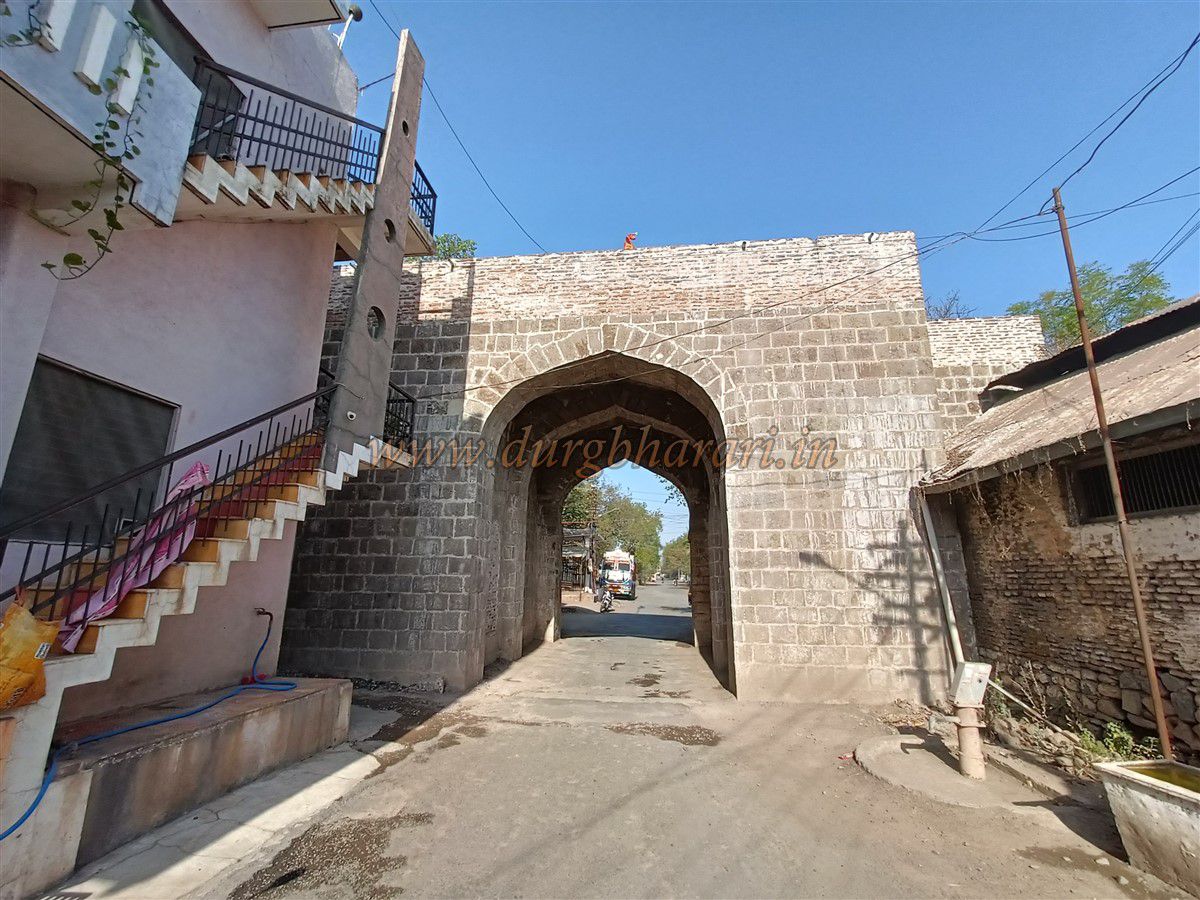
We began our exploration from Poha Gate, so this fort description follows that sequence. Approaching from Murtizapur, one enters Karanja Lad through Poha Gate, named so because it faces the direction of Poha village.
...
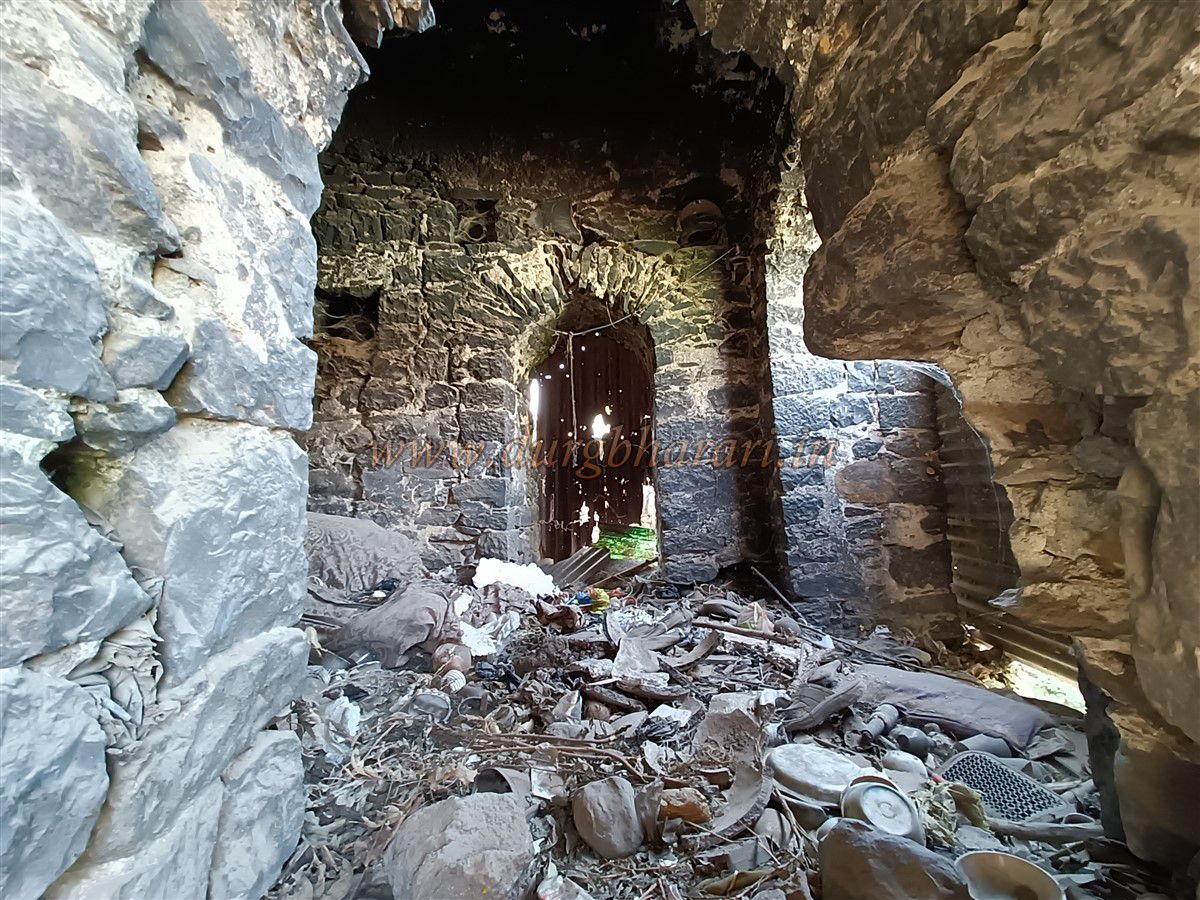
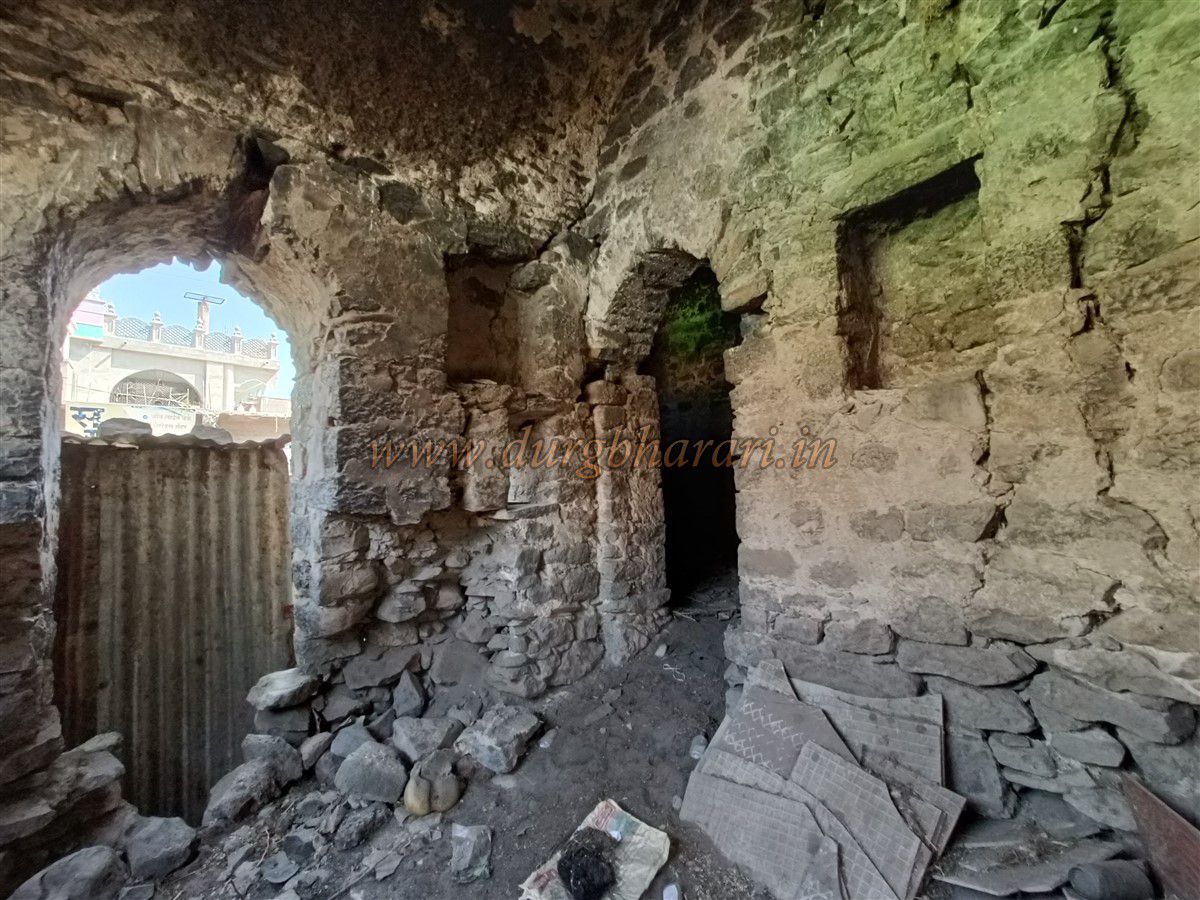
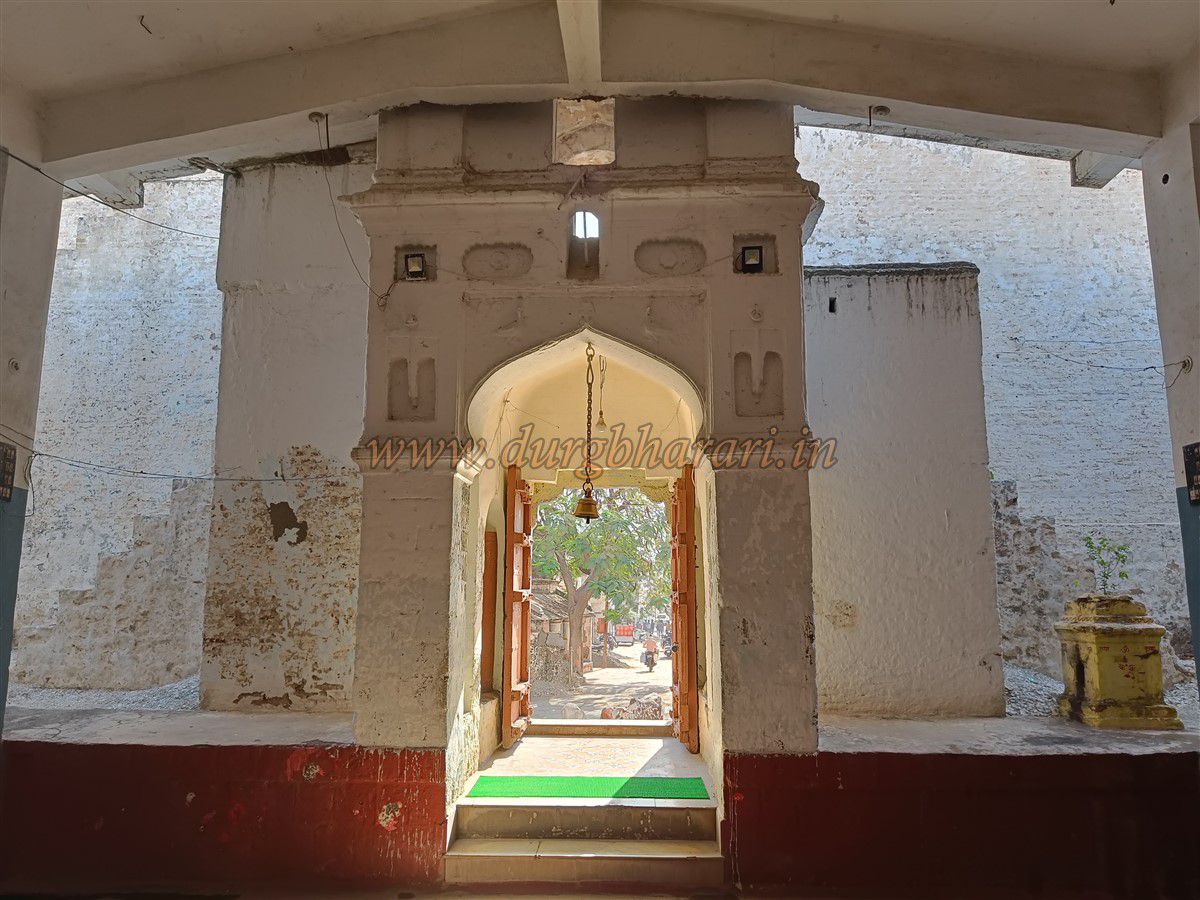
This gate is built between two bastions. Recently, the Archaeological Department restored it to its original form. The upper part of the bastion is built with bricks and has loopholes for firing guns. Inside, the left bastion has a guard’s room with a well — a rare feature found in only a few forts.
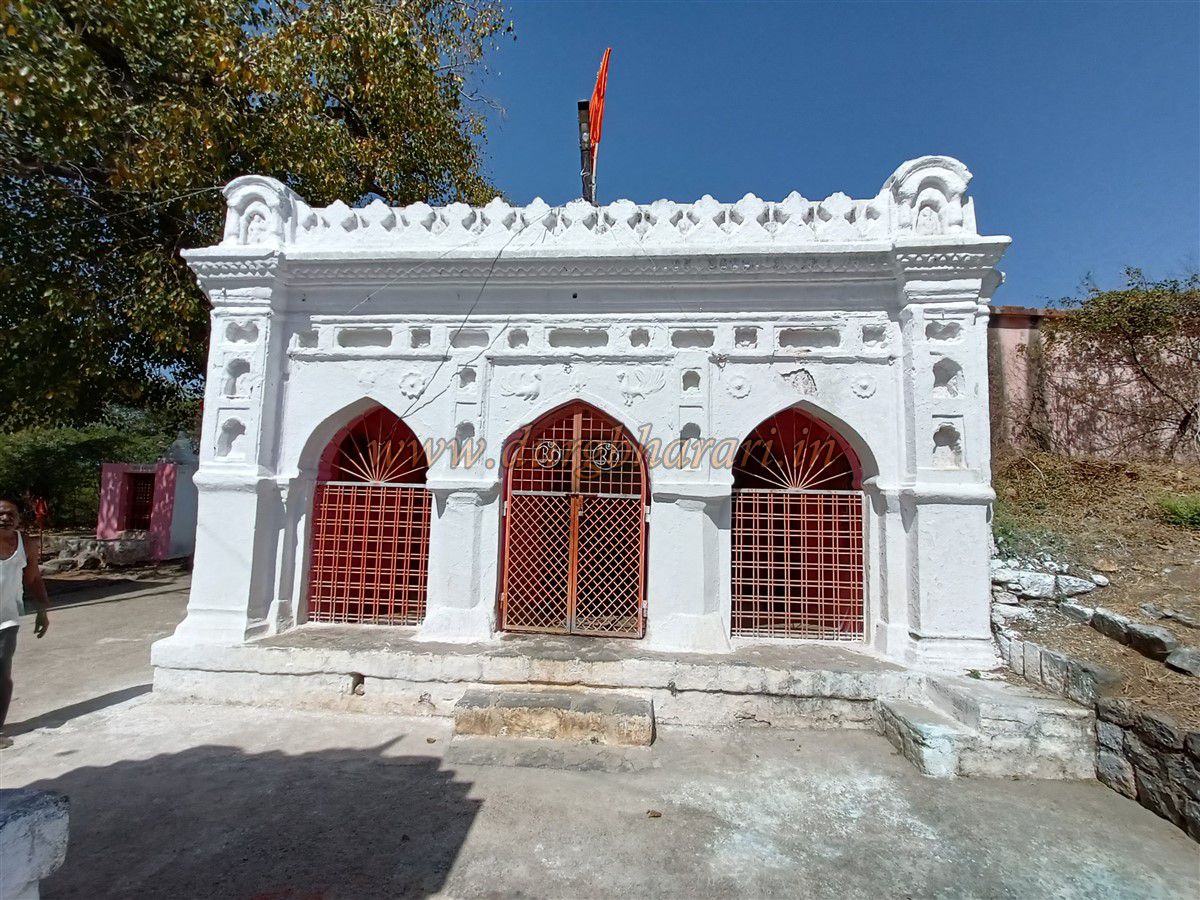
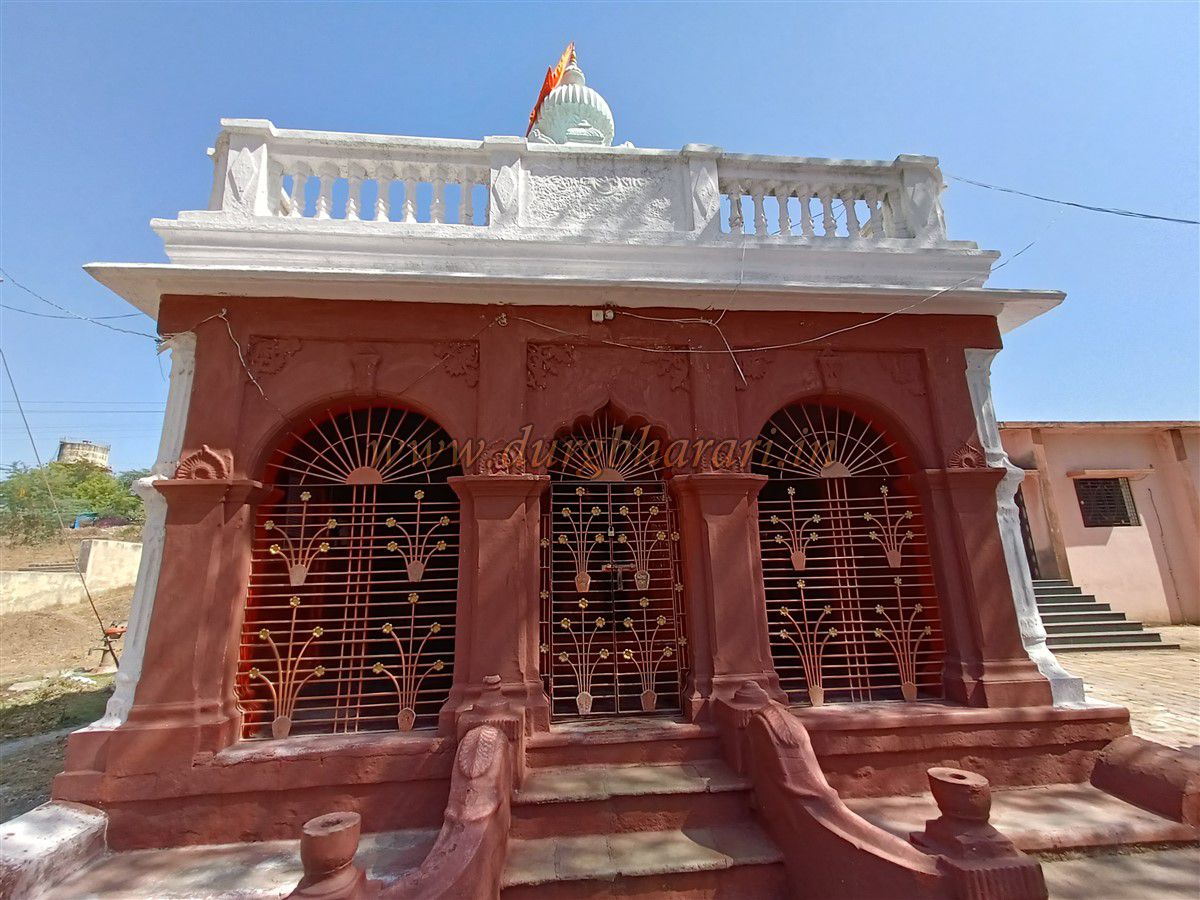
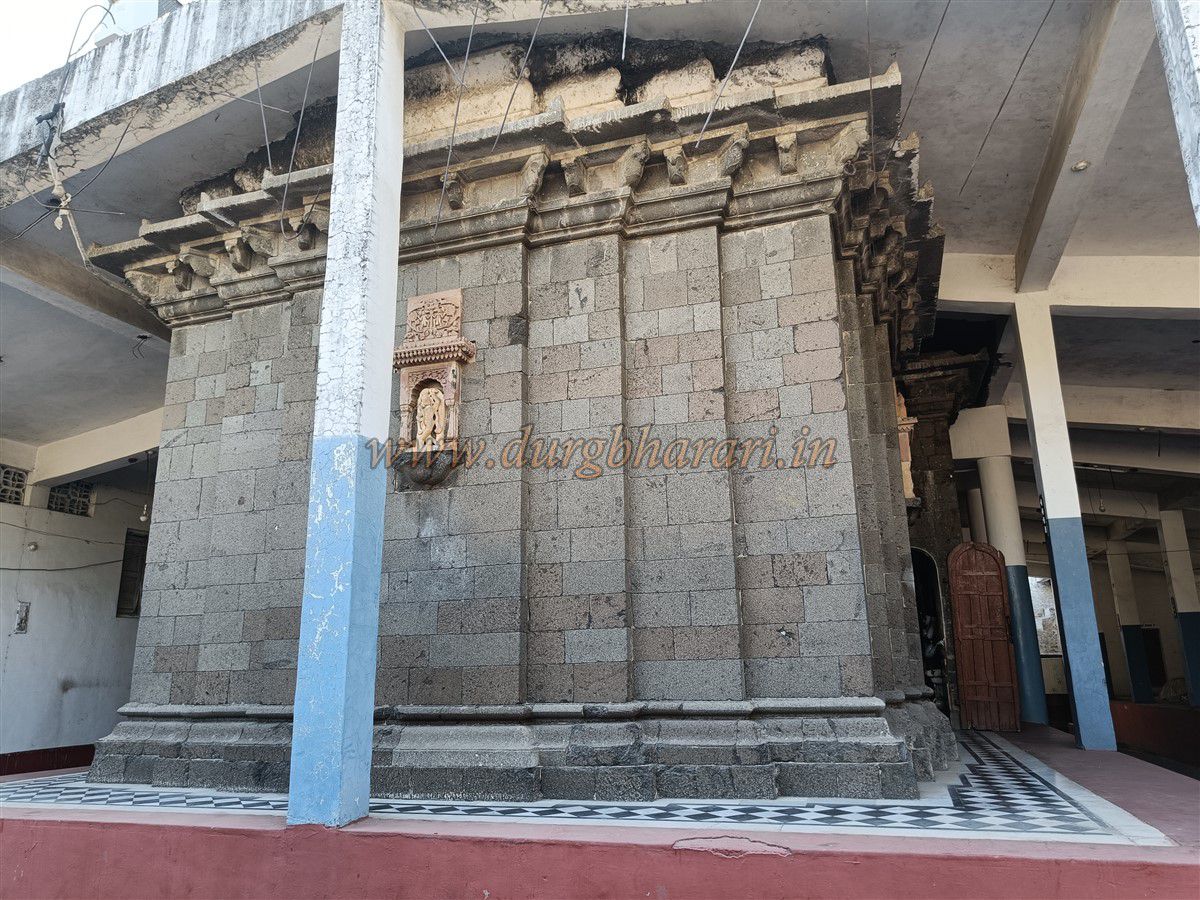
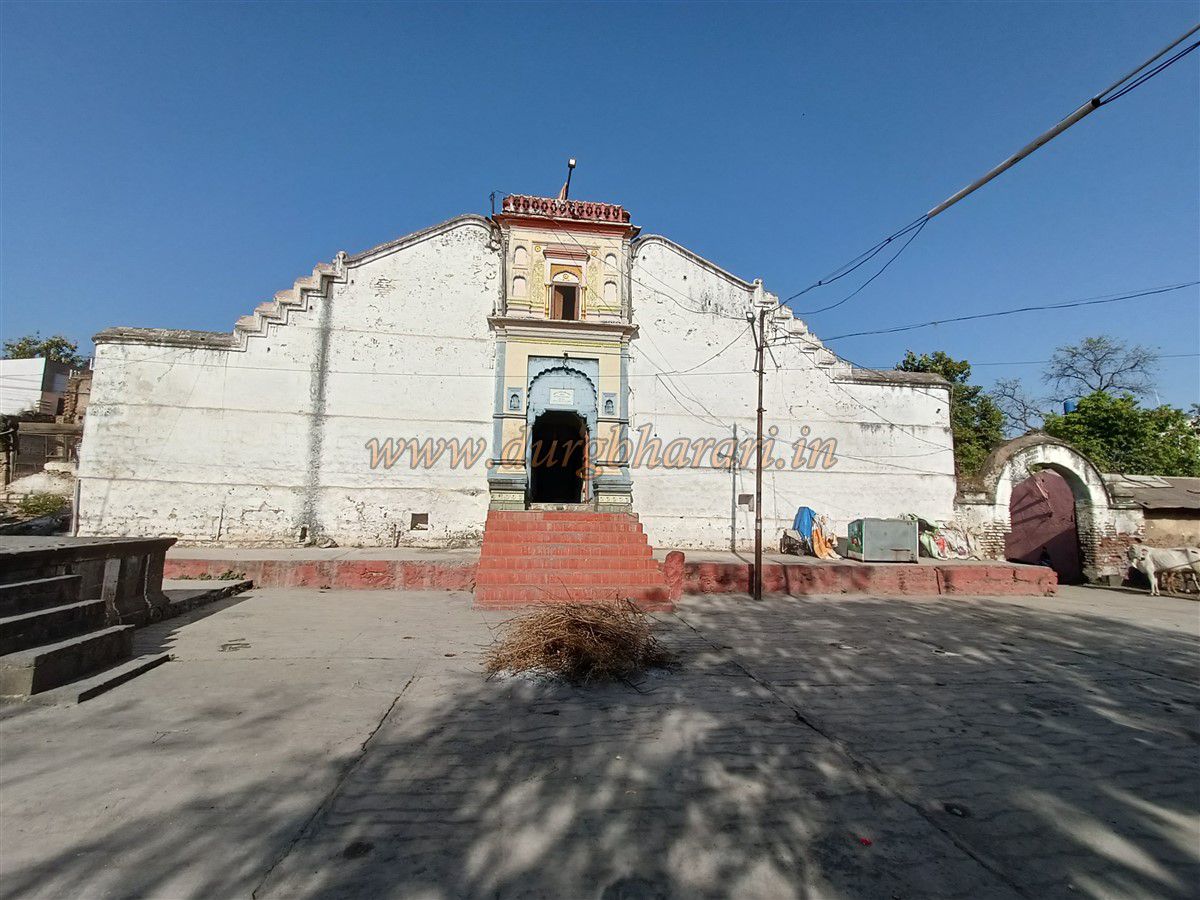
A short distance from Poha Gate stands the Ram Temple, built in dressed stone in 1876 by the Kannav family. The assembly hall rests on carved wooden pillars, and the temple is enclosed by a compound wall. Inside is a covered well, and outside, a spacious courtyard with two small shrines and another well.
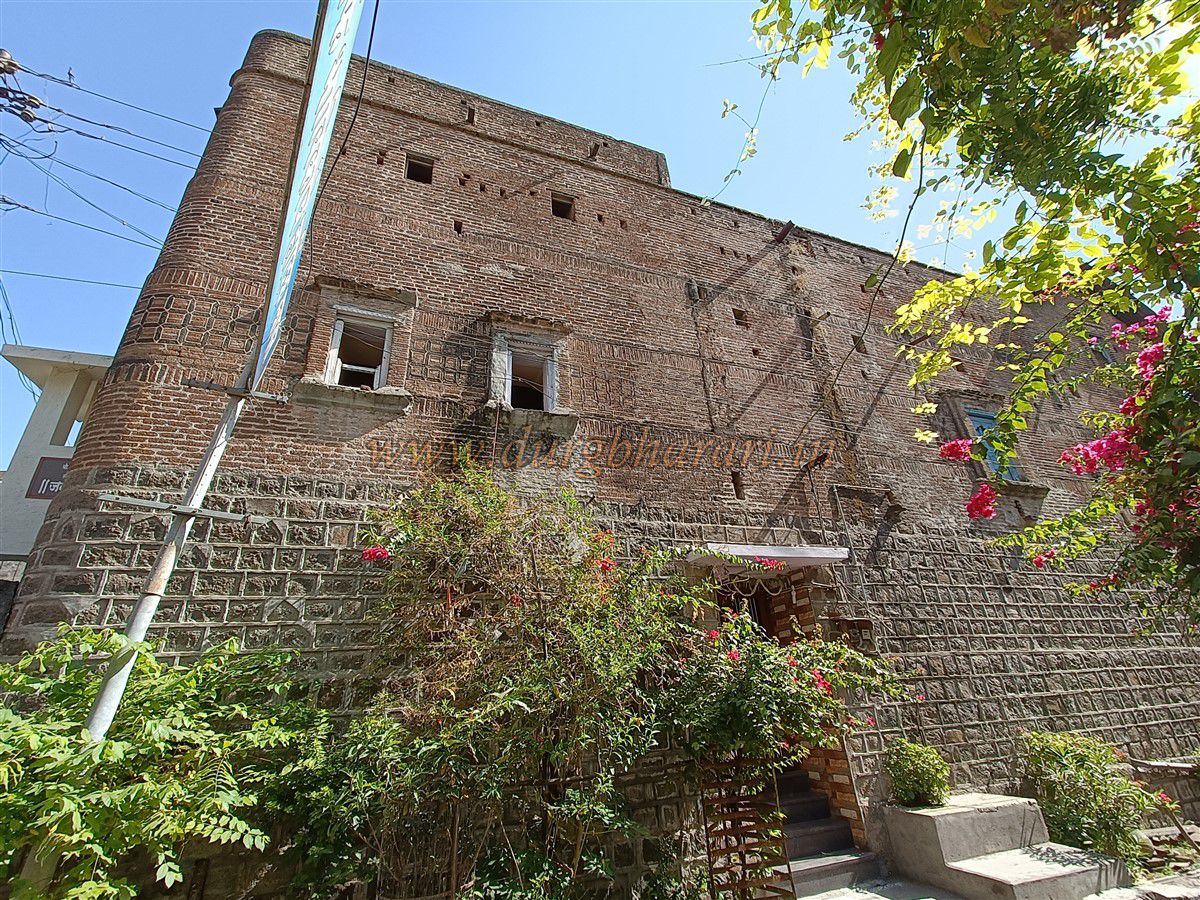
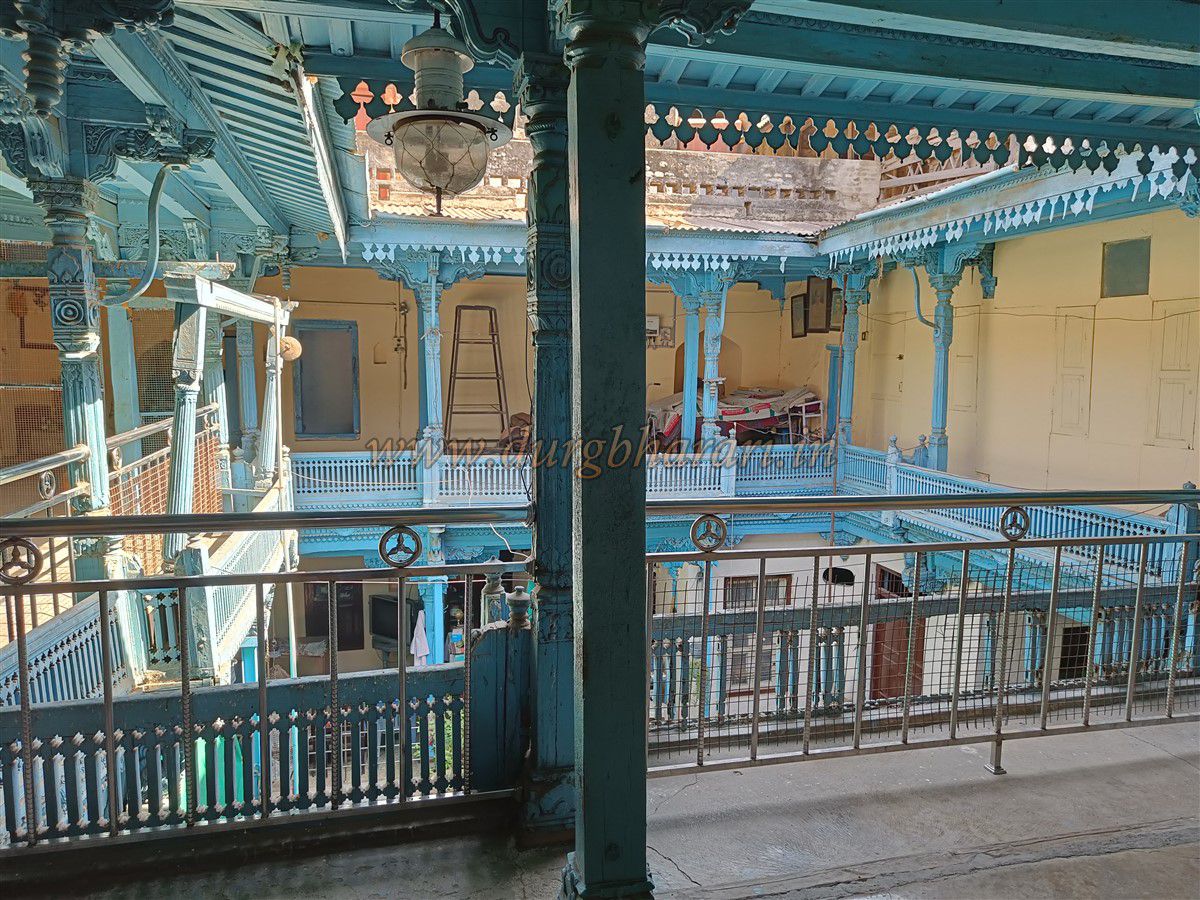
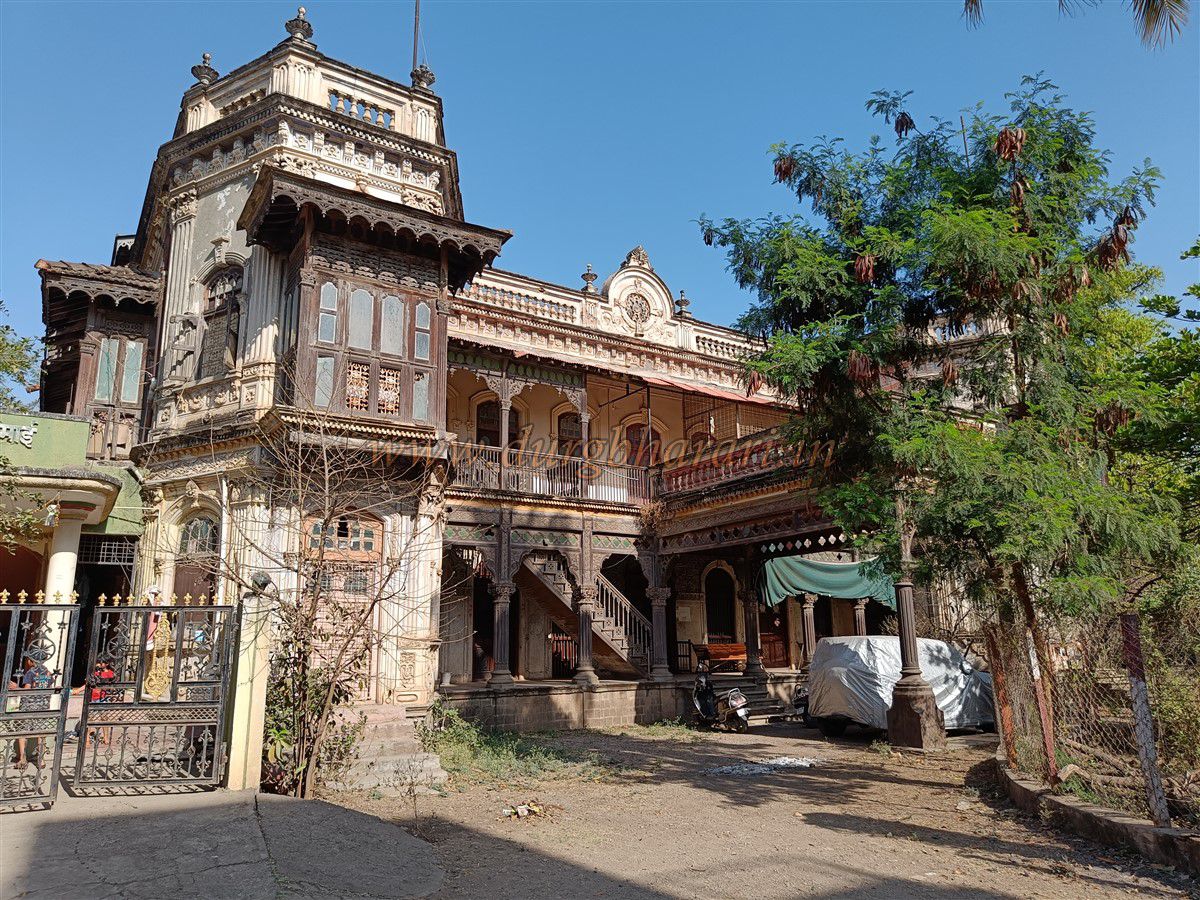
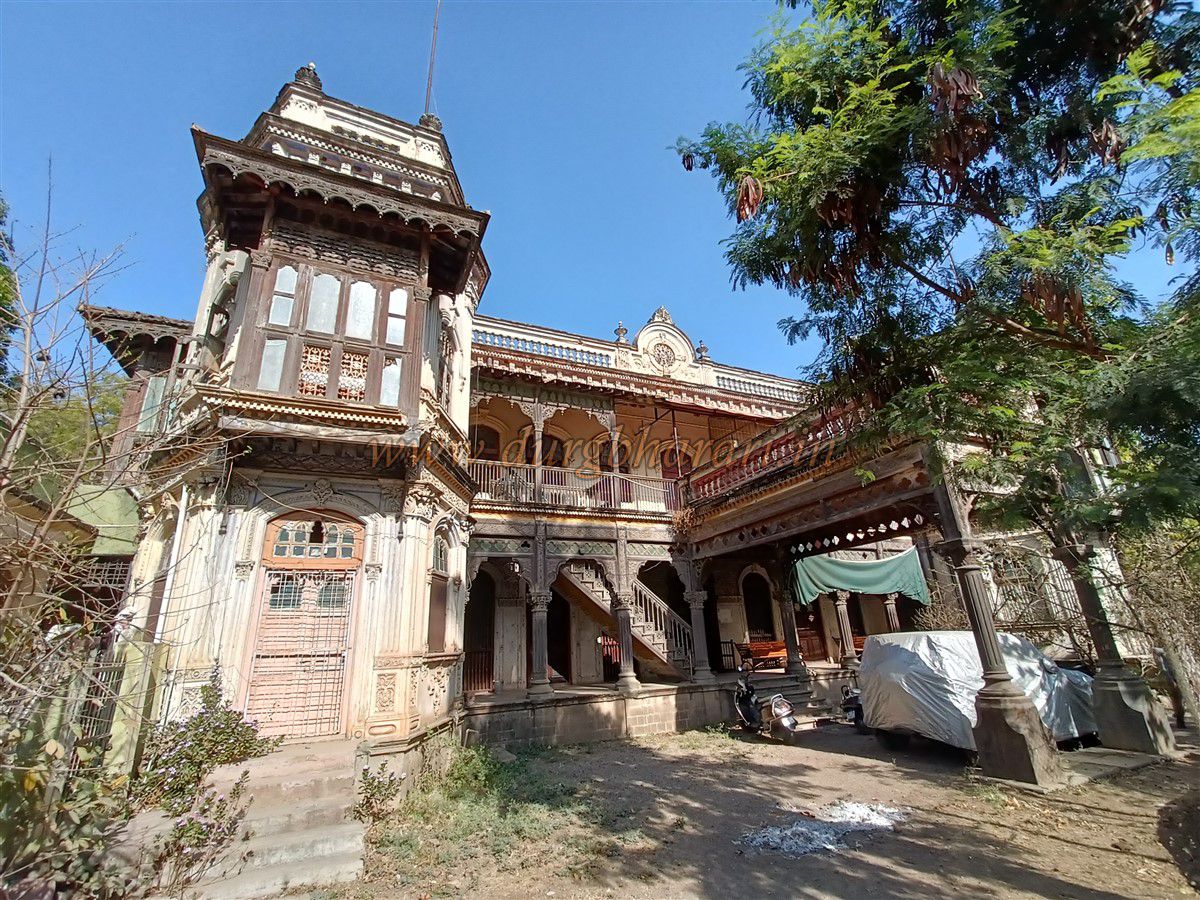
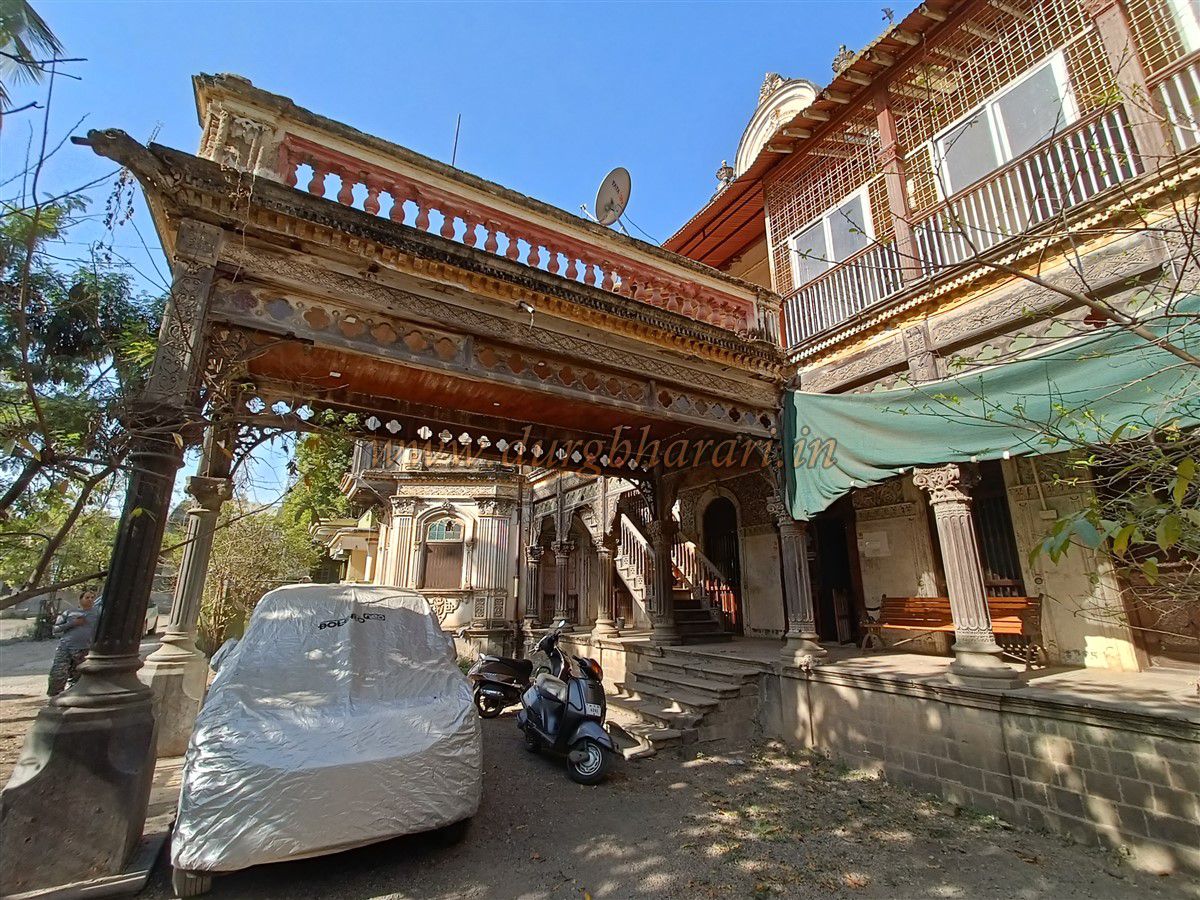
Apart from the fort, Karanja Lad has another noteworthy building — the Kannav family bungalow, located just outside Poha Gate. This grand house was built between 1898–1903 by cotton merchant Krishnaji Kannav under the supervision of a foreign architect, at a cost of ₹3.5 lakh. Inspired by British and Portuguese architecture seen in Mumbai, he decided to build his bungalow in Portuguese style. Lead was used in the foundation, teakwood from Burma for the wooden structures, and Italian marble for flooring. Belgian glass was imported for windows. Kathiavadi artisans handled the construction, while Rajasthani craftsmen executed the intricate woodwork. The entrance has cast iron columns and a balcony above. The central courtyard measures 30×30 feet, and the first floor has a 50×40-foot hall. Permission from the Kannav family is required before visiting.
It is said that after seeing this bungalow, the British took local artisans to Sri Lanka to build an exact replica, which later became the residence of the Sri Lankan Viceroy and now serves as the official residence of the President.
From Poha Gate, heading inside for about half a kilometer brings you to Mangrul Gate, facing Mangrulpir village. The original name is inscribed on a plaque. This gate, with two hexagonal bastions, has been repaired by the Archaeological Department. Its arch bears carvings, with one Marathi and one Persian inscription. Gun loops and ornate designs can be seen on the bastions. Adjacent to the gate is a section of the old wall with steps leading up. Platforms for cannons remain on both bastions.
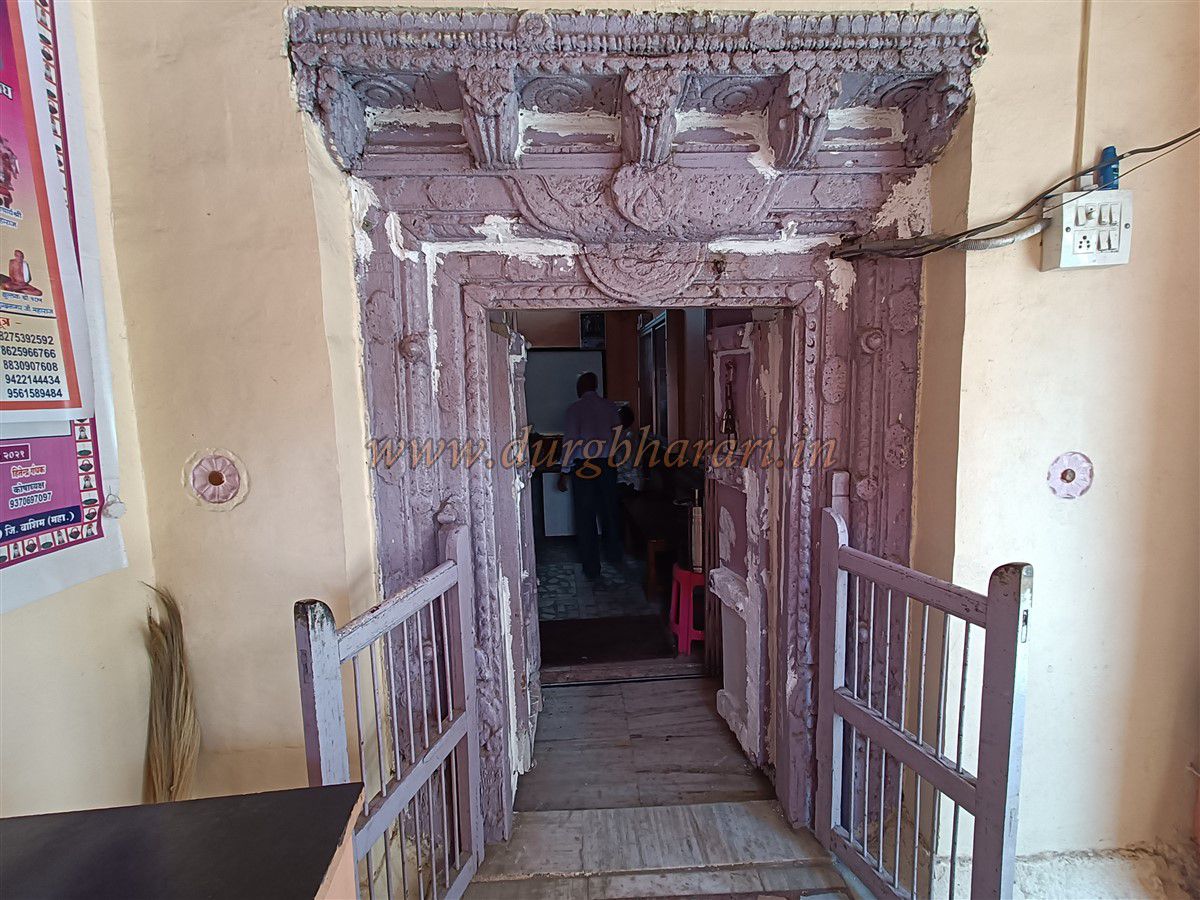
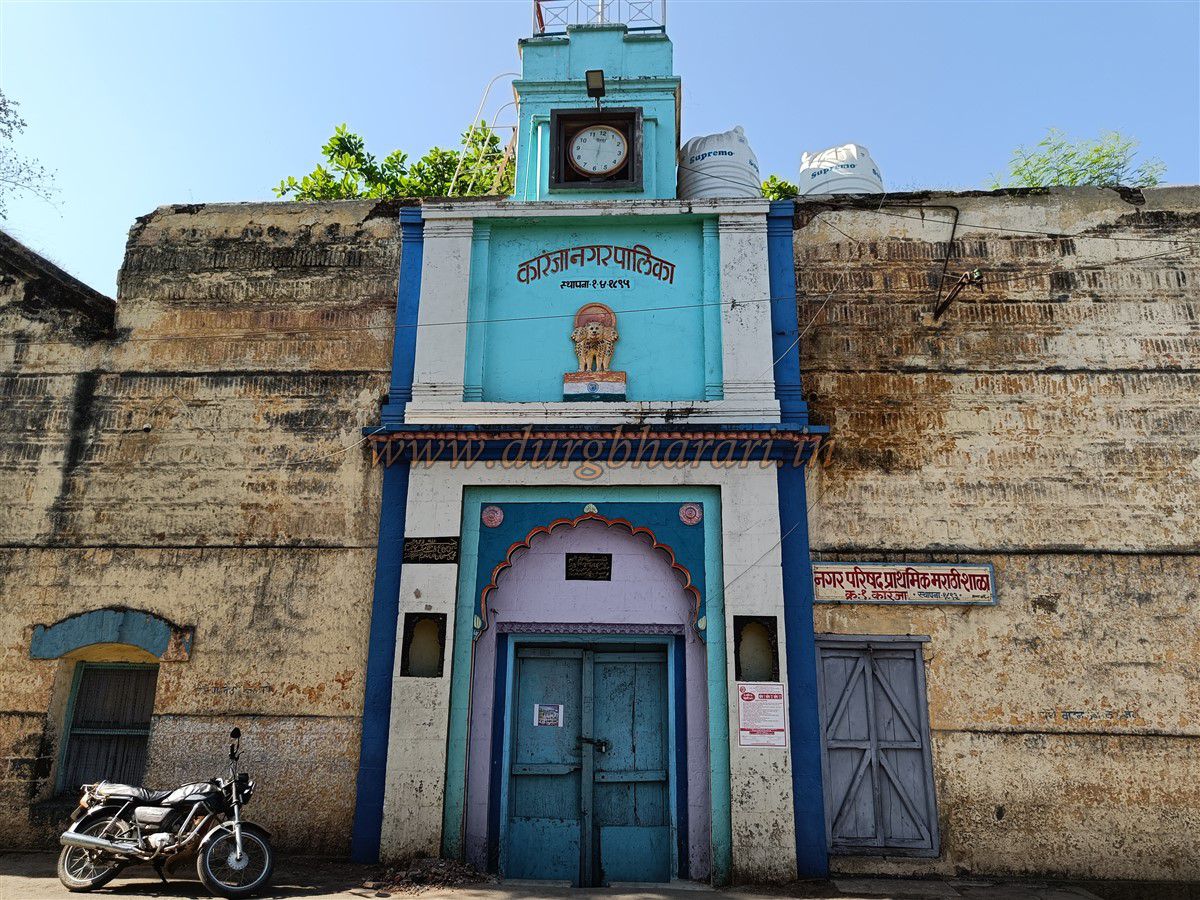
Outside Mangrul Gate, across the road, lies Rishi Lake and a double-storey stepwell beside it. The lakeside has Kholeshwar and Hanuman temples, along with seven samadhi (memorials). Inside the gate area stands the Municipal Council building — formerly the Nawab’s mansion — and opposite it, the police station building, said to be the old elephant stable. Two Persian inscriptions remain on the Municipal building’s door. Local tradition claims an underground passage connects it to Rishi Lake.
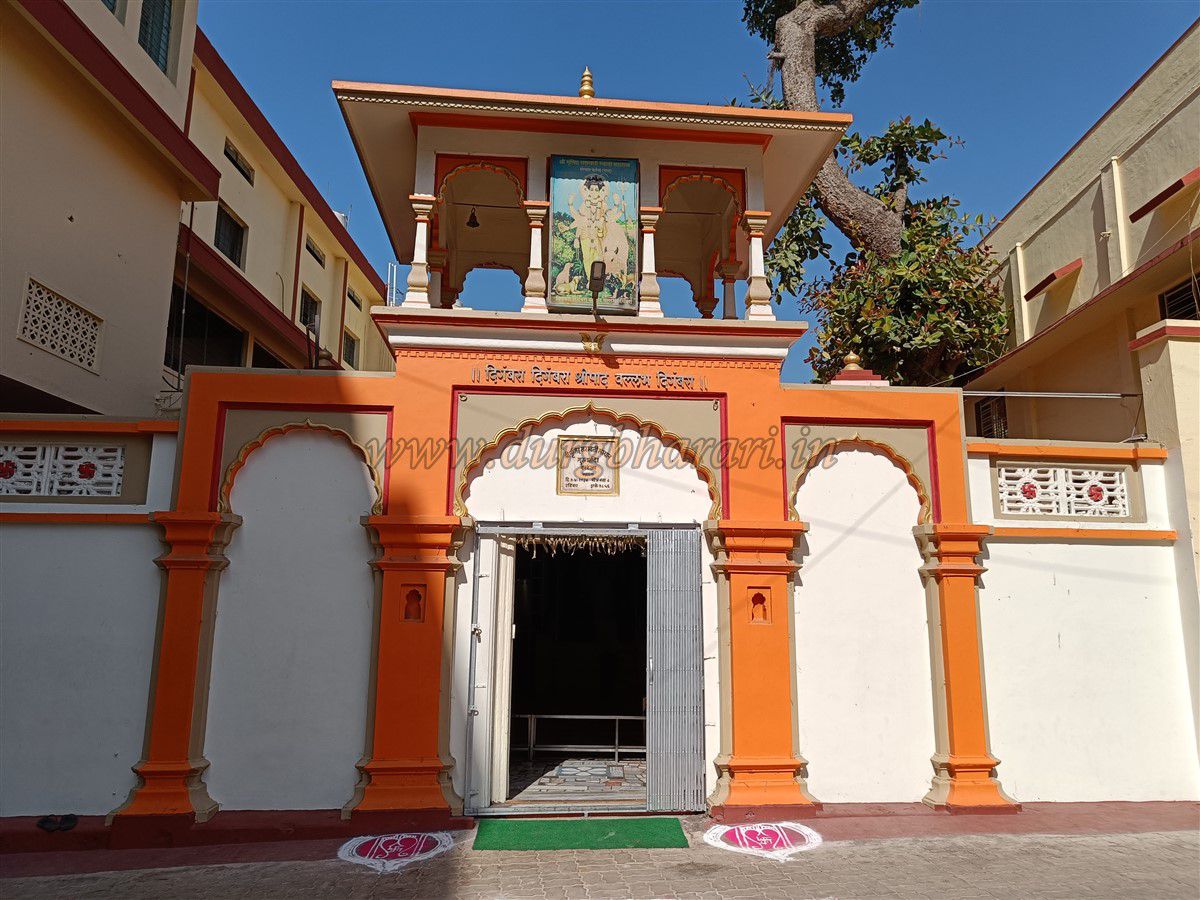
Nearby is the Narasimha Saraswati Temple, birthplace of the saint, with an adjacent ancestral house open for darshan. Also worth visiting is the Kashta Sangh Jain Temple, dating to the 14th century and housing exquisite 800-year-old wooden carvings.
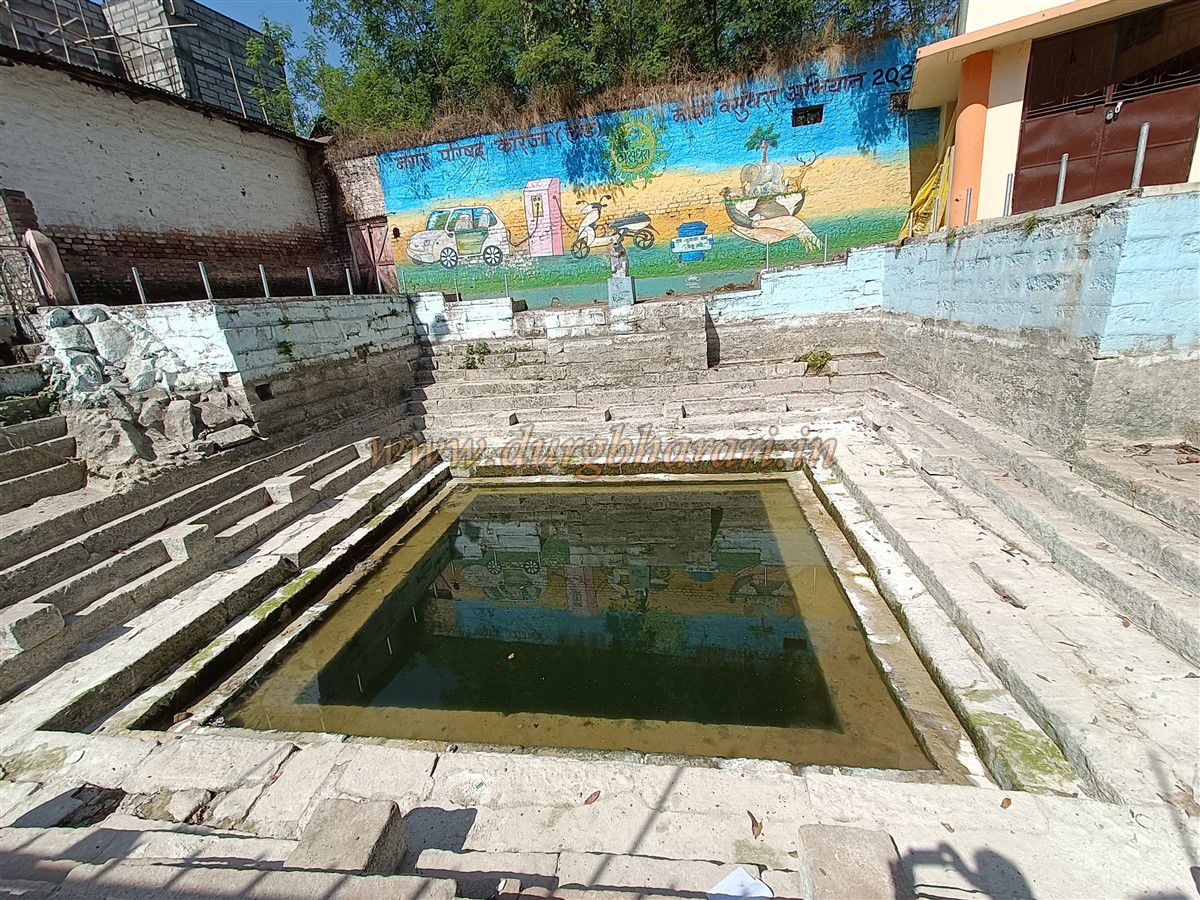
The town also has a pushkarni (sacred tank), locally called Chandratale, and believed to have an underground tunnel visible only when the water level drops. Many old buildings in Karanja have basements and tunnels, adding to its historic charm.
The next gate is Darwha Gate, facing Darwha village. Built between two round bastions, it is in a dilapidated state awaiting restoration. It has guard rooms on either side inside, with arch carvings and inscriptions in Marathi and Persian.
The final gate is Delhi Gate, on the north side of the fort, currently under repair. With two hexagonal bastions, it is similar in design to Mangrul Gate. Inscriptions on the arch mention the builder and the gate’s name — Faiz Darwaza.
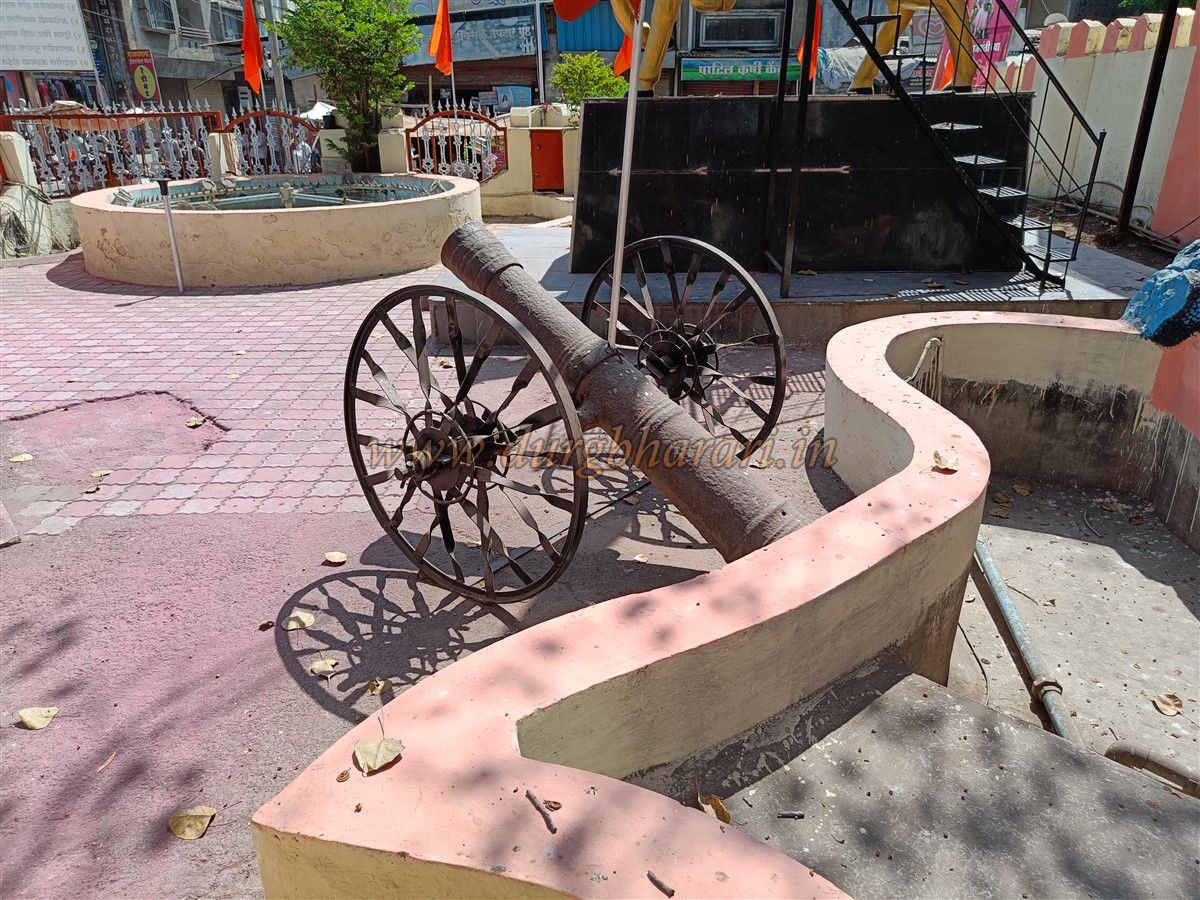
In the town center stands a statue of Chhatrapati Shivaji Maharaj and a cannon.
Karanja Lad is best known as the birthplace of Shri Narasimha Saraswati, a prominent figure in the Datta Sampradaya. The 14th-century text Shri Karanja Mahatmya refers to the place as Karanjanagar, named after sage Karinjarishi, from whom Rishi Lake also takes its name. The “Lad” in the town’s name came from the many prosperous merchant families with the surname Lad. Some old records also call it Bibiche Karanje, after a princess from the Ahmadnagar Sultanate who received the town as part of her dowry.
Over centuries, the town saw the rule of the Vakatakas, Yadavas of Devgiri, Imad Shahi, Nizam Shahi, Mughals, Bhonsles of Nagpur, and the Nizam of Hyderabad. In the 17th century, it was a major trading hub. Nawab Subhan Khan built the city wall and gates during the Nizam’s rule. Historical records state that Chhatrapati Shivaji Maharaj raided Karanja twice, much like his famous attack on Surat, to target the Mughal trading center here. His last campaign — the Jalna expedition — included an attack on Karanja, during which the Marathas looted the town after a siege. Even earlier, in 1670, his commander Prataprao Gujar had collected tribute from the city.
© Suresh Nimbalkar
GALLERY