KARAD KOT
TYPE : CITY FORT
DISTRICT : SATARA
HEIGHT : 0
GRADE : EASY
Karad, located on the Pune–Bengaluru Highway, is today an important city. In the Mahabharata period, it was known as Karhatak or Karhakat, and even today it continues to flourish as Karad. Since ancient times, this city has been significant as the first major settlement encountered after descending the Kumbharli Ghat from Chiplun to the Deccan plateau. Being a key trading hub on the commercial route, prosperity naturally followed.
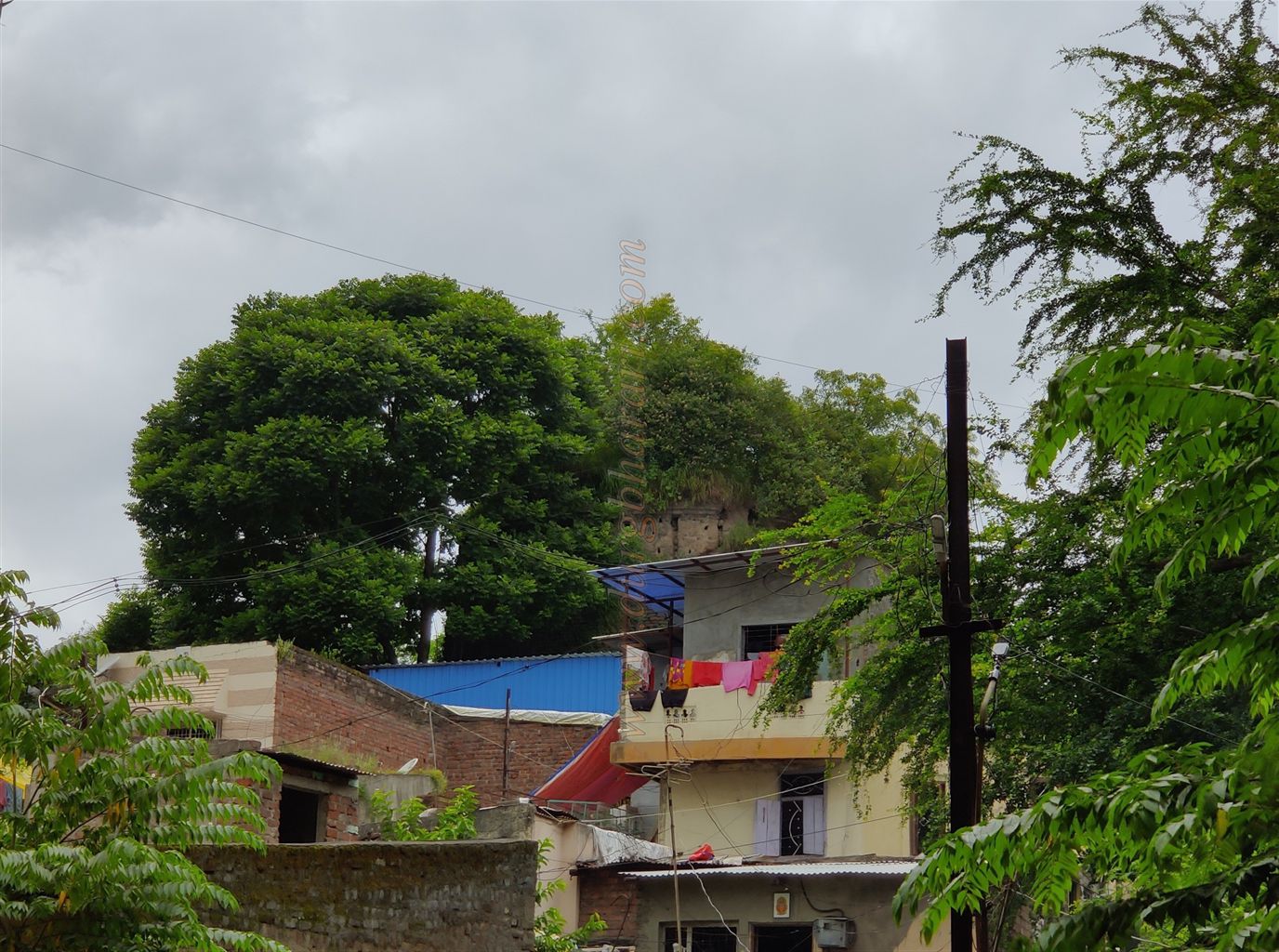
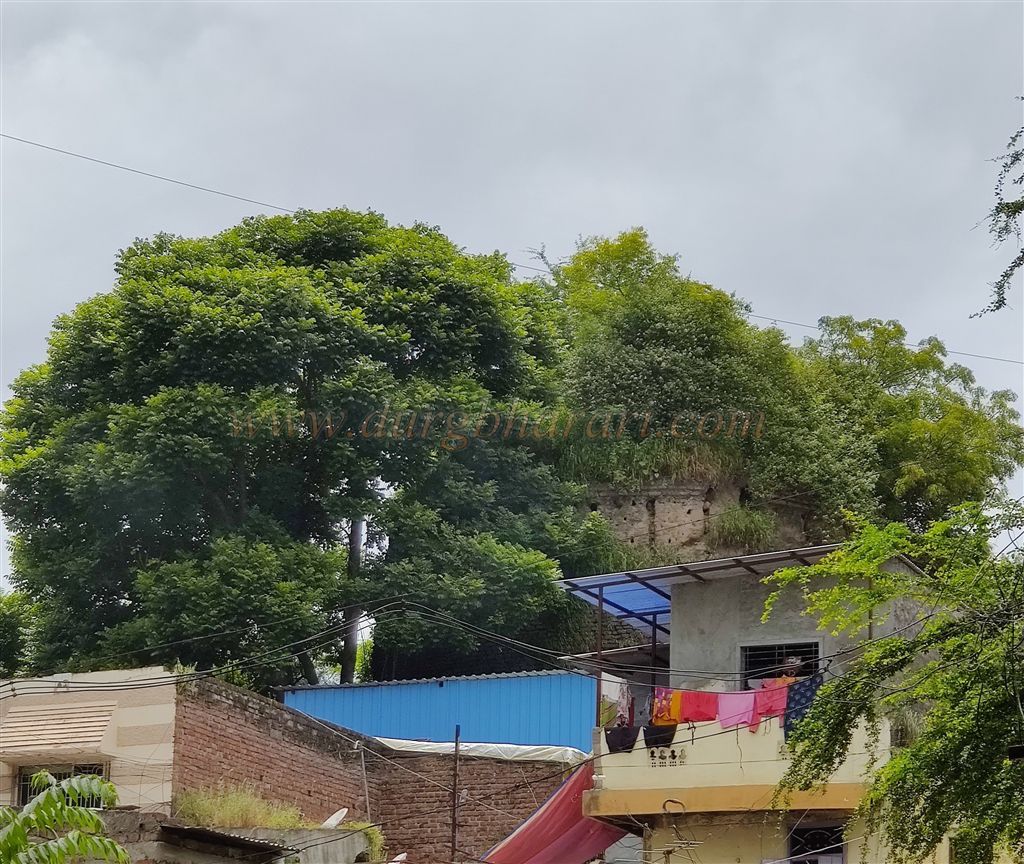
To protect such an important city, it was natural for it to have a fort. This fort, which once encompassed most of the city, has now been completely destroyed, with only a nominal part known as Pantacha Kot (Pant’s Fort) remaining. To visit the Karad Fort, one must go to the Pantacha Kot area in Somwar Peth, Karad. This fort was a ground fort (bhui-kot) belonging to the Pant Pratinidhis of Aundh, who were representatives under Chhatrapati Shahu. The Pratinidhis resided here for some time.
...
Located on a hill near the confluence of the Krishna and Koyna rivers in the northwest of Karad city, the fort may have been built during the Bahmani period. Once spread over 16 acres, it had a total of 18 bastions and a main entrance with a Nagarkhana (drum house). Until recently, four bastions remained intact, but with the city’s growth, only one bastion and a partial wall facing the river survive. Another bastion facing the river is heavily damaged and could collapse at any time.
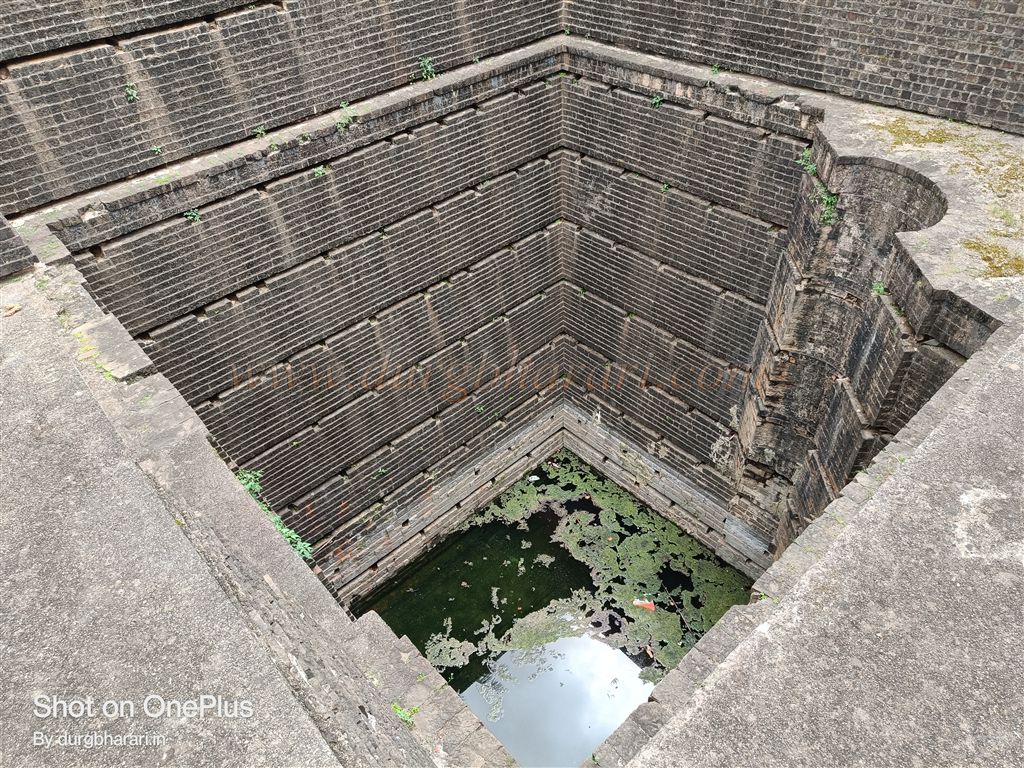
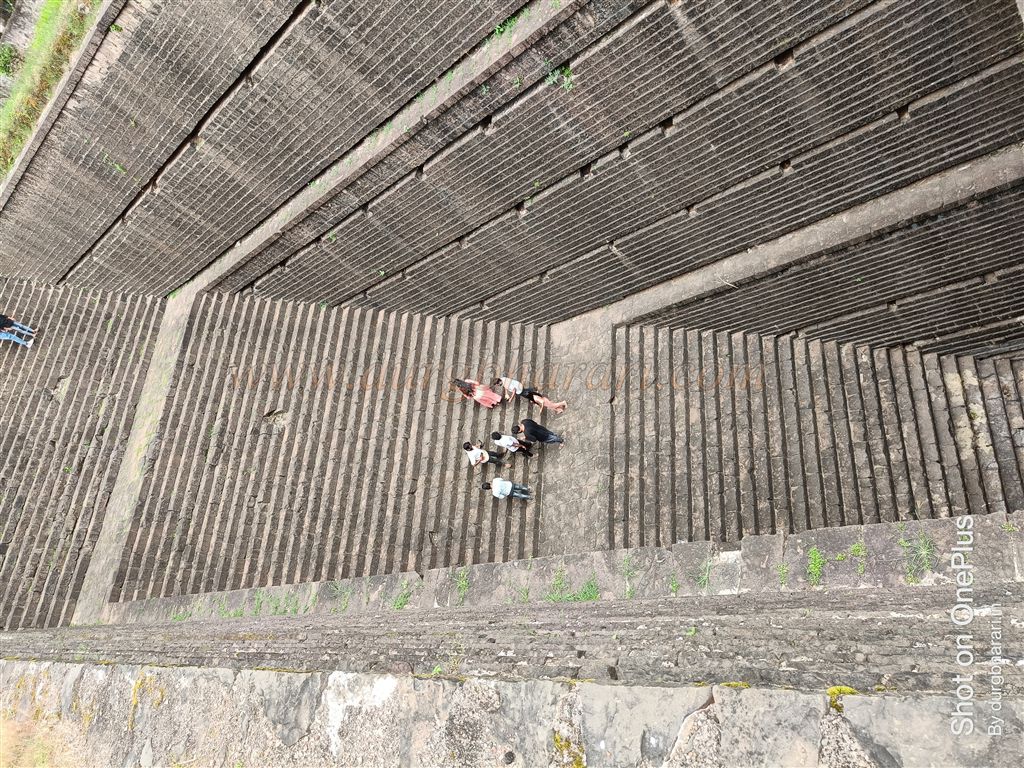
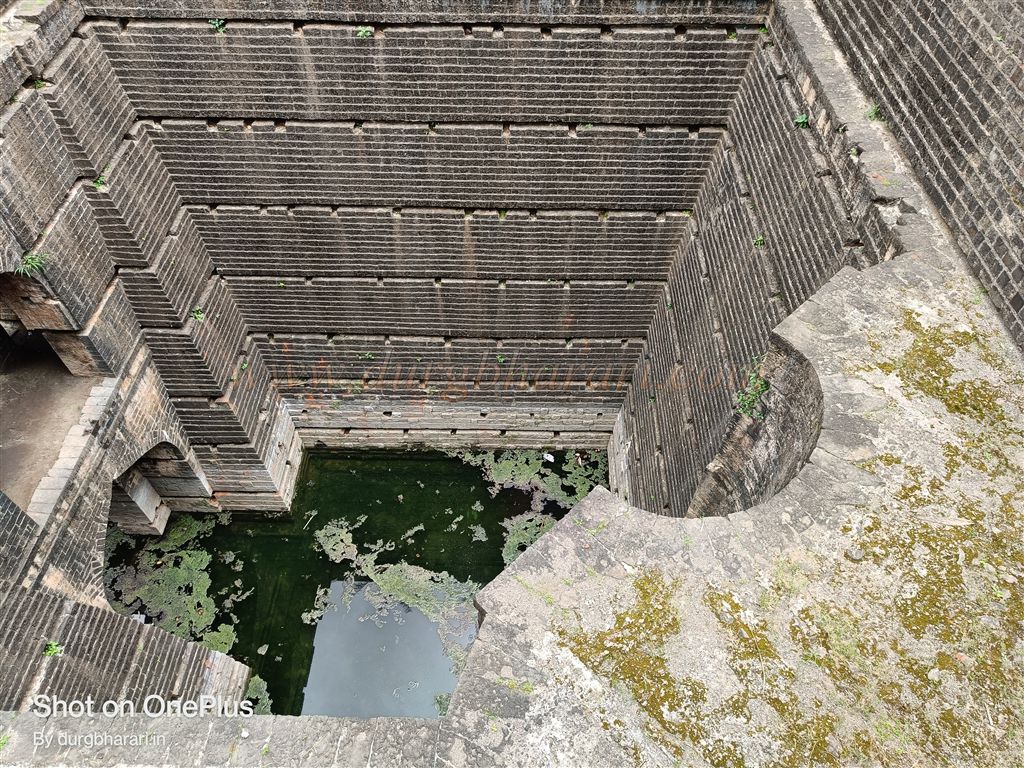
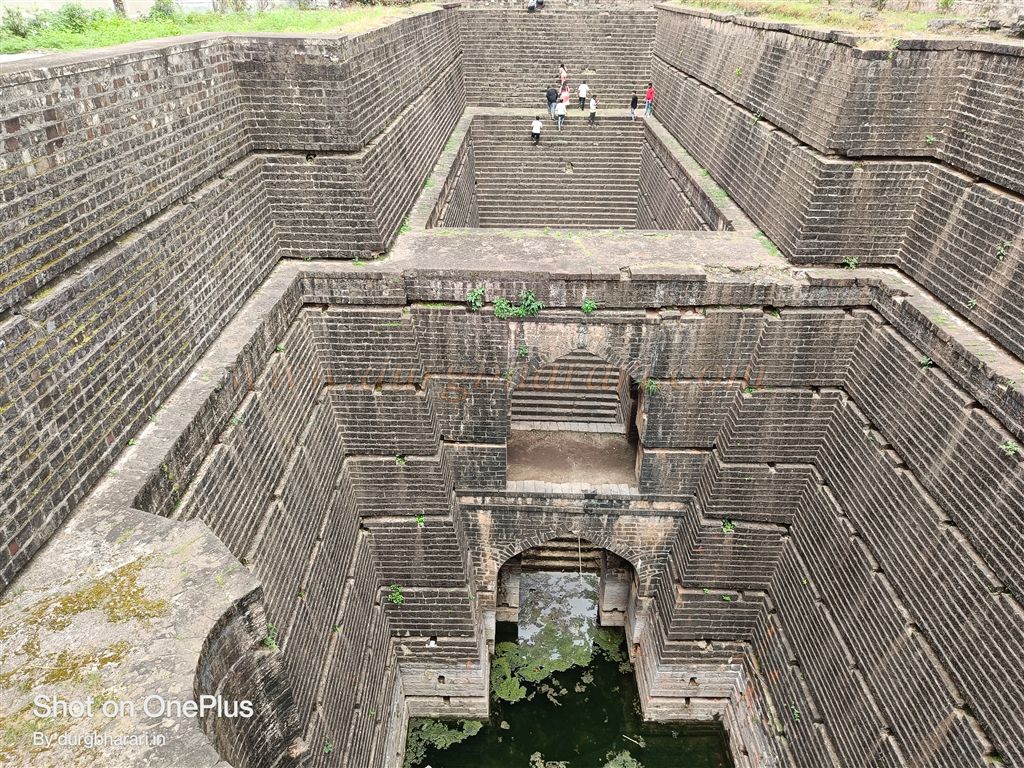
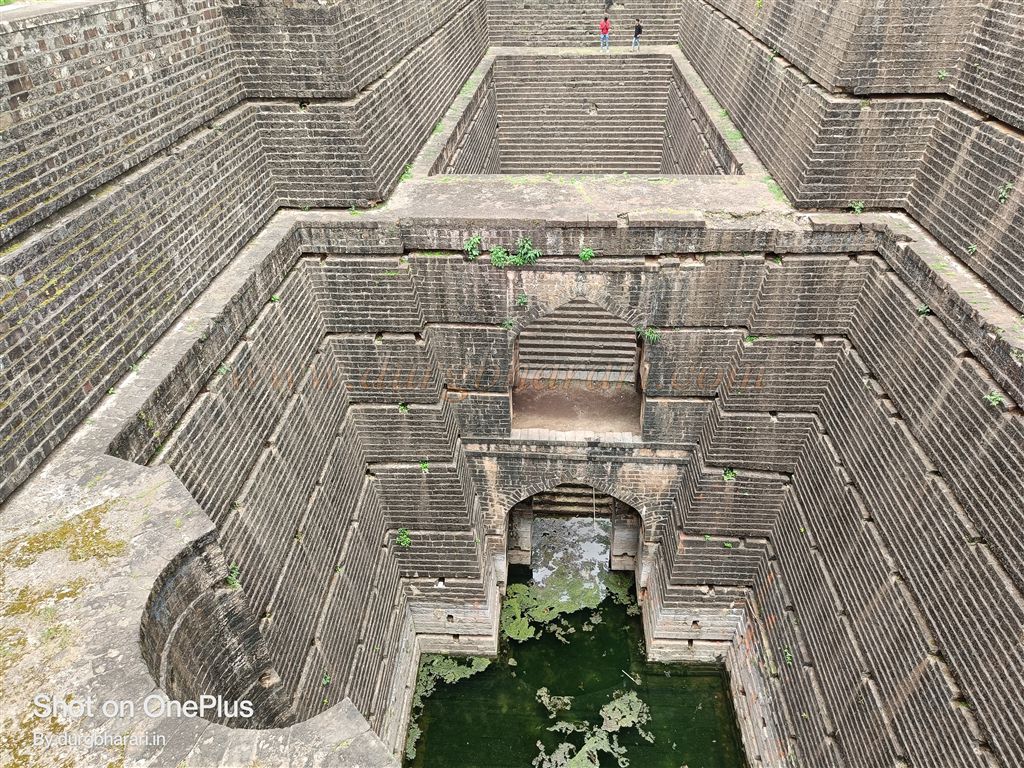
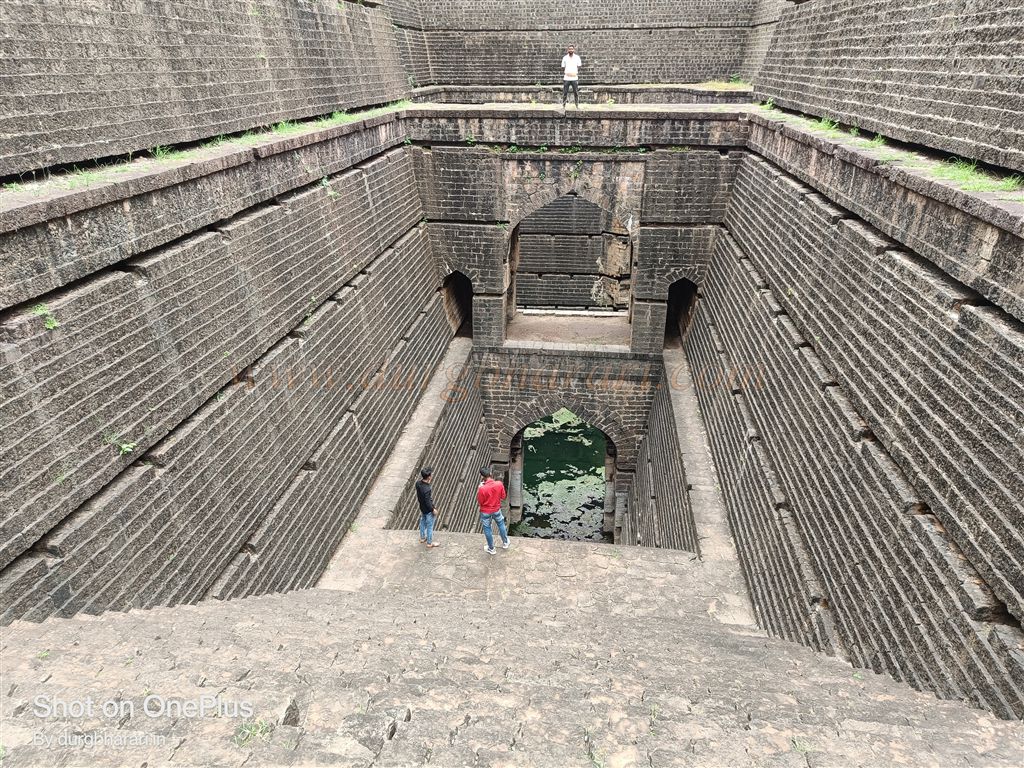
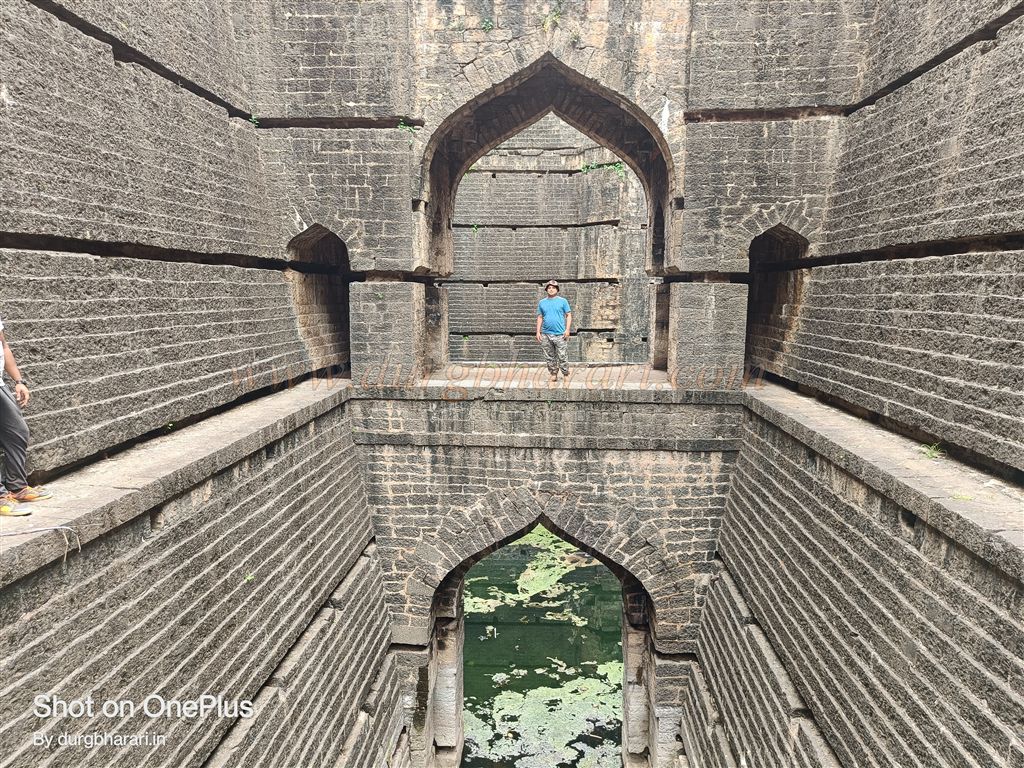
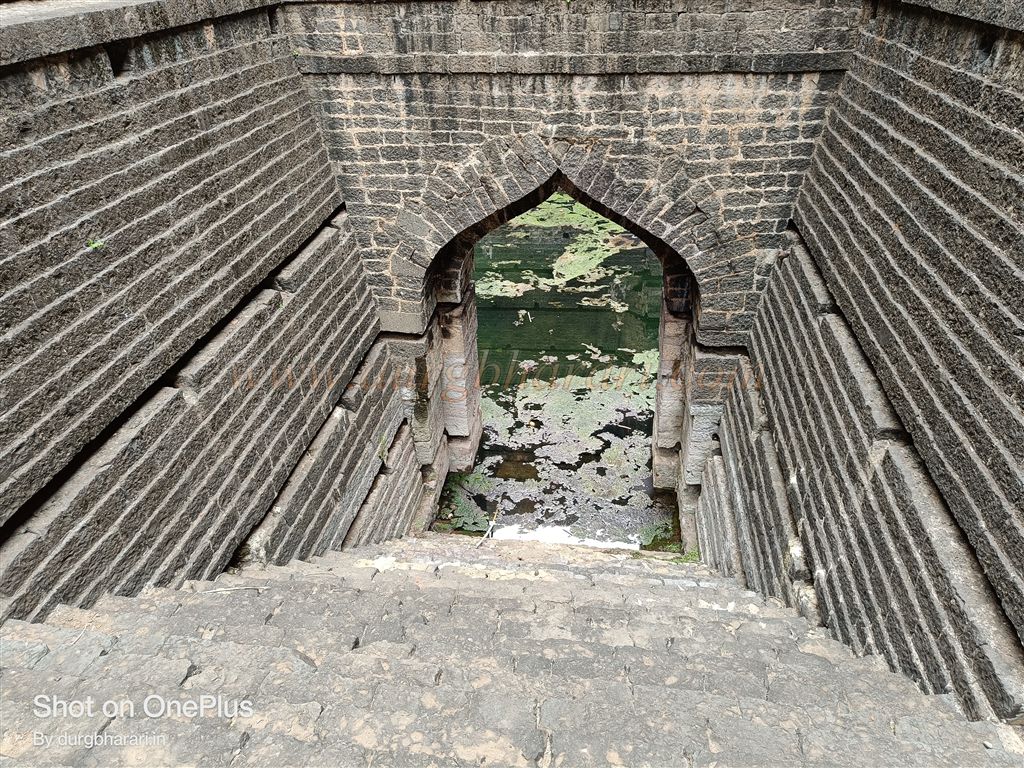
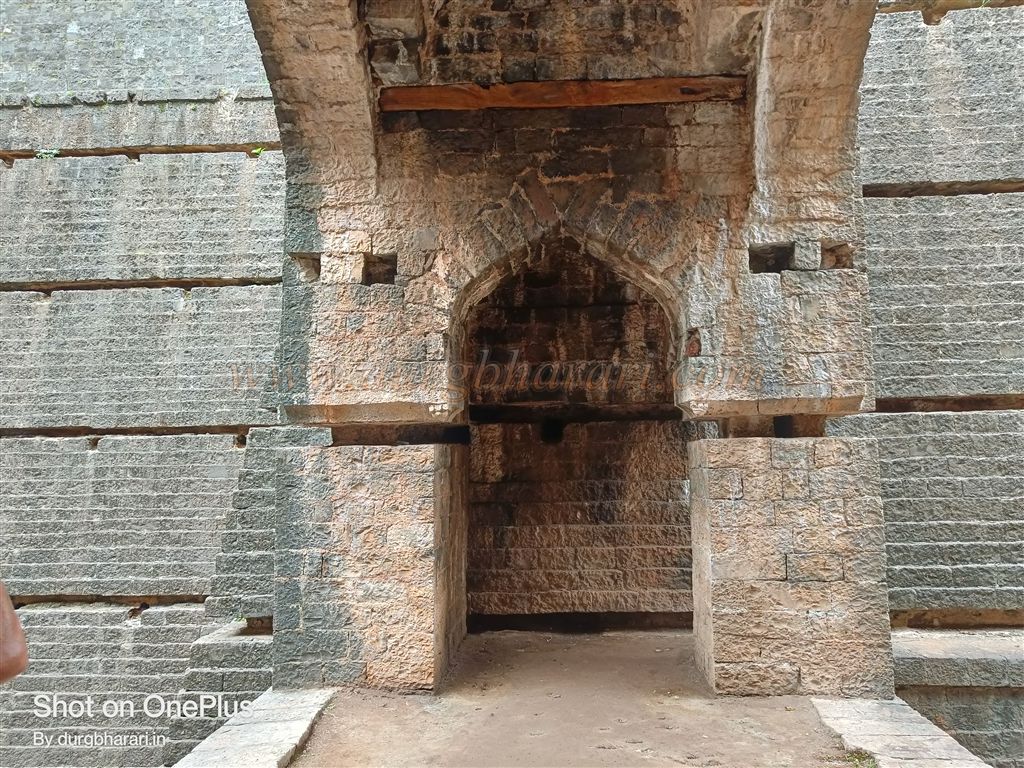
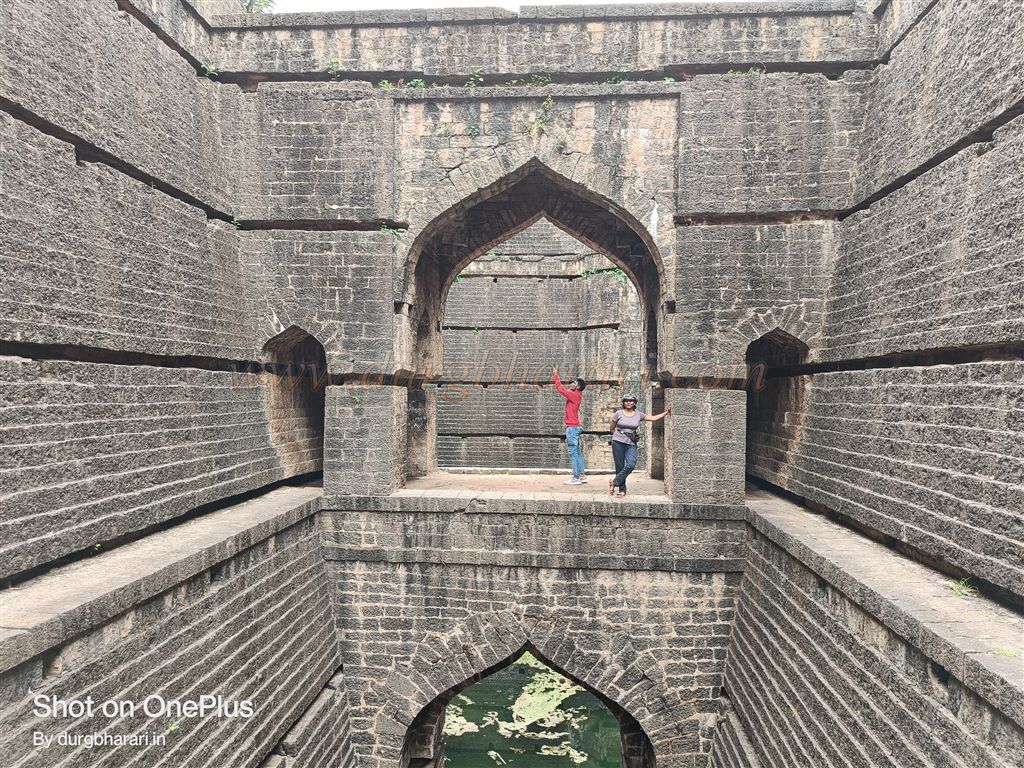
Inside the fort is a massive stepwell known as Nakatya Ravalachi Vihir (Nakatya Raval’s Well), built in beautifully carved black stone. The exact date of its construction is unknown. According to legend, Nakatya Raval was a demon who captured people coming to draw water.
Gazette records describe the fort as having an eastern entrance followed by another gate leading to the main fort, above which was the Nagarkhana. The fort was square-shaped with a slight projection to the northeast. A 1949 report by the Bharat Itihas Sanshodhak Mandal (Pune) mentions the fort’s walls had collapsed, and its two-meter-deep moat was filled with silt. The Koyna-facing wall was mostly destroyed in the great floods of 1875.
Remains in the area include the Pratinidhi Wada, an excellent example of Maratha architecture. The wada had a 25 × 24 m rectangular hall, 4.1 m high, with two adjoining rooms, and a Bhavanidevi shrine at the eastern end. The ceiling had intricate lattice carvings, and iron was also used in the construction. Built around 1800 by Kashibai, mother of Parashuram Srinivas Pratinidhi, the hall was completed by the Pratinidhi’s father. Today, only the Bhavanidevi temple remains, restored but keeping its original sanctum.
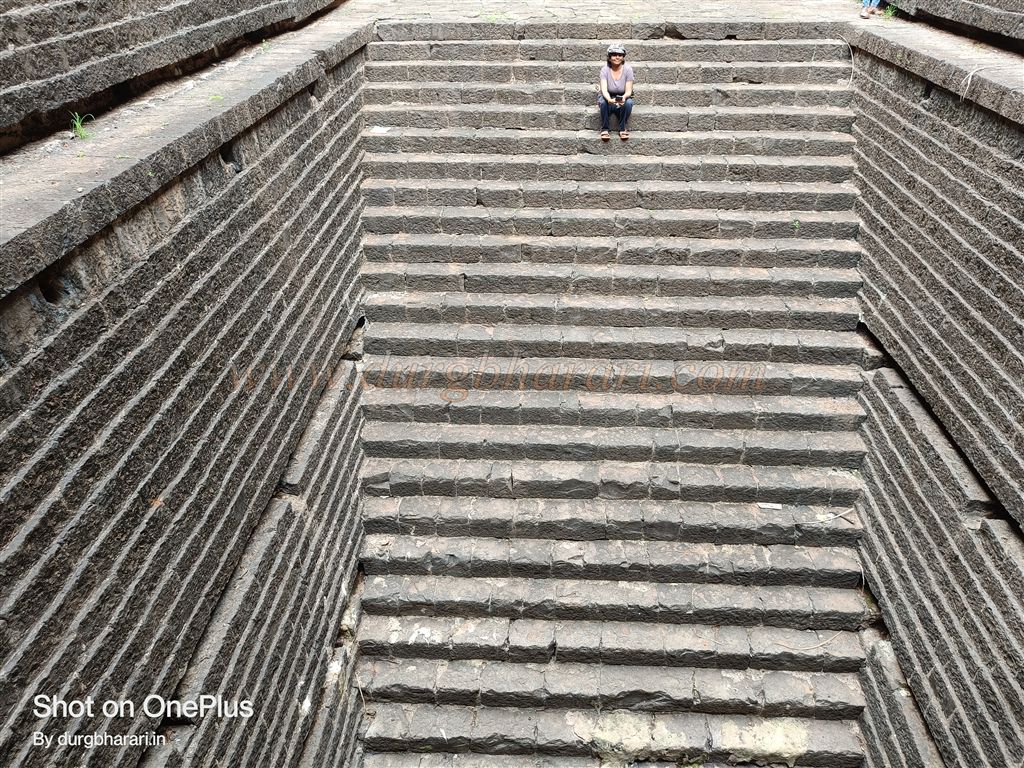
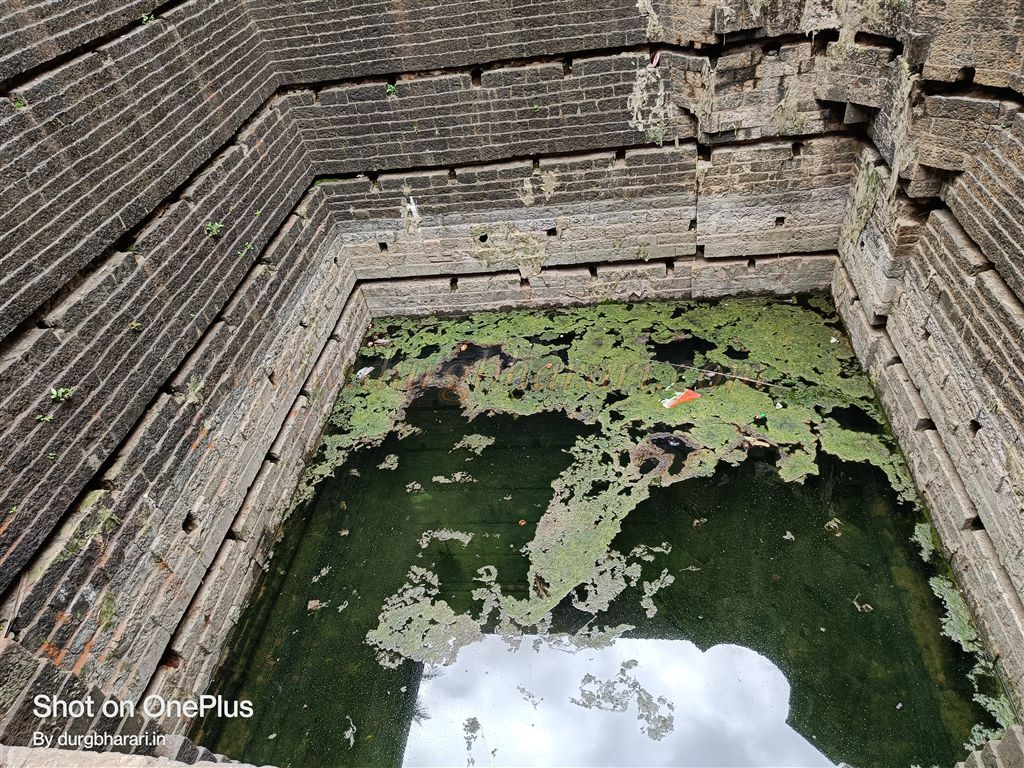
The stepwell in the fort is about 41.5 m long, with 84 steps leading down to a square water tank. The arches and pillars are carved, and the construction uses stone blocks and lime. The well may have been multi-storeyed and used for storage in addition to water. The Archaeological Survey of India has declared it a protected monument.
Excavations here in 1949 revealed human settlement from prehistoric times. Tools from the Stone Age, Chalcolithic settlements, Satavahana-era coins, pottery, ornaments, beads, crystal, conch, ivory, and even Roman medals were found, indicating ancient trade links with Rome. The Kumbharli Ghat route from the Konkan to the Deccan was in use since ancient times.
The history of Karad begins in the Mahabharata era, where it is mentioned in the Sabha Parva. During Yudhishthira’s Rajasuya Yajna, Sahadeva conquered this city and collected tribute. In the Chalukya period, it was called Karhatak Vishaya, and records show it as a center of the Sendrak dynasty. In the Rashtrakuta era, inscriptions mention learned Brahmins living here. Kashmiri poet Bilhana’s Vikramankadevacharita notes that Chalukya king Vikramaditya VI married Chandralekha, daughter of the ruler of Karhatak, here.
During the Yadava period, it was the headquarters of the Desh province. Later, under Islamic rule, mosques were built, one of which was constructed in 1557 by Ibrahim Khan during the reign of Ali Adil Shah of Bijapur. This mosque has nine Persian inscriptions, a traveler’s inn, and a bathhouse. Its minarets are 106 feet high with spiral staircases. It is said Aurangzeb prayed here when camped at the Karad Sangam.
After Chhatrapati Rajaram Maharaj left for Jinji, he created the post of Pant Pratinidhi to manage Maharashtra. Initially, the Pratinidhi stayed in this fort before moving to Aundh. In 1806, the Peshwas took over this region.
Tragically, despite Karad’s long and illustrious history, dating back to the Mahabharata, most of its residents today are unaware of their city’s glorious past.
© Suresh Nimbalkar
GALLERY