KANHUR PATHAR
TYPE : FORTRESS
DISTRICT : NAGAR
HEIGHT : 0
GRADE : EASY
In the village of Kanhur Pathar, Parner taluka, Ahmednagar district, the fort built during the Peshwa era by Subhedar Naro Babaji Nagarkar is essentially a small land fort. During the British period, until 1922, government work was conducted from this fort, so it became known in the village as Sarkarwada. Kanhur Pathar is located 103 km from Pune and 13 km from Parner, the taluka headquarters. Once a compact village within the fort walls, it has now sprawled haphazardly beyond them due to increasing population.
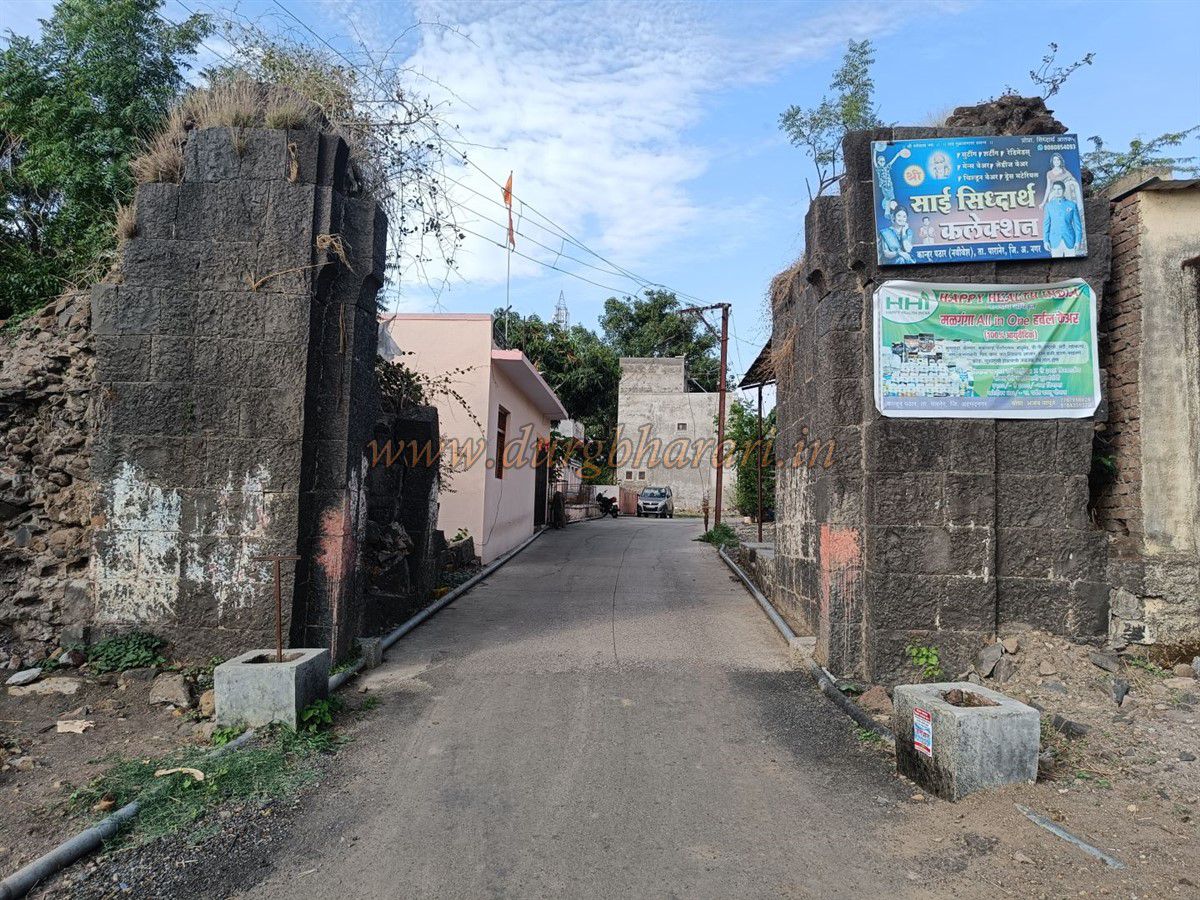
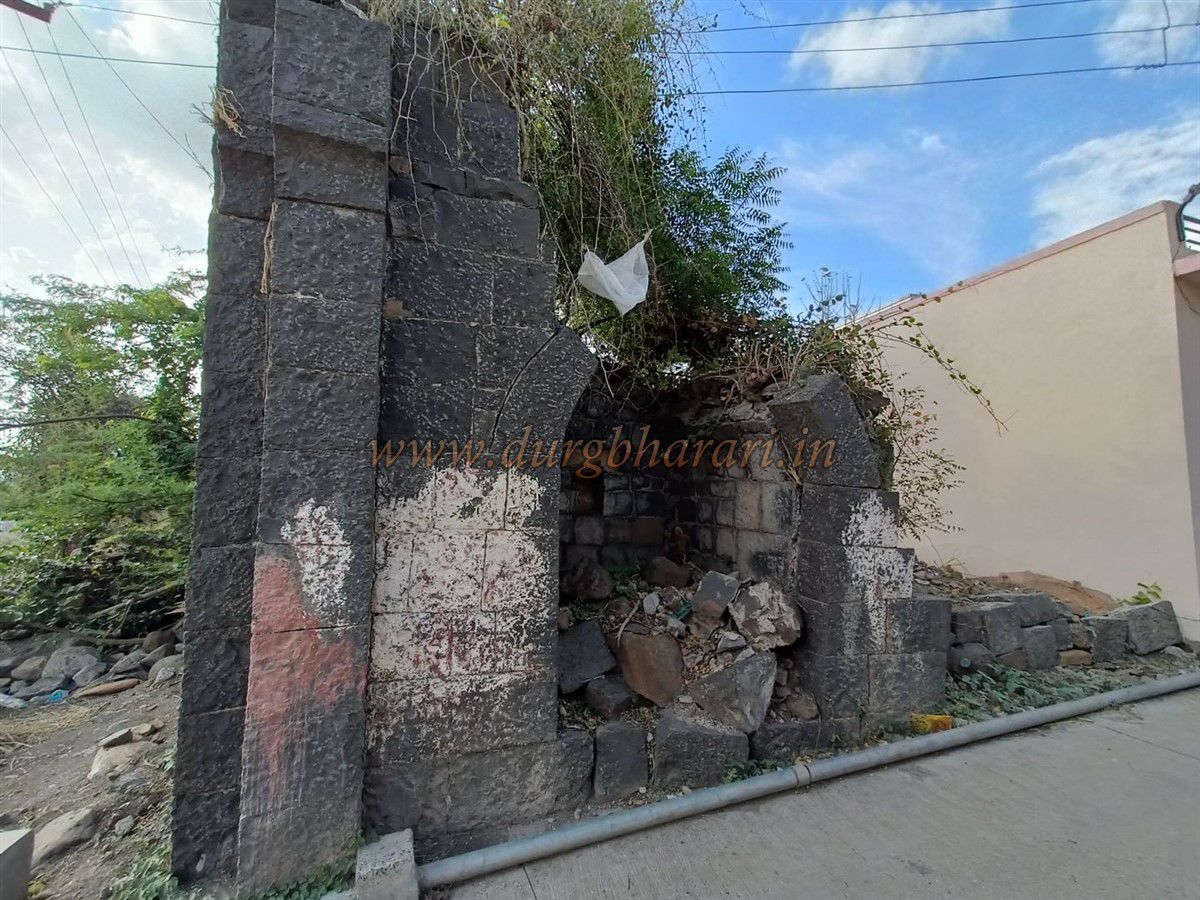
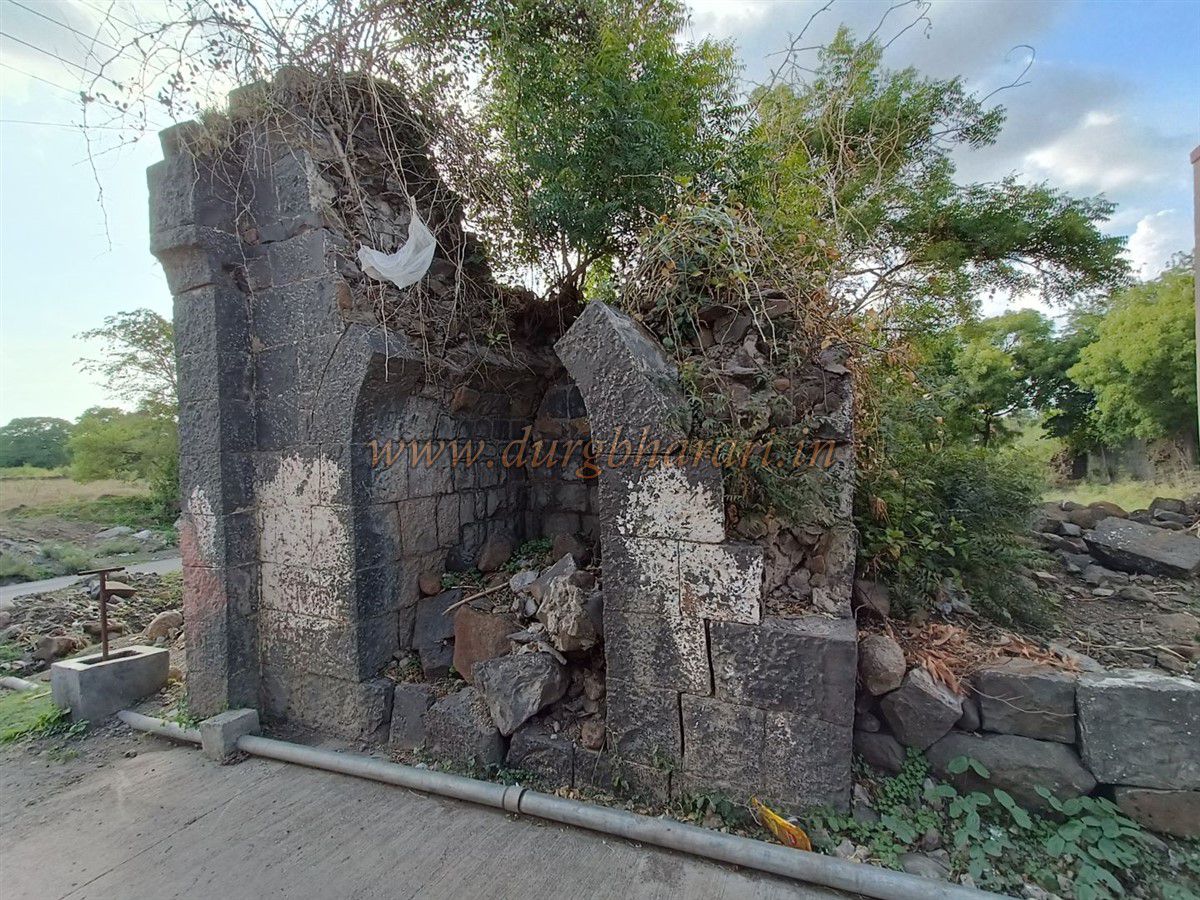
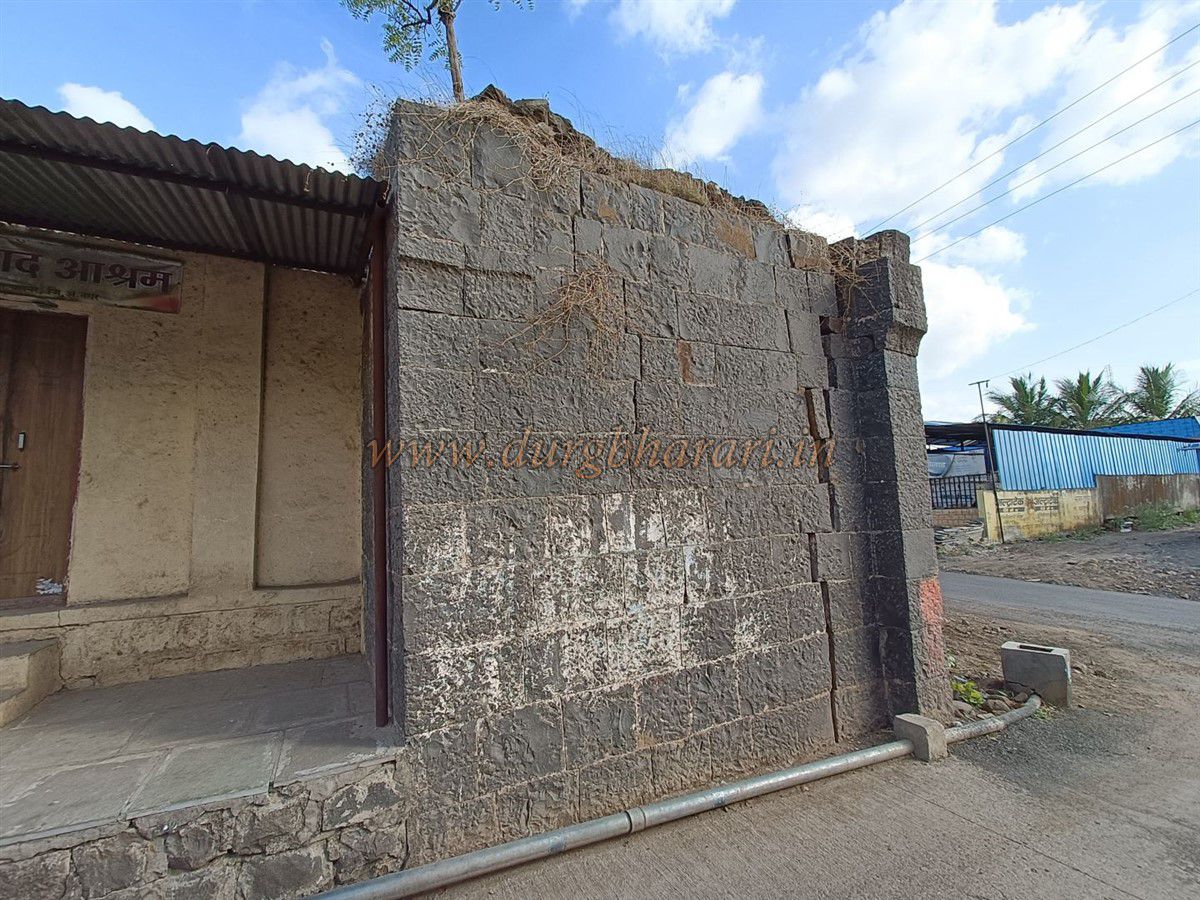
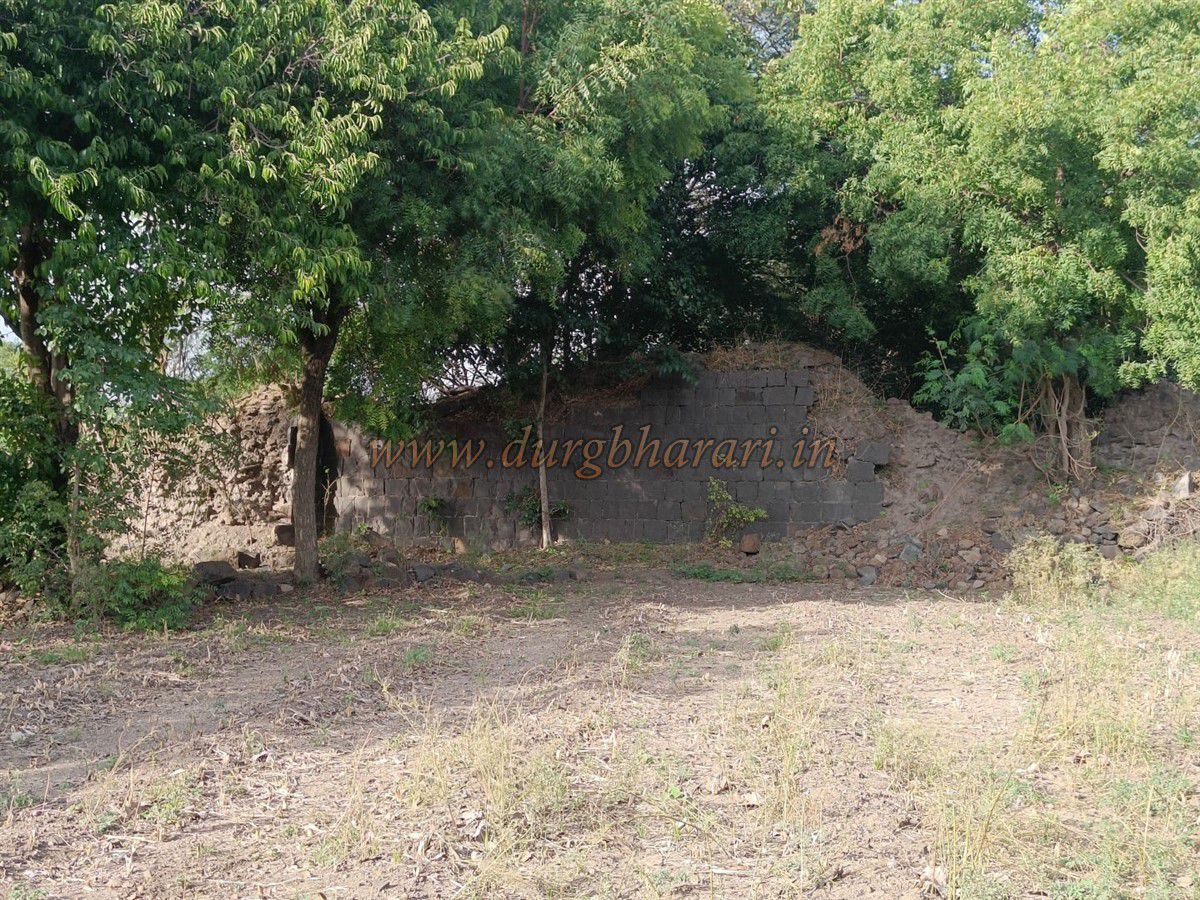
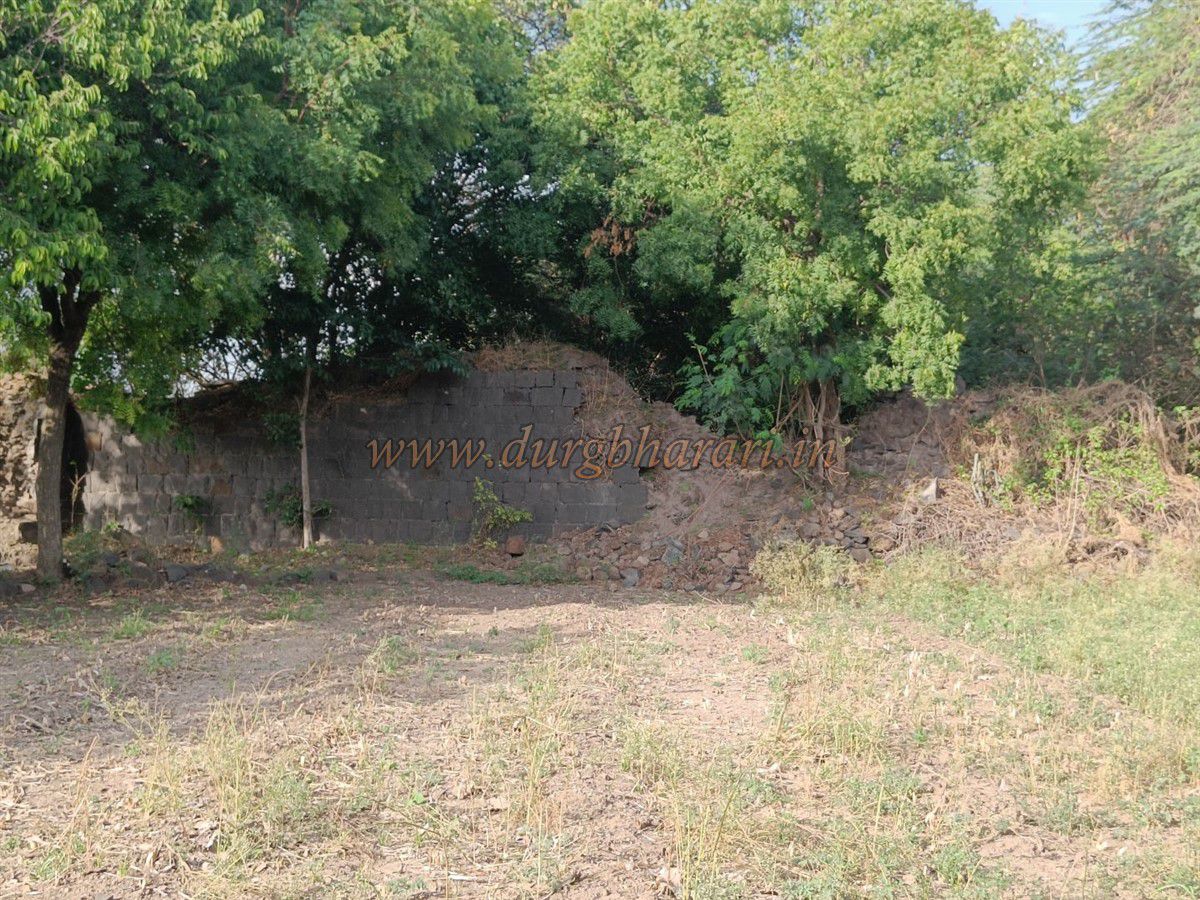
One gateway of this fort and the adjoining fortification wall remain in fairly good condition even today. Approaching from Takli Dhokeshwar, this gate and the adjacent wall are visible while entering the village. The west-facing gateway is built of dressed stone, with guard chambers inside. A short distance in front of the gate stands a temple of Maruti.
...
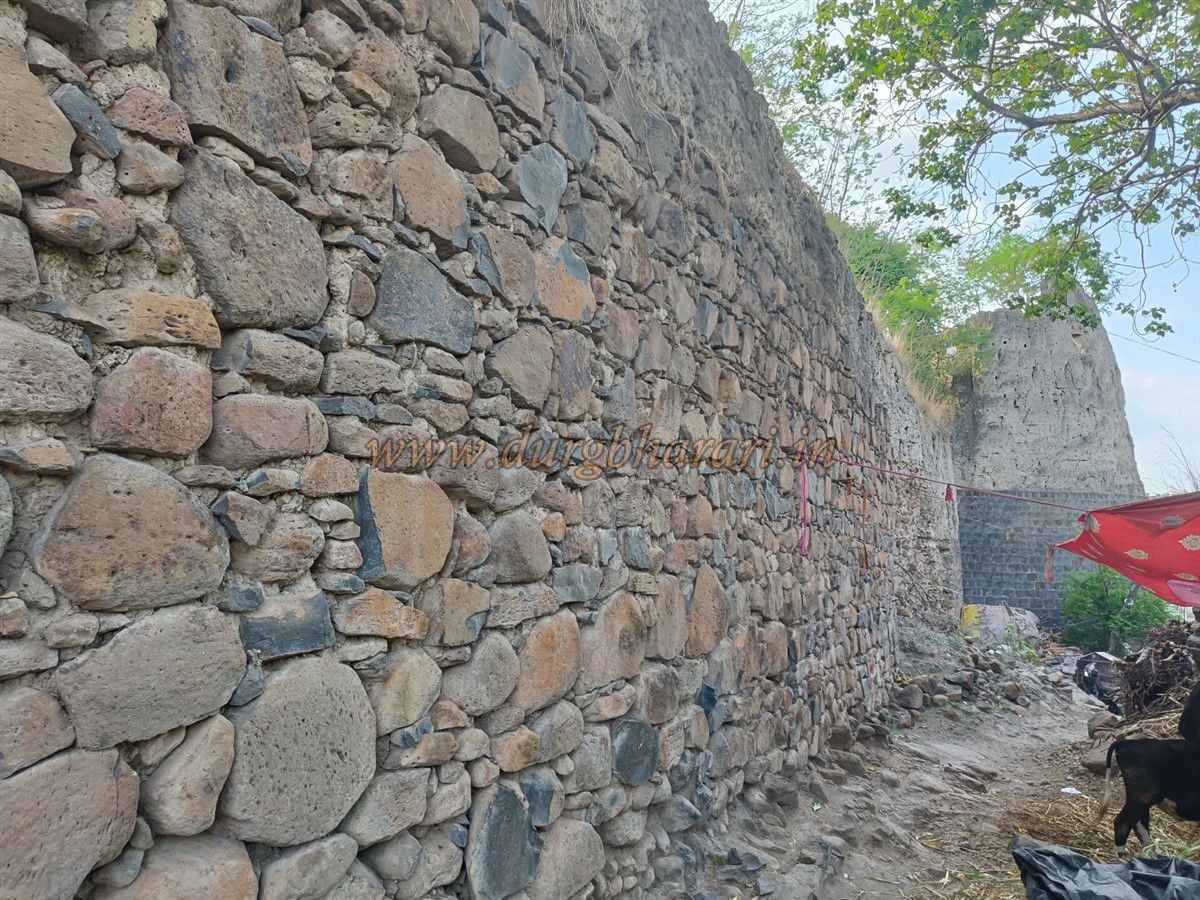
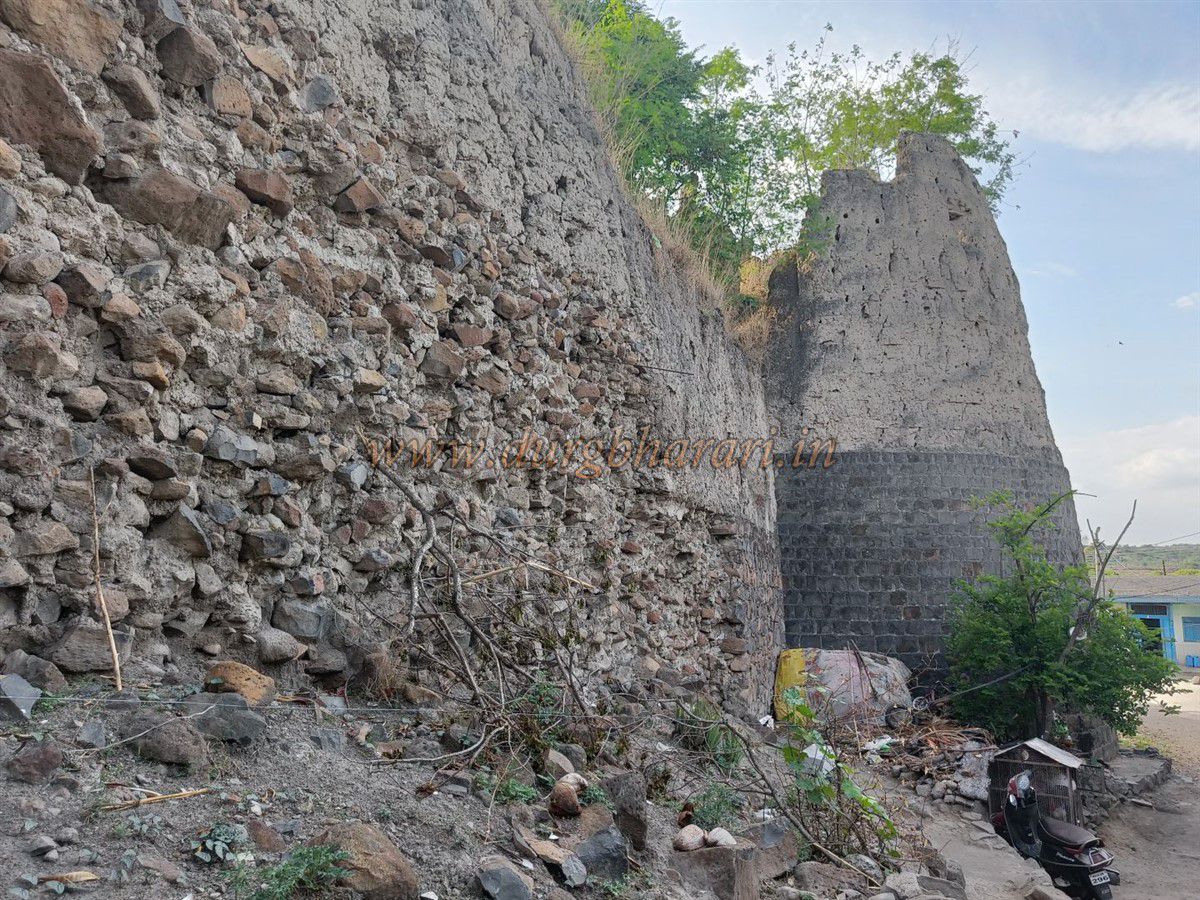
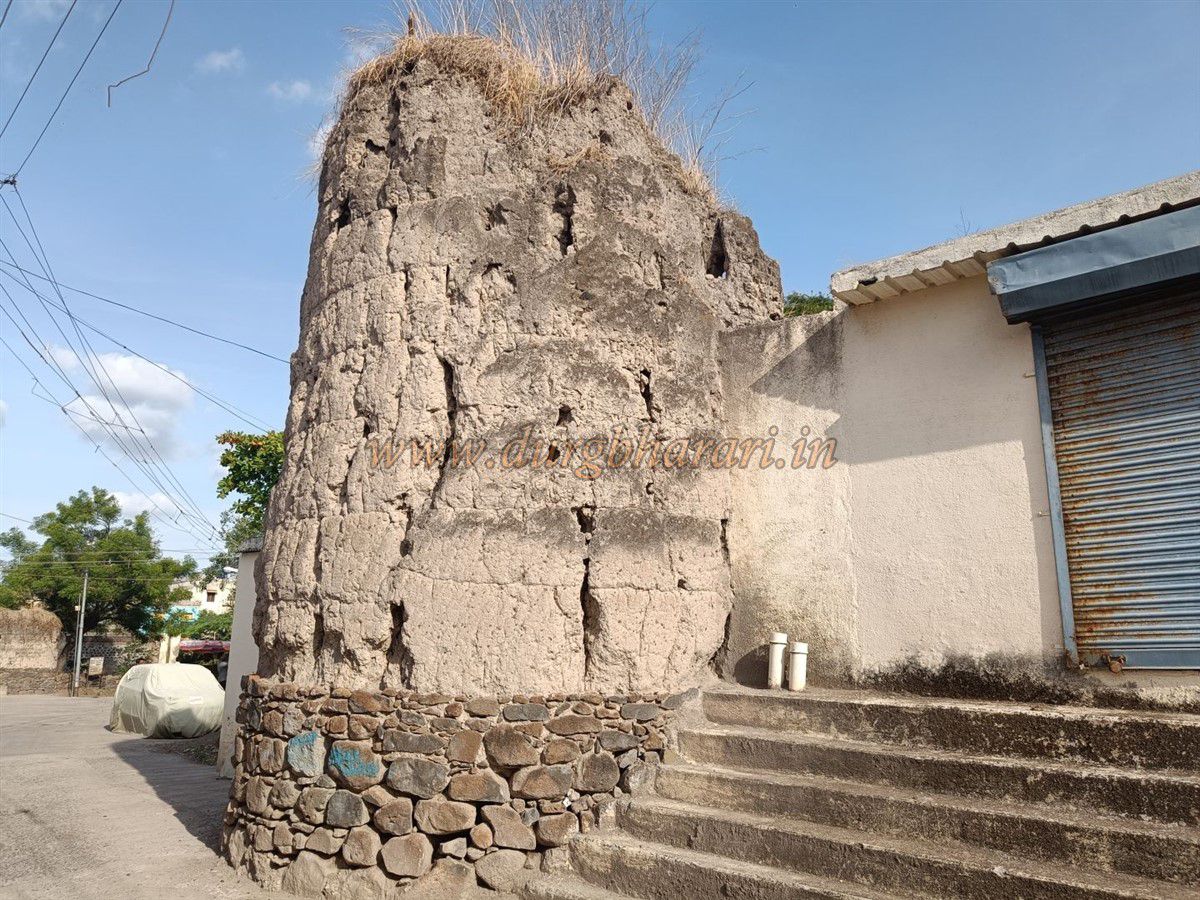
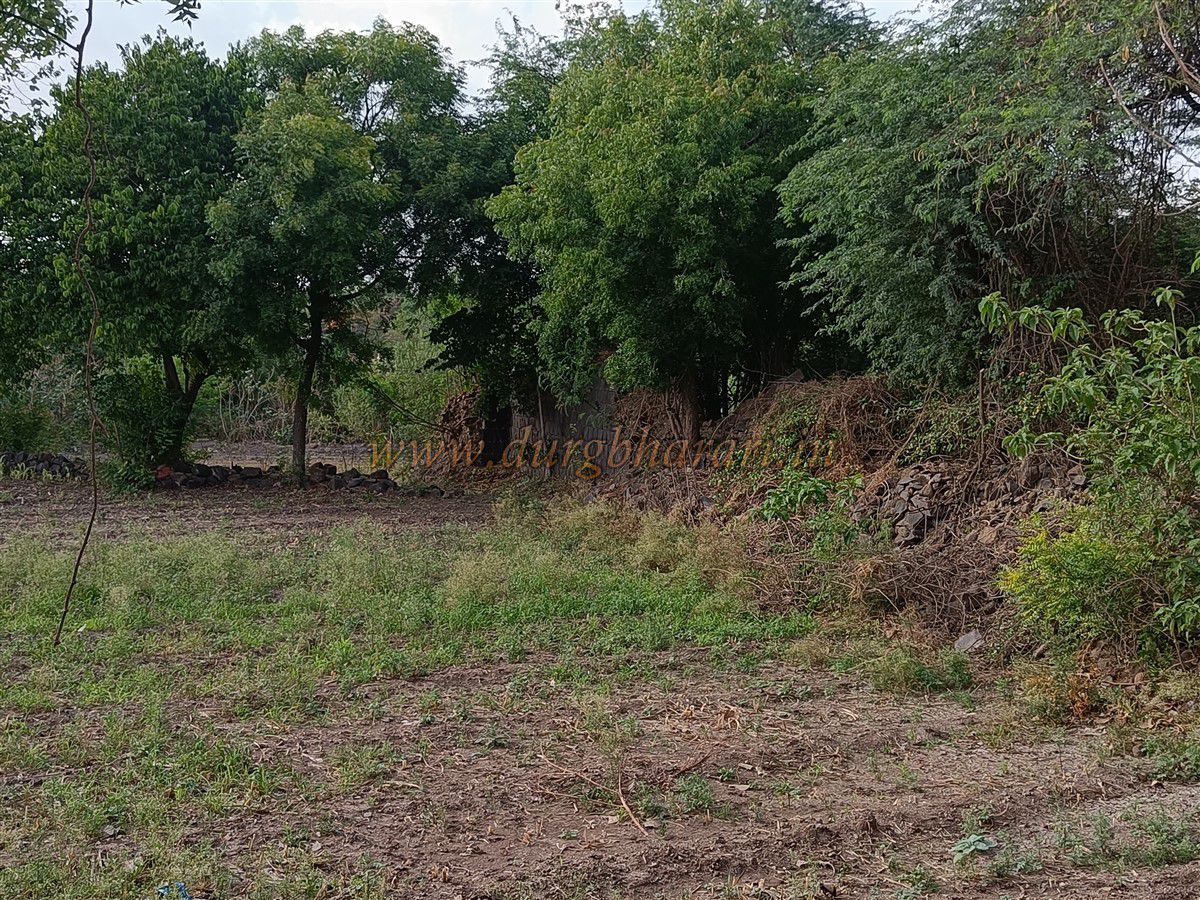
The remaining fort wall can be seen on the side of a stream, measuring about 10–12 feet in height. Due to village expansion, the western and northern walls of the fort and two bastions have been demolished. This portion was cleared to construct a wedding hall and a commercial complex.
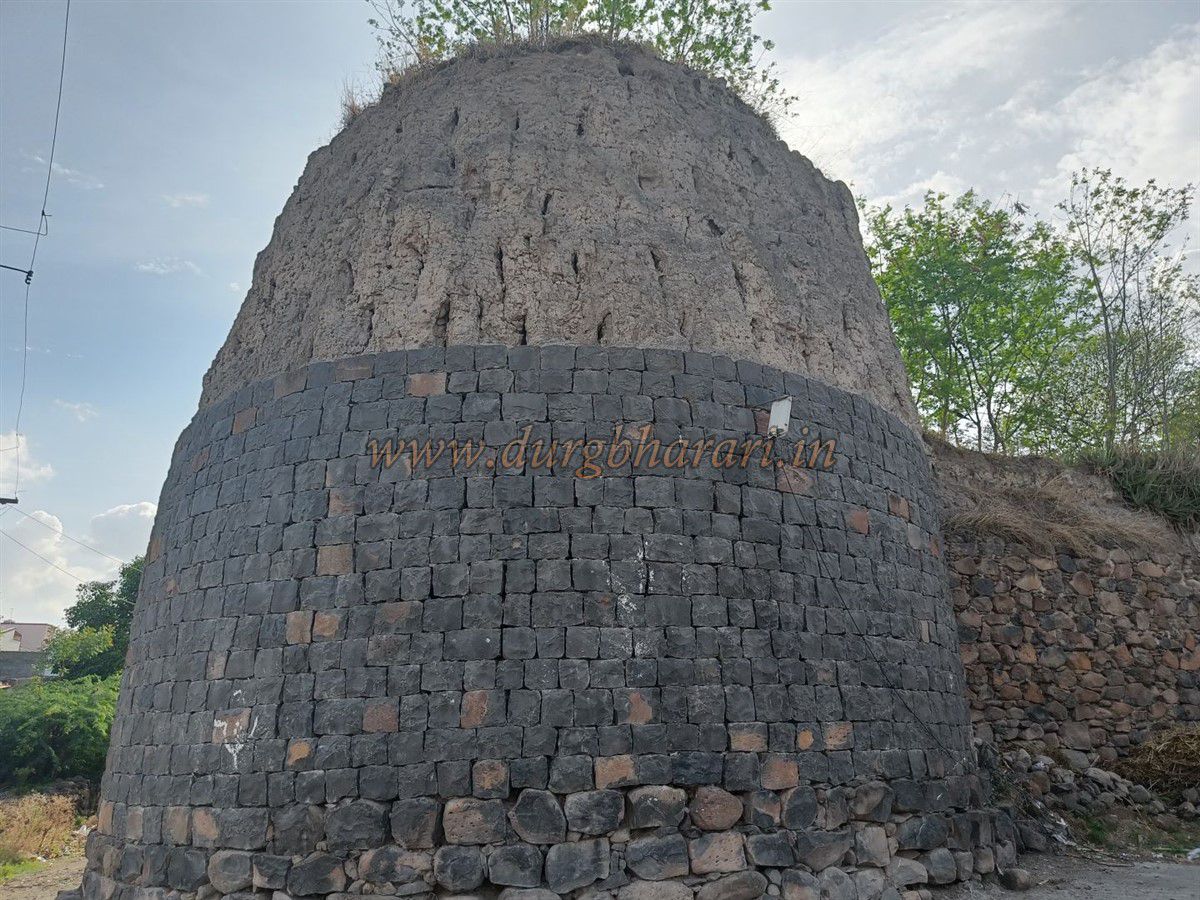
The square-shaped fort covers about one and a quarter acres. Of its bastions, only three survive today—two in the main fort wall and one in the outer wall (parkot). The main fort wall is built of rough stone, with clay mortar used in the upper sections, while the base of the bastions is constructed in dressed stone. From the main road, the fort wall is visible, but to enter the fort, one must circle around this remaining section. There are two gates—one in the outer wall and one in the main fort.
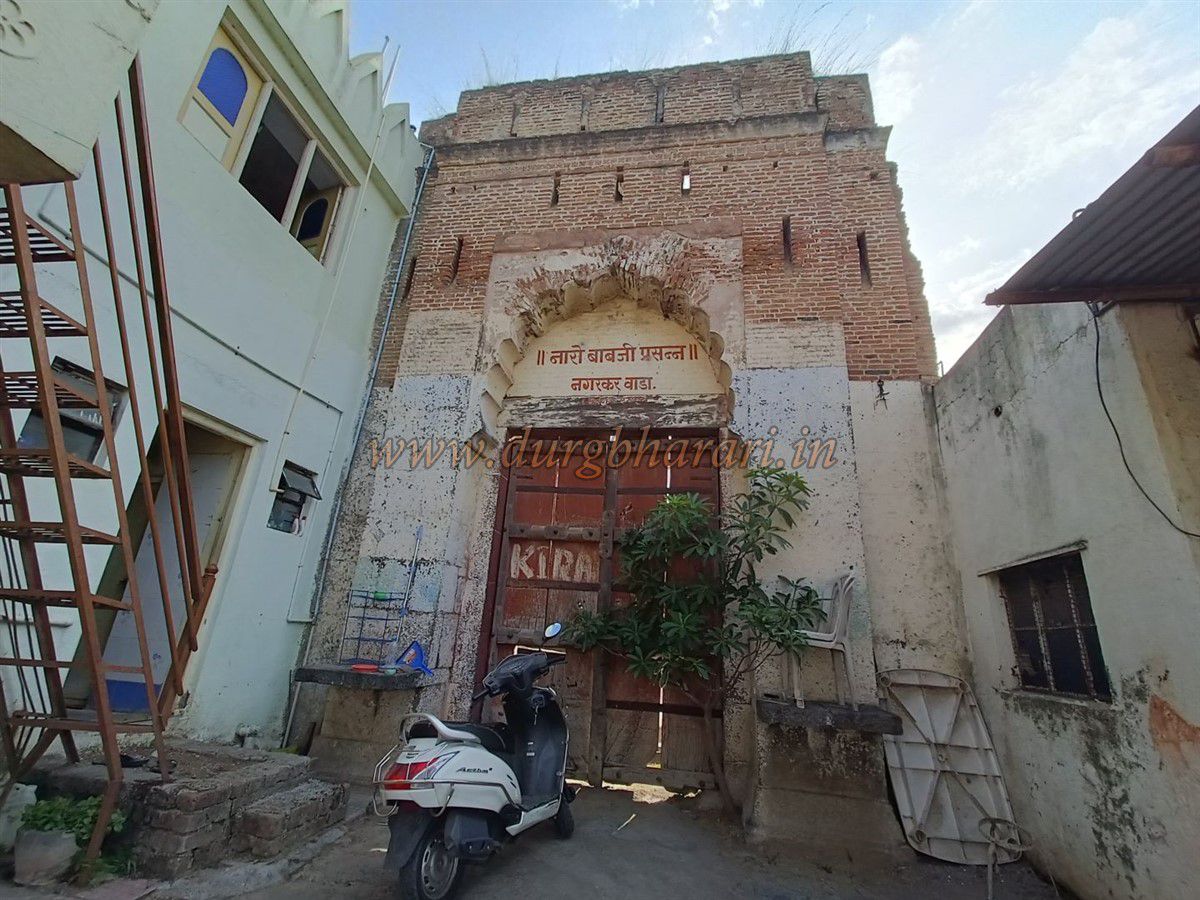
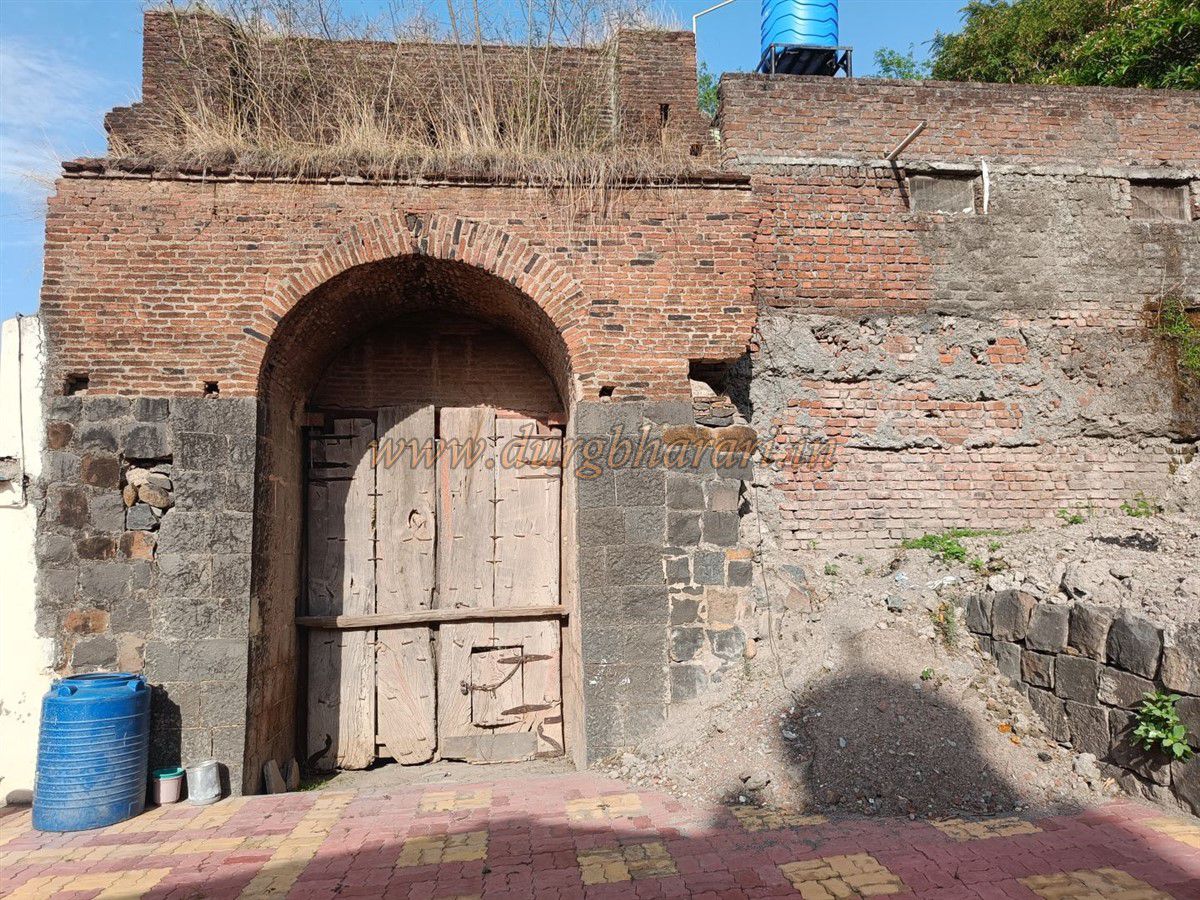
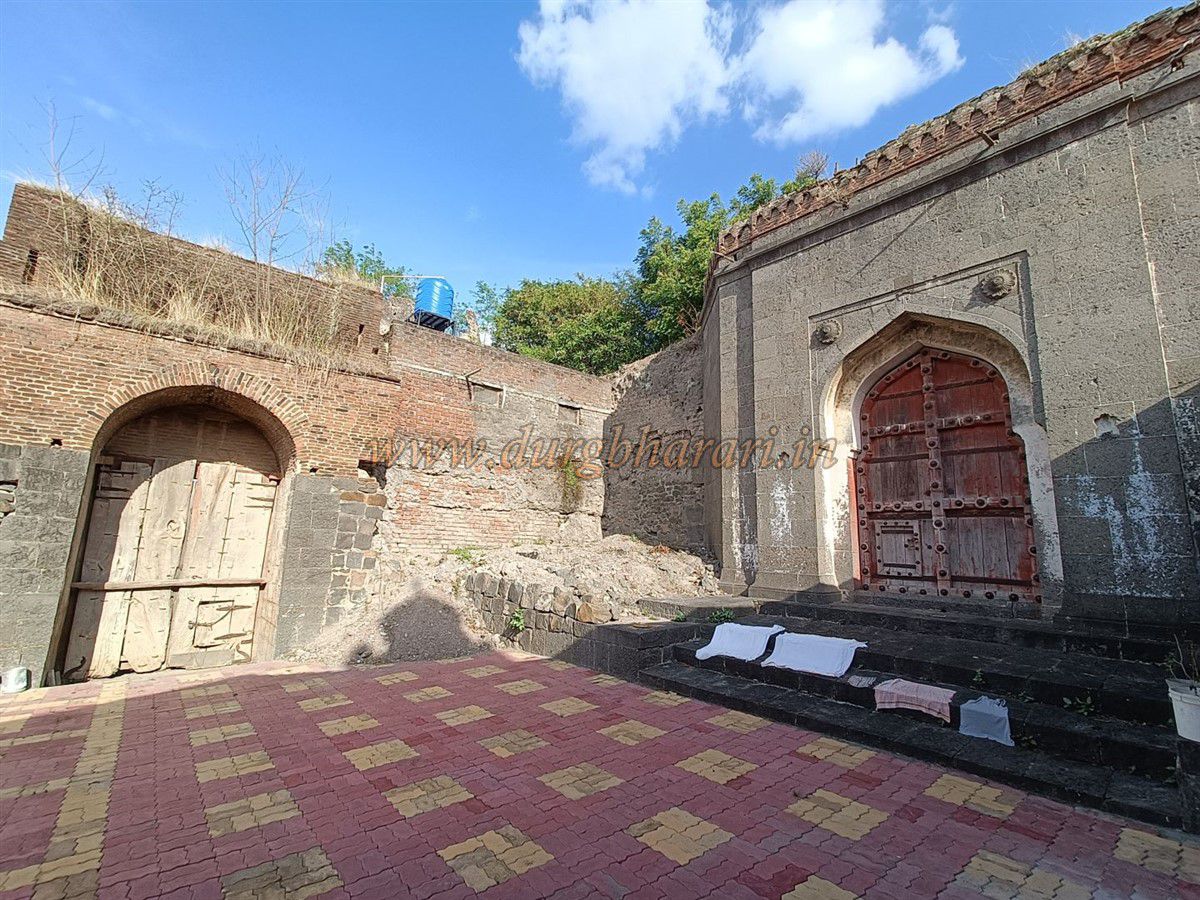
The east-facing gate of the outer wall is built of dressed stone, with its upper portion constructed of brick. It has gun loopholes for firing, and its original wooden doors still survive, complete with a smaller wicket door (dindi darwaza). Entering through this gate leads directly to a Balaji temple, whose idol is said to have been brought by Naro Babaji from Karnataka during a military campaign. This section of the outer wall was built to protect the main gate, and a small bastion is set into it. In earlier times, this part of the fort contained horse stables.
The inner main gate of the fort faces north and is made of dressed stone. On the arch of the gateway, two prominent carved lotus motifs are visible, and the upper section features decorative brickwork. The wooden doors still exist, with a small wicket gate within. Guard chambers are located on either side of the gate. As the gate is locked, entry is not possible, but one can view the interior through a small window. Inside, dense vegetation has grown, amid which stand the ruins of a two-storey mansion. Local residents say that this mansion remained in good condition until recent times, but due to lack of maintenance, the buildings inside are now collapsing. There is also said to be a well within the mansion.
Mahadev Shastri Abhyankar of Abire village in the Konkan region secured employment with the Peshwas in Pune. His grandson, Naro Babaji, participated in many campaigns alongside the Peshwas. In 1742, Peshwa Nanasaheb granted him some land at Kanhur Pathar as an inam, along with the post of kamavisi of Parner. In 1749, Naro Babaji built a mansion at Kanhur Pathar. That same year, he accompanied Nanasaheb Peshwa in the campaign against the fort of Ahmednagar. After the fort was captured, the Peshwa appointed him as Subhedar of this region. With a large part of the district, including the city of Ahmednagar, coming under his jagir, he settled in Ahmednagar and adopted the surname Nagarkar.
During his service, Naro Babaji introduced reforms in the land revenue system of the Peshwa administration and implemented a new taxation policy. When disagreements arose with Nana Fadnavis, he resigned from his post as Subhedar. In 1795, Naro Babaji breathed his last in his mansion at Kanhur, having lived a long life of 104 years and witnessed the reigns of six Peshwas. He was succeeded by his son Madhavrao alias Mahadaji, then Narayan, and later his grandson Yashwantrao as Subhedar.
© Suresh Nimbalkar
GALLERY