KANHERSAR
TYPE : MANSION
DISTRICT : PUNE
HEIGHT : 0
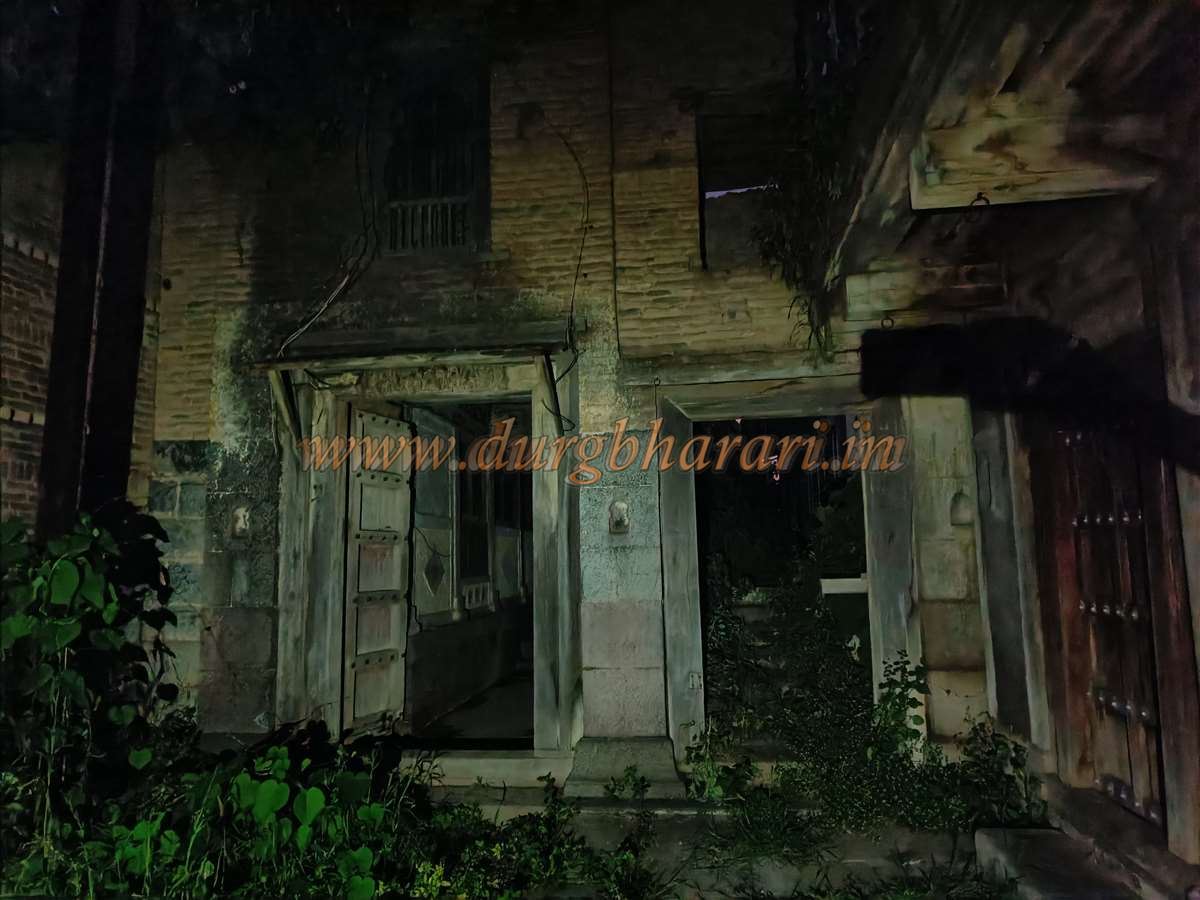
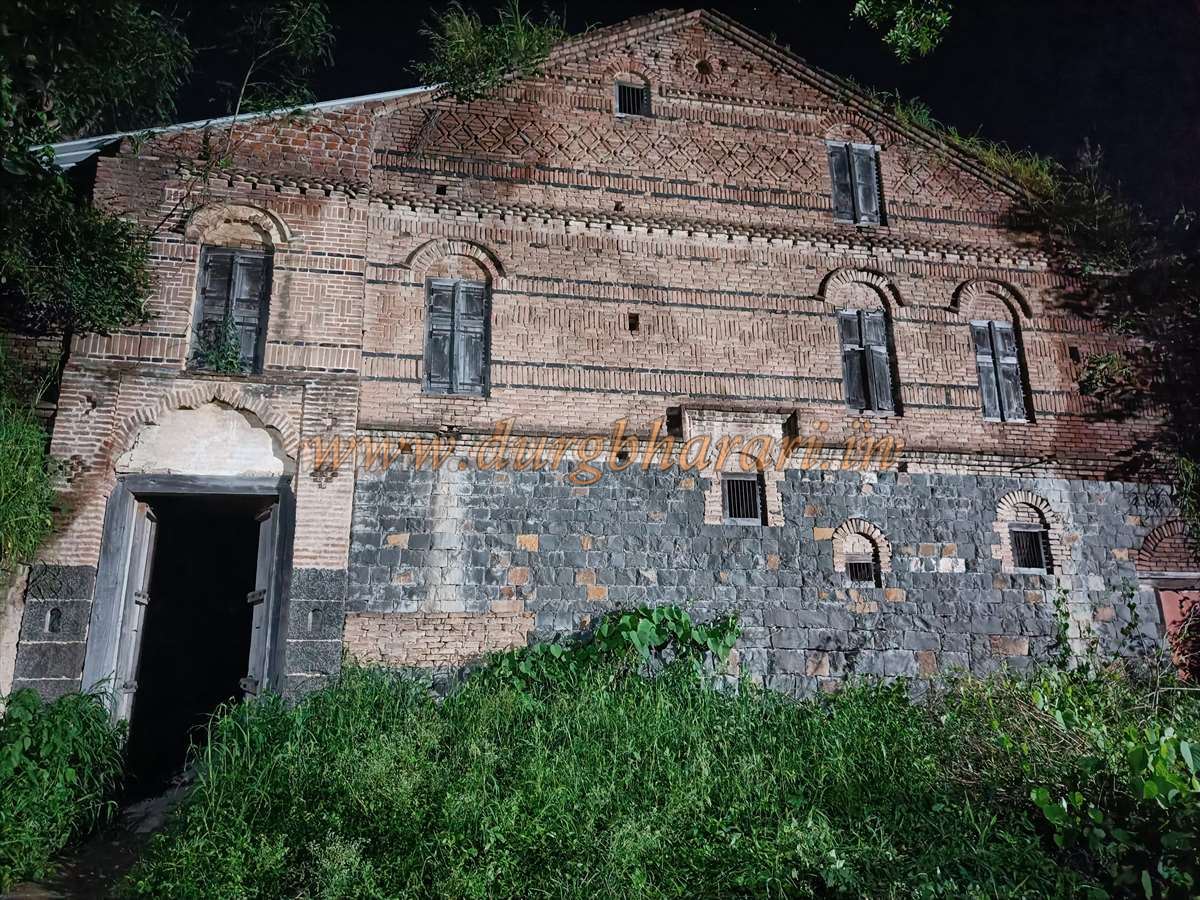
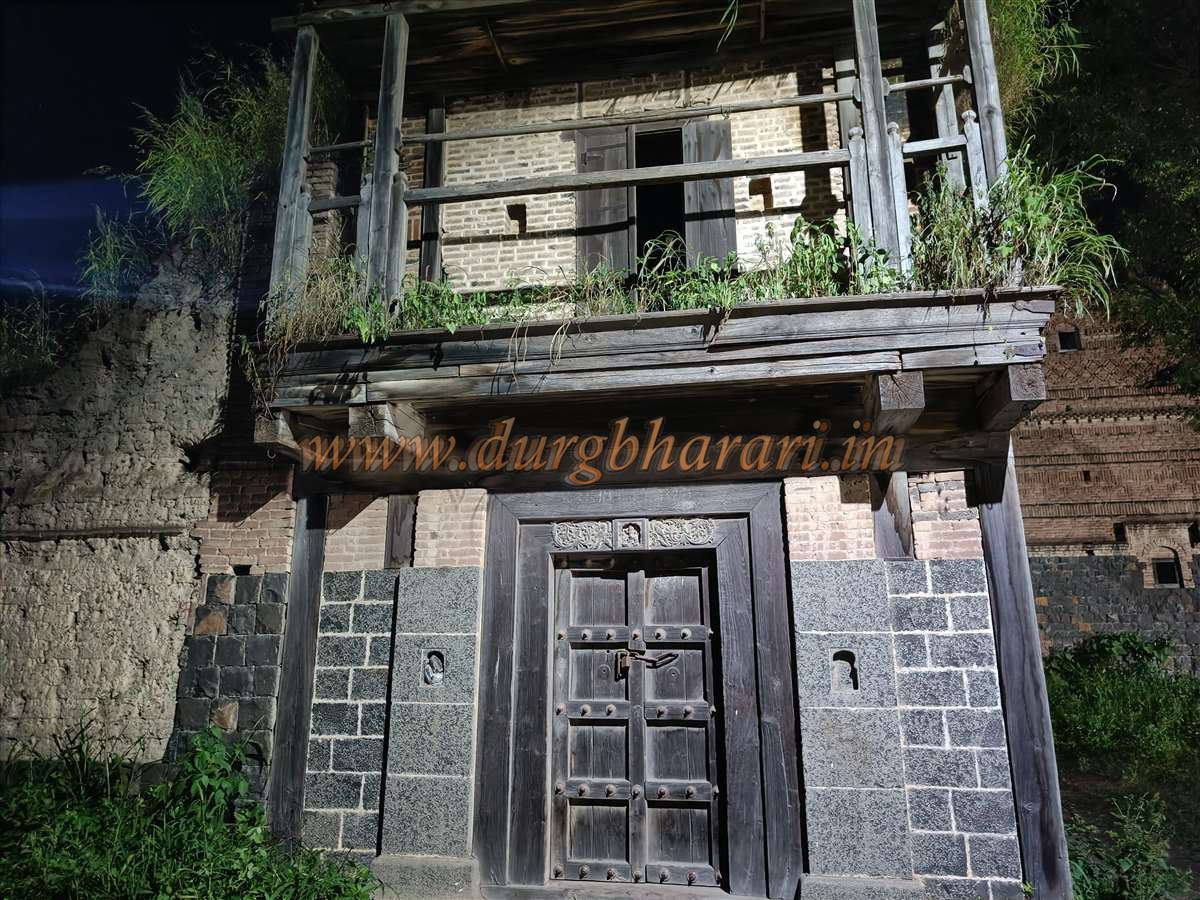
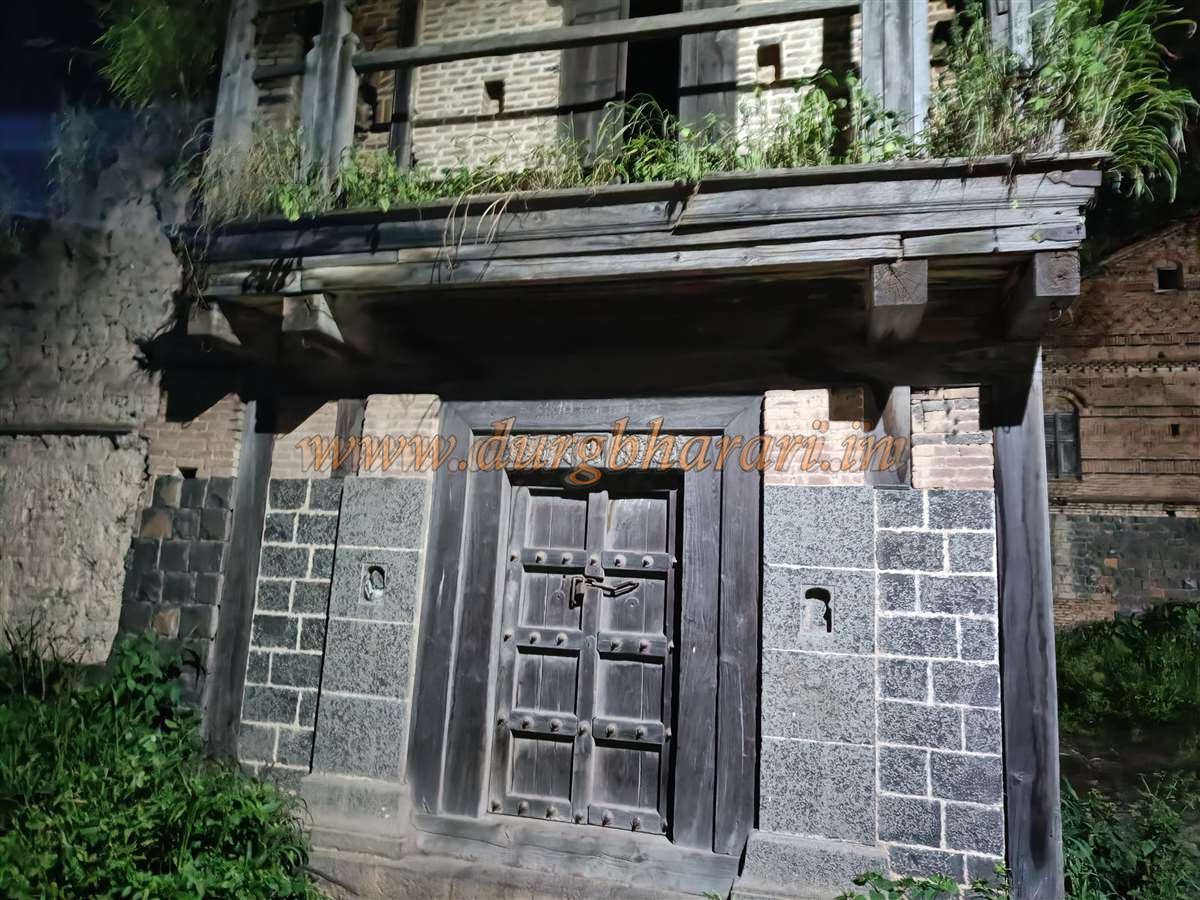
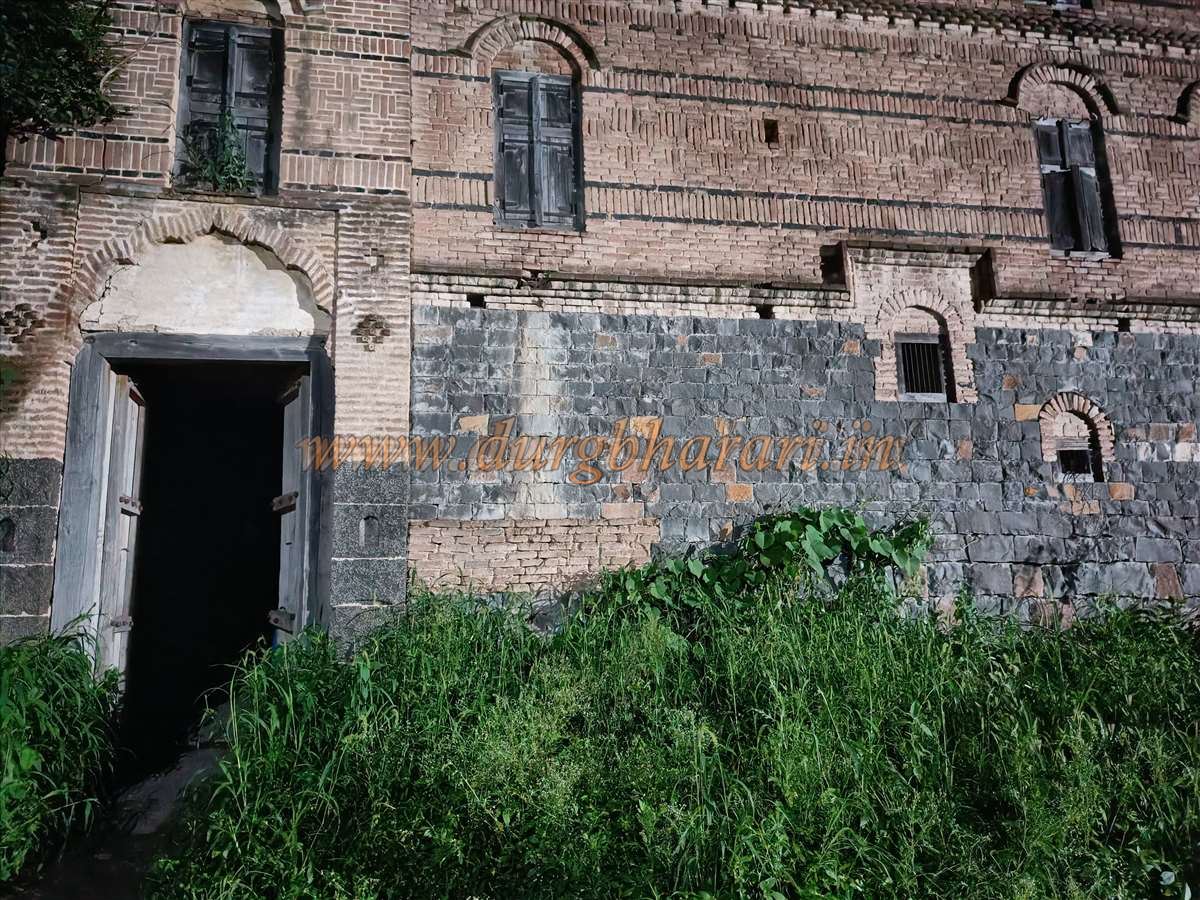
While roaming the forts of Pune district, we get to see some of the fortress that emerged during the Peshwa period around the city of Pune. At Kanhersar village, which is some distance from the village, we can see the Peshwa era mansion of Holkar's Diwan Gangadhar Yashwant Chandrachud. Although it has largely decayed with the passage of time, it still retains some of its glory. The place Kanhersar is 15 km from Rajgurunagar which is the main place of Khed taluka in Pune district. As Rajgurunagar is a city, there is a good vehicle facility to reach there from Mumbai-Pune but further one has to rely on a private vehicle. The fortress as it stands now is spread over one acre and looking at the surrounding open spaces and ramparts, its area must have been more than two acres earlier. The fortress that stands now has been divided among the descendants and the construction inside the ramparts is a fusion of old and new.
...
But looking at the whole area of the fortress, this fortress should have three to four bastions. Chandrachud descendants are still living in the remaining construction of the fortress and some of them are living in Mumbai-Pune. Outside the Wada is the mausoleum of Hari Laxman Chandrachud of the Chandrachud family and behind this mausoleum is a well. In front of this Samadhi, a 12 feet high crafted Mandap is built. The wada is complete with water supply and there are three wells to supply water to it. It is a testimony to how many people must have lived in this place when the fortress was flourishing. The meeting room in the main wada is spacious and in good condition and its wooden construction is still intact after two and a half hundred years. Adjacent to the meeting room is the temple and in there is a beautiful idol of Lord Nrisimha. Since some part of the wada is in use and private, it is not possible to go there. It takes half an hour to visit the entire wada and the surrounding area. During the time of the elder Bajirao Peshwa, the Chandrachud family of Kanhersar and Nimgaon were gaining fame. He had purchased the Patilki of Nimgaon, Pur, Khed village in Nagana area. During Malharrao Holkar's time, Yashwantrao Chandrachud sons Baji and Gangadhar emerged on their own initiative. But the chieftain who brought the name of this family to real fame was Gangadhar Yashwant Chandrachud alias Gangobataya. To control Malharrao Holkar, the Peshwa may have appointed Gangadhar Yashwant Chandrachud in the position of Malharrao Holkar. He was a personality in history who gained the favor of both Peshwa and Holkar at the same time. Gangadhar Yashwant Chandrachud made great progress after joining the post of Holkar. Along with diplomacy and clerical work, he also got involved in politics. Being in the ranks of the Holkar, they were loyal to the Holkar and somewhat ignored the Peshwa. He took the side of Holkar and worked for the prosperity of the Sansthan in Malwa. After 1750 AD, Gangadhar Yashwant Chandrachud participated in the major campaigns of Holkar. In AD 1751, in the quarrel between the Mughal vizier Safdarjung and the Rohillas, Shinde-Holkar took the side of Safdarjung. In this battle Gangadhar Yashwant Chandrachud and the people of Nimgaon achieved great feat. Gangadhar Chandrachud and Tukoji Holkar mainly led Holkar's army when the Marathas raised the flags of arrest. A devotee of Vishnu, Gangadhar Yashwant Chandrachud established the famous Sundarnarayan Temple in Nashik in 1756 AD. After the Battle of Burondi Ghat in 1760 CE, in a battle with Abdali, on 27 February 1760, Gangoba raided the territory of Najib Khan's near Delhi and captured it. Gangadhar Yashwant Chandrachud was also in Holkar's army while fighting against Abdali. A year before the battle of Panipat, there was an encounter between Malharrao Sardar and Abdali in the month of March. Shetyaji Kharade, Shivaji Kharade, Anandrao Ramji Yadav and Gangadhar Yashwant Chandrachud took part in this battle but all the members were killed except Gangadhar Yashwant Chandrachud. Gangoba was sacked by the Afghan army in a raid. After the death of Malharrao Holkar, the name of Ahilyabai Holkar came up as the successor. Gangadhar Yashwant Chandrachud did not agree with this matter. He allied with Raghobadada against Ahilyabai and invited them to the north to capture Indore but this plan was not successful. Gangadhar Yashwant Chandrachud lost his position in the Holkar court and by siding with Raghobadada, he also fell out of favor with the Peshwa. He was sentenced to 20 years of political imprisonment. He was released in February 1772 after paying a fine of 30 lakh rupees in AD 1772 and returned to Nimgaon. He died on 20 February 1774. Yashwantrao Chandrachud and his son Dr. Dhananjaya Chandrachud who are descendants of this have held the post of Chief Justice of India. It is very rare for father and son to become Chief Justice and it is a matter of pride for Kanhersar village and Rajgurunagar taluka.
© Suresh Nimbalkar
GALLERY