KANHERI
TYPE : BUDDHIST LENI
DISTRICT : MUMBAI
The Kanheri Caves are located in Maharashtra, near Borivali, within the Sanjay Gandhi National Park. They lie about 6 km from the park’s entrance gate and about 7 km from Borivali railway station. Vehicles operate every hour from the park’s entrance to the caves. Visitors are required to pay an entry fee both at the main gate of the Sanjay Gandhi National Park and at the caves’ entrance. The caves are open to visitors from 9 a.m. to 5 p.m.
From the 2nd century BCE to the 13th century CE — a span of nearly 1,500 years — Kanheri flourished as a Buddhist centre for study and teaching. The caves offer a remarkable glimpse into the art and culture of the Buddhist period. The name Kanheri derives from the Sanskrit Krishnagiri, meaning “Black Mountain,” as the caves are hewn from dark basalt rock. An inscription carved on the left side of the veranda in Cave No. 81 mentions the ancient name of Kanheri as Krishnashaila or Krishnagiri.
...
Located close to the ancient ports of Shurparaka (Sopara), Vasya (Vasai), and Kalyan, Kanheri served as a resting place for merchants and Buddhist monks. As it was a major meditation centre for Buddhist missionaries, a large number of caves were excavated here. This complex of 109 caves consists of one chaitya (prayer hall) and the rest viharas (monastic dwellings). Their excavation spans from the 1st century BCE to the 7th–8th century CE.
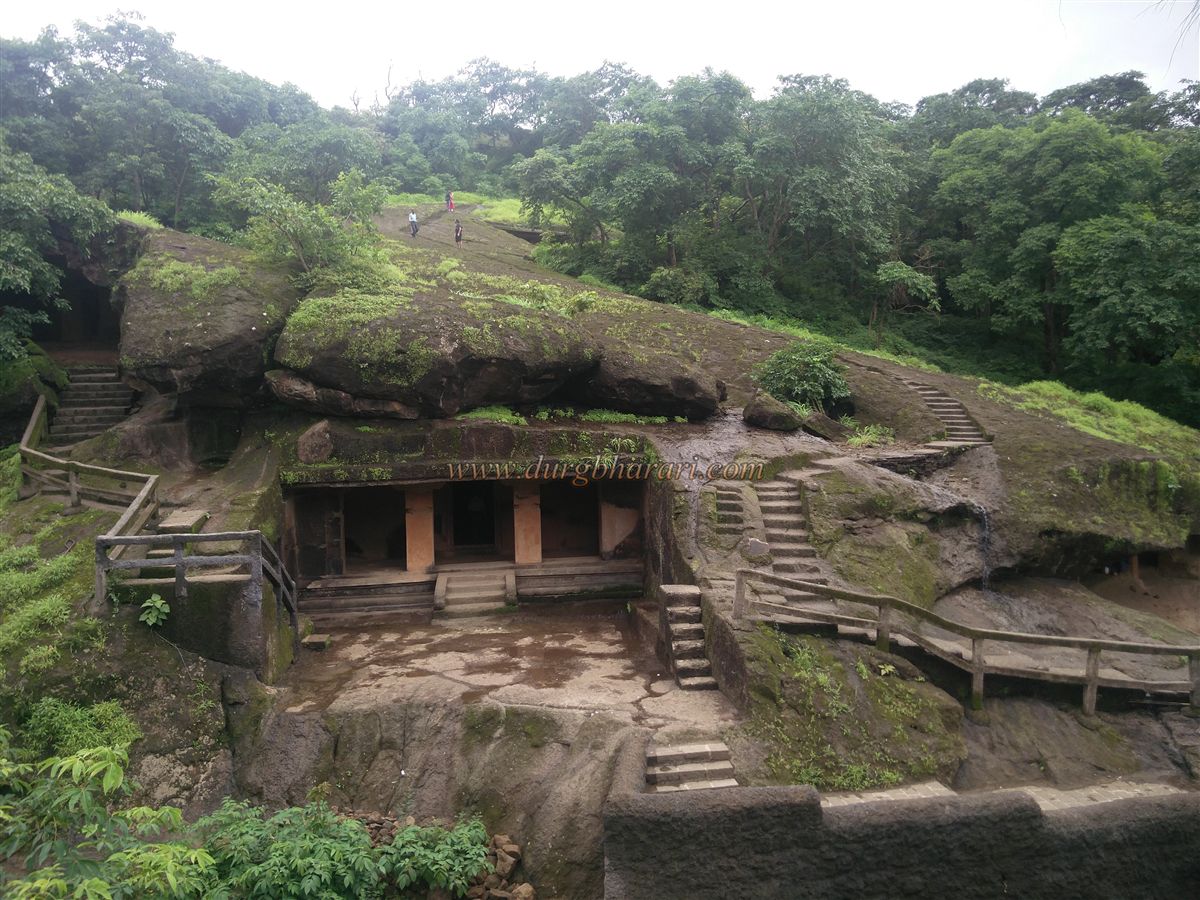
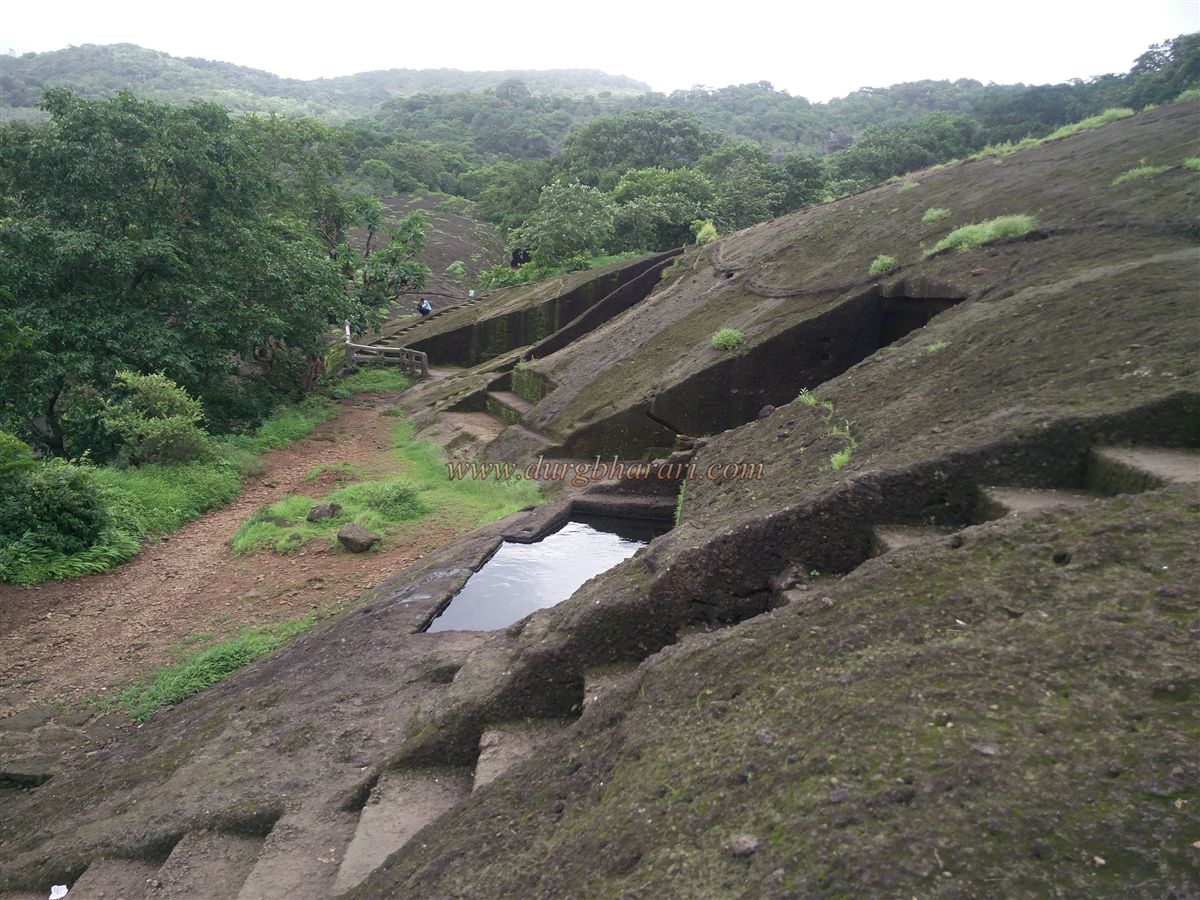
Over time, during the reigns of the Satavahana, Traikutaka, Kshatrapas, and Kalchuri, and in both the Hinayana and Mahayana phases of Buddhism, countless patrons sponsored the excavation of these caves. The Mahayana-period sculptures of Kanheri are particularly exquisite. The caves are carved into the basalt on both sides of a narrow valley — a single row in the northern low hill, and three tiers of caves one above the other in the higher southern hill, with stairways connecting the levels. On the southern plateau, footpaths and water cisterns have also been cut into the rock.
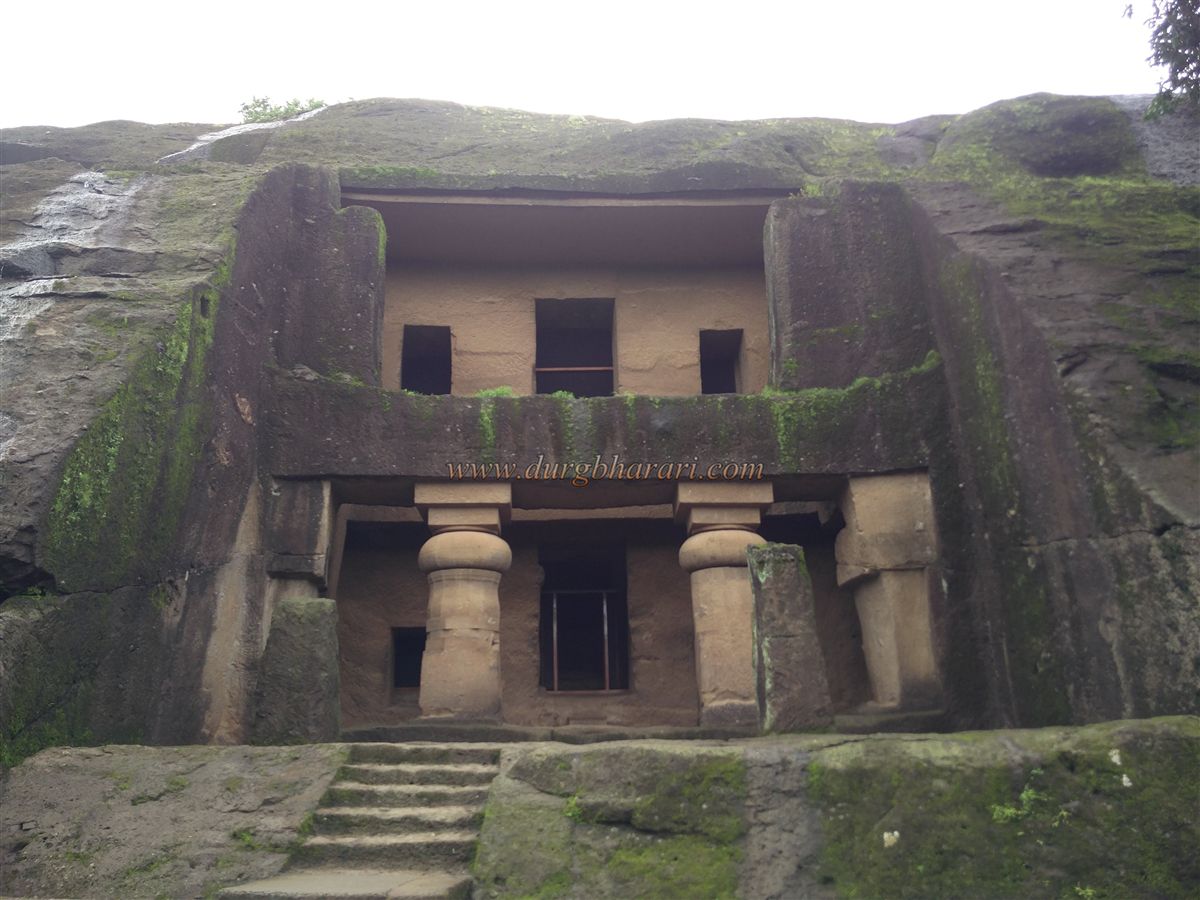
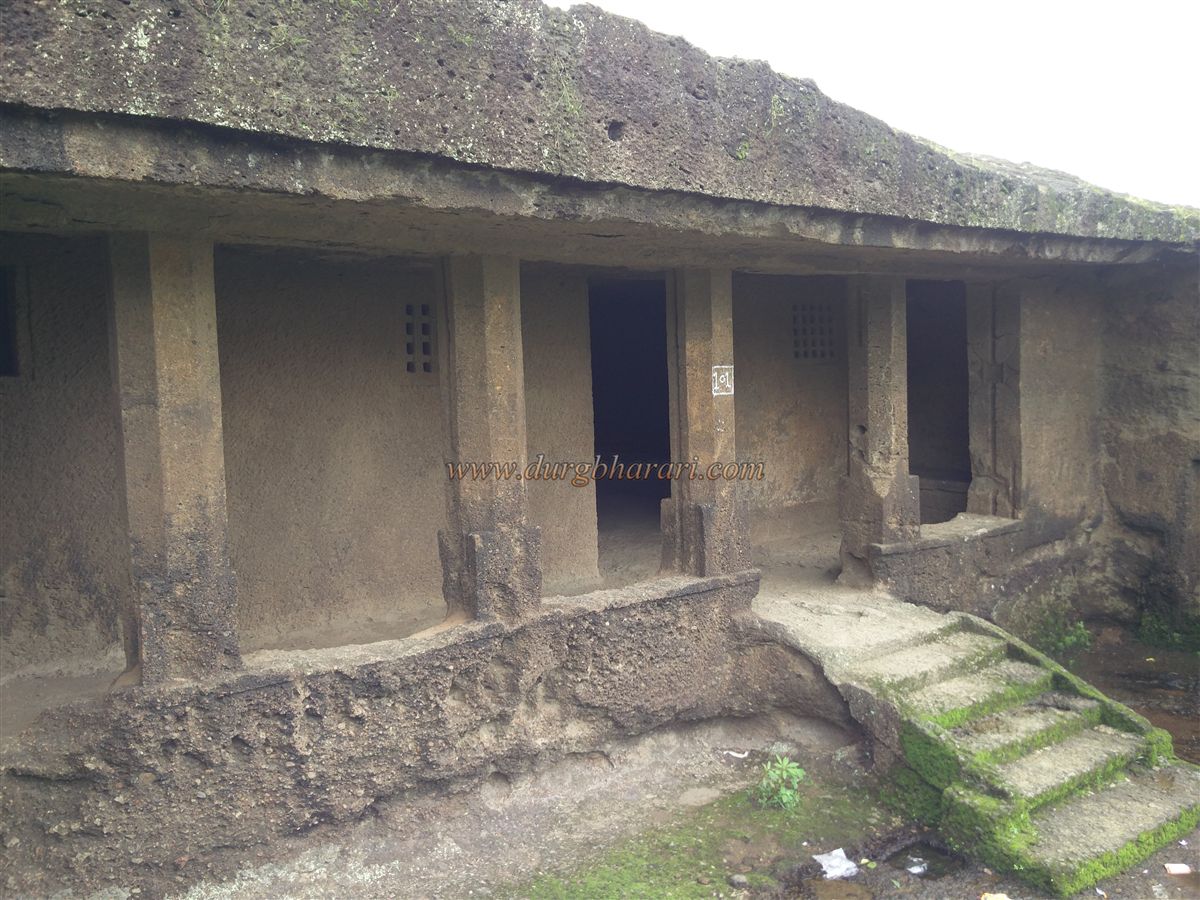
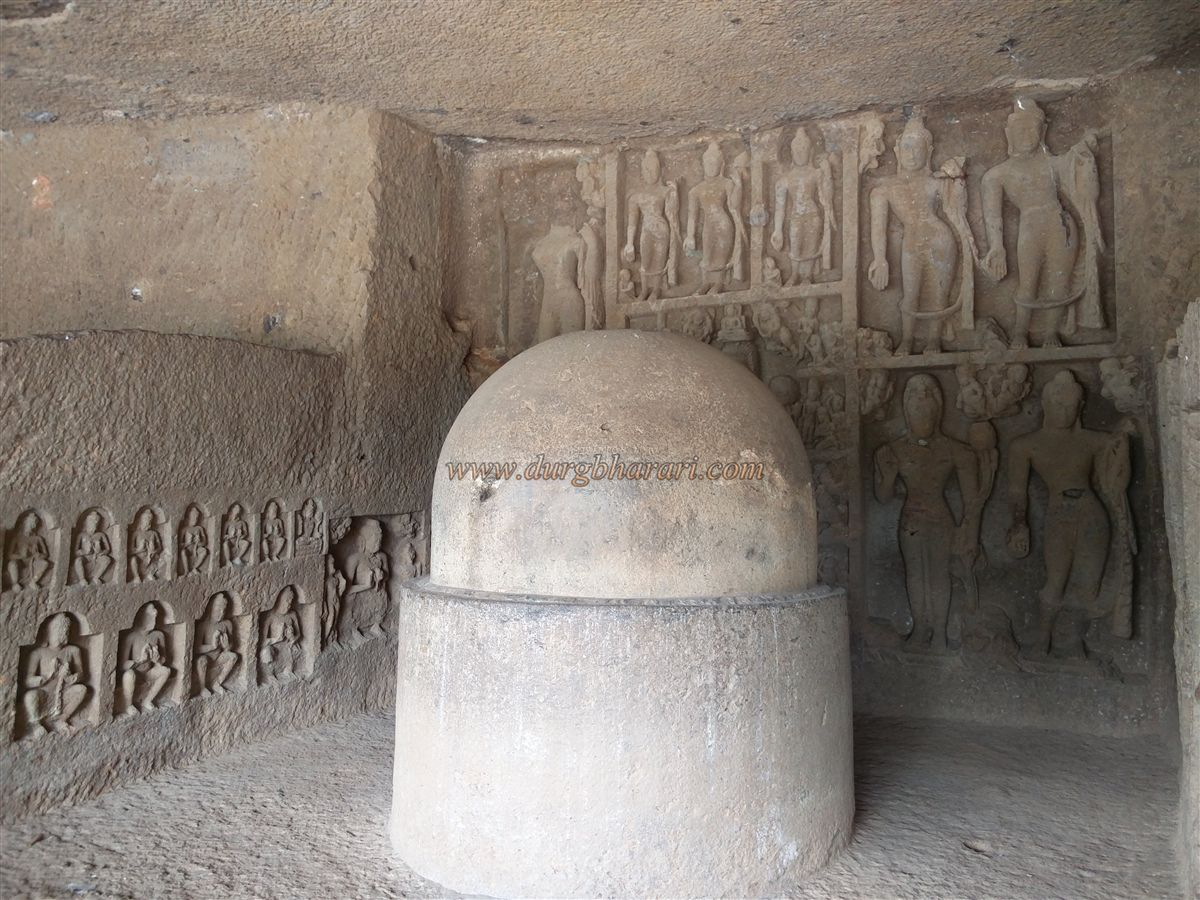
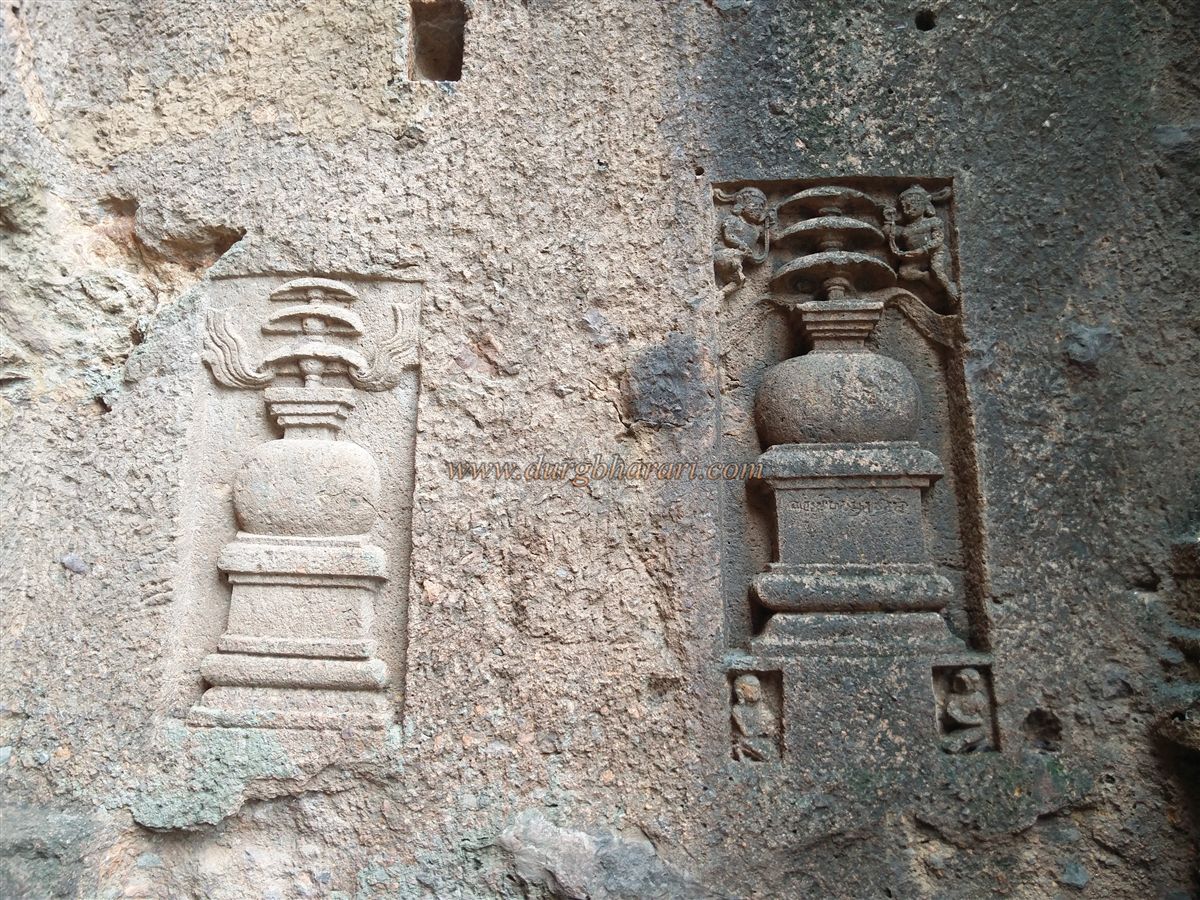
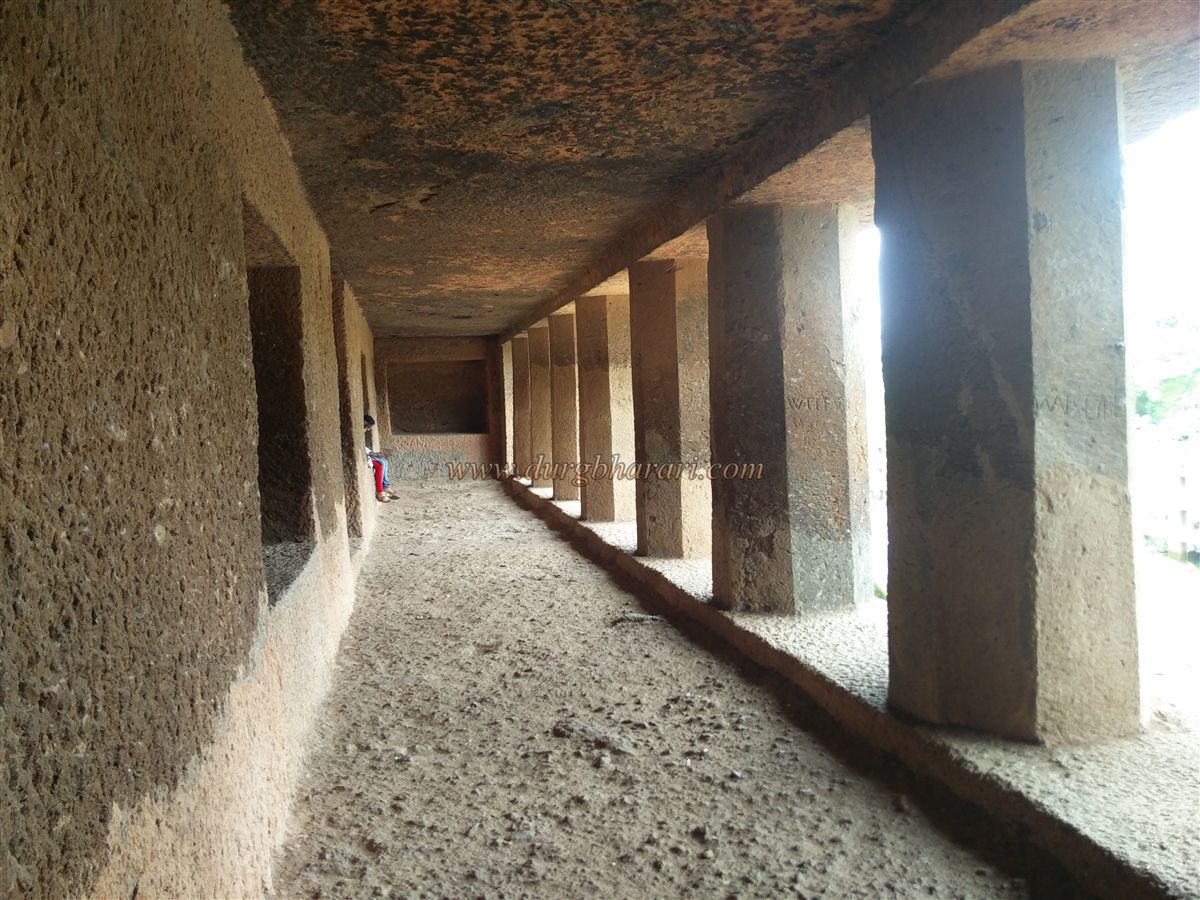
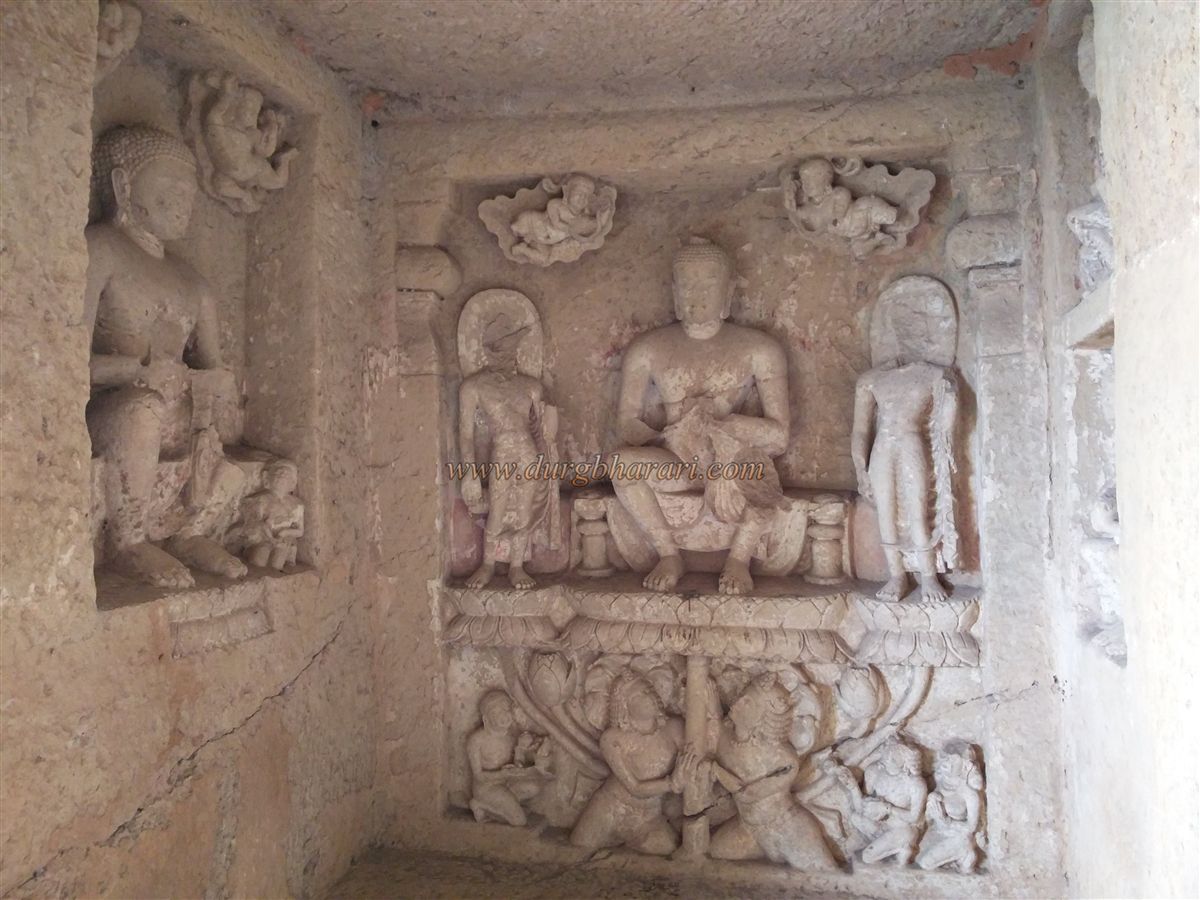
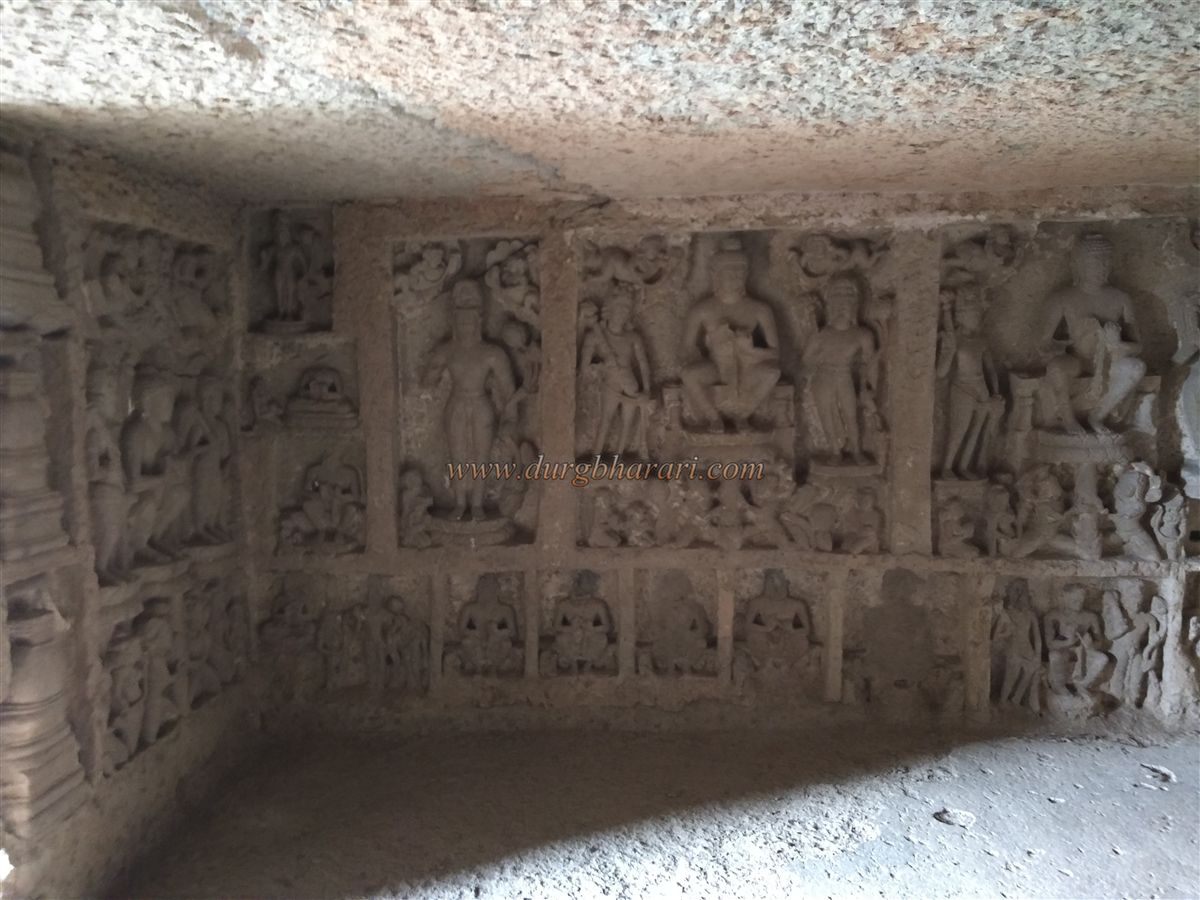
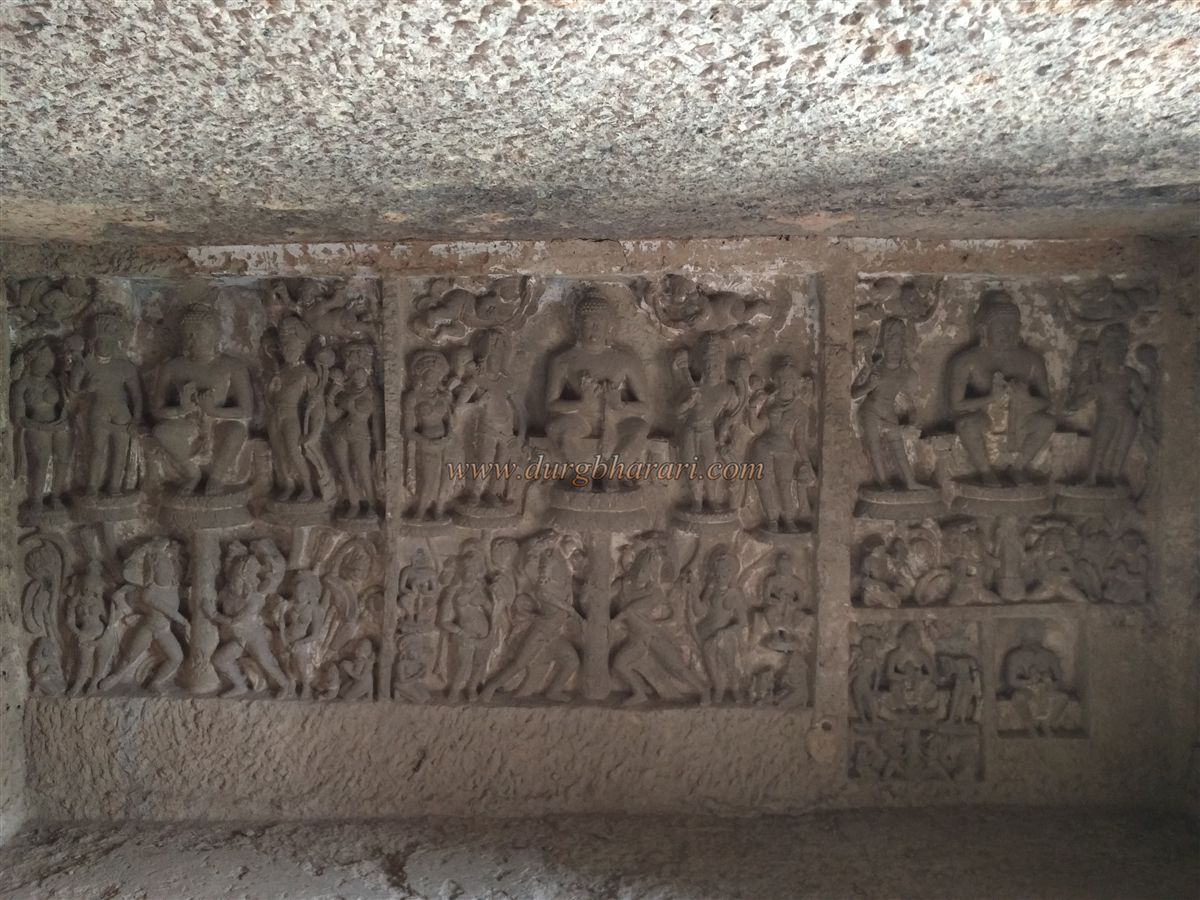
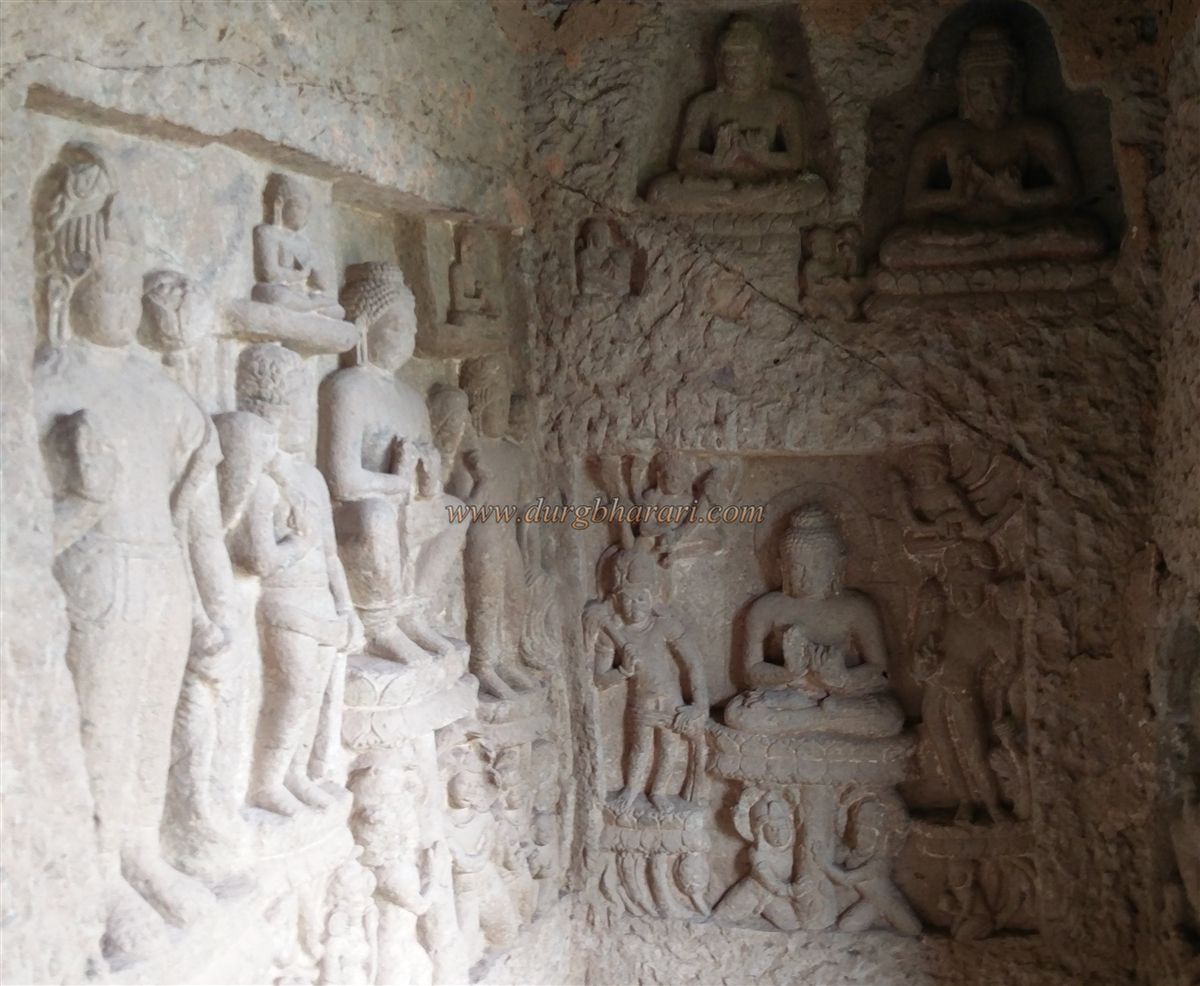
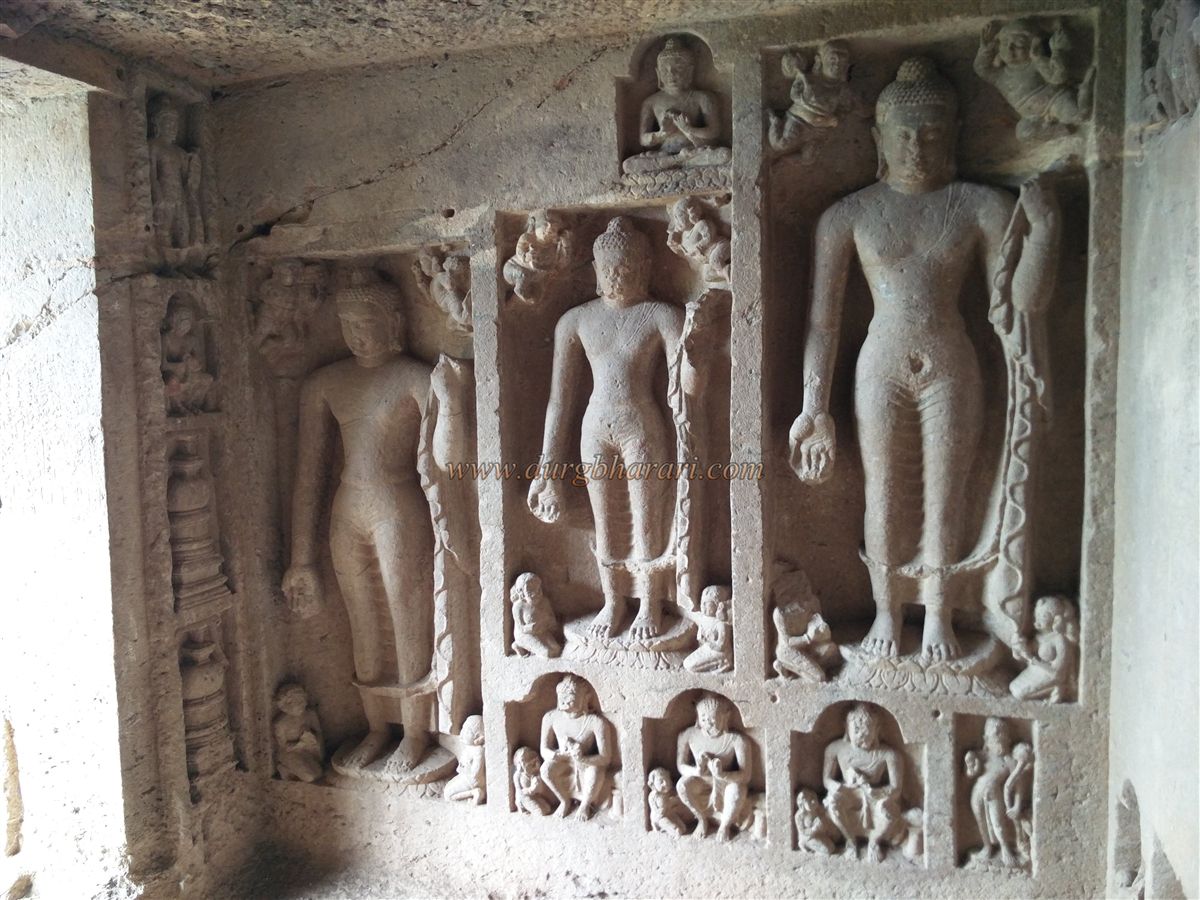
The first cave visitor’s encounter is an unfinished two-storey vihara with two grand pillars, a veranda, and a rest chamber. The second cave is an open vihara, with two stupas inside, each surrounded by images of Buddha in the Avalokiteshvara form, as well as celestial beings like yakshas and Gandharva. These stupas were likely built in memory of eminent Buddhist teachers of Kanheri.
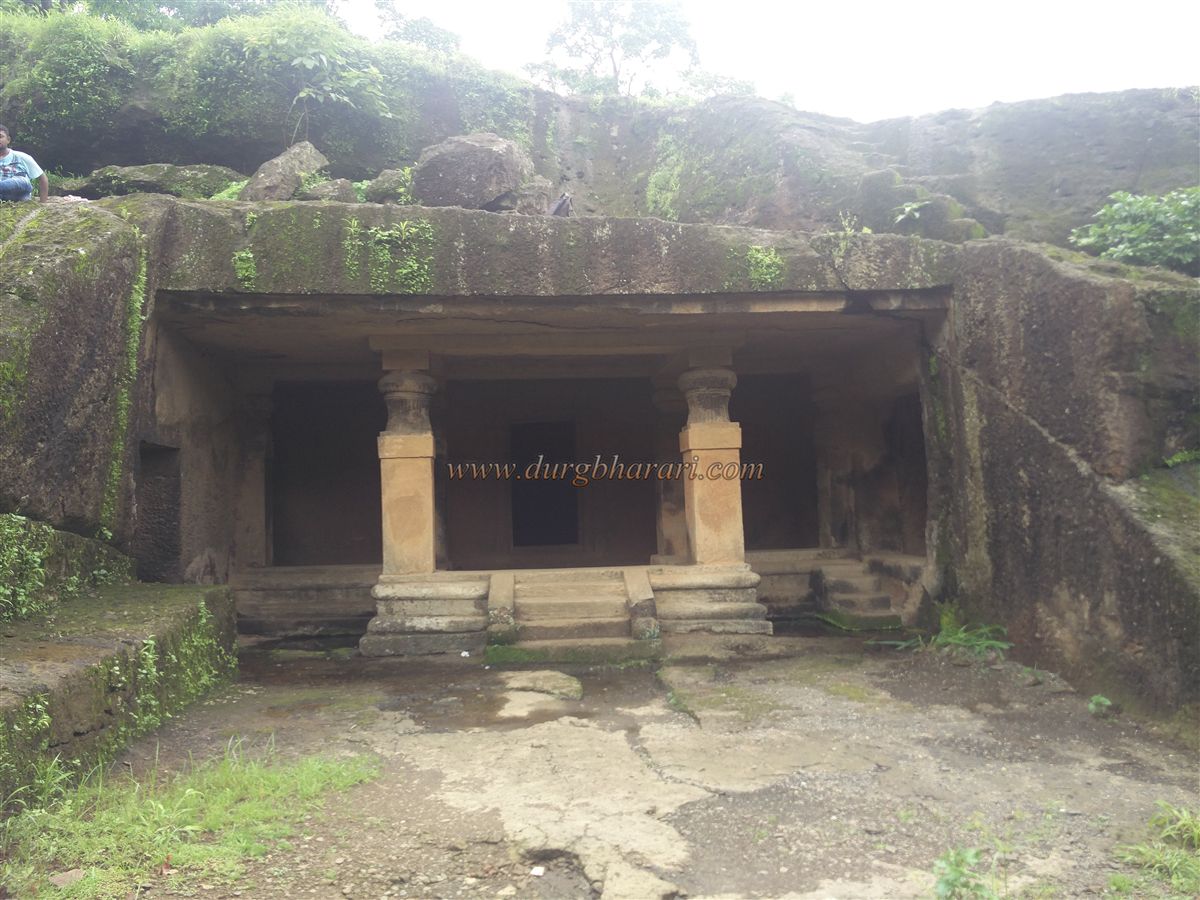
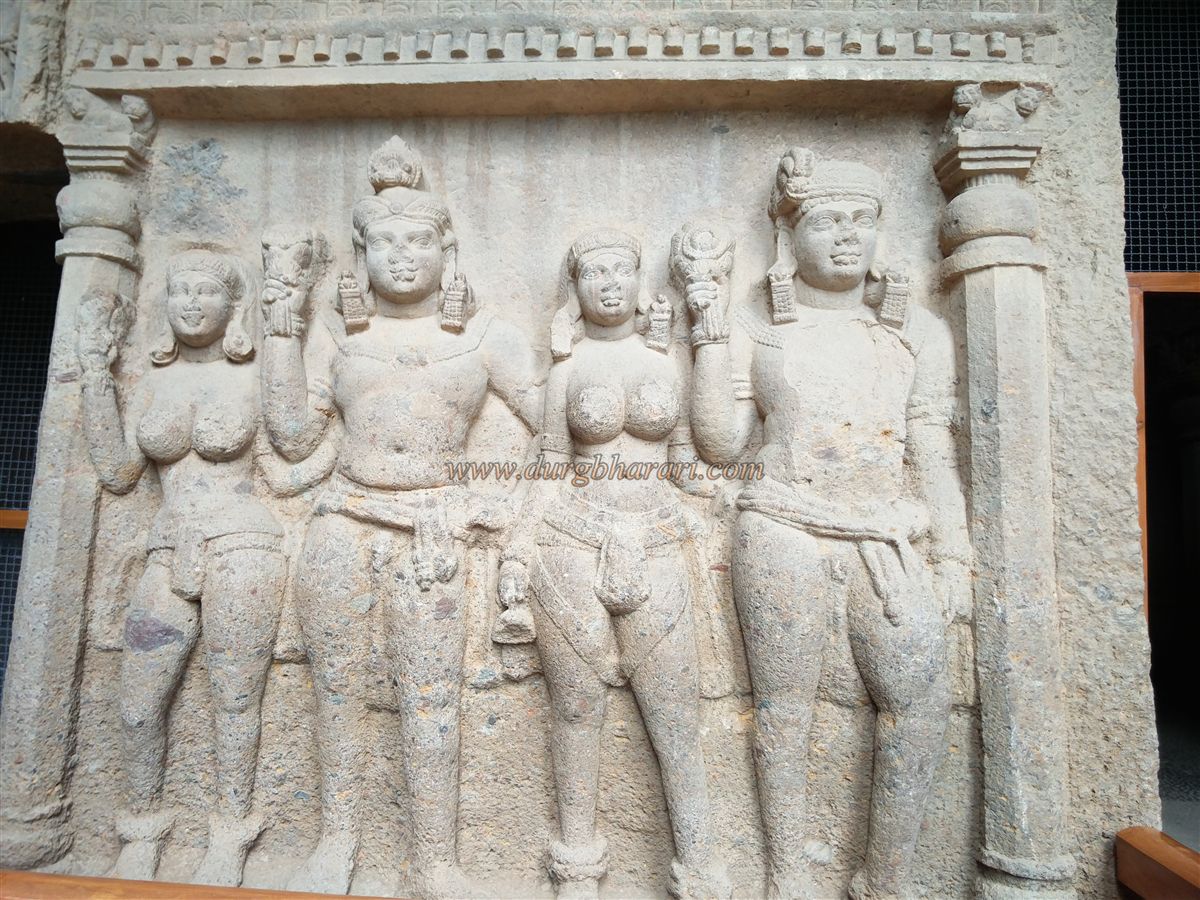
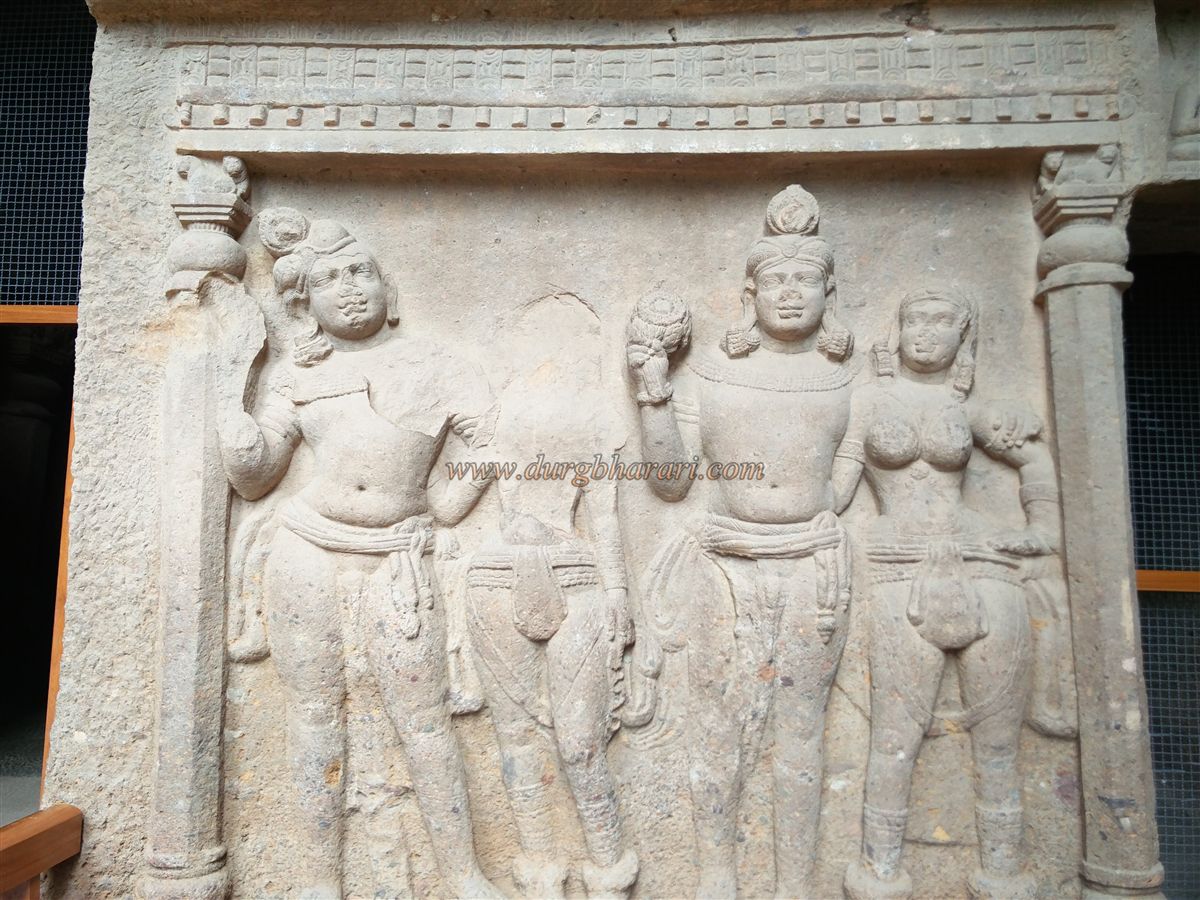
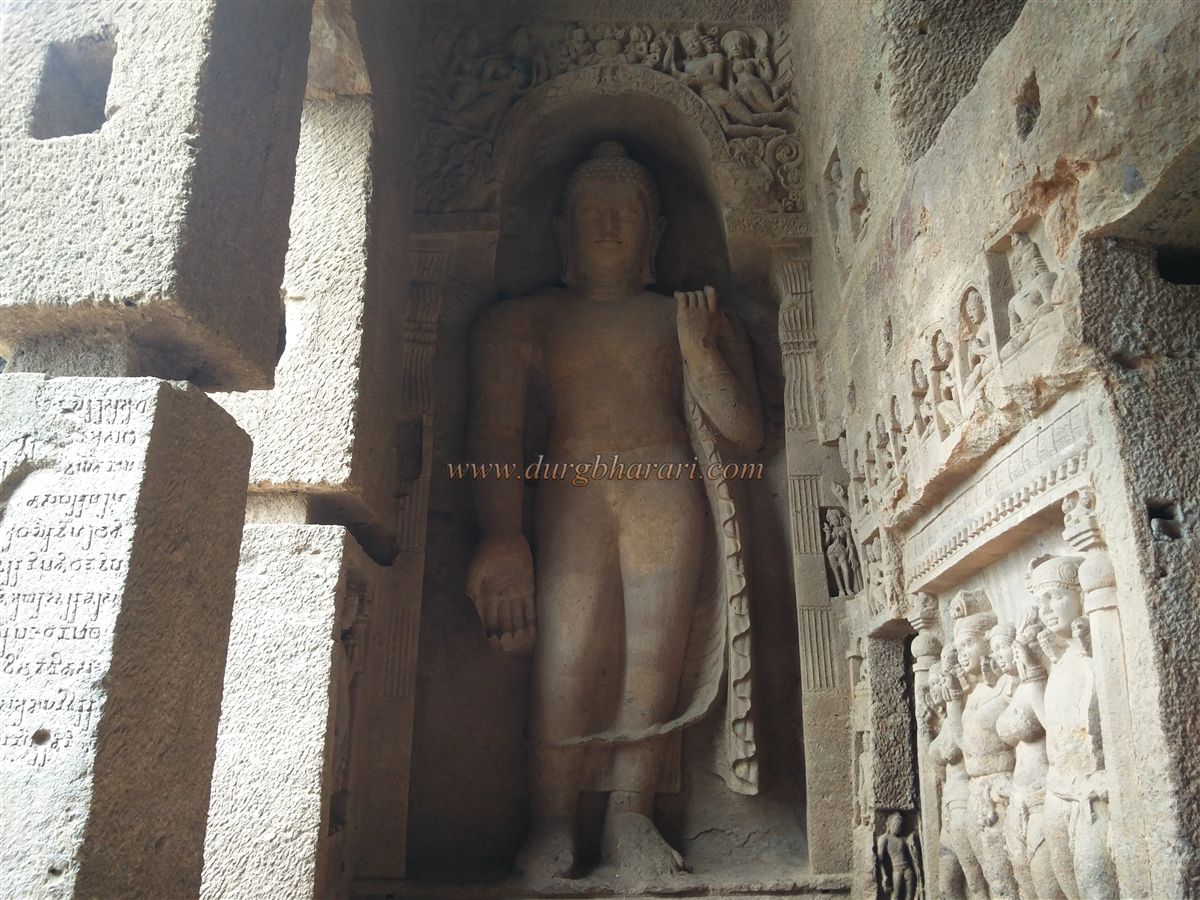
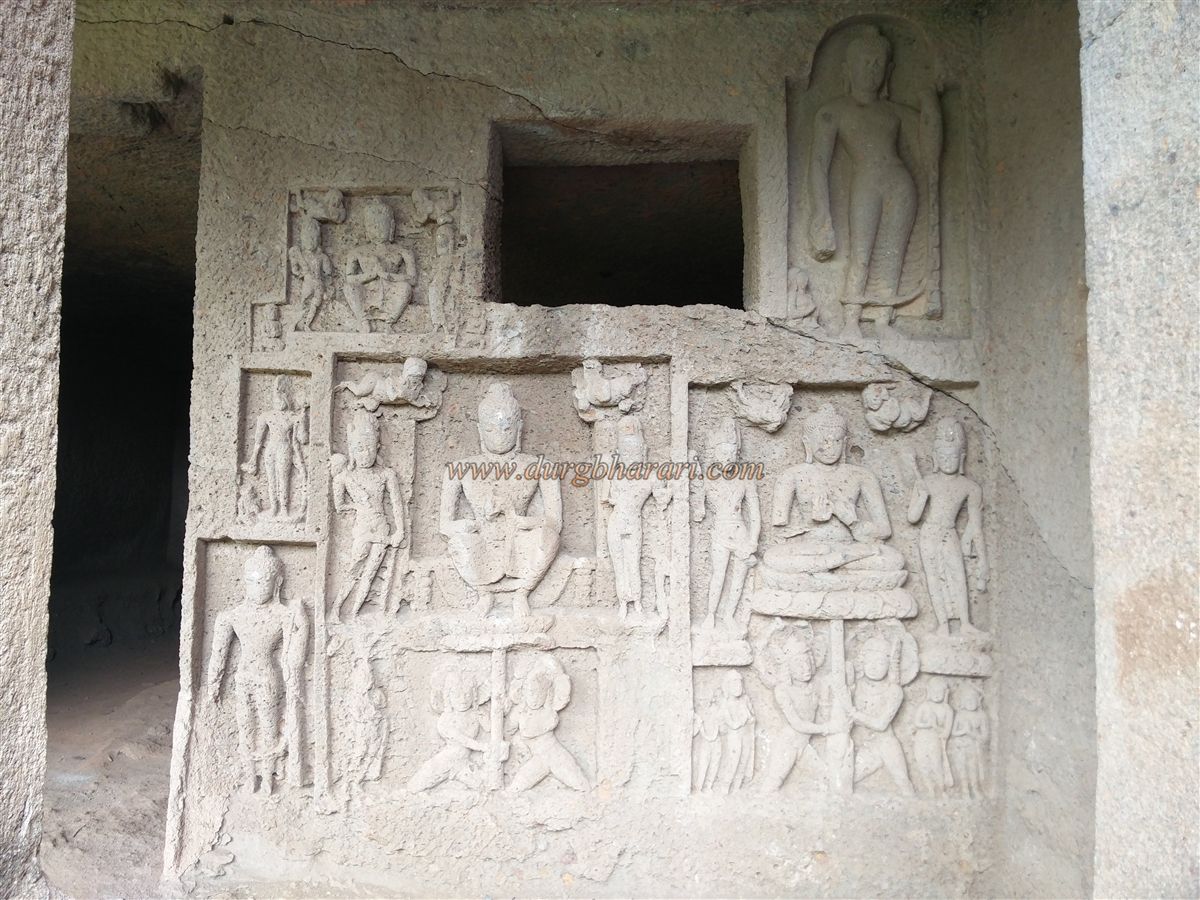
Cave No. 3 is the only chaitya hall at Kanheri, measuring 84 x 45 x 40 feet. Outside the chaitya are carvings of doorkeepers and yakshas, with steps leading to a courtyard. At the corners of the courtyard are two grand pillars close to the wall, and two more between them. One corner pillar bears a lion, the other a yaksha. This twin-pillar arrangement supports the view that the chaitya at Karla originally had two lion pillars, though now only one survives. Inscriptions are carved on the inner sides of the middle pillars. On the veranda are couples carved in relief, flanked by two majestic Buddha statues.
Inside, the chaitya hall contains 34 pillars arranged in a single row on each side, ending in a central stupa encircled by a circumambulatory path and topped by a ribbed (gable-shaped) ceiling. The pillars are decorated with carvings of elephants, bulls, and riders. Some pillars on the right remain unfinished. The Harmika (railing) atop the stupa, its wooden umbrella, and the wooden ribs of the ceiling have vanished over time, leaving only their sockets. This chaitya was likely excavated during the reign of Gautamiputra Satakarni (173–211 CE).
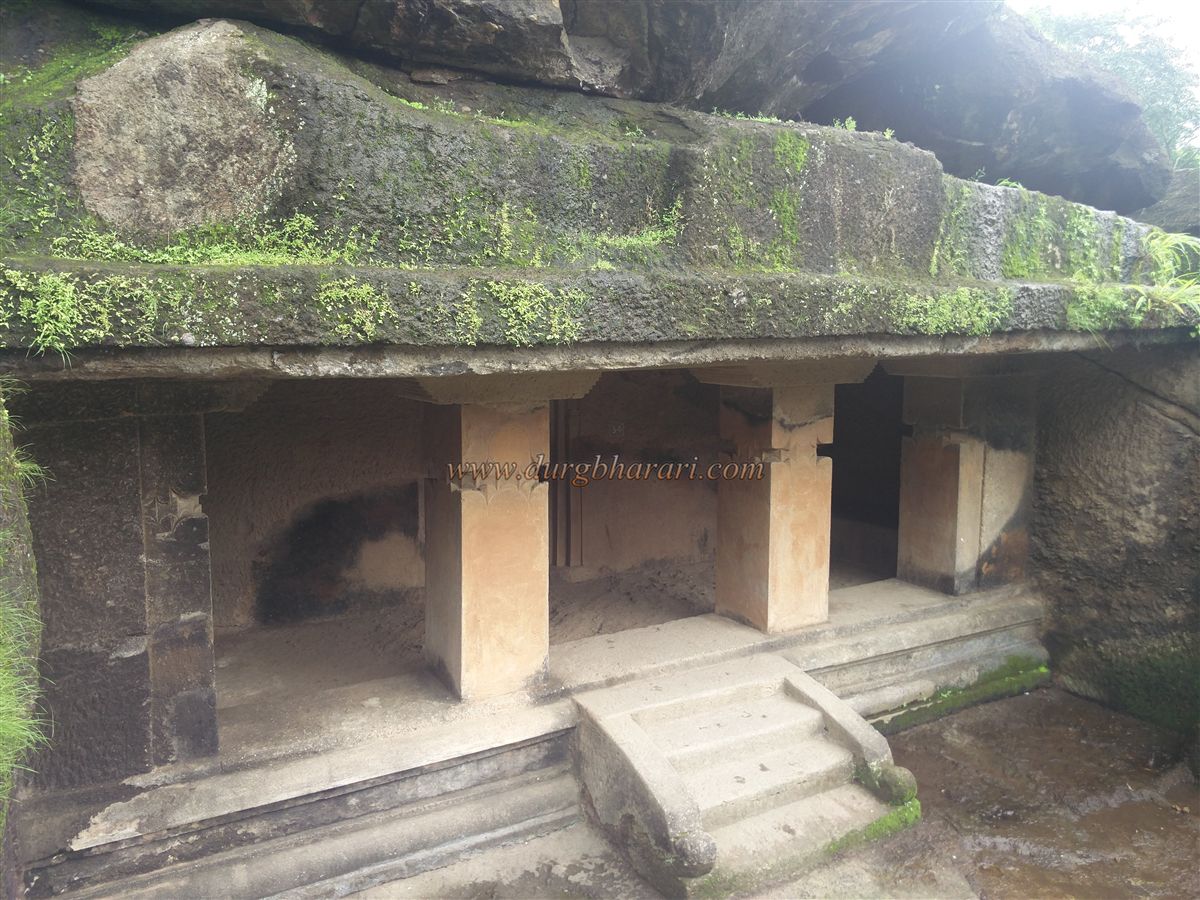
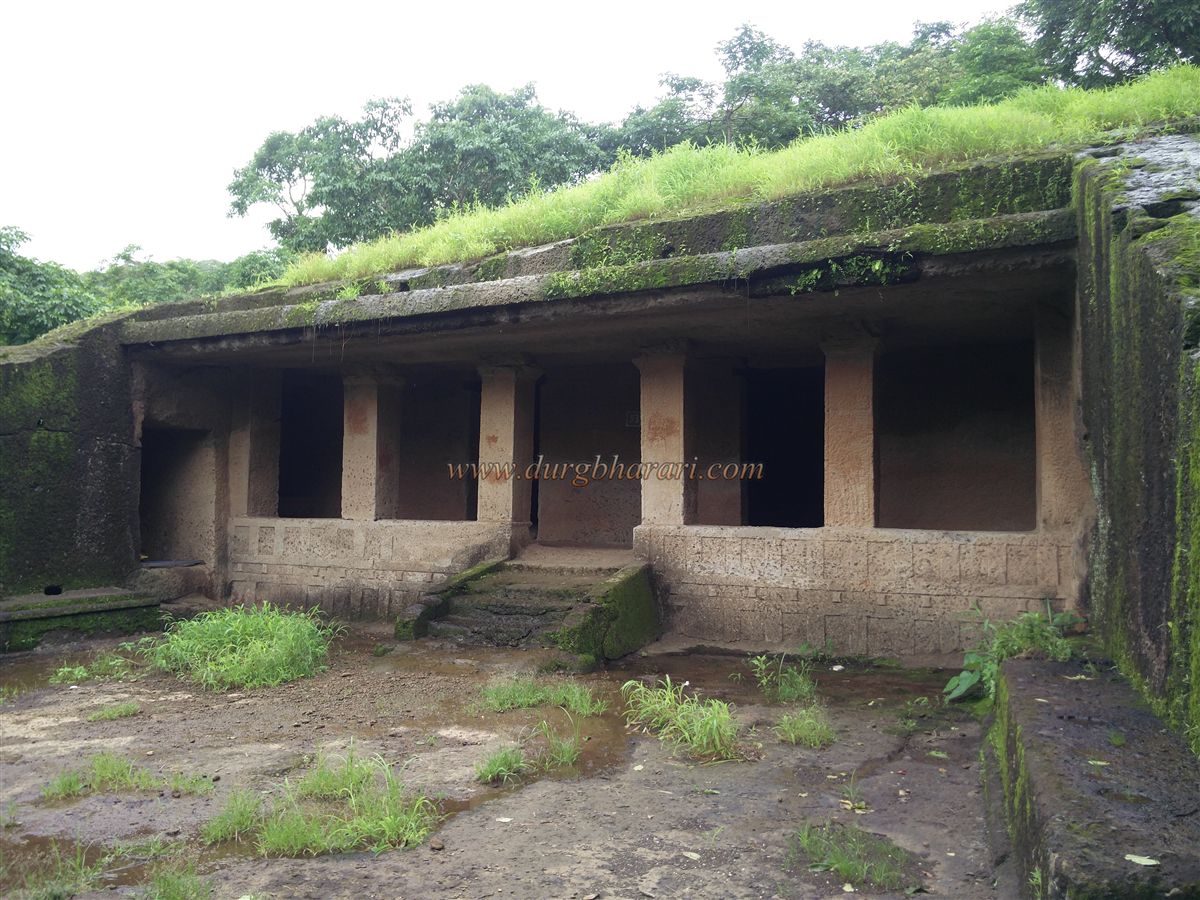
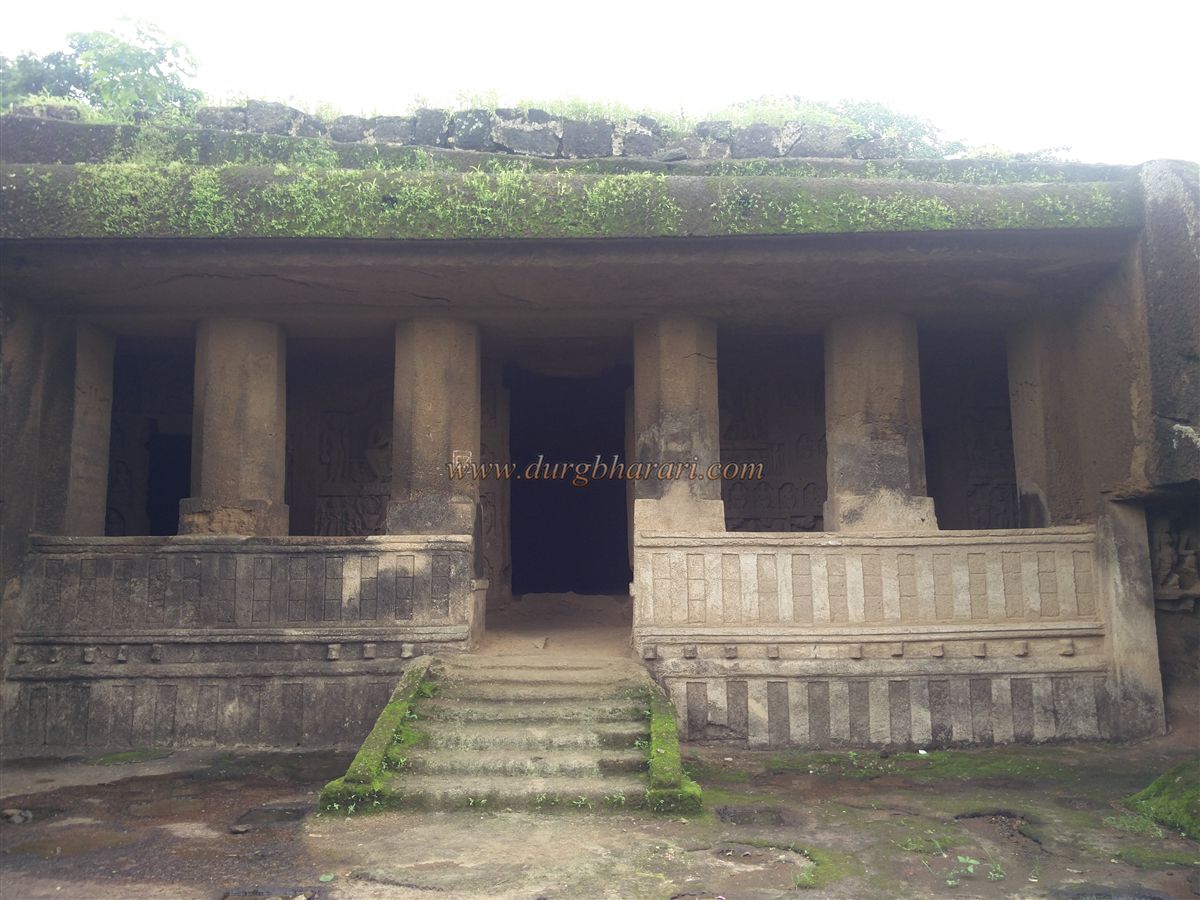
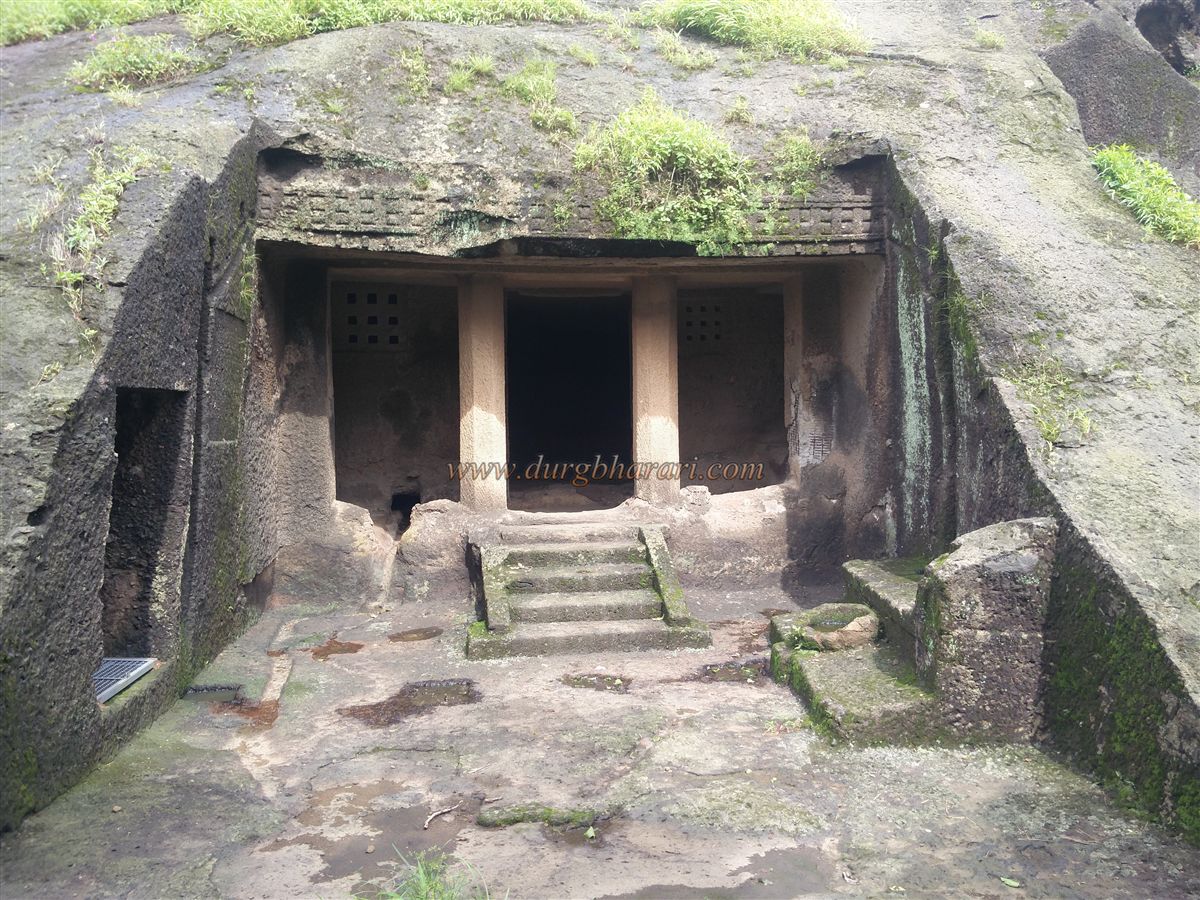
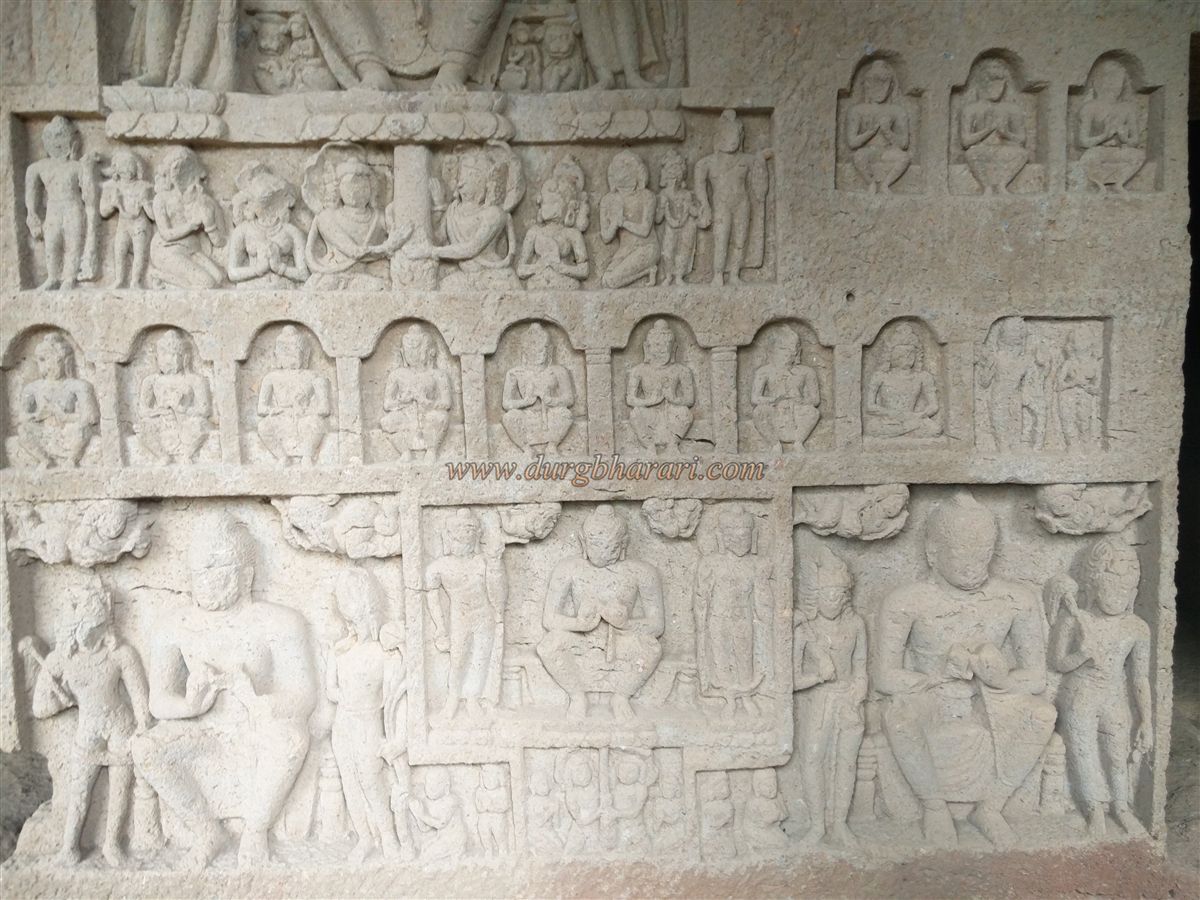
Adjacent to the chaitya is a small cave with a stupa whose Harmika and umbrella are carved from stone, touching the roof. Buddha images are carved on both the stupa and the walls, suggesting a later Mahayana-period origin. Further uphill, about 30 caves are in good condition, 60 are small, and the rest are dilapidated. Most viharas were used by monks for residence, study, and meditation. Some have stone benches outside, and stone platforms for sleeping along the interior walls. Doorways have stone frames and sockets for securing doors, and some have stone lattice windows carved in situ.
Water supply was ingeniously managed through rock-cut cisterns and reservoirs at various points on the hilltop. Each vihara had its own cistern, fed by channels cut into the rock. Notable caves with the finest carvings include Nos. 1, 2, 3, 11, 41, 67, 89, and 90. Cave No. 11, also called the “Durbar Cave,” is a large hall measuring 80 x 45 x 15 feet. According to Dr. Suraj Pandit, this was likely a scriptorium where manuscripts were copied by a large number of scribes. Cave No. 27 has an unfinished painting of Buddha on the ceiling. Cave No. 35 features sculptures of Padmapani, Tara, and Bodhisattvas, along with a naga king and queen and a group of kneeling devotees. In the right corner are scenes from the Dipankara Jatak.
Near Cave No. 38 is a 600-foot-long hall containing the ruins of several brick stupas. Cave No. 41 houses a multi-headed (11 heads, 4 arms) Avalokiteshvara. Caves Nos. 5, 8, 9, 58, and 59 are simple, dating from around 200 BCE to 50 CE.
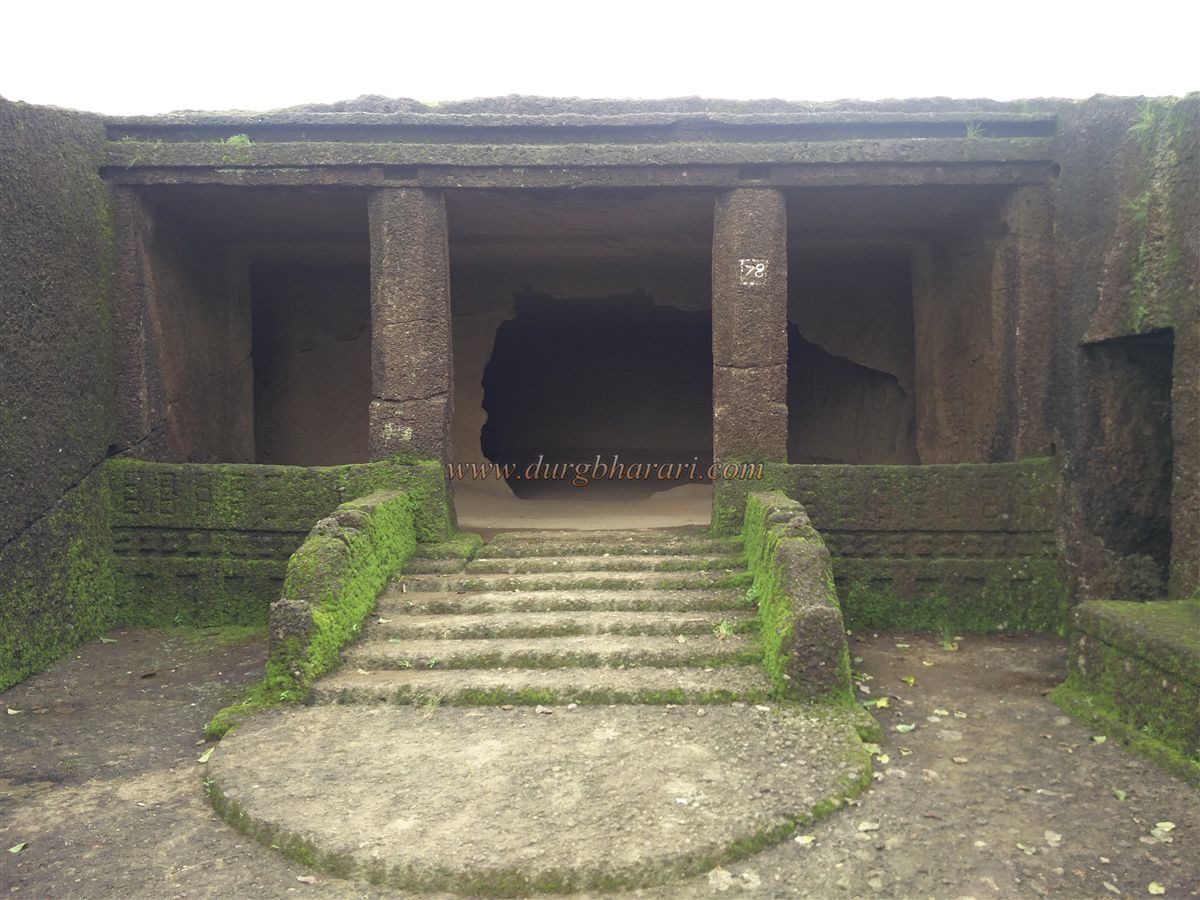
Kanheri has yielded 51 inscriptions in Brahmi, Devanagari, and Pahlavi, along with 26 donor records. Three inscriptions in Cave No. 66 are in Pahlavi, one of which records a visit by a Japanese traveller of the Nichiren Buddhist sect. two inscriptions (in Caves Nos. 10 and 78) are in Sanskrit, while the rest are in Brahmi and Prakrit.
An inscription in Cave No. 5 states that during the reign of King Vasithiputra, a tank was excavated for the older caves. Based on script style, ten inscriptions date to the pre-Christian era. The Satavahana period (200 BCE–350 CE), particularly under the second Gautamiputra, saw Kanheri flourish. Twenty of the fifty main inscriptions belong to this era, recording donations of caves, tanks, land, and funds from kings, ministers, and wealthy merchants. The third-tier viharas on the southern hill and Cave No. 3 chaitya were also excavated in this period.
In the 4th century CE, the carved, image-bearing stupa in Cave No. 38 was built, and in the 5th century CE, the stupa near the chaitya was constructed. Ten inscriptions belong to the 5th–6th centuries CE, when new caves were excavated and older caves adorned with sculptures. The large Buddha statues in the chaitya and many smaller viharas date to the later Mahayana phase.
Cave No. 87, known as the “Cemetery Cave,” is about 1.5 km from the main group. From Cave No. 5, stone steps lead past Caves Nos. 71–73. Turning left past Cave No. 74 and following the path to the valley’s edge, one turns right for Cave No. 86 and left for the Cemetery Cave. The Cemetery Cave is 180 m long. At the start of “Nirvana Path” are Buddha’s footprints with a Brahmi inscription. The floor is paved with bricks, and there are remains of over 100 stupas of various sizes, mostly built of baked bricks. Beyond these smaller stupas lies a large stupa with three adjoining chambers representing the Buddhist Triratna (Buddha, Dharma, and Sangha). These chambers contain images of Buddha, Avalokiteshvara, and Vajrapani. In the third chamber, Buddha is seated with lions at his feet. The exterior walls also bear numerous Buddha images. In front of these chambers are the remains of the largest stupa in the Cemetery Cave, with a sixteen-sided base measuring about 20 feet in diameter. This stupa was built of baked bricks, and above it, stonework was carved to form the roof. Nearby lie five fallen stone Harmika. In 1853, during the excavation of the stupa base in the Cemetery Cave, West discovered sculptural panels depicting lions, tigers, deer, and kirtimukha motifs, as well as statues of the Buddha in yoga mudra and Dharmachakrapravartana mudra. In this panel, attendants holding fly-whisks stand beside the Buddha.
In 1973, Dr. Shobhana Gokhale discovered 27 inscribed stones bearing the names of Buddhist monks in the valley adjacent to the Cemetery Cave. The script on these stones is in the Vakataka style. These name-stones, originally embedded in the brick stupa, may have fallen into the valley when the stupa was later destroyed. These inscriptions confirmed that the stupas here were built in memory of monks.
The construction of brick stupas at Kanheri began in the Traikutaka period, continued into the Vakataka period, and reached its peak during the Kalchuri period, as evidenced by the inscriptions. In 1839, Dr. James Bird found two Traikutaka-period copper plates inside the brick stupa in front of Kanheri’s main chaitya hall. He writes that for the examination, the largest stupa, 12–16 feet high, was selected. Made of dressed stone, it was in a ruined state. After digging from the top down to the base and clearing the debris, the workers found a round stone, hollow inside, covered with a piece of lead. Inside were two small copper urns.
One urn contained some relics, a ruby, a pearl, small pieces of gold, and a small gold casket. Inside the casket was a fragment of cloth. The other urn contained a silver casket and some relics. Near these urns were two copper plates. These copper plates date to Traikutaka year 245 (494/495 CE). According to the inscription, the brick stupa was constructed by the monk Buddhiruchi, son of Pushyavarman and resident of Kanaka in Sindhudesha. In this copper plate, the term chaitya is used to describe a stupa built of both stone and brick.
Brick stupas are found only at Kanheri, making them a distinctive feature of the site. During the Traikutaka period, cave architecture at Kanheri experienced a revival. After the decline of the Vakatakas, the Traikutaka became sovereign rulers. According to the Surat copper plate, in 490 CE, Vyaghra Sena became king of Aparanta. Due to political instability, the 494/495 CE (Traikutaka year 245) copper plate found at Kanheri does not mention any ruling monarch. Between Traikutaka years 245 and 256 (an eleven-year gap), Vakataka king Harishena may have regained control over Aparanta.
The copper plates of Traikutaka kings Madhyamasena (year 256) and Vikramasena (year 284) from Matvan indicate that between 505 and 533 CE, the Traikutaka dynasty experienced a revival. Before becoming feudatories of the Kalchuri, the Traikutaka briefly reasserted their sovereignty over Aparanta after the reign of Vakataka king Harishena.
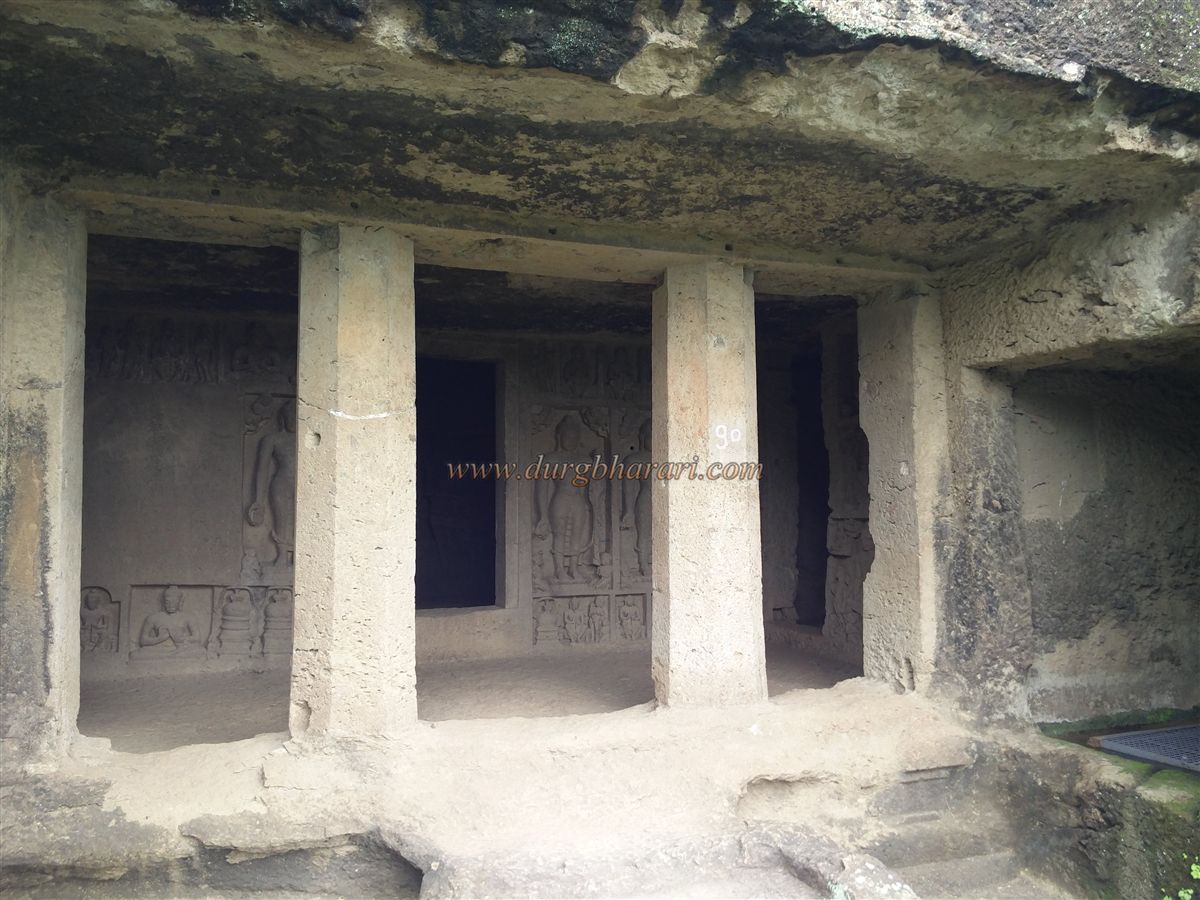
An inscription in Cave No. 90 records that the Satavahana king Vasithiputra married the daughter of Rudradavarna. Towards the end of the 10th century (980–1054 CE), the Buddhist teacher Atisha visited Krishnagiri Vihara to study Buddhist meditation. Several inscriptions mention donations made by patrons to the Kanheri library. In the early 9th century, during the reign of the first Amoghavarsha, Bhadra Vishnu donated part of his contribution for the purchase of manuscripts, and a Bengali merchant named Avighnakara also donated funds to the Kanheri Sangha for acquiring manuscripts.
On the slope of the Kanheri hill, above the caves, are three cliffs and a central ravine where a wall was built to store water. Although the wall has cracked and no longer holds water, this ancient structure is noteworthy. It suggests that the concept of dam construction originated in ancient times. To the right of the dam is a fort-like structure with ramparts, steps leading to the parapet, and inside, a well and underground drains. Due to the dense vegetation, the interior ruins are not clearly visible.
© Suresh Nimbalkar
GALLERY