KANCHANA
TYPE : HILL FORT
DISTRICT : NASHIK
HEIGHT : 3710 FEET
GRADE : HARD
One of the important battles in which Chhatrapati Shivaji Maharaj personally took part was the Battle of Kanchanbari. On their way back after looting the city of Surat for the second time, the Maratha army encountered the Mughals at Kanchanbari, where the Marathas inflicted a crushing defeat on them. This was the first time that the enemy was decisively defeated in open ground in their own territory, and thus, the battle between Vani and Dindori became famous as the Battle of Kanchanbari.
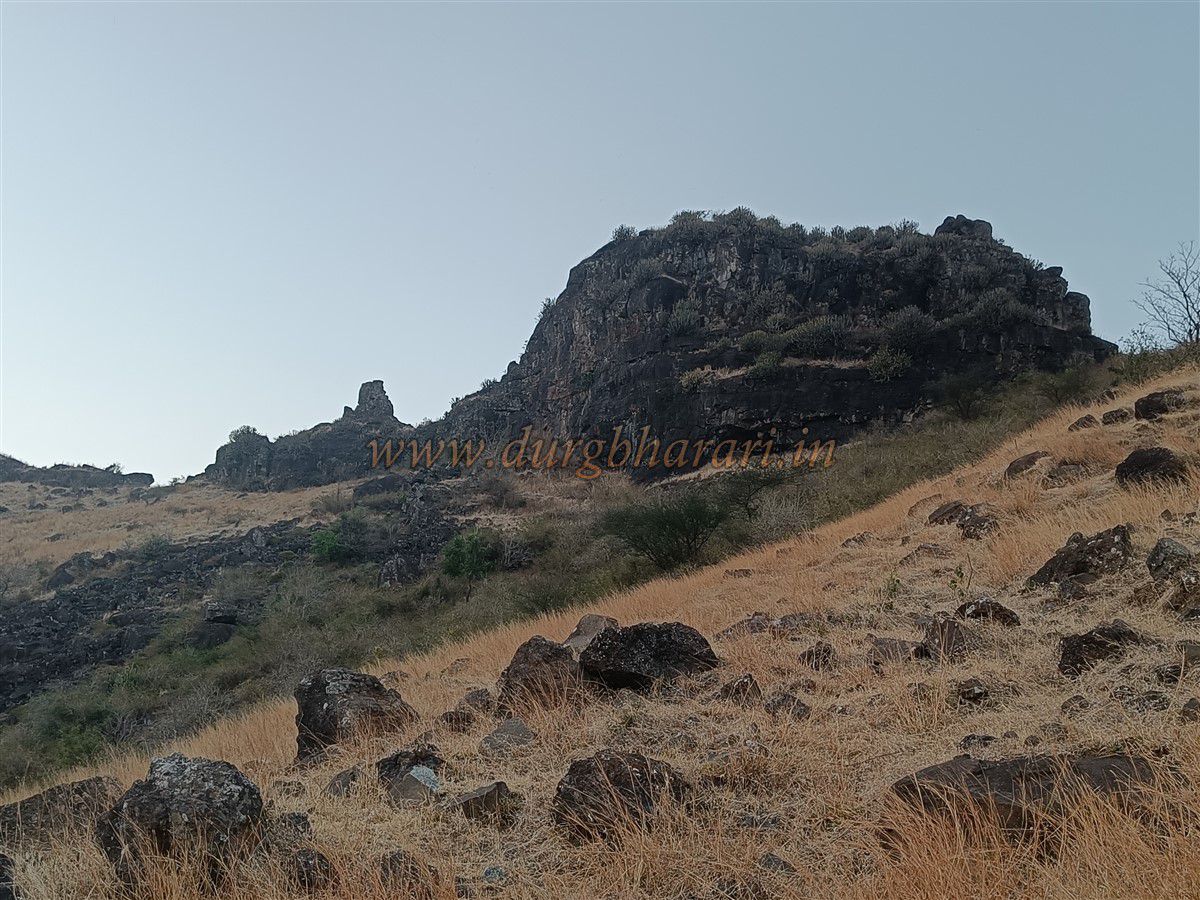
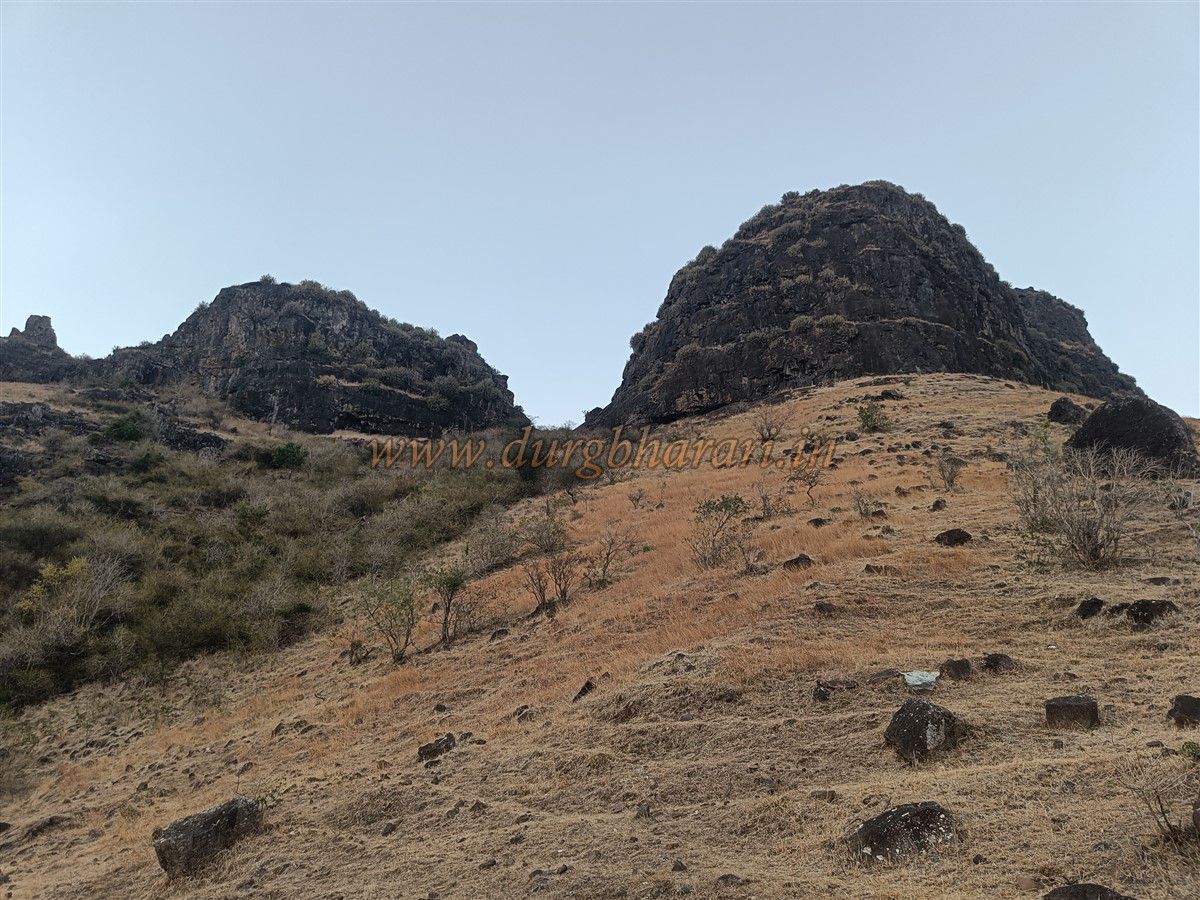
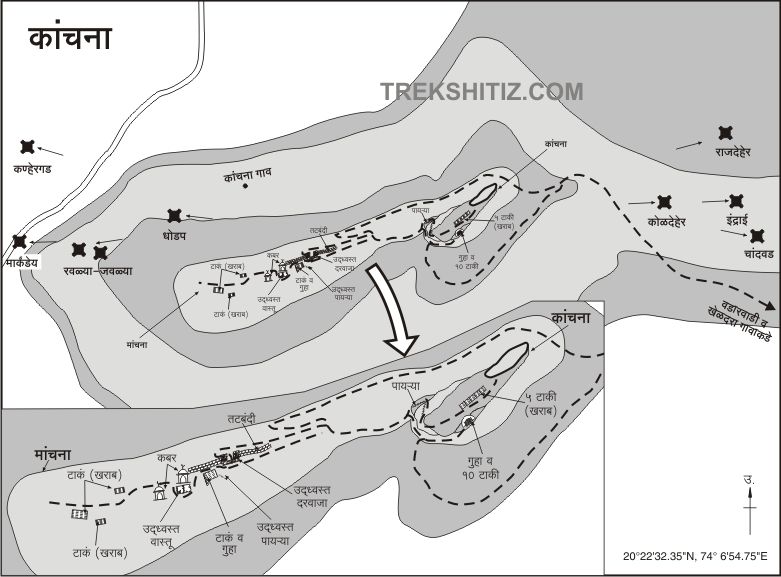
However, the forts that witnessed this battle — Kanchana and Manchana — are still far from public fame. Kanchana and Manchana are two separate peaks on the same hill. Some consider them a single fort, while others see them as twin forts. Although on the same hill, a ridge between the two peaks creates two separate passes, making them distinct from each other. Since each fort has a separate route of approach, they can indeed be referred to as two independent forts.
...
The first fort, Kanchana, lies in Deola taluka, about 100 km from Nashik city and 14 km from Deola town. There are two ways to reach it. The first route starts from Kanchane village at the northern base of the Kanchana–Manchana hill. This steep, slippery path first leads to the base of Manchana fort, then skirts the central pinnacle from the right side to reach the base of Kanchana fort. Taking this route allows one to visit Manchana first, then Kanchana.
The second route to Kanchana is from the south side. Traveling through Kanchane village, one crosses the Kanchanbari pass and takes a left road toward Kheldari village, which is 6 km away. About 1,000 feet in from this road, a dirt track appears on the left toward the Kanchana–Manchana forts. After about 1 km, the track turns sharply right; at this turn, there is a farmhouse on the left, from where a trail leads toward the fort. This route, keeping the hill to your left, brings you to the base of Kanchana fort. Skirting the summit, you can then proceed to Manchana fort. Though easier than the first route, it takes more time. A good plan is to ascend by one route and descend by the other to save effort and time.
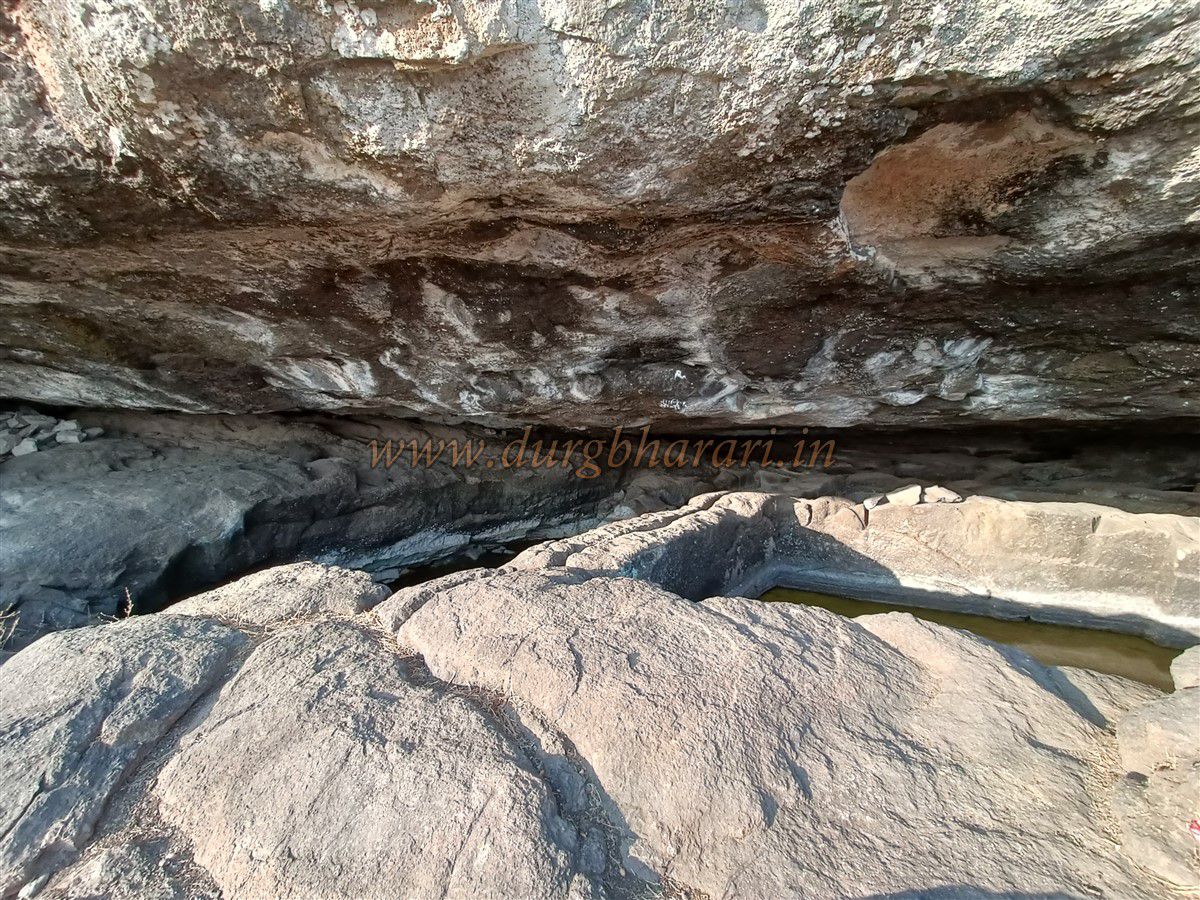
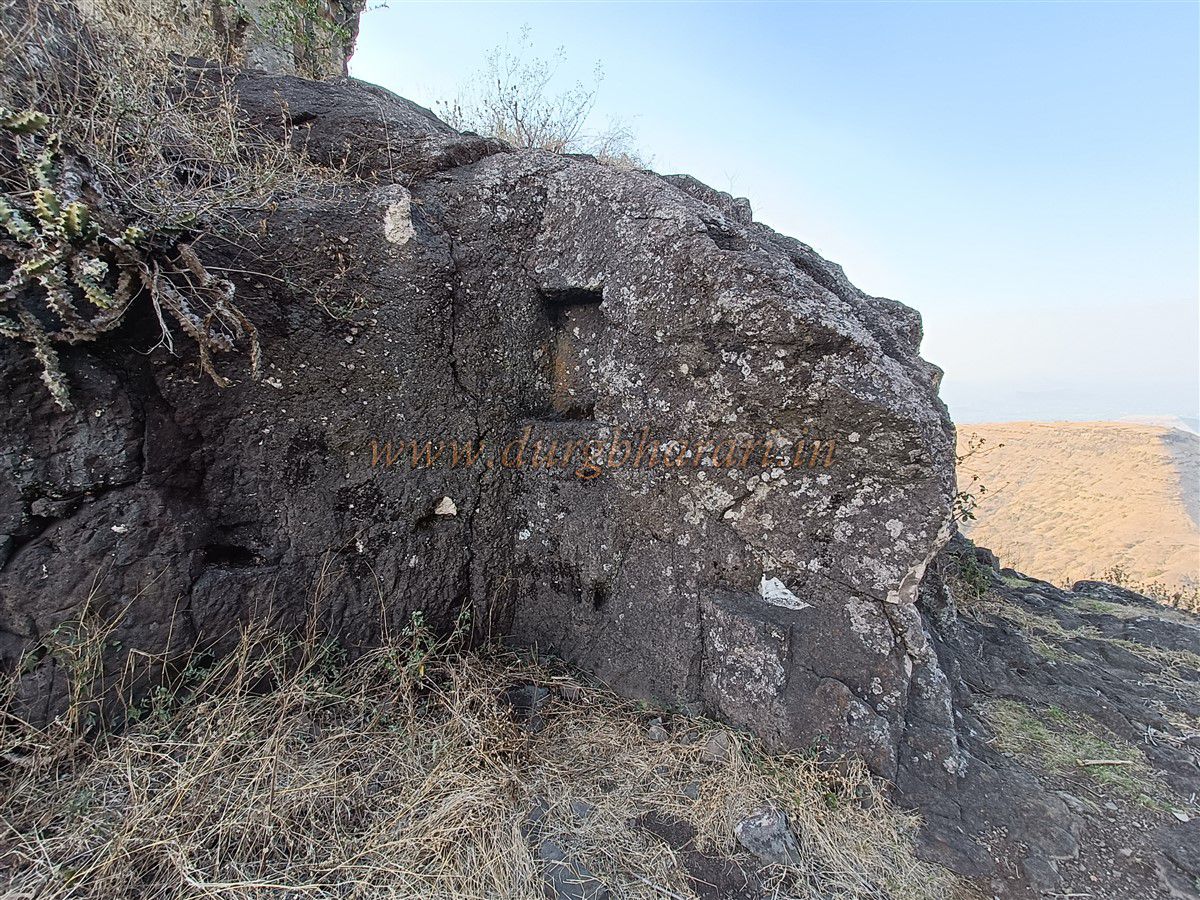
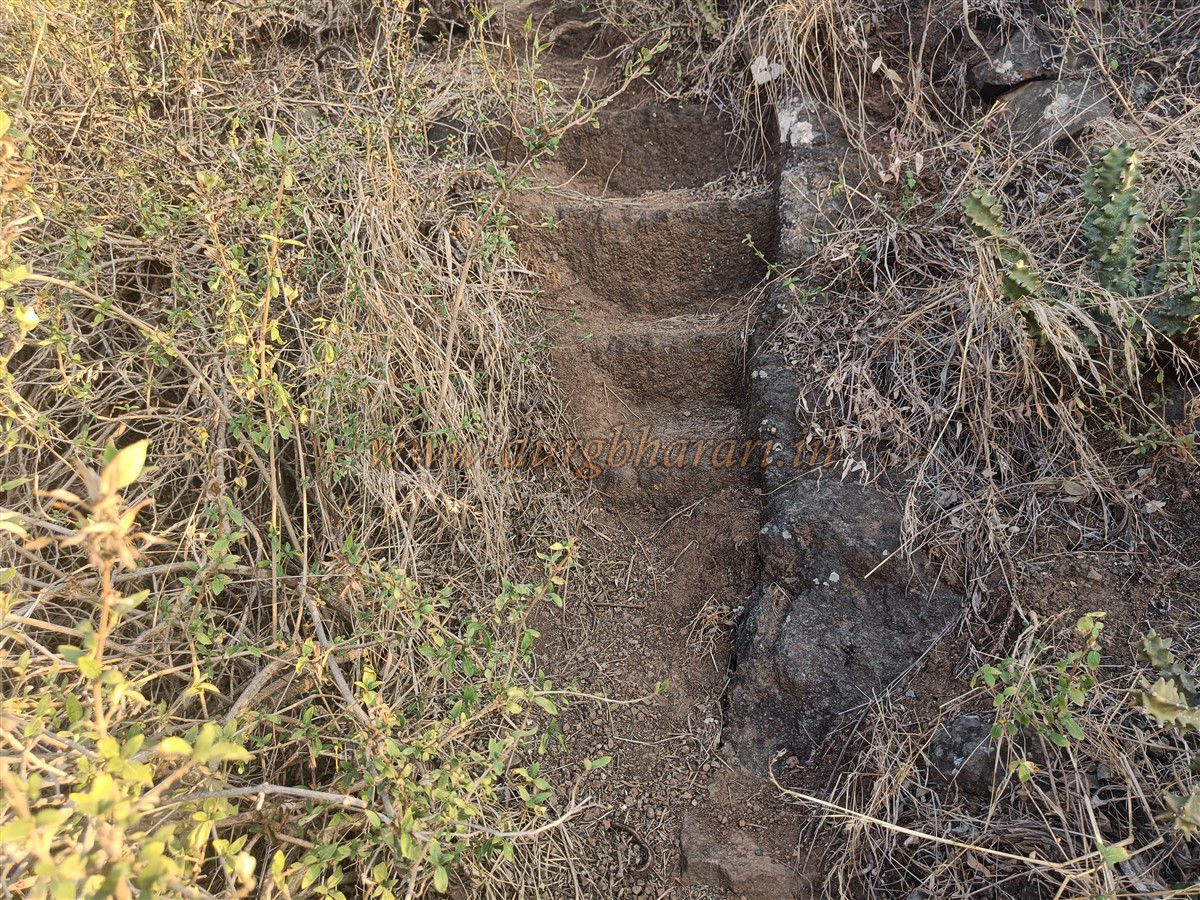
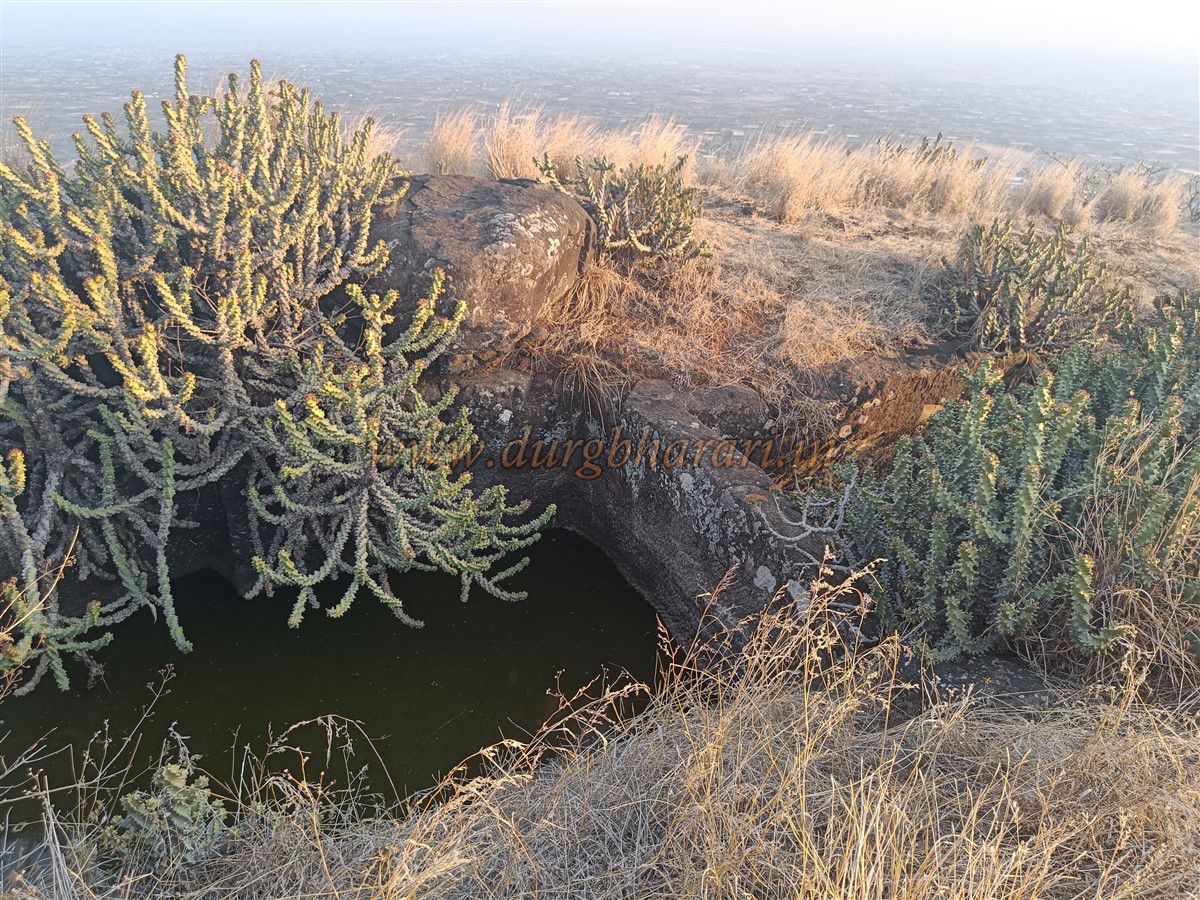
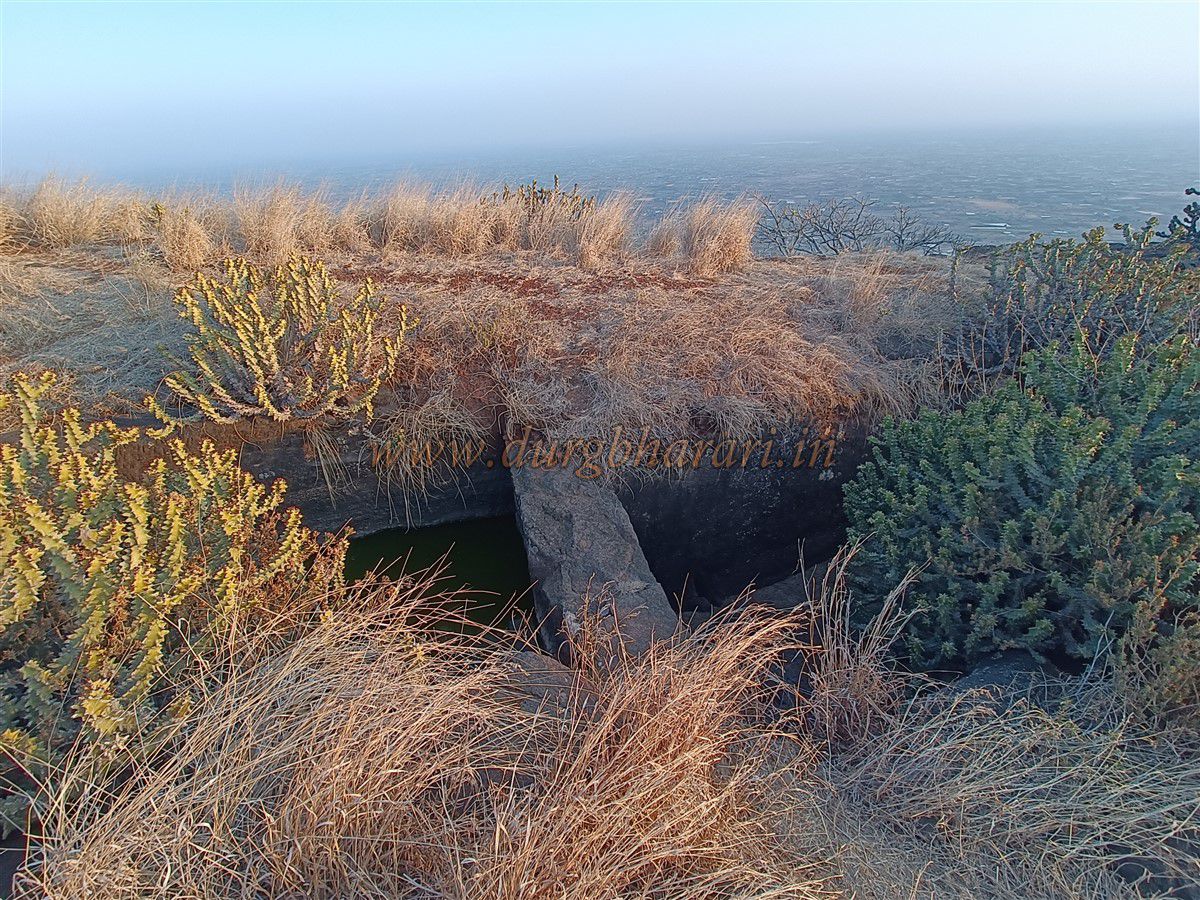
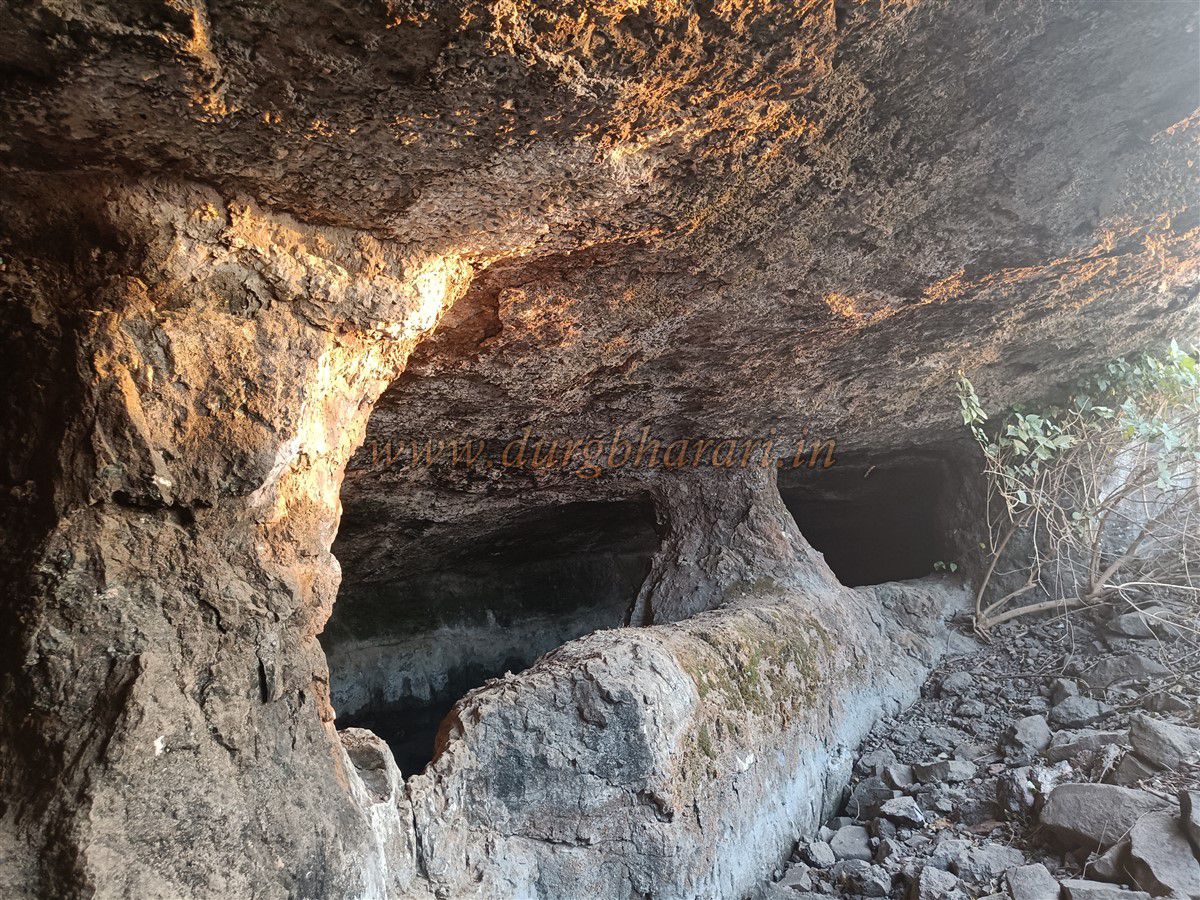
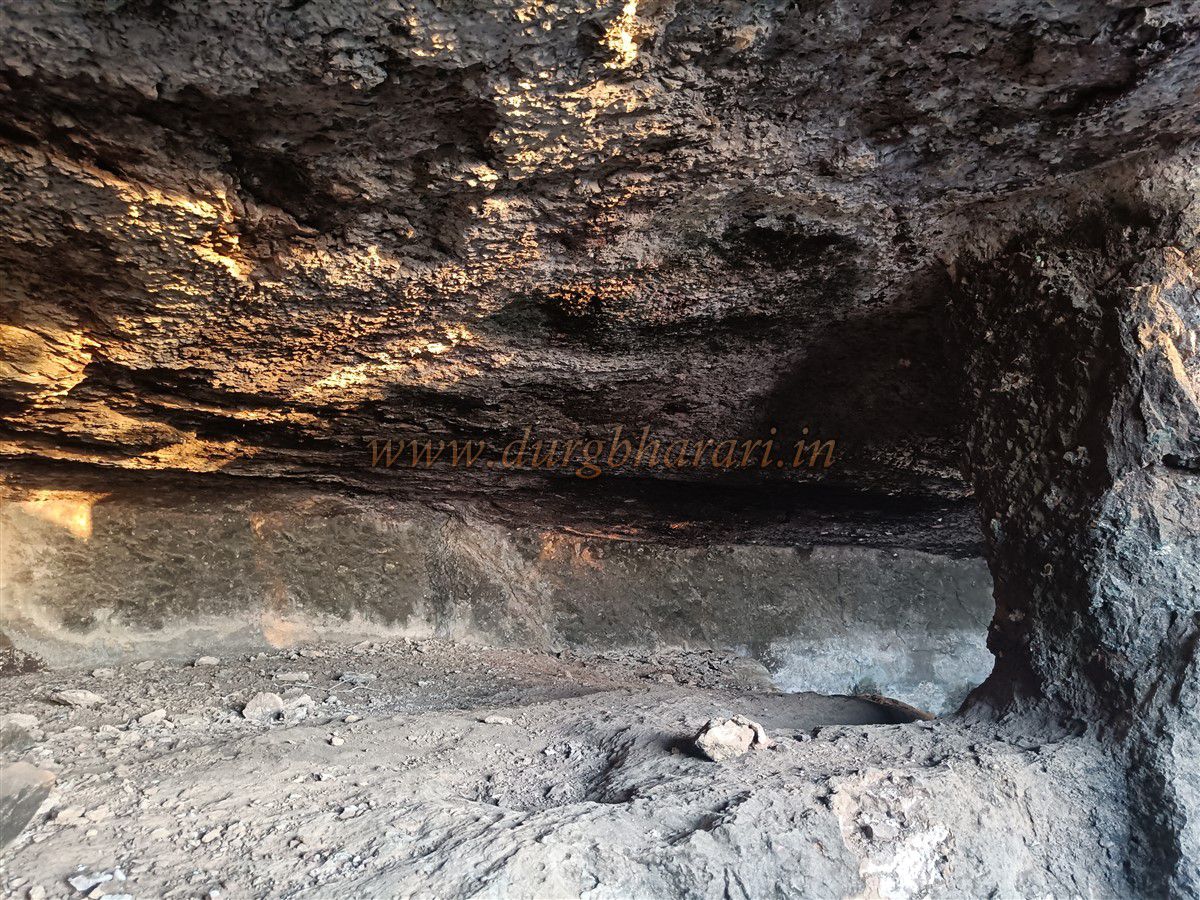
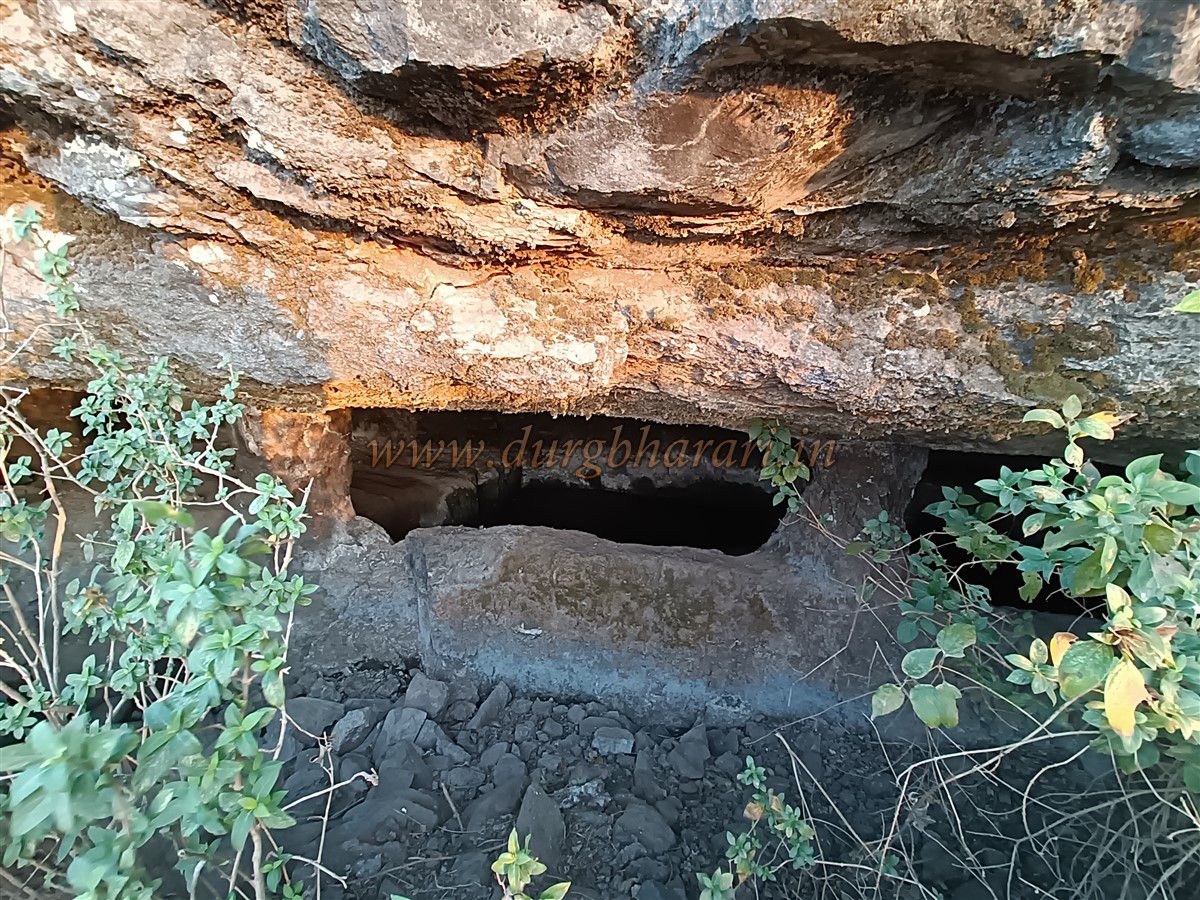
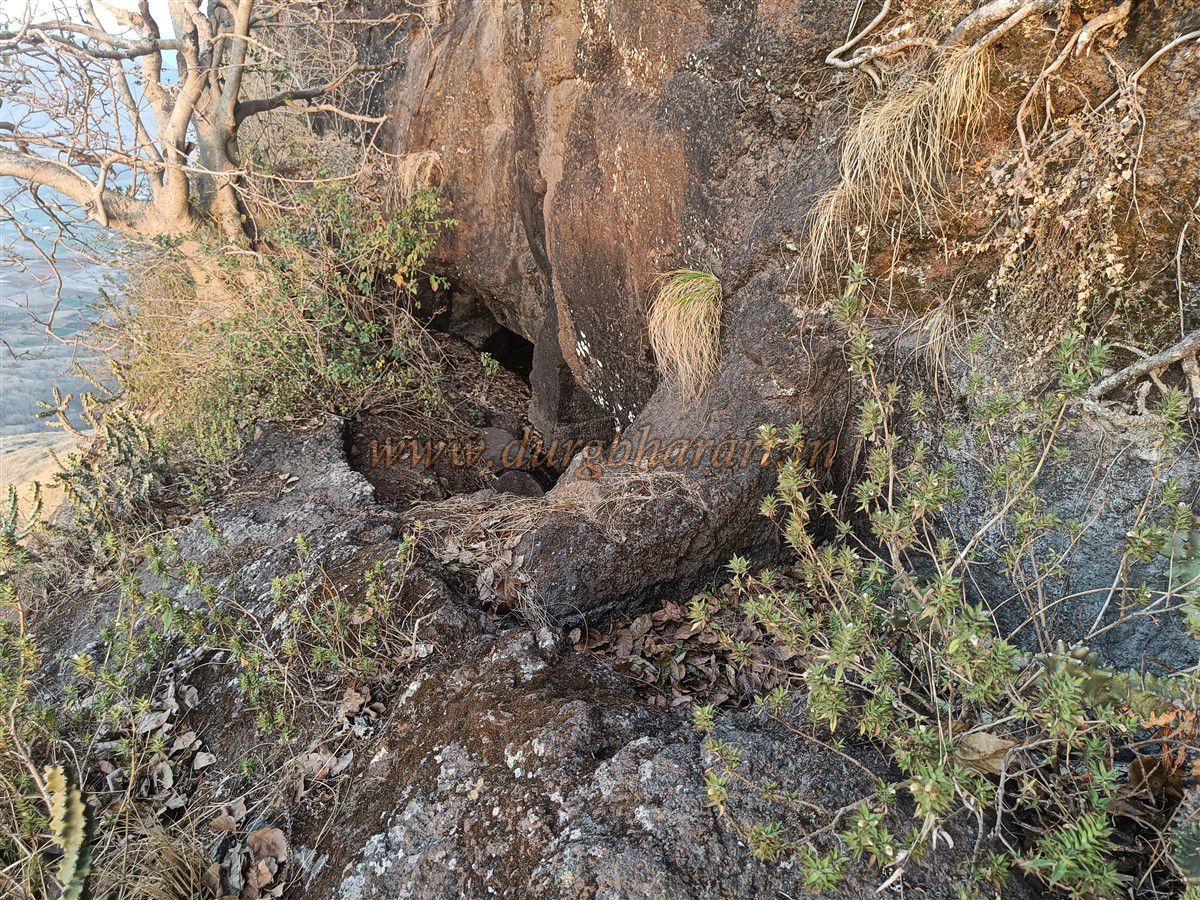
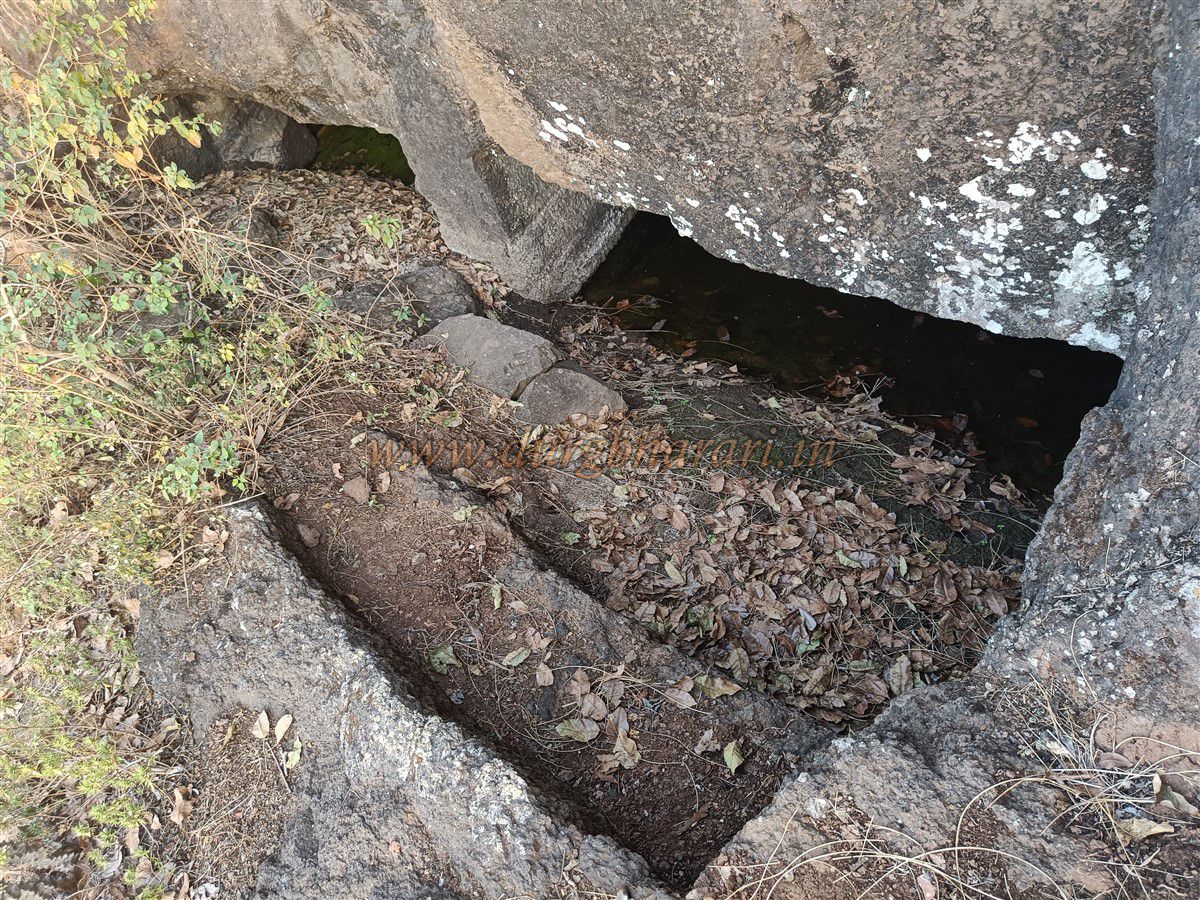
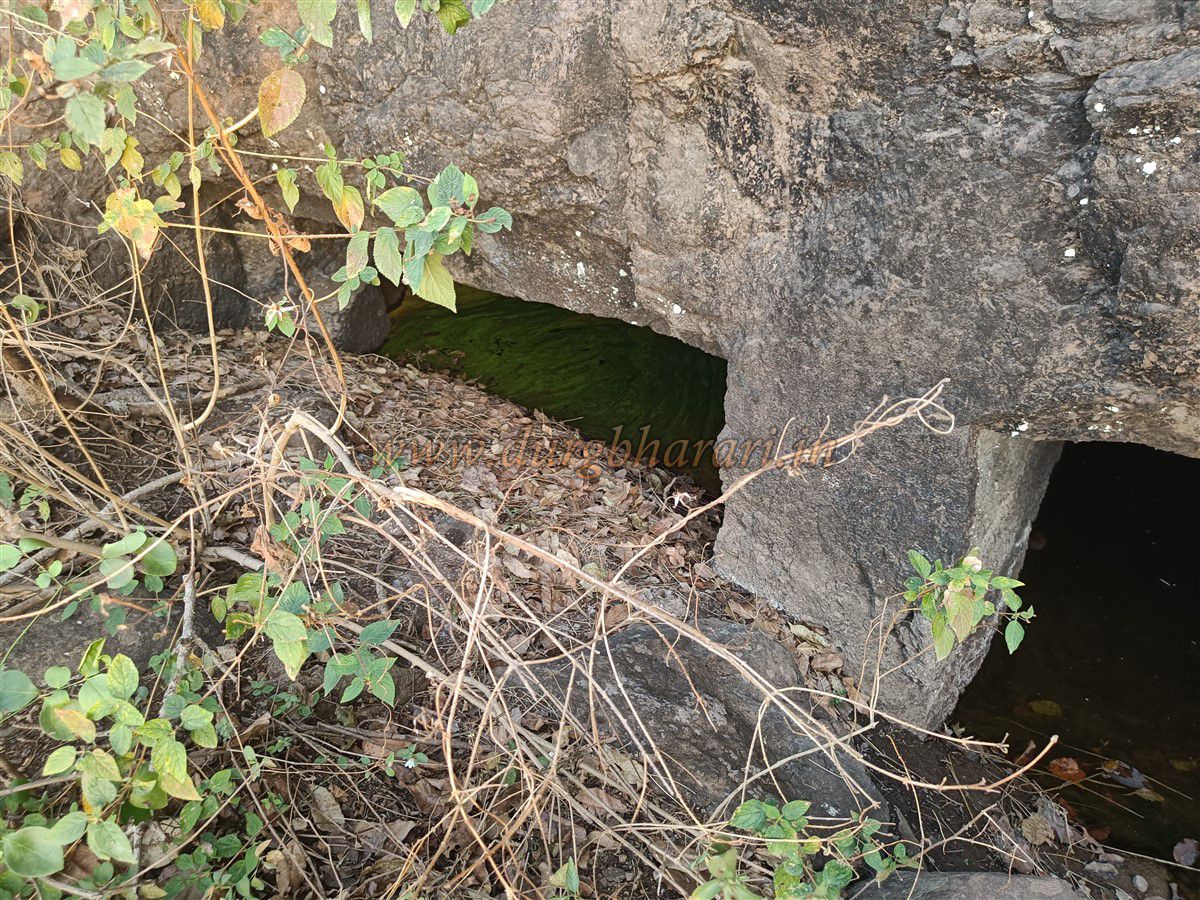
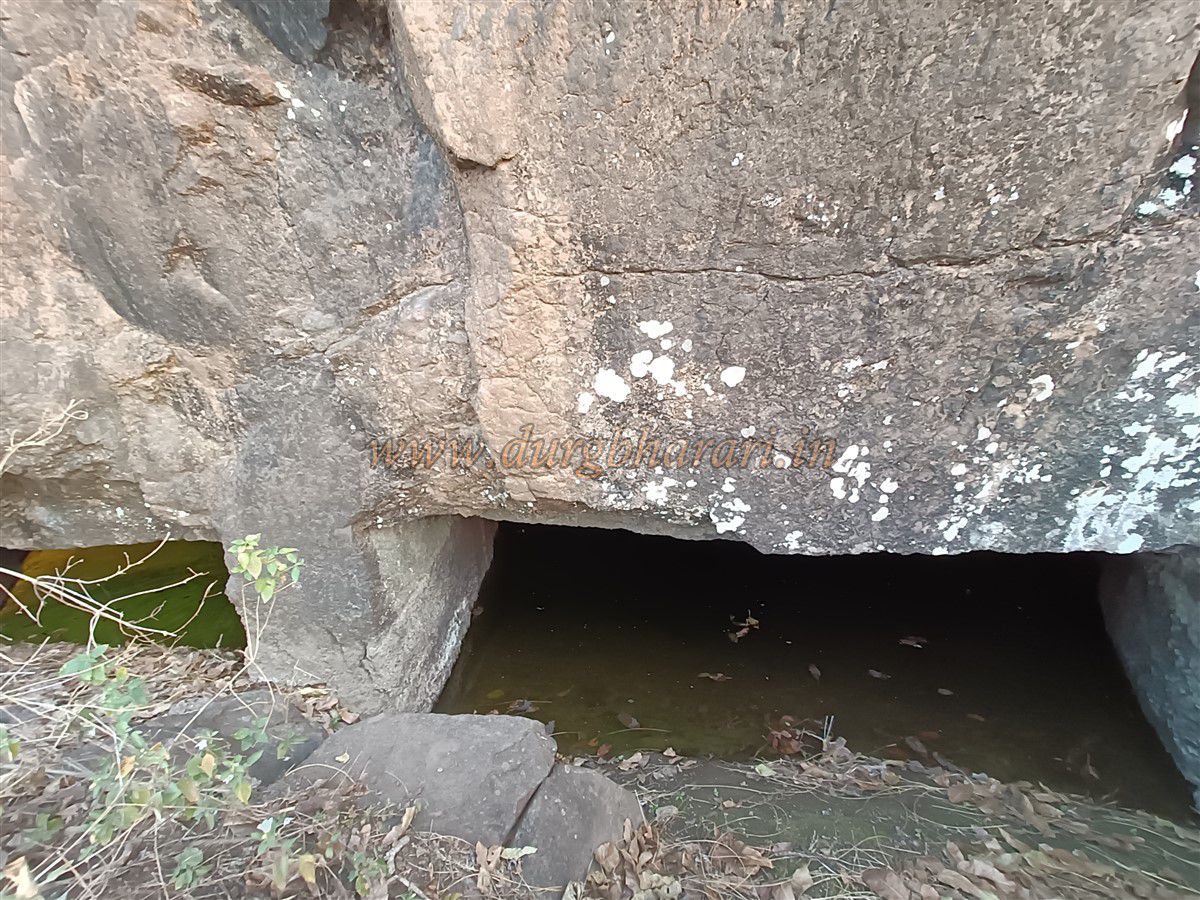
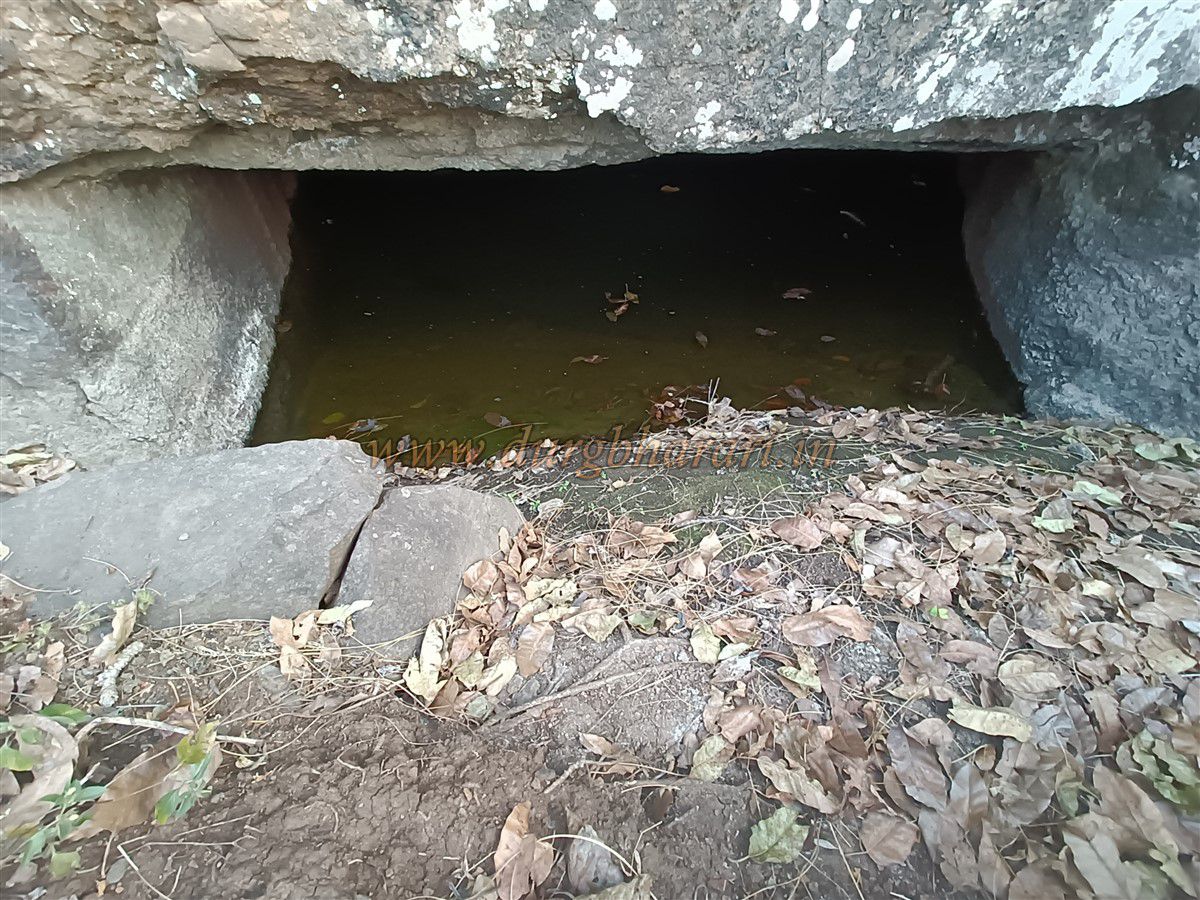
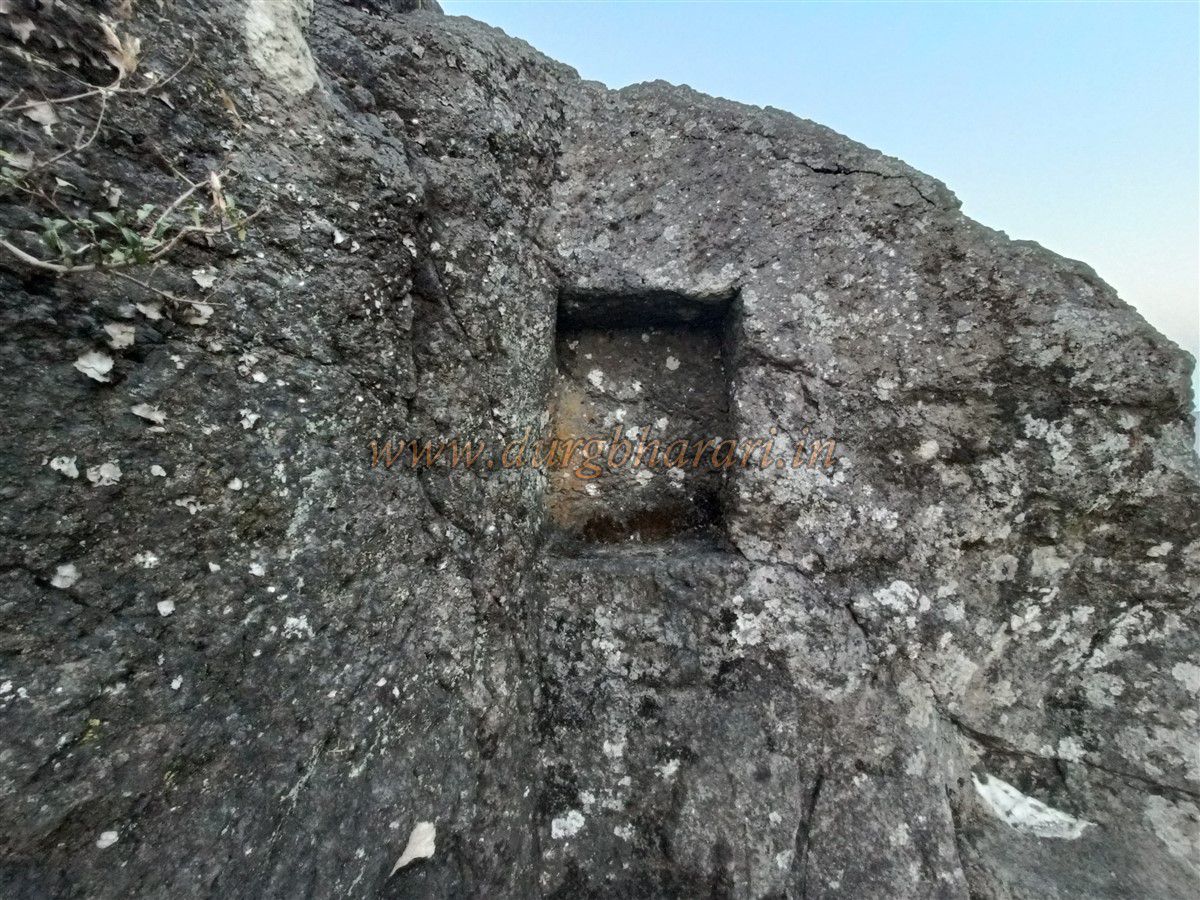
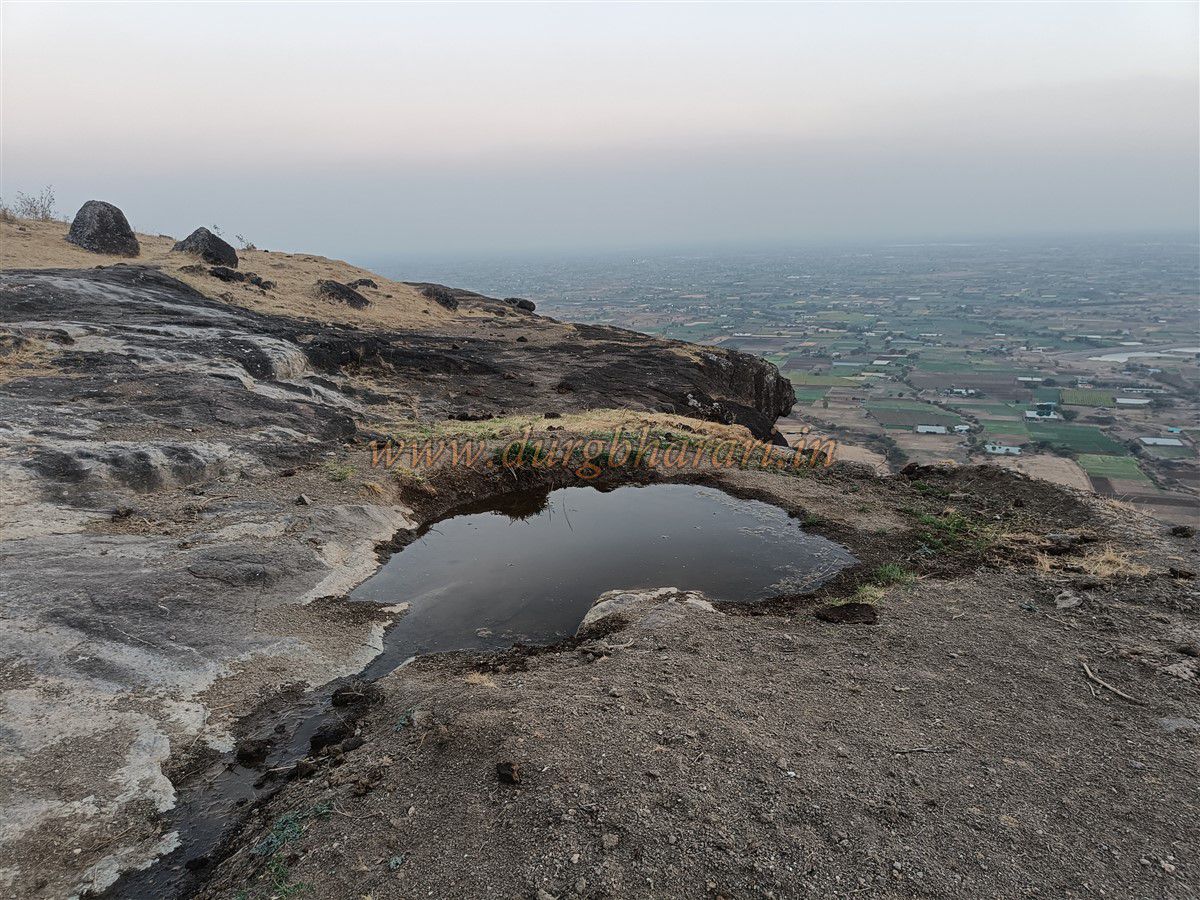
Some stretches on both routes have rock-cut steps. Climbing from the south side (Kheldari), it takes about one and a half hours to reach a cave beneath the pinnacle of Kanchana fort. This cave contains ten rock-cut water tanks, some still holding potable water. From here, a path to the left leads to the saddle between the Kanchana summit and the nearby pinnacle. In this saddle, the pinnacle has a rock-cut niche and a weathered carving of Hanuman. This may have been the fort’s entrance once.
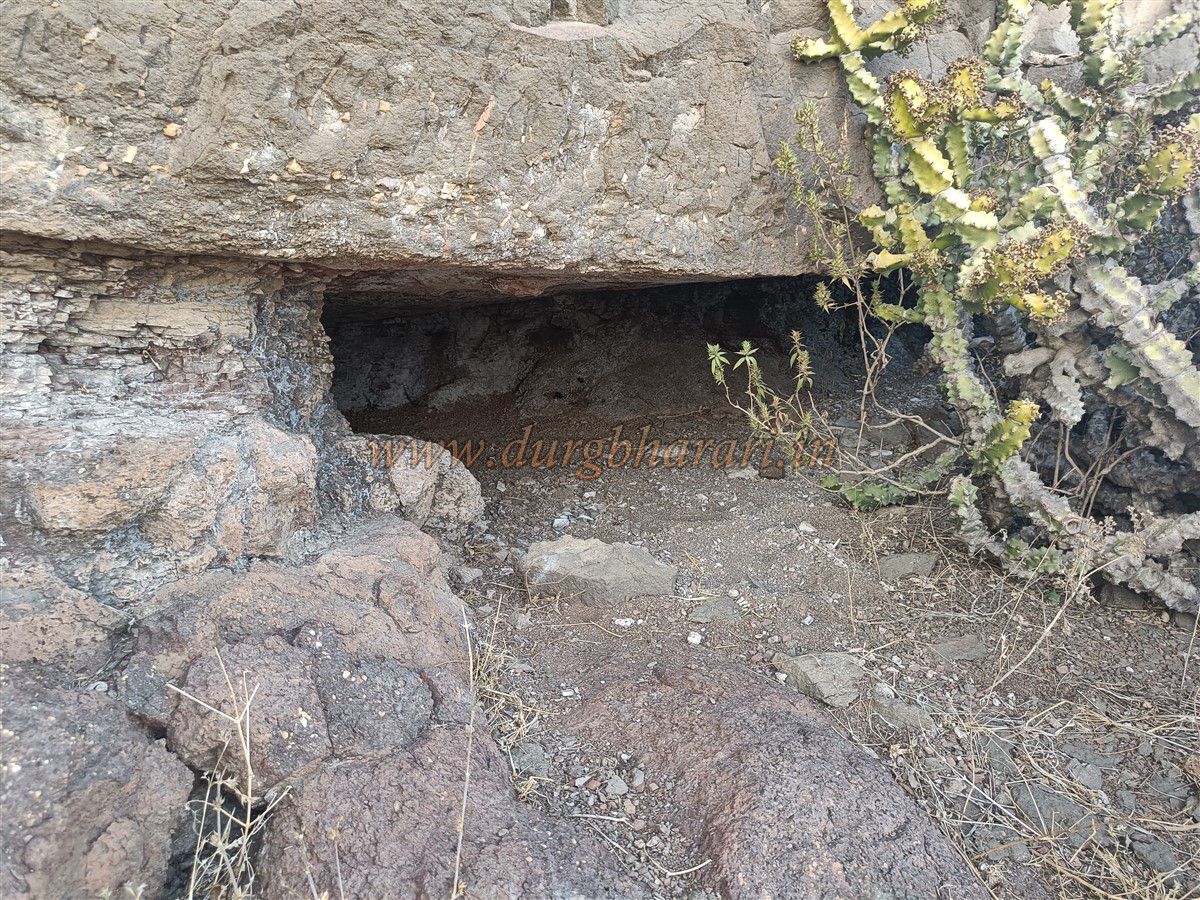
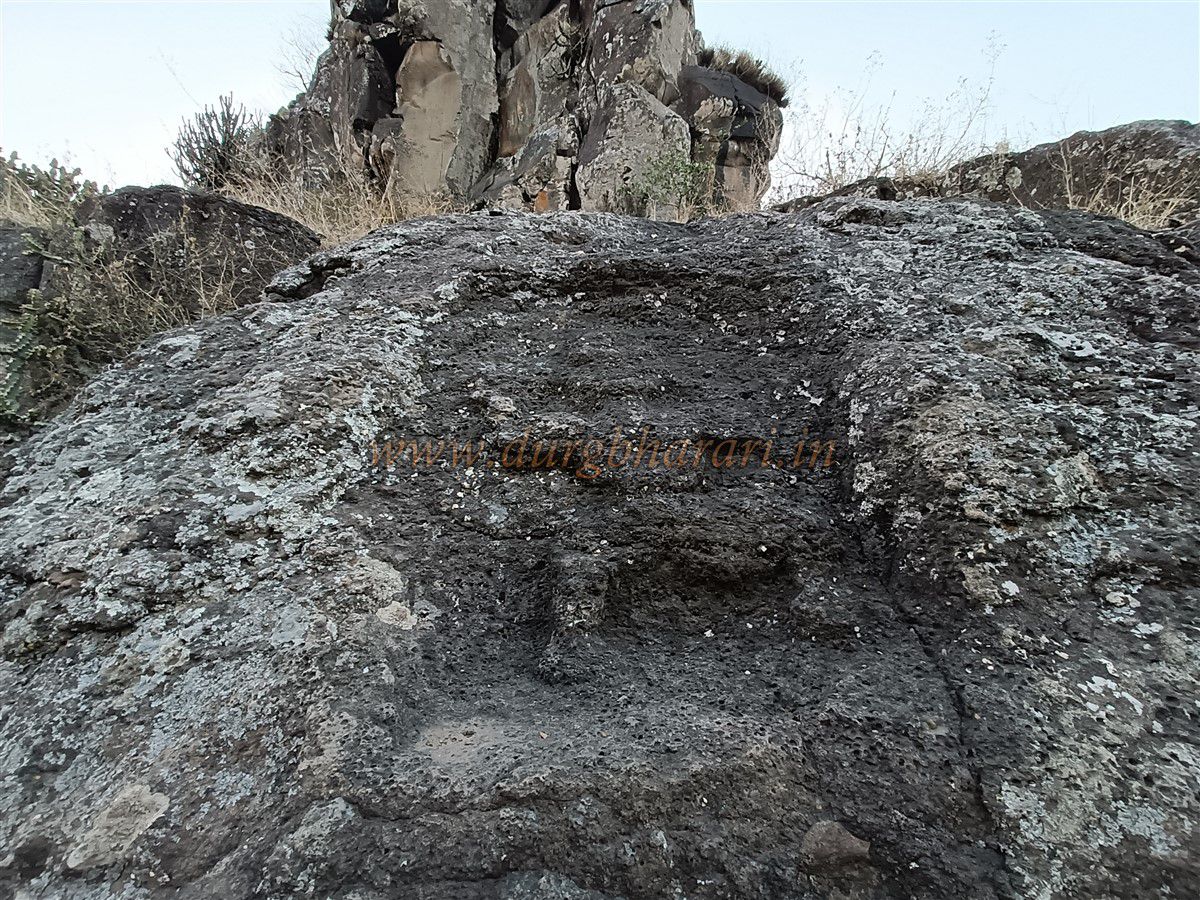
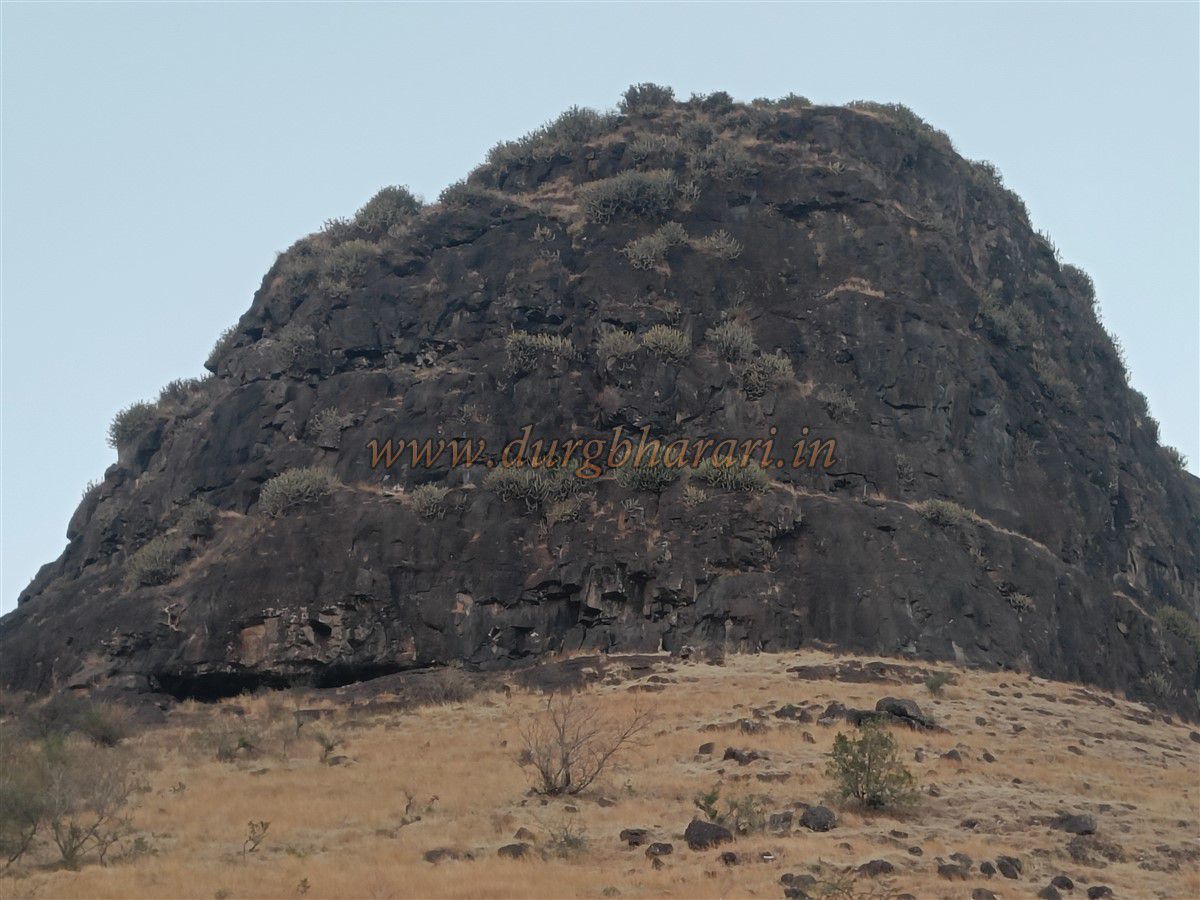
The ascent to the fort involves rock-cut steps with handholds. While not extremely difficult, beginners are advised to avoid it without rope support. Midway, a faint Cliffside path branches left, but it is slippery and dangerous. Following it leads to four small rock-cut caves and one large cave with one or two pillars, along with two large water tanks. This section must be crossed with caution. Returning from there, the climb continues to the narrow fort top.
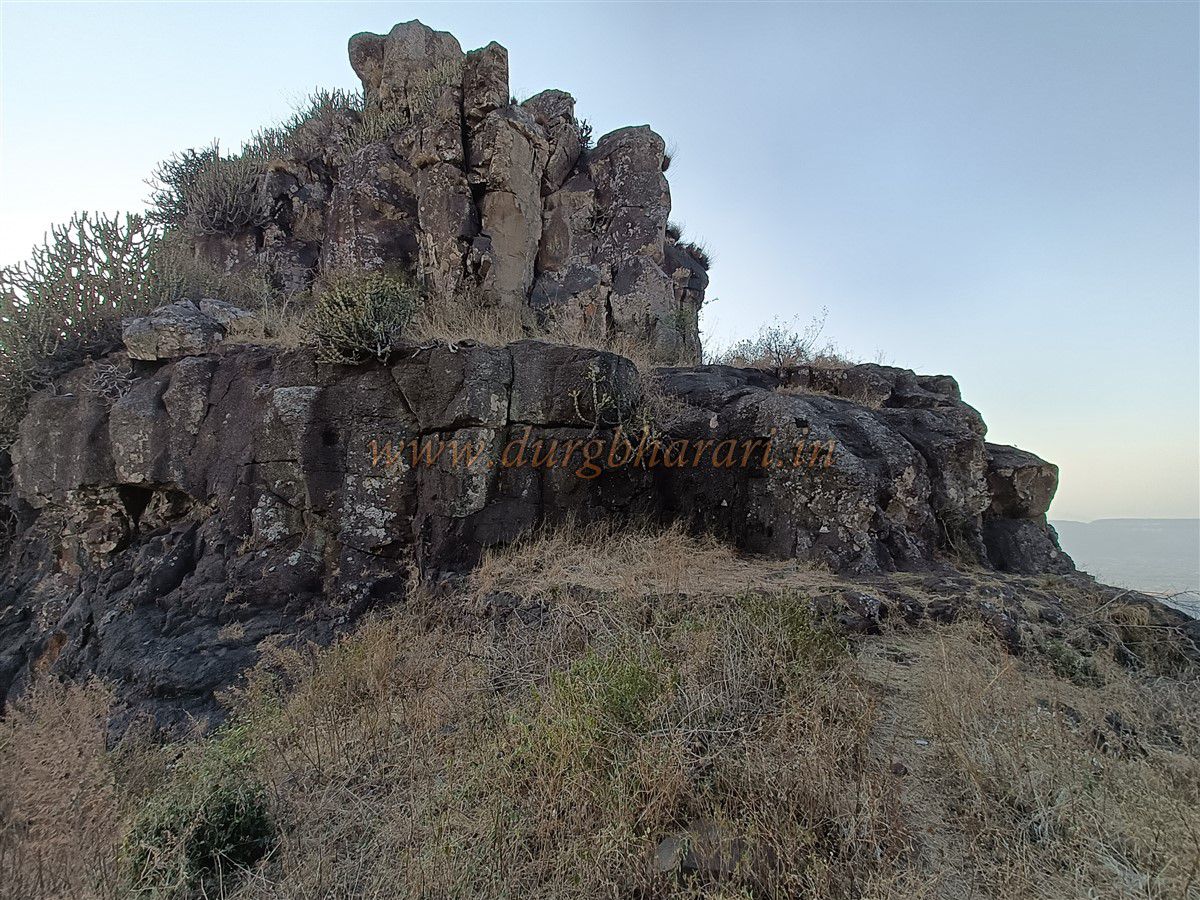
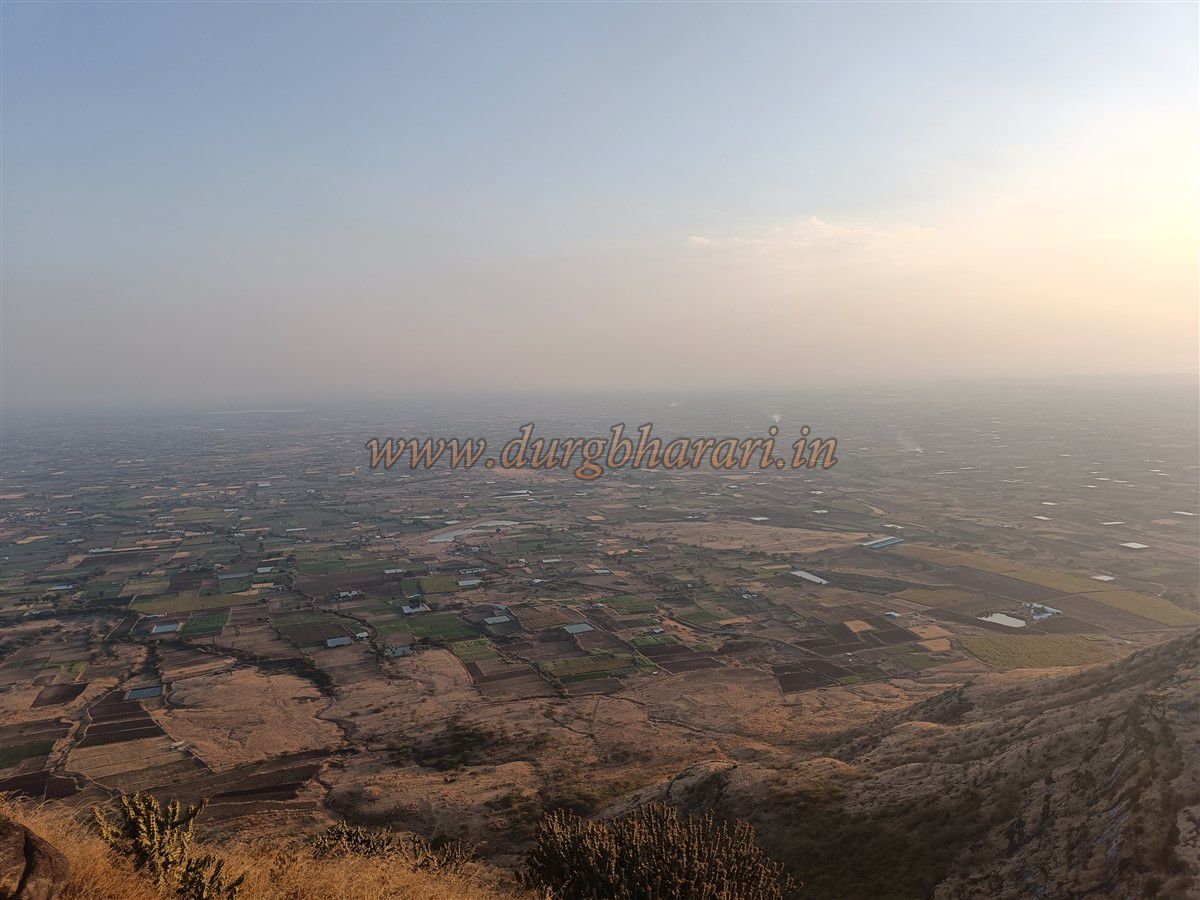
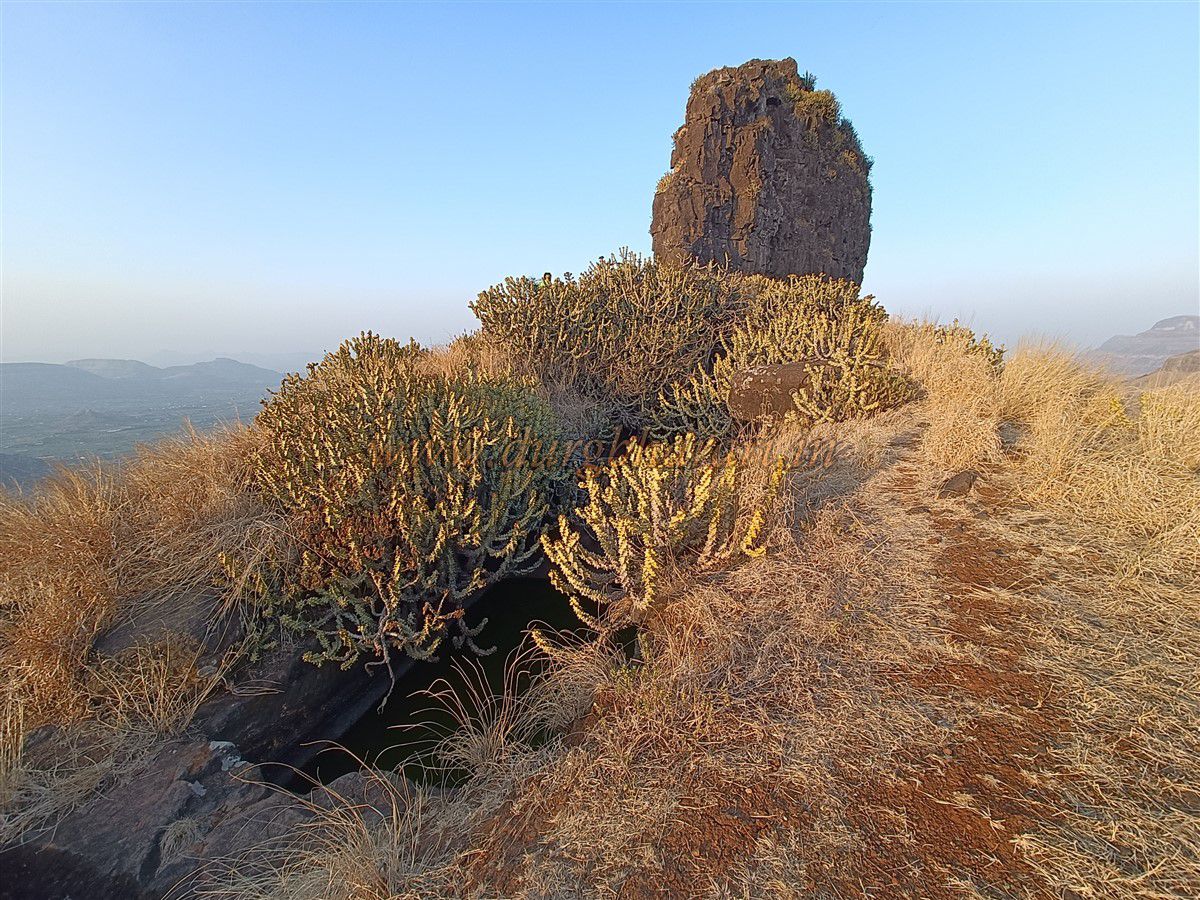
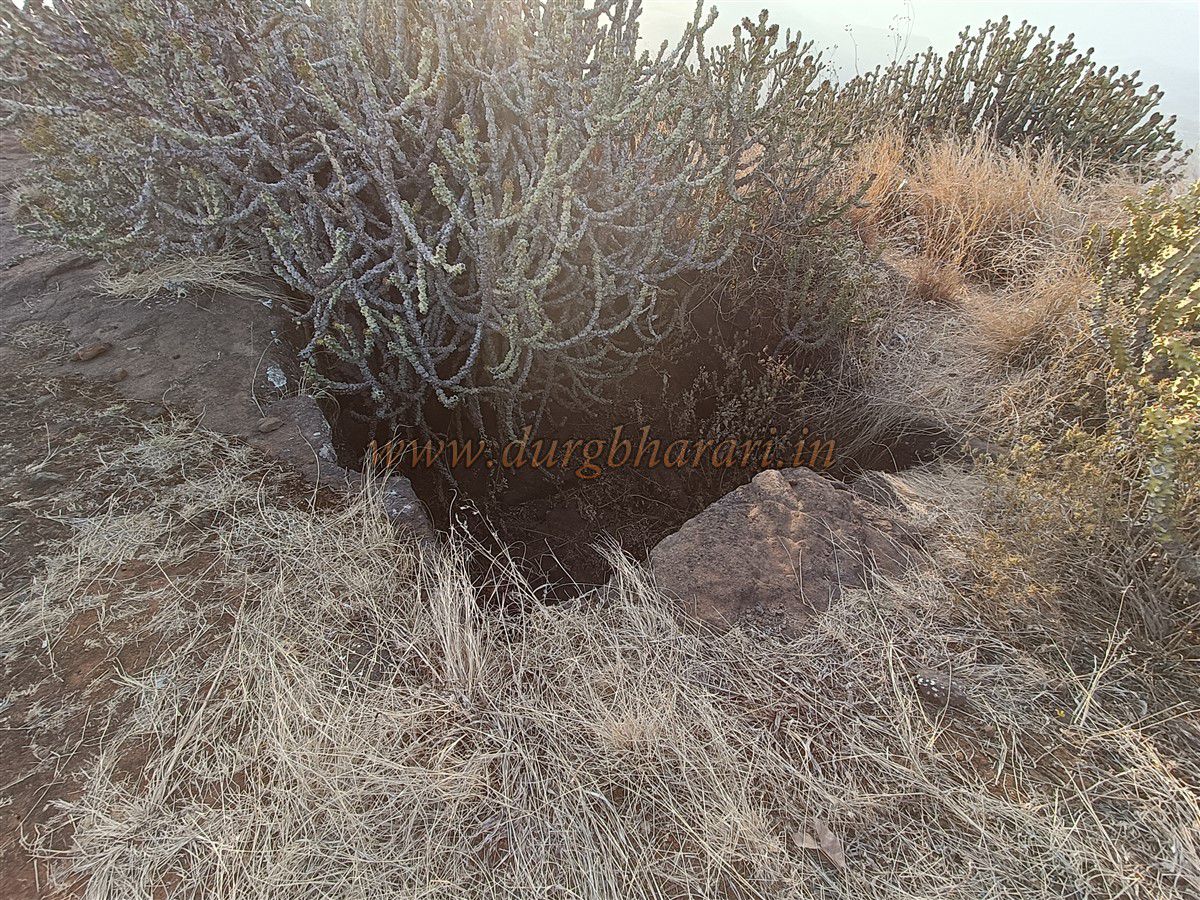
The summit stands at 3,710 feet above sea level, stretching about half an acre east–west. At its tip is another pinnacle, approached by a line of seven rock-cut tanks, most overgrown with cactus, though one still contains drinking water. The pinnacle has no remnants and requires climbing gear to reach. A small cave is carved into its left side. Since the summit is itself like a pinnacle, no stone fortifications are visible. From the top, Dhodap, Rajdher, Koldher, and Indrai forts are clearly visible. Descending cautiously to the saddle completes the visit.
From the cave’s water tanks, the rest of the fort can be explored in about an hour. From Kheldari, after visiting Kanchana, one can skirt the nearby pinnacle from the left to proceed to Manchana fort.
In much of Nashik, one can see the influence of the Nath sect. A legend says that Guru Gorakshanath, to free his disciple Machhindranath from greed for gold, used his spiritual power to turn this hill into gold — hence the name Kanchana (meaning “golden”). In Western Maharashtra, a gap between two mountains is called a Khind (pass), while in Baglan–Khandesh, it is called a Bari. Kanchan–Manchan forts may have been built in ancient times to control trade passing through the Kanchanbari pass in Baglan.
In October 1670, while returning to Rajgad after the second sack of Surat, Mughal commander Daud Khan Qureshi set out from Burhanpur in pursuit of Maharaj. Since Baglan was under Mughal control, the Marathas had to cross the Satmala range to enter Swarajya, with a possible encounter with Daud Khan. Maharaj divided his army — sending 2,000 soldiers with the loot ahead, while staying behind with 10,000 Mavalas. Mughal commanders Daud Khan and Ikhlas Khan, with about 15,000 troops, reached the Kanchanbari area. On 17 October 1670, the battle began in the morning.
This was the first open-field battle personally led by Shivaji Maharaj. Lasting six hours, it saw Maratha commanders Prataprao Gujar, Moropant Pingle, Anandrao, and Bhikaji Datto launch fierce attacks, killing about 3,000 Mughals and inflicting a crushing defeat. This swift victory over a larger force in an open-field encounter made the Battle of Kanchanbari famous in history. Since the exact battlefield location is still uncertain, some historians also refer to it as the Vani–Dindori battle. The victory boosted Maratha confidence that they could defeat the Mughals in direct combat.
From here, Maharaj moved on to Kunjar fort. After this battle, the Mughal Subhedar of Dindori, Siddi Hilal, joined the Marathas. In the following years, most forts in this region were incorporated into Swarajya. In June 1818, the British captured this fort.
© Suresh Nimbalkar
GALLERY