KAMTHA
TYPE : GROUND FORT
DISTRICT : GONDIYA
HEIGHT : 0
In Gondia district of Vidarbha, there are barely two or three forts that can be counted on one’s fingers. Apart from Pratapgad, which is a hill fort, there is no other hill fort in Gondia district, and apart from the Kamtha land fort (Bhuikot), there is no other land fort either. On seeing the land fort at Kamtha, one is left wondering whether it should truly be called a fort or rather a fortified mansion (gadhi), given its overall construction.
This fort is located in Kamtha village, 20 km from Gondia city, and can be reached by bus or rickshaw from Gondia railway station. Upon arriving in the village, simply asking for the “Zamindar’s Fort” will easily guide you to it. The fort is privately owned by Prithviraj Singh Nagpure, a sixth-generation descendant of Nagpure, a sardar in the service of Raghuji Raje Bhosale of Nagpur. When I visited the fort, I met him and learned a great deal about it.
...
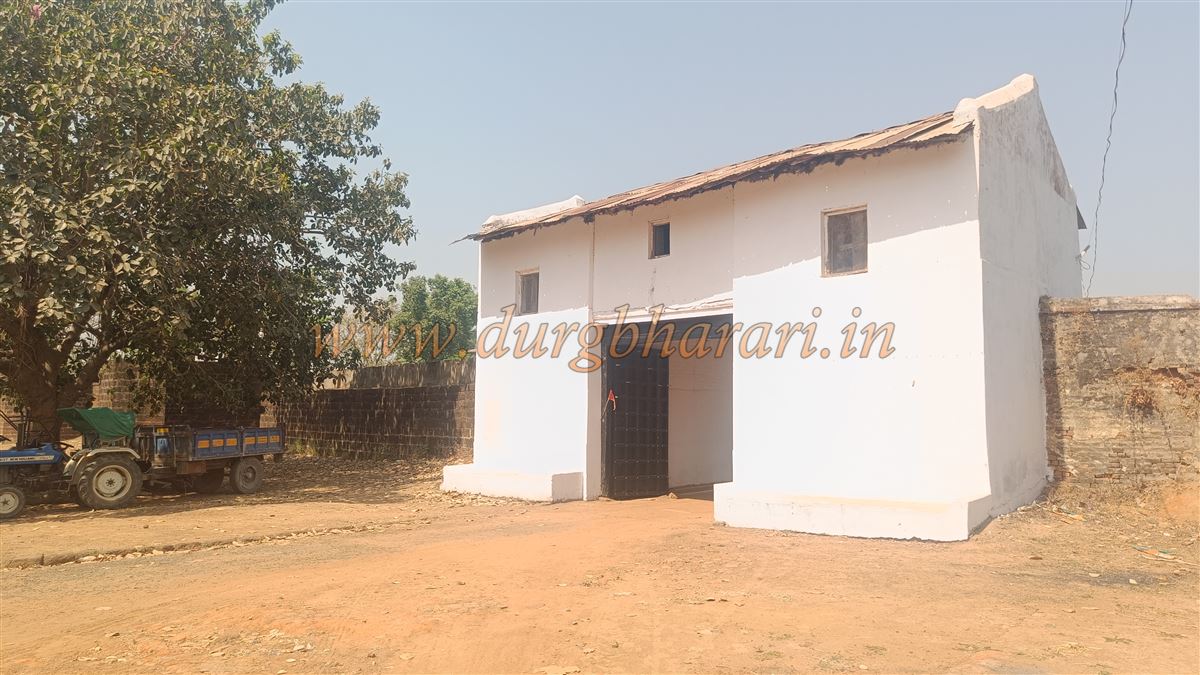
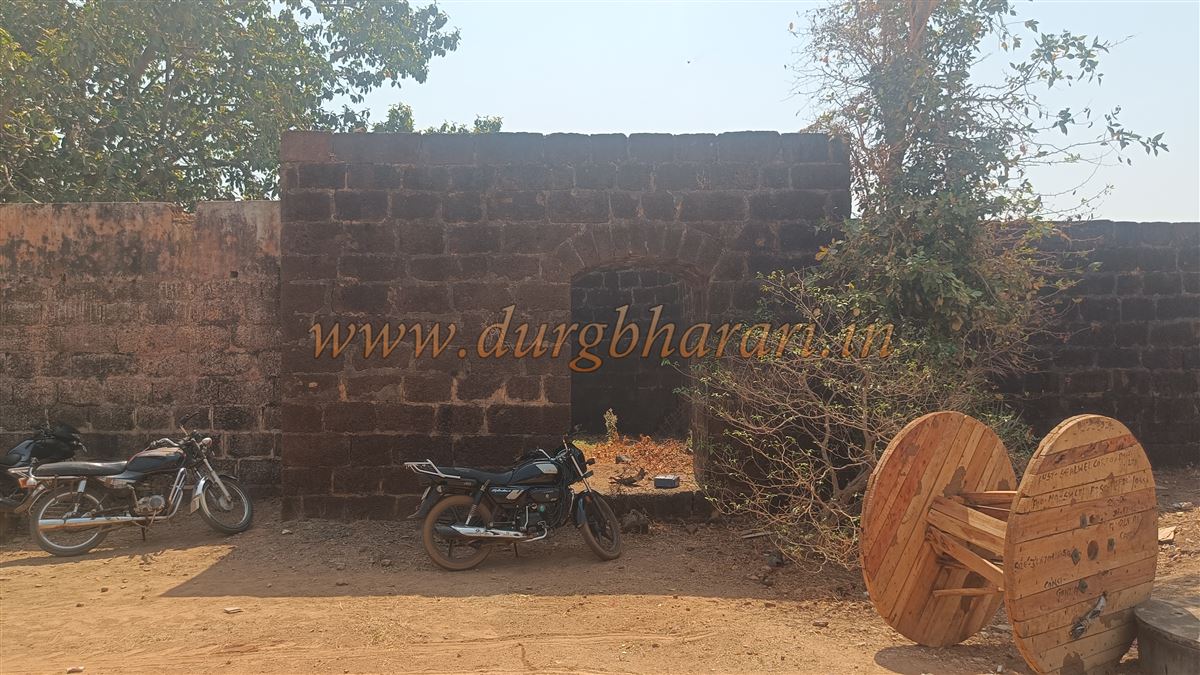
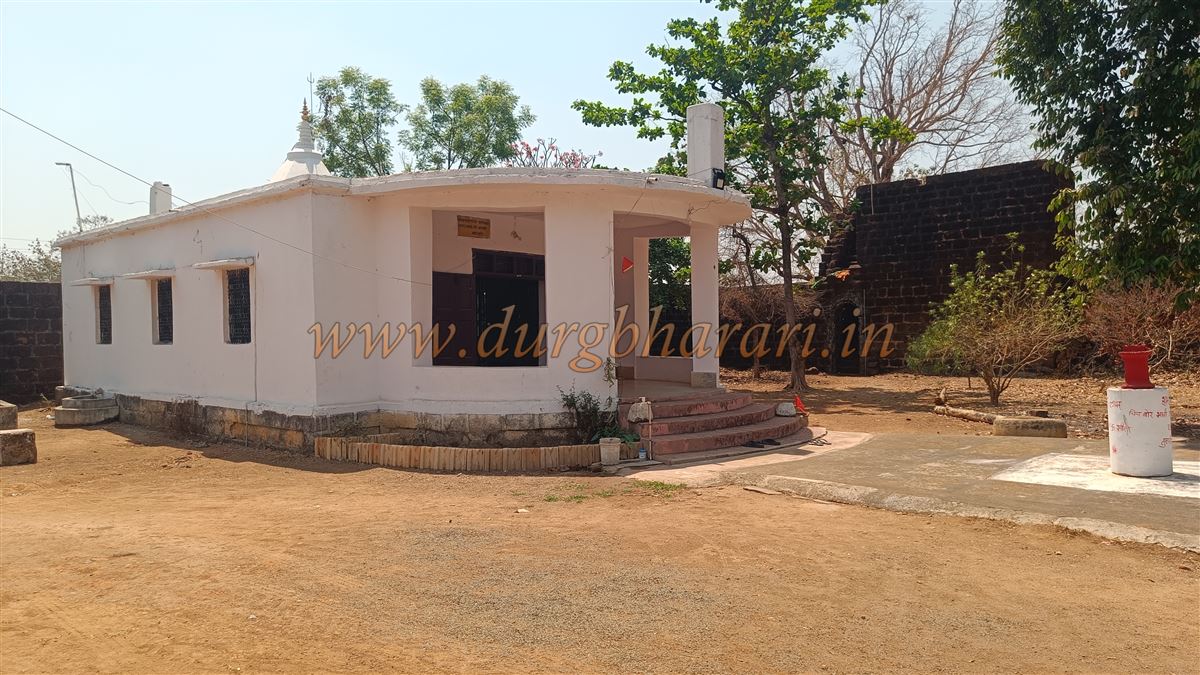
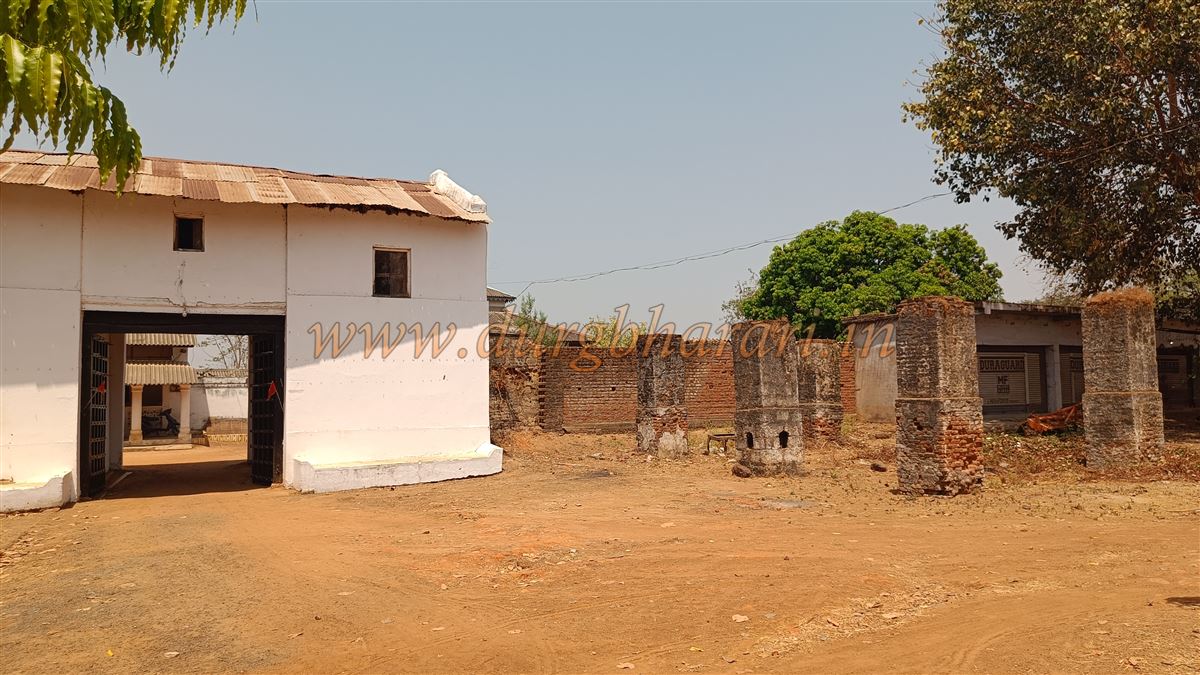
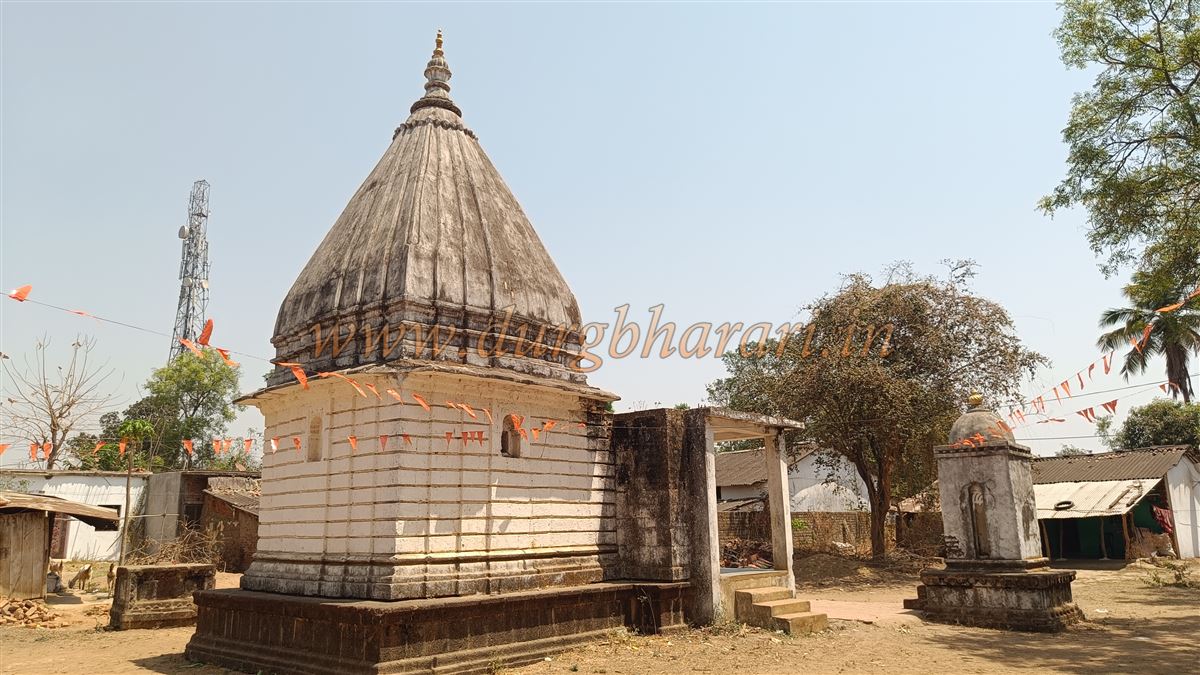
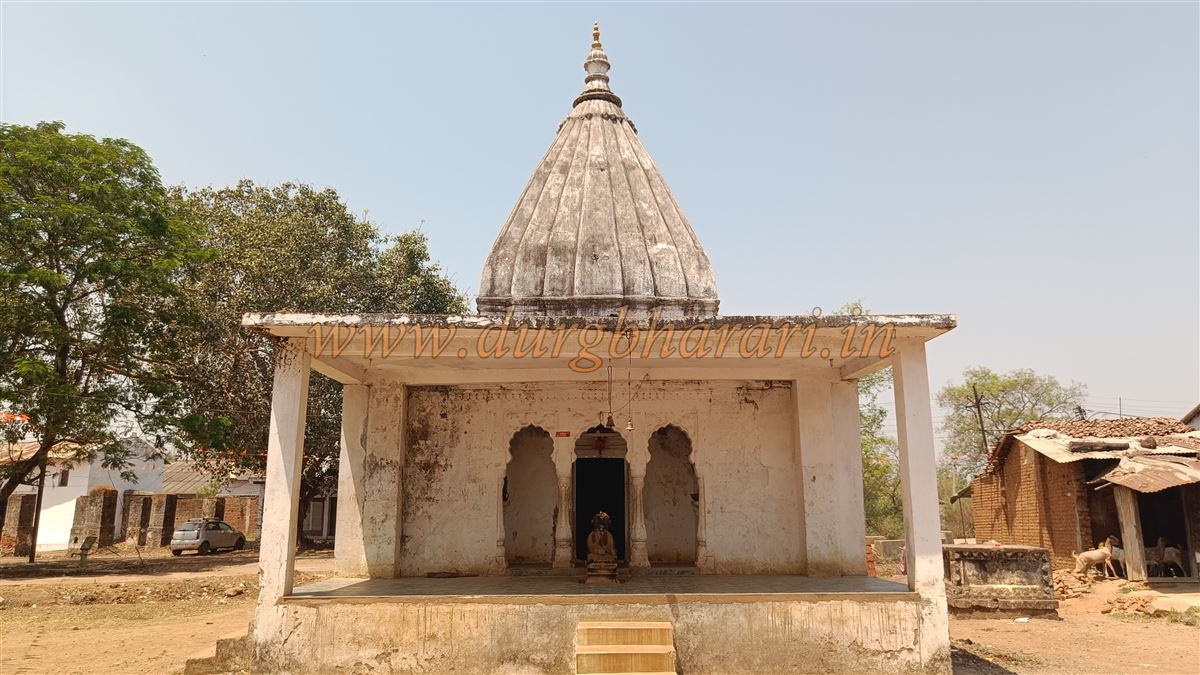
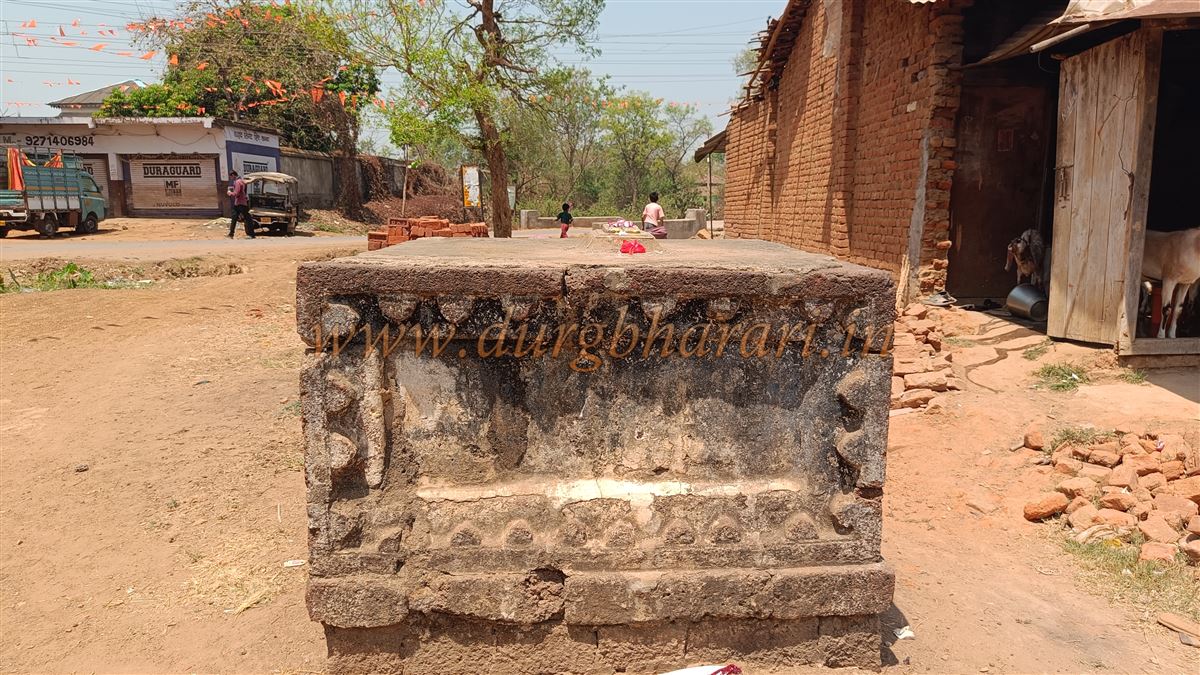
Before reaching the fort, a short distance away, there is a Shiva temple and within its courtyard stand two small domed shrines. In addition, there is a samadhi platform in the temple courtyard. The fort’s entrance is quite spacious, and to the right of the gate is an elephant stable, built to house two elephants, which were kept there until recent times. Although today there is a flat open ground in front of the gate, the presence of a moat on two other sides and a lake on one side suggests that there must once have been a moat here as well.
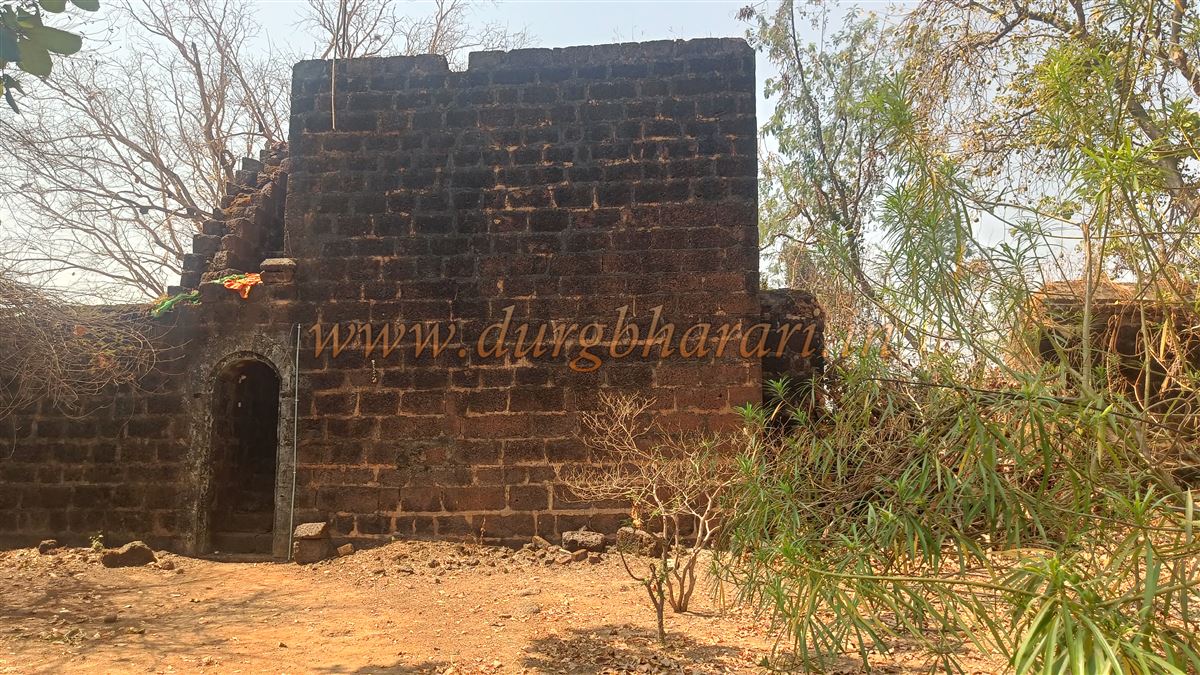
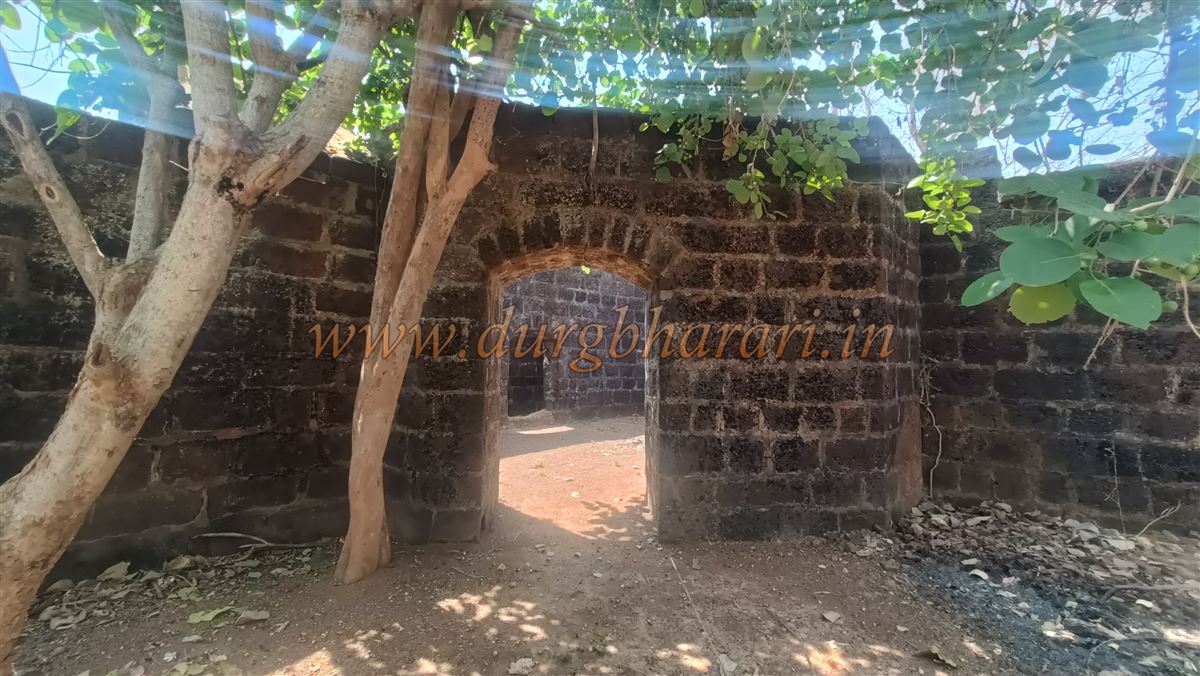
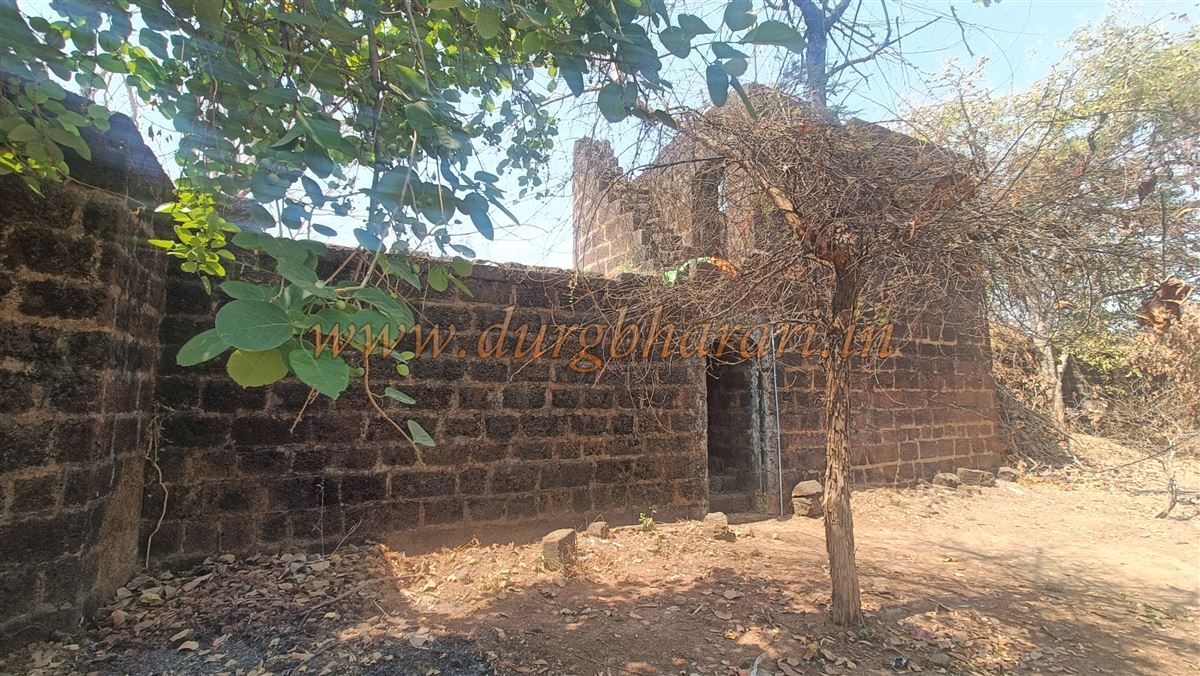
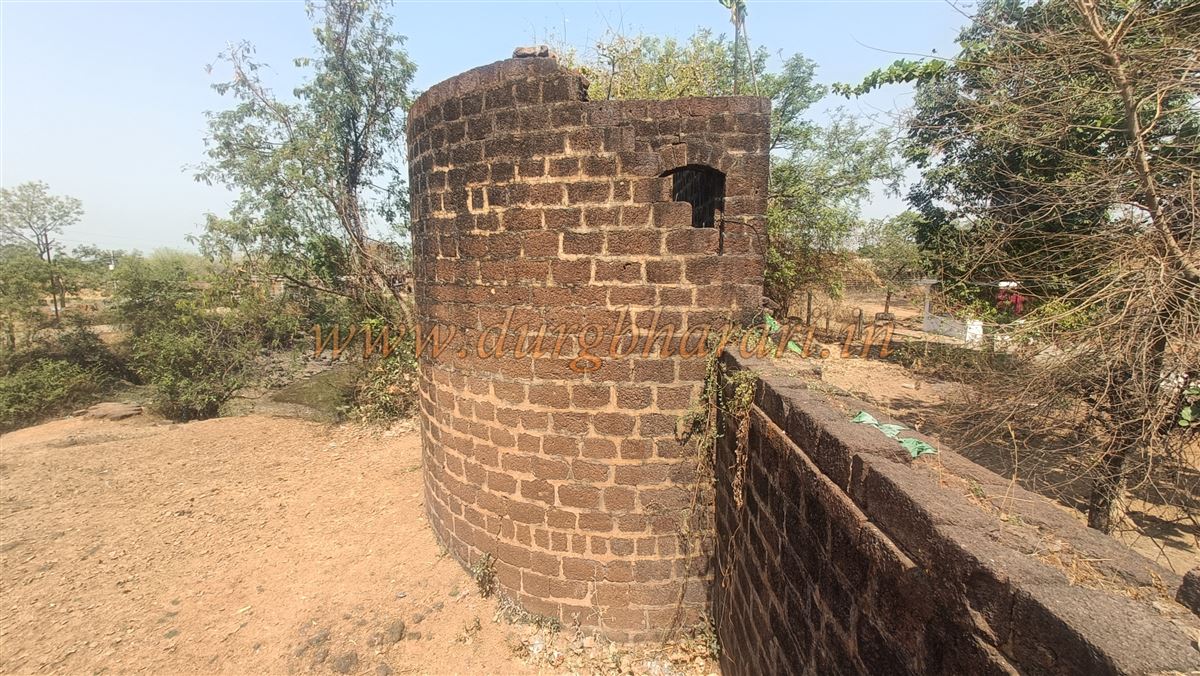
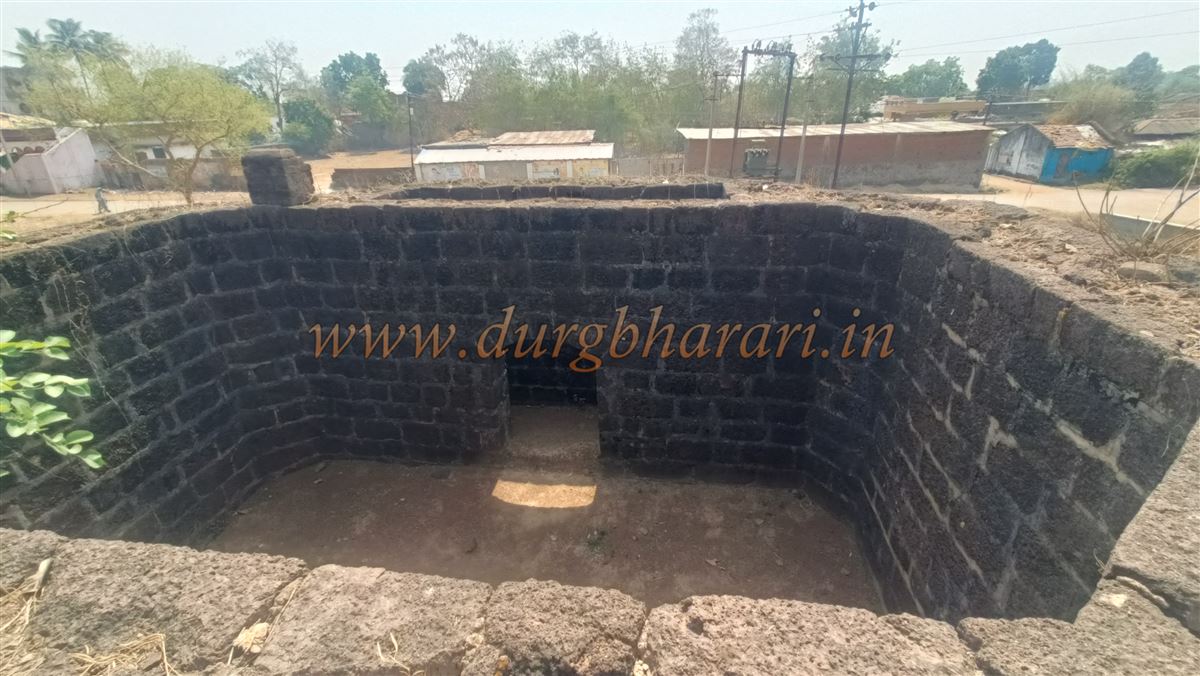
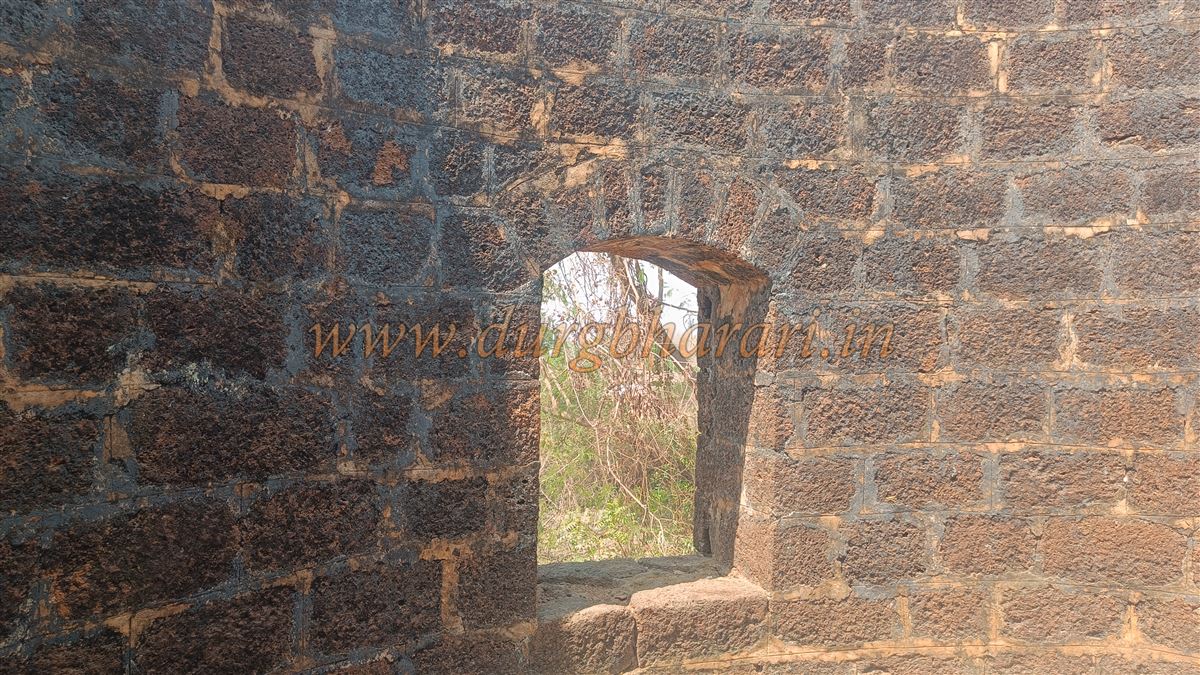
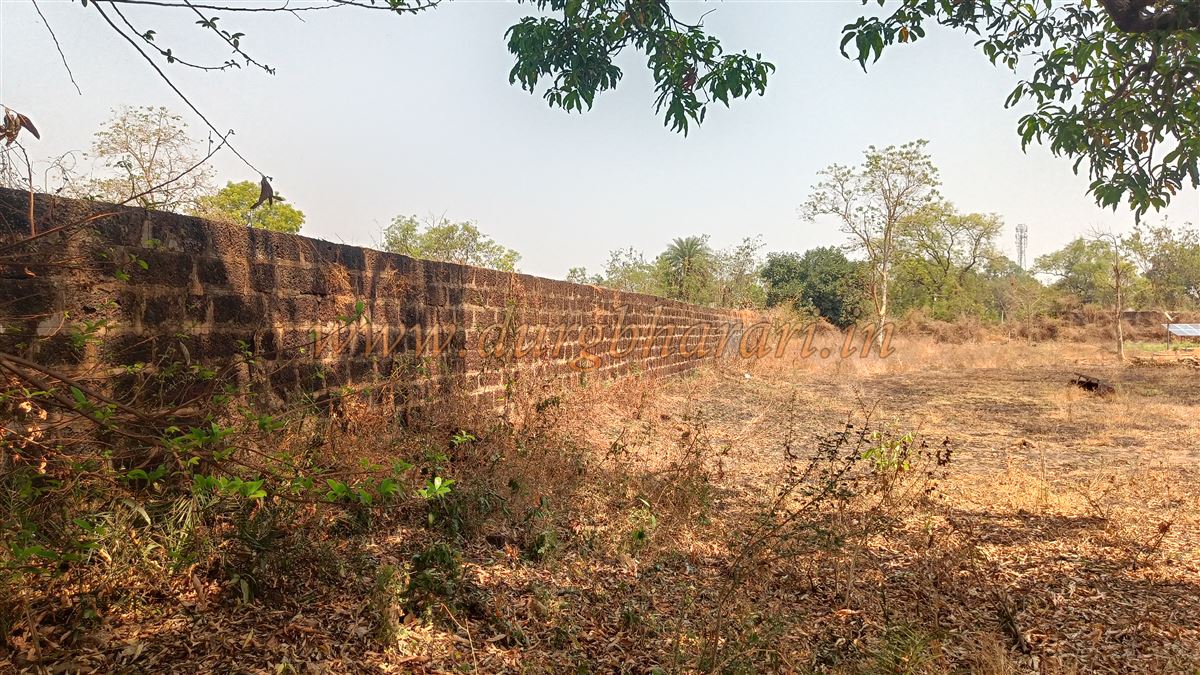
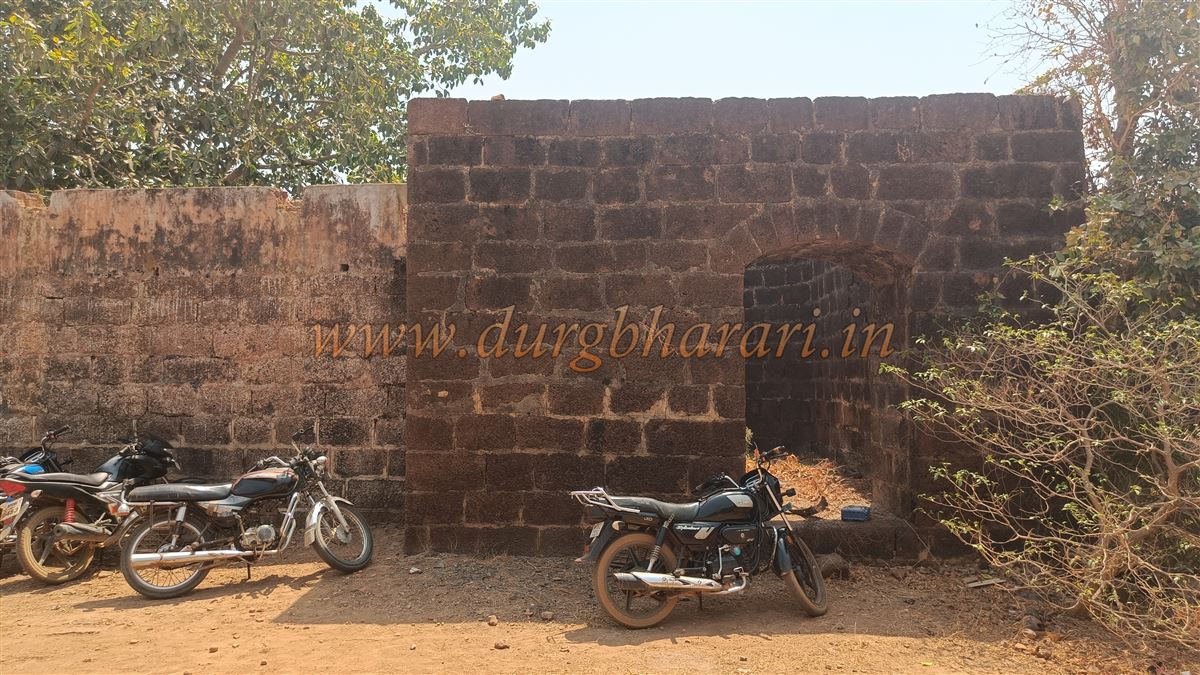
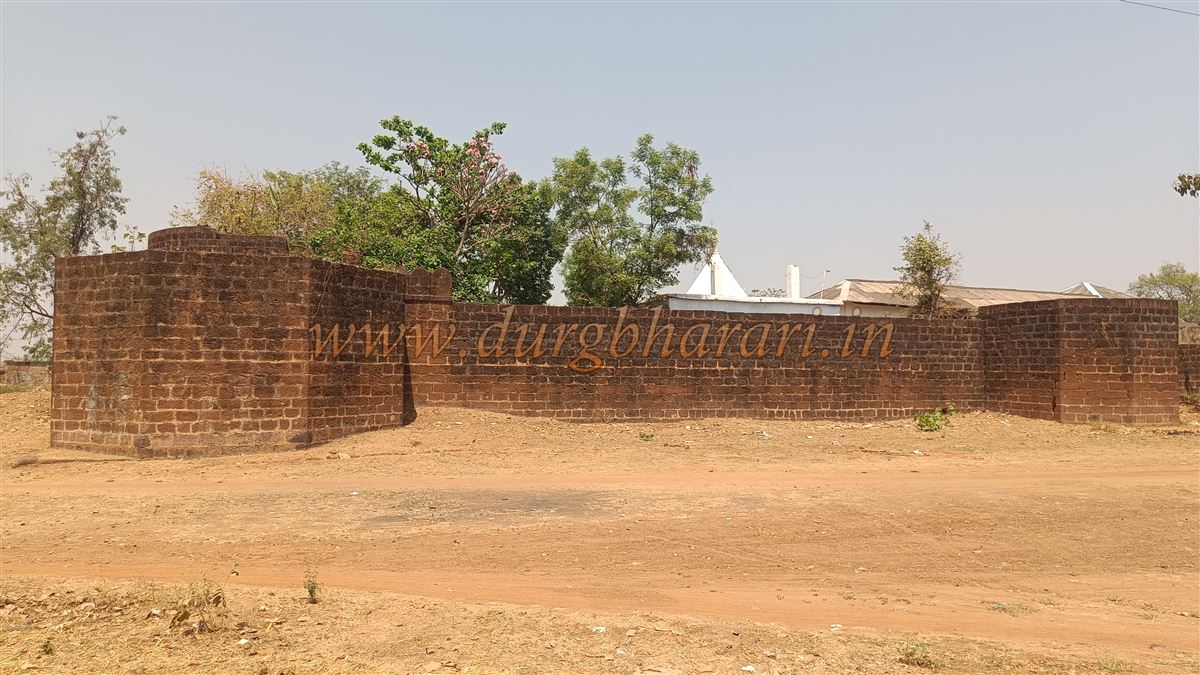
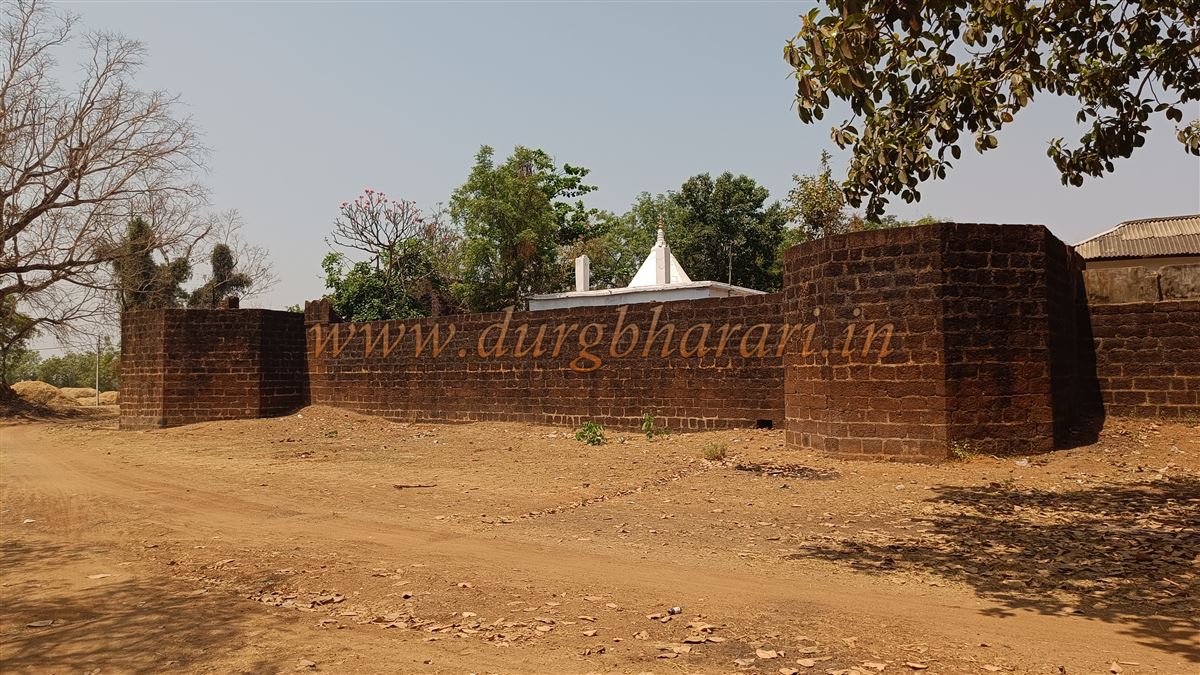
The main gateway’s arch and wooden door are still intact, with pointed iron spikes fixed above to prevent war elephants from breaking it down. The entire fortification is built with dressed stone bonded with lime mortar. Except for a few places, the fort walls remain in good condition even today. The fort has three bastions of varying size — two octagonal and one circular. The circular bastion is the largest and is two storeys high. All three bastions contain chambers and have stone steps leading to the top.
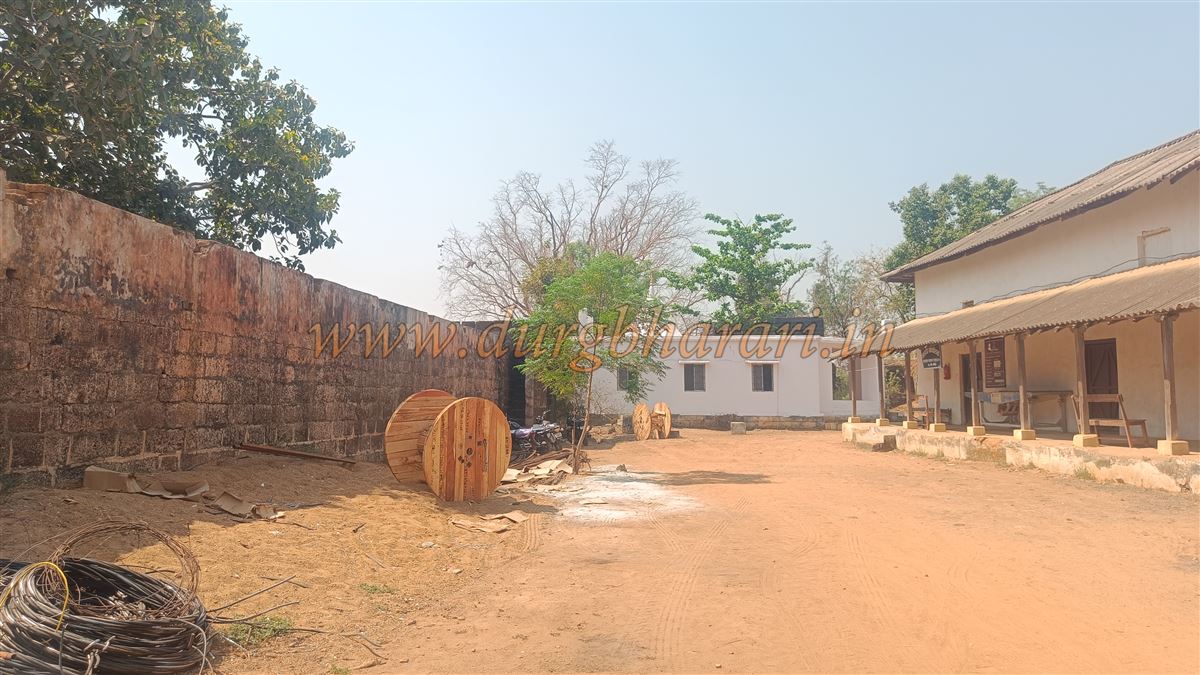
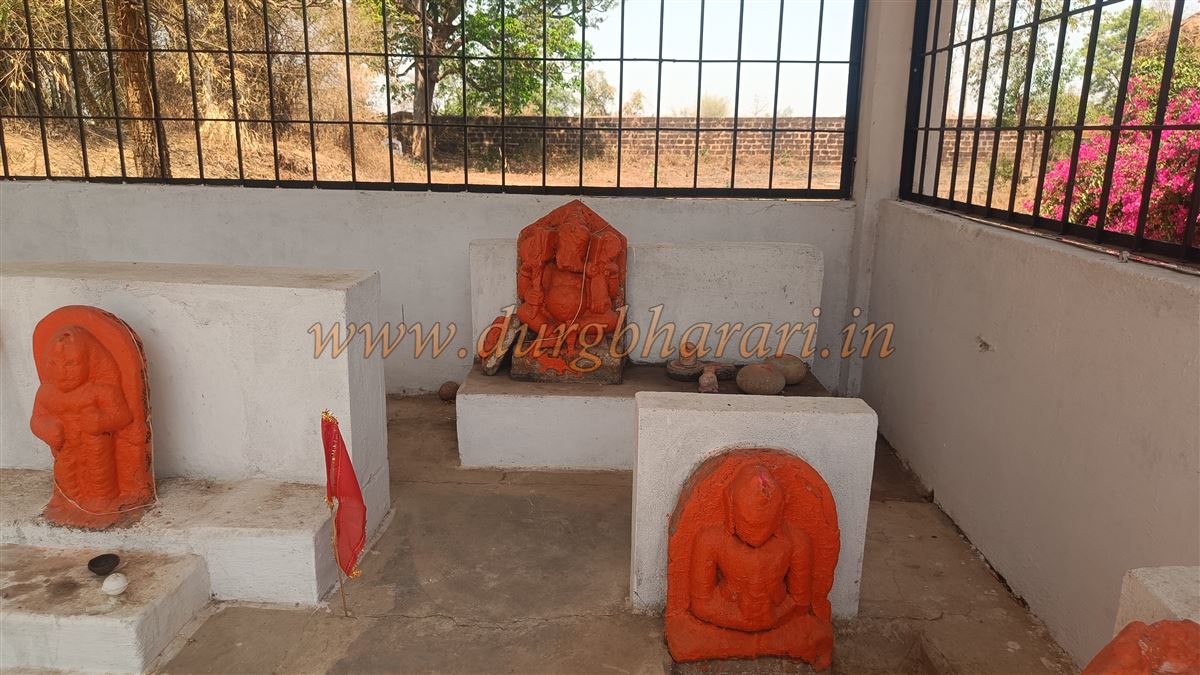
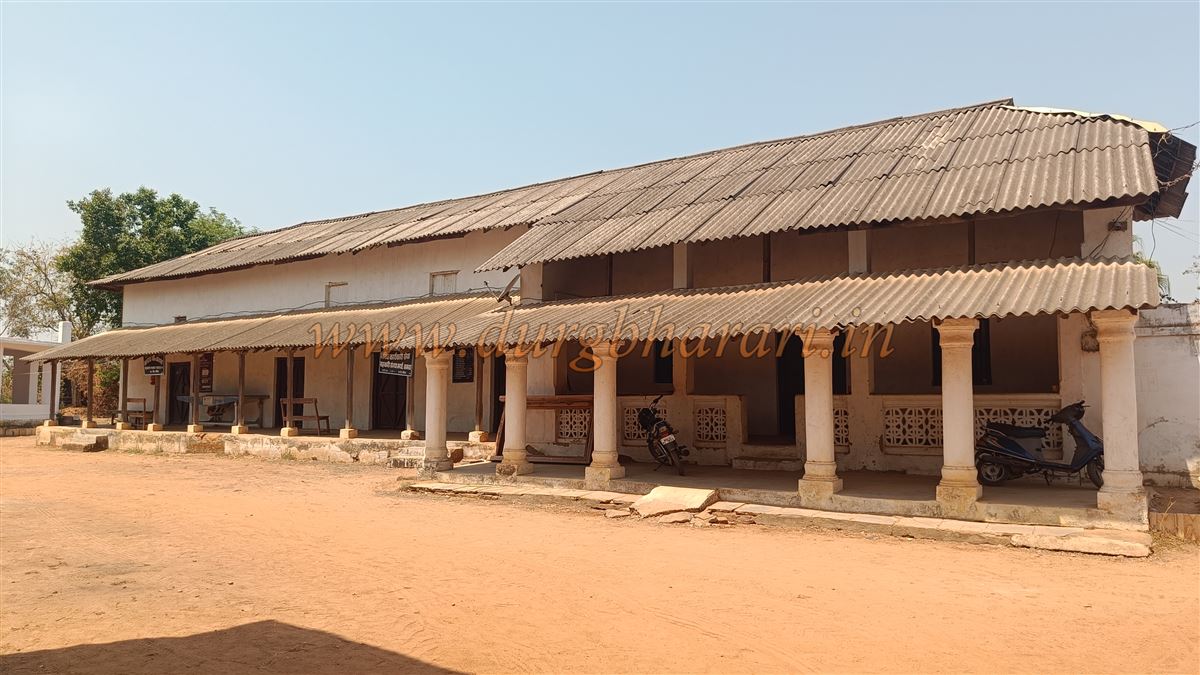
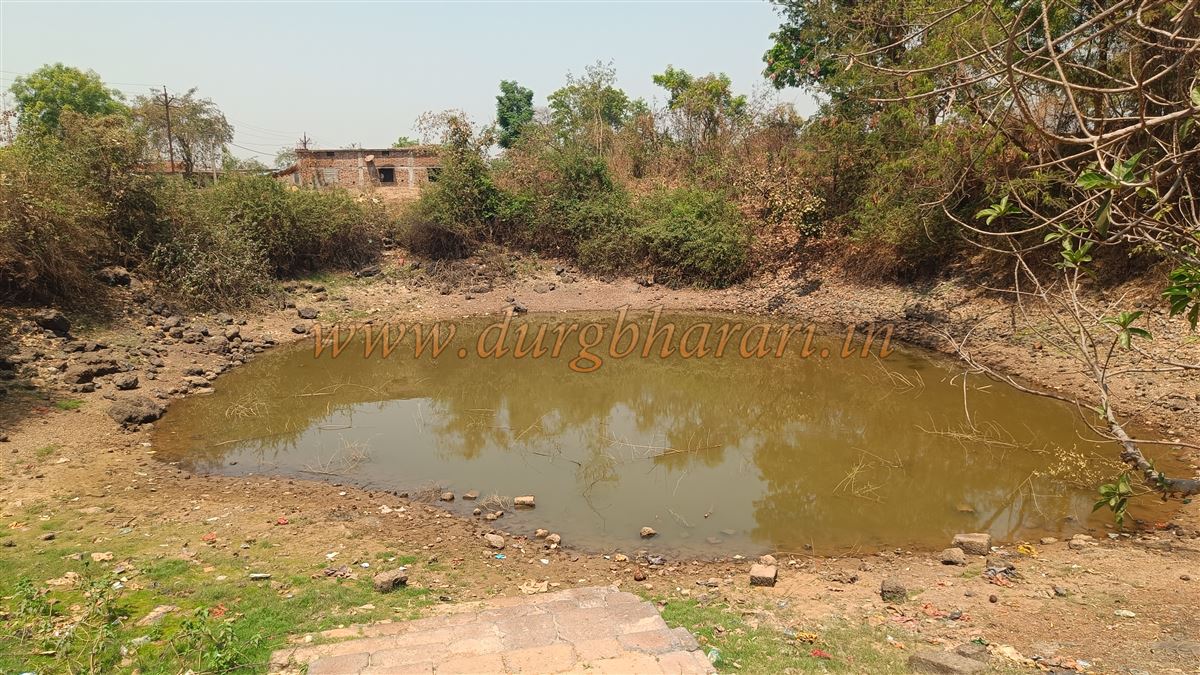
Inside the fort, directly ahead, there are some government offices, and opposite them is a newly constructed Jagadamba Devi temple. In front of this temple is a smaller shrine containing a Ganesh idol along with several other deities. Around this temple, one can see the three bastions of the fort. Part of the wall in this section has collapsed, and outside this wall is a large lake with stone steps leading down to the water.
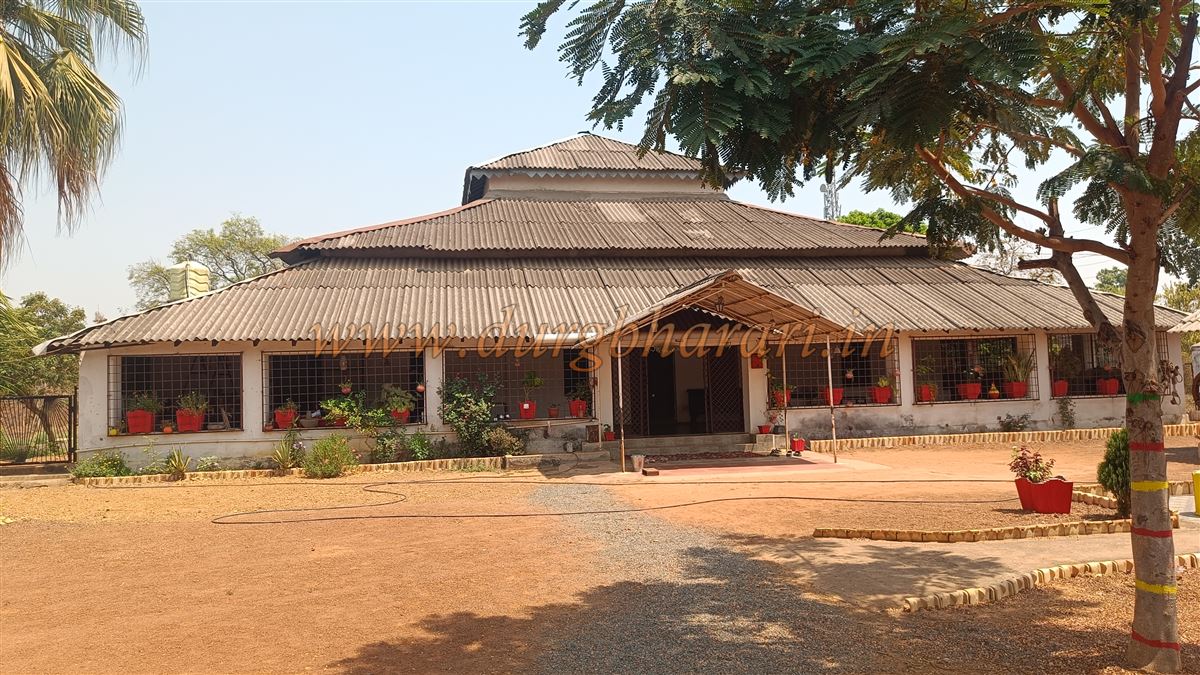
The entire fort covers an area of about 2.5 acres, with the Nagpure family’s wada (mansion) situated at its center. In the mansion courtyard is a deep well that once supplied water to the wada. The old mansion inside the fort was demolished, and in its place, the present mansion was built during the British era in 1930. The interior design, layout, and furnishings of the mansion are in keeping with medieval style and have been preserved in their original form to this day.
From its construction, it is evident that while this place may have served as a military base, its design is more akin to a fortified mansion than a purely military fort. It takes about an hour to see the entire fort and mansion.
Kamtha Fort was built in relatively recent history, during the reign of Raghuji Raje Bhosale of Nagpur. The ancestors of the current resident, Prithviraj Singh Nagpure — namely Raja Rai Bahadur Indraraj Singh Lodhi — were granted 385 villages and 7,000 acres of land by Raghuji Raje Bhosale. This estate extended across three districts: Gondia, Chandrapur, and Gadchiroli. After Raja Rai Bahadur Indraraj Singh Lodhi’s death, the estate was divided among his three sons into Kamtha, Phulchur, and Hiradmale, though Kamtha State remained the principal estate among the three.
© Suresh Nimbalkar
GALLERY