JUNNAR
TYPE : NAGARKOT
DISTRICT : PUNE
HEIGHT : 0
GRADE : EASY
Junnar is the chief town of Junnar taluka of Pune district situated 90 km north of Pune on the banks of the Kukdi River in an area surrounded by hills. The region up to Junnar city is hilly in the west and plains in the east. Therefore, Malshej Ghat, Naneghat and Darya Ghat are the major Ghats in the hill range here. Kalyan-Naneghat-Junnar-Nagar-Paithan was the ancient trade route of Maharashtra. At that time traders from all over the world used to land at Kalyan port with their goods. Later they used to come to Ghatmatha via Naneghat and trade to Paithan via Junnar. Hence the market of Junnar on this route was famous from the time of the Kshatrapas. To protect this trading post and the original city, the fort of Junnar, Nagarkot, was built and later rulers changed it over time. Junnar ground fort as it exists now came into existence during the medieval period.
...
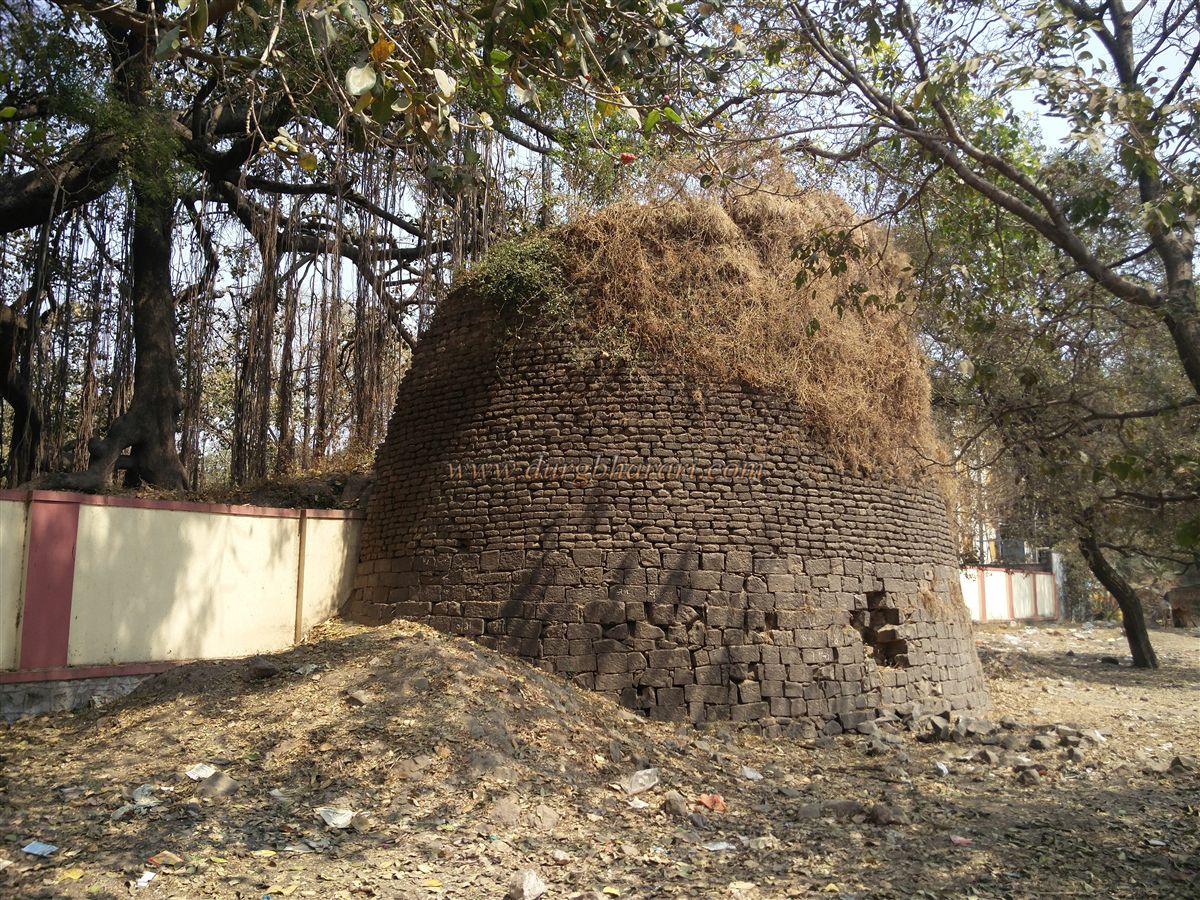
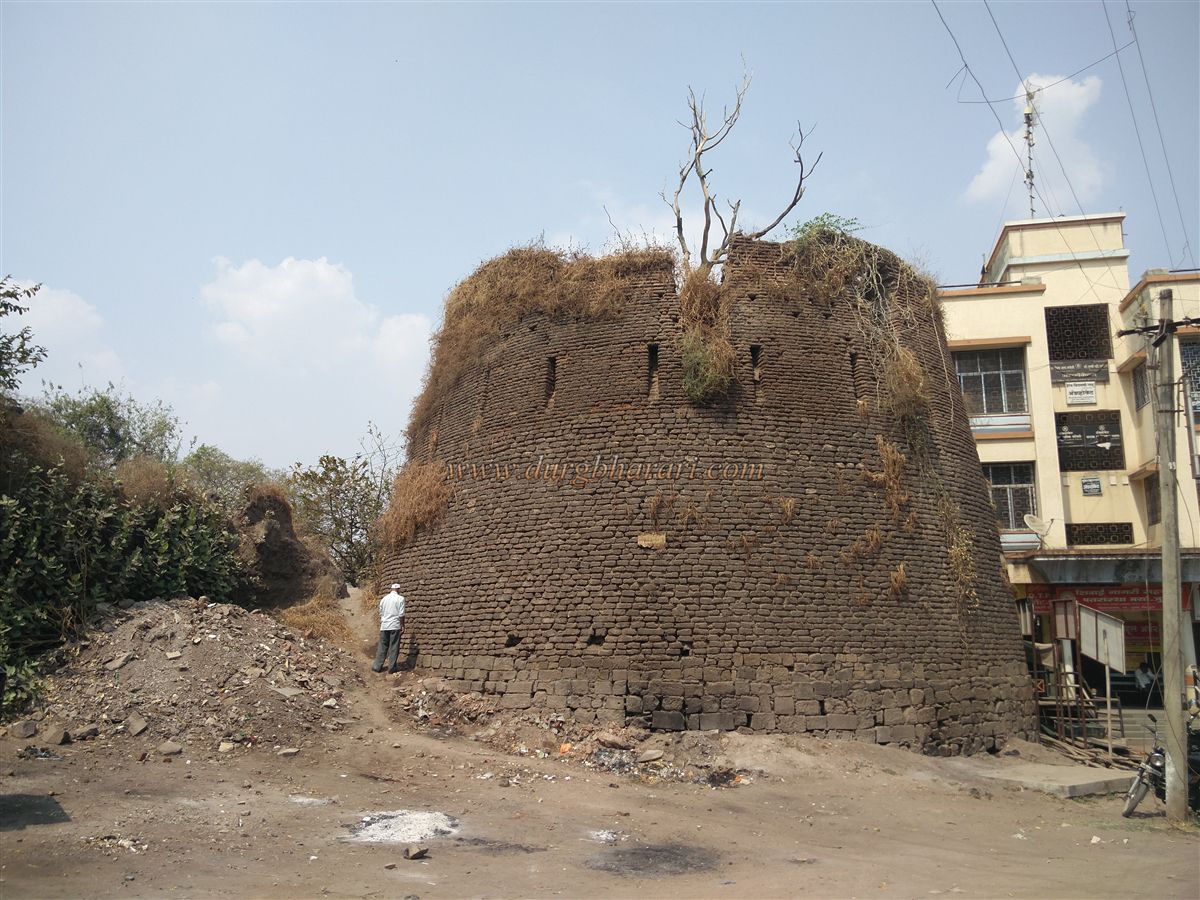
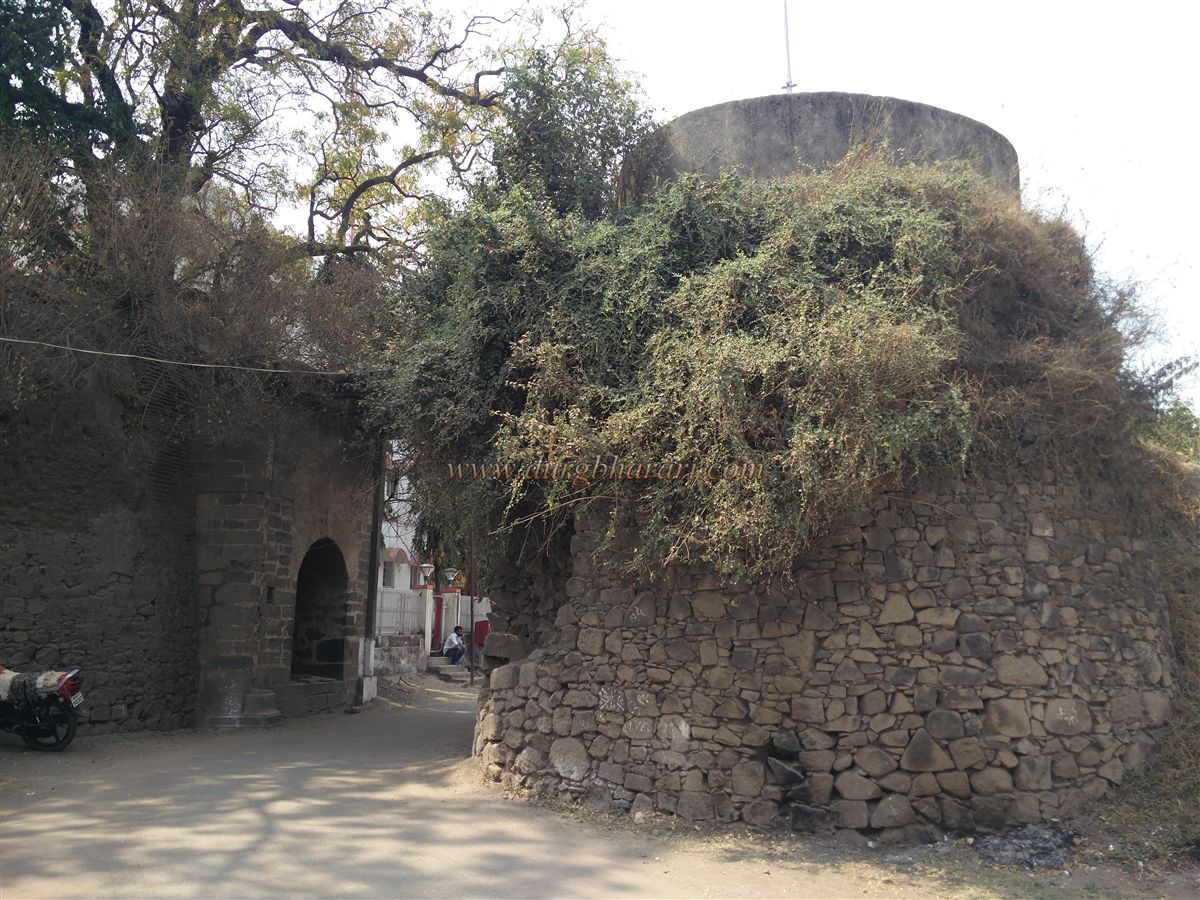
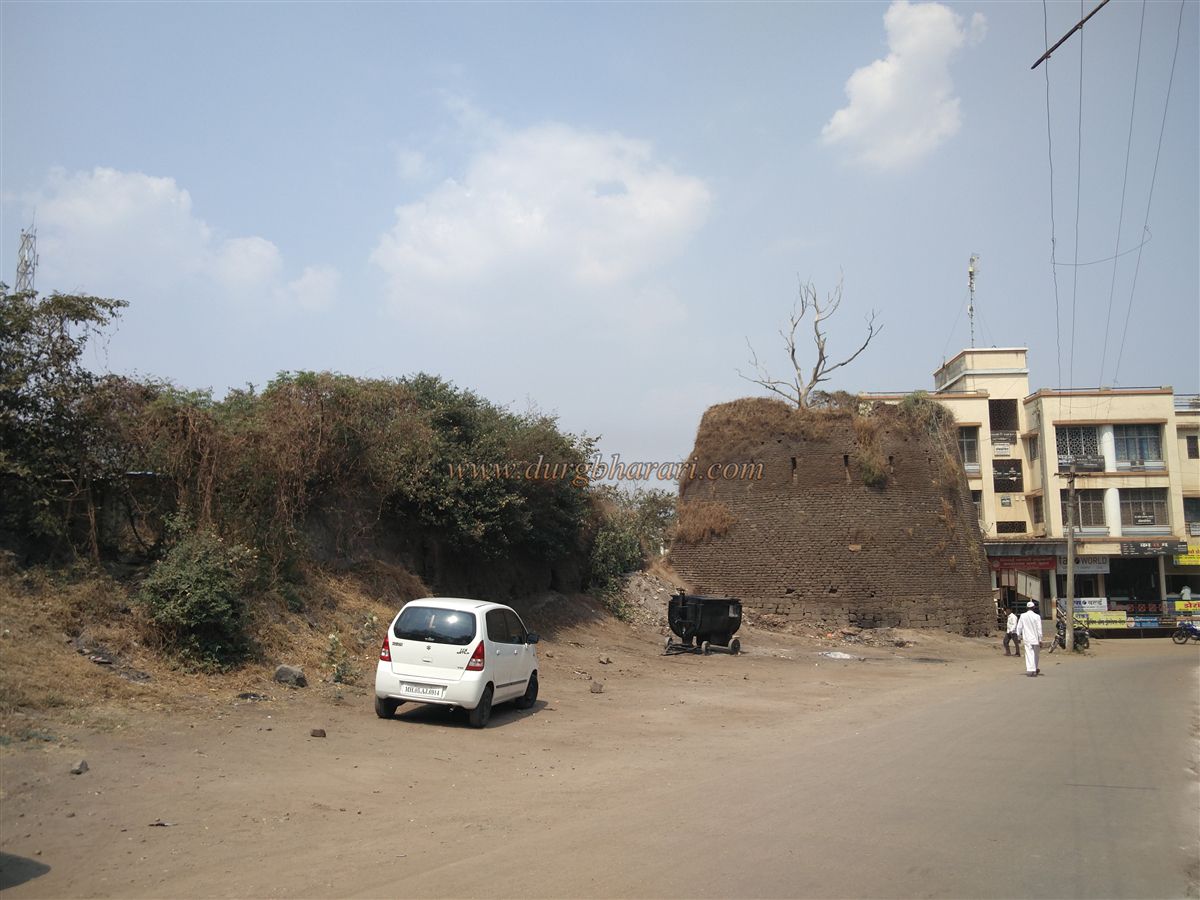
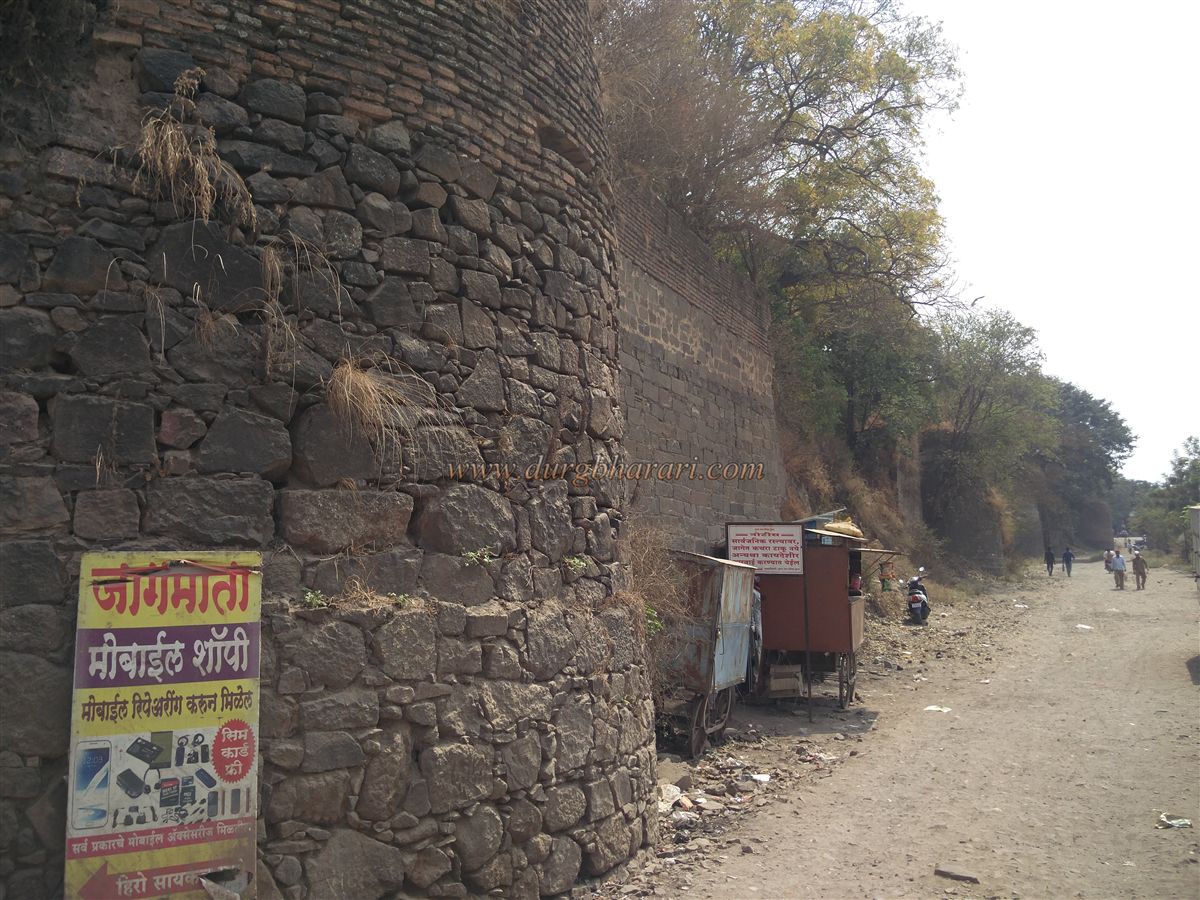
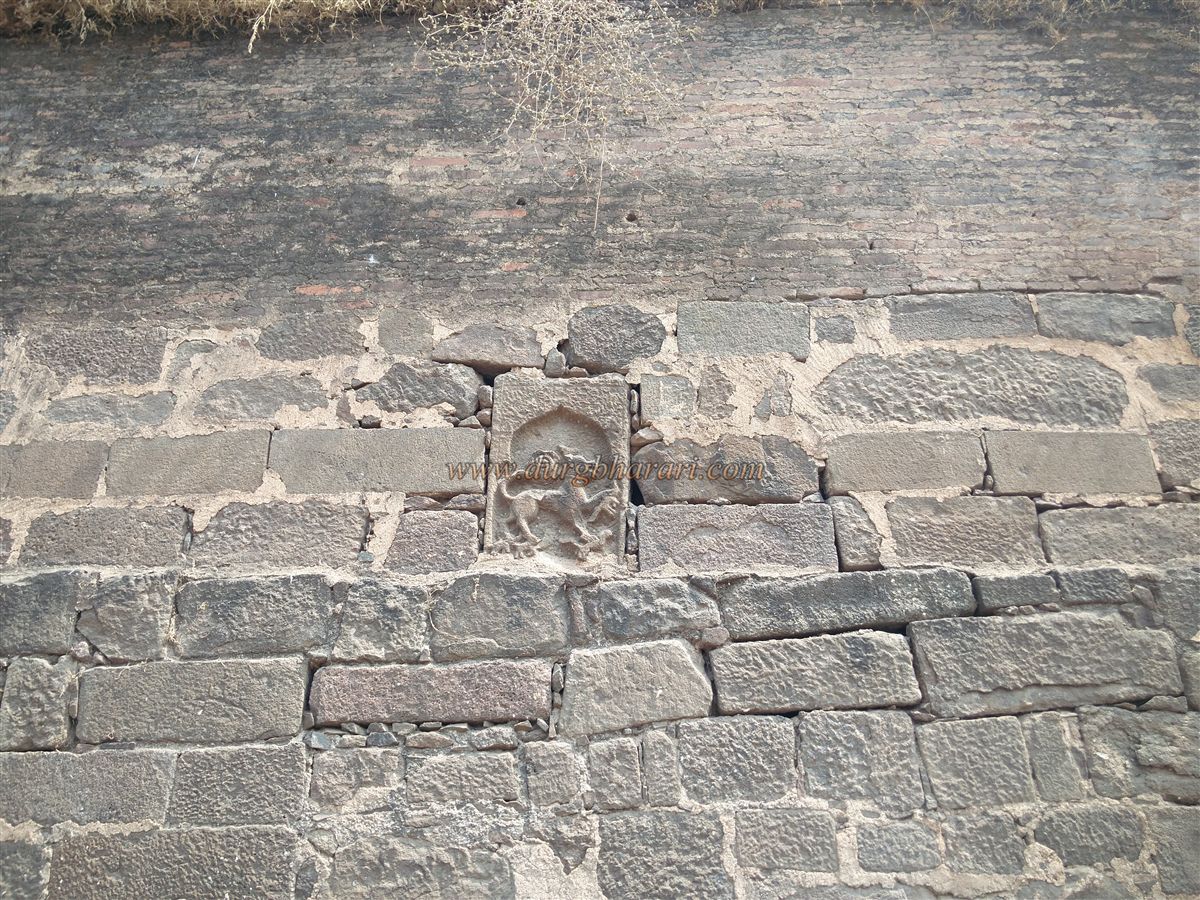
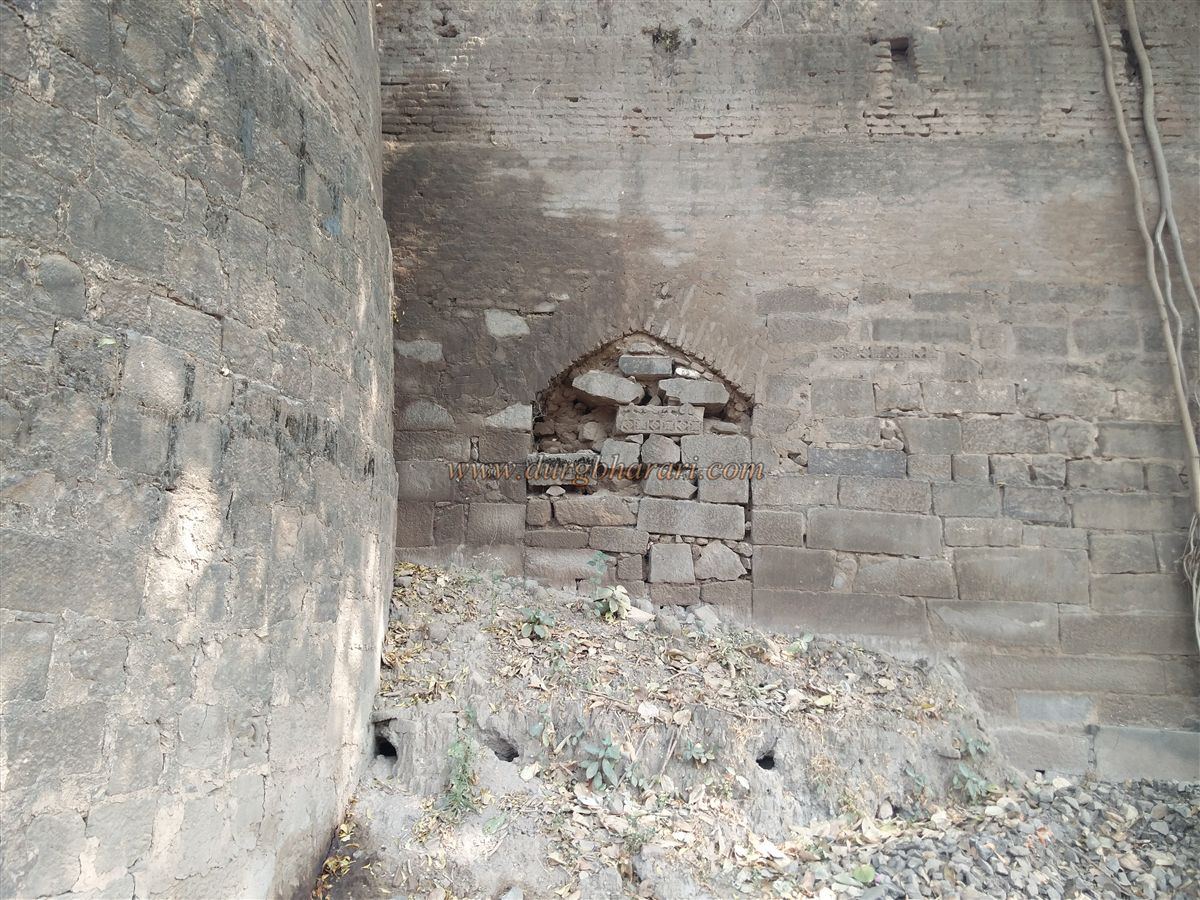
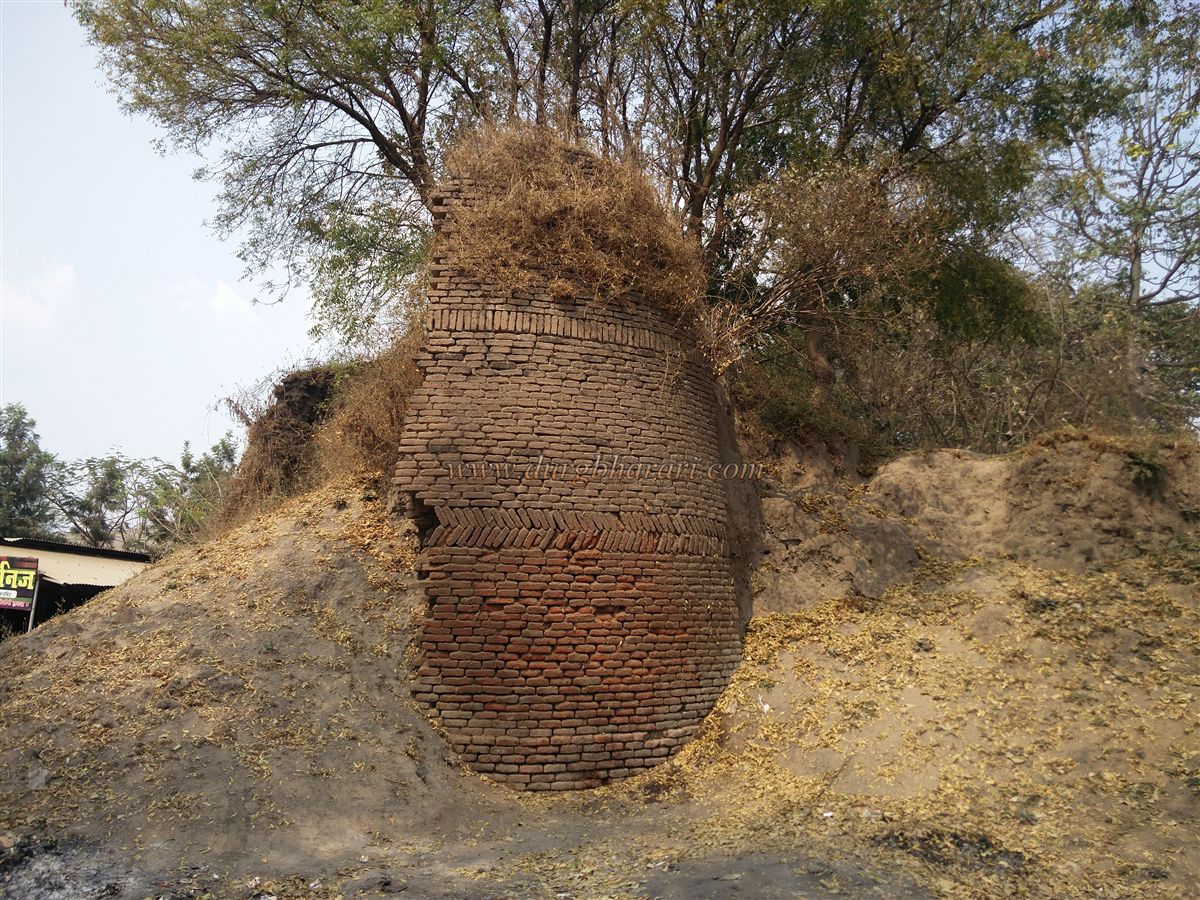
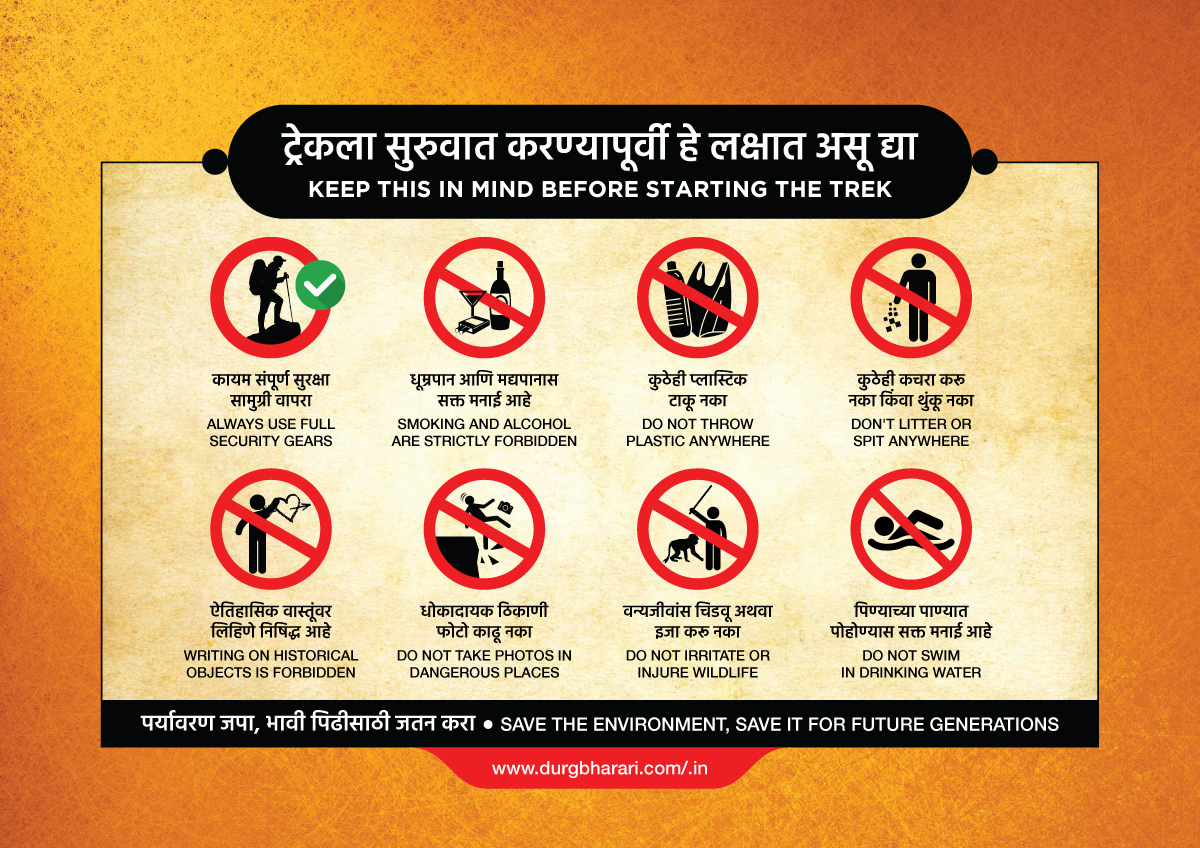
To see fort of Junnar, one should reach Junnar via Malshej from Pune or Mumbai. Junnar fort is just in front of Junnar S.T station and people don't know much about it. Junnar fort is popularly known as Dadoji Konddev Wada among local people. This fort of general rectangular shape is spread over 12 acres and the existence of the fort has been destroyed due to the encroachment of government offices, courts, shops in the fort. This fort has a total of thirteen bastions, eleven in the ramparts and two next to the main gate. The ramparts on three sides of the fort have completely collapsed and only one side, the eastern ramparts, is completely intact. However, all the thirteen bastions of fort can still be seen today. An east-facing doorway can be seen in the western rampart of the fort in the remaining ramparts. On both sides of this door there are guard houses and the door frame is still there. Photography is prohibited in this area as it is government Area. There are two ancient wells in the government compound in this area and entry is prohibited. Rounding out of the fort, a small stone-blocked doorway and a sharabh shilp can be seen in the remaining eastern ramparts. The height of this ramparts is twenty feet and the lower ten feet construction is made of stone and the upper ten feet construction is seen to be made of bricks. Carved stones are seen used in many places in this stone construction. The construction of the bastions is also made of stone and bricks and in the construction above the bastion, gun mounts are seen. One hour is enough to tour the entire Fort, and see its remains. When you come to see Shivneri Fort, you must visit this fort too. Jirnanagar, Junnar i.e. the city of Junnar is famous since ancient times. Junnar was the capital of Shakaraja Nahapan. The Satavahana king Gautamiputra Satakarni destroyed the Shakas and established his supremacy over the Junnar area. Satavahana kings were the first kings of Maharashtra. Maharashtra was at the peak of prosperity during the period from 250 BC to 250 AD. Pratishthan i.e. today's Paithan was the capital of the Satavahana kings and Jirnanagar i.e. Junnar was the vice-capital. Naneghat connecting Konkan and Desh was born during the Satavahana dynasty and forts like Jivdhan, Chavand, Hadsar, Nimgiri, and Shivneri were built in the Valley of Kukdi River for its protection. Naneghat used to carry a lot of traffic through this ancient trade route. At that time, a market was established in the village of Jirnanagar, today's Junnar, at some distance from Naneghat. After the Satavahana, Junnar was under the rule of the Chalukya, the Rashtrakut. While excavating in Junnar, students of Deccan College discovered a statue of the Greek god Eurus. Chinese pottery, old coins, gold coins, inscriptions are found in this area. Every religion flourished in the Junnar area as the incoming traders gave donations freely. By getting Rajashraya and Lokashraya, Buddhist caves were created at Lenyadri in Junnar area and caves of Jain goddess Amba Ambika were carved in Manmodi mountains. An ancient Jain temple was erected in the city of Junnar.
© Suresh Nimbalkar
GALLERY