JINTI
TYPE : FORTRESS/CITY FORT
DISTRICT : SOLAPUR
HEIGHT : 0
Chhatrapati Shivaji Maharaj is the spiritual icon for every Marathi heart. Everyone knows about the Satara throne, the Karvir throne, and the Thanjavur throne of Venkoji Raje’s descendants, but within Maharashtra itself there exists a branch of Shivaji Maharaj’s elder brother, Thorle Sambhaji Raje, which is completely unknown to the state. Fort enthusiasts have little knowledge about the royal Bhonsle family of Jinti, which holds an important page in Maratha history. The descendants of Sambhaji Raje Maharaj, the elder brother of Shivaji Maharaj, live in the village of Jinti in Karmala taluka, Solapur district. Jinti lies near Karmala on the Karmala–Rashin–Siddhatek road. In this village stands a mansion of the Bhonsle family, surrounded by bastions, where even today the descendants of Shivaji Maharaj’s elder brother Sambhaji Raje reside. In the Jinti area, this family enjoys great respect.
...
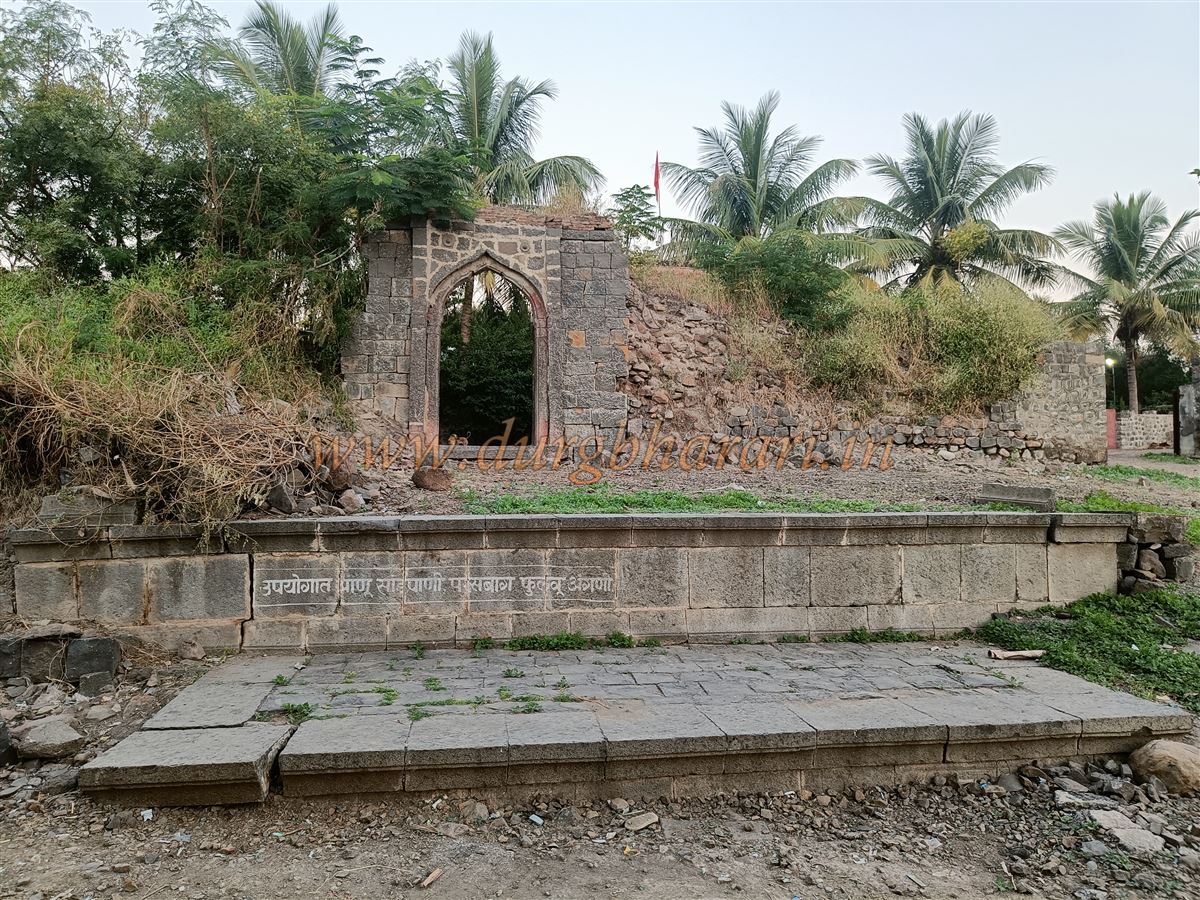
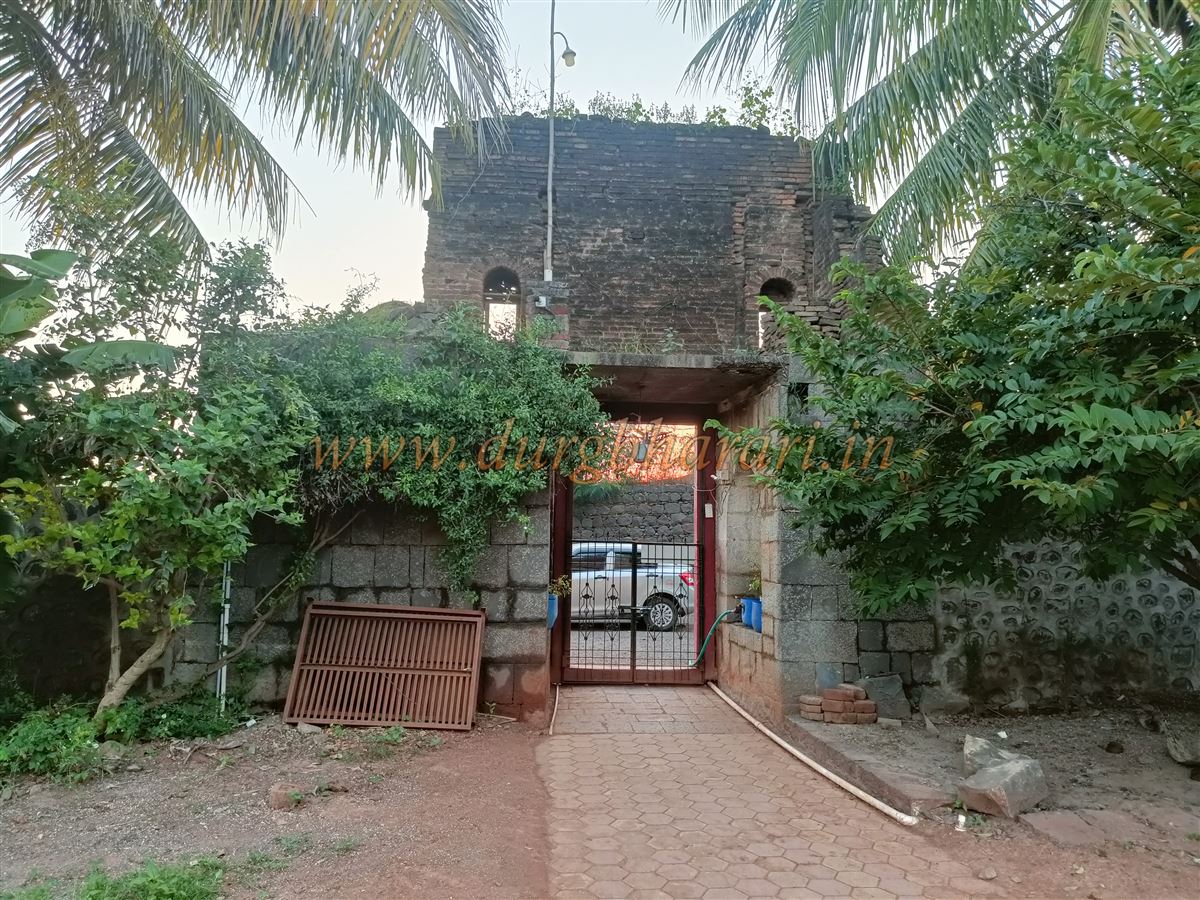
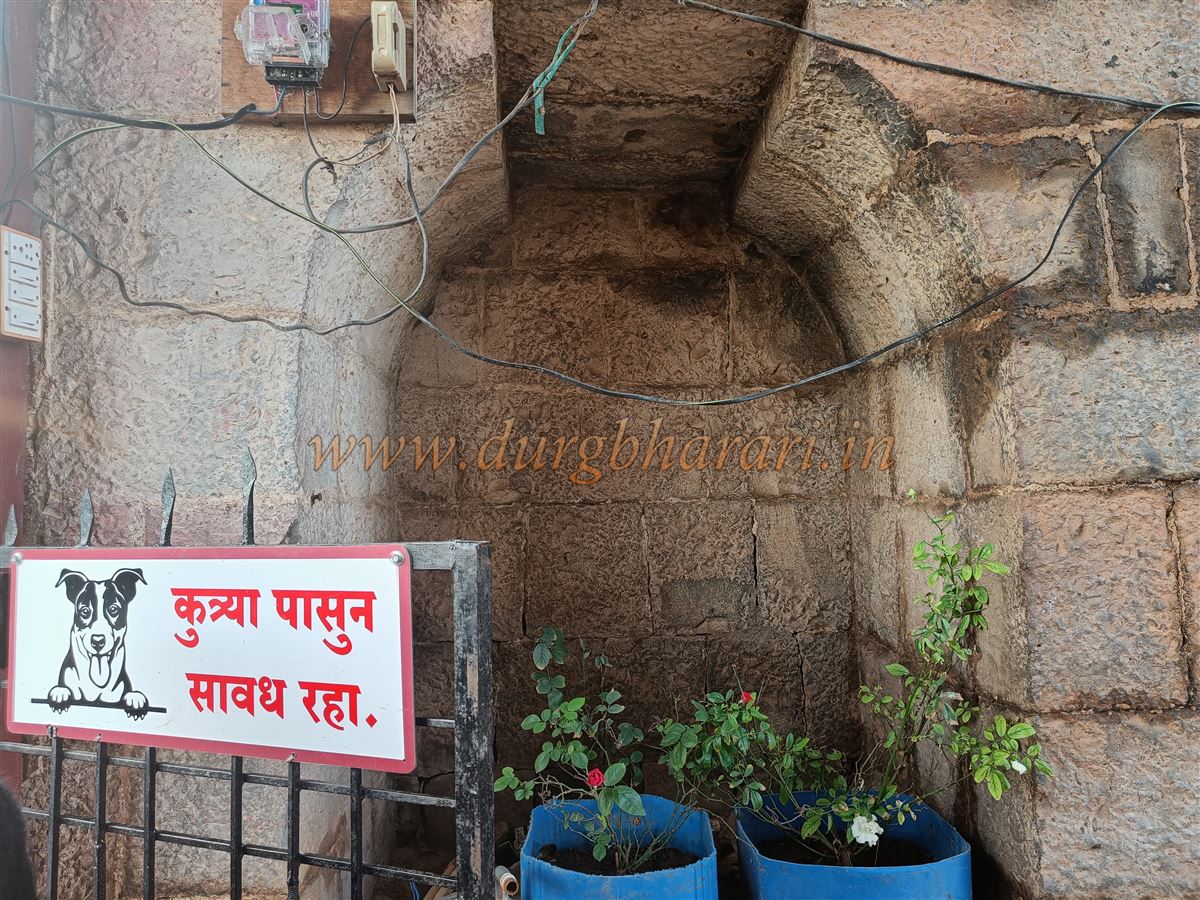
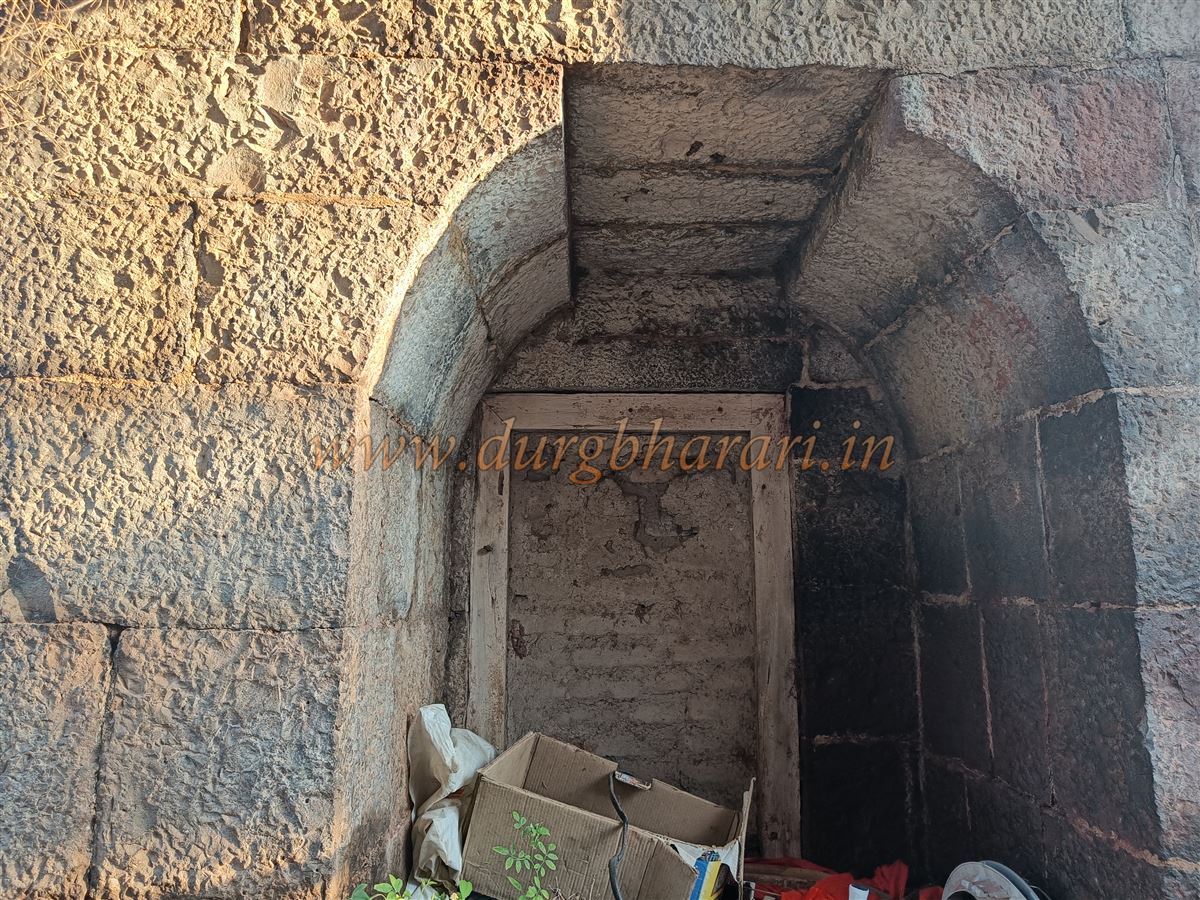
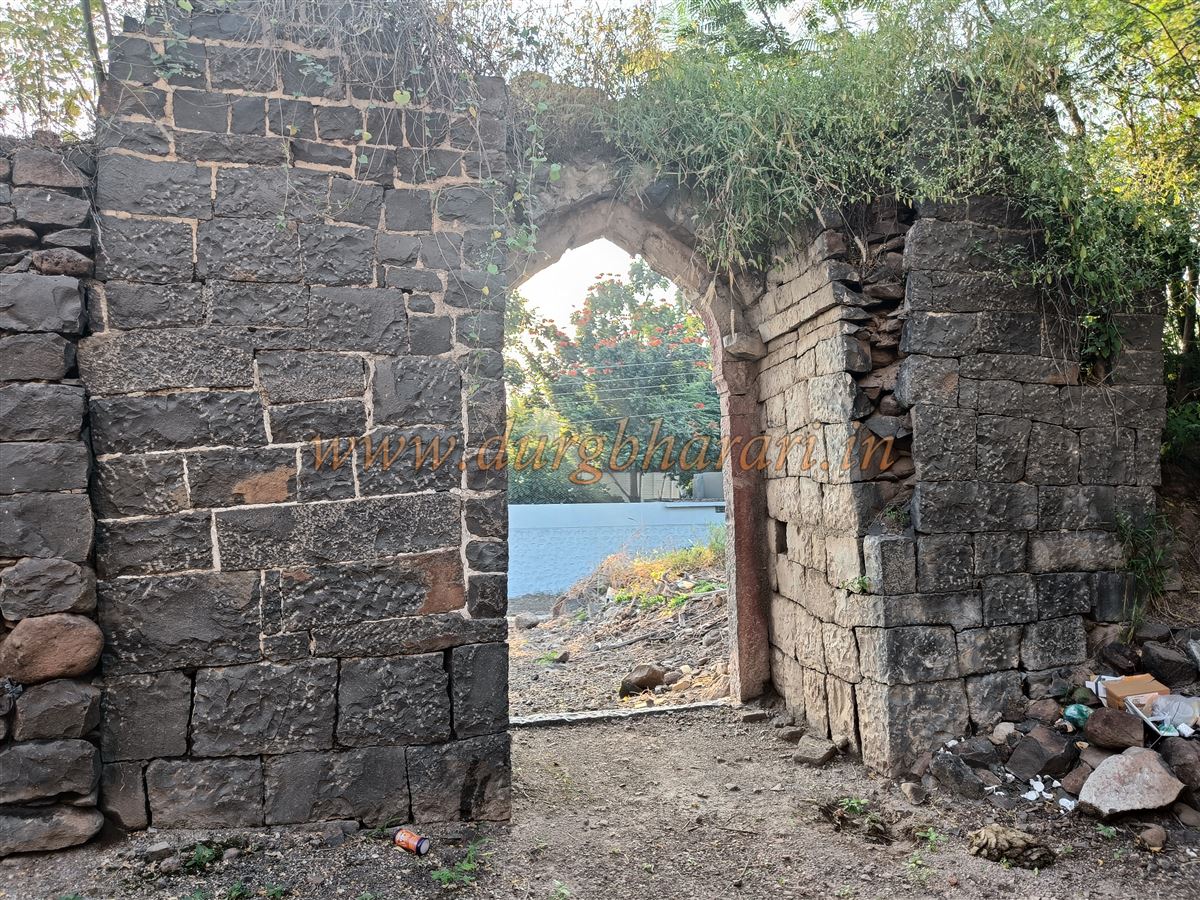
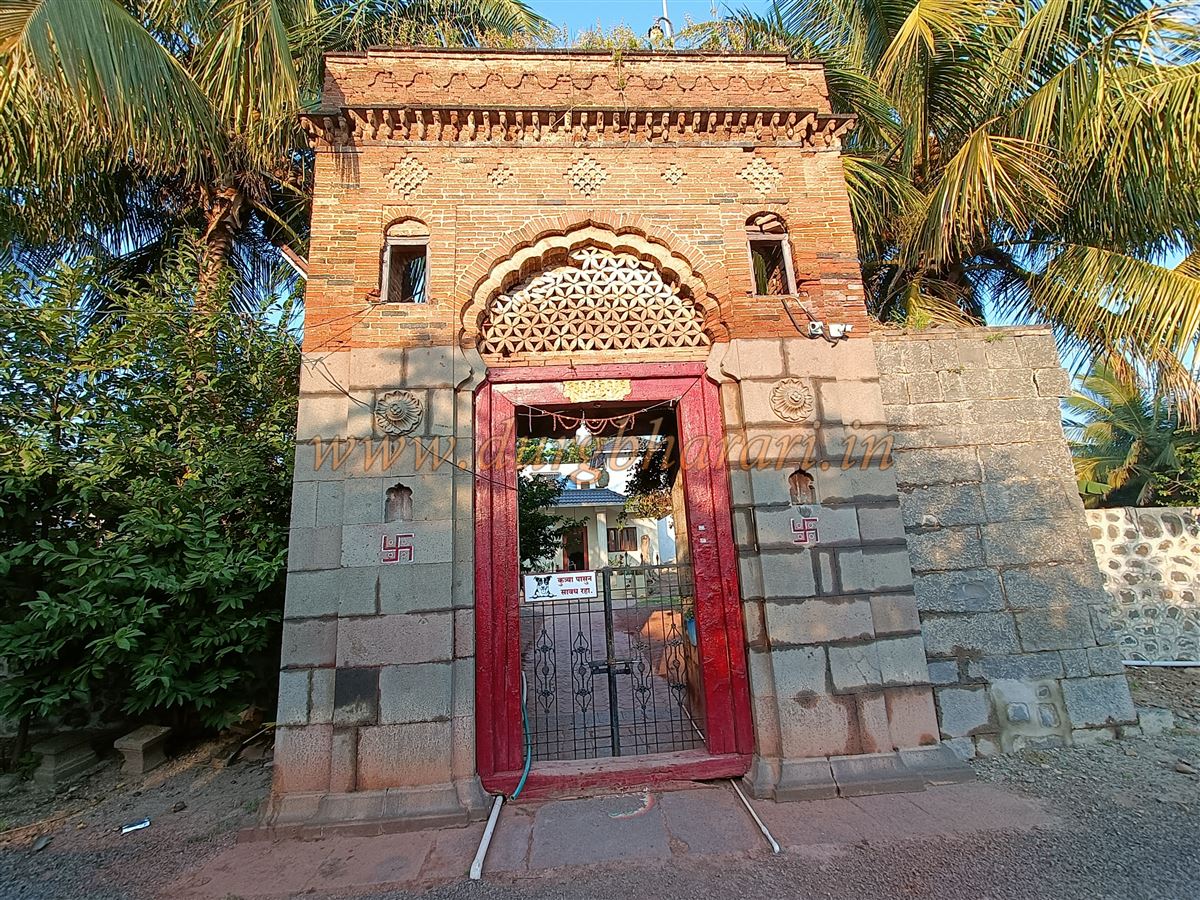
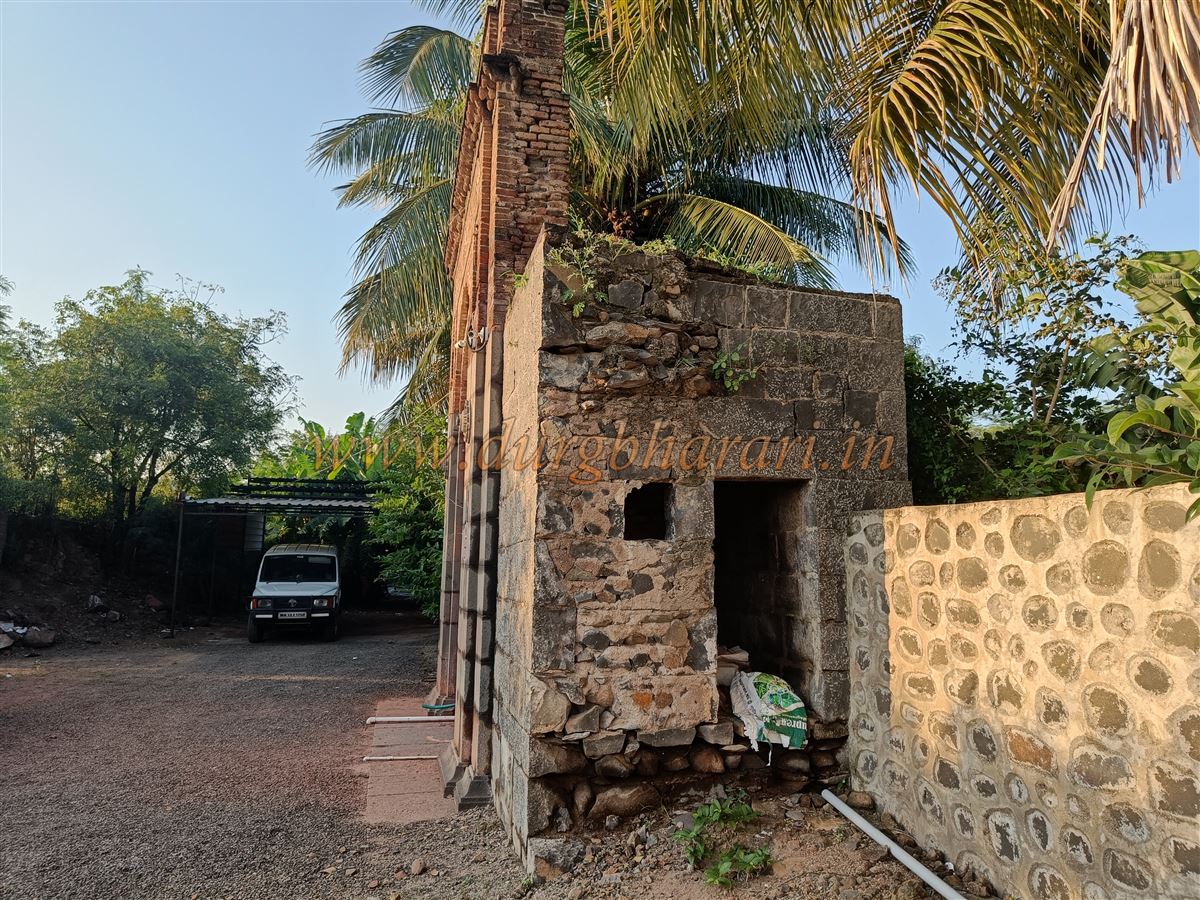
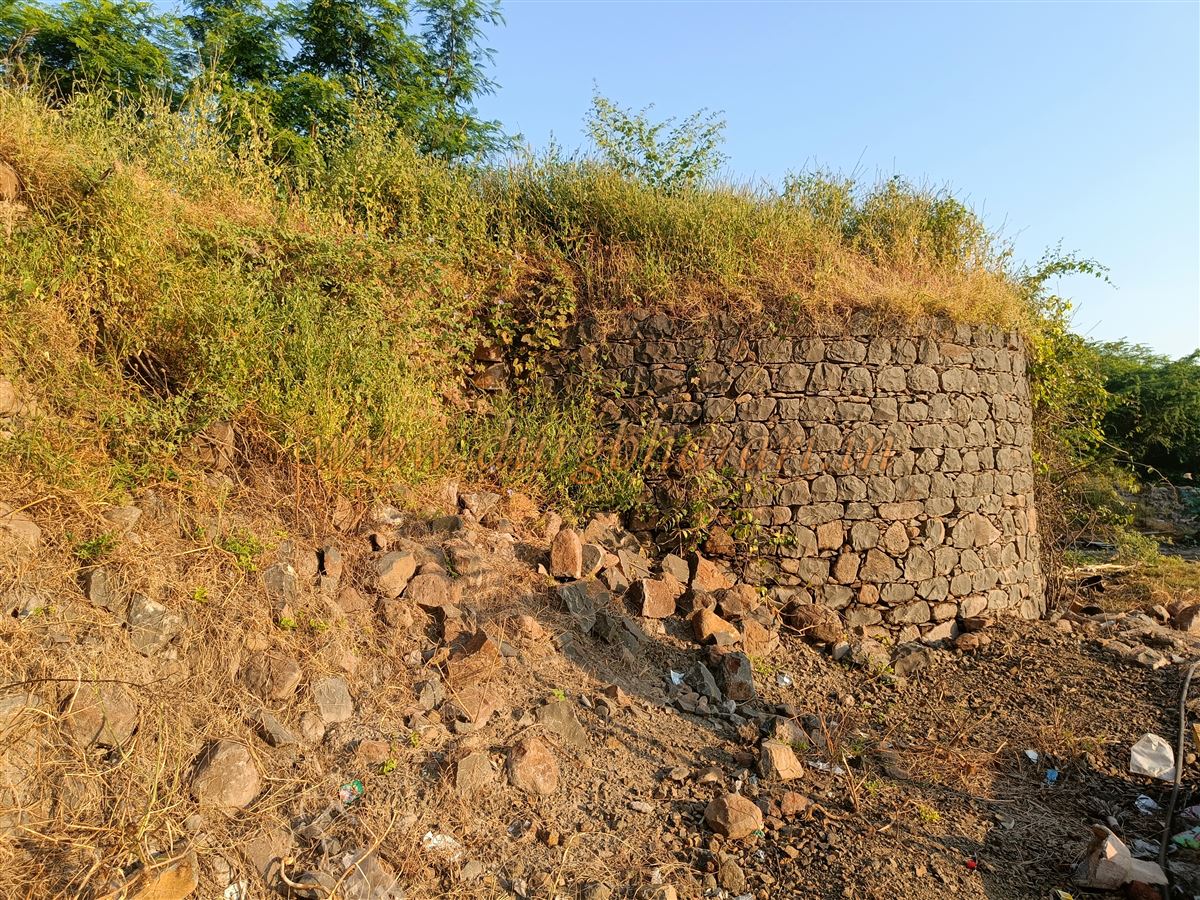
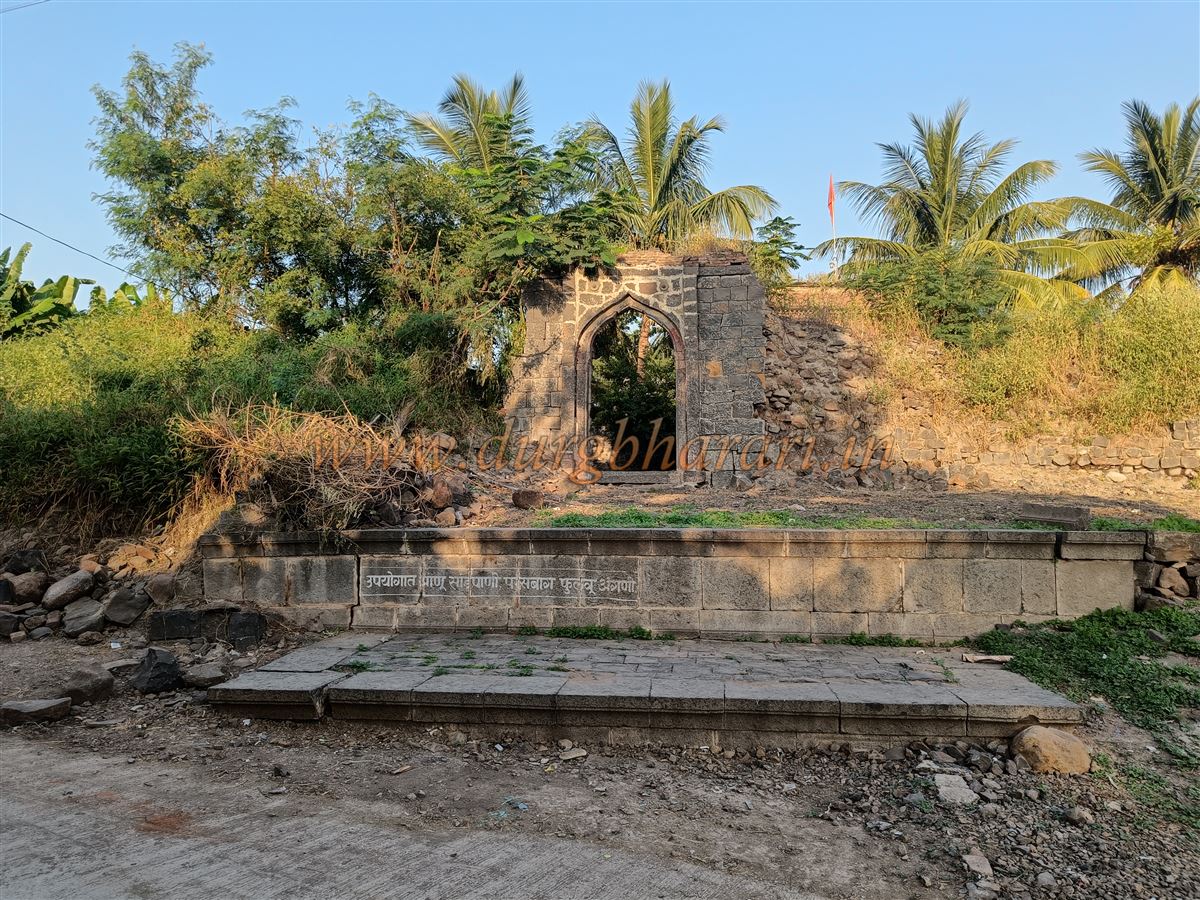
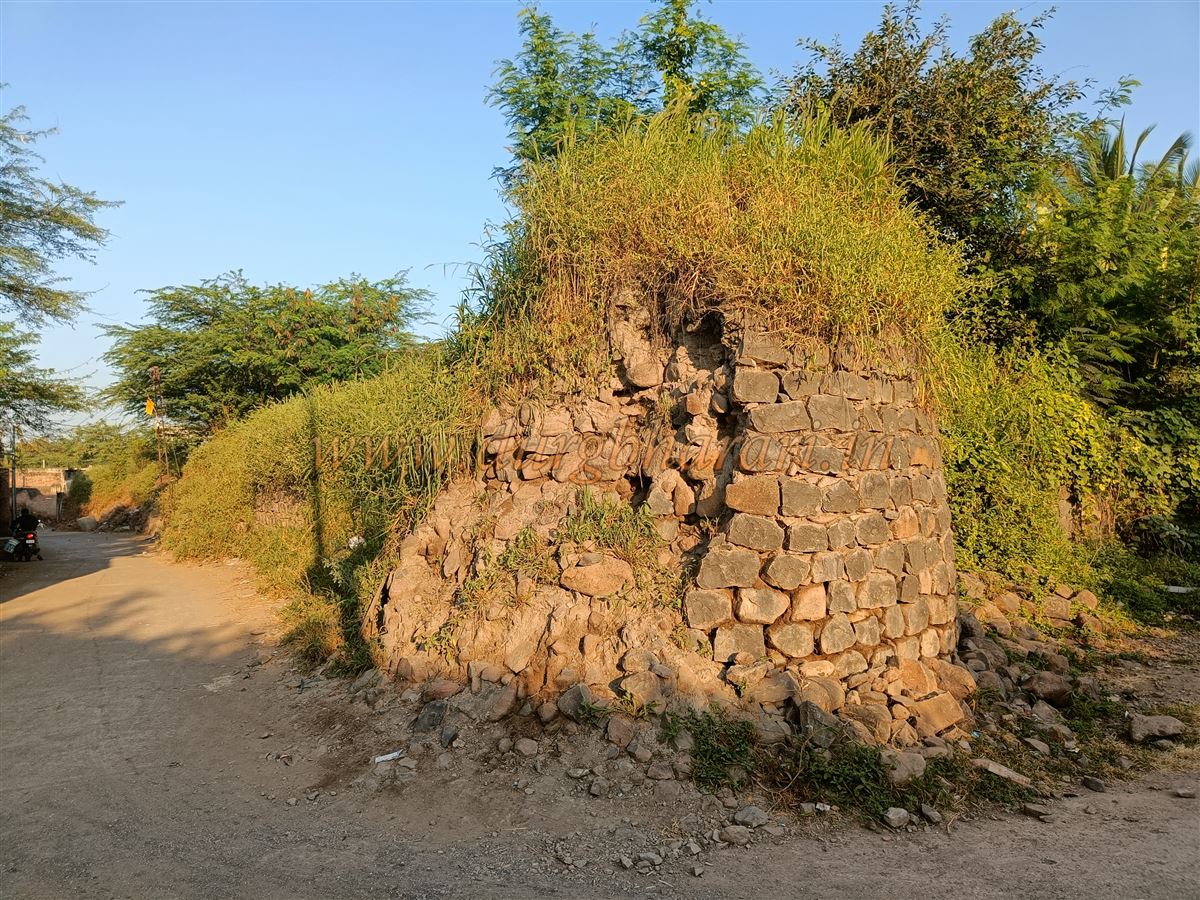
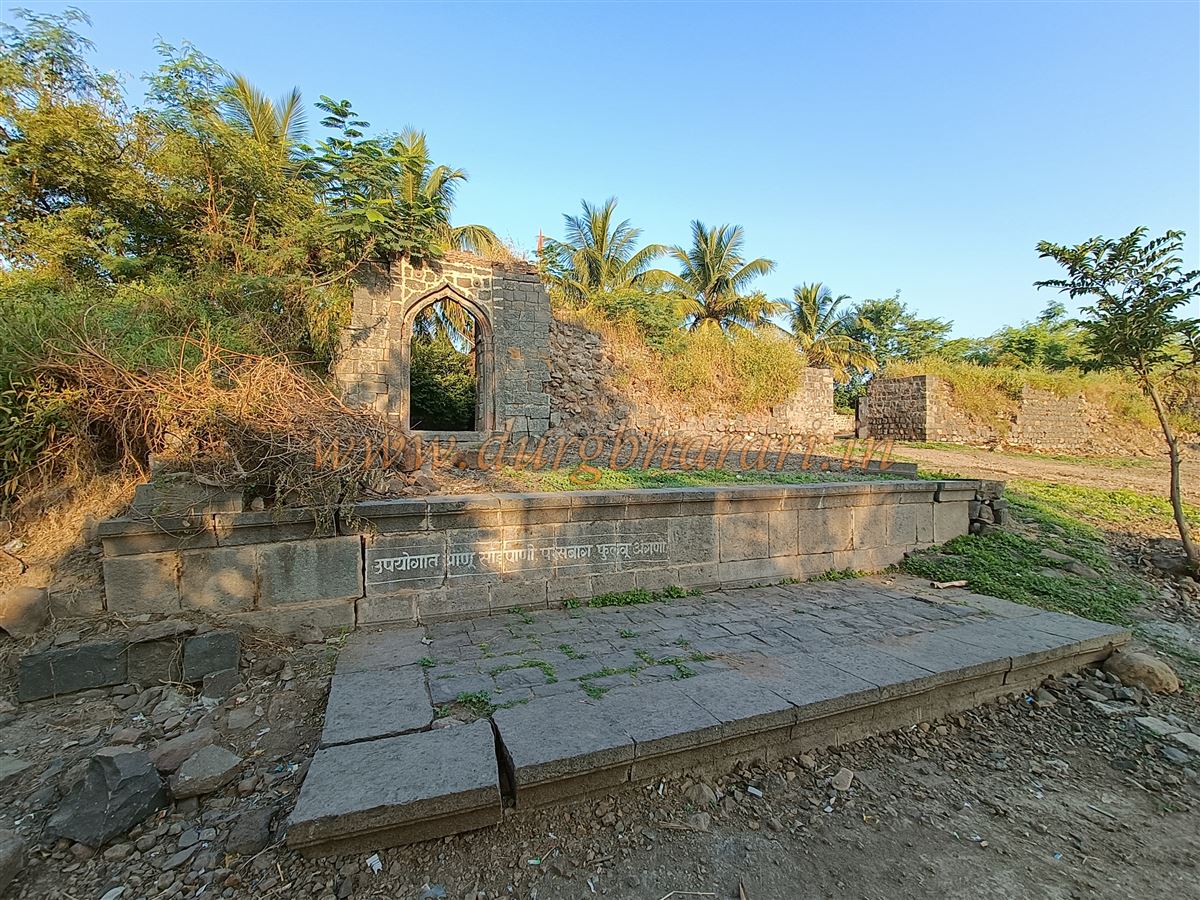
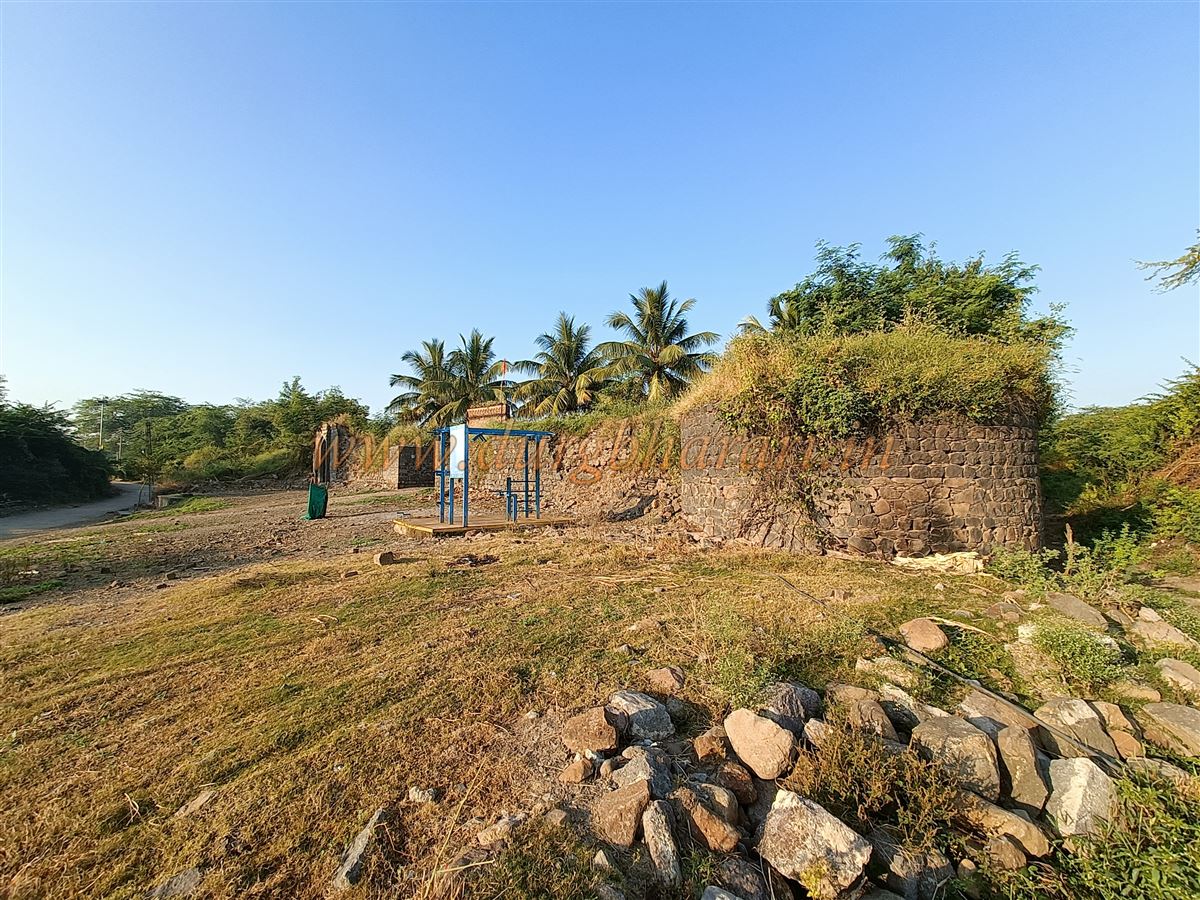
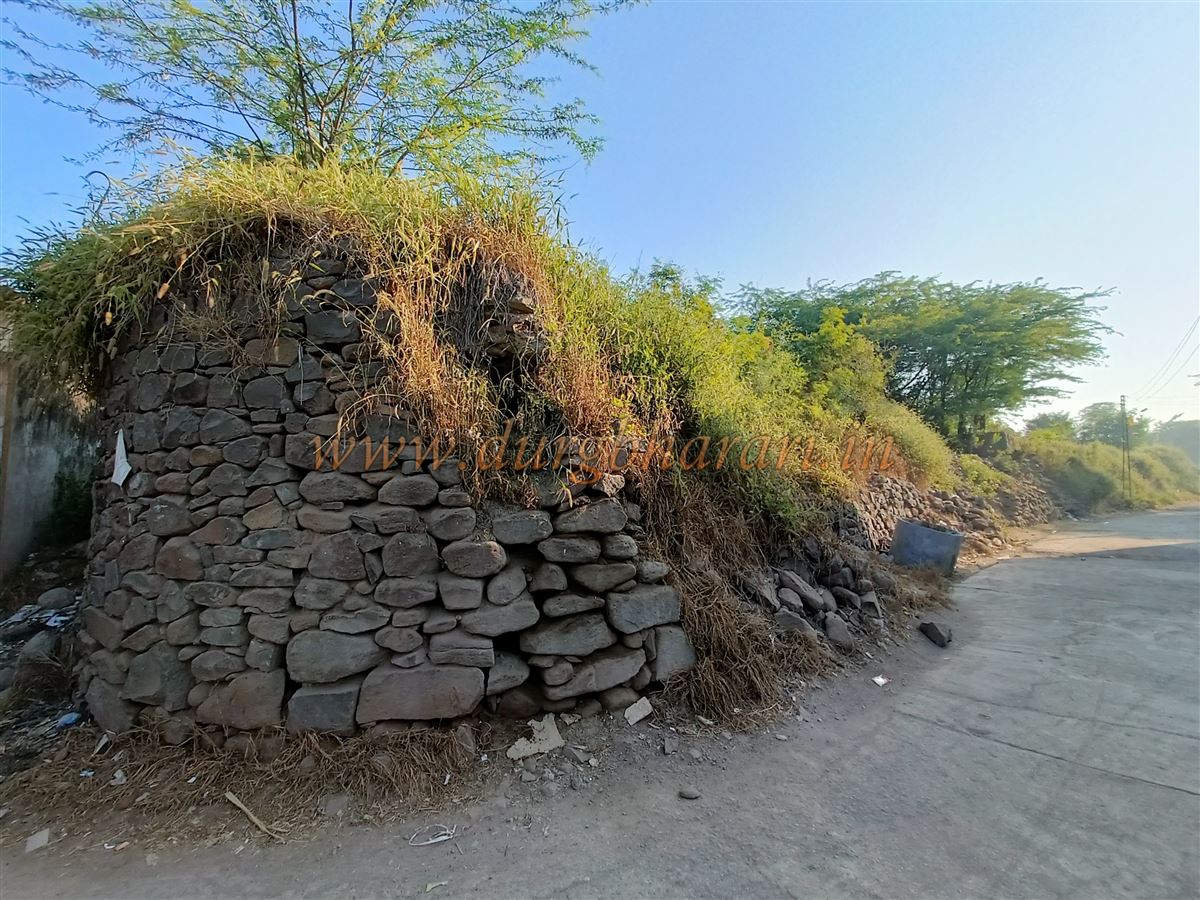
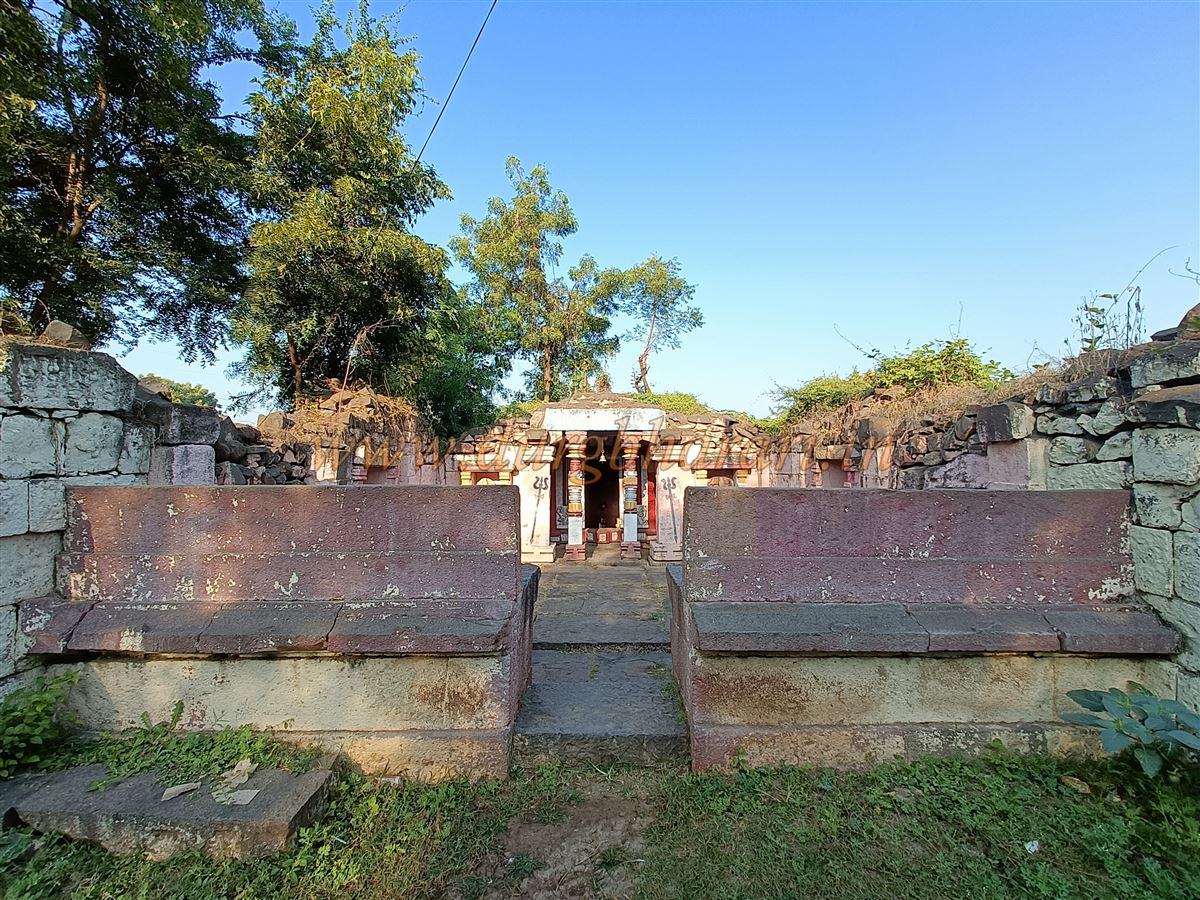
This square-shaped fort is spread over roughly one and a half acres, with a bastion at each corner. Though the fort walls have collapsed, both gates on the northern side remain with their stone arches intact. These gates are built in dressed stone; one gate’s arch is fully in stone, while the other’s arch is wooden, featuring a carved Ganesh panel with images of Lord Ganesha and Riddhi-Siddhi. Above the Ganesh panel is brickwork with decorative designs made in the bricks. Inside the gate, guard chambers are built on both sides.
The mansion within the fort has vanished over time and been replaced with new construction, but the underground granary or storehouse (balad) beneath it still survives in good condition. This structure, built of dressed stone below ground level, stands about seven to seven and a half feet high, with stairways on both sides and niches in the walls for storage jars. Apart from this underground cellar, no remnants of the original mansion survive. About half an hour is enough to see the fort.
Now let us turn to history. When one hears “Sambhaji Raje,” most recall Sambhaji Maharaj, son of Shivaji Maharaj. Shivaji Maharaj and Queen Saibai were blessed with a son at Purandar on 14 May 1657, and in memory of a valiant uncle, Jijau named him Sambhaji. But the brave elder uncle after whom he was named — Shivaji Maharaj’s elder brother Sambhaji Raje — is rarely remembered.
Shivaji Maharaj’s elder brother, Thorle Sambhaji Raje, was the eldest son of Shahaji Raje and Jijau. He was a mansabdar under the Adilshahi. During the Kanakgiri battle, Sambhaji Raje and Afzal Khan were both engaged in laying siege. Though both were sardars in the same court, Afzal Khan bore enmity towards the Bhonsle family and deliberately withheld assistance to Sambhaji Raje. As a result, Thorle Sambhaji Raje fell in the Kanakgiri battle in 1656.
Historians long believed he was killed in youth, which kept his lineage and deeds obscure. In Radhāmādhavavilāsa Champu, Jayaram Pinde refers to Thorle Sambhaji Raje as “Yuvraj Sambhaji Raje.” Sabhasad, in his Bakhar, makes no mention of his birth but does note his death in the Afzal Khan episode. References to Thorle Sambhaji Raje appear in Chitragupta, the Ekyannav Kalami Bakhar, and the Short Bakhar of the Maratha Empire, the Shedgavkar Bhonsle Bakhar, and Shri Shivdigvijay. Additional information is found in the Thanjavur Brihadeeshwar temple inscription.
In Shivbharata, Paramananda states that Shahaji and Jijau had six auspicious sons, of whom only the eldest Shambhu and Shivaji continued the line. In Persian sources such as Badshahnama, Thorle Sambhaji Raje appears as a “two-thousand mansabdar.” As he spent most of his life in Karnataka, he had little connection with Maharashtra, and later Maratha history barely mentions him. The Ekyannav Kalami Bakhar notes a son named Umaji. No other Bakhar mentions his children. Paramananda writes in detail about the marriage of Thorle Sambhaji and Jayantibai but says nothing about their children. The Shedgavkar Bhonsle Bakhar even states “he had no offspring.”
However, the Brihadeeshwar inscription clearly records a son Umaji and also mentions Umaji’s son Parsoji birth. In the Afzal Khan-vadh powada, Umaji is mentioned (though not explicitly as Sambhaji’s son) as “nephew Umaji Raje.” The Brihadeeshwar inscription also notes that besides Jayantibai, Sambhaji had two other wives — Gauribai and Parvatibai. The Jedhe Shakavali confirms Umaji was not adopted; it records his birth on 25 November 1654. When Shahaji Raje died at Hodigere in 1664, Umaji was ten years old. Umaji held a jagir from the Bijapur government and proved his valour in his thirties, as shown by a 1683 mahazar. Umaji had a son named Bahadurji, and a 12 December 1689 decree refers to “Maloji Raje Bhonsle Farzand, Shahaji Farzand, and Sambhaji’s Farzand Umaji’s Bahadurji.”
Kannada documents mention two other sons of Sambhaji — Suratsingh and Matoi — though Marathi sources do not. Umaji’s line settled in Maharashtra, which is why it appears in Maratha history. A mistaken belief, spread by some historians, is that Jayantibai was also called Makau. Genealogies accepted by the Inam Commission also list Makau as his wife. In reality, after her marriage, Jayantibai moved with Sambhaji to Kolar in Karnataka permanently. Inscriptions record her donations in Kolar after Sambhaji’s death, with the last one dated 1693, showing she was alive and residing in Karnataka at that time.
Meanwhile, Makau Bhonsle appears in Jinti records up to 1740, and her memorial still exists in the village, proving she and Jayantibai were different persons. Makau was the wife of Umaji Bhonsle, Sambhaji’s son. She had a son, Bahadurji, and after him adopted Parsoji from the Bhamborkar Bhonsle branch. Jinti was part of the hereditary Patilki estate of the Bhonsles. Mughal-era papers refer to her as “Makubai Patilin Jintikar.” Being a cousin-aunt to Chhatrapati Shahu Maharaj, correspondence in the Shahu records shows their close ties. When she faced trouble, Shahu ordered his officials to assist her. During Shahu’s captivity by the Mughals, Chhatrapati Rajaram gave Makau a village through Dhanaji Jadhav, as recorded in Tarabai-era papers.
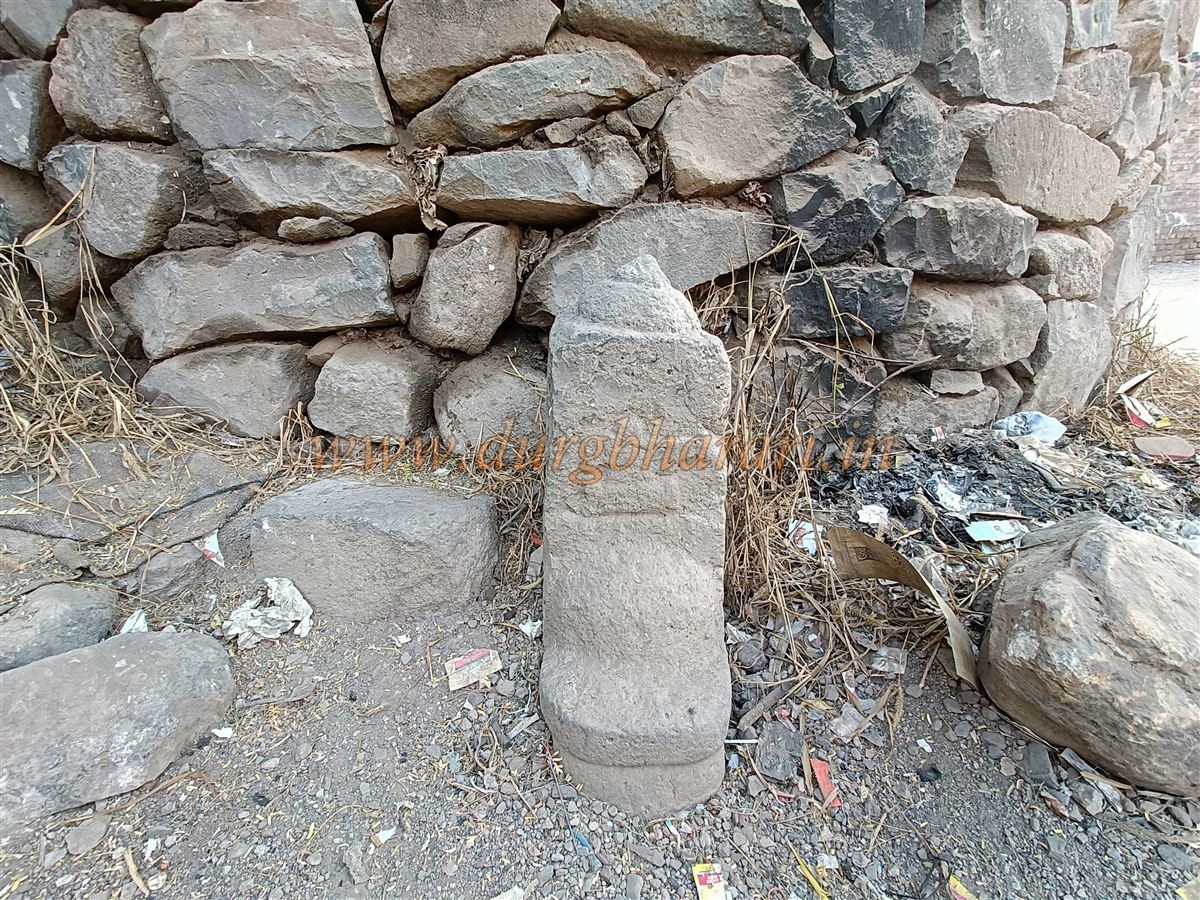
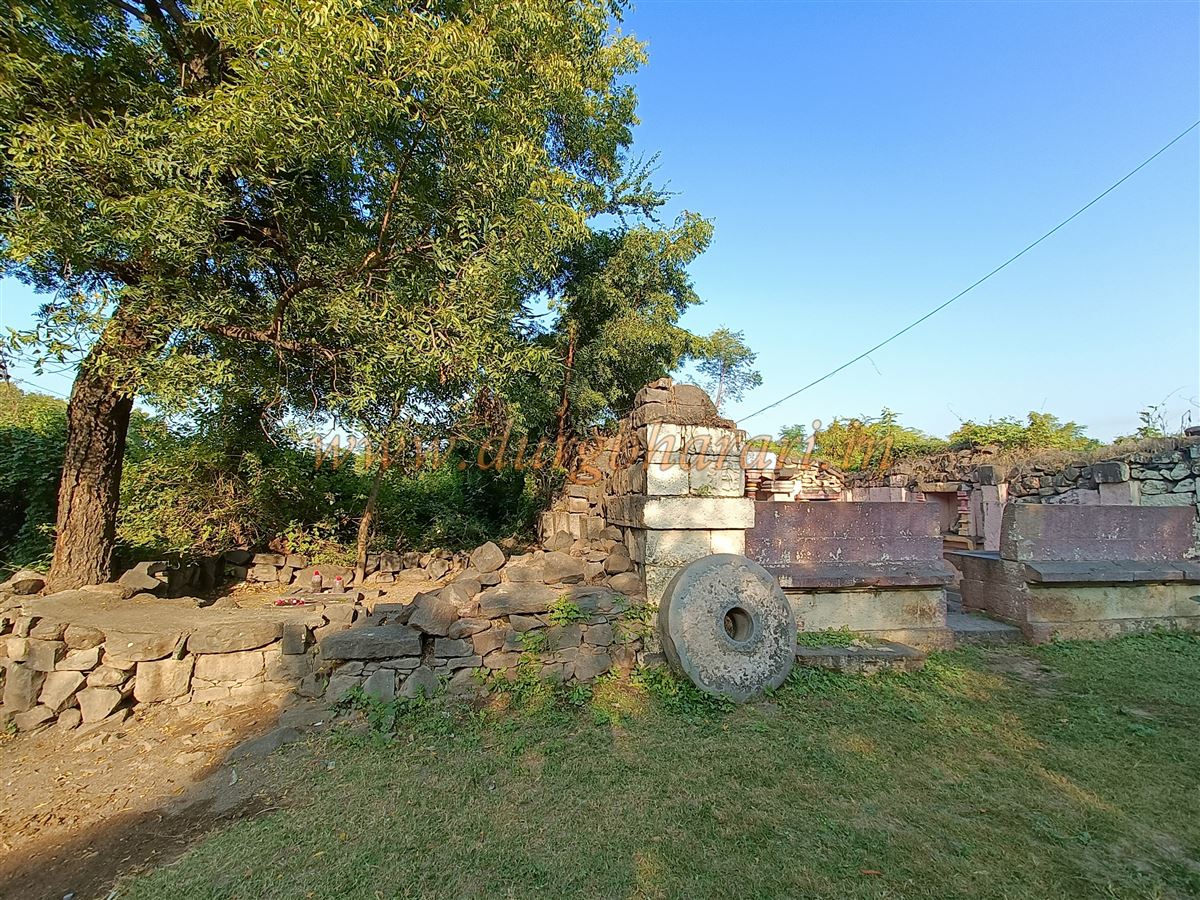
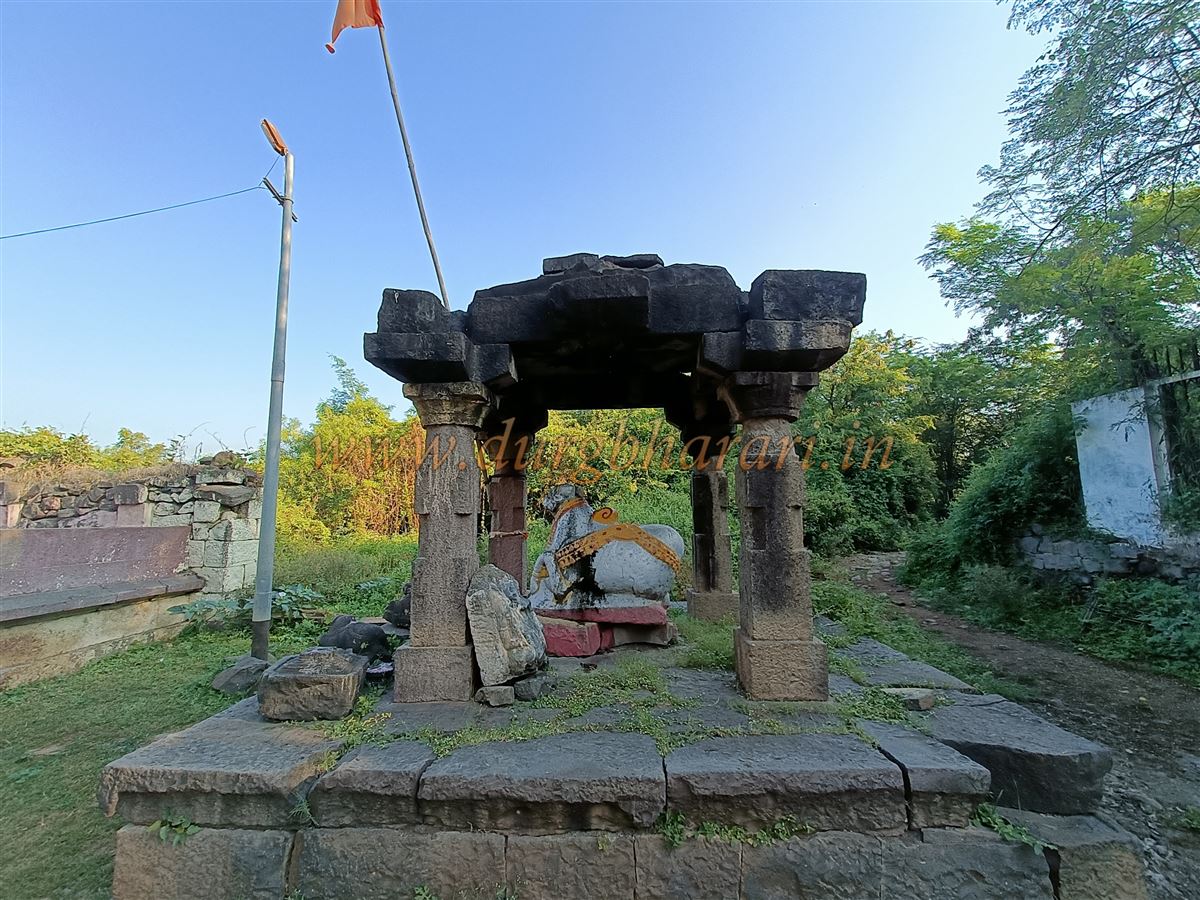
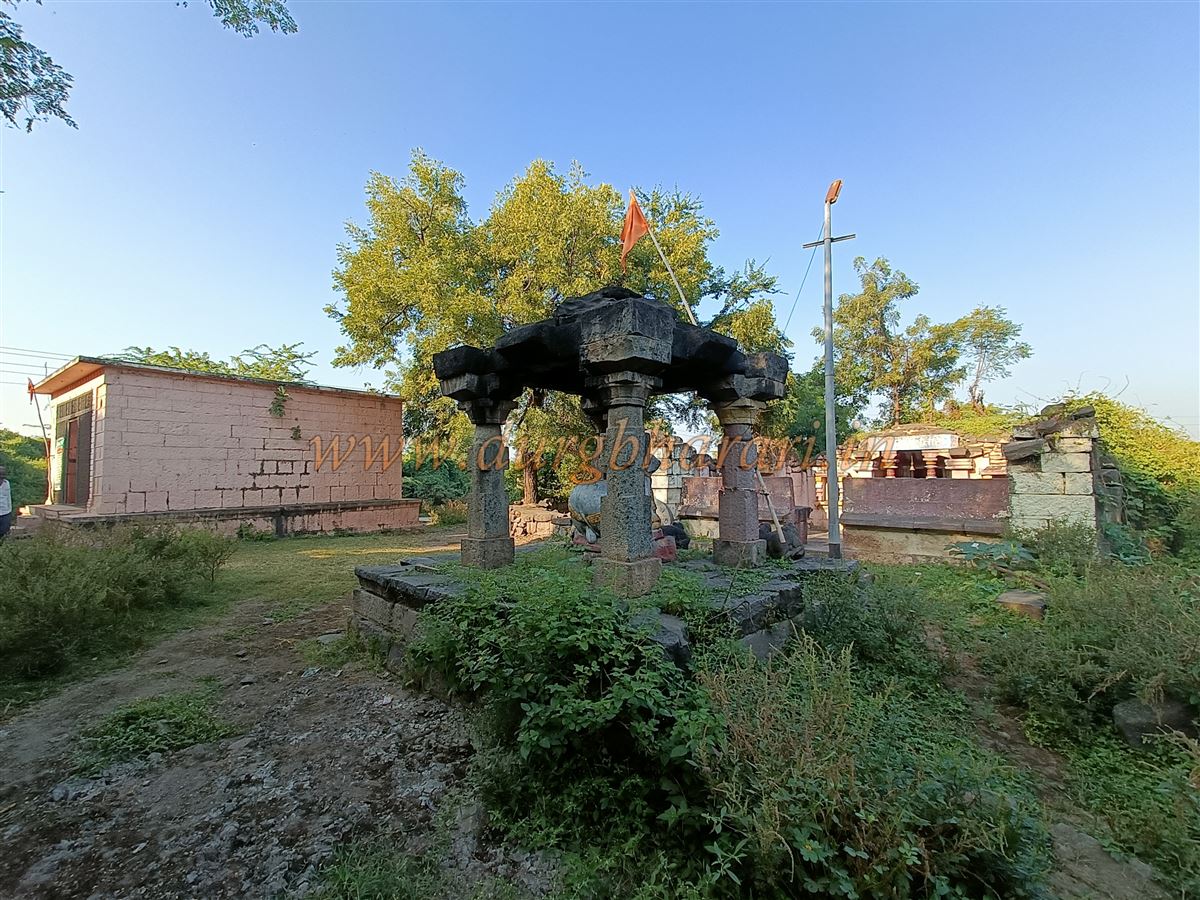
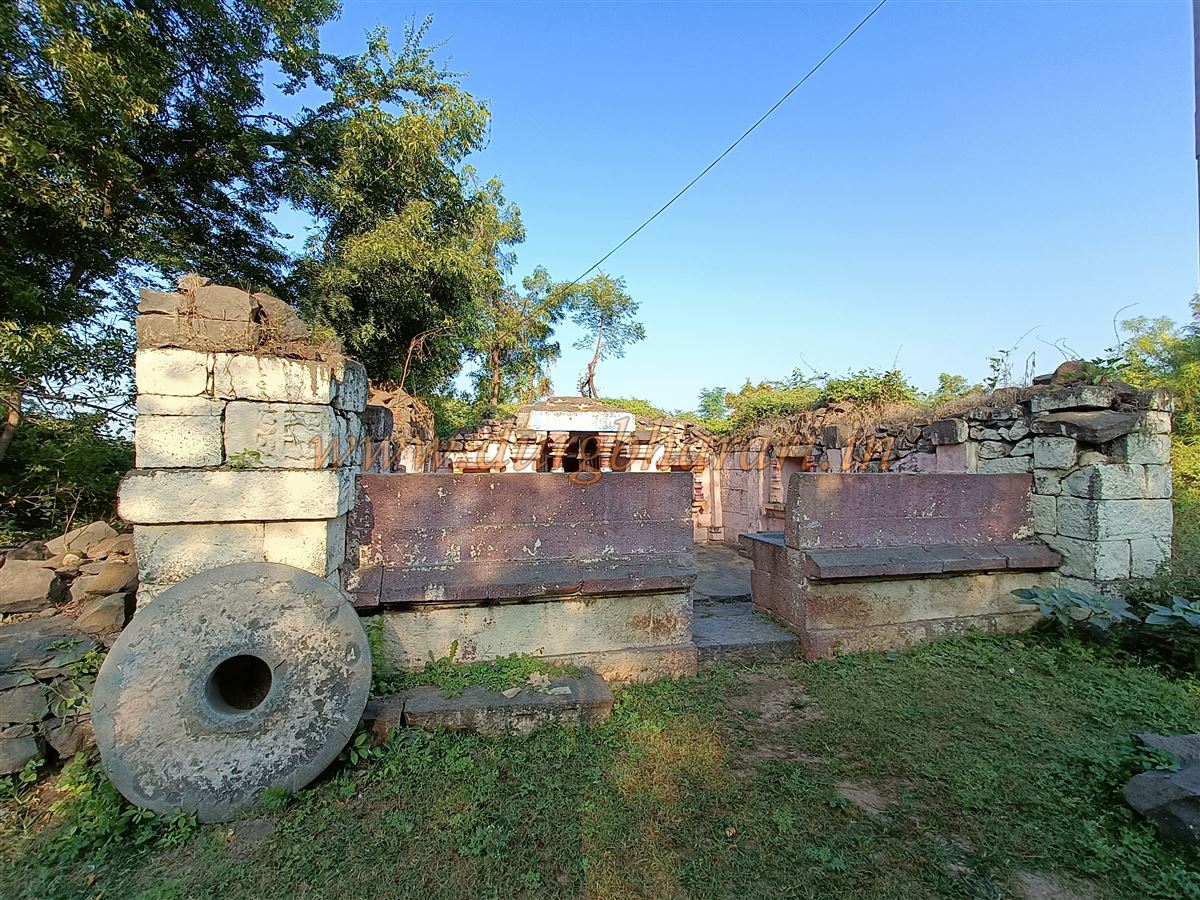
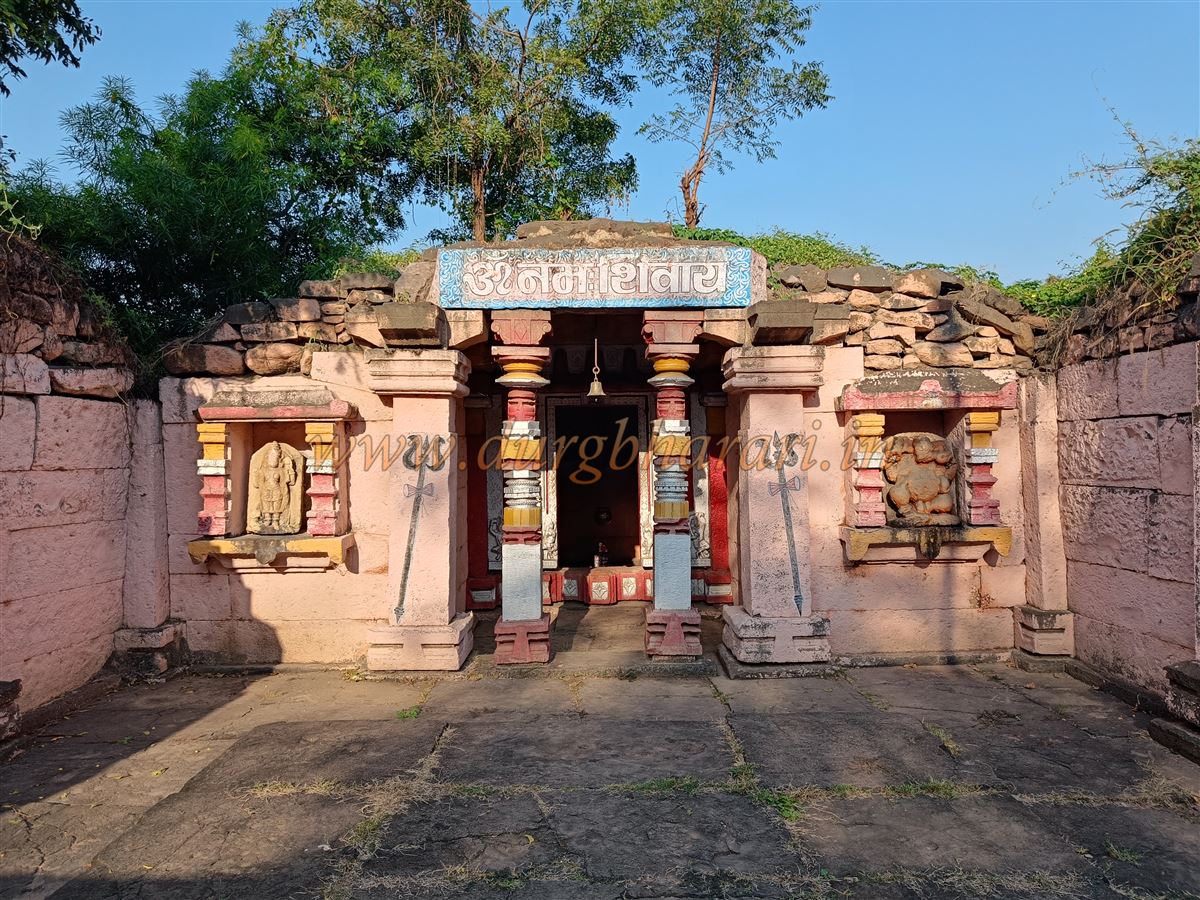
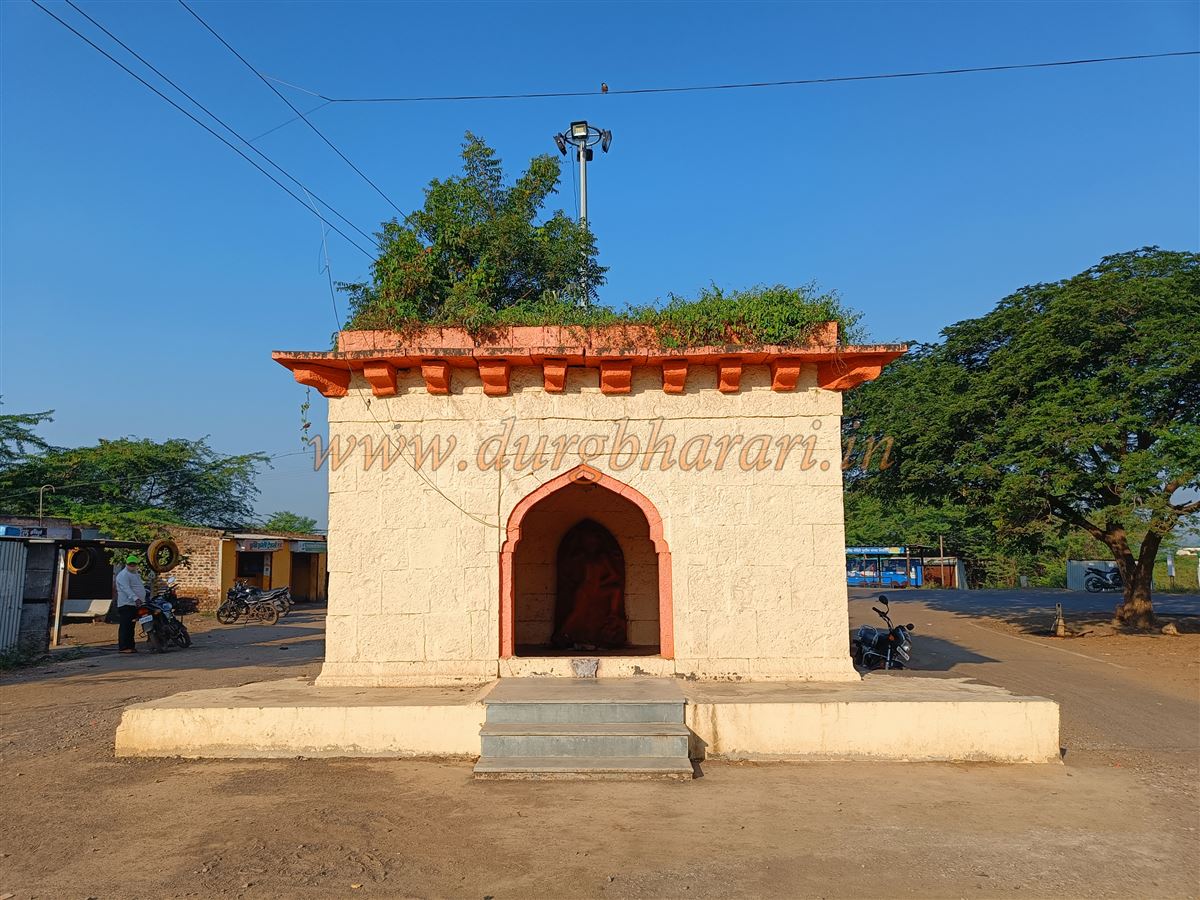
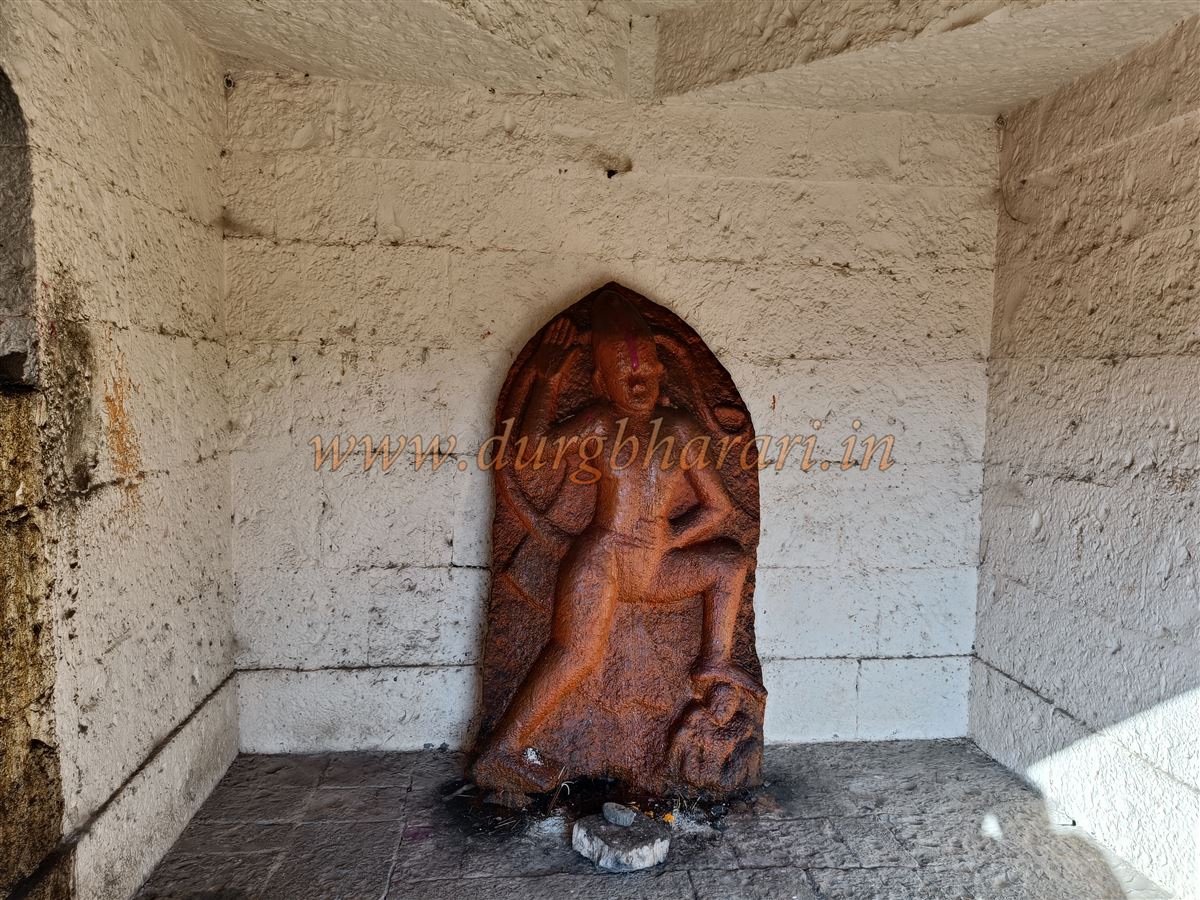
Around 1730, Nizam’s officer Ravaramba Nimbalkar of Karmala harassed Jinti village and Makau, prompting the Nizam to order him to desist, as seen in the Jinti records. Makau is mentioned in Shahu’s records until 1740. Today, in Jinti, she is remembered as “Makai.” Outside the village, on a platform, stands her small memorial, revered as a goddess by locals, who hold an annual fair there.
In Kanakgiri village, in Koppel district, about 270 km from Belgaum via Hubali, lies the memorial of Thorle Sambhaji Raje Bhonsle.
© Suresh Nimbalkar
GALLERY