JAMGAON
TYPE : GADHI/ NAGARKOT
DISTRICT : AHMADNAGAR
HEIGHT : 0
GRADE : EASY
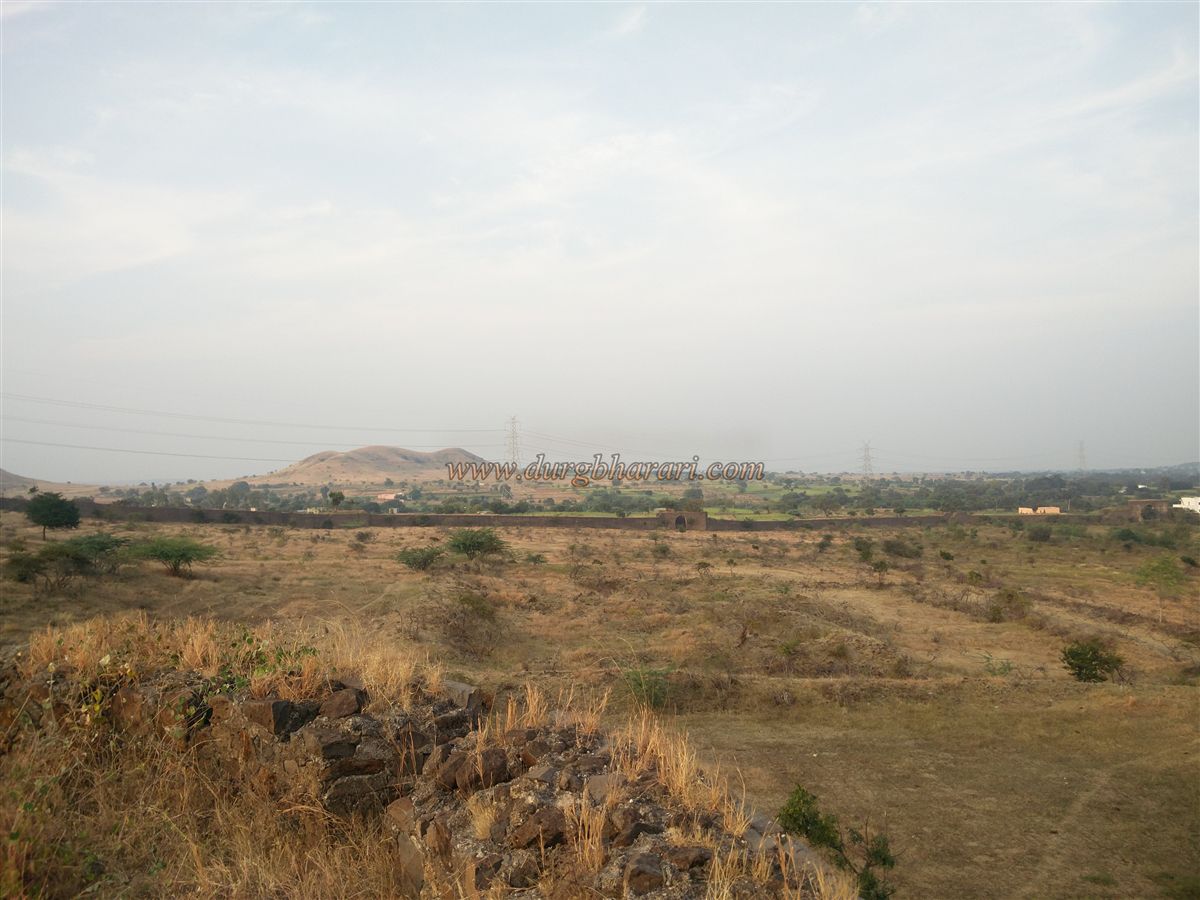
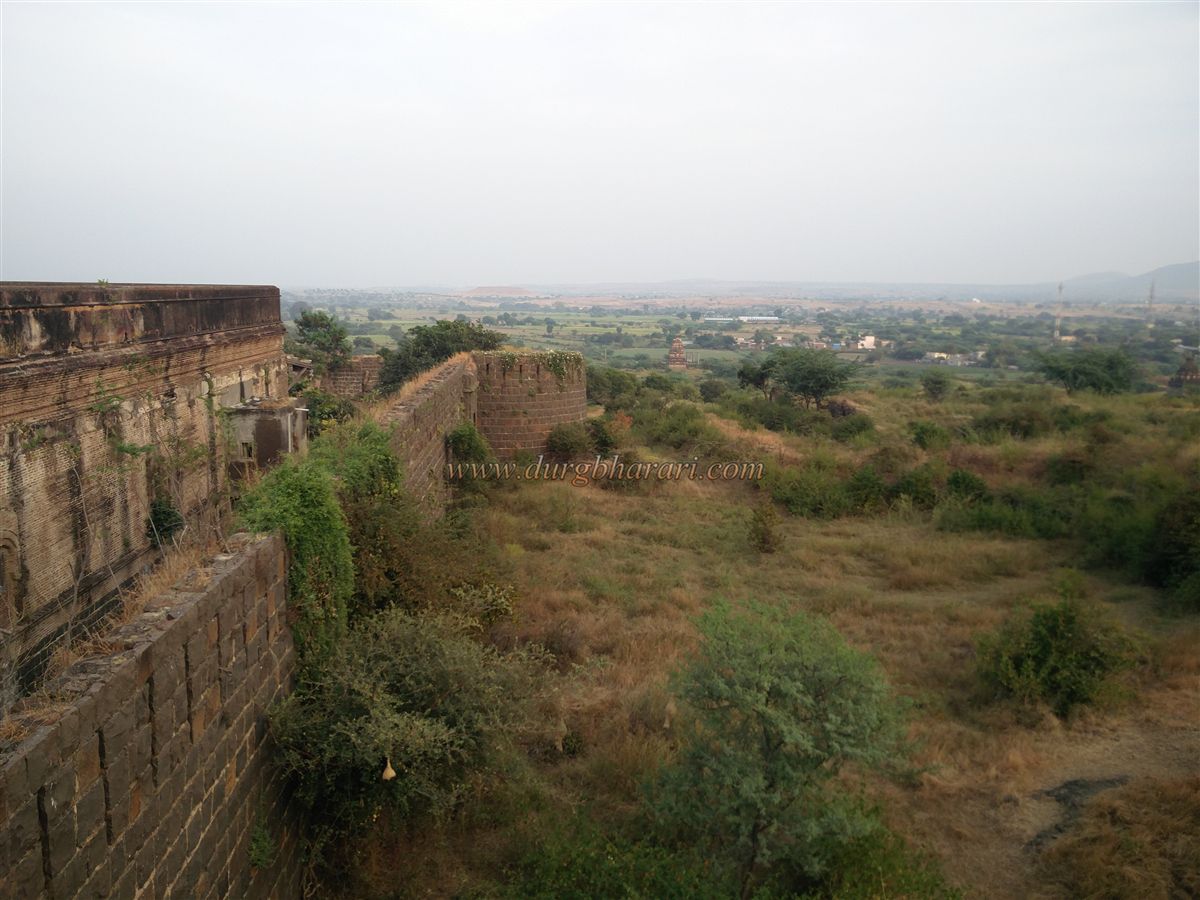
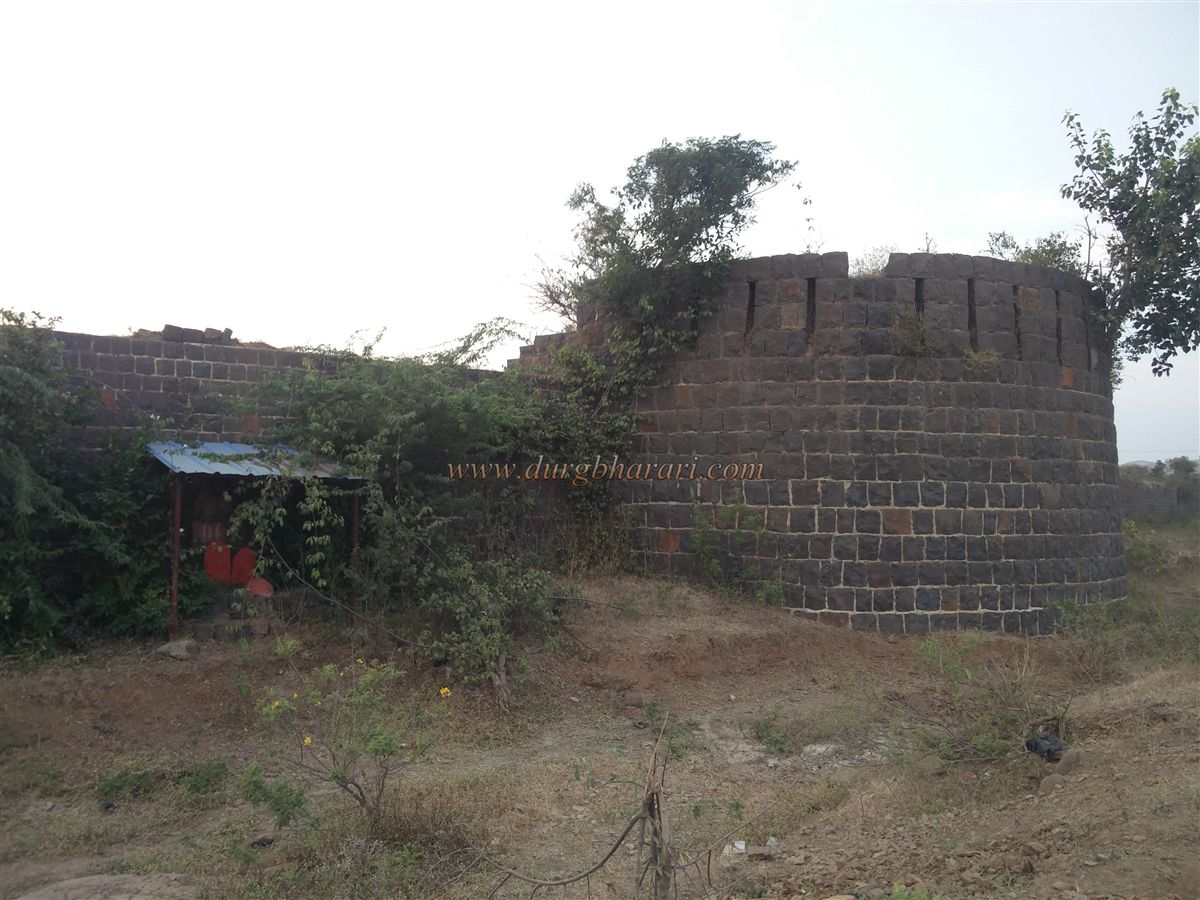
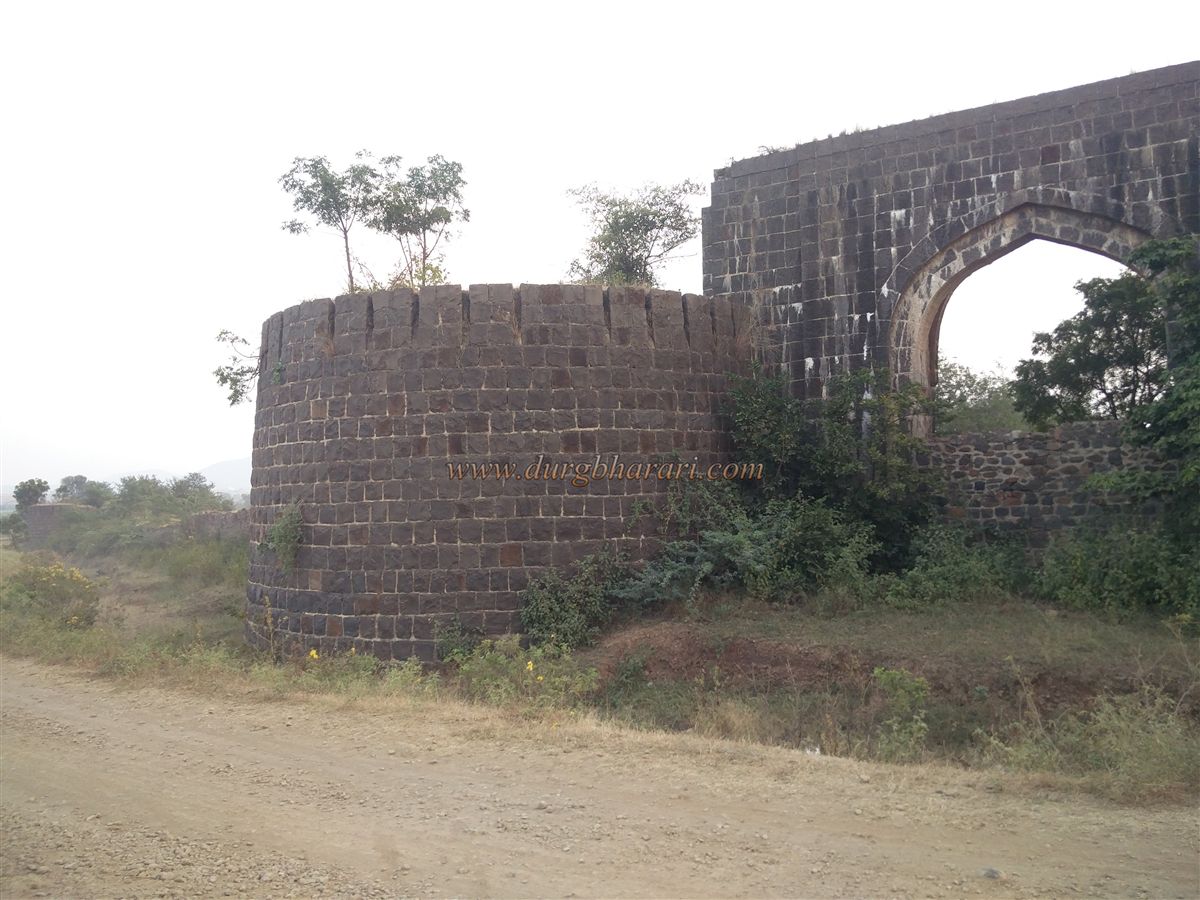
Ahmednagar is a district known for its strong forts, beautiful historic mansions, and numerous fortifications. In Parner taluka of this district, in the village of Jamgaon, there is a land fort (Bhuikot Killa) that includes the mansion of Mahadaji Shinde. Calling it a “Bhuikot” is less fitting than calling it “Nagarkot,” because at one time, the entire settlement of Jamgaon was housed within this fort. Traveling on the Pune–Ahmednagar road, after crossing Shirur, you reach the town of Parner, the taluka headquarters. On the Parner–Bhalwani road, about 12 km from Parner and just before Jamgaon, stands this land fort. The Jamgaon fort is situated right by the Parner–Jamgaon road, and even today, its fortifications remain in good condition. The fort is built on the base of a hill, with its outer walls connecting the two sides of the hill.
...
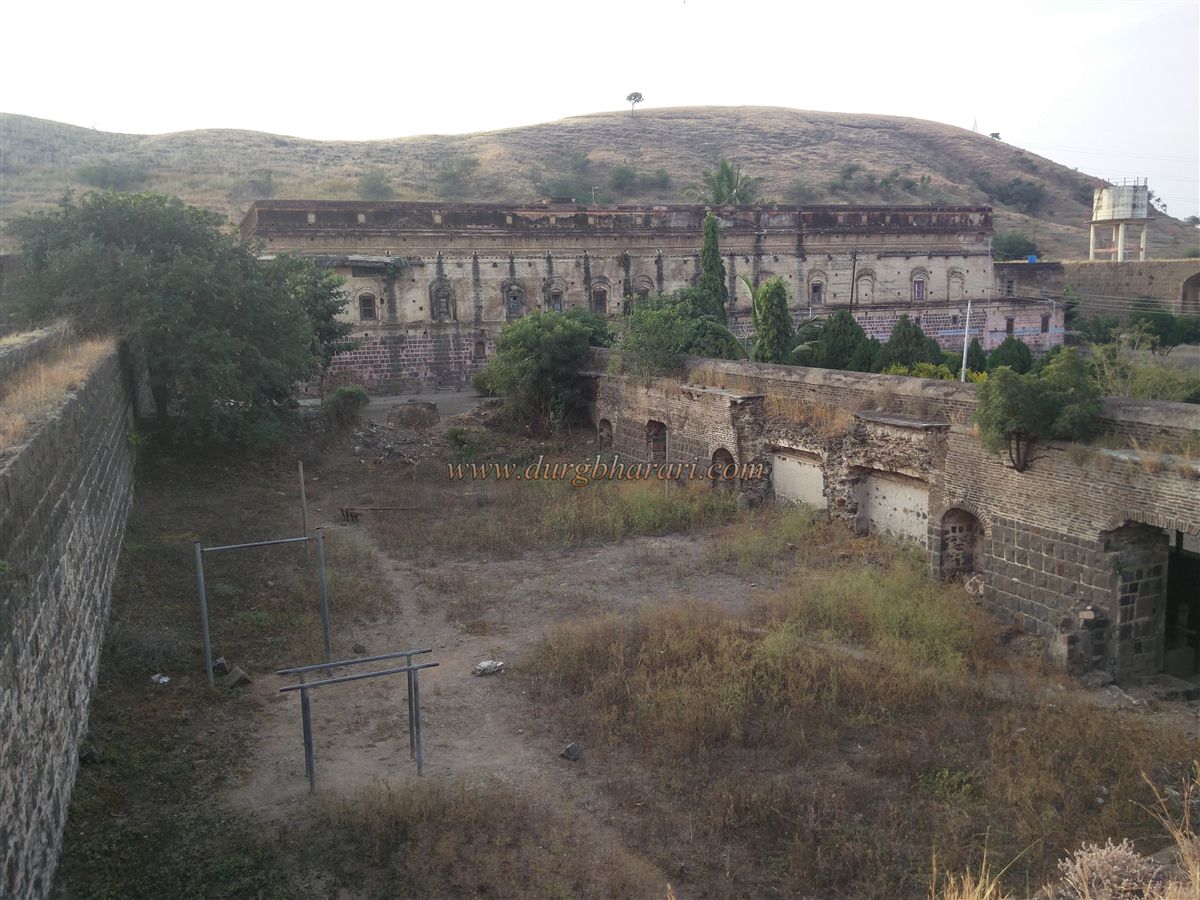
The fort is essentially divided into two sections — one is the outer land fort surrounding the village, and the other is the smaller, more secure citadel (balekilla) built on one end of the hill within the land fort, meant for the royal family. In this citadel stands the grand mansion of Mahadaji Shinde, still in fine condition today. At present, the mansion houses the D.Ed. College of the Rayat Shikshan Sanstha, which has possession of the fort. Apart from this part, the rest of the fort is entirely deserted.
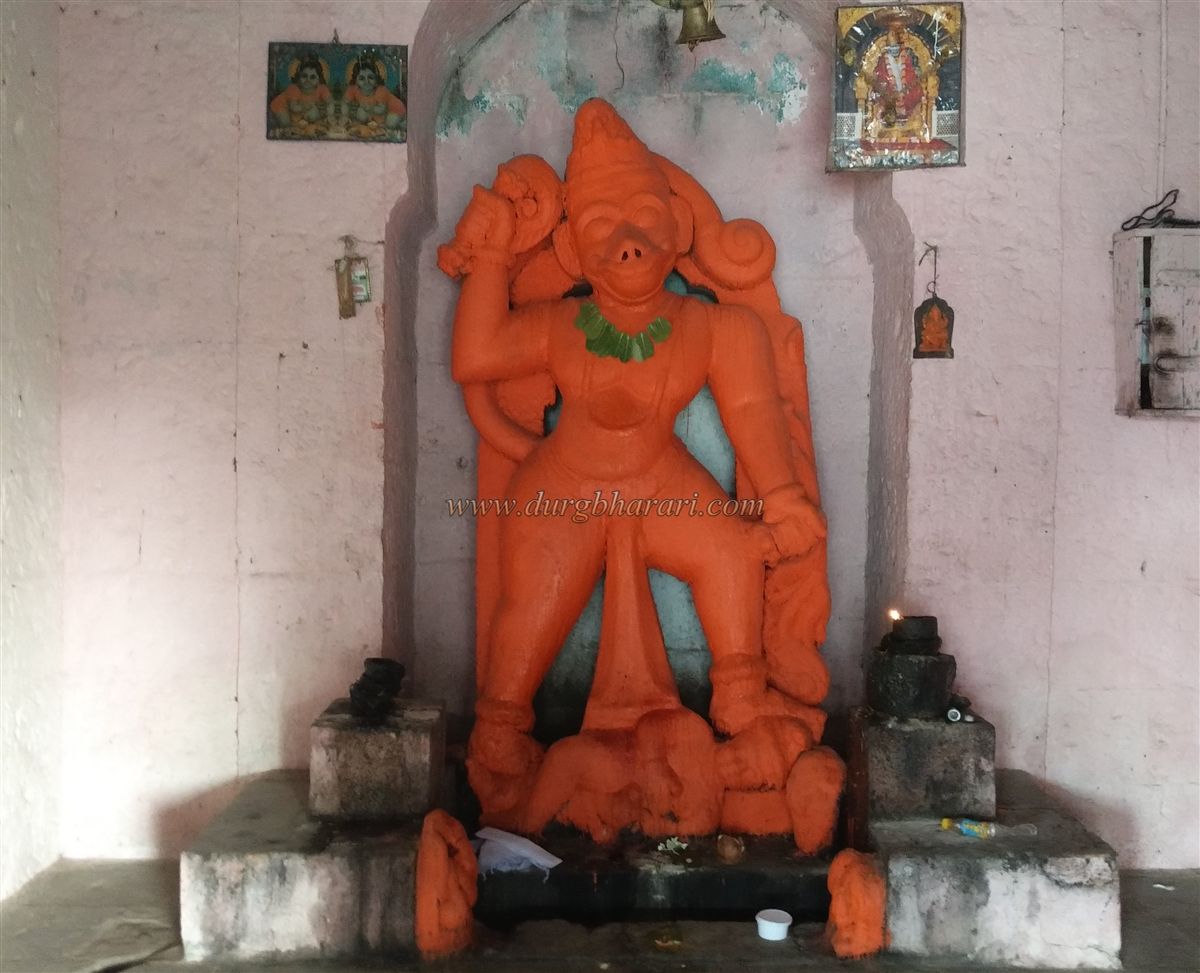
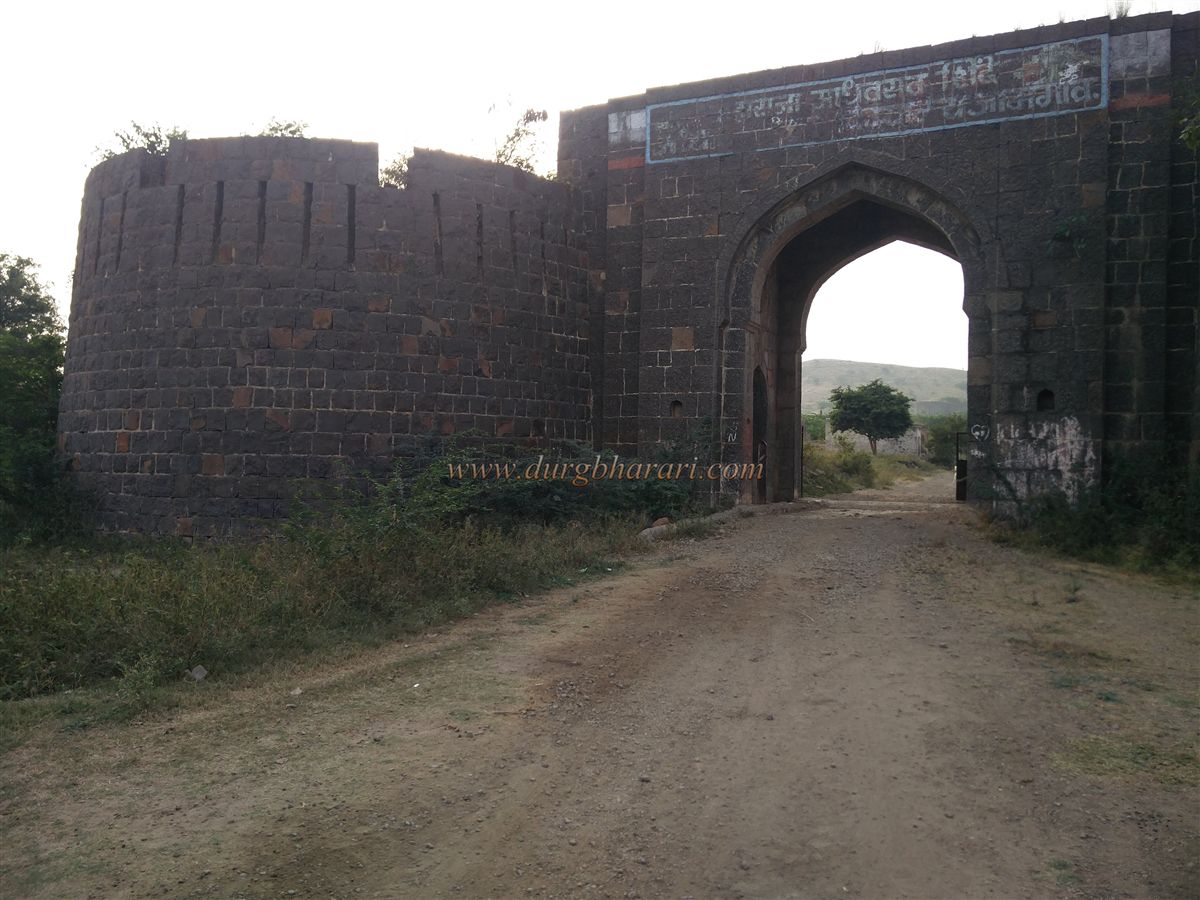
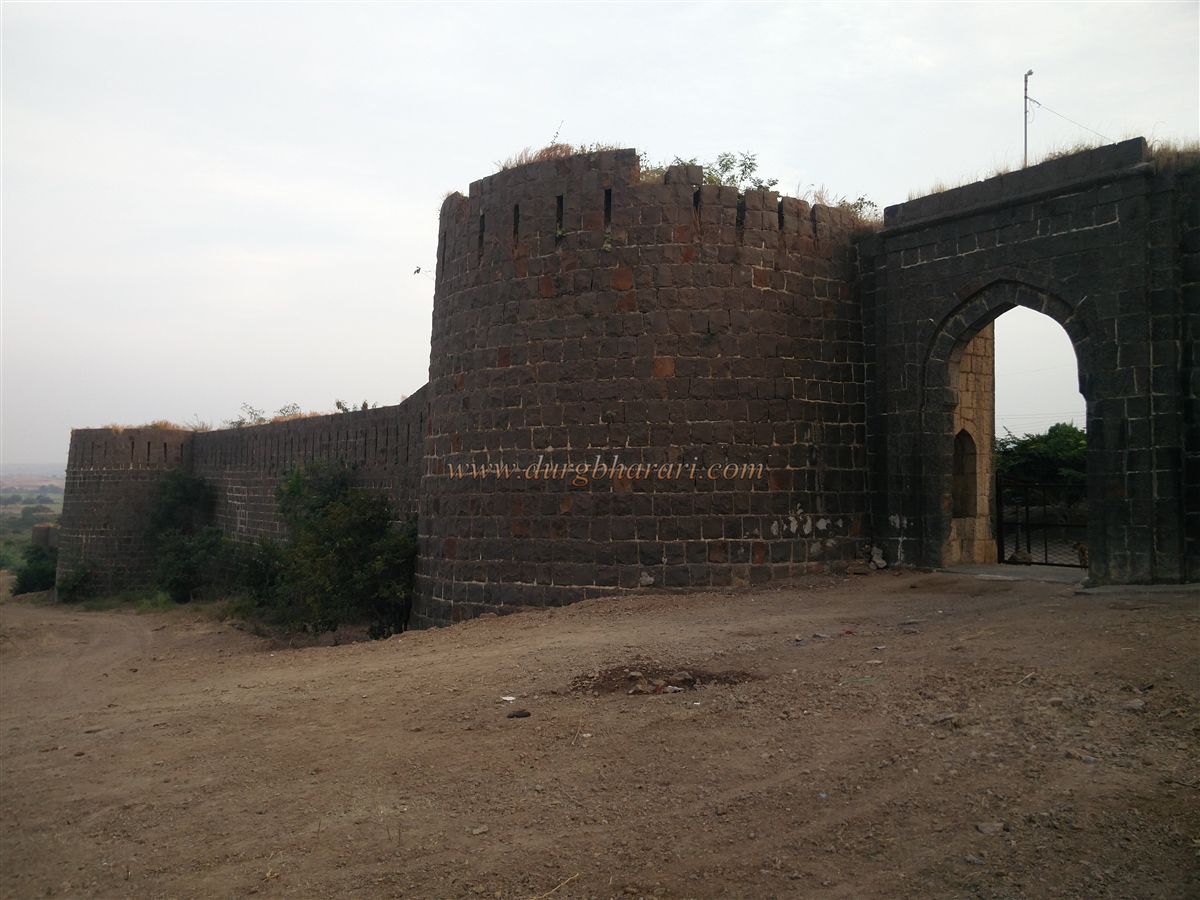
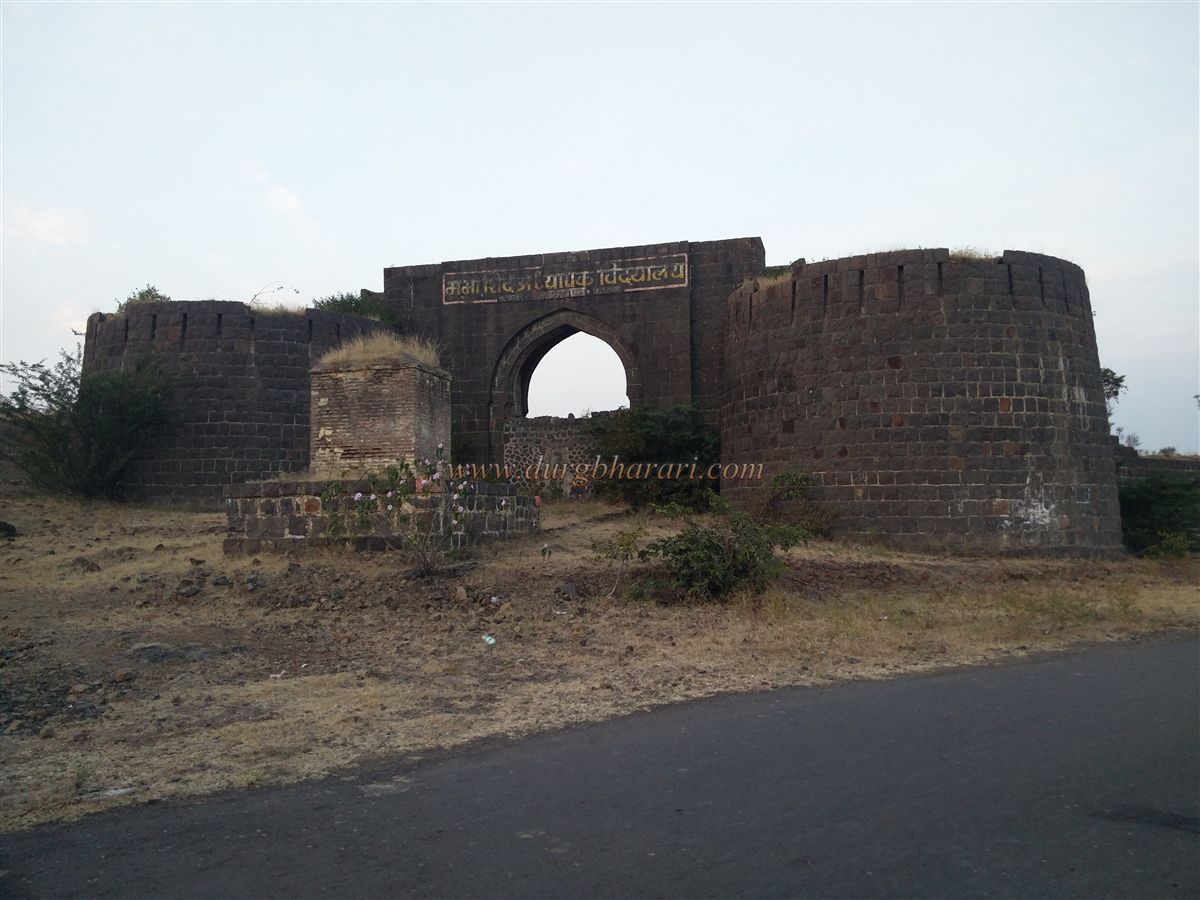
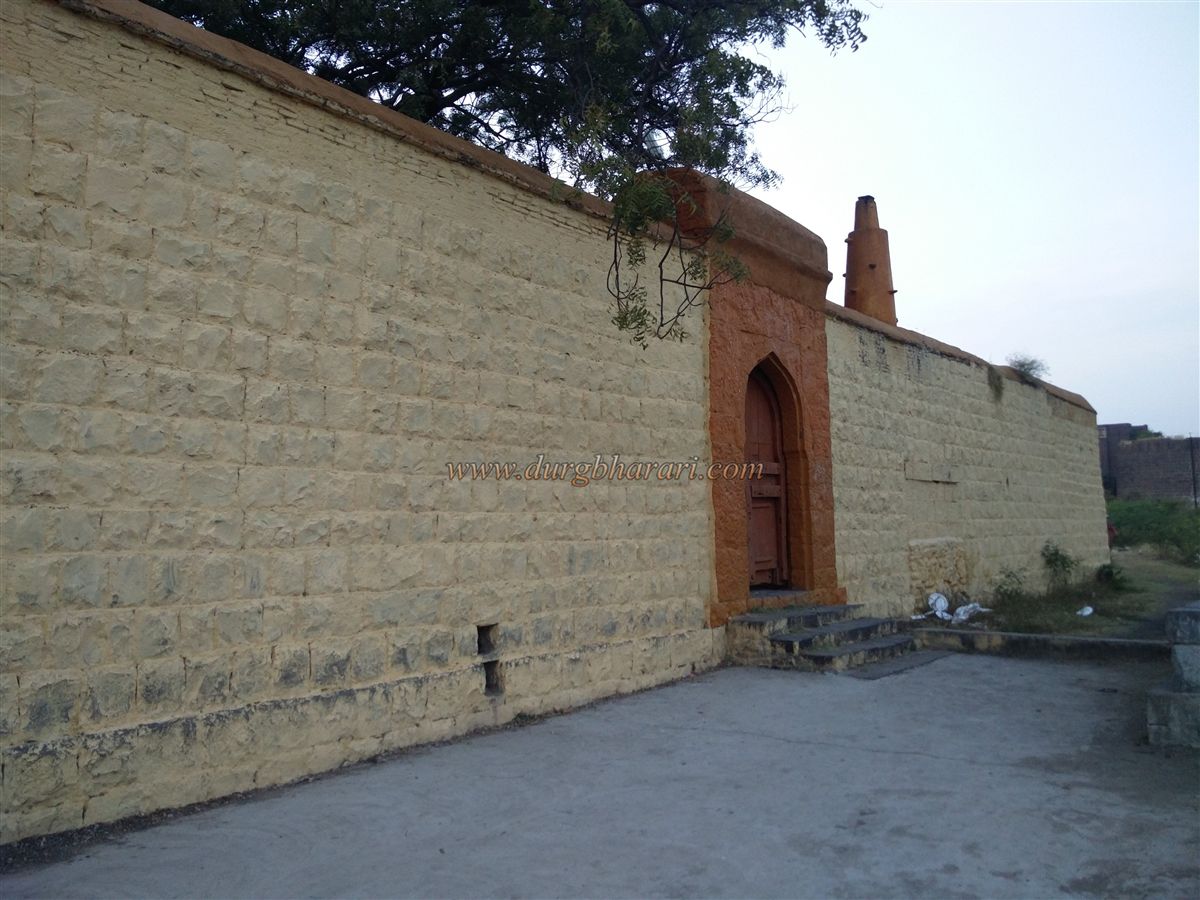
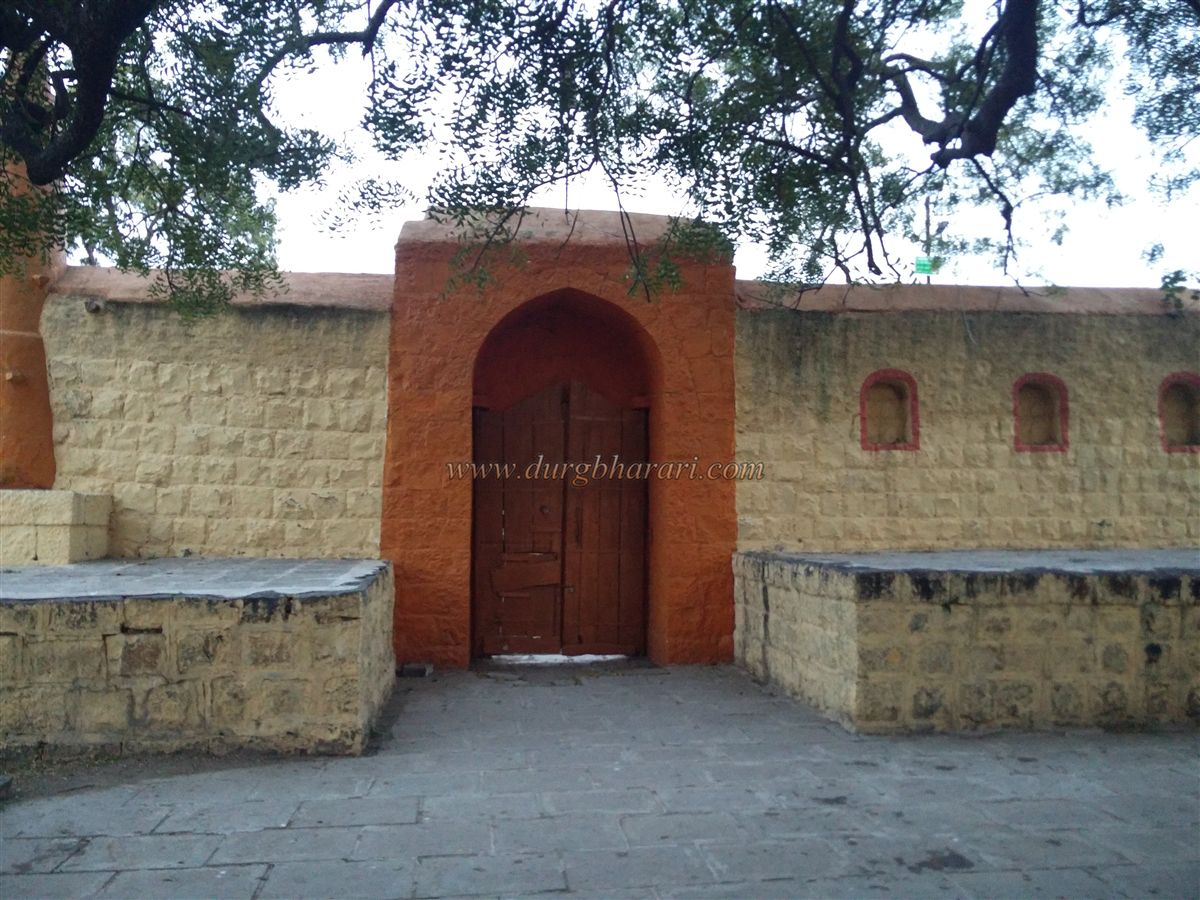
Roughly circular in shape, the fort covers an area of 87 acres. Its outer walls contain 19 bastions and 4 gates. Because the eastern side is hilly, the gates are arranged with one to the south, one to the west, and two to the north. Three of these gates have been sealed with stone. Entry is now through the eastern-facing gate on the west side, along the Jamgaon–Parner road. The two sturdy bastions flanking the gate and the adjoining fortifications are still intact. Opposite the gate, across the road, stands a 12-foot-high Hanuman statue in a temple.
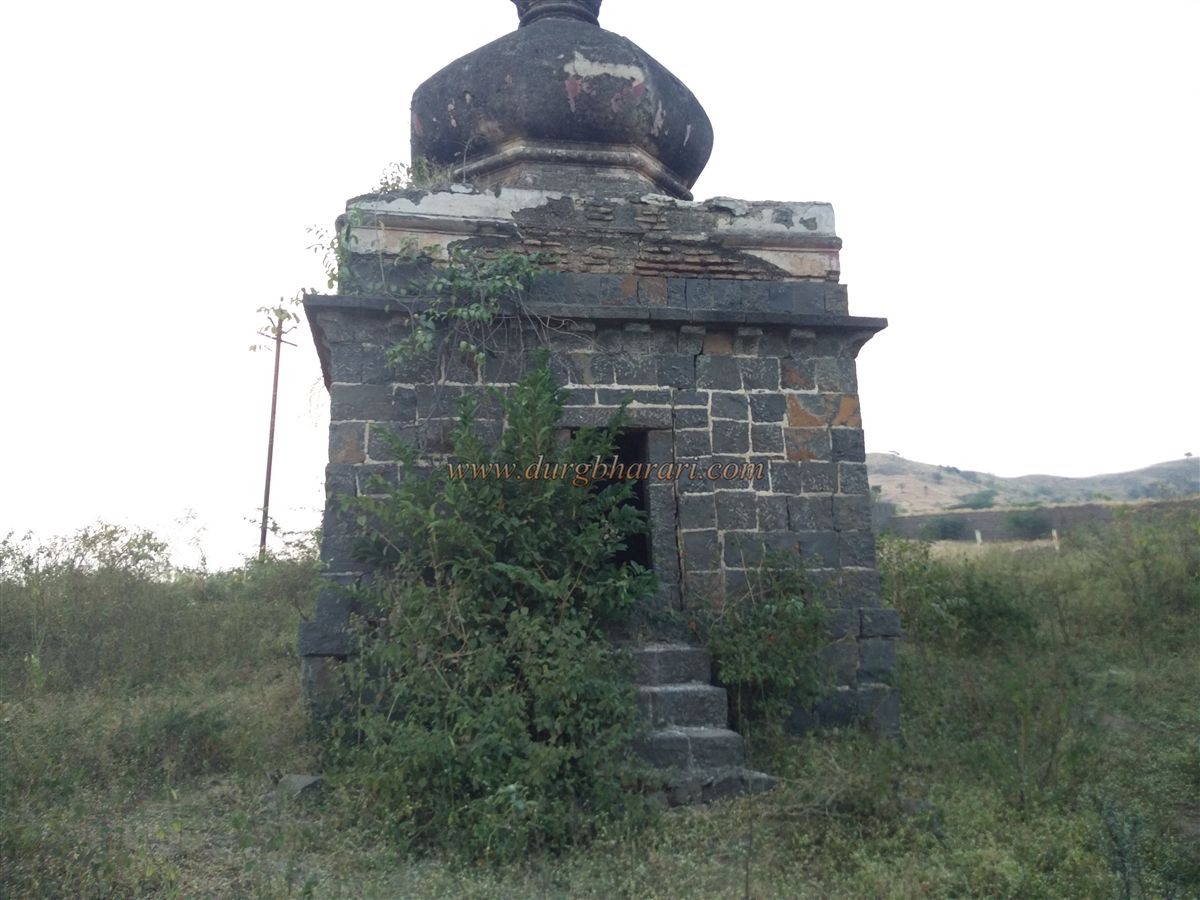
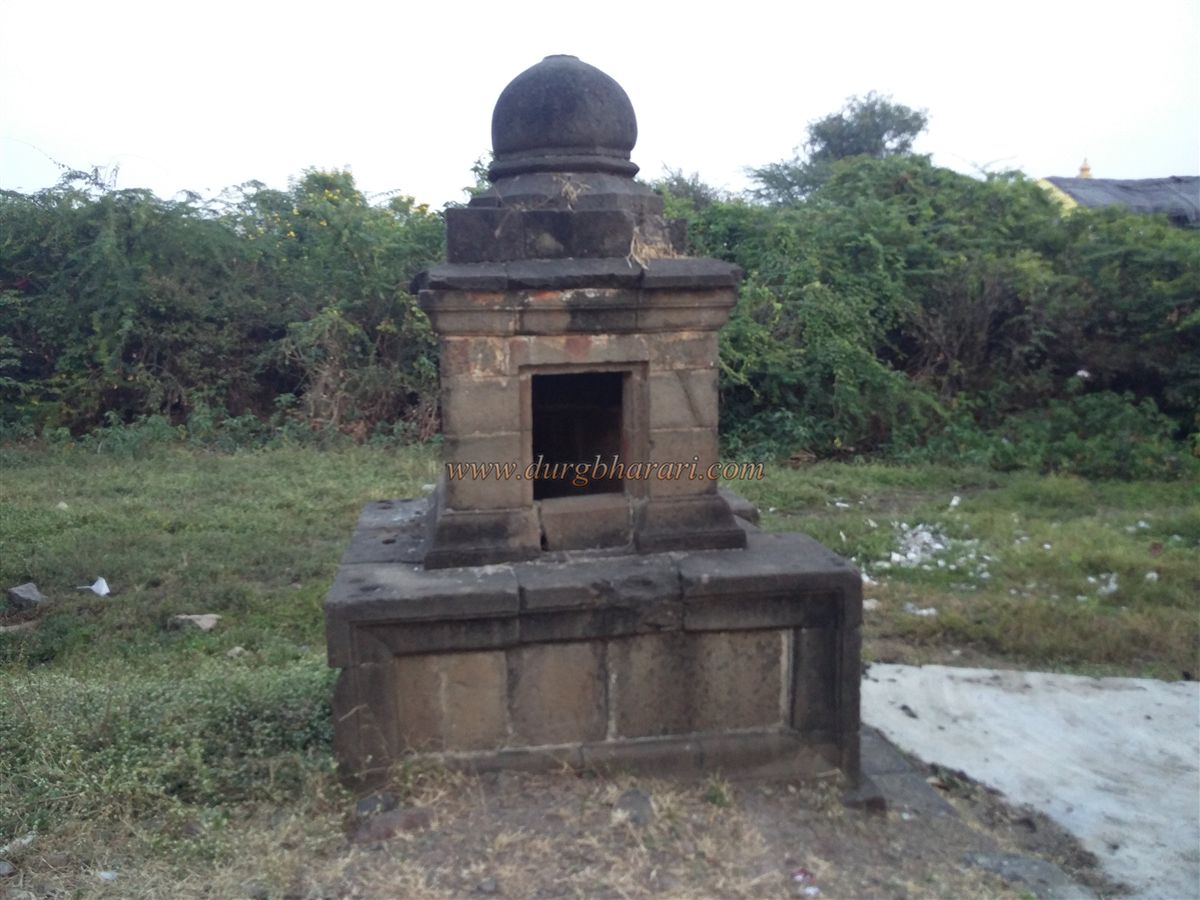
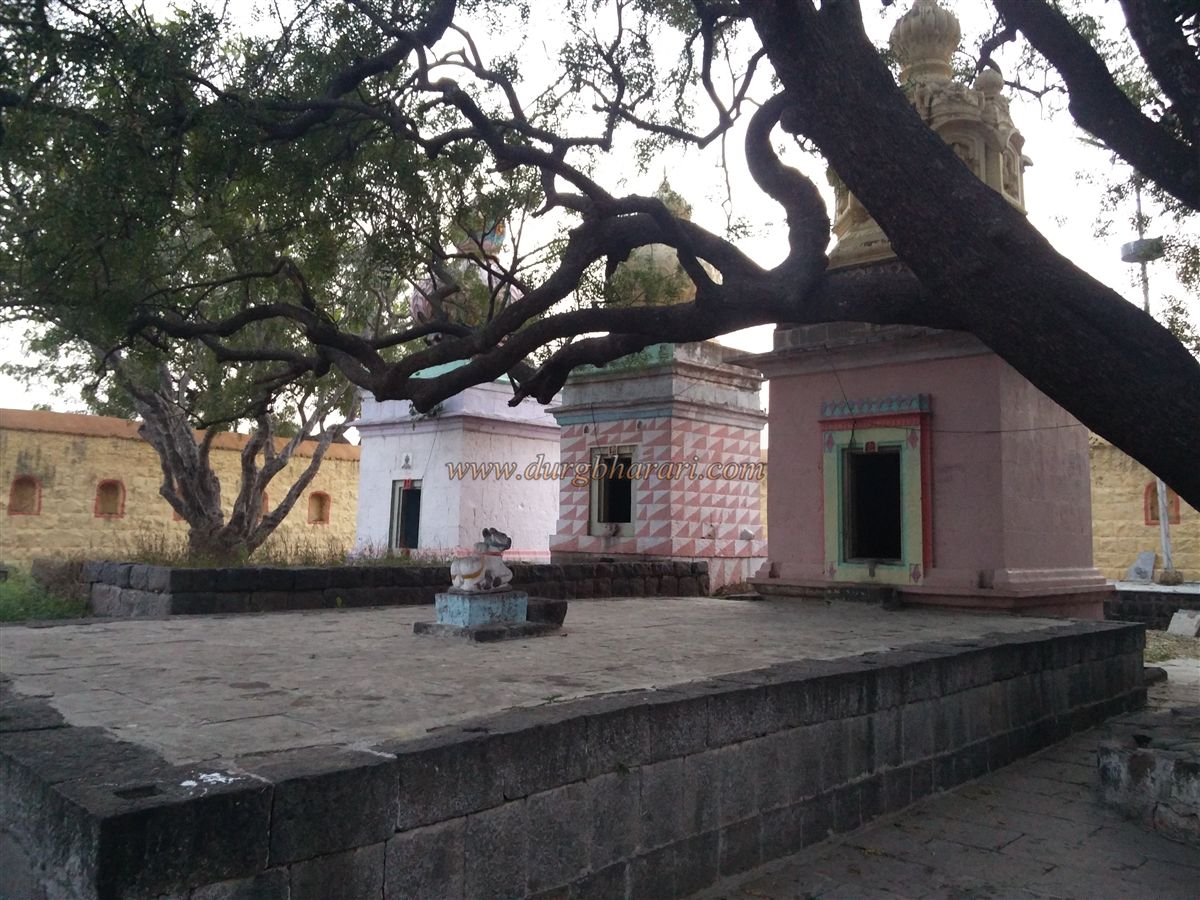
Upon entering the fort and taking the path to the left, one comes first to a stone-built temple of Rama, and across from it, a domed Hanuman temple. The Hanuman temple contains idols of Rama, Lakshman, and Sita. In front of the Rama temple is another temple dedicated to Vithoba and Rakhumai. Both temples are currently unused, neglected, and unclean. Behind these temples, at some distance, are two sealed gates of the fort.
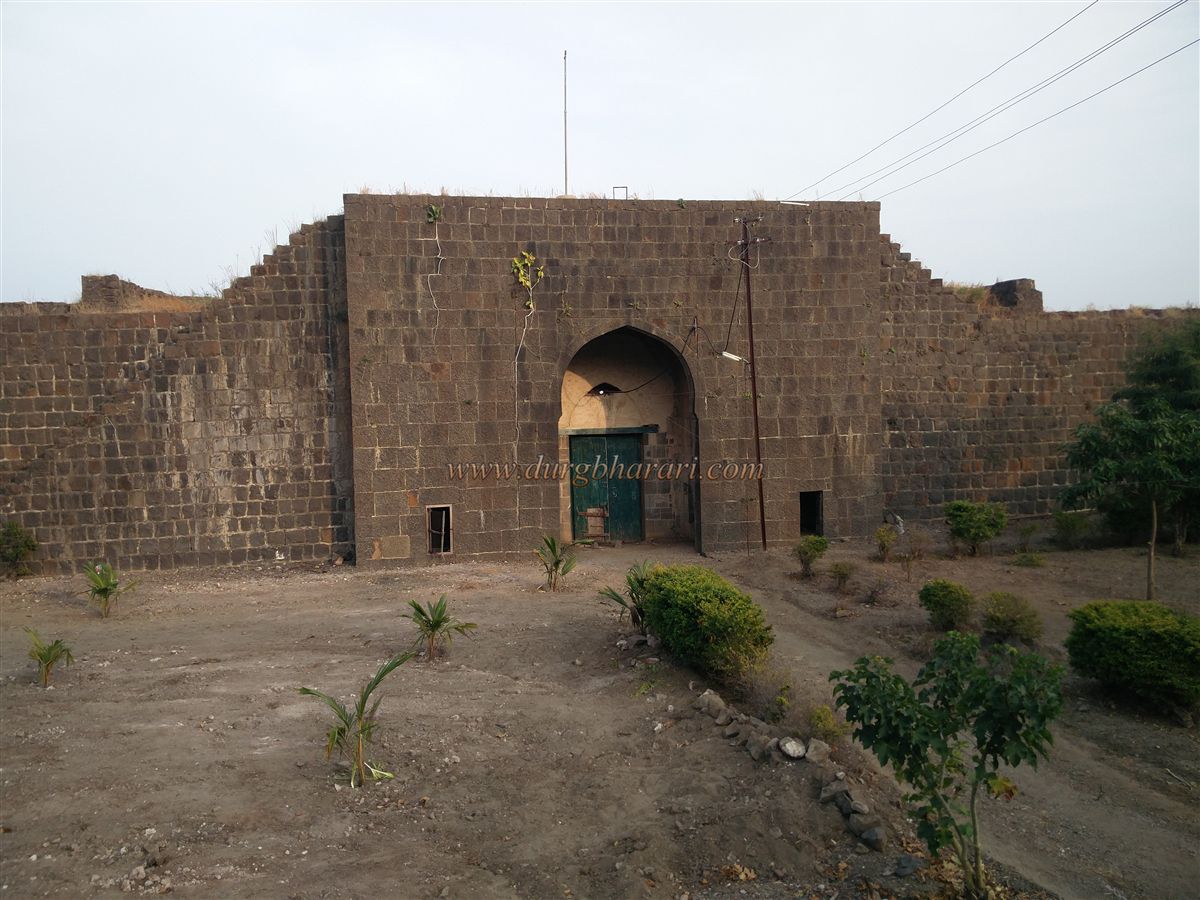
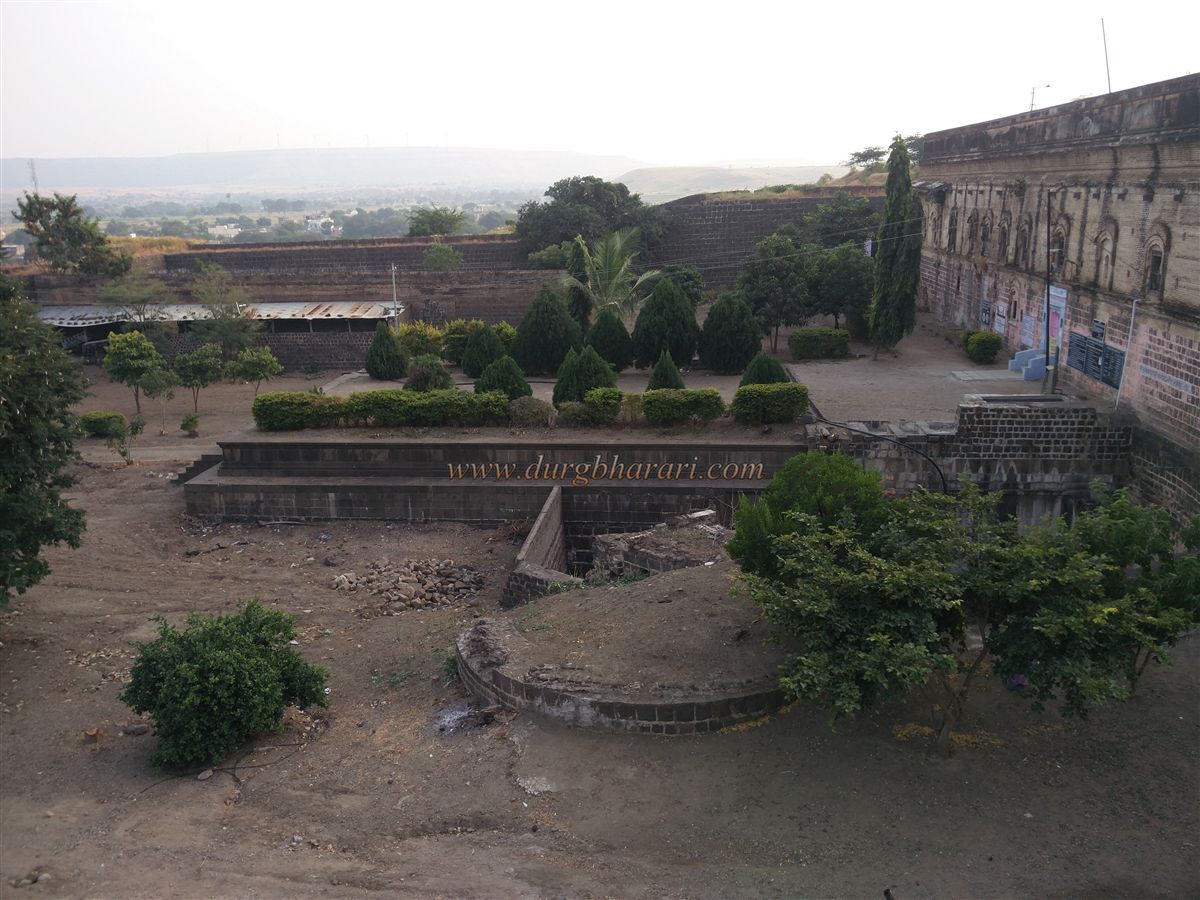
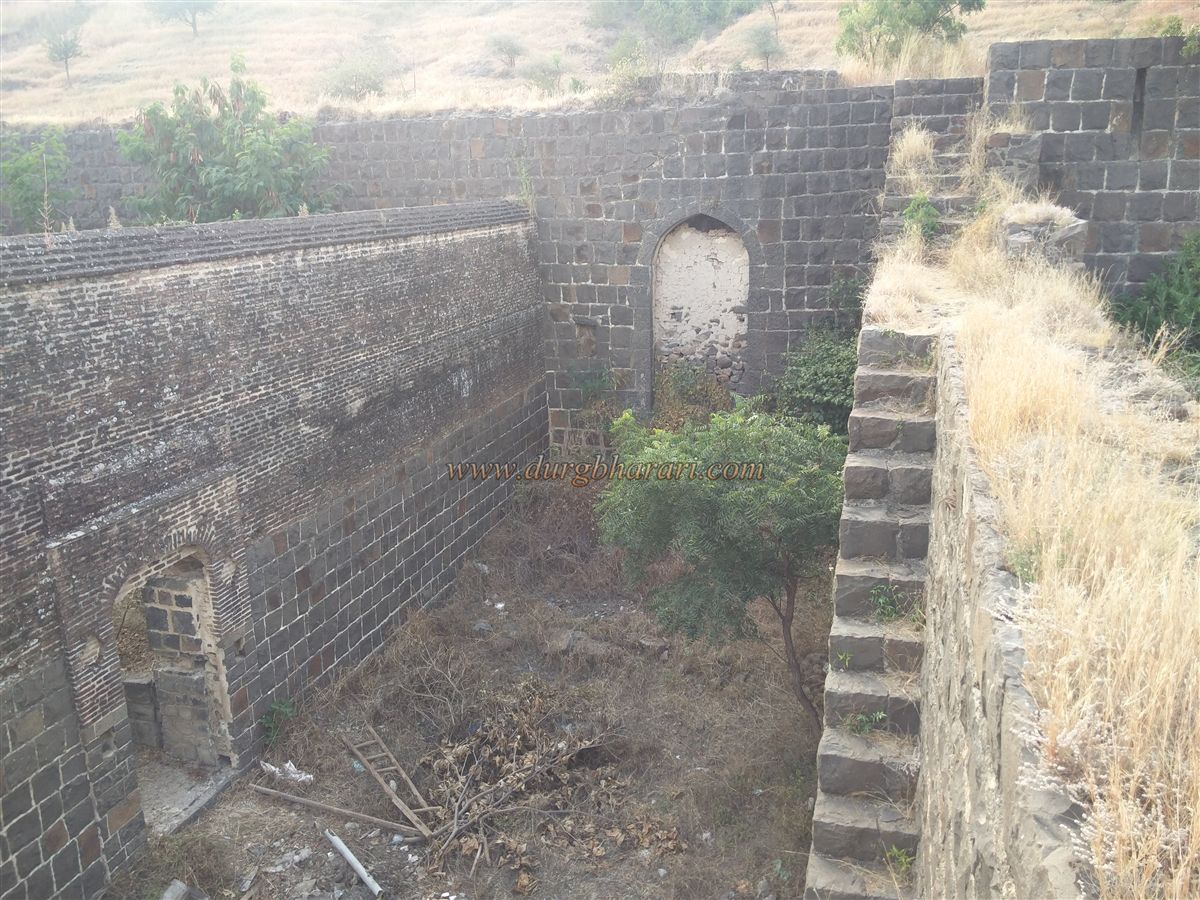
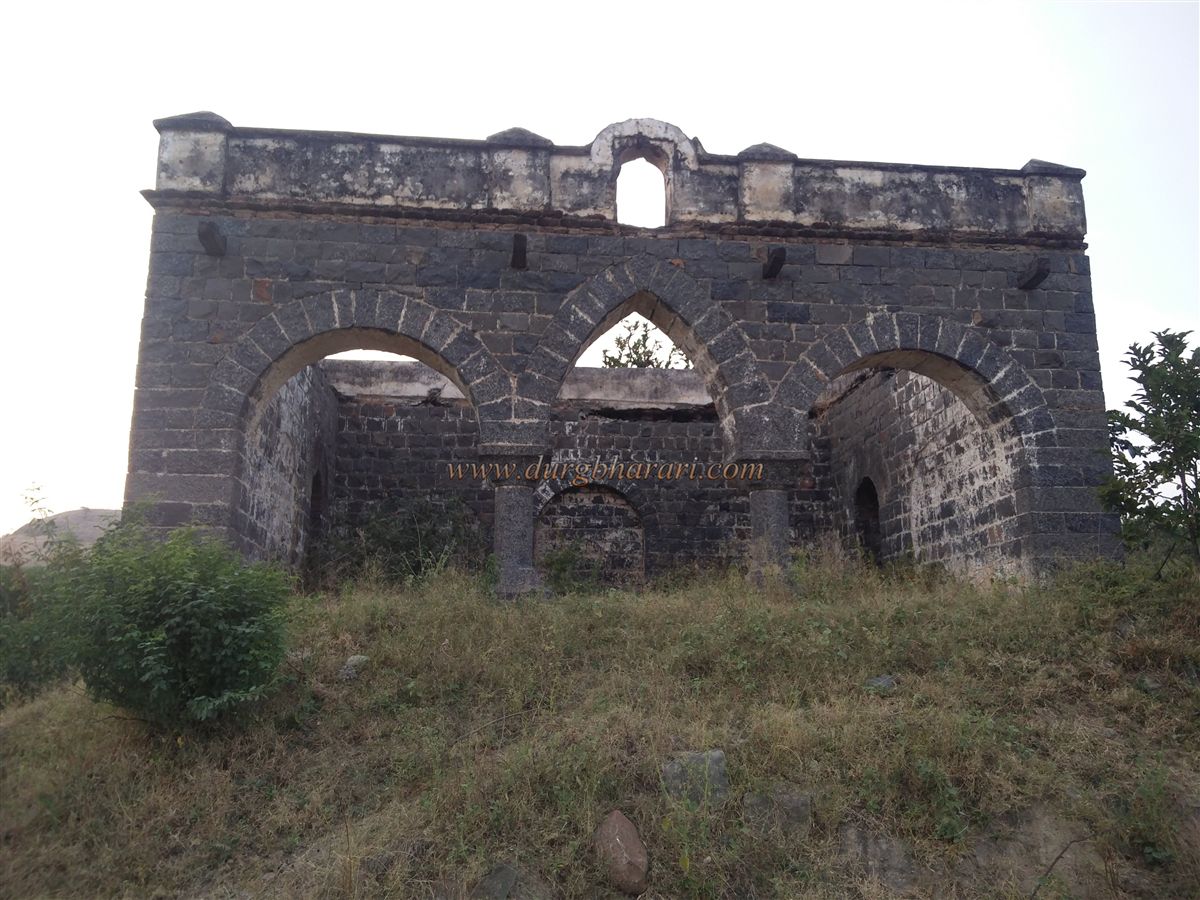
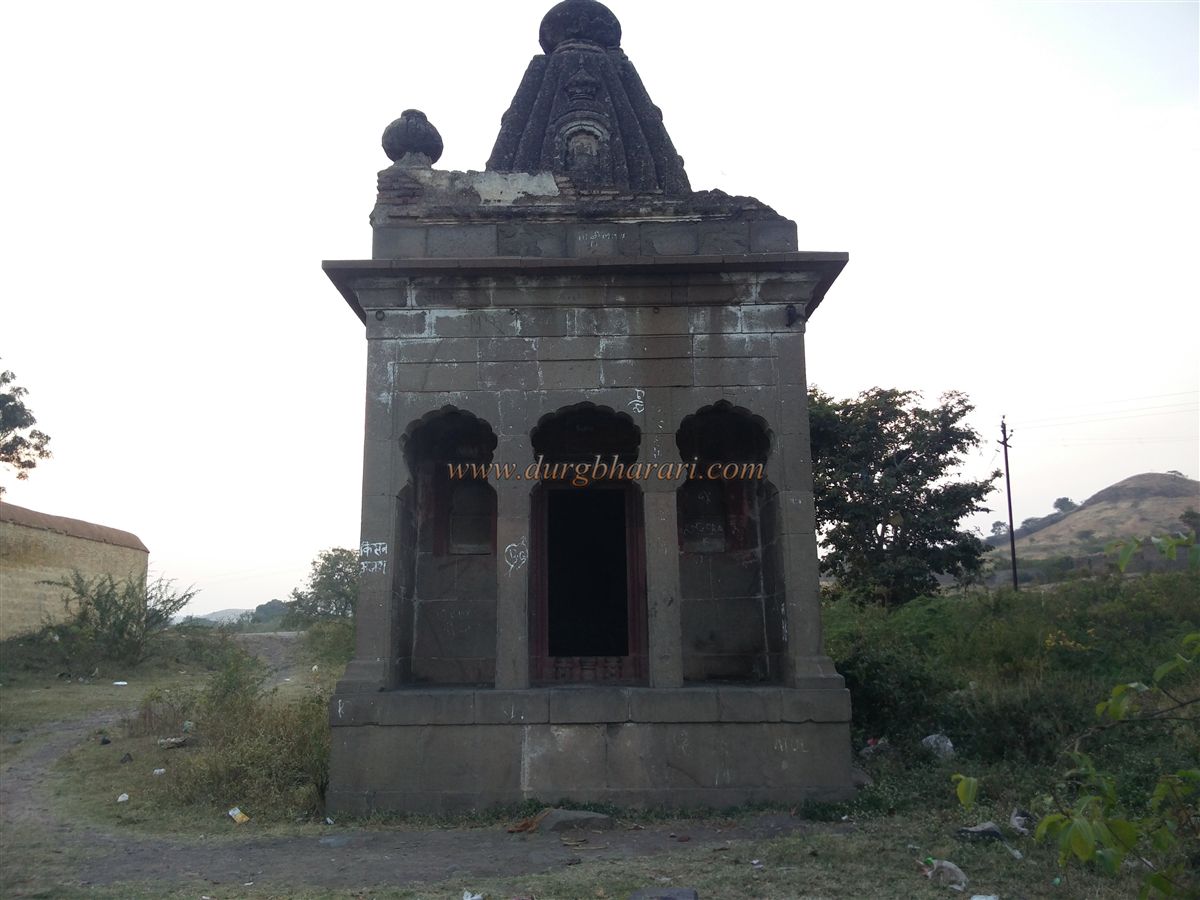
On the way back toward the mansion, one sees stone plinths of various structures along both sides of the path. On the right is a three-arched building, while to the left stands a dilapidated brick building. Just ahead, the double fortifications of Mahadaji Shinde’s mansion catch the eye. To give it extra protection, a secondary wall (parkot) was added in front. The mansion is fully enclosed by stone walls, containing eight strong bastions — two near the main gate and six in the walls — along with three large gates on the east, west, and north sides. The eastern gate is sealed with stone.
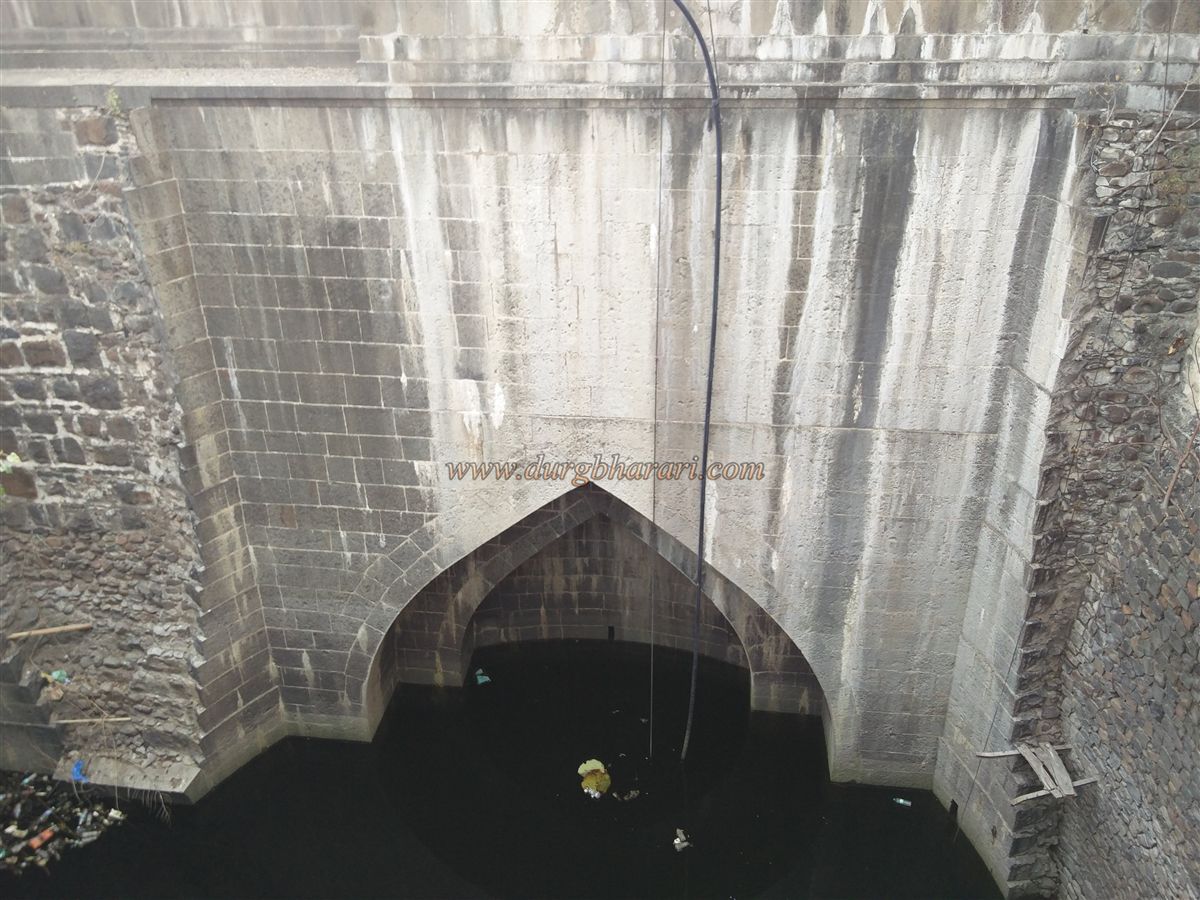
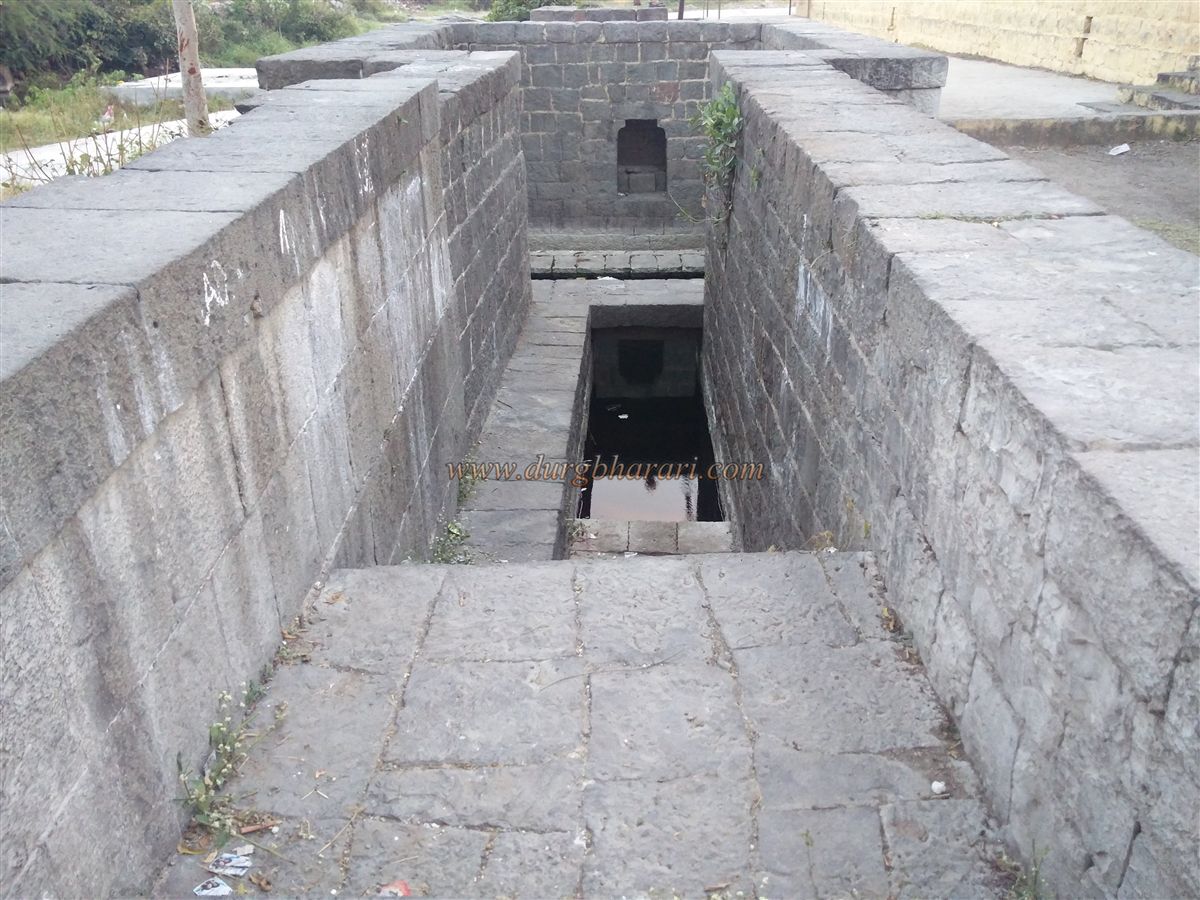
Inside the main gate are stairways on both sides leading upward, with guard rooms above. The gate remains solidly built, and from the bastions, one can see the fort walls stretching into the distance. Inside the gate, to the left, are the horse stables. Directly ahead, raised about 15 feet from the ground, stands the mansion, measuring 210 feet by 120 feet. This three-story, two-courtyard structure has a 150-foot-deep stone-built well to the right, equipped with a pulley system for drawing water. The entrance to the mansion is decorated with carvings, and the Shinde family crest is engraved above it.
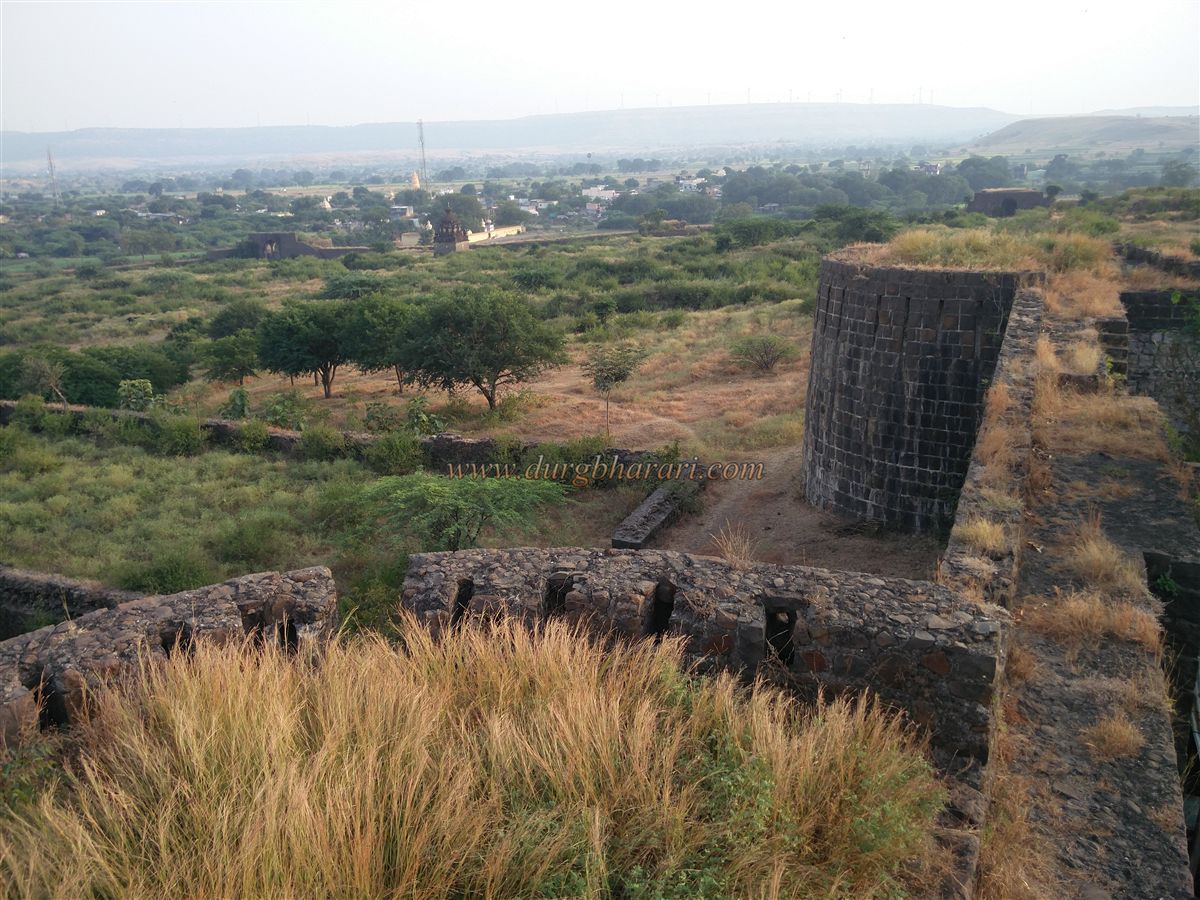
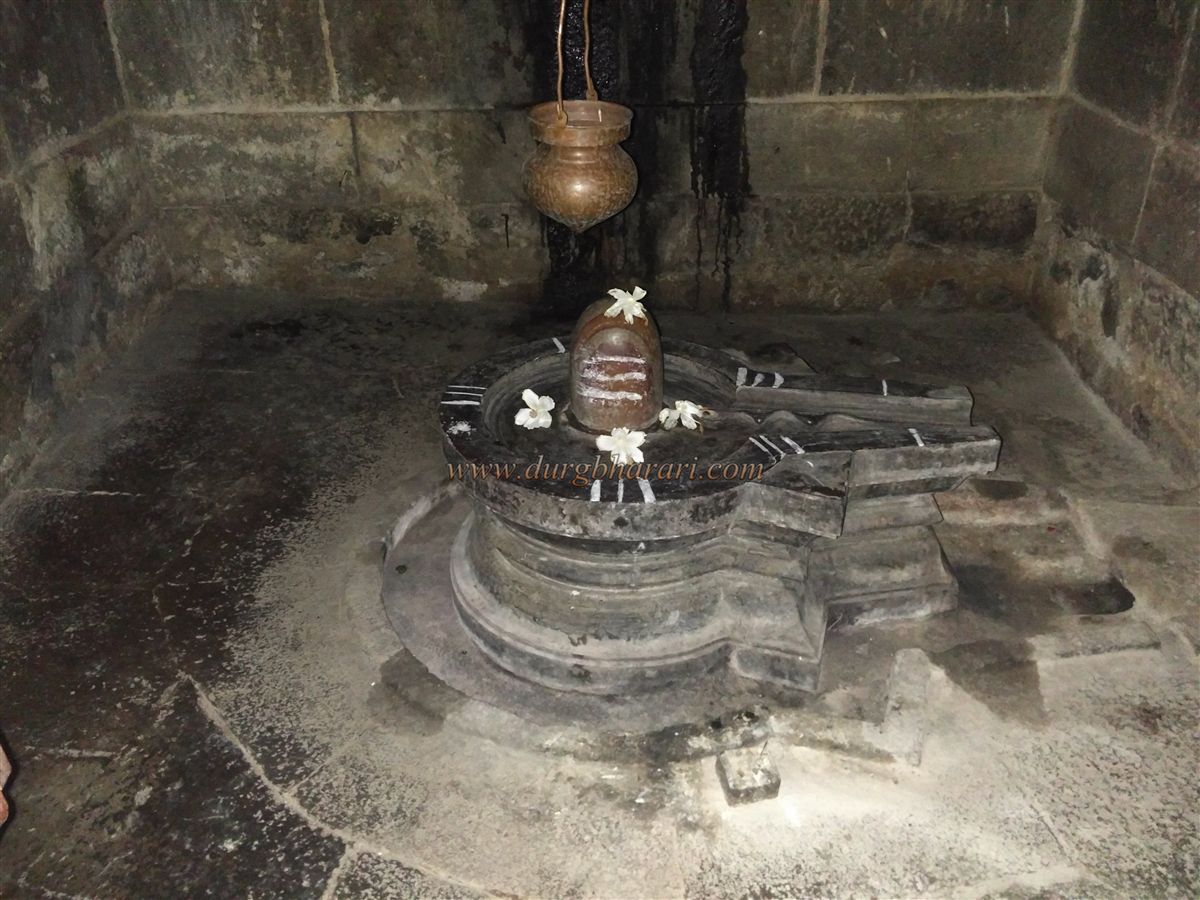
On holidays, the mansion can be explored fully. Immediately inside the entrance is the royal court area, where each pillar is adorned with delicate carvings. In one corner is a small Shiva temple. Staircases on both sides lead to the upper floors. The palace rooms are named Rangmahal, Machhalimahal, Ambe Mahal, and Mudpak Khana. Apart from carved wooden pillars, there is little other decorative work. The second and third floors have suffered damage, and the third floor contains storerooms built into the walls. The roof has battlements, offering a full view of the fort.
After touring the mansion, one can exit through the north gate near the well, walk along the fort wall, and return to the main gate, completing the circuit. It takes three to four hours to see the entire fort. Visits are best planned for weekends or holidays, as the mansion is closed on other days when the D.Ed. College is in session. The mansion is now deteriorating, and its maintenance is proving burdensome for Rayat Shikshan Sanstha.
Outside the Jamgaon fort is the medieval Chakradhar Temple, also worth visiting along with the fort.
Mahadaji Shinde was the fifth and most capable son of Ranojji Shinde, a chief under Peshwa Bajirao I. A devoted follower of Lord Shiva, Mahadji was a great warrior who established Maratha power in the north and hoisted the saffron flag over Delhi. He resided mainly in Ujjain, Madhya Pradesh, and for nearly 21 years governed Hindustan from there. After the Battle of Panipat, he revived the Maratha Empire. In the Anglo-Maratha wars, under his leadership, Maratha forces defeated the British in several battles, forcing them to negotiate. Mahadaji Shinde died on 12 February 1794. In 1955, his descendant Jivajirao Shinde gifted the Jamgaon mansion to Rayat Shikshan Sanstha.
© Suresh Nimbalkar
GALLERY