INDRAGAD
TYPE : HILL FORT
DISTRICT : VALSAD
HEIGHT : 360 FEET
GRADE : EASY
The border areas of Maharashtra and Gujarat have many forts built during Shivaji Maharaj and Peshwa period. This once self-governing region joined the state of Gujarat during the creation of language-wise provinces and for some other reason. Since this fort was once in Swaraj, I am mentioning this fort under the heading “Forts of Maharashtra”. Indragad, built by the Marathas, is one such fort on the border of Daman. Although the Karambeli railway station near Vapi is close to this fort, as the trains stopping here are irregular and there is not much vehicle facility to reach Pali Karambeli village at the foot of the fort, it is more convenient to get down at Vapi and go there via Daman. Located 14 km from Bhilad on the Mumbai-Ahmedabad highway, the fort is 7 km from Daman and 10 km from Vapi.
...
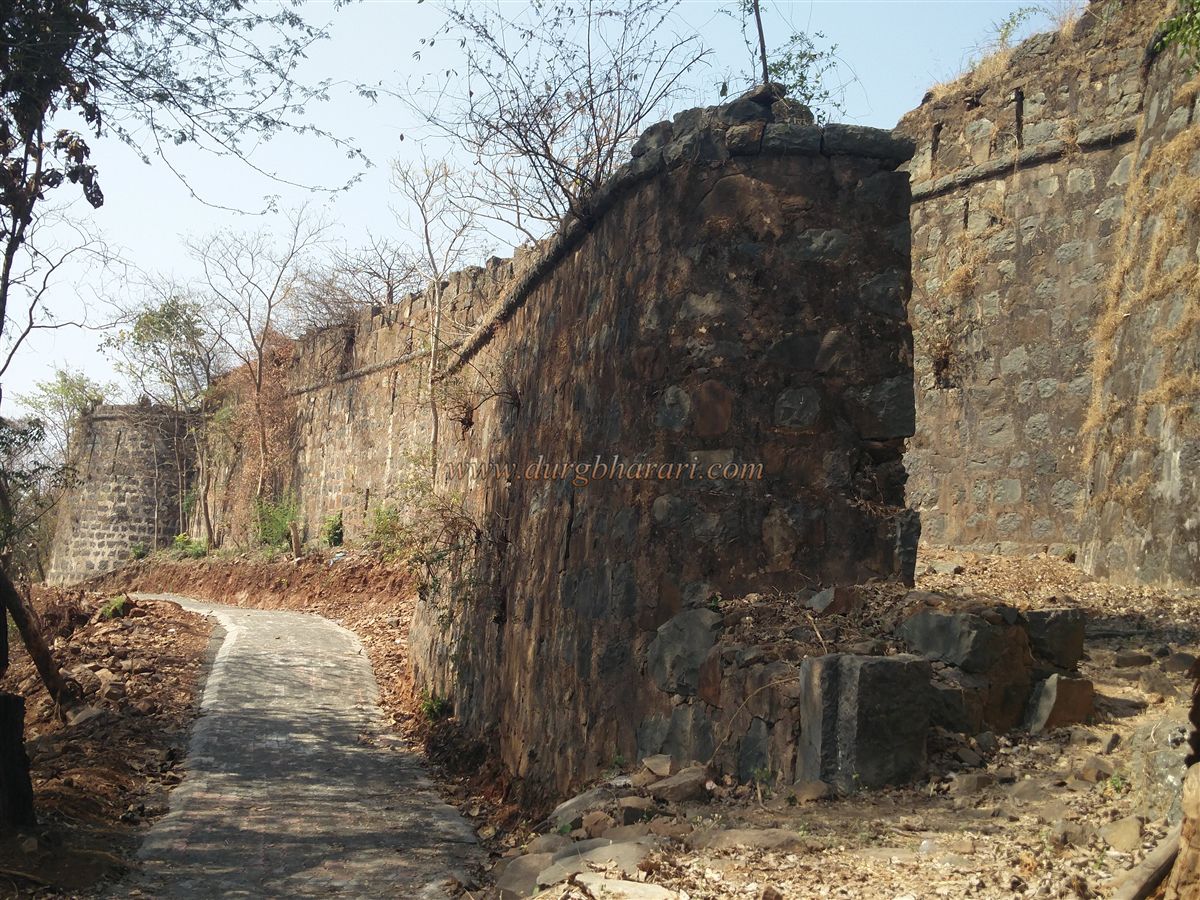
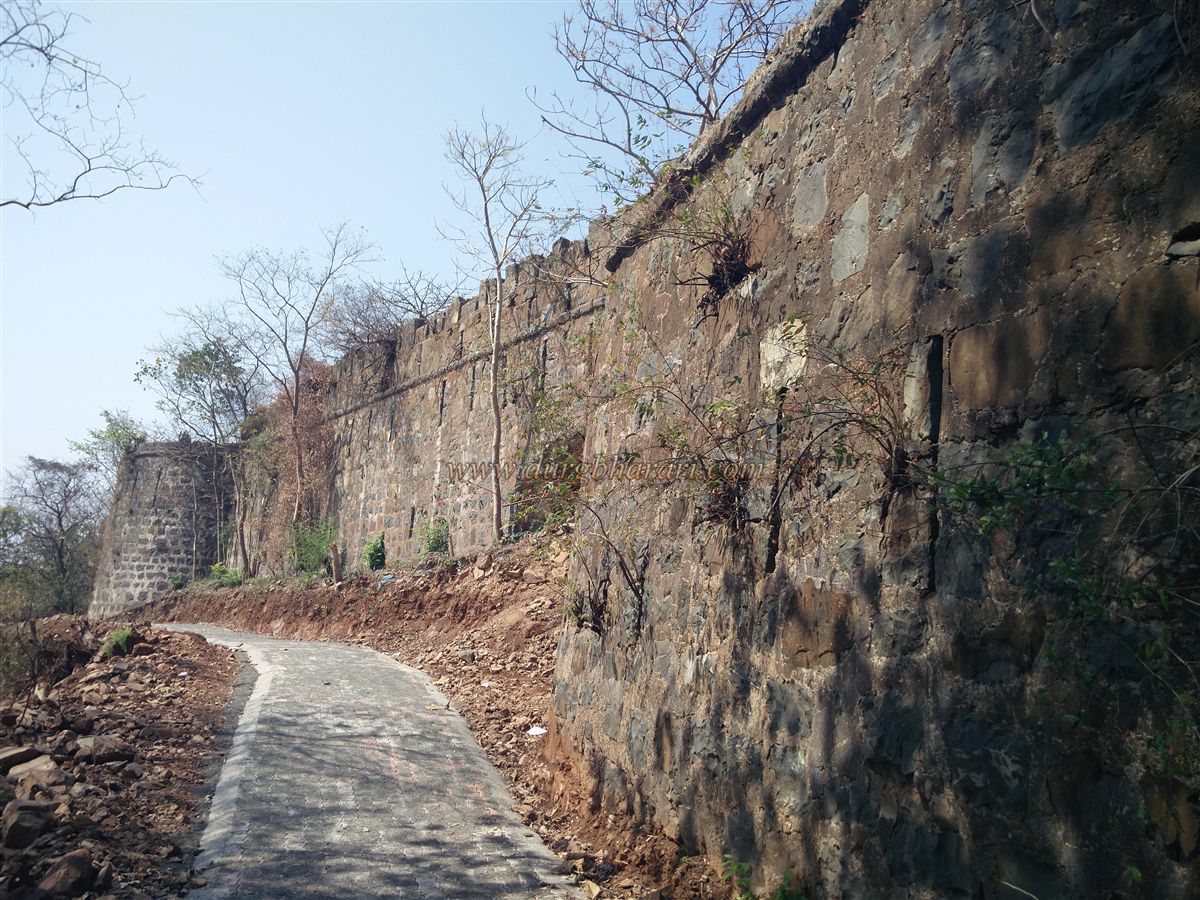
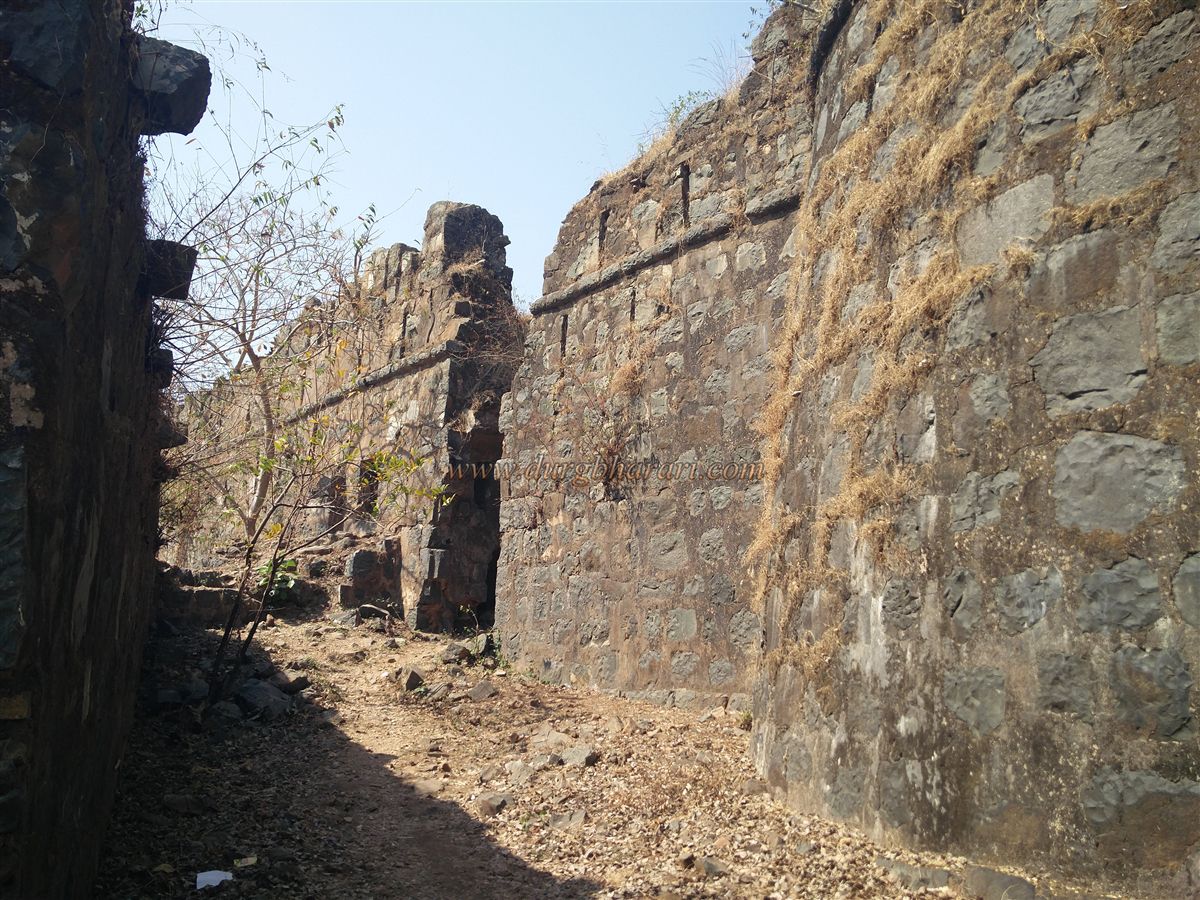
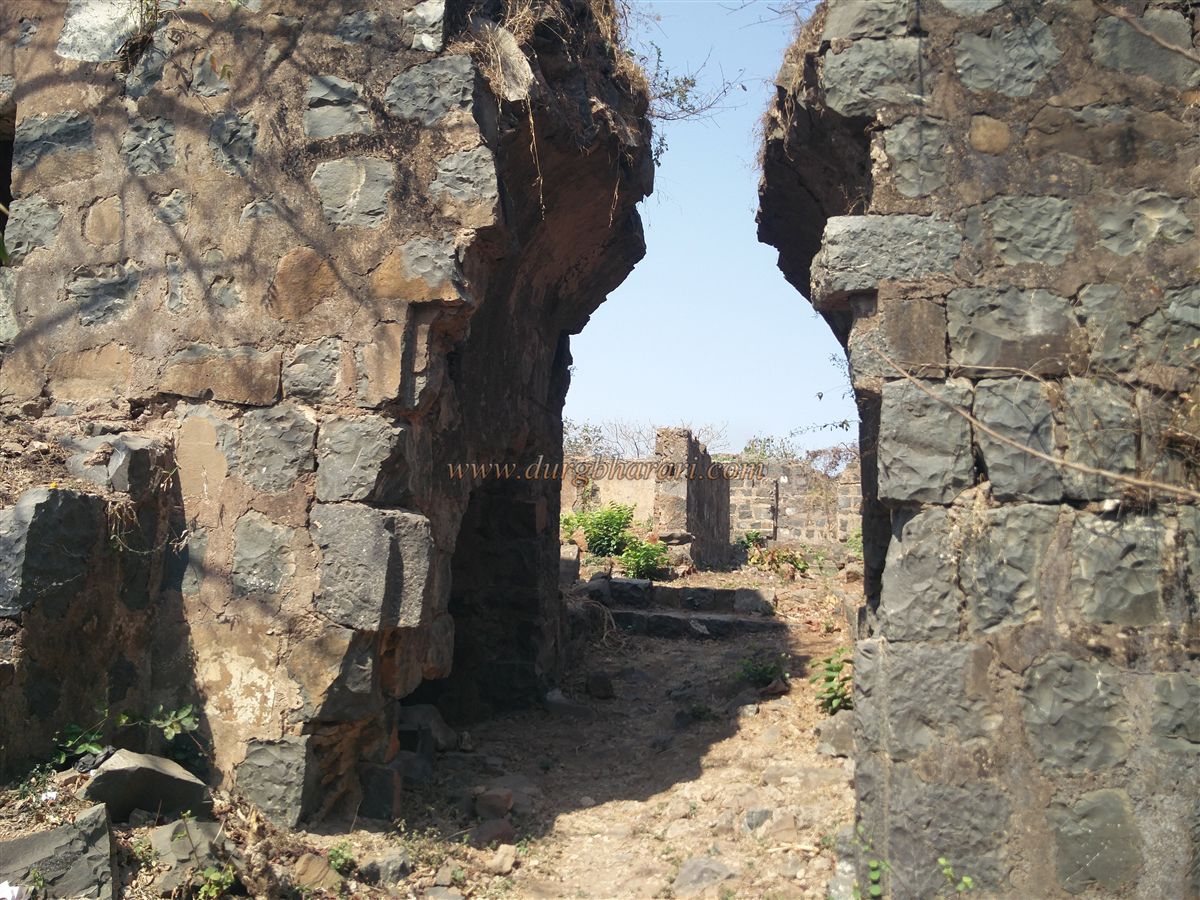
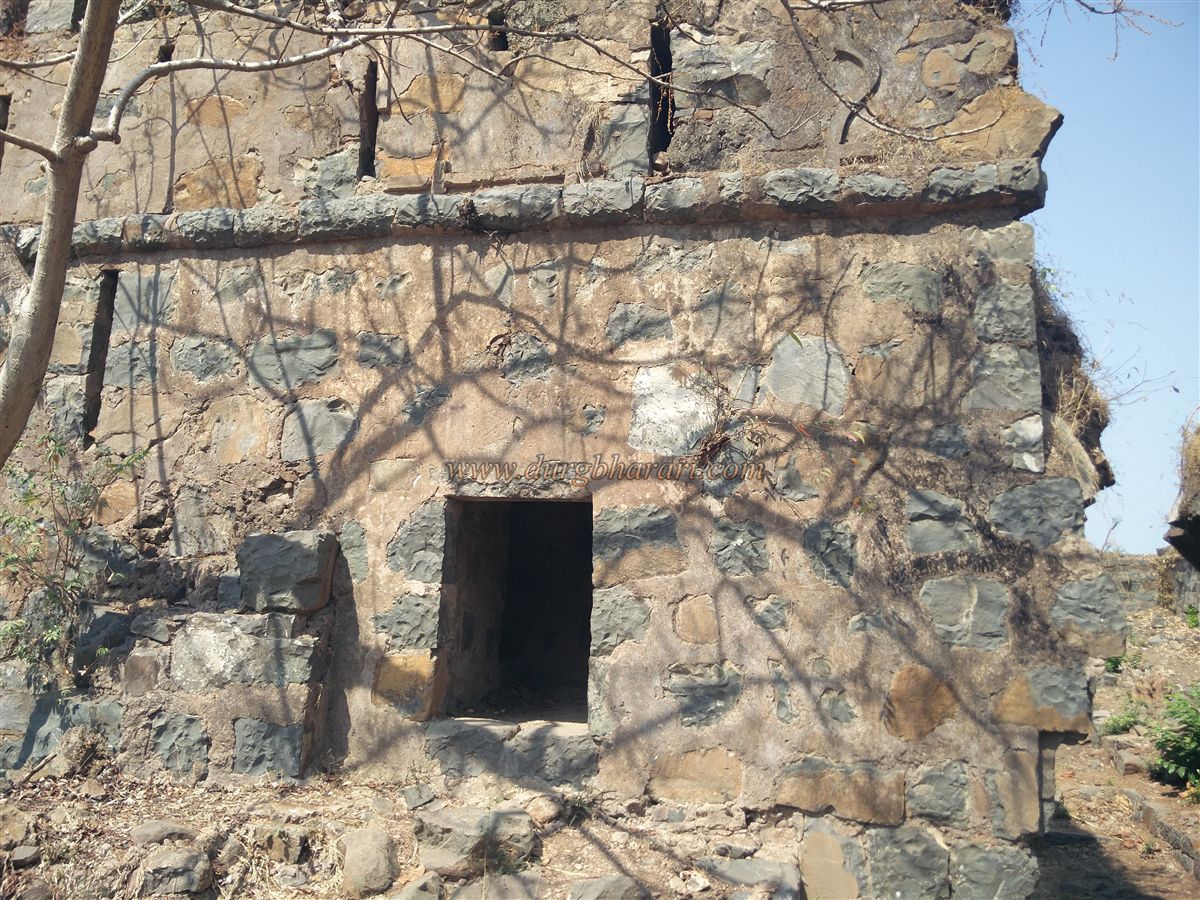
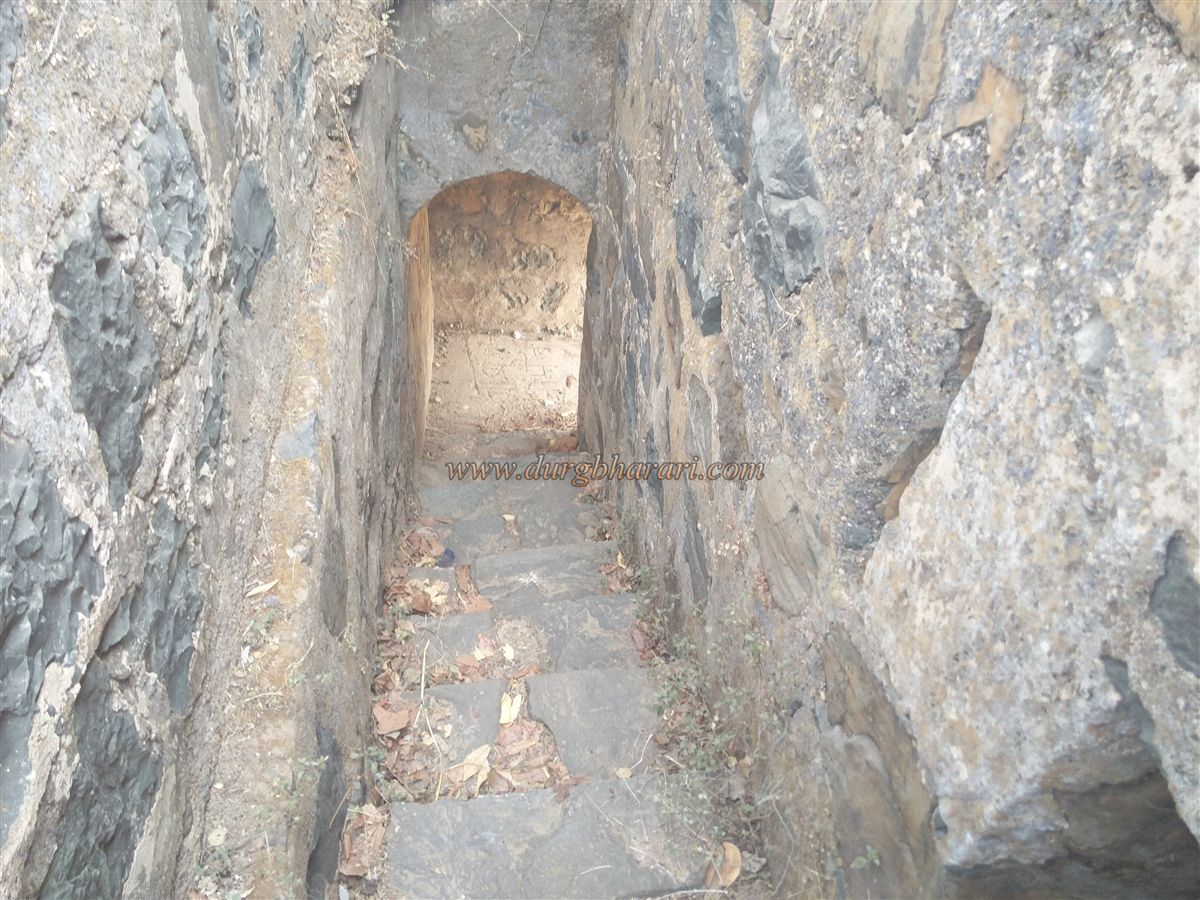
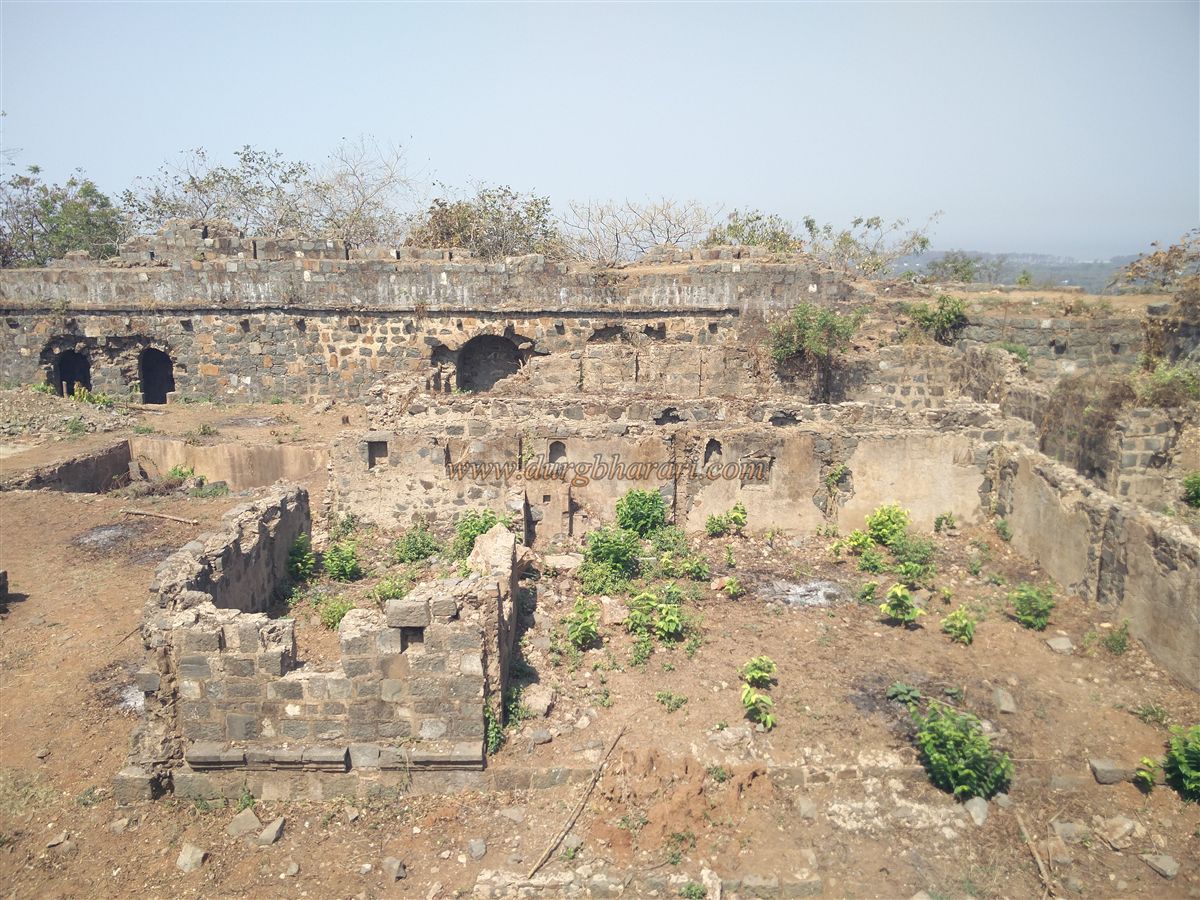
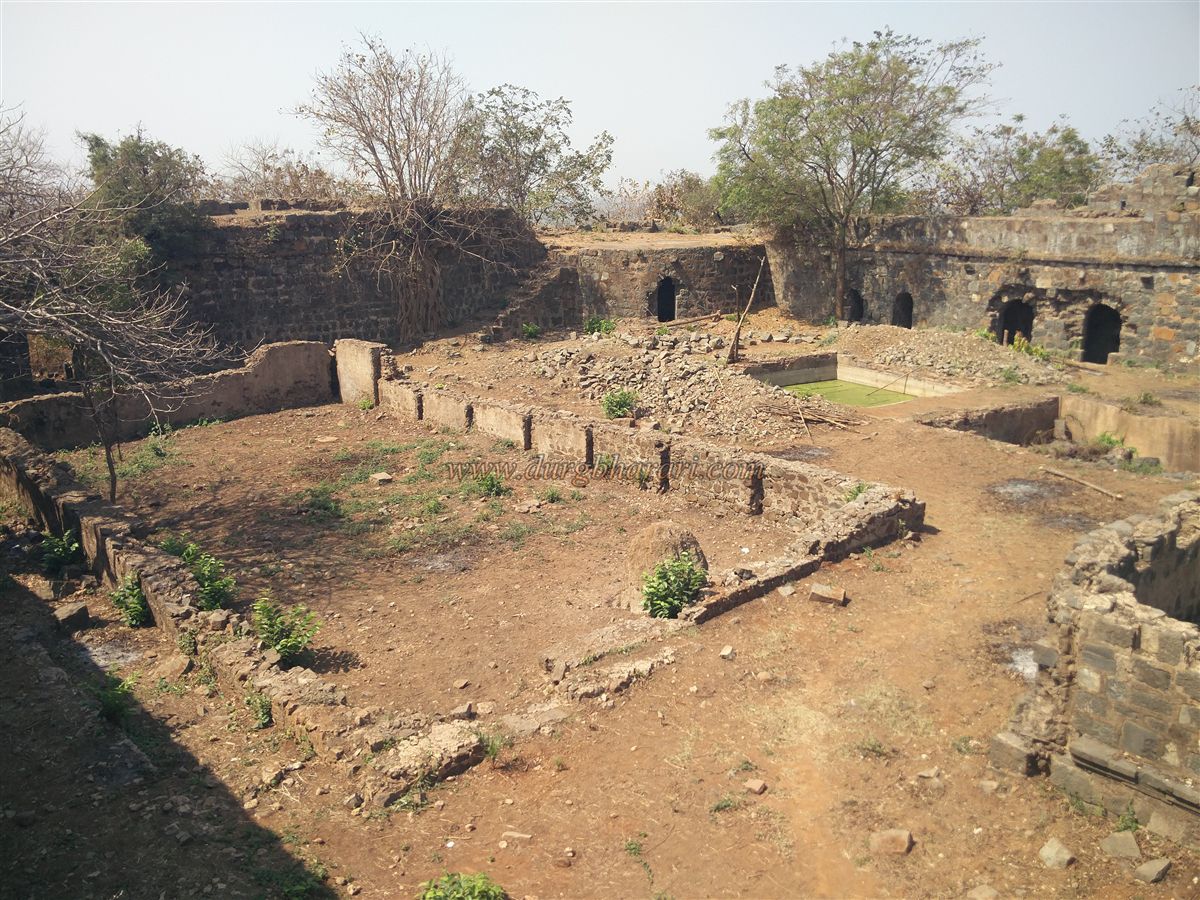
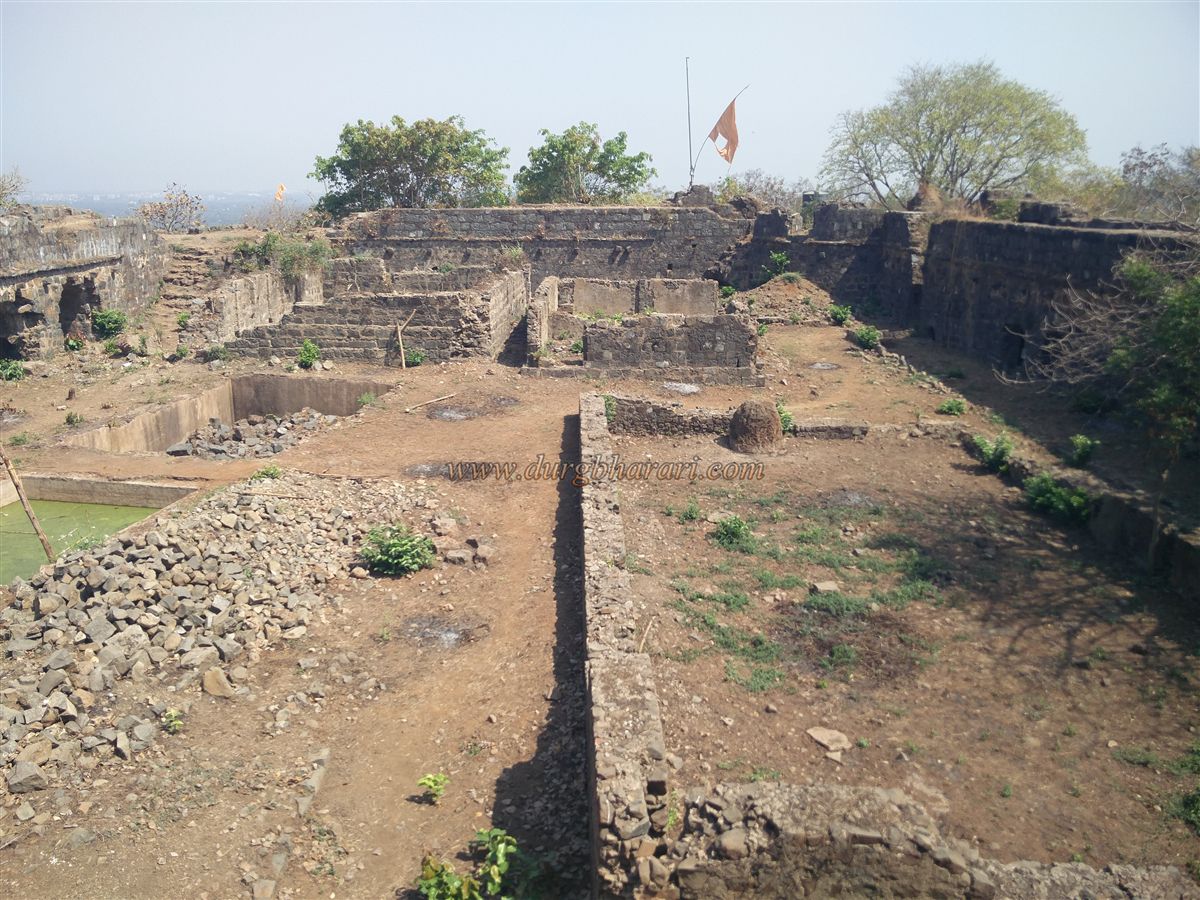
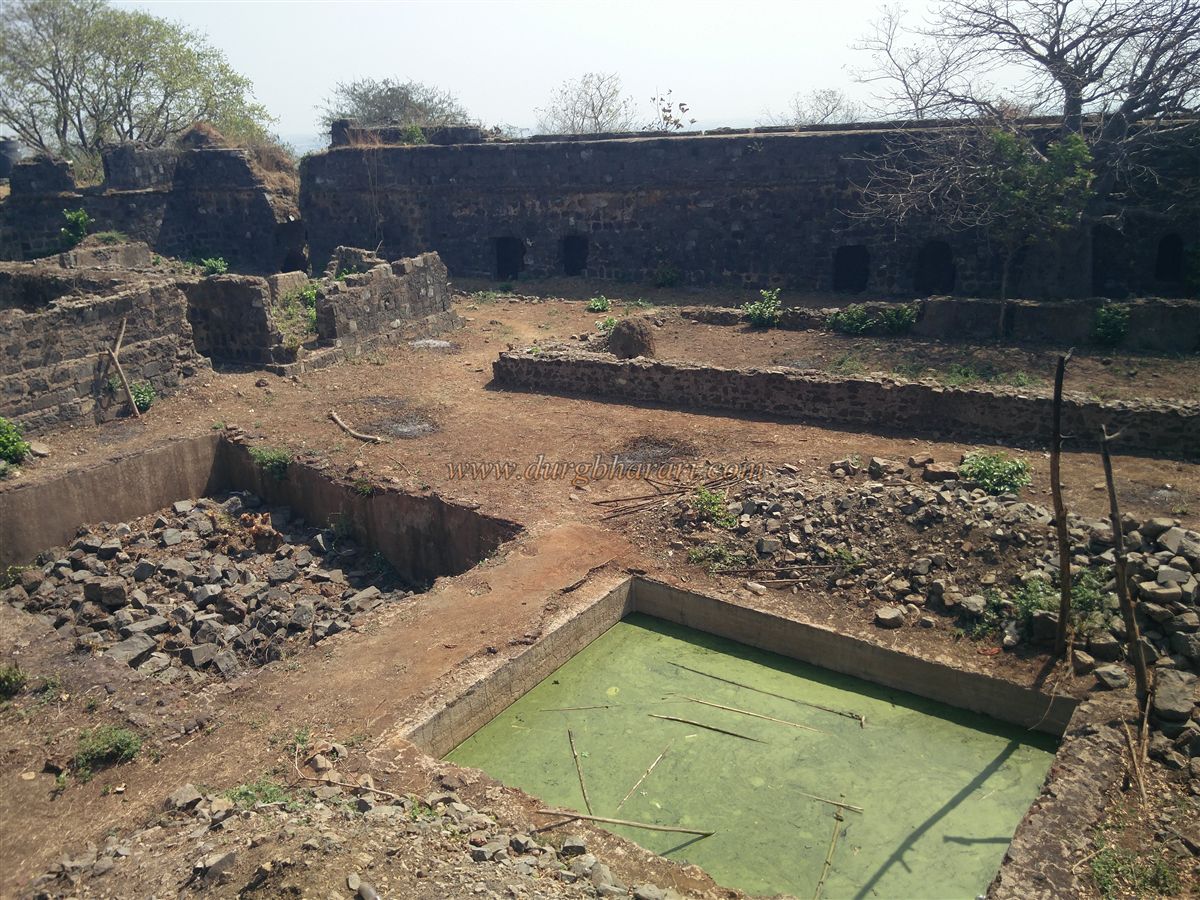
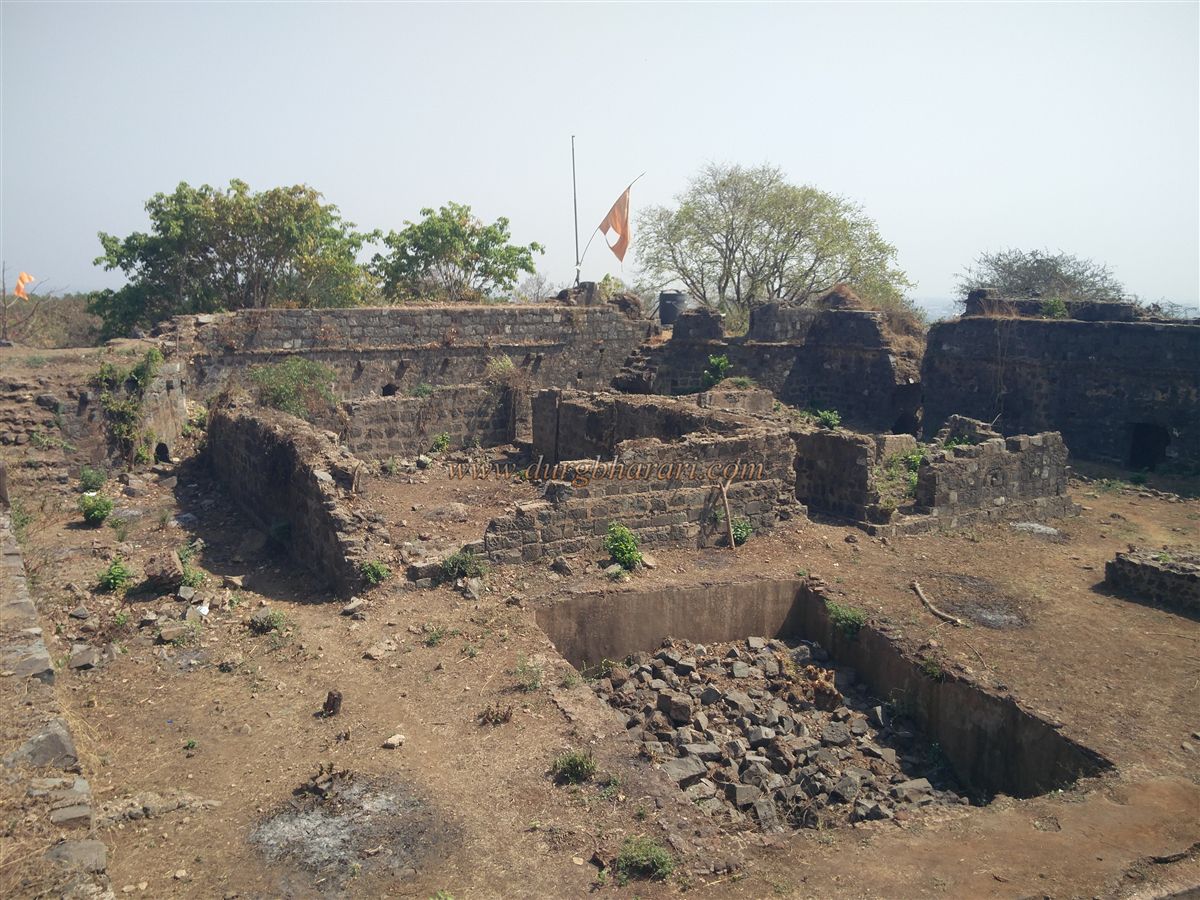
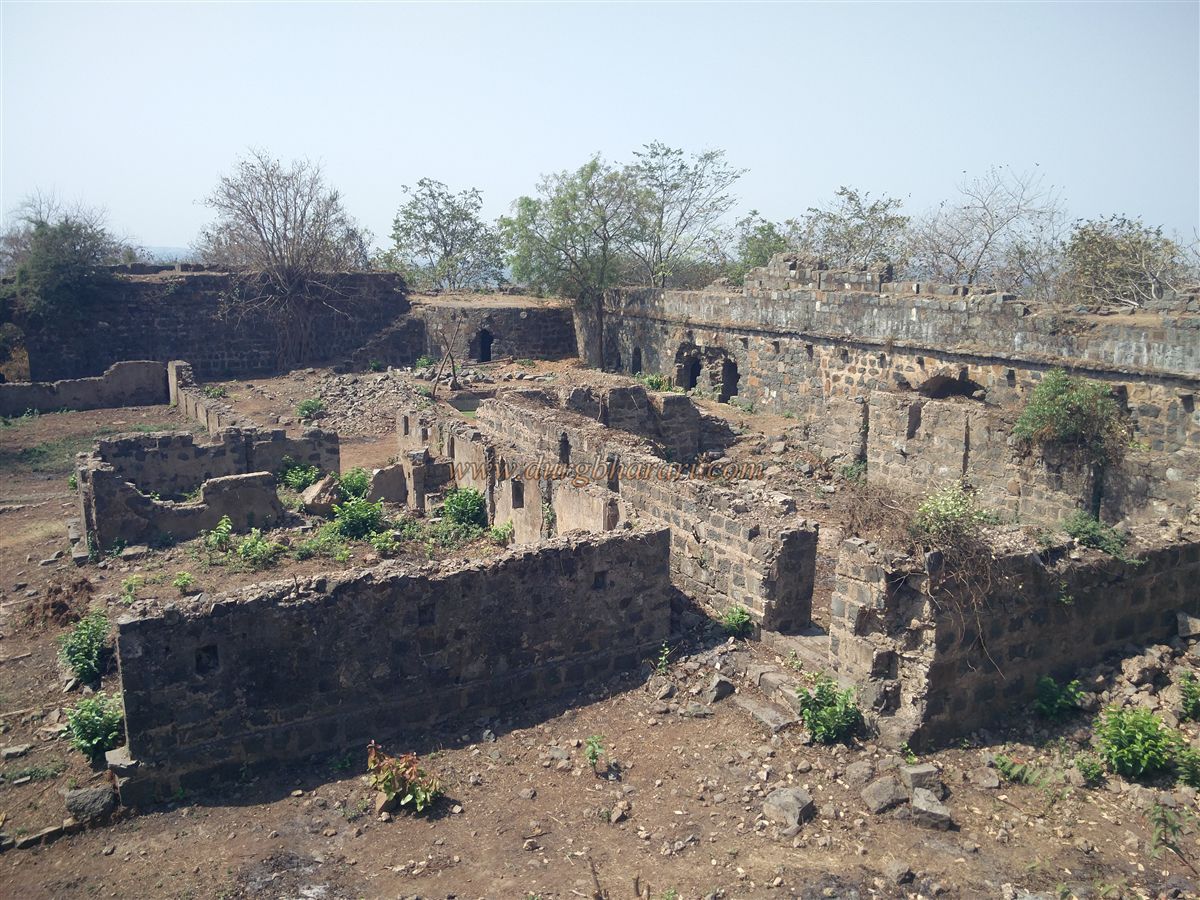
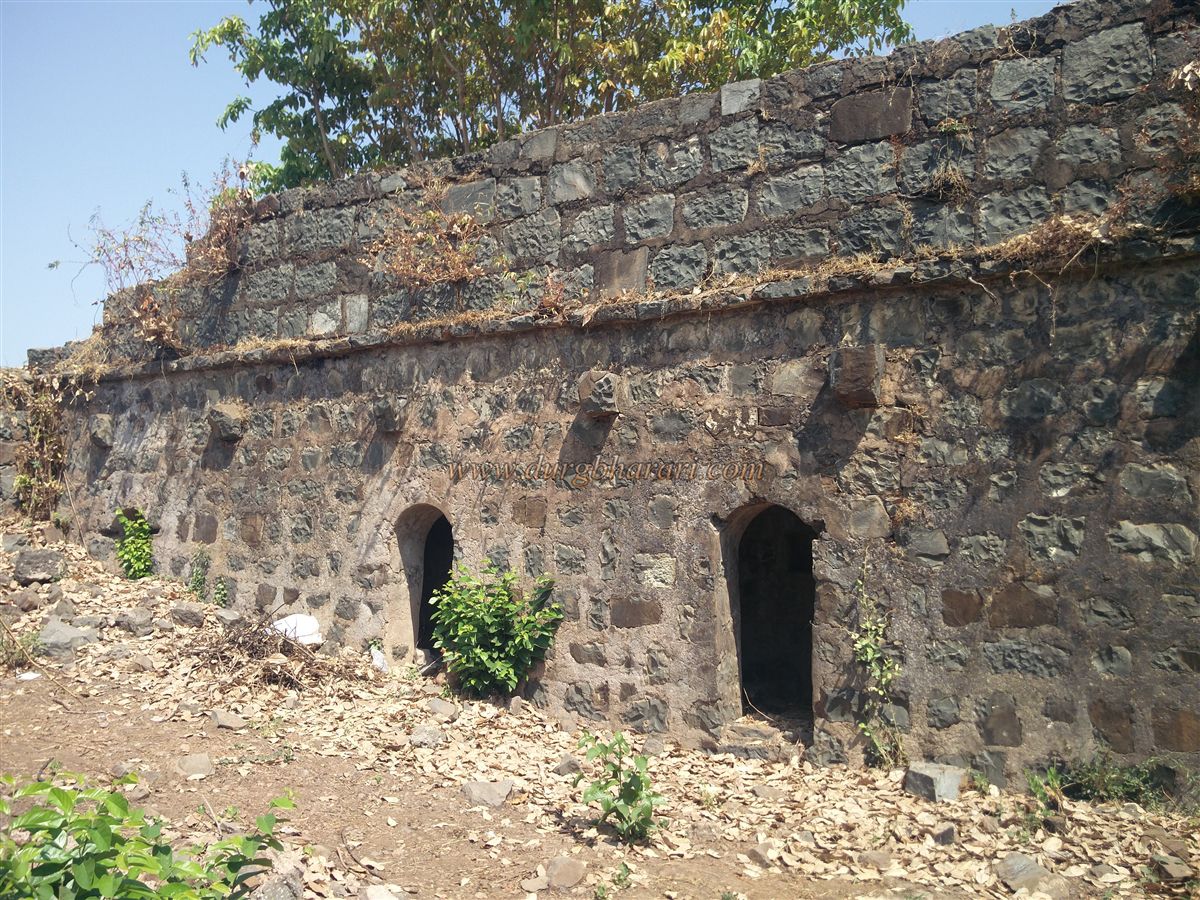
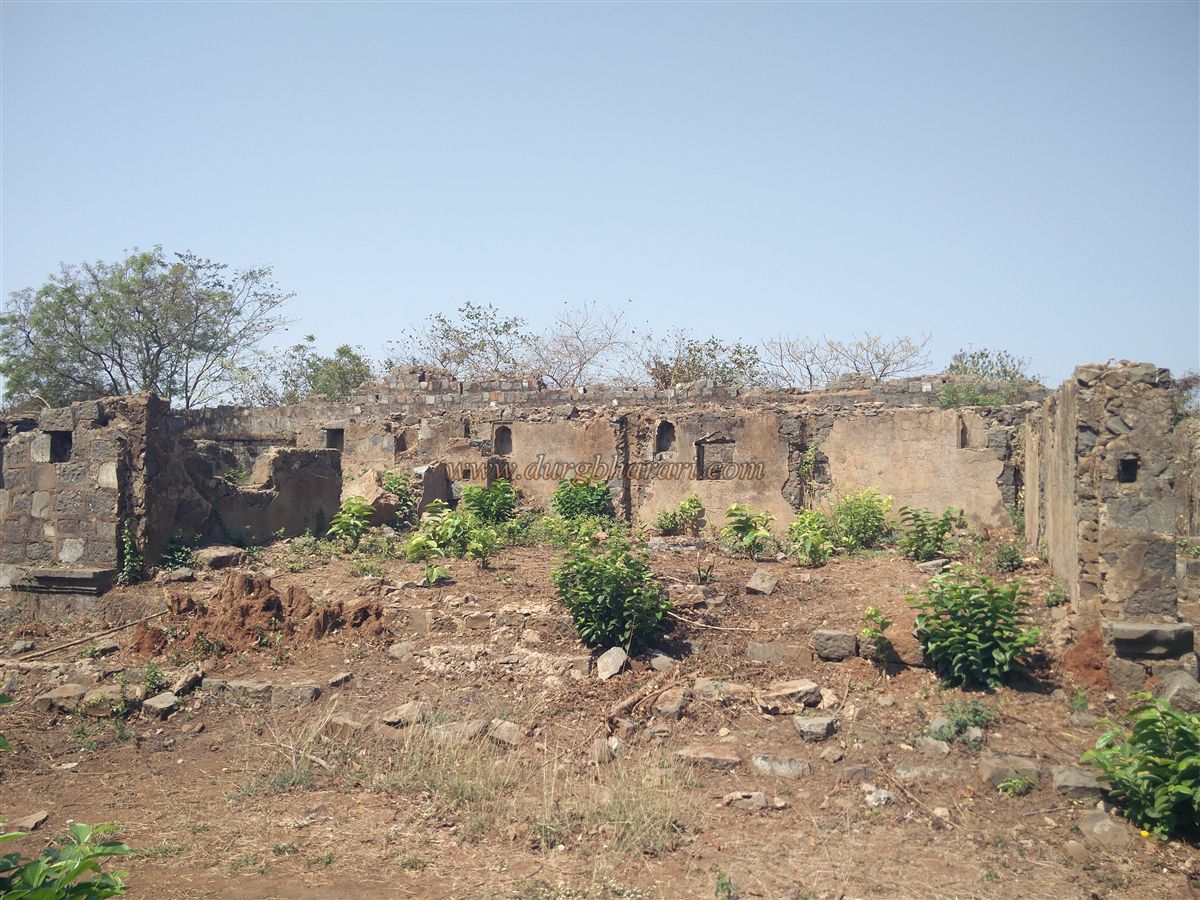
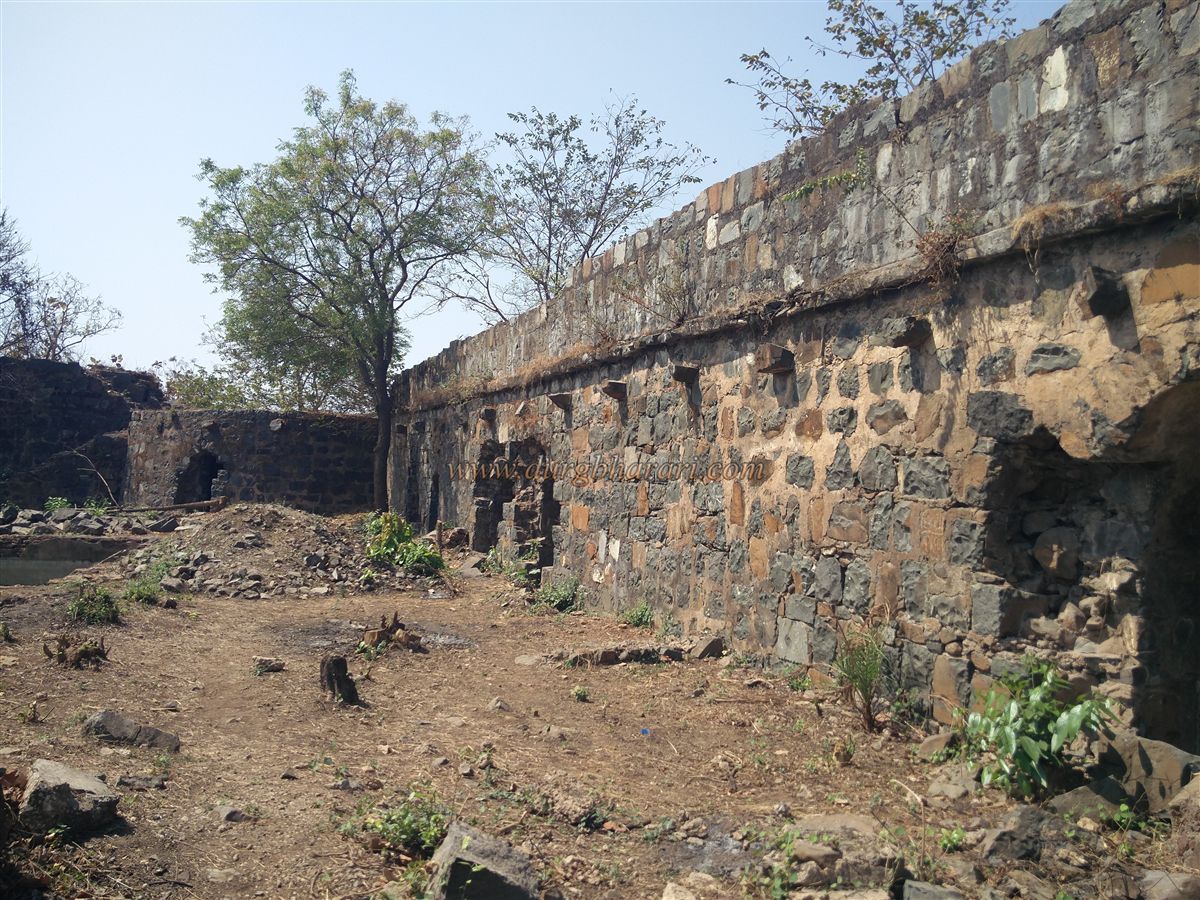
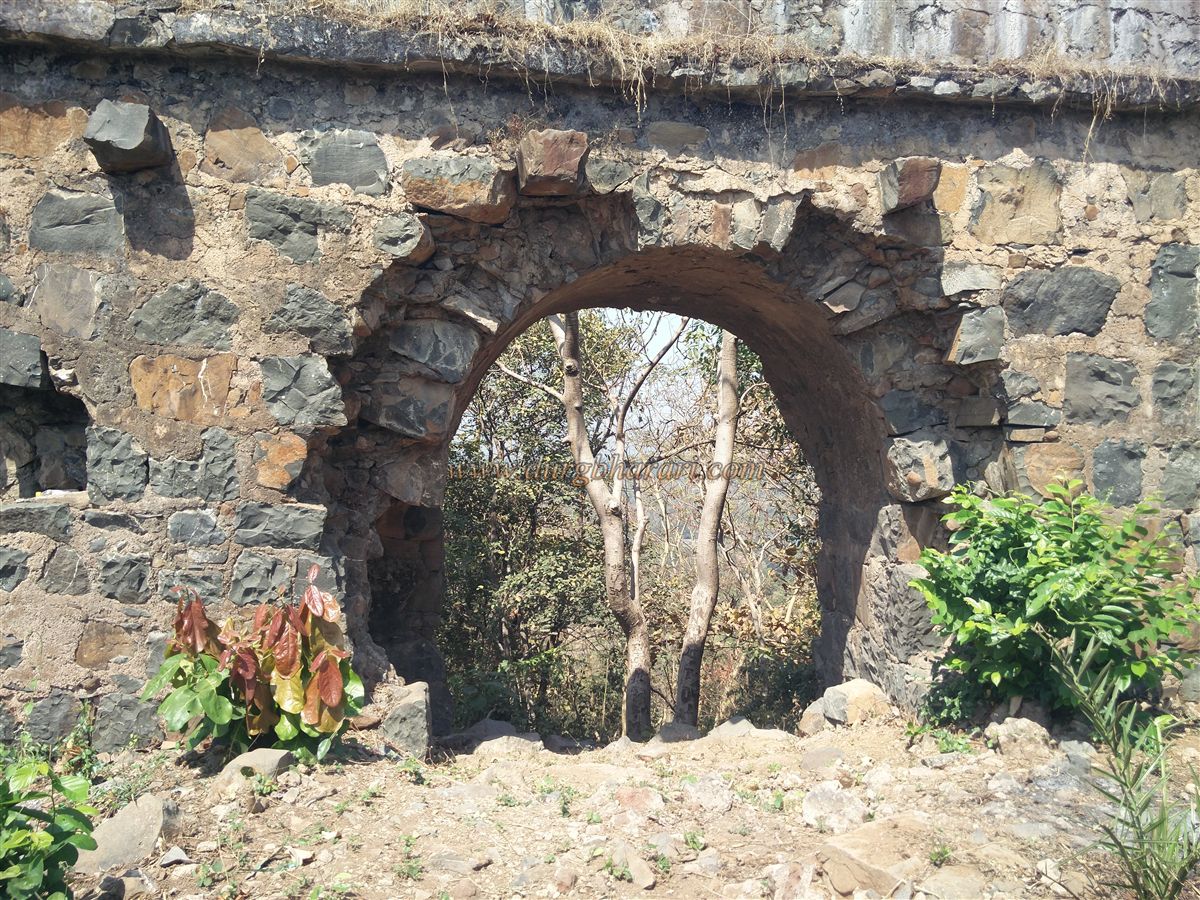
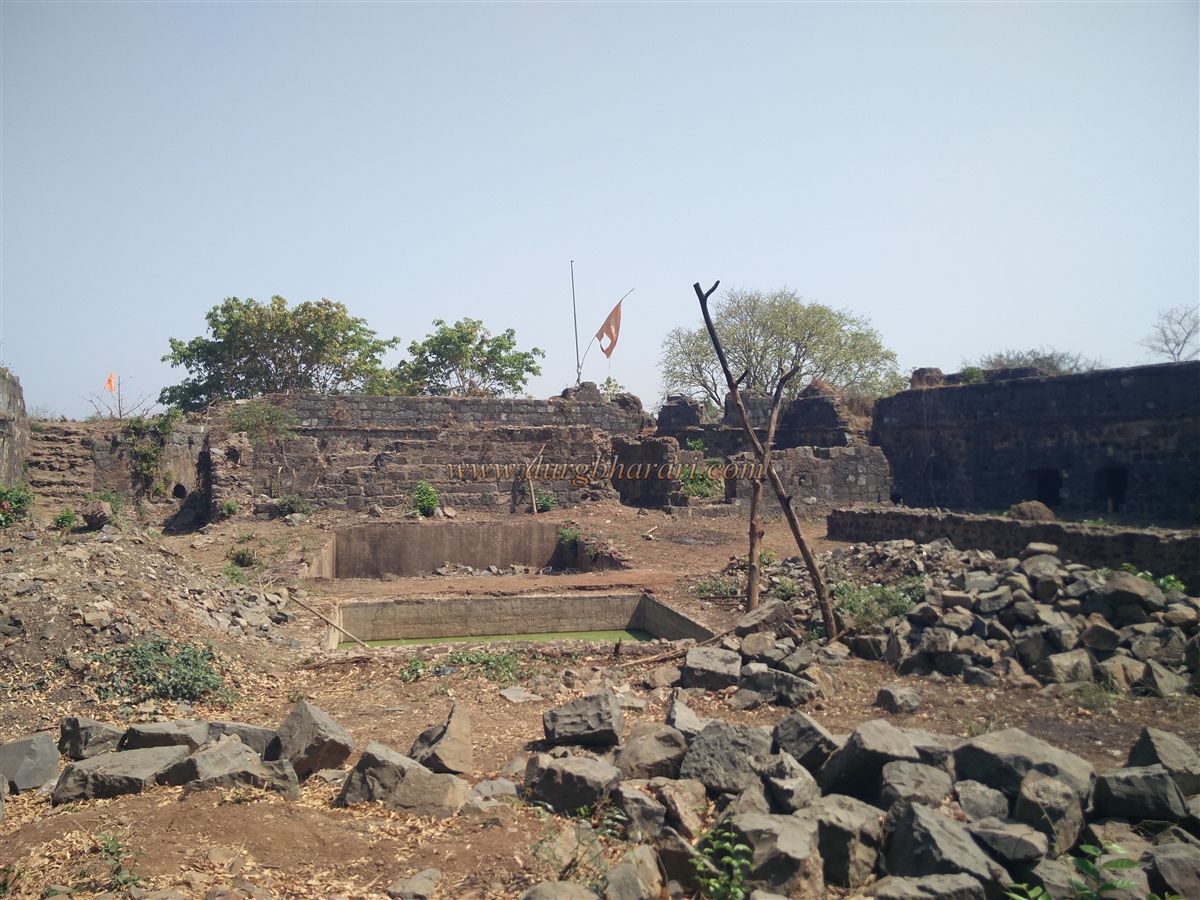
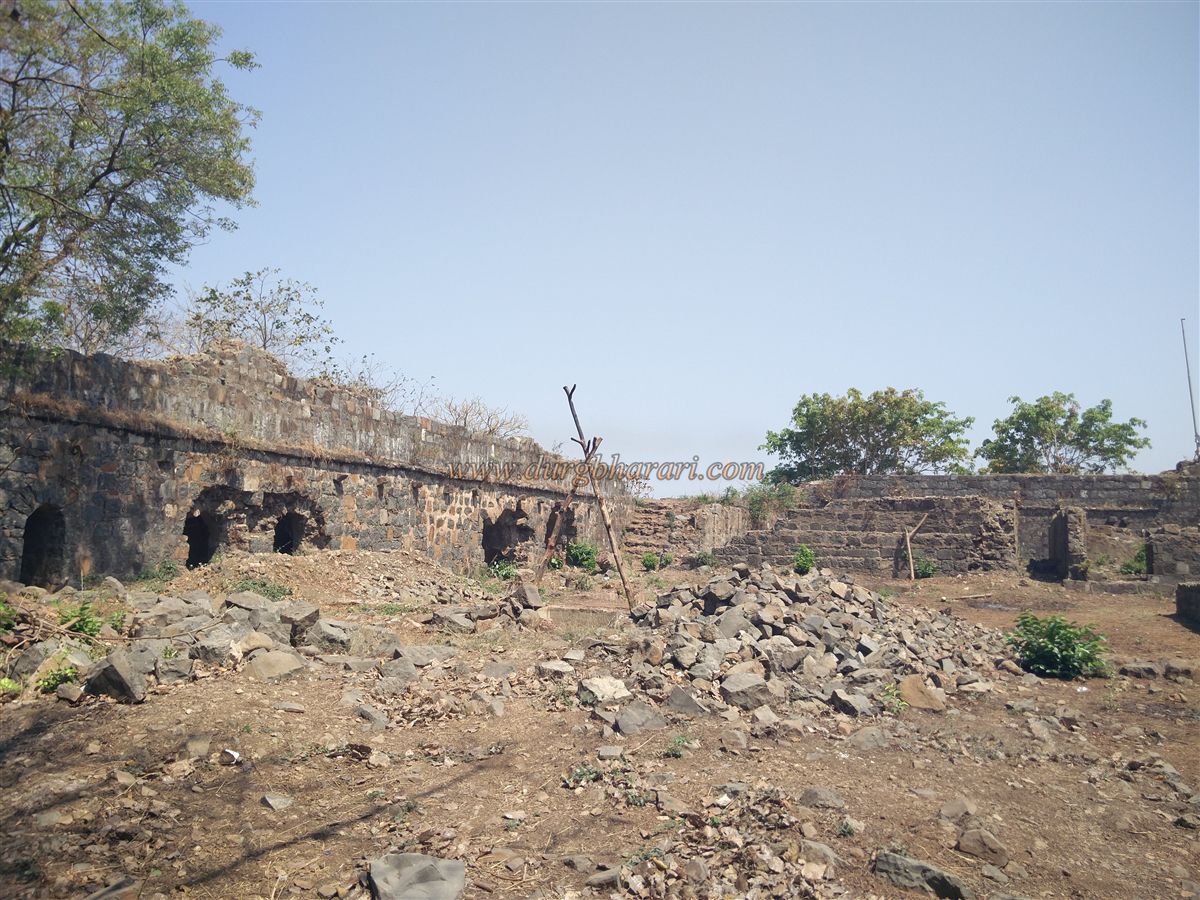
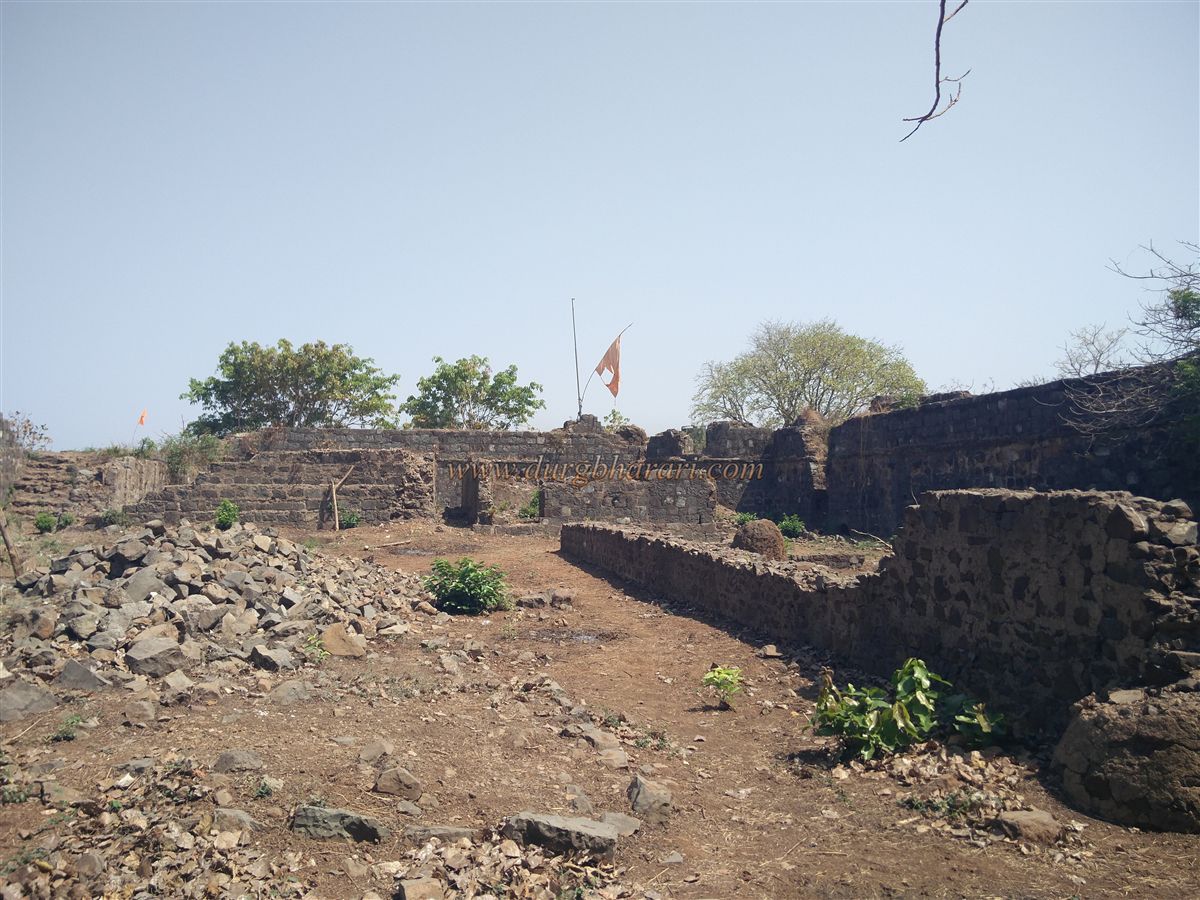
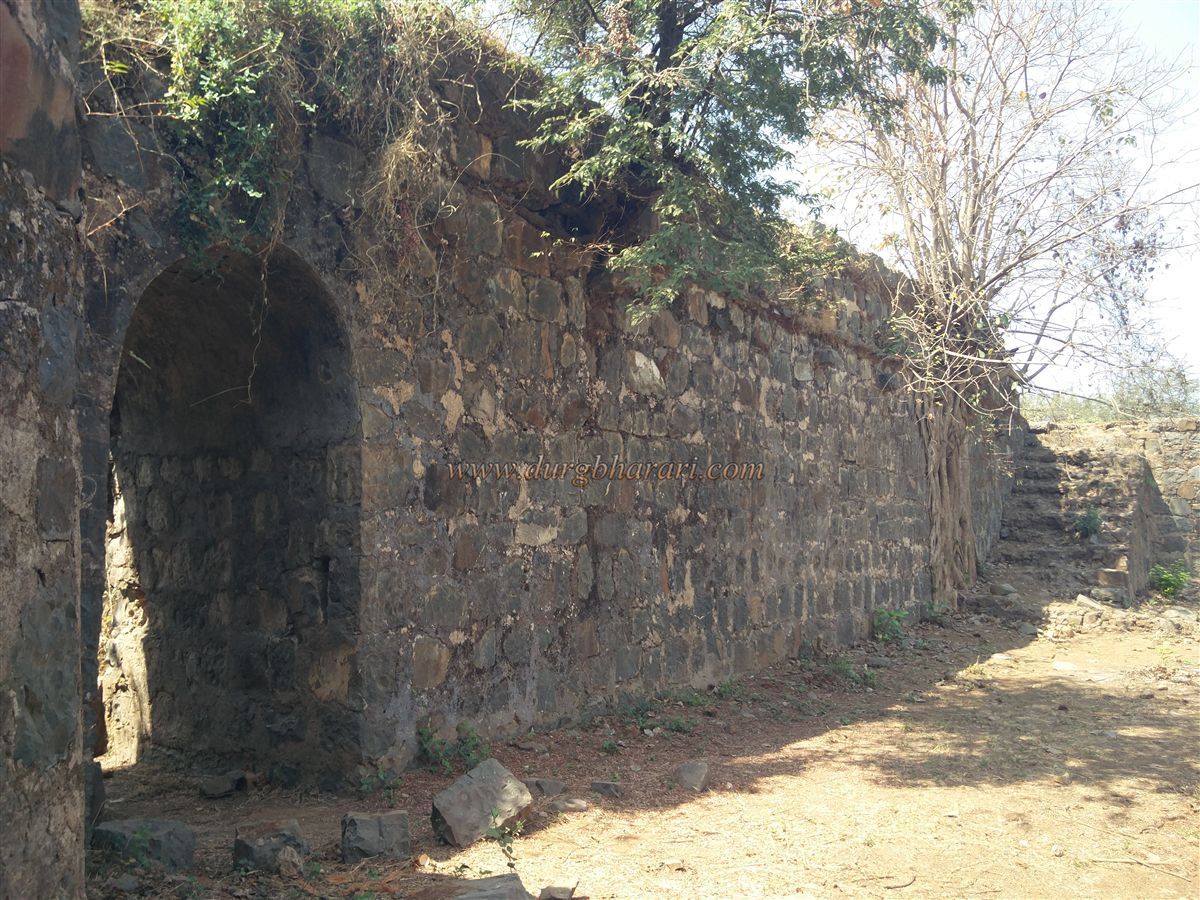
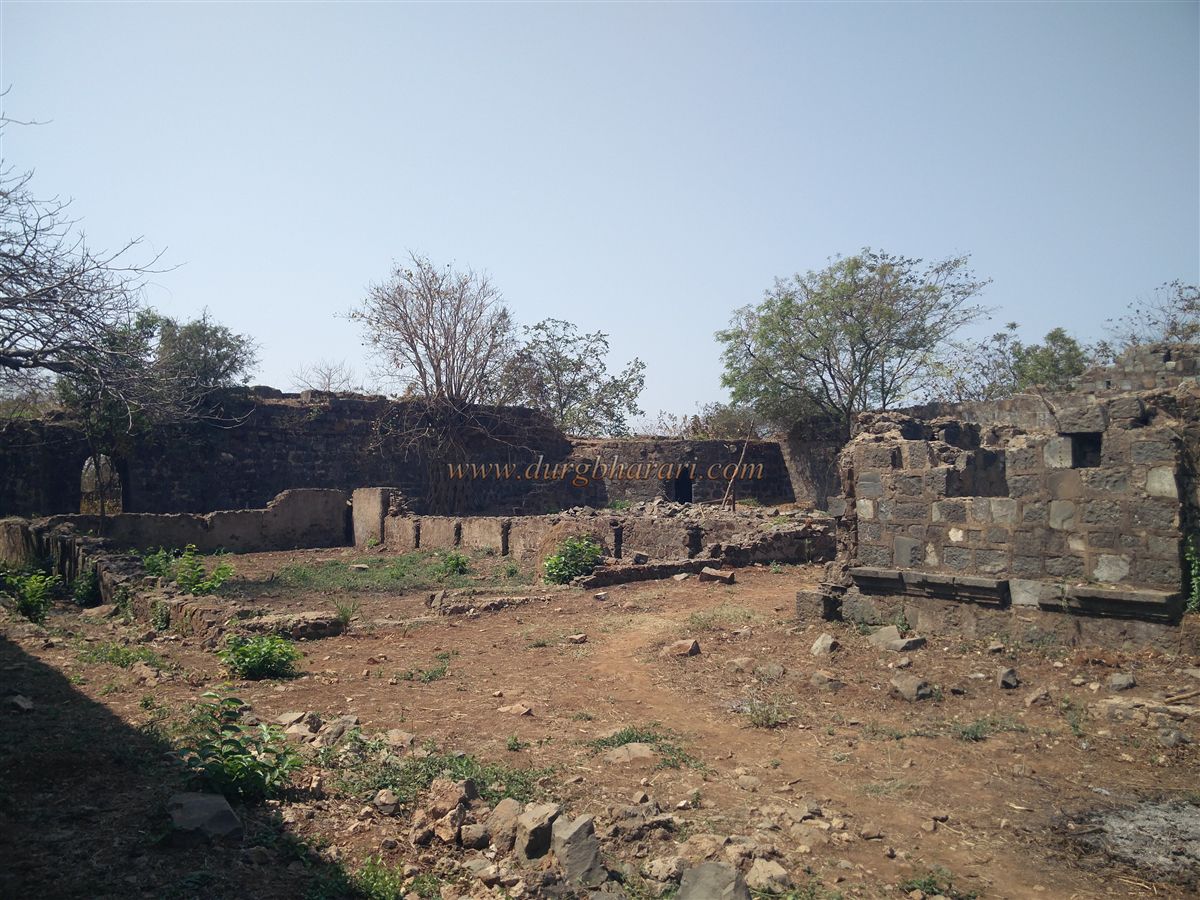
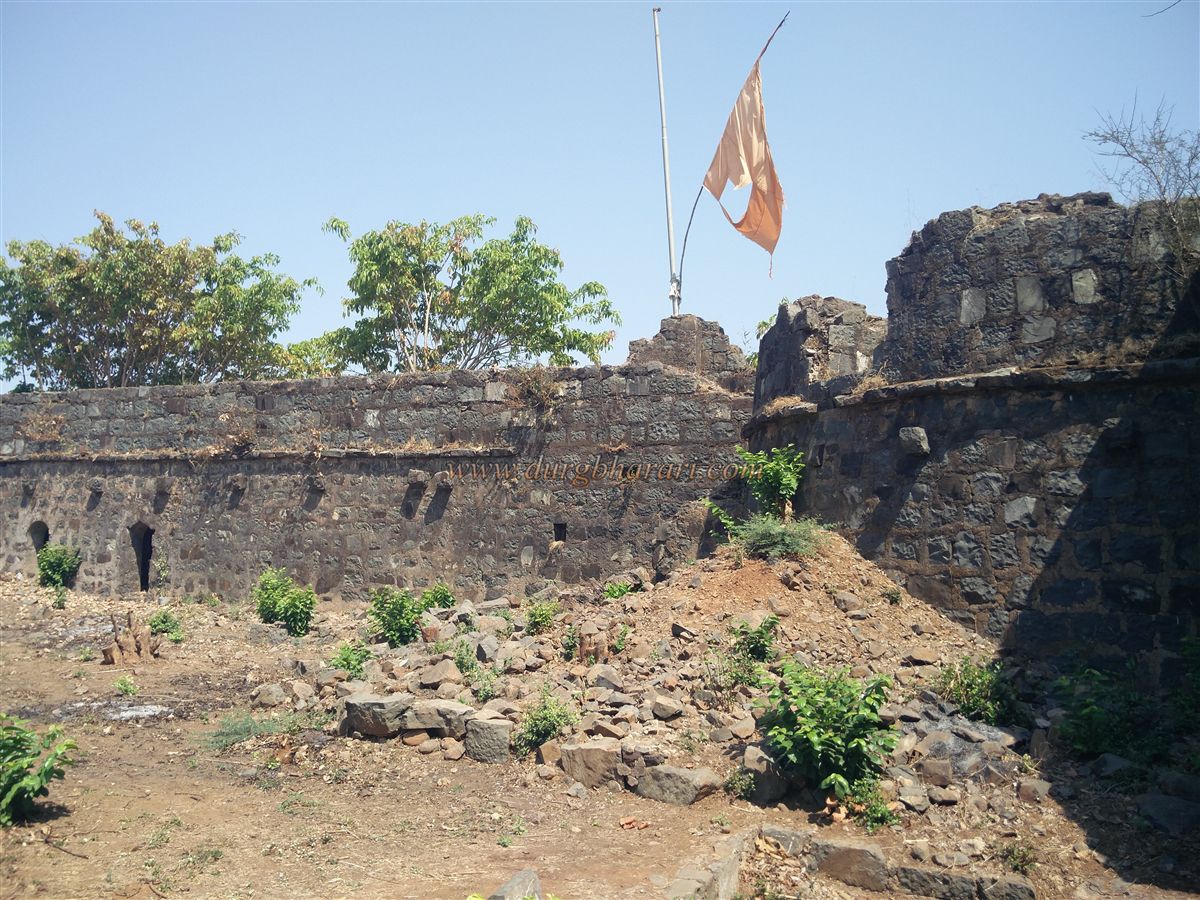
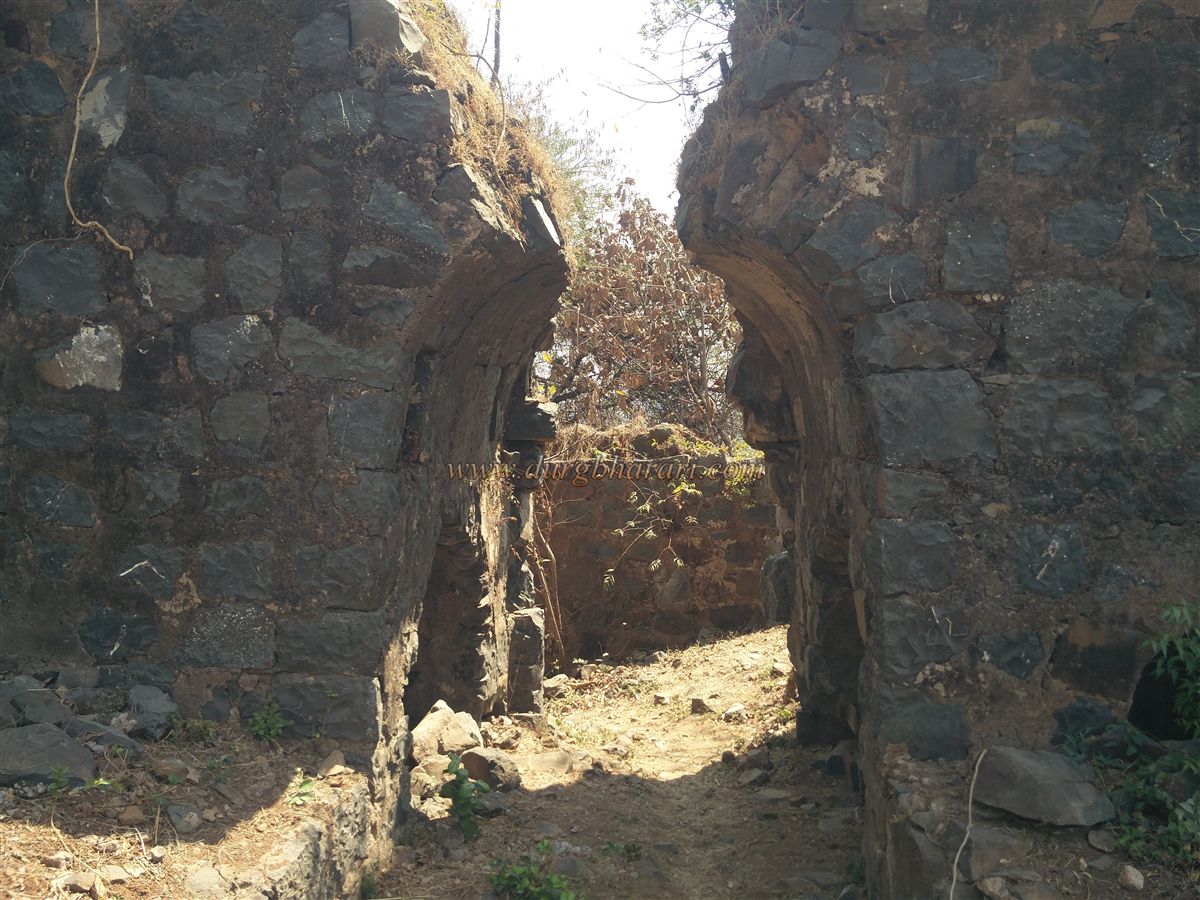
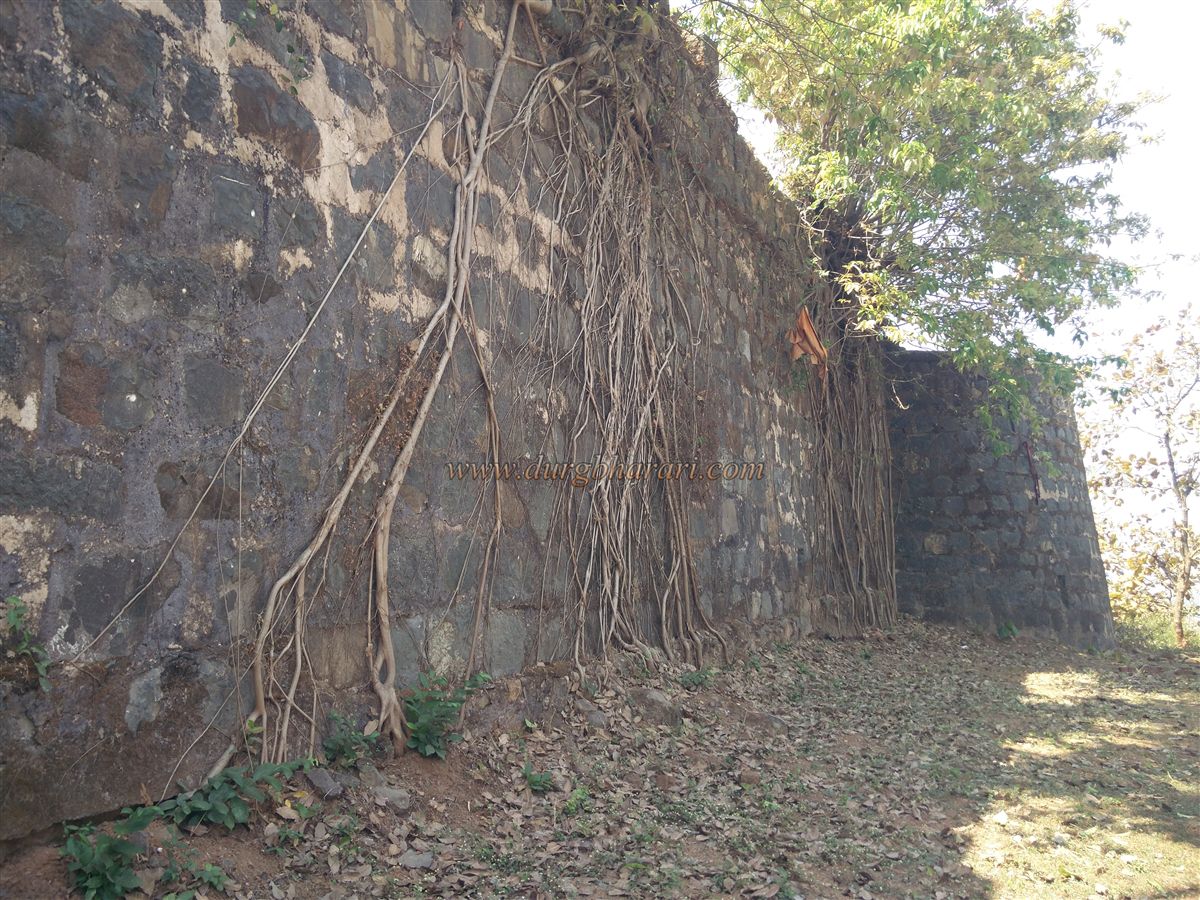
The fort is built on a 250 feet high hill easily visible from Daman. However, as the fort is not very familiar in the area, while hiring a rickshaw from Daman, one should mention the Lakshmi Narayan Mandir in Pali Karambeli village at the foot of the fort. There is a dirt road leading to the fort from the village Lakshmi Narayan temple. A jeep like vehicle takes this road directly to the fort gate otherwise it takes half an hour to walk. Although the locals do not have affinity towards this building as a fort, the villagers visit the fort because of the temple on the fort. As there are many trees on the hill of the fort, there is no problem of sun while climbing the fort. Adjacent to the ramparts of the fort, there is a temple of Chedu Mata in, where a sadhu resides. Behind this temple is the main gate of the fort. There are two entrances to the fort, east and south. Semi-circular walls have been designed in front of both the doors so that this door cannot be attacked easily. Our entry from the temple of Chedu Mata is through the northern door. Although the gate of the fort remains, the arch above it is dilapidated. Inside the door there are guard’s rooms on both sides and a small door leading to either side. By the narrow steps inside this door we reach the top of ramparts. As the area of the fort is not very big, the entire interior of the fort can be seen from the ramparts. A large number of architectural remains can be seen in the fort. The fort is rectangular in shape, 360 feet above sea level, spread over an area of about 5 acres in the south direction. There are four circular bastions at the four ends of the fort and steps along the ramparts lead to each bastion. Under each of these bastion is a barn. The interior of the fort has the remains of three large buildings, one of which is the main Hall. Apart from this, there are two big water tanks in the fort, one of them has dried up, while the water in the other tank is not in use and is not suitable for drinking. The fort is well maintained by the administration here. A large number of sheds and seven latrines can be found within the fort ramparts. This means that the fort should be heavily fortified at that time. The north door of the fort is still in good condition and the front of this door is also protected. The ramparts and bastions of the fort are still in good condition and the entire fort can be visited from ramparts itself. Gun emplacements are placed in the ramparts. As it is the highest mountain in this area, not only Daman fort by the sea but Damanganga riverbed as well as Daman city and a large area can be seen. Half an hour is enough to visit the entire fort. In the same way Dharavi Fort was built to guard Vasai Fort during the Peshwa period, Indragad Fort was built to guard Daman Fort. The influence of Maratha style of architecture is prominently visible on the construction of this entire fort. This fort greatly restricted the landward movements of the Portuguese. This fort on the border of Daman city was a backbone for the defense of Daman so the Portuguese captured this fort but soon it came back to the Marathas. As the Portuguese stronghold at Vasai rose during Chimaji Appa's Vasai campaign, Portuguese power in the region waned, so this fort may not have seen much fighting in later times. We find the history of this fort in the Peshwa period. After the conspiracy of Barbhai removed Raghunathrao from the post of Peshwa, in the war between them. Around 12 CE 1698, Arjungad and Indragad forts came under the control of Raghunathrao Peshwa and from there they made alliances with the Portuguese of Goa. The Portuguese of Daman agreed to give two hundred white soldiers and three hundred local soldiers along with eight to ten cannons on the condition of handing over these two forts. But as Raghunathrao did not trust him, he did not relinquish the possession of the fort.
© Suresh Nimbalkar
GALLERY