HUKKERI
TYPE : NAGARKOT
DISTRICT : BELGAON
HEIGHT : 0
GRADE : EASY
Encroachment has been a curse not only for forts in Maharashtra but across India, with many historic structures facing a similar fate. One such fort on the brink of being lost due to encroachment is the fort at Hukkeri in Hukkeri taluka, Belgaum district. Though the Hukkeri fort’s name frequently appears in historical records, today, very little information about it exists. Even after making inquiries in Hukkeri, locals could provide no details, except for mentioning the domes (Ghumat) in the area.
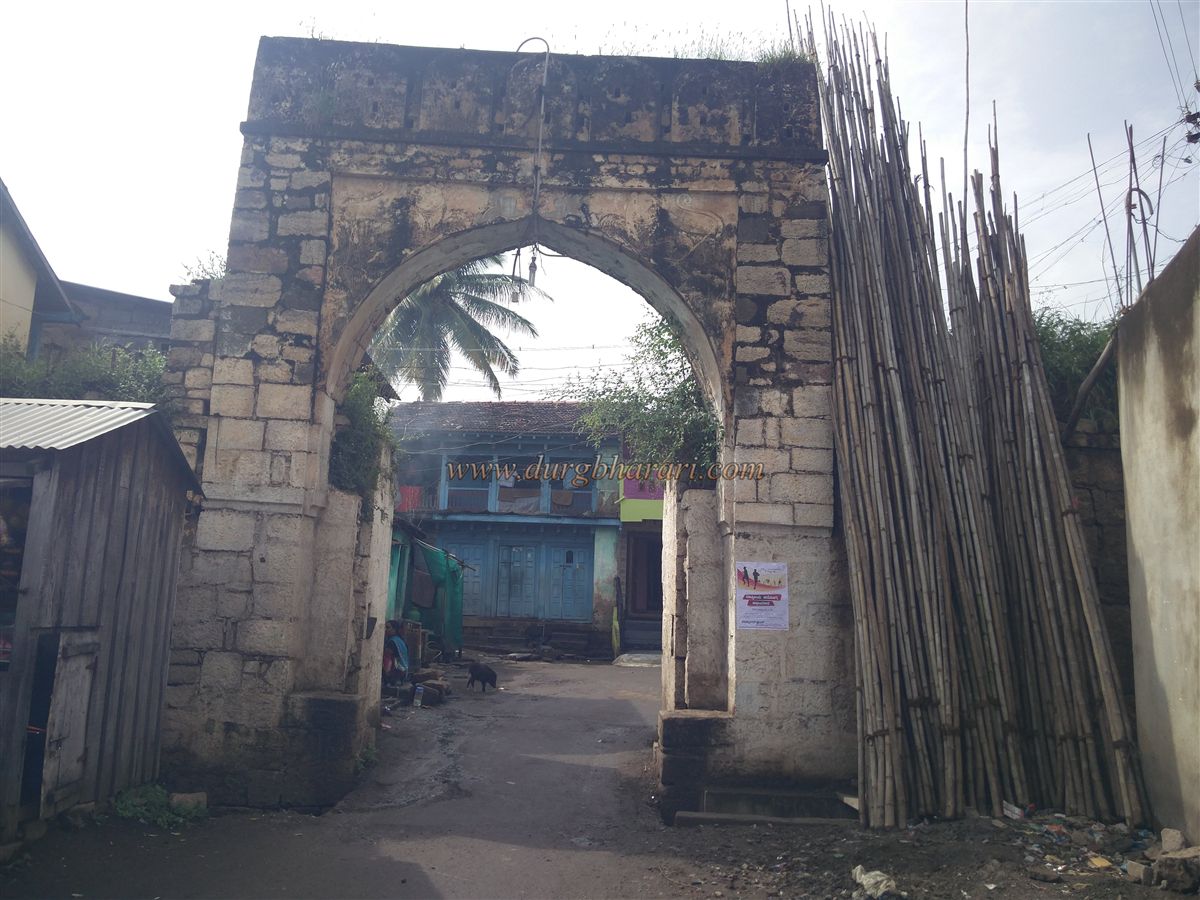
During our Belgaum fort exploration, we visited this site and, while the fort itself no longer stands, we did find some surviving remains, which I am documenting here. Most notably, the fort’s main entrance gate still survives.
Hukkeri, the taluka headquarters, lies 81 km from Kolhapur, 51 km from Belgaum, and 14 km from Sankeshwar. Since no one in the town seems aware of the fort, it is best to ask for directions to Karanji or Mokashi Masjid on the main market road — the fort’s main entrance is located here.
...
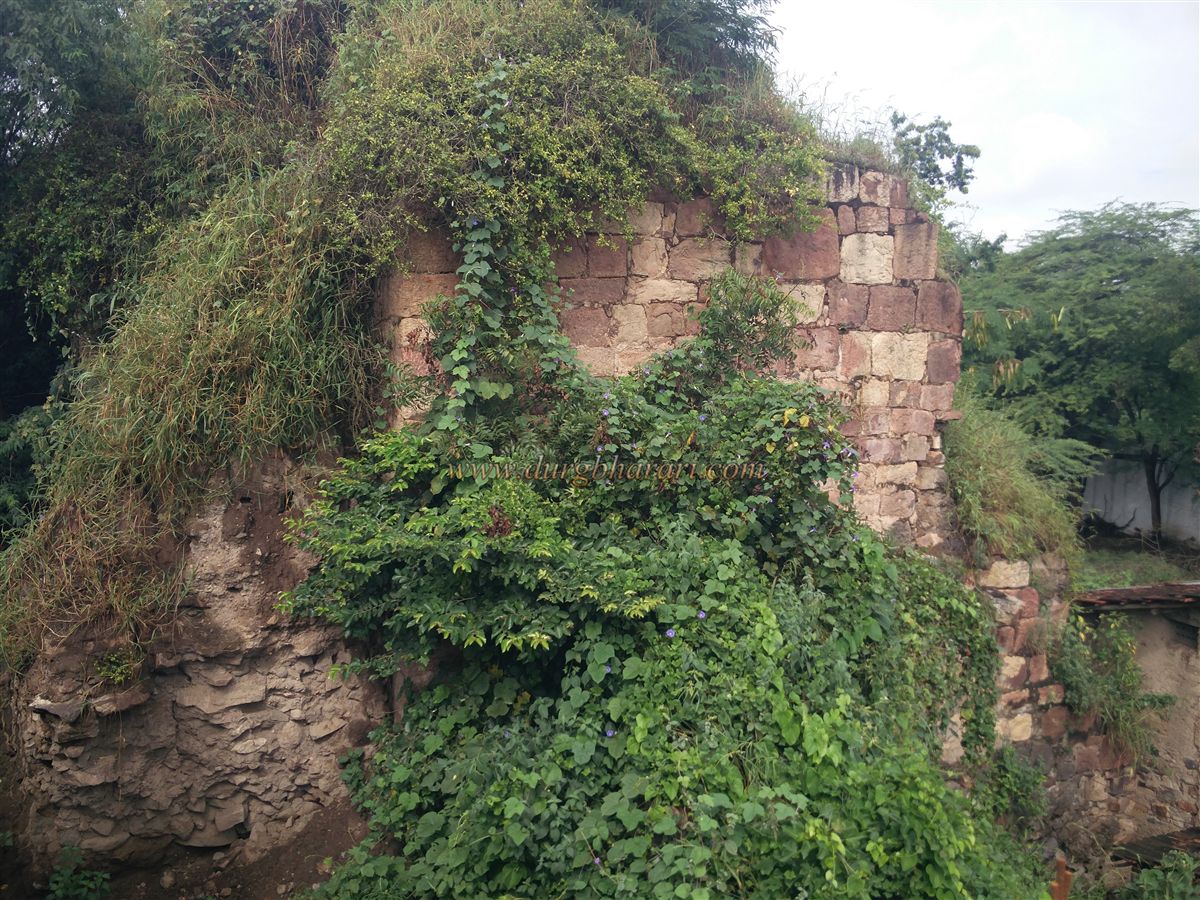
The fort has suffered extensive encroachment, and the gate barely maintains its existence. The gate, around 20 feet tall, is built of dressed stone, with two carved tigers and intricate designs in lime work on its arch. Next to the main gate is a smaller entrance built into the wall, likely used when the main gate was closed. Inside the main gate, there is a guardroom. On the right side of the gate stands a partially ruined circular bastion with gun loops for musketry. Beyond this, there is a small stretch of fort wall, though it has been heavily encroached upon.
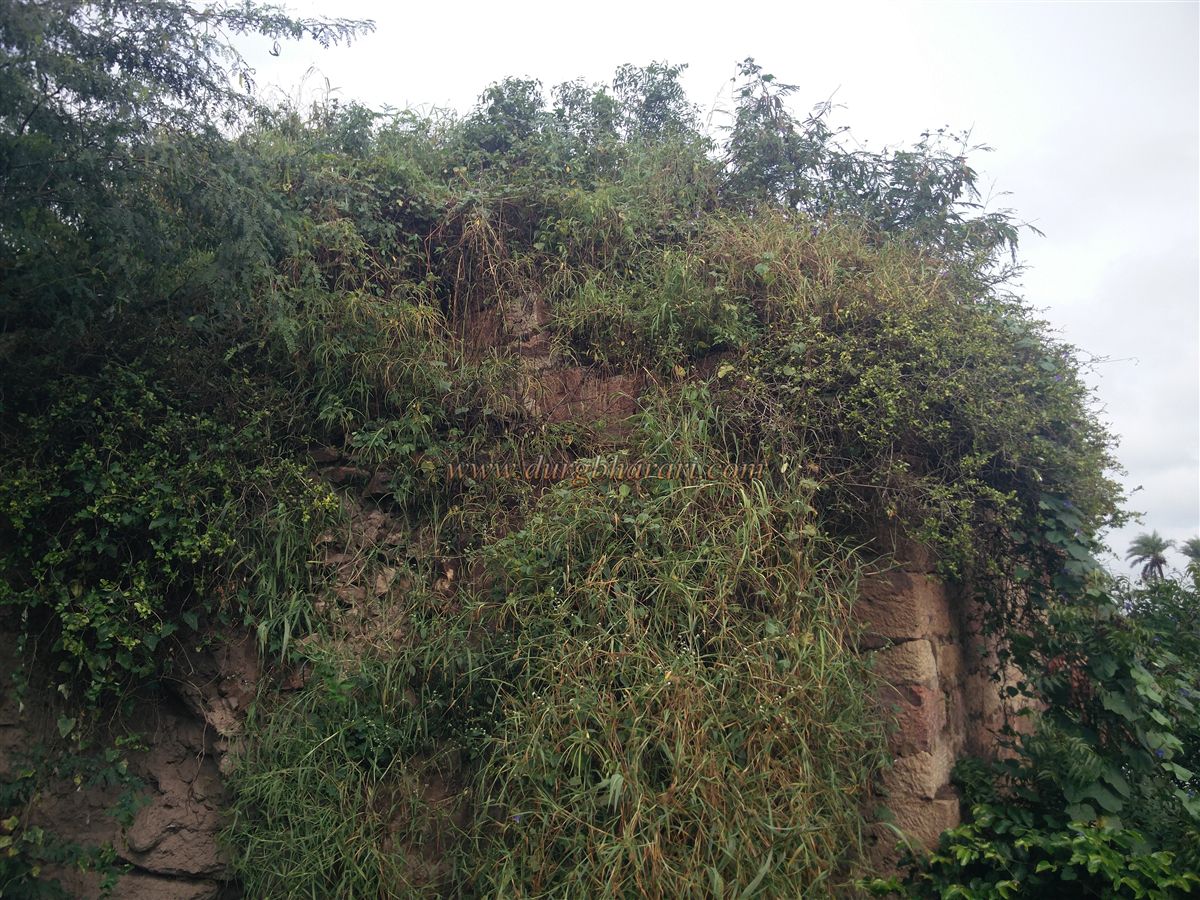
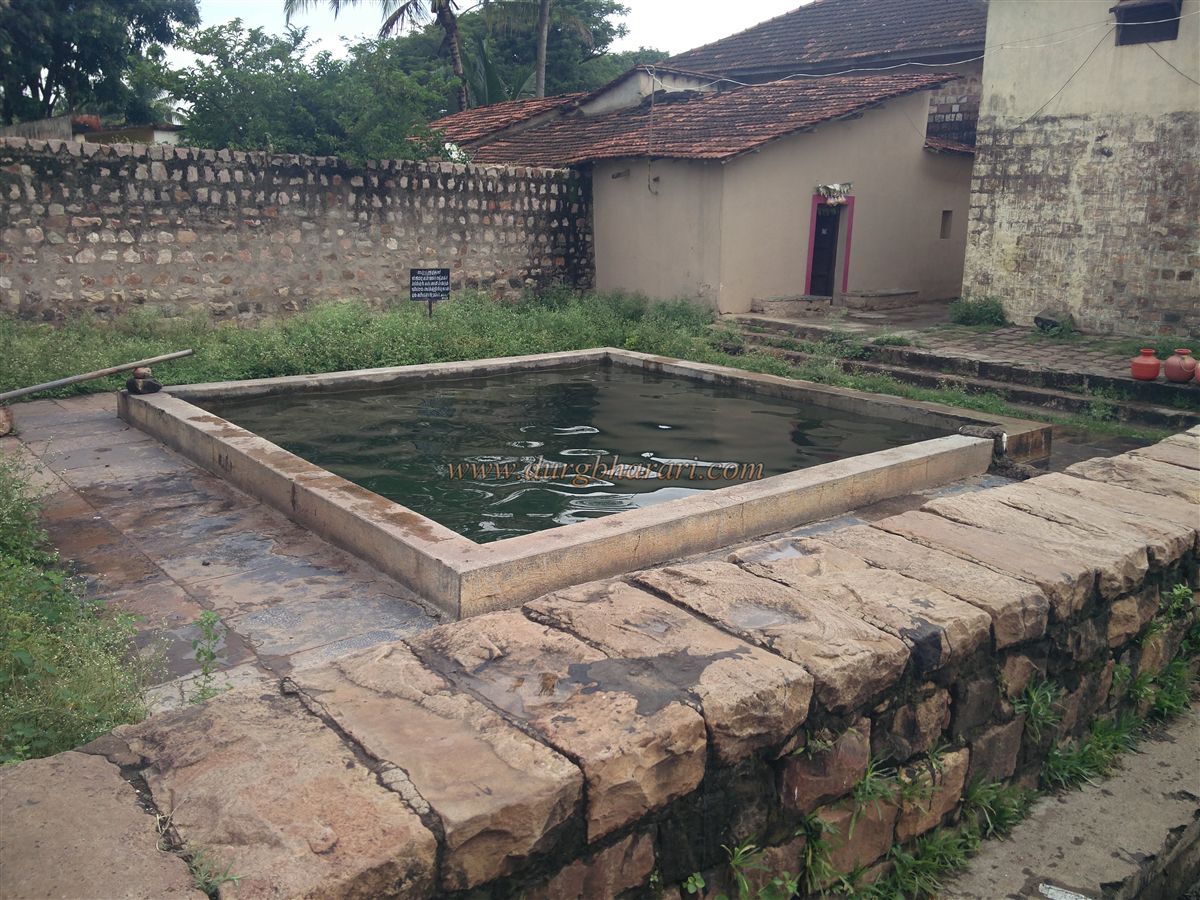
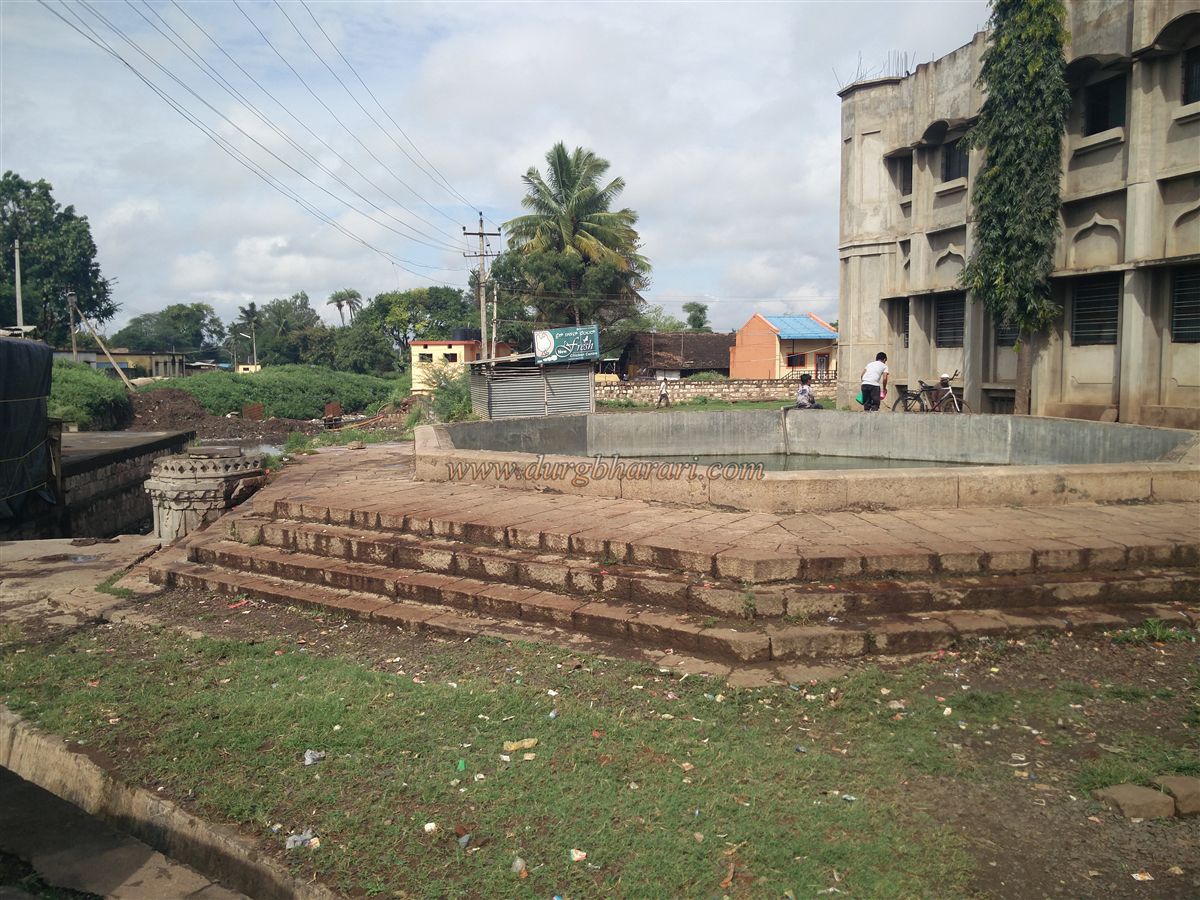
Outside the gate, at some distance, stands an octagonal stone cistern (haud) built in the 15th century, along with a stone fountain. There are also traces of a moat in this area. Inside the fort, another square cistern can be found. Walking straight ahead for about five minutes from the gate, the road branches to the right. Along this path is the square stone cistern. Following the main road, you eventually reach a ruined bastion and remnants of the fort wall — marking the end of the accessible exploration of the site.
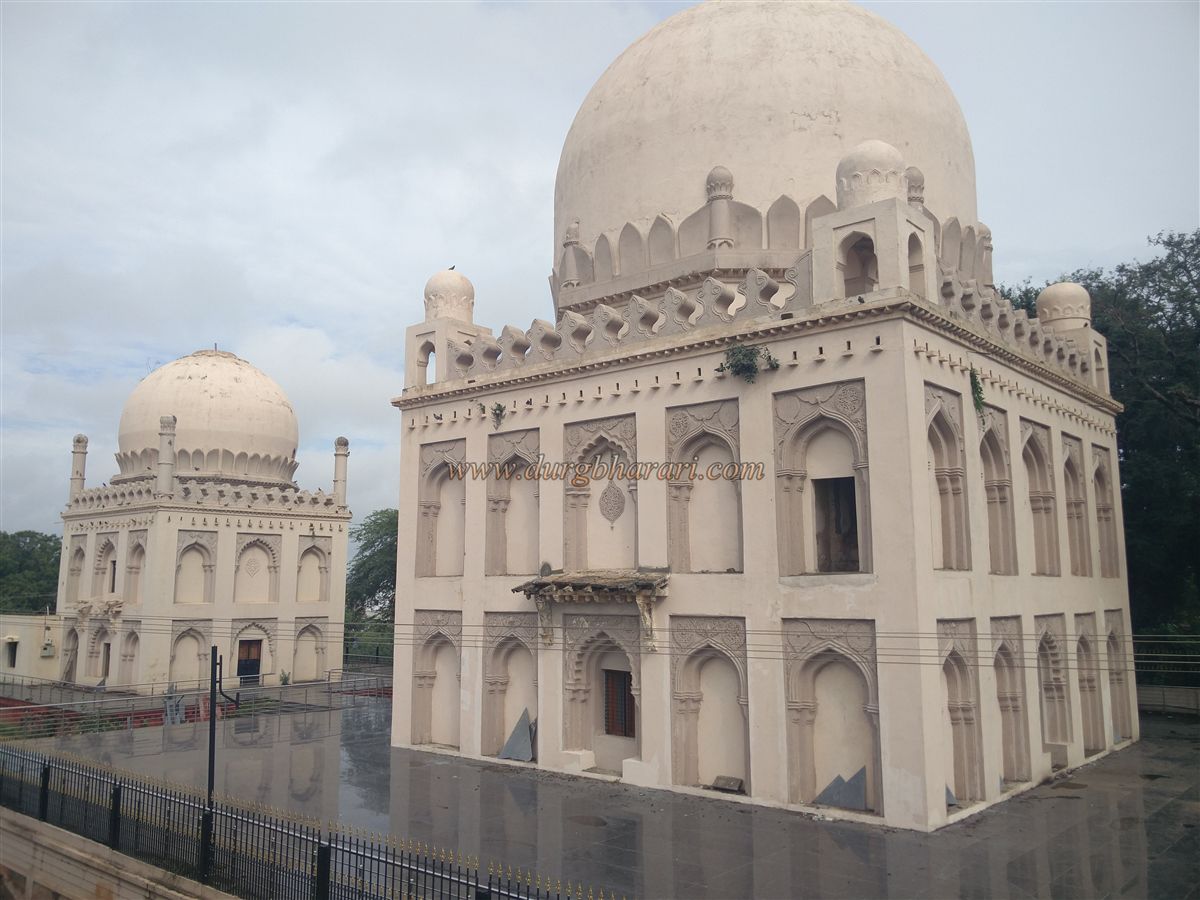
In addition to the fort remains, Hukkeri town also features three domes built in the 15th century, which are well worth visiting. These domes, constructed in a style similar to those in Bijapur and Bidar, stand on an elevated platform and represent fine examples of Mughal architecture. Recently, the Archaeological Department restored these domes, reviving their original beauty.
The name “Hukkeri” is derived from the word “Hivvinakeri,” meaning “street of flowers.” During the Adilshahi period, high-quality roses from here were sent to Bijapur.
In 1327, Muhammad bin Tughlaq appointed Fateh Bahadur as the governor of Hukkeri and its surrounding areas. By 1502, the region came under the rule of the Adilshahi of Bijapur. During this period, Ain-ul-Mulk Gilani built Hukkeri Fort (1505), two domes (1509), a palace, and a lake. In 1542, the region briefly came under the Nizamshahi, but after their defeat, it reverted to Adilshahi control, with Hukkeri granted the status of a Subha (province) under Kittur. After Ain-ul-Mulk Gilani, his brother Fateh Mulk became the governor (1547–1568). In his tenure, the third dome was built in 1555.
In 1569, Bijapur noble Randullah Khan became the governor of this region, followed by his son Rustam Zaman in 1616. Later, Abdul Qadir took control of Hukkeri.
A letter dated 28 July 1687 mentions that the Desai of Hukkeri, Algauda, captured Gandharvgad from the Marathas on behalf of the Mughals. For this service, the Mughals granted him the Deshmukhi rights of Chandgad and Ajra, along with an elephant.
When the Nawab of Savanur handed Belgaum Fort over to Madhavrao Peshwa through a treaty, Yusuf Beg was the fort’s governor. On 3 May 1757, when the Peshwa took control, they promised to grant Yusuf Beg some villages, including Kasba Hukkeri. Later, however, Chikodi and Manoli talukas were given to Jijabai Saheb, queen of Karvirkar Sambhaji Raje. Since Hukkeri was within this territory, Yusuf Beg was instead given Balatwad, Godwad, and Masramudi villages in Chikodi taluka, equivalent in size to Hukkeri.
© Suresh Nimbalkar
GALLERY