HOTTAL
TYPE : GROUP OF ANCIENT SHIVMANDIR
DISTRICT : NANDED
Hottal, a village in Deglur taluka of Nanded district, boasts not only a rich historical legacy but also a remarkable cultural heritage in the form of 11th-century temples. Located at the tri-junction of Maharashtra, Karnataka, and Telangana, this village is home to four ancient temples — Siddheshwar, Rebbeshwar, Someshwar, and Parameshwar.
These temples, originally built during the reign of the Western Chalukya of Kalyani, were reduced to ruins by iconoclasts. However, in recent times, the Archaeological Department has successfully reconstructed the Siddheshwar and Rebbeshwar temples, bringing them back to their former glory.
Hottal lies approximately 650 km from Mumbai and 10 km from Deglur, the taluka headquarters. The nearest railway station is Udgir, about 55 km away.
...
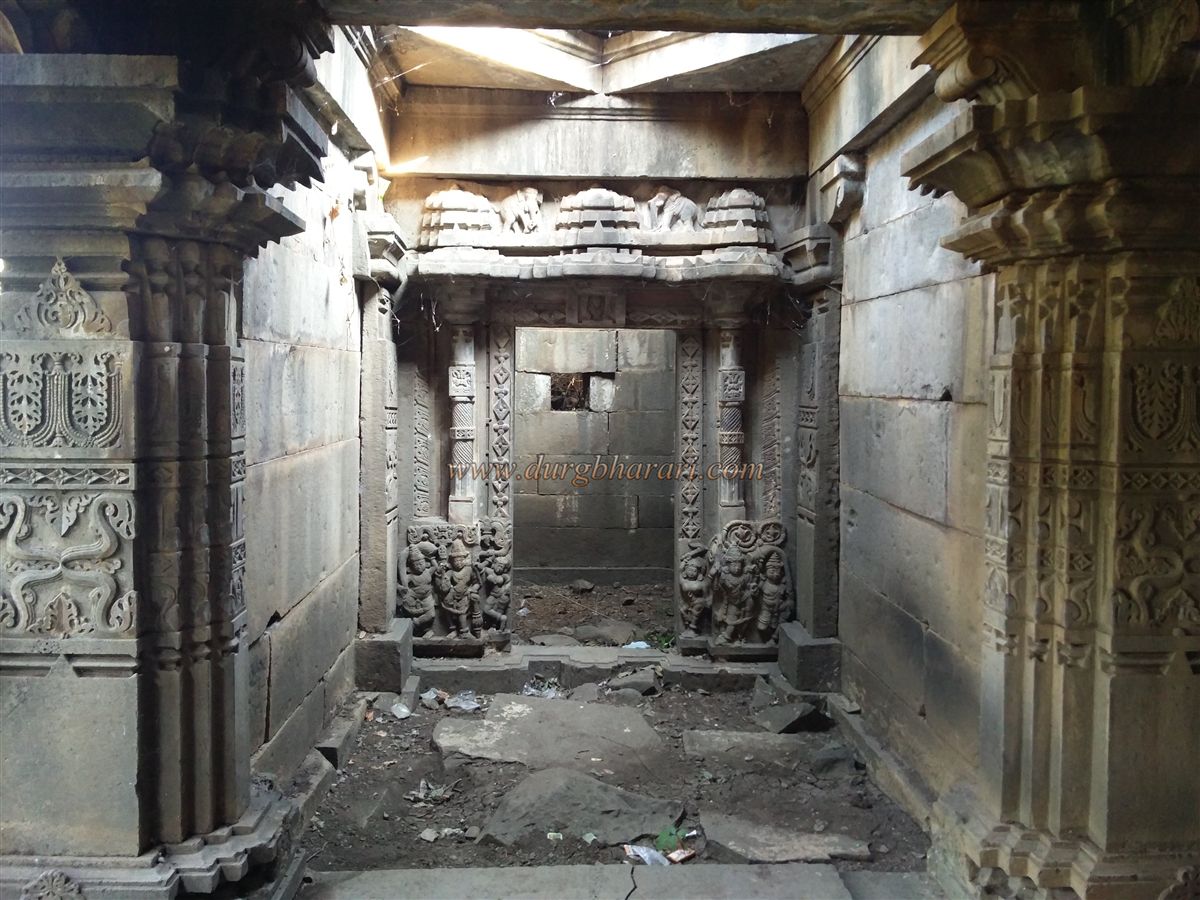
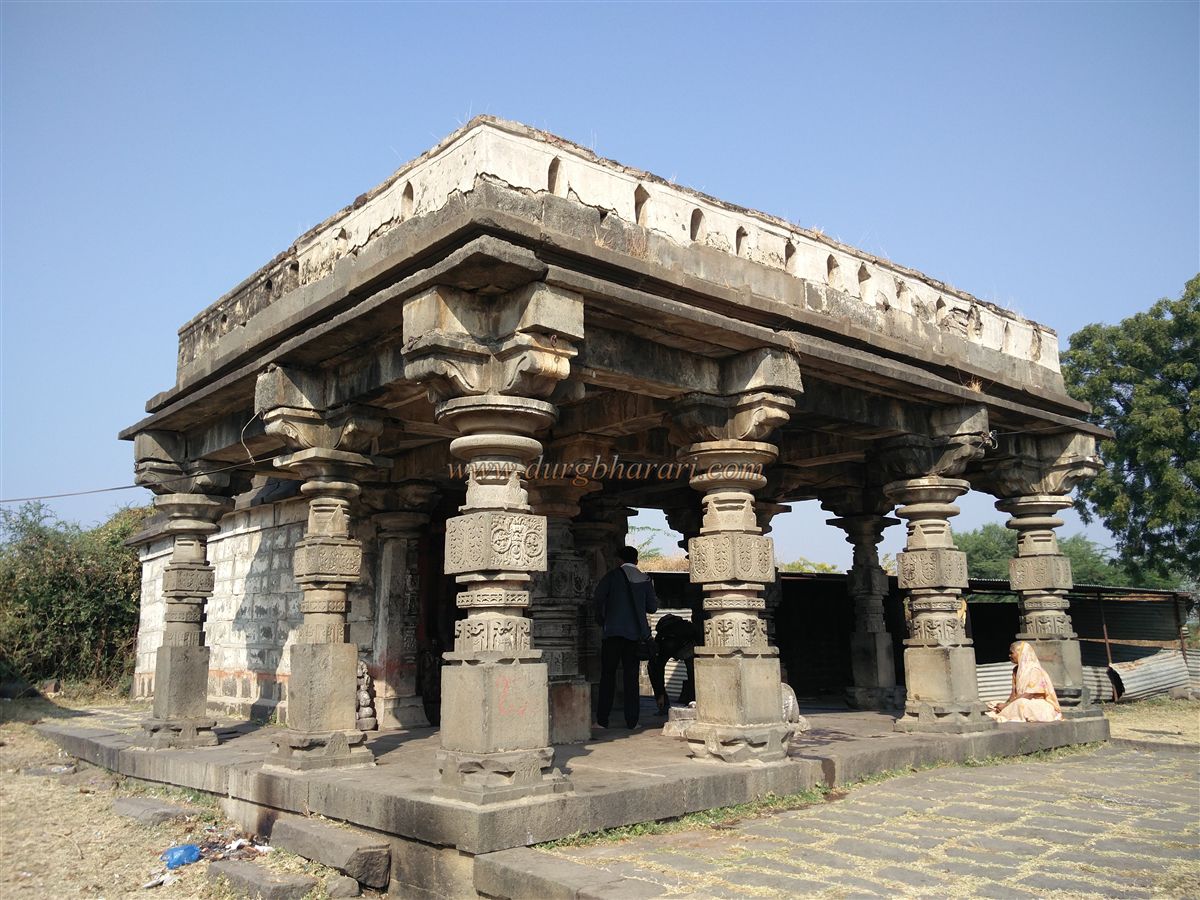
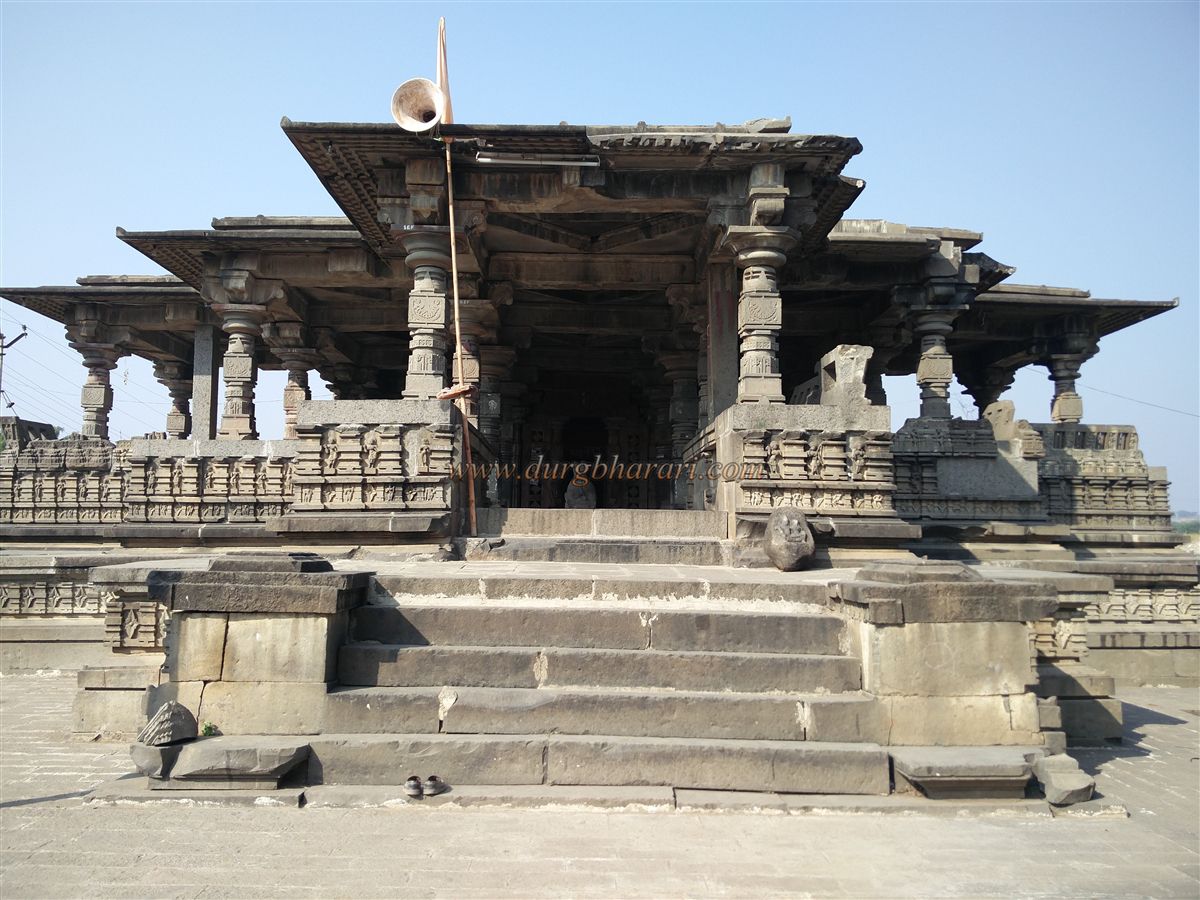
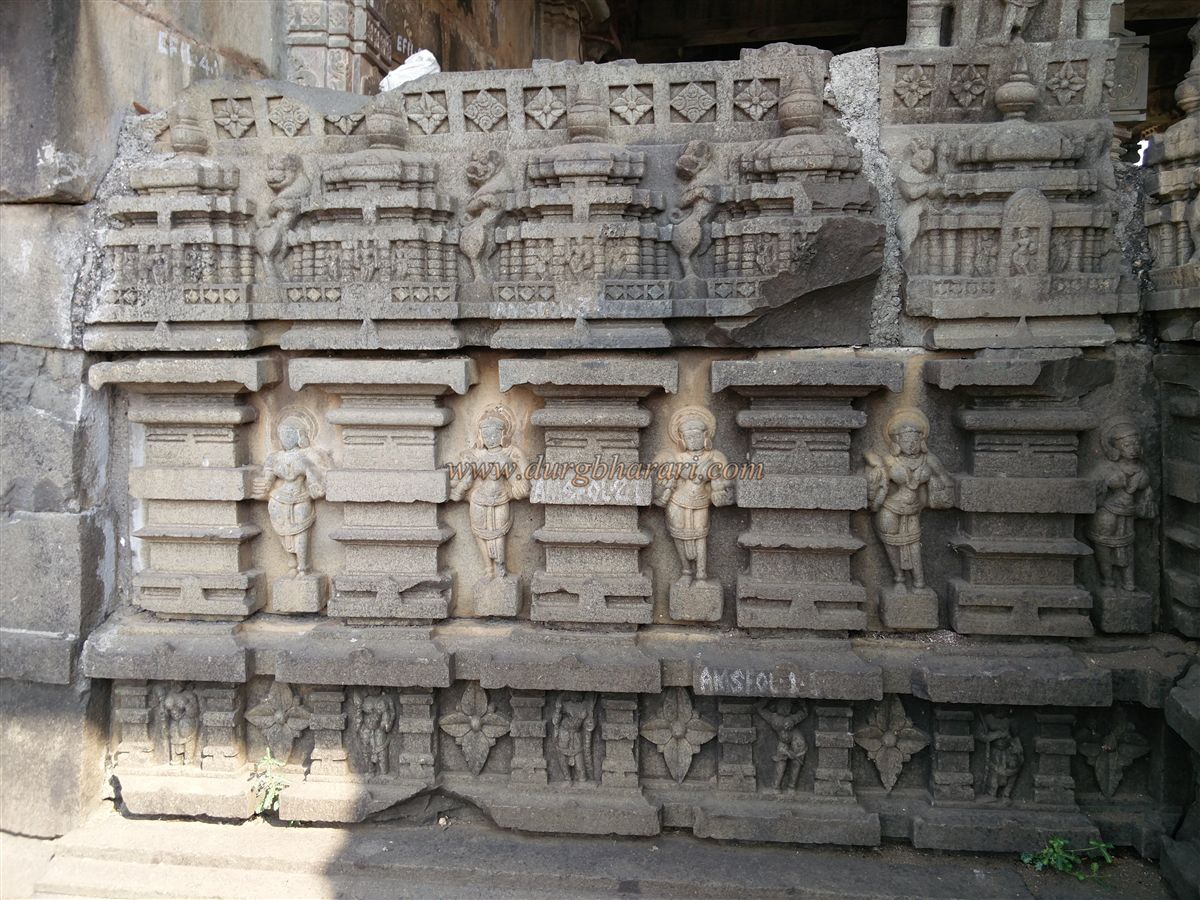
As one enters Hottal, the first sight that greets the eye is the magnificent Siddheshwar Temple. This east-facing shrine stands on a 4-foot-high plinth and measures 72 by 44 feet. It consists of a mukha-mandapa, two ardha-mandapas, a main Mandap, an antaral, and a sanctum (Garbhagriha). A pradakshina-path (circumambulatory path) surrounds the temple.
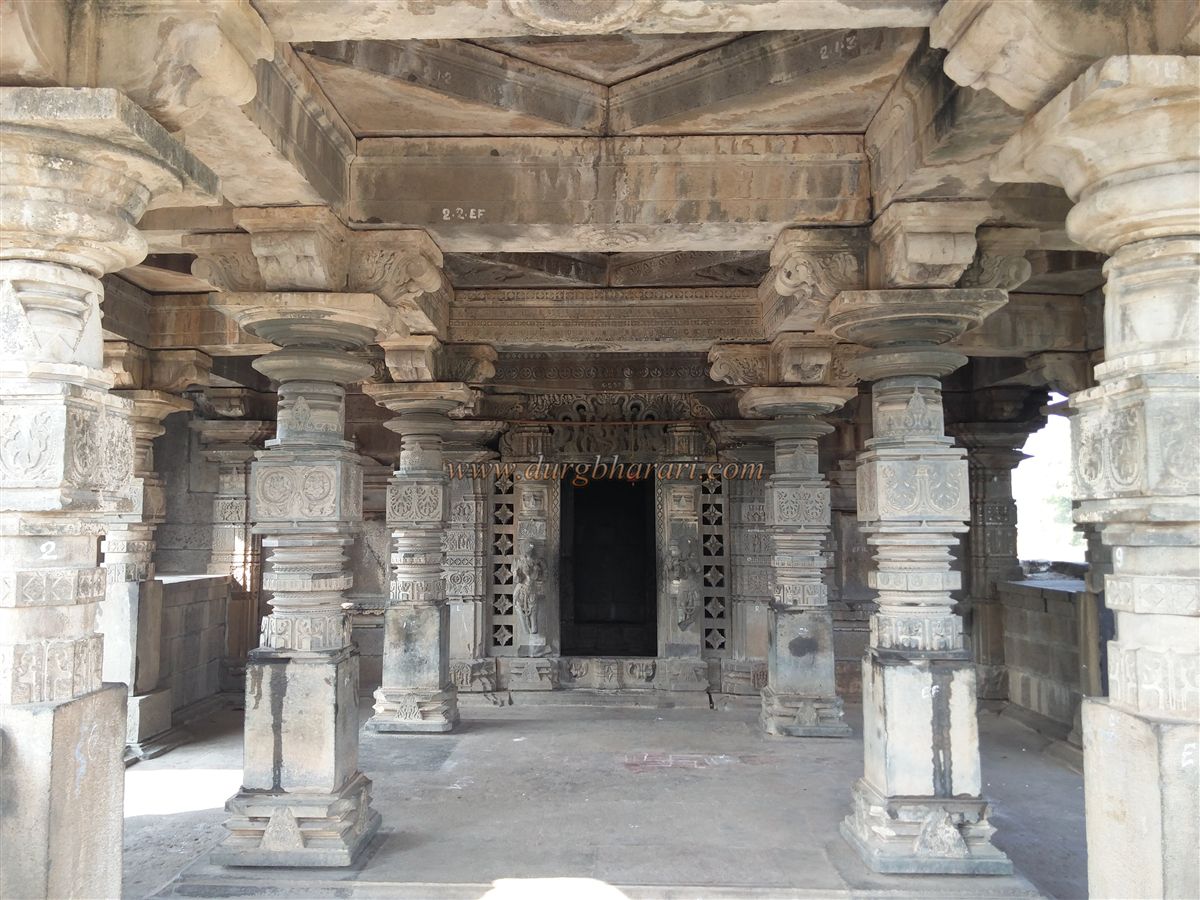
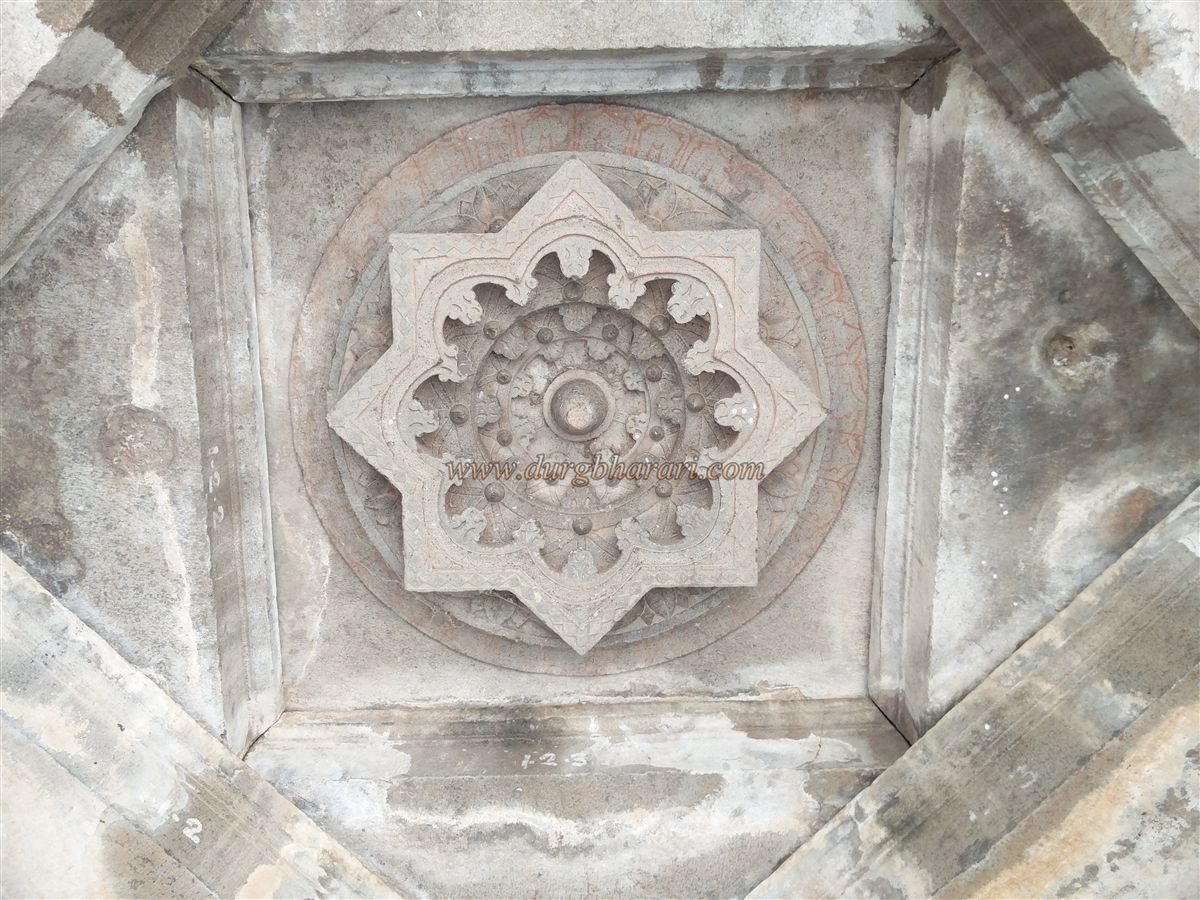
The square Sabhamandap, measuring 35 by 35 feet, includes a central platform of 15 by 15 feet (Rangashila) meant for dance and musical performances. The northern and southern sides of the Mandap each feature an ardh- Mandap measuring 10 by 5 feet. The ceiling of the Mandap is a marvel of intricate carvings — filled with geometric motifs and beautifully sculpted kirtimukhas.
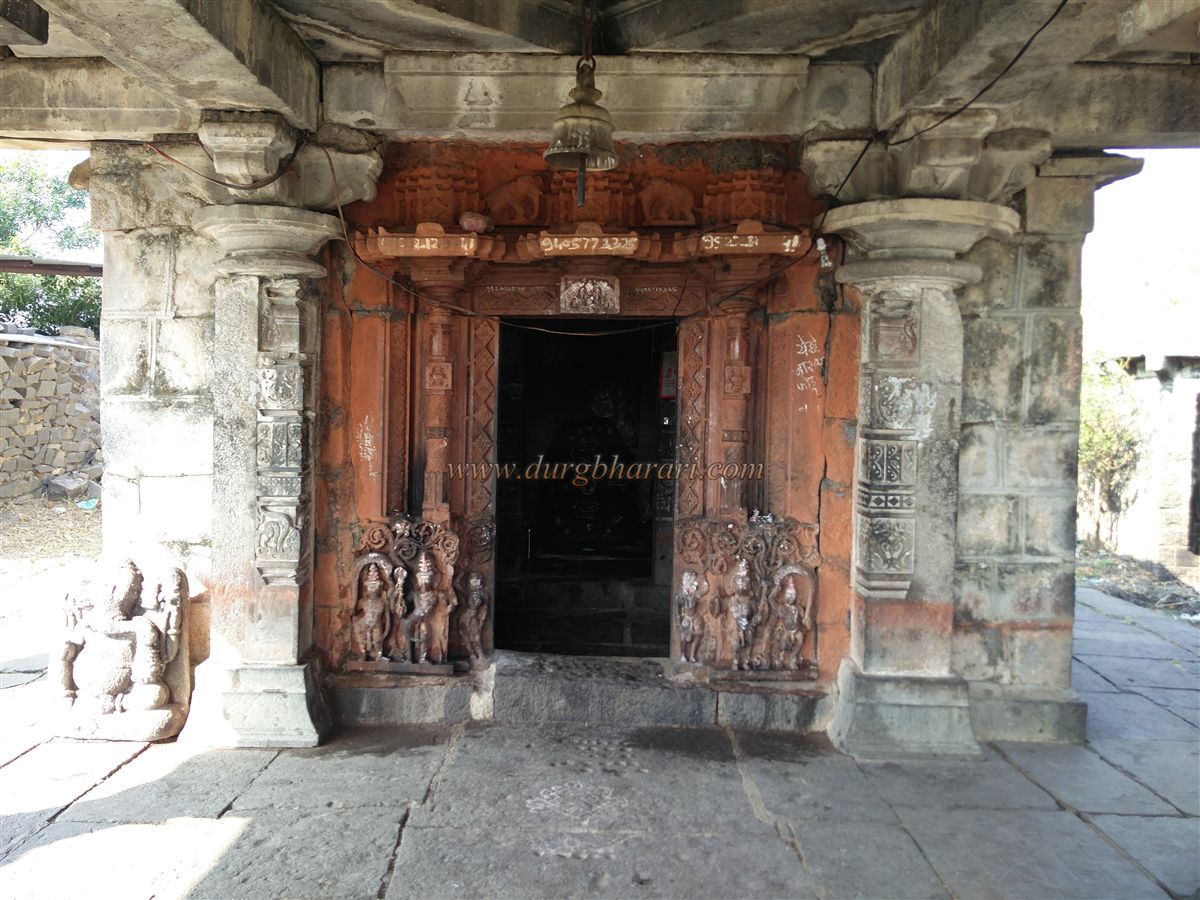
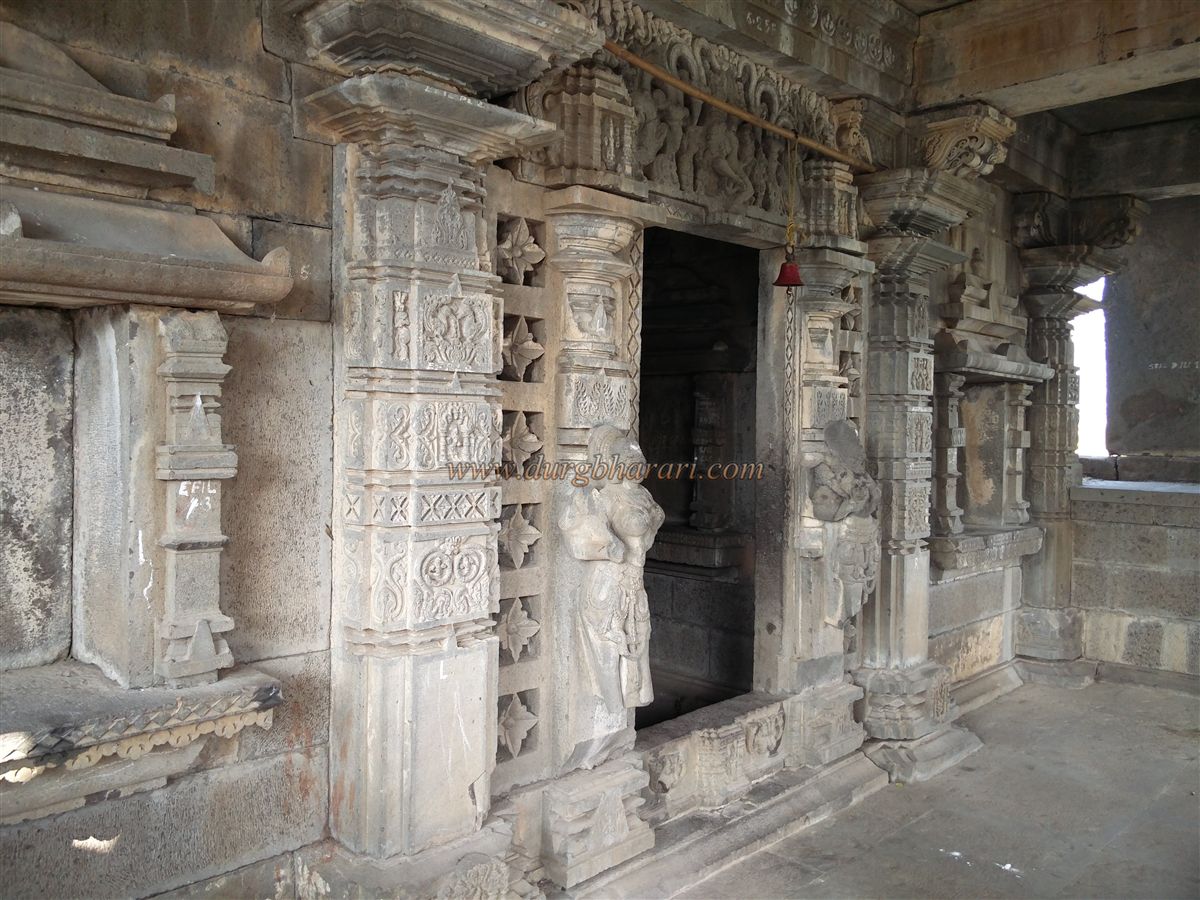
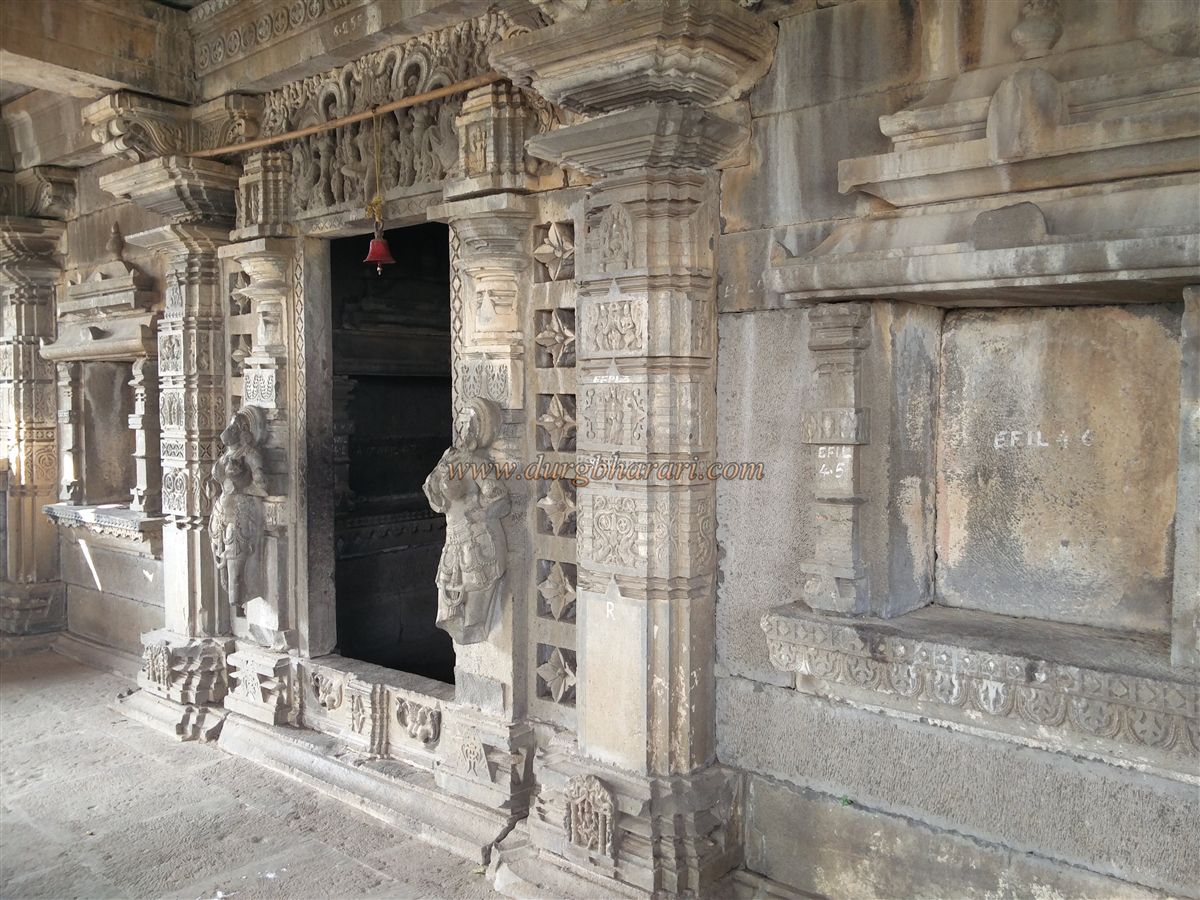
The sanctum lies at a slightly lower level than the Mandap, and its doorway frame is adorned with carvings of foliage, flowers, and animals. On the lintel (lalatabimba), a depiction of Gajlakshmi, a hallmark of Chalukya temple architecture, can be seen.
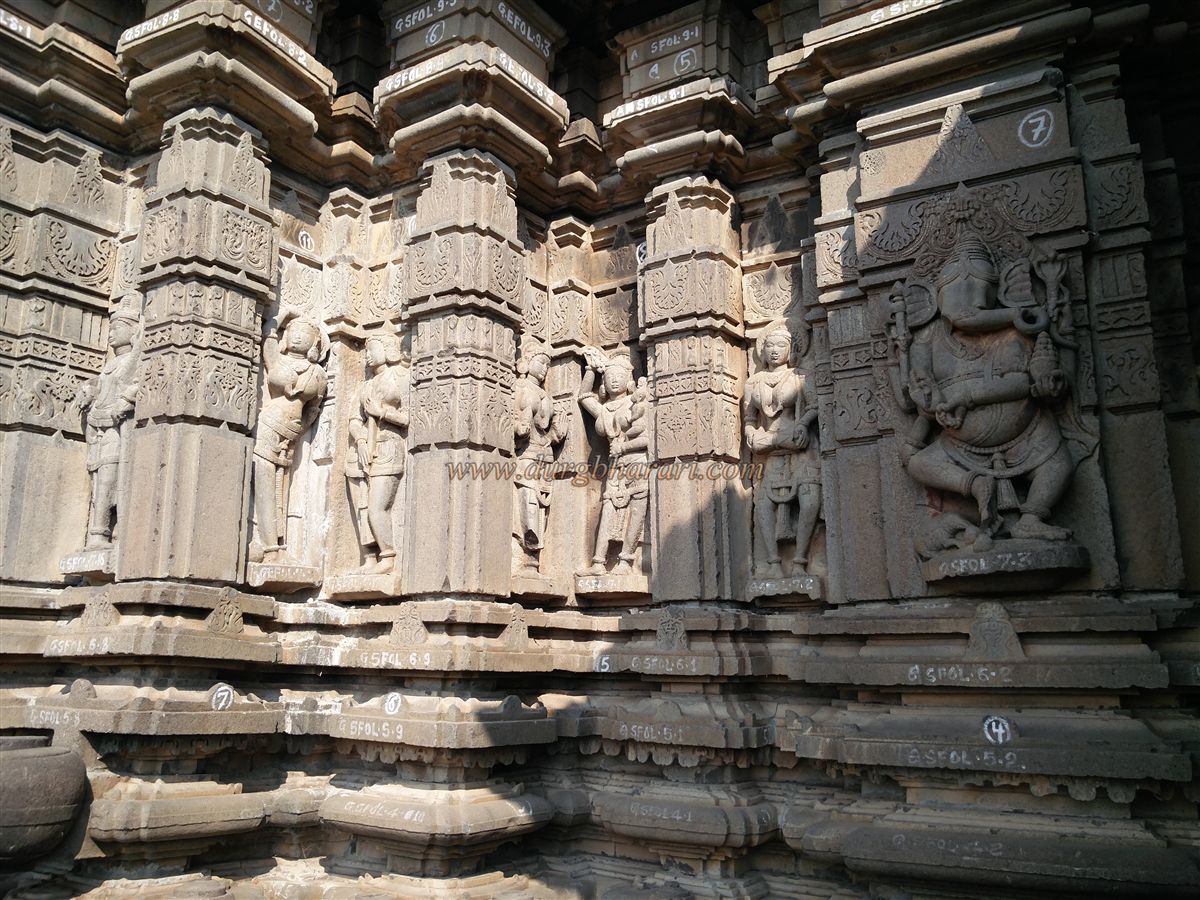
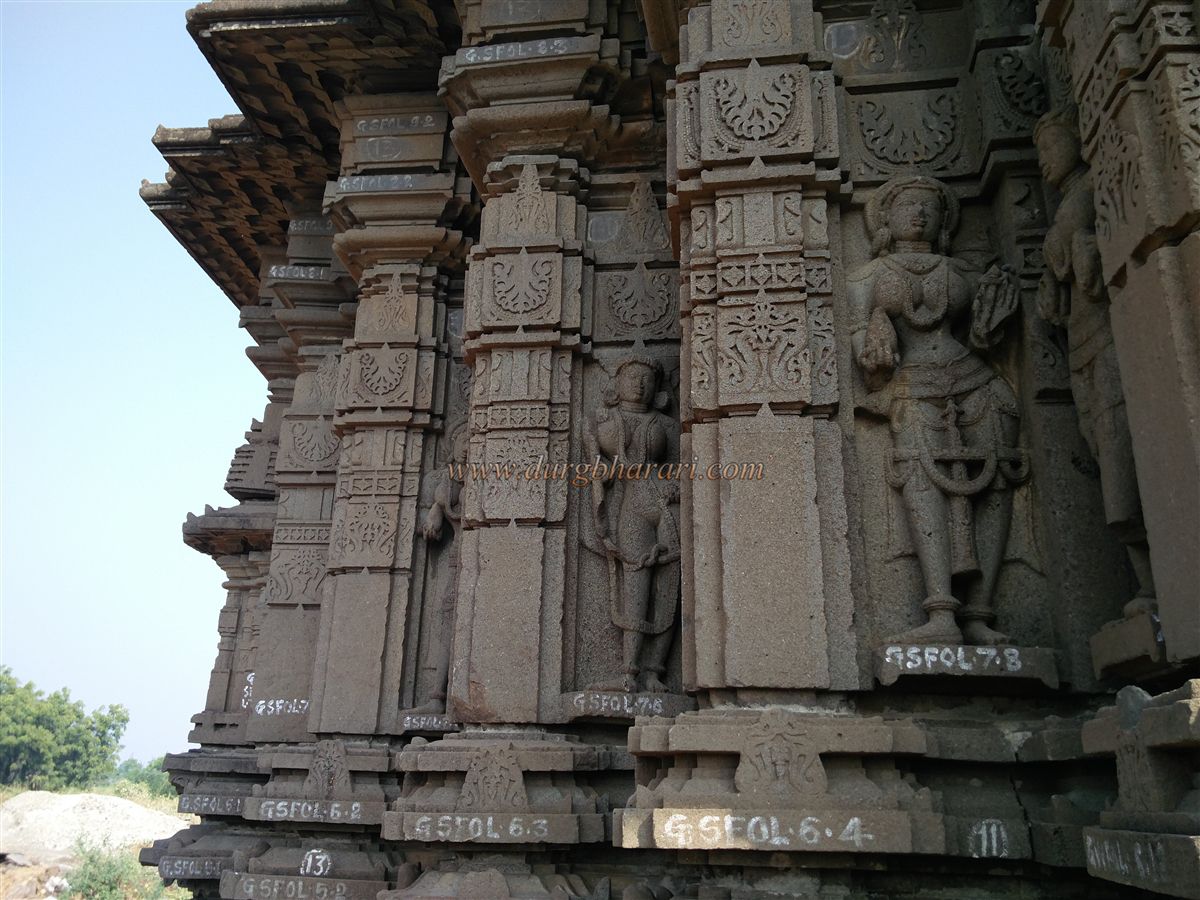
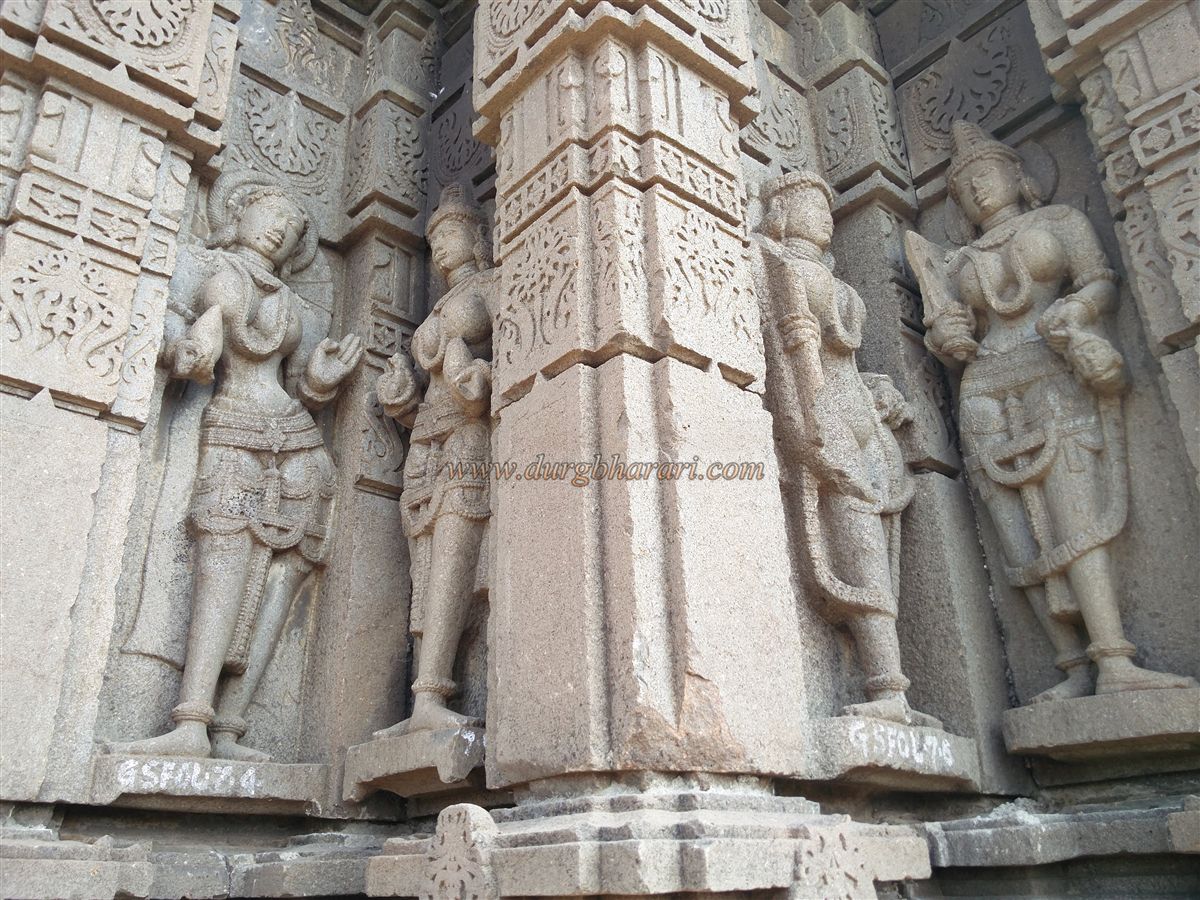
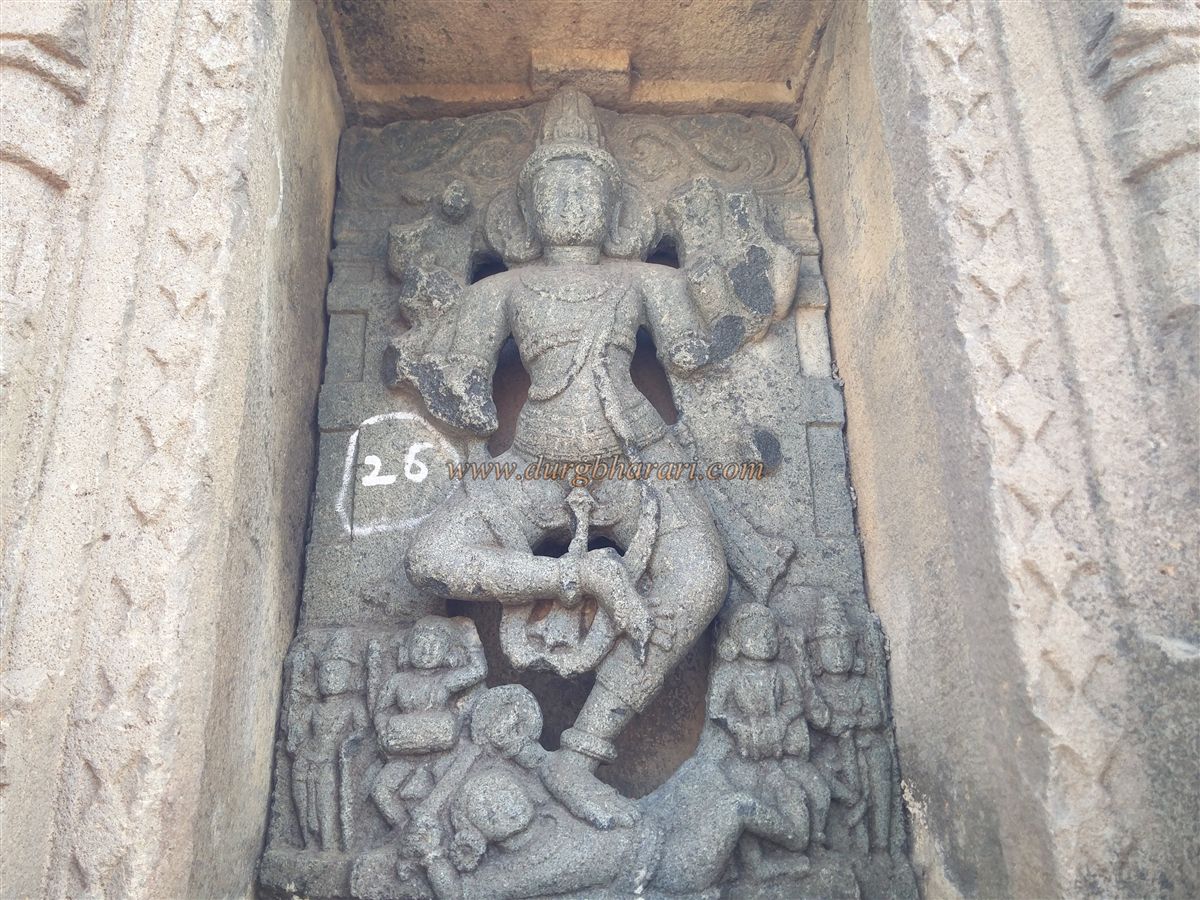
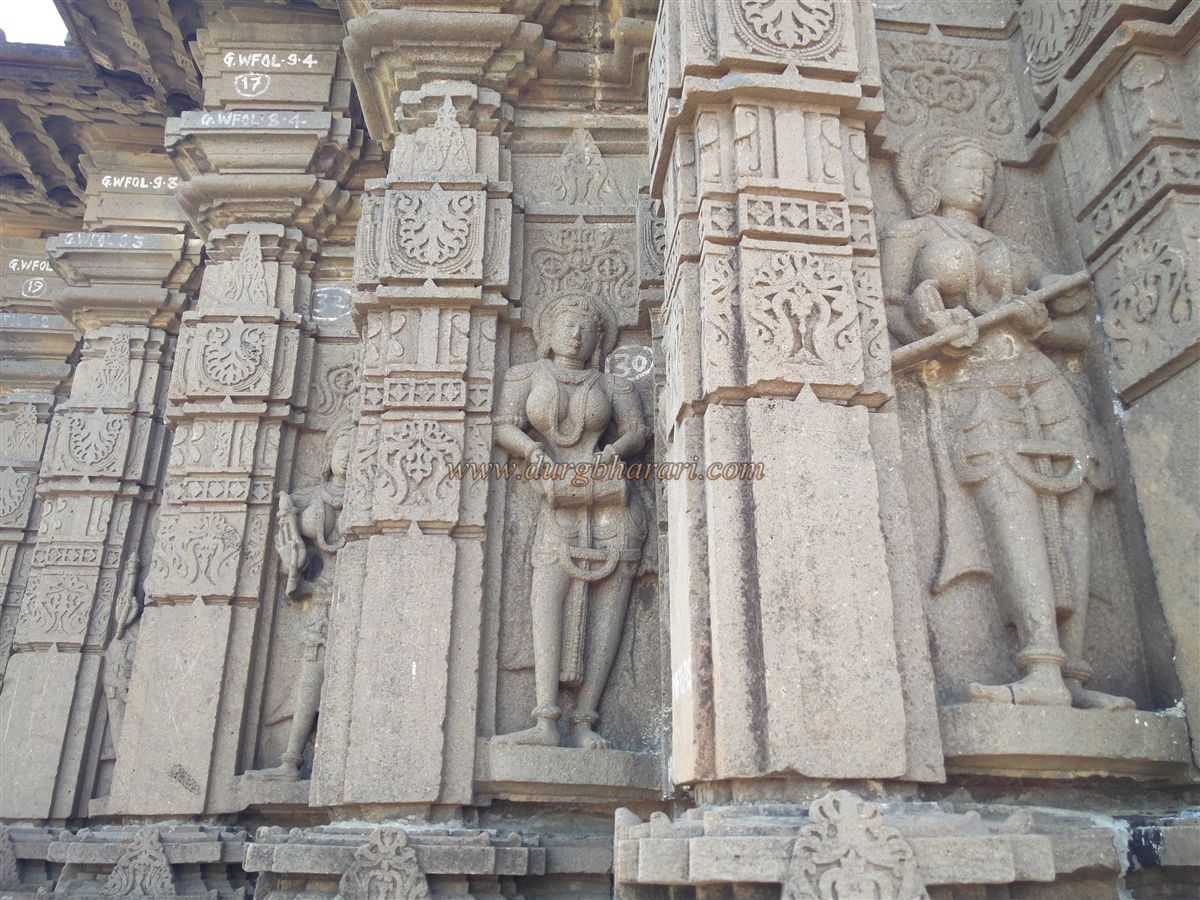
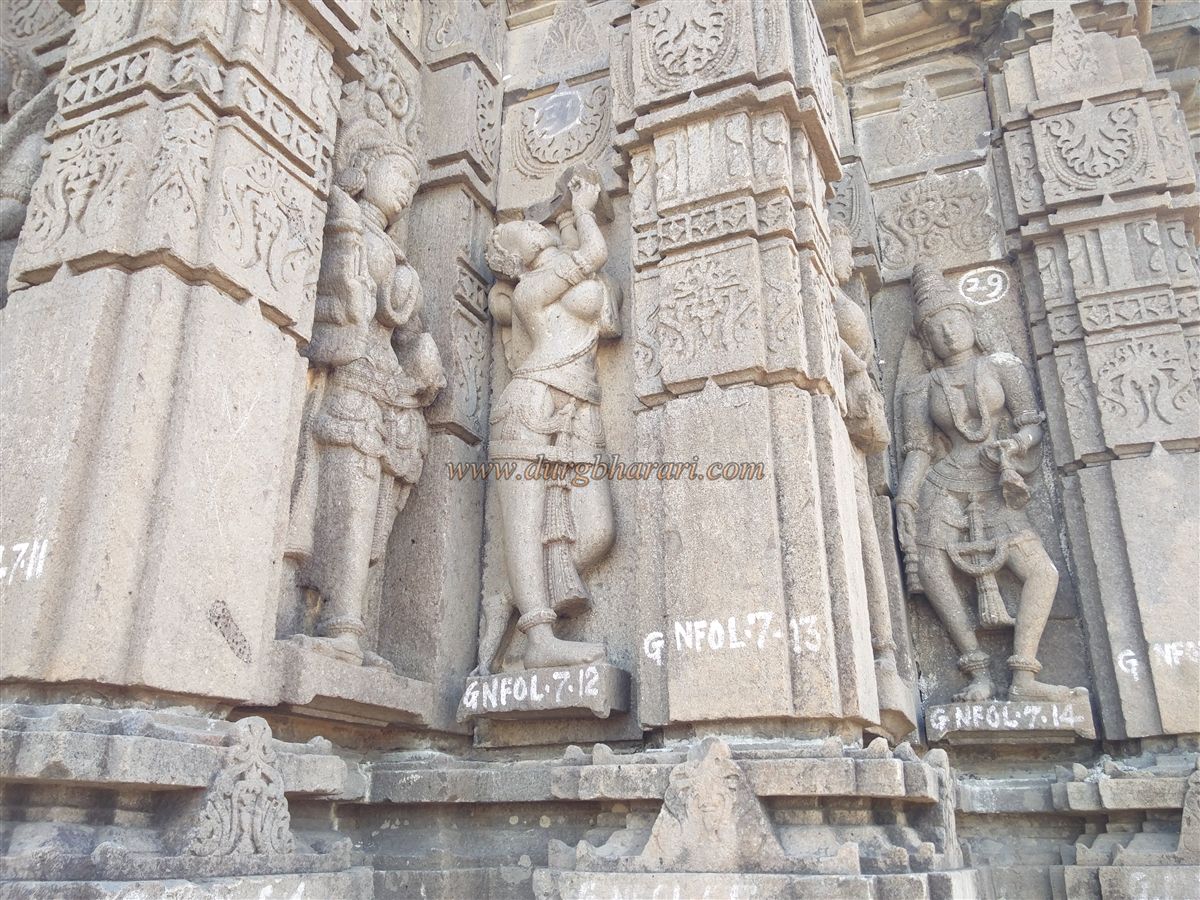
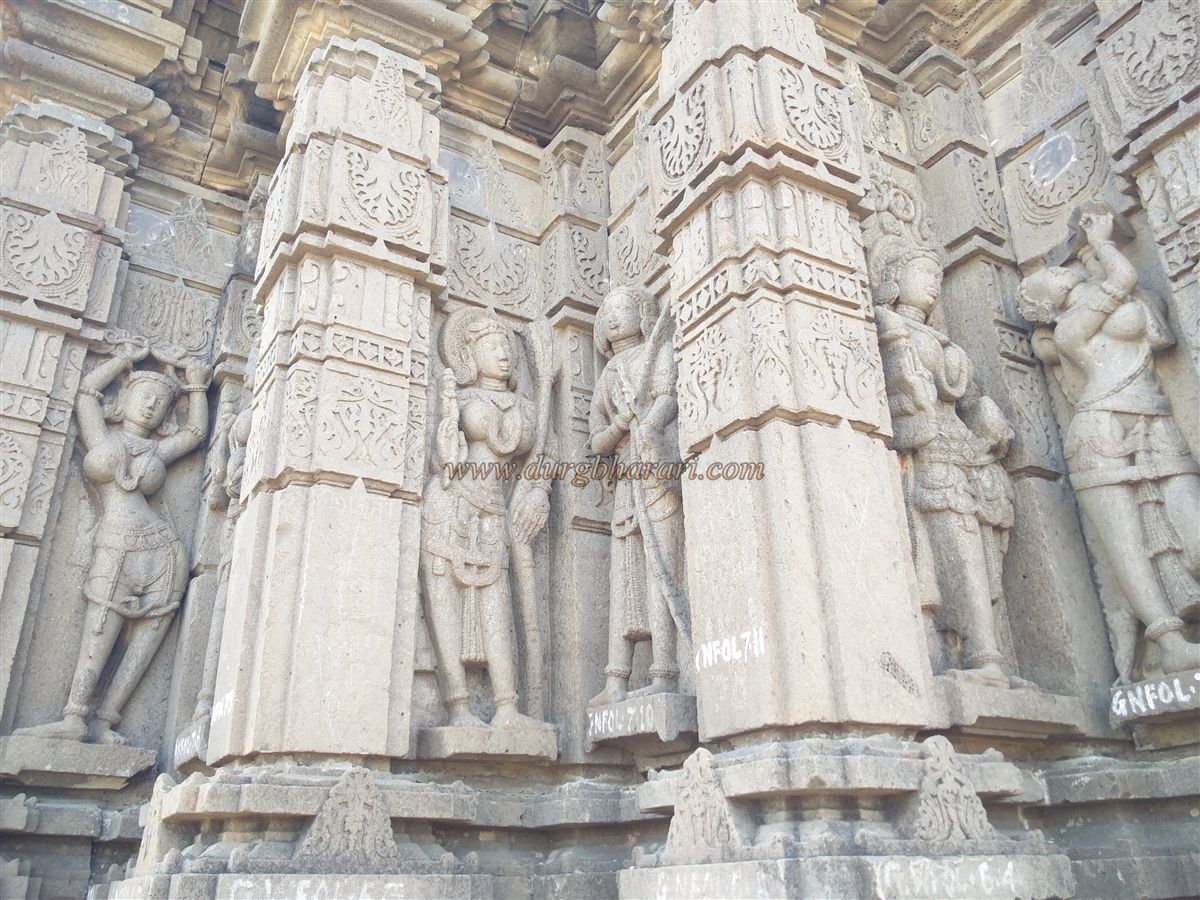
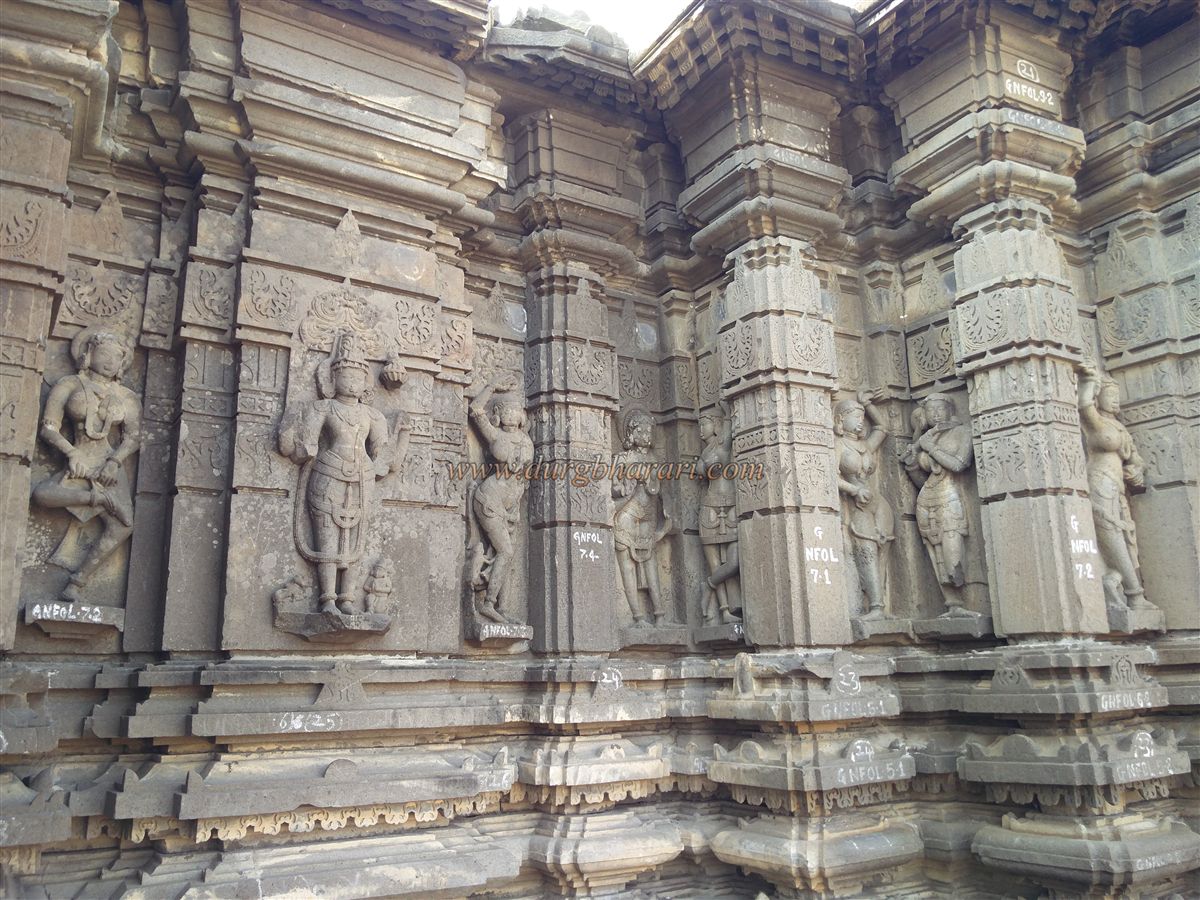
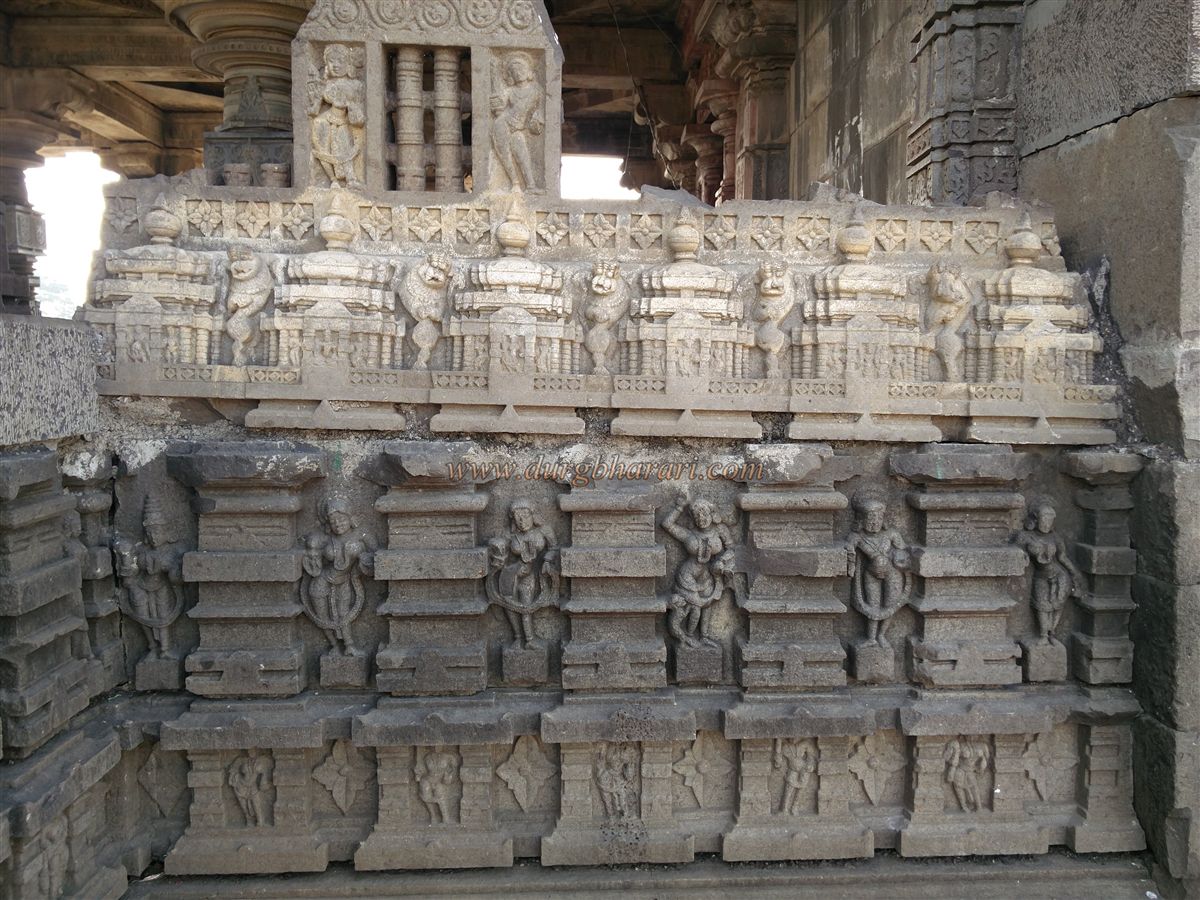
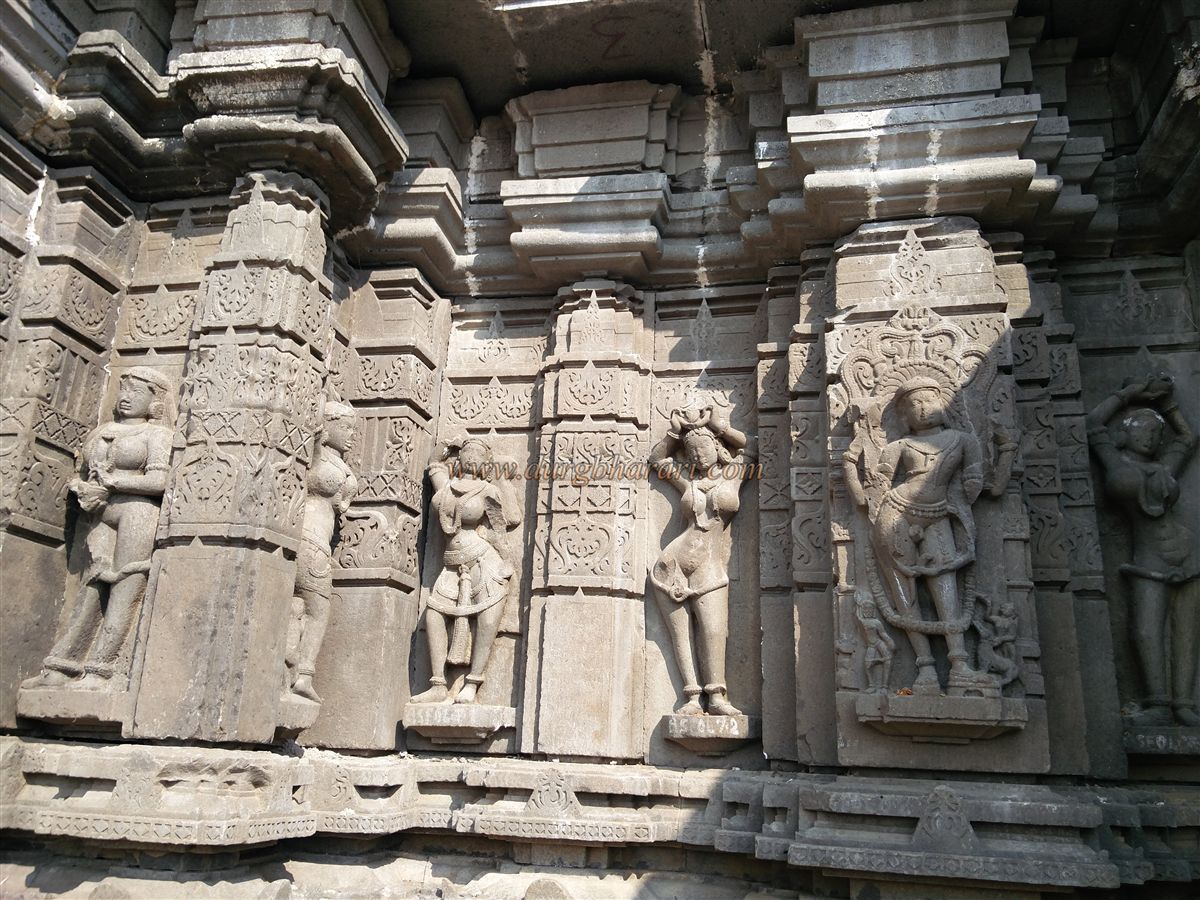
The outer walls of the temple are decorated with numerous deities and celestial maidens (Sursundari), including a striking six-armed dancing Ganesha. Various niches house images of Shiva in forms such as Kevala, Vrishabharudha, Bhairav, Natesha, and Andhakasura-sanhar.
A unique feature is the provision for ritual bathing (Abhishek): even when access to the sanctum is restricted, devotees can perform Abhishek by pouring water into a stone channel located on the pradakshina path, which carries the water directly to the Shiva ling inside.
An inscription from the reign of King Someshwar II (1068–1076 CE) found at this temple provides crucial historical information. Composed in poetic form in Nagari script by a scribe named Lakshman on Kartik Purnima, the inscription states that a feudal lord named Siddhugi built the temple. He styled himself as a Mahamandaleshwar.
The text of the inscription reads in part: “Tenā saṃsthāpitaḥ sthāṇuḥ kalyāṇe guṇināṃ gṛhe / Pure Chālukya-candrasya Someshvara-mahipateḥ // 33 //Niṣkaṃ drammaṃ ca bhūmiśo grāme pure / Dadau tasmai sa devāya Chandra-rāśi-guroḥ puraḥ // 34 //"
This poetic inscription comprises 43 stanzas — 4 of them in two lines and the rest in four-line verses — totaling 164 lines inscribed on two sides of a stone pillar. Though it does not explicitly mention a date, stylistic and contextual evidence firmly places it in the reign of Someshwar II.
The inscription begins with a hymn to Shiva, followed by a description of the Agastya ashram on the banks of the Manjra River, a tributary of the Godavari. It then details the lineage of the Vannhi-kula feudatories of the Chalukya, praising their contributions in wars, particularly the valor of Dhoraraja in the battle between Taila II and the Parmar king Munja. Further verses describe his successors, including his son Uttama, grandson Kalchuri, and great-grandson Arg (also known as Raibheya).
It records that Siddhugi, a friend of Arg, built this temple at Kalyani, collecting one gold coin (drama) and one silver coin (nishka) from each of the thousand villages under Arg's authority for the temple’s construction. One verse even observes, “A poet is a true friend of the king, for it is through his poetry that the king attains immortality.”
A short distance from Siddheshwar stands the Rebbeshwar Temple, named after its builder, Rebbanayaka, a Chalukya official. This east-facing temple also stands on a 4-foot plinth and measures 72 by 55 feet. It comprises a mukha-mandapa, a Gudh-mandap, an antaral, and a sanctum. Its lintel too features Gajlakshmi.
Though adorned with fewer sculptures than the Siddheshwar temple, the Rebbeshwar temple remains impressive in design. An inscription in Kannada dated 24 October 1120 CE (Chalukya Vikram year 45, Ashwayuja Amavasya, Solar Eclipse) records that Rebbanayaka endowed the temple with revenues from the villages of Hottal (then called Potala) and Madnur, under the orders of an officer named Kaleynayaka, during the reign of King Vikramaditya VI.
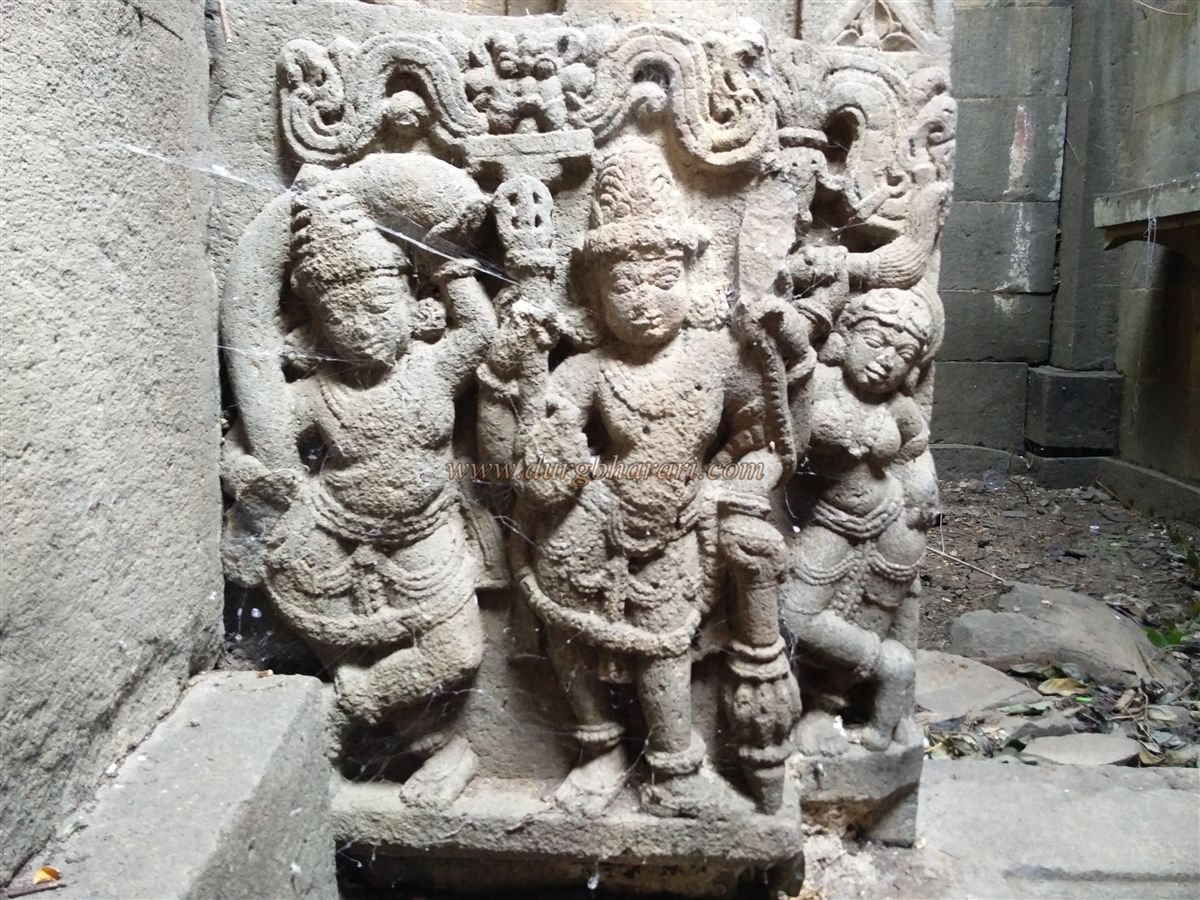
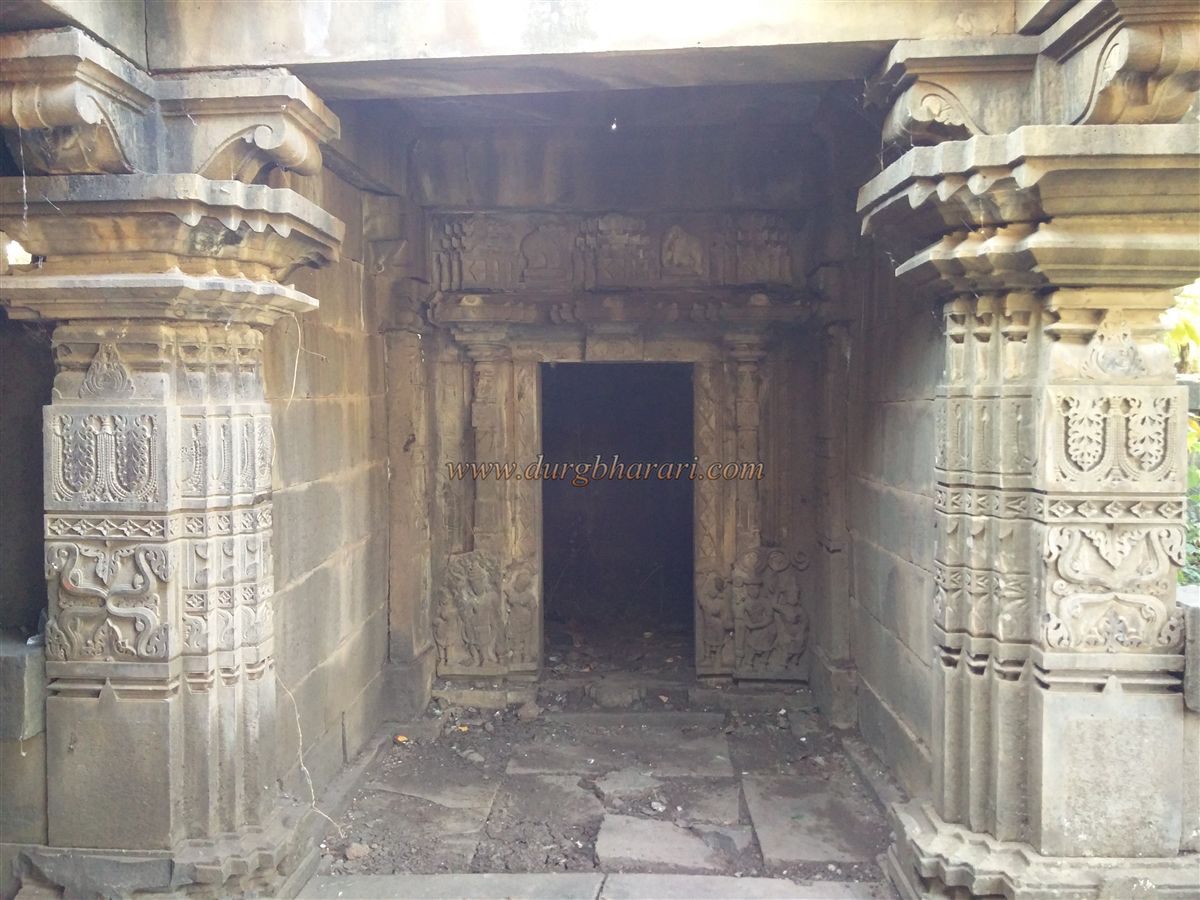
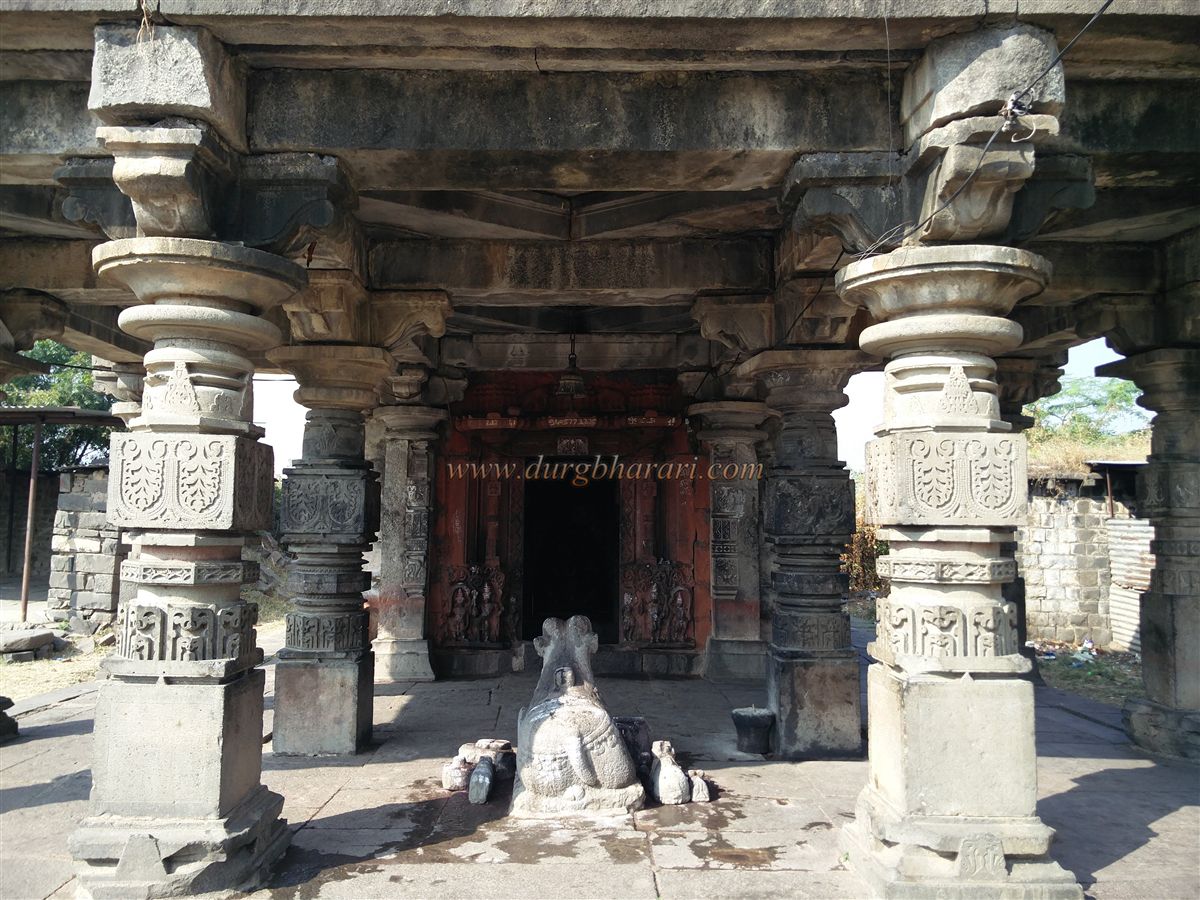
On the outskirts of the village lies the Someshwar Temple, a tri-shrine (tridal) structure dedicated to the Trimurti — Brahma, Vishnu, and Shiva. Measuring 76 by 65 feet, it features three separate sanctums, each with its own doorway flanked by dwarapal and lintels depicting Ganesha and Gajlakshmi.
The Gudh-mandap is supported by 14 ornately carved pillars. The outer walls feature numerous deities and celestial maidens, though dense thorny vegetation prevents circumambulation. Notable images include Vishnu, Narasimha, and Surya. Unfortunately, the temple is in poor condition, with carved panels scattered near a garbage heap and a beautiful Shiva-Hareshwar idol lying neglected by a drainage channel.
An inscription in Kannada on this temple, dated 31 October 1101 CE (Chalukya Vikram year 26, Vishnu Samvatsar, Kartik Shukla Ashtami, Uttarayana Sankranti), states that Rebbanayaka and others donated land at Erige (present-day Yergi) for the temple’s daily rituals.
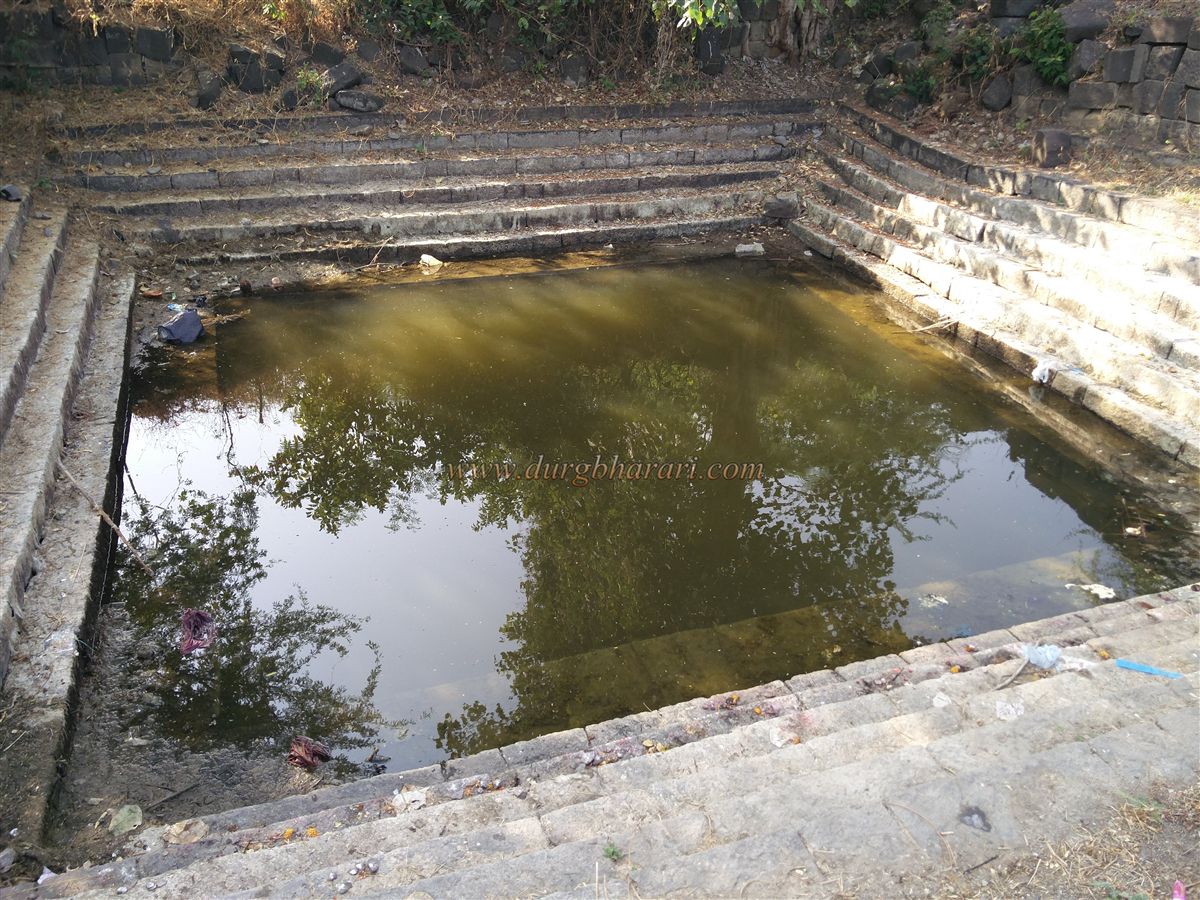
A finely built stone Pushkarni (stepped tank) lies nearby, now overgrown with algae.
Parameshwar Temple
The fourth temple, Parameshwar, stands on a 3-foot-high plinth and measures 54 by 25 feet. It has a Mandap, antaral, and sanctum, with a pradakshina-path around it. Its lintel too depicts Gajlakshmi. It is believed to have been constructed during the reign of Vikramaditya VI.
Hottal’s exquisite sculptures and temples are a cultural treasure for all of Maharashtra. In medieval times, Hottal (referred to in inscriptions as Pottal or Hottalkere) served as a sub-capital of the Chalukya of Kalyani, particularly the Vannhi-kula feudatories. The name "Pottal" refers to a high hill, fitting for a settlement perched on elevated ground. Linguistically, in Kannada, the "P" sound often transforms into "H," explaining the evolution from Pottal to Hottal.
An inscription of King Jayasimha II (c. 1033 CE) references Hottalkere, confirming the village’s prominence during the Chalukya period.
© Suresh Nimbalkar
GALLERY