HOLKAR TIRTH
TYPE : STEPWELL / MONUMENTS
DISTRICT : AURANGABAD
Holkar Tirth (Shivalay Tirth) is one of the most significant sacred water tanks at the pilgrimage site of Verul (Ellora).
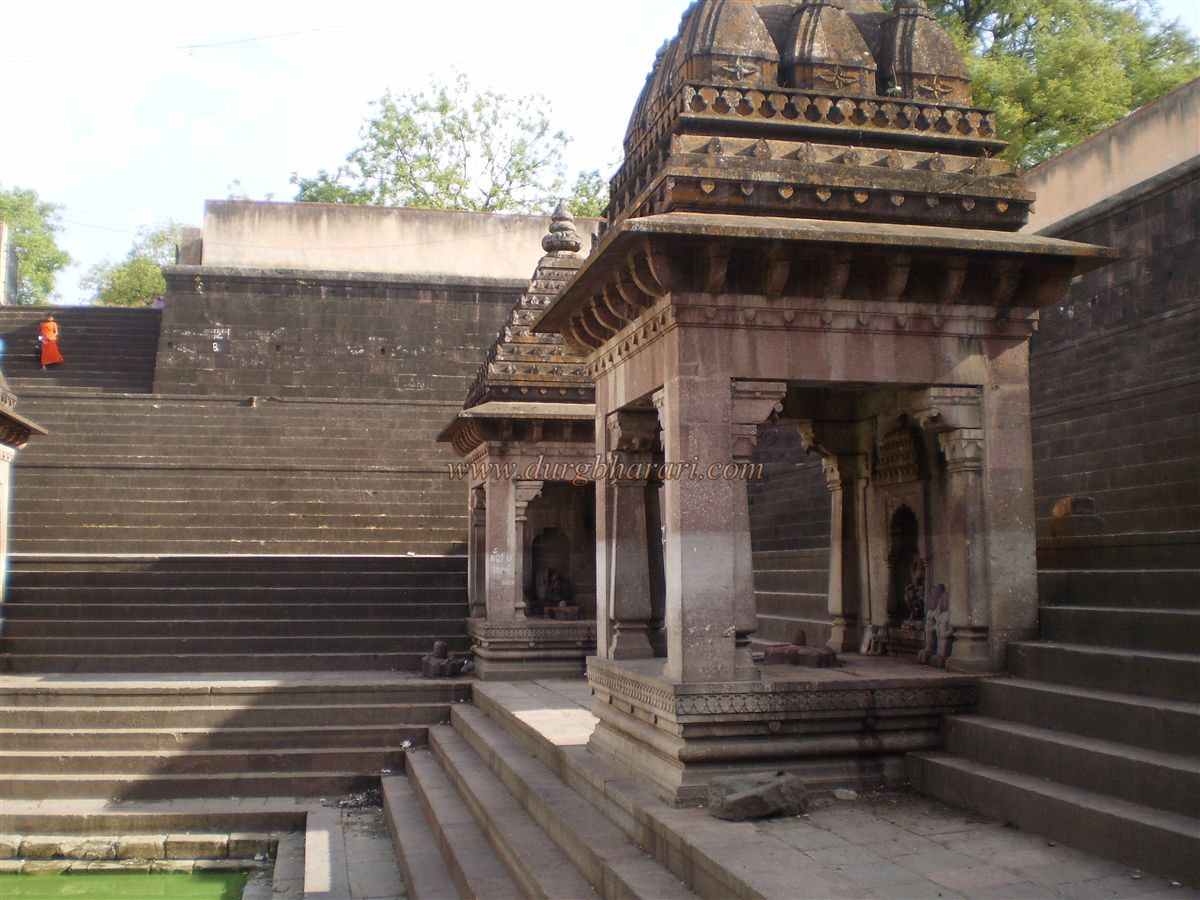
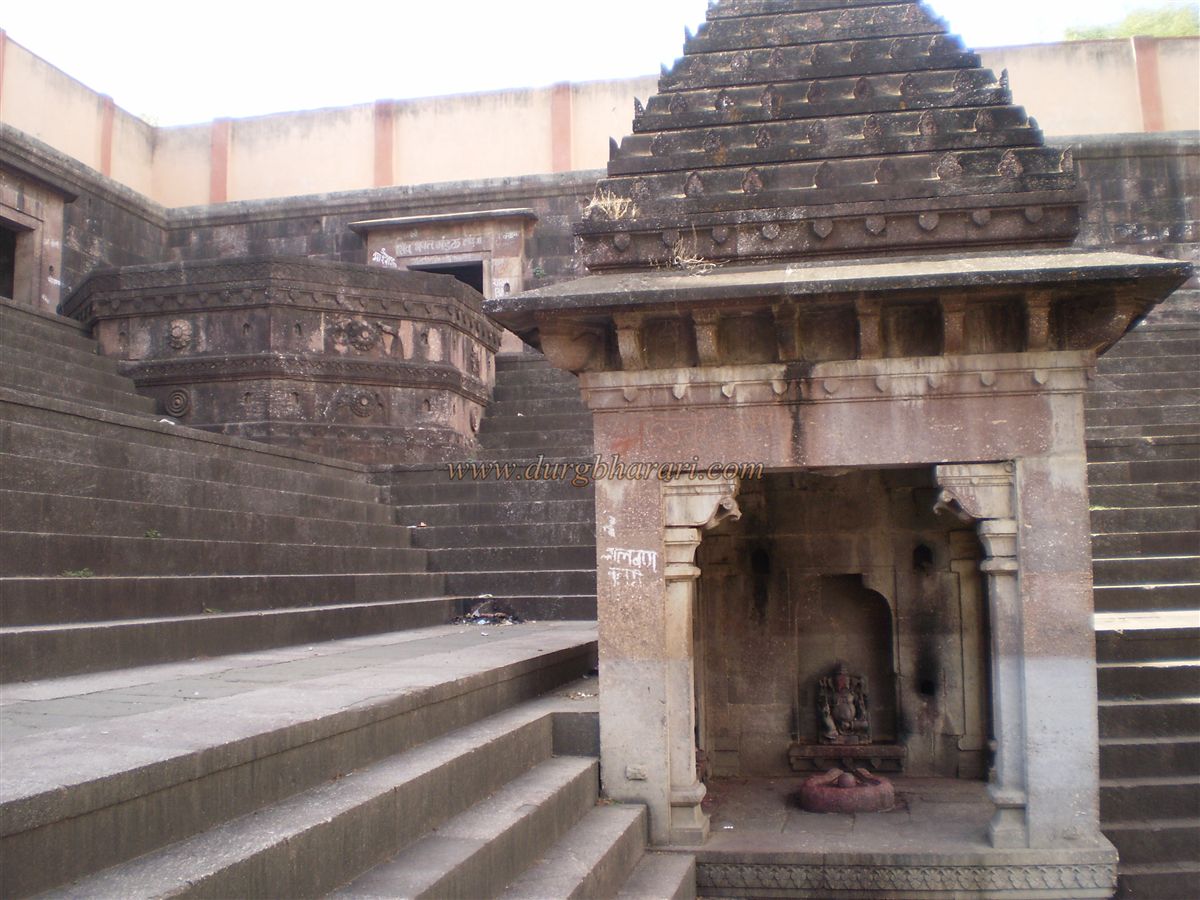
Built entirely of red sandstone, this magnificent stepwell features four grand entrances, one on each side, and a total of 56 steps on all sides. Remarkably, on the 41st step, one can see carvings of a cow’s hoof-print (Gomukh) and Vishnupad (footprint of Vishnu), adding a deep spiritual symbolism to the site.
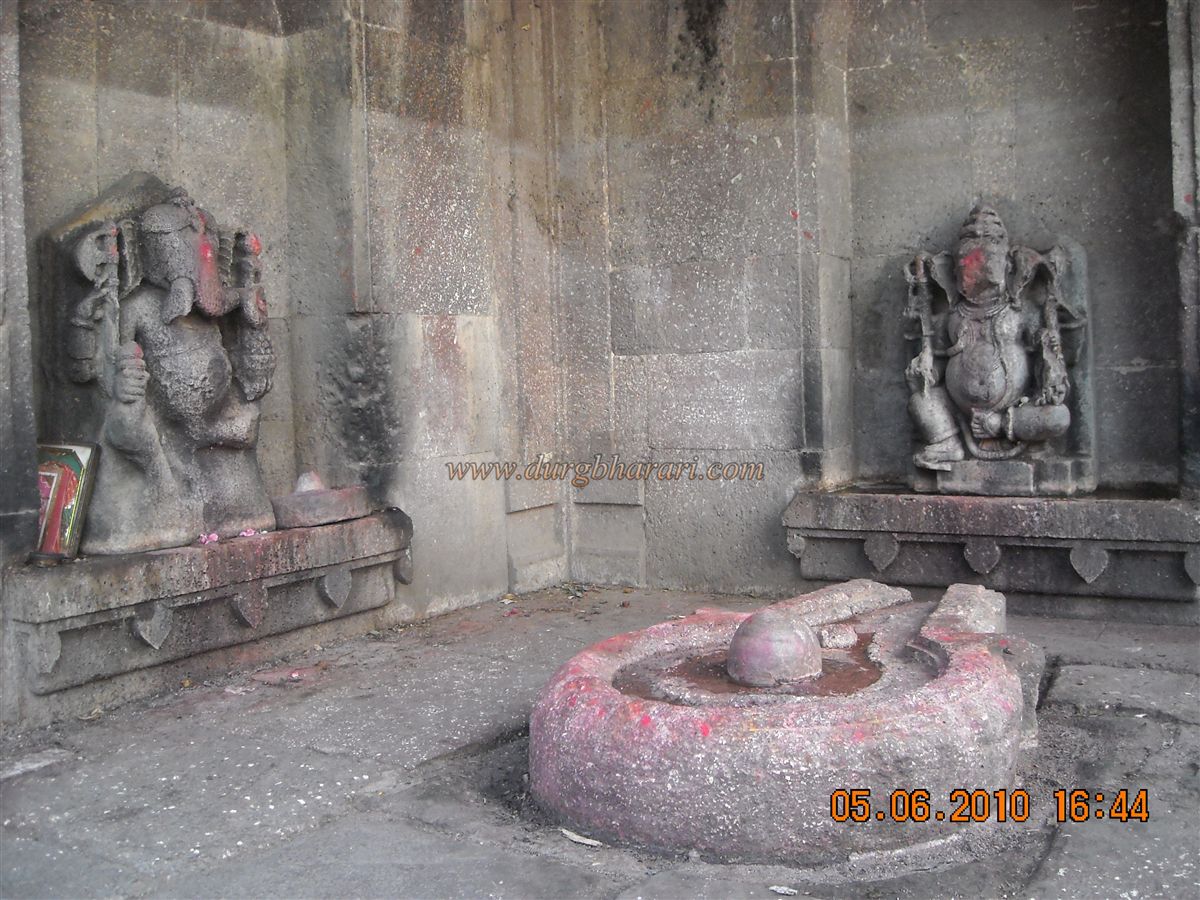
At each of the eight directions around the stepwell stand beautifully crafted shrines dedicated to the Ashta Tirtha deities.
According to local legend, King Elraja performed penance here and pleased Lord Brahma, who, in turn, gathered the holy waters of eight sacred Tirth to create this Shivalay Tirth. This very legend suggests that the origins of this Tirtha are truly ancient.
...
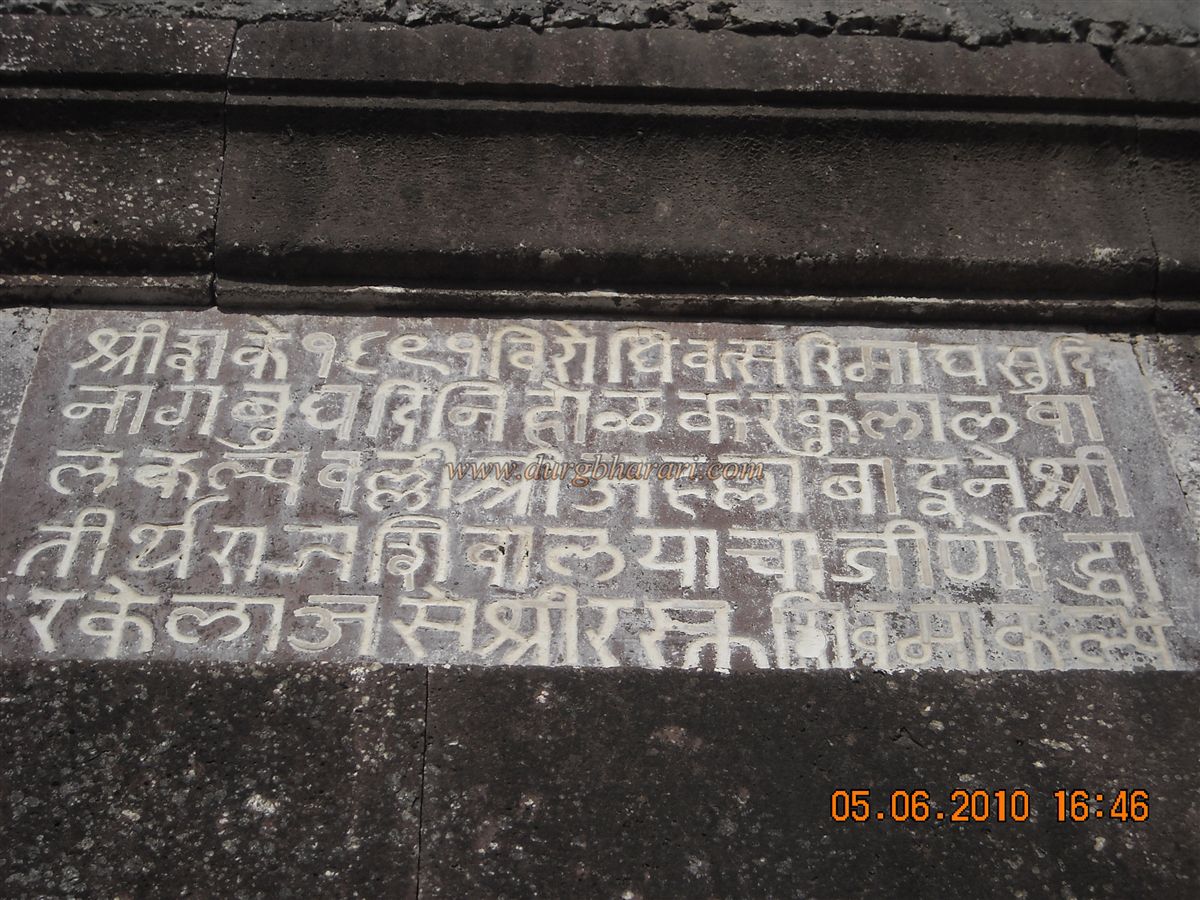
A stone inscription at the site records that the renowned Maratha queen, Punyashlok Ahilyabai Holkar, renovated and rebuilt the Tirtha in 1769 CE. Ahilyabai, known for her devotion and large-scale temple restorations across India, also built here a shrine dedicated to her family deity, Lord Khandoba.
Traditionally, devotees visiting Ghrishneshwar Jyotirlinga first take a ritual bath at this Tirtha, then visit Shri Lakshminayaka, and only then proceed for the darshan of Shri Ghrishneshwar. Even today, on the auspicious occasion of Maha Shivratri, the palanquin (Palkhi) of Lord Ghrishneshwar is ceremonially brought here for a holy bath.
This sacred stepwell is also popularly known as the Ahilyabai Holkar Bawdi.
Holkar Tirth is located just 31 km from Aurangabad and only a 6-minute walk from Ghrishneshwar Jyotirlinga Temple, making it an easily accessible yet often-overlooked gem of Ellora’s spiritual landscape.
A visit to this historic and sacred stepwell is truly worthwhile — a blend of devotion, history, and architectural beauty that speaks of an era when such water structures were central to community and religious life.
© Suresh Nimbalkar
GALLERY