HINGLAJ
TYPE : FORTRESS
DISTRICT : AMRAVATI
HEIGHT : 0
GRADE : EASY
In Amravati district, the number of forts and fortified structures is small enough to be counted on one’s fingers. These include the mighty Gavilgad Fort, the Nagar Durga of Achalpur, and the small fort of Amner. In this region, a few gadhis (small forts) were built for administrative purposes, though they too are few in number. These include the forts at Karjgaon, Sultanpura, and Hinglaj — though it remains uncertain how many of them were actually used for administrative work. In the entire Amravati district, only these three medieval-era gadhis can be found.
Among them, the Hinglaj Gadhi is a temple fort, named after the temple of Goddess Hinglaj located within it. It was not constructed for administrative purposes but as a fortified structure to protect the temple. Hinglaj Gadhi is situated about 25 km from Amravati city and 17 km from Badnera. Upon entering Hinglaj village, a road on the left takes you directly to the fort’s gateway.
...
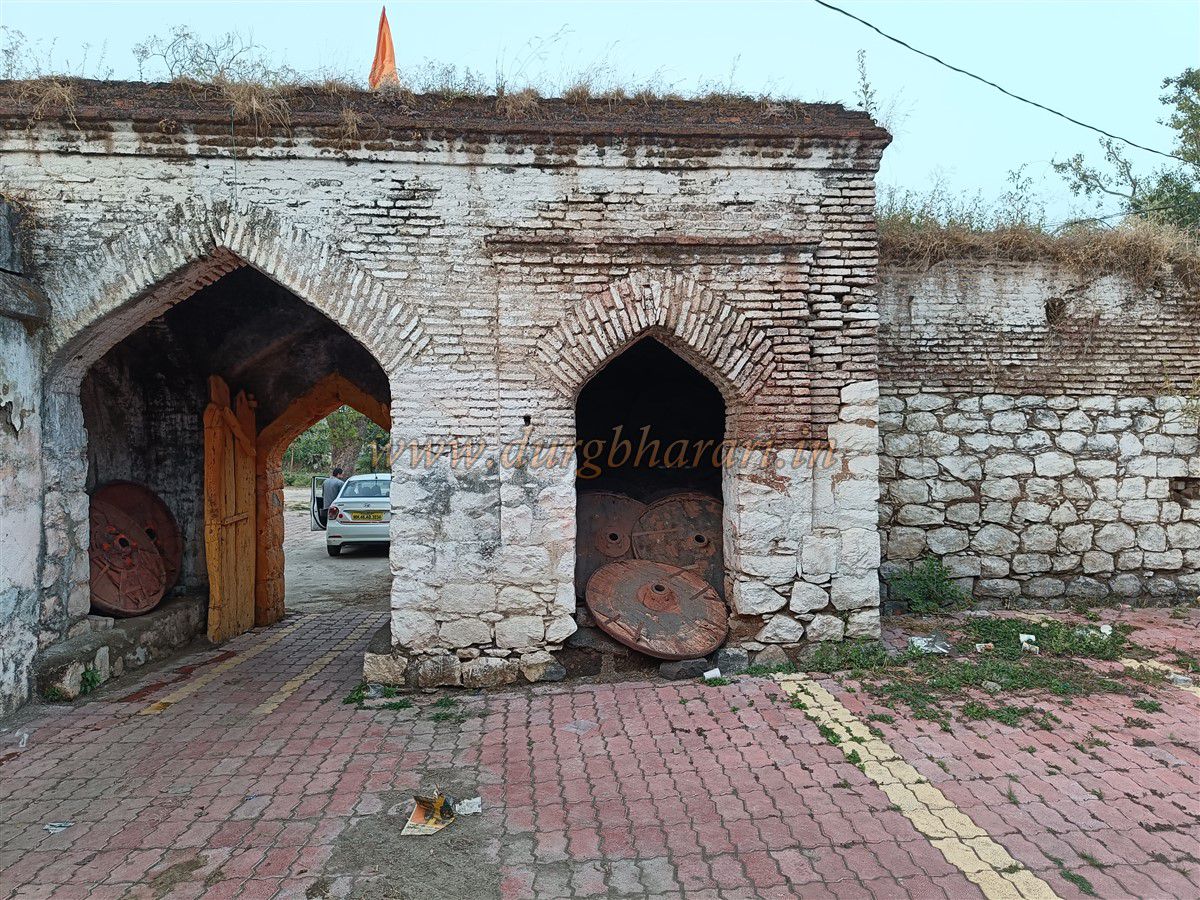
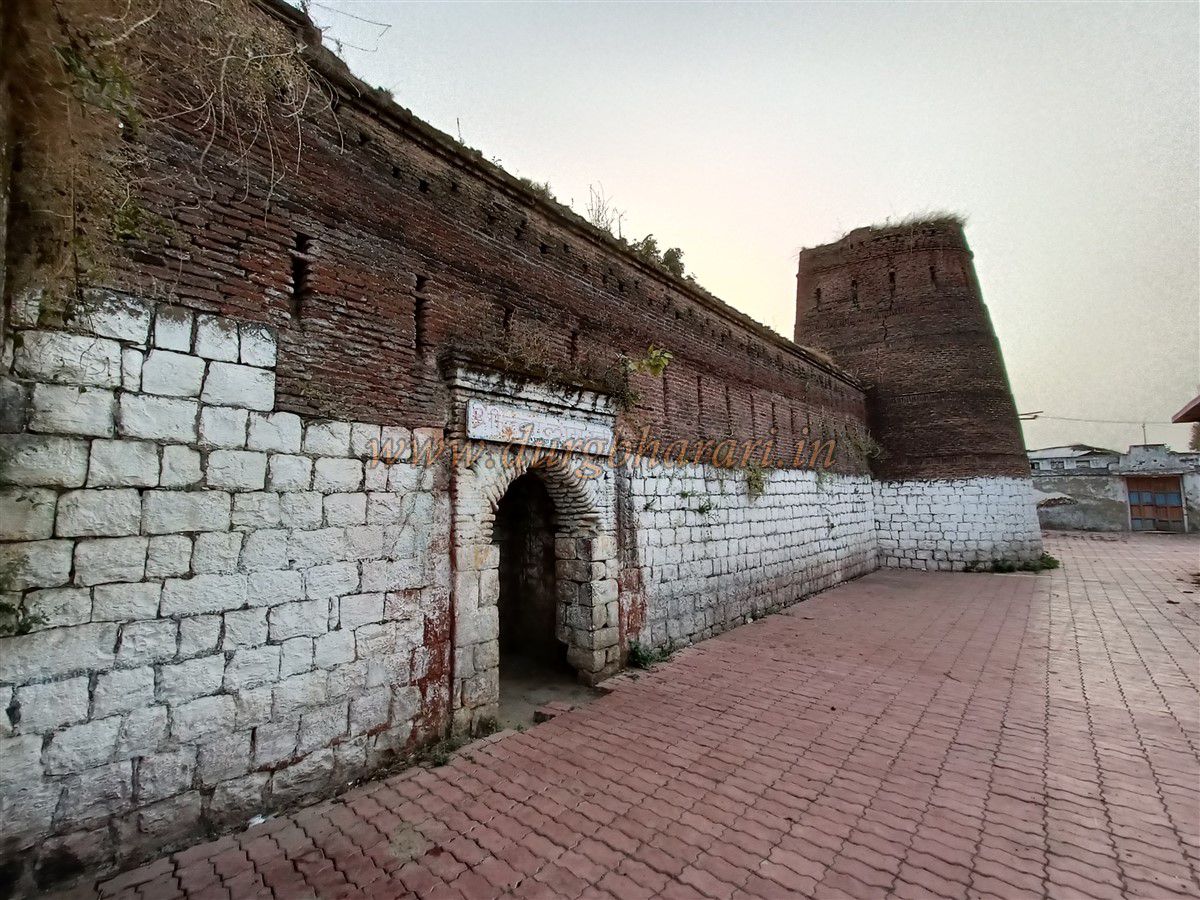
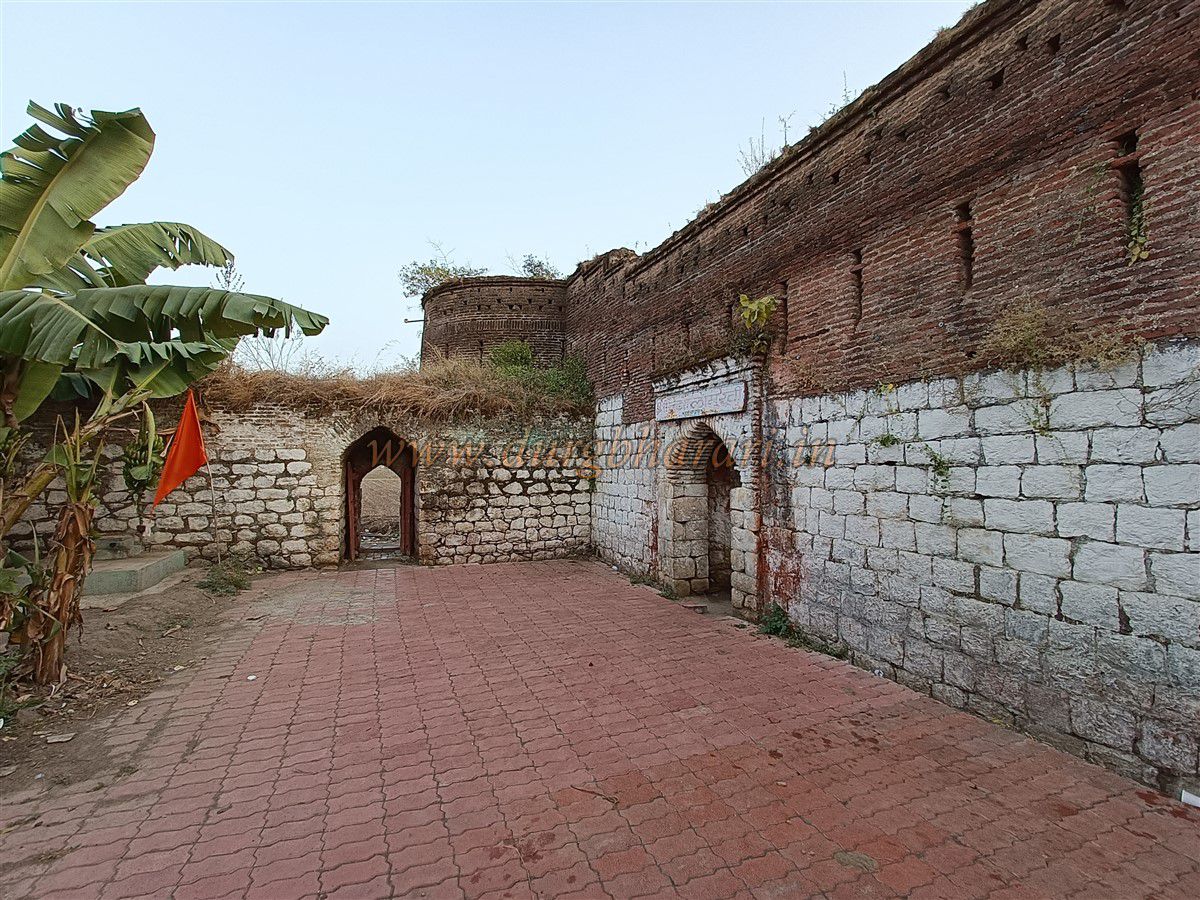
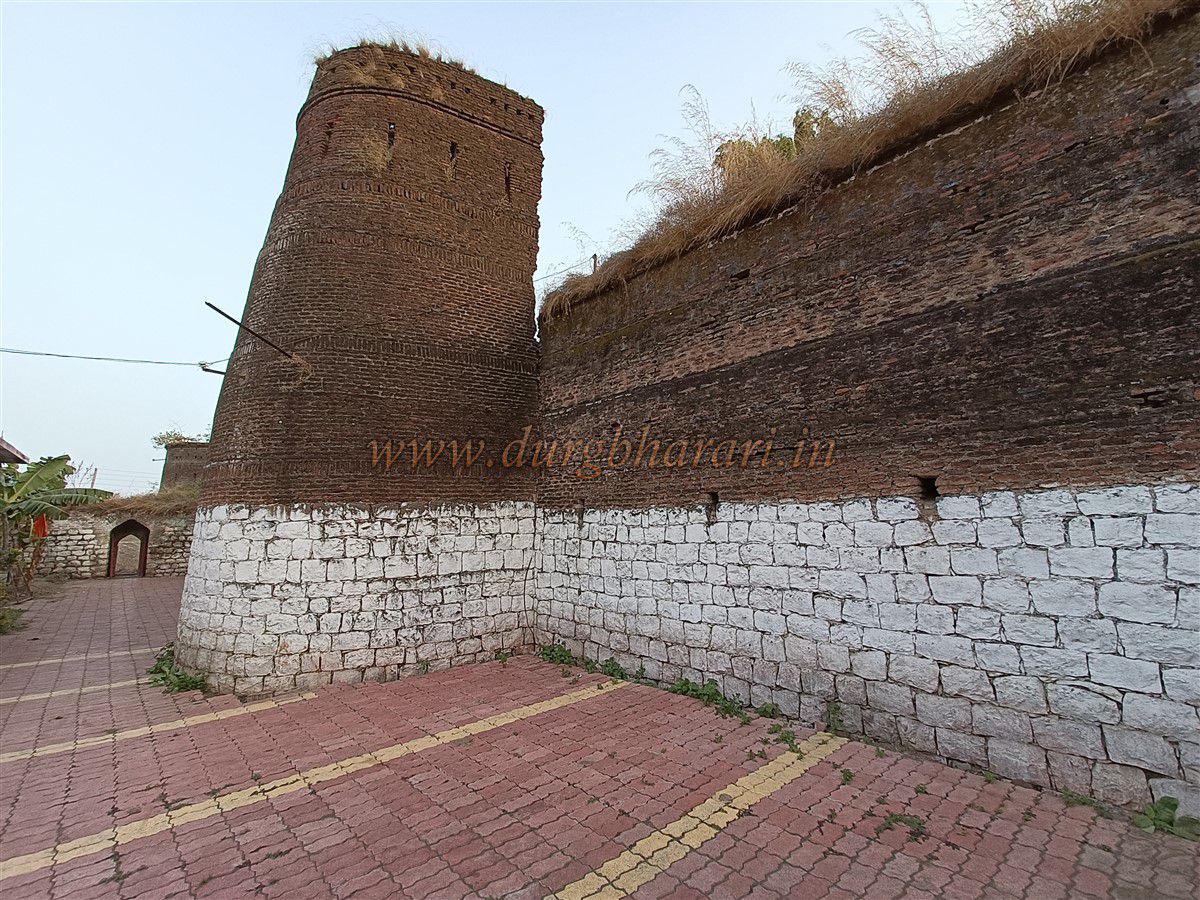
The Hinglaj Gadhi comprises two sections — the main gadhi (inner fort) and the surrounding parkot (outer fortification). The main entrance to the parkot lies to the west, built between two bastions. The wooden doors of this gateway still survive, and inside are guard chambers (devdis). In addition, there are two smaller entrances to the parkot — one on the eastern side and another on the northern side.
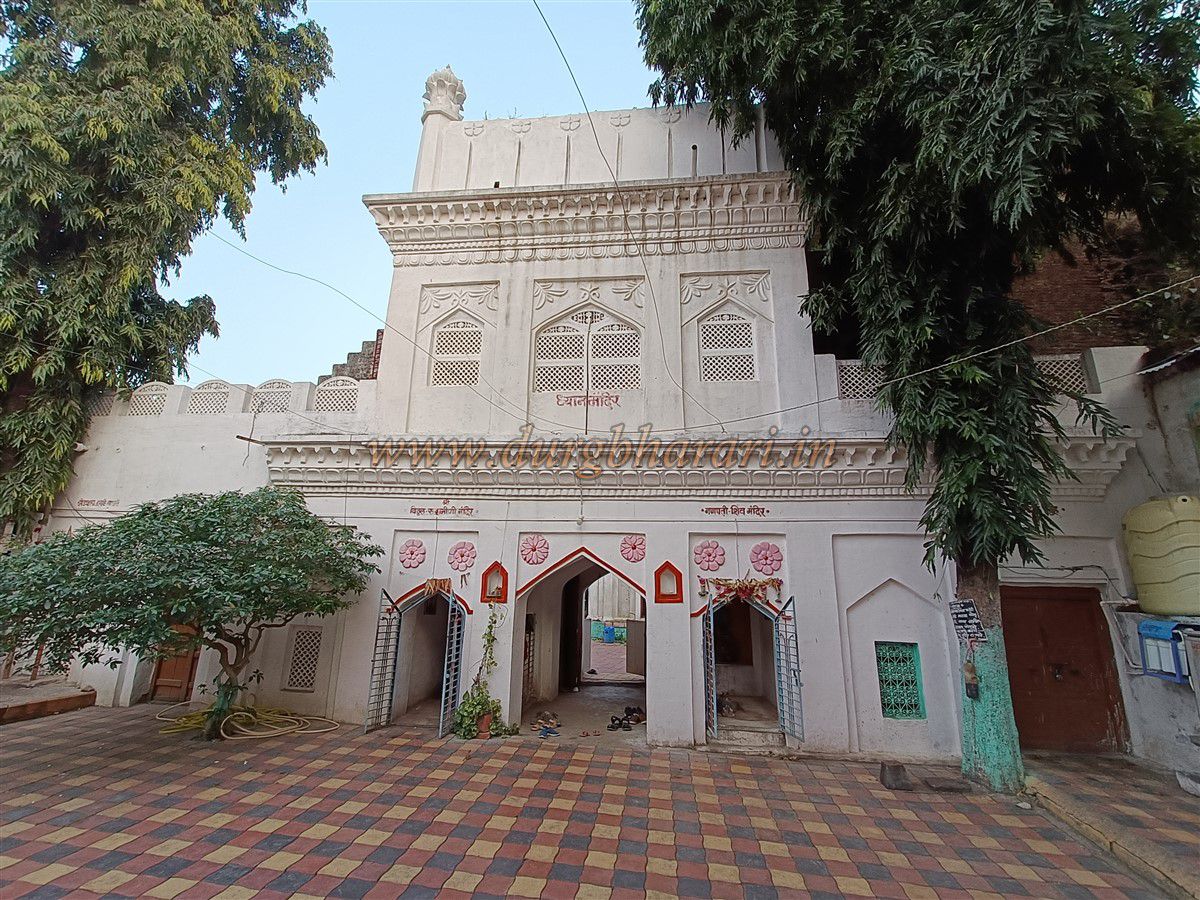
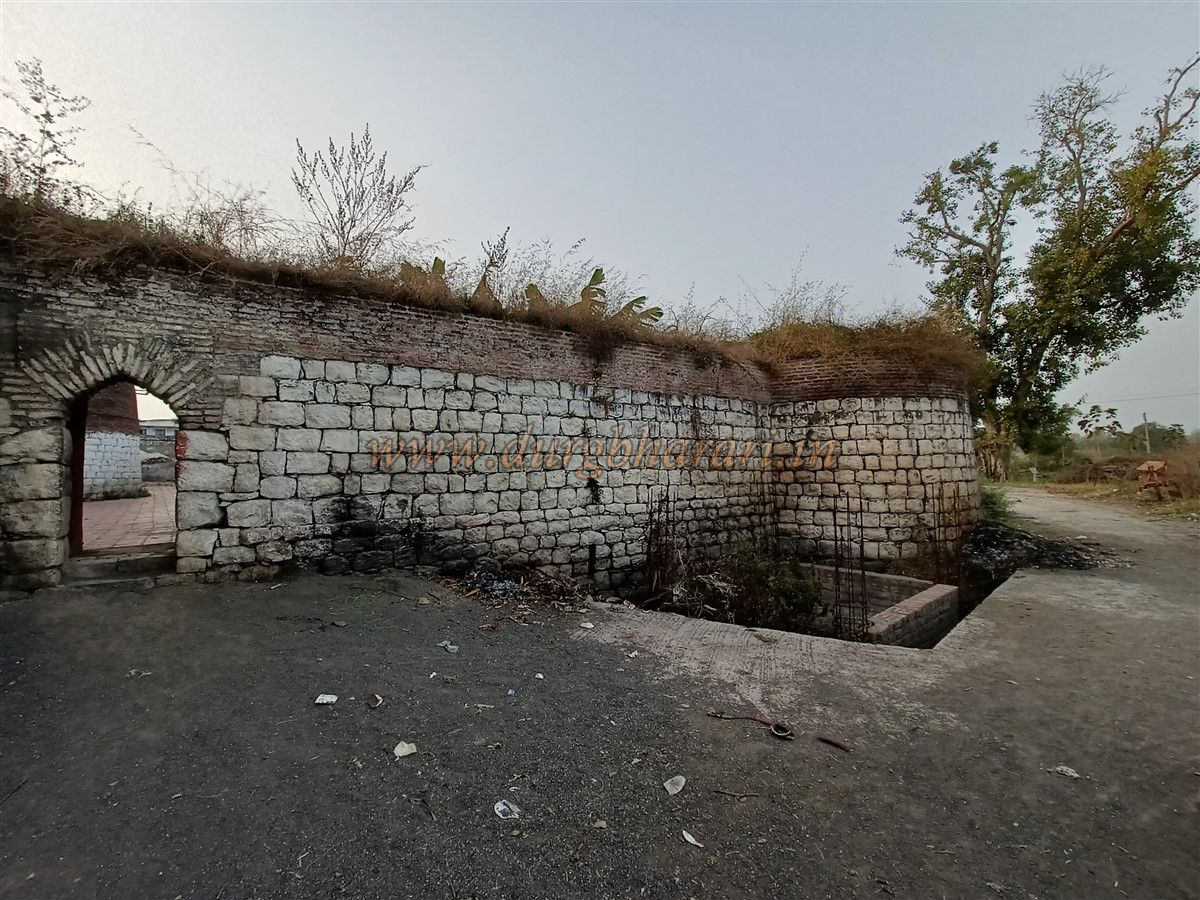
The fort walls are approximately 20 feet high, with the lower half constructed in stone and the upper portion in bricks. The entire parkot covers roughly one acre, while the inner gadhi occupies an area of around nine Guntha. Upon entering the parkot through the main gate, one encounters the wall and bastion of the inner fort directly ahead. To the left of this bastion is another gateway leading to the main gadhi. Adjacent to this gateway is another entrance to the second section of the parkot.
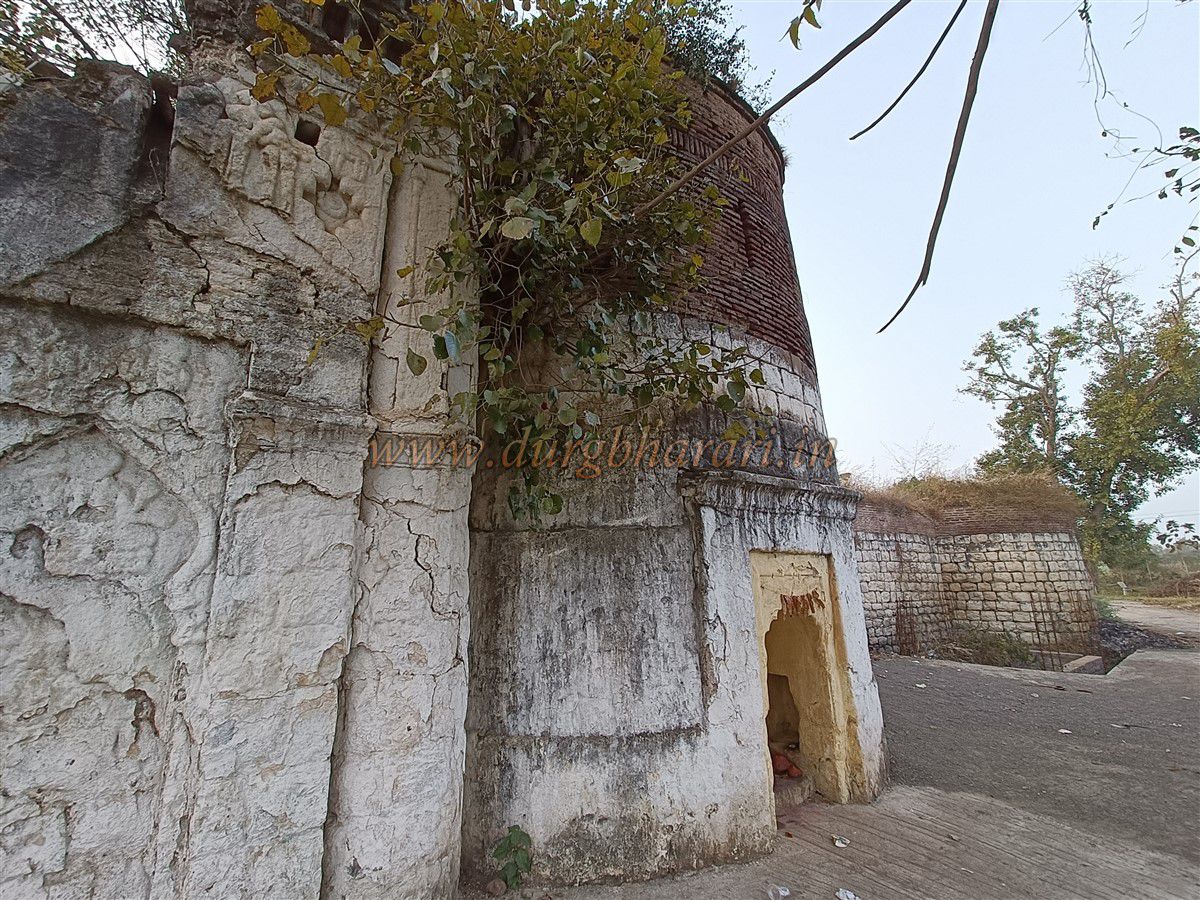
Outside this entrance, along the fortification, is a large storehouse and a chamber within the bastion — both of which are now used for housing deities. Entering through the inner gate leads to the second section of the parkot, where there are three gates — one leading to the main gadhi and another providing access to the second part of the parkot.
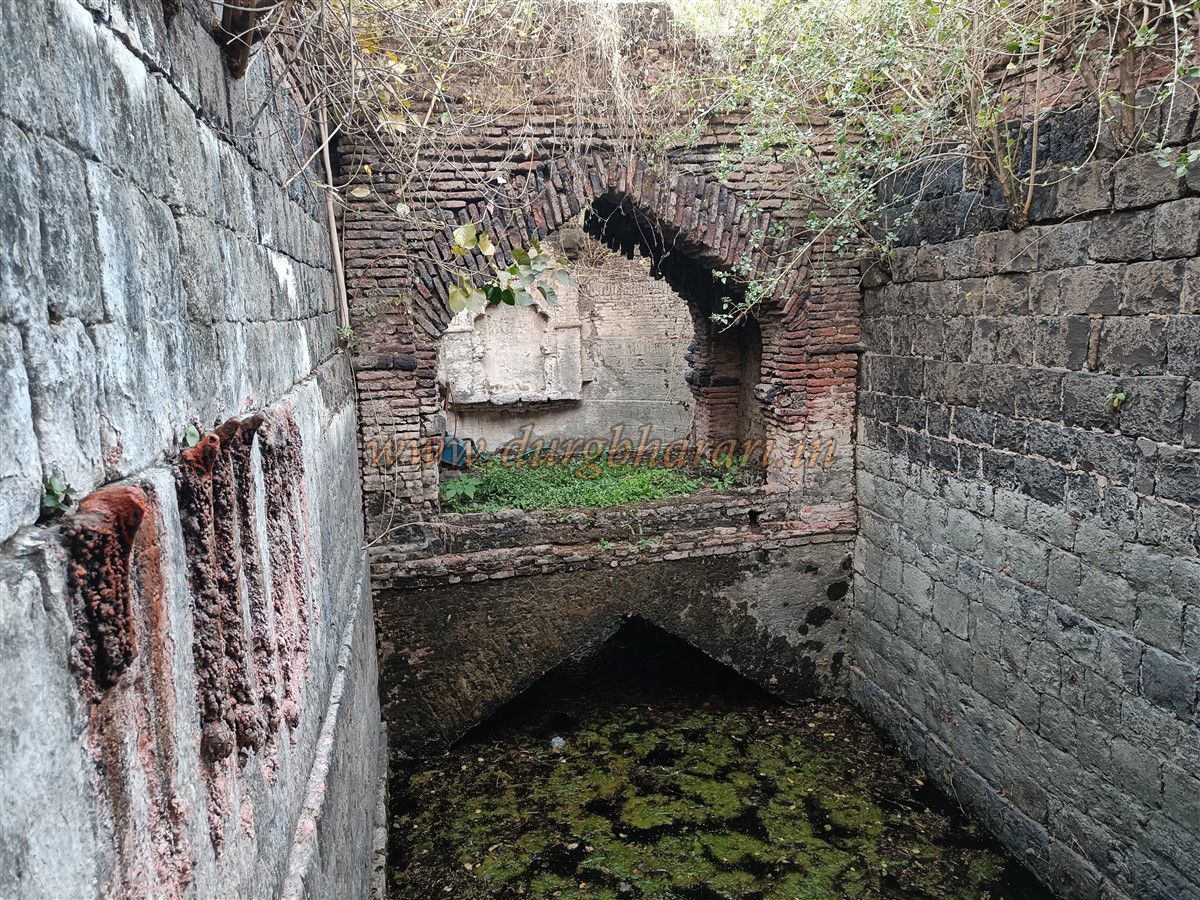
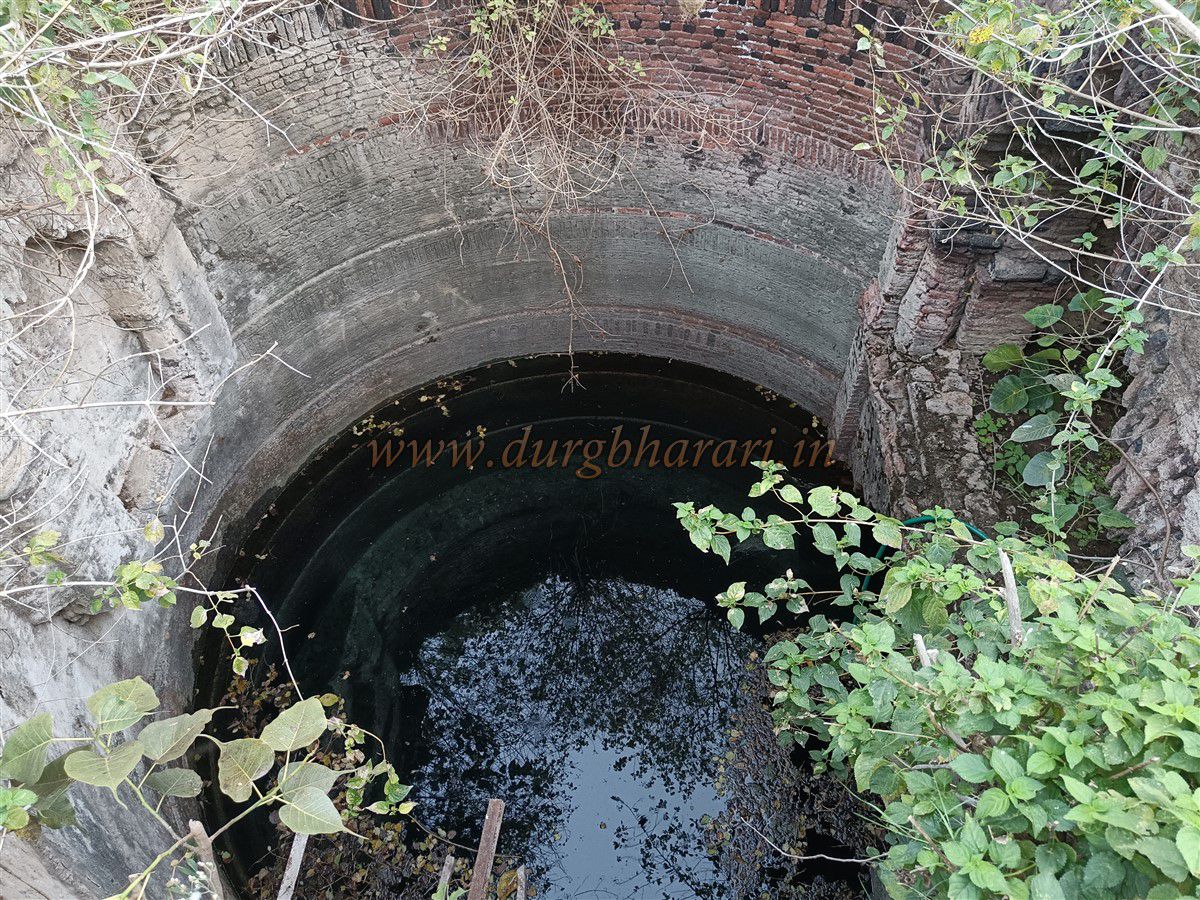
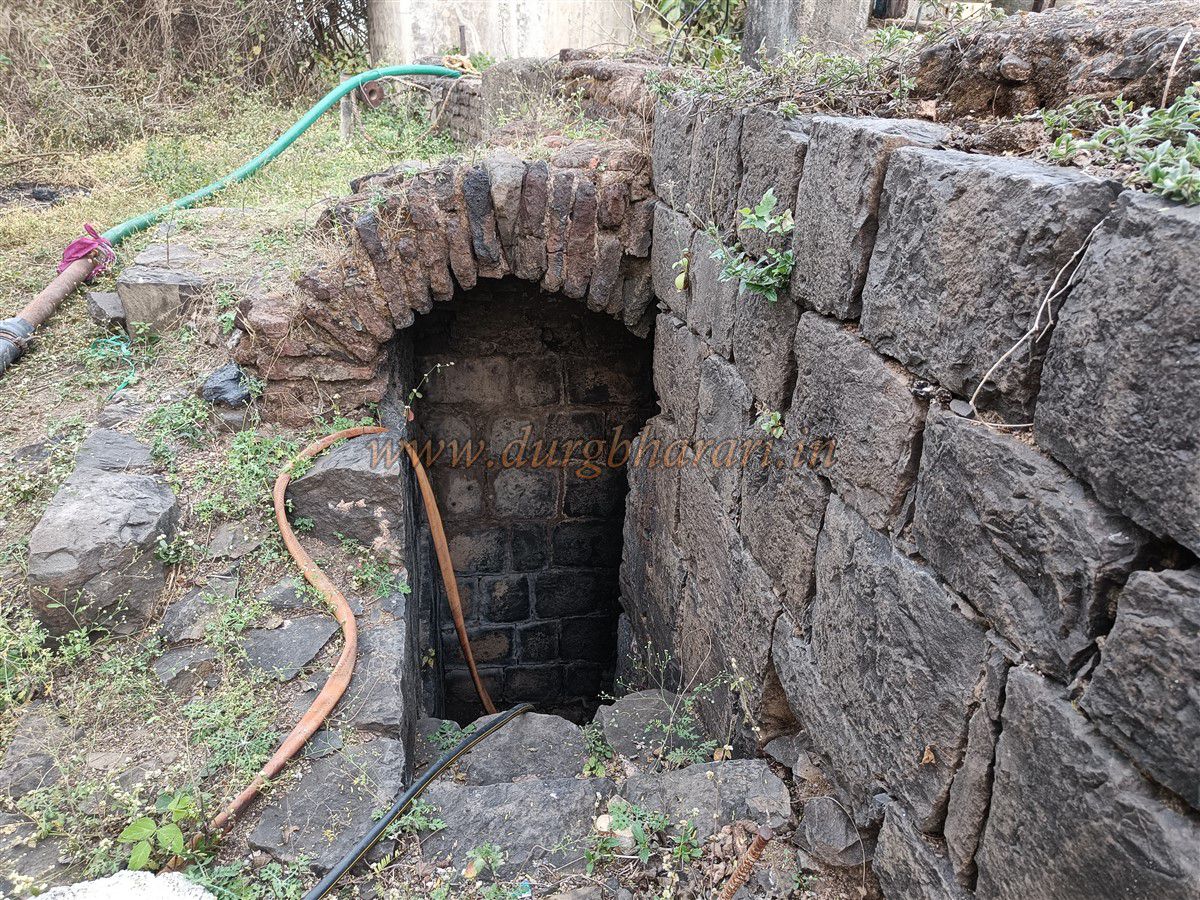
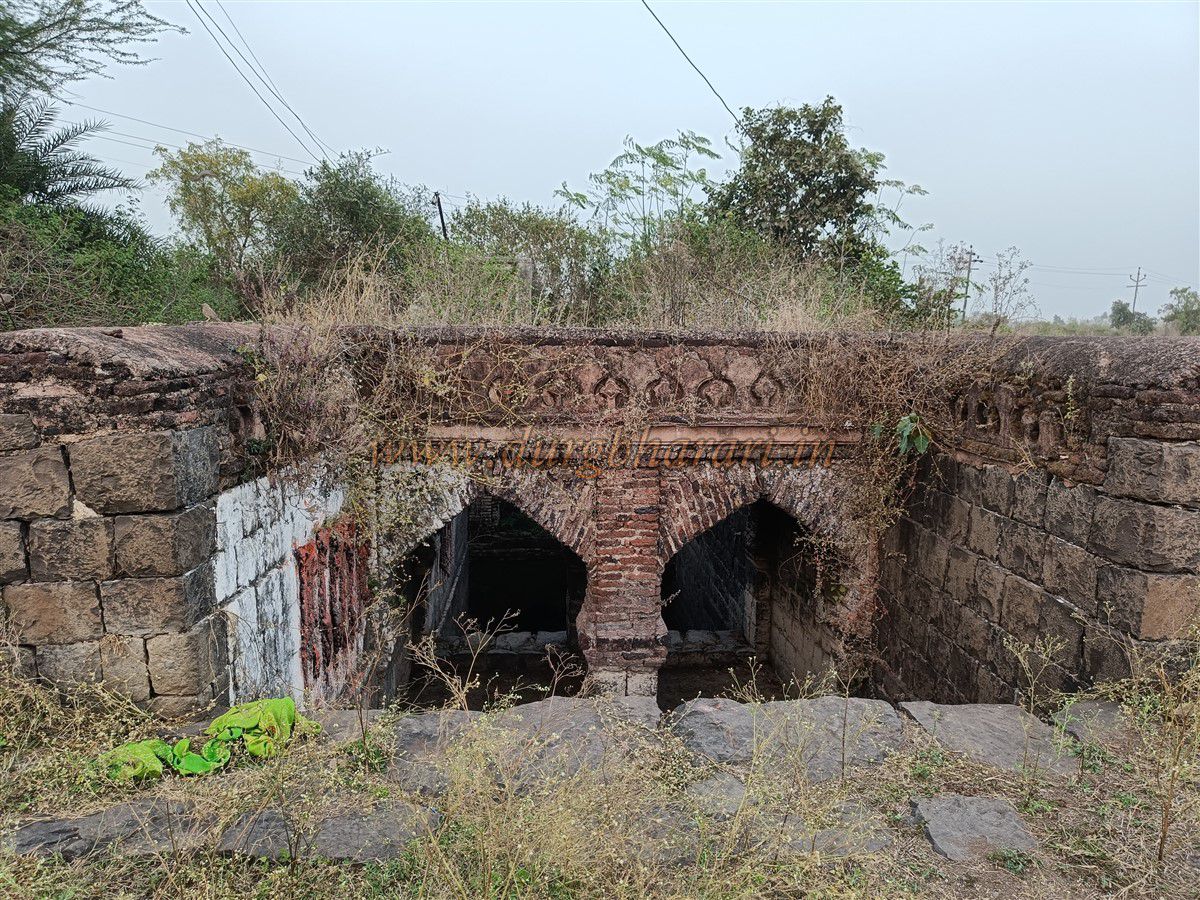
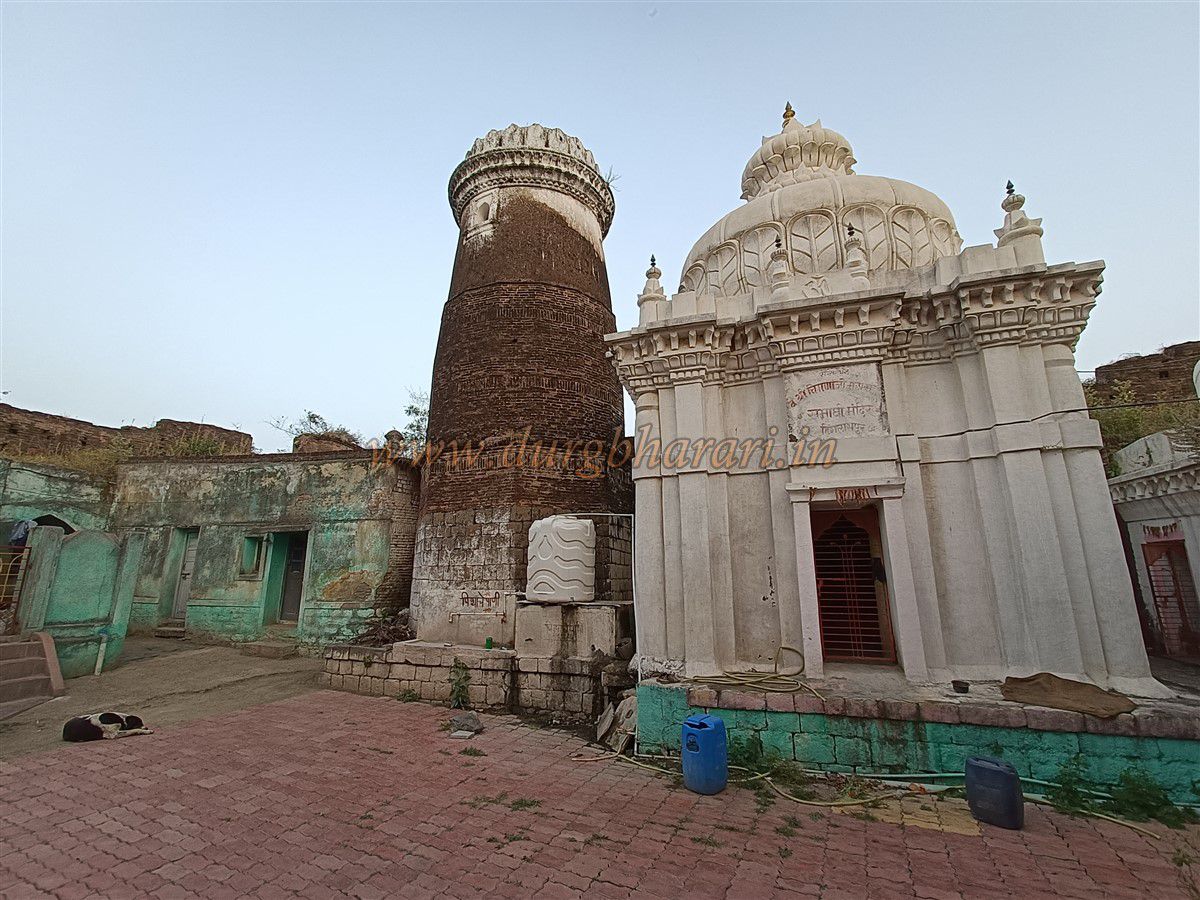
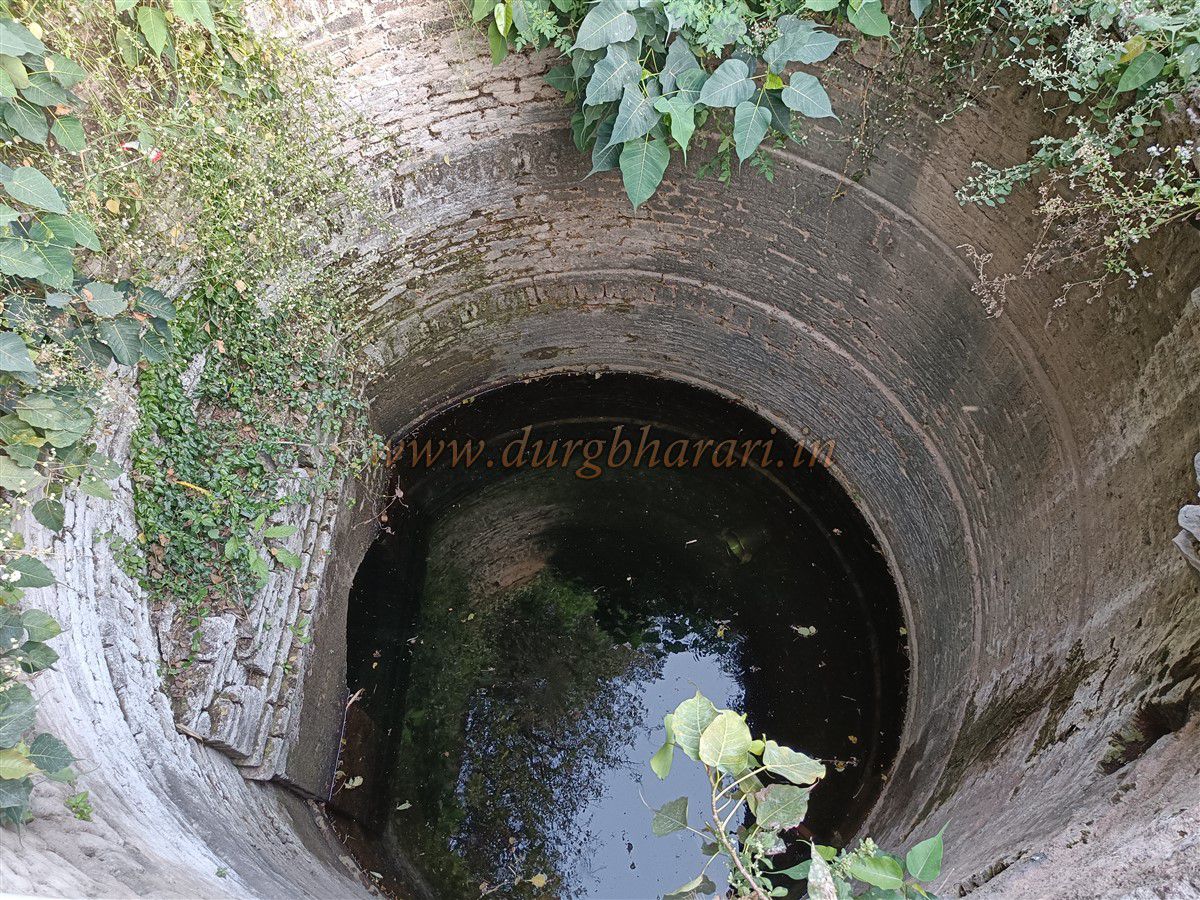
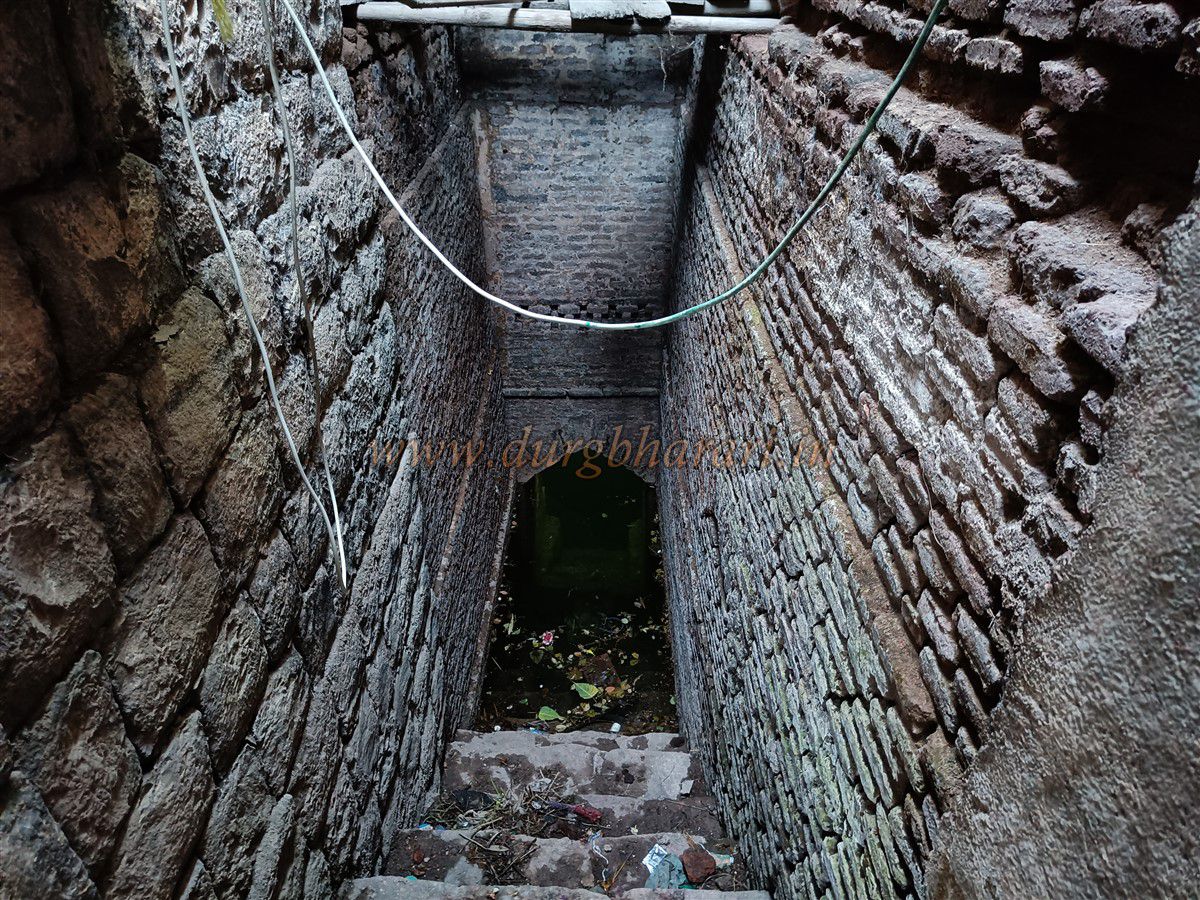
Above the main gateway to the gadhi is a Nagarkhana (drum chamber). Inside this section are two temples, a tall brick-built watchtower, and an unusually designed well. The tower is higher than the bastions and would have provided a good vantage point to observe the surrounding area. The well is uniquely designed: steps inside the fort lead down to fetch water, while from outside the wall (the outer parkot side), water could be drawn using a pulley system.
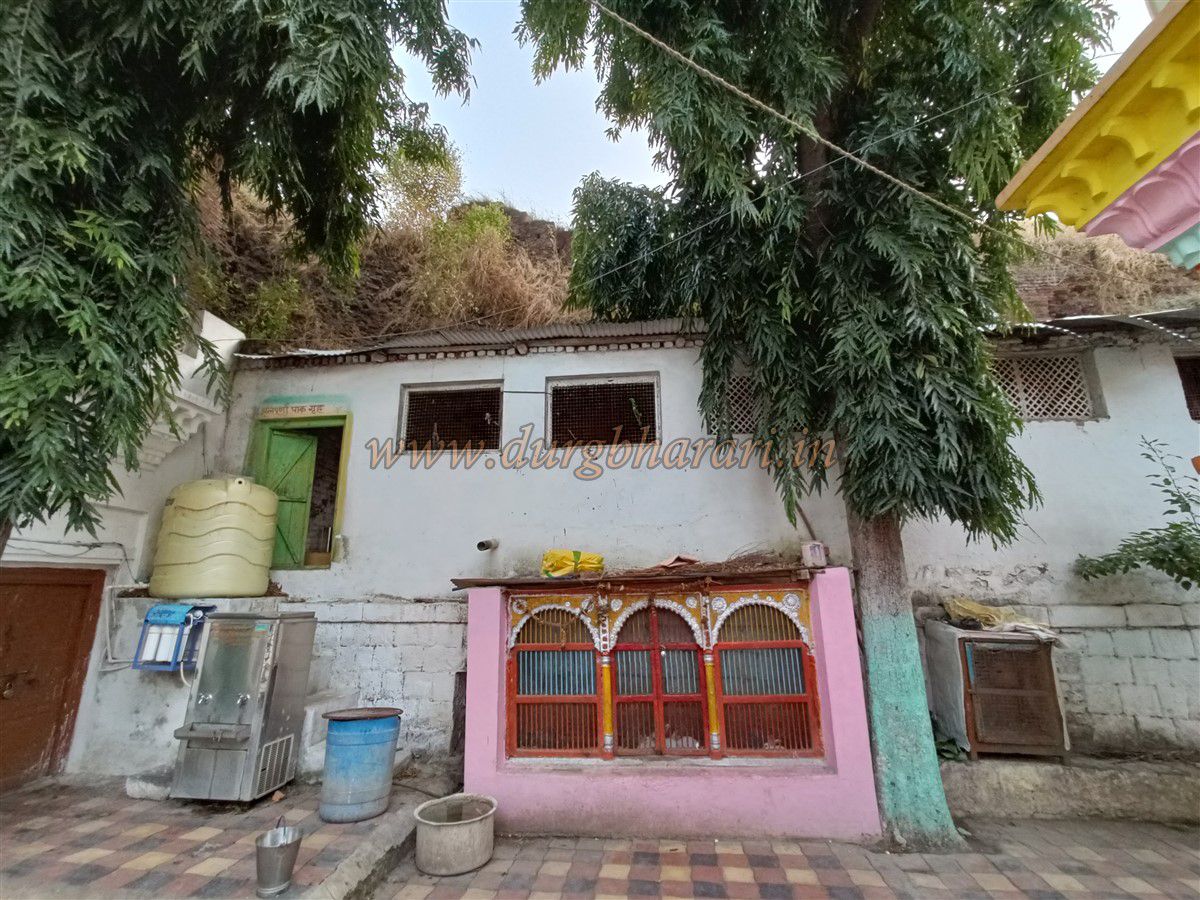
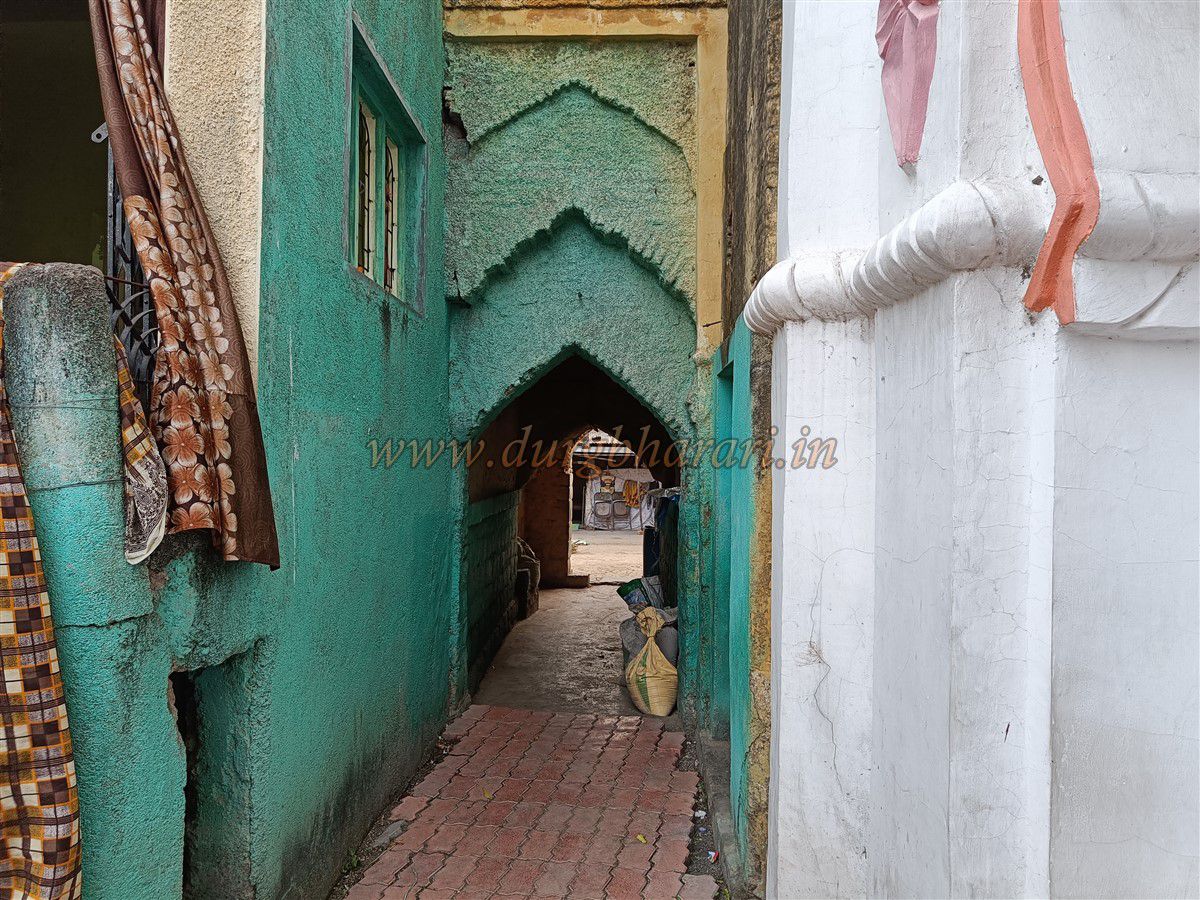
The fort walls on this side are particularly wide, containing rooms within them. Inside the gate leading to the parkot, some carvings can be seen in lime plaster, along with a small chamber.
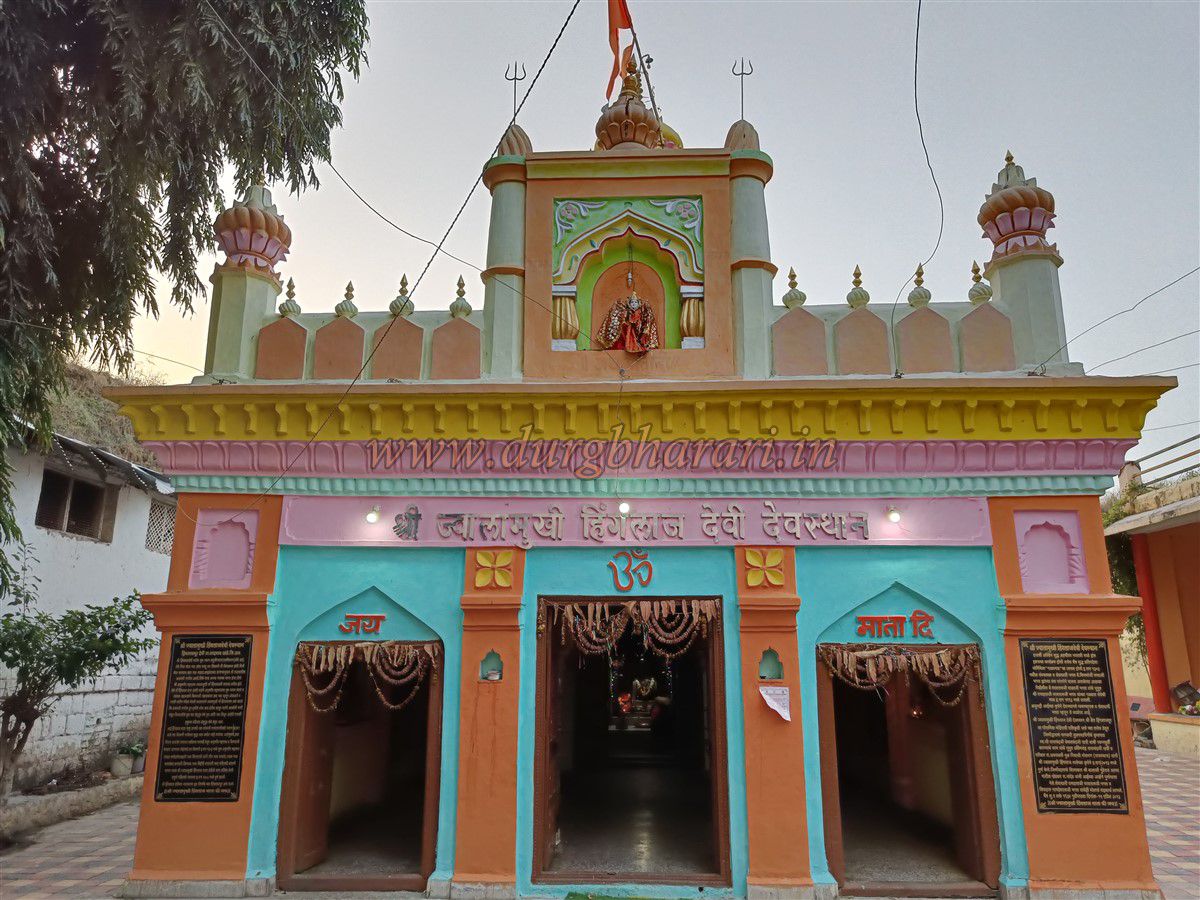
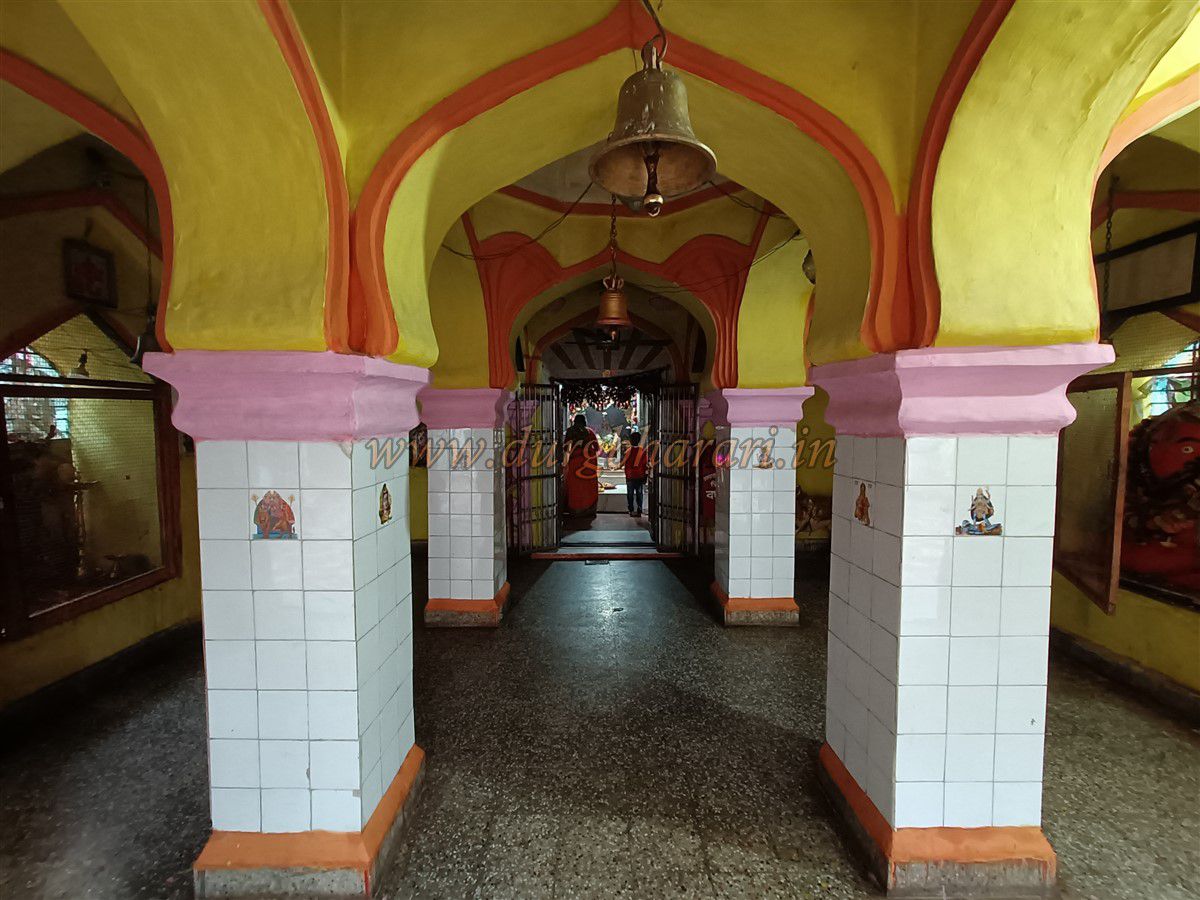
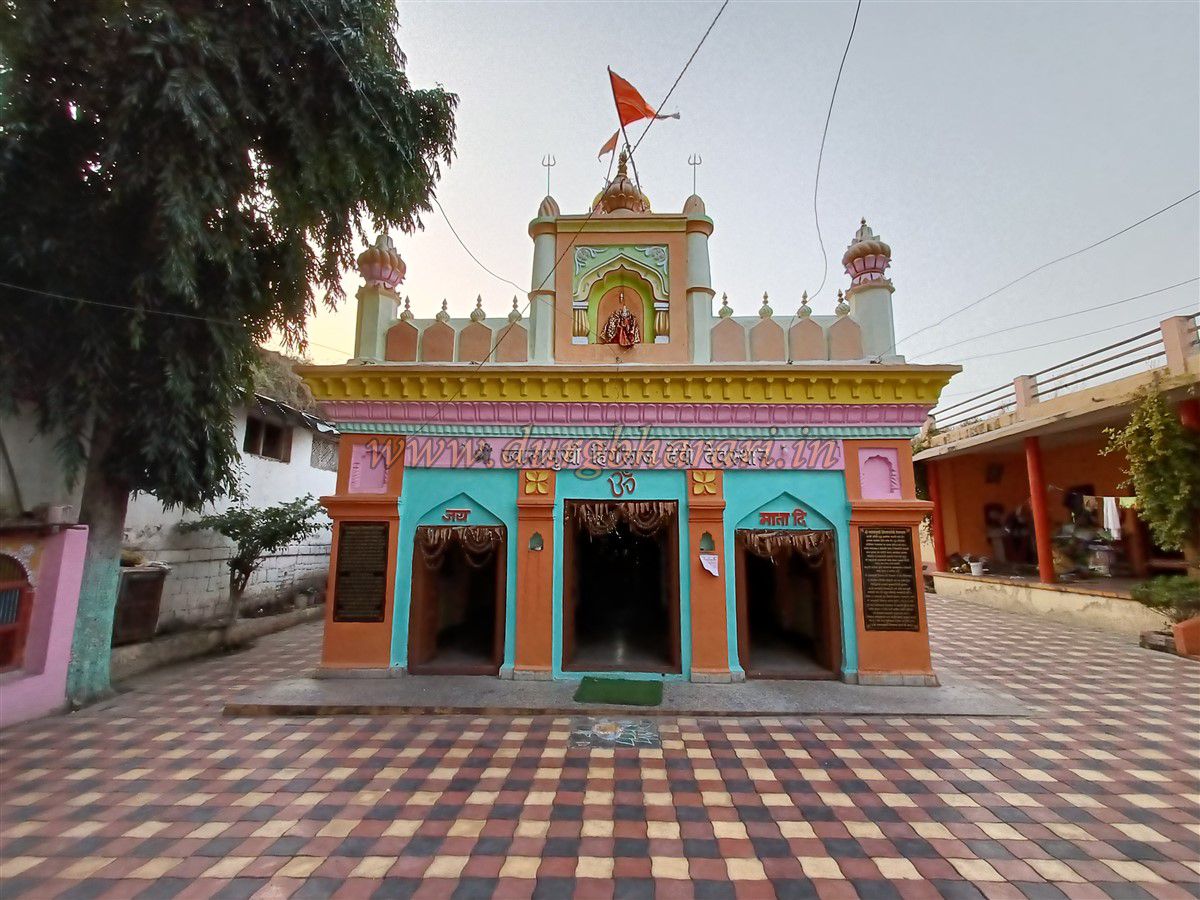
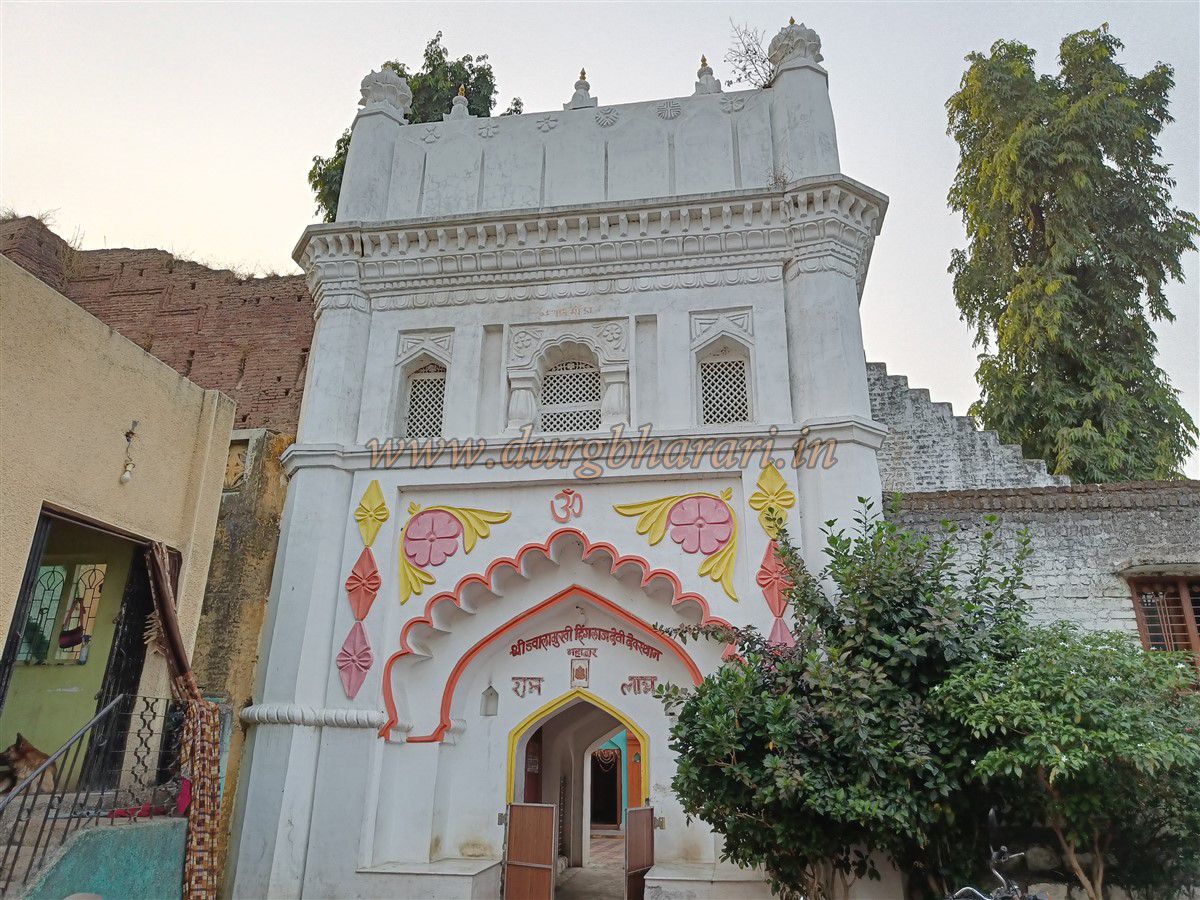
Proceeding into the main gadhi, one finds at its center the Hinglaj Devi temple. The verandas along the fort wall surrounding the temple have now been converted into residential houses. Inside the temple is an idol of Goddess Hinglaj in the form of rice grains, along with an idol of Lord Vinayak (Ganesha). An inscription at the temple narrates the significance of the goddess and records that Amritgir Maharaj and Chimaji built the fort in 1303 CE.
This structure, now about 700 years old, has weathered considerably over time and stands in a dilapidated condition. A tour of the entire fort takes about 15 minutes.
© Suresh Nimbalkar
GALLERY