HINGANI DUMALA
TYPE : CITY FORT/ FORTRESS
DISTRICT : AHMEDNAGAR
HEIGHT : 0
While exploring Pune and Ahmednagar districts, one comes across many forts situated along their shared boundary. Some of these forts are well-known, while others remain almost completely unknown. In the Hingani Dumala village of Shrigonda taluka, Ahmednagar district, lies such an obscure fort along with a Nagar Kot (fortified settlement). This fort, locally known as Pawar’s Gadhi, is so unfamiliar even to the villagers themselves that their knowledge does not go beyond its name. They are unable to state with certainty where the actual owners of the fort reside.
This Nagar Kot and fort are situated about 45 km from Shrigonda, the taluka headquarters, and only 3 km from Shirur in Pune district. The Kukdi river forms the boundary between Pune and Ahmednagar districts, which is why, although Hingani Dumala is just 3 km from Shirur, it falls under Ahmednagar district.
...
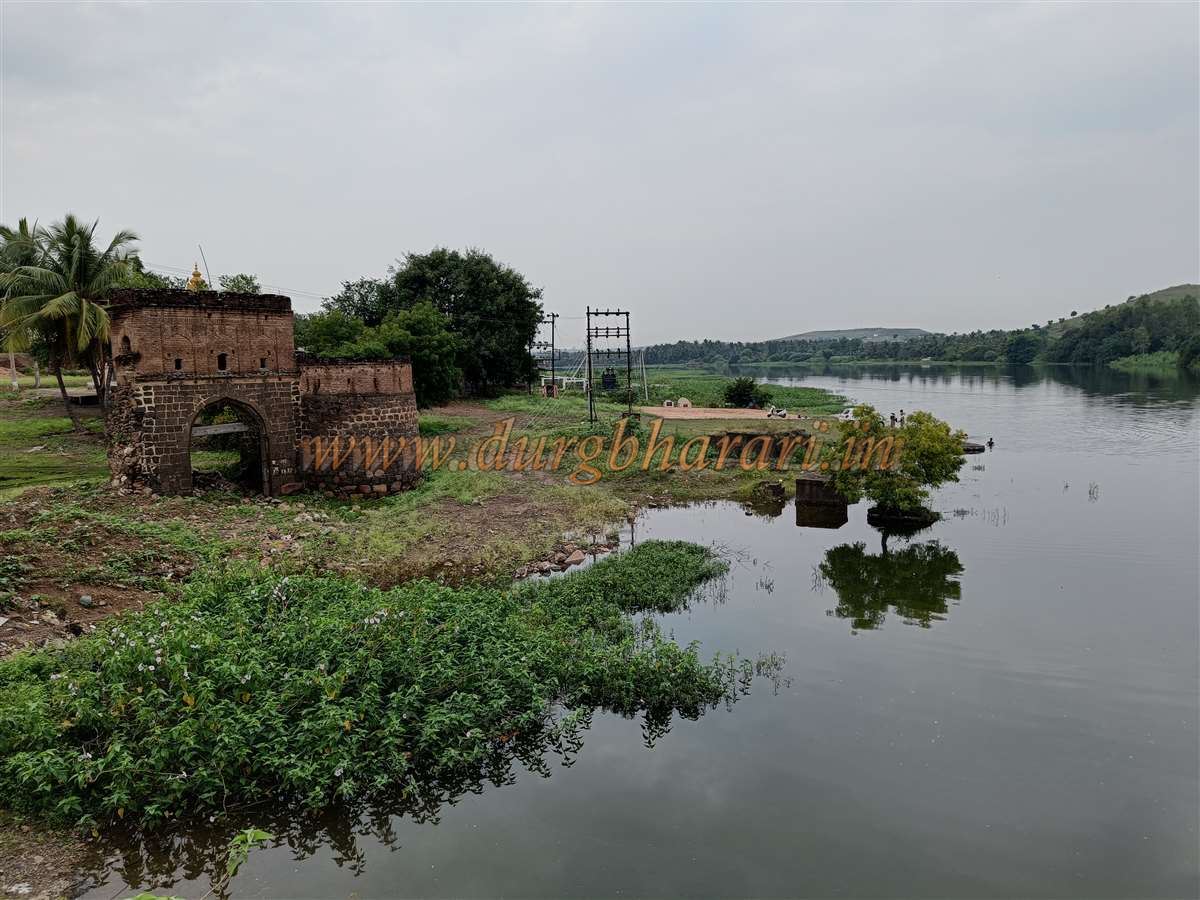
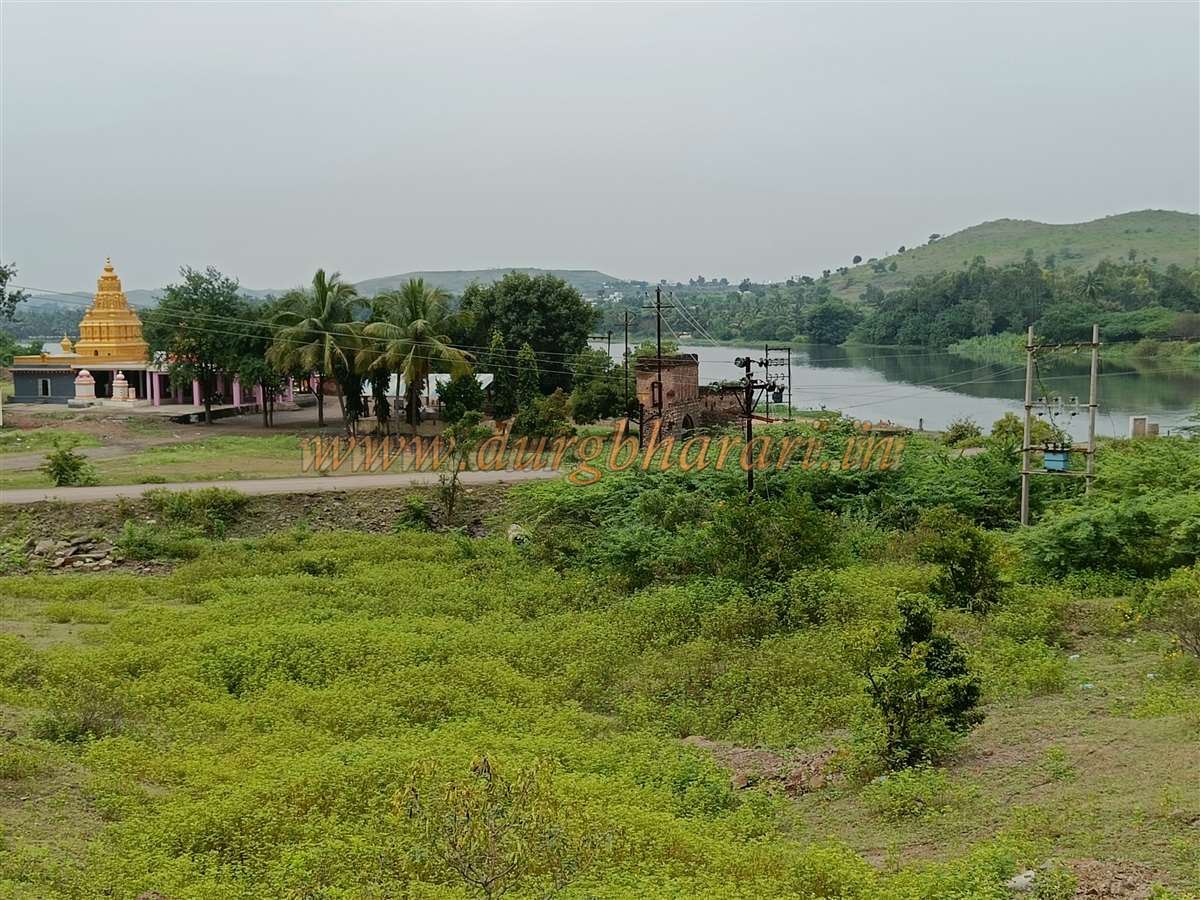
As one travels from Shirur, the first gateway of Nagar Kot becomes visible on the right immediately after crossing the bridge over the Kukdi River. In the past, the village of Hingani was located within this gateway, but after the construction of a weir on the Kukdi, the river’s course widened, forcing the houses within the gateway area to be relocated to higher ground.
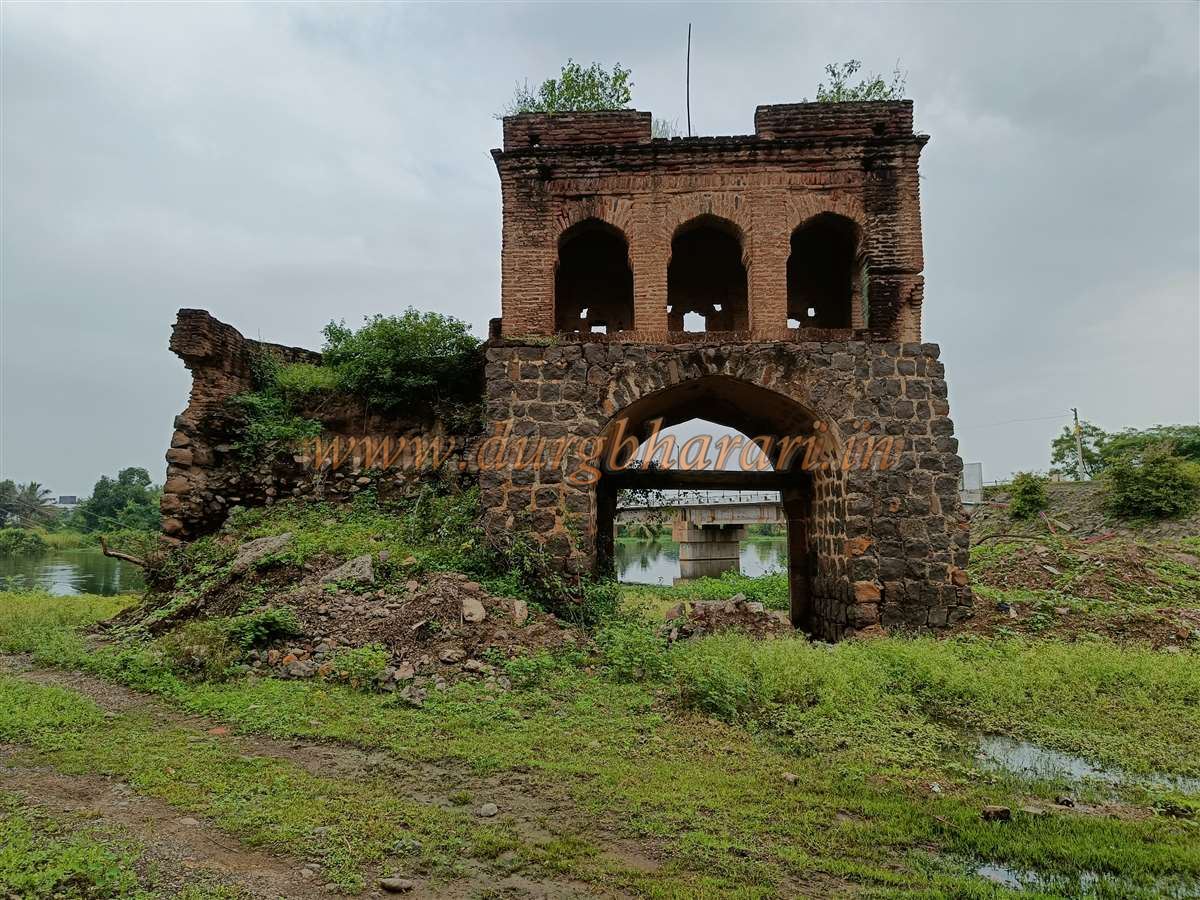
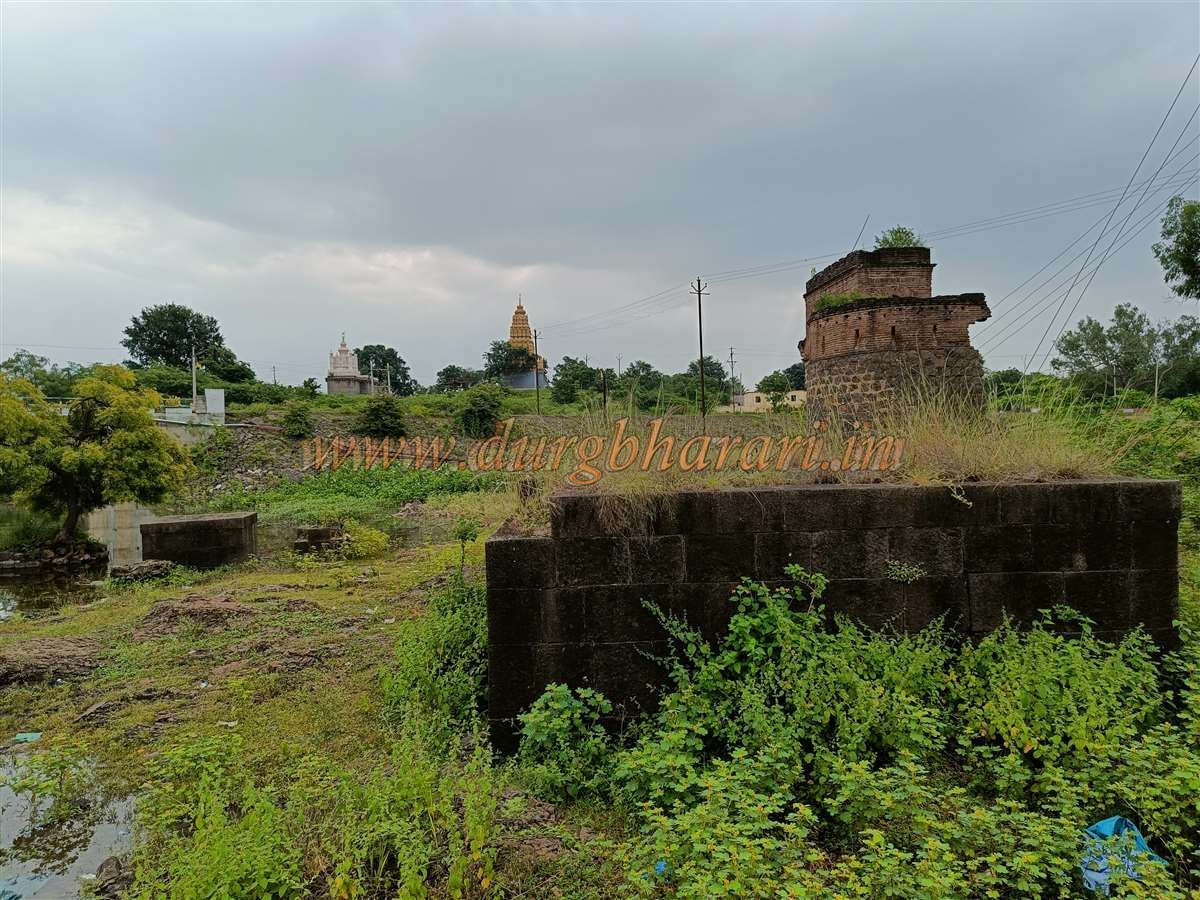
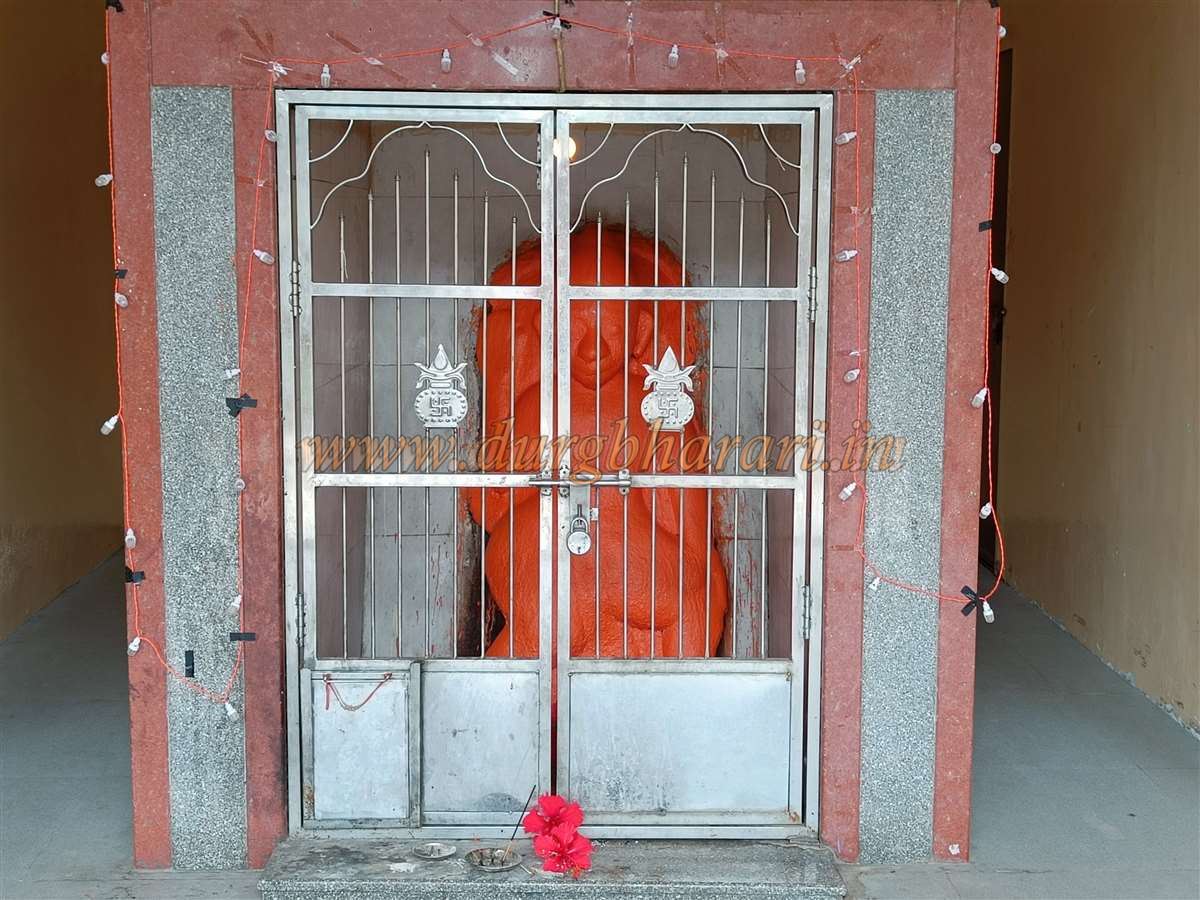
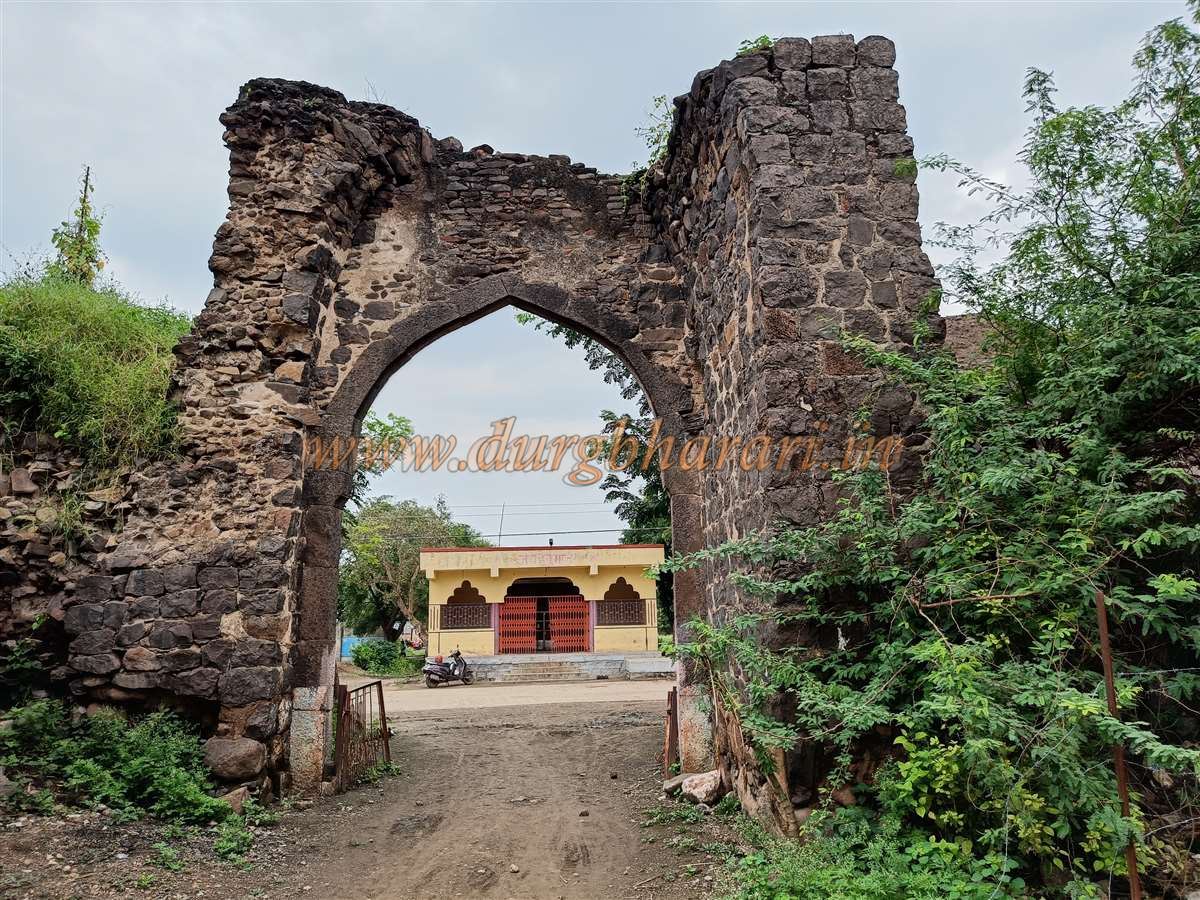
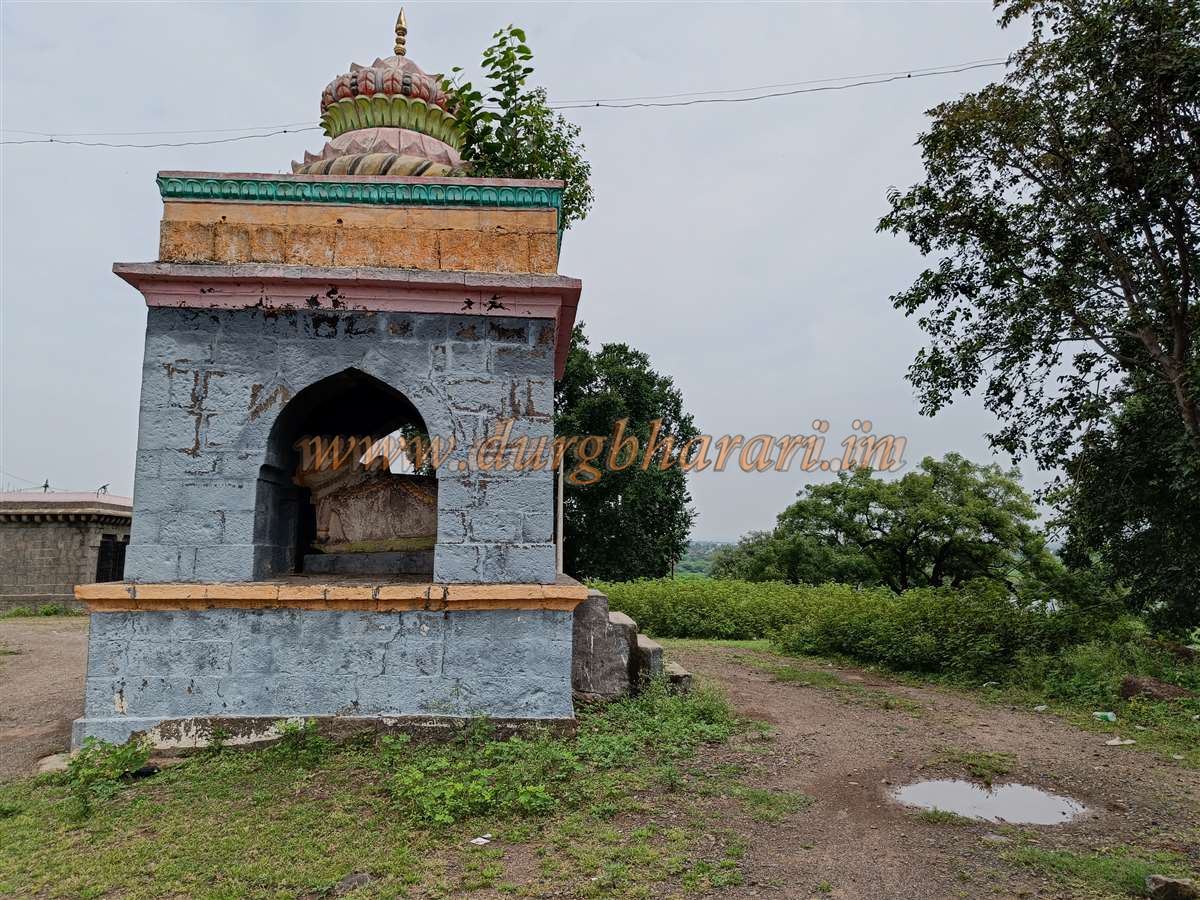
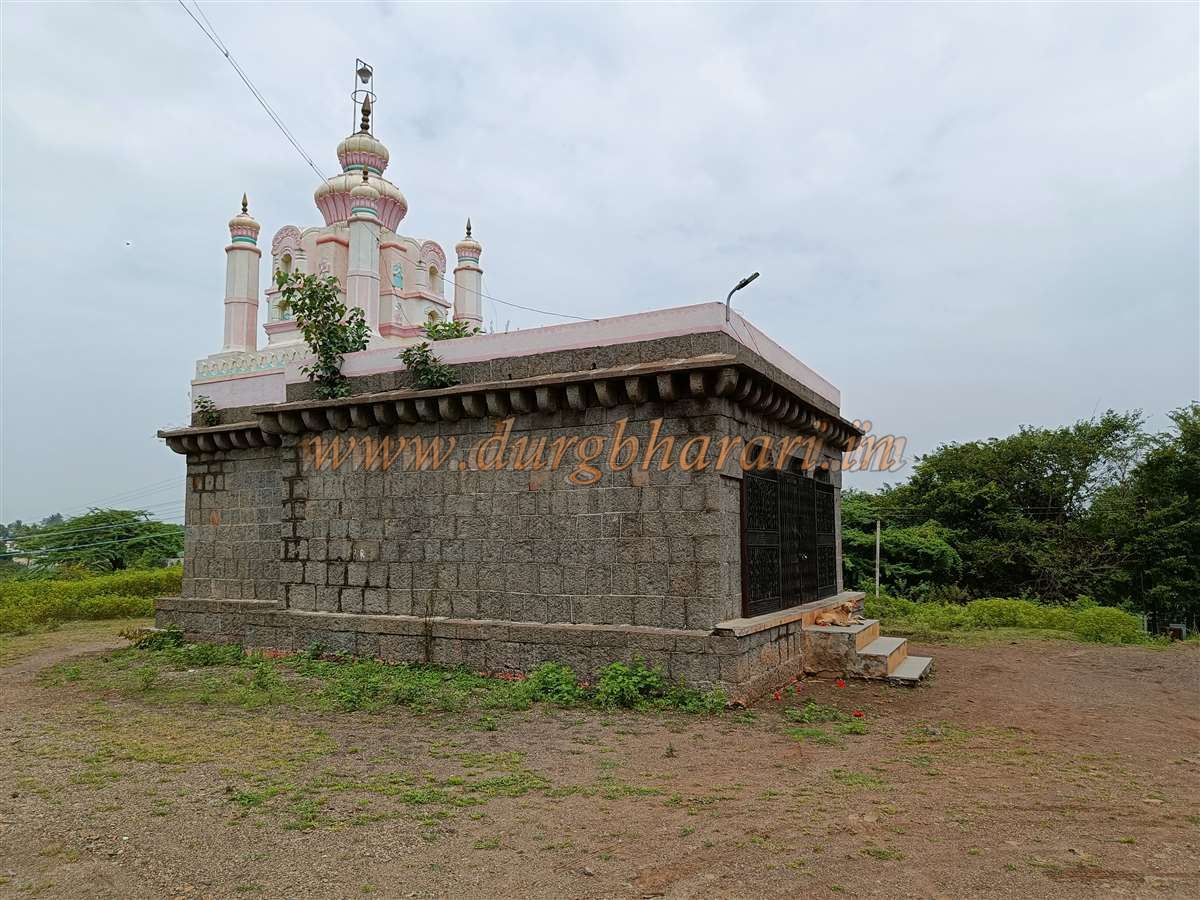
This entrance gate is flanked by two bastions, one of which has collapsed, while the other still stands firm. The bastions and gateway are built with dressed stone and lime, while the Nagarkhana (drum chamber) above the gate is constructed of bricks. Inside, the Nagarkhana with its three arches remains in good condition. Loopholes for gunfire can be seen in the bastion walls. Outside the gateway is a riverbank Ghat, where five stone-built Samadhi (memorials) are located. Two temples from the old settlement still survive, having been spared by their distance from the river. Among them, near the Bhairavanath temple, there is a hero stone (virgal) and a weathered animal sculpture.
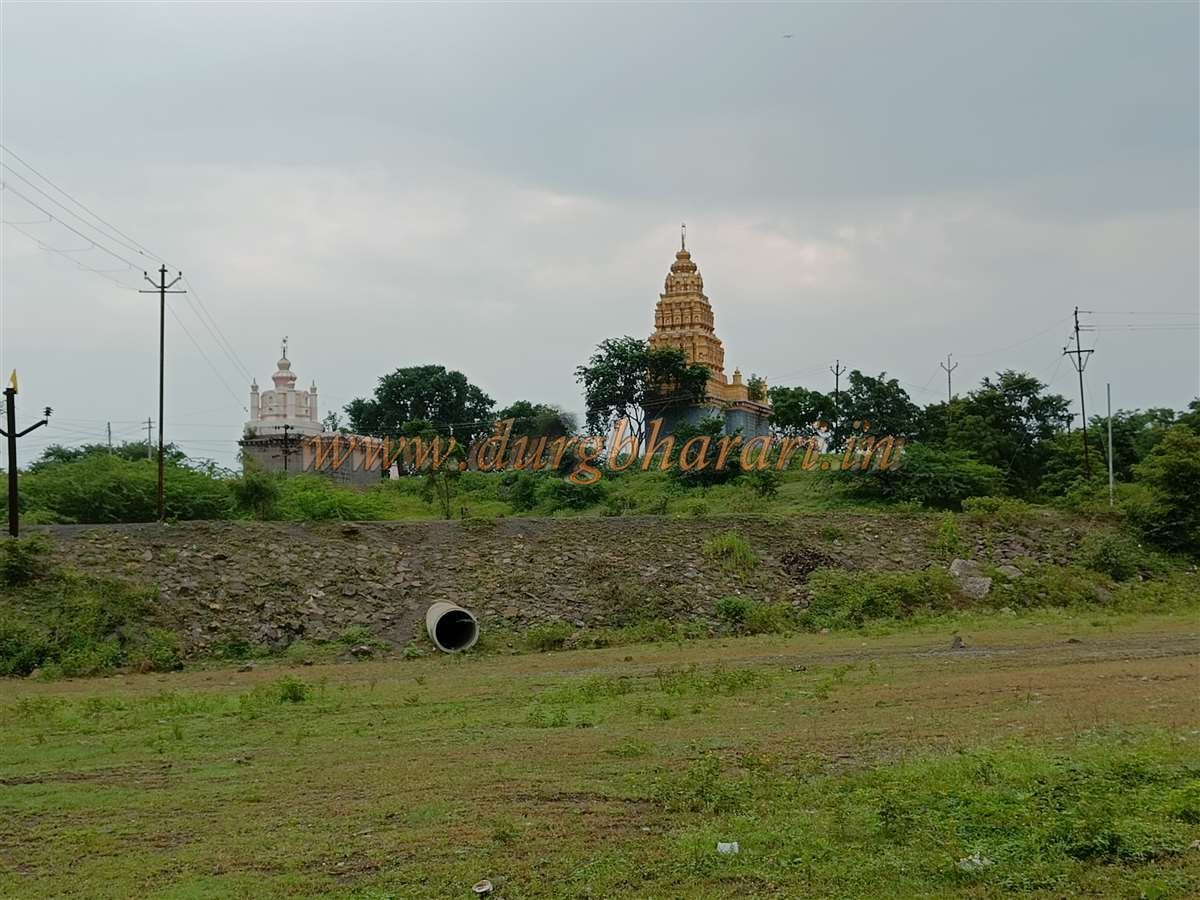
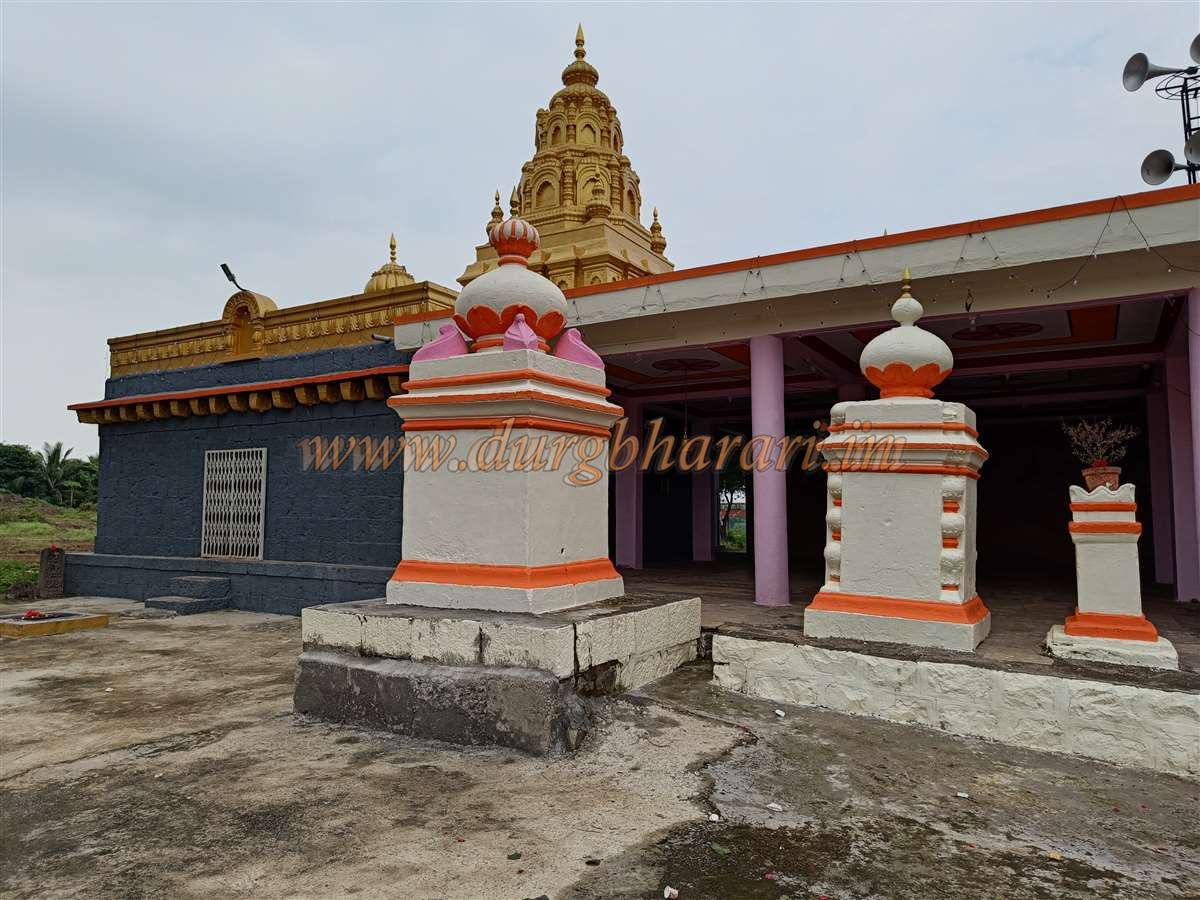
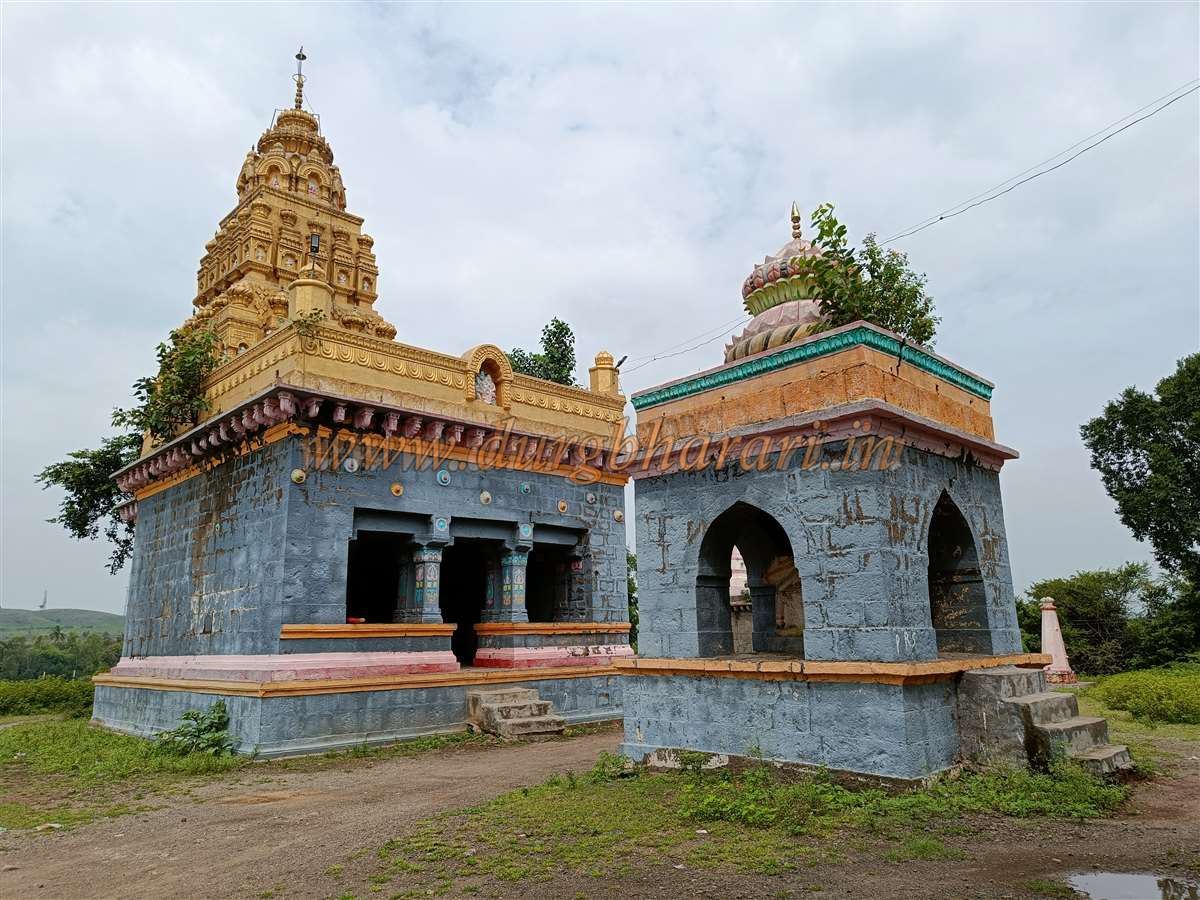
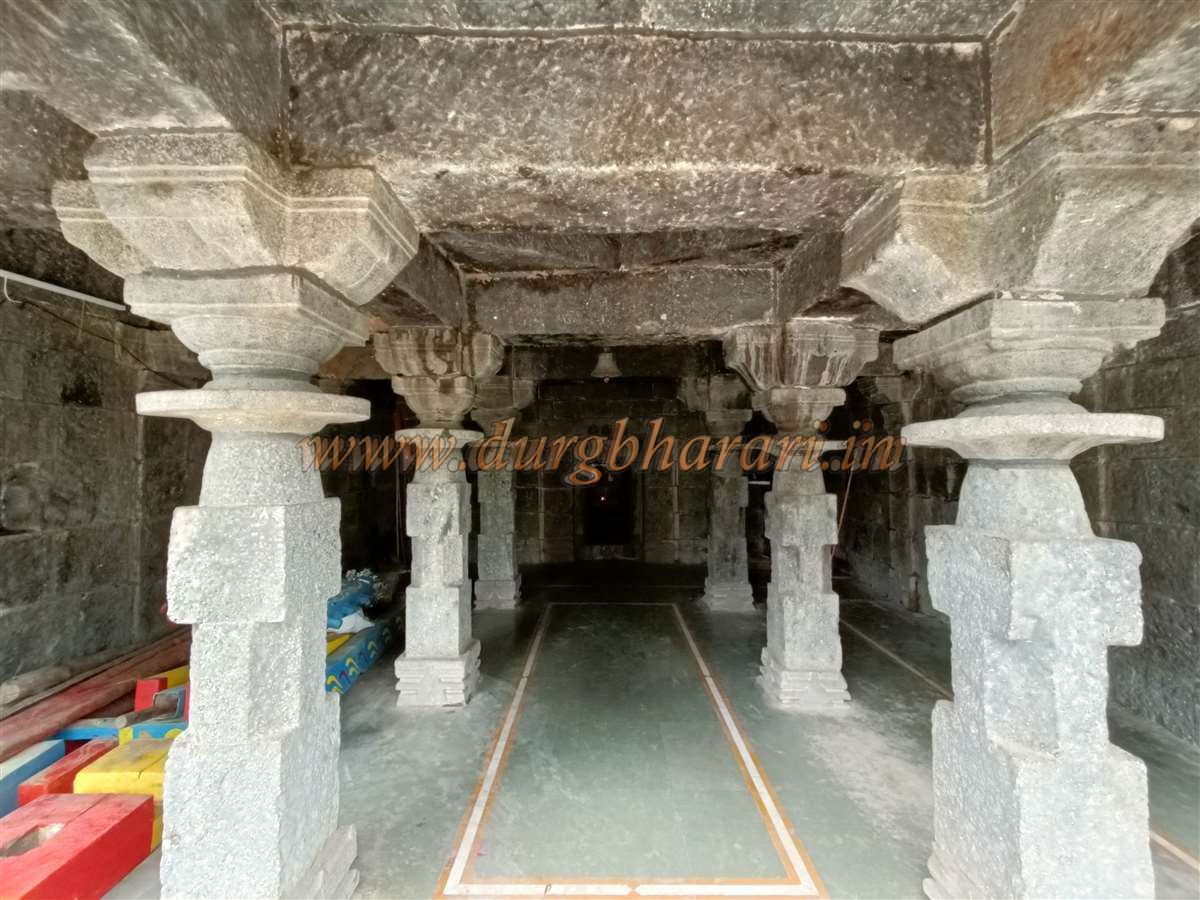
Ascending to the elevated part of the village, one finds the second gateway of the Nagar Kot. This gate too is built between two bastions, and its arch and both bastions still survive. Opposite this gate stands a Maruti temple. This elevated village area also houses Peshwa-era temples of Mahadev and Rama, constructed in dressed stone. The inner halls of these temples are supported by beautifully carved pillars, and there is a separate Nandi pavilion in front of the Mahadev temple. From this temple, one can see the entire village, the riverbed, and the surrounding countryside spread out in the distance.
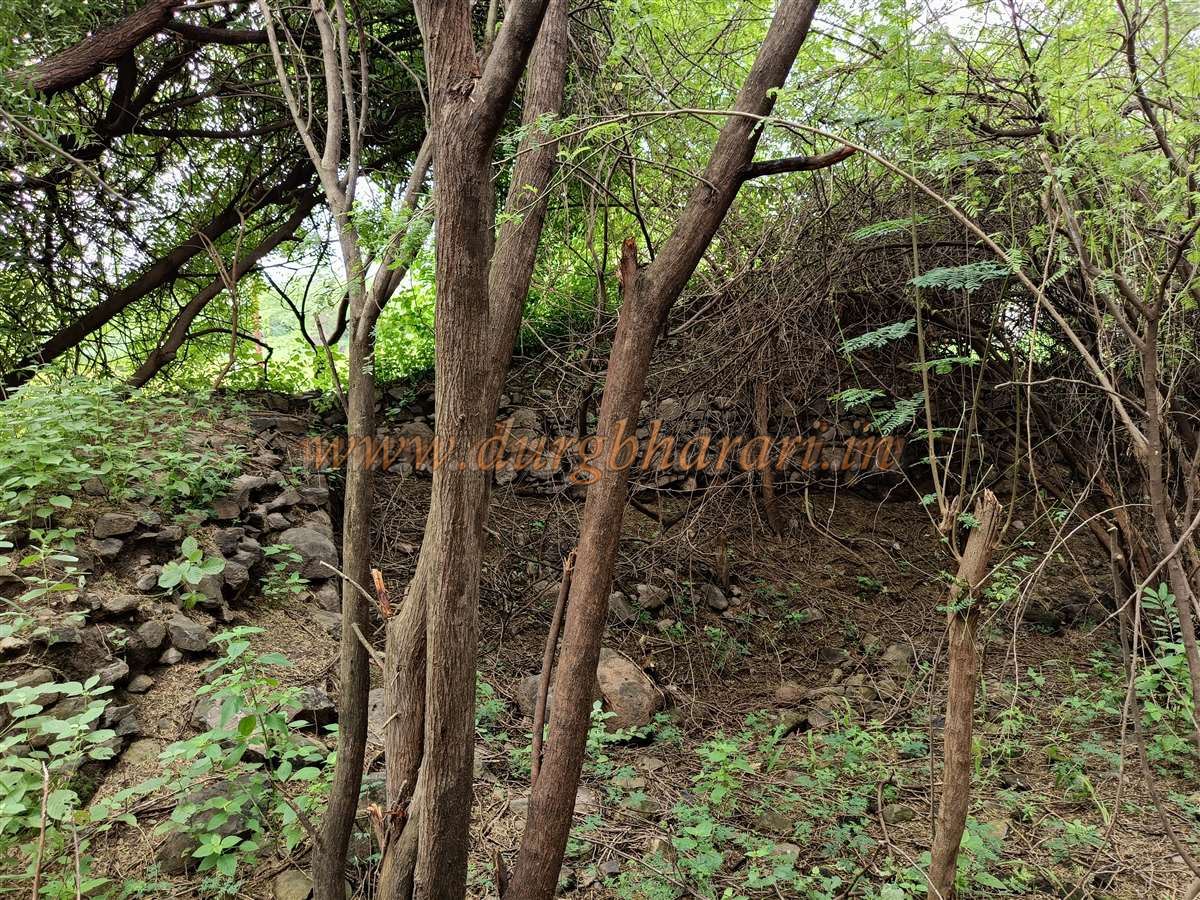
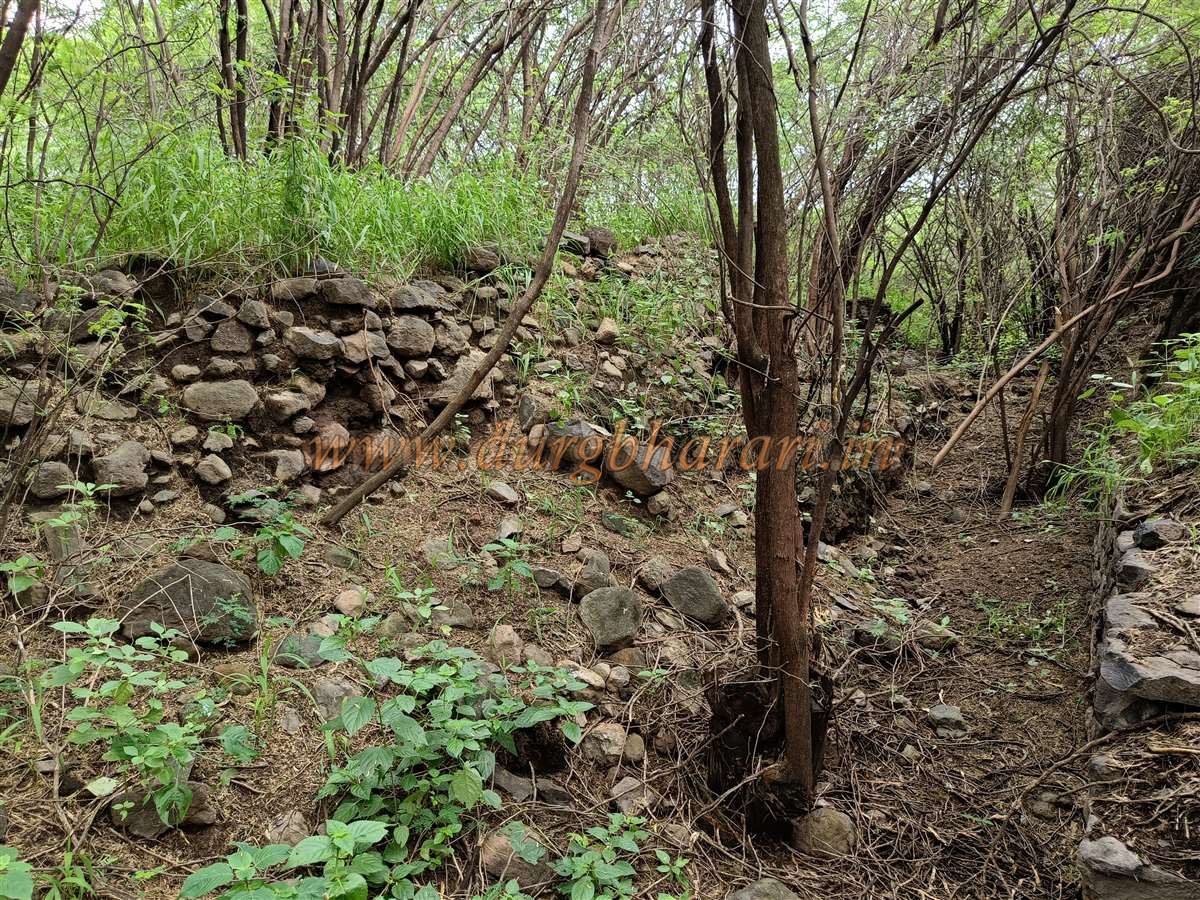
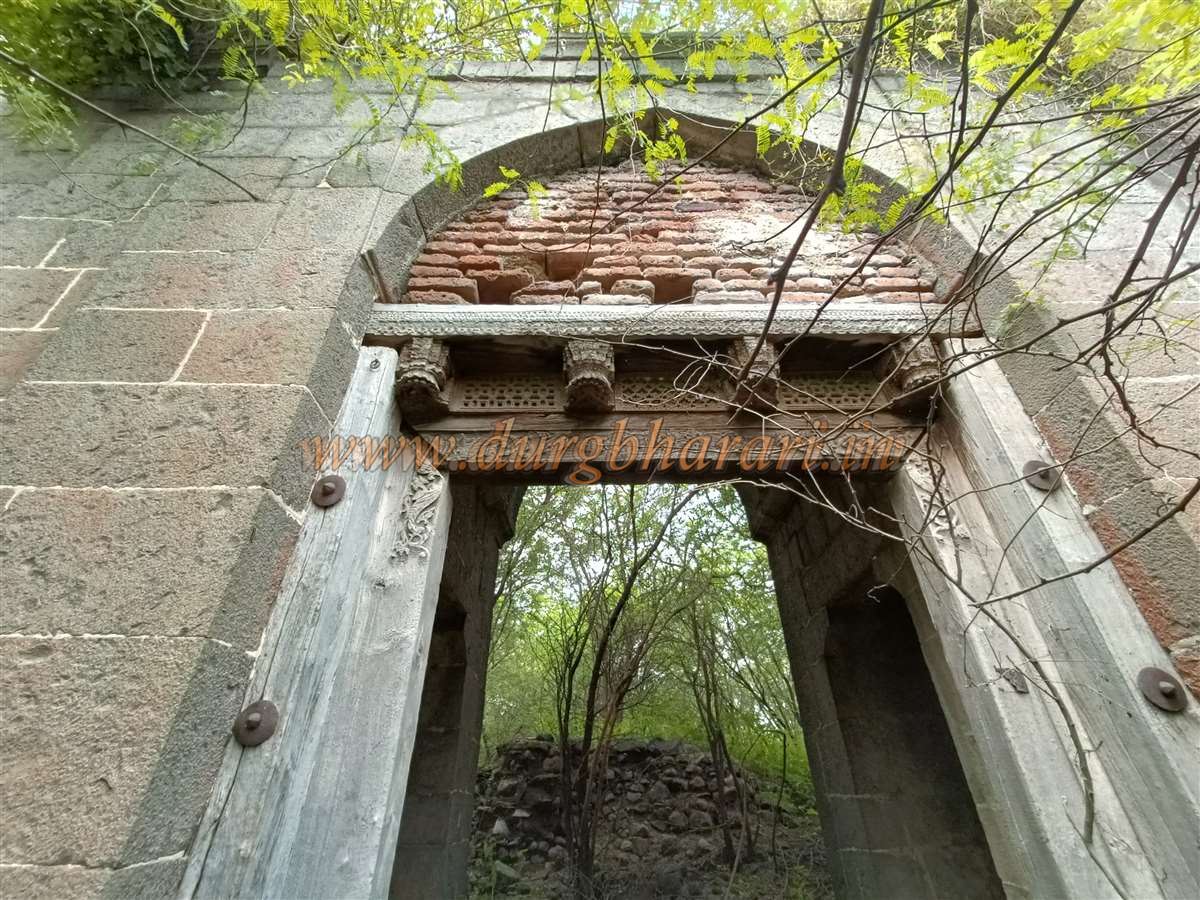
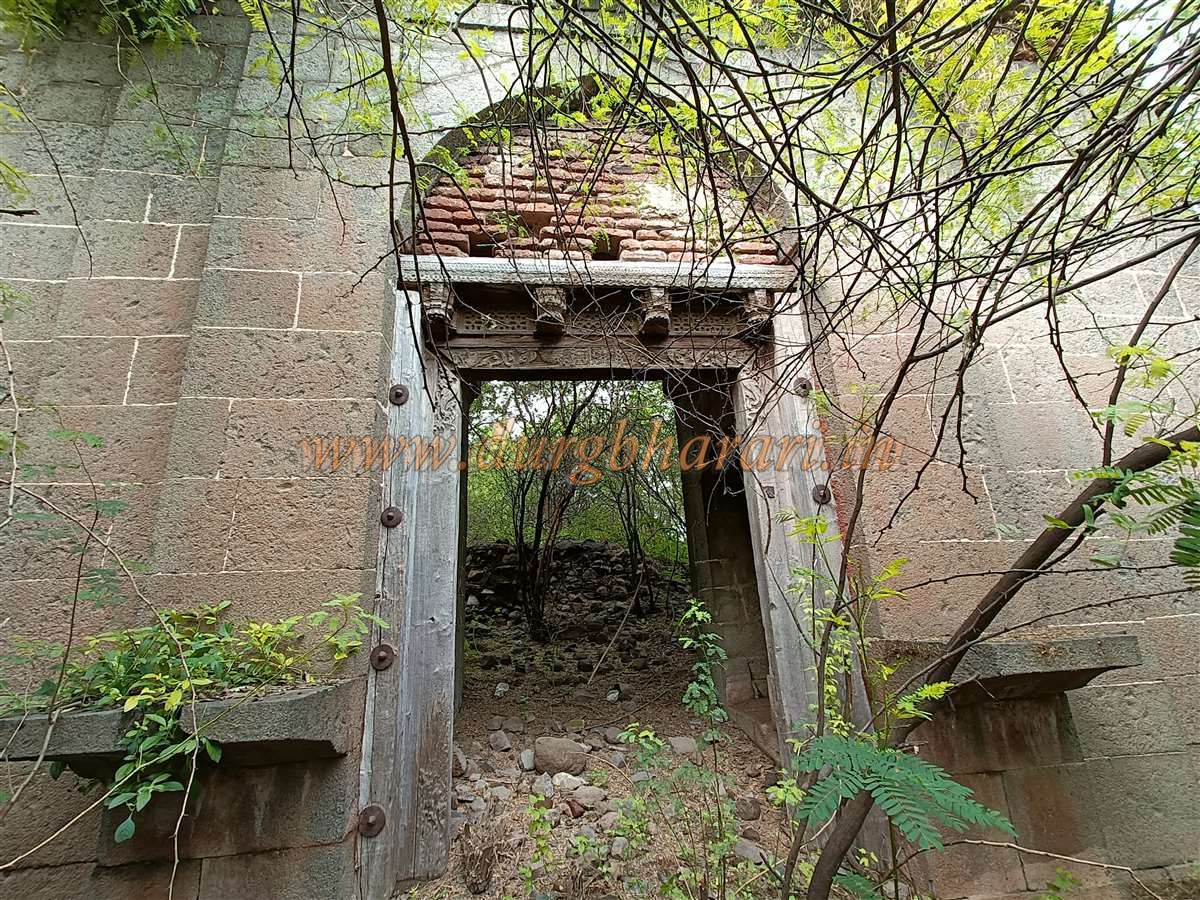
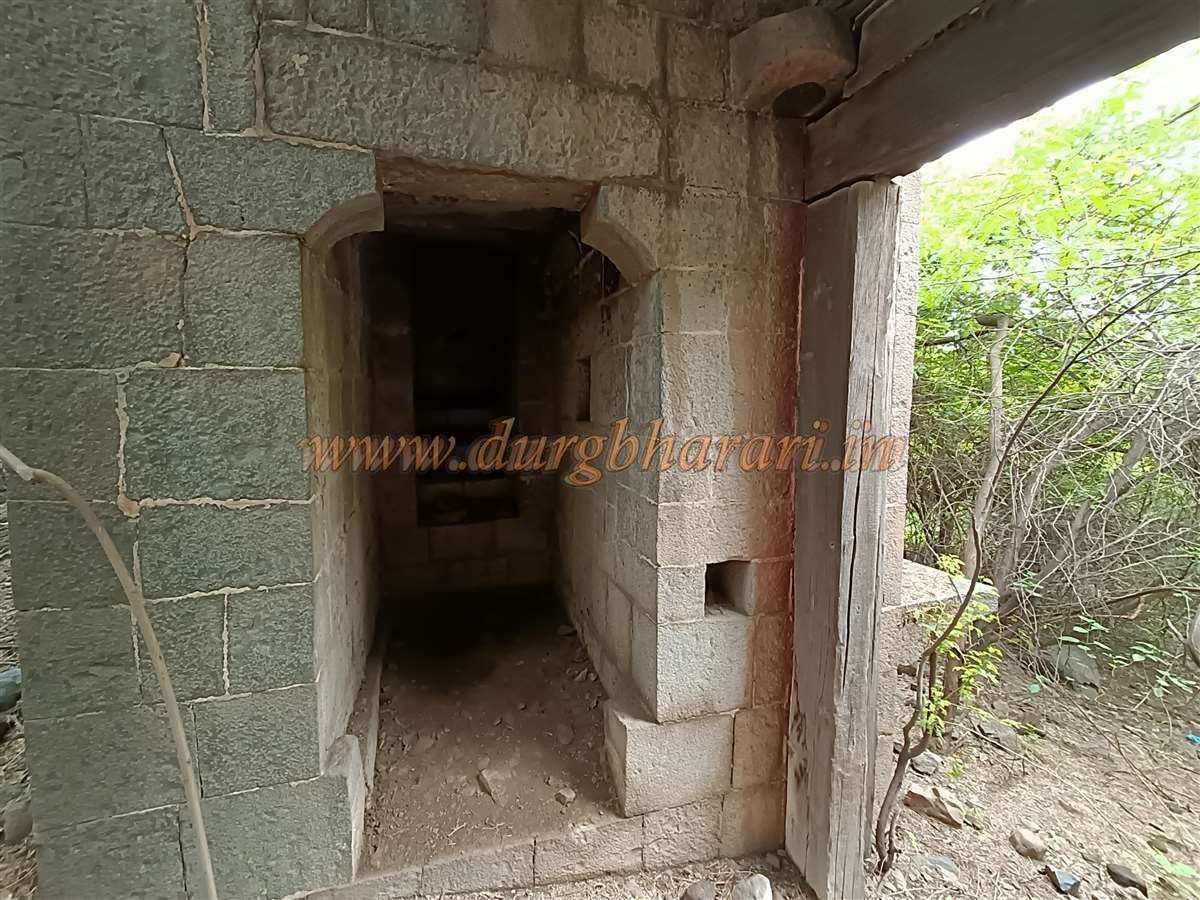
After exploring this portion of Nagar Kot, one must proceed to the thicket behind the Bhairavanath temple, where atop a mound, hidden within dense babul (acacia) trees, lies the Pawar’s Gadhi. The fort’s entrance is located along the main road and is fronted by a moat. The babul growth is so dense that even when standing directly in front, the gate is barely visible. Inside the gateway, there are guard chambers on both sides, one of which contains steps leading up to the fort wall. The gateway’s frame and arch are made of wood and feature beautiful carvings, though the actual door is now missing.
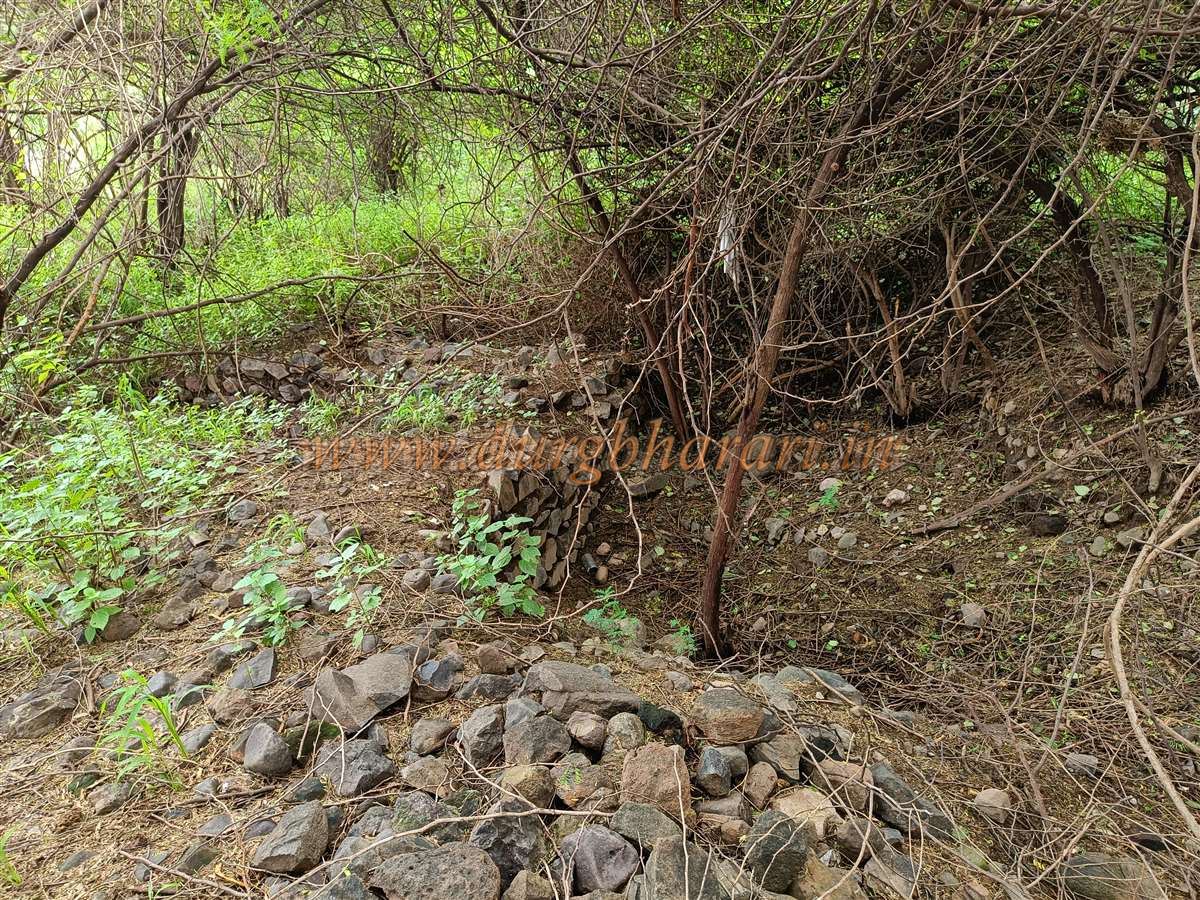
This square-shaped fort covers roughly one acre. Its facade is constructed of dressed stone, and the walls are about 15 feet high. Portions of the fortification have collapsed, with trees growing atop them. Inside, the structures have mostly crumbled into mounds of earth, now overgrown with babul shrubs, making thorough exploration difficult and limiting one’s tour to a brief visit.
Visiting the two gateways, temples, and the Gadhi takes about one and a half hours. Along with this Nagar Kot and Gadhi, one can also visit the nearby Rajapur Gadhi.
Among the many historically significant and politically influential families of the past, one was the Paramaras, also known as Pawar, from Malwa. This Rajput clan from Malwa in North India migrated southward before the era of Shivaji Maharaj. Even today, one can find many forts and wada (mansions) belonging to this family across Maharashtra and beyond. The Hingani Dumala Gadhi is one such Pawar stronghold.
The Parmar kingdom in Malwa, central India, fell in 1305 CE following the invasion of Allauddin Khilji. Afterward, the descendants of the Paramaras of Dhar dispersed to various regions, and one branch settled in Maharashtra, coming to be known as the Pawar. Because they hailed from the ancient capital Dhar, they became historically known as the Dhar Pawar. Shambhusingh Parmar, also known as Sabusingh Pawar, is considered the ancestor of this lineage.
In 1658 CE, during Shivaji Maharaj’s campaign against Kalyan, Sabusingh Pawar joined the Maratha forces. He had a son named Krishnaji, who also participated in Shivaji Maharaj’s expeditions into Bijapur territory. Krishnaji Pawar is notably mentioned in the skirmishes with Fazalkhan, the son of Afzal Khan, following Afzal Khan’s death. After Krishnaji death, his three sons—Bubaji, Rayaji, and Keroji—joined the army of Shivaji Maharaj.
Bubaji Pawar, in particular, played a significant role during the reign of Chhatrapati Rajaram Maharaj, suppressing rebellions and securing territories. Due to the trust Rajaram placed in them, Bubaji and Keroji led successful Maratha campaigns in the Mughal-controlled Vharhad and Gangathadi regions, collecting chauth (tax) and harassing Mughal forces, thereby boosting Maratha prestige. For their services, Rajaram Maharaj, upon his return to Maharashtra from Jinji, awarded Bubaji the title of Vishwasrao and granted him estates, while Keroji was honoured with the title of Senabarasahastri (commander of 1,250 troops) along with robes of honor.
The Pawar held estates at Malthan, Supe, Kavathe Yamai, Amadabad, Hingani, Ganegav, Chitegav, and Nagardevale. One branch of the Pawar settled at Hingani and transformed the village. However, the exact lineage of these Pawar remains unclear.
© Suresh Nimbalkar
GALLERY