HINGANI
TYPE : GADHI
DISTRICT : VARDHA
HEIGHT : 0
GRADE : EASY
When we think of Wardha district, we immediately remember Sevagram, associated with Mahatma Gandhi. However, in earlier times, this district of Vidarbha also had many forts—hill forts, land forts, and small fortified mansions (gadhis). During our exploration of forts in Wardha district, we found a total of 10 forts in a ruined state. Apart from the seven forts mentioned in the book Gadkille Maharashtrache by fort expert Pramod Mande, there are hardly any references to these forts elsewhere. Even in today’s computer age, there is little to no information available about them on the internet.
During our visits to these forts, I gathered the information and attempted to present it on the Durgbharari website. Many of these gadhis are almost completely destroyed, with only fragments like a stretch of wall, a bastion, or a gateway left, silently battling against time.
...
Local ignorance and indifference toward these structures are contributing factors to their deterioration. After the abolition of princely states, these gadhis—being private properties—became difficult for their owners to maintain, leading most of them to fall into ruin, while some have been completely flattened.
The Deshpande Subhedar’ mansion (wada) at Hingani is no exception. Among all the forts we visited, this was the only gadhi that had not been encroached upon and still retains some original remains, yet it too suffers from neglect and is in a state of disrepair.
To visit Hingni Fort in Selu taluka, the nearest town is Selu. The distance from Wardha to Selu is about 16 km, and from Selu to Hingni is another 10 km. Rickshaws are available from Selu to Hingni. Locally known as the Subhedar Wada, the fort is located on the edge of the village near a river and can be reached within five minutes on foot from the bus stop.
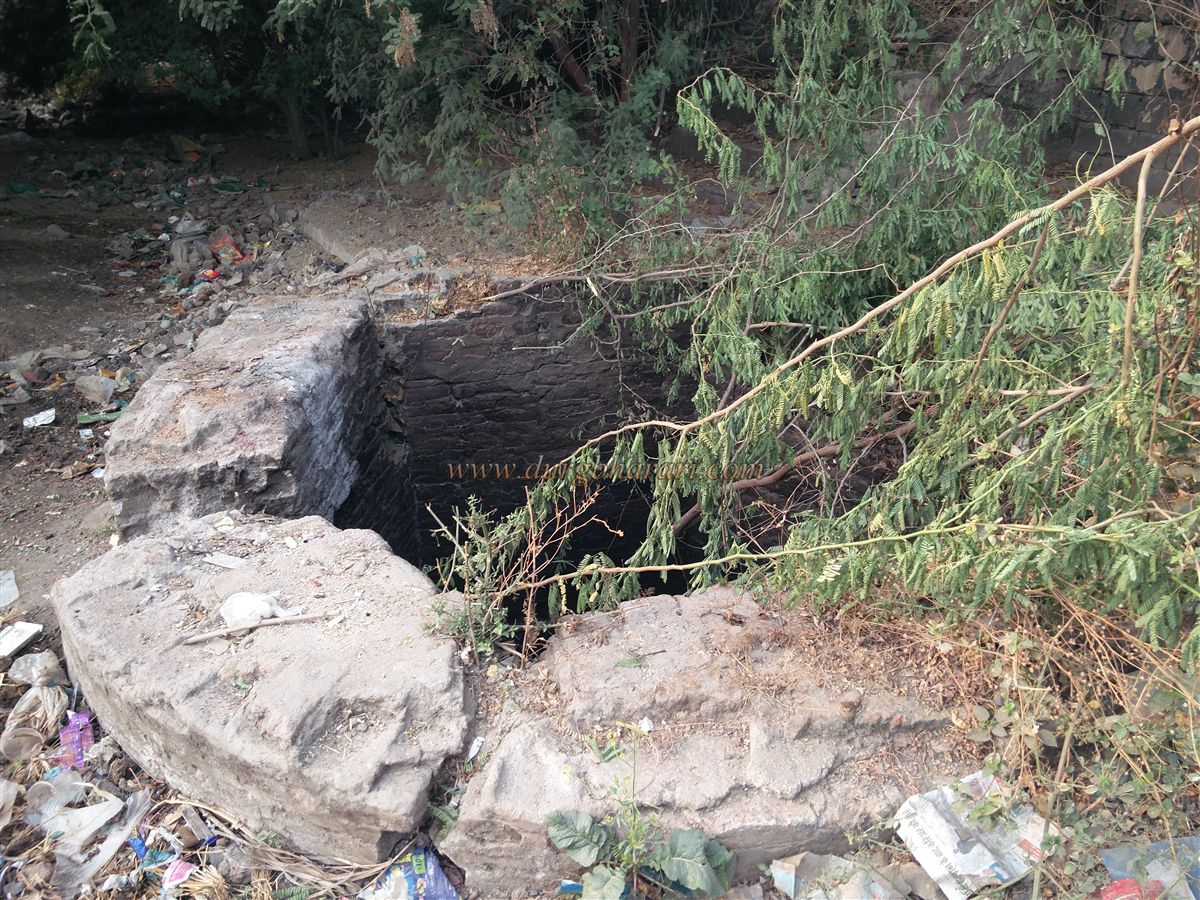
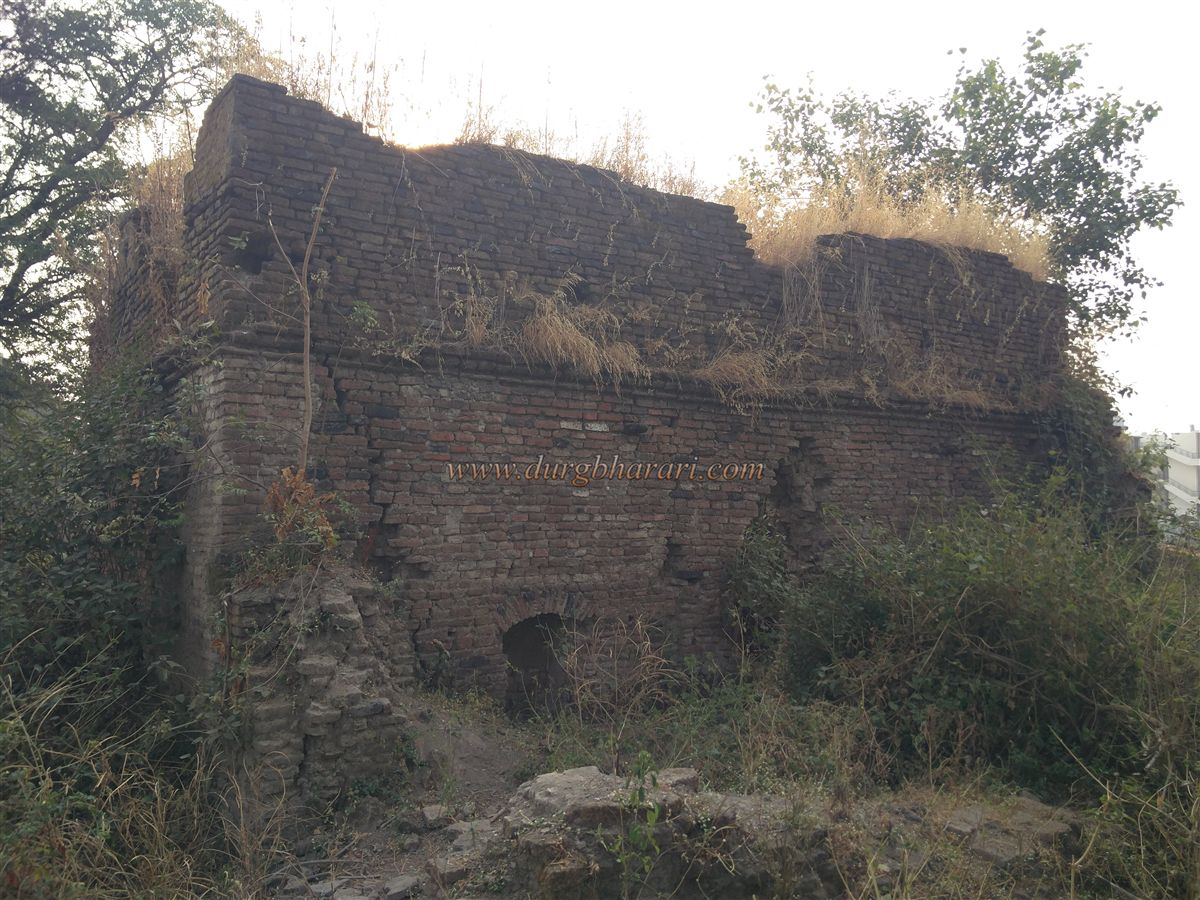
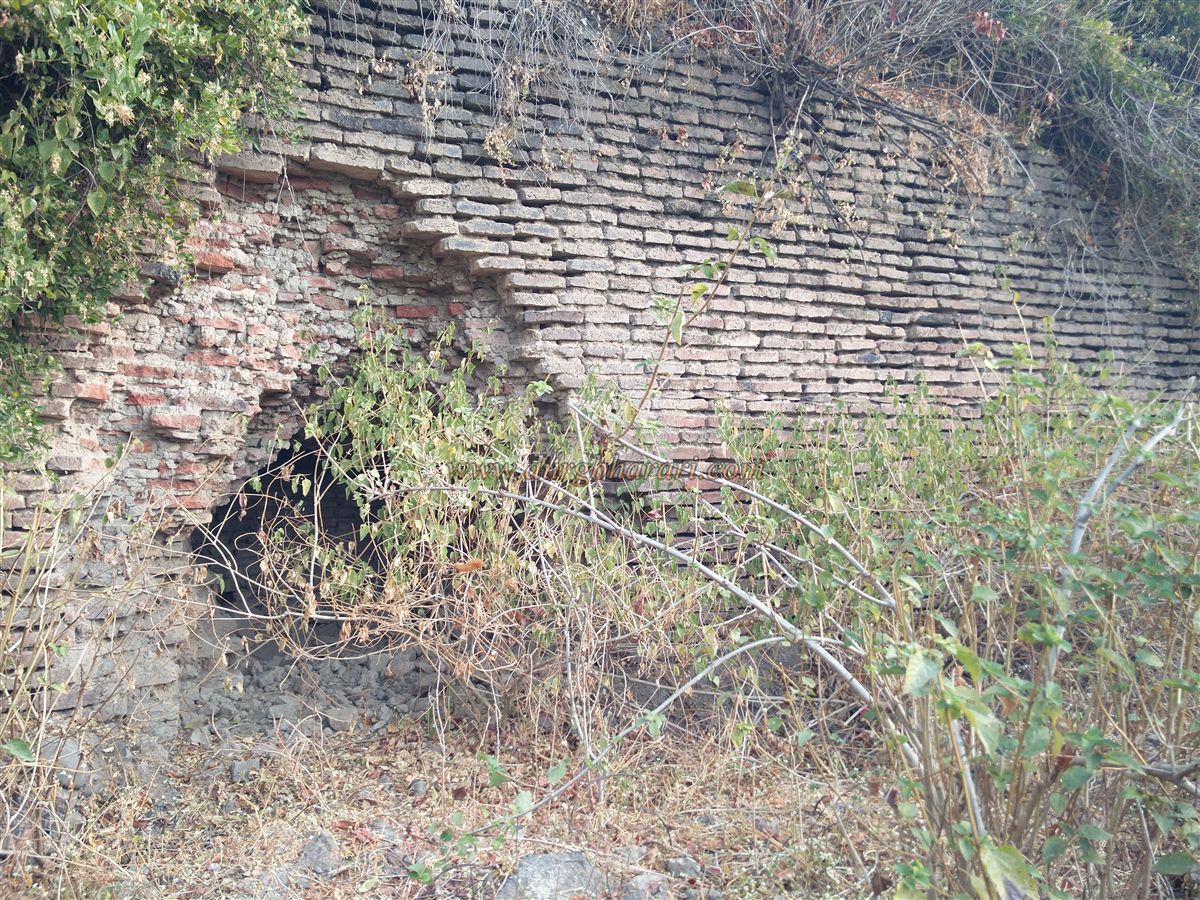
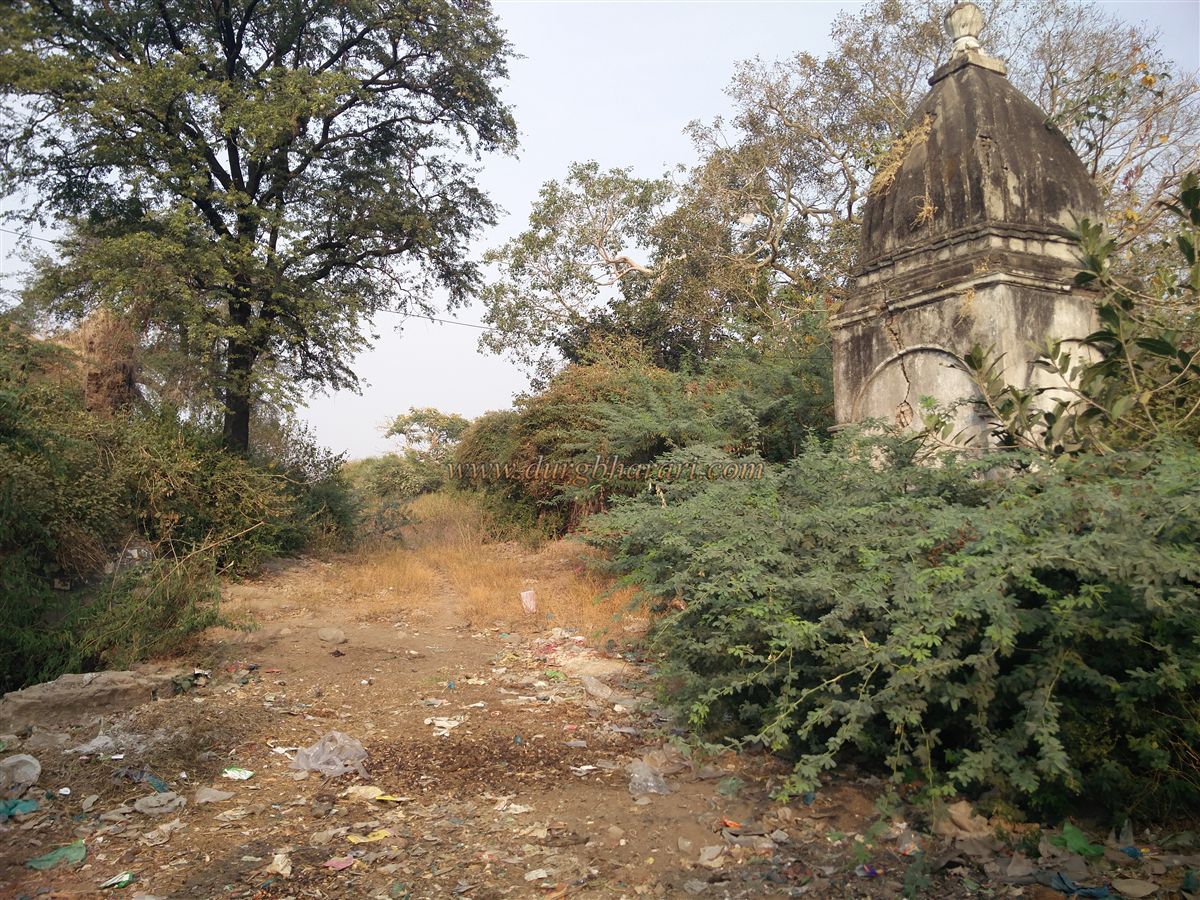
This rectangular fort is spread across about one acre on an elevated east–west mound. The fort’s entrance gate and the surrounding fortification have been completely destroyed. Upon entering from the road, there is a temple without an idol on the right and a dried-up well on the left. Ahead of the well lies a wada platform (chauthara) constructed with dressed stone, with steps leading up to it. The wada still has surviving walls and niches, and there is a water tank inside.
The front portion of the fort is overgrown with dense thorny shrubs, making it difficult to move around. Exploring the ruins requires navigating through this overgrowth. On the right side of the fortification, there is a granary, while on the left side there is a deep underground cellar. Villagers claim there is an escape tunnel leading out of the wada, but dense vegetation has blocked the entrance to this cellar, making it inaccessible.
At the rear (western side) of the fort, two bastions still stand in a collapsed state. Due to the dense thickets, it is impossible to explore the remaining sections. It takes about half an hour to tour the accessible parts of the fort.
During the Bhonsle rule in Nagpur, around 1800 CE, Subhedar Raghunathpant Deshpande established the village of Hingni and built this fort around the same time.
© Suresh Nimbalkar
GALLERY