GWALIOR
TYPE : HILL FORT
DISTRICT : GWALIOR- MADHYA PRADESH
HEIGHT : 1130 FEET
GRADE : EASY
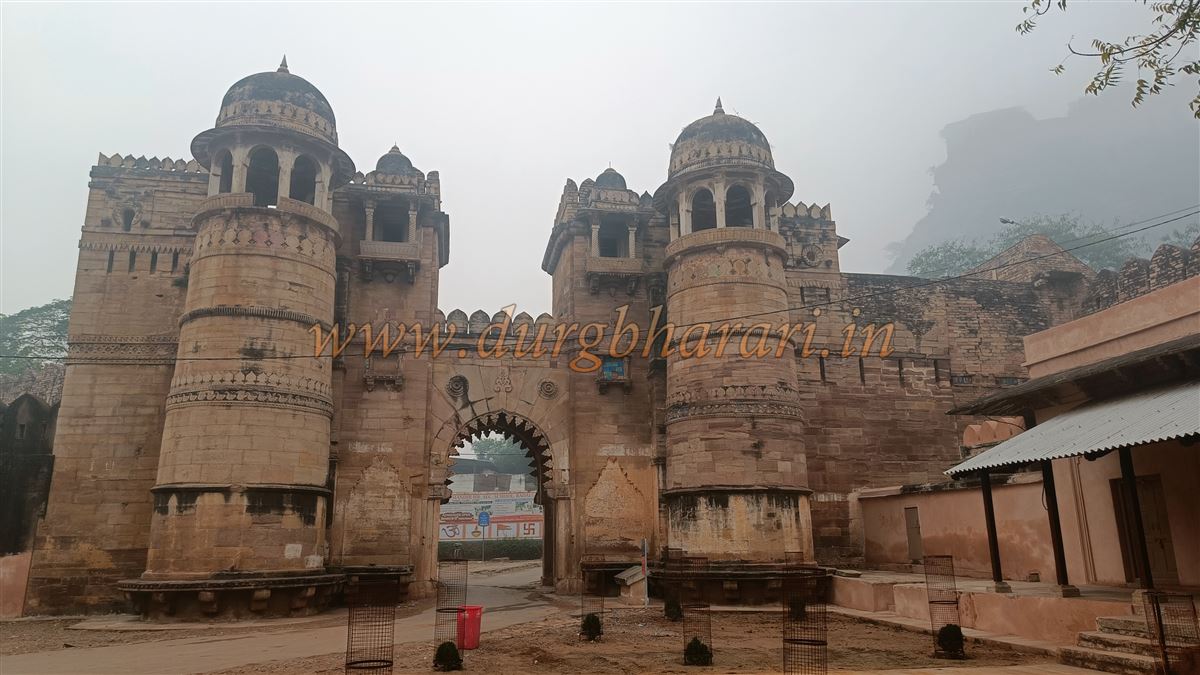
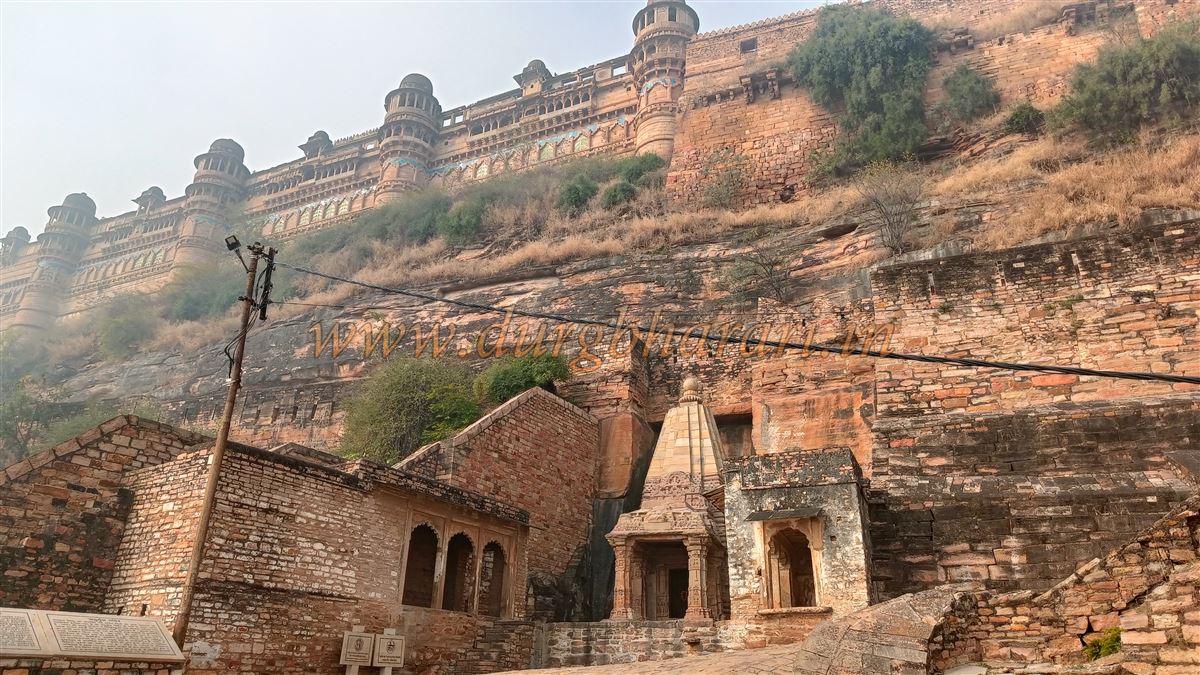
Among many important forts in India, Gwalior Fort is considered a significant hill fort. Its history dates back to the 5th century or perhaps even earlier. According to local legend, the foundation of Gwalior Fort was laid in the 6th century AD by the Rajput warrior Suraj Sen. The legend says that a saint named Gwalip wandered to the fort and met the king, who was suffering from a skin disease at that time. The saint advised the king to take a dip in the fort’s pond, now known as Suraj Kund. Following this advice, the king was immediately cured, and in gratitude, Suraj Sen named the city Gwalior after the saint. Suraj Sen built fortifications on the hill and laid the foundation of Gwalior Fort. In old inscriptions, the hill is called 'Gopachala, Gopagiri,' and 'Gopalikhera.' The current name Gwalior is a corruption of 'Gopalikhera.'
...
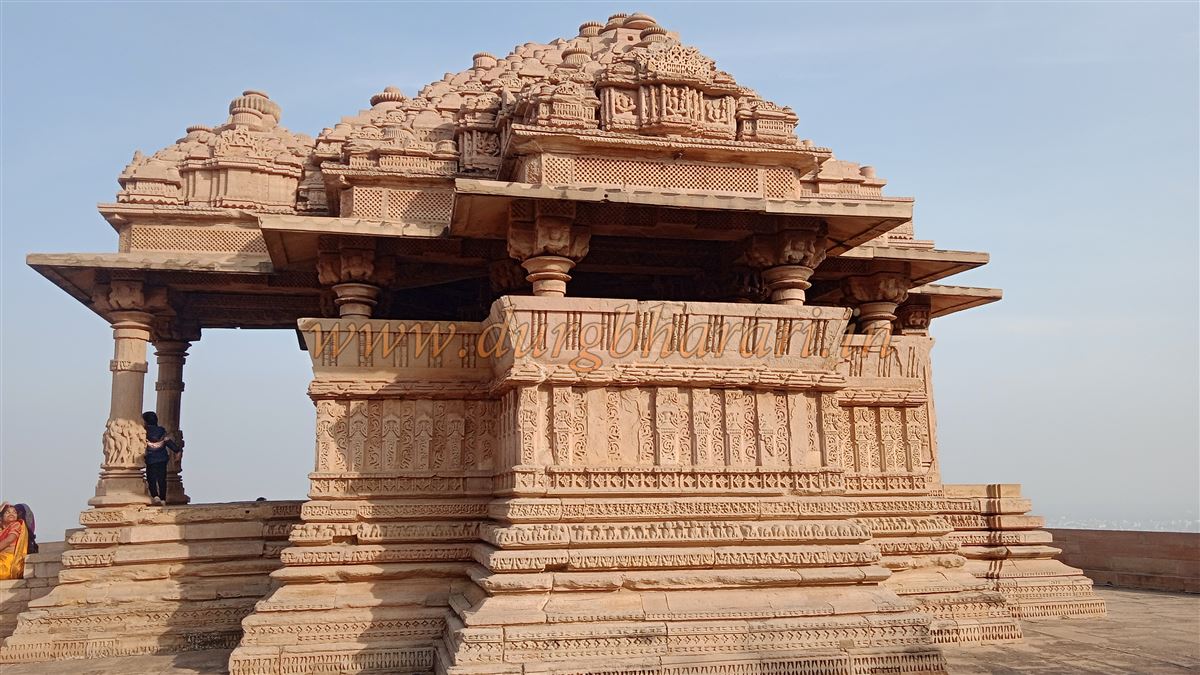
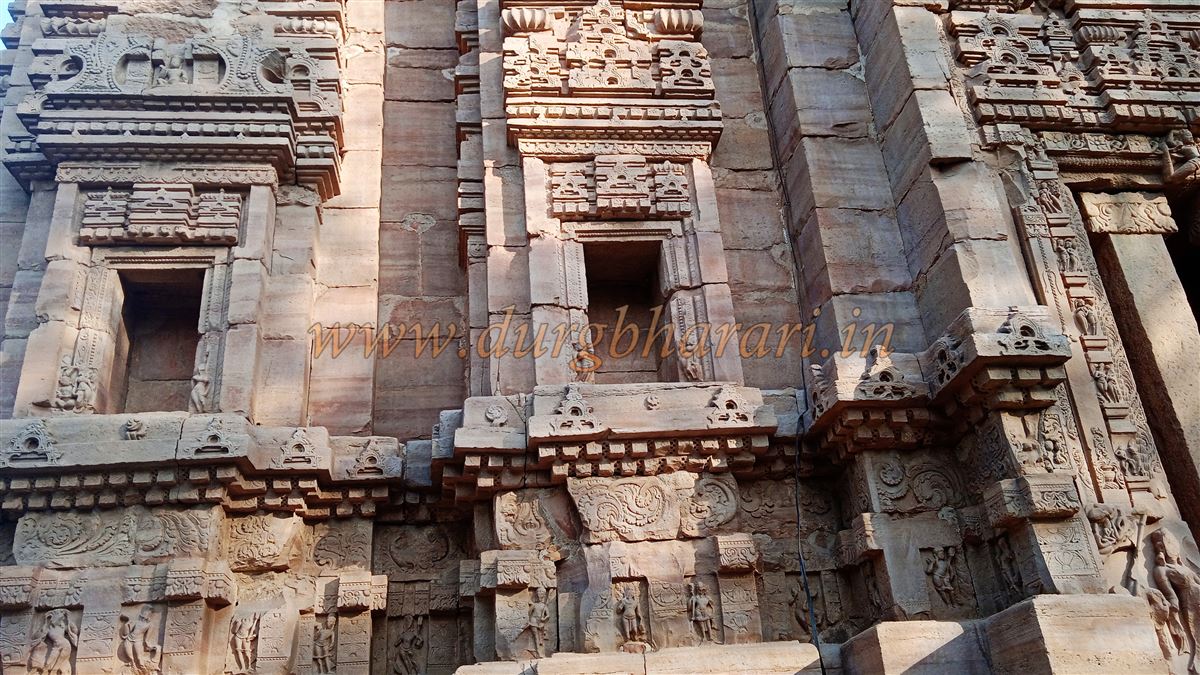
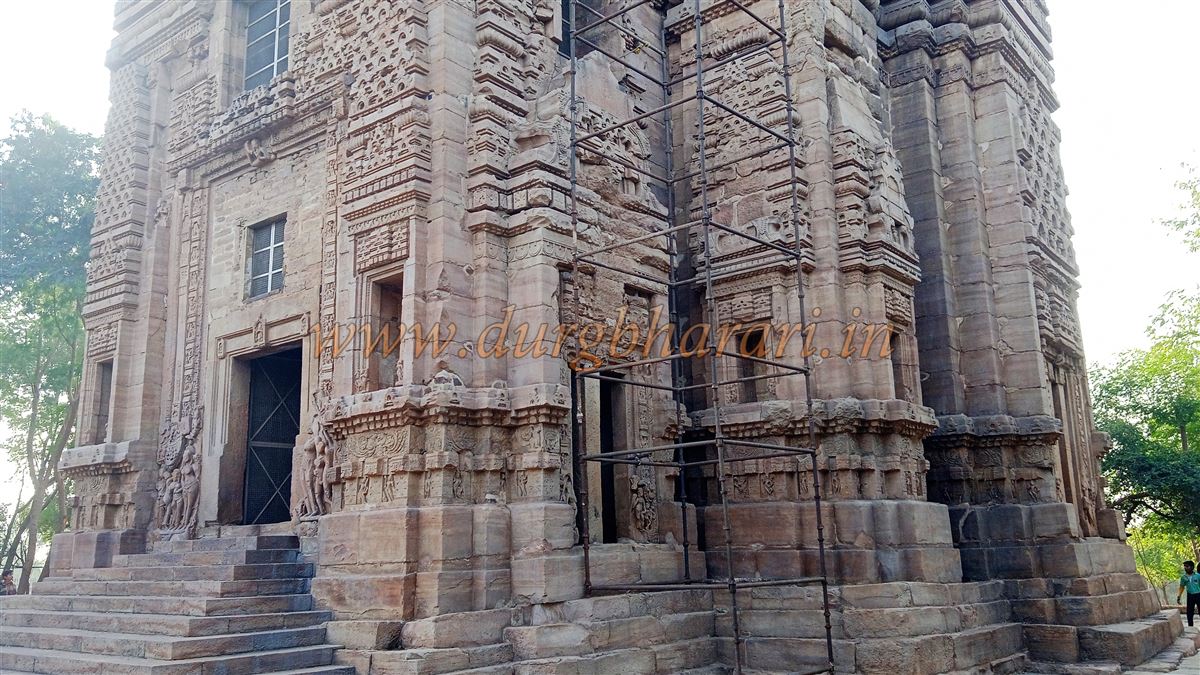
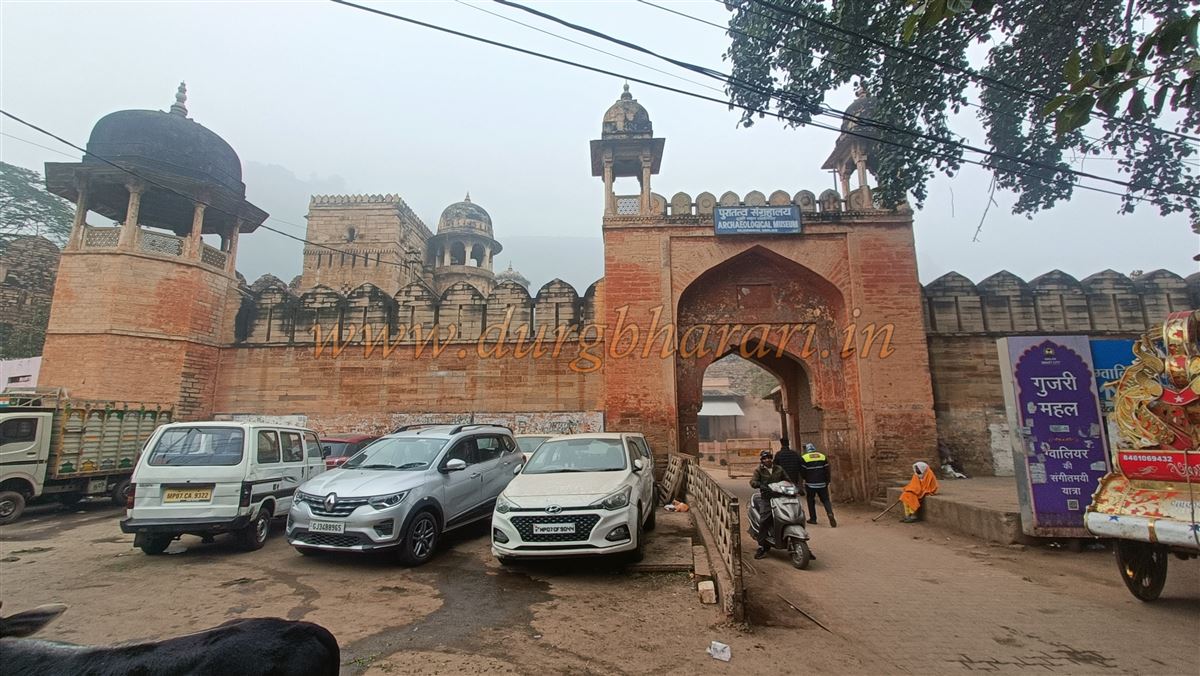
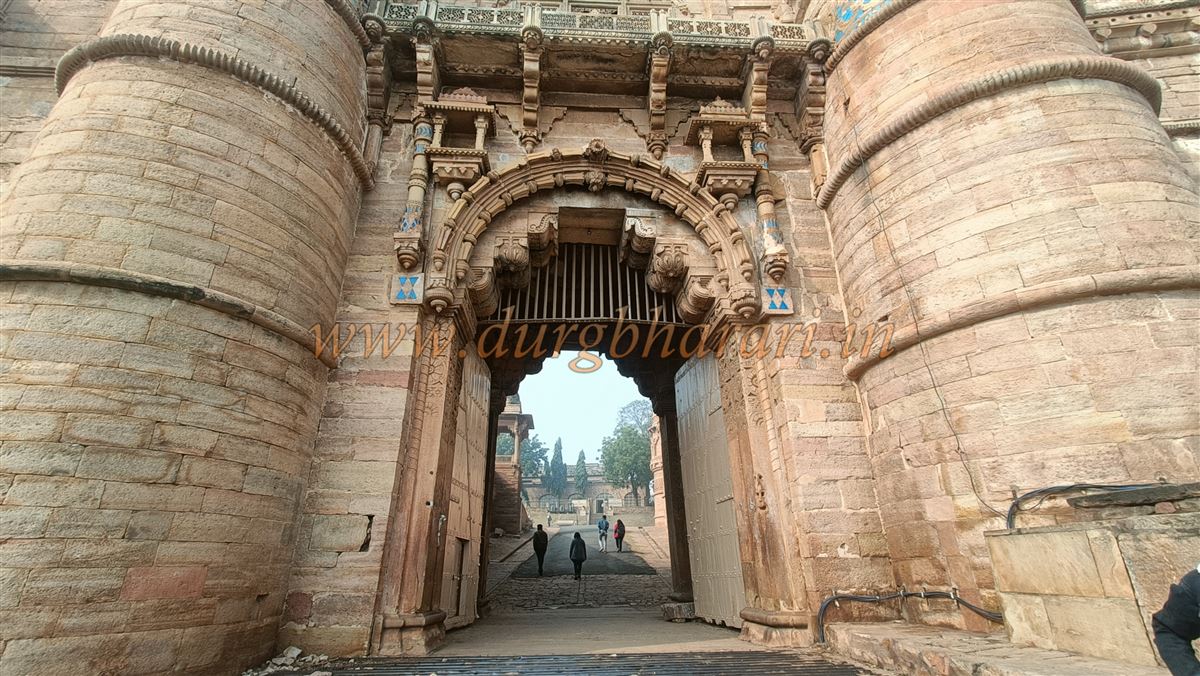
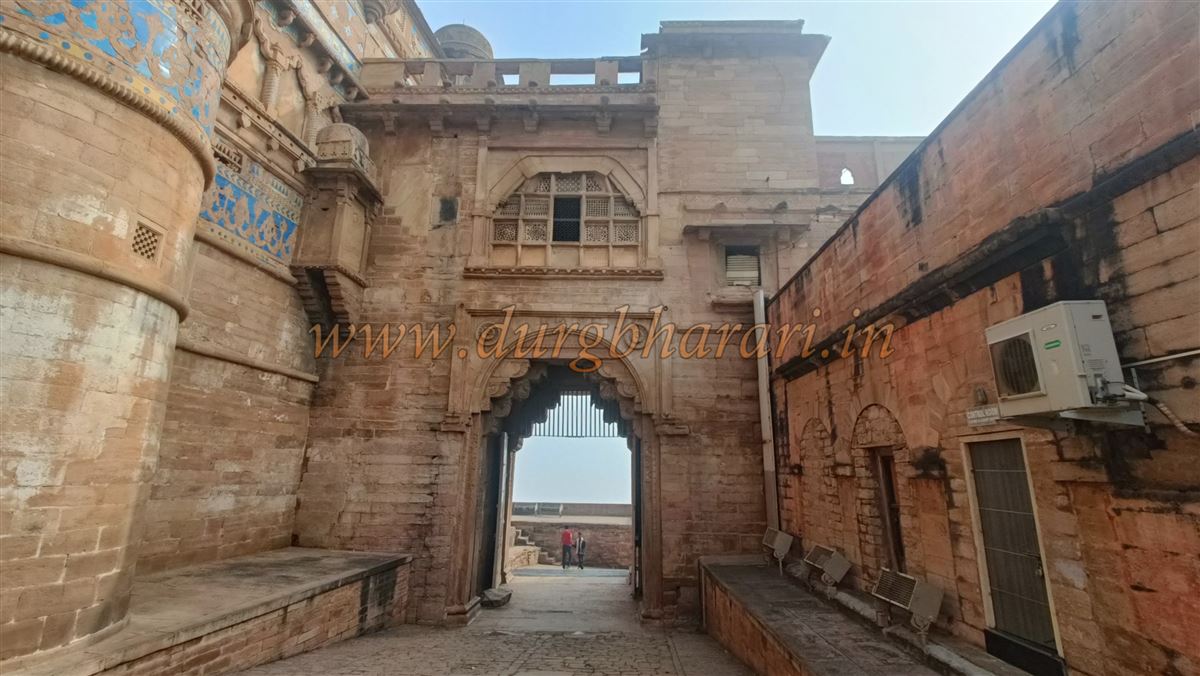
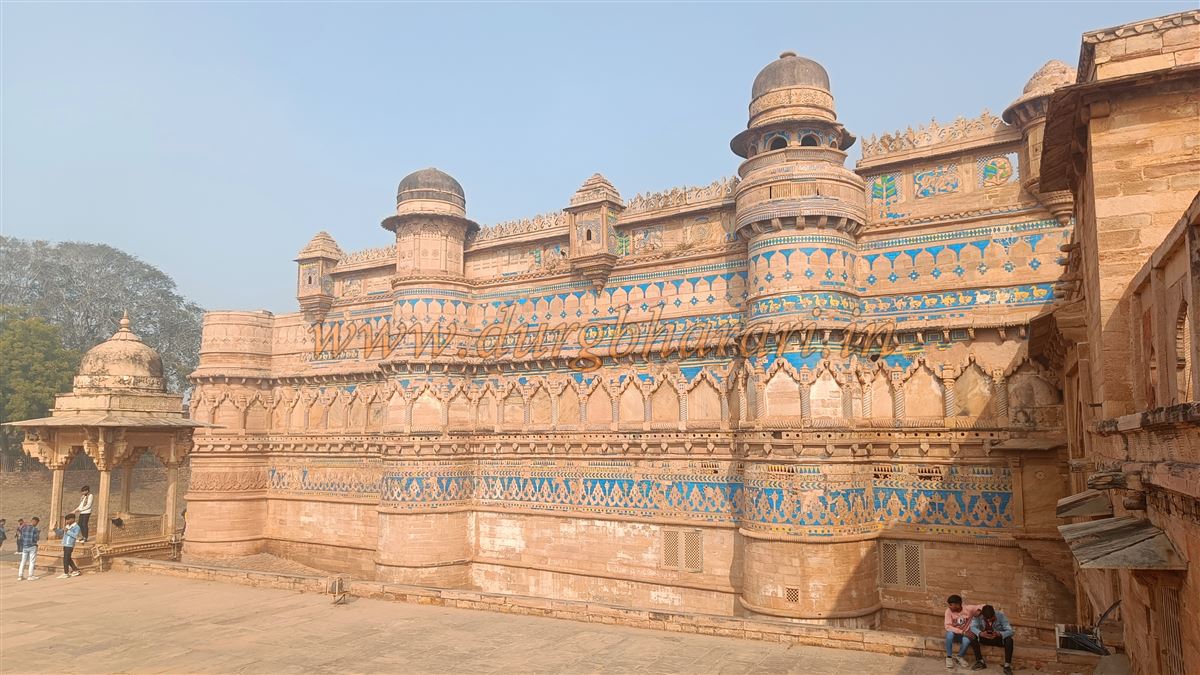
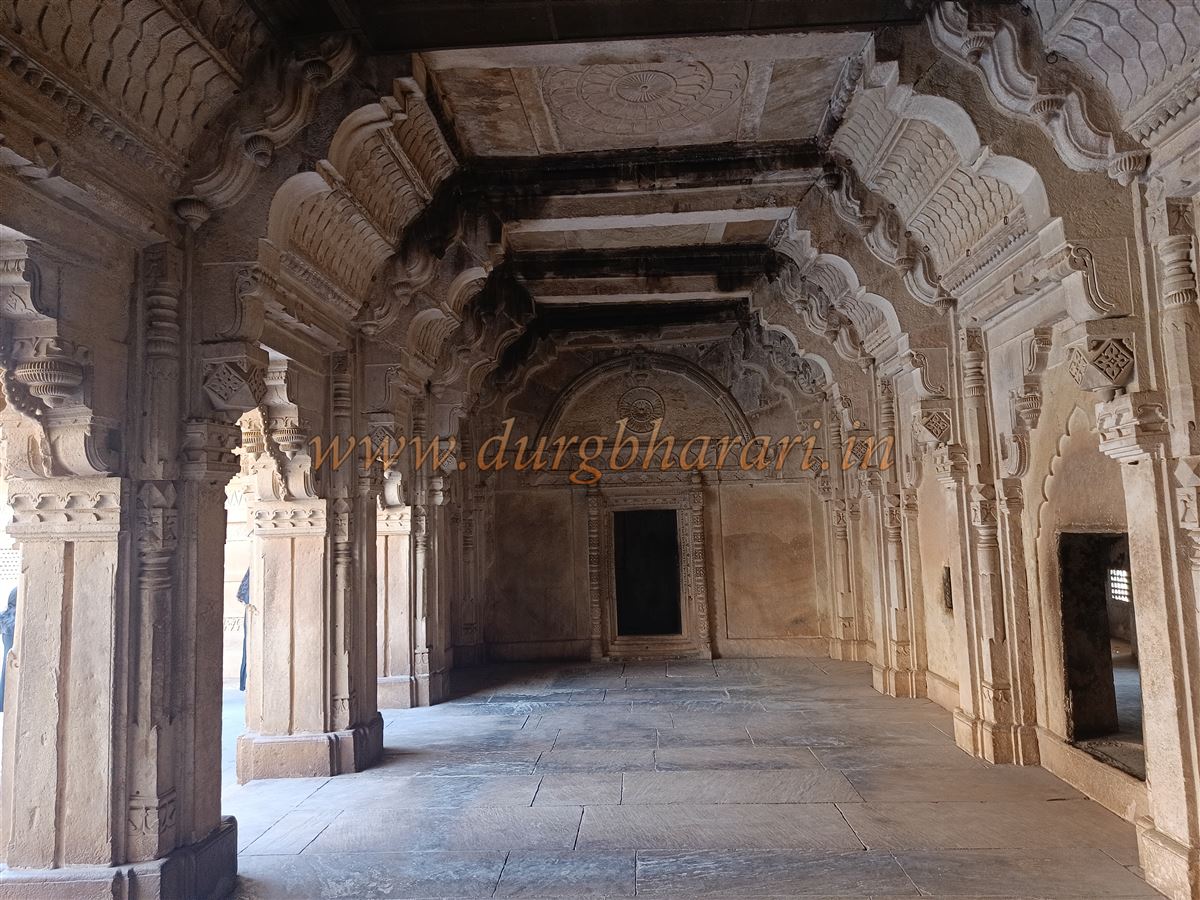
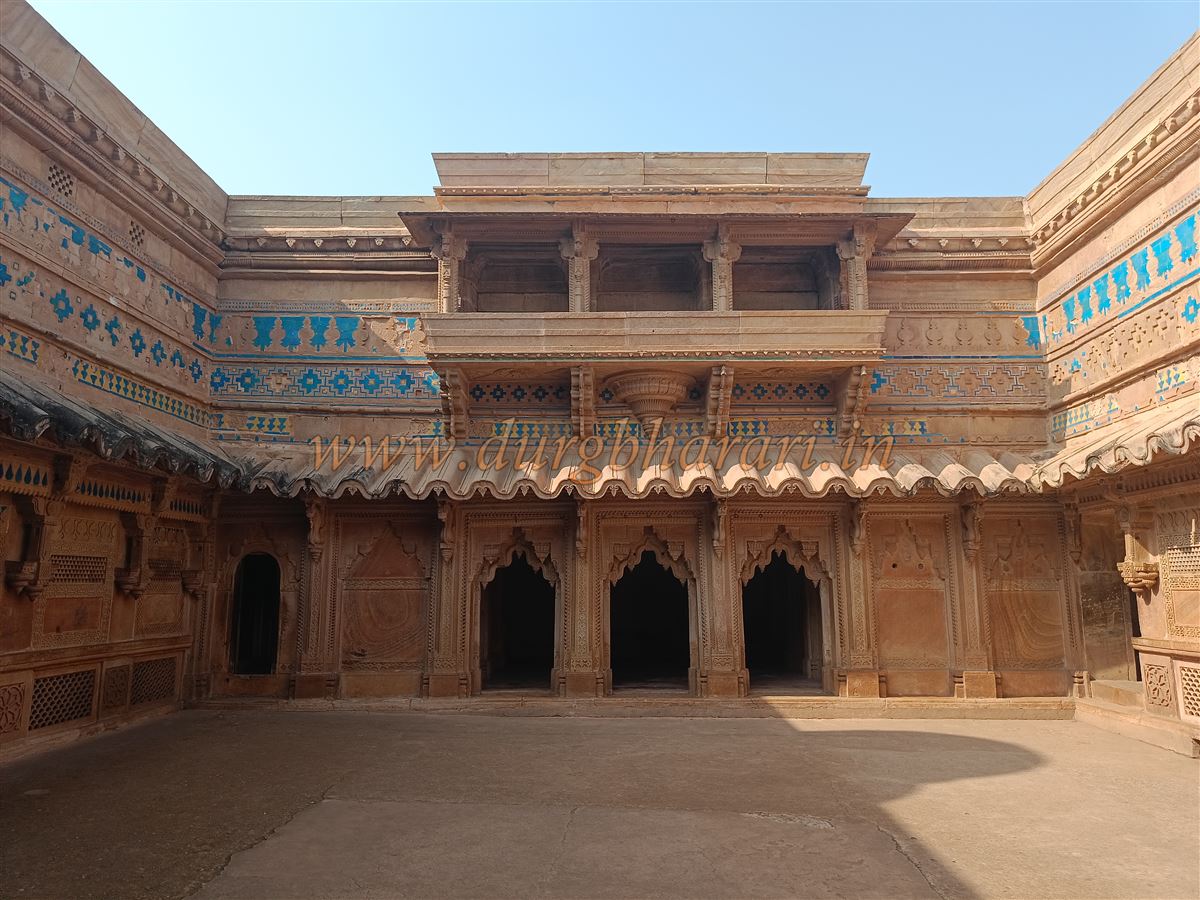
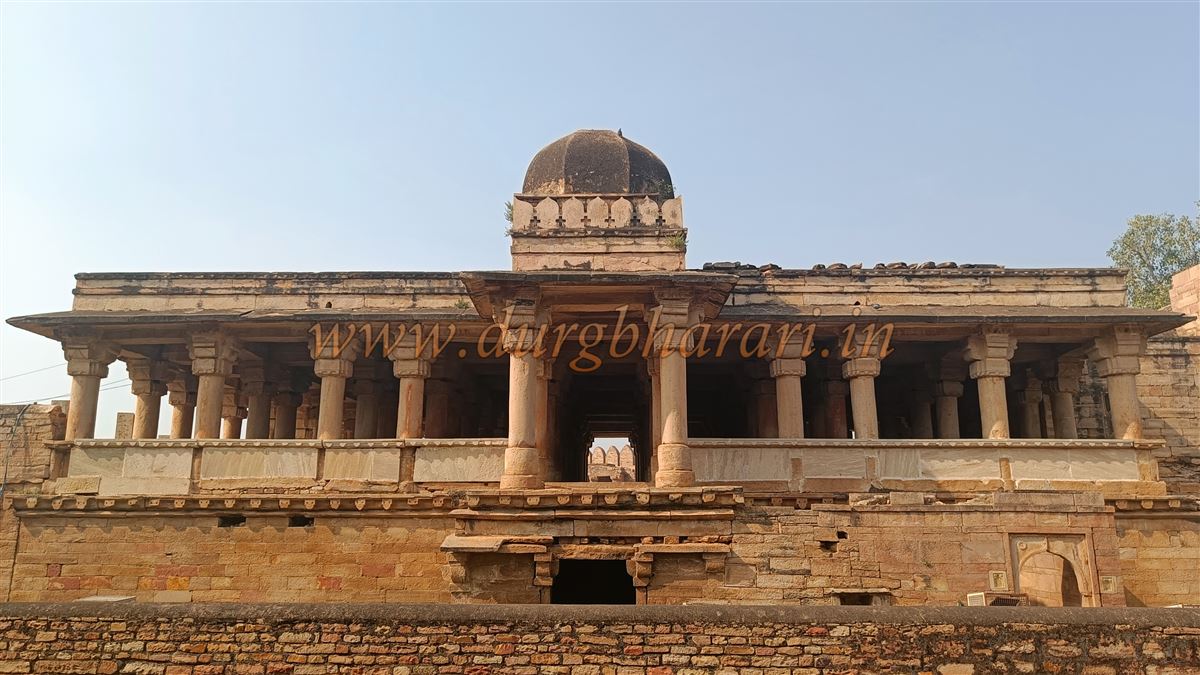
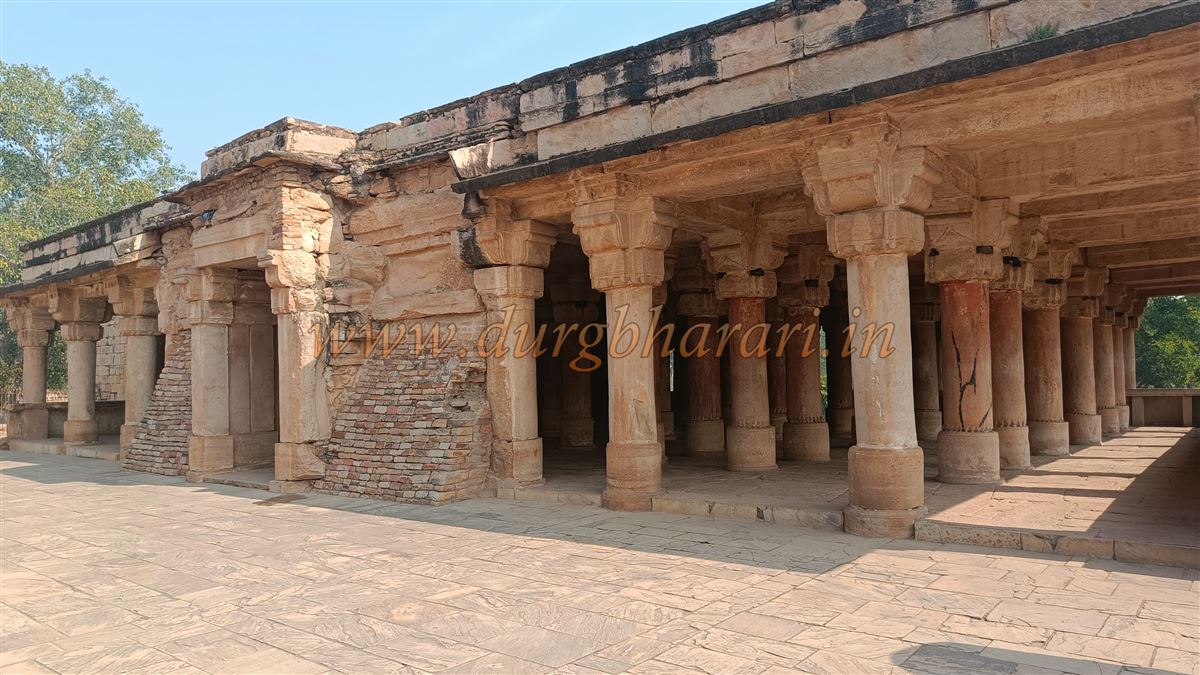
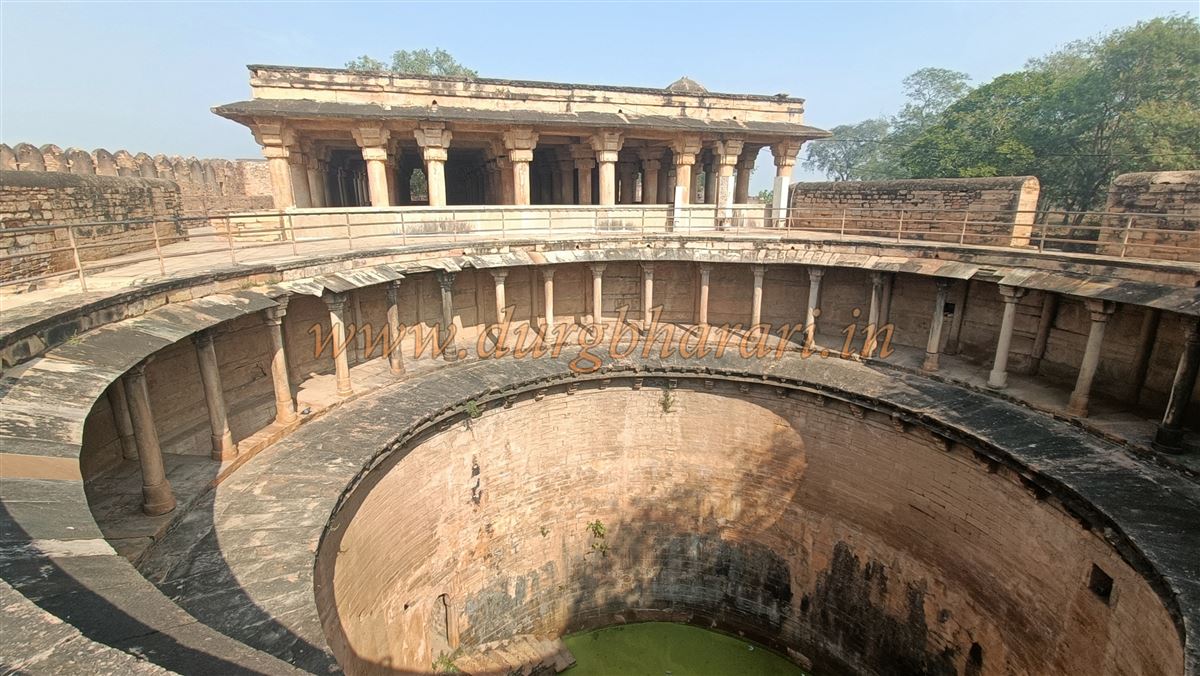
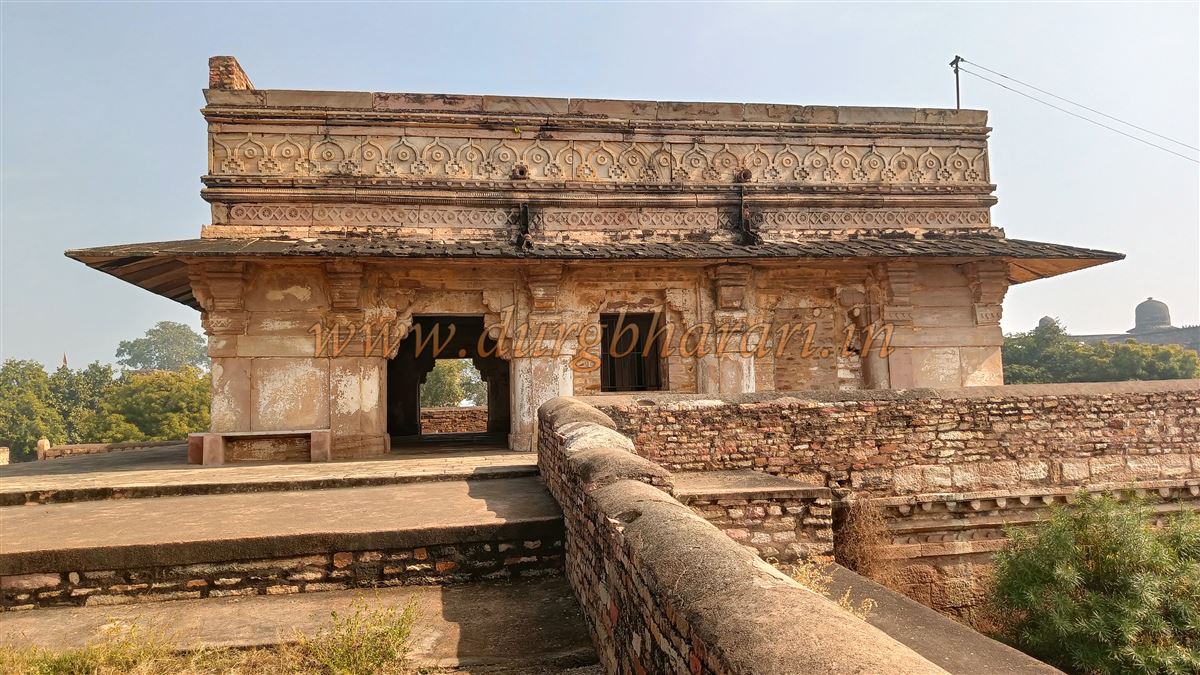
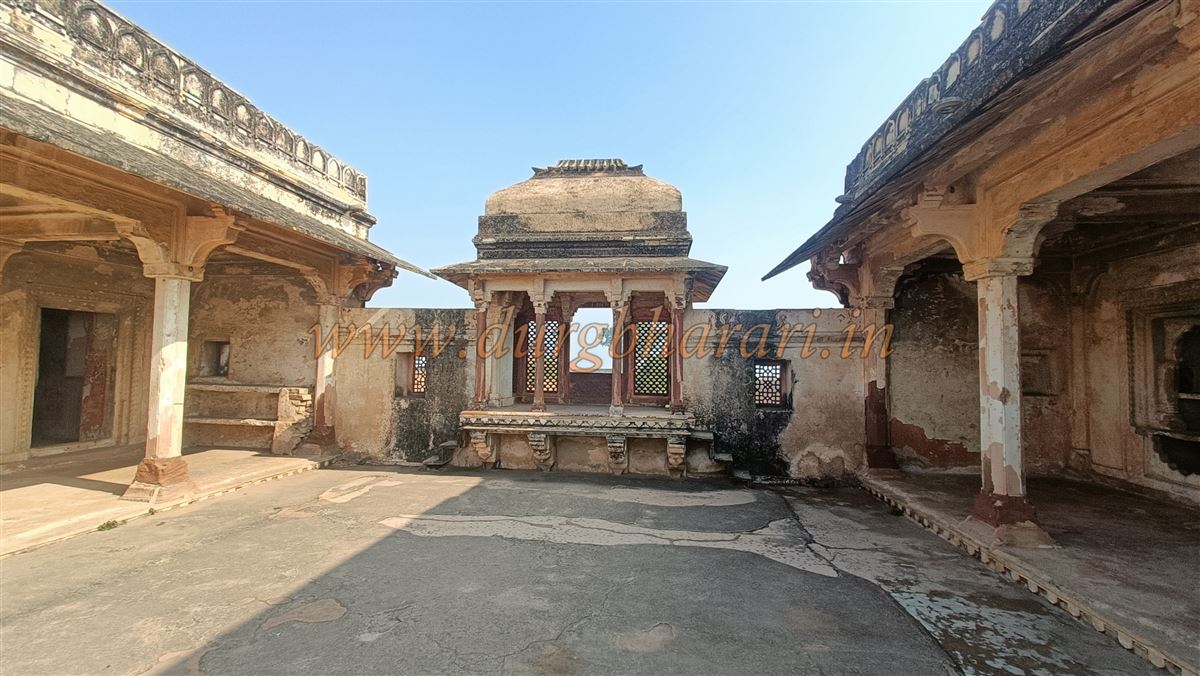
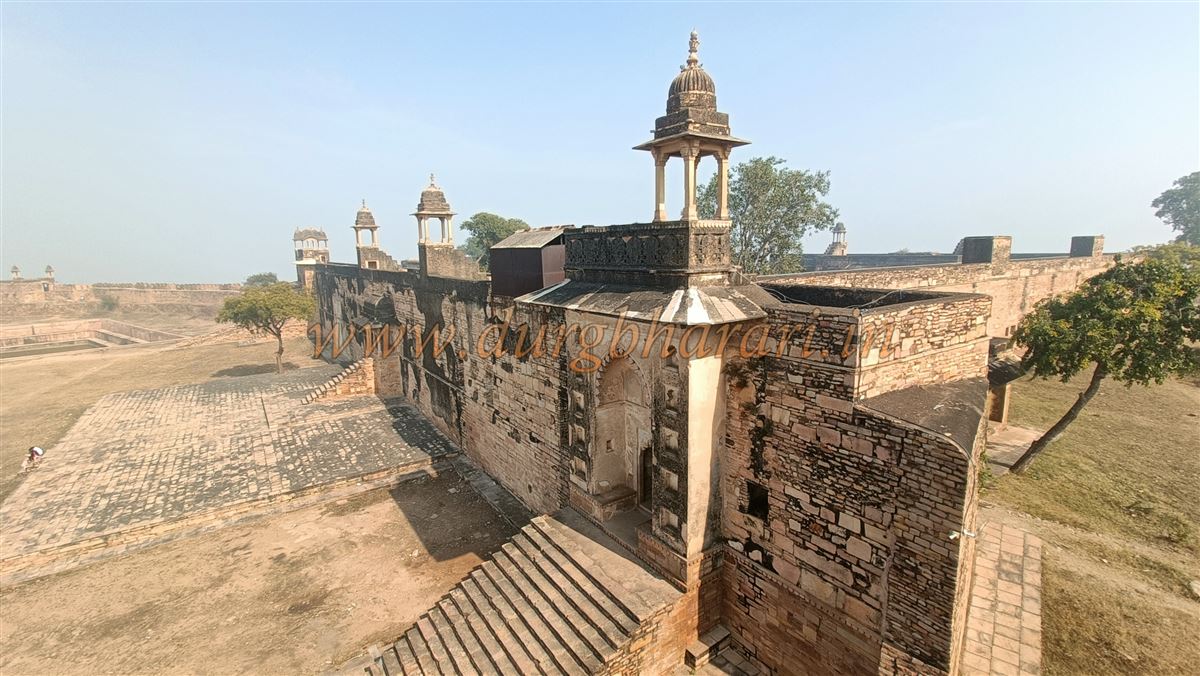
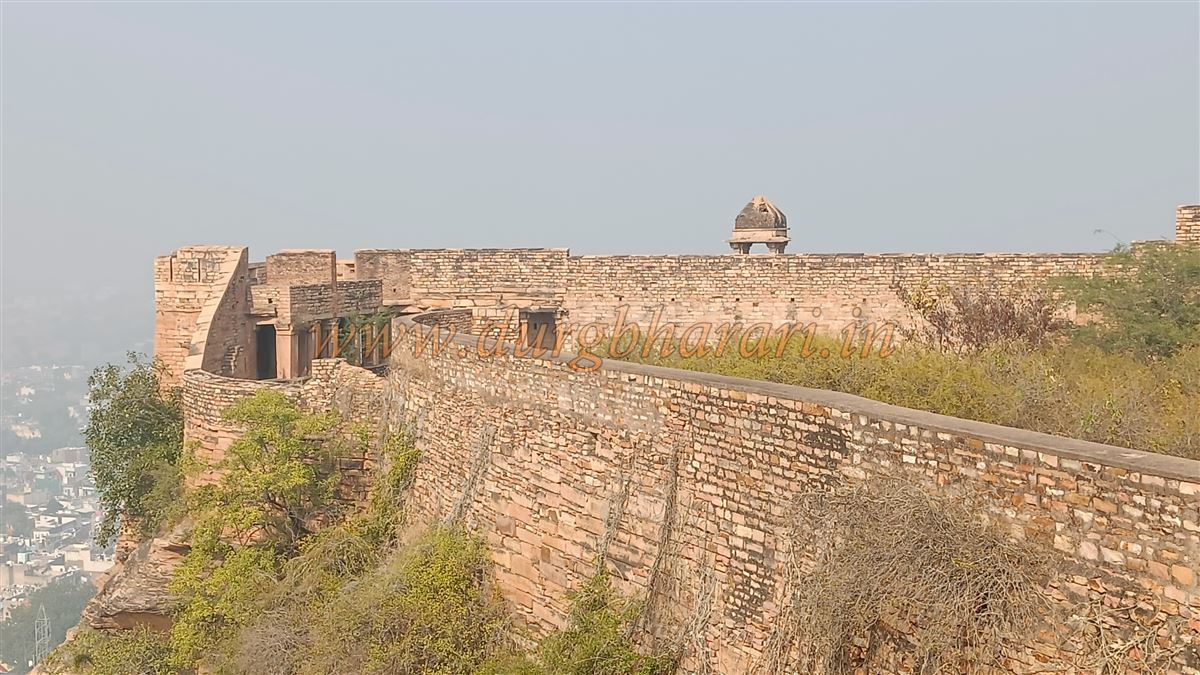
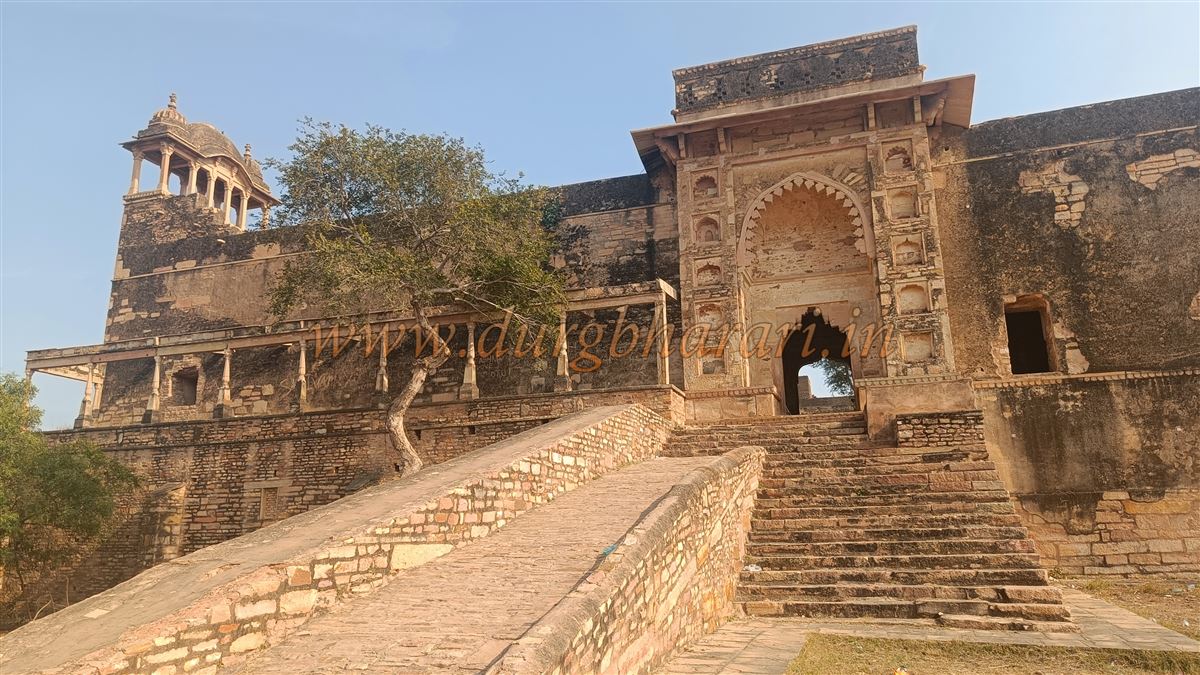
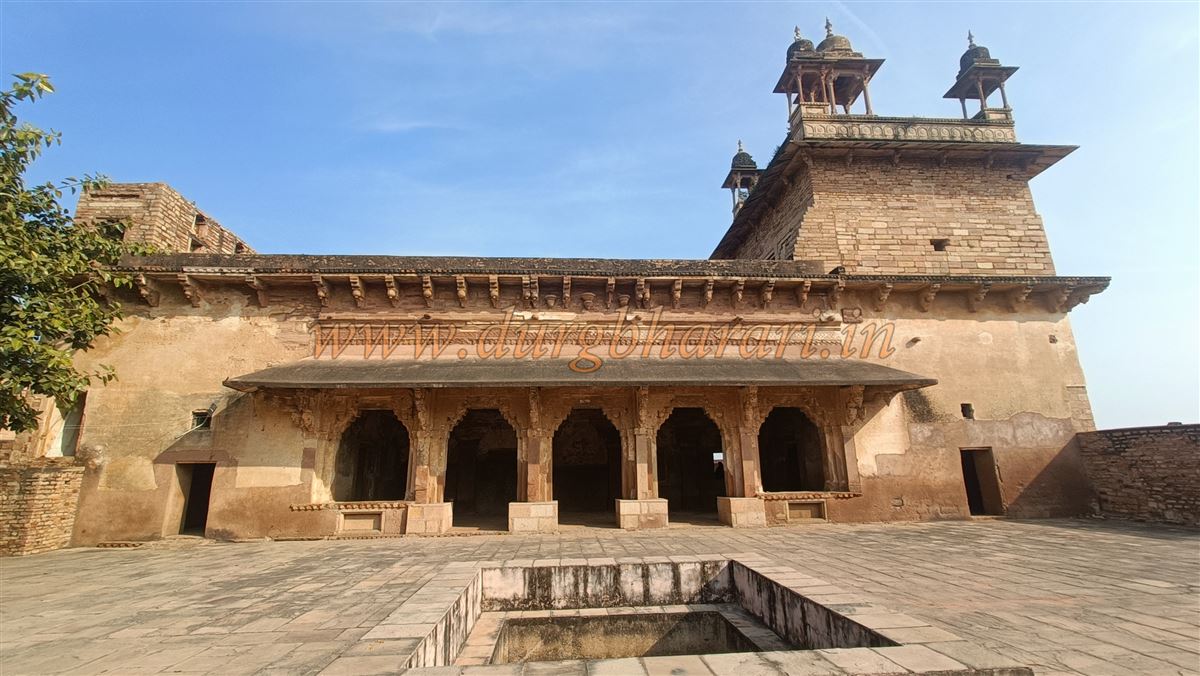
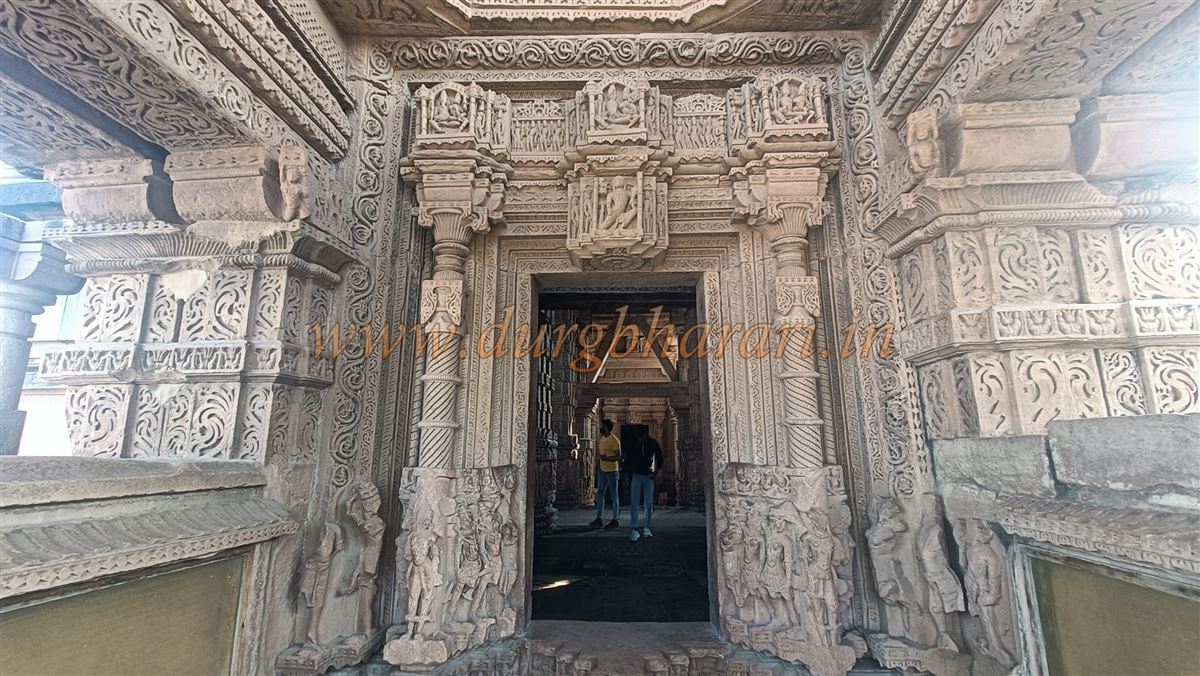
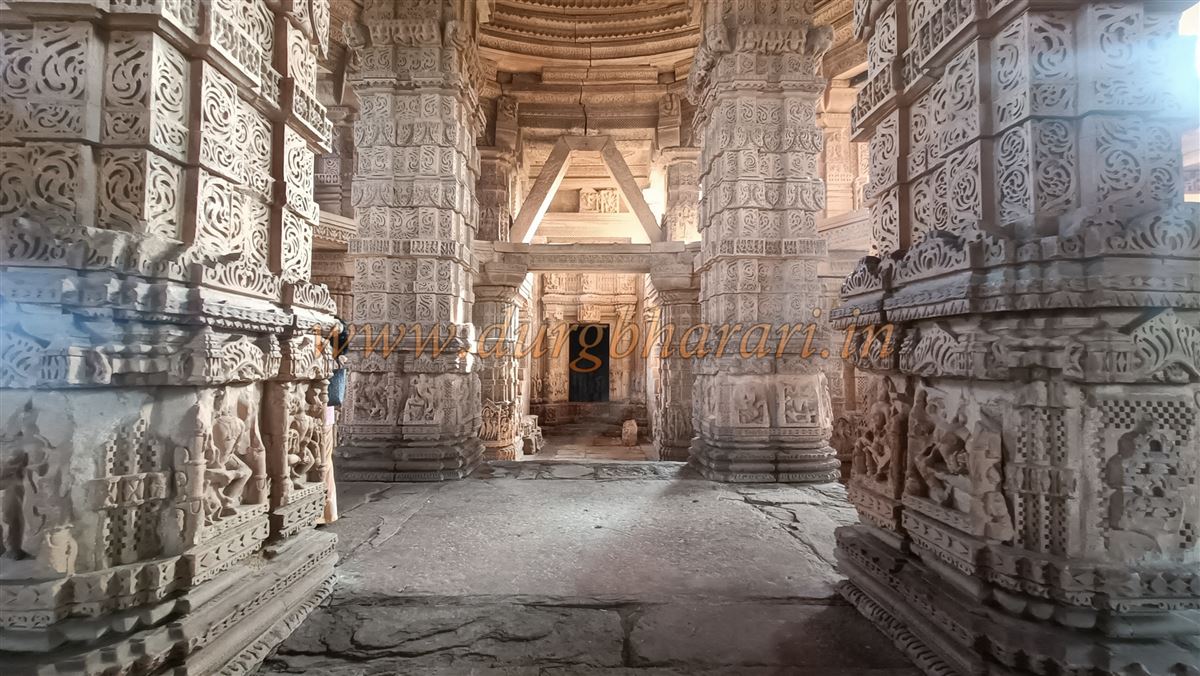
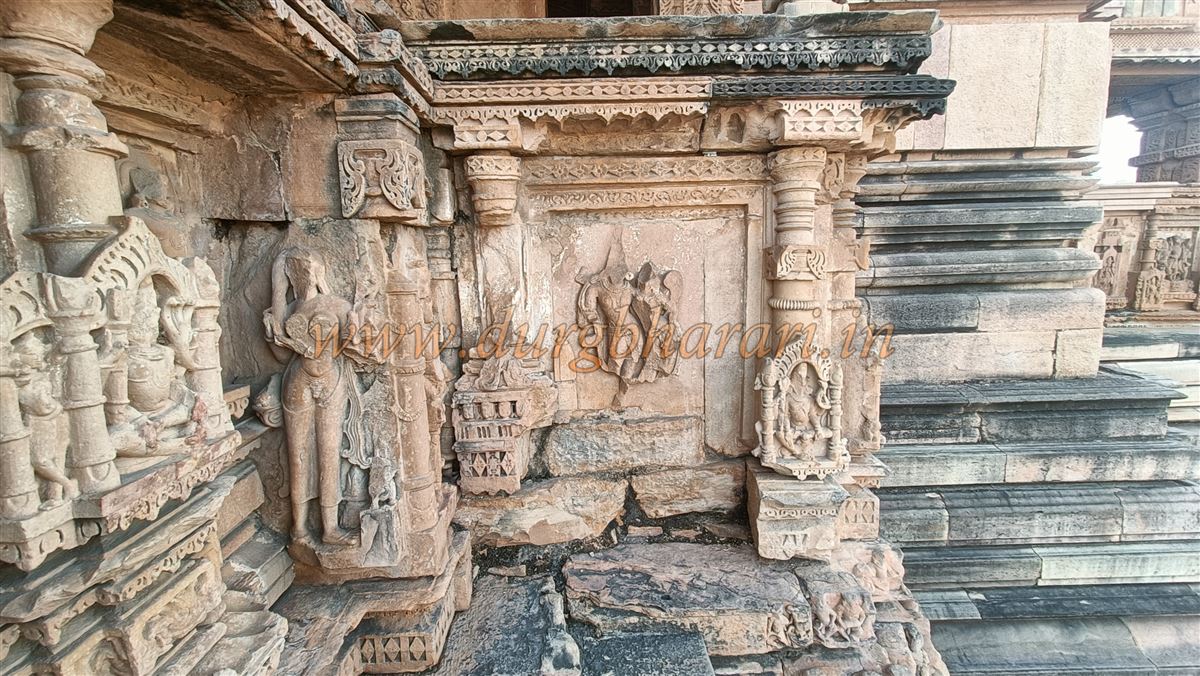
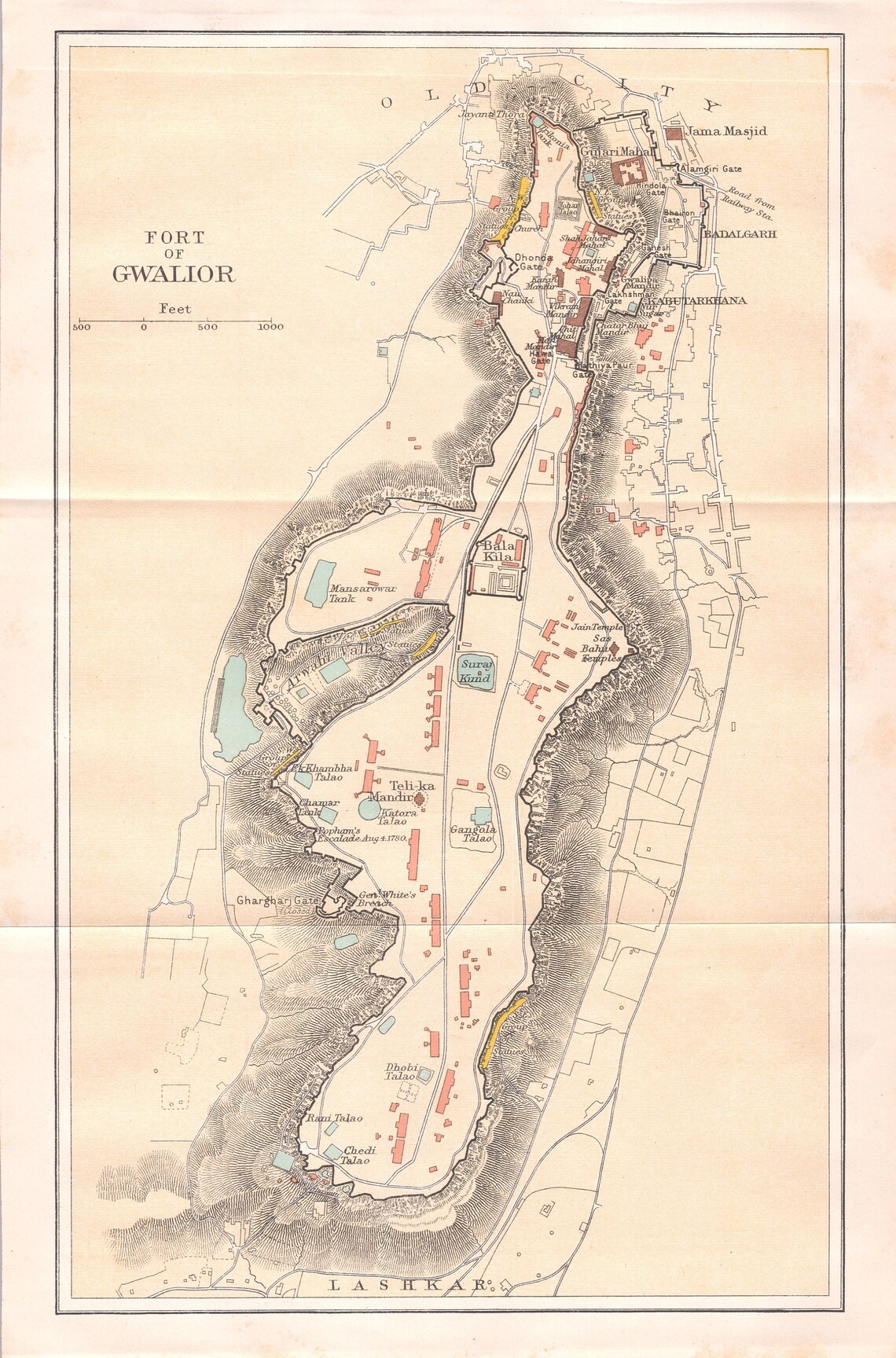
The fort’s present structure dates back to the 8th century, and inscriptions found in the vicinity indicate the fort has existed since the 6th century. Various dynasties such as the Kushanas, Naga, Guptas, Huns, Pratihar, Kachchhapaghatas, Tomars, Pathans, Suris, Mughals, British, Jats, and Marathas have ruled over the fort. The architectural remains of all these rulers can be seen on the fort. The current fort includes defensive structures and six main palaces: Man Mandir, Vikram Mandir, Karn Palace, Shah Jahan Palace, Jahangir Palace, and Gujari Mahal. Two of these palaces were built by Tomar Rajput ruler Man Singh Tomar (1486-1516). Early rulers of the region included Maurya, Shungas, Kushanas, and Naga, who ruled until the 4th century. The Guptas ruled here until the late 5th century. Inscriptions on the Sun Temple at the fort reveal that in 525 AD the Huna emperor Mihir Kul ruled the region. Later historical records include two inscriptions on the Chaturbhuj temple from 875 and 876 AD, indicating that Gwalior was part of the Kanauj kingdom. After the Hun Empire, in the 10th century, the fort was under the Kachchhapaghatas as feudatories of the Chandels. From the 11th century onwards, Muslim rulers attacked the fort several times. In 1022 AD, Mahmud of Ghazni besieged the fort for four days, lifting the siege in exchange for a ransom of 35 elephants. Bahuddin Tughlaq, a slave of Muhammad Ghori, took the fort after a long siege in 1196 AD. In 1232 AD, Iltutmish captured it. In 1398 AD, the fort came under the Tomars. Man Singh Tomar ruled here for 30 years and constructed many buildings. In 1505, Sultan Sikandar Lodi of Delhi tried to capture the fort but failed. In 1516, during a second attack by his son Ibrahim Lodi, Man Singh died. After a year-long siege, the Tomars reluctantly handed over the fort to the Delhi Sultanate. Within a decade, Babur took the fort from Ibrahim Lodi. In 1542, the Mughals captured it from Sher Shah Suri. Later, Hindu general and the last Hindu ruler of Delhi, Hemu, used the fort for many campaigns. In 1558, Akbar recaptured the fort and converted it into a prison for political prisoners. He imprisoned and later executed Kamran’s son and his cousin Abul-Qasim there. The last Tomar ruler, Maharaja Ram Shah Tomar, sought refuge in Mewar and fought in the Battle of Haldighati, where he died along with his three sons. One notable prisoner held here was the sixth Sikh Guru, Guru Hargobind. Aurangzeb imprisoned his close brother Murad Baksh here and had him poisoned. Prince Suleiman Shikoh was also executed here; he was imprisoned from 1659 to 1675. Aurangzeb’s son Muhammad Sultan was imprisoned here from 1661 to 1672. After Aurangzeb’s death, the Jat ruler of Gohad, Bhim Singh Rana, captured the fort. After Aurangzeb’s death, the Marathas took control of many Mughal territories in North and Central India. The Maratha invasions in North India were led by Peshwa Bajirao. In 1755-56, the Marathas defeated the Jat ruler of Gohad and captured Gwalior Fort. Maratha general Mahadaji Shinde won the fort from Gohad Rana Chatra Singh. After the fort came under Mahadaji Shinde’s control, the Marathas also used it to punish some enemies. Mahadaji kept Ismail Beg, a fierce enemy of the Marathas, in lifelong imprisonment here but treated him well, granting him an annual salary of 600 rupees for his upkeep. Ismail Beg was a staunch enemy of the Marathas during Mahadji’s time, constantly plotting and fighting against them. He took part in battles at Dig, Patan, Medta, and Agra against the Marathas. In 1792, Khanderao Hari, a general of Mahadaji, captured him in the Battle of Kanauj. Even then, Ismail Beg was spared due to the intervention of De Boyan, Mahadji’s French officer. According to De Boyan’s words, Mahadaji spared him but kept him imprisoned in Gwalior with a fixed annual stipend. Ismail Beg remained imprisoned until 1799, when he died here. On August 3, 1780, under the leadership of Captain Popham and Bruce, Company forces captured the fort in a night attack, with about 20 people wounded on both sides. In 1780, British Governor Warren Hastings returned the fort to the Rana of Gohad. Four years later, the Marathas regained the fort, but the British did not intervene since they had no quarrel with Rana of Gohad. In the Second Anglo-Maratha War, the British captured the fort from Daulat Rao Shinde. Between 1808 and 1844, control of the fort repeatedly changed between the Shinde and the British. In January 1844, after the Battle of Maharajpur, the fort came under the protection of the British government and the Maratha Scindia family’s Gwalior state. During the 1857 uprising, about 6500 sepoys stationed in Gwalior revolted against Company rule. The last attack on the fort during the 1857 war was led by Rani Lakshmibai of Jhansi and Tatya Tope, but the then ruler of Gwalior, Jayajirao Scindia, remained loyal to the British. In June 1858, the British took control of the fort and granted Jayajirao some territories. By 1886, the entire India was under British control, and the fort lost its strategic importance. The British handed over the fort to the Scindia family in exchange for Jhansi. Until 1947, the Maratha Scindia ruled Gwalior and constructed many buildings including Jai Vilas Mahal. The Scindia School, established by Maharaja Madhavrao Scindia in 1897, is also located within the fort. Since the fort is under the Archaeological Department, its premises are well maintained. The entire fort spreads over 3 square kilometers, and its fortification walls are about 36 feet high. The fortifications run along the hill’s edge and are connected by many bastions. There are two main gates to enter the fort: the Gwalior Fort Gate and the Urwai Gate. Additionally, there are two unused gates—Dhundapur Gate and Ladhedi Gate. Dhundapur Gate is near the vicinity of Karan Mahal and Jahangir Mahal. The Gwalior Gate is the main eastern gate connecting the fort to the city of Gwalior. To reach the fort from this gate, one has to cross six gates arranged on a slope. The second gate in the line is Alamgir Gate, built during Aurangzeb’s reign. It features Chatri (domes) on the gate and bastions, blending Mughal and Rajput architectural styles. The third gate is Hindoala Gate, built in the 15th century, also known as Badal Mahal Gate. It is named after Raja Man Singh’s uncle, Badal Singh Tomar. The fourth gate is Laxman Gate, also built in the 15th century, named after Laxman Singh of the Tomar dynasty. The fifth gate, Ganesh Gate, was built in the 15th century by Raja Dungar Singh Tomar. The final gate to enter the fort is Hathi Pol (Elephant Gate), located on the southeast side near Man Mandir Palace. This gate is named after a full-size elephant statue that once adorned it. It is built with dressed stones and has carved domes on the circular bastions. Passing through this series of six gates, one sees beautifully carved temples on both sides of the path, with the Chaturbhuj Temple being especially notable. The fort’s water management system is very strong, supplied by several reservoirs including Mansarovar Tank, Gangola Tank, Ek Khamb Tank, Katora Tank, Rani Tank, Chedi Tank, and Johar Kund. These water bodies supplied water to 15,000 soldiers and all other structures on the fort. Inside, the first structure seen after entering Hathi Pol is the palace of Raja Man Singh. Man Mandir Palace is the most prominent building within Gwalior Fort and a fine example of Rajput architecture. Located at the northeast corner of the fort, it was built in 1508 by Raja Man Singh Tomar, serving as the main residence of the Tomar rulers. The palace is decorated with colourful glass tiles featuring banana trees, ducks, peacocks, elephants, lions, and domed pillars. The palace has four floors, two of which are underground. The upper two floors contain an open courtyard, a music hall, and king and queen’s chambers. Most rooms have small latticed windows for light and air. Narrow, steep staircases lead down to the basement area called Jhulaghar, which features a closed well surrounded by pillars. Previously, swings were hung here where women came down to rest near the well. This well is known as Kesar Kund. Windows are designed proportionally for ventilation and light. Since the palace is built on the outer fort wall, it offers a beautiful view of the surrounding area. When the fort came under Mughal control in the 16th century, the palace was used as a prison for royal prisoners. Karan Mahal is located directly opposite Vikram Mahal. Built by Tomar ruler Kirti Singh between 1480 and 1486, it is named after his other name, Karan Singh. It is one of the earliest palaces in the fort. Karan Mahal is a two-storied building surrounded by structures such as the court, prison, and bathhouse. Despite its simple design, its grand size makes it stand out as a medieval structure. Vikram Mahal was built in 1516 by Vikramaditya, the elder son of Man Singh Tomar, next to Man Mandir. It is a simple yet beautiful palace with a central Baradari flanked by rooms. The Baradari has an open hall with doors for light and air. Sher Mahal, also called Jahangir Mahal, was built by Sher Shah but rebuilt by Jahangir during his visit, hence the name Jahangir Mahal. Shah Jahan Mahal is located just opposite Jahangir Mahal and was built by Shah Jahan himself. Part of Jahangir Mahal is connected to Shah Jahan Mahal, which shows Mughal architectural influence. The memorial of Bhim Singh Rana, known as Bhim Singh Rana Ki Chatri, is a three-storied tomb under a dome in Bhind (Madhya Pradesh). Bhim Singh Rana ruled Bhind from 1717 to 1756 and occupied Gwalior Fort for some time during Mughal and Maratha rule. He captured the fort in 1740 when Mughal commander Ali Khan surrendered. In 1754, Bhim Singh built the Bhimtal (pond) on the fort but died in battle in 1756 against the Marathas led by Shinde. Rana Chhatar Singh later built his memorial in his honor. Bhim Singh Rana was a descendant of Rana Jaisingh Bamrolia. Johar Kund is a large water tank built to supply water to the fort but also served as a place where women committed self-immolation (Jauhar) to avoid rape during imminent enemy attacks. When Man Singh Tomar was killed in battle, his Rajput queens and maidservants performed Jauhar here. Johar Kund is located near Bhim Singh Rana’s memorial and west of Jahangir Mahal. The Chaturbhuj Temple on the fort has the oldest inscription showing the number zero, dating back about 1500 years. This inscription is considered the first evidence of the zero digit. The Chaturbhuj Temple is a must-visit for scholars. It is dedicated to Lord Vishnu. The famous ancient Indian mathematician and astronomer Aryabhata (476-550 AD) is known for giving zero to the world. Teli Ka Mandir, another important structure in the fort, was built in the 8th-9th centuries by the Pratihar emperor Mihir Bhoj. According to local legend, it was funded by oil merchants, hence the name. It is the oldest part of the fort, about 70 feet tall, blending North Indian Nagara and South Indian Dravidian architectural styles. At the main entrance, the height of the temple impresses visitors. The main door is beautifully carved with Garuda. Statues of Ganga and Yamuna flank the doorway with leaf garlands carved around them. Vertical bands on either side are simply decorated, though much of the carving is now damaged. A few steps lead inside to the sanctum, which has a rectangular flat roof typical of the temple. Unlike nearby temples, there is no mandapa or pillars, and the roof has a south Indian style triangular sloping design. Niches in the outer walls once held statues but are now empty. Originally dedicated to Vishnu, the temple suffered much damage during Muslim attacks. It was restored between 1881-1883, preserving Vaishnavite carvings like Garuda, but converted inside into a Shiva temple by placing a Shivalinga. Jain Caves can be seen near the Urvahi Gate on the high cliff beneath the fort walls. These caves, carved in the 15th century, are divided into five groups: Siddhanchal (Urvahi) group to the west, Gopachal Hills (Southeast group), Southwest group, Northwest group, and Northeast group. The caves include eleven dedicated to Jain Tirthankaras and 21 smaller caves with intricate carvings of Tirthankaras. There are about 1500 statues, including 24 Tirthankaras in padmasana posture, 40 statues in kayotsarga posture, and around 840 figures carved on walls and pillars. These caves were carved during 1341-1479 under Tomar kings Dungar Singh and Kirti Singh. The tallest statue is a 58-foot figure of the first Jain Tirthankaras Rishabhanath or Adinath, recognized by a bull emblem. The 22nd Tirthankaras Neminath 32-foot seated statue is identified by a conch emblem. There is also a beautiful 42-foot tall and 30-foot wide statue of Lord Parshvanath in padmasana posture, with a serpent hood over the head and a preaching seat nearby. After Babur’s army captured the fort in 1527, they ordered the destruction of statues, disfiguring Hindu and Jain deities’ faces and even destroying the private parts of naked Digambar Jain Tirthankaras. Despite this, most stone carvings remain intact and well preserved. Assi Khamb Ki Baori is a stepwell located a short distance from Hathi Pol. As the name suggests, it is a stepped well with pillars inside. The well has many chambers, likely used for changing clothes or for queens to bathe. Sahastrabahu Temple, also known as Saas-Bahu Temple, is one of the finest sites in Gwalior Fort. Located in the eastern corner, construction was started by Kachchhap ruler Ratanpal and completed under King Mahipal in 1093 AD. The Saas temple represents a large Vishnu temple, with sculptures of Brahma, Vishnu, and Saraswati at its entrance. Inside, carvings of Krishna’s stories and Garuda are found, and the outer walls have many geometric designs, musicians, dancers, floral patterns, and elephants. The Bahu temple represents a smaller Shiva temple and overlooks the city of Gwalior. It is also richly decorated. The temple has one entrance and a small hall. The original name was Sahastrabahu, meaning ‘thousand-armed,’ but over time, local dialects renamed it Saas-Bahu temple. The temple layout is north-south with a sanctum, an antaral hall, and a half hall. The central hall has many carved pillars and a ceiling surrounded on three sides by verandas. The Gurdwara Data Bandi Chor is a memorial to the sixth Sikh Guru, Guru Hargobind Sahib Ji. Built in the 1970s and 1980s, the Gurdwara commemorates his imprisonment in Gwalior Fort. He was crowned the sixth Sikh Guru on June 24, 1606, at age 11. Guru Hargobind was an enemy of Mughal rule from the start because Emperor Jahangir executed his father Guru Arjun. He encouraged Sikhs to bear arms and fight. Jahangir imprisoned the 14-year-old Guru Hargobind in Gwalior Fort in 1609 for failing to pay the fine imposed on Guru Arjun. Records are unclear on how long he was imprisoned, but he was released around 1611-12 at age 16. Persian records suggest he was imprisoned for 12 years, including 1617-19, with much of the time spent in Gwalior. Sikh tradition holds he was freed on Diwali, now celebrated as Bandi Chhor Divas. Gujari Mahal is a monument to the love between Raja Man Singh Tomar and his brave Gujari queen Mrignayani. Man Singh built this square, two-storied palace below the fort for his queen. The outer structure is preserved, and the interior houses an archaeological museum with ancient statues, some dating to the 1st century AD. A rare statue in the museum is the Sursundari Shalabhanjika from Gyaraspur, considered the Venus de Milo of India. Man Singh met a Gujar girl named Ninni while hunting; impressed by her beauty and bravery, he married her, naming her Mrignayani. He built the Gujari Mahal at the hill’s base for her. The entrance fee to Gwalior Fort is 40 rupees for adults, 25 for children, and 250 for foreigners. Gujari Mahal has a separate ticket. The fort is open from 9:00 AM
© Suresh Nimbalkar
GALLERY