GORAKHGAD
TYPE : HILL FORT
DISTRICT : THANE
HEIGHT : 1930 FEET
GRADE : HARD
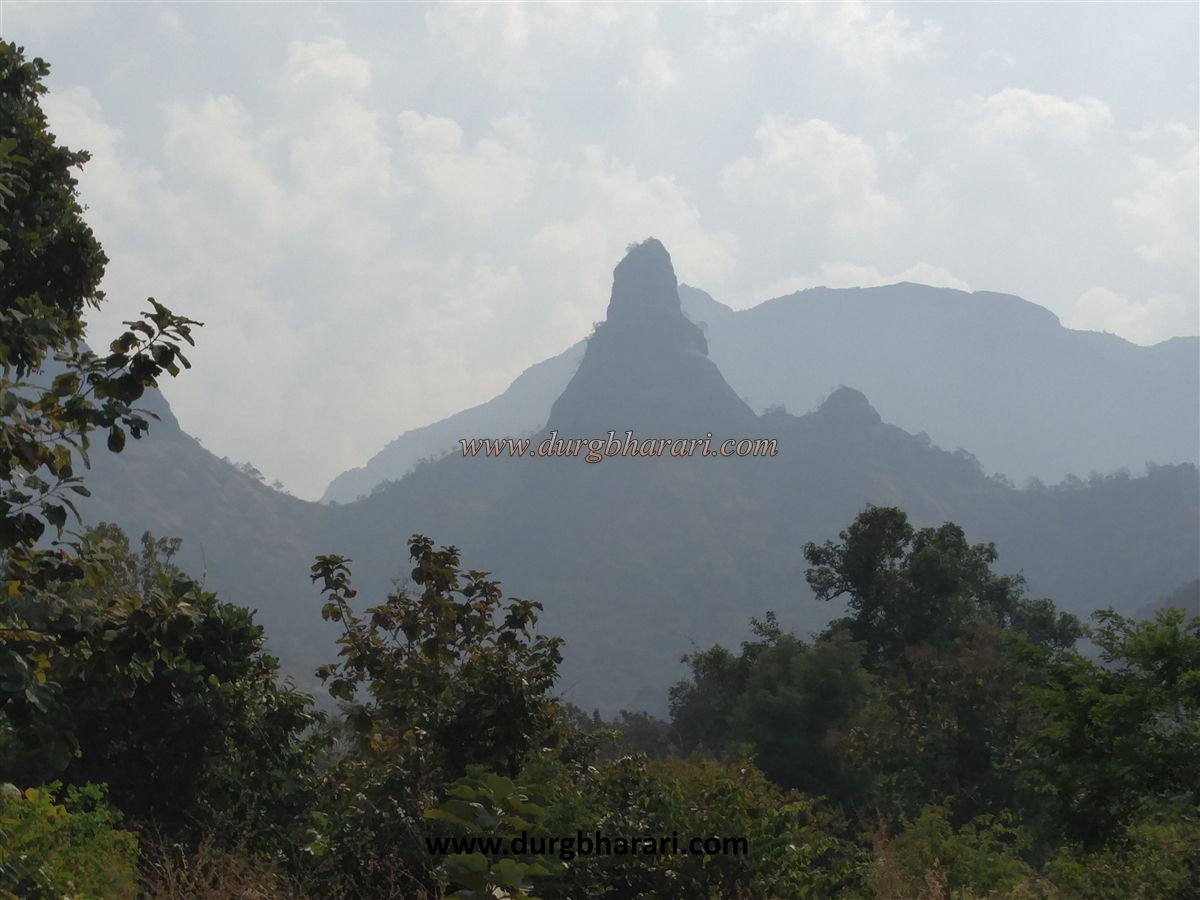
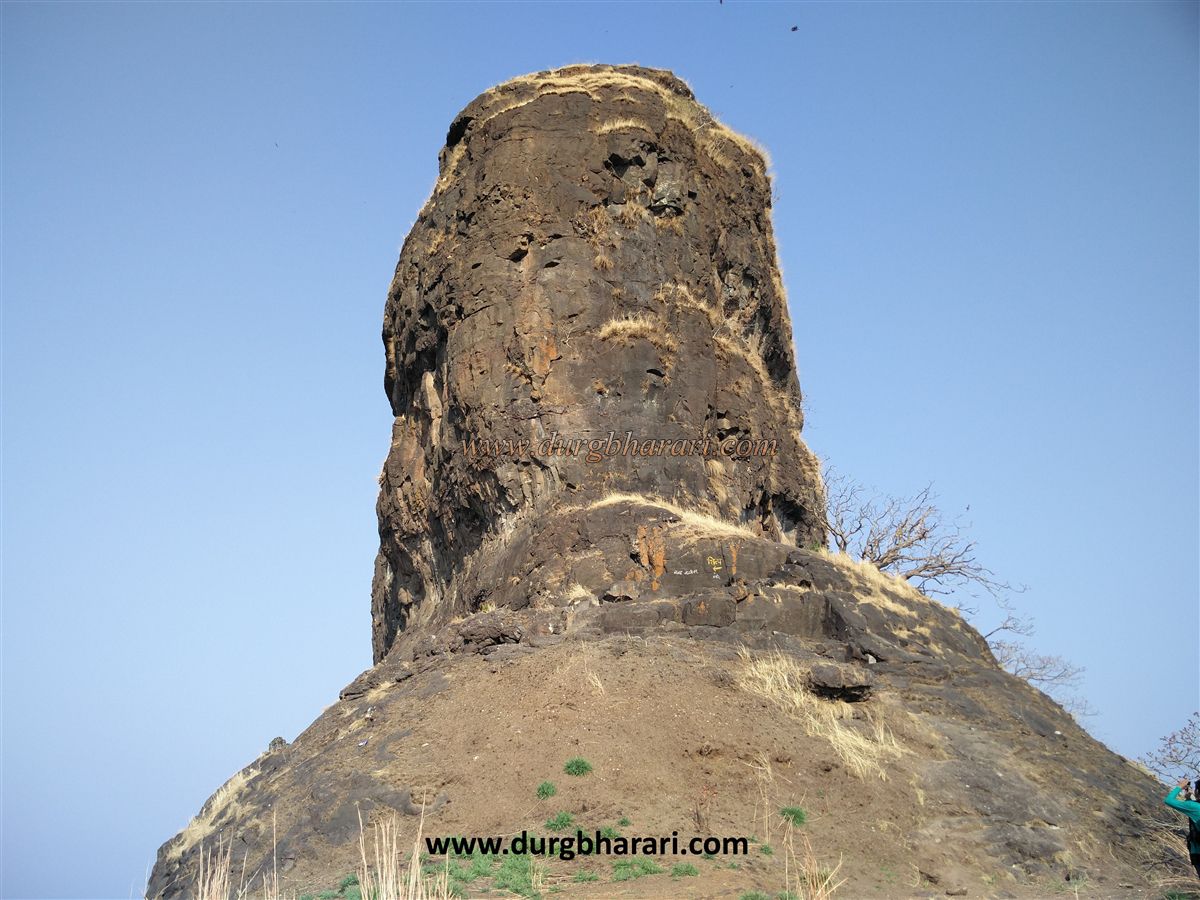
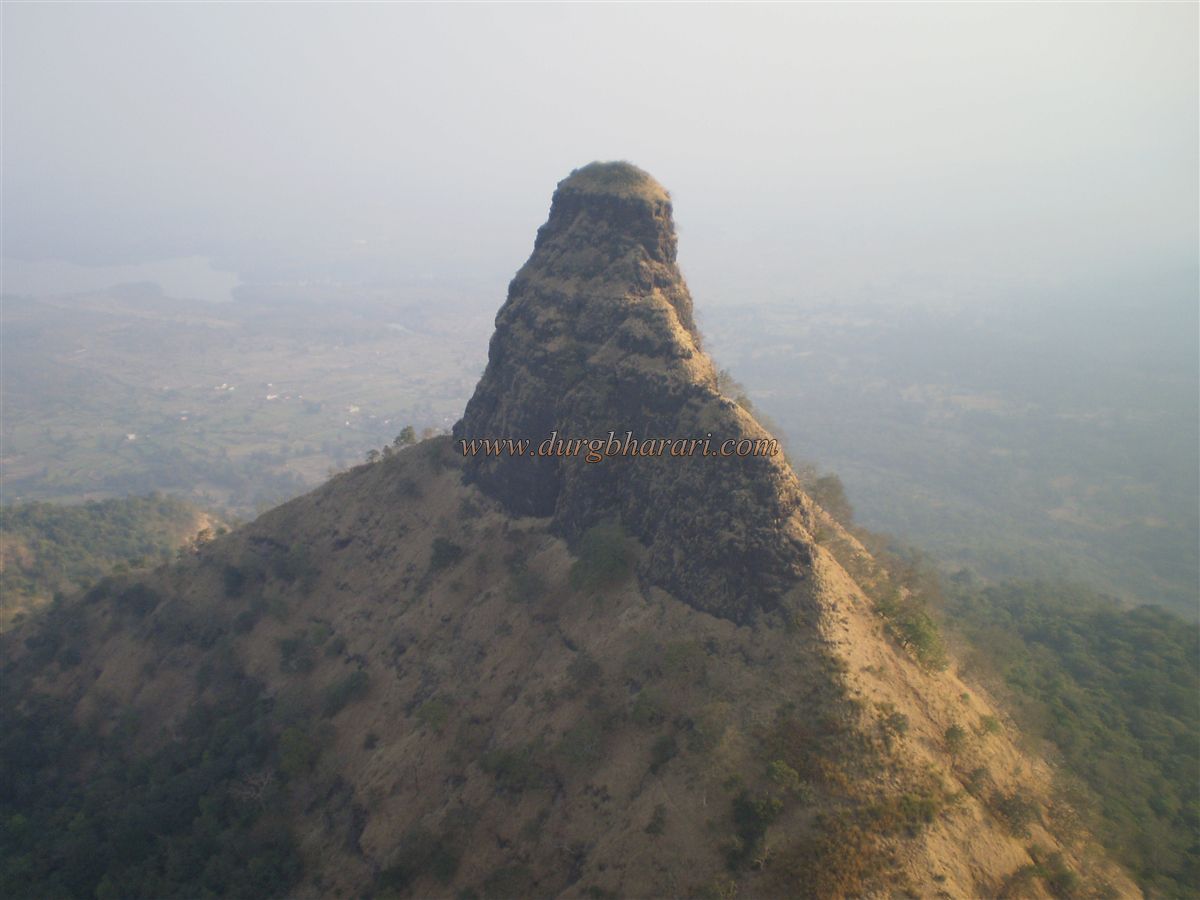
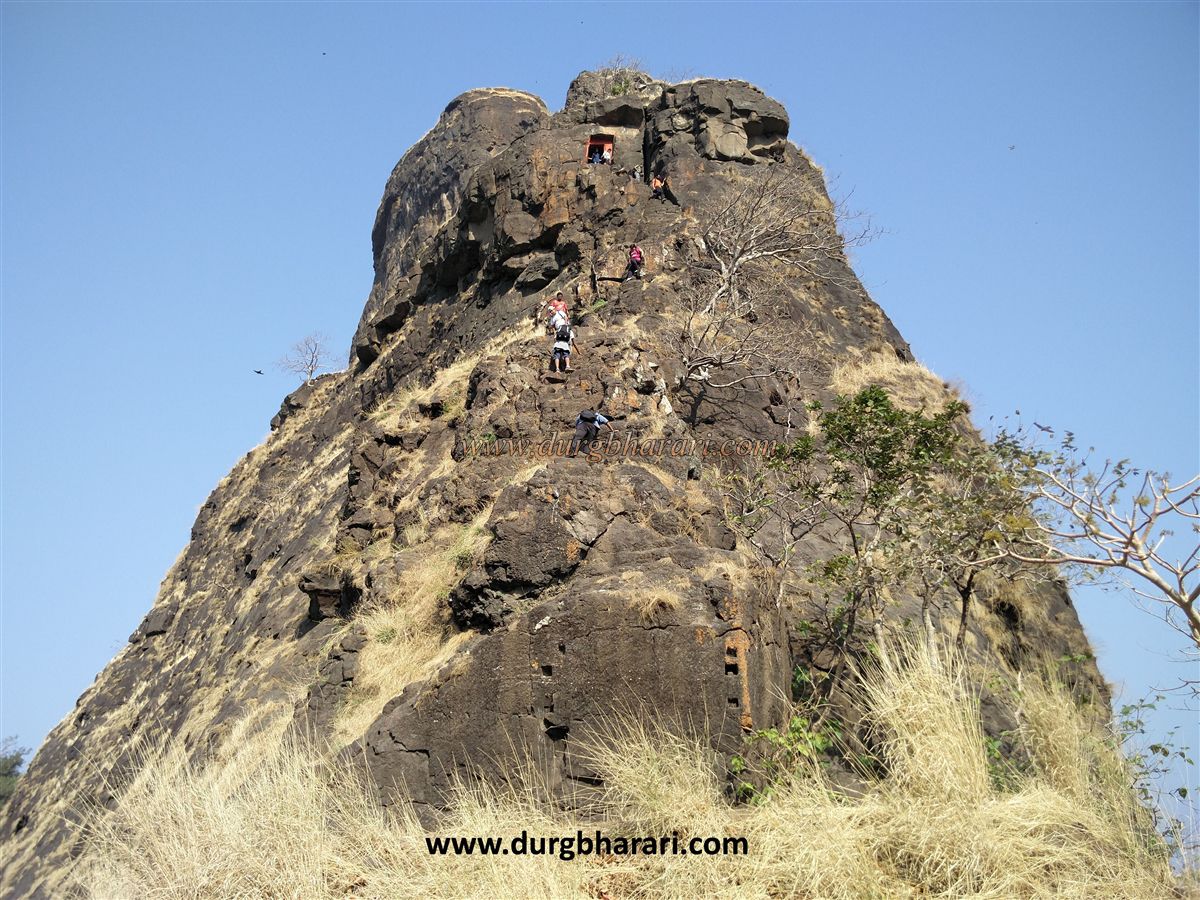
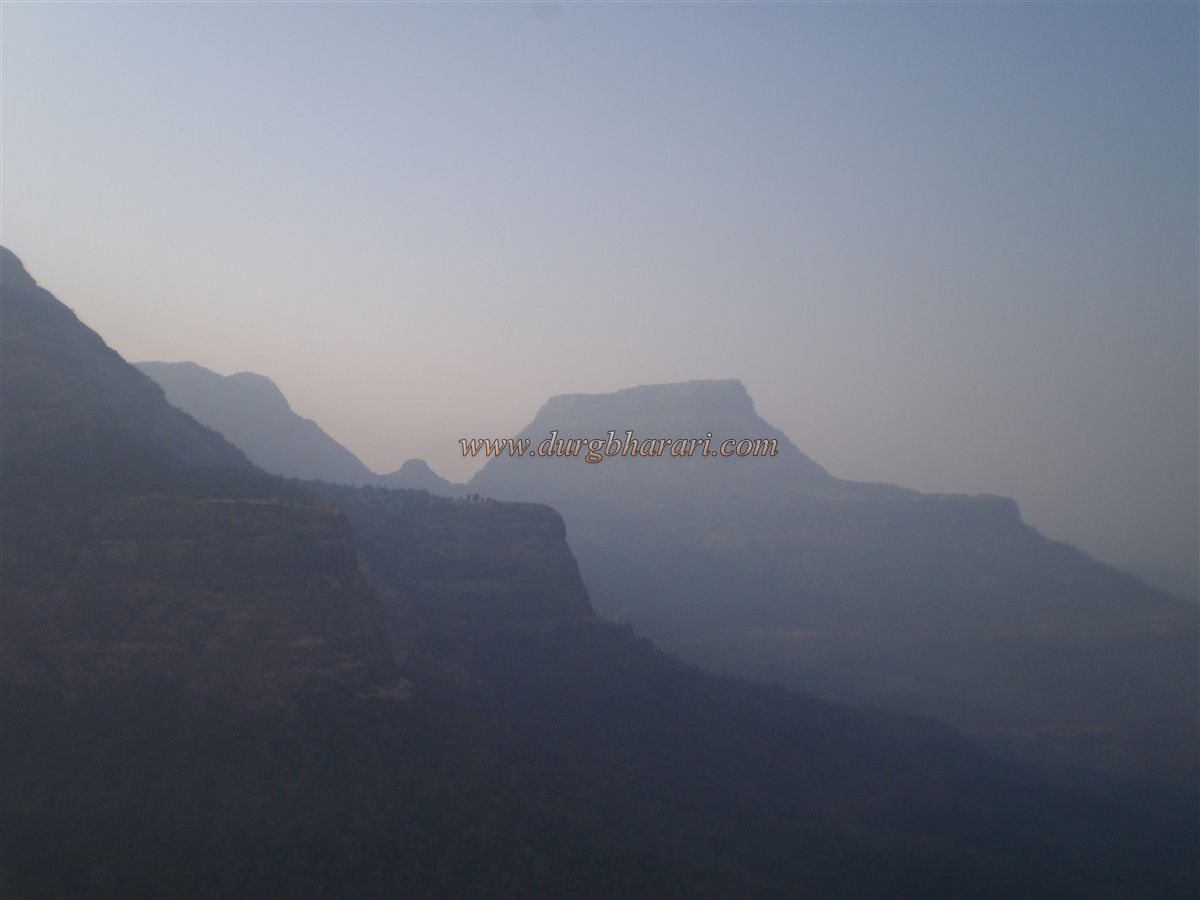
Malshej, Naneghat, Ahupe are the ancient valley routes in the Sahyadri hill range on the border of Thane and Pune districts. Small watchtowers were erected to monitor these paths. Gorakhgad is the guardian of Ahupe Ghat. The fort is quite crowded on holidays as this pilgrimage can easily be done in one day by the fort lovers from Mumbai and Pune. To reach Gorakhgad, Mumbaikars should come to Murbad via Kalyan while Pune residents should come to Murbad via Karjat. Dehri is a village at the foot of the fort and a private jeep or ST is available to reach Dehri from Murbad. If you want to stay here, you can stay at Vitthal Mandir in the village. Out of the two spires of mountain visible from Dehri village, the larger spire is Gorakhgad Fort and the smaller spire is Machchindragad. Although there is a fort in the name of Machchindragad, this is not a fort but only a pinnacle.
...
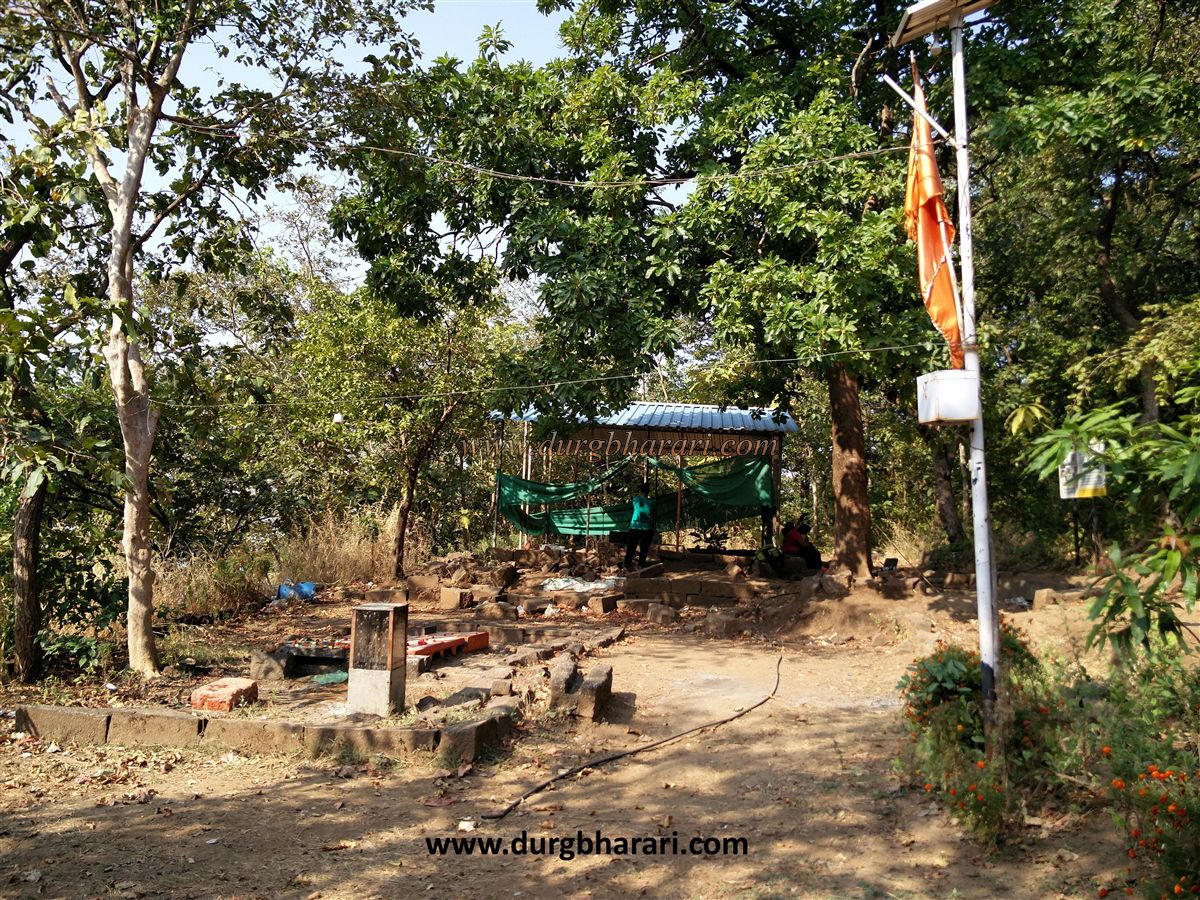
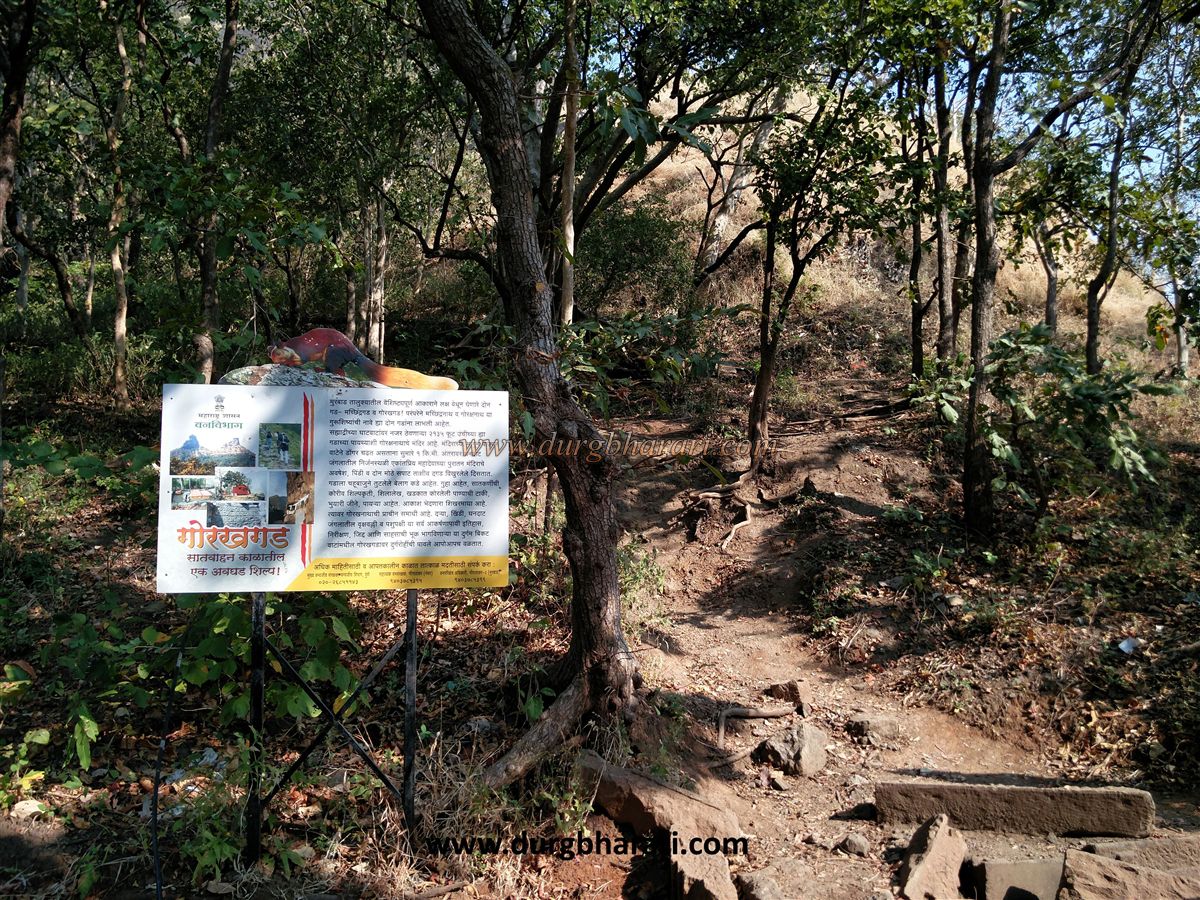
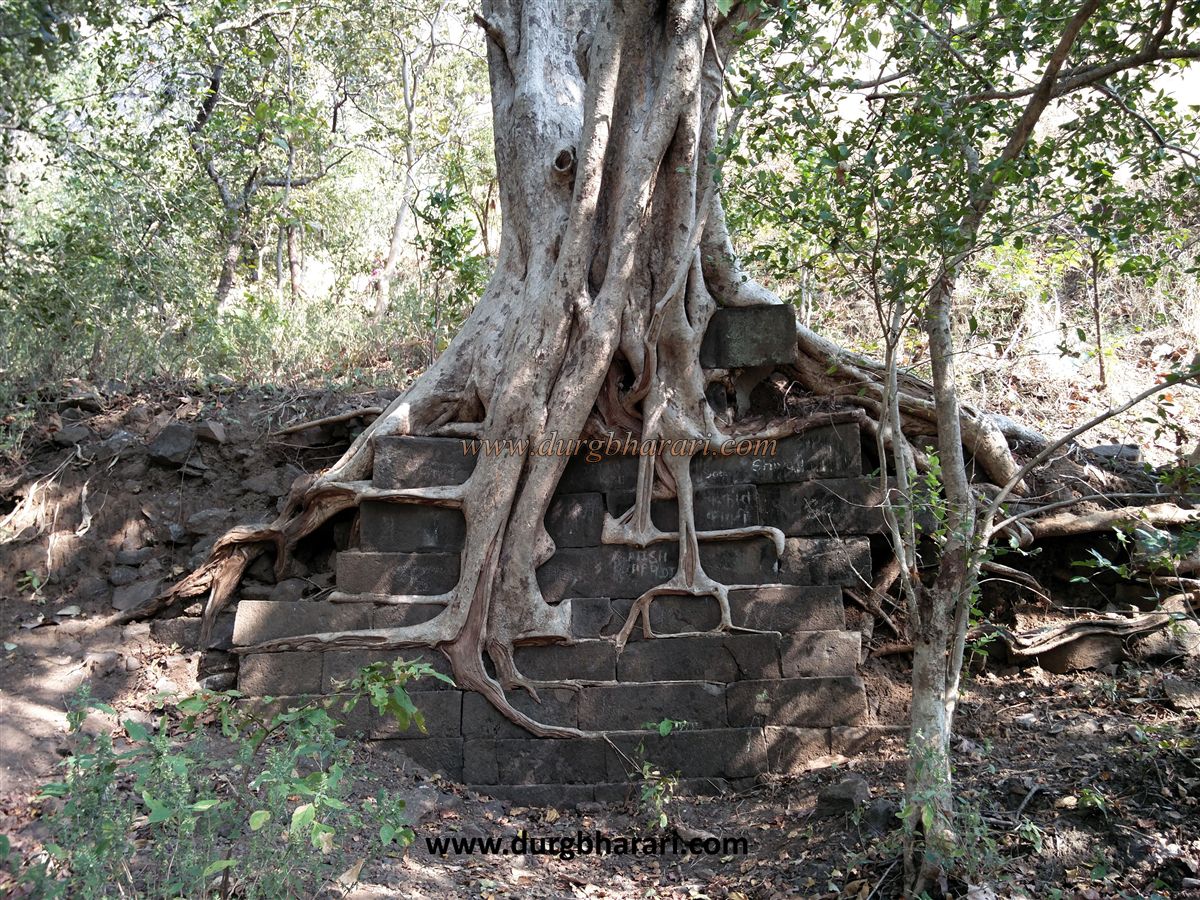
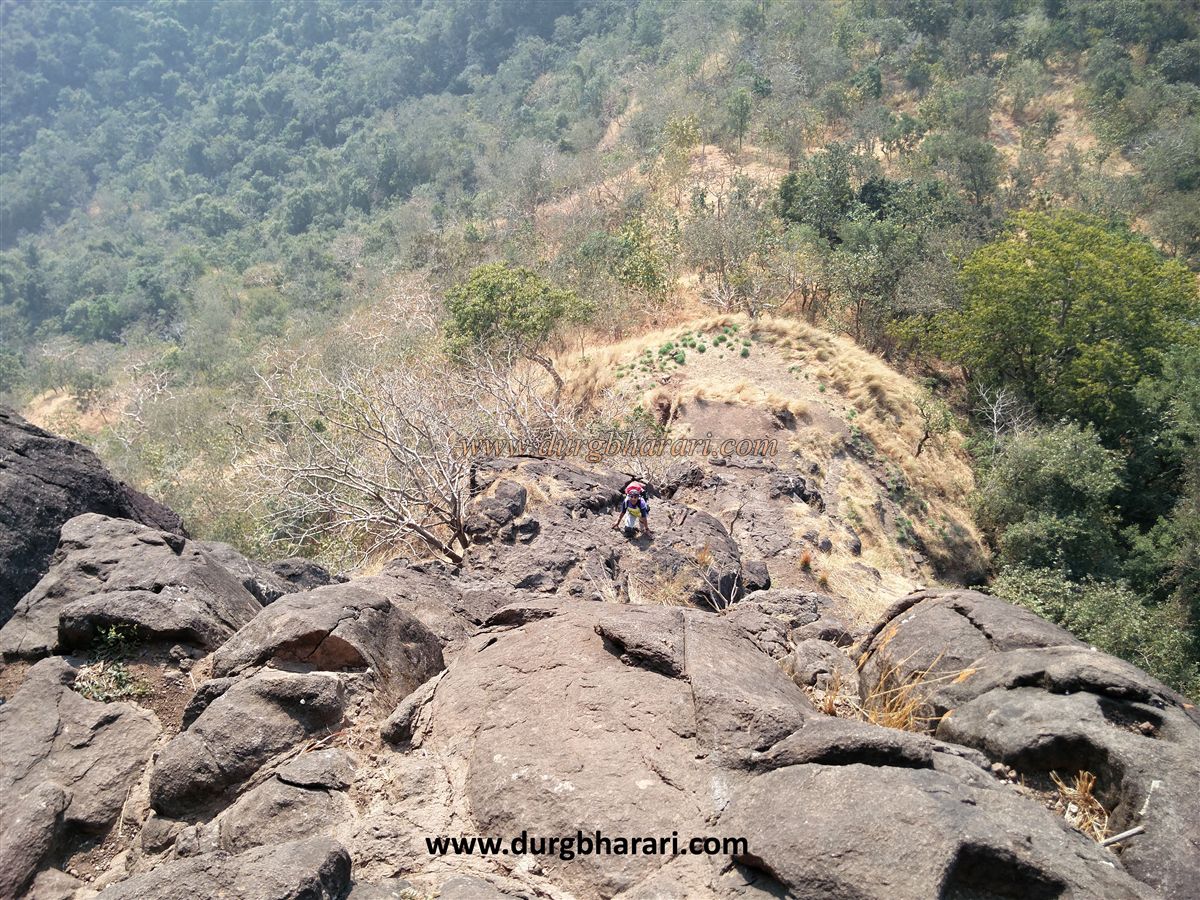
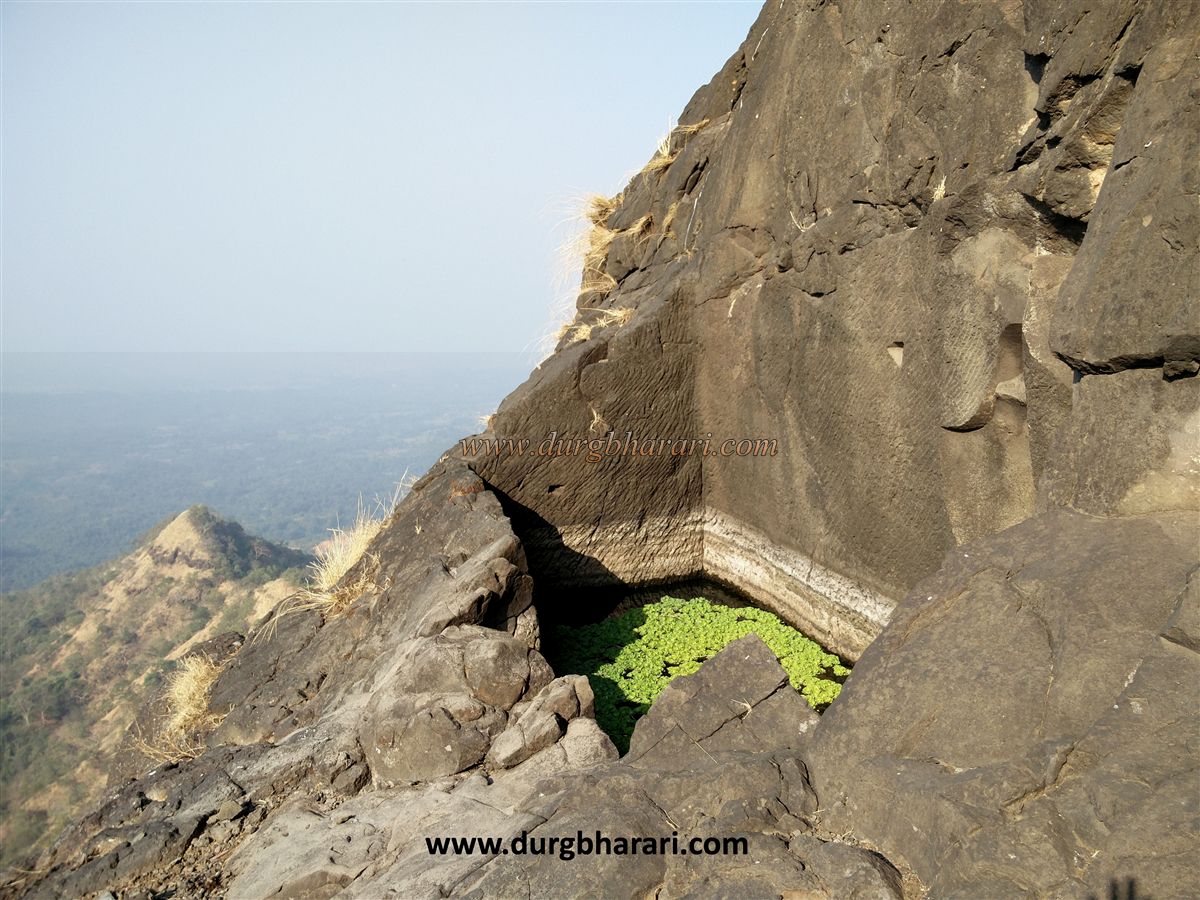
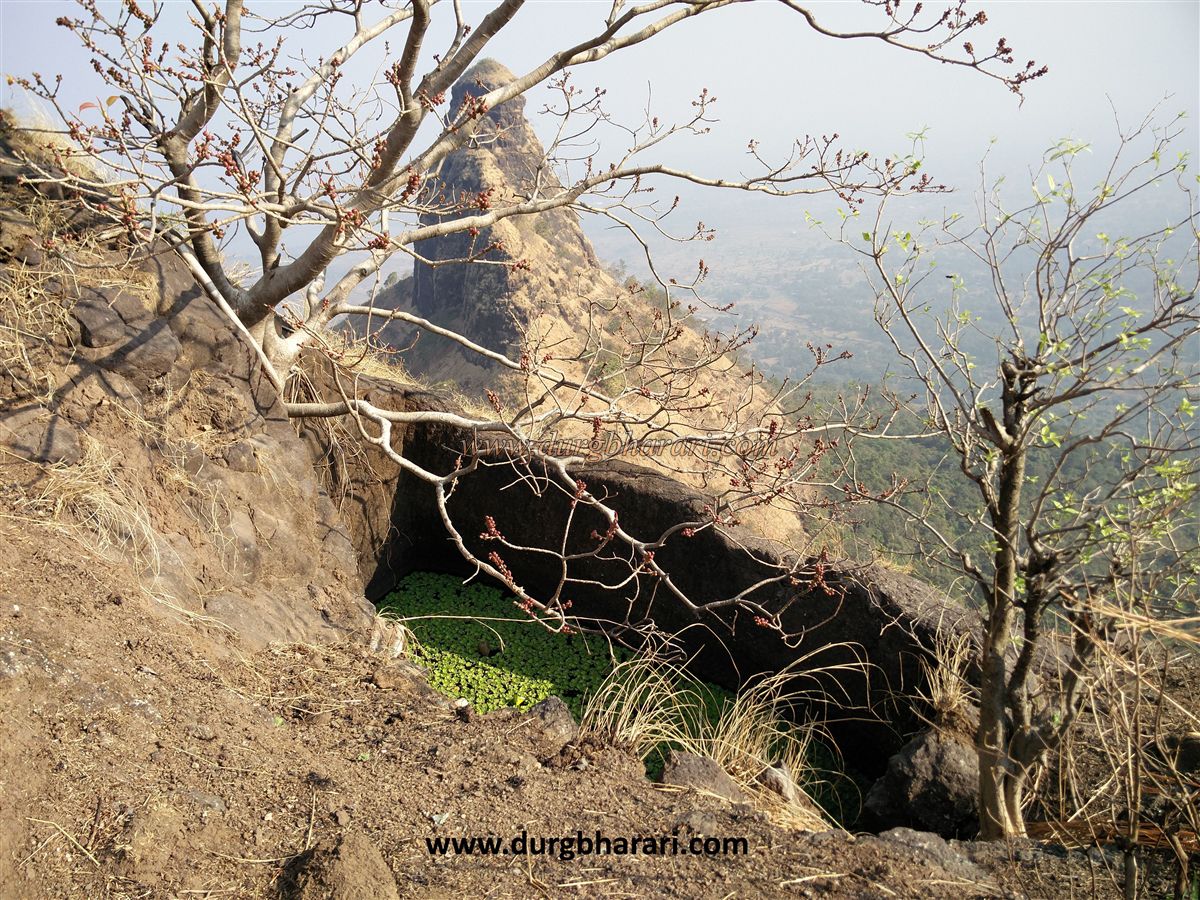
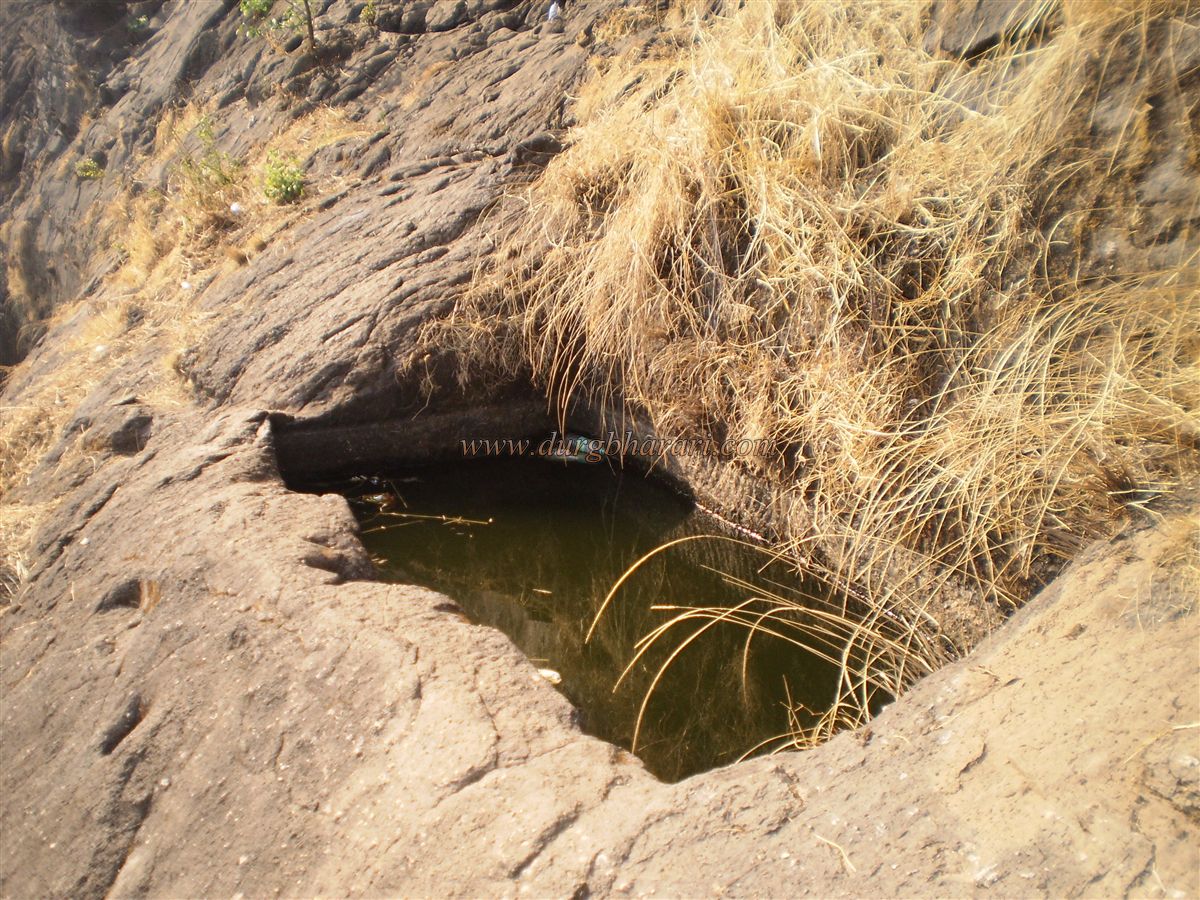
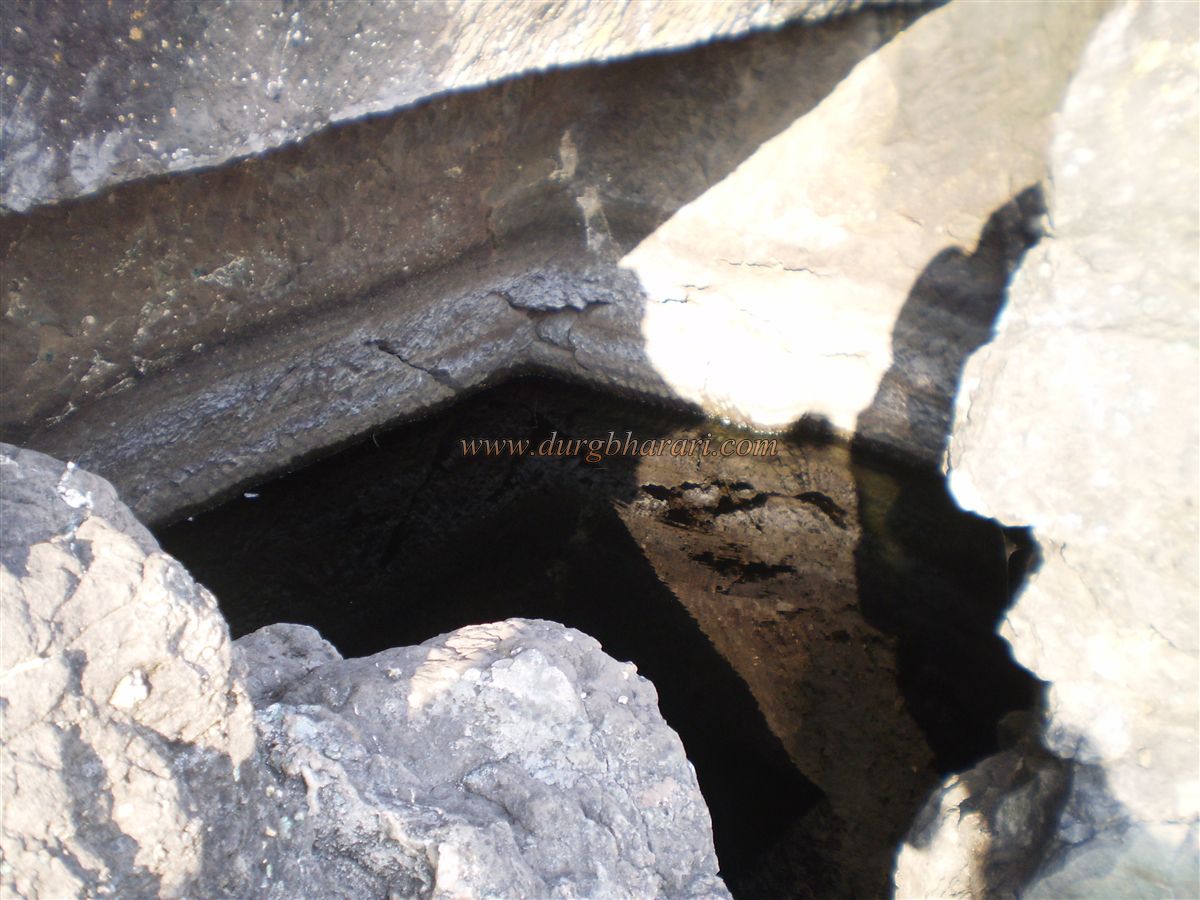
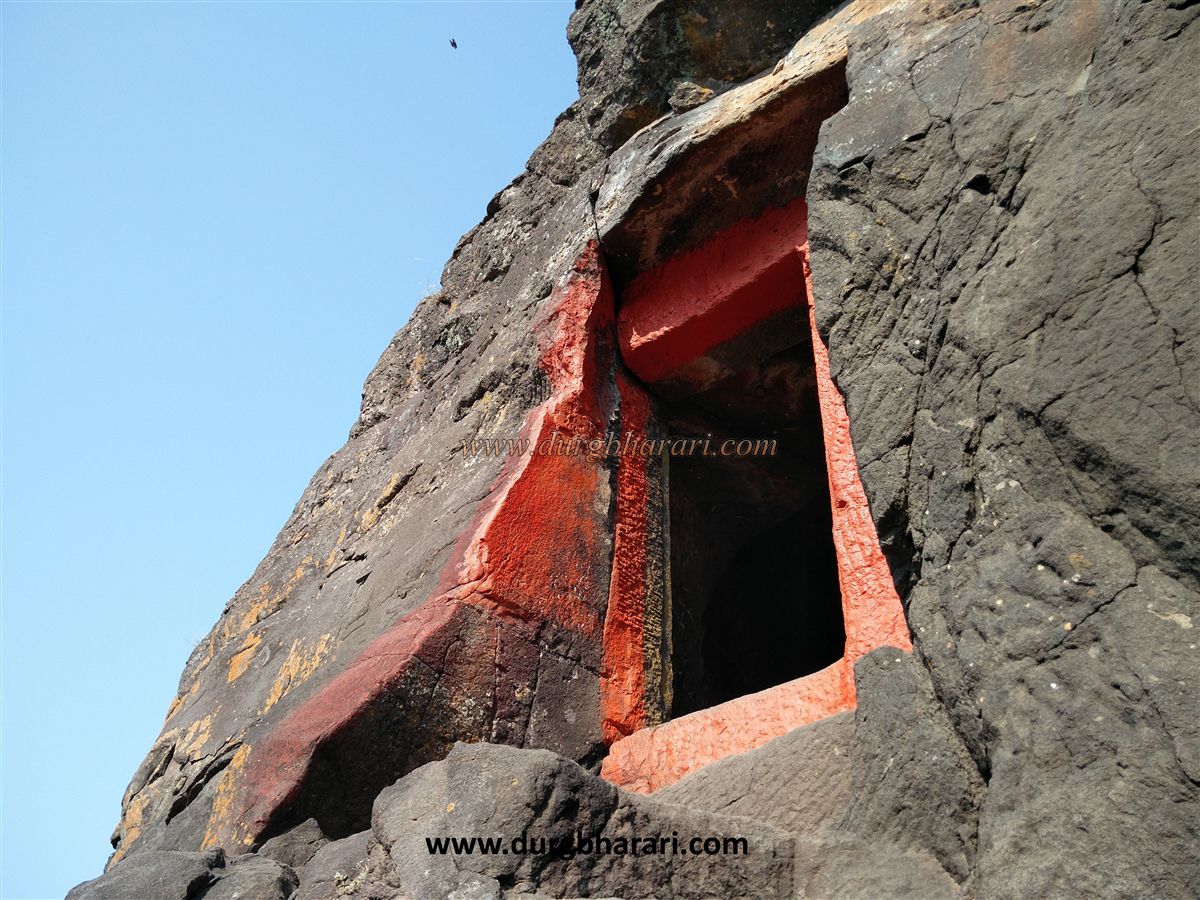
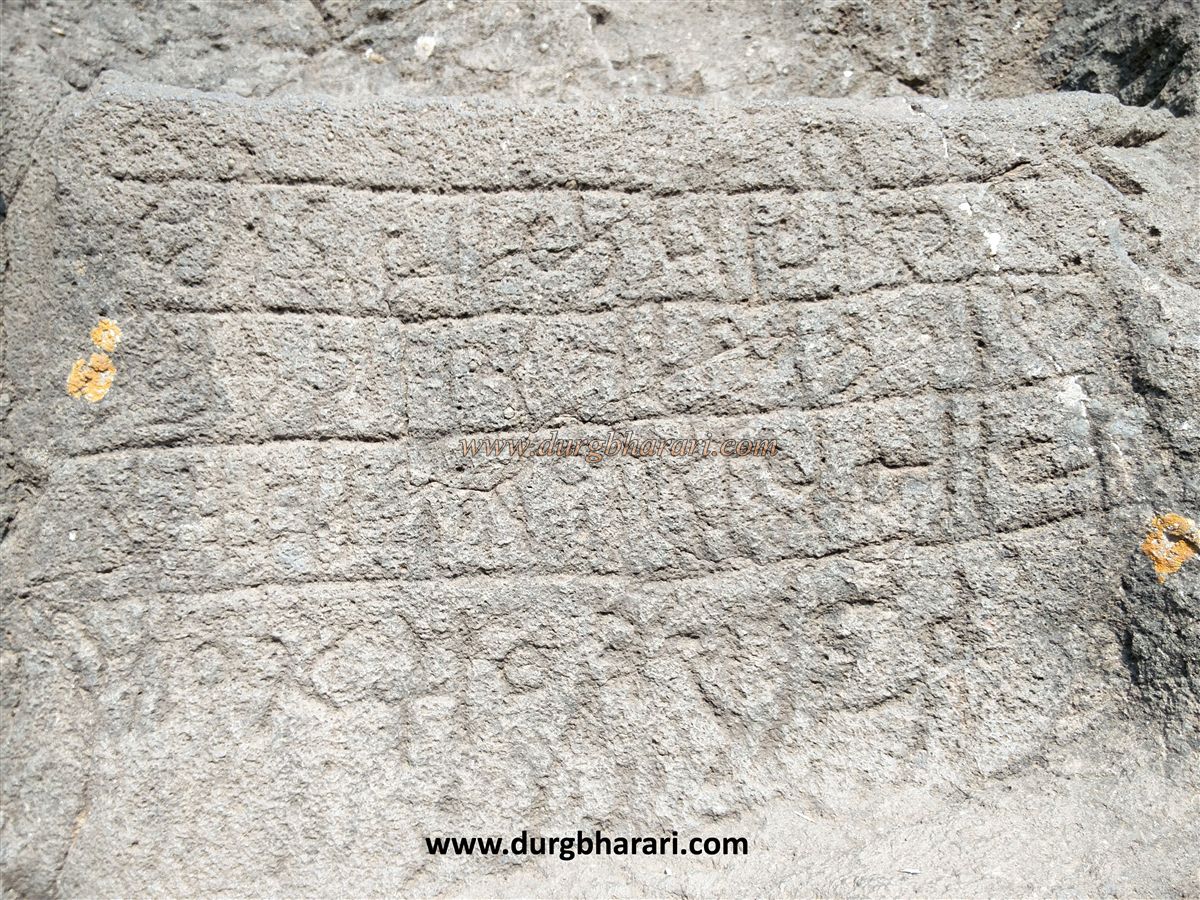
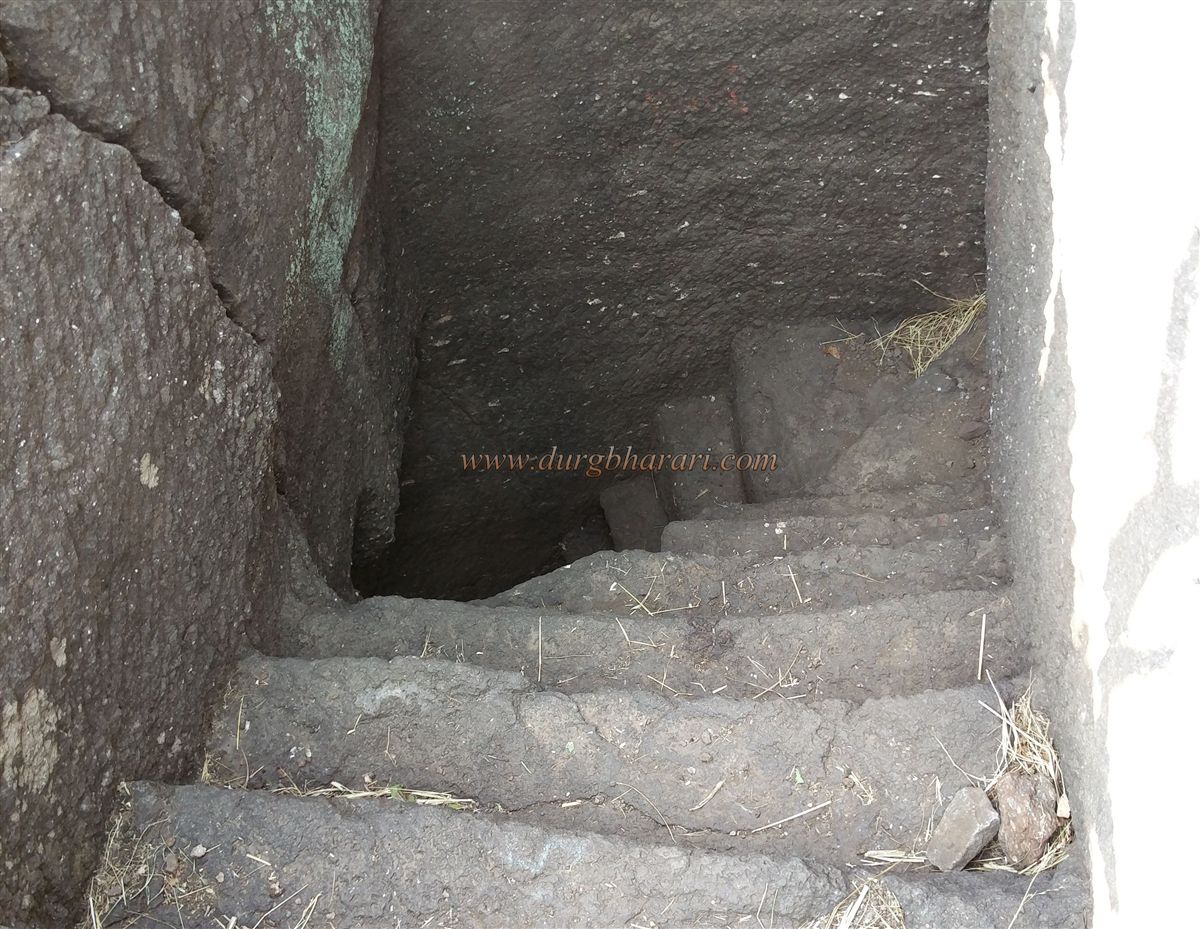
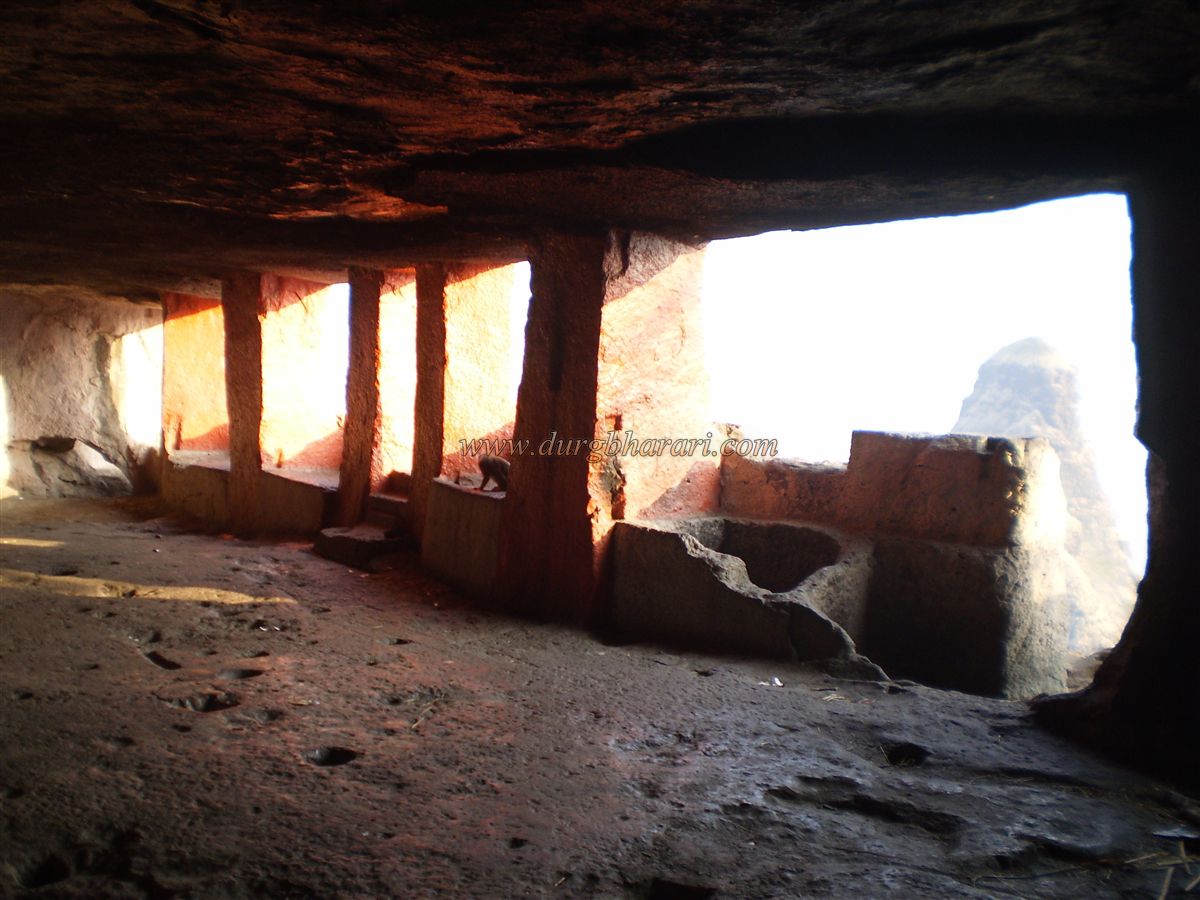
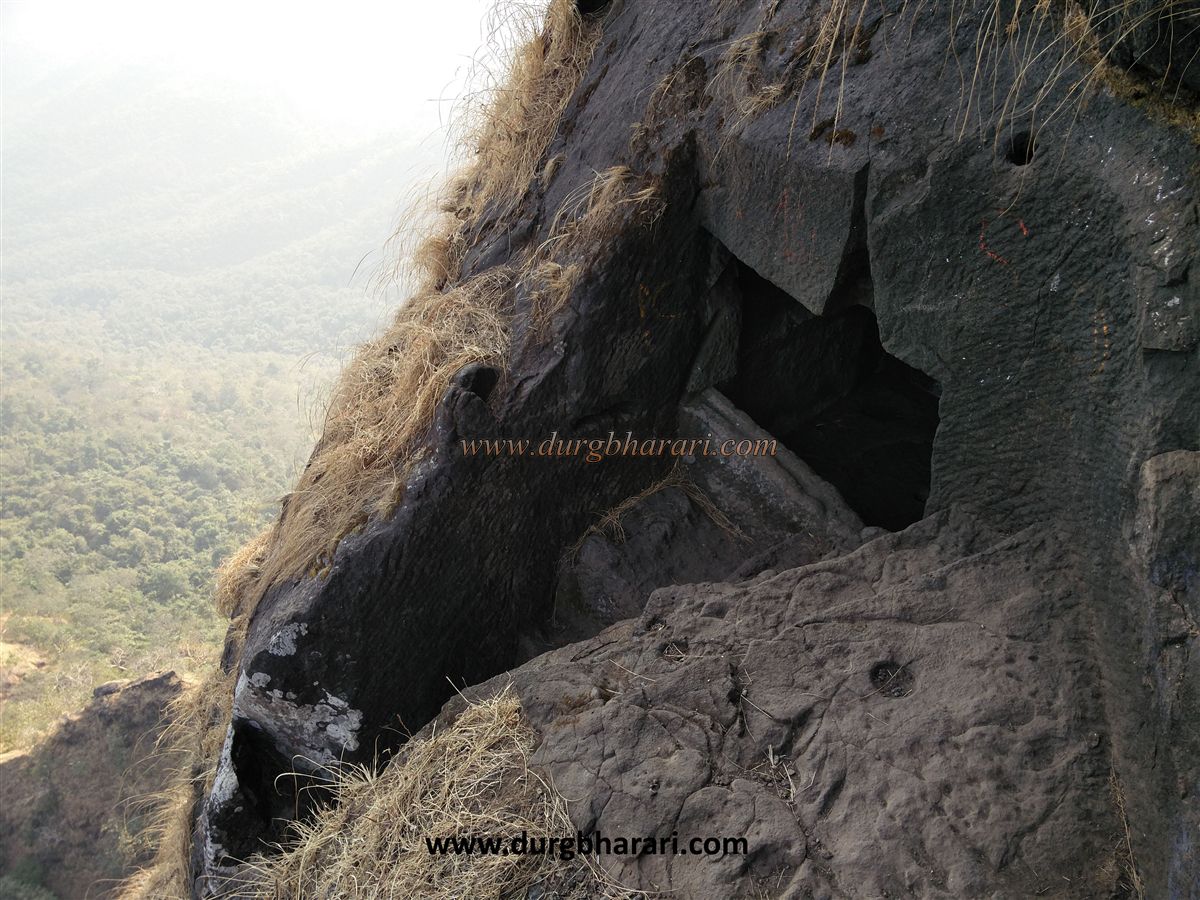
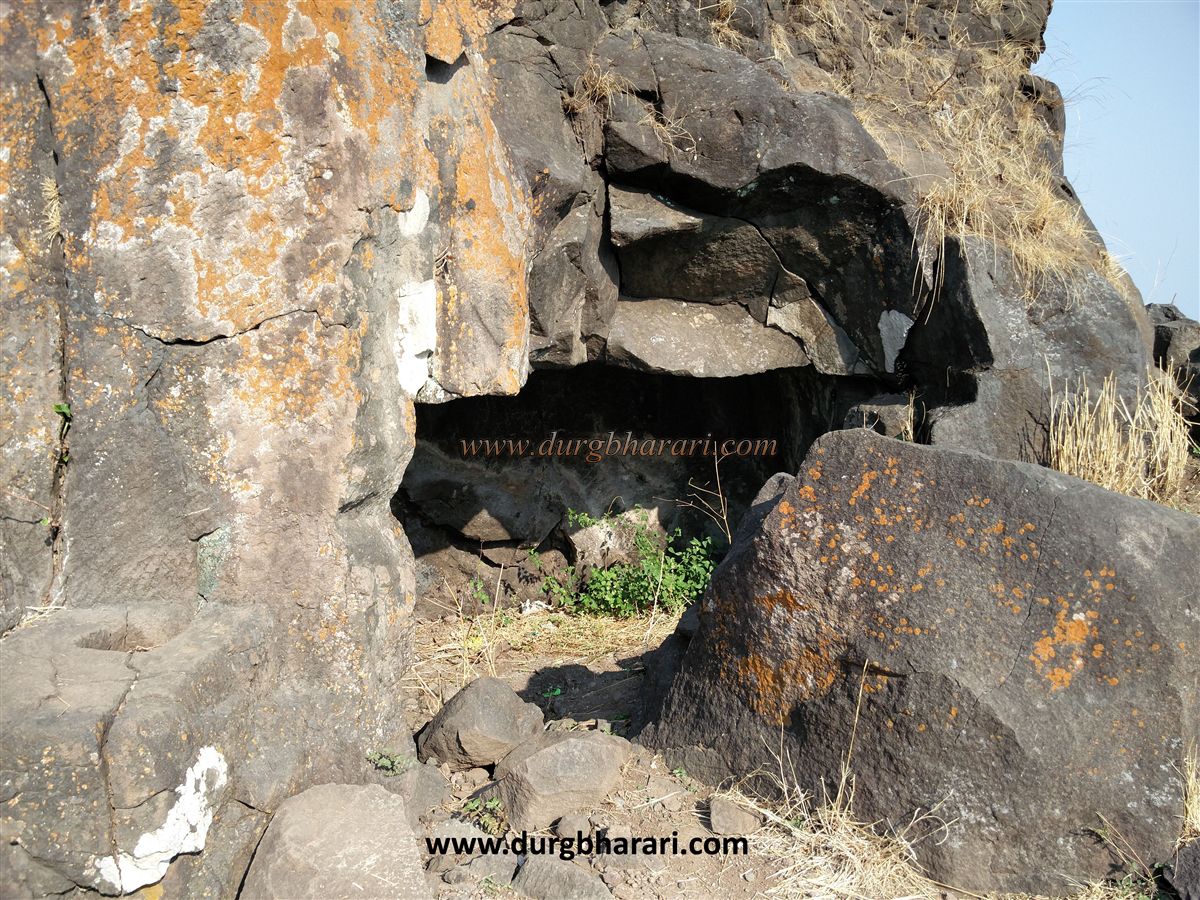
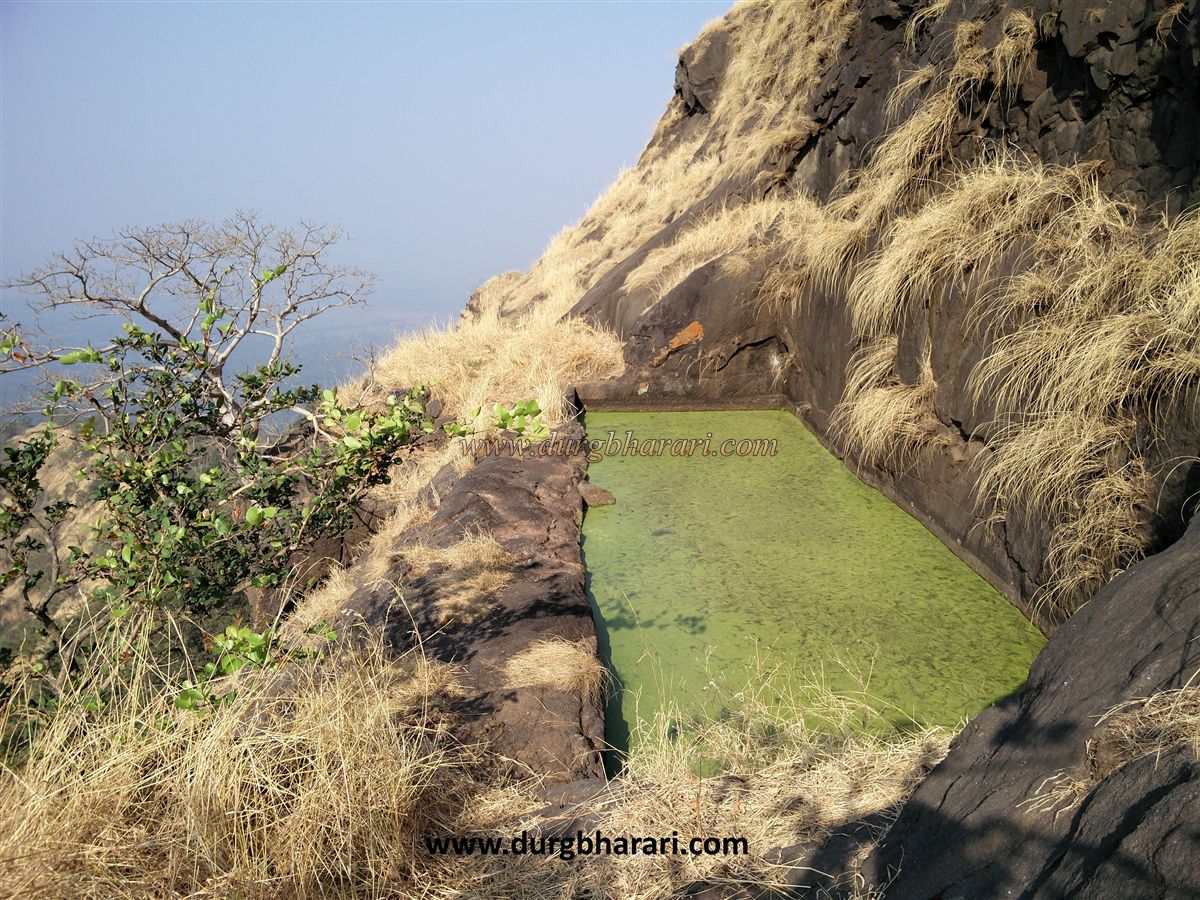
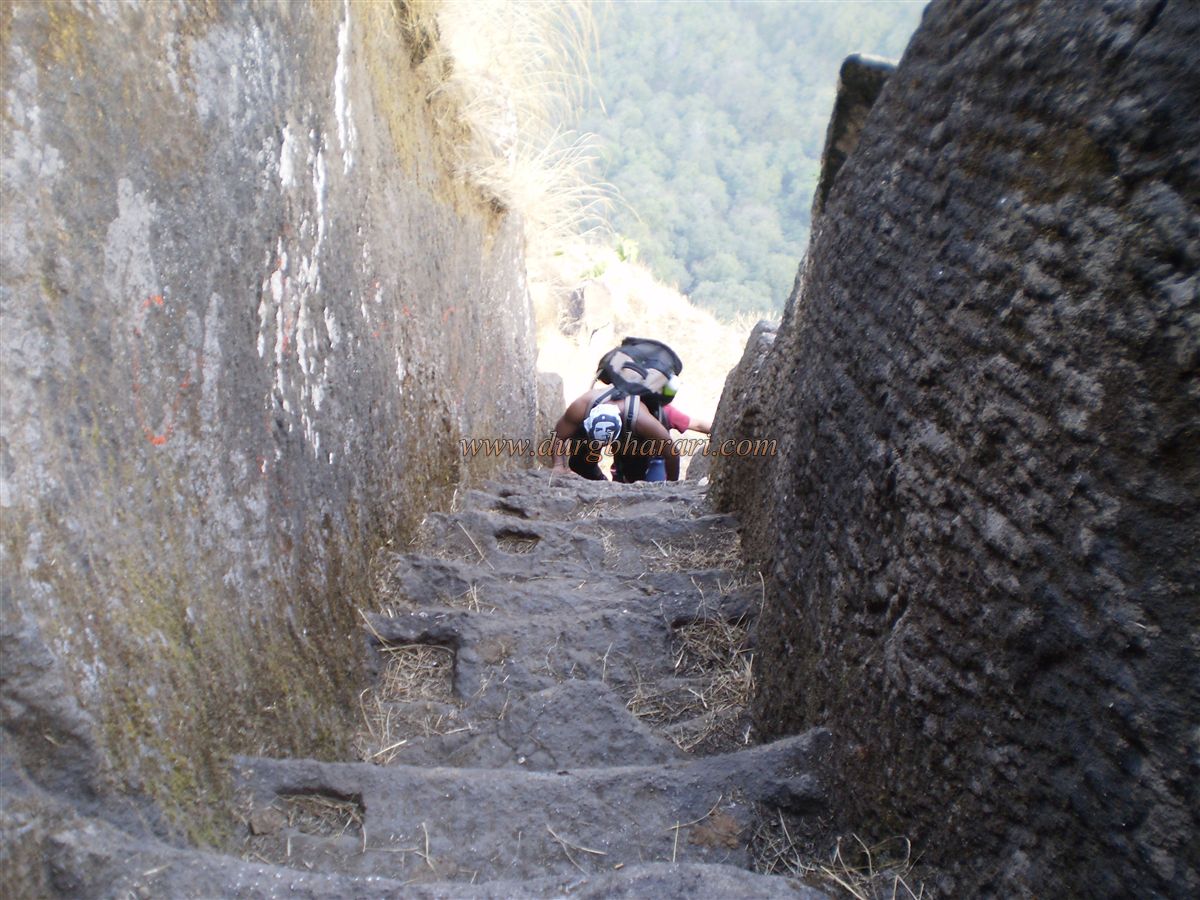
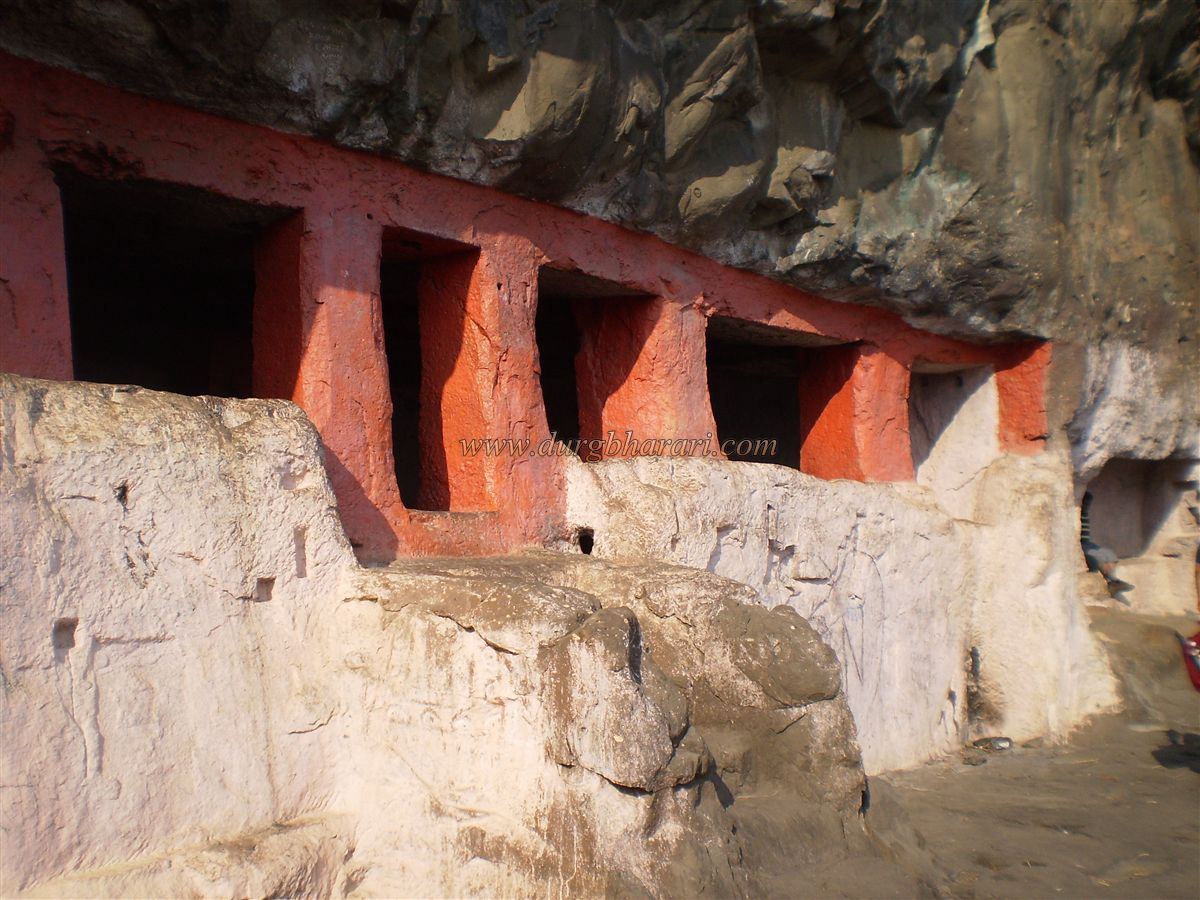
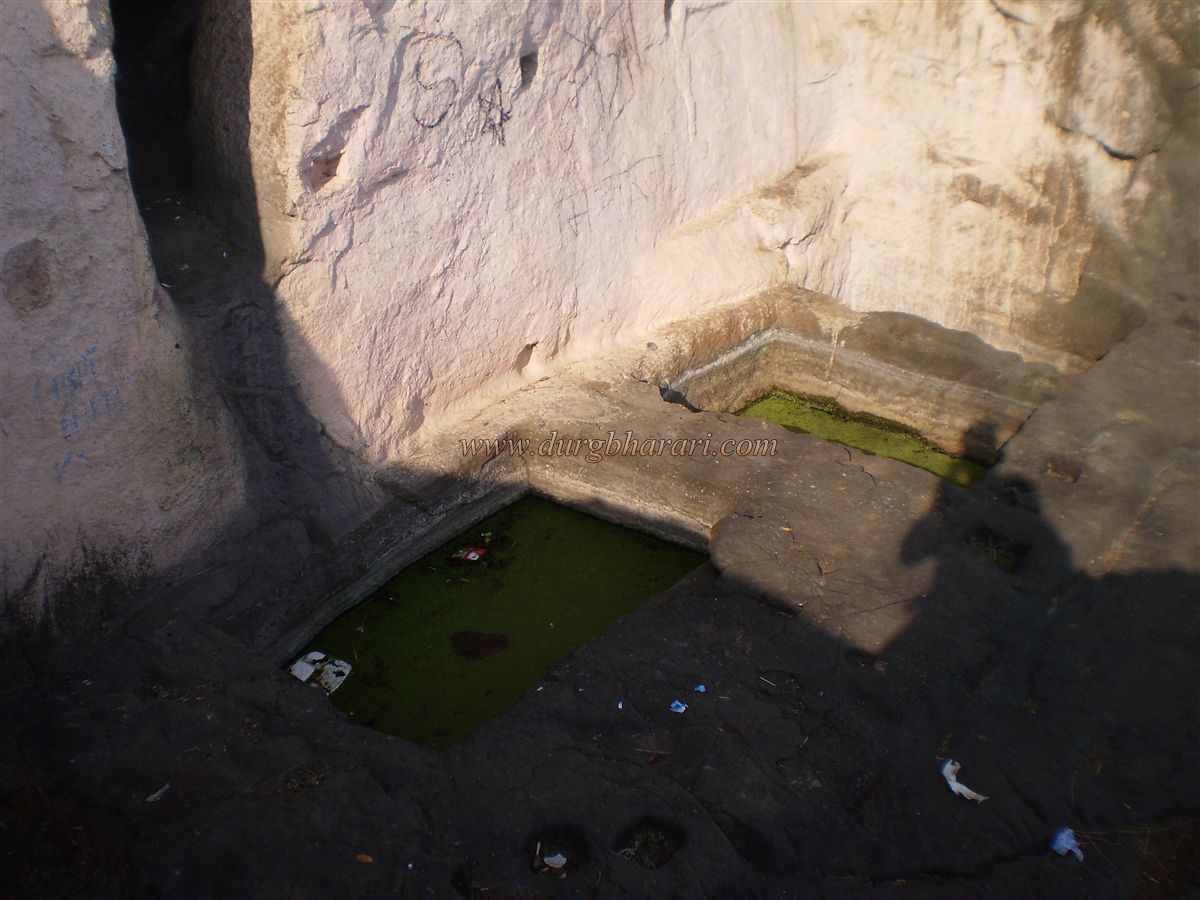
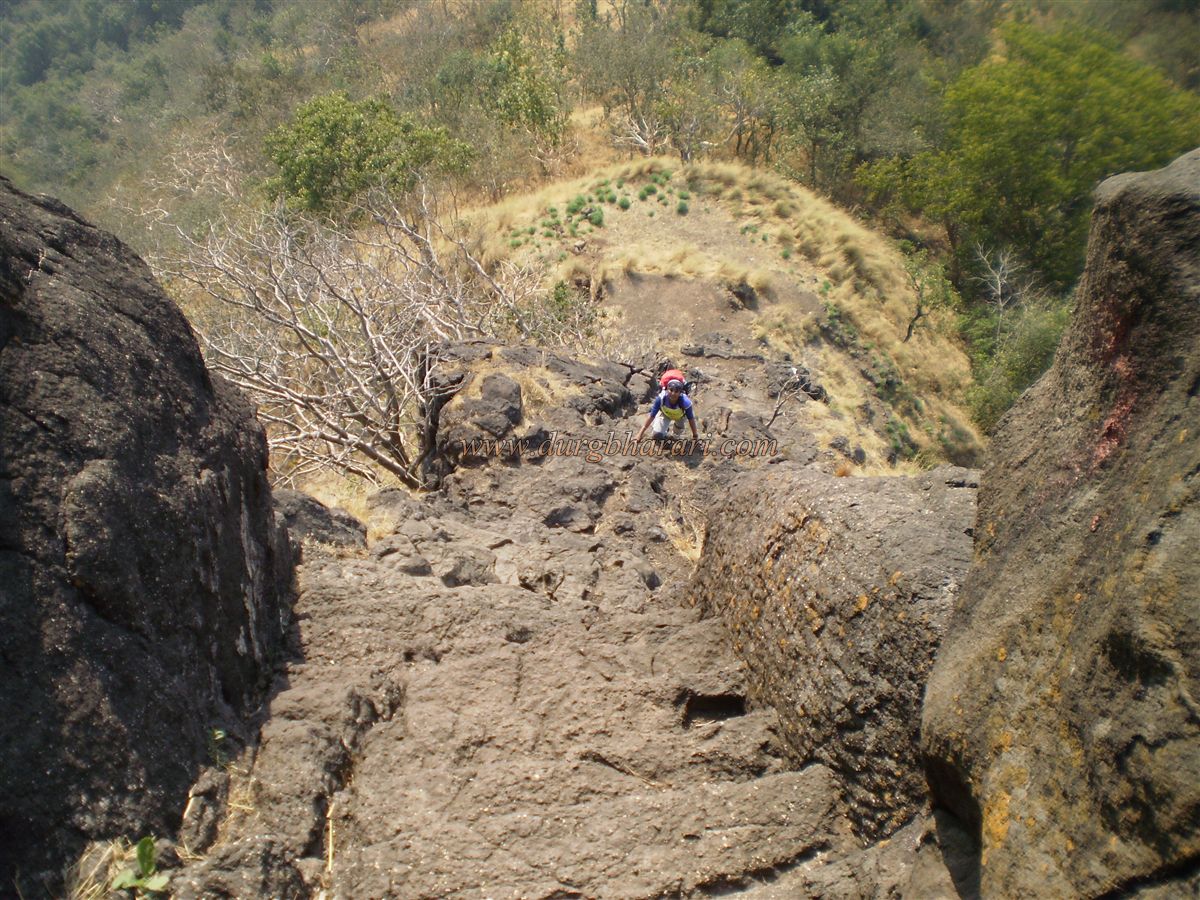
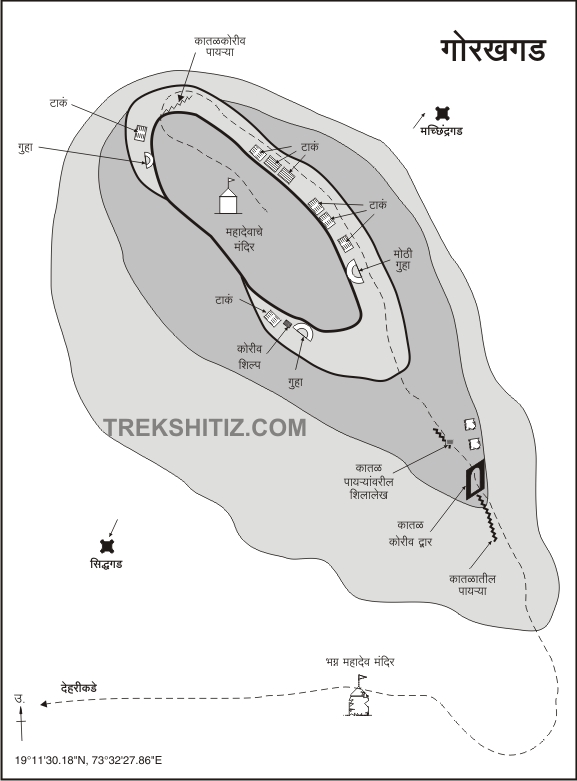
It is believed that the fort got its name Gorakhgad as the place of worship of Gorakshanath of the Nath sect. The height of Gorakhgad is 2137 feet above sea level. The area around Gorakhgad is under the control of the Forest Department and is famous for the Bhimashankar Sanctuary. Given the location and size of Gorakhgad, it must have been used only to monitor the surrounding area. Earlier they used to use this fort as a residence while going to Junnar via Naneghat. Although the extent of Gorakhgad is small, the fort has water availability and shelter facilities. A steep path leading through the forest behind the Vitthal temple in the village brings us to the pass at the base of Gorakhgad. There is a small temple of Mahadev in this pass and there are two ancient tombs in front of the temple. There must have been a temple here in the ancient times as a large number of carved temple stones can be seen in this pass. The real start of the fort is from here. Formerly there was a fort gate in this area but now our entry is through the crumbling ramparts. A little further up, a path goes to the right before the stairs, where there are rock-cut cisterns and a small rock-cut cave next to them. After seeing it, return to the original path. Steps are carved from here to reach the fort. As these steps are dug into the vertical ridge, one has to climb with a little care. On the way up the stairs, at one place we come across an inscription carved in stone, but because it is in the open, it is worn out and obscured. After climbing nearly 100 steps dug into the rock, we enter the fort through the entrance dug into the rock of Gorakhgad. This door is of a different cut and a subway with steps is carved through the door frame. After climbing through the entrance, three water tanks can be seen above. The path ahead again leads to a slight uphill. From here a path goes back to the right where there is a rock-cut water tank and a nearby rock-cut cave. In this cave, there is a sculpture carved into the rock, in which two persons are riding on a horse, and next to it is a small sculpture of a person holding a kavad. Both the sculptures are painted by the villagers. Villagers call this sculpture Mama Bhachache shilp. After seeing it, return to the original path. After going down the stairs a little further along this path, we come in front of a huge cave dug in the pinnacle of Gorakhgad. 50 people can easily stay in this cave. Local people know this cave as Mandap. Right in front of the cave, the tall tree leaning in the valley and Machchindragad gives a grand and fierce view of nature. Although there is a water tank near the cave, the water in it is not drinkable. There are total twelve water tanks at Gorakhgad. After going left from the cave, a water tank is found on the left on this path. This water is drinkable. The path from the cave to here is narrow and caution is required. After coming from these tanks, a flag can be seen on the right side of the stones. In front of this flag there are steps carved to go to the top of Gorakhgad. Taking the path on the left, we come to the western side of the fort. Here a small cave is carved. The caves at Gorakhgad is the most important part in this trek. Without this the trek cannot be complete. There are 50 to 60 steps carved to reach the top, of which the first 10-12 steps are broken, so you have to proceed with a little caution. As the path of the stairs can be dangerous at some places, every step has to be taken care of. A small cave is carved in the middle of this flight of steps. The top of the fort is very small and on top is a small cement temple with an idol of Gorakshanath. Machchindragad, Siddhagad, Jivdhan, Ahupe Ghat are all visible from here. Although the top of Gorakhgad is difficult to climb, our journey to Gorakhgad feels incomplete without reaching the top. There is no mention of any kind of battle at Gorakhgad, but the only mention is that the fort was captured by the Marathas in 1657 and captured by the Mughals on 20 October 1693.
© Suresh Nimbalkar
GALLERY