GONDHANAPUR
TYPE : GADHI/NAGARKOT
DISTRICT : BULDHANA
HEIGHT : 0
GRADE : EASY
The hill forts located in the Sahyadri mountain range remained strong and impregnable due to the natural protective shield of the Sahyadri. However, as one moves from the Sahyadri mountains towards the plains, the architecture of these forts changes, and hill forts transform into land forts (Bhuikot). In the Marathwada and Vidarbha regions, such strong land forts and fortified mansions are seen in large numbers. Since land forts are situated on flat ground and thus more susceptible to direct attacks, they were built keeping this in mind. Among the land forts of Vidarbha, one forgotten fort is the Gondhanapur Fort. It is indeed surprising that such a beautifully built fort has been forgotten.
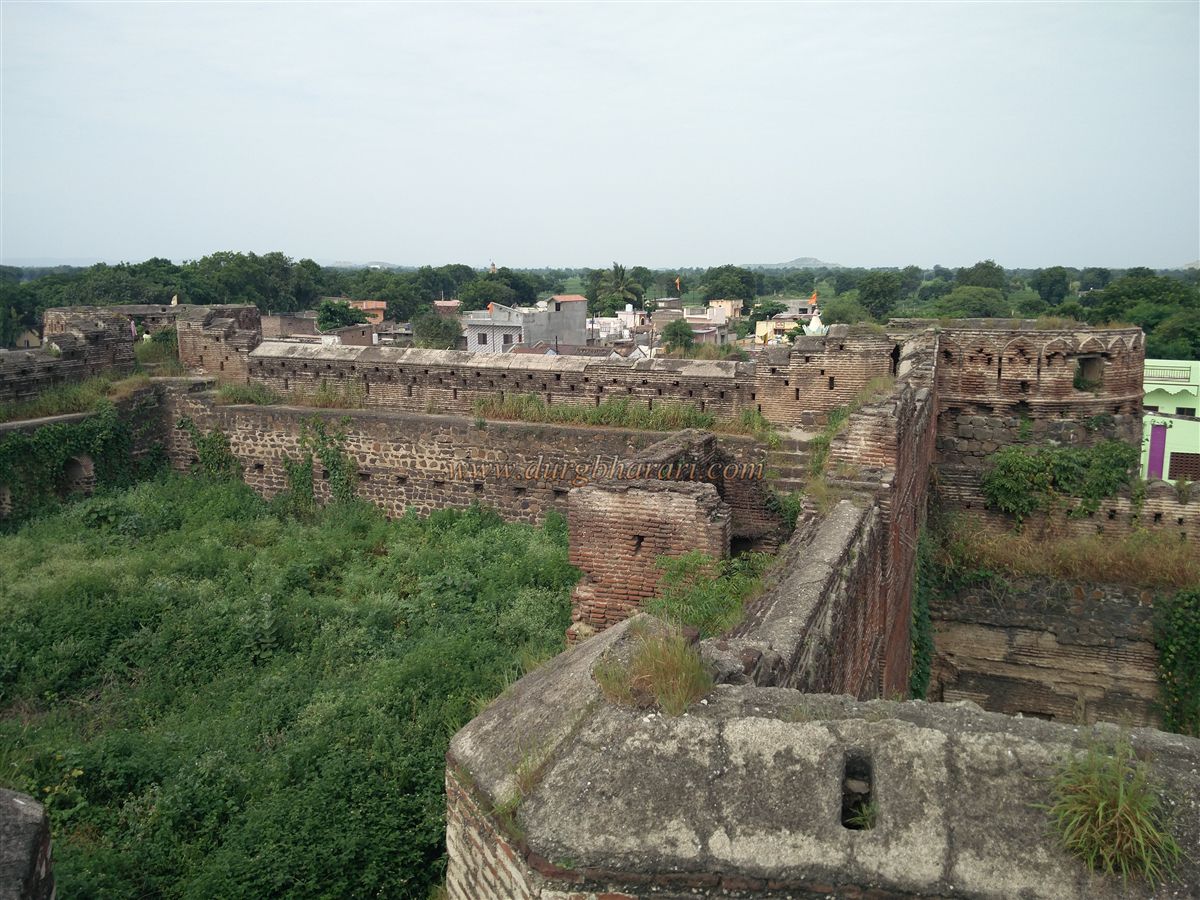
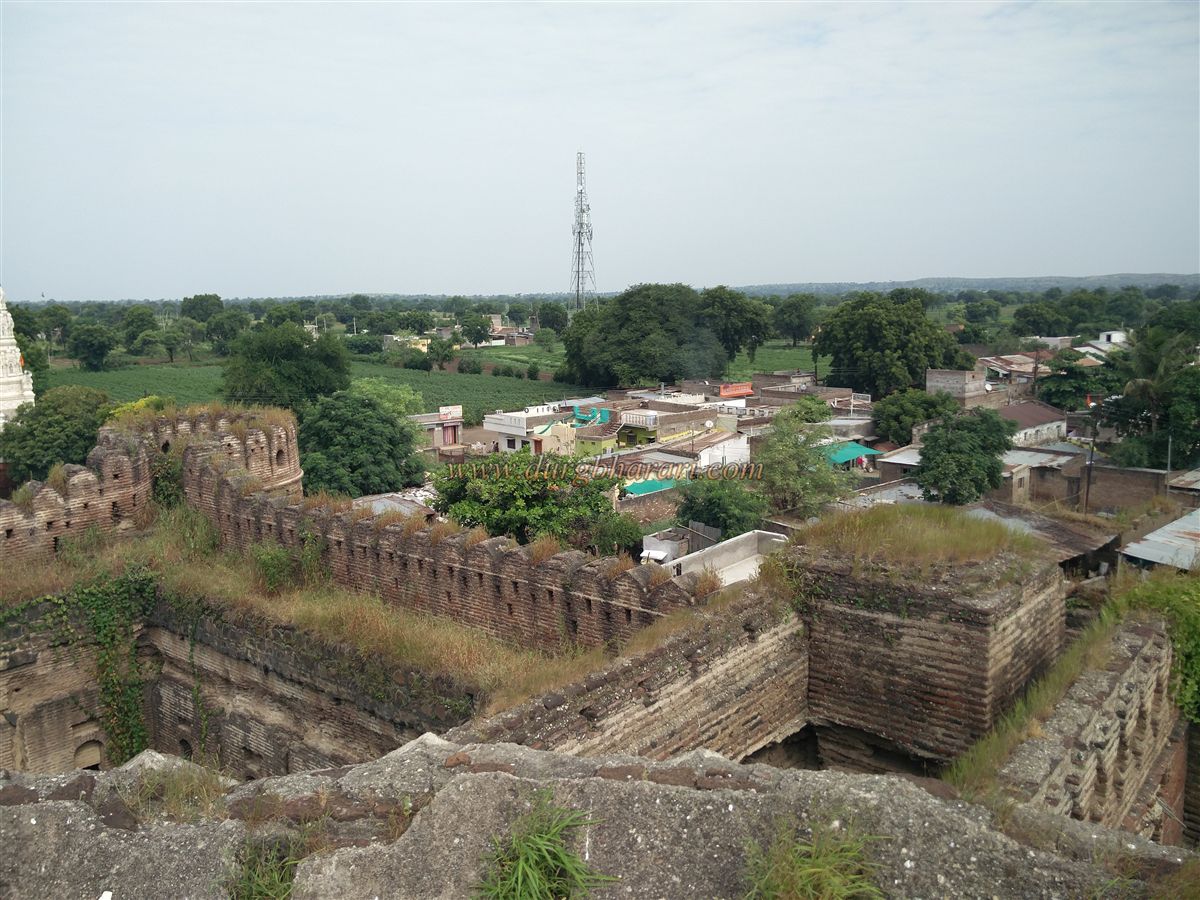
Located in Gondhanapur village, this fort still stands proudly today and has a unique structure consisting of an outer fortification (parkot) and a double-walled inner fort (balekilla).
...
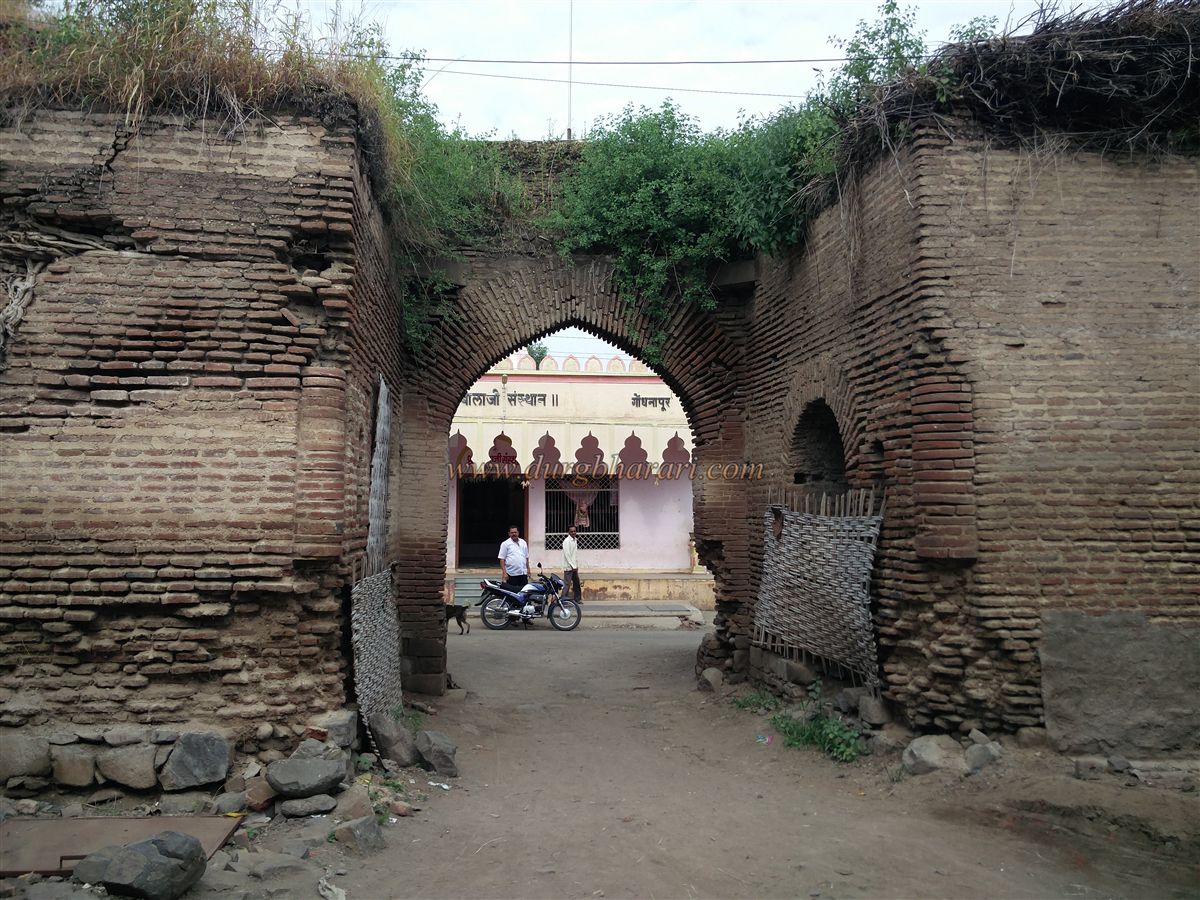
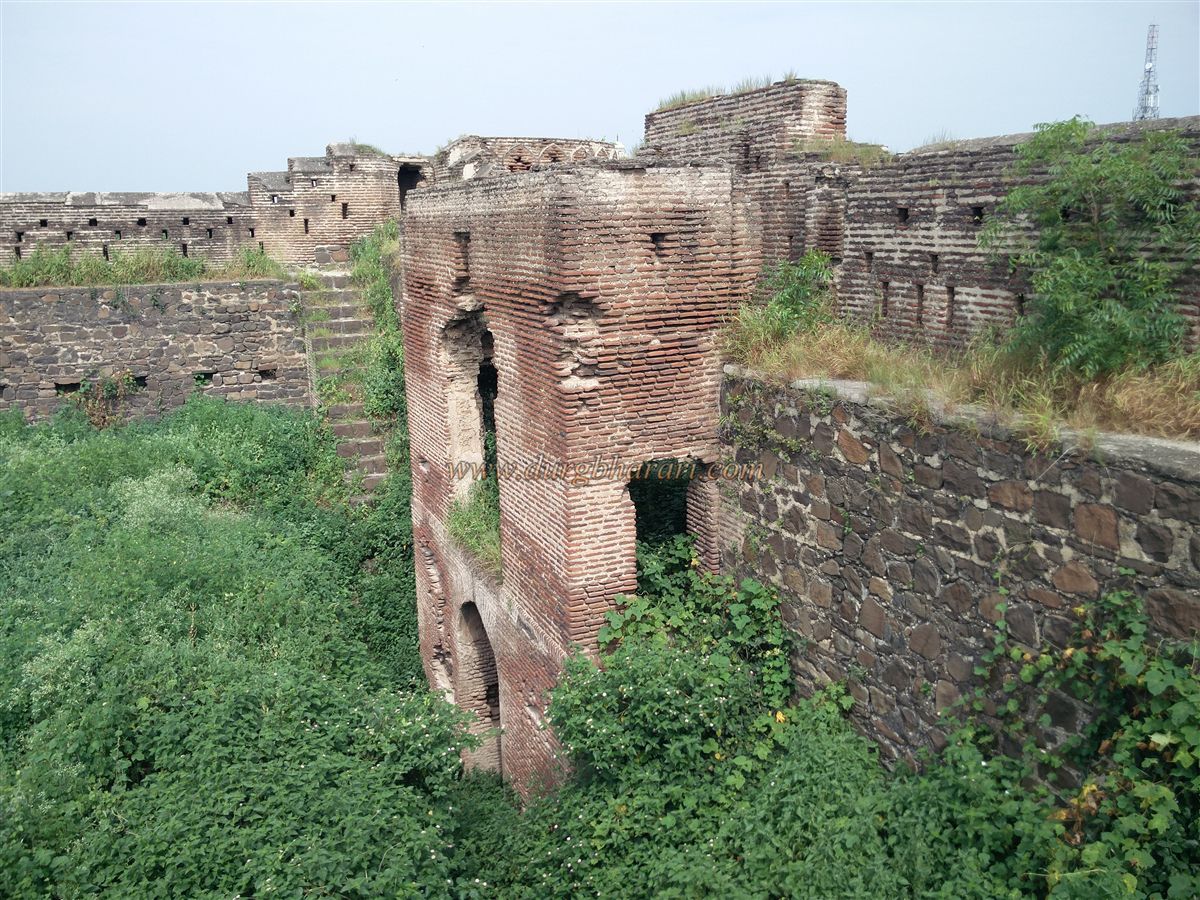
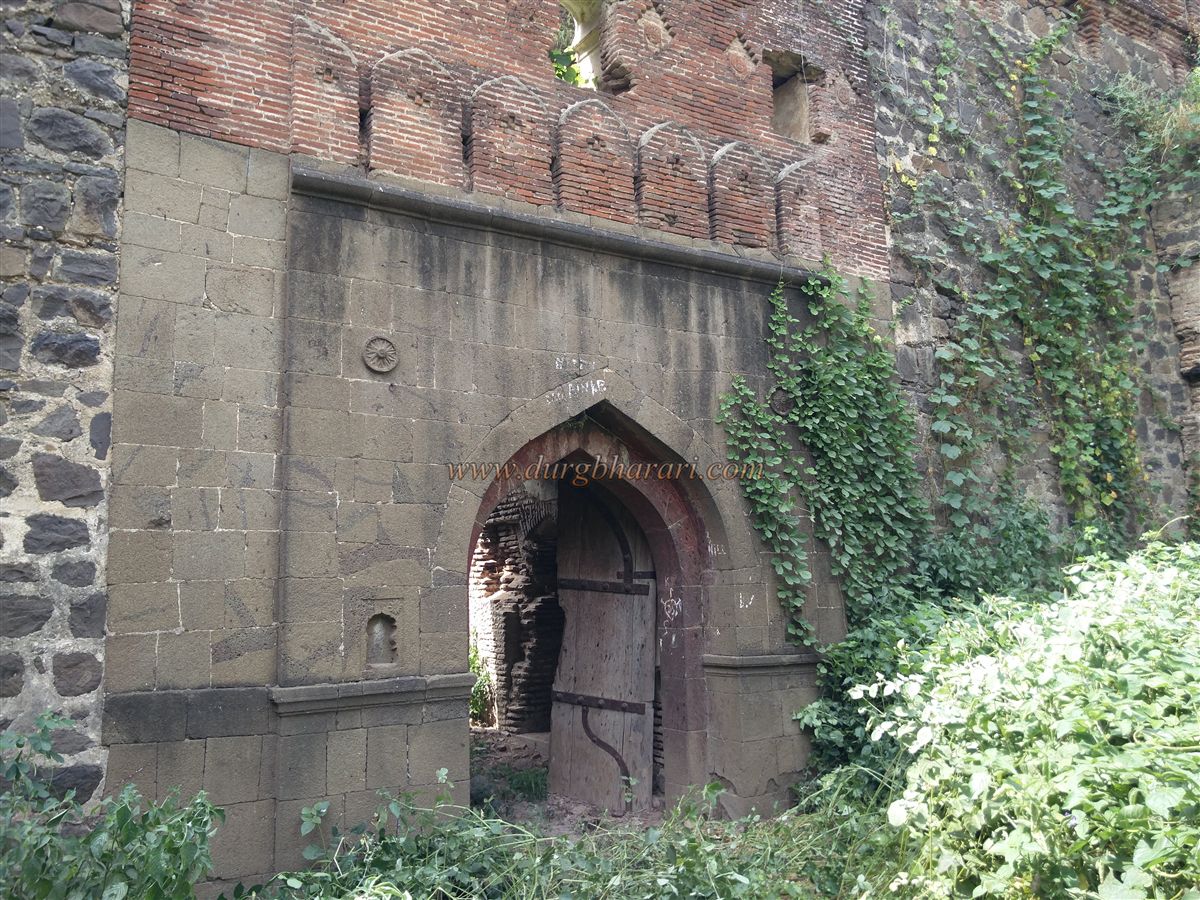
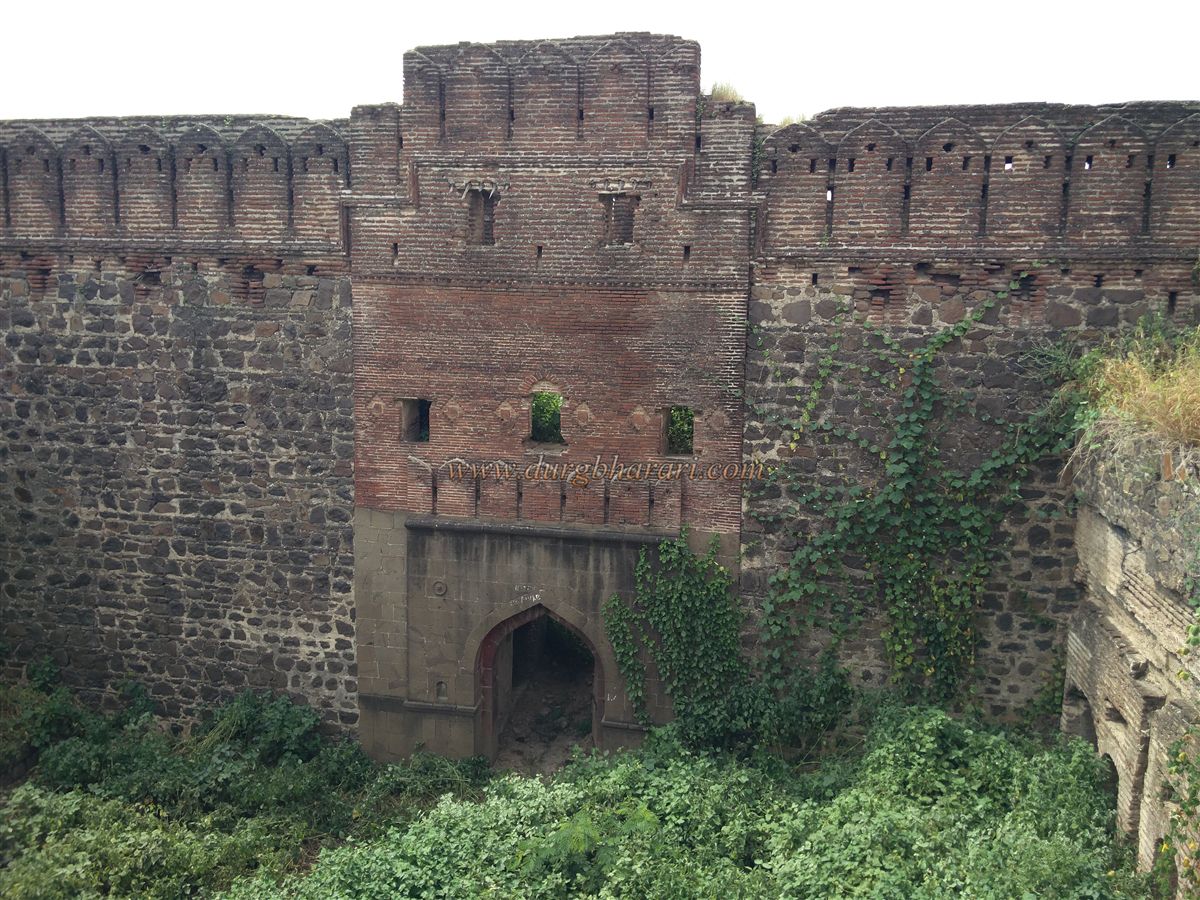
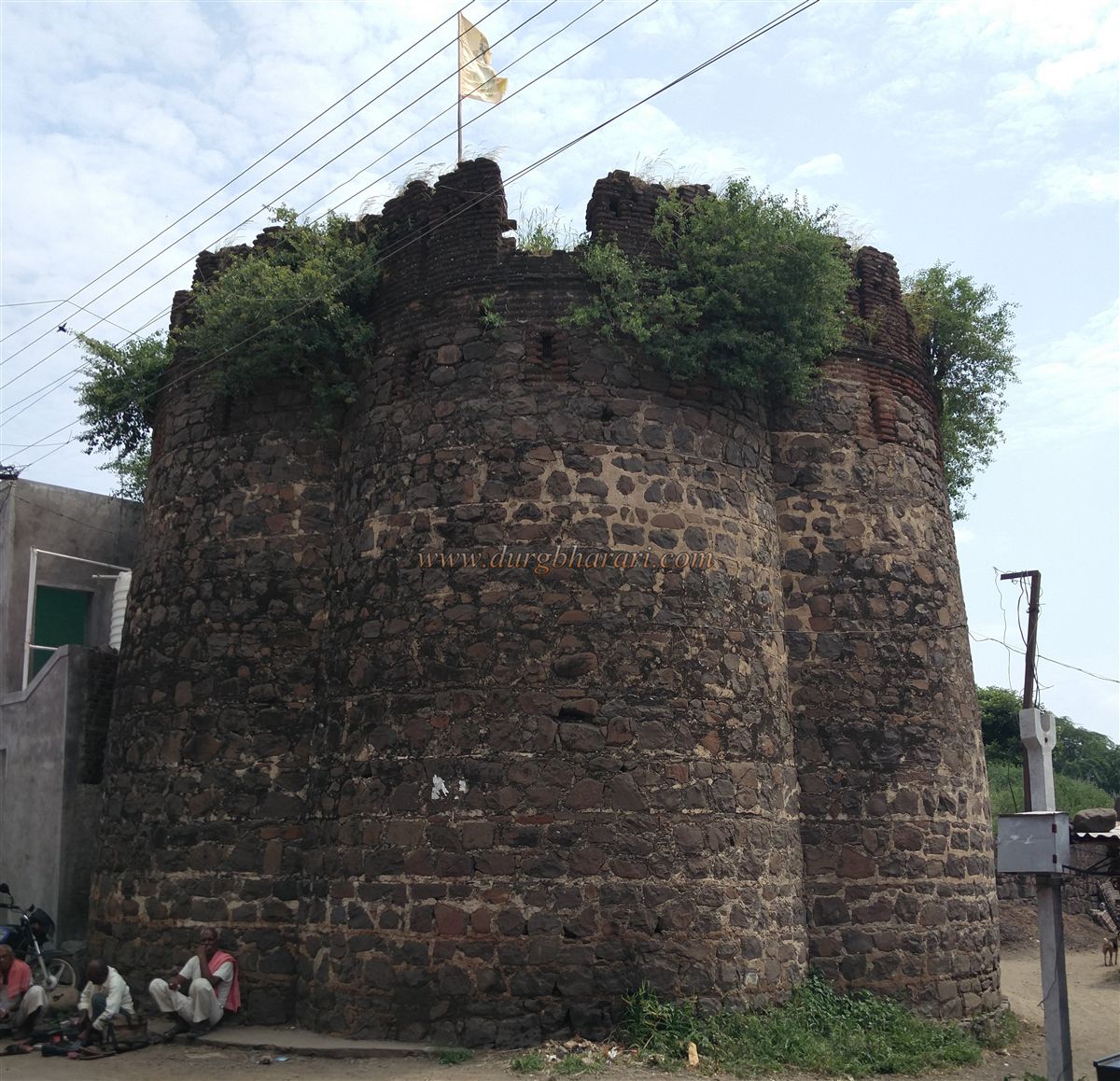
It is only 7 km away from Khamgaon, the taluka headquarters in the Buldhana district. From Khamgaon, one can reach Gondhanapur by state transport buses or rickshaw. After alighting from the bus, a five-minute walk leads to the east-facing main gate of the outer fort. The entrance of the outer wall is built of bricks, but the two bastions beside it are constructed in stone. Inside the gate is a guard chamber, and steps next to the wall lead to the top of the gate and bastions.
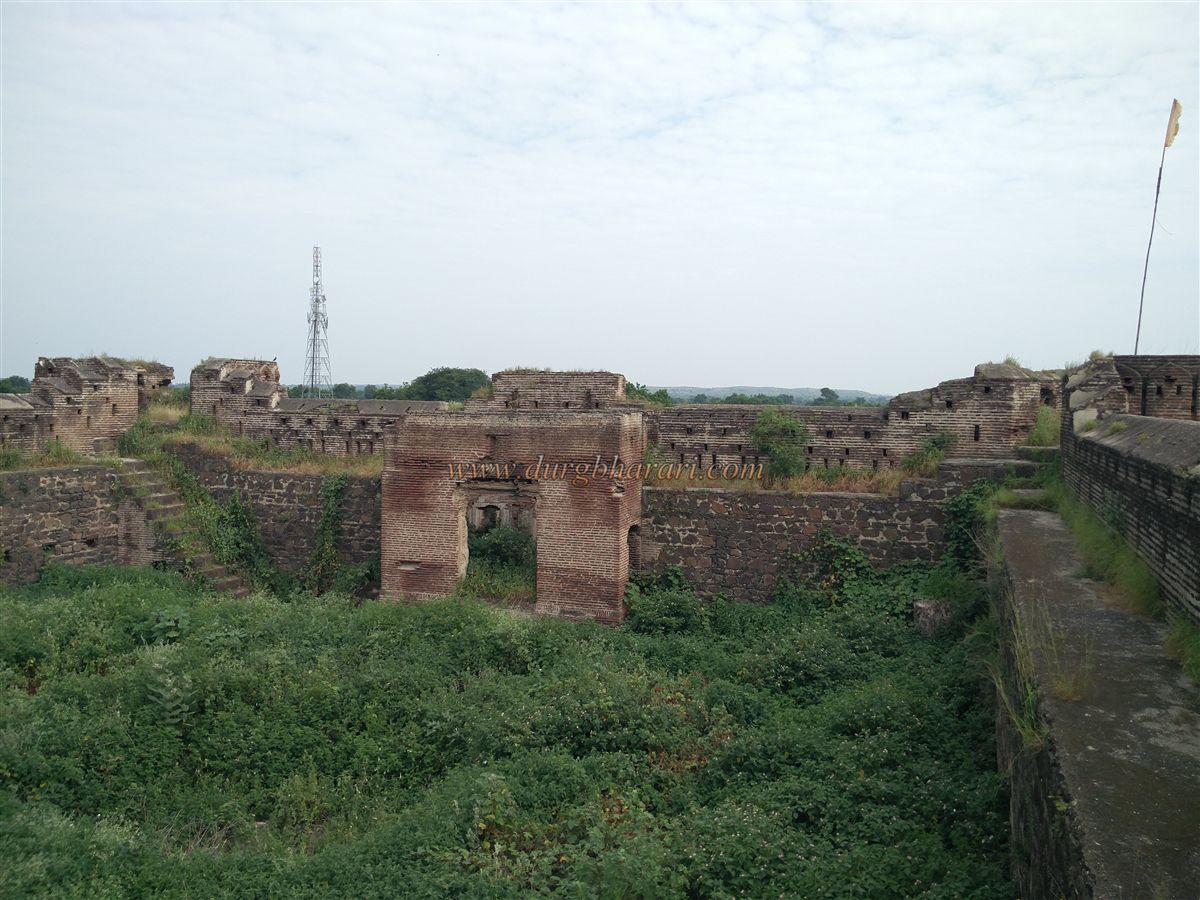
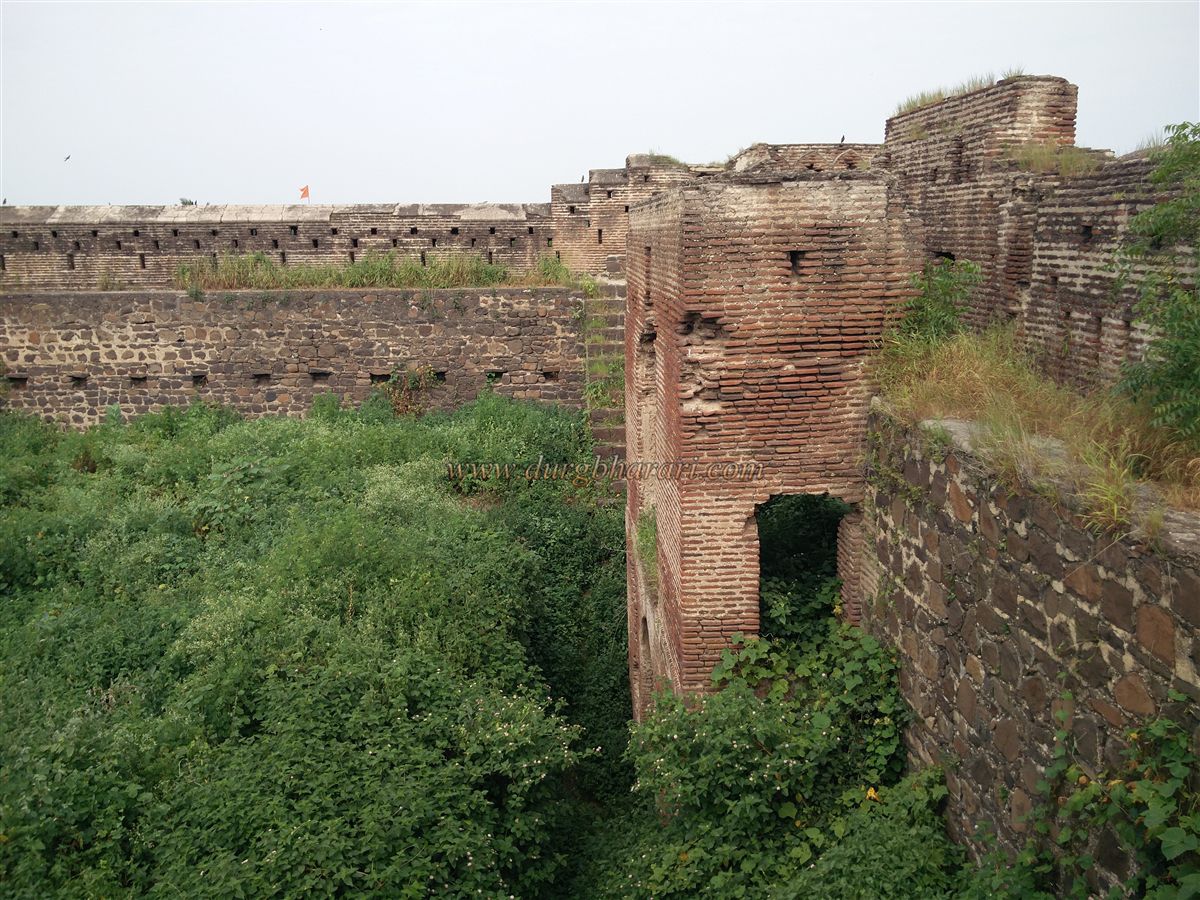
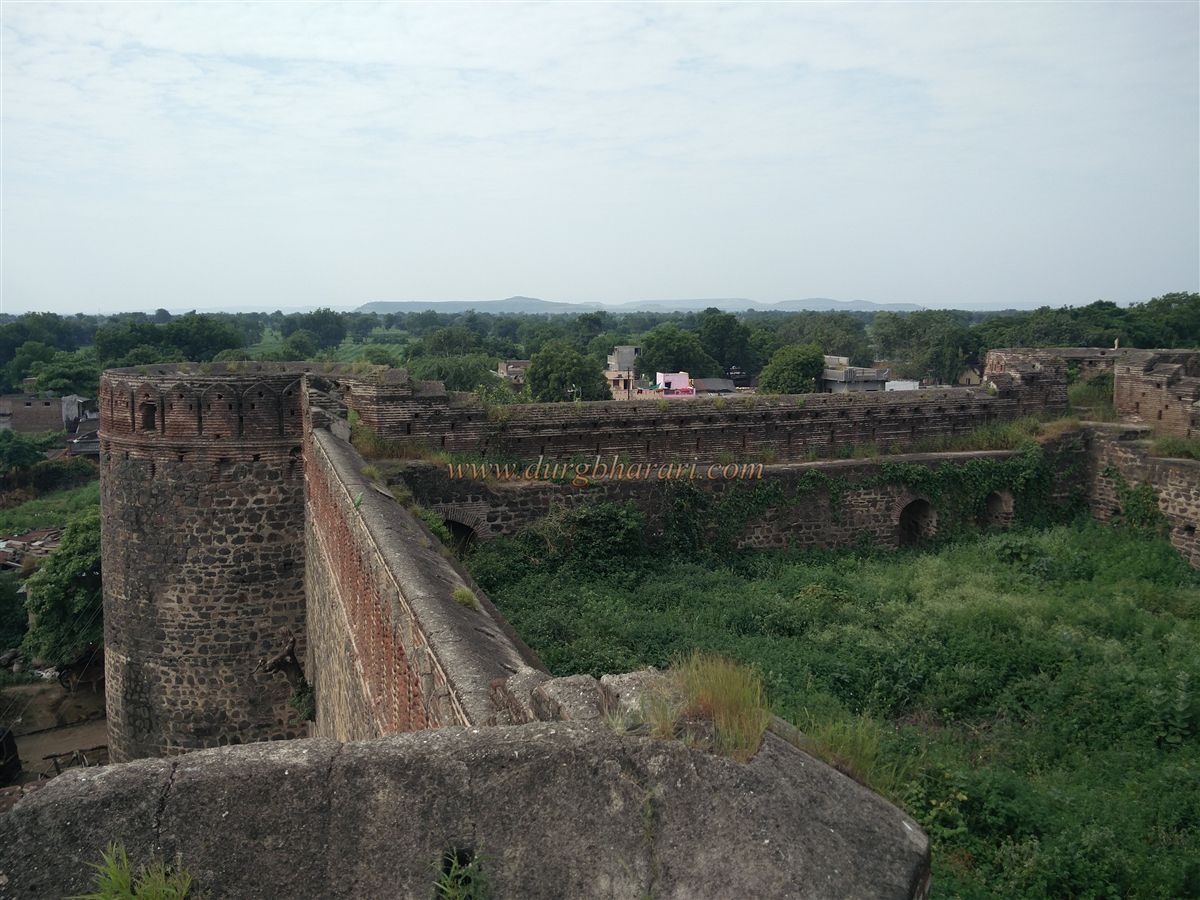
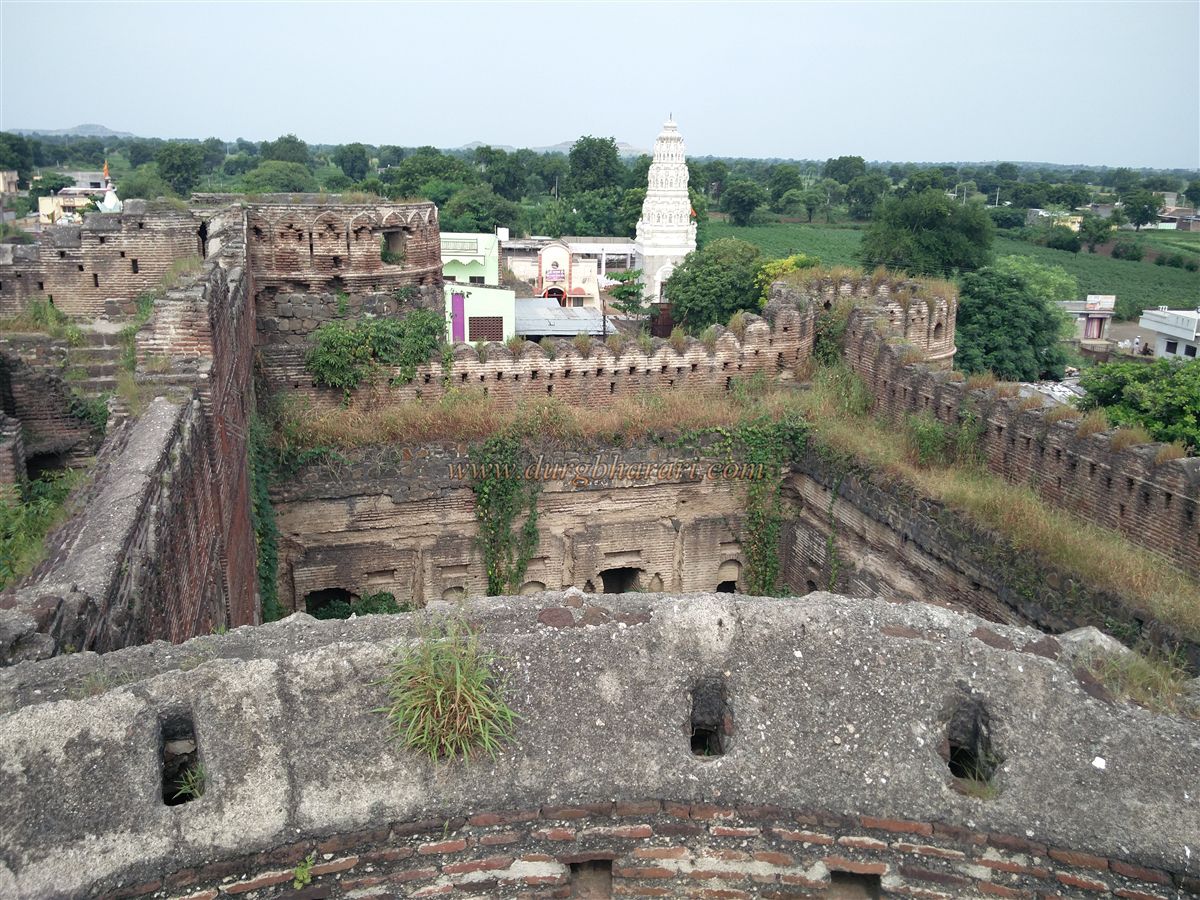
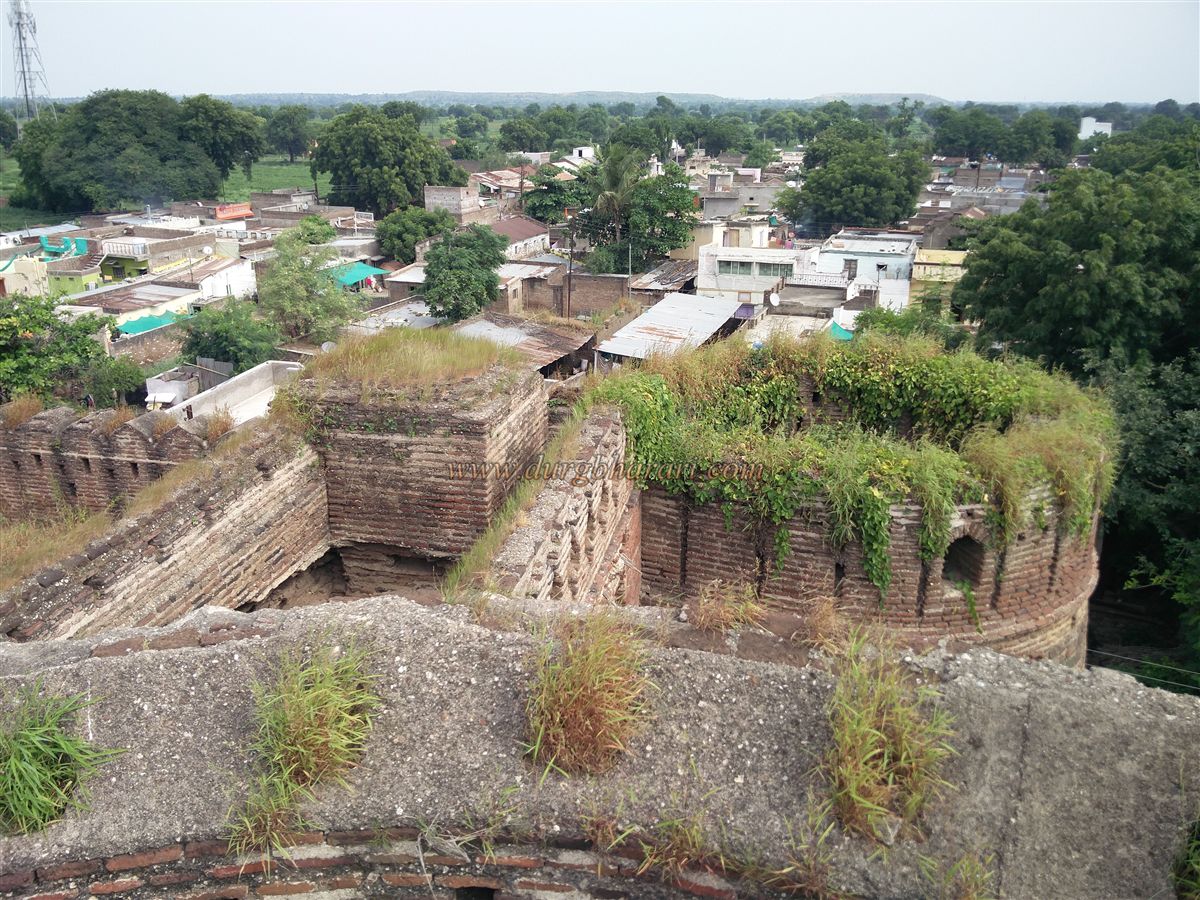
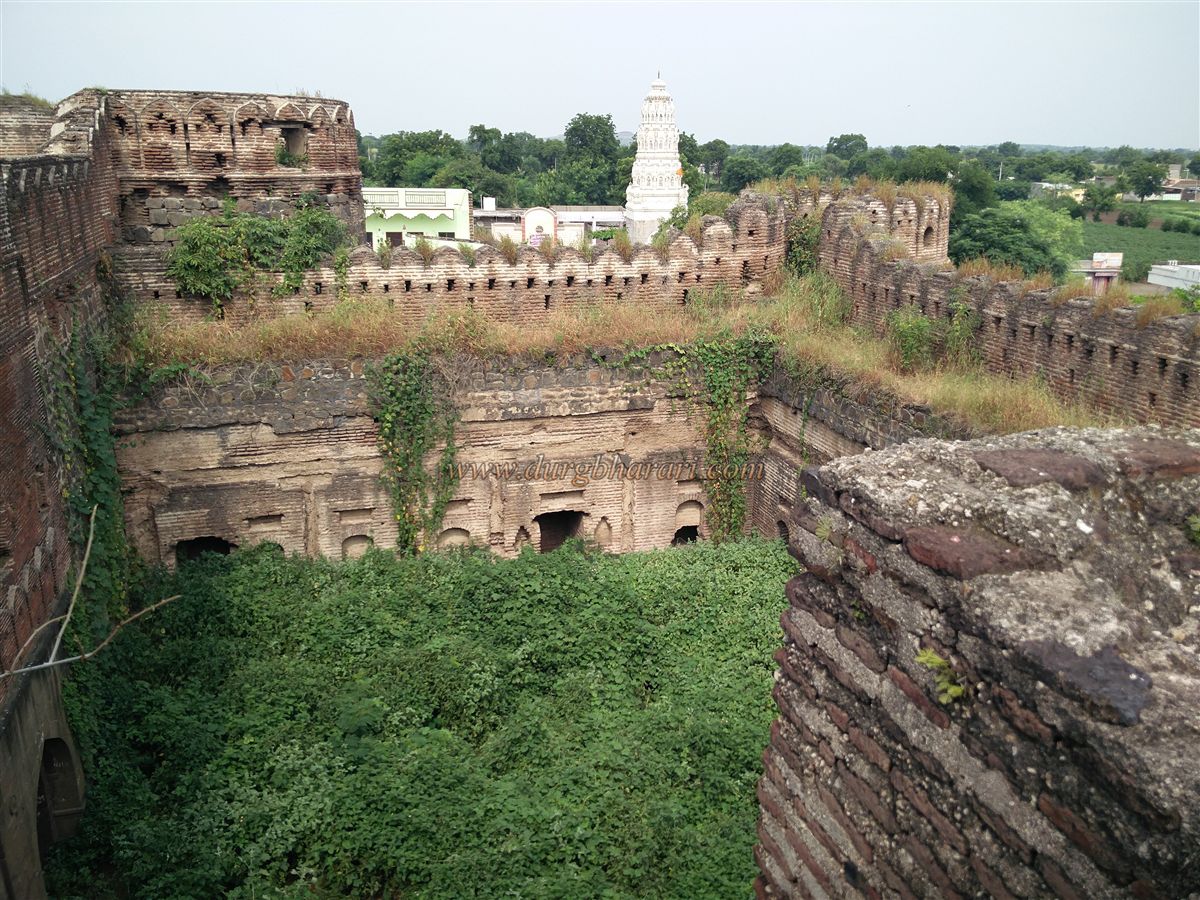
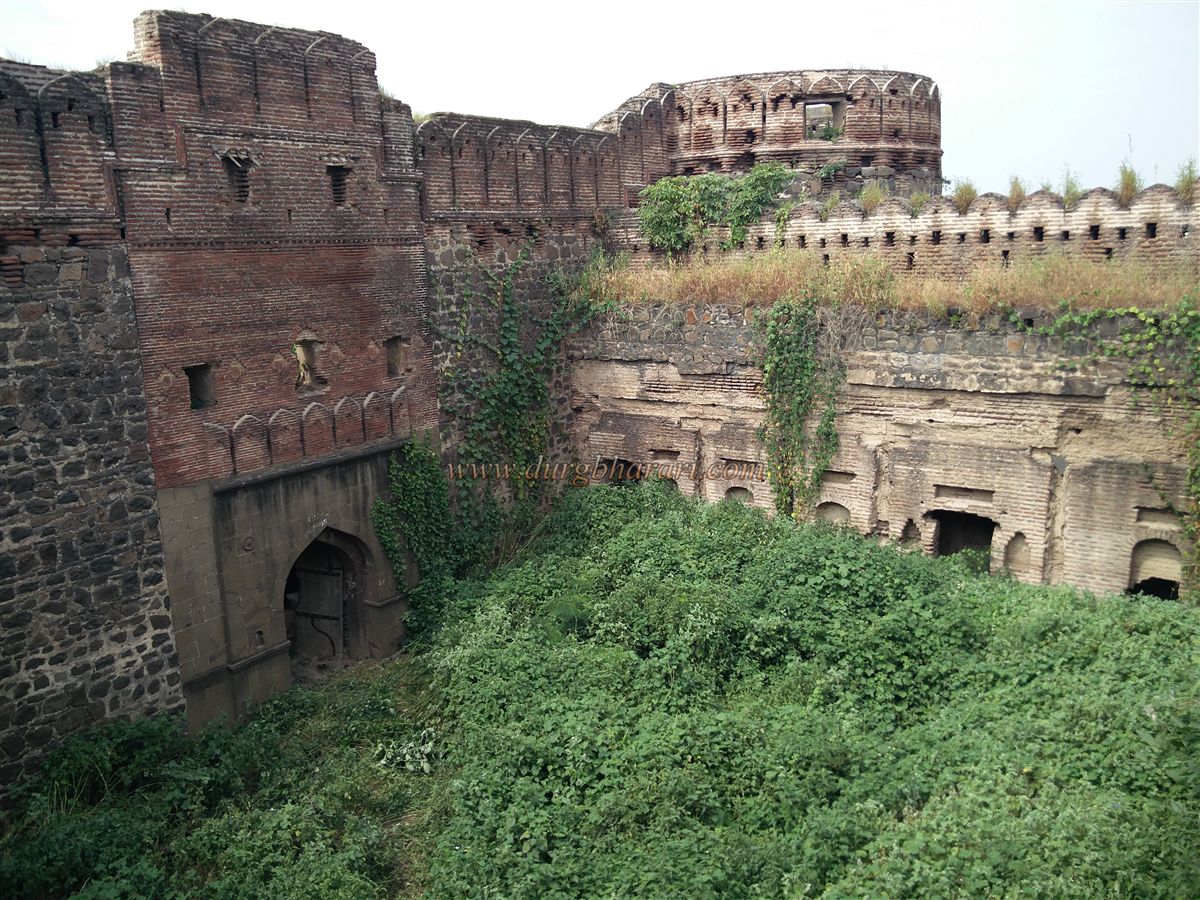
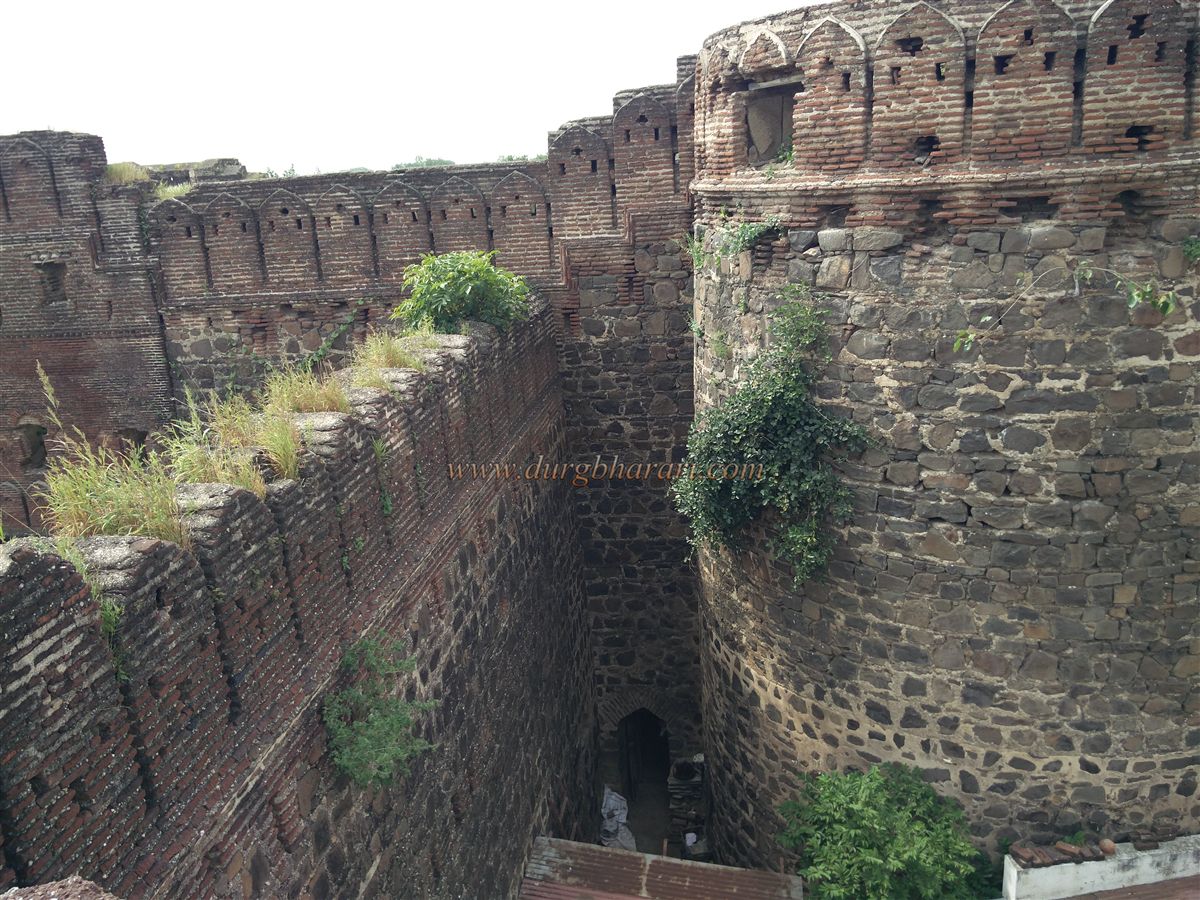
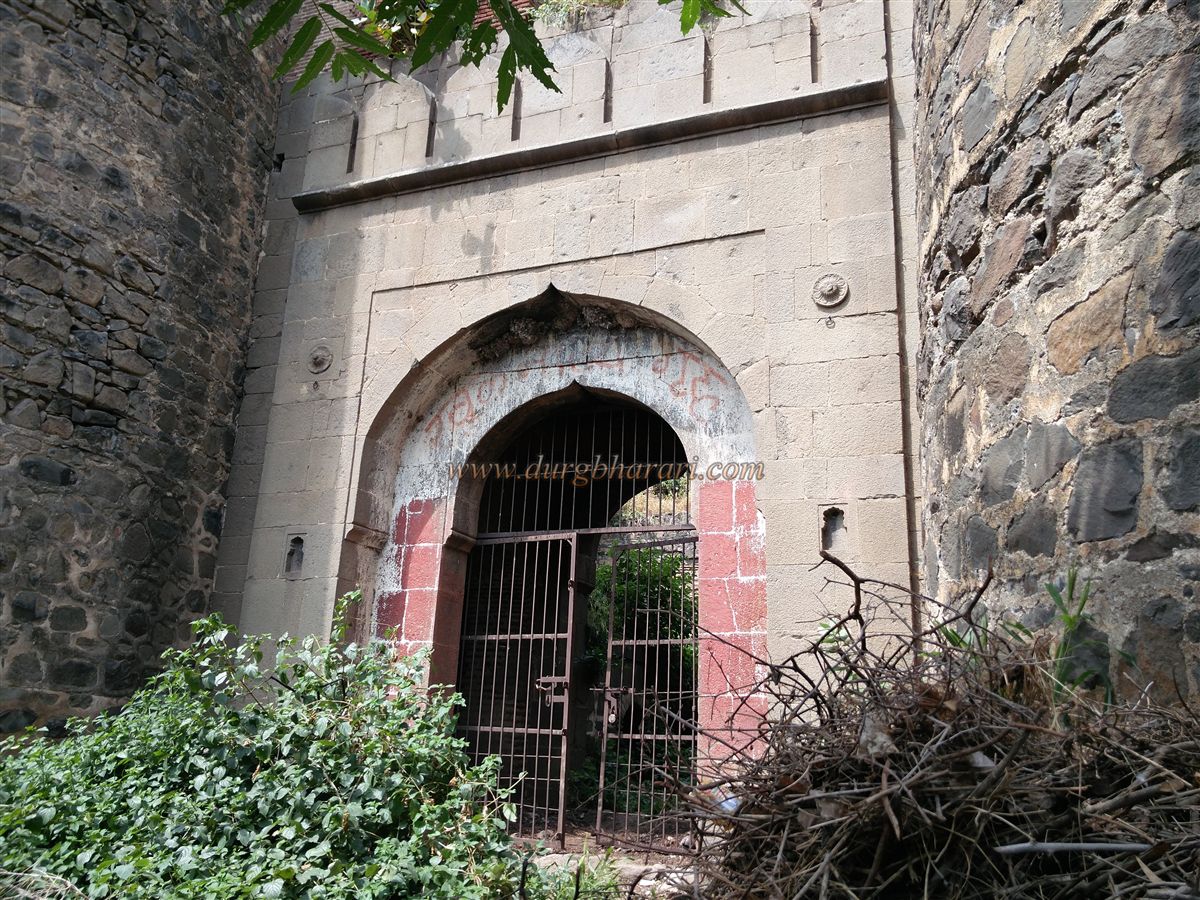
The outer wall has a total of eight bastions—two next to the gate, four at the corners, and one each in the middle of the walls. The inner fort’s wall has six bastions, bringing the total number to fourteen. All these bastions, as well as the walls of the inner fort, have loopholes for firing guns and cannons. Some parts of the outer wall have collapsed, but the hexagonal, petal-shaped bastion at the corner near the gate is worth seeing. This square-shaped fort, located in the heart of Gondhanapur village, covers an area of over four acres. Inside the outer fortification are several small wells and old structures along the wall. The main fort, or balekilla, inside is divided into two sections and covers about half an acre. Entering through the outer fort and circling around the inner fort brings one to the west-facing main gate of the balekilla. Above this gate is the Nagarkhana (drum house). The gate, built of dressed stone between two bastions, is decorated with carvings. The bastions and walls, 40 feet high, are built of rough stone, with the upper parts made of bricks.
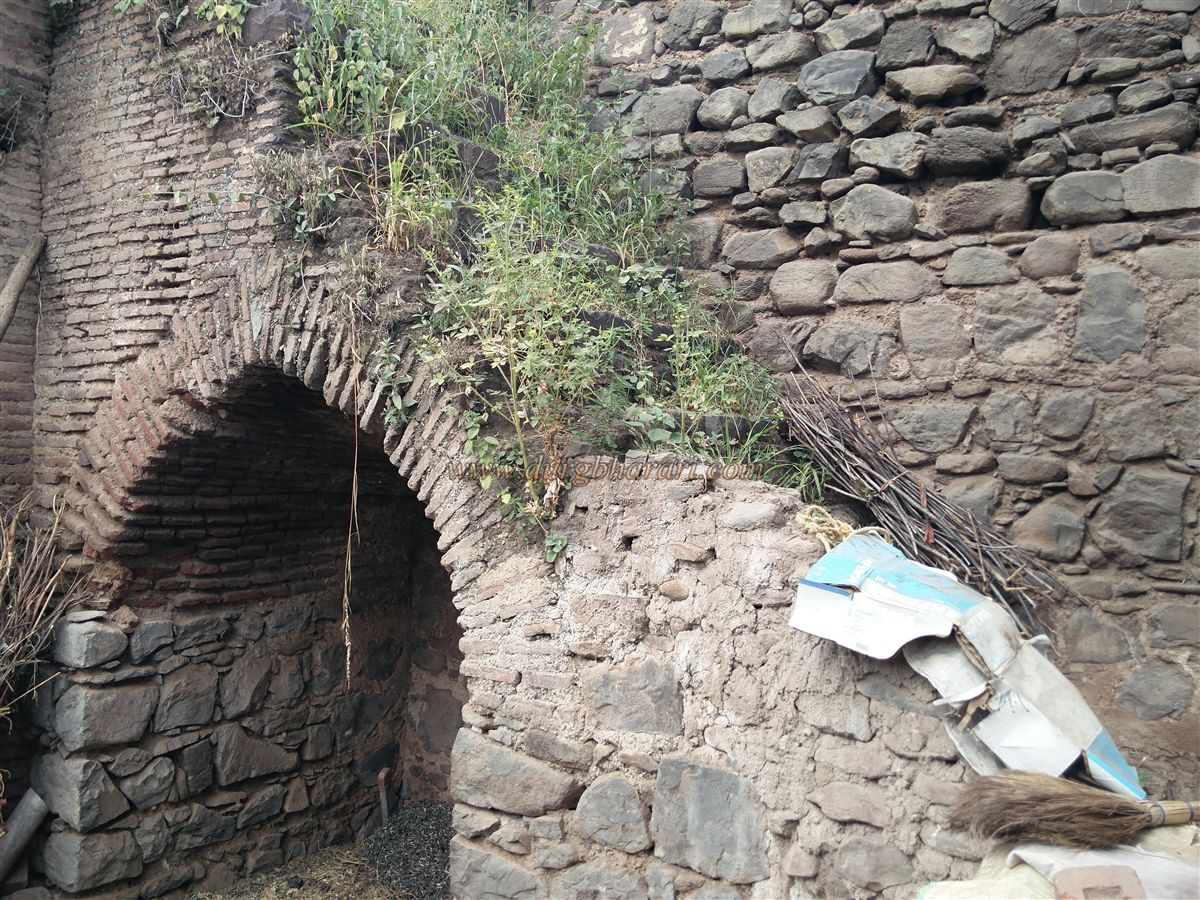
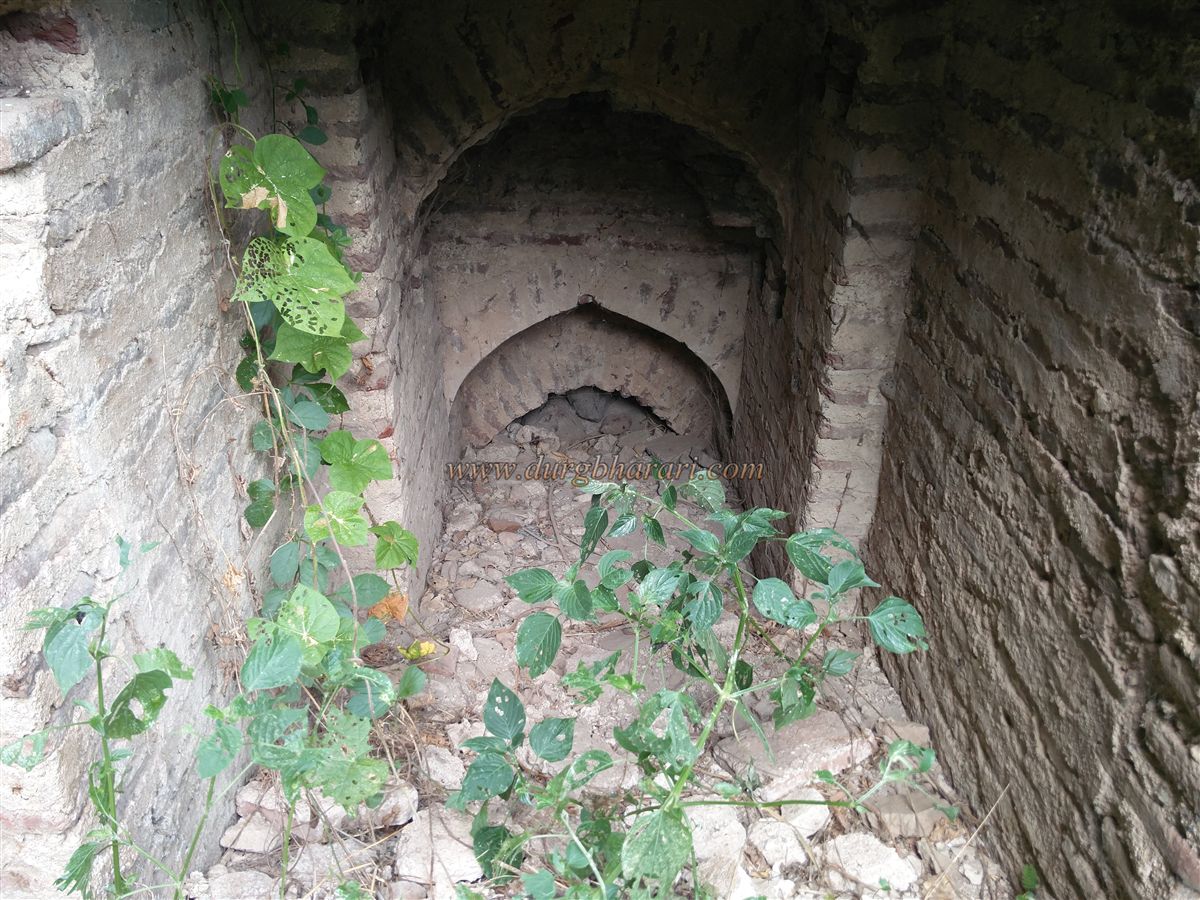
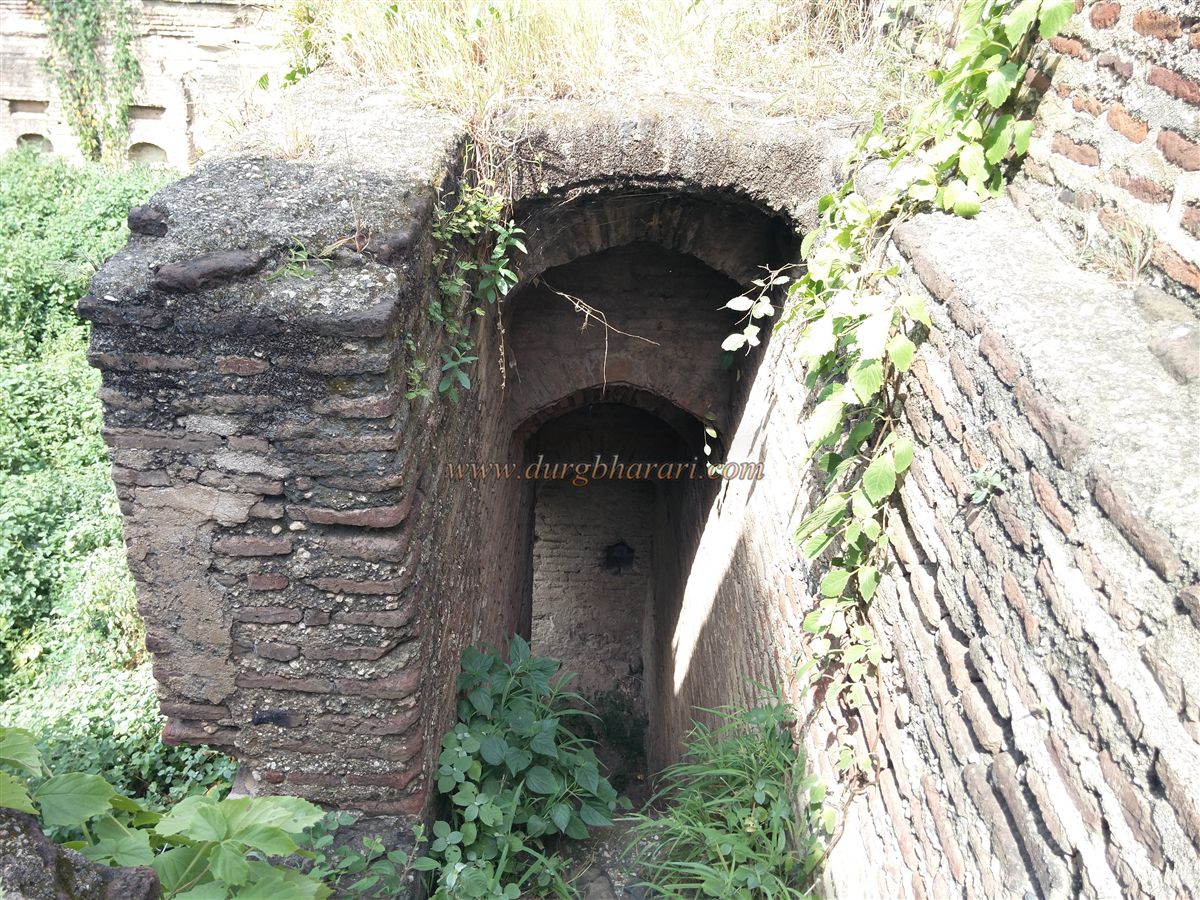
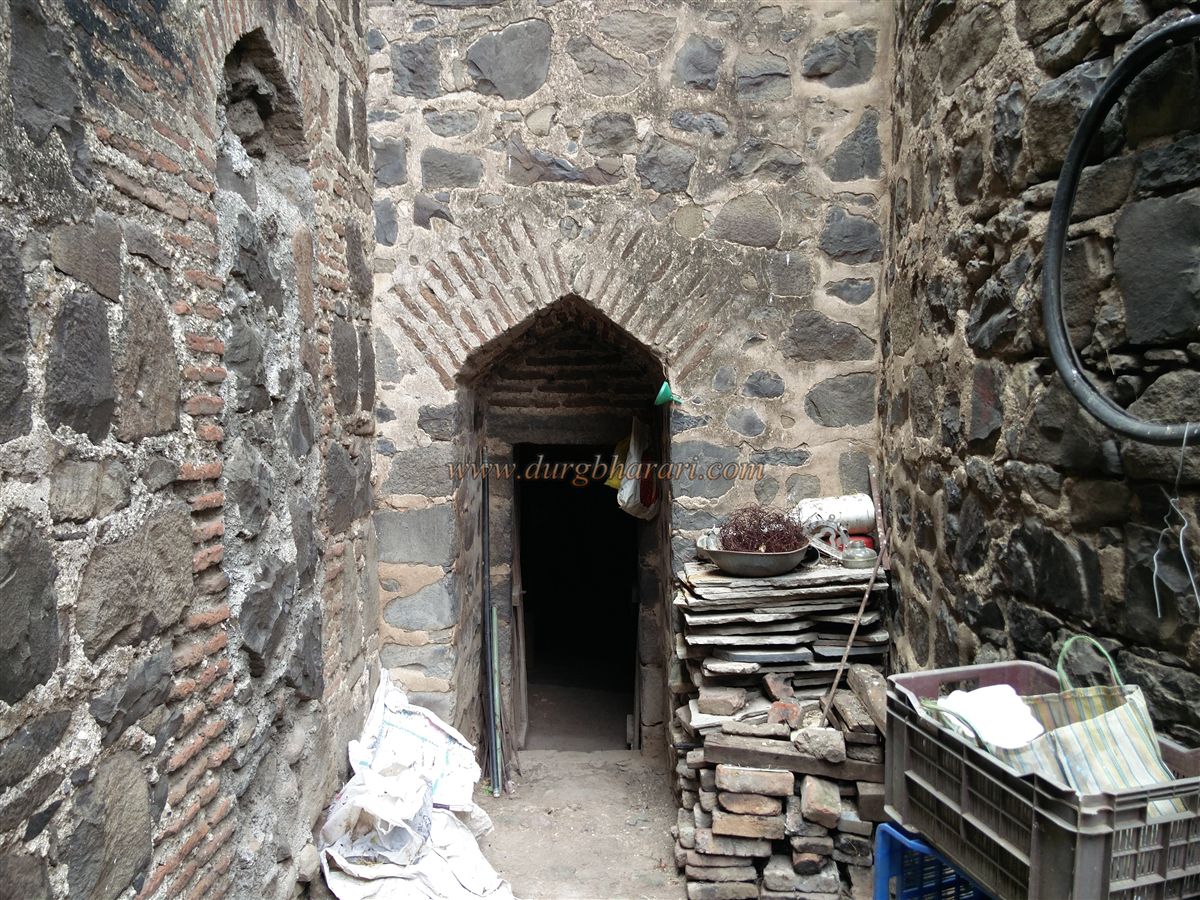
The inner area of the balekilla is overgrown with thick vegetation, and since villagers use it as an open toilet, visitors must be careful while moving around. Inside the gate, there is a platform adjoining the right-hand wall, and another platform against the wall to the right side. Beneath this platform is a large cellar with ventilation and light provided through openings in the outer wall. A small door beneath the platform leads into this cellar, while another entrance is from the guard chamber inside the main gate. A staircase built into this wall leads to the bastion opposite, where a platform for placing a cannon and a pivot for rotating it can be seen.
A door in the left-hand wall leads to the second part of the balekilla. In the opposite wall, there is a room containing a well. This wall also has a small hidden gate (chor darwaza) leading out of the fort between the wall and bastion, though it is now blocked with stones. After seeing this section, one should enter the inner part of the balekilla through the door on the left. The wooden doors here still survive, and inside are guard chambers. To prevent outsiders from seeing inside, a cross-wall has been built in front of the gate.
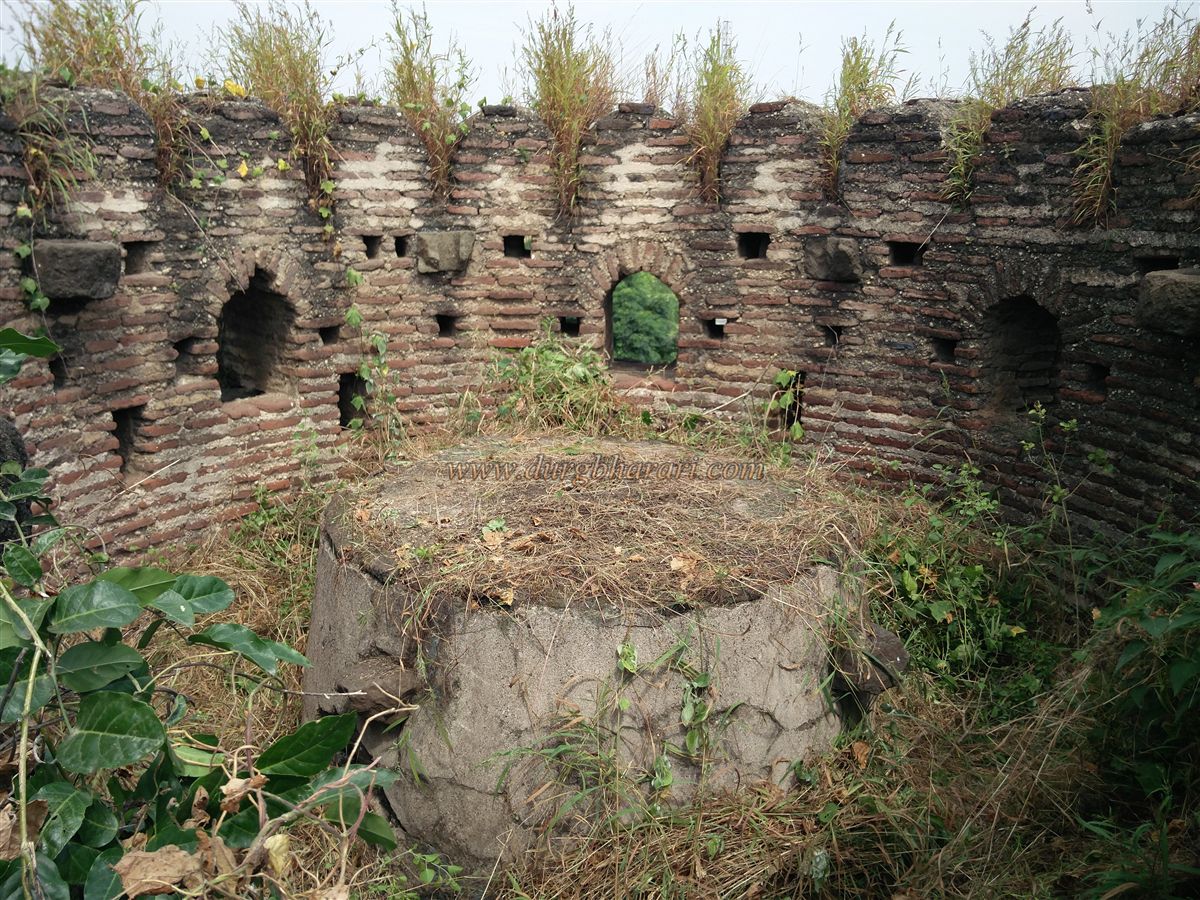
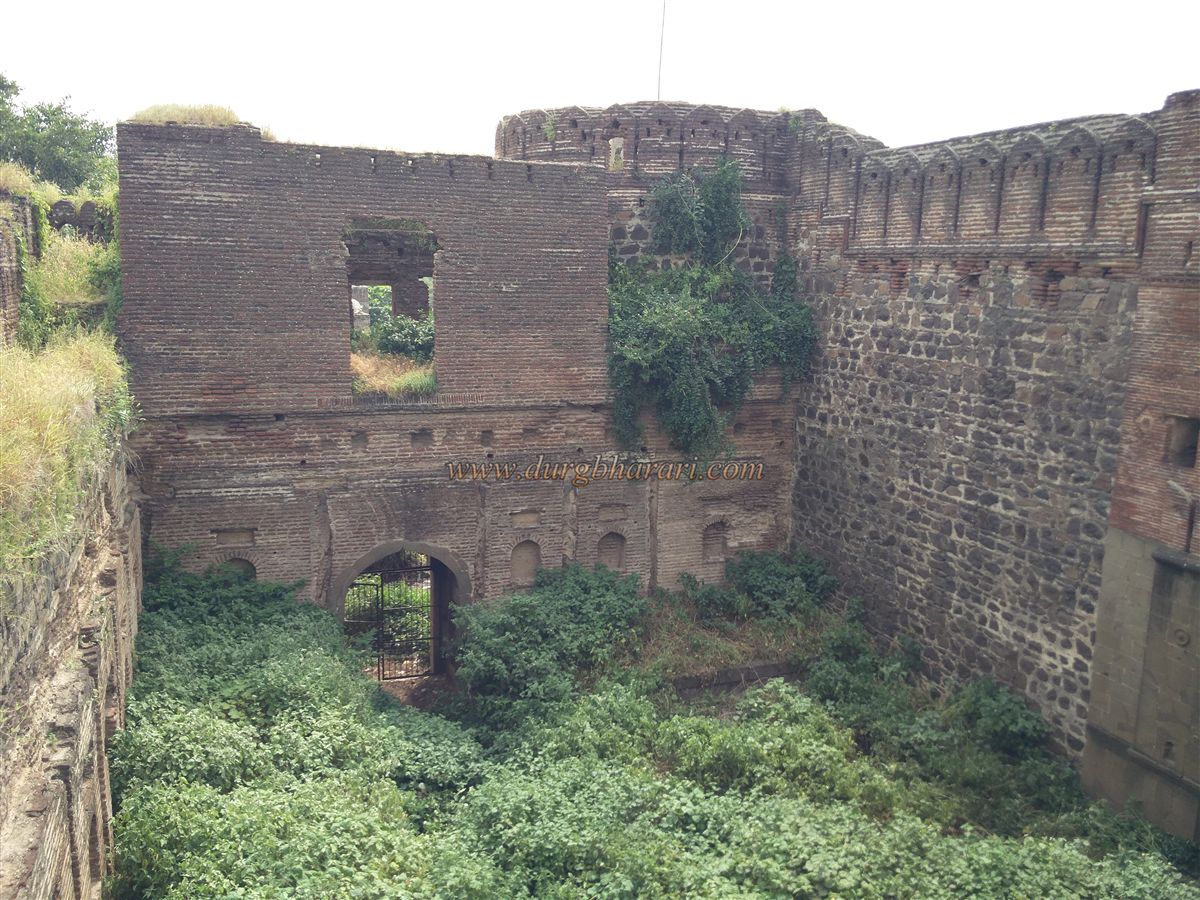
From this gate, stairs on the right lead up to the wall, allowing a full circuit of the ramparts. On one bastion is a flag-hoisting point from where the view extends up to Khamgaon. As in the earlier section, there is a platform against the right-hand wall inside, with niches for fixing beams. Beneath this platform is another large cellar with ventilation openings in the wall. Near this platform is a small underground entrance to the cellar. Currently, this entrance inside the fort is overgrown, so to see the cellar and inner section, one must enter through the hidden gate from outside. The hidden gate from the cellar leads out of the fort through a small opening between the wall and bastion. Outside this hidden gate are a small well and a cattle trough. In the wall opposite the main gate are two latrines, and at the far end of the wall is another well. Beside this well, inside the wall, are two rooms believed to have served as the fort’s kitchen. Water from this well could be drawn directly from the ramparts. In the centre of this courtyard is a fountain, and seeing the remains of a two-storeyed building opposite the gate suggests that this area once housed the royal court.
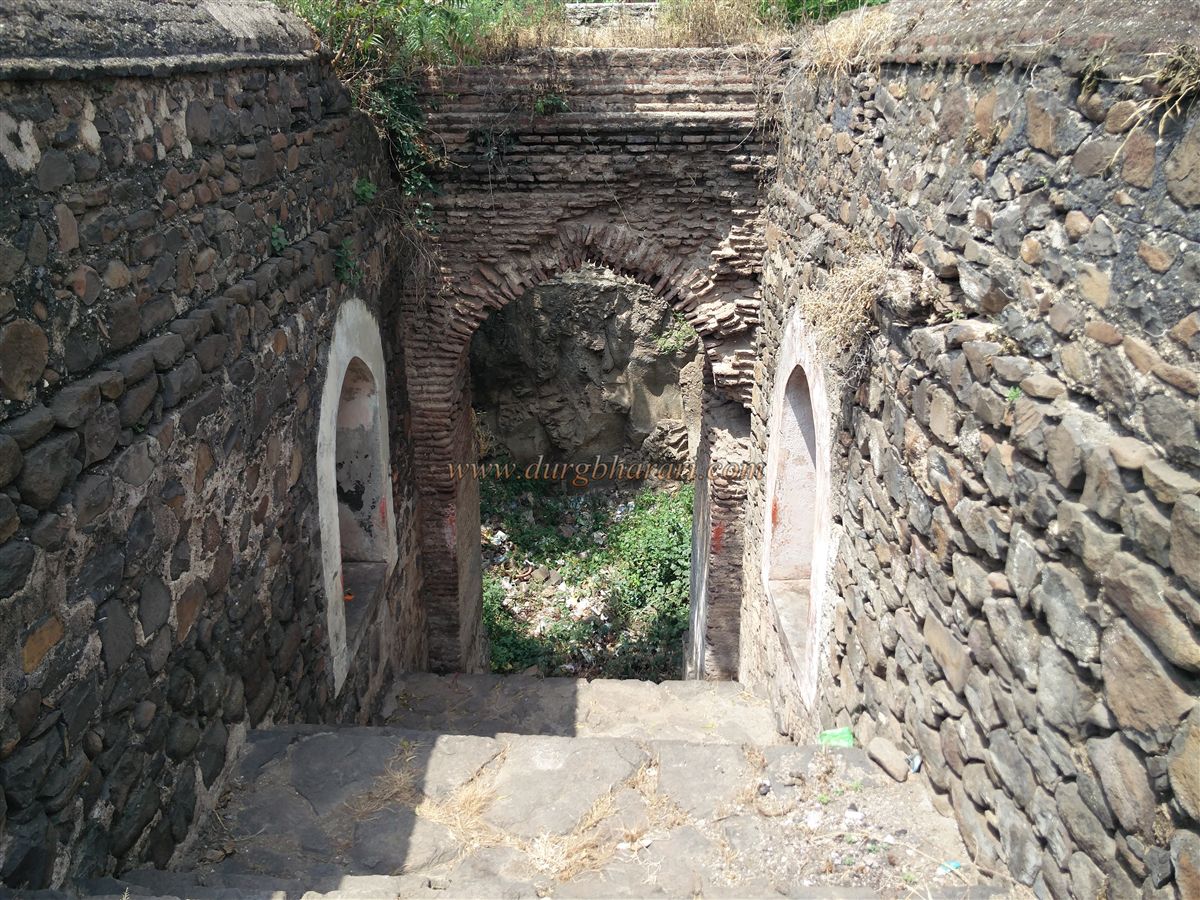
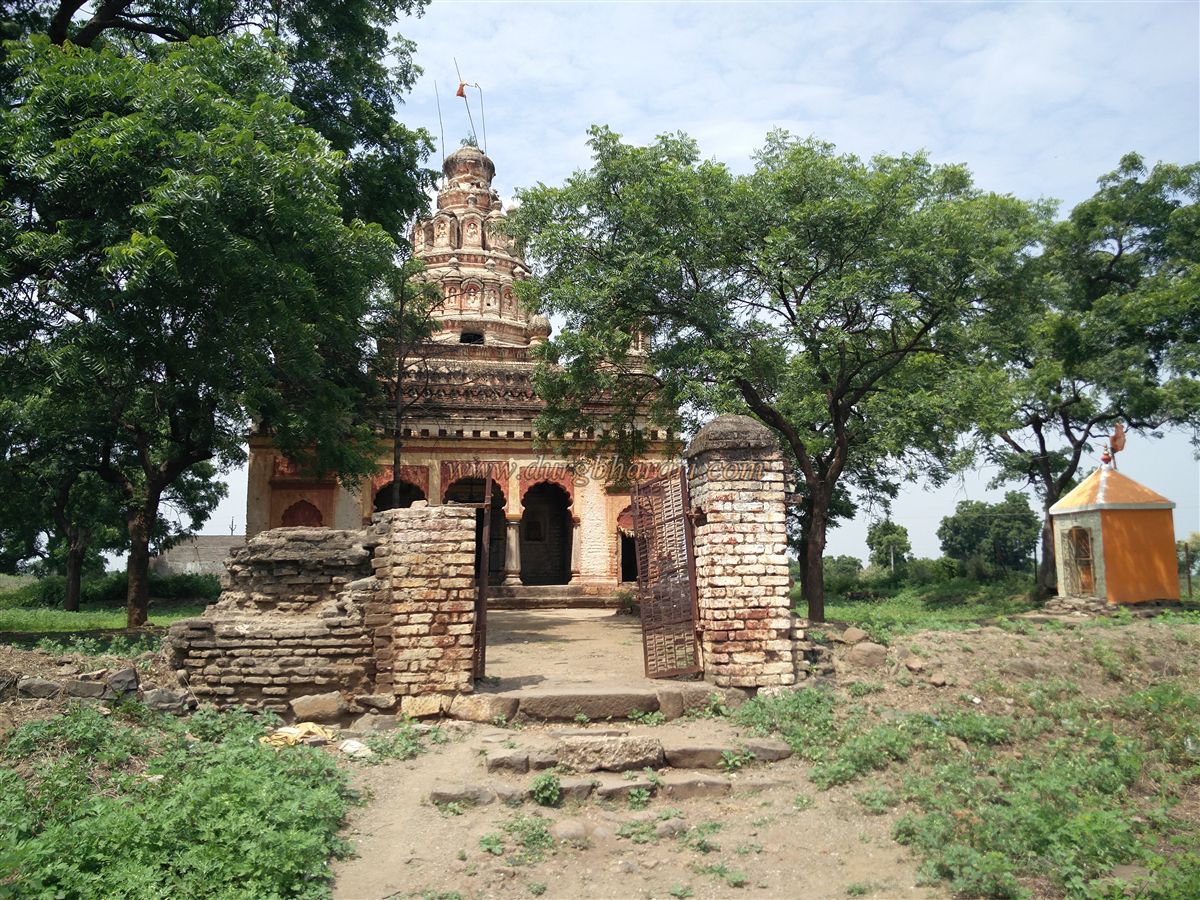
This completes the fort tour. One and a half hours is enough to see both the outer and inner forts. While going to see the Lakshmi Narayan temple outside the village after visiting the fort, one comes across a stepwell with a carved arch in rock. In the Lakshmi Narayan temple, one can see an ancient idol of Vishnu. Though the exact year of construction is unknown, the fort was built during the time of Raghuji Bhonsle of Nagpur. Since it was managed by the Bhonsles’ secretaries (Chitnis), it came to be known as the Chitnis Fort. Special assistance in visiting the fort was provided by the Gondhanapur village sarpanch, Shri Trimbak Bangar, and Shri Laxman Wankhede Guruji.
© Suresh Nimbalkar
GALLERY