GONDESHWAR
TYPE : SHIV MANDIR
DISTRICT : NASHIK
On the Mumbai–Shirdi route, in Nashik district, lies the taluka town of Sinnar. In the central part of this taluka headquarters is the ancient Gondeshwar temple, built in the 12th century during the Yadav rule. The Yadav royal family ruled Maharashtra for about five hundred years. According to historians and temple researchers, this temple was probably built around 1160. The term ‘Seuna’ refers to the Yadavas. Among this Yadav dynasty, there was a king named Raj Govind. The town ‘Seunapura,’ established by King Seunachandra, is today’s Sinnar. It is believed by some that the temple, originally named Govindeshwar after King Govind, later became known as Gondeshwar.
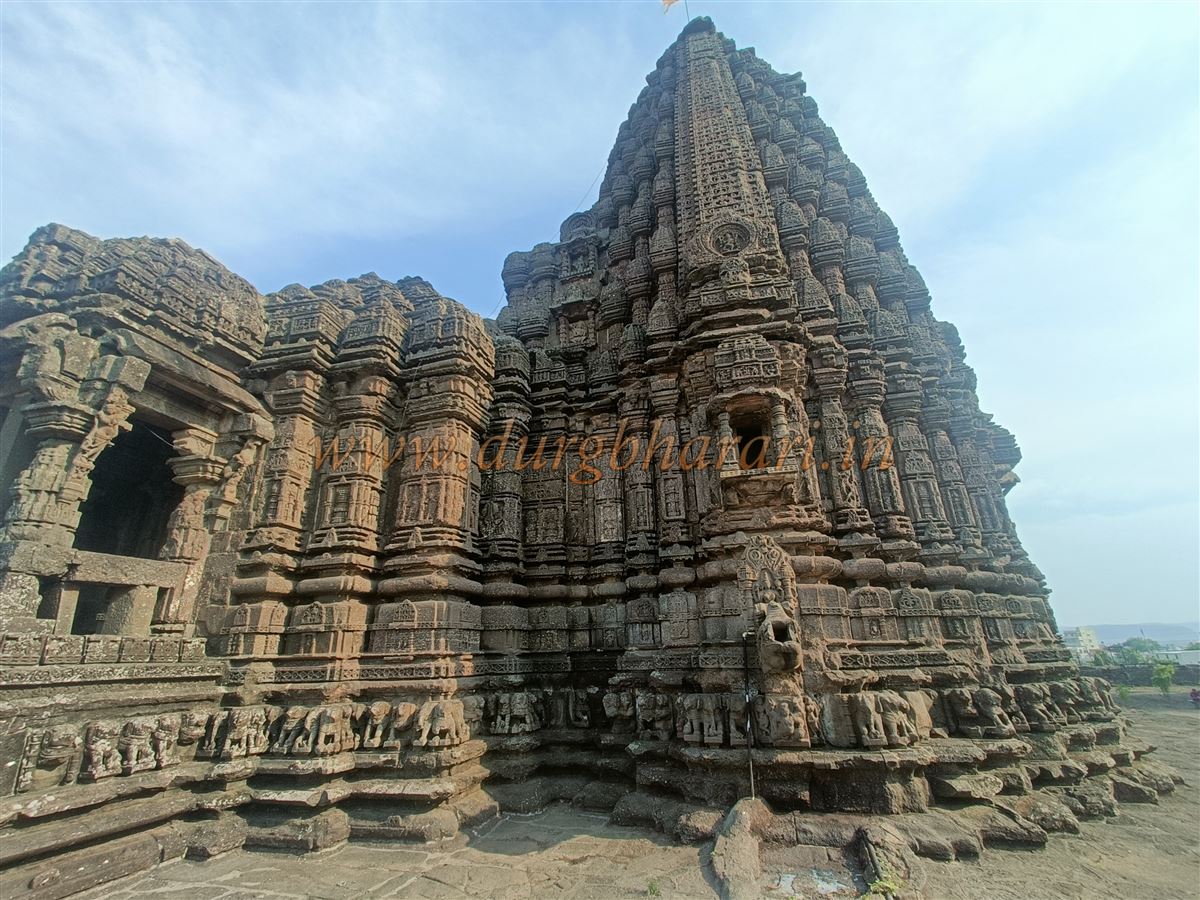
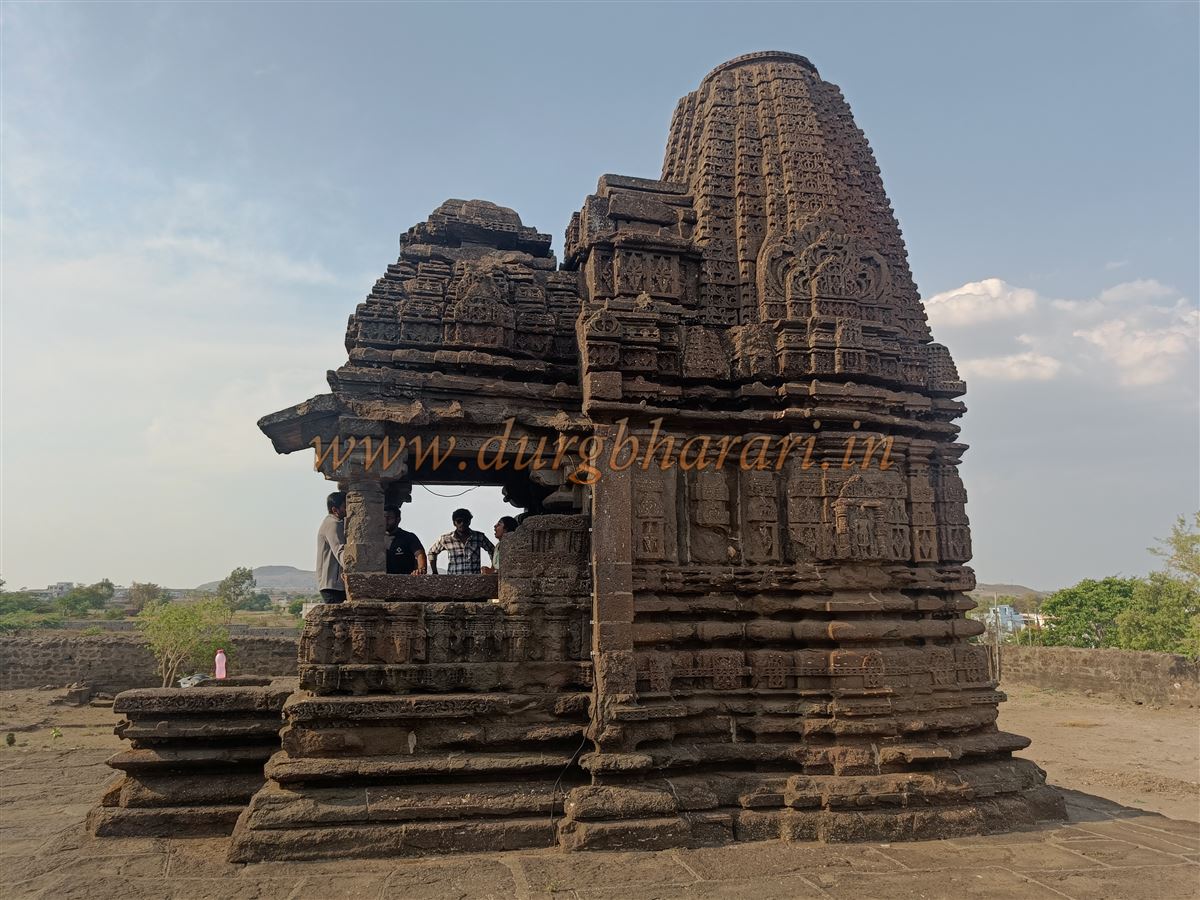
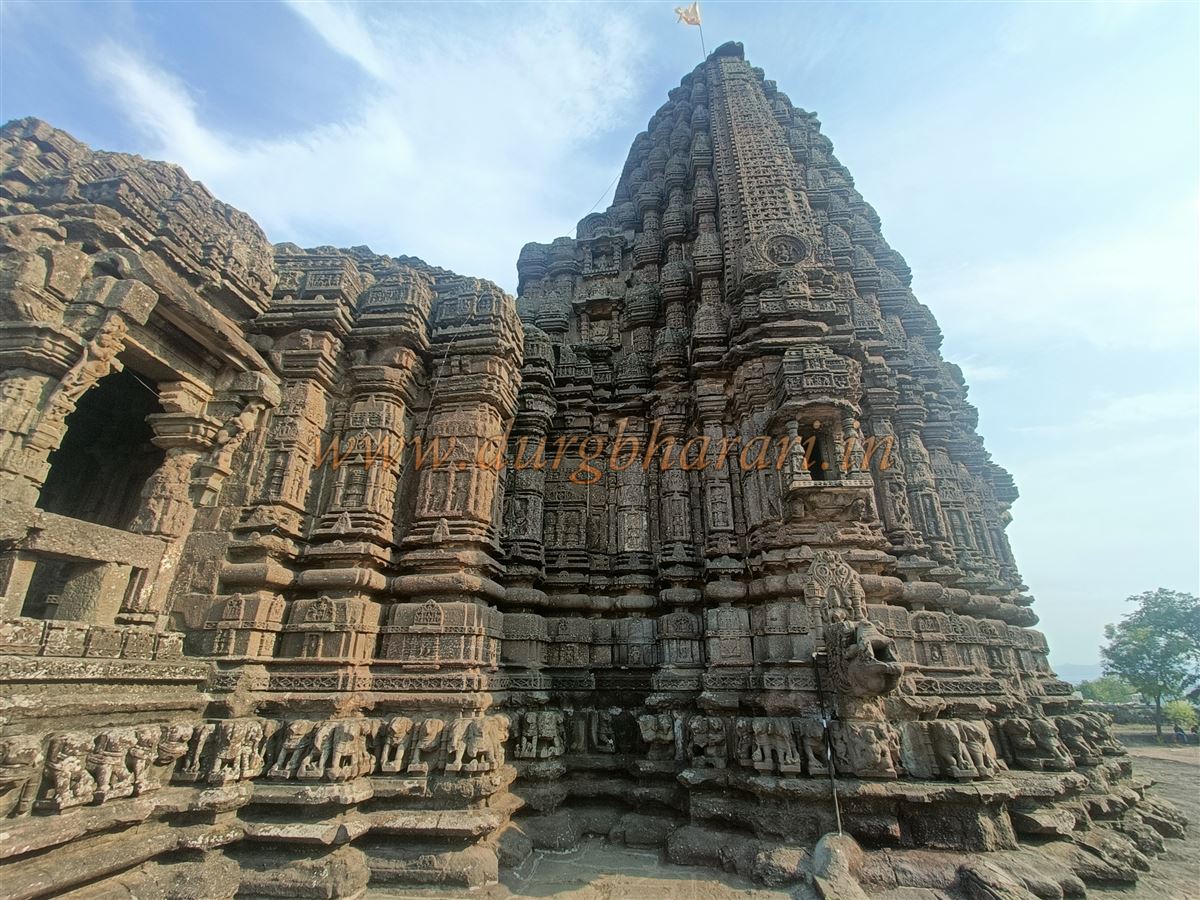
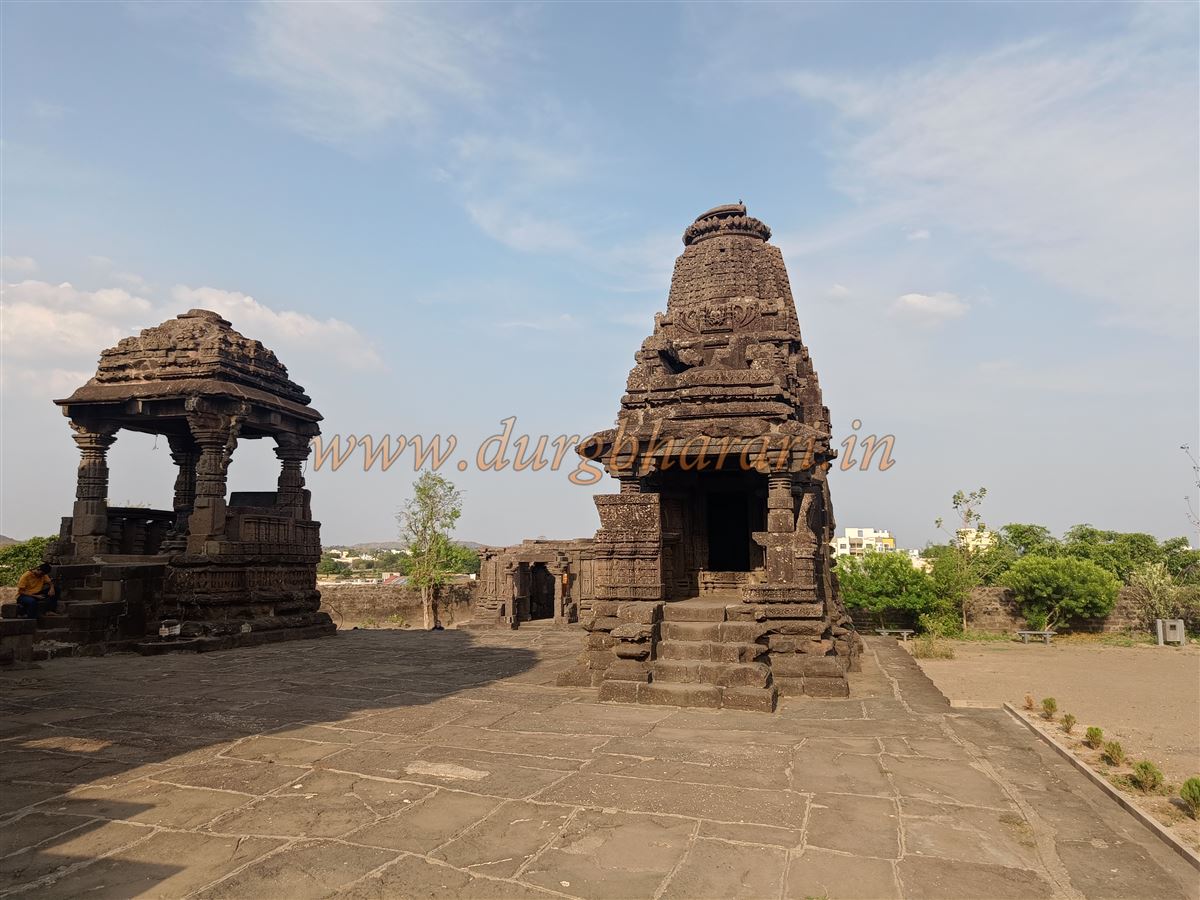
The Gondeshwar temple is an excellent example of ancient Bhumij style architecture. The temple premises cover an area of about two and a quarter acres, enclosed by a six-foot-high compound wall resembling fortifications.
...
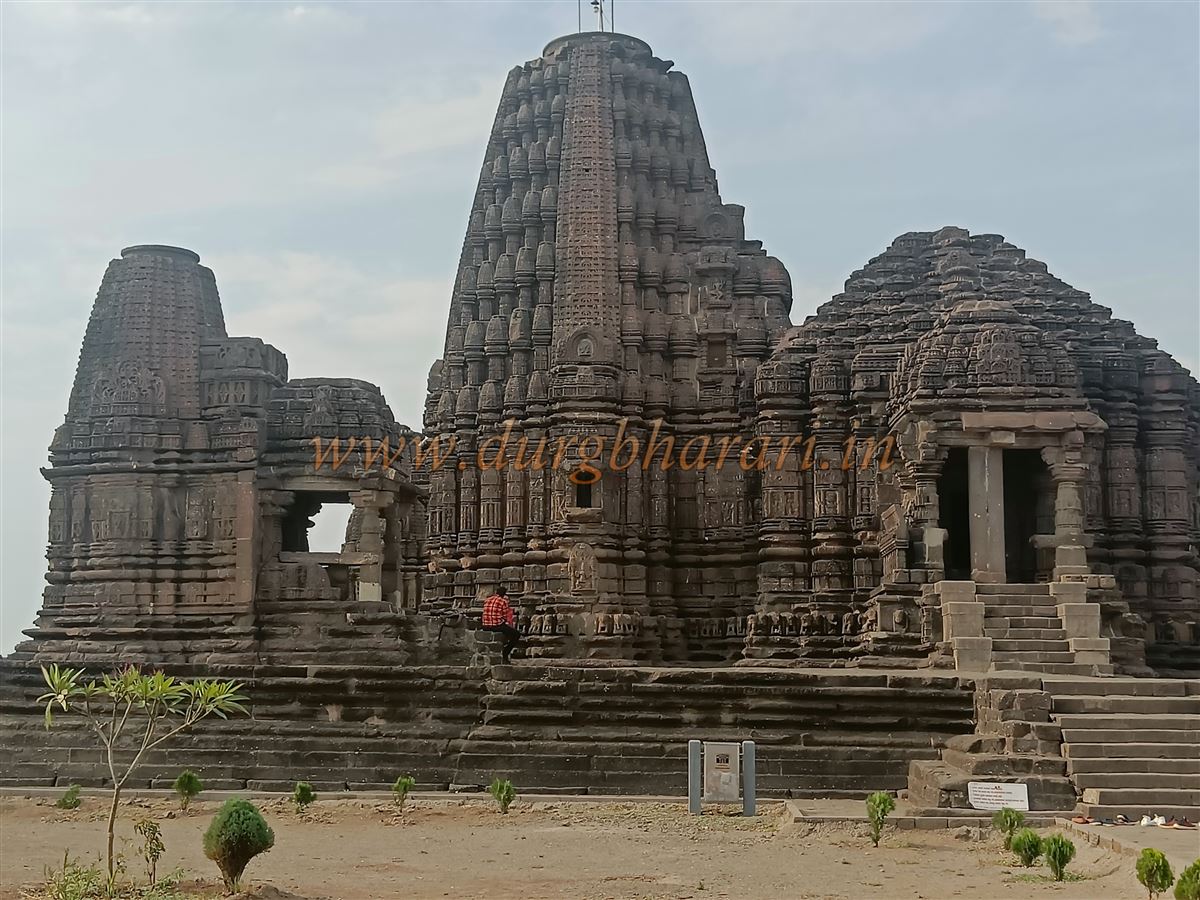
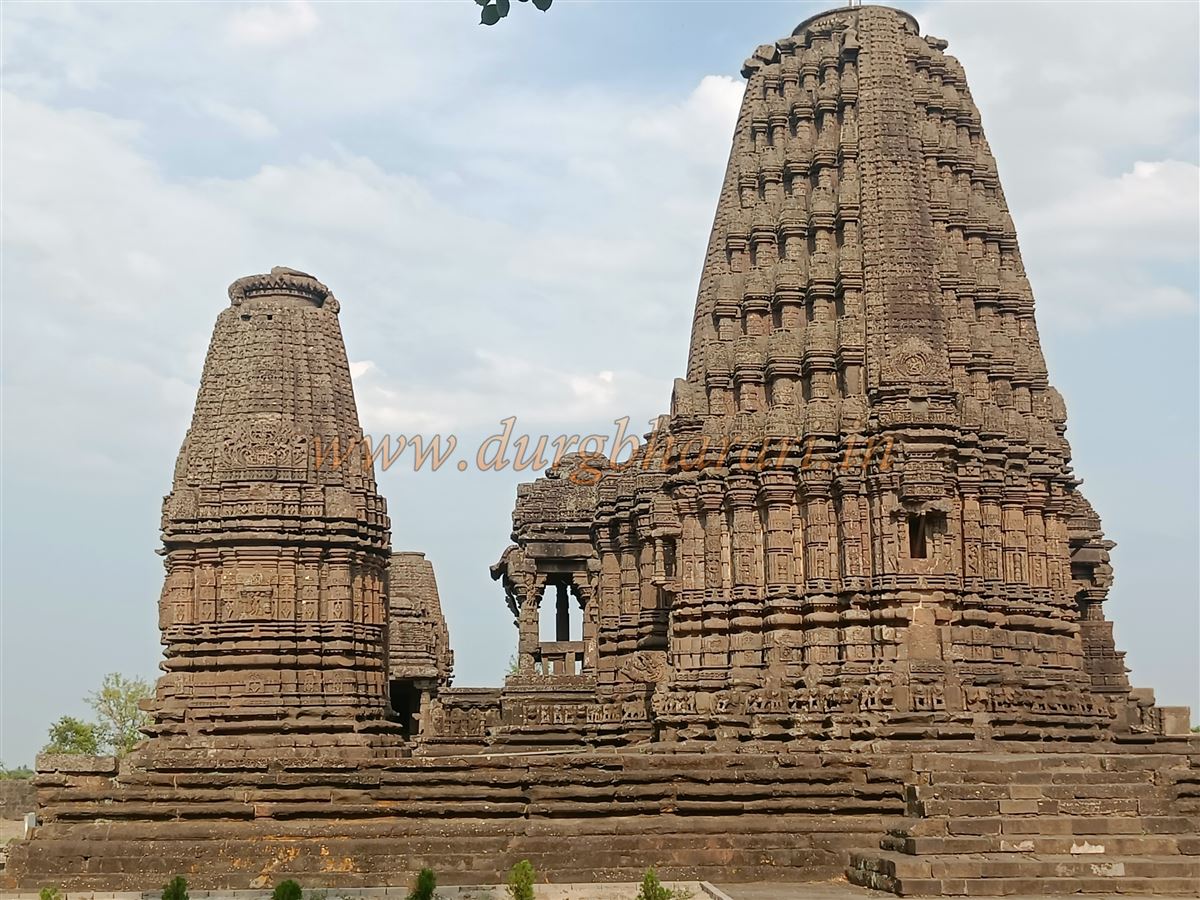
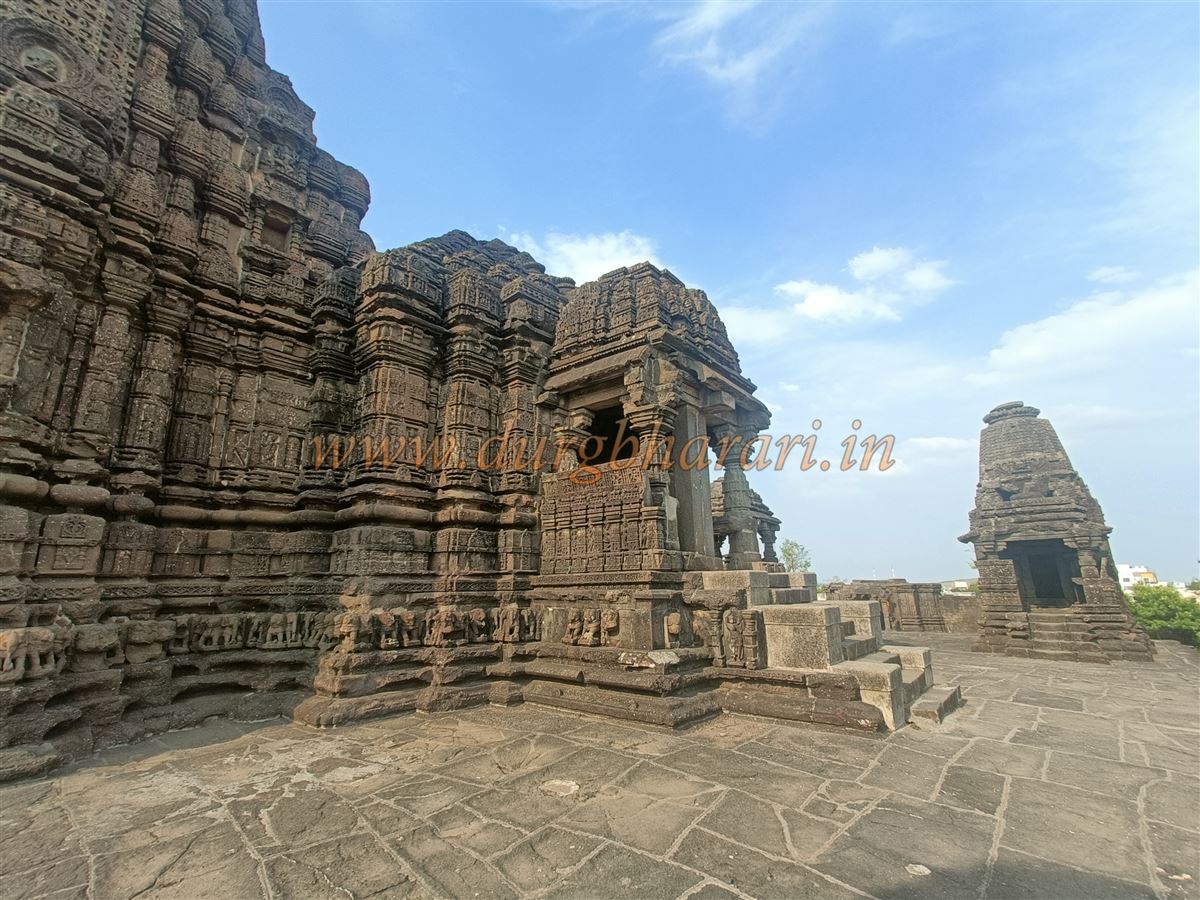
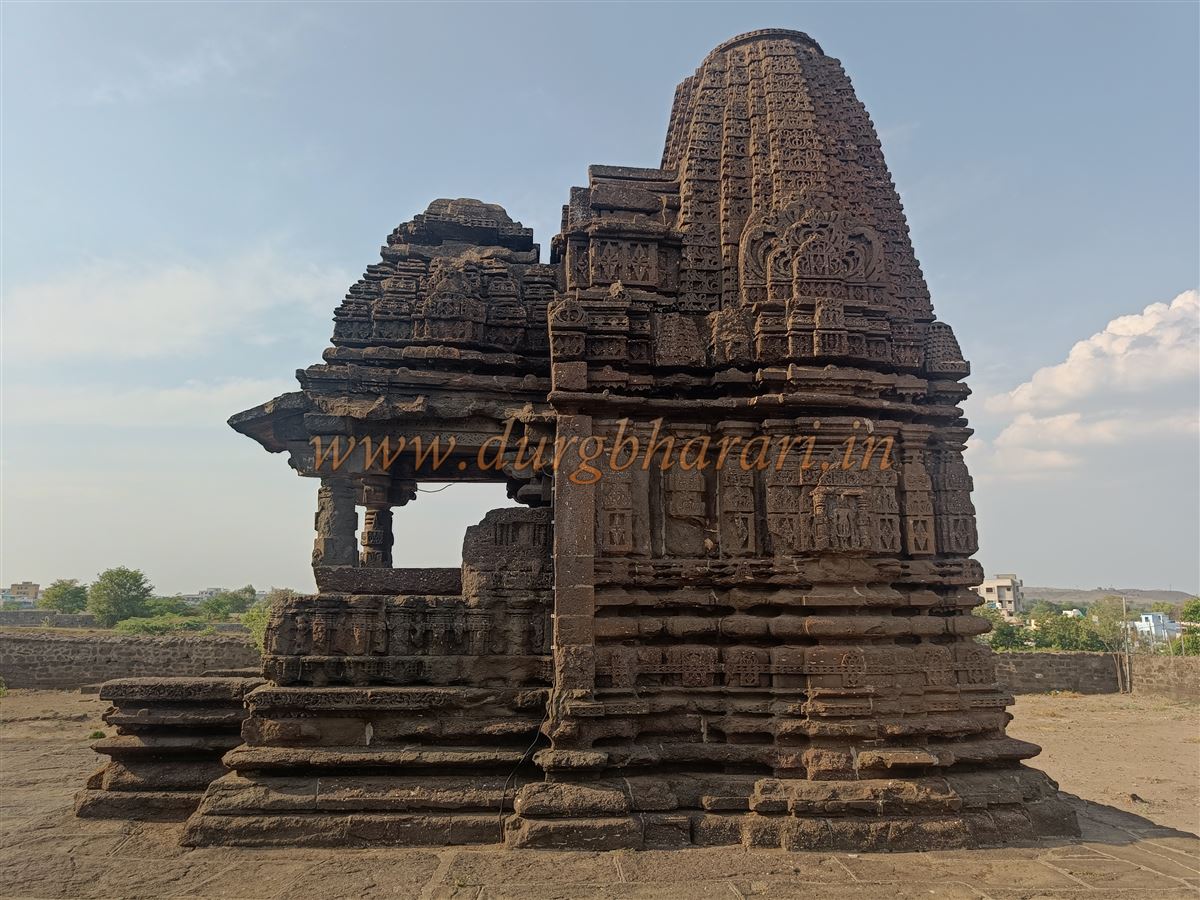
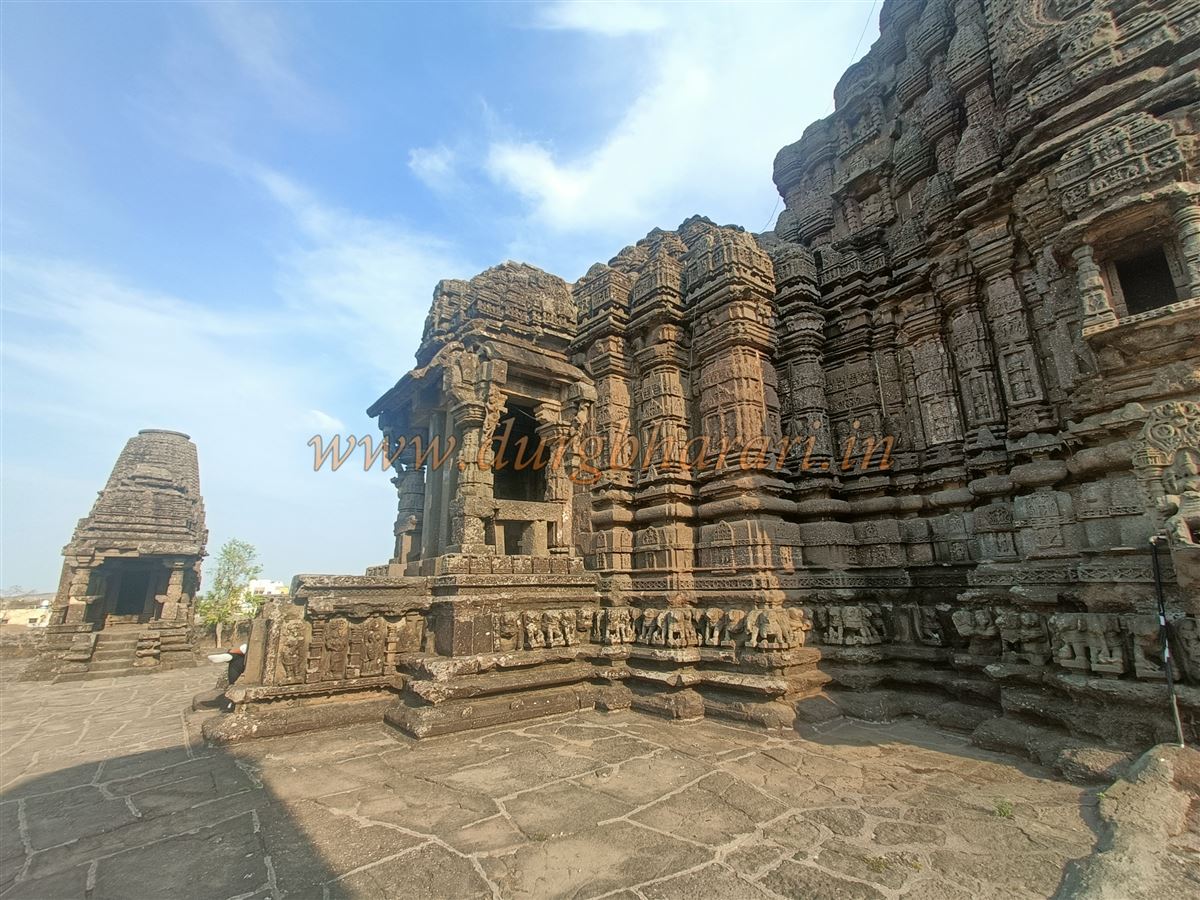
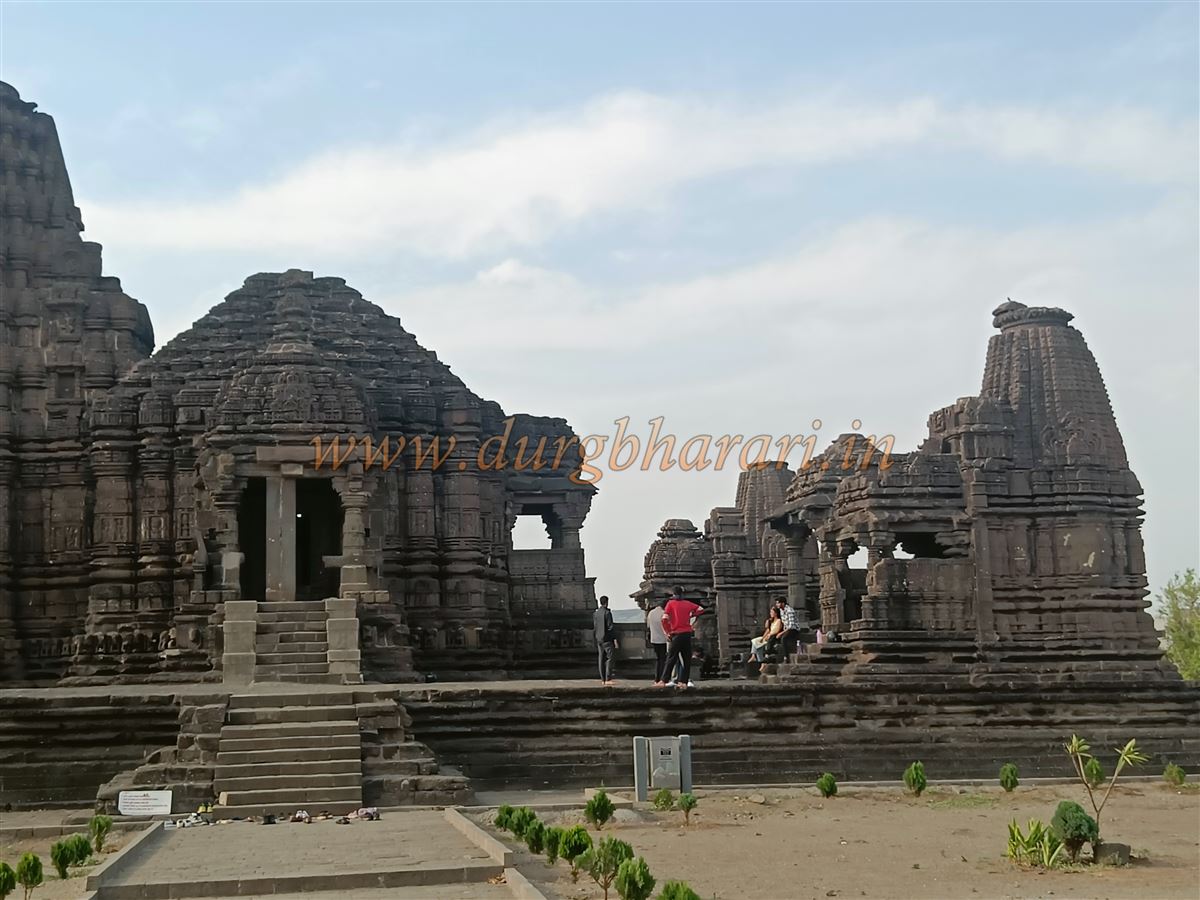
This wall has the main entrance on the eastern side and another gate to the north. Entering through the eastern main gate into the temple courtyard, one sees a 125-foot by 95-foot platform, five feet high. At the centre of this platform stands the tall Gondeshwar temple, with four smaller temples at its four corners. All these temples are adorned with intricate carvings and fine artistic work.
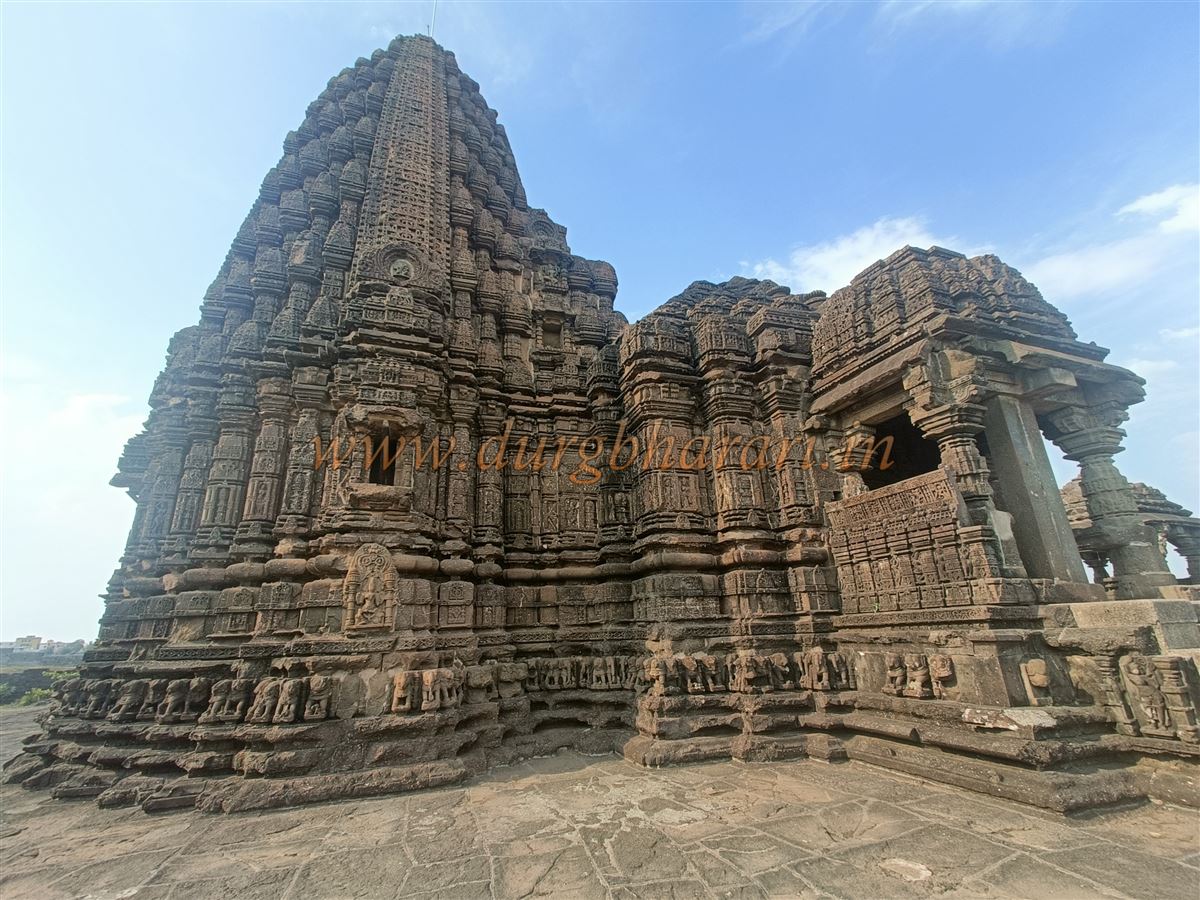
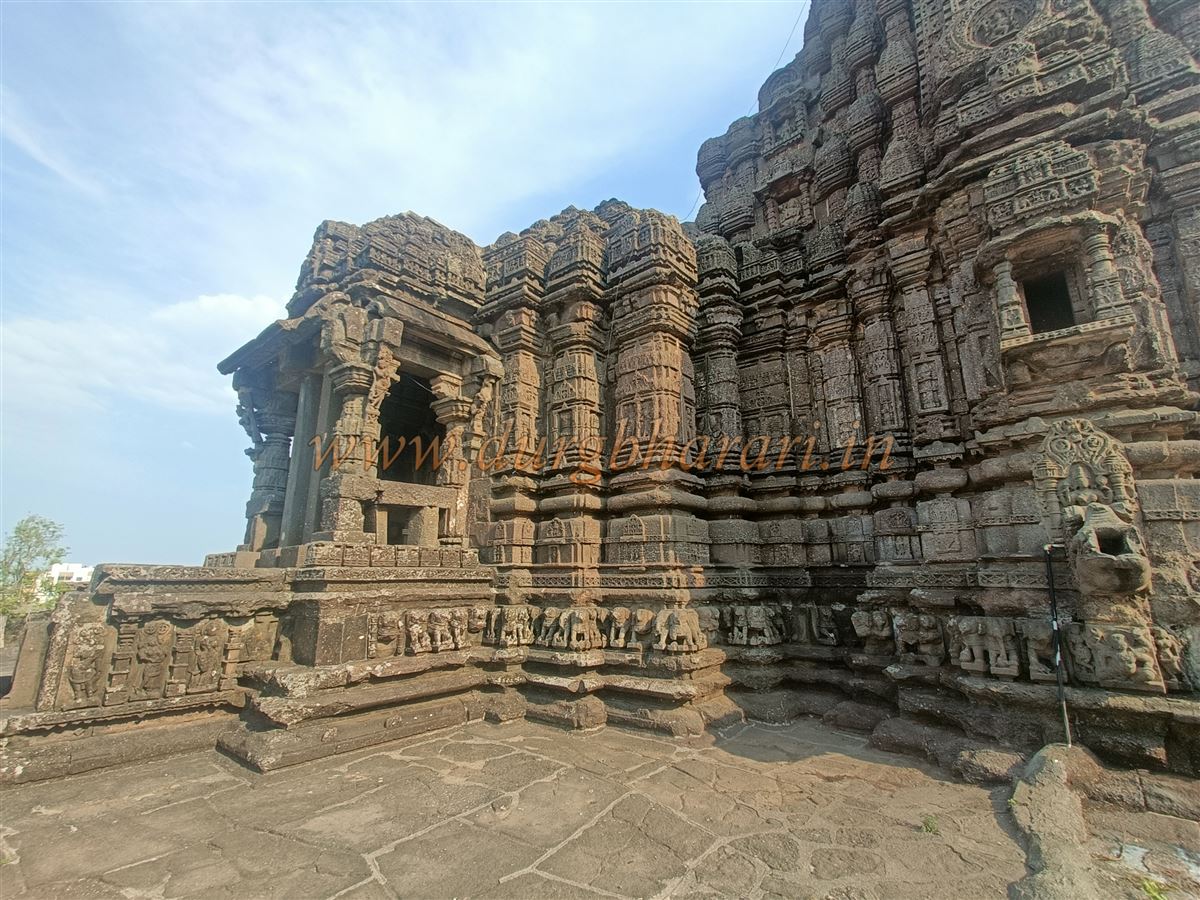
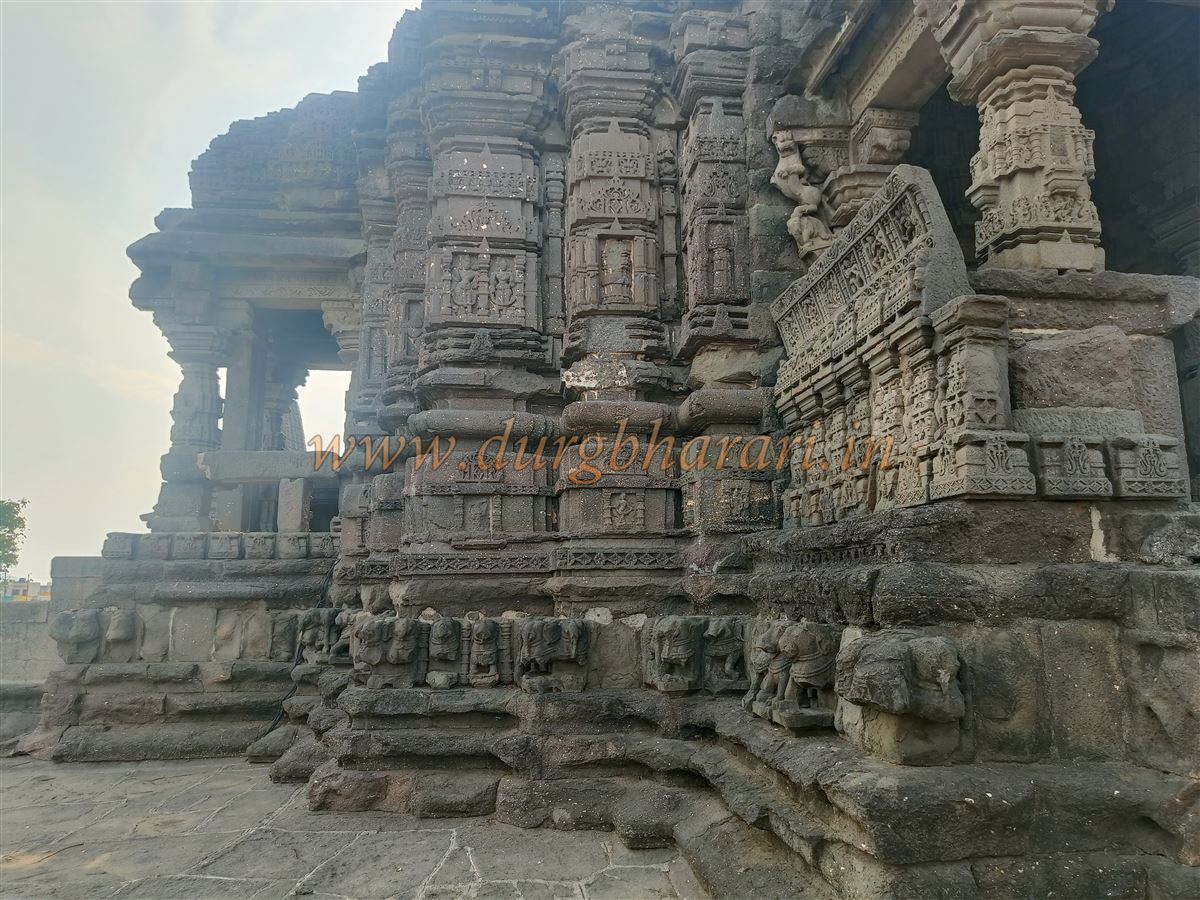
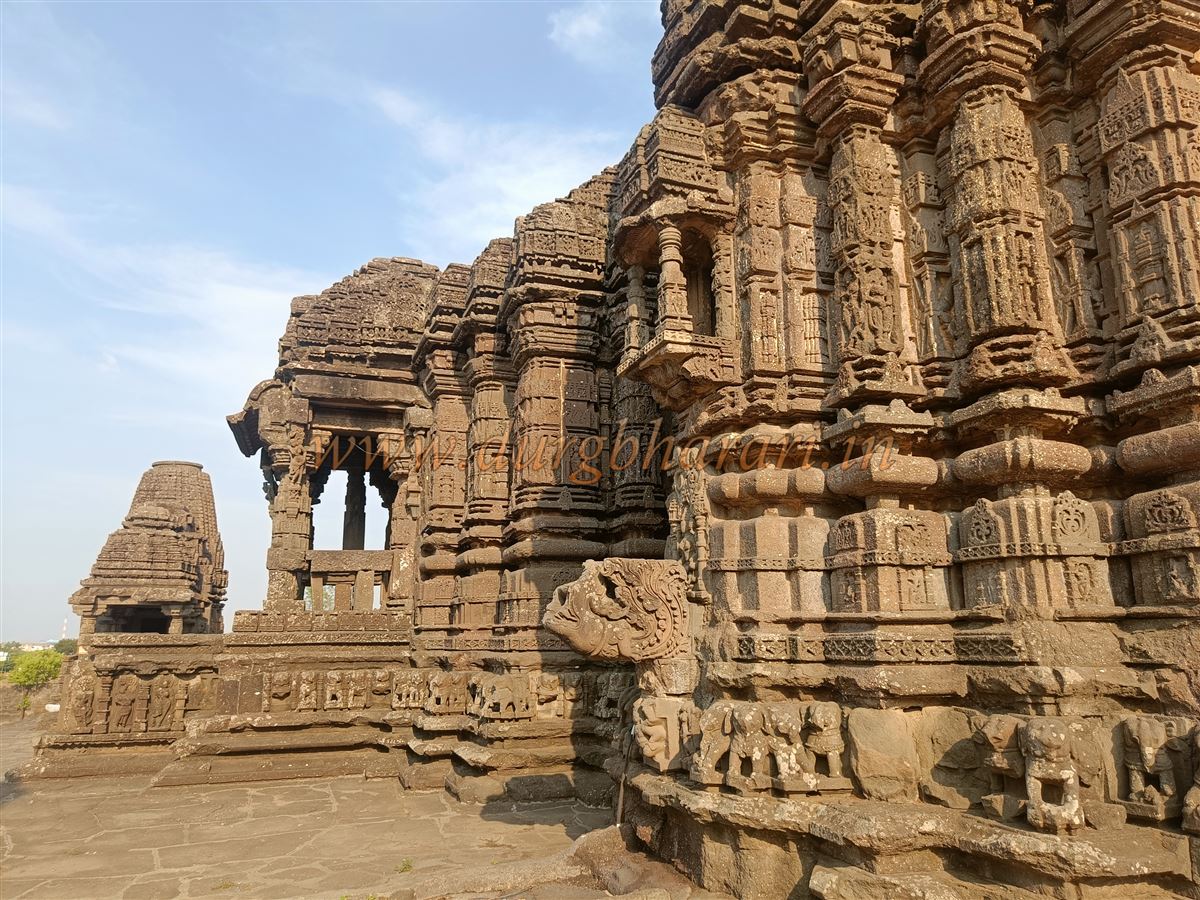
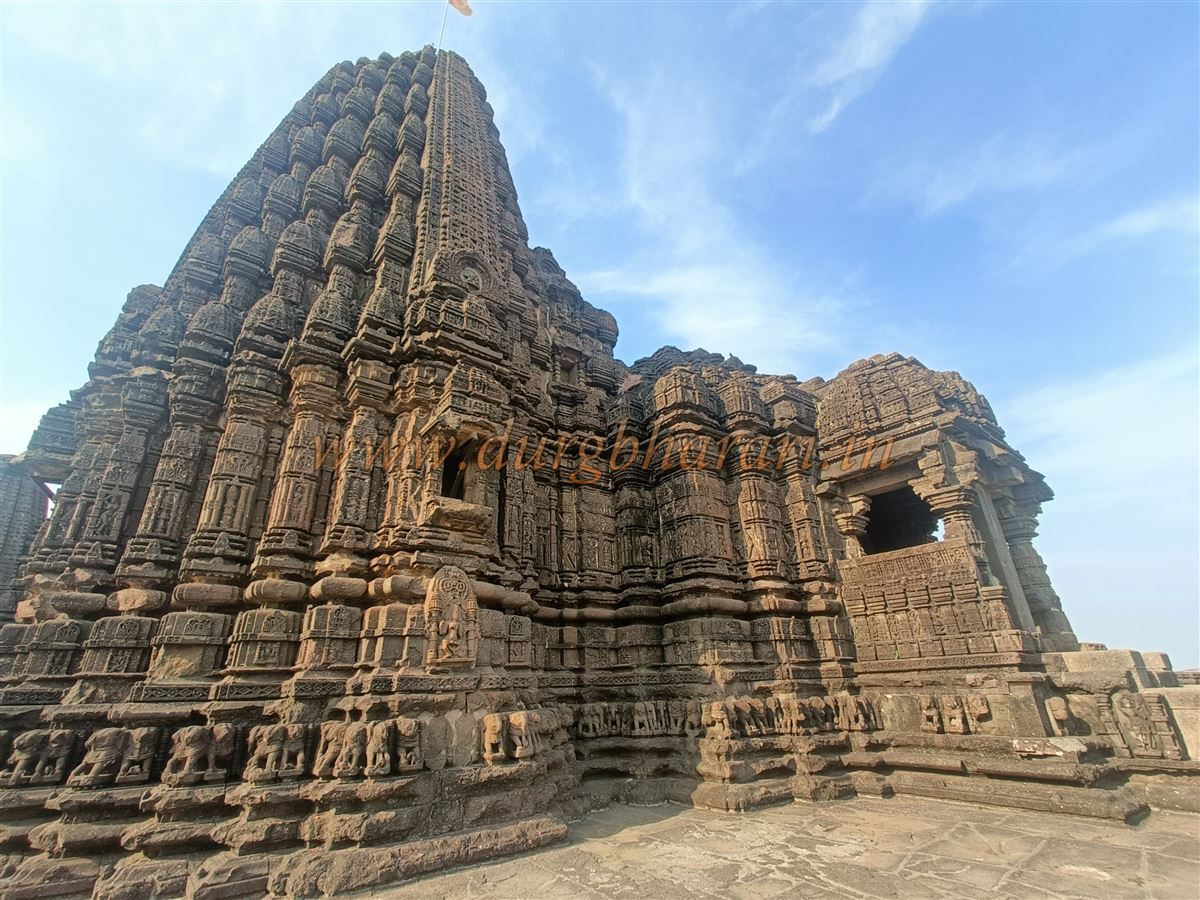
The group of five temples — the main temple surrounded by four others — is known as Shaiva Panchayatan. The central main temple is dedicated to Gadeshwar (Shiva), while the surrounding four temples are dedicated to Parvati, Ganapati, Surya, and Vishnu. At the base of the main temple, carved on the plinth, is a depiction of elephants, suggesting that these elephants are supporting the weight of the temple on their backs.
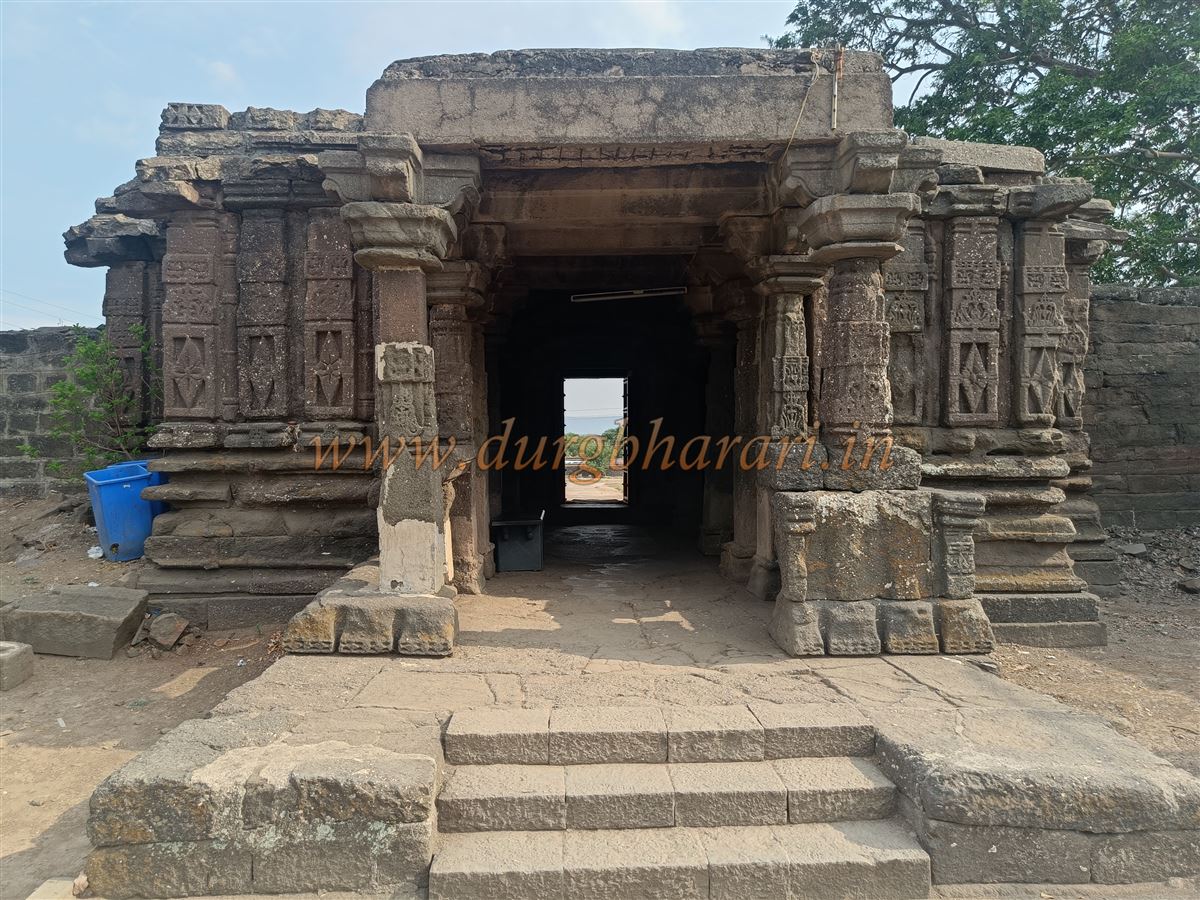
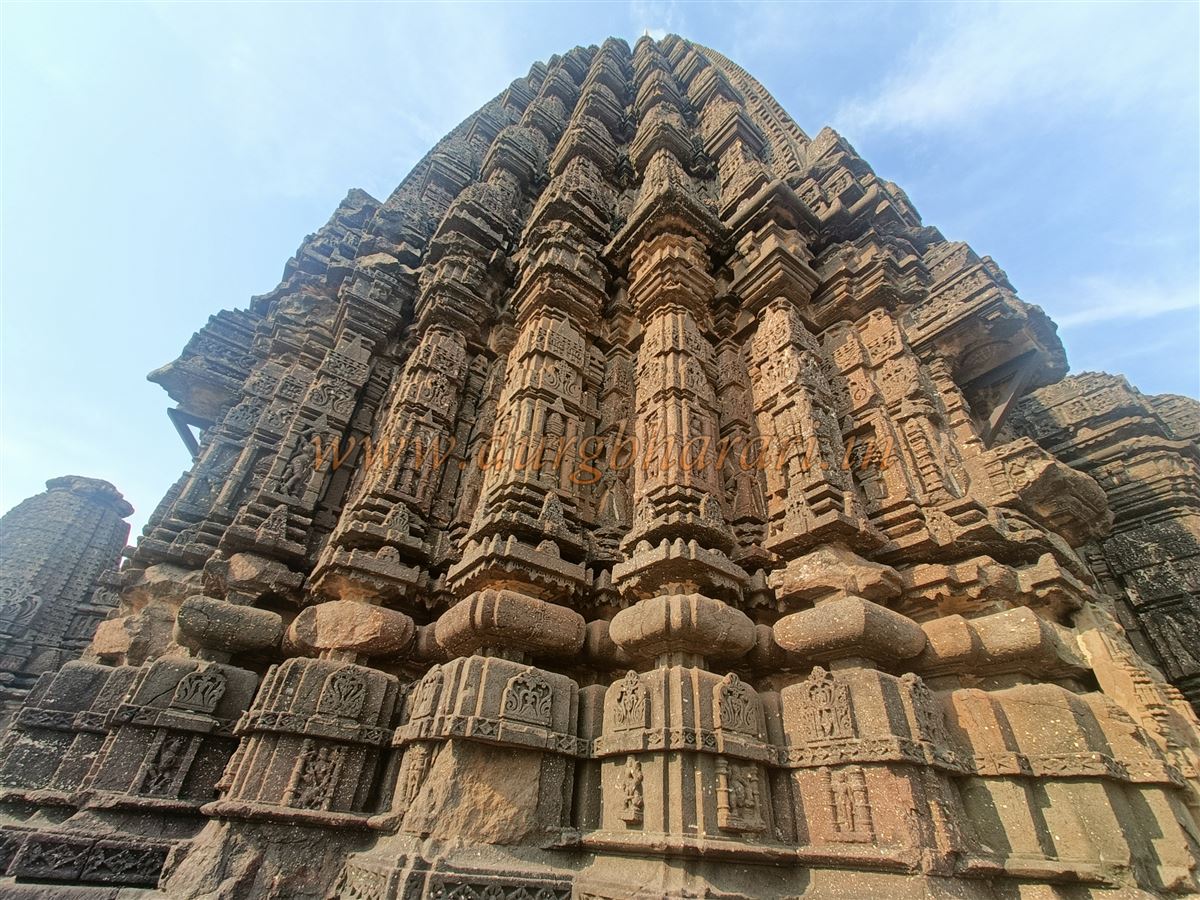
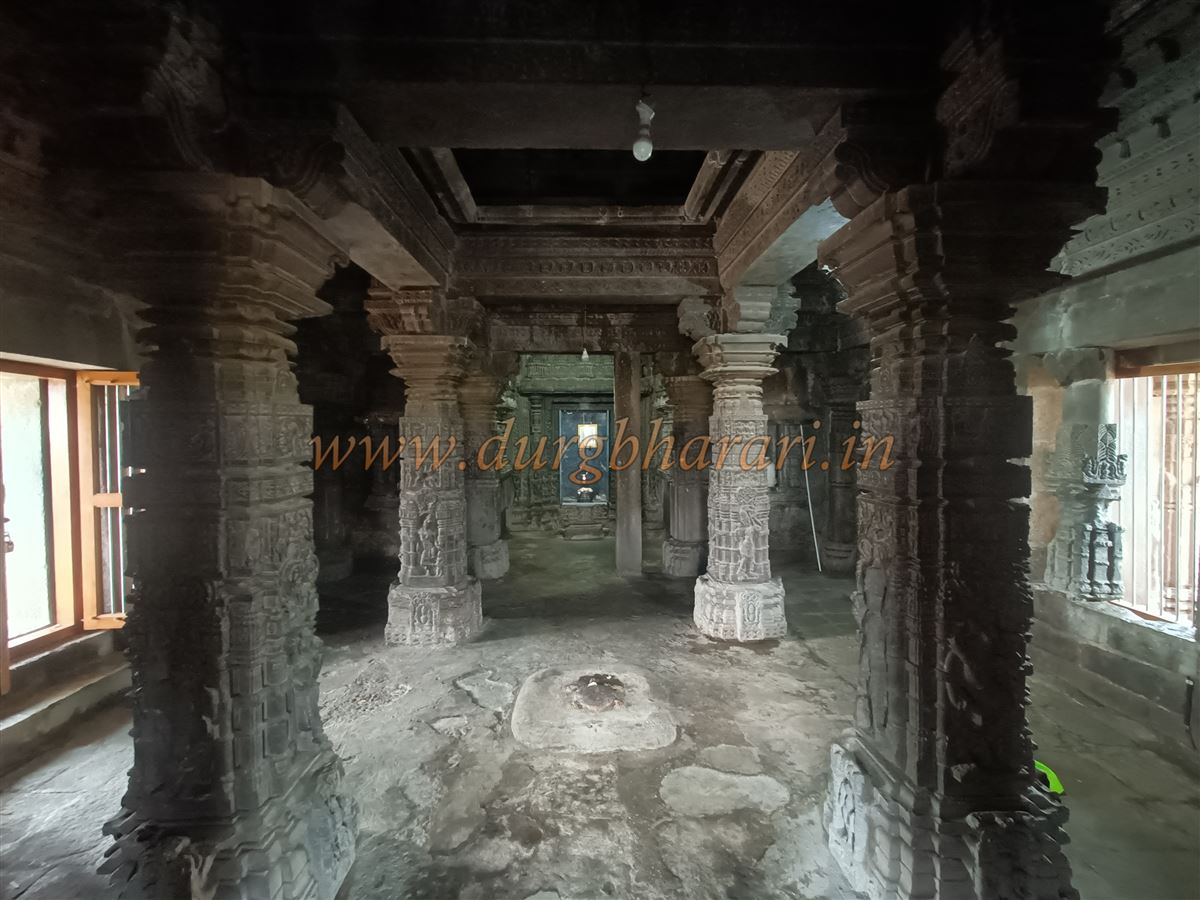
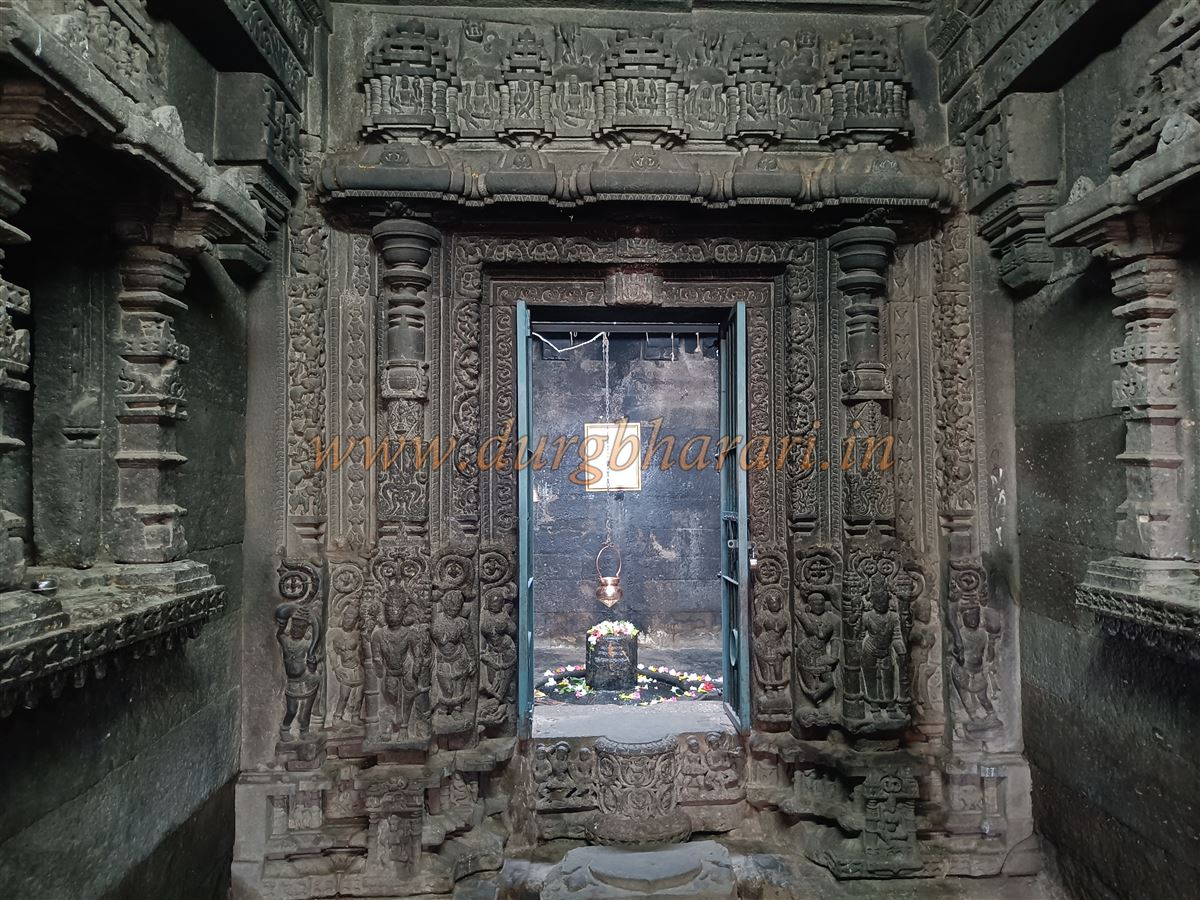
The layout of the main temple consists of the Swarg Mandap, Nandi Mandap, Mukha Mandap, Sabha Mandap, Antaral, and the Garbhagriha (sanctum), which houses a finely crafted Shiva Linga. The shikhara (spire) over the sanctum is exquisitely decorated with remarkable carvings. In the Nandi Mandap facing the main temple, the Nandi idol and the broken remains of other Nandi idols suggest that the Nandi here may have been replaced over time. The main entrance of the Shiva temple faces north, with a smaller door to the east.
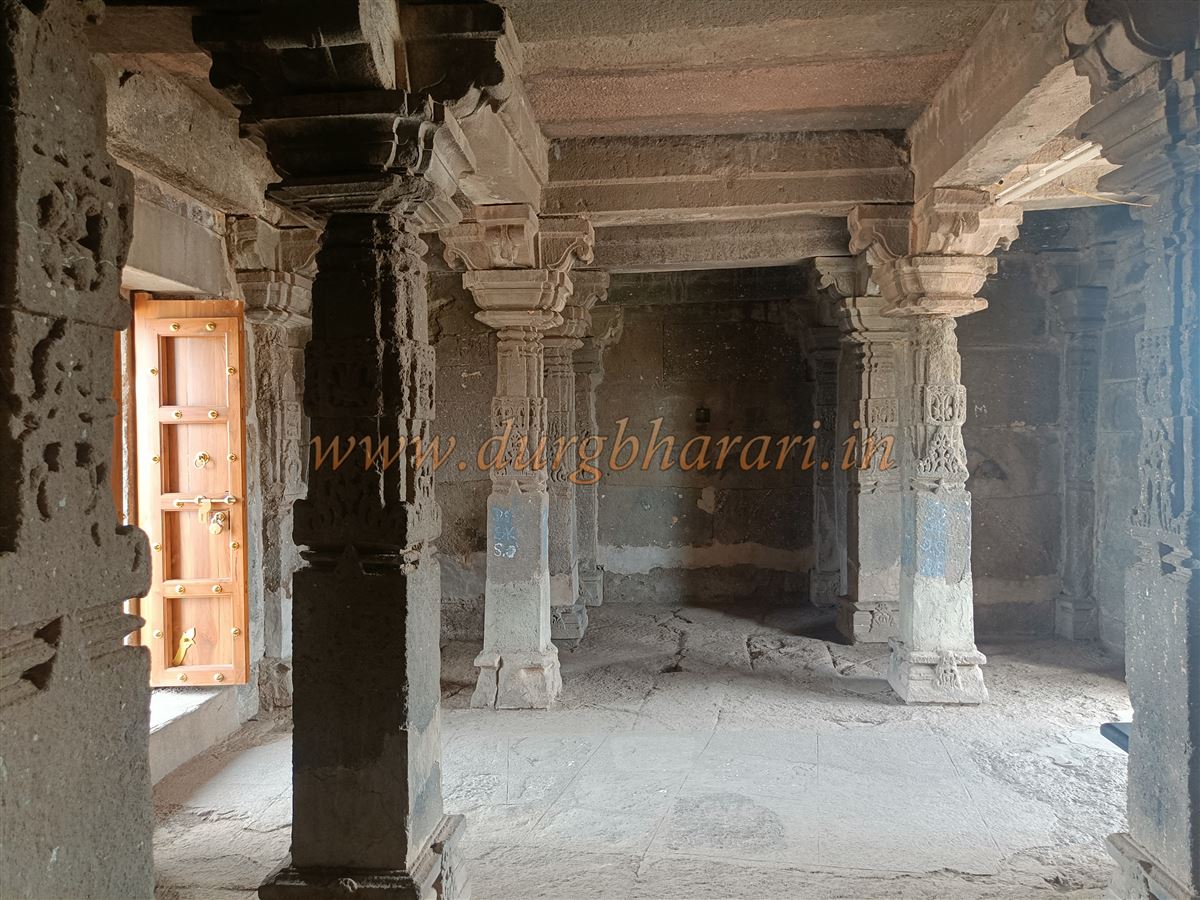
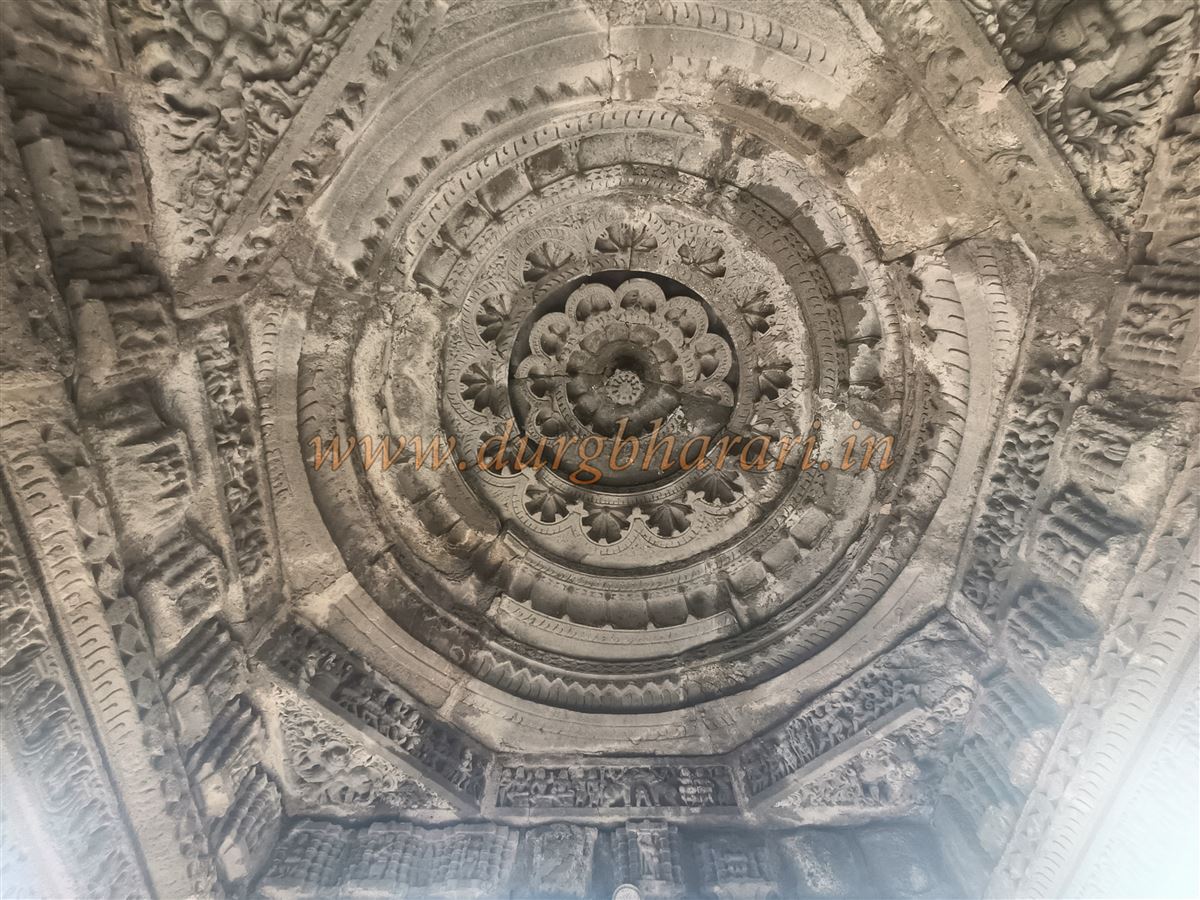
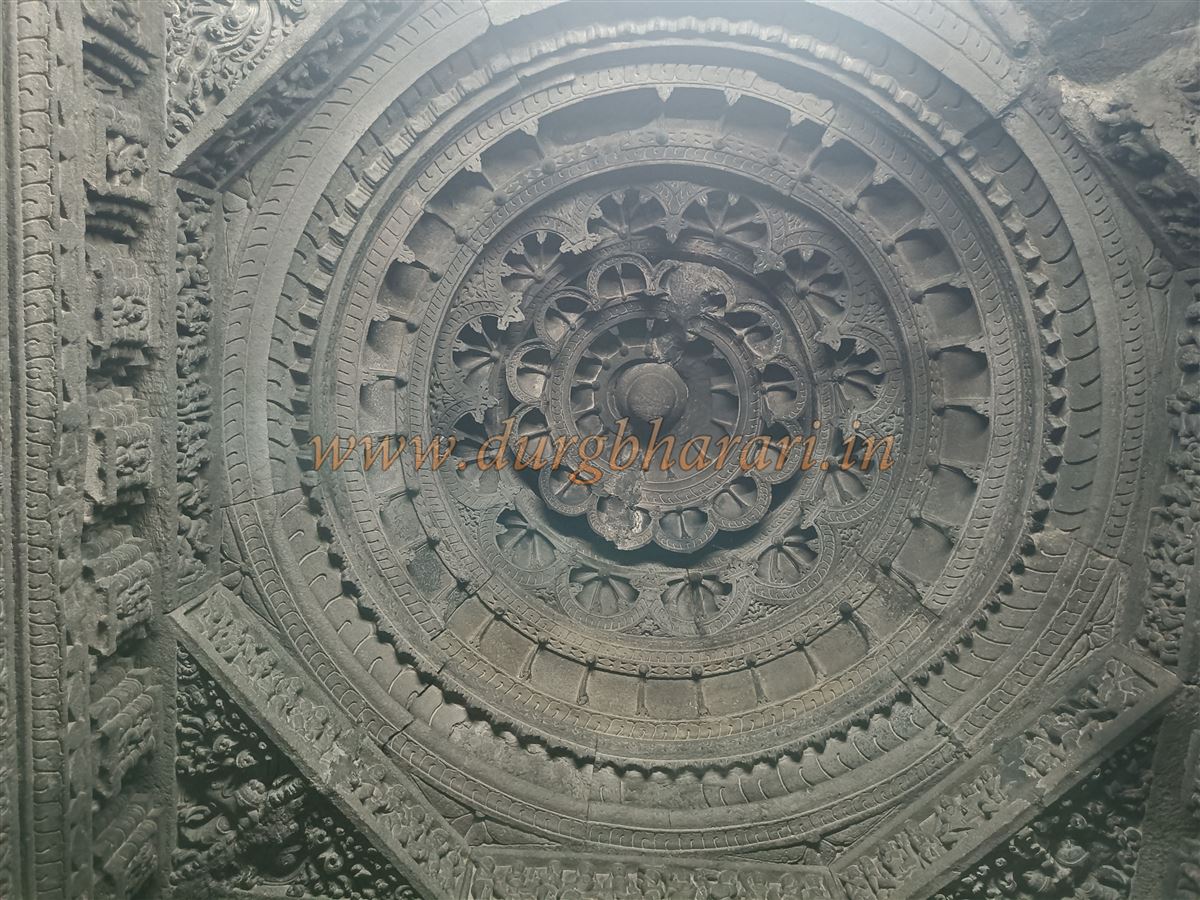
The Sabha Mandap rests on four pillars, with a carved tortoise at its centre. The pillars of the Sabha Mandap are adorned with various designs, and the ceiling too features magnificent carvings. The sculptures inside the temple are three-dimensional, and the interplay of light and shadow enhances the temple’s beauty and makes it even more striking.
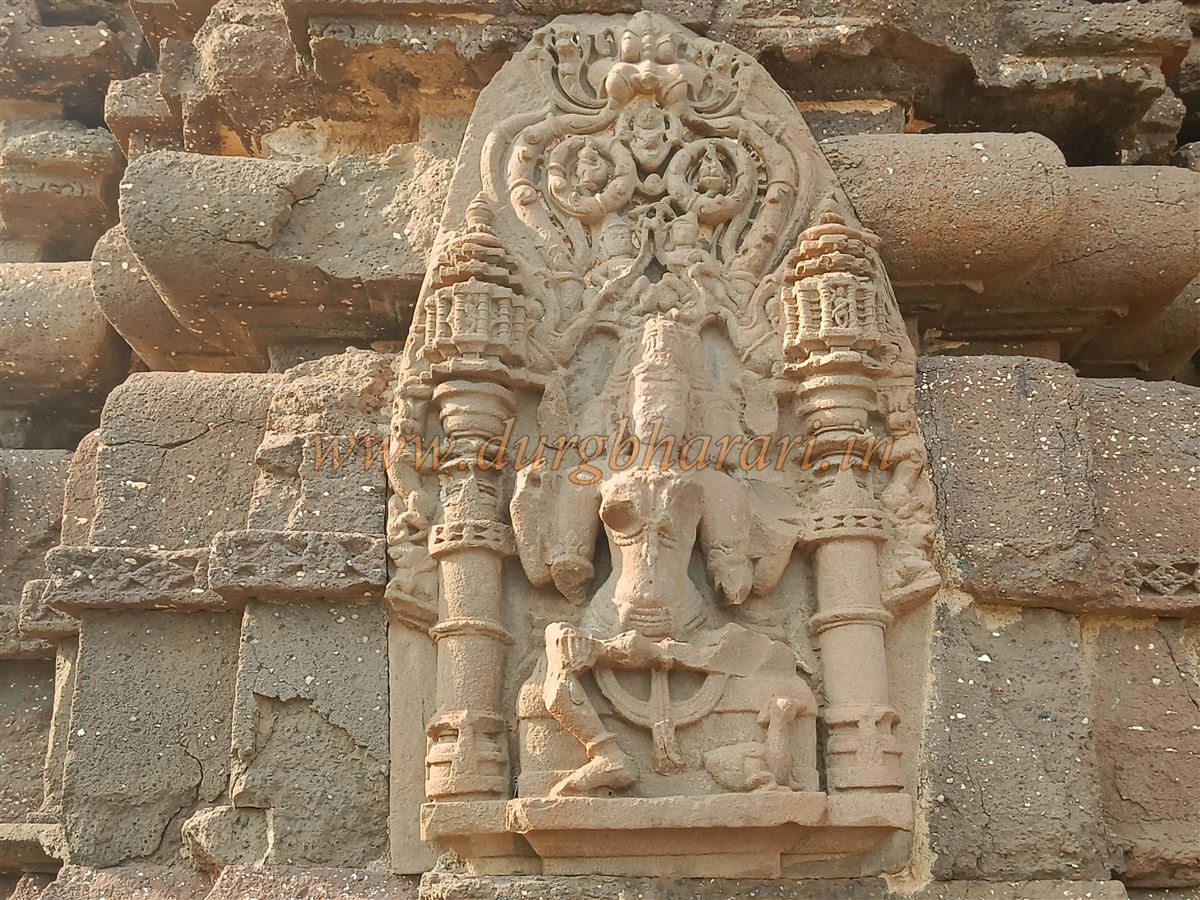
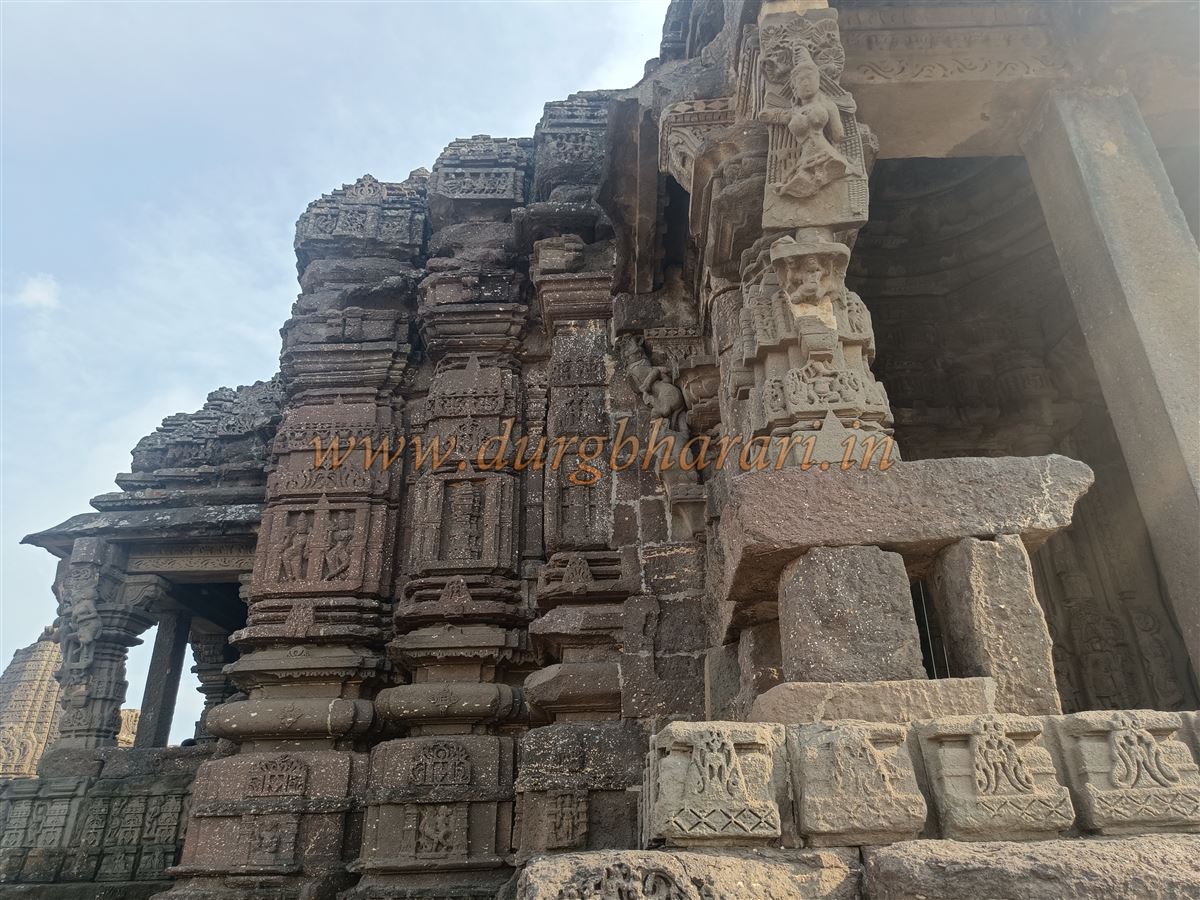
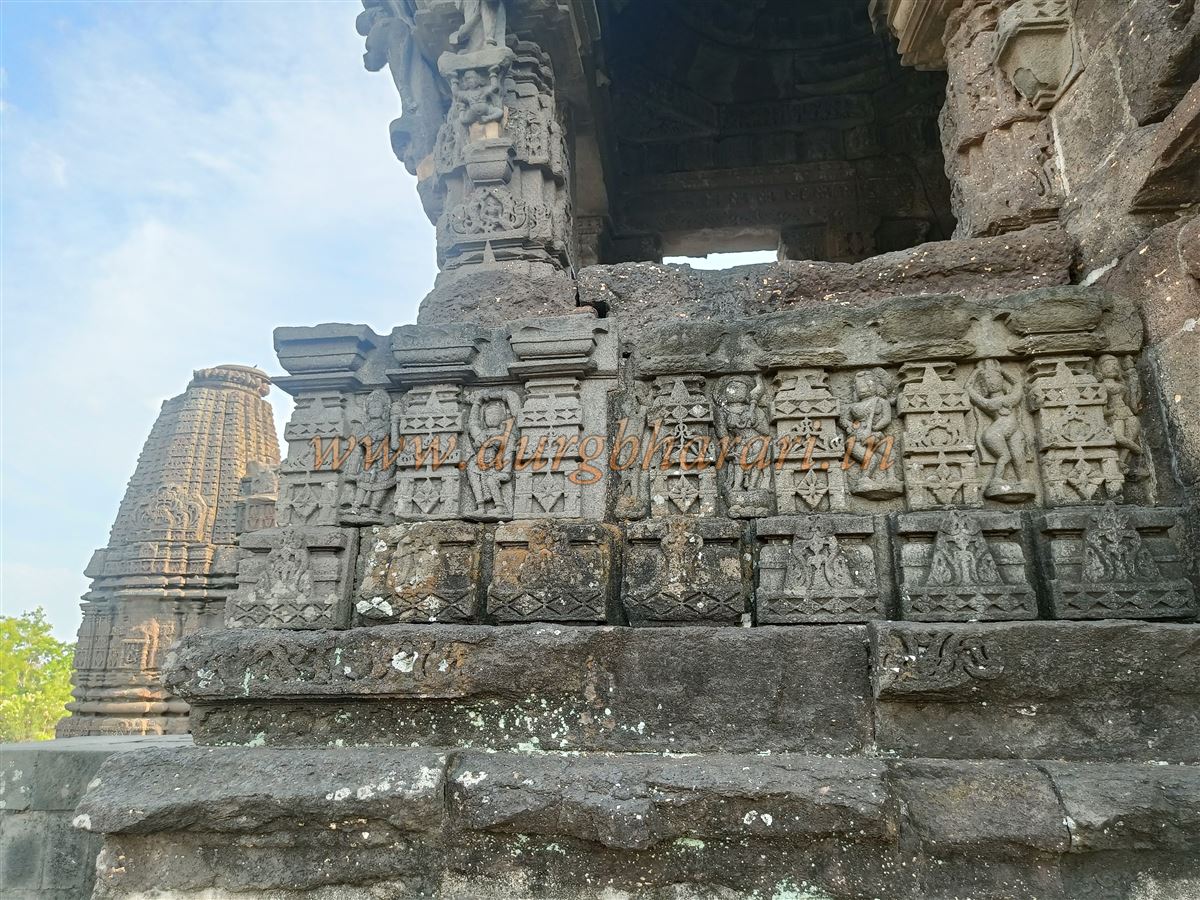
While walking around the temples from the outside, one can see carvings of celestial maidens (Sursundari), gods and goddesses, Gandharva, Apsara, and scenes from the Puranas on the outer walls. The smaller temples adjacent to the main temple are also richly adorned with carvings and decorative work.
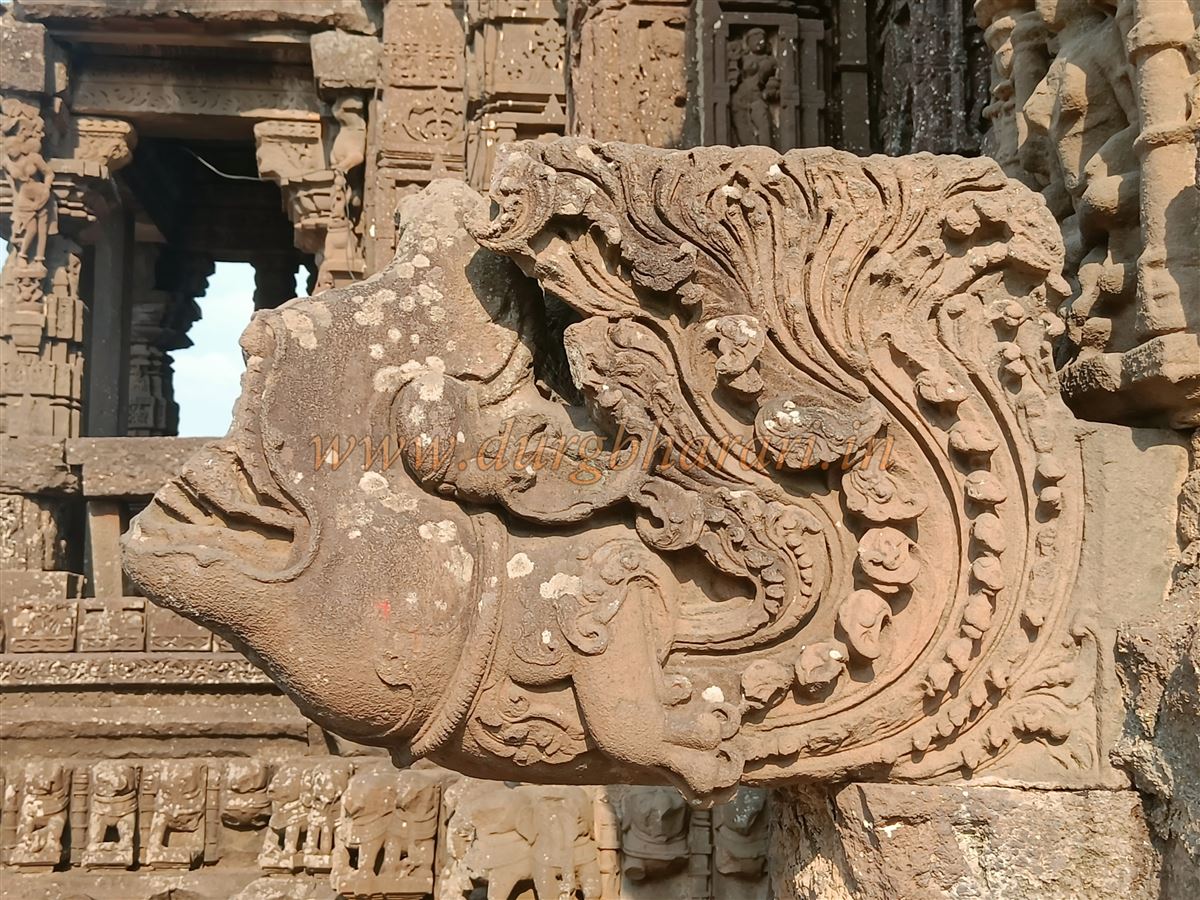
Another special feature of this temple is that during the Abhishek (ritual bathing) of the Shiva Linga, the water flows out through the mouth of a crocodile carving. Since the crocodile is considered the vehicle of the Ganga, a Makara Pranal (Makara mouth) is carved here as the outlet. This depiction of the Makara mouth makes clear the connection between the Ganga and the crocodile. The temple’s creator may have intended to symbolise that the Ganga, which rests on Shiva’s head, descends to earth in playful form during the Abhishek. In later periods, after the 13th century, the Makara mouth was replaced by the cow’s mouth (Gomukh).
One more distinctive feature of this temple is that, unlike most ancient temples in Maharashtra which are built of black basalt, this one is made of pink vesicular stone. This gives the temple a unique natural hue. However, as vesicular stone is brittle, it weathers more quickly, which is noticeable when visiting the temple. Carving on such stone is equally challenging, yet the exquisite artistry here is worth special attention.
In earlier times, when constructing in stone, lime mortar prepared with various materials was used to fill the joints and strengthen the structure. But in this temple, instead of using mortar, the stones were cut with grooves and projections so that they interlocked. From the base to the shikhara, the stones are interlocked to form a unified structure, making the entire construction strong and durable.
To view the entire temple in detail, it takes about two and a half to three hours. In 1909, the Government of India declared this temple a nationally protected monument. The significance of Gondeshwar is not limited to Sinnar or Nashik — it has enriched the architectural heritage of Maharashtra.
© Suresh Nimbalkar
GALLERY