GIRAWALI
TYPE : FORTRESS
DISTRICT : BEED
HEIGHT : 0
GRADE : EASY
While touring the forts of Marathwada, we see very few actual forts. The Marathwada region is far from the main mountain ranges of the Sahyadri and mostly consists of flat plains and small to medium hills. Since this area is completely different from the Sahyadri region, many small and large hillocks here have been fortified with strong forts (gadhis) or structures of one or more forts. Therefore, instead of forts, we mostly see gadhis here.
While exploring the forts in Beed district, at Girvali in Ambajogai taluka, one can see a 300-year-old ruined gadhi belonging to the Naik-Bawane family. The distance between Ambajogai and Girvali is 11 km, and Girvali village is 1 km off from the Ambajogai-Ahmadpur road. There is no direct bus from Ambajogai to Girvali, so after getting off at the highway, one must walk about 1 km to Girvali village. Given the transport conditions here, it is better to use private vehicles for travel.
...
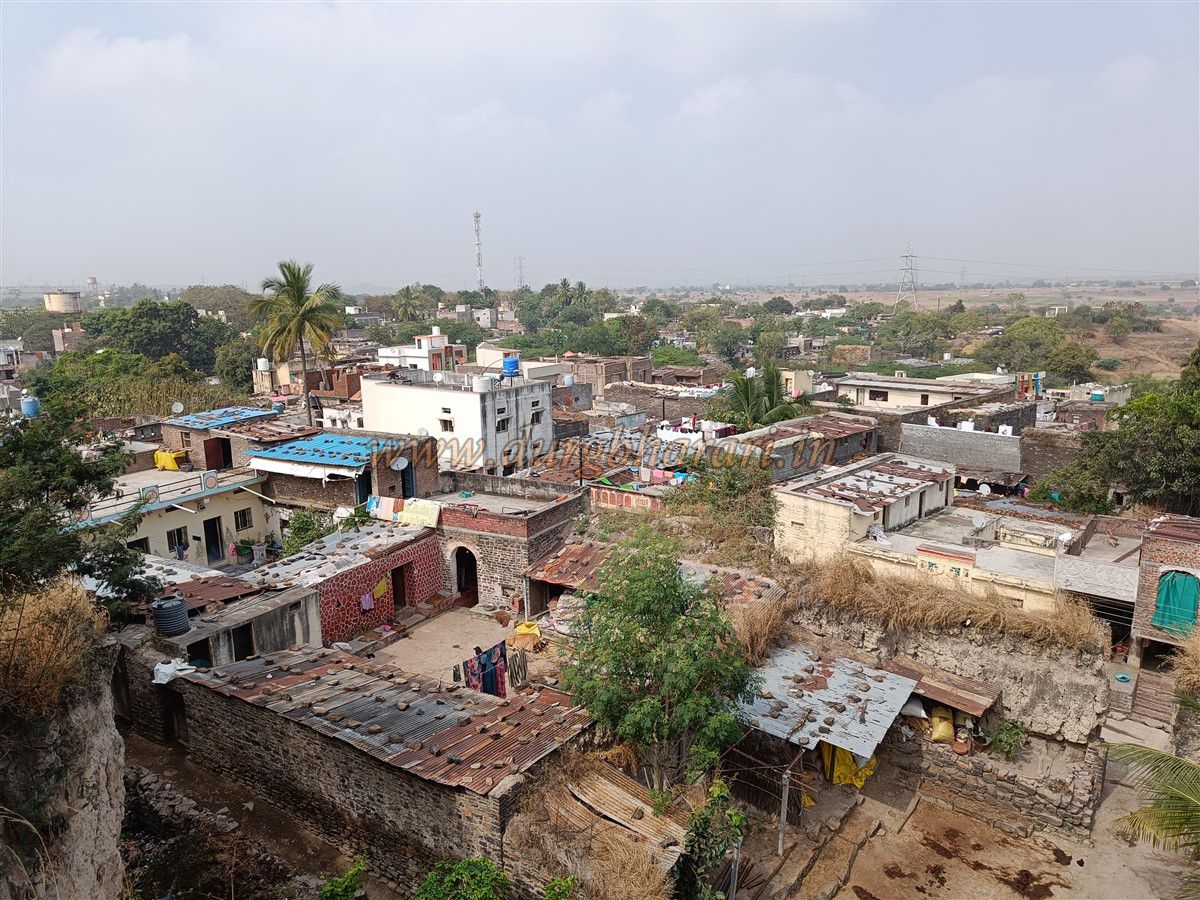
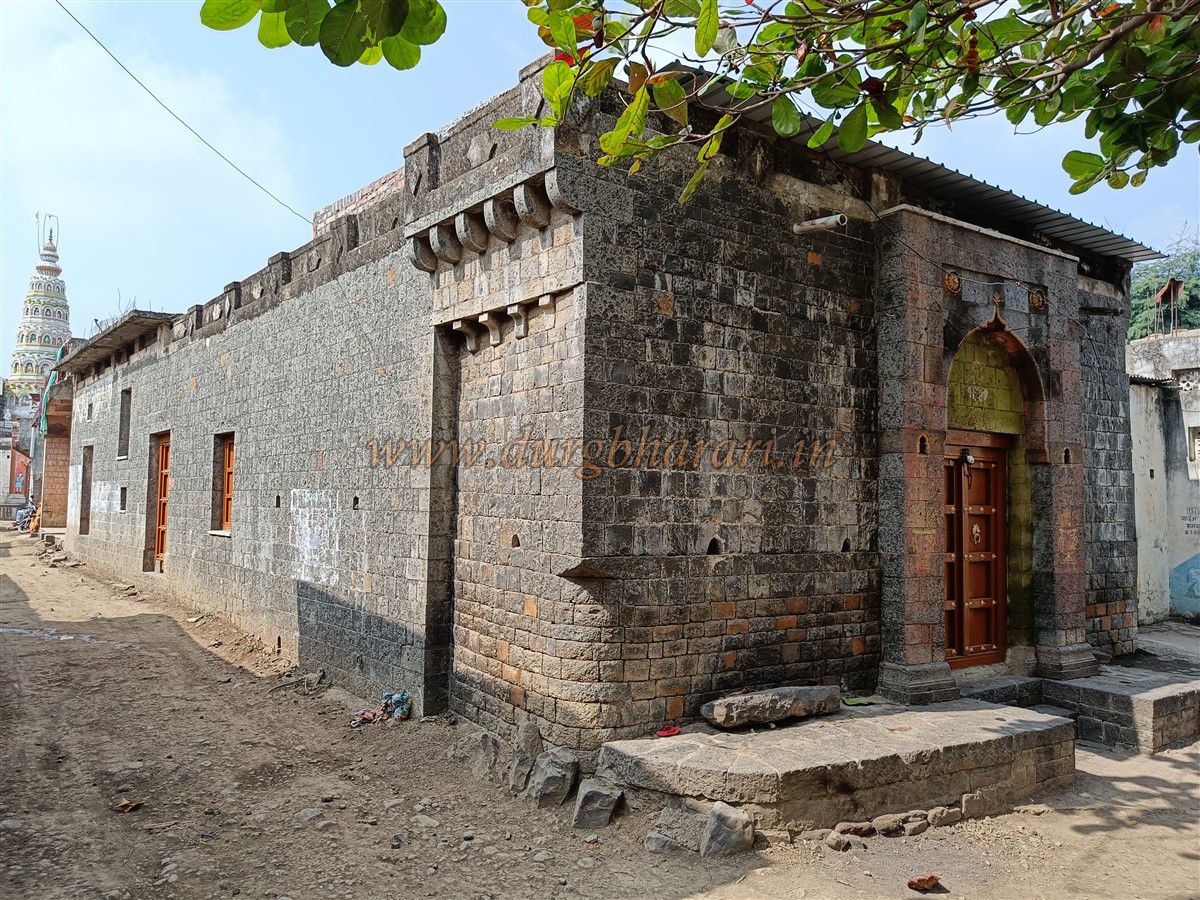
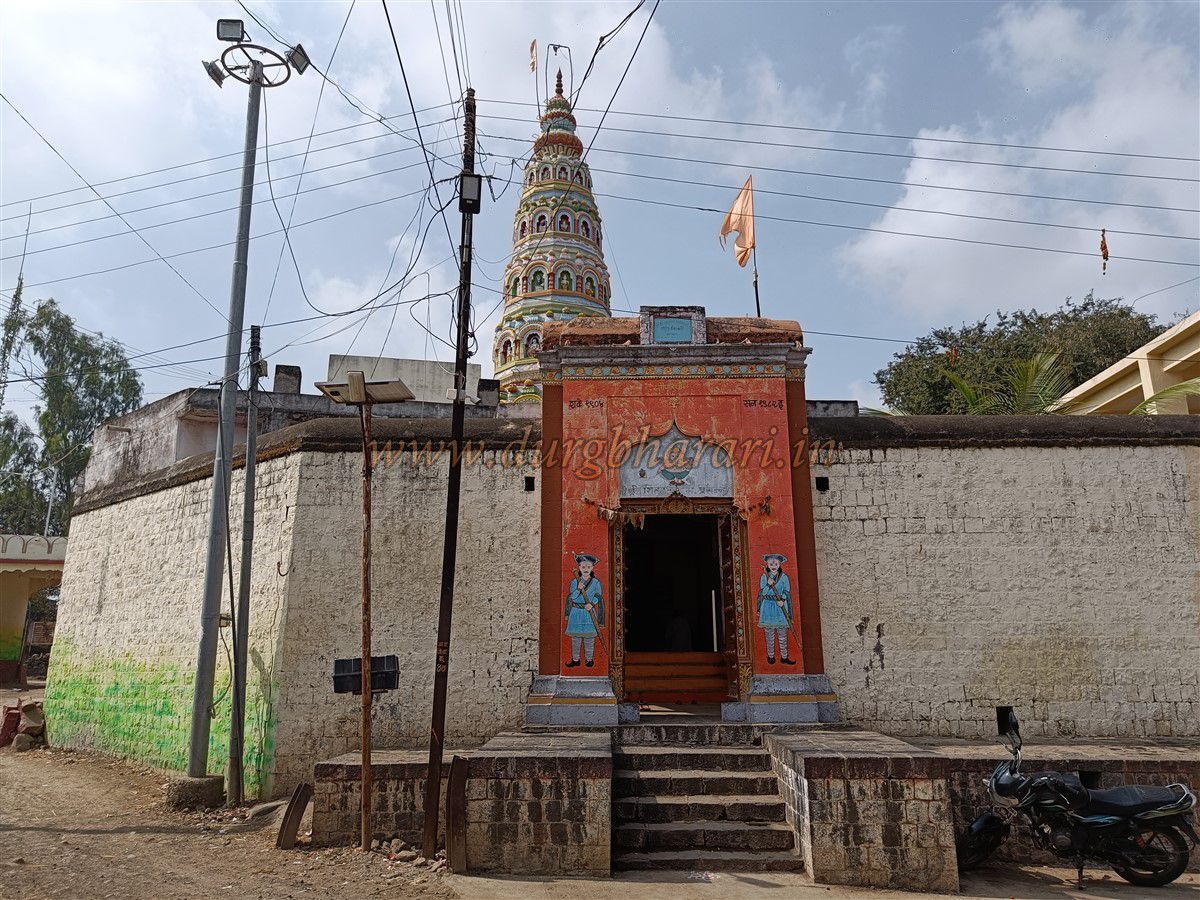
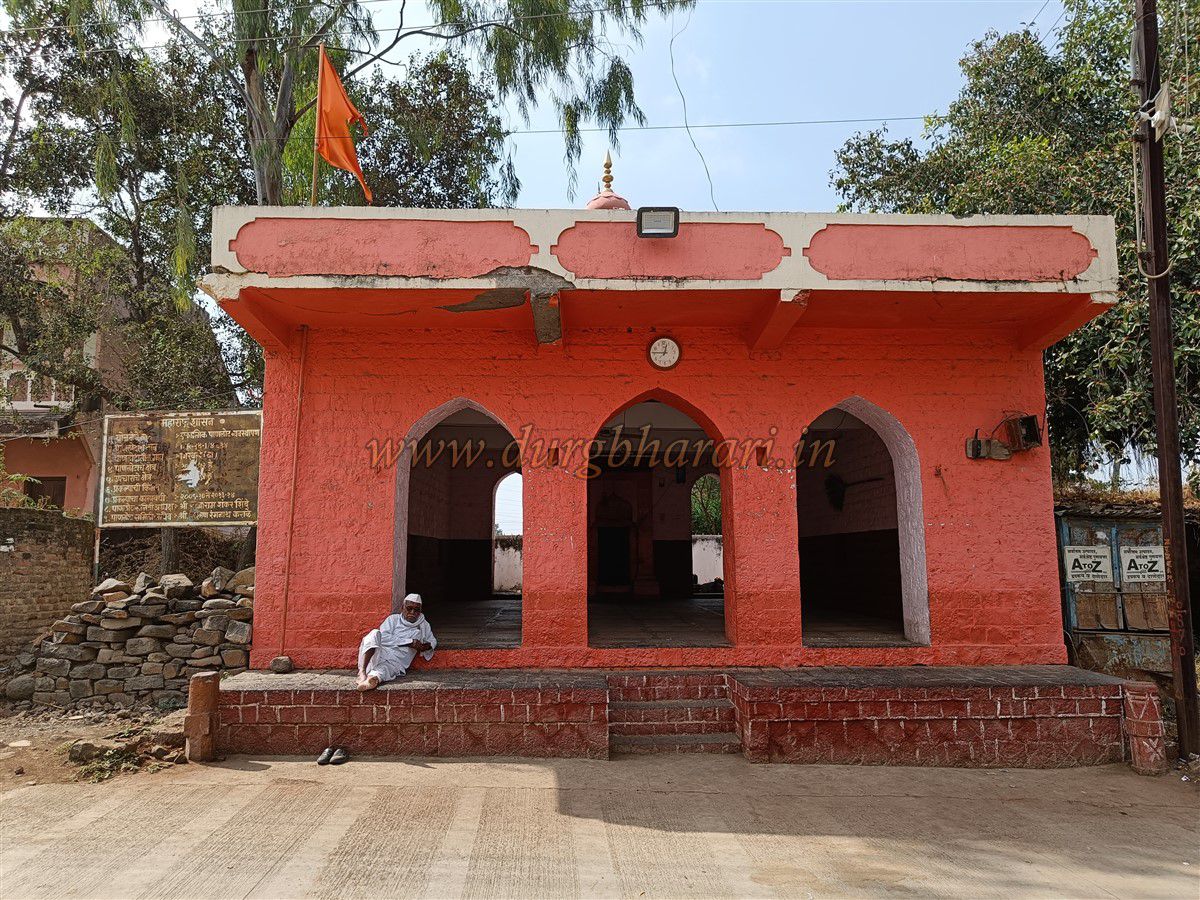
Entering the village, Girvali appears to have once been located within fortifications. The village fortifications (veshi) have been newly constructed. In front of the veshi stands the temple of Marutiraya, the village protector. On the inner side of the veshi, there is a painted sculpture of Gadhegāl (a mythical figure). Most houses in the village are made of stone.
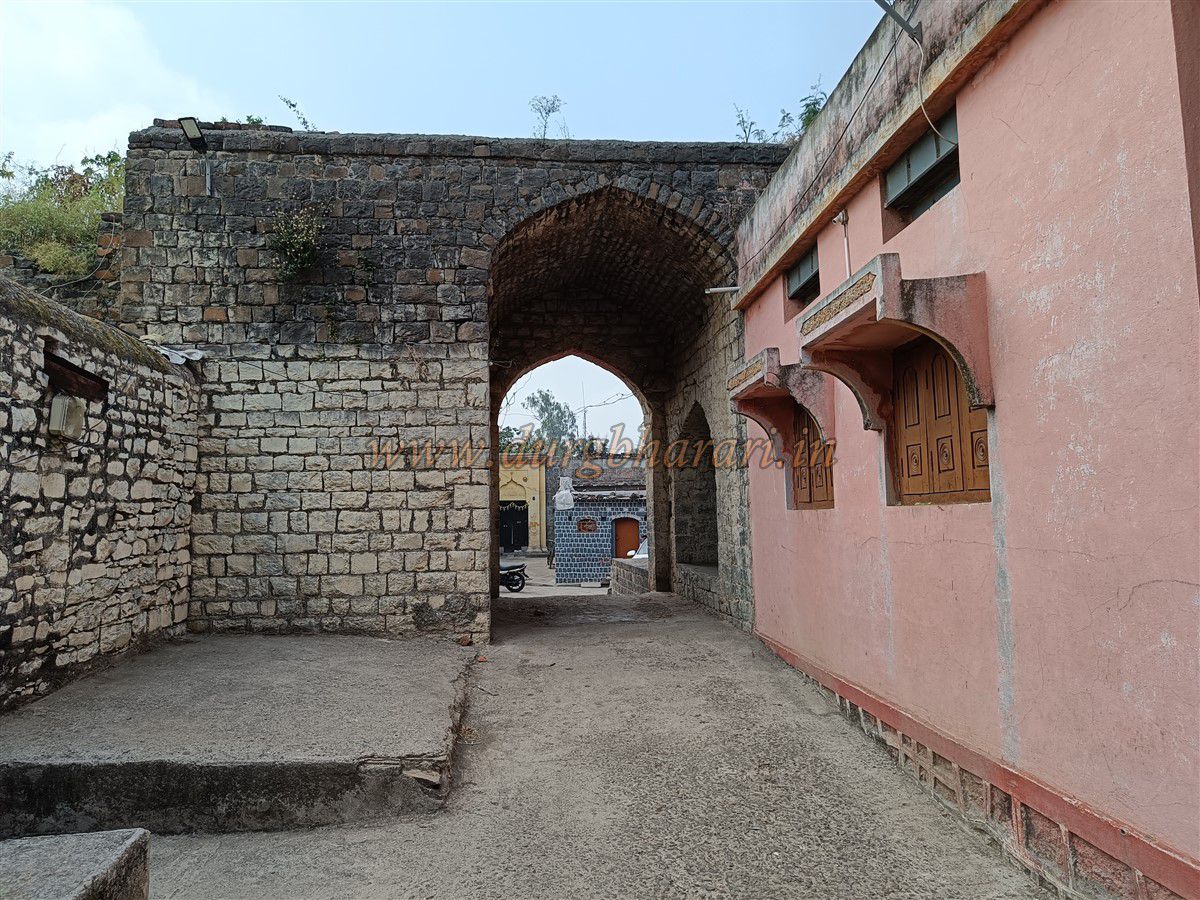
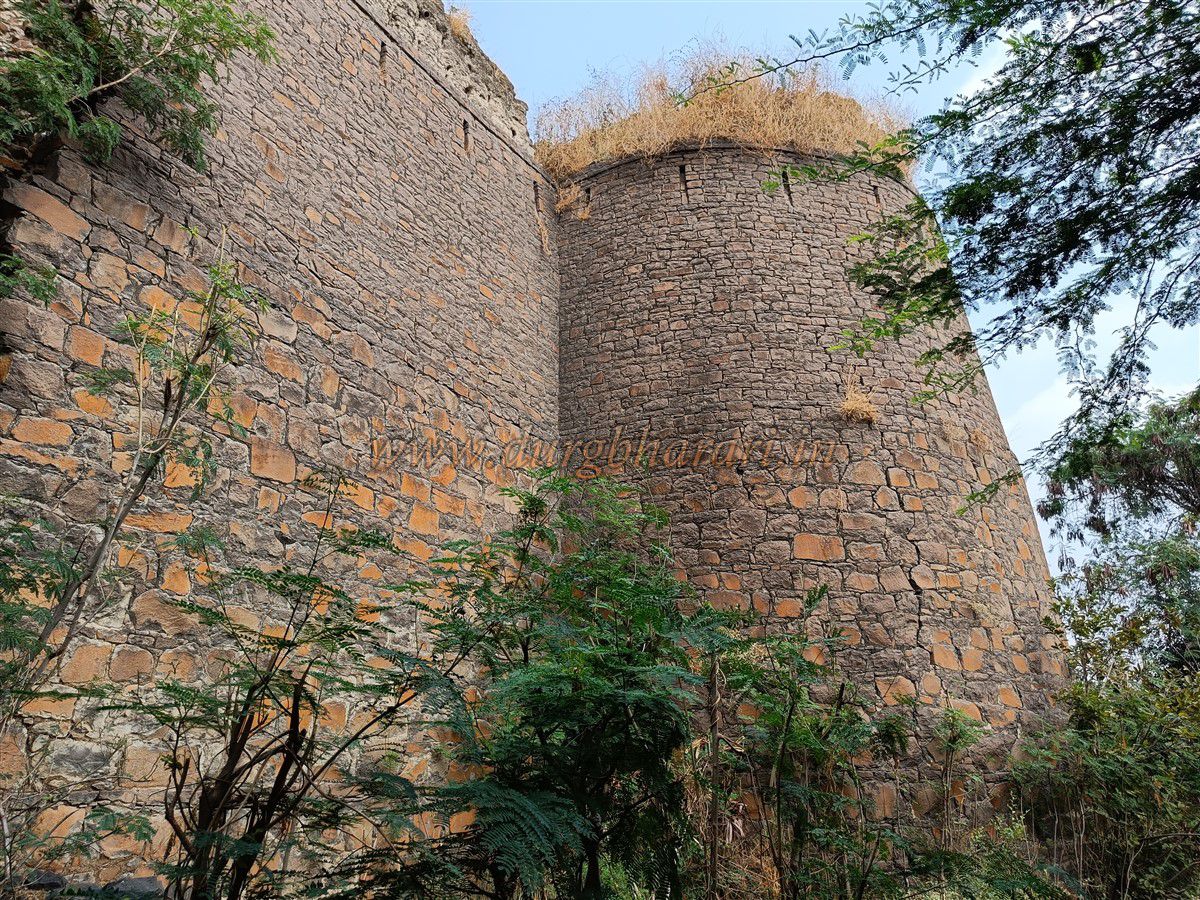
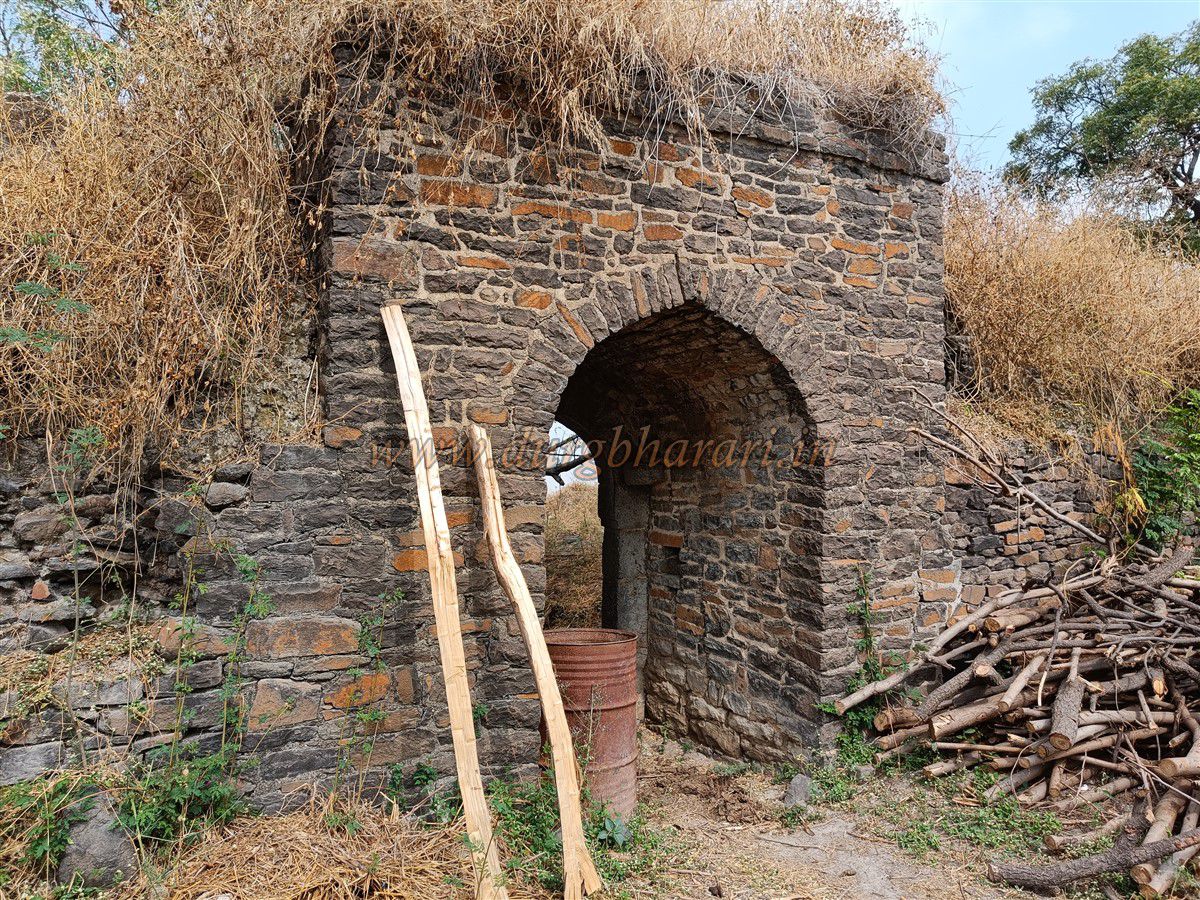
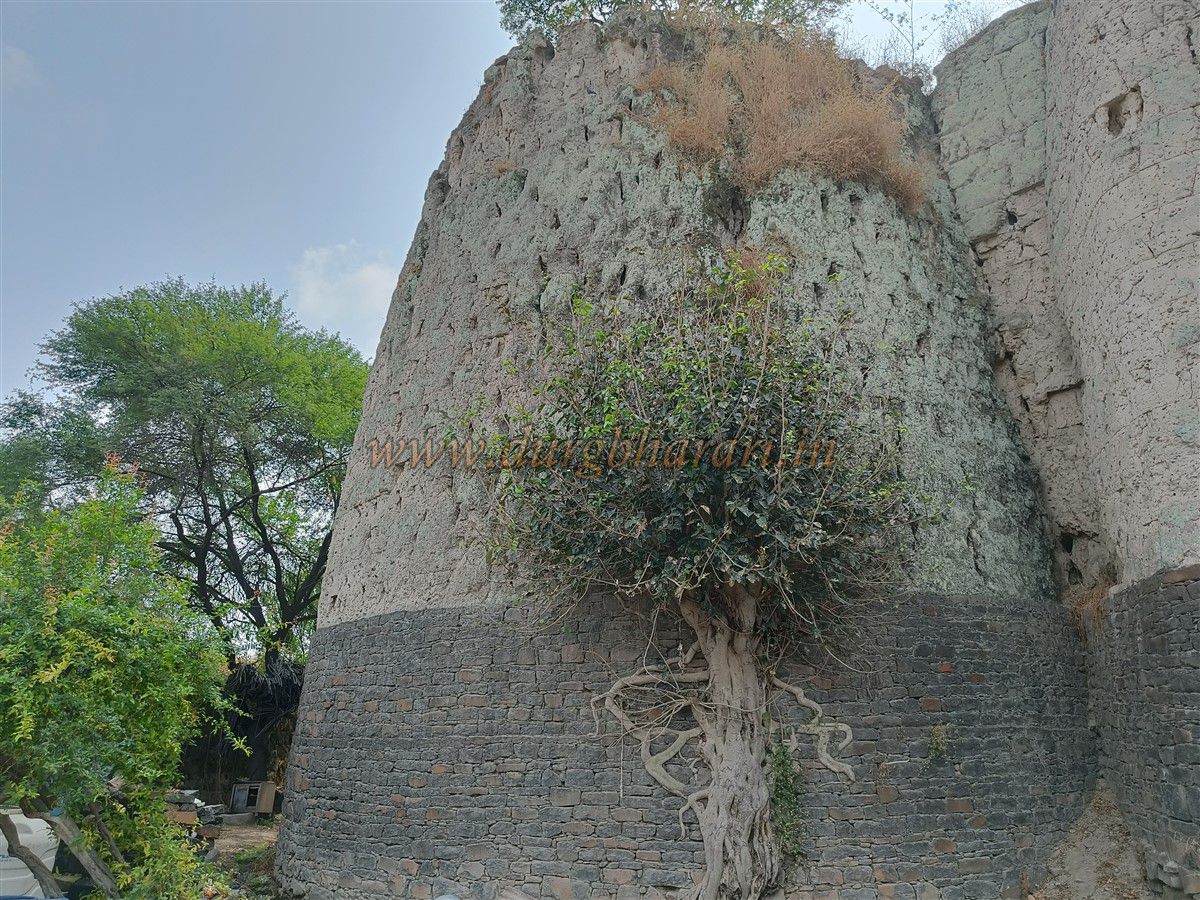
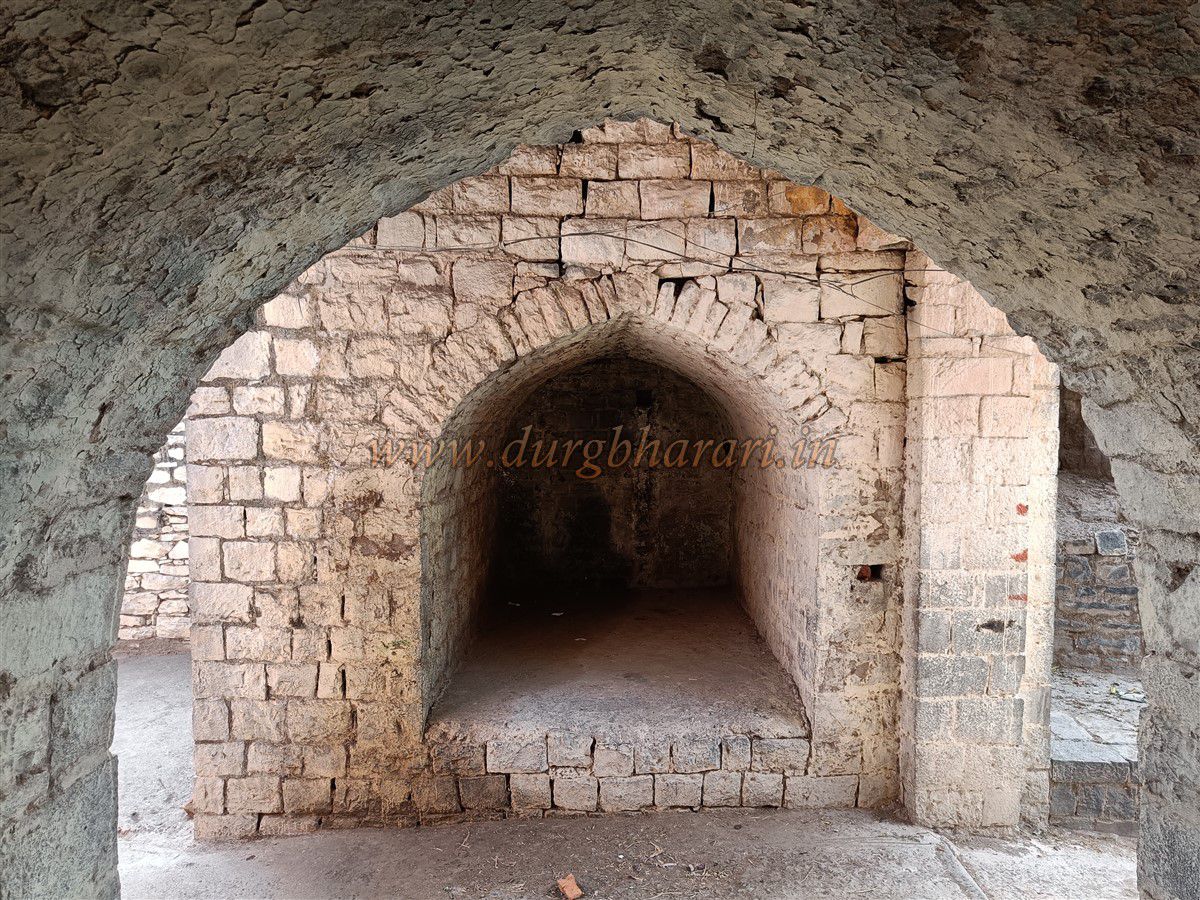
The structure of Girvali gadhi resembles a Bhuikot (a fort built on ground level). The main gadhi is quadrangular and has an outer fortification (parkot). This parkot has two gates and six small bastions. The total area of the fortification is about two acres, and the inner main gadhi area is approximately 12 Guntha (about one-third of an acre). On the south side of the parkot is the north-facing gate, beside which are two bastions. Inside the gate on both sides are guard rooms.
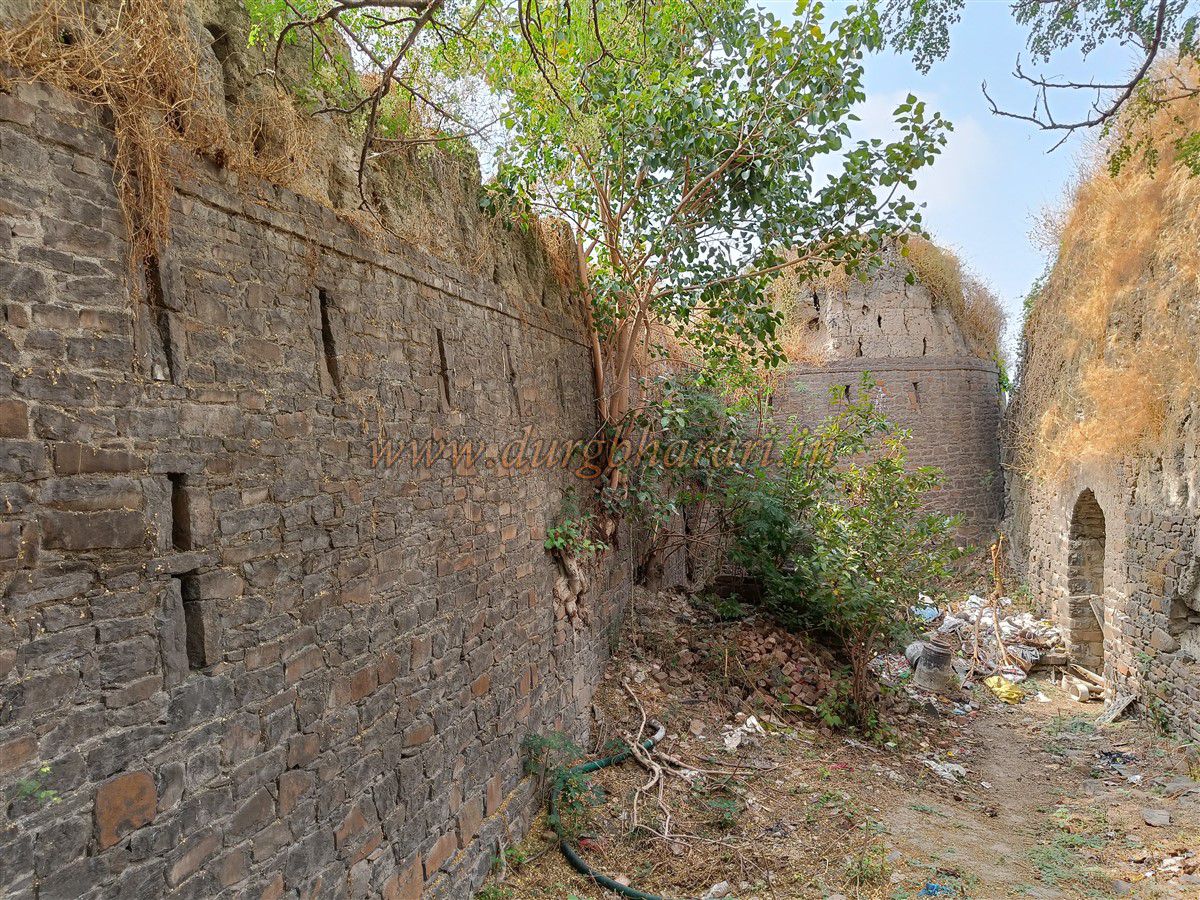
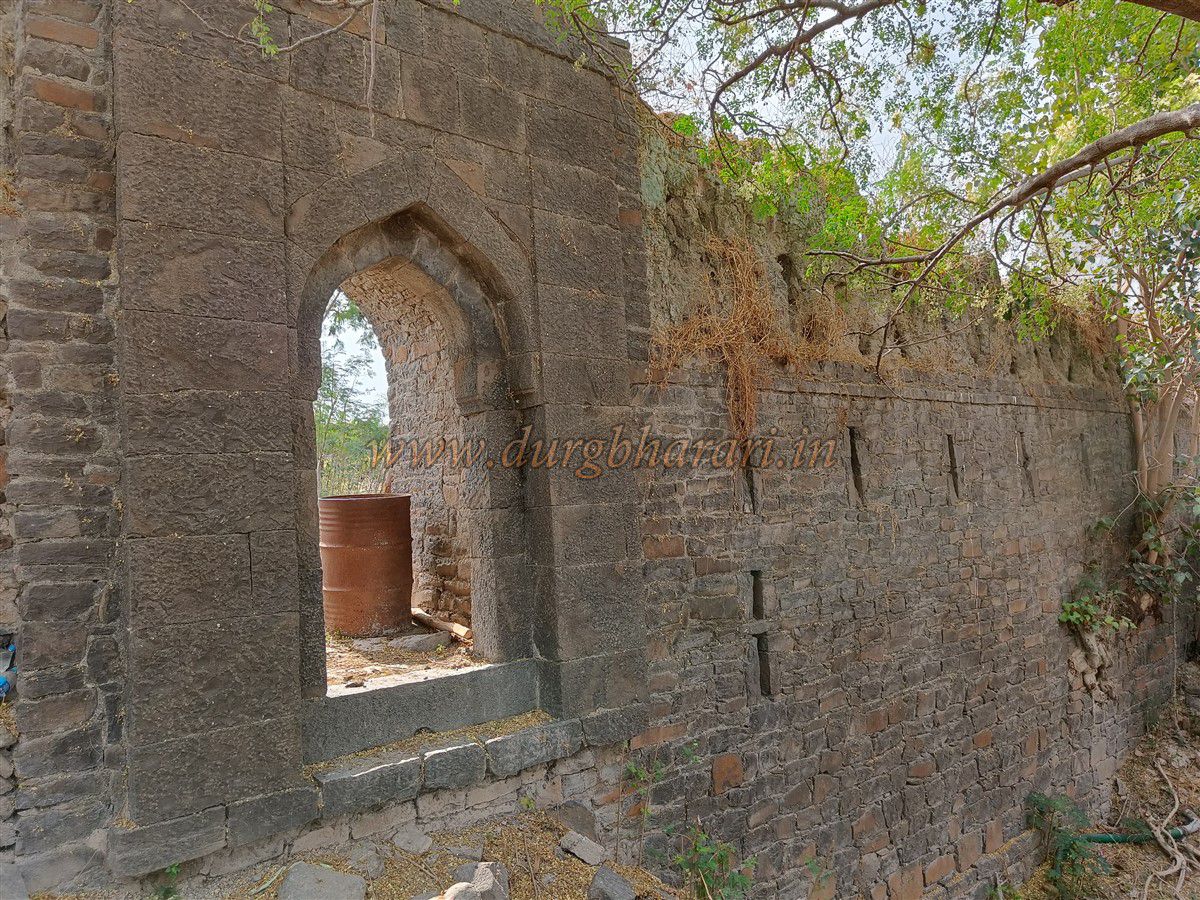
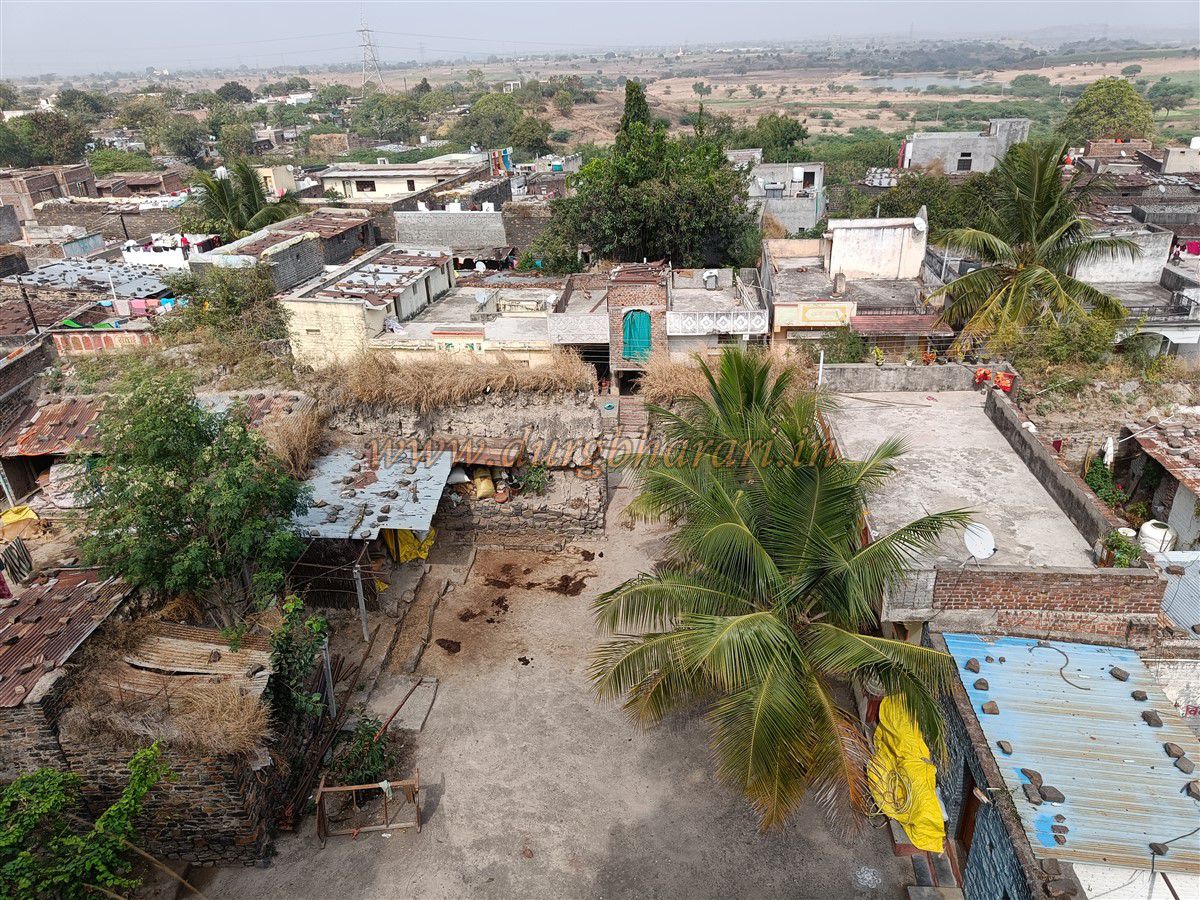
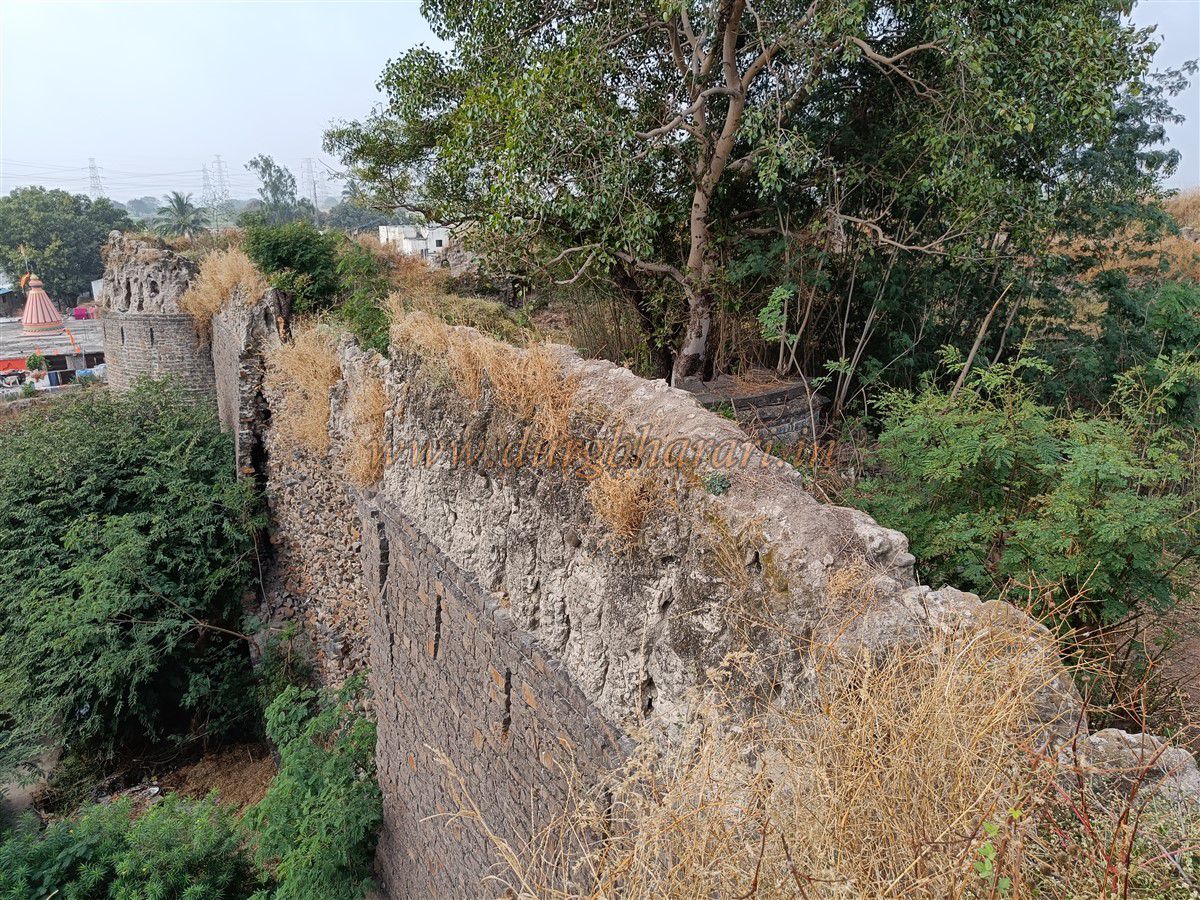
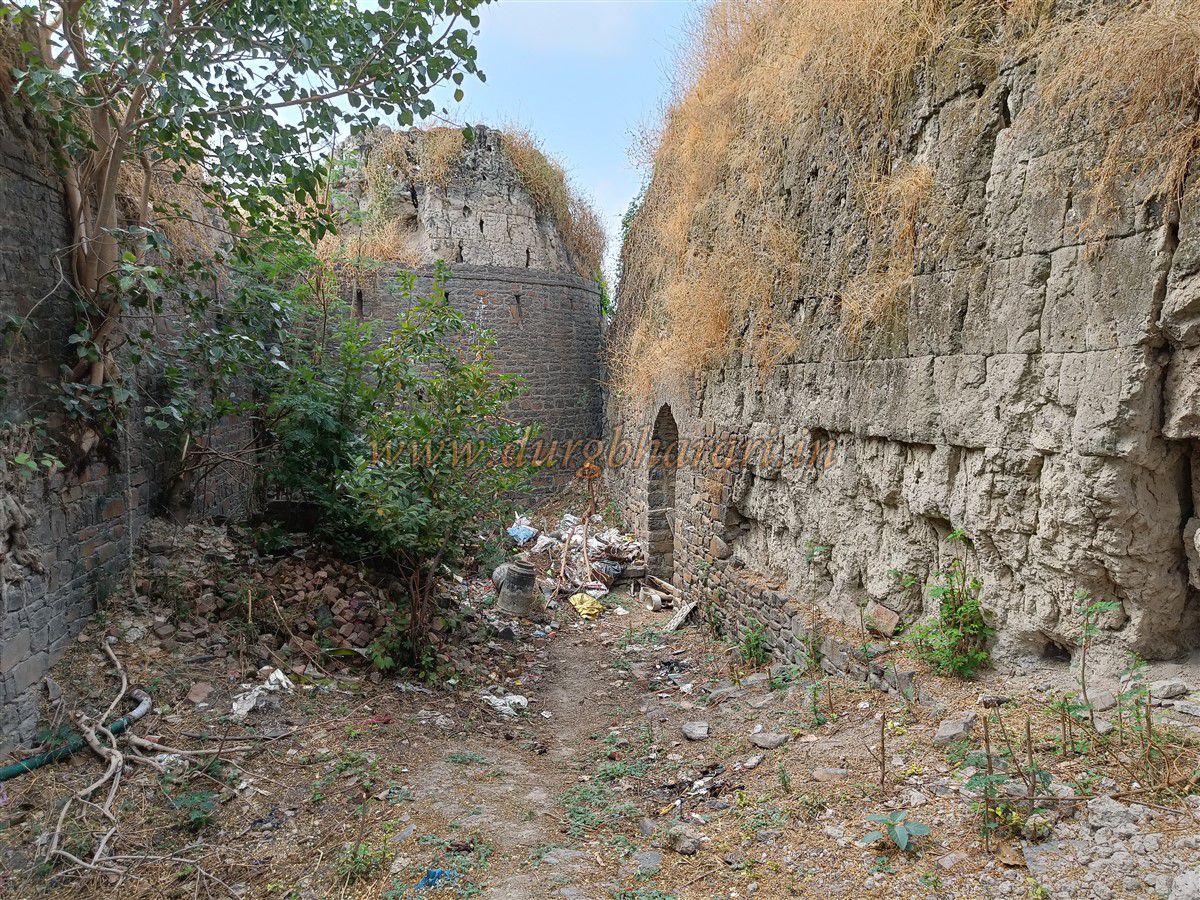
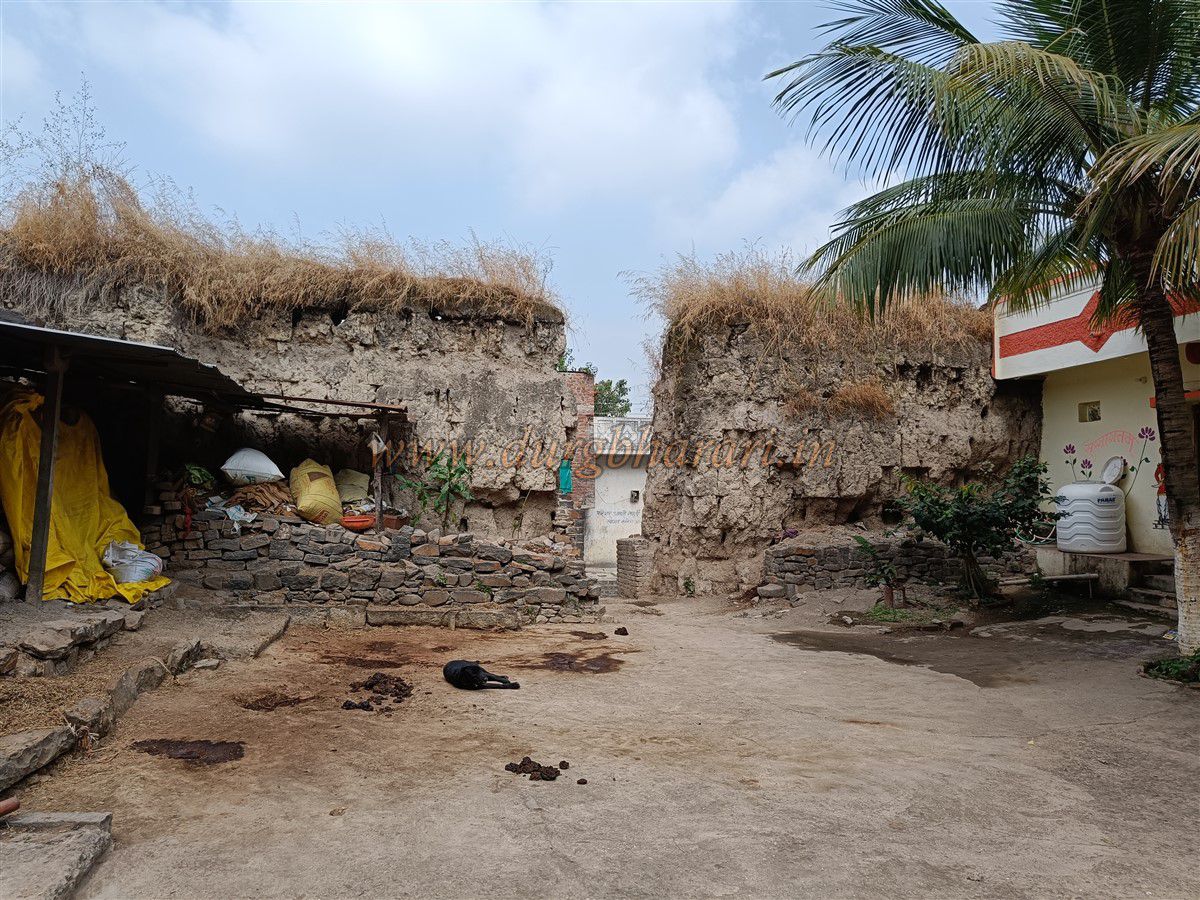
The second gate of the parkot is on the west. Inside the parkot, there are houses of the descendants of the Naik-Bawane family. These houses were possibly earlier used as administrative offices of the area. The entire fort construction is of stone and lime, with walls about 35 feet high. Along the entire fortification and bastions, there are loopholes for firing guns, with jaggies (small holes for shooting).
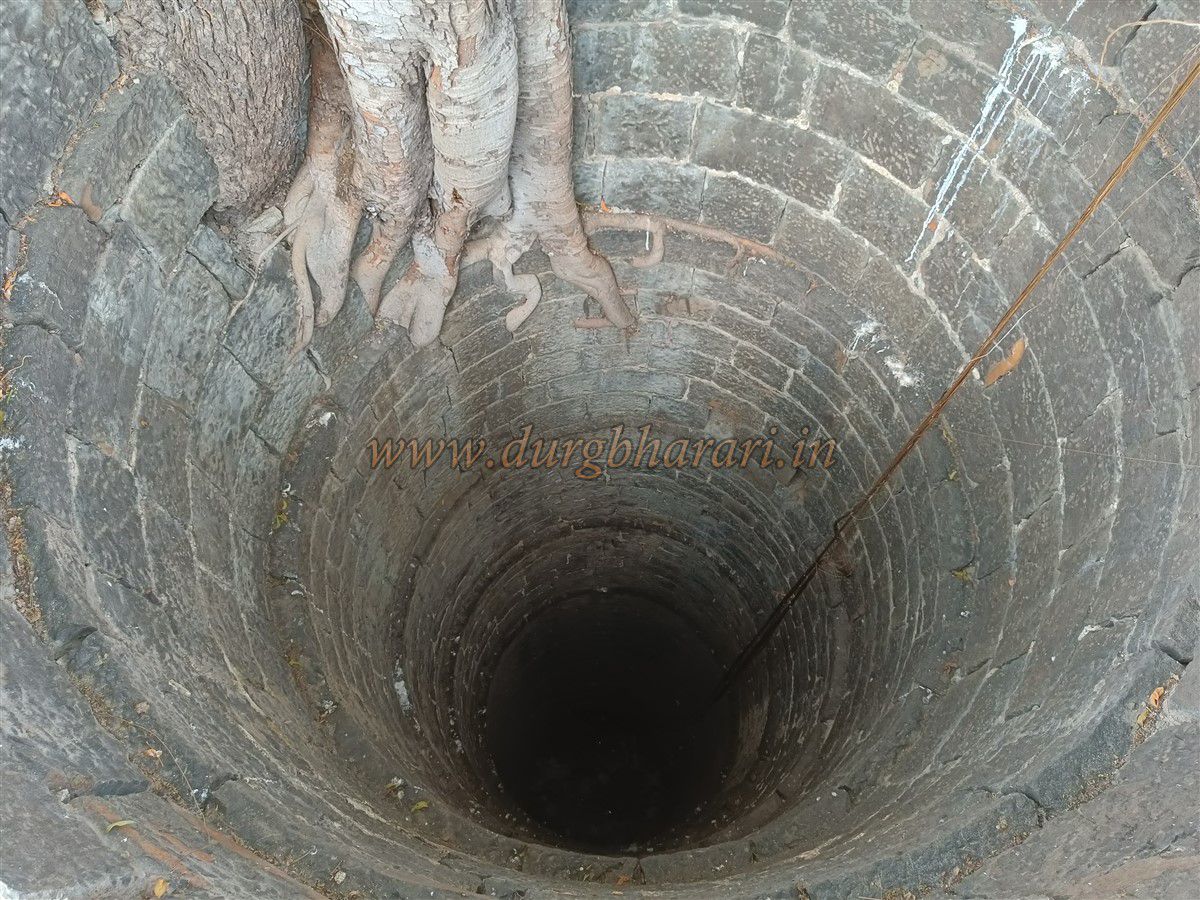
Since the entrance to the inner gadhi is on the west, it is not visible immediately upon entering the parkot. In one corner of the parkot, there is a well 50 feet deep, with a small gate and stairs for descent.
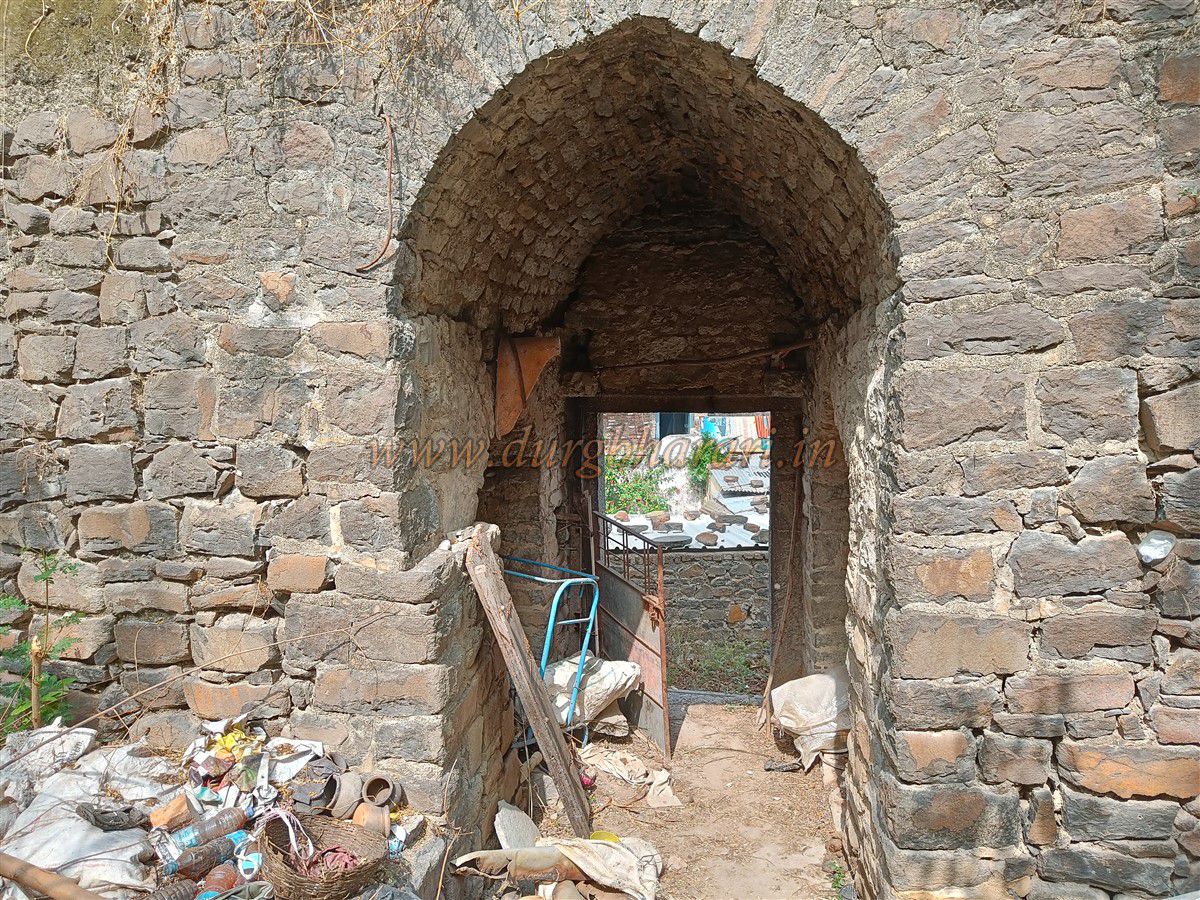
By turning around the fort, one reaches the main gate of the inner gadhi. This gate is built somewhat at a height and probably had stairs leading up to it. Entering through this gate, one comes between the inner and outer fortifications. Inside the gate is a guard room, and on turning left, on the right-side fortification, is the second gate of the gadhi. This entire area lies within firing range from the inner and outer walls.
In front of this gate is a small window-like stone frame. Without opening this gate, there is a secret underground passage leading into the main gadhi. Entering through the right-side gate, one gains access to the inner gadhi.
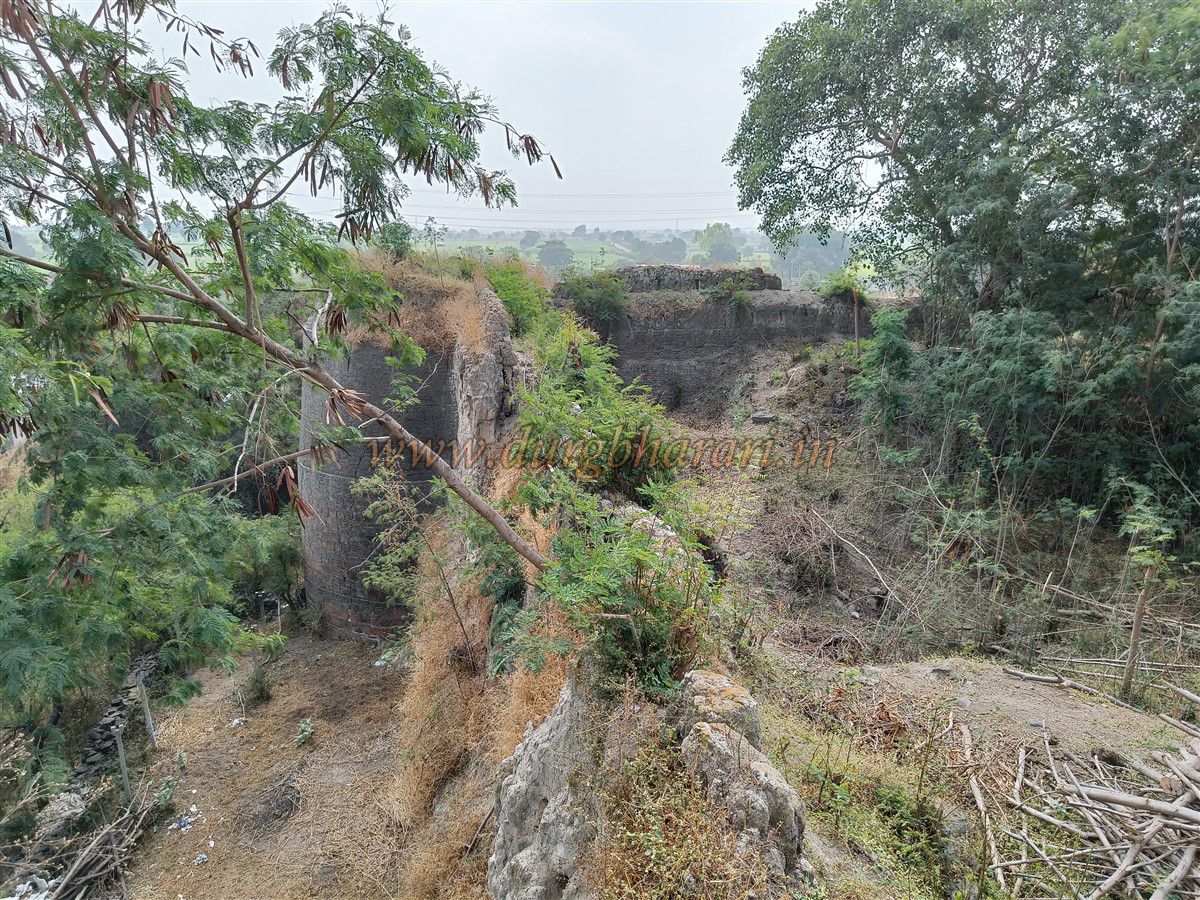
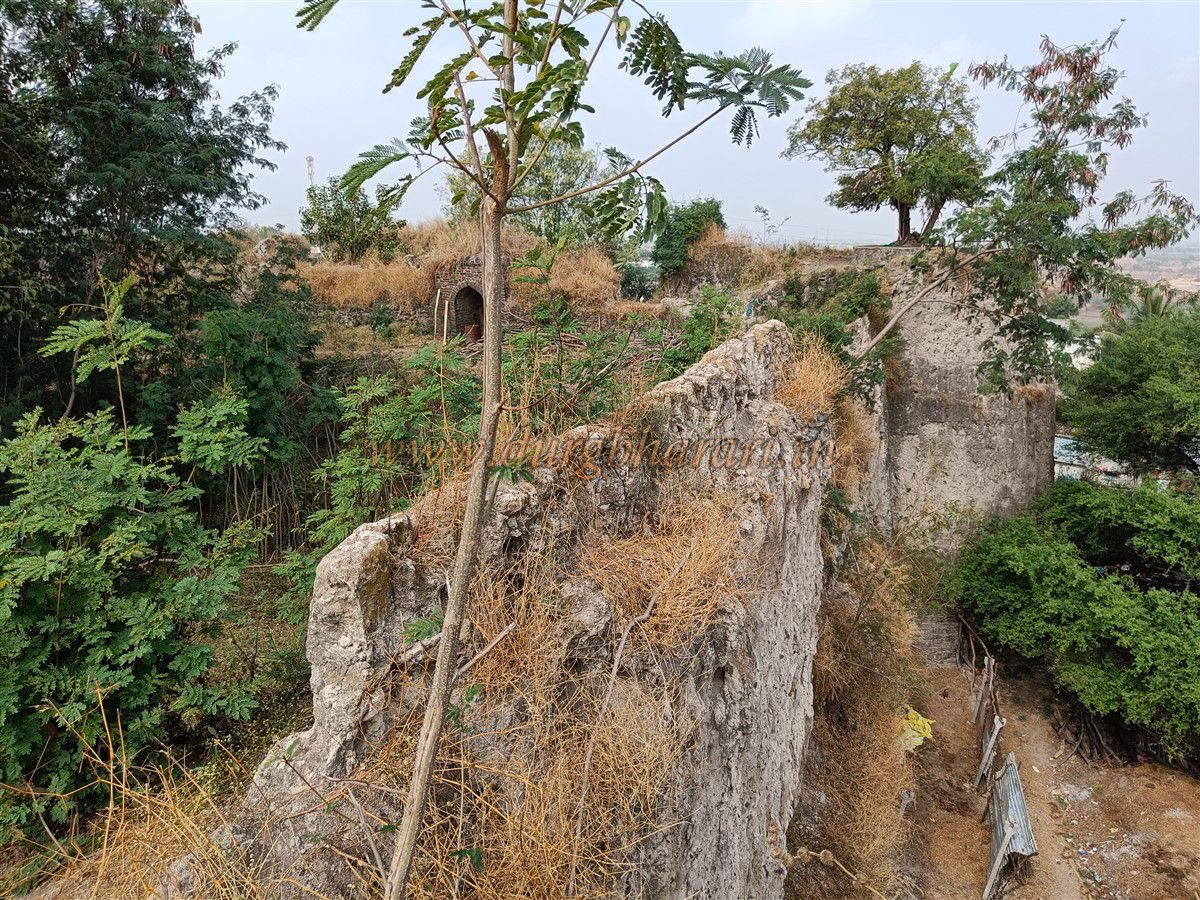
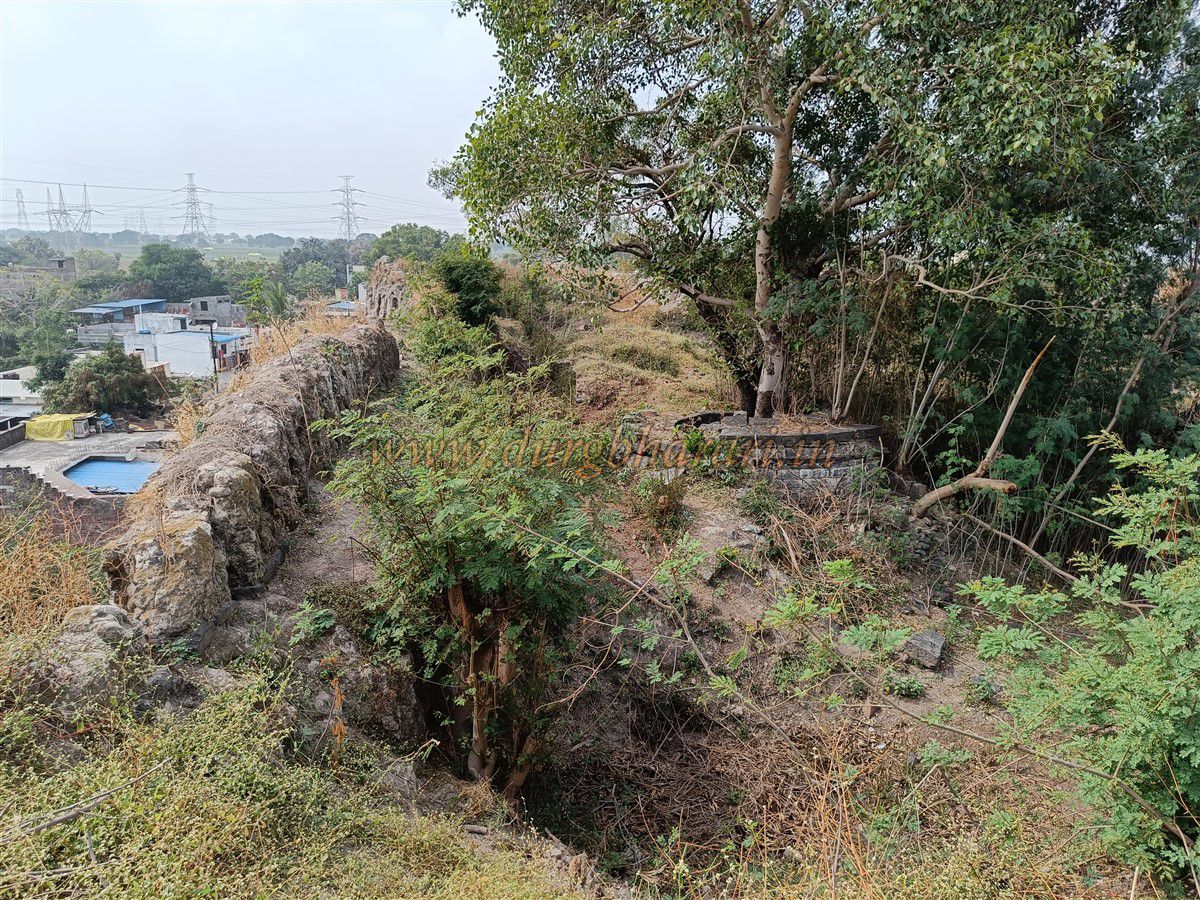
The remains of the gadhi are completely destroyed, with large amounts of vegetation growth. White sticky clay was used as mortar on the fort walls for binding the stones. All four bastions of the gadhi are well maintained, and in the center is a 50-foot deep stone well providing water supply to the gadhi. From the bastions of the gadhi, one can see the distant region. Half an hour is enough to see the entire gadhi and parkot. This gadhi was built after the Shivaji era. It is said that during Shah Jahan’s reign, Maloji Rao captured 52 forts in 52 days, earning the title “Bawane.” During Aurangzeb’s rule, the Mughals gave the villages of Pangri, Pir Pimpalgav, and Mang Deulgav, Devdi Deulgav, and Bhaikhed of Jalna Pargana as watan (land grant) to them. Since Maloji Rao’s residence was in Pangri, the village is still known as “Bawane Pangri.” The graves (samadhi) of the Bawane family are found in this village.After Aurangzeb’s death, in 1707 CE, Shahu Maharaj returned to Maharashtra, and the Bawane sardars joined his faction. In 1743 CE, Shahu Maharaj granted the villages Tandulja and Girvali as inam (reward) to Janoji Rao Naik Bawane. Janoji Rao had a cavalry force of 5,000 horsemen. He built the two forts of Tandulja and Girvali and began administering his territory from there. Janoji Naik Bawane’s three sons — Bhagwantrao, Venkatarao, and Jagjivanrao — were all commanders of the Maratha cavalry.
© Suresh Nimbalkar
GALLERY