GANDHARPALE
TYPE : BUDDHIST LENI
DISTRICT : RAIGAD
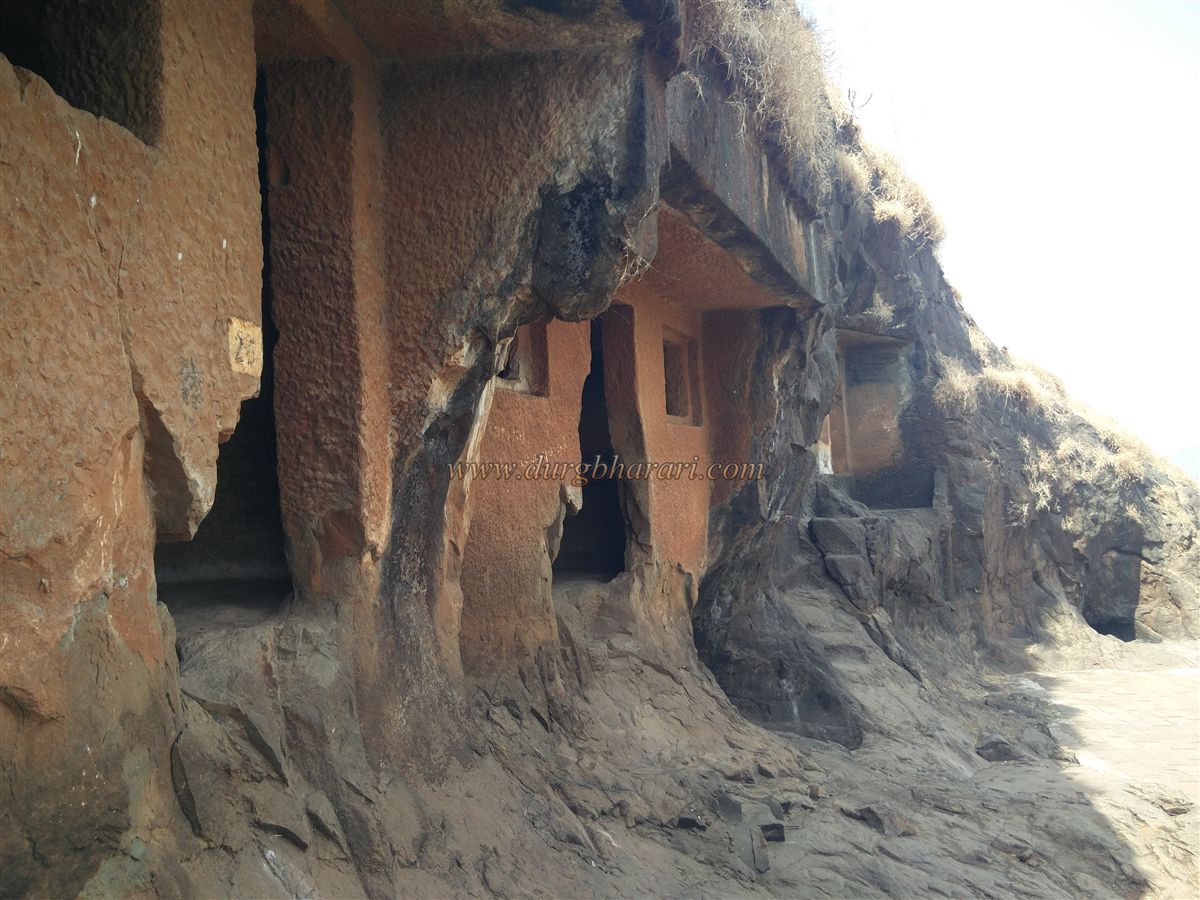
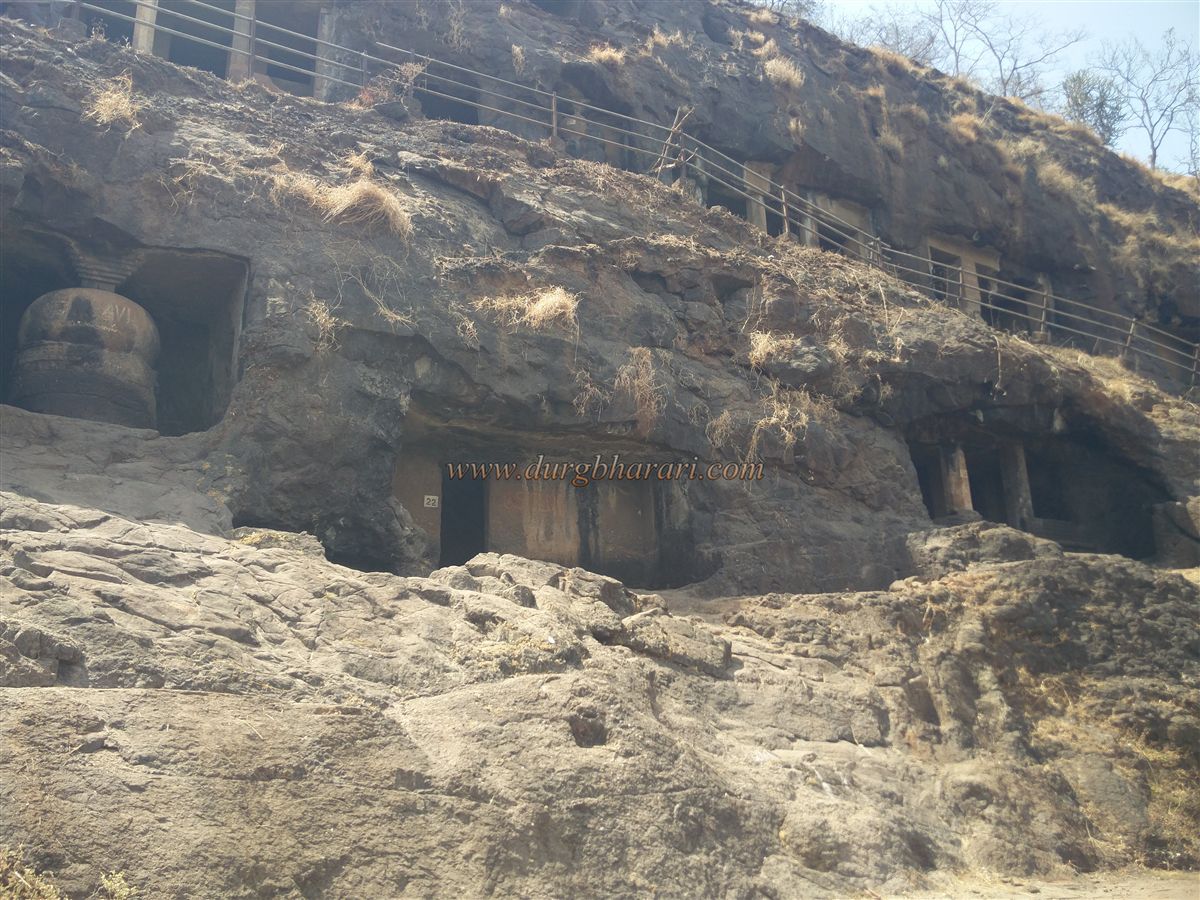
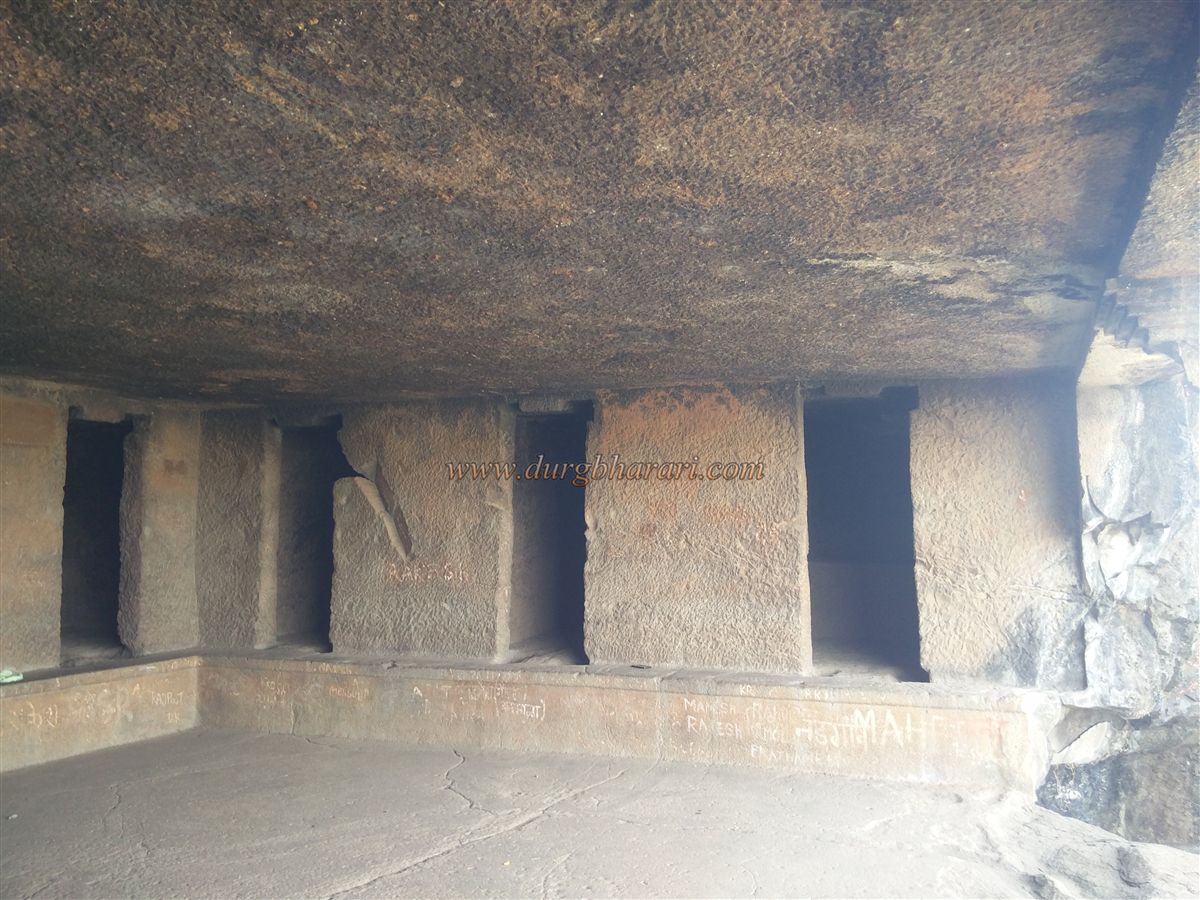
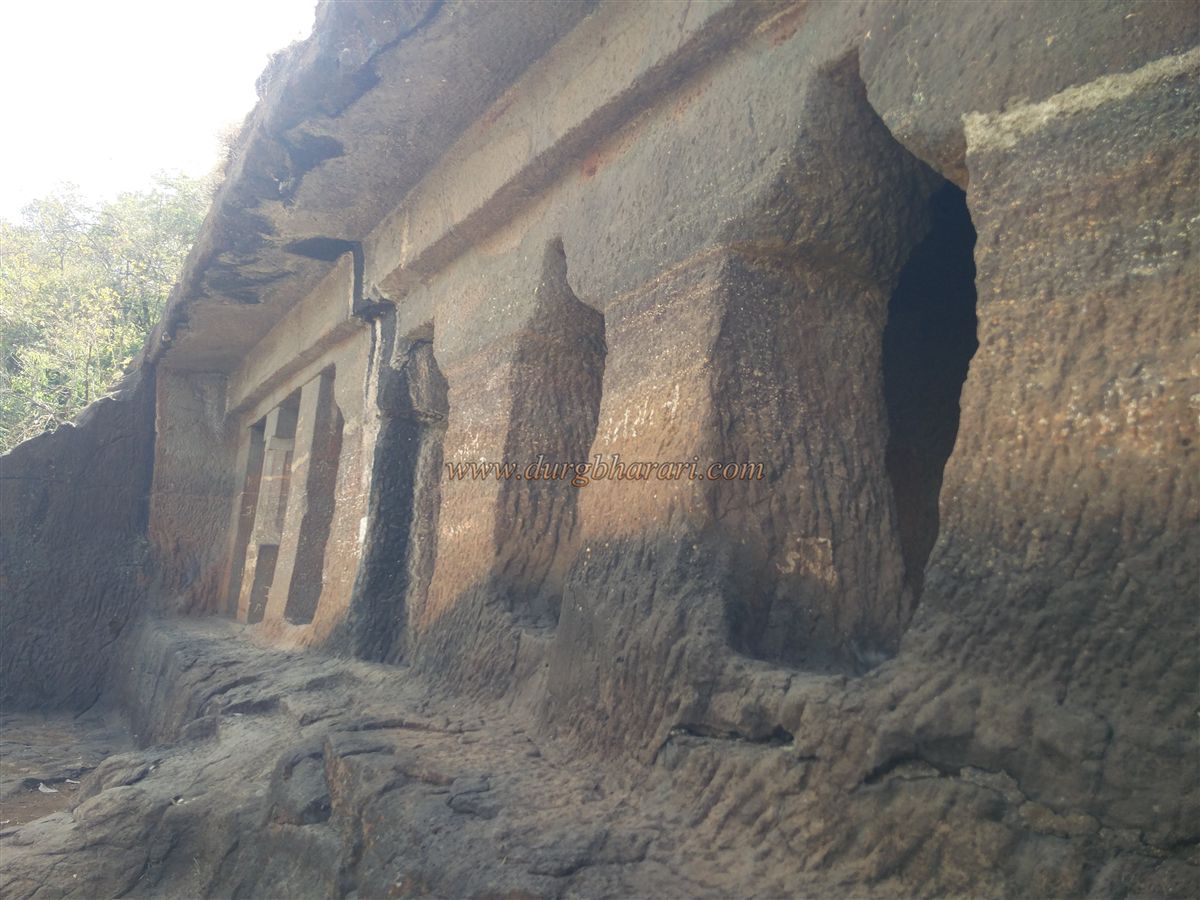
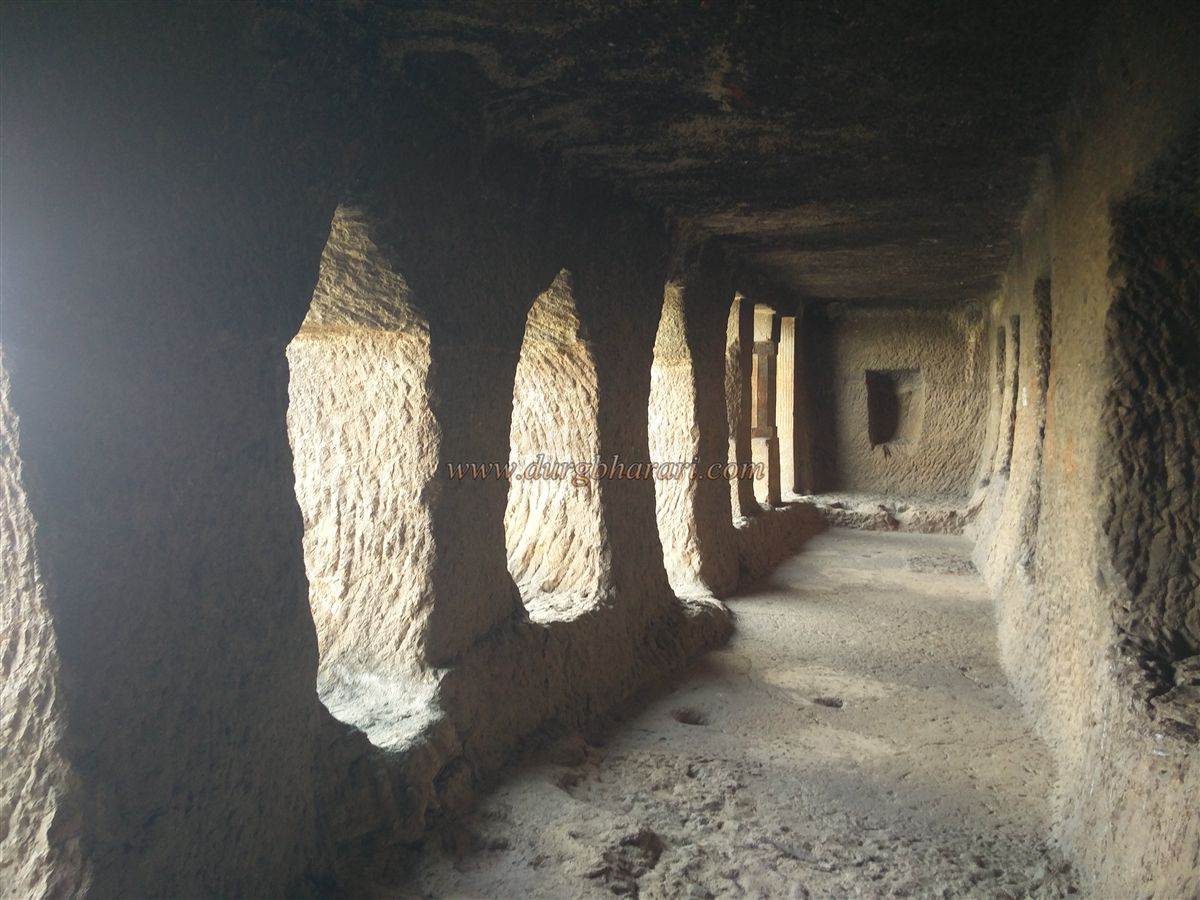
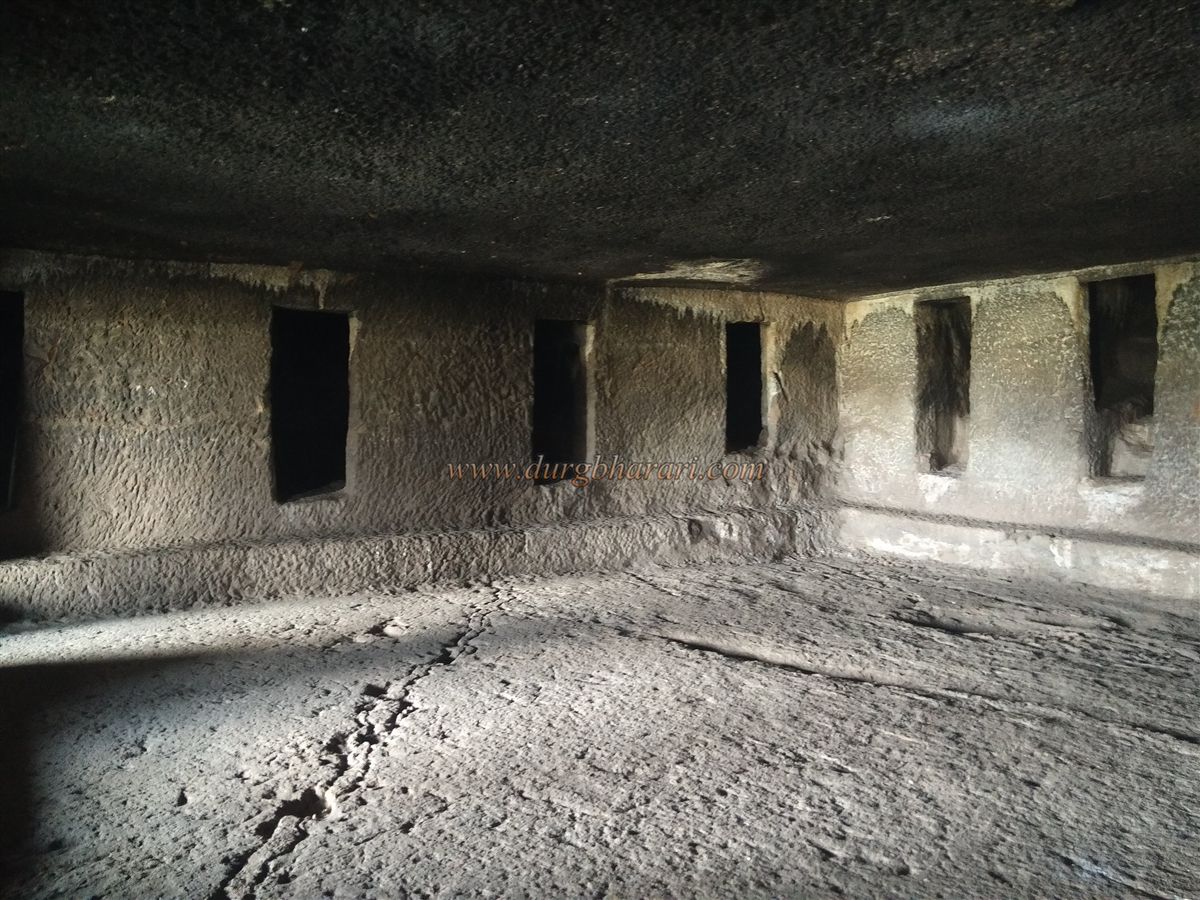
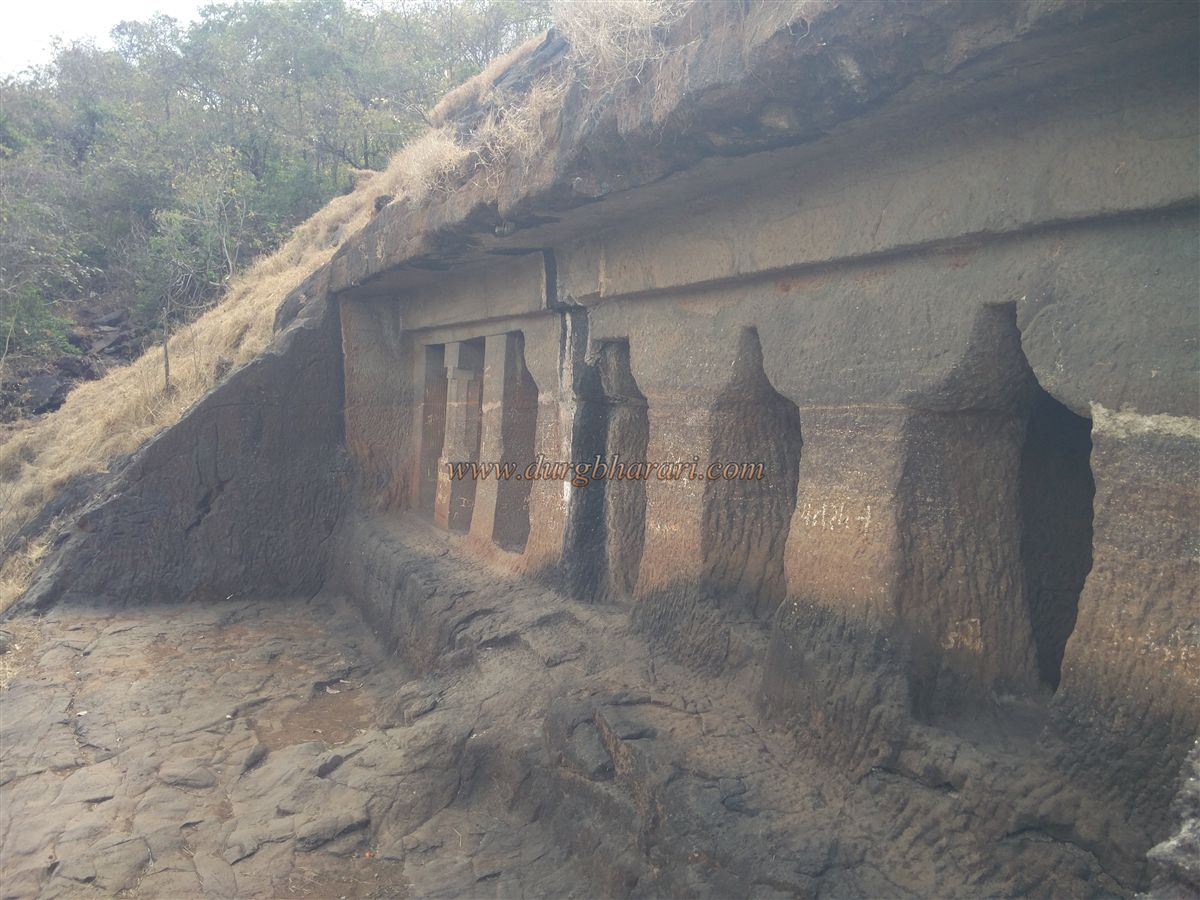
Mahad town in Raigad district has a glorious history dating back to the 7th century. Situated on the banks of the Savitri, Gandhari, and Kal rivers, the Mahad taluka has the 7th-century Buddhist-era Gandhar Pale caves on the banks of the Gandhari River. The name Mahad is derived from the Prakrit corruption of the word ‘Mahahatt’ meaning a large marketplace or town. When traveling on the Mumbai-Goa highway towards Mahad, about 3 km before entering the town, the Gandhar Pale caves carved into the hills on the left attract attention. These east-facing caves are located on a hill spreading northwest, approximately 200 feet above the base.
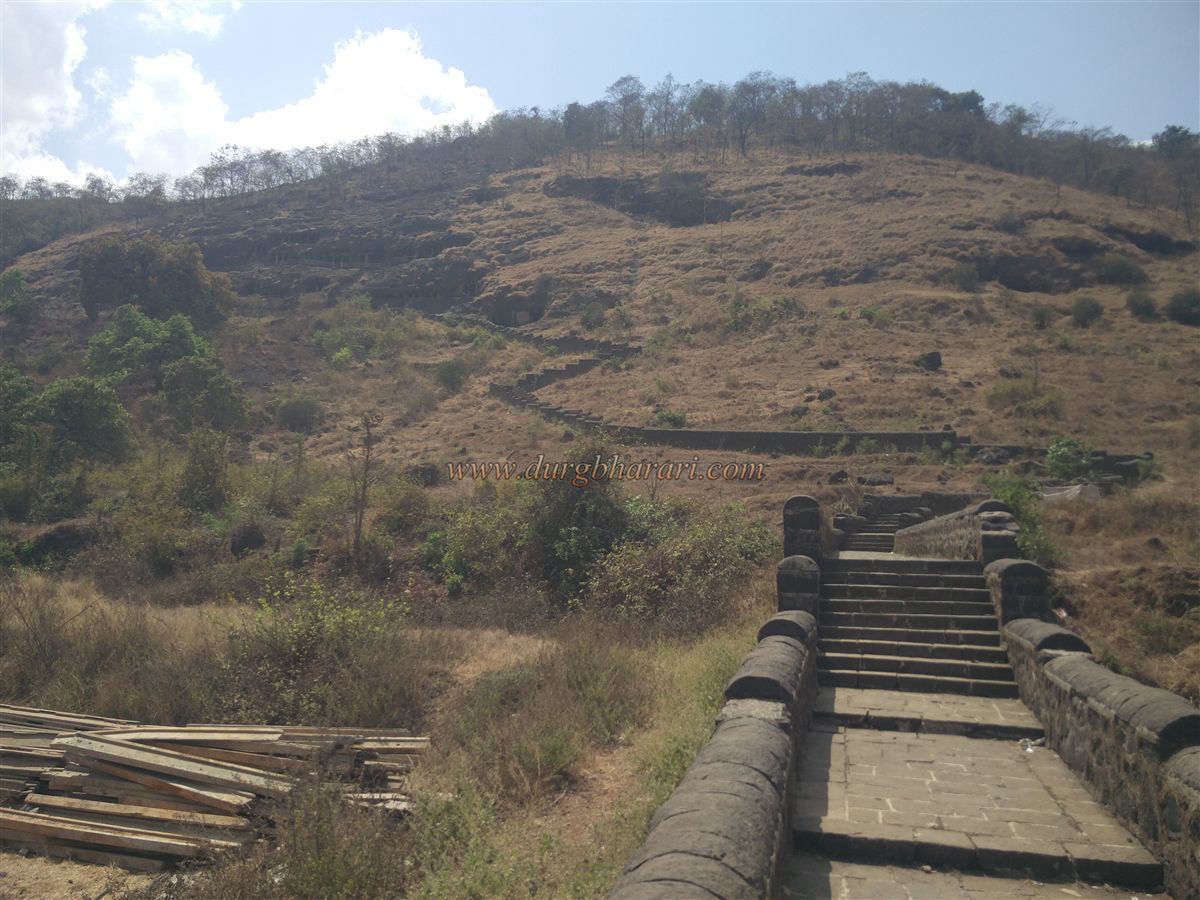
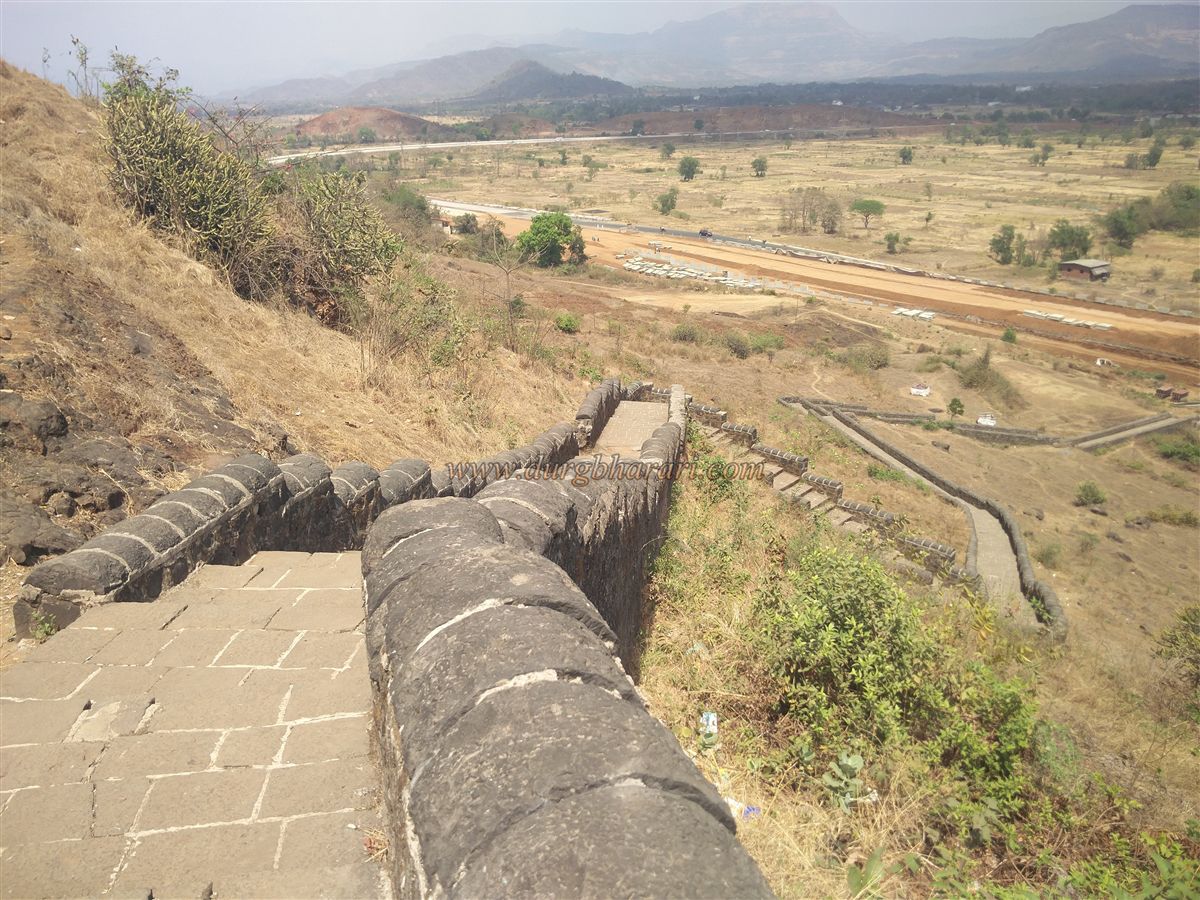
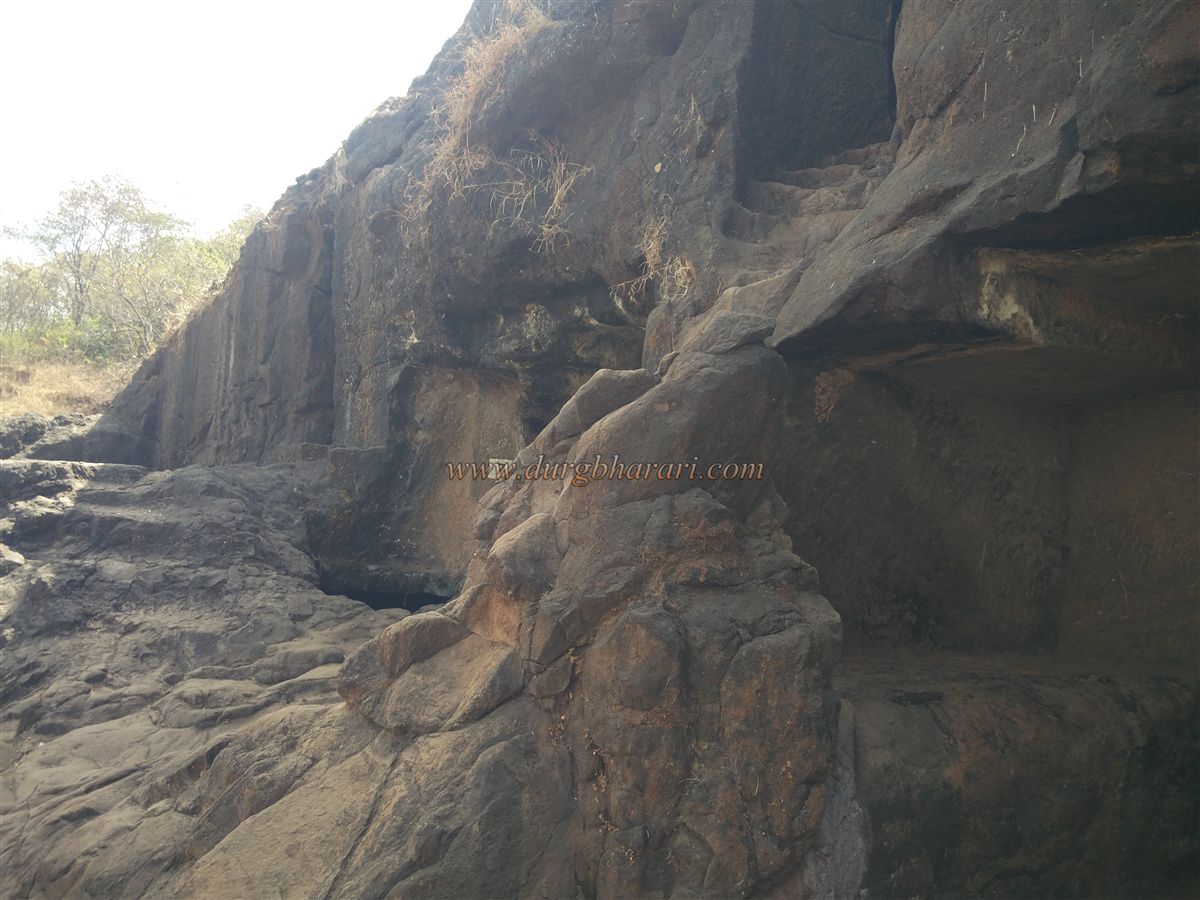
Near the foot of the hill, the Archaeological Department has installed an information board, and after a half-hour climb via steps, one reaches the caves. The caves are numbered 1 to 28 by the department, and starting from cave number 1, one can systematically view all caves.
...
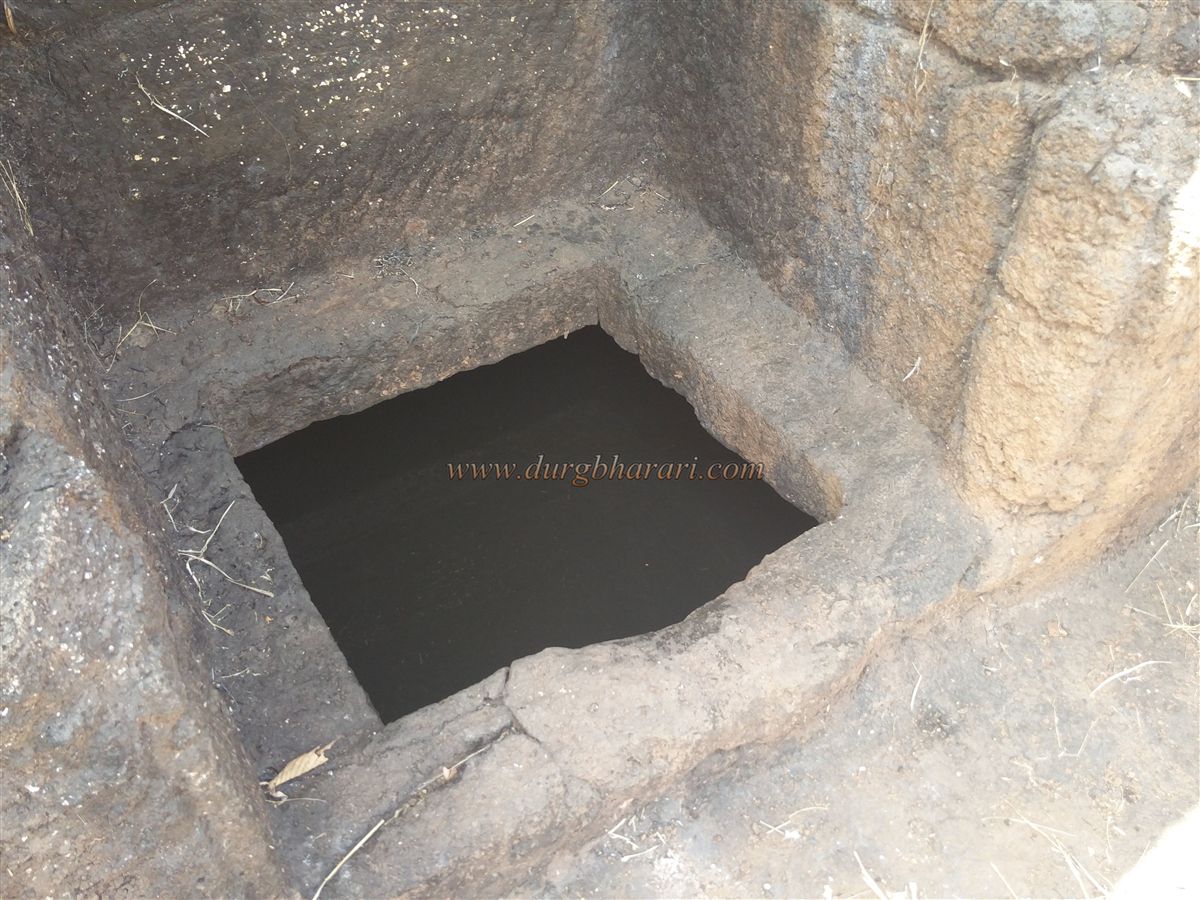
This group of caves carved into three levels contains 28 caves, including 3 chaityagrihas (prayer halls), 19 viharas (monastic dwellings), and several water tanks. Scholars believe these caves were excavated by Vishnu Pulit, a ruler of the Kambhoja dynasty, and that ‘Palit’ is a corruption of the name Pulit. From the caves, there is a beautiful view of Mahad town, Chambhargad fort, Savitri River, and the Mumbai-Goa highway.
Details of some caves:
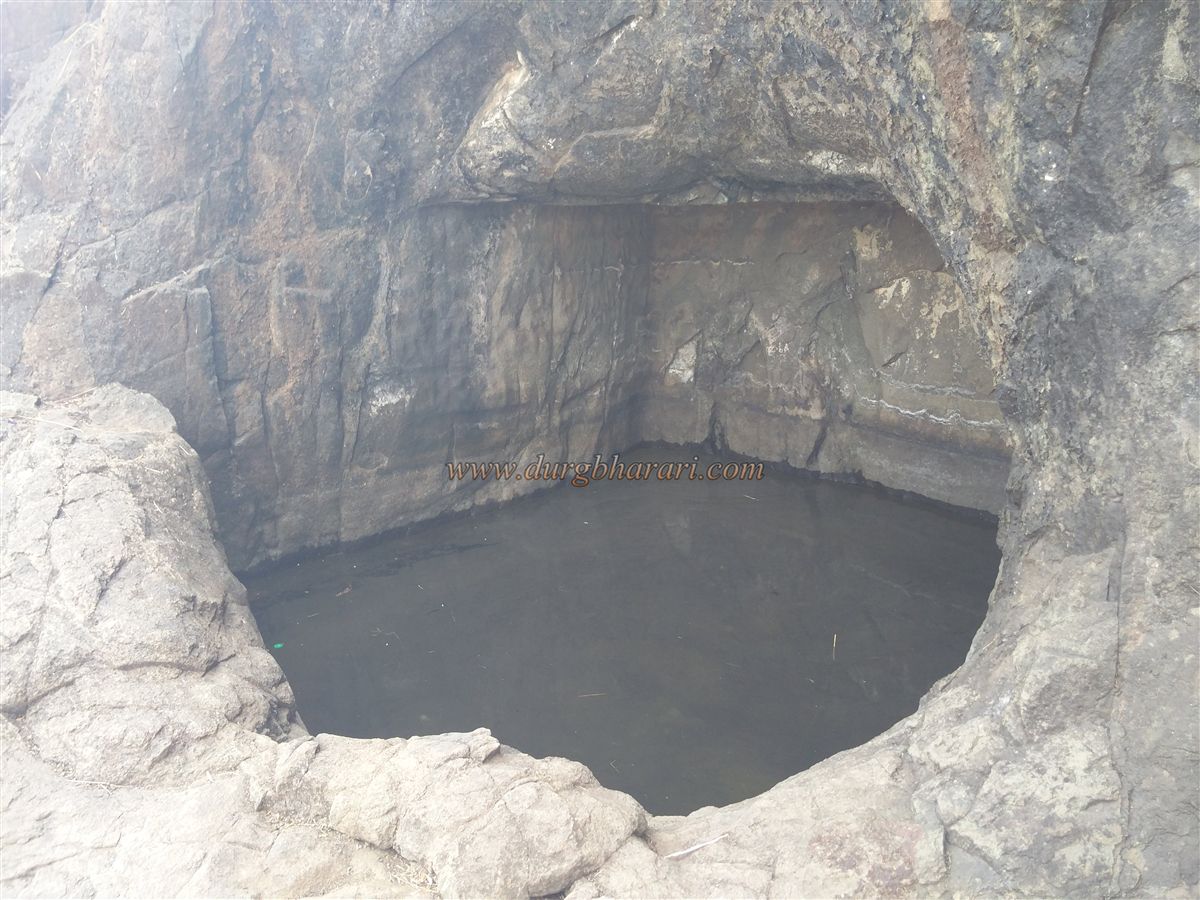
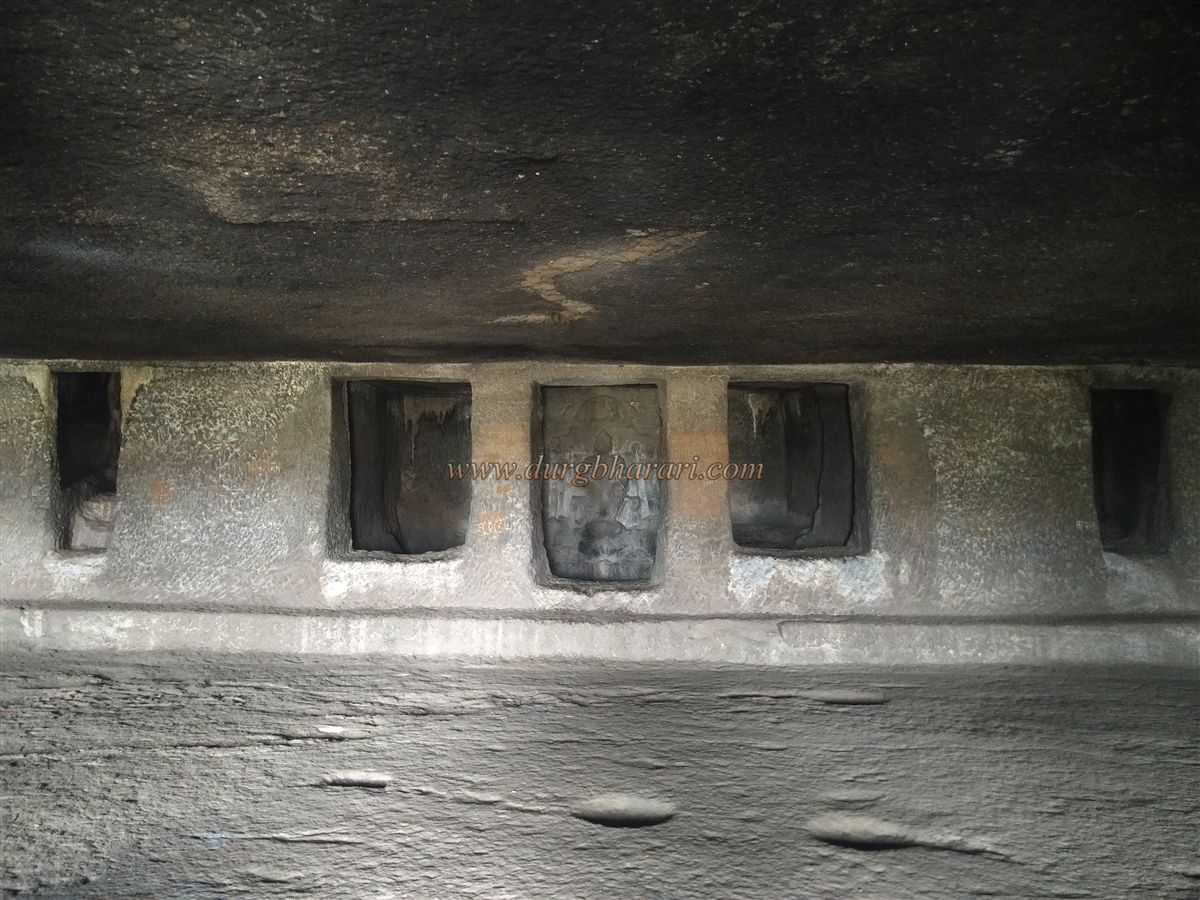
• Cave 1: This chaityagriha and Vihara-type cave has seven arches. Of the six pillars in the façade, one is fully carved, the other five half-carved. In front of the cave is a courtyard with a veranda between the main halls and pillars. The hall has three doors and two windows. On the front wall of the hall, in the center is the sanctum sanctorum (Garbhagriha), flanked on both sides by two viharas. On the left wall are four viharas. The hall has an opening on all four sides. Inside the sanctum is a carved statue of Lord Buddha seated on a throne. Below the statue is a Dharma Chakra and a deer carving; above are an umbrella-bearing figure and flying yakshas. On the rear side is the outline of a seated figure, with faint sculptures of Vajrapani and Padmapani on either side. This site likely originally had a Hinayana-era stupa that was later converted into a Mahayana sculpture. In front of this cave are three water tanks.
• Cave 2: This cave is half-carved with two pillars and a vihar in its façade.
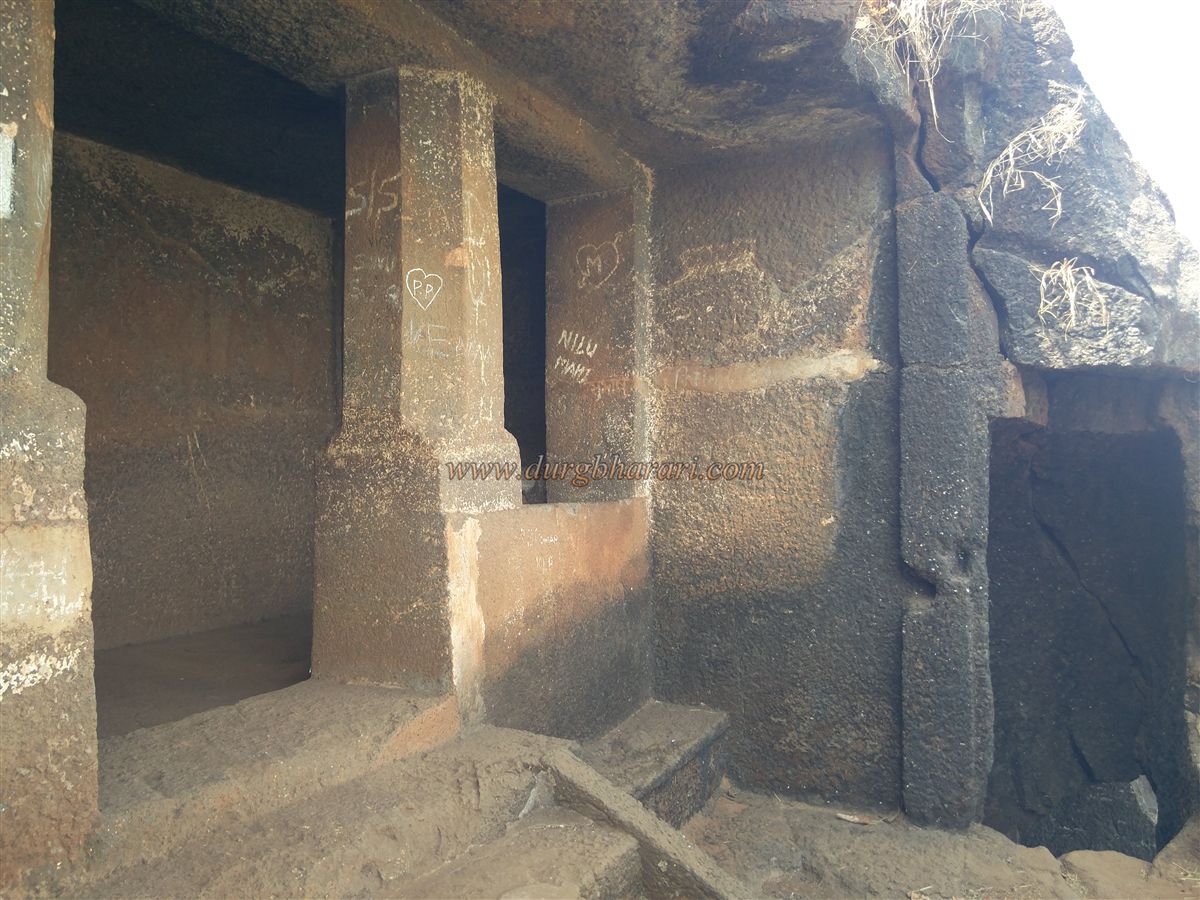
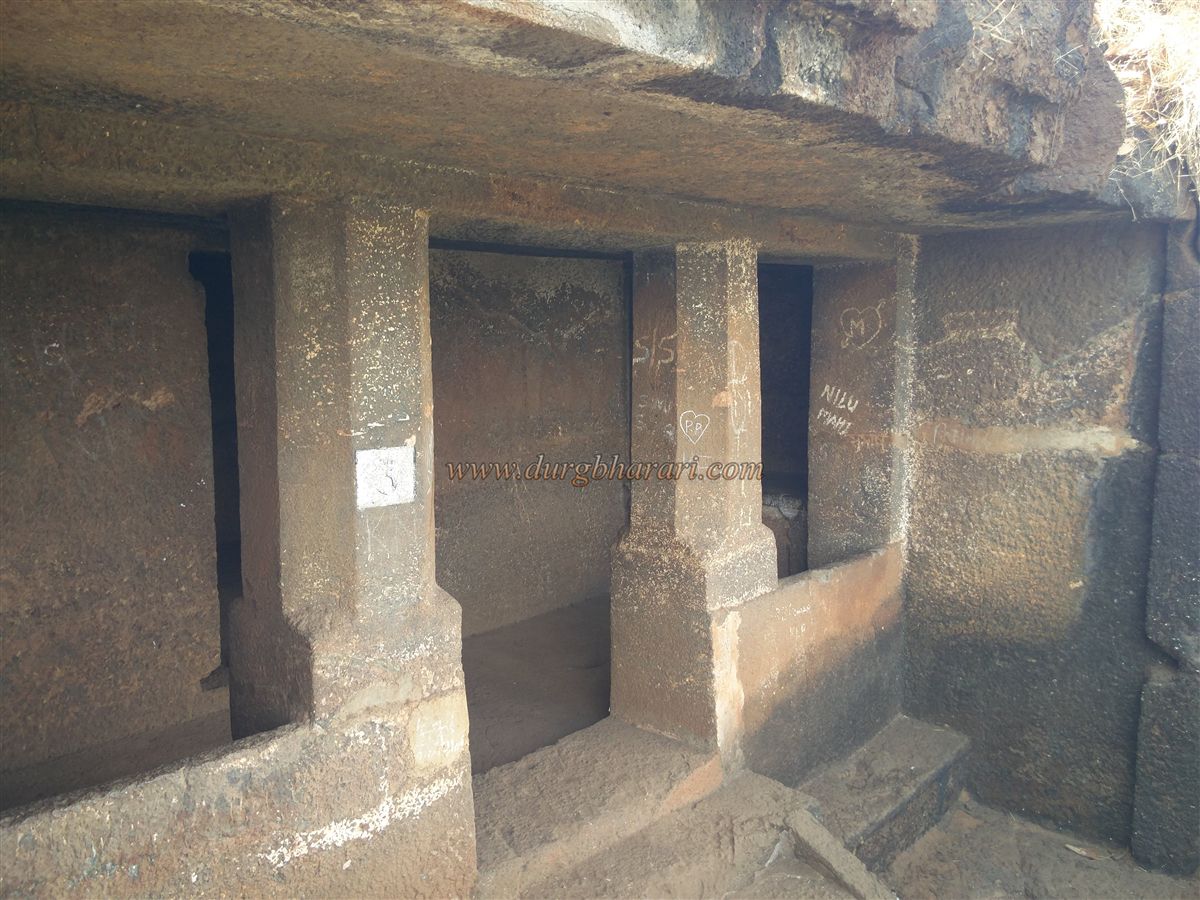
• Cave 3: Contains a carved platform with steps on the right. The façade has two pillars and behind them stone openings. The lower parts of pillars are square, upper parts octagonal. The veranda walls have plaster. From here, stairs lead down to Cave 4.
• Cave 4: Its façade has two pillars and a half pillar, with a veranda, hall, and vihara layout. The veranda’s right wall has a Brahmi inscription.
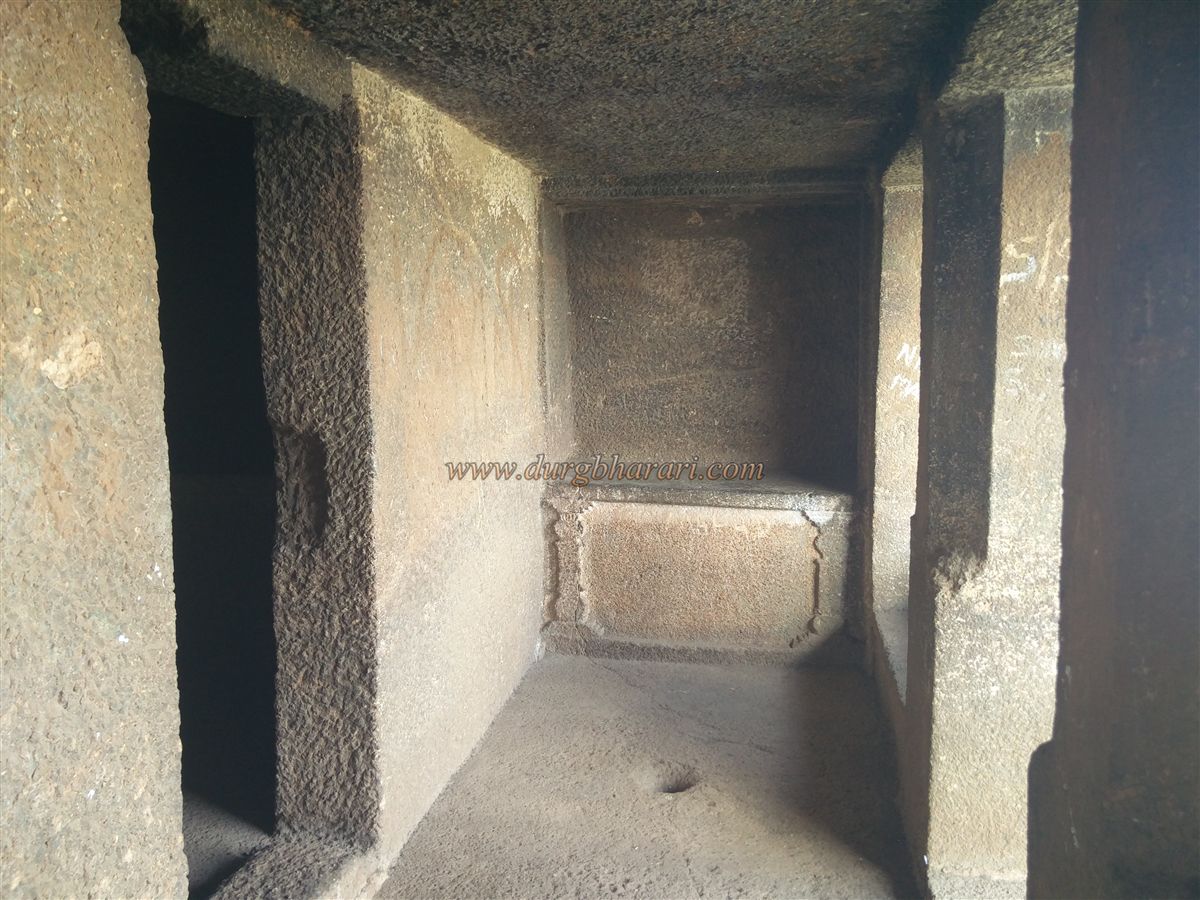
• Cave 5: Shaped like a mandapa, it contains a hall with four pillars. These pillars are square at the base, octagonal above, with geometric carvings. Inside the hall are platforms on three sides.
• Cave 6: Half-carved on the lower level, with two water tanks nearby.
• Cave 7: The façade is collapsed, with a veranda and vihara layout.
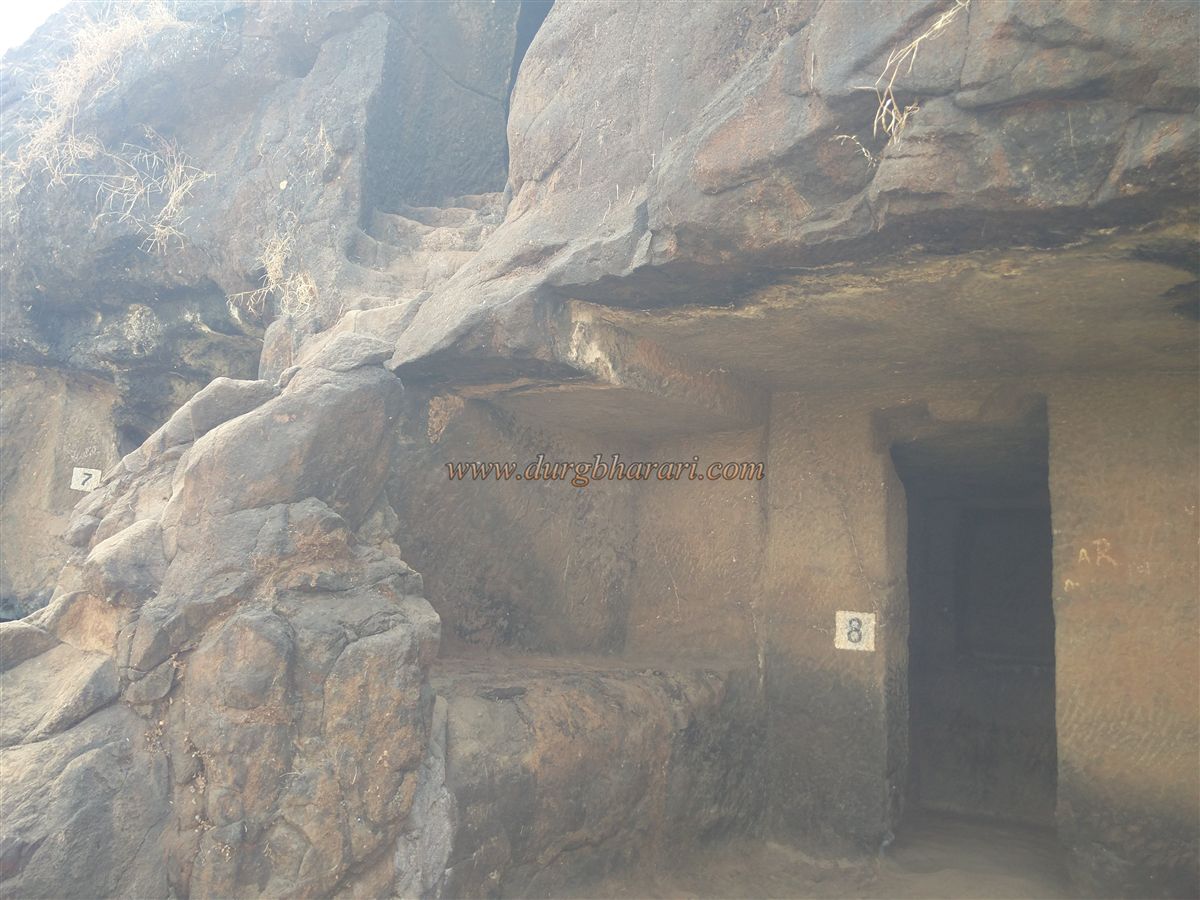
• Cave 8: Contains a chaityagriha and vihara layout. The façade has two broken pillars and two square half pillars with carvings. The capitals and Harmika (rafter) on broken pillars still remain. Inside are three viharas on each side, and although the central stupa is destroyed, the circular base and Harmika are visible. On the right wall of the cave is a Brahmi and Prakrit inscription recording a donation by Kumara Kanabhoja Vishnupalit for the caves, chaityagriha, eight verandas, water tanks, and the pathway.
• Cave 9: Has a hall with a door and two windows; on the right side of the verandah is a platform. Pillars and half pillars are present similar to other caves.
• Cave 10: This cave is ruined, with pillars square below and octagonal above, featuring geometric carvings on the platform.
• Caves 11 and 12: Façades with two pillars and two half pillars, veranda and hall layout. Cave 12 has a pit and steps outside the door.
• Cave 13: Has a door and two windows, with four carved pillars in the façade. Steps are carved at the door, with a square water tank in front.
• Cave 14: Half-carved, with veranda and vihara layout.
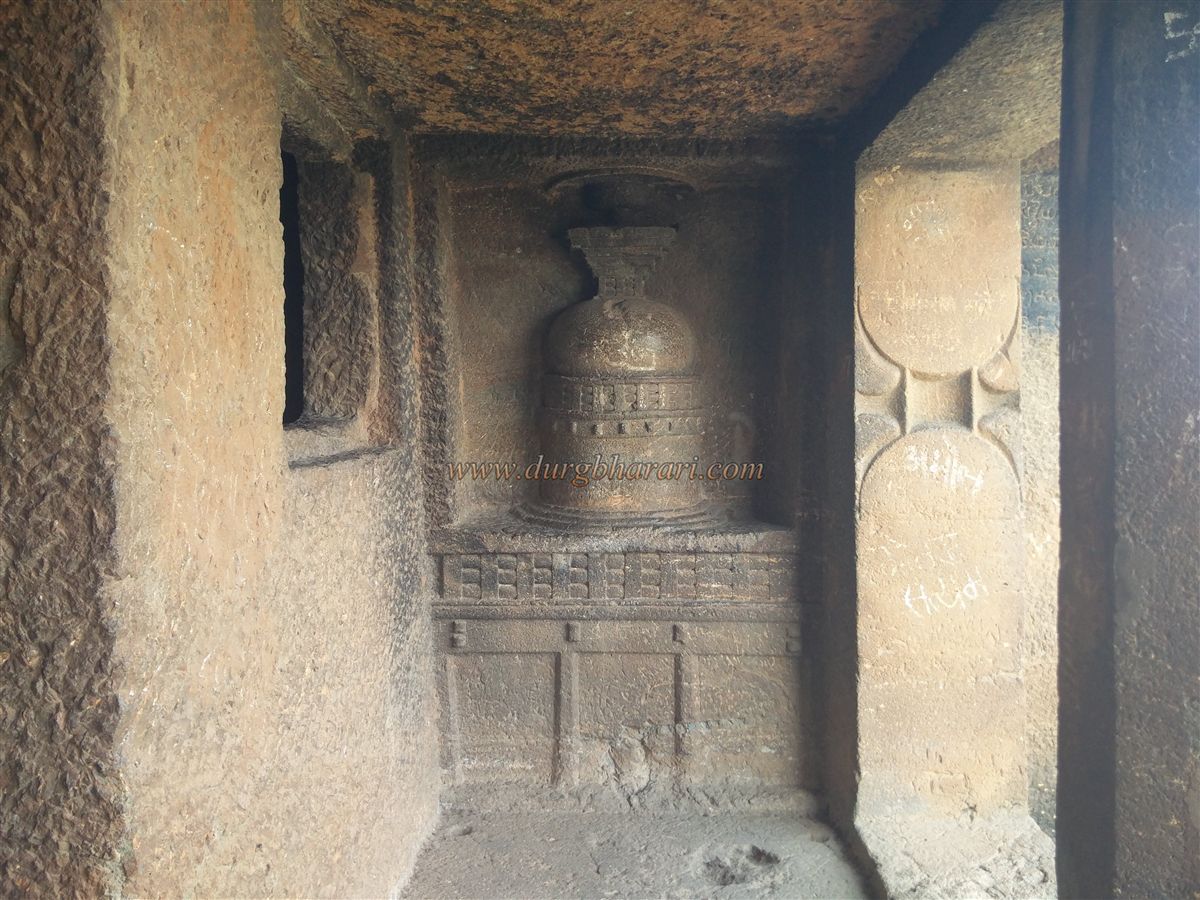
• Cave 15: A small stupa carved in the corner with a circular vedika band and Harmika resting on the roof.
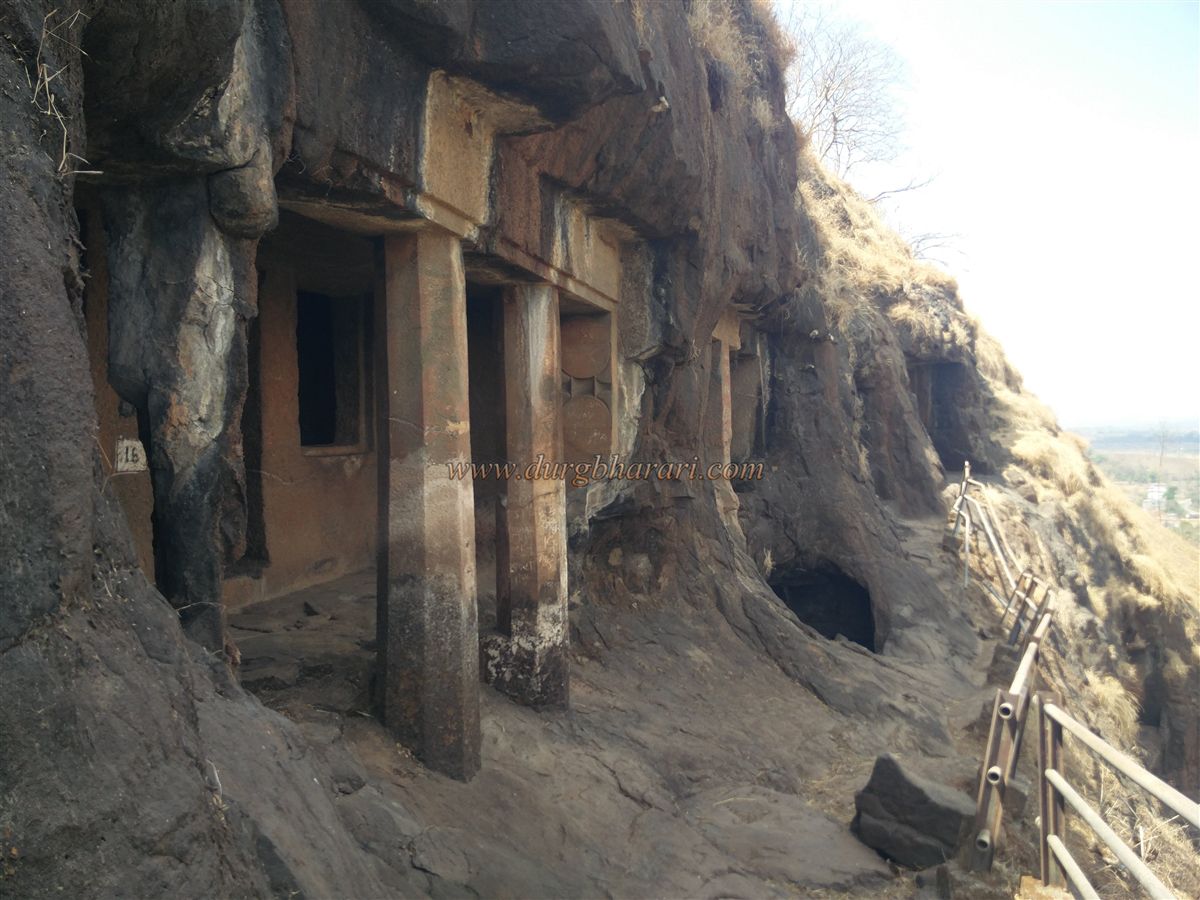
• Cave 16: Layout with veranda, hall, and vihara. The façade pillars are mostly eroded. A vihara on the left side has an external entrance. The hall has a door and two windows, with openings on all three walls. A vihara is carved on the left.
• Cave 17: Half-carved, with veranda and hall.
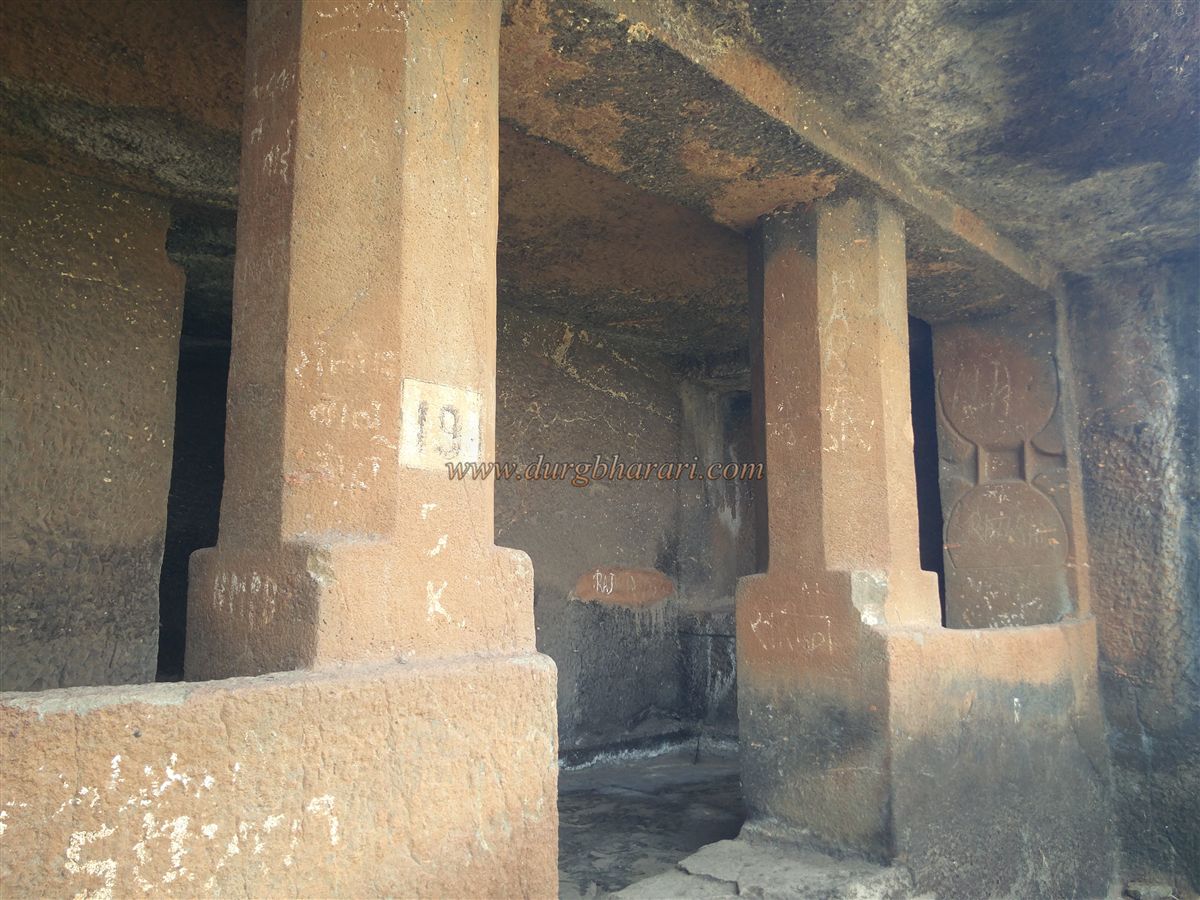
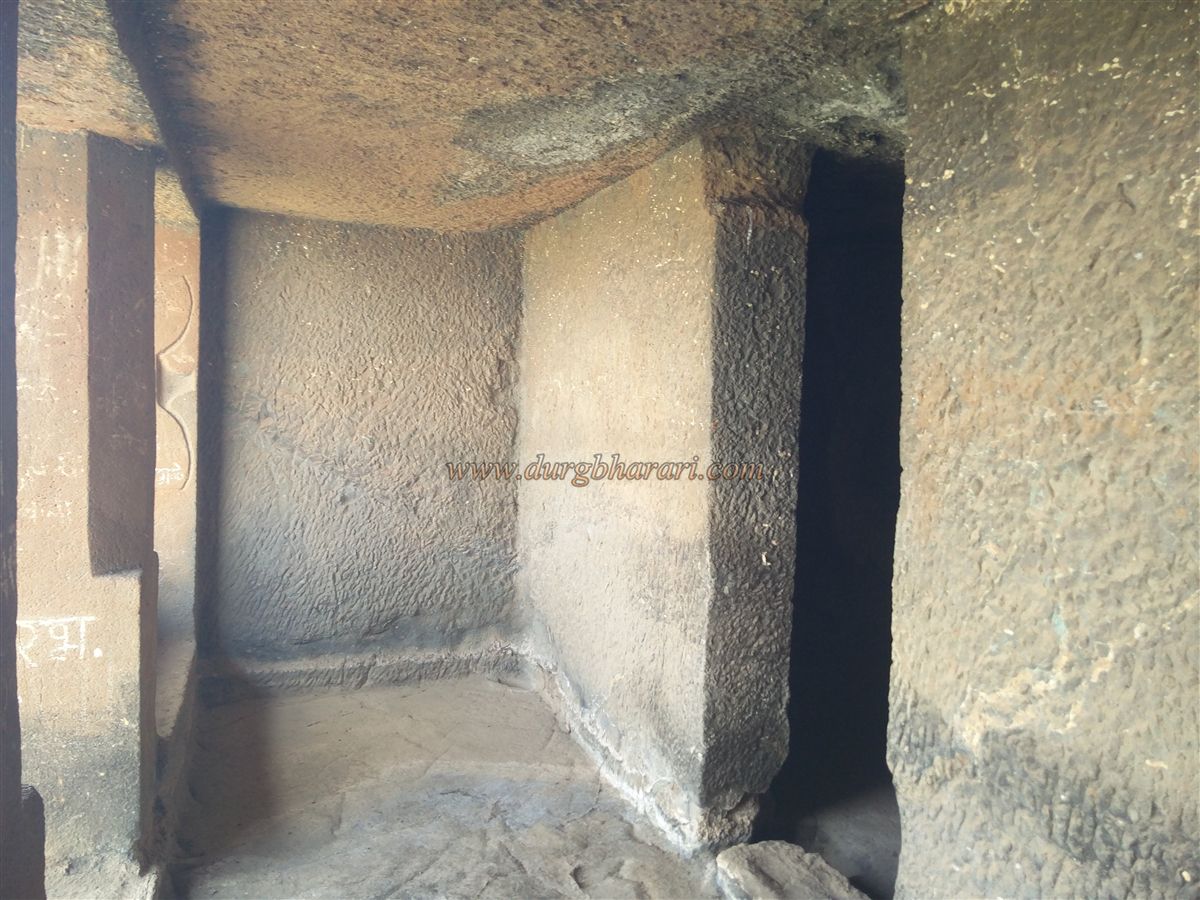
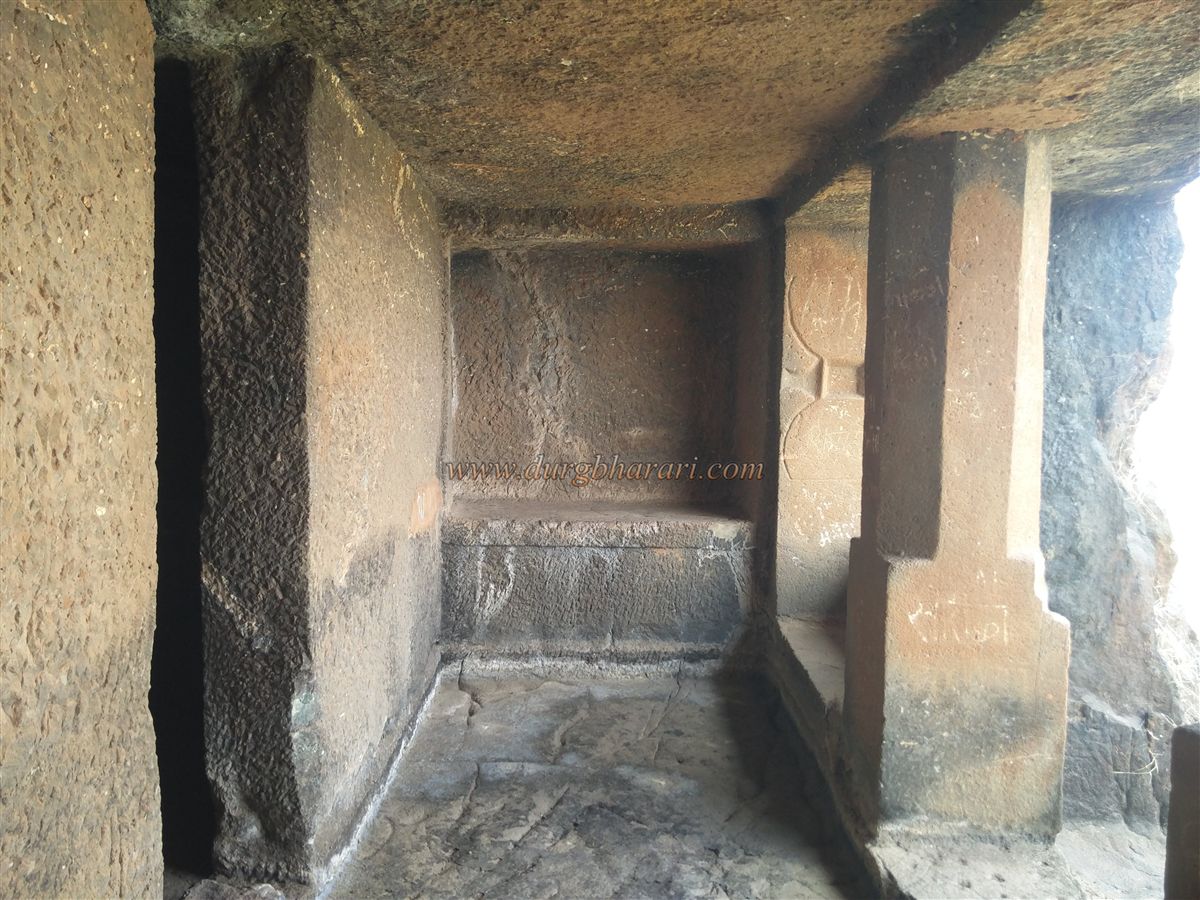
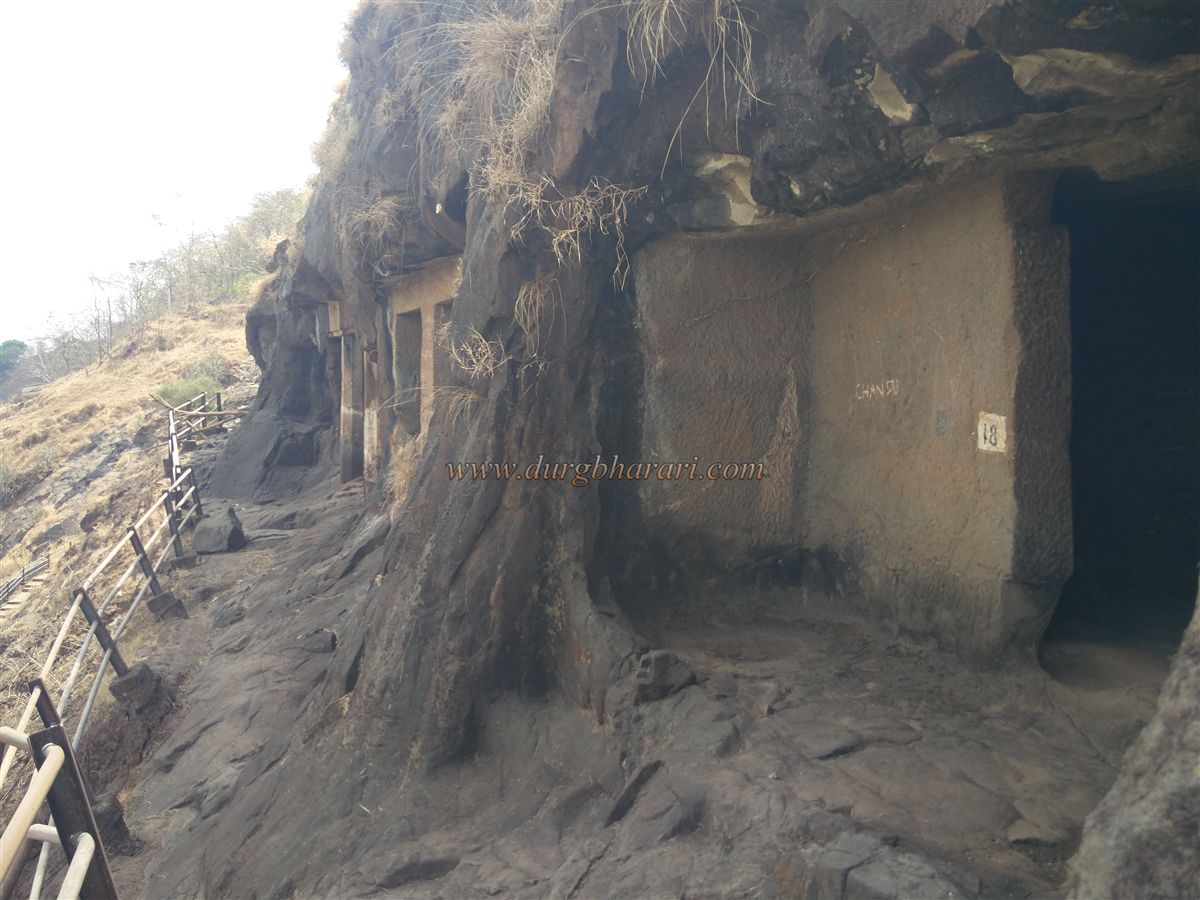
• Caves 18 and 19: Veranda and hall layout, interior half-carved. Cave 18 has a door and windows. Both have platforms with carvings on the pillars.
• Cave 20: Half-carved.
• Cave 21: A chaityagriha with a stupa featuring a vedika and Harmika. The right wall has a statue of seated Buddha with attendants, crowned by Vidyadhara. The upper sculpture has a makara torana. This sculpture is likely from the 5th-6th century Mahayana tradition.
• Cave 22: Façade collapsed, with veranda and vihara layout.
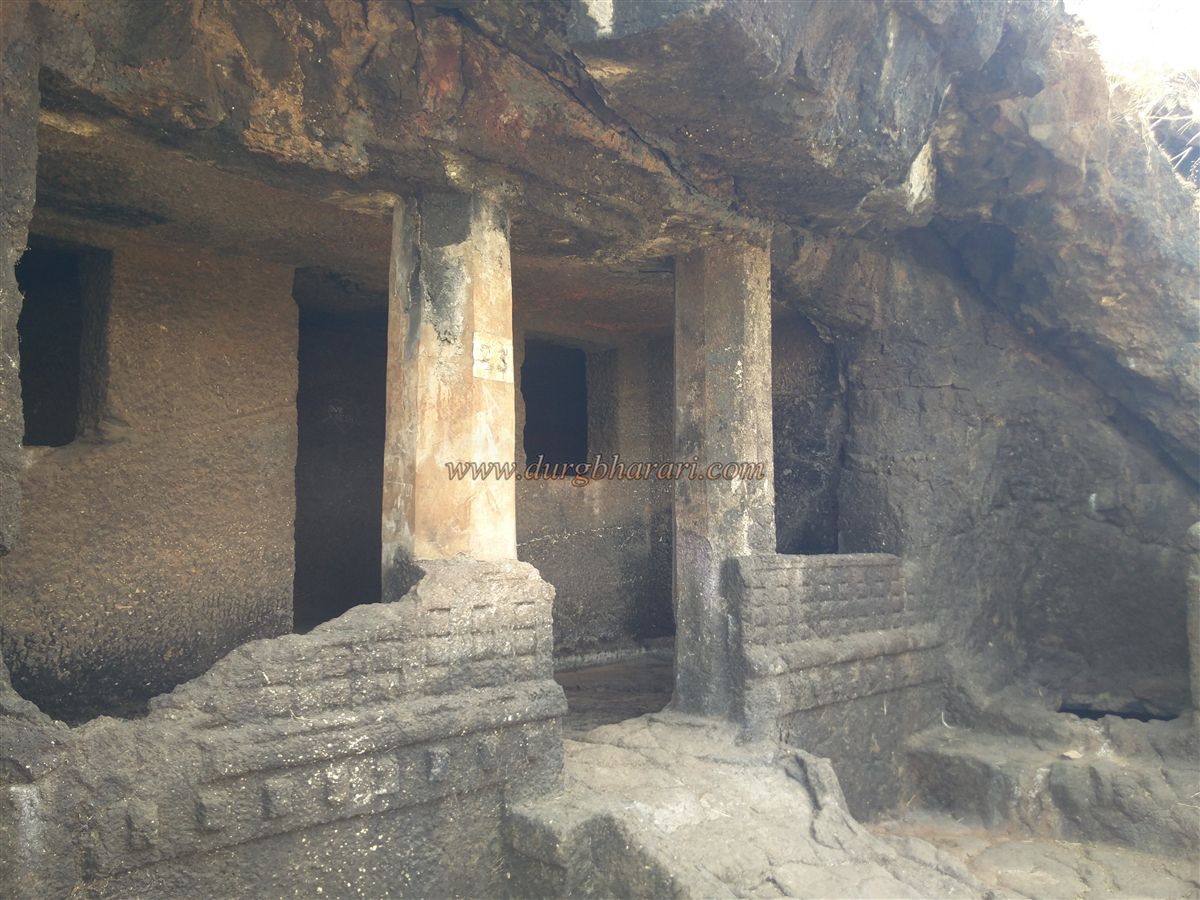
• Cave 23: Veranda and hall layout, with door and windows. Water tanks nearby. The veranda has octagonal and square pillars.
• Cave 24: Has two viharas; pillars on the façade are destroyed.
• Cave 25: Ruined, with a door and window for the vihara.
• Cave 26: Pillars ruined; veranda, hall, and vihara layout.
• Cave 27: Veranda, hall, and vihara layout. The façade has four octagonal and square pillars with geometric carvings. On the right wall of the veranda is a carved circular stupa with Harmika and vedika; vedika has pillars and a Chatri. The hall has a door and two windows. An inscription in Brahmi and Prakrit on the right wall mentions donation of land near the caves. The inscription refers to a high-ranking official (Ganapati Sethi) but the name is not given.
• Cave 28: Ruined, with veranda, hall, and vihara layout. The hall has a broken square door.
© Suresh Nimbalkar
GALLERY