ERANDOL
TYPE : CITY FORT
DISTRICT : JALGAON
HEIGHT : 0
From local speech, we often get an approximate idea of the age of a structure. When locals say a building was constructed during Shivaji Maharaj’s time, it indicates the structure is medieval. When they directly link a structure to the Pandavas, it means it is ancient.
The town of Erandol in Jalgaon district is similarly linked to the Pandavas, which indicates its ancient origin. Erandol is situated within a strong fortified enclosure, and the remaining walls, bastions, and gates still exist, which led us to include this town in our Jalgaon district tour list.
Erandol is the taluka headquarters, located about 32 km from Jalgaon city and 60 km from the Nashik-Agra highway. Situated on the banks of the Anjani River, the town is known in the Mahabharata as Chakranagari. Legend says that the Pandavas stayed here during their exile, and the place where they lived is still called Pandav wada.
...
Originally, this site was an 8th-century Jain temple, which was demolished during the reign of Emperor Jahangir and replaced by a mosque. Since Pandav wada is the most important monument here, it should be visited first. It covers about half an acre, and because the site is under legal dispute, photography is prohibited.
The entrance and interior stones of Pandav wada are richly carved with intricate floral motifs and figures of deities. Inside, there are 24 cells (ovaries), intended to house the idols of the 24 Tirthankaras. The windows have lattice work. At the edge of this complex stands the mosque, built using the pillars from the original temple. A Persian inscription, now moved elsewhere, mentions that this Jami mosque was completed during the reign of Jahangir, who destroyed the Hindu temple and built this structure in 1610 AD, the fifth year after he came to power. Since lingering here is discouraged, the monument can be seen in about 10 minutes.
After viewing Pandav wada, one can start exploring the fortified town. Known in ancient times as Erandwel or Arunavati, the town flourished in medieval times under the names Andal or Erandol as a trade center. Large-scale trade in paper and cotton took place here.
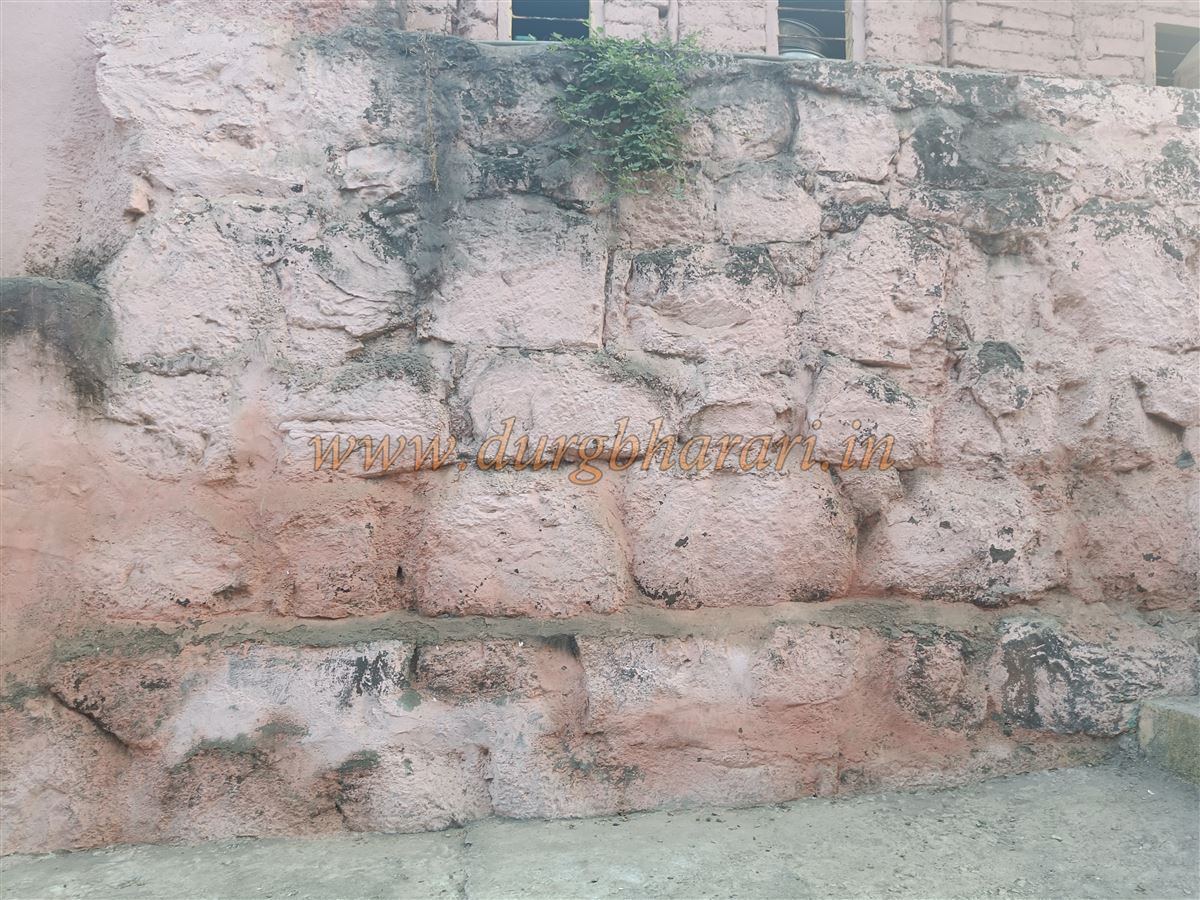
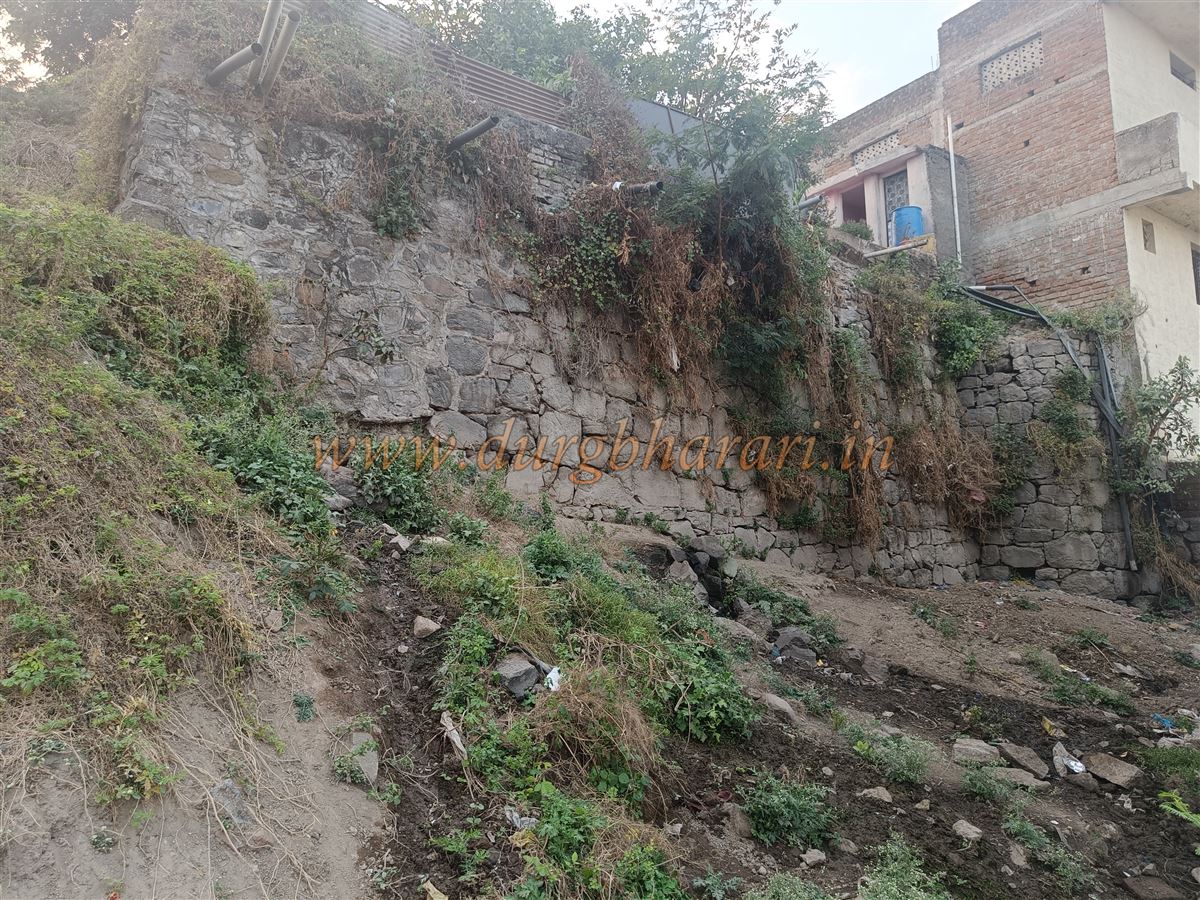
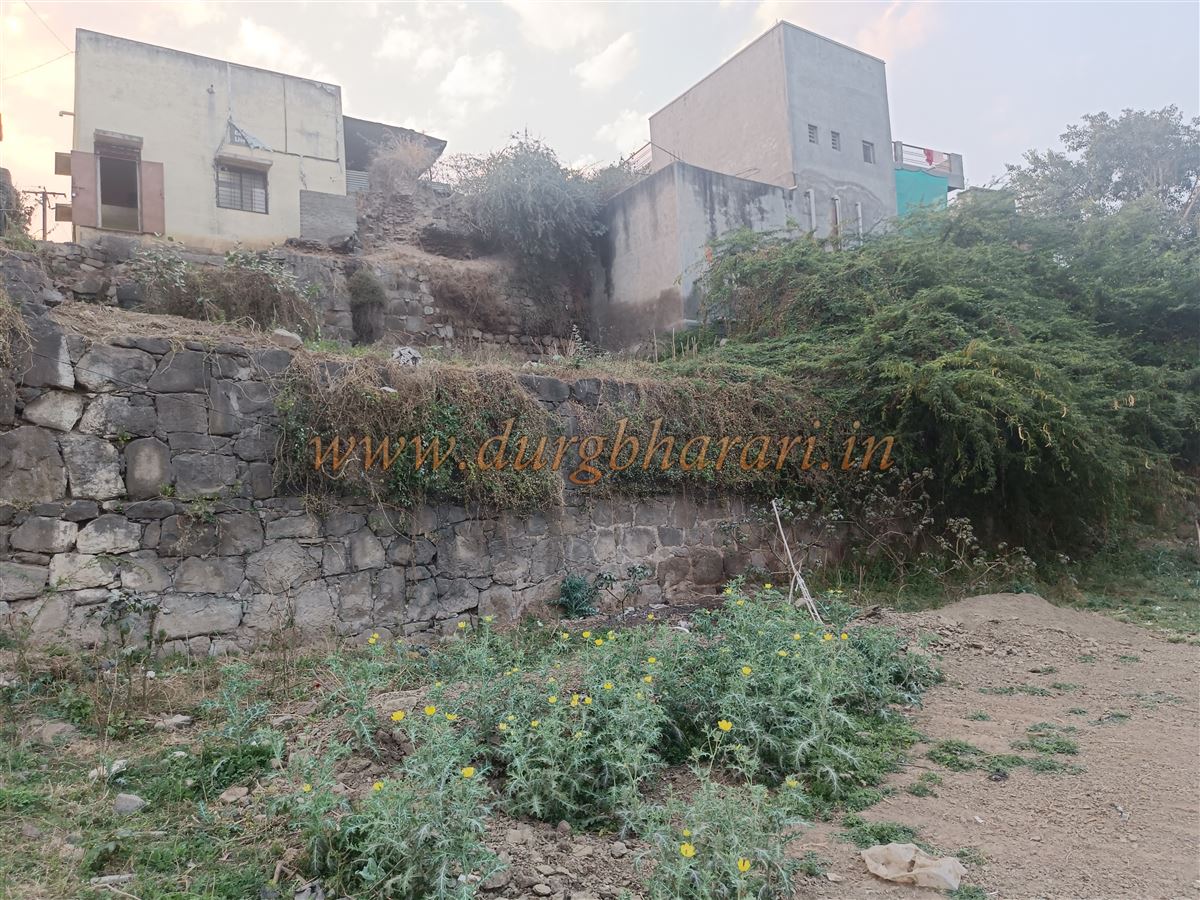
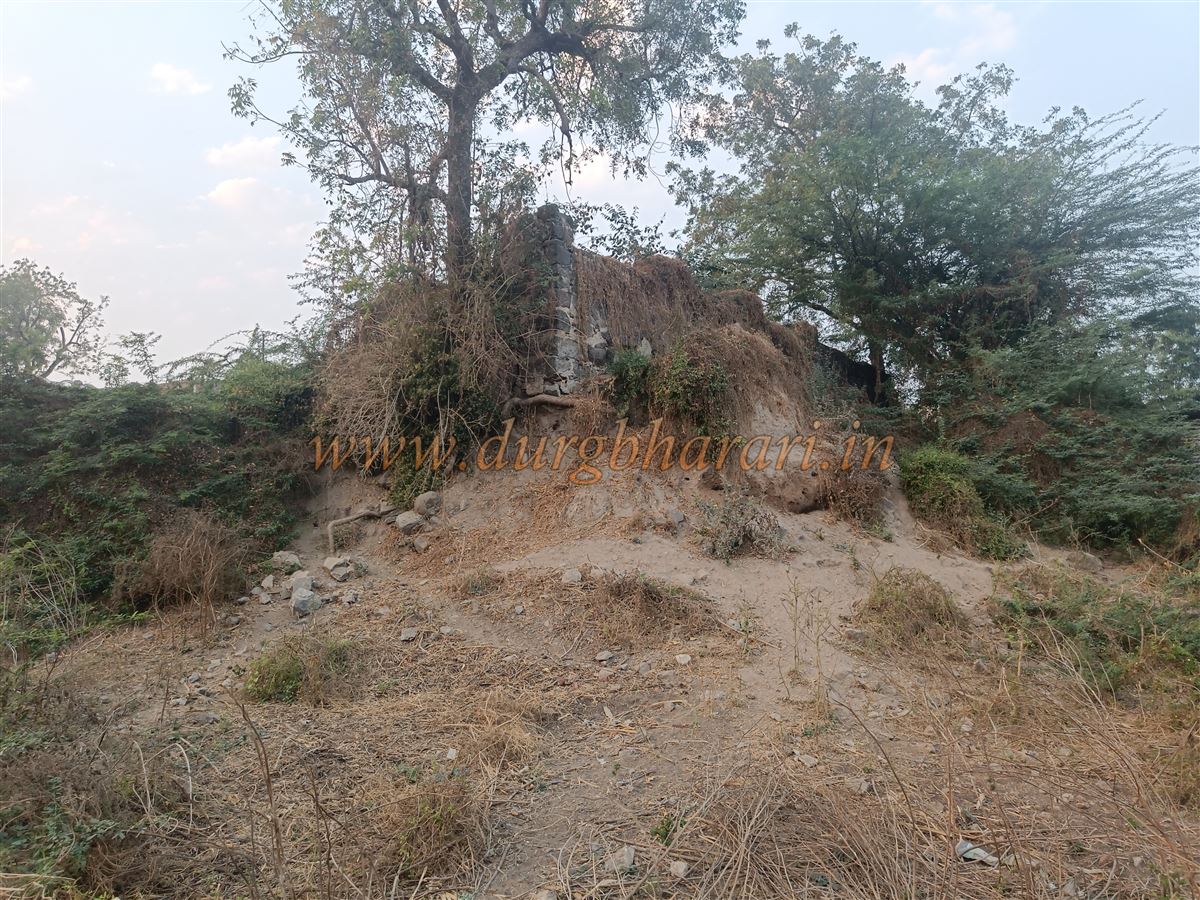
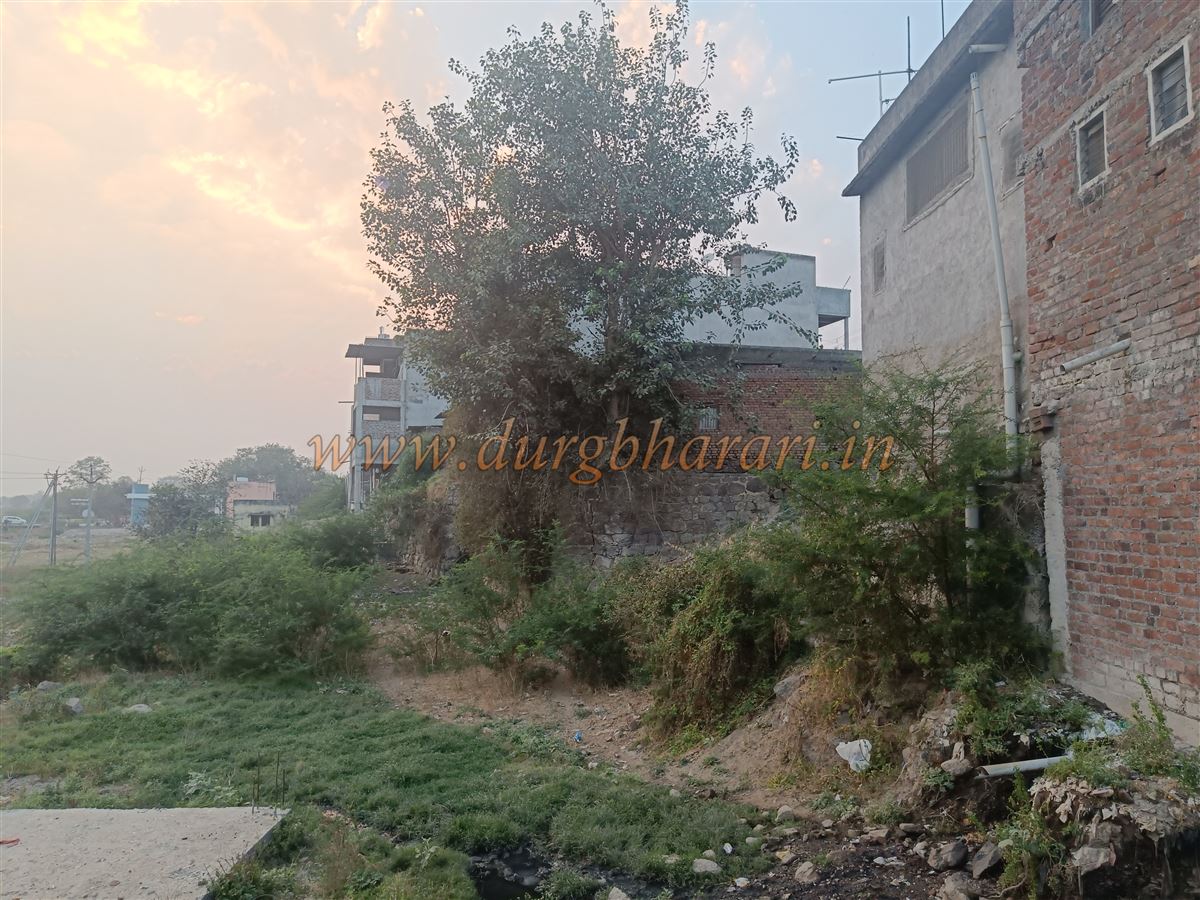
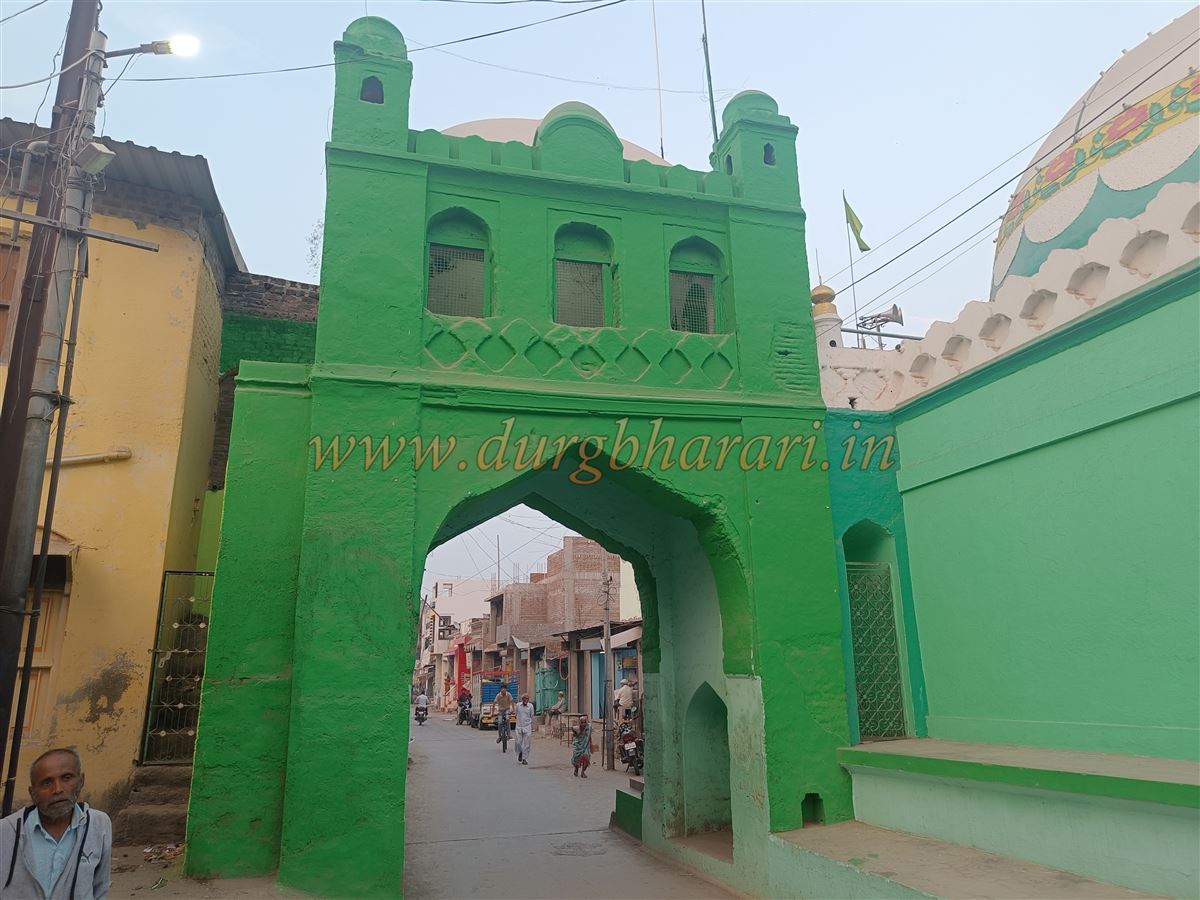
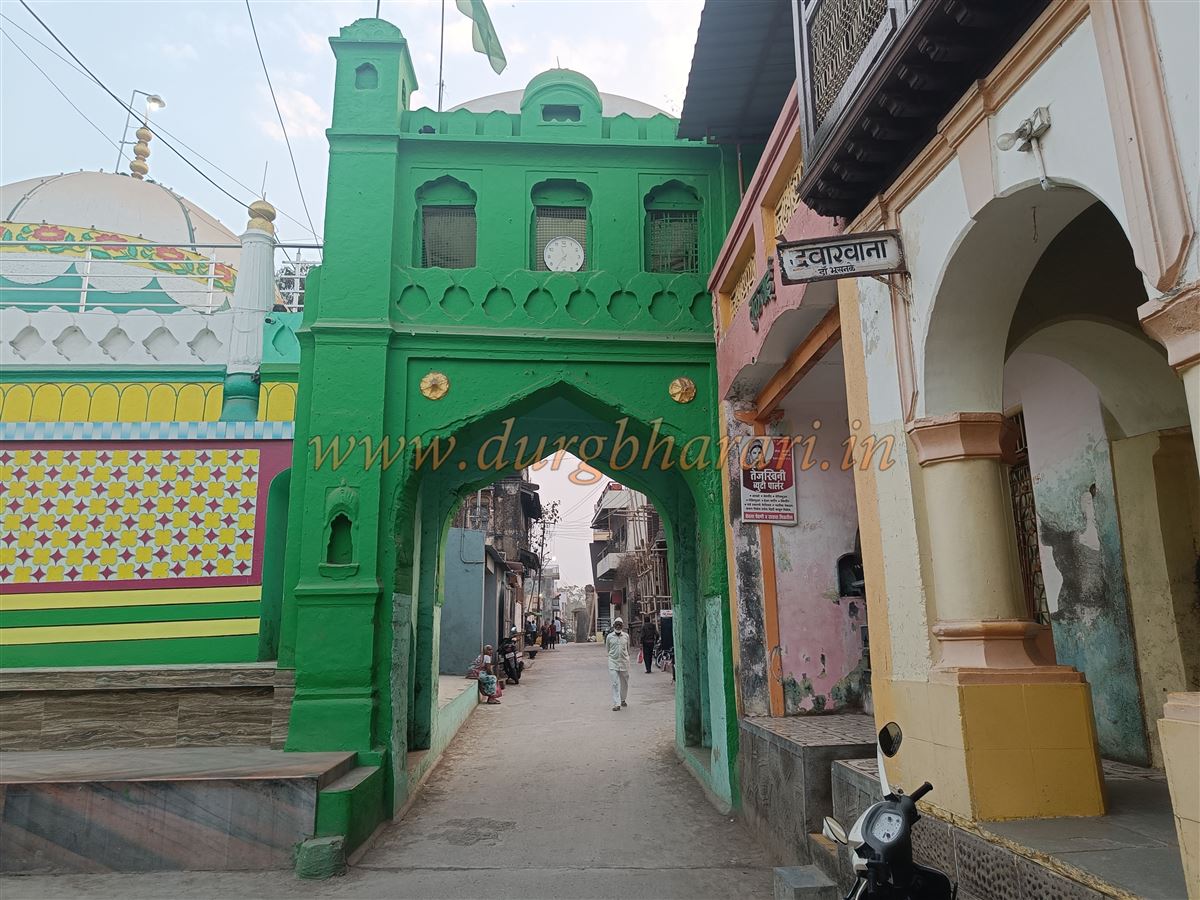
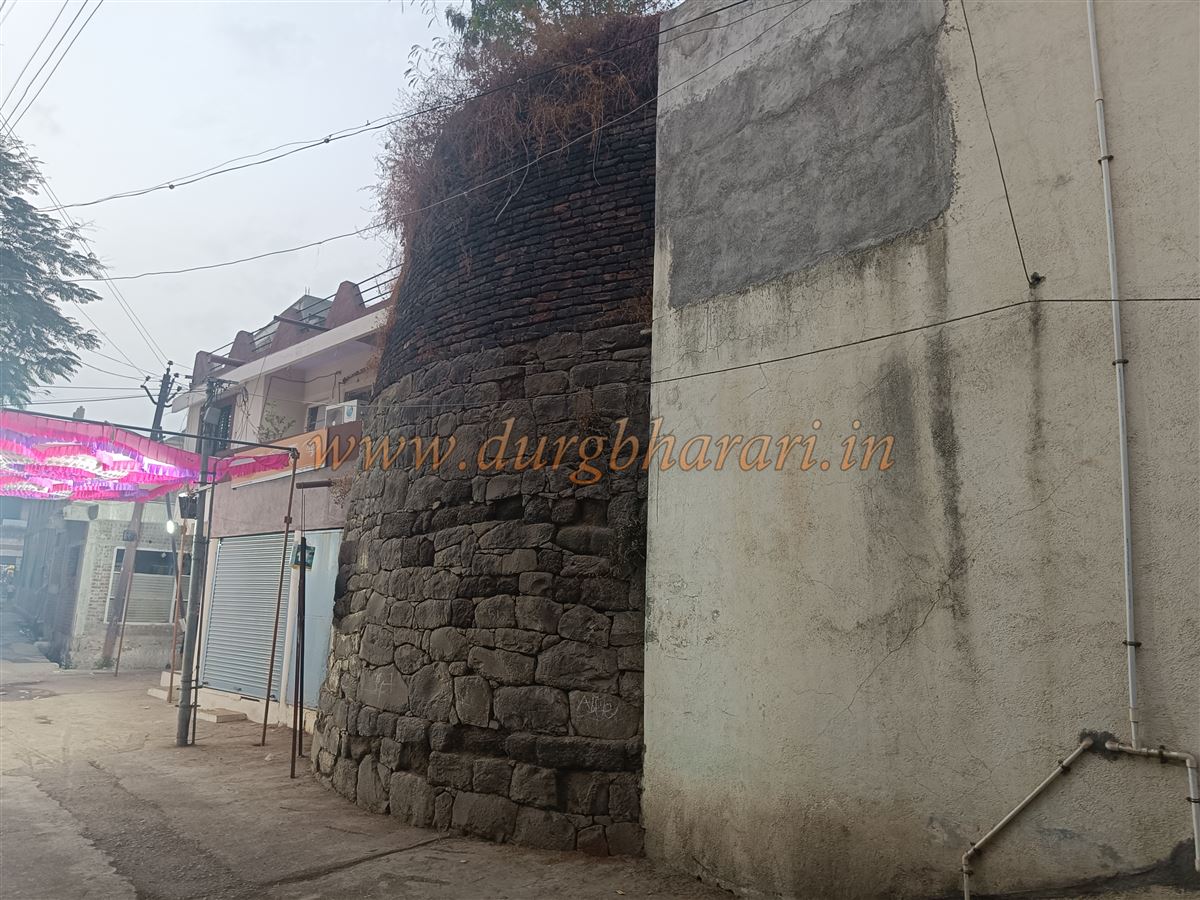
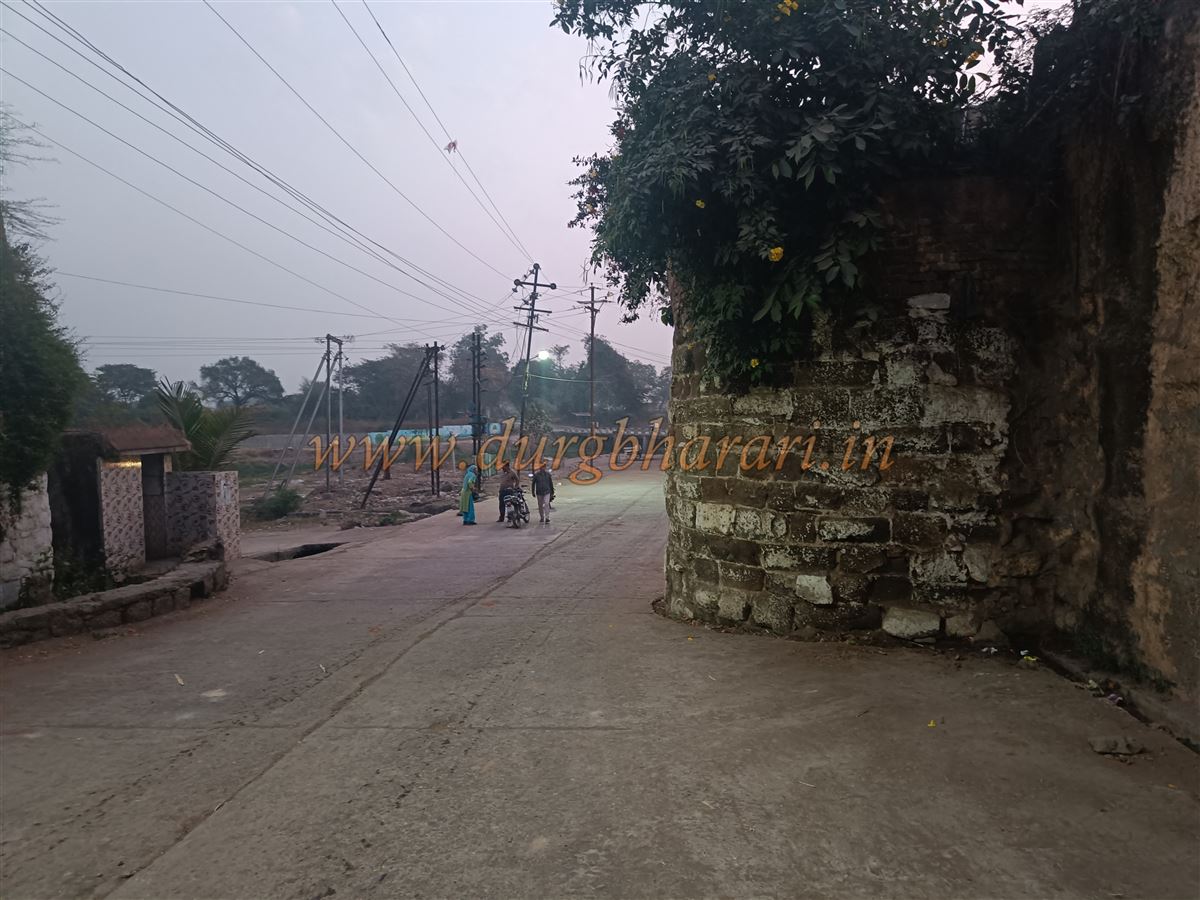
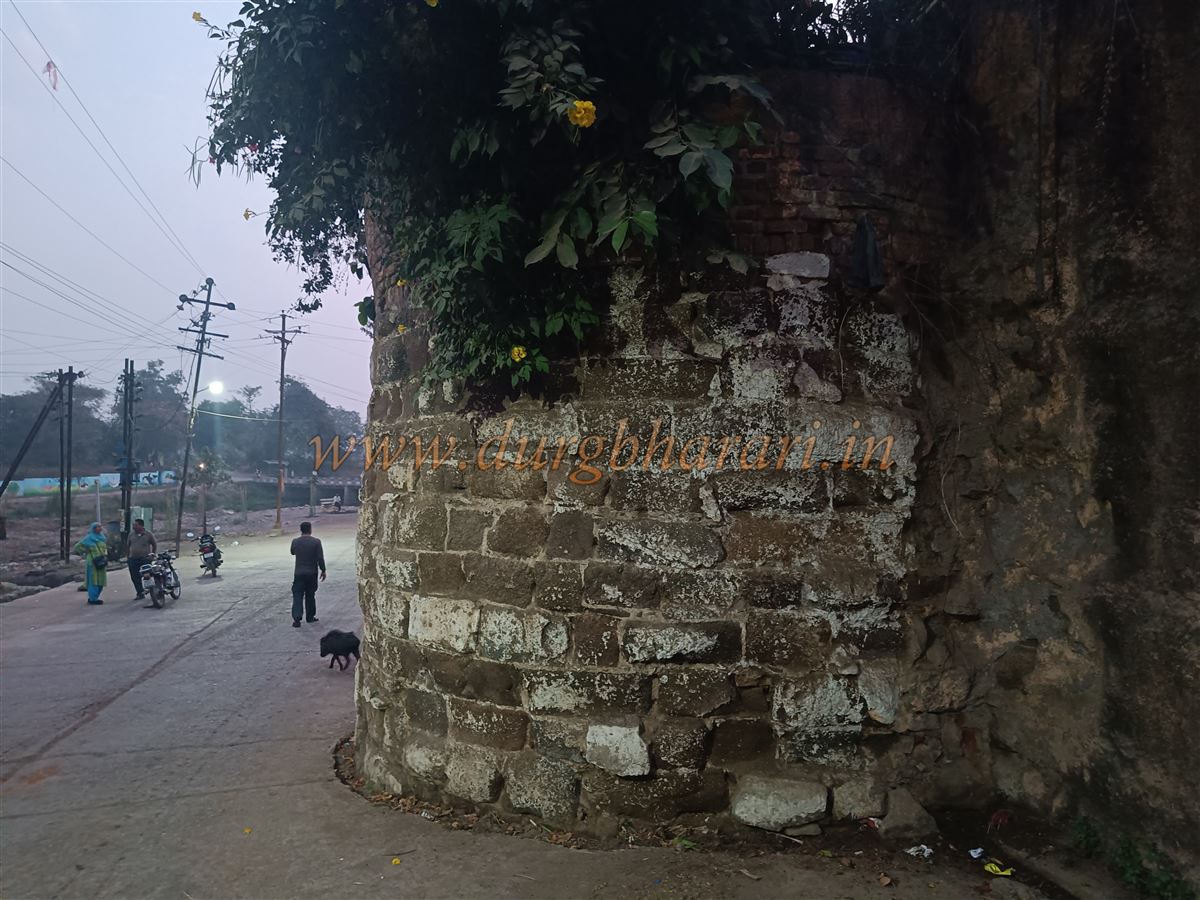
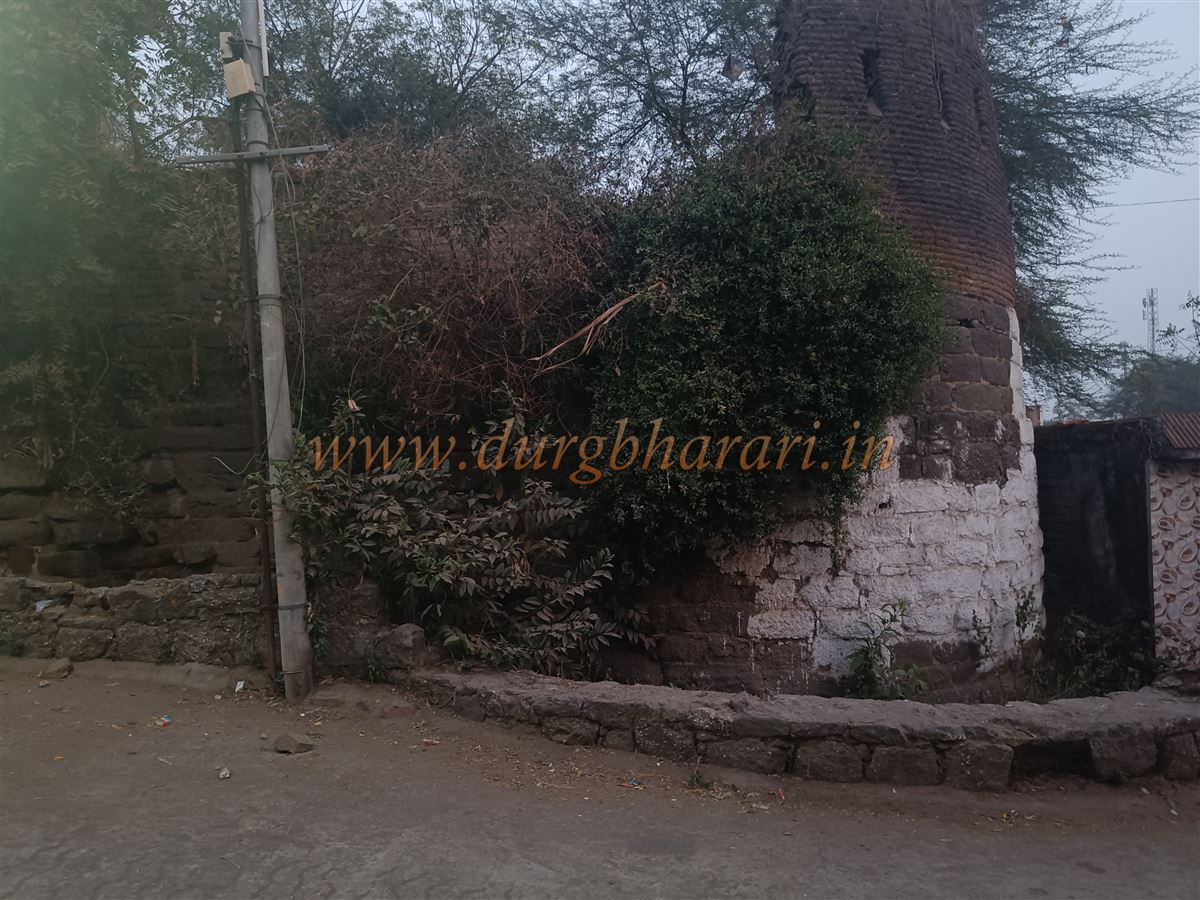
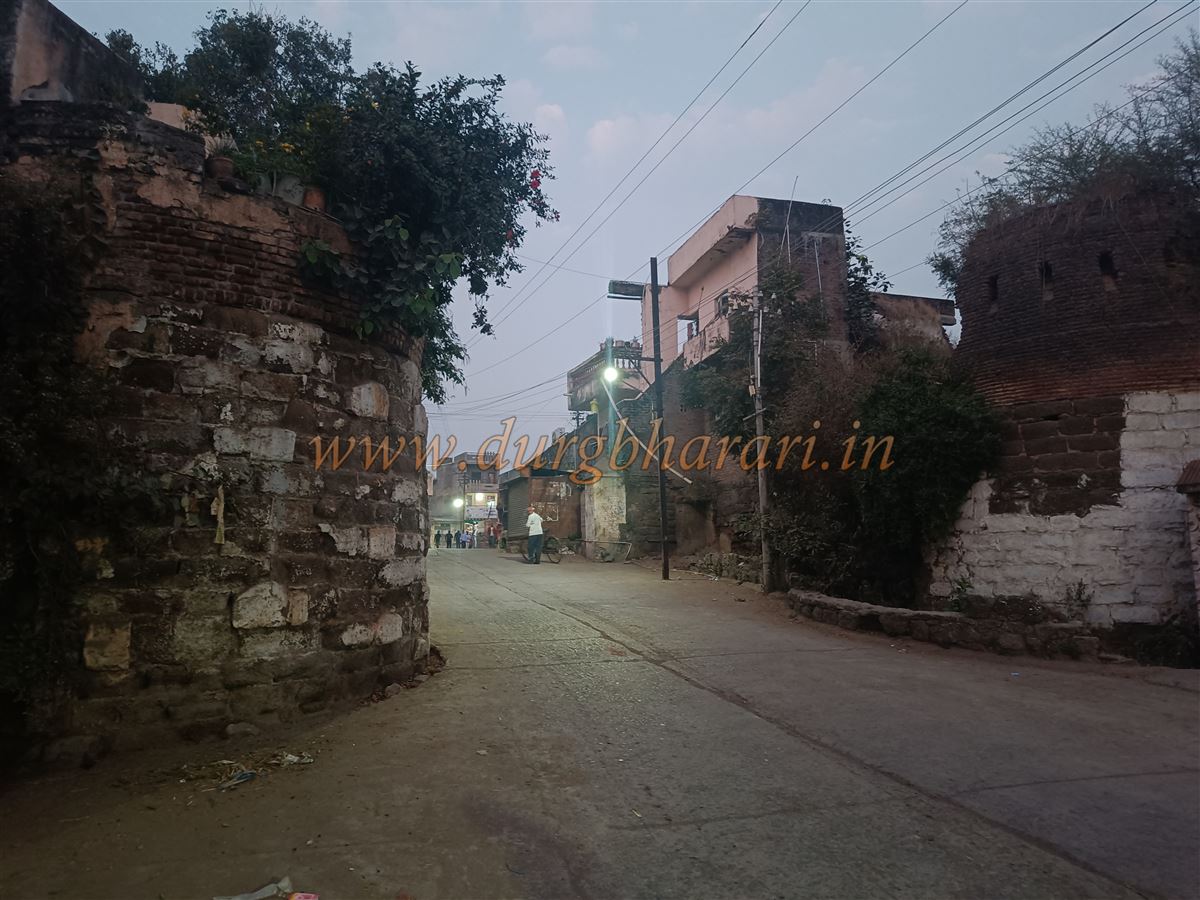
Erandol lies on the banks of the Anjani River, which protects the town on two sides acting like moats. The entire town is surrounded by strong fortifications with many bastions for defense. Though there were many gates for entry, only nine of them are still known by name: Budhwar Darwaja, Amalner Darwaja, Devgiri Darwaja, Kasar (also Kasoda) Darwaja, Char Darwaja, Rangari Khidki, Padmalaya Darwaja, Beldar Darwaja, and Kagdi Darwaja.
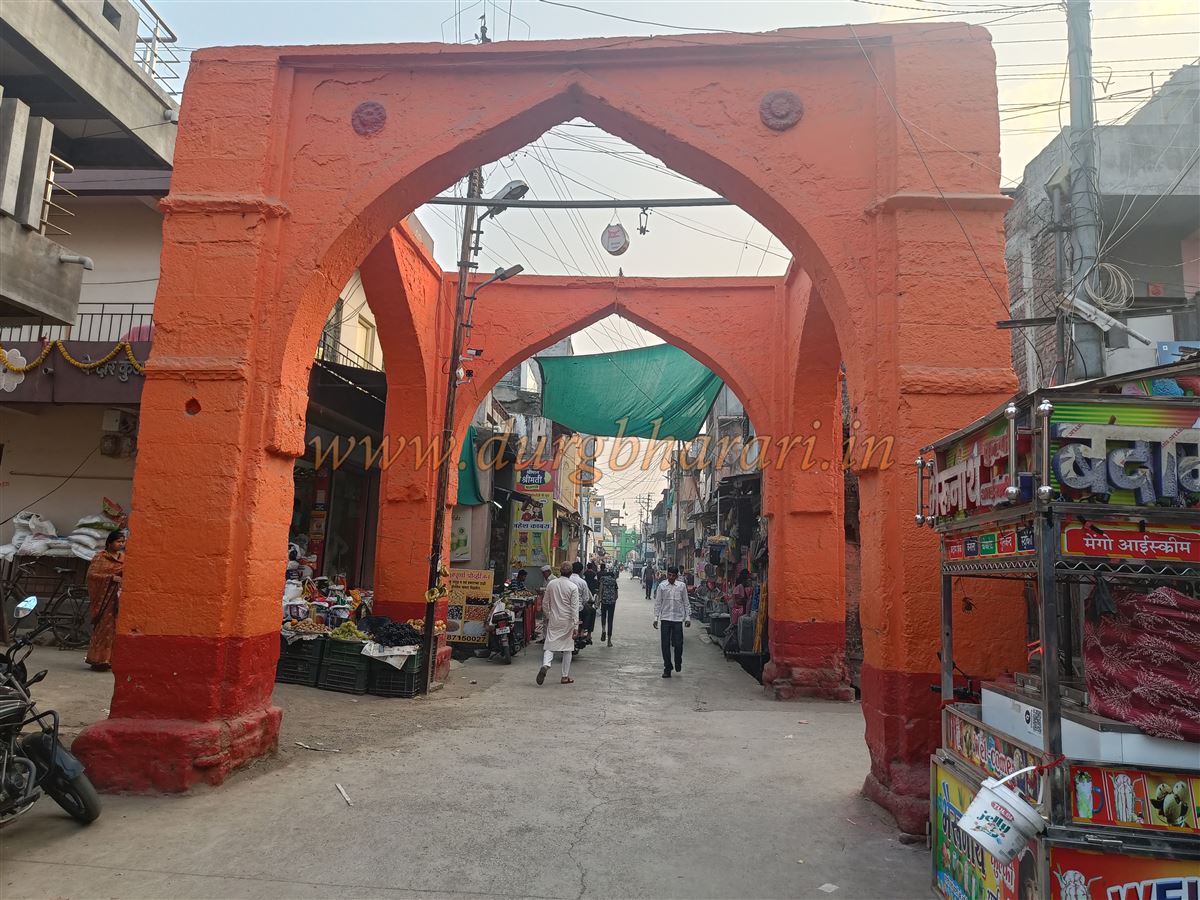
Near Pandav wada, in the town center, is Char Darwaja (Four Gates), a square with four stone arches connected to each other. The arches are built from carefully fitted stones, each adorned with lotus carvings. This gate still sees traffic today.
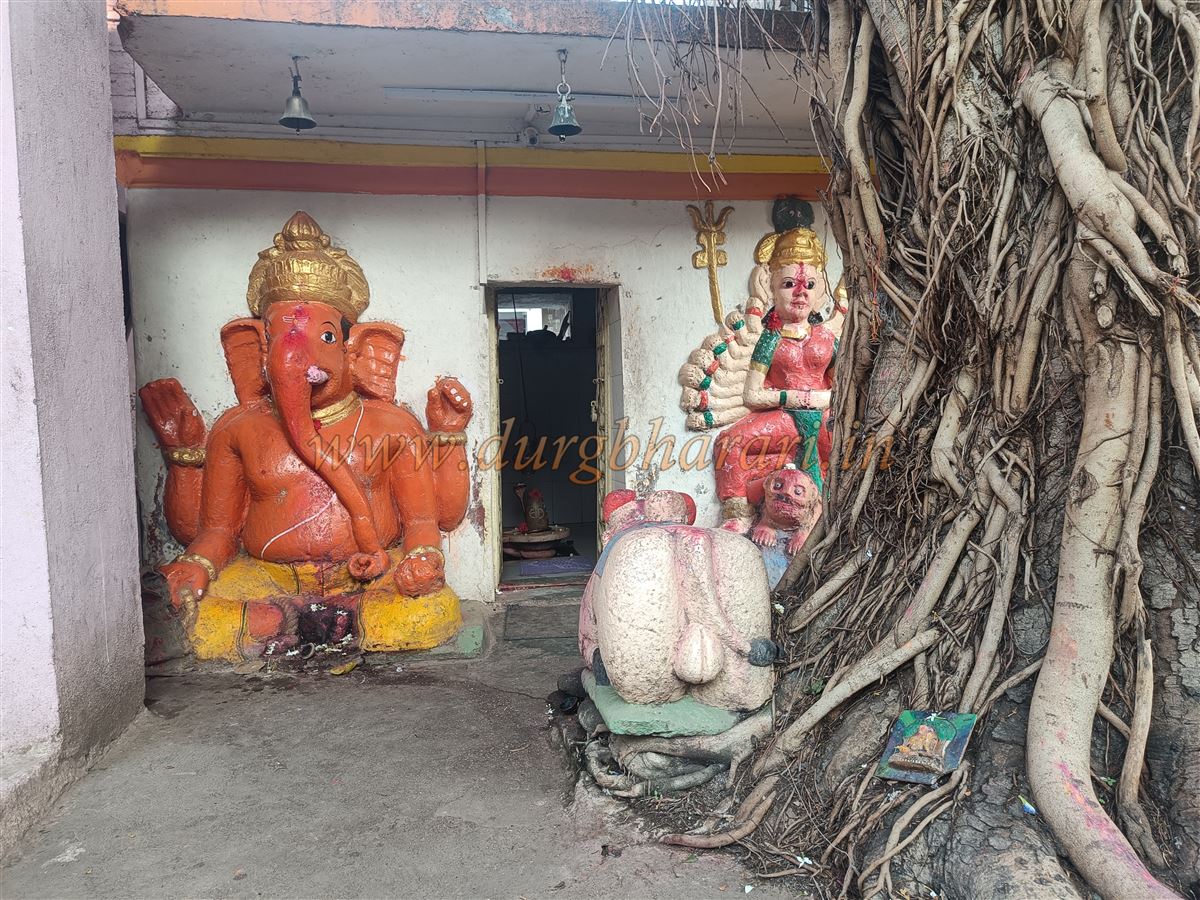
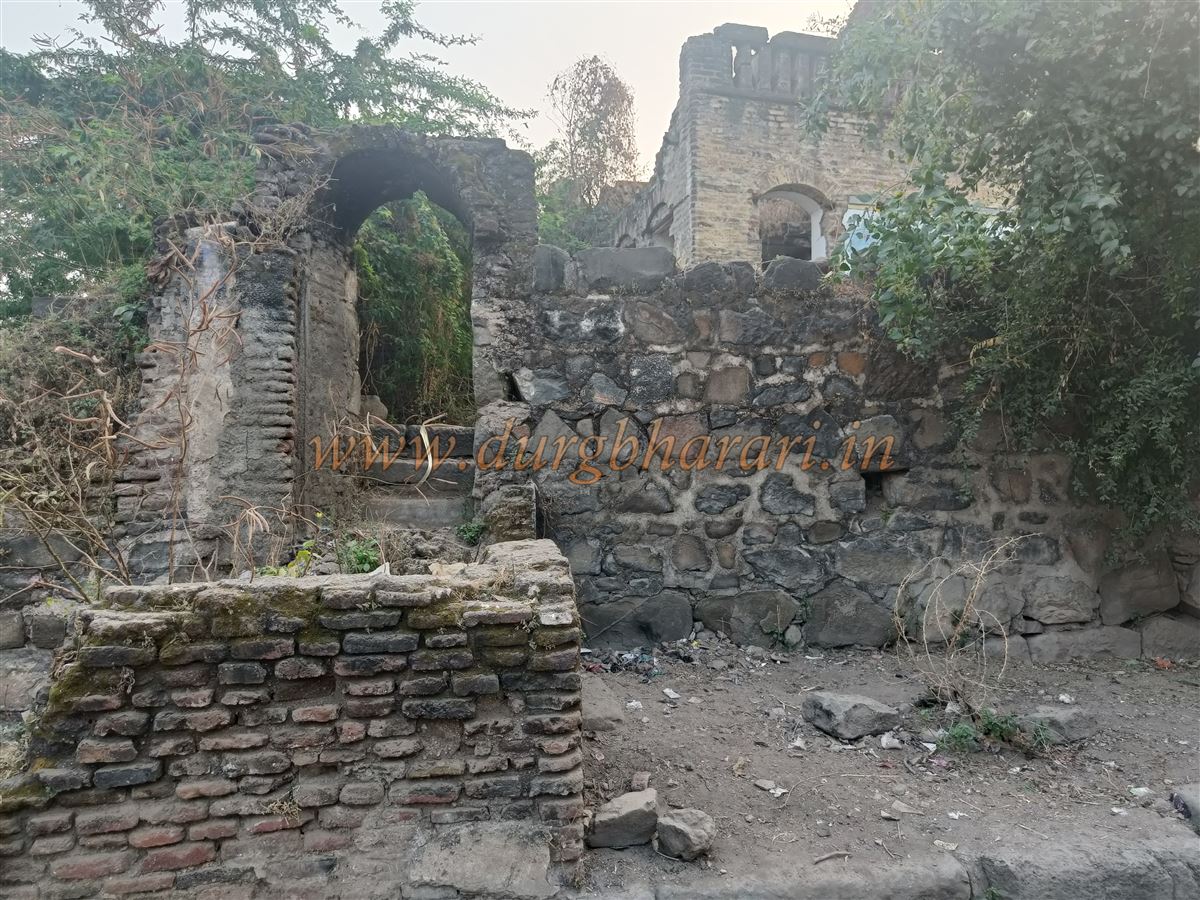
The Kasoda or Kasar Darwaja is the cart route entering the town from Kasoda village along the riverbank. Though the archway was destroyed during road construction, the two bastions beside this gate still stand, with battlements atop them. A Ganesh sculpture is installed at one corner of the fortification here.
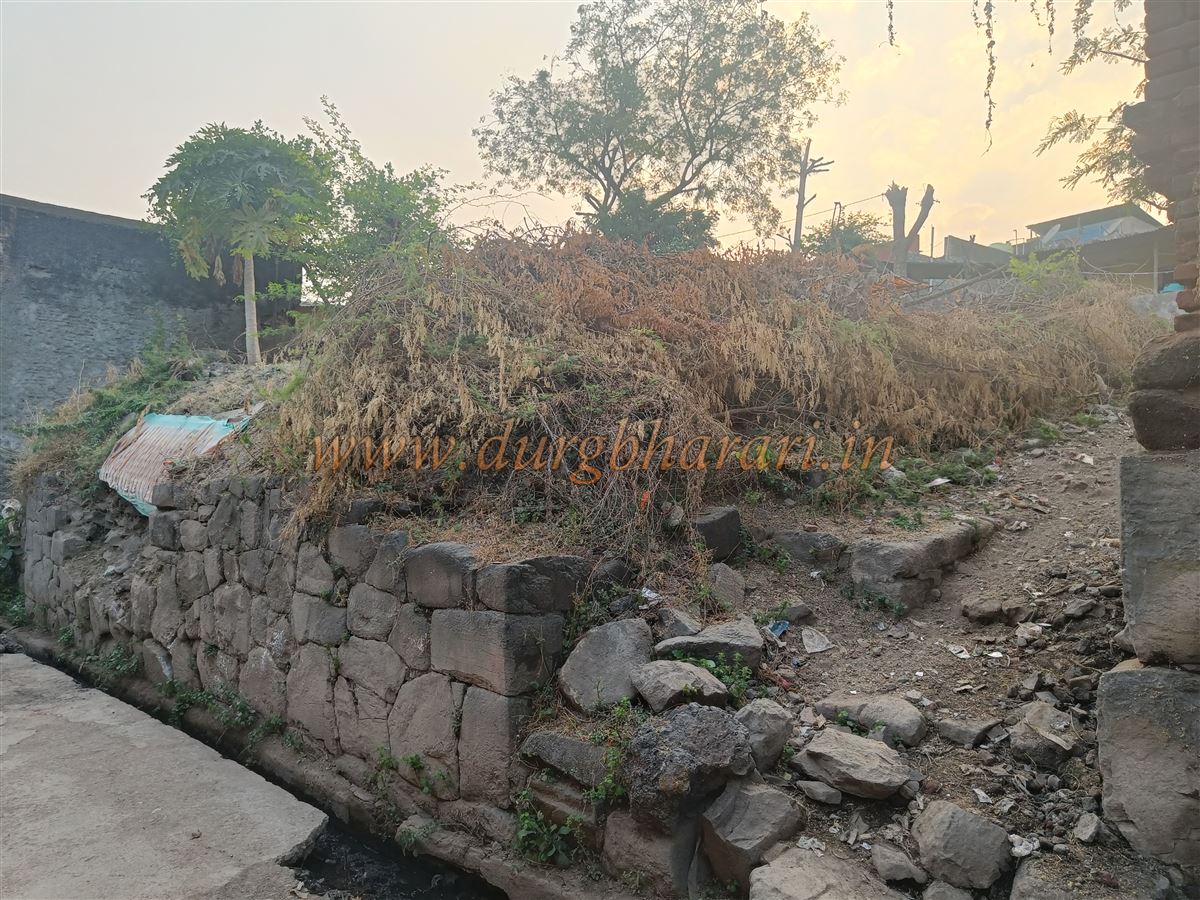
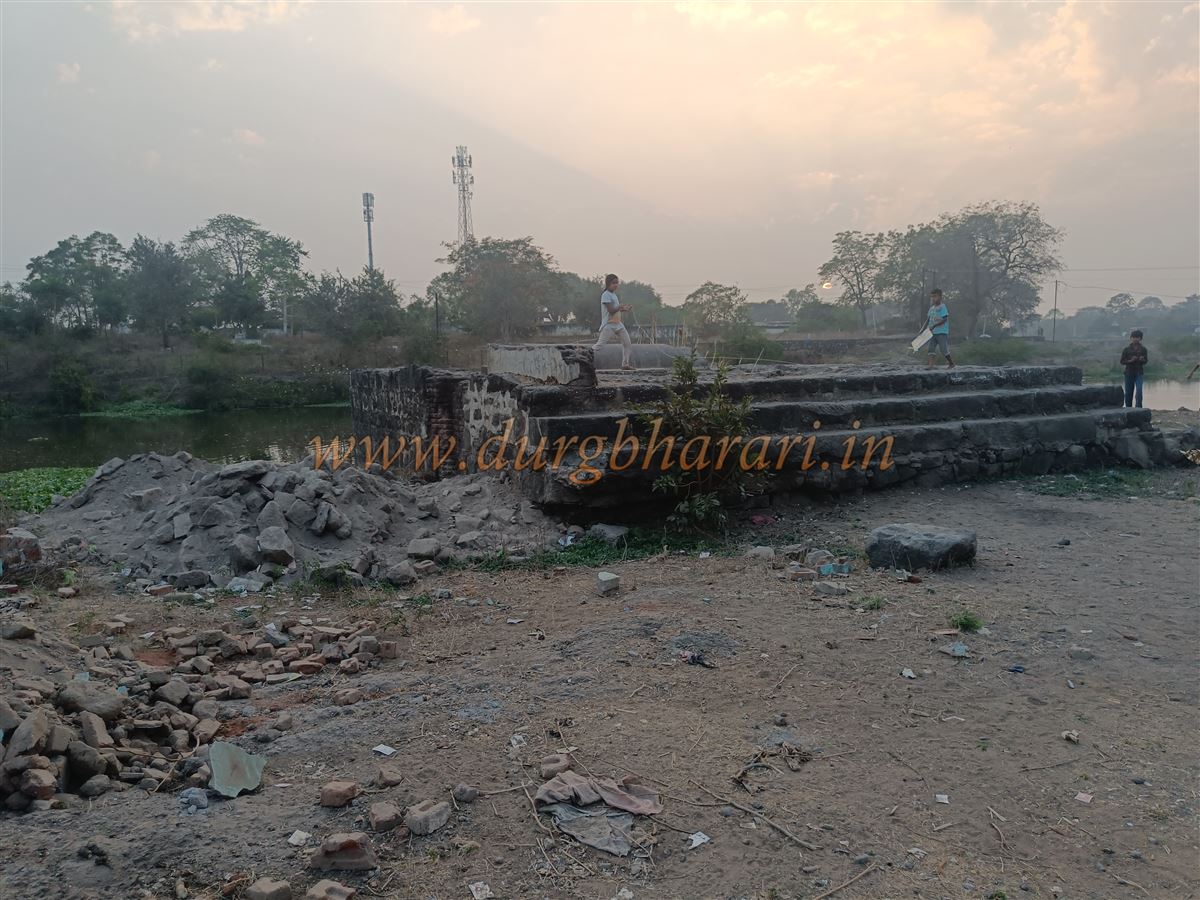
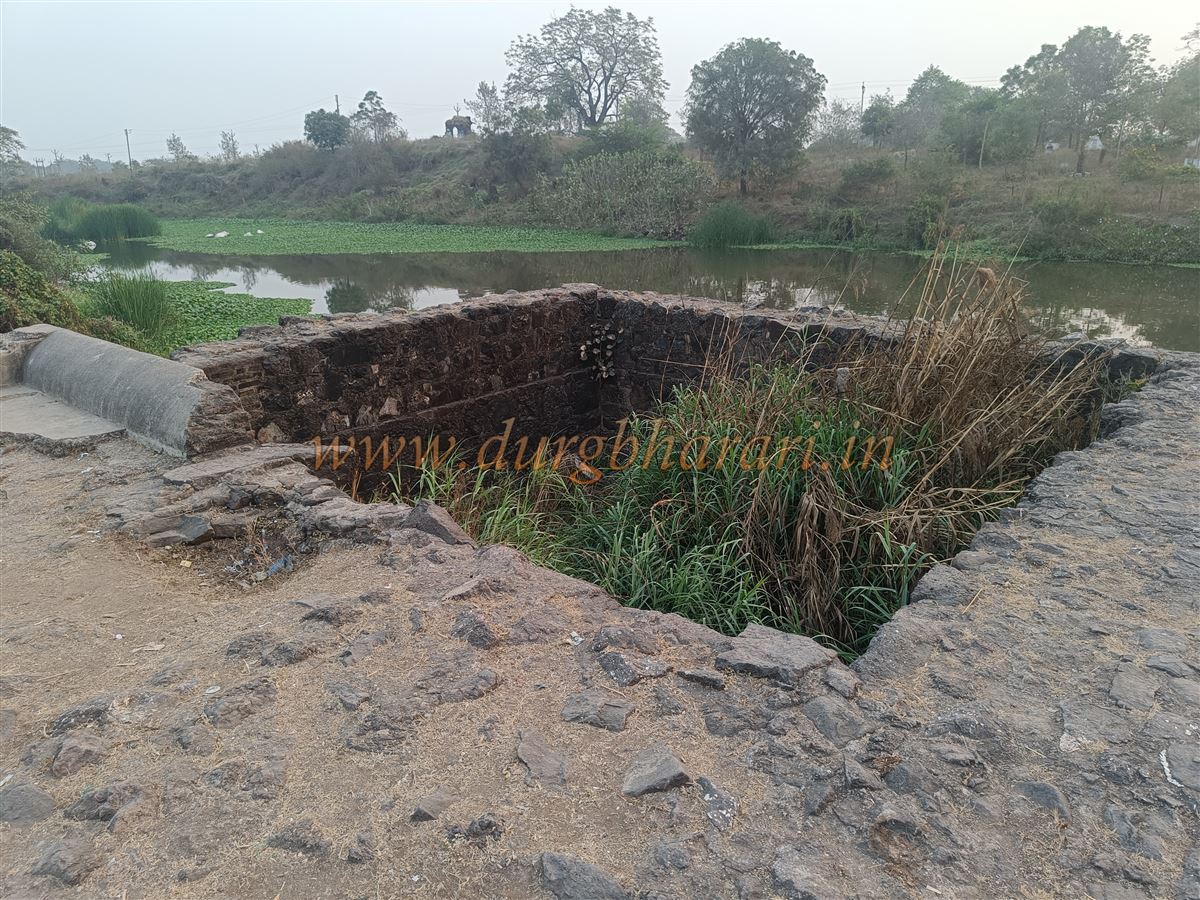
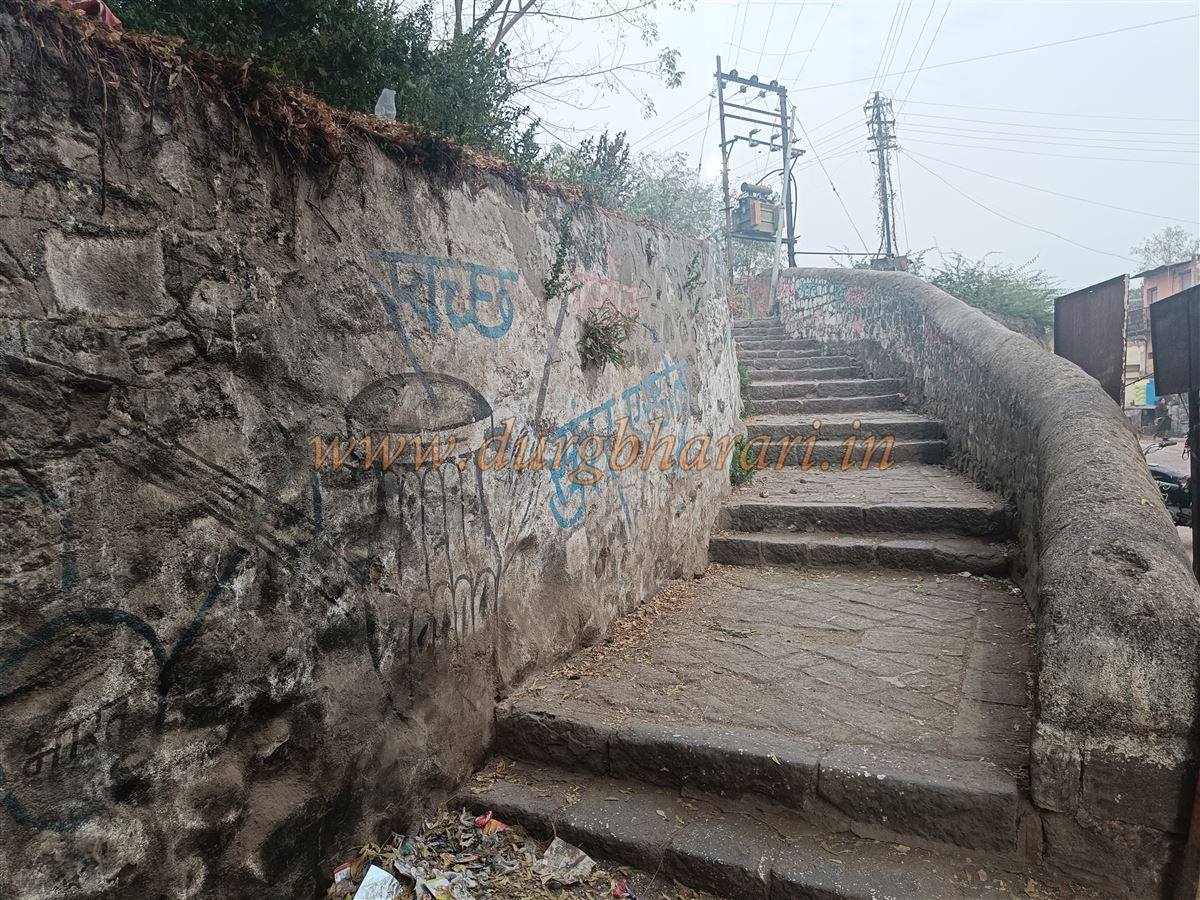
For river entry into the town, there is a stone-paved path called Devgiri Darwaja. This gate is now completely destroyed but some of the adjacent walls and stone path remain. Outside this gate is a medium-sized square pond.
Further, in the town center, is Rangari Khidki (Rangari Window), a small gate with bastions for defense on both sides and stone steps similar to Devgiri Darwaja.
Amalner Darwaja, with a bastion, faces the direction of Amalner town. Other gates—Padmalaya Darwaja, Beldar Darwaja, Kagdi Darwaja—are either ruined or in dilapidated condition in Gandhipura area.
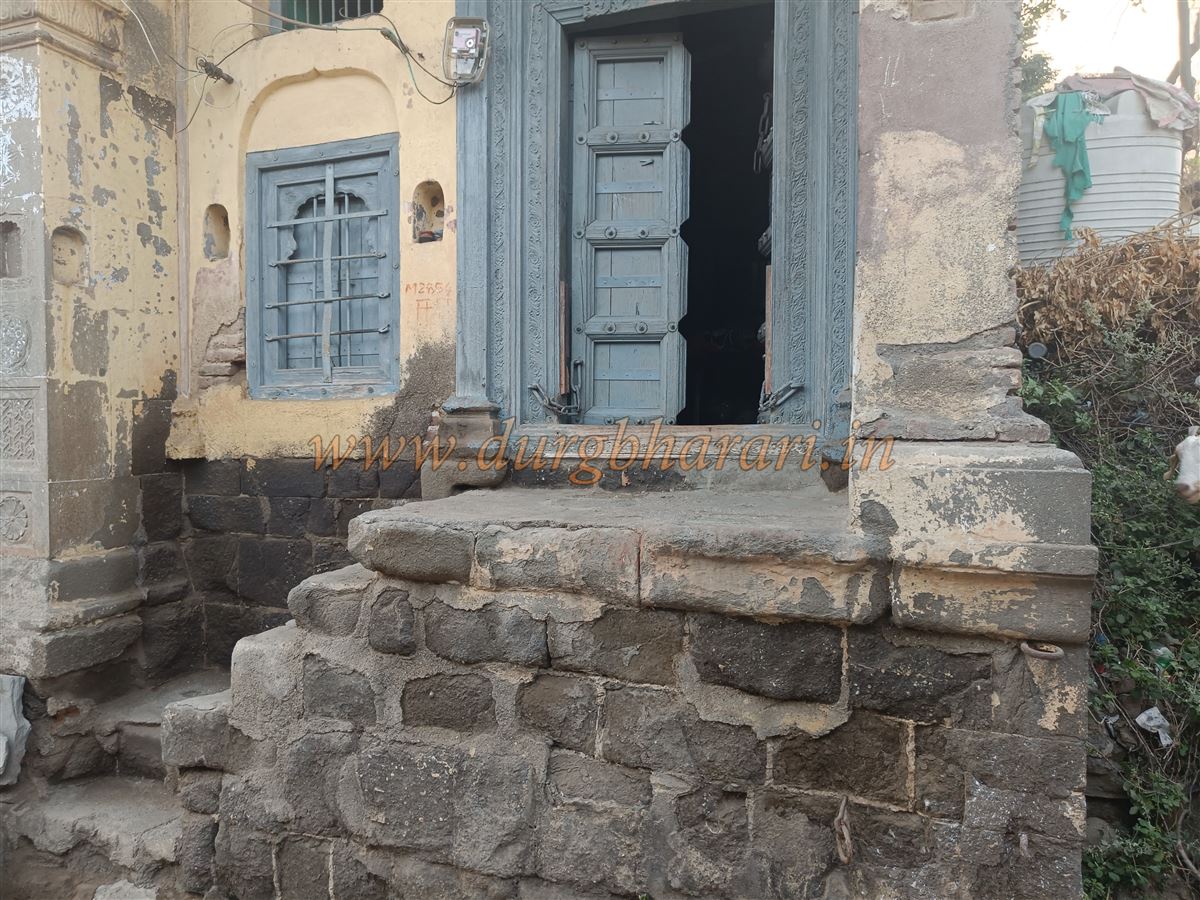
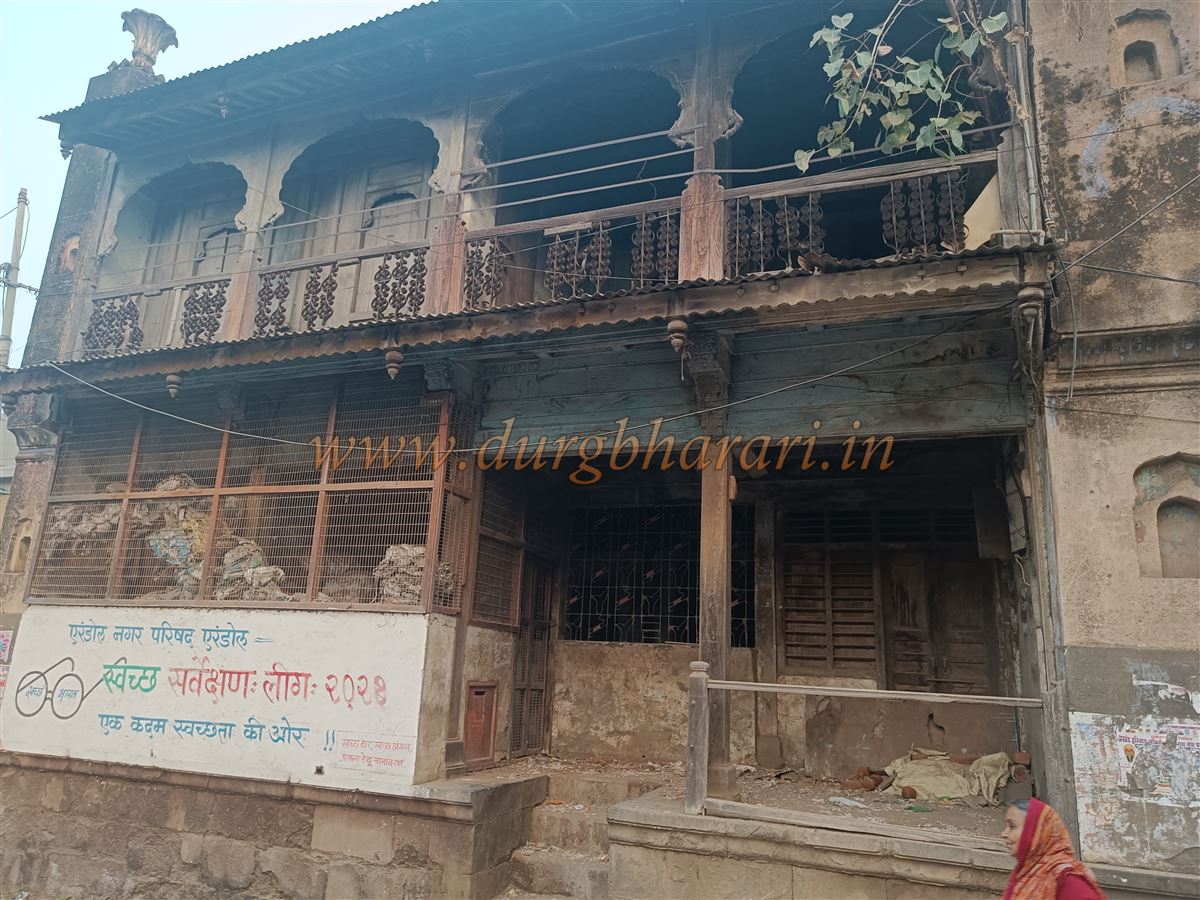
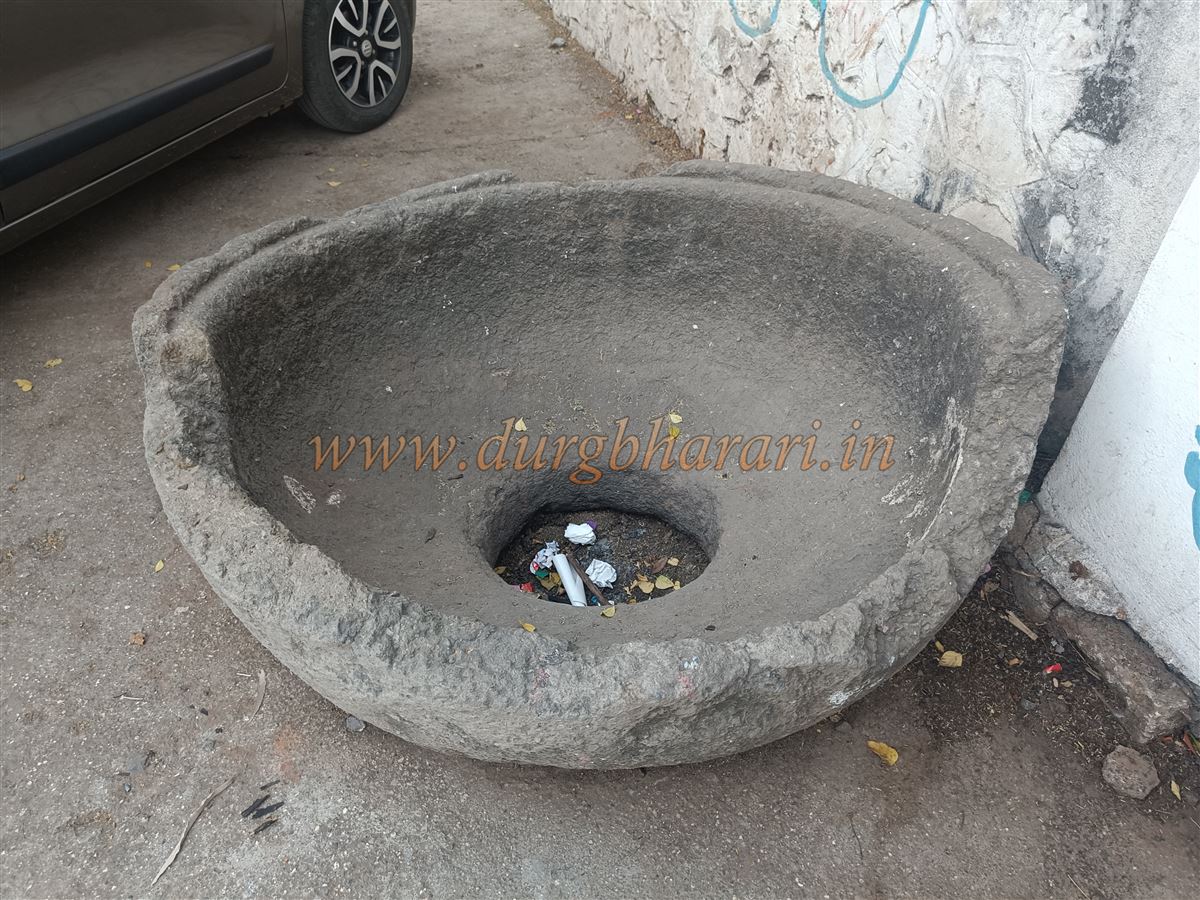
There is a fort (Gadhi) in the town center housing the municipal office. Near this office is a stepped well, and outside the office is a stone slab known as Bhimachi Wati (Bhim’s slab). Stone steps lead out from the fort, guarded by bastions.
Exploring the fort and town takes about one and a half hours.
In 1779, Gulzar Khan caused unrest here, so the Peshwa appointed Ghanasham Trimbak, the local Pargana officer, with 200 horsemen to deal with Gulzar Khan’s threat. During British rule, disputes over land caused tensions between British officers and locals.
© Suresh Nimbalkar
GALLERY